Outdoor Smokers
If you're looking for a way to cook your favorite foods outside, an outdoor smoker is a great option. These smokers are designed to be used on a patio, deck, or other outdoor area. They are easy to use and provide a cooking experience that is fun for the whole family. Here are some great options available.
Sort


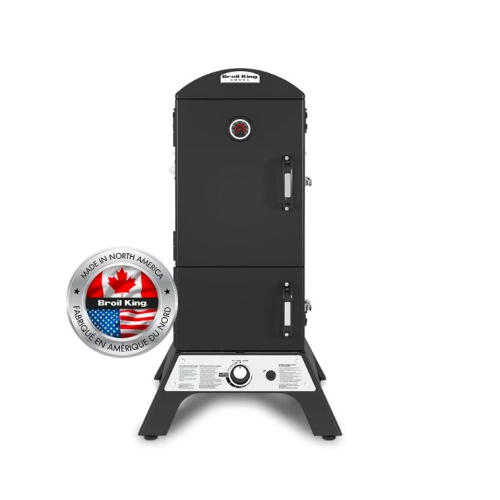


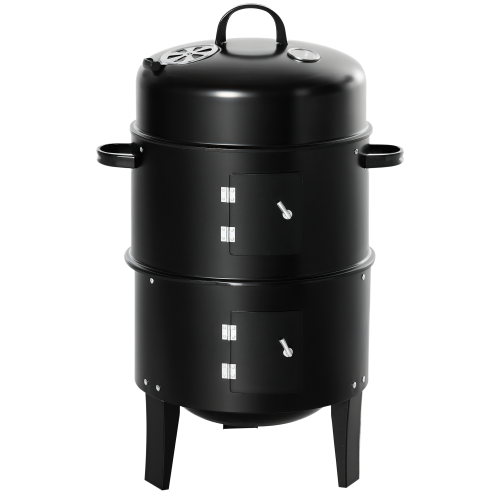


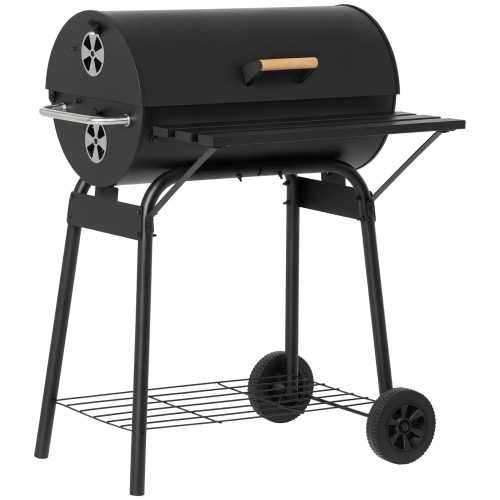
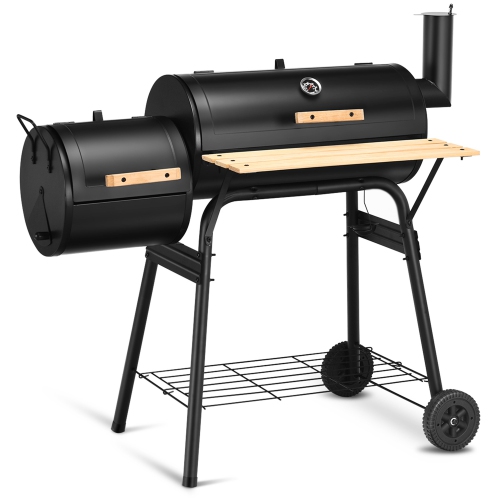

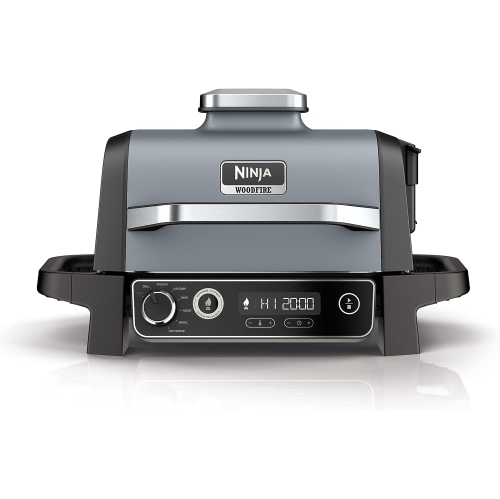


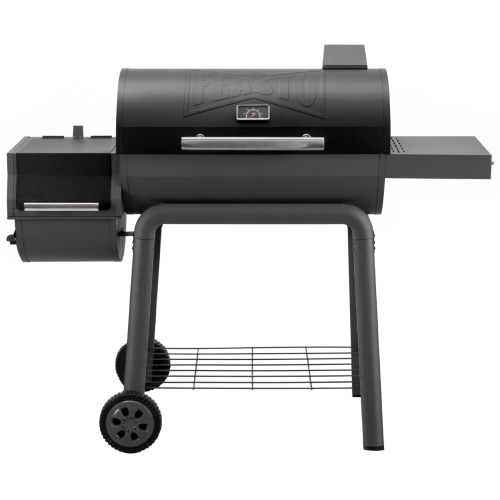

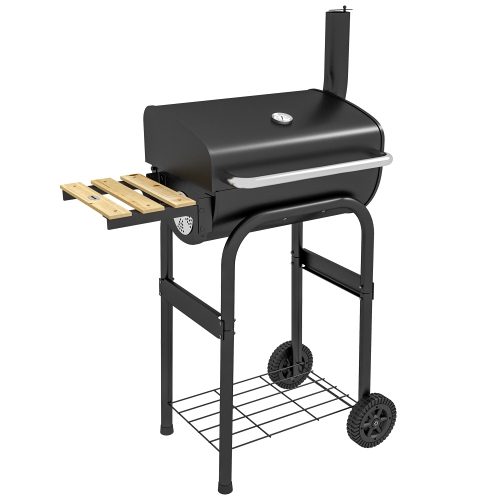


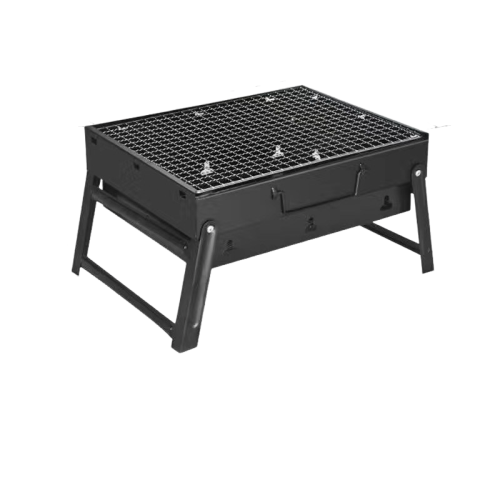








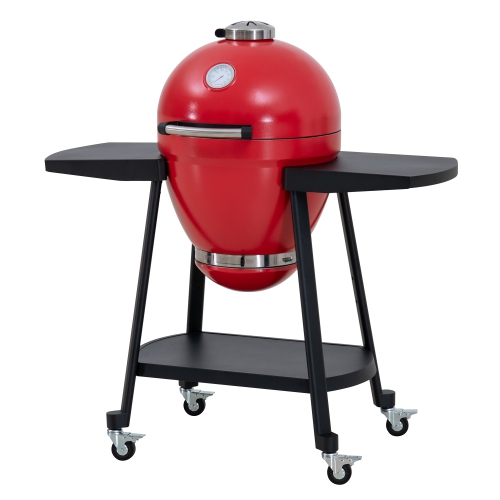
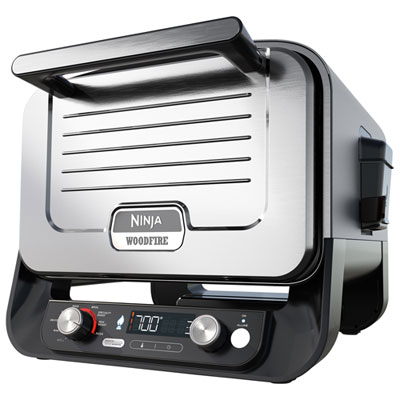


The fuel choices behind tender meat and smoky flavour
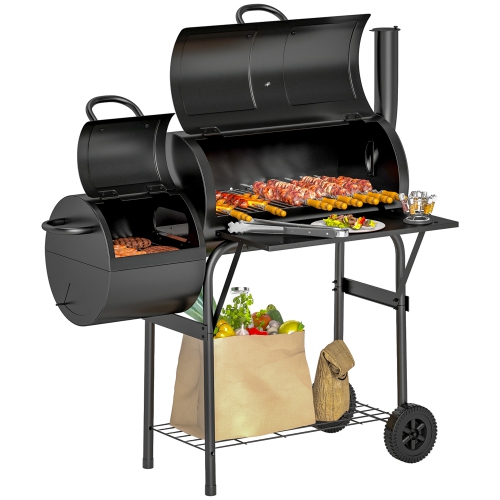
Outdoor smokers cook food with indirect heat and wood smoke, making them well suited to slow-cooked brisket, pork shoulder, ribs, poultry, and other foods that benefit from a longer cooking time. Unlike a grill used mainly for searing over direct heat, a smoker creates a cooking chamber where heat and smoke circulate around the food. The result can include tender meat, a richly coloured exterior, and a smoky flavour that varies with the fuel and wood used. Pellet smokers burn compressed wood pellets, with an electrically powered auger feeding fuel into a fire pot. Digital controls help regulate the cooking temperature, making this style appealing to cooks who prefer less hands-on fire management. Electric smokers use a heating element to provide heat, while wood chips or another designated wood source supply smoke. Their cabinet-style layout often includes several racks, giving home cooks room to separate different foods within a relatively compact footprint. Propane smokers use a gas burner for heat and typically hold wood chips or chunks in a separate tray. Many operate without a household electrical connection, although ignition and control features vary. Charcoal smokers offer a more hands-on approach, with air vents controlling combustion and wood chunks adding smoke. Offset smokers place the fire in a separate chamber beside the cooking area, allowing heat and smoke to travel across the food before exiting through a chimney. These designs reward cooks who enjoy tending the fire and adjusting airflow throughout a cook. Ceramic cookers can also support smoking, using their thick walls to retain heat when configured for indirect cooking. Each style has its own rhythm, from checking a pellet hopper to managing a charcoal bed. Wood choice adds another layer of character: apple and cherry tend to give a gentler flavour, while hickory and mesquite can produce a more pronounced smoke profile. Only fuel and untreated cooking wood approved for the smoker should be used; painted timber, construction offcuts, and treated wood are not cooking fuels.
Size and layout matter as much as fuel type when an outdoor smoker becomes part of a patio or backyard cooking area. Total cooking area provides a useful starting point, but rack dimensions and the space between shelves reveal more about what will actually fit. A long rack of ribs needs sufficient width, a whole turkey needs vertical clearance, and several pork shoulders require enough room for air to circulate around them. Removable or adjustable racks can make a cabinet smoker more flexible, while broad horizontal cooking grates suit larger cuts laid side by side. A compact smoker may suit a household cooking smaller portions, whereas someone who regularly hosts extended family may appreciate more usable cooking space. The overall footprint also includes the room needed to open doors, lift lids, reach a side firebox, and access a hopper or propane cylinder. Outdoor smokers need a stable, non-combustible surface and the clearances specified by the manufacturer, away from buildings, overhead obstructions, and anything that can catch fire. They must not be operated indoors, in a garage, or in an enclosed space. Electric and pellet designs also need a suitable power connection installed and used according to the manufacturer's requirements. Construction affects both day-to-day handling and long-term durability. Heavy-gauge steel can help retain heat, stainless steel offers corrosion resistance, and porcelain-coated components provide a smooth surface that is generally straightforward to clean when the coating remains intact. Ceramic bodies retain heat well but need careful handling because impacts can cause cracking. Well-fitting lids, sound hinges, and replaceable door seals help limit unwanted smoke leakage. Cooking grates should feel sturdy enough to support heavier cuts, and removable drip trays or ash pans simplify cleanup. Locking castors can make a larger unit easier to position, while stable legs and comfortable handles matter whenever doors or lids are opened. Useful features include accessible vents, readable controls, grease collection, and food-probe connections. A separate food thermometer remains important for checking doneness, even when a smoker displays the cooking chamber temperature.
Living with an outdoor smoker involves more than the cooking session itself, so accessible cleaning points and straightforward fuel handling are worth considering. Grease trays and drip pans collect residue that should be removed regularly to reduce the risk of flare-ups, while charcoal ash needs to cool completely before disposal in a suitable non-combustible container. Grates benefit from cleaning appropriate to their material, followed by thorough drying. Abrasive tools can damage certain coatings, and cleaning methods should follow the manufacturer's care instructions. Pellet hoppers and fuel supplies need to stay dry, and gas connections require inspection and leak checks as directed by the manufacturer. A properly fitted cover can help protect a fully cooled, clean smoker between uses, but trapped moisture should not be left against metal surfaces. These habits help preserve finishes, keep moving parts working smoothly, and make the next cook easier to begin. Intended use also shapes the right choice. Someone new to smoking may value clear controls, easy access to the food, and uncomplicated cleanup, while an experienced barbecue enthusiast may prefer direct control over fuel, airflow, and fire placement. A smoker can be a thoughtful gift for a home cook who enjoys hosting or experimenting with different cooking techniques, provided its size, fuel requirements, and outdoor placement suit the recipient's home. Beyond familiar barbecue cuts, suitable recipes can include salmon, vegetables, and other foods cooked within the appliance's capabilities. A tray of mushrooms can take on a savoury smoke note, while a pork shoulder cooked slowly can become the centre of a shared meal. Even automated smokers need regular checks, sufficient fuel, and attention to safe food handling; digital controls do not remove the need for supervision. For a welcoming gathering space, Outdoor Seating can complement the cooking area while keeping guests comfortably separate from hot surfaces and the smoker's required clearances. A practical layout leaves room to carry platters, reach utensils, and serve food without crowding the cook.
Top selling and popular products
-
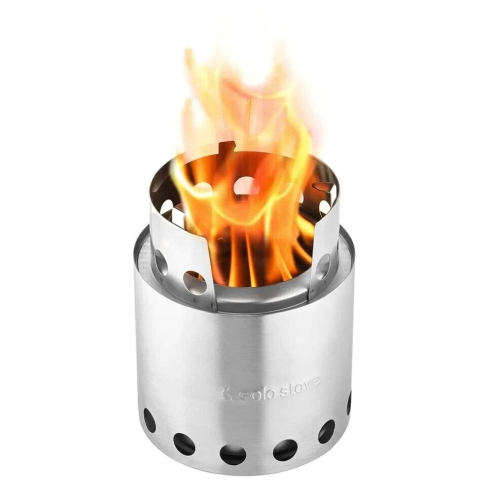 Your price for this item is $99.99
-
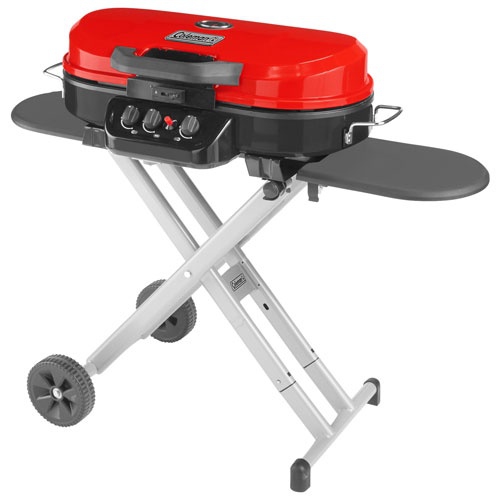 Your price for this item is $513.99
-
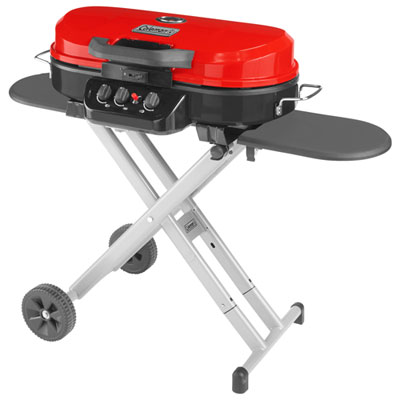 Your price for this item is $349.98
-
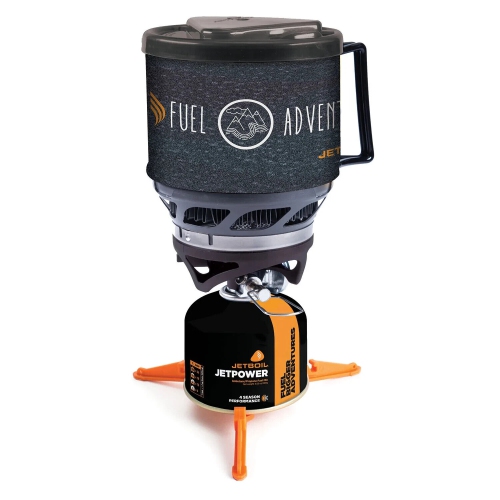 Your price for this item is $209.95
-
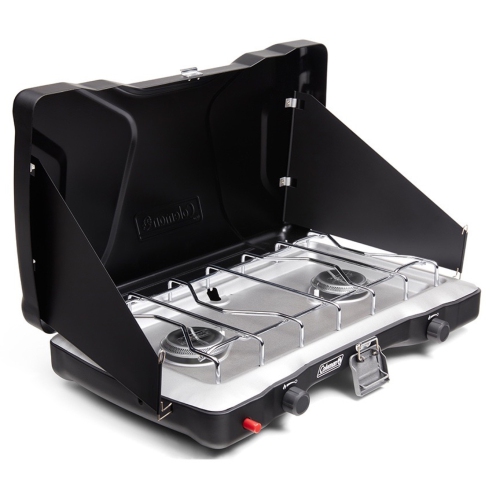 Your price for this item is $143.99
-
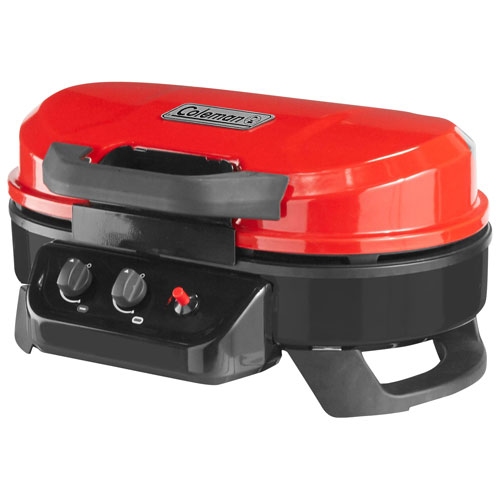 Your price for this item is $299
-
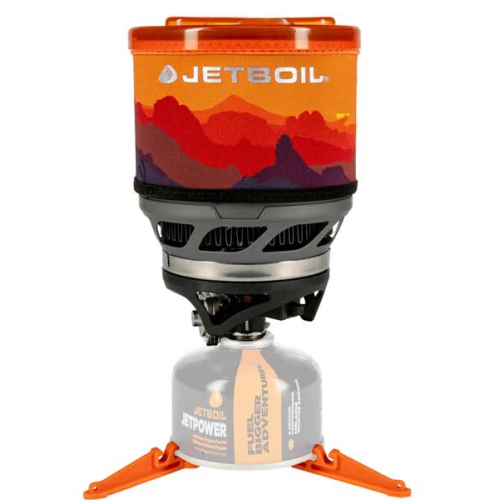 Your price for this item is $209.95
-
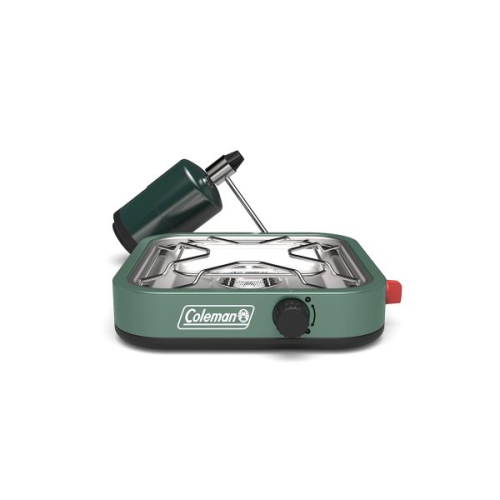 Your price for this item is $111.99
Discover more categories related to Outdoor Smokers

Top Collections:
Pokemon Centers, Kindle Devices, Best Budget Office Chairs, Canon G7X Cameras, Apple iPhones 16, Samsung Galaxy Phones, Refurbished Apple Laptops, Laptops for Students, iPhone 15 Apple, Budget Smartphones
Some products may be subject to Environmental Handling Fees
(EHF) depending on your province.
Learn more about EHFs.