Home Theater LED Strip Lighting
Home Theater LED Strip Lighting transforms your entertainment space with vibrant illumination that enhances the overall viewing experience. Perfect for creating a personalized ambiance, these lighting solutions add style and flair to any home theater setup. Whether you're hosting movie nights or enjoying your favorite shows, Home Theater LED Strip Lighting provides a dynamic backdrop that complements your screen and decor. Discover a variety of options designed to fit different layouts and preferences, making it easy to customize your home theater environment.
Sort








Why a soft glow works behind your TV
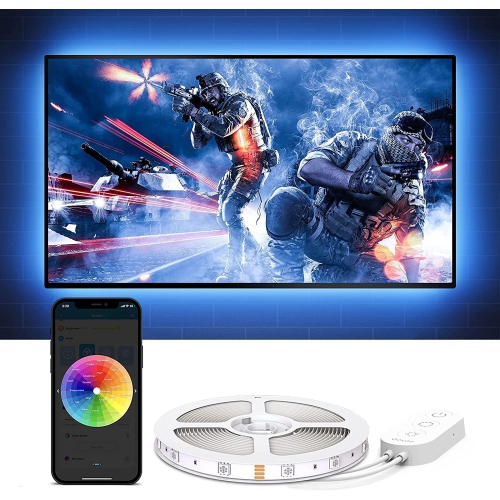
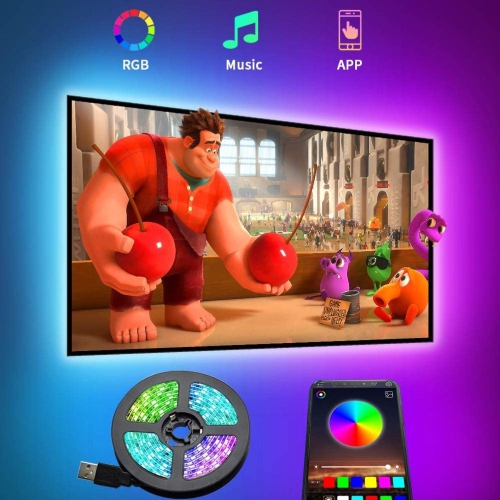
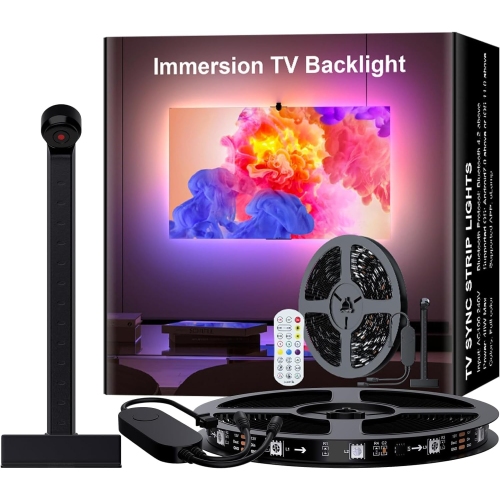
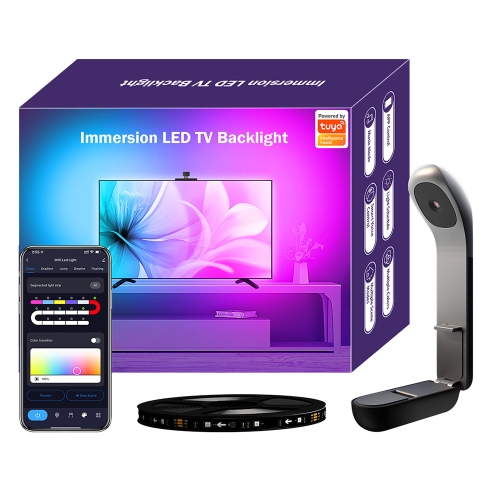
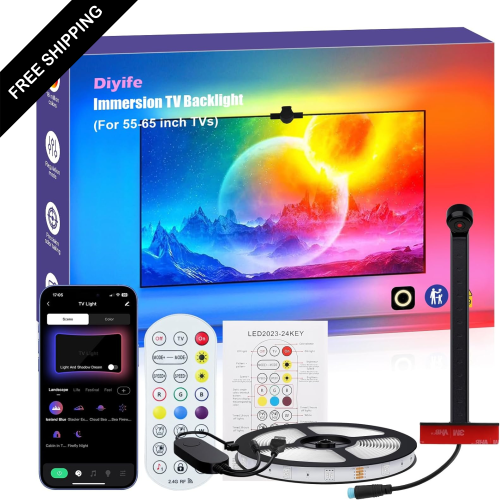
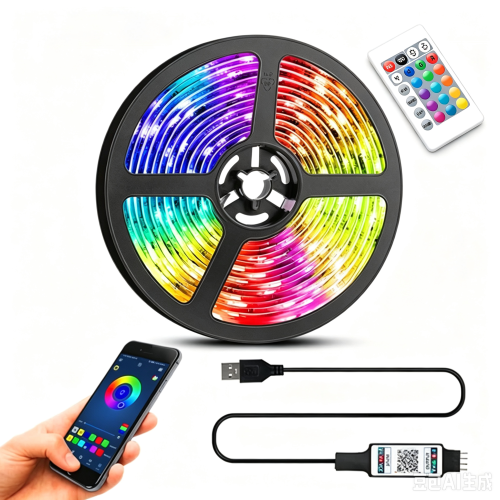
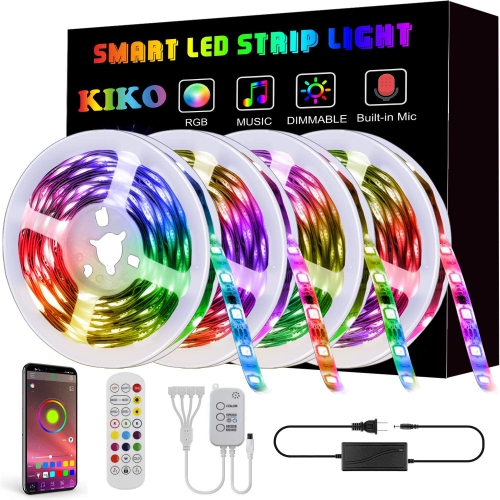
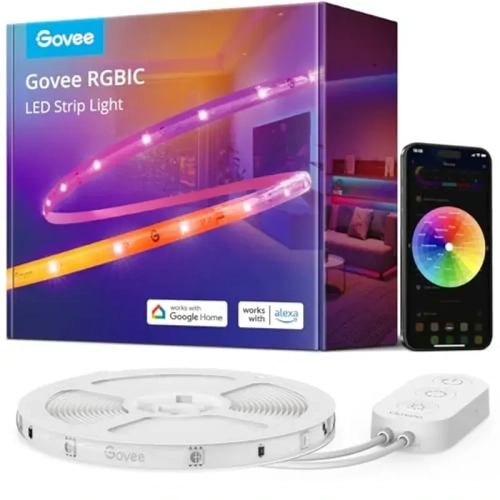
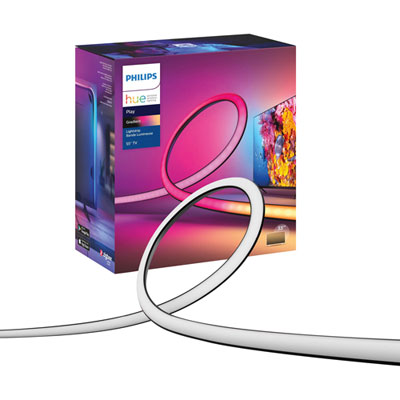
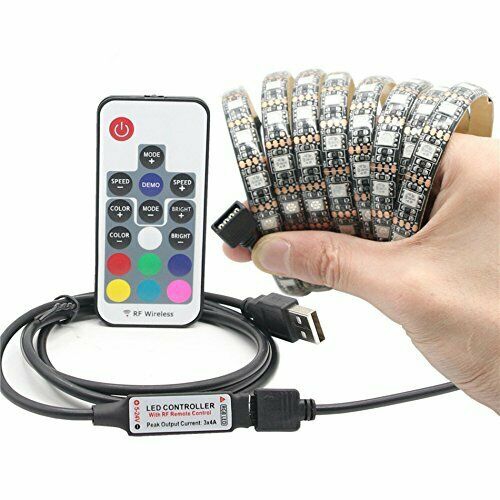
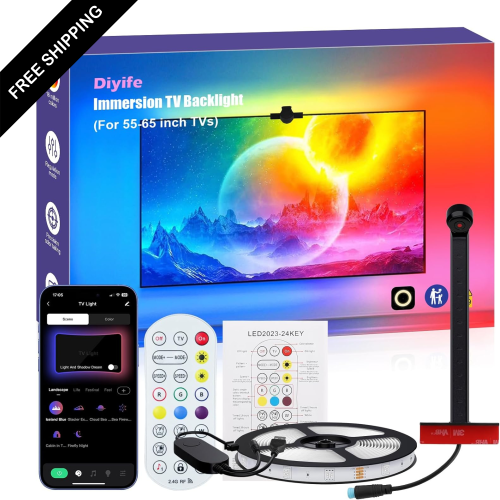
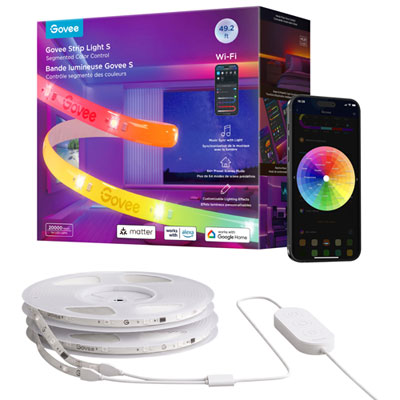
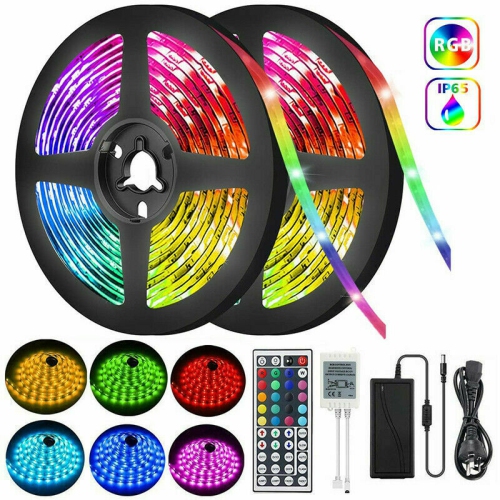
Home theatre LED strip lighting adds a soft glow behind a TV, along a media cabinet or beneath a row of seats without the glare of a lamp near the screen. Behind a television, this setup is often called bias lighting. The strip faces the wall rather than the viewer, so the light softens the difference between a bright picture and a dark room. That can make long viewing sessions feel more comfortable and help dark areas of the picture appear deeper, though it does not change the screen’s actual contrast. A dim, neutral white glow is a good fit for film nights when accurate-looking colours matter, while a strip with adjustable colours can give a game room or screening space a different look without changing the room lighting. A strip that displays one colour at a time creates an even backdrop; a gradient strip can show several colours along its length for a blended effect. Screen-synced lighting goes a step further by changing colours with the picture, so a blue ocean scene can cast a blue glow onto the wall. Compatibility matters here: some setups use a camera to read the screen, while others use a compatible TV integration or an HDMI sync device. An HDMI device may follow a console or streaming player connected through it but not the apps built into the television. Music sync is a separate feature that reacts to sound rather than the image. A steady setting often suits a quiet drama better than a glow that changes with every cut, while a subtle colour effect can feel at home behind a gaming screen. In a projector room, strips beneath furniture or along the back wall can help people see where they are walking without throwing light onto the projection surface and washing out the picture.
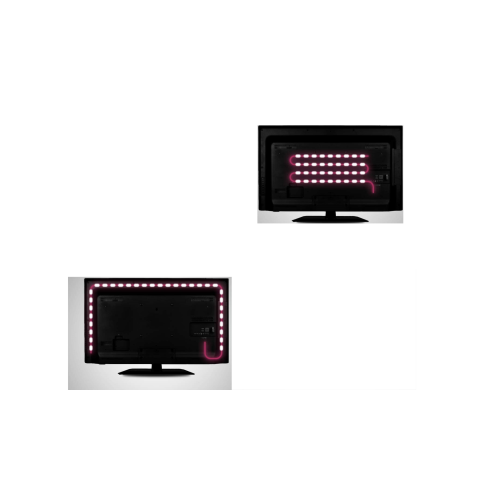
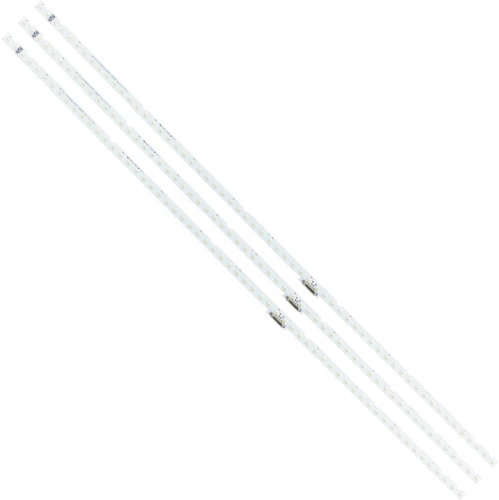
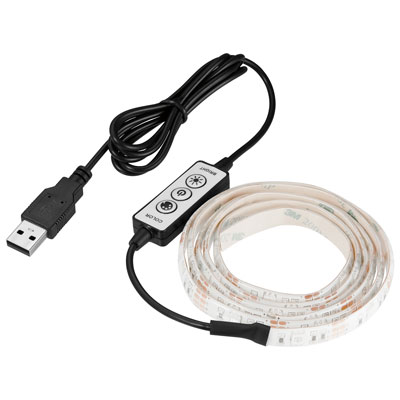
Fit and finish make a noticeable difference, especially when the room is dark enough for every bright spot to stand out. A flexible LED strip has small lights mounted along a bendable circuit, often with adhesive backing. Some have a clear or frosted sleeve that protects the strip from dust and handling, while others can sit inside an aluminum channel with a frosted cover to soften the look of individual LEDs. A channel is particularly useful along an exposed cabinet edge; behind a wall-mounted TV, the wall itself can spread the light. The same strip can look quite different from one room to the next. A pale, matte wall tends to spread light evenly, a dark wall absorbs more of it, and a glossy surface may reflect bright points. A TV mounted close to the wall can produce a narrow outline, while a little more space lets the glow spread farther. Strip length is best matched to the path it will follow rather than the diagonal size of the screen. A television on a stand might need light along the top and sides, whereas a wall-mounted screen may have room for a glow along all four edges. Corners matter, too: flexible strips can follow gentle curves, but a sharp fold can damage the circuit. Some strips can be trimmed at marked points or joined with compatible corner connectors; others are designed to stay at their original length. Behind a cabinet or screen, a clean, dry surface helps the backing hold, while a mount or channel can be a better fit where adhesive is unlikely to grip. It helps to leave vents clear and keep cables away from hinges or points where furniture might pinch them. Power needs vary with strip length and features. A short strip may run from a compatible USB port, while a longer run may need its own power adapter. Keeping the plug and controller within reach makes it easier to shut off the lights or move the furniture later.
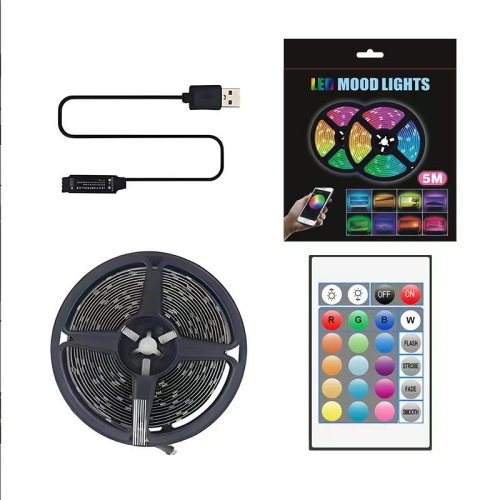
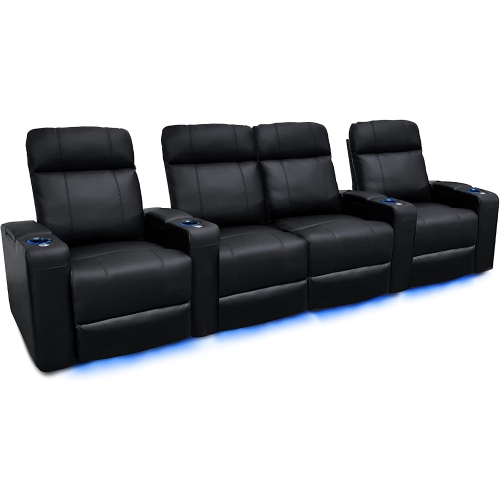
Controls help the lighting fit the way the room is used. In a shared family room, a physical remote makes it easy for anyone to turn down the glow without reaching for a phone. App controls can make it easier to save a low white setting for films and a brighter colour setting for games, while voice control depends on compatibility with the devices already in the room. The useful details are often simple: a strip that dims low enough for dark scenes, turns off when the TV powers down if the setup supports it, or remembers its last setting after being switched off. Placement can matter just as much as controls. A strip beneath a console can pick out the edge of a cabinet in a dark room, but keeping the LEDs out of the direct line of sight prevents little points of light from competing with subtitles. In a room furnished with Home Theater Seating With LED Lights, dimmable strips behind the screen can complement the lower glow around the seats without making the whole room equally bright. For routine care, a soft, dry cloth can lift dust from an accessible strip or channel once it is switched off and unplugged. Avoid tugging on corners or pulling on the cable when moving a cabinet, since repeated strain can loosen the backing or damage a connection. Strip lighting can make a thoughtful housewarming gift for someone setting up a media room, or a practical addition for a film fan or gamer who already has a screen they like. For a gift, straightforward controls and a flexible mounting layout can be more useful than screen syncing if the recipient’s equipment is unknown. A quiet glow behind the picture can be enough to give an ordinary living room the feel of a dedicated viewing space.
Top selling and popular products
-
 Your price for this item is $34.99
-
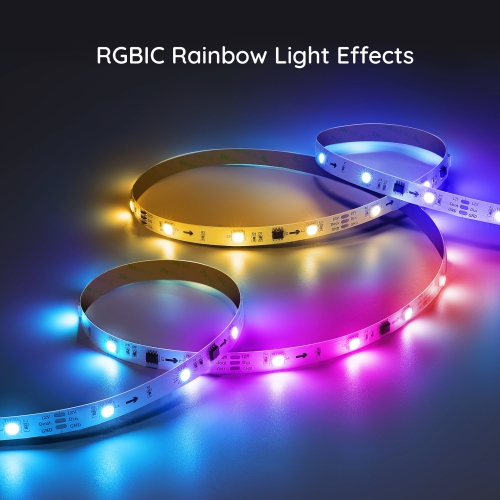 Your price for this item is $46.99
-
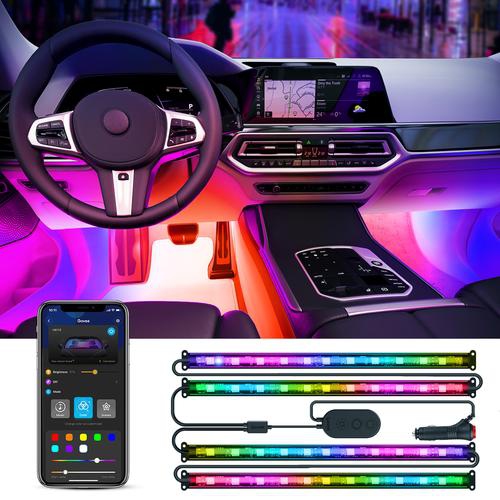 Your price for this item is $59.99
-
 Your price for this item is $9.97
-
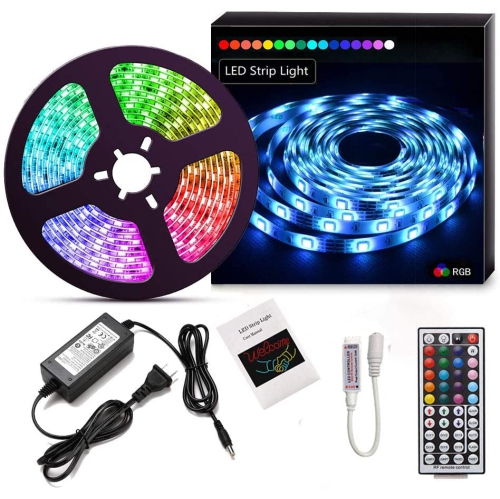 Your price for this item is $16.99
-
 Your price for this item is $12.99
-
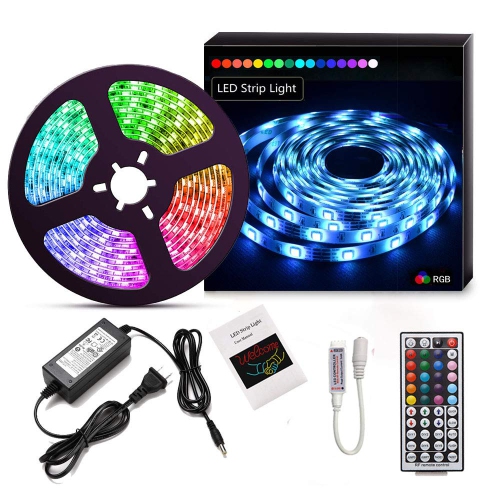 Your price for this item is $26.96
-
 Your price for this item is $38.96
Discover more categories related to Home Theater LED Strip Lighting

Top Collections:
Best Black Friday Deals This Year, Best Black Friday Deals On Electronics, Kindle Devices, Pokemon Centers, Best Black Friday Deals On Apple Products, Best Cameras for Sports Photography, Dyson Airwrap, Pokémon 30th Celebration Cards, Apple iPhone 17 Pro, Canon G7X Cameras
Some products may be subject to Environmental Handling Fees
(EHF) depending on your province.
Learn more about EHFs.