Home Theater Lighting
Enhance your home entertainment experience with our selection of home theater lighting solutions. Create the perfect ambiance for movie nights, gaming sessions, or simply relaxing with loved ones in a space that is both functional and stylish. From customizable LED strips to smart lighting systems, we offer a range of options to suit your preferences and elevate your viewing environment to new heights. Whether you prefer subtle mood lighting or vibrant color effects, our home theater lighting collection has everything you need to transform your living room into a cinematic retreat.
Sort


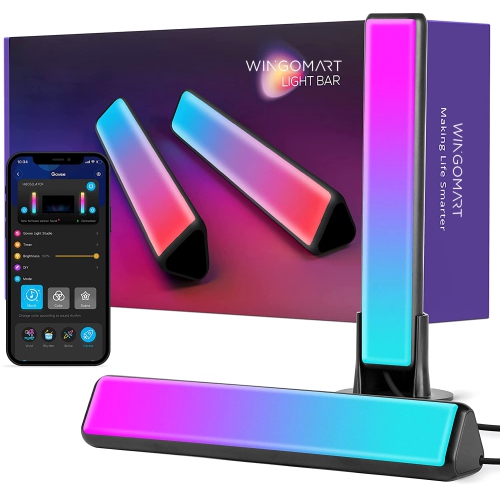

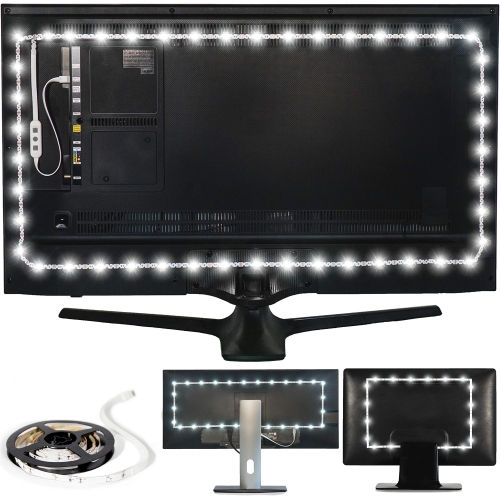

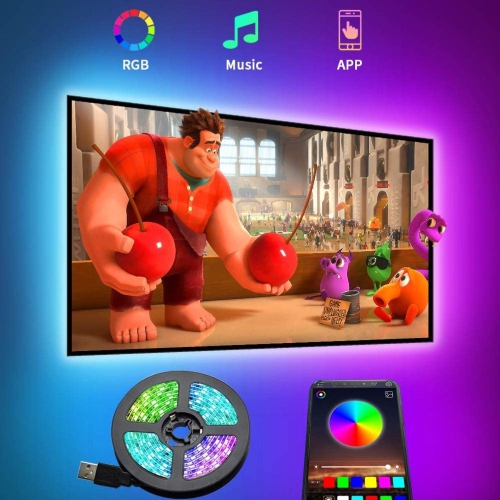

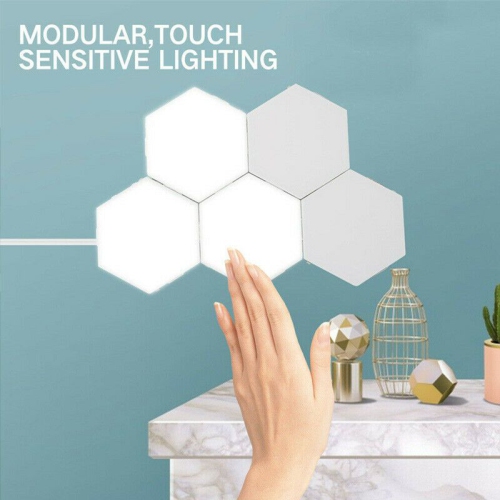
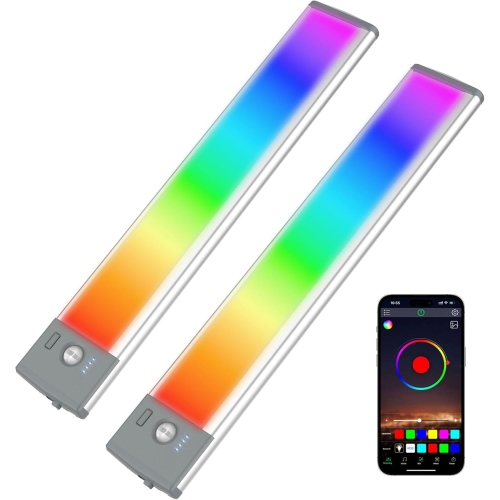

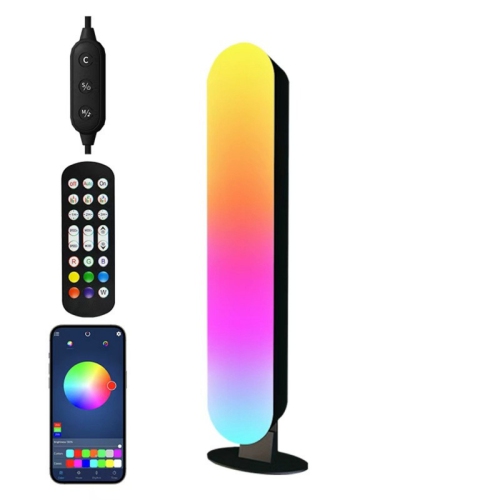
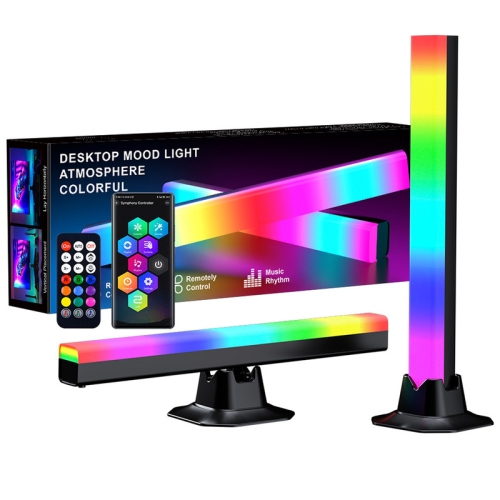
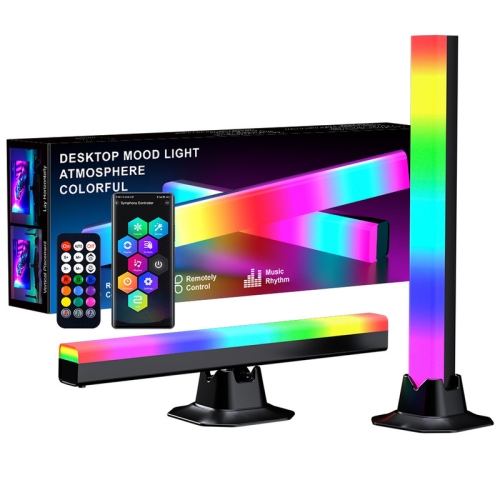
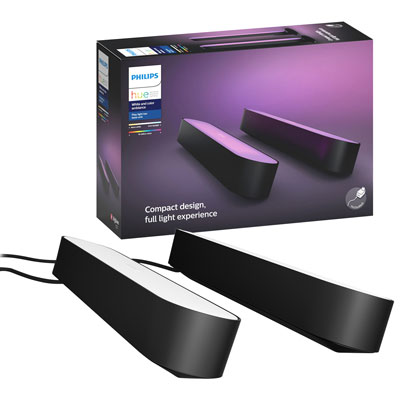


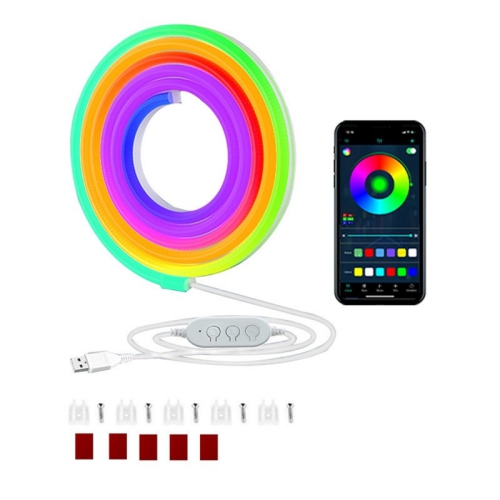
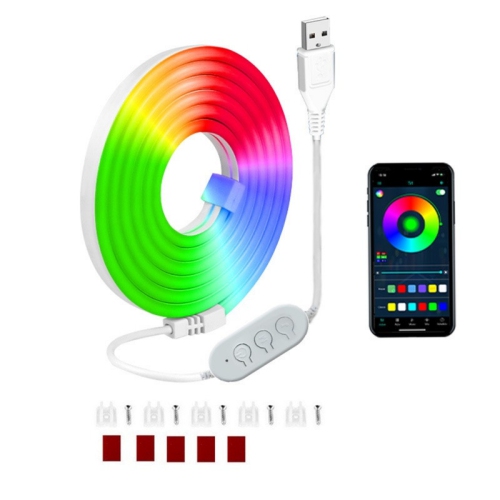

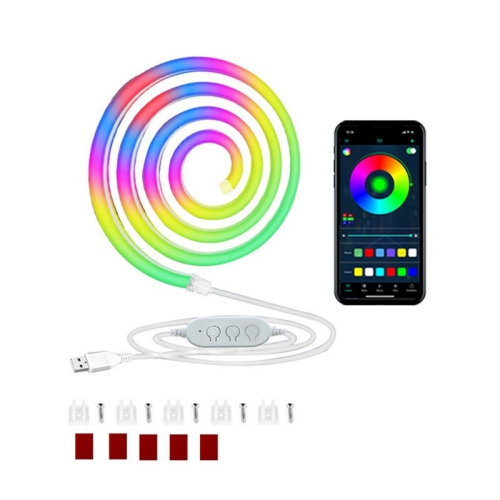
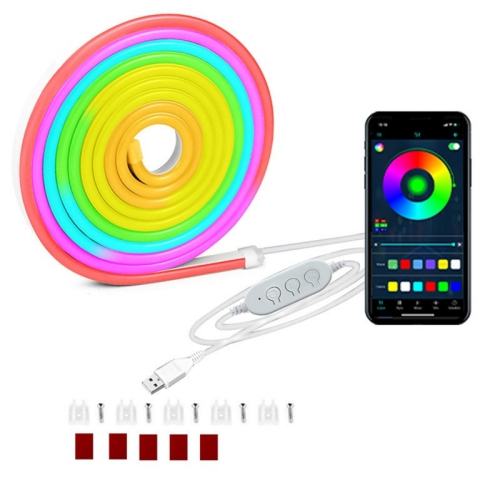
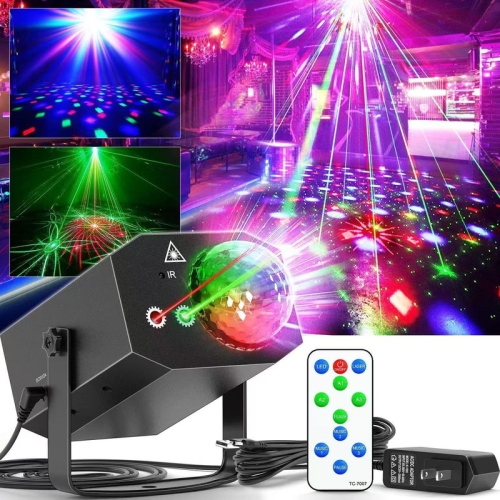
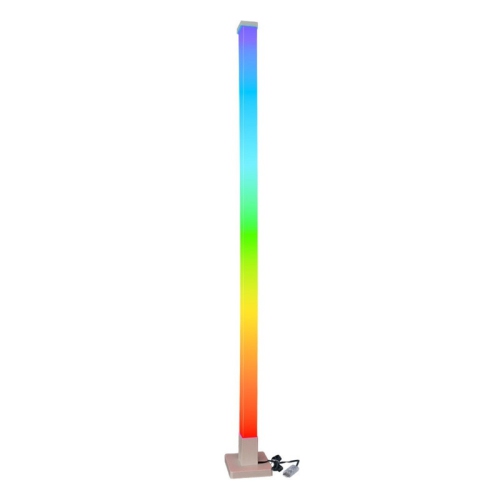
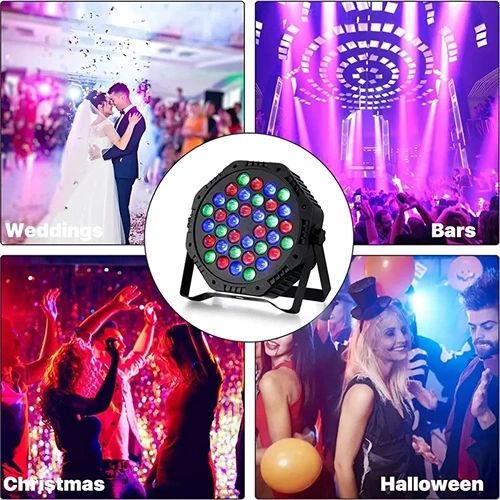
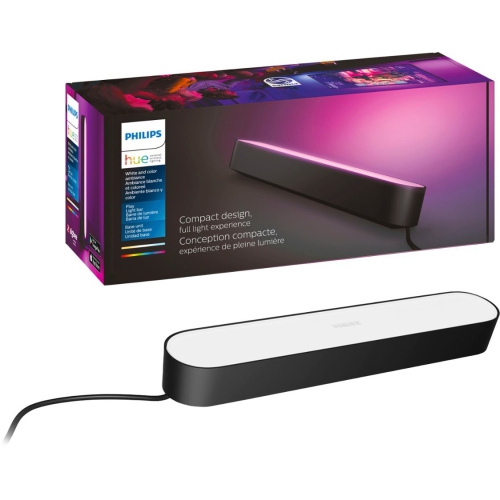
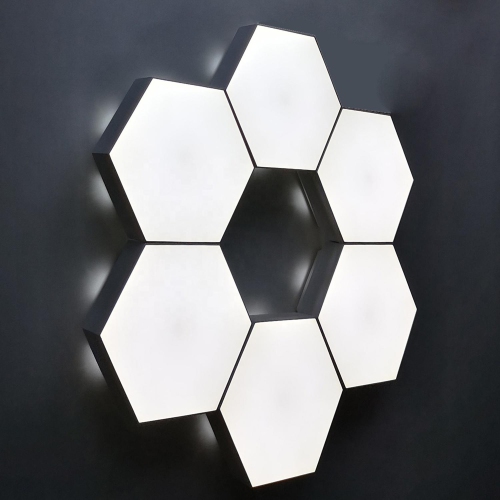

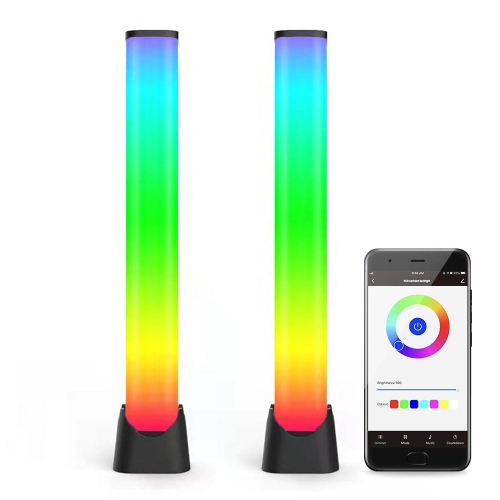

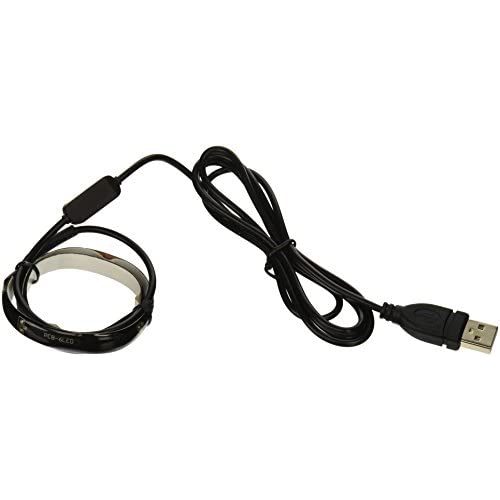
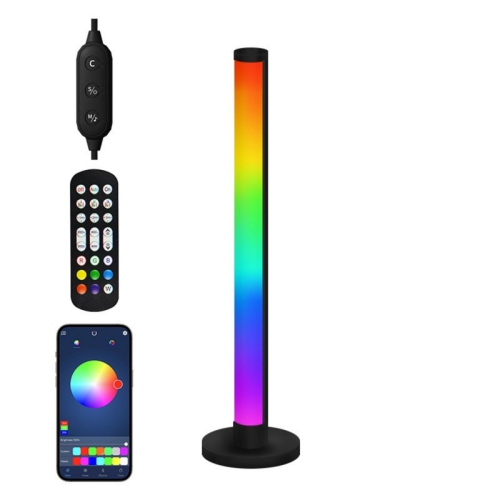
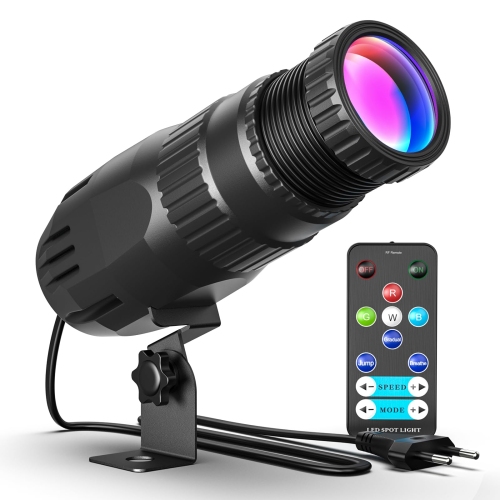
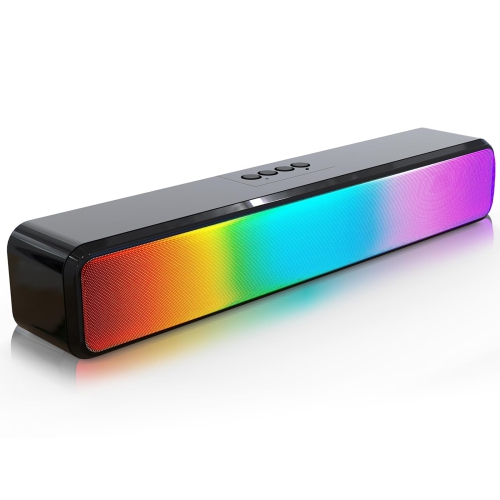
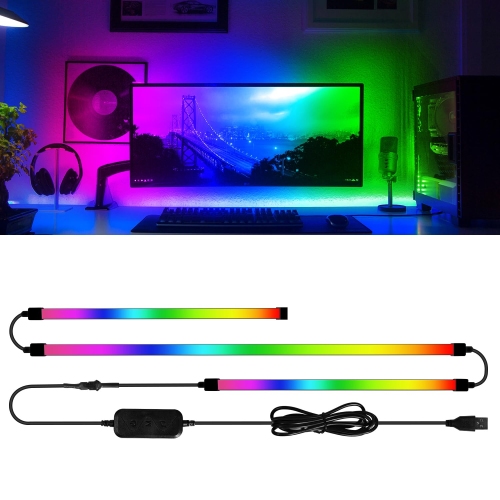
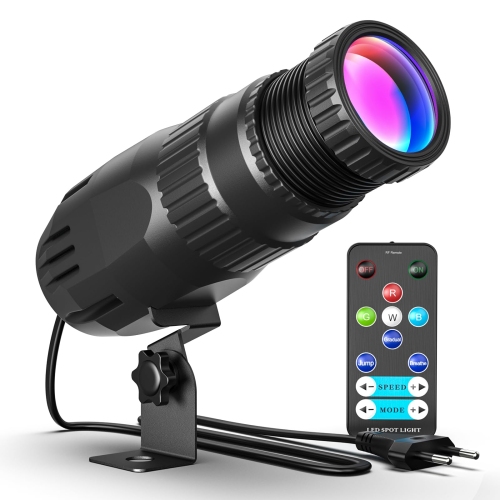
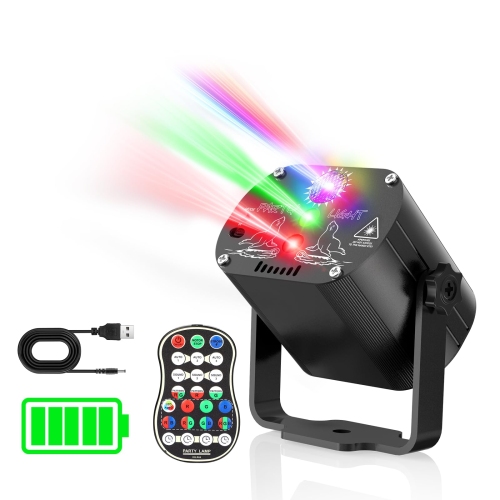


Layered lighting that keeps attention on the screen
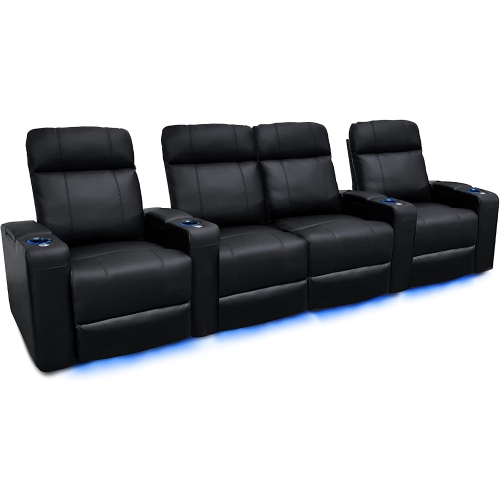
Home theatre lighting combines ambient, task, and accent lighting to support screen viewing while keeping the room comfortable and practical. Ambient lighting provides general illumination for entering the room, finding a seat, or tidying up after a film. Task lighting serves a particular purpose, such as illuminating a side table, a remote control, or the pages of a book beside someone watching television. Accent lighting adds definition around a screen, along shelving, or beneath furniture without needing to brighten the entire space. These layers work best when they can be controlled separately: overhead lights may be useful before the opening scene, while a gentle glow behind the television and a low-level light near the doorway can remain on during playback. Dimmable ceiling fixtures, wall sconces, table lamps, and LED light strips each contribute something different to that balance. Placement matters as much as brightness. A light reflected in a television screen can obscure darker scenes, while light falling directly onto a projection screen can reduce perceived contrast. Fixtures positioned outside the screen’s reflection path, with shades or diffusers that conceal bright light sources, help keep attention on the picture. Reclining seats also change viewing angles, so a bulb that looks comfortably shielded from the doorway may be distracting from a leaned-back position. Behind-screen lighting creates a soft outline on the wall rather than shining towards the viewer. Neutral white light is a restrained option for film viewing, while adjustable colours can add personality to gaming sessions or casual entertainment. Strongly coloured light near the screen can influence how picture colours appear, making independent colour and brightness controls useful. A dedicated cinema room may favour subtle, concealed illumination, whereas a living room that doubles as a viewing space often benefits from flexible lighting that also suits conversation, reading, and everyday activities. The result is less about making every surface glow and more about giving each part of the room an appropriate level of light.
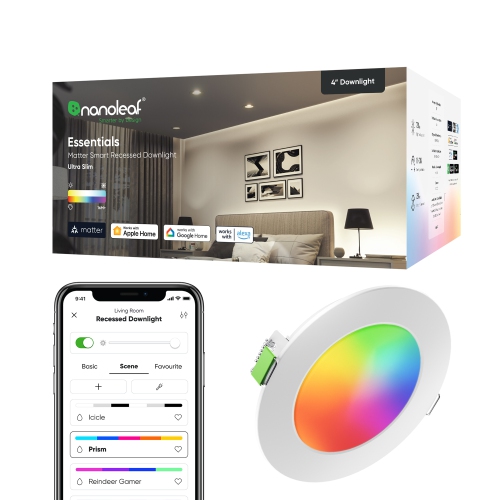
The size, layout, and finishes of a room influence which lighting formats fit naturally. Low-profile ceiling fixtures can keep a compact space feeling uncluttered, and home theatre recessed lighting offers a discreet option where the ceiling construction and electrical installation allow it. Recessed fixtures differ in mounting requirements, trim dimensions, beam spread, and permitted contact with insulation, so compatibility with the ceiling matters beyond appearance. Hardwired installations and changes to household wiring are work for a qualified electrical professional. Wall-mounted lighting leaves tables free, but fixture depth and projection deserve attention beside narrow walkways or reclining furniture. Portable lamps provide flexibility in multipurpose rooms, provided their bases remain stable and cords stay clear of footpaths and moving seat mechanisms. Light strips suit concealed locations such as the back of a television, the underside of a media cabinet, or a shelving recess. Their usefulness depends on the available mounting surface, distance to a suitable outlet, and whether the strip can be cut or extended according to its specifications. Channels with diffusers can soften visible points of light and give exposed installations a more finished appearance. Metal housings, plastic bodies, and glass or acrylic diffusers offer different combinations of weight, finish, and handling requirements. Matte finishes can be less visually distracting near a screen than highly reflective surfaces, while enclosed light sources may be easier to live with around frequently used seating. Durability also depends on proper mounting, suitable ventilation, and use within the fixture’s stated ratings. Adhesive-backed lighting needs a compatible, clean surface, and textured walls or certain finishes may require another mounting method. For routine care, accessible shades and smooth housings make dust removal simpler. Cleaning methods should follow the manufacturer’s directions, with power disconnected where specified and moisture kept away from electrical components. Lighting and its power supplies also need appropriate clearance from receivers, consoles, and other equipment that releases heat.
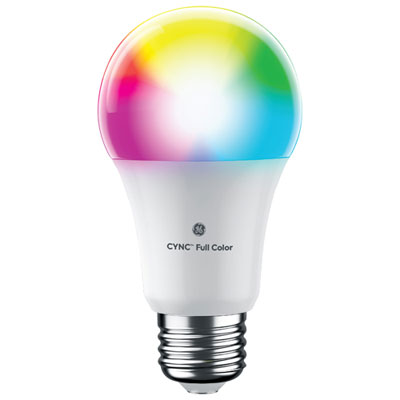
Control options determine how easily home theatre lighting fits into daily use. A straightforward dimmer or remote may be enough for a single viewing area, while separately controlled zones offer more flexibility in a larger room. A film setting might lower the main lights while leaving a gentle glow along the route to the door; a reading setting could brighten one seat without illuminating the screen wall. Smart lighting can bring several adjustments together in a saved scene, although app control, voice control, scheduling, and entertainment synchronization vary by system. Wi-Fi requirements, compatible smart home platforms, and any need for a separate hub are important distinctions, especially when adding lighting to an existing setup. A physical switch or accessible remote remains useful for guests and household members who prefer not to use an app. Dimming compatibility deserves equal attention: not every LED bulb works with every dimmer, and mismatched components can cause flickering, buzzing, or a limited adjustment range. Brightness ratings describe light output, while colour temperature describes whether white light appears warmer or cooler; neither alone indicates how comfortable a fixture will feel from a particular seat. Adjustable white lighting can accommodate both relaxed viewing and brighter everyday tasks without relying on saturated colours. Screen-reactive lighting offers a different experience, extending changing colours around the display for compatible content and equipment. That effect may appeal to gamers and viewers who enjoy a more animated setup, while independent static lighting suits those who prefer fewer distractions. Shared spaces benefit from controls that allow either approach without changing the entire room. For gift recipients, lighting can be a thoughtful addition to a film enthusiast’s media room, a gamer’s setup, or a new household’s entertainment area when the installation needs and device compatibility are understood. Across these uses, easy access to controls, restrained brightness near the screen, and enough illumination to move around safely help make the room welcoming before, during, and after the entertainment.
Top selling and popular products
-
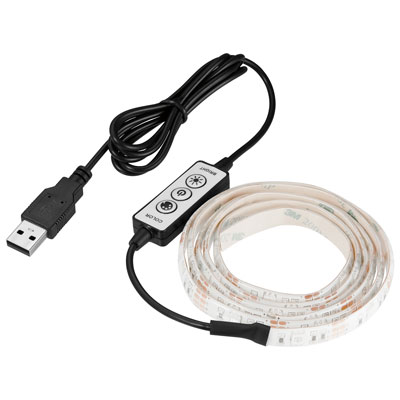 Your price for this item is $34.99
-
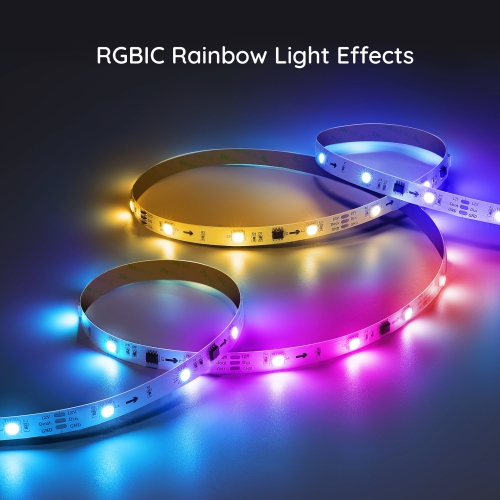 Your price for this item is $46.99
-
 Your price for this item is $59.99
-
 Your price for this item is $9.97
-
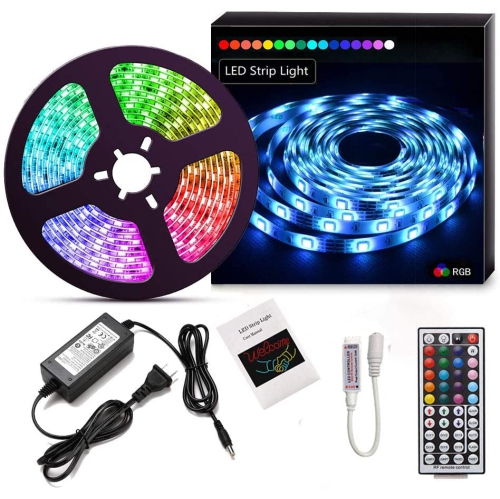 Your price for this item is $16.99
-
 Your price for this item is $12.99
-
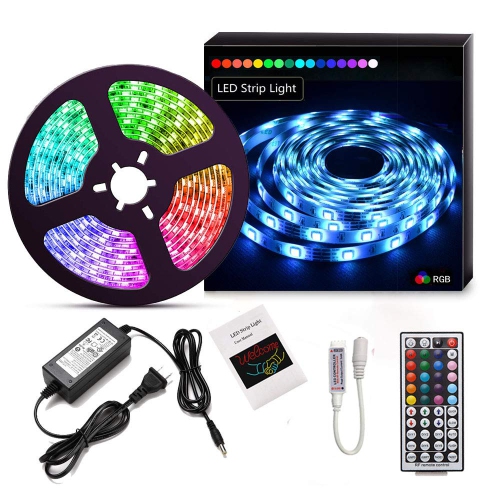 Your price for this item is $26.96
-
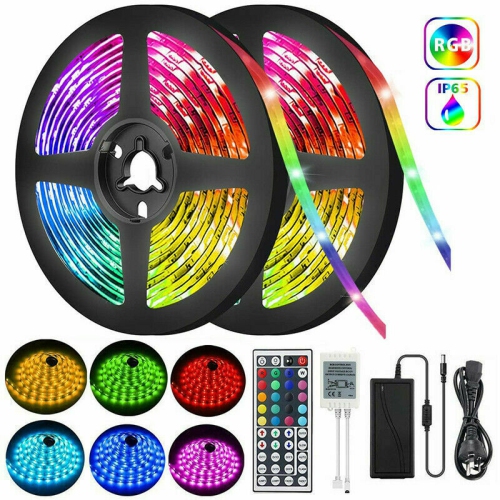 Your price for this item is $38.96
Discover more categories related to Home Theater Lighting
Top Collections:
Best Black Friday Deals This Year, Best Black Friday Deals On Electronics, Kindle Devices, Pokemon Centers, Best Black Friday Deals On Apple Products, Best Cameras for Sports Photography, Dyson Airwrap, Pokémon 30th Celebration Cards, Apple iPhone 17 Pro, Canon G7X Cameras
Some products may be subject to Environmental Handling Fees
(EHF) depending on your province.
Learn more about EHFs.