Hotel Quality Sheets
Transform your bedroom into a luxurious retreat with hotel quality sheets, designed to elevate your sleep experience to new heights of comfort and elegance. These sheets bring the opulence and sophistication of a five-star hotel right into your home, ensuring you enjoy restful nights wrapped in sumptuous softness. Whether you're looking to refresh your bedding or indulge in a touch of luxury, our selection of hotel quality sheets offers an array of options that cater to various preferences and styles. Discover the perfect blend of durability and style, and create a serene sanctuary that invites relaxation and rejuvenation every night.
Sort
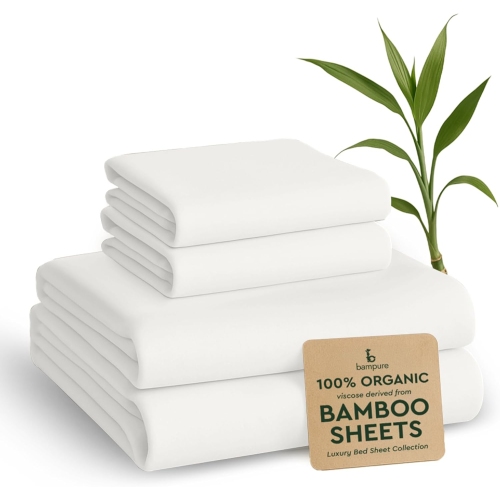
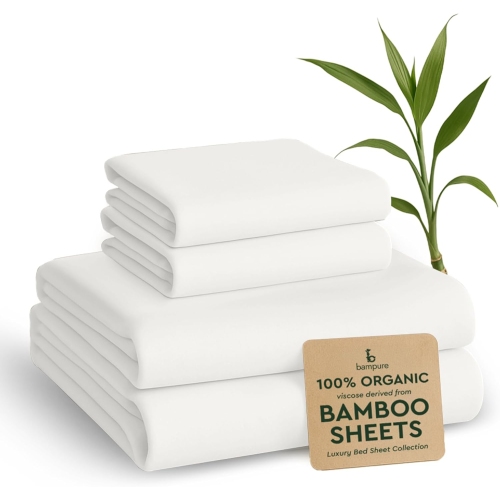


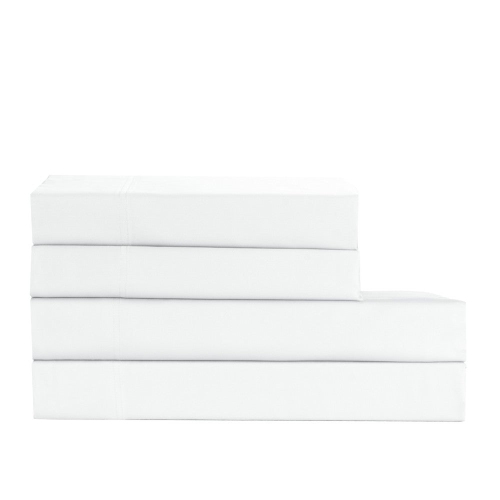


Why hotel-style comfort goes beyond thread count
Hotel quality sheets bring the crisp finish, smooth texture, and neatly dressed appearance of a well-made hotel bed into everyday bedrooms. The term describes a style and level of comfort rather than a single fabric or an official quality grade, so fibre content, weave, construction, and fit matter more than the label alone. Cotton is a familiar choice for this look because it combines breathability with an absorbent feel and stands up well to regular laundering when properly cared for. Long-staple and extra-long-staple cotton have longer fibres that can be spun into smooth, strong yarns with fewer exposed ends, helping limit fuzziness and pilling. Egyptian and Pima cotton are often associated with these qualities, although the stated fibre composition and manufacturing details remain important. The weave makes an equally noticeable difference against the skin. Percale uses a balanced, one-over, one-under construction that creates a matte surface and a crisp, lightweight hand. It suits sleepers who enjoy the fresh, lightly structured feel of a neatly tucked sheet. Sateen places more yarn across the fabric’s surface, producing a subtle sheen, a softer drape, and a silkier touch. Neither is automatically better; the distinction is much like choosing between a freshly pressed cotton shirt and a fabric that falls in soft folds. Thread count measures the number of threads woven into a square inch, but it does not measure every aspect of quality. A percale thread count around 200 to 400 can offer a pleasing balance of smoothness, strength, and airflow, while sateen often uses a somewhat higher count to achieve its fuller feel. Very high numbers do not guarantee a better sheet, particularly when yarn quality and construction are unclear. For a hotel-inspired bed, a clearly described fabric and a weave that matches the sleeper’s preferences provide a more useful starting point than thread count alone.
The right fit gives hotel quality bed sheets their tidy appearance and helps them stay comfortable through a full night’s sleep. Mattress size is only part of the picture: the depth of the mattress, including any topper or padded cover, determines how much room a fitted sheet needs at the corners. A queen sheet may match the mattress’s length and width yet still pull free if its pockets are too shallow. Conversely, an unnecessarily deep fitted sheet can leave loose fabric across a thinner mattress. Pocket depth and the manufacturer’s stated maximum mattress depth are worth distinguishing, since they are not always interchangeable measurements. Elastic around the full perimeter can help hold the sheet in place, while secure corner seams reduce strain where the fabric stretches over the mattress. Flat-sheet dimensions also affect the finished bed. Enough fabric along the sides and foot allows for a generous fold and a secure tuck without pulling the sheet taut over the sleeper. Pillowcase measurements deserve the same attention, especially when pairing standard, queen, or king pillows with a sheet set. An envelope closure can keep a pillow neatly covered, while a well-sized open-ended case offers a familiar hotel-style finish. Set contents vary, so a coordinated bed depends on confirming whether the bedding includes a fitted sheet, flat sheet, and the appropriate number and size of pillowcases. White and ivory create a classic, uncluttered backdrop, while pale grey, soft neutrals, and subtle stripes offer the same polished effect with more colour. A restrained palette lets the fabric’s texture stand out alongside a duvet cover, quilt, or upholstered headboard. For a broader range of refined textures and finishes, Luxury Sheets offer another way to shape the look and feel of the bed. The most convincing hotel-inspired result is not elaborate: smooth fabric, well-proportioned layers, and pillowcases that fit without bunching do much of the work.
Everyday practicality matters just as much as the first impression, particularly for sheets that move regularly between the bed and the laundry. Pure cotton can develop natural creases, especially in percale, and that relaxed texture is not necessarily a sign of poor quality. Cotton-rich blends may wrinkle less and dry more quickly, though their feel and absorbency differ from those of all-cotton fabrics. Microfibre offers a soft surface and straightforward care, but it does not reproduce the same airy, crisp character as cotton percale. Whatever the material, the care label is the starting point for washing, drying, and ironing. An overloaded washing machine can restrict movement and rinsing, while too much detergent may leave residue that makes a smooth sheet feel less supple. Washing sheets separately from towels and garments with exposed zippers can help reduce abrasion and snagging. Prompt removal from the dryer, followed by smoothing and folding, helps limit deep creases; ironing suitable fabrics according to their labels can create a more tailored finish. Much of the distinctive hotel-bed appearance comes from careful laundering, pressing, and bed-making rather than from an unusually high thread count. For white bedding, bleach is not automatically appropriate, since finishes and fibre blends may require different treatment. Strong hems, even stitching, and neatly finished seams are useful signs of construction intended to withstand repeated handling, although no fabric is immune to wear. Keeping a second set makes it easier to remake the bed while another set is being washed and avoids rushing the drying process. Sheets should be fully dry before being stored in a clean linen cupboard. Hotel-style bedding suits a primary bedroom, a thoughtfully prepared guest room, or a first home where a simple, coordinated bed can make the whole space feel more settled. It can also make a practical housewarming or wedding gift when the recipient’s mattress size, preferred fabric feel, and laundry habits are known. Whether the preference is for crisp percale or softly draping sateen, well-fitting sheets with manageable care requirements bring lasting usefulness to the small ritual of turning down the bed.
Top selling and popular products
-
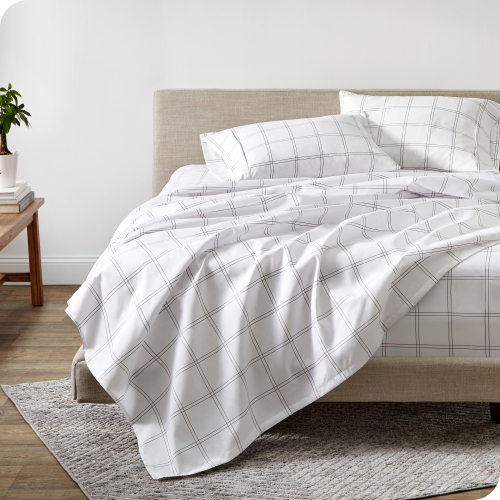 Your price for this item is $95.99
-
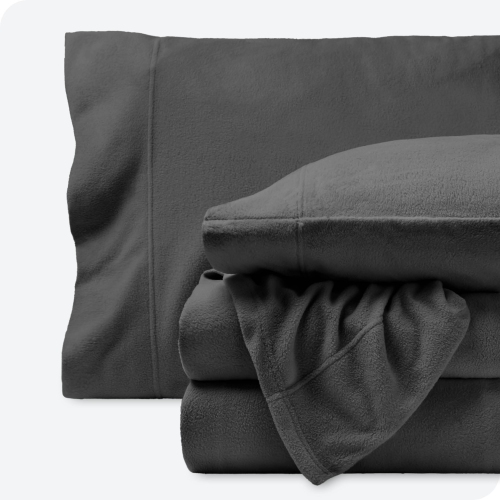 Your price for this item is $122.99
-
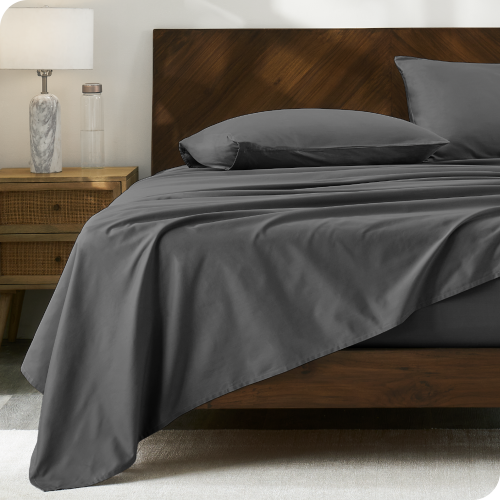 Your price for this item is $156.99
-
 Your price for this item is $284.99
-
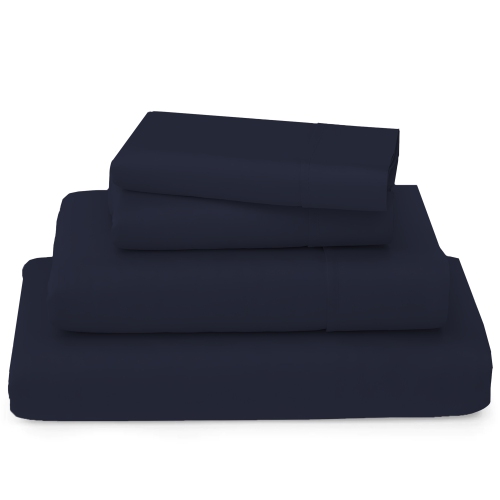 Your price for this item is $34.99
-
 Your price for this item is $80.99
-
 Your price for this item is $63.98
-
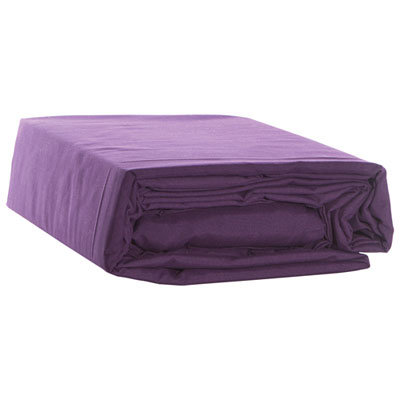 Your price for this item is $80.98
Discover more categories related to Hotel Quality Sheets
Top Collections:
Pokemon Centers, Best Cameras for Sports Photography, Kindle Devices, Samsung Galaxy Phones, Canon G7X Cameras, Pokémon 30th Celebration Cards, Refurbished Apple Laptops, iPhone 15 Apple, Laptops for Students, Budget Smartphones
Some products may be subject to Environmental Handling Fees
(EHF) depending on your province.
Learn more about EHFs.