Hybrid Mattress Canada
Discover the perfect blend of comfort and support with hybrid mattresses, a revolutionary sleep solution. Combining the best elements of traditional innerspring and modern memory foam technologies, hybrid mattresses offer an unparalleled sleeping experience that caters to various preferences. Whether you're seeking enhanced pressure relief, superior breathability, or improved motion isolation, these versatile mattresses are designed to meet diverse sleep needs. Explore our selection to find a hybrid mattress that promises restful nights and rejuvenated mornings, making it easier than ever to achieve the quality sleep you deserve.
Sort



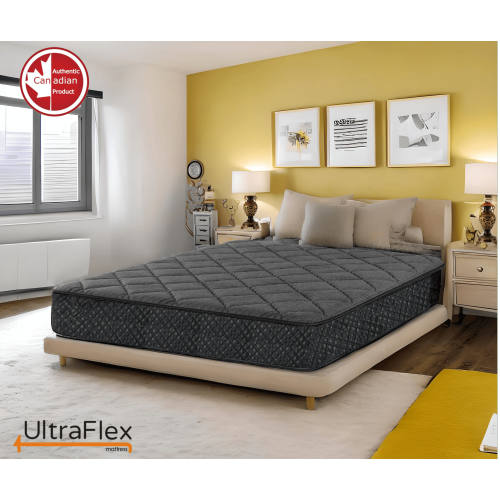
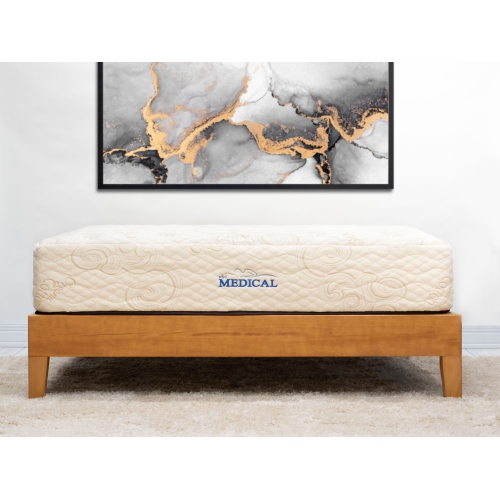

Why a plush mattress can still offer firm support
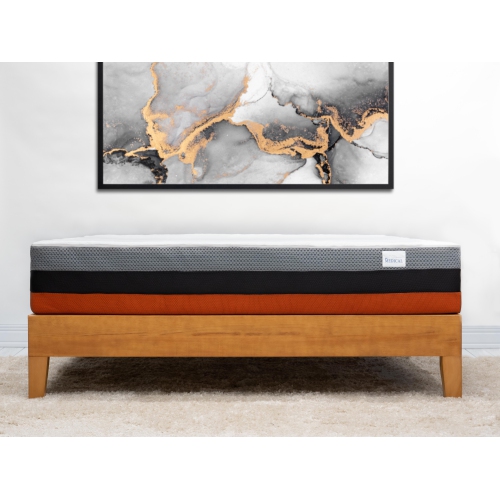
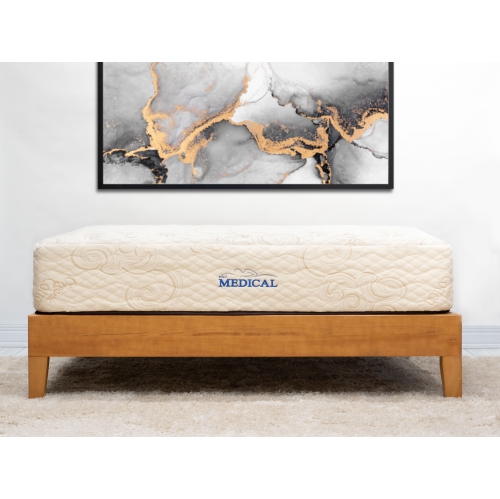
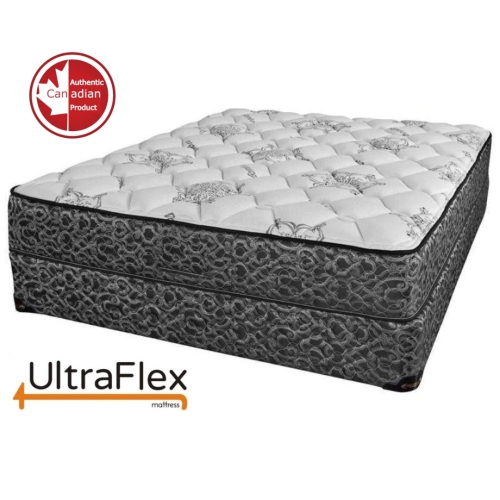
A hybrid mattress combines a coil support system with comfort layers made from foam, latex, or a combination of materials. This construction brings together the cushioning feel associated with foam mattresses and the responsive support of an innerspring design. Many hybrid mattresses use individually wrapped pocket coils, which compress separately as weight moves across the bed. Above them, layers of memory foam, other cushioning foams, or latex shape how closely the surface conforms to the body. Memory foam generally has a slower, more contouring response, while latex tends to feel springier and allows easier movement across the surface. The result varies with the thickness and firmness of each layer: some hybrids have a gently cushioned surface with noticeable bounce, while others offer deeper cushioning over a stable coil base. A quilted top adds a different texture from a smooth stretch-knit cover, and a pillow-top can create a softer initial feel without necessarily changing the firmness of the underlying support system. For shoppers comparing hybrid mattresses in Canada, that distinction between surface softness and overall support matters more than the word “hybrid” alone. A mattress can feel plush under a hand yet resist sinking when someone lies down, just as a firmer surface can still cushion the shoulders and hips. Breathable covers and space within the coil core can help air move through the mattress, though bedding and any mattress protector also affect that airflow. Hybrids suit a range of uses, from an everyday bed shared by two adults to a guest room where different sleepers need a broadly accommodating surface. Their combination of cushioning and responsiveness can be especially appealing to someone who likes the contouring of foam but prefers a bed that is easier to turn over on. No single construction guarantees comfort, however, and the proportions of foam, latex, and coils make a meaningful difference to the finished feel.
The most suitable hybrid mattress depends on sleeping position, body size, movement preferences, and how much space is needed. Side sleepers often benefit from enough cushioning to let the shoulder and hip settle into the surface without feeling pressed against it. Back sleepers may prefer a balance that supports the pelvis while allowing the comfort layers to follow the body’s curves. Stomach sleepers commonly need a firmer feel that limits how far the midsection sinks. These are useful starting points rather than fixed rules, since the same mattress can feel firmer to a lighter person and softer to someone who places more weight on it. A medium-firm hybrid can offer a middle ground, but firmness labels are not standardized across manufacturers. For someone who rolls from side to back during the night, a responsive comfort layer can make changing position less effortful. For couples, motion isolation is another consideration: pocket coils and foam layers can help reduce the movement felt when one person gets into bed, although they do not eliminate every disturbance. Edge support also deserves attention, particularly when two people share a smaller mattress or someone regularly sits along the side while getting dressed. Reinforced perimeter coils or foam borders may reduce compression at the edges, but performance depends on the design. Size should account for both sleeping space and the room around the bed. A twin can suit a compact bedroom, while full, queen, and king sizes offer progressively more room to stretch out or share. Measure the bed frame, bedroom floor space, and delivery route, including tight stairways and corners. Mattress height matters too: a thick hybrid on a tall foundation can make getting in and out of bed awkward, and deeper models may need deep-pocket fitted sheets. Shoppers comparing hybrids with other constructions can explore Top Mattresses Canada for a broader view of mattress types. The practical aim is a bed that fits the sleeper, the frame, and the way the bedroom is used.
Construction details and everyday care help determine how a hybrid mattress holds up over time. Coil count alone is not a reliable measure of quality, especially when comparing different mattress sizes or designs that include smaller additional coils. Coil gauge, arrangement, comfort-layer materials, and the support beneath the mattress all contribute to performance. Zoned designs use different levels of resistance across the sleeping surface, often with firmer support through the centre, but their usefulness depends on how those zones line up with the sleeper’s body. Foam density and foam firmness are separate characteristics; a dense foam is not automatically firm, and a thick mattress is not automatically more durable. Check the required foundation before placing a hybrid on an existing frame. Slat spacing, centre supports, and weight limits can affect how evenly the mattress is supported, while use with an adjustable base should be confirmed in the manufacturer’s specifications. A compressed, boxed hybrid needs to be unpacked and allowed to expand according to its instructions before normal use. Larger sizes can be heavy and flexible to carry, making a second person helpful during setup or a move. For routine care, a well-fitting mattress protector helps guard against spills and everyday moisture, while regularly washed bedding keeps the sleeping surface fresh. Most hybrids are built with comfort layers on one side and should not be flipped unless specifically designed for it. Rotation may help distribute wear when the manufacturer permits it. Spot-cleaning instructions also vary, and a zippered cover should not be assumed to be removable or machine washable. Avoid soaking the layers, and let any cleaned area dry fully before replacing bedding. Comfort preferences can take time to assess, so any applicable comfort trial and warranty are worth reading carefully; their purposes and conditions differ. Choosing a hybrid mattress for a new home, a growing teenager, or a guest bedroom ultimately comes down to matching its feel and dimensions to the person using it, with proper support and straightforward care helping it remain comfortable for everyday sleep.
Top selling and popular products
-
 Your price for this item is $1199
-
 Your price for this item is $644
-
 Your price for this item is $696.5
-
 Your price for this item is $591.5
-
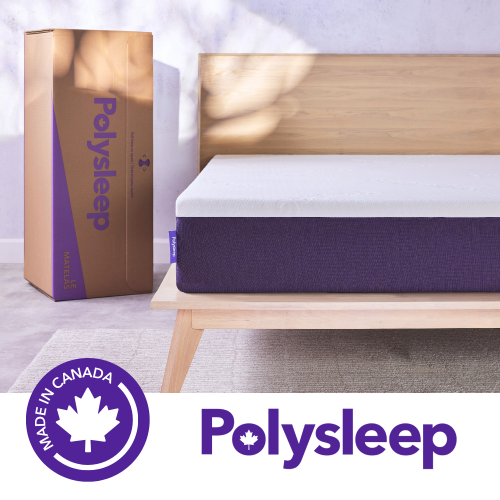 Your price for this item is $906.5
-
 Your price for this item is $159.99
-
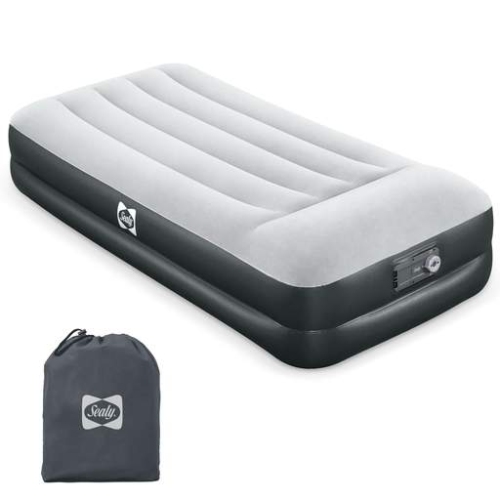 Your price for this item is $133.99
-
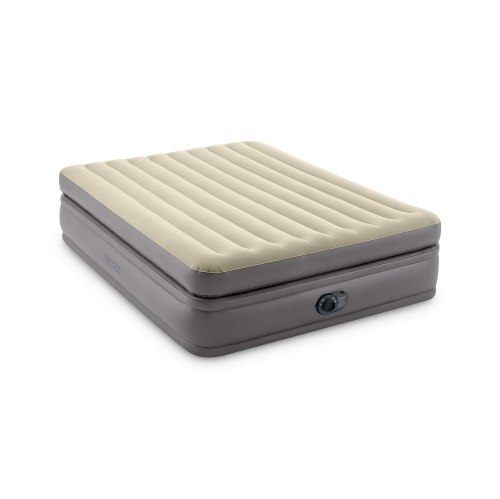 Your price for this item is $239.99
Discover more categories related to Hybrid Mattress Canada
Top Collections:
Best Black Friday Deals This Year, Best Black Friday Deals On Electronics, Kindle Devices, Best Black Friday Deals On Apple Products, Best Budget Office Chairs, Best Cameras for Sports Photography, Dyson Airwrap, Canon G7X Cameras, Best Laptops for Writers, Samsung Galaxy Phones
Some products may be subject to Environmental Handling Fees
(EHF) depending on your province.
Learn more about EHFs.