Hydroponics Equipment
Are you ready to take your gardening skills to the next level? Look no further than our wide selection of hydroponics equipment. Whether you're a seasoned gardener or just starting out, hydroponics offers a unique and efficient way to grow plants without soil. With our range of equipment, you'll have everything you need to create your own indoor garden and cultivate a variety of plants year-round. From nutrient solutions and grow lights to hydroponic systems and accessories, we've got you covered. Discover the endless possibilities of hydroponics and revolutionize your gardening experience today.
Sort
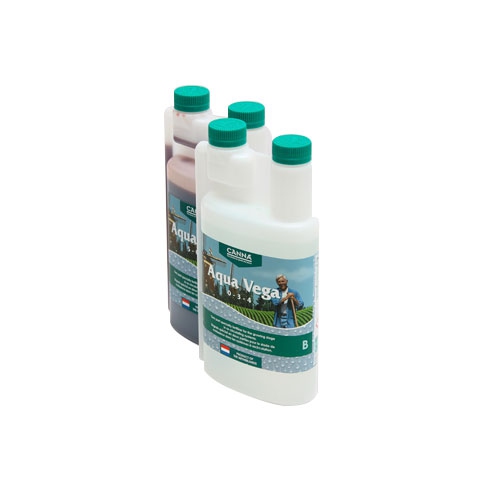
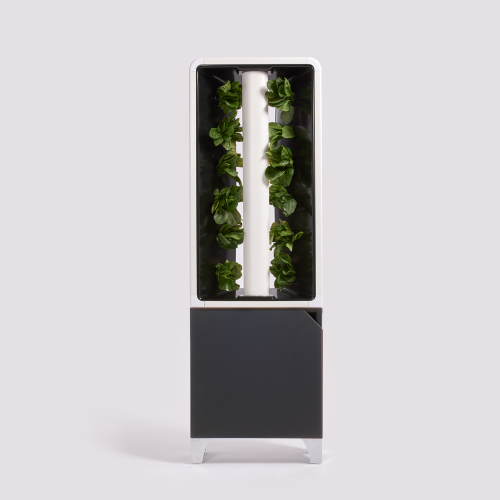

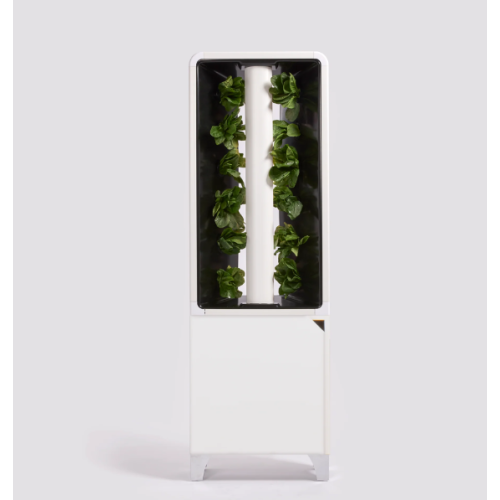
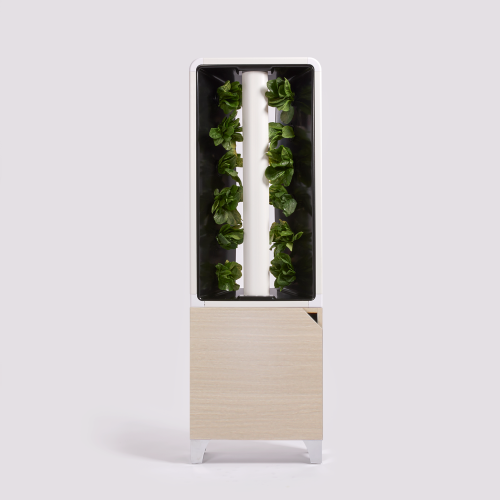
Indoor systems support fresh herbs through every season
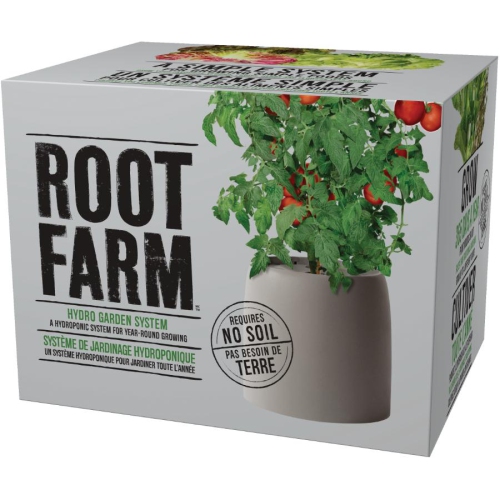
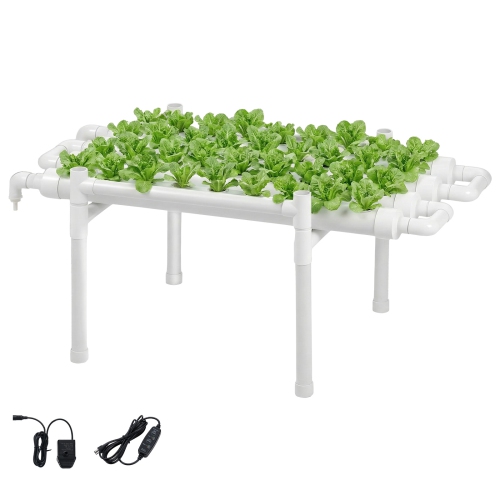
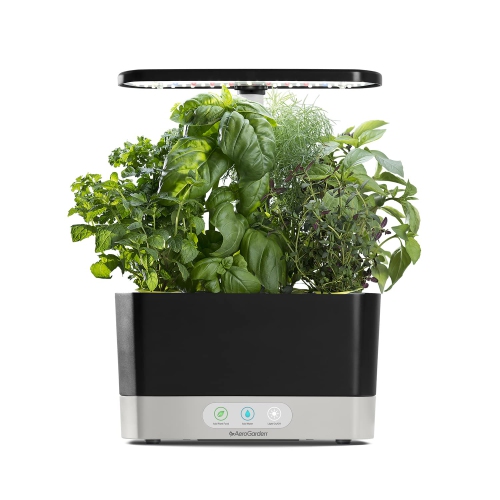
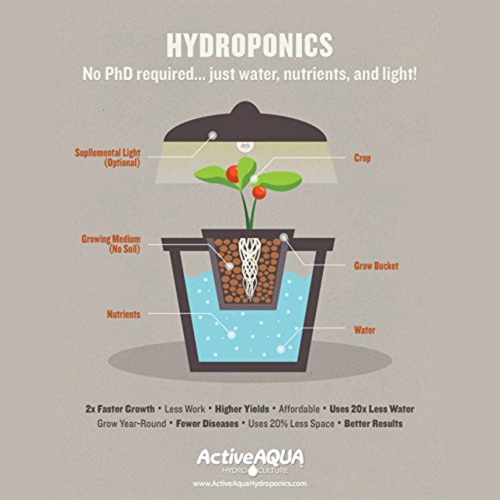
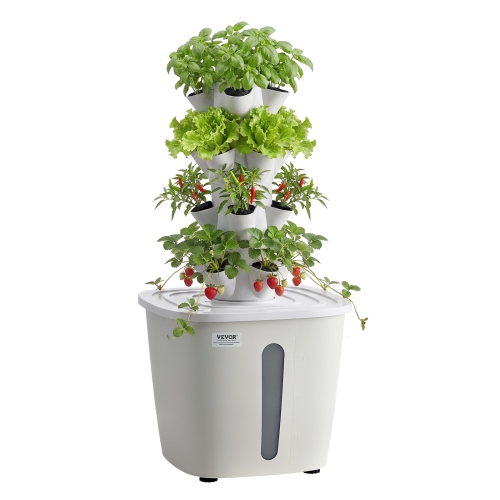
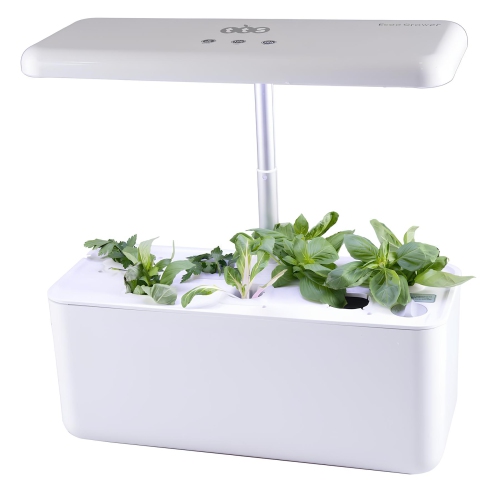
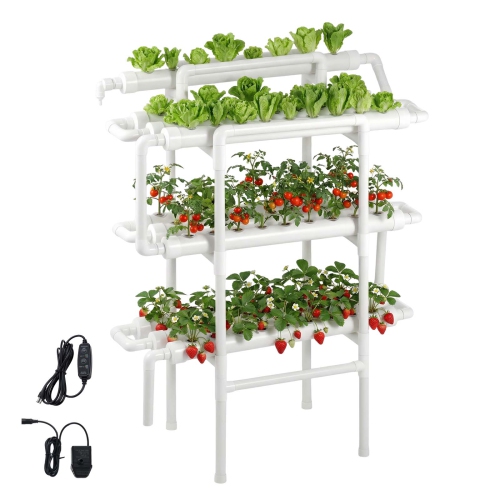
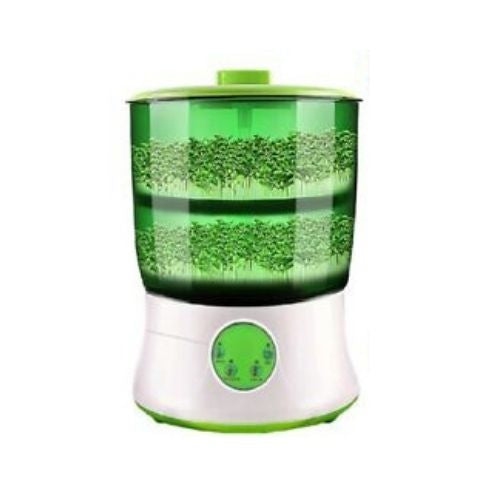
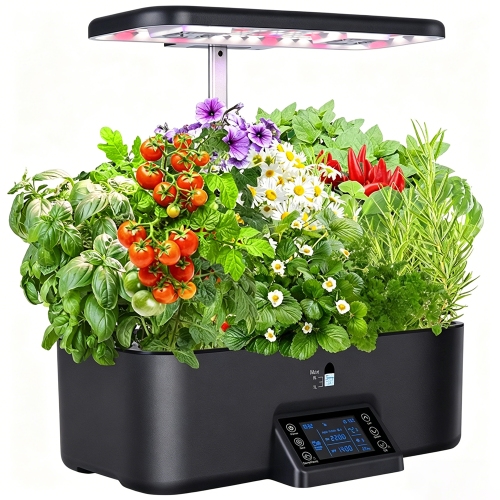
Hydroponics equipment makes it possible to grow plants without traditional soil by delivering water, oxygen, light, and nutrients directly to the root zone. A well-chosen setup can support leafy greens, herbs, seedlings, and other plants in an indoor growing area, apartment corner, kitchen, basement, greenhouse, or other sheltered space. Complete systems are a practical starting point for beginners because they typically bring together a growing tray or reservoir, plant holders, a water pump, aeration components, and the fittings needed to circulate nutrient solution. Individual equipment is useful for expanding an existing system, replacing a worn part, or creating a setup that better matches a particular room and growing style. Deep Water Culture systems suspend plants in net pots above an aerated reservoir, allowing the roots to remain in oxygen-rich nutrient solution. Nutrient Film Technique systems use a shallow, continuously moving stream of solution that passes over the root tips inside sloped channels. Ebb and flow systems periodically flood a growing tray and then drain the solution back into a reservoir, while vertical towers stack planting spaces to make efficient use of limited floor area. When comparing hydroponics equipment, consider the number and size of plants you want to grow, the available space, the sound level of pumps and fans, access to a nearby electrical outlet, and how often you can check the system. A compact arrangement may suit someone growing fresh herbs near a bright window, while a larger modular system can provide room for several varieties of greens. Containers should be opaque or light-blocking to help limit algae growth, and materials should be durable, easy to clean, and appropriately sized for the reservoir and plants. Net pots hold plants securely while allowing roots to reach the solution, and growing media such as clay pebbles, rockwool cubes, or coconut coir can support seedlings and young roots without acting like ordinary garden soil. Check the dimensions, capacity, tubing connections, replacement-part availability, and assembly requirements before choosing equipment, particularly when adding components from different systems.
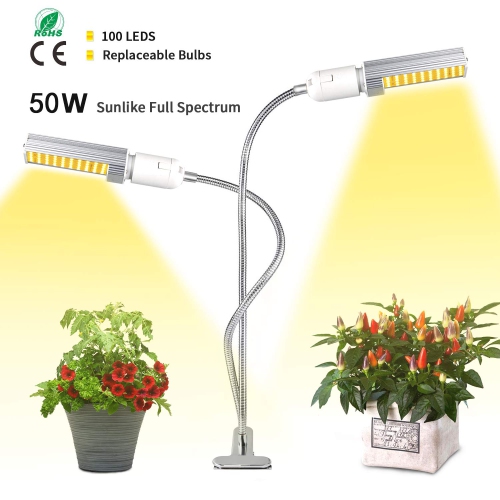
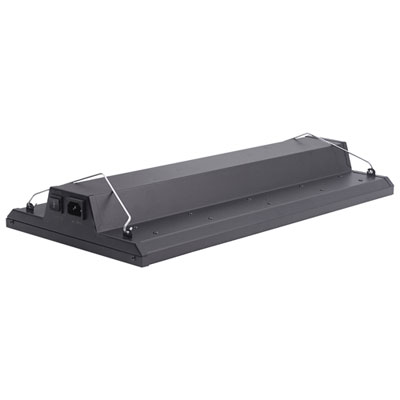
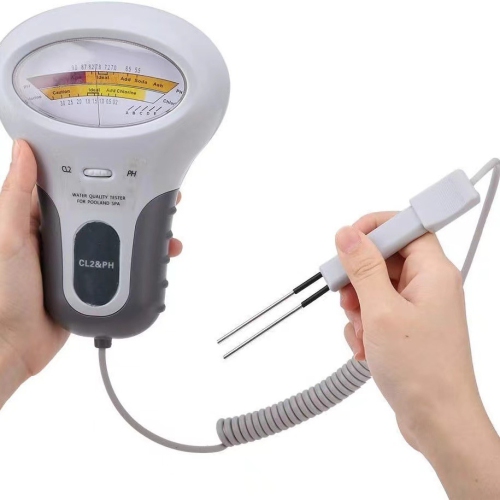
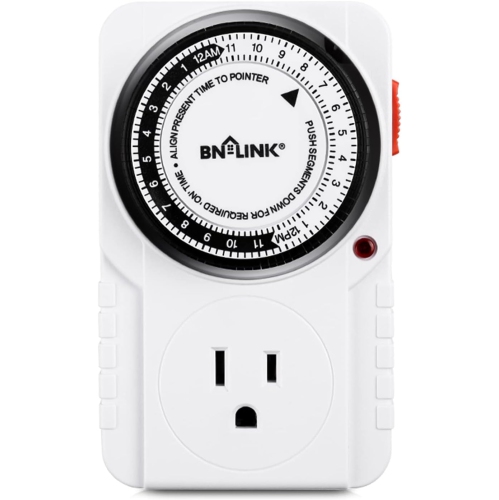
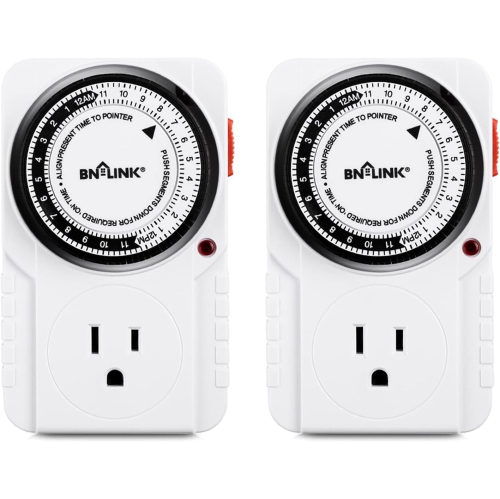
Lighting is one of the most important considerations for an indoor hydroponics setup. Even a sunny room may not provide consistent intensity or duration through the cooler months, when shorter days and changing weather can affect plant growth. Full-spectrum LED fixtures are designed to provide the broad light plants need through different stages, from early growth to mature foliage, while producing less heat than many older lighting styles. Look for adjustable brightness, a suitable coverage area, a convenient mounting method, and a timer that can maintain a consistent daily schedule. The right fixture should be positioned according to its instructions and the needs of the plants, since placing it too close can stress foliage while positioning it too far away can result in weak, stretched growth. Browse Hydroponic Grow Lights when building an indoor system around a dependable light source. Water movement and oxygenation are equally central to reliable results. Submersible water pumps circulate nutrient solution through channels, trays, or towers, and air pumps connected to air stones add oxygen to reservoirs used by systems such as Deep Water Culture. Compare flow rates, lift height, tubing size, power requirements, and cleaning access so the pump suits the layout rather than merely fitting inside the reservoir. A backup plan for power interruptions can also be helpful, especially when plants depend on continuous circulation or aeration. Monitoring tools make it easier to maintain the balance plants need. A digital pH meter helps track acidity, while an electrical conductivity meter measures the concentration of dissolved nutrients. Test the water according to the requirements of the plants and nutrient solution, and keep meters clean, calibrated, and stored as directed. Thermometers, water-level indicators, timers, and measuring tools can further simplify routine checks. Keeping a simple record of water changes, readings, light schedules, and plant observations often reveals patterns that are easy to miss when a setup is managed from memory.
Hydroponics equipment can appeal to a wide range of growers, from someone trying a first countertop project to an experienced indoor gardener refining a larger growing area. It can also be a thoughtful gift for a curious cook who enjoys using freshly cut herbs, a student learning about plant science, a family looking for a hands-on indoor activity, or a home gardener who wants to continue tending plants when outdoor conditions become less predictable. For a gift, a compact starter system with straightforward controls may be easier to enjoy than a collection of separate parts, while someone who already grows hydroponically may appreciate practical additions such as a replacement pump, extra net pots, growing media, testing equipment, or a light suited to a new shelf. Before purchasing, identify the intended plants and growing method first, then match the reservoir size, planting capacity, lighting coverage, pump output, and available accessories to that plan. Leafy greens and herbs generally work well in compact arrangements, whereas larger fruiting plants may require more root space, stronger support, additional lighting, and a greater reservoir capacity. Think about maintenance as well: removable parts are easier to rinse, wide reservoir openings make water changes less awkward, and accessible controls are useful when the system sits on a shelf or in a busy room. During the warmer part of the year, indoor equipment can offer a controlled place to start seedlings or keep herbs within reach, while during cooler months it can bring a lively growing routine to rooms that would otherwise feel quiet and bare. With suitable light, clean water, balanced nutrients, steady aeration, and regular observation, hydroponics equipment creates a practical framework for growing plants in places where a conventional garden is not available.
Lighting is one of the most important considerations for an indoor hydroponics setup. Even a sunny room may not provide consistent intensity or duration through the cooler months, when shorter days and changing weather can affect plant growth. Full-spectrum LED fixtures are designed to provide the broad light plants need through different stages, from early growth to mature foliage, while producing less heat than many older lighting styles. Look for adjustable brightness, a suitable coverage area, a convenient mounting method, and a timer that can maintain a consistent daily schedule. The right fixture should be positioned according to its instructions and the needs of the plants, since placing it too close can stress foliage while positioning it too far away can result in weak, stretched growth. Browse Hydroponic Grow Lights when building an indoor system around a dependable light source. Water movement and oxygenation are equally central to reliable results. Submersible water pumps circulate nutrient solution through channels, trays, or towers, and air pumps connected to air stones add oxygen to reservoirs used by systems such as Deep Water Culture. Compare flow rates, lift height, tubing size, power requirements, and cleaning access so the pump suits the layout rather than merely fitting inside the reservoir. A backup plan for power interruptions can also be helpful, especially when plants depend on continuous circulation or aeration. Monitoring tools make it easier to maintain the balance plants need. A digital pH meter helps track acidity, while an electrical conductivity meter measures the concentration of dissolved nutrients. Test the water according to the requirements of the plants and nutrient solution, and keep meters clean, calibrated, and stored as directed. Thermometers, water-level indicators, timers, and measuring tools can further simplify routine checks. Keeping a simple record of water changes, readings, light schedules, and plant observations often reveals patterns that are easy to miss when a setup is managed from memory.
Hydroponics equipment can appeal to a wide range of growers, from someone trying a first countertop project to an experienced indoor gardener refining a larger growing area. It can also be a thoughtful gift for a curious cook who enjoys using freshly cut herbs, a student learning about plant science, a family looking for a hands-on indoor activity, or a home gardener who wants to continue tending plants when outdoor conditions become less predictable. For a gift, a compact starter system with straightforward controls may be easier to enjoy than a collection of separate parts, while someone who already grows hydroponically may appreciate practical additions such as a replacement pump, extra net pots, growing media, testing equipment, or a light suited to a new shelf. Before purchasing, identify the intended plants and growing method first, then match the reservoir size, planting capacity, lighting coverage, pump output, and available accessories to that plan. Leafy greens and herbs generally work well in compact arrangements, whereas larger fruiting plants may require more root space, stronger support, additional lighting, and a greater reservoir capacity. Think about maintenance as well: removable parts are easier to rinse, wide reservoir openings make water changes less awkward, and accessible controls are useful when the system sits on a shelf or in a busy room. During the warmer part of the year, indoor equipment can offer a controlled place to start seedlings or keep herbs within reach, while during cooler months it can bring a lively growing routine to rooms that would otherwise feel quiet and bare. With suitable light, clean water, balanced nutrients, steady aeration, and regular observation, hydroponics equipment creates a practical framework for growing plants in places where a conventional garden is not available.
Top selling and popular products
-
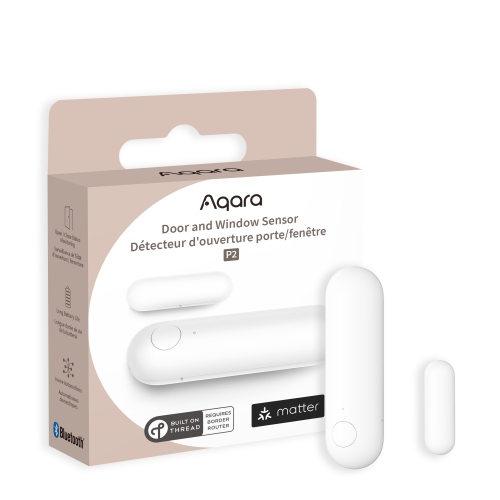 Your price for this item is $42.99
 -
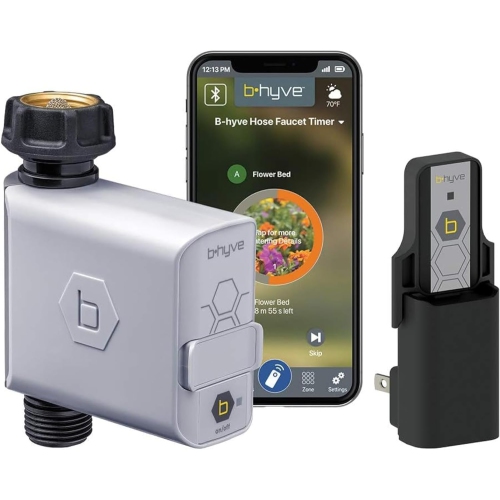 Your price for this item is $79.99
 -
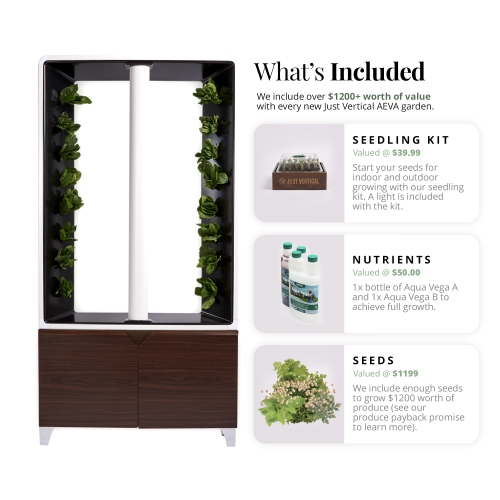 Your price for this item is $1199
 -
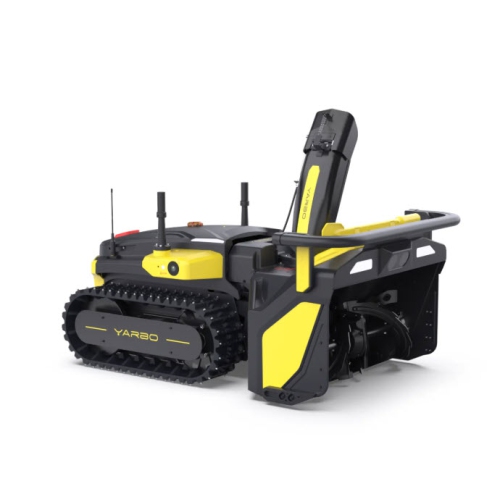 Your price for this item is $7949
 -
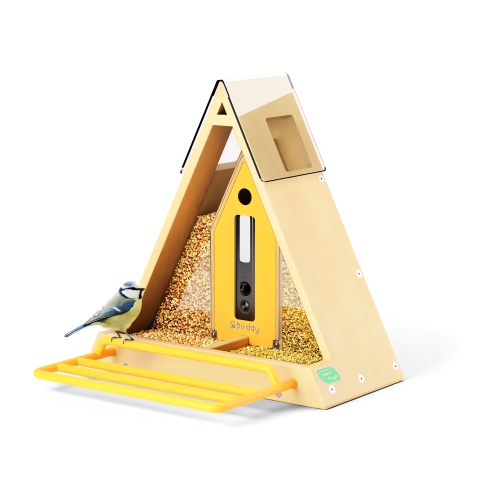 Your price for this item is $279.99
 -
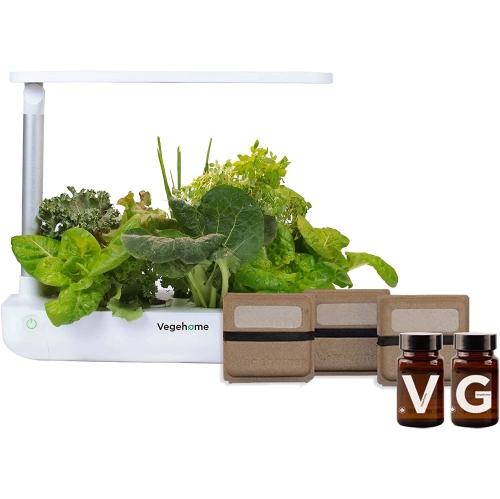 Your price for this item is $99.99
 -
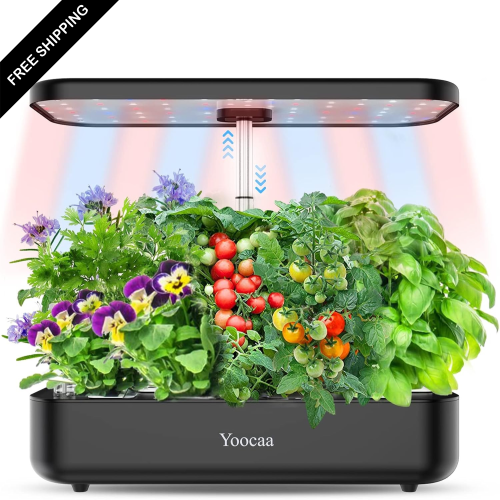 Your price for this item is $119.99
 -
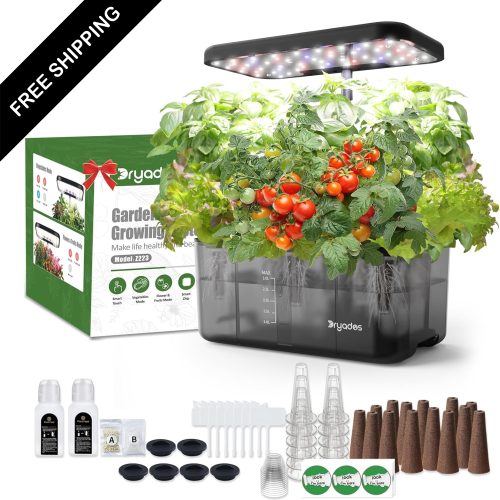 Your price for this item is $99.99
Discover more categories related to Hydroponics Equipment
Top Collections:
Pokemon Centers, Kindle Devices, Best Budget Office Chairs, Apple iPhones 16, Best Laptops for Writers, iPhone 15 Apple, Canon G7X Cameras, Refurbished Apple Laptops, Alarm Clock, Motorola Razr Phones
Some products may be subject to Environmental Handling Fees
(EHF) depending on your province.
Learn more about EHFs.