Impact Tool Sets
Looking to tackle your next DIY project or home improvement task? Look no further than our wide selection of impact tool sets. These powerful and versatile tool sets are designed to deliver maximum force with minimum exertion, making them the perfect choice for any job that requires extra torque and precision. Whether you're a professional tradesperson or a dedicated DIY enthusiast, our impact tool sets will help you get the job done efficiently and effectively. From wrenches and sockets to drivers and drills, we have everything you need to take on any task with confidence.
Sort

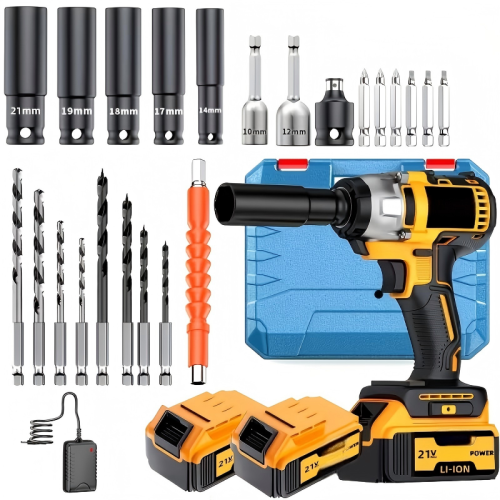


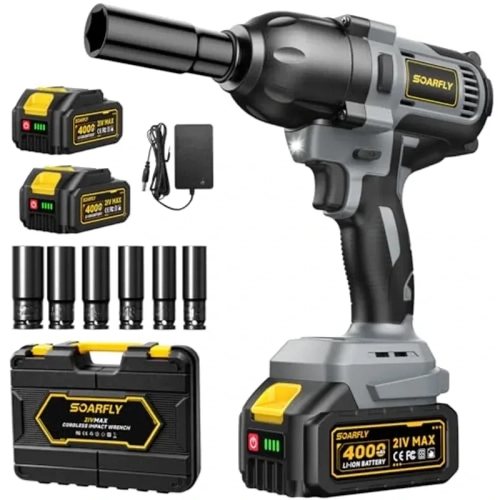
![DODVIN 21V Cordless Impact Wrench Drill Set] Deluxe Power Tool Kit w 2 Batteries, Charger, 6 Sockets & Plastic Carry Case | Electric Impact Gun For](https://multimedia.bbycastatic.ca/multimedia/products/500x500/195/19580/19580191.webp)






























Why screws and bolts call for different tools
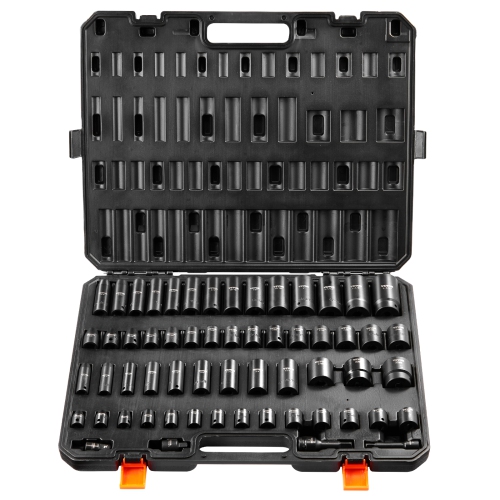
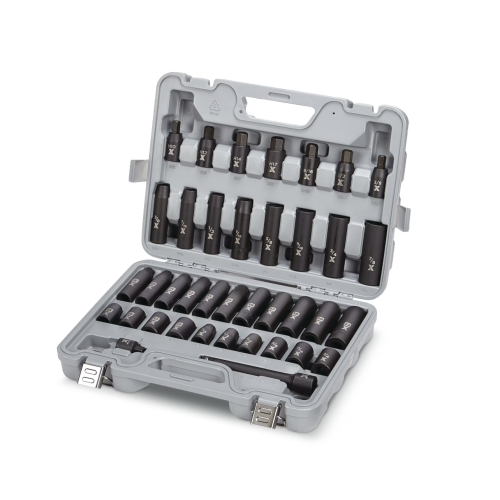
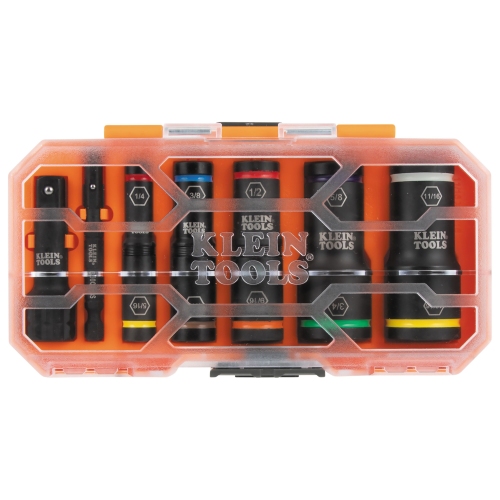
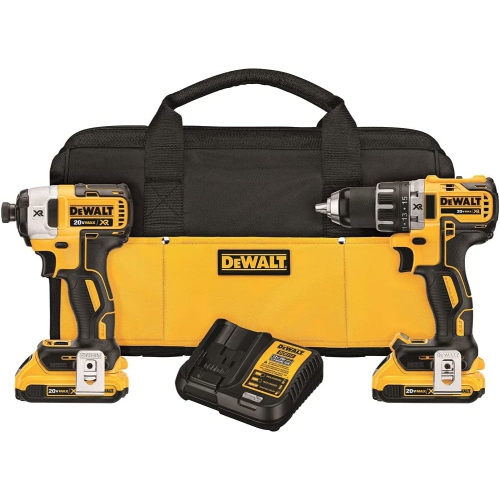
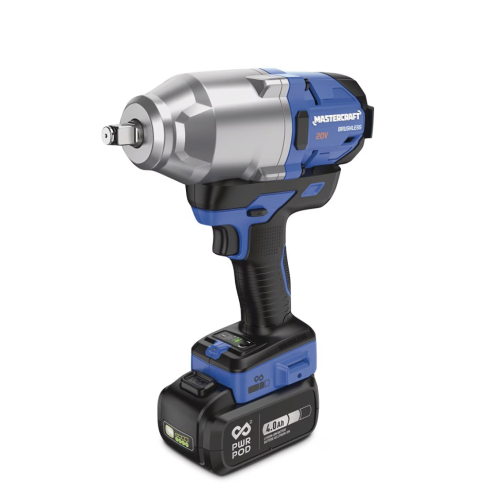
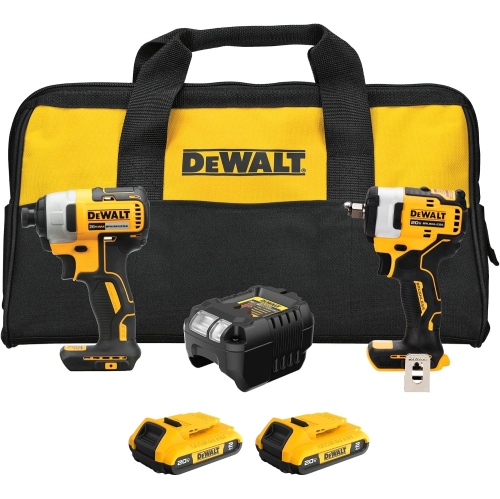
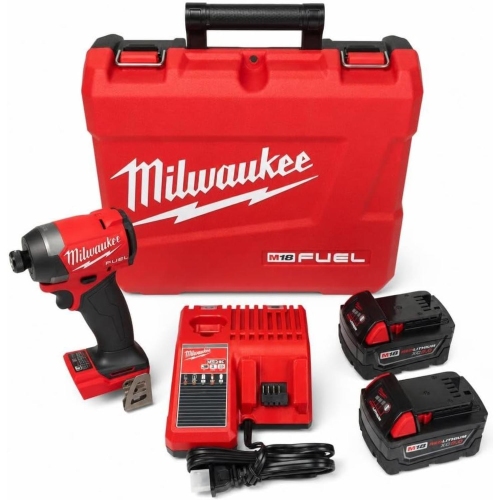
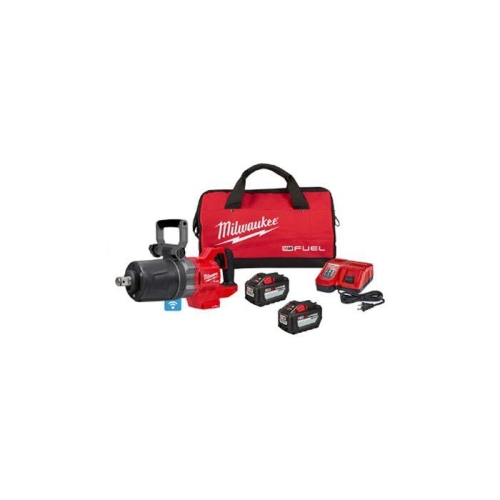
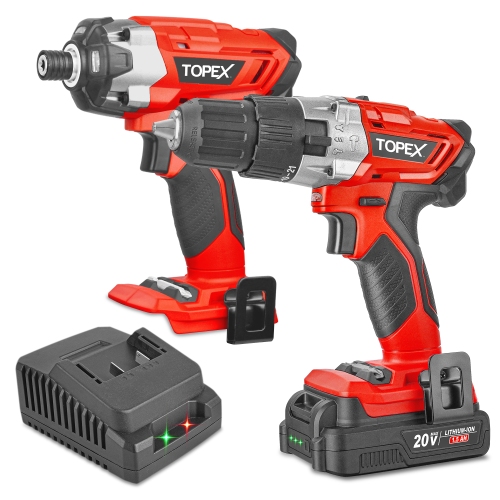
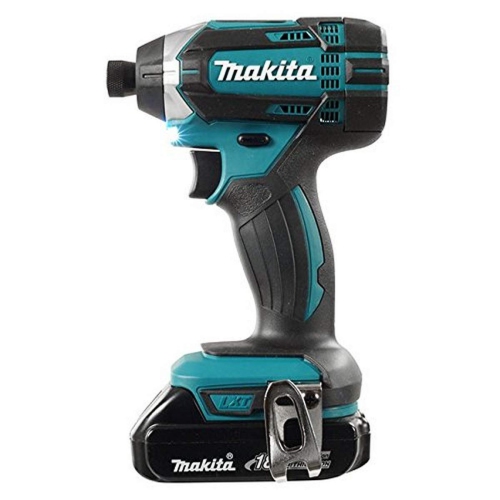
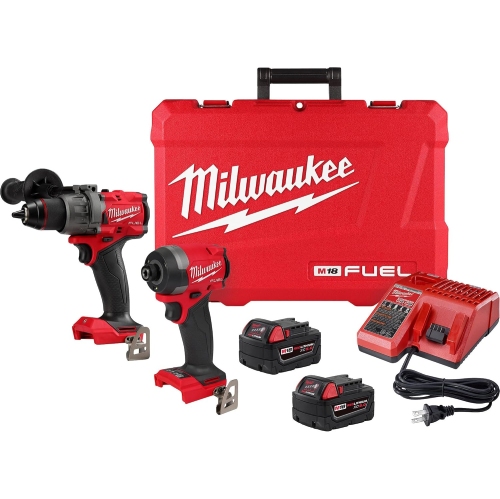
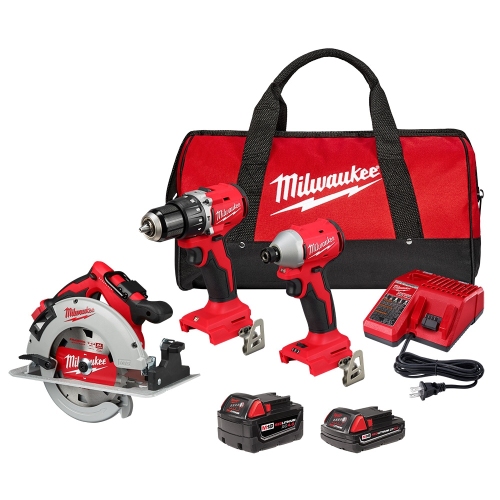
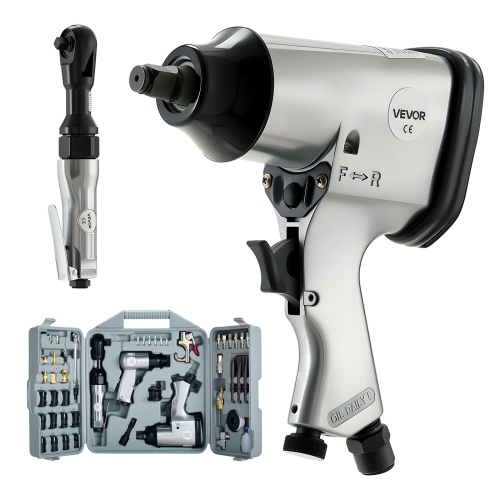
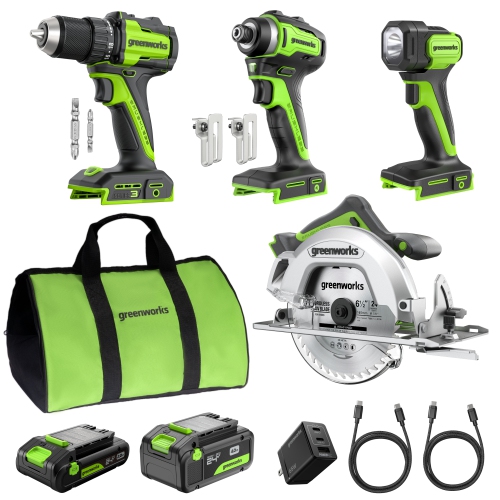
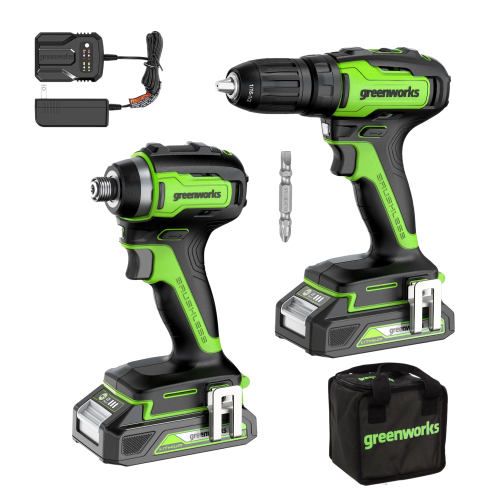
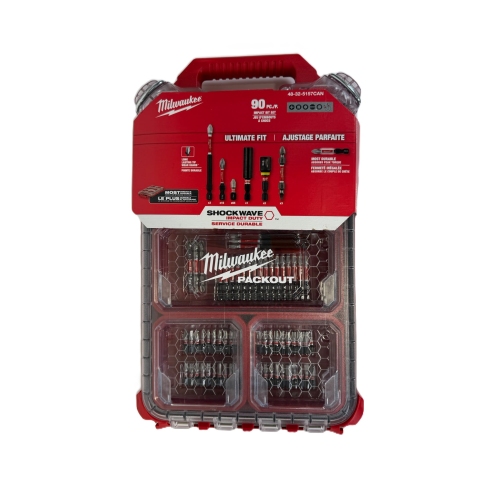
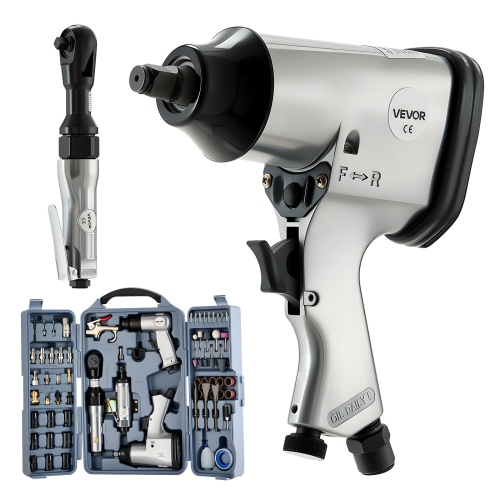
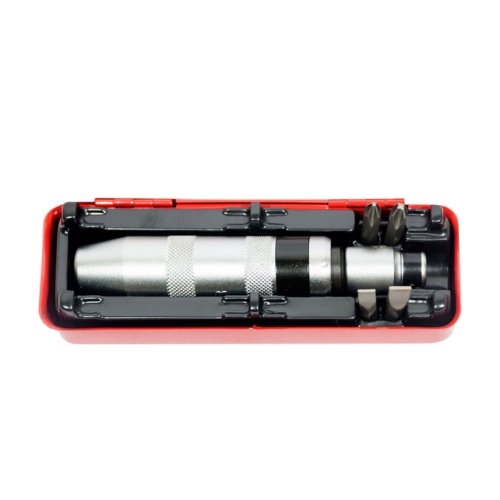
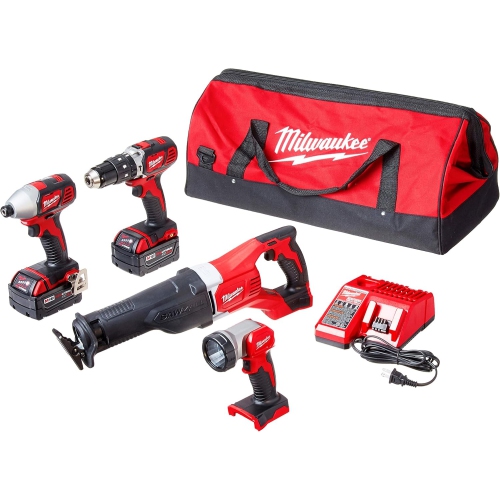
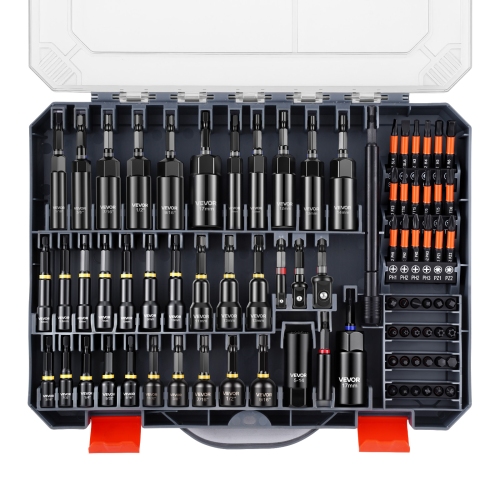
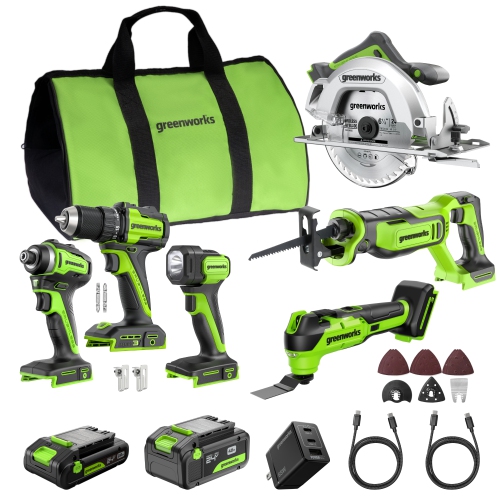
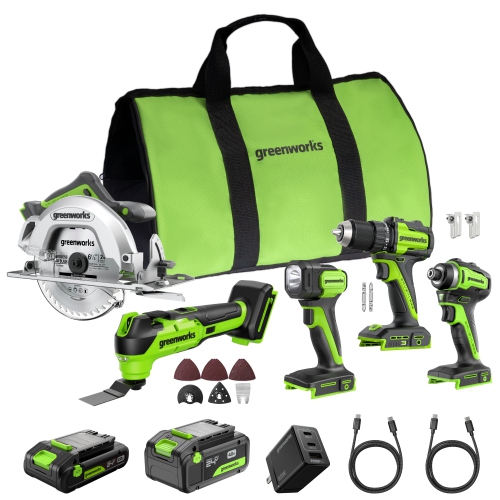
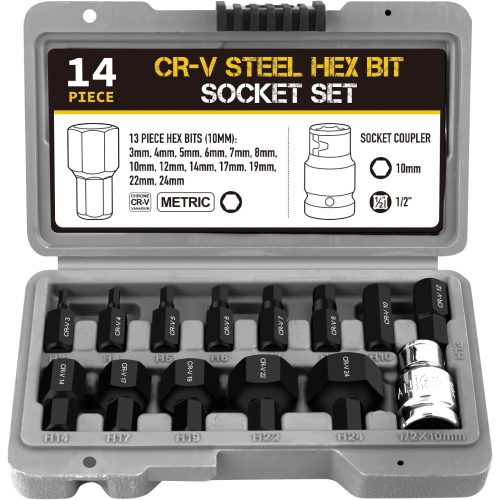
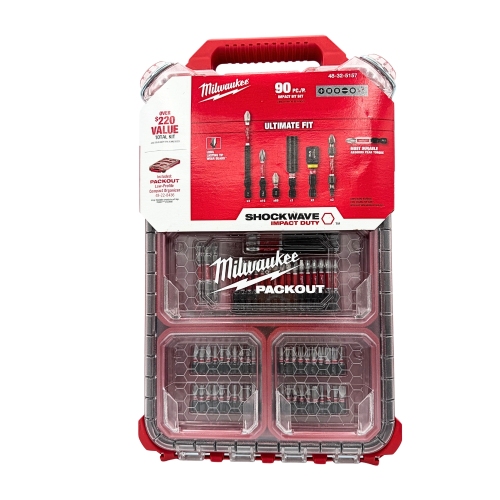
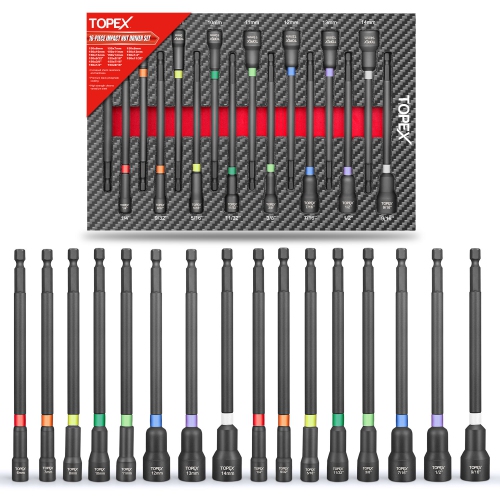
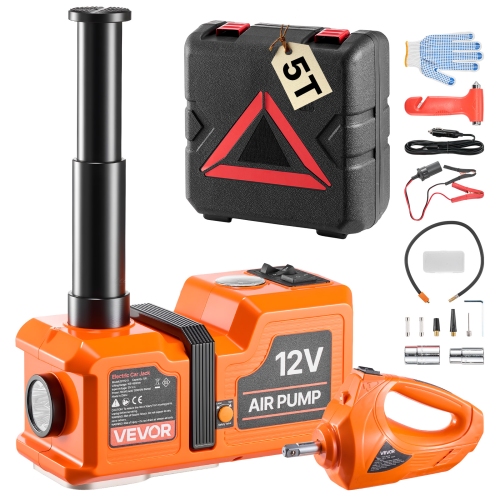
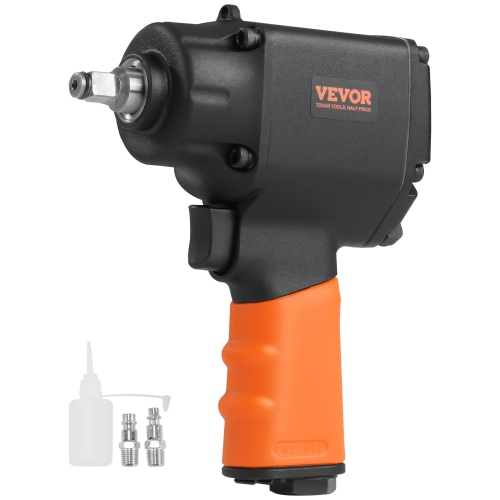
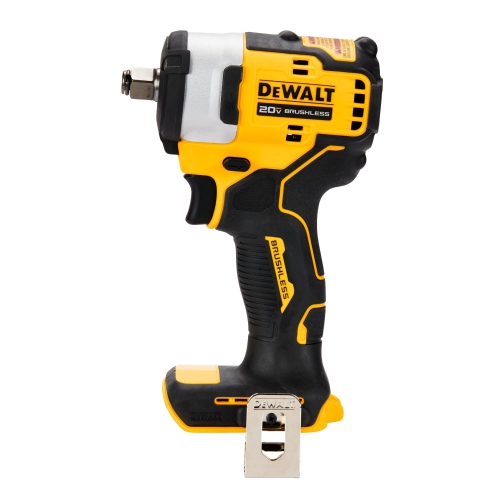
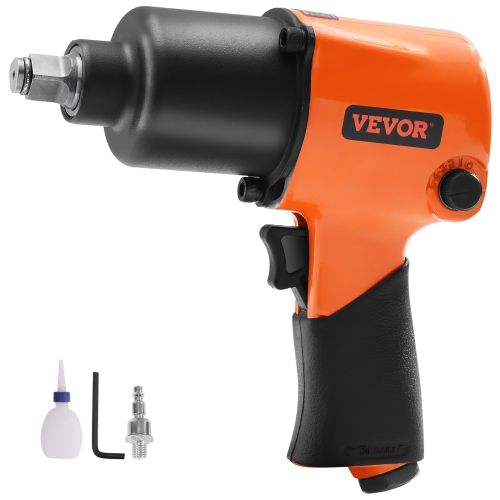
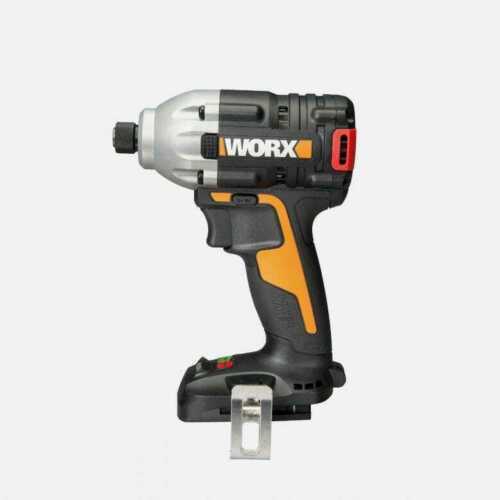
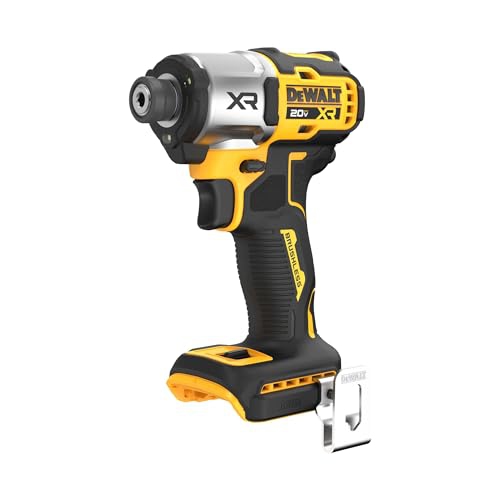
Impact tool sets bring together power tools and compatible accessories for driving screws, tightening bolts, and loosening stubborn fasteners. Sets may centre on cordless impact drivers, impact wrenches, or pneumatic tools, while some accessory sets contain impact-rated sockets or bits rather than a powered tool. The distinction matters because these tools handle different jobs. An impact driver typically uses a quarter-inch hex chuck and delivers repeated rotational blows to help drive screws into materials such as timber. It suits tasks such as fastening a workbench frame, securing structural screws, or assembling a storage unit with heavy-duty fixings. An impact wrench usually has a square drive for sockets and is more closely associated with nuts, bolts, vehicle maintenance, and equipment repair. Its suitability depends on both the fastener size and the torque required; a compact wrench for smaller assemblies serves a different purpose from one built to loosen tightly secured wheel nuts. A hammer drill works differently again, adding forward hammering action for suitable masonry drilling rather than rotational impacts for fastening. Combo sets can pair a drill with an impact driver, allowing a pilot hole to be drilled with one tool and a screw driven with the other. For projects centred on screwdriving, Impact Driver Kits offer a more focused category to explore. Across these tool types, variable-speed triggers, selectable power settings, and fastening modes can make a noticeable difference in control. Starting a screw neatly in a cabinet frame calls for a lighter touch than driving a long fastener into framing lumber. Maximum torque alone does not describe how a tool feels in use: head length, grip shape, balance, and access around the fastener also affect its usefulness. A shorter housing can help between closely spaced supports, while a comfortable grip and manageable weight become more important when fastening repeatedly or working above shoulder height.
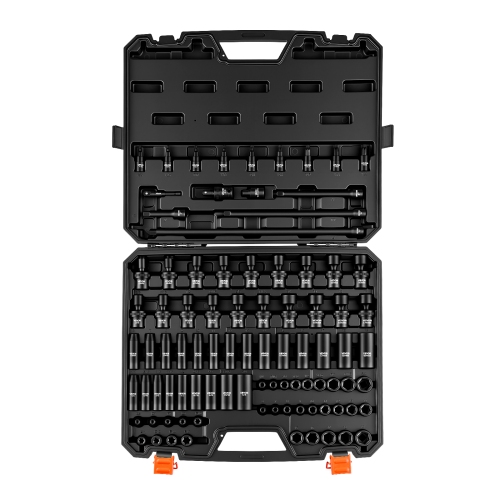
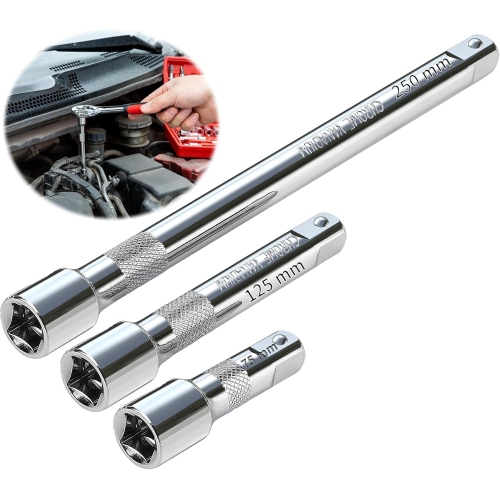
Cordless and pneumatic impact tool sets suit different working arrangements. Cordless tools offer freedom from an air hose and compressor, making them practical for moving between a garage, workshop, and project area. Battery compatibility is an important part of that convenience. A battery must match the tool’s specified platform, and a charger must support that battery; a similar appearance or voltage label does not establish compatibility. Kit contents also deserve attention, since a tool-only package is different from a set supplied with batteries, a charger, and a carrying case. Battery capacity affects potential runtime, although actual performance depends on the tool, fasteners, materials, and workload. A larger battery may support longer sessions but can also add bulk beneath the handle, changing the balance when reaching into a cabinet or beneath equipment. Brushless motors can reduce motor maintenance and improve efficiency, but the overall tool design and application still determine the experience. Pneumatic sets connect to a compressor and can suit an established workshop where compressed air is already part of the setup. Their requirements extend beyond the tool itself: compressor airflow, operating pressure, hose diameter, and fittings must meet the manufacturer’s specifications. A compressor that reaches the stated pressure may still struggle to supply enough air during sustained use. Hose routing also affects movement around a vehicle or bench, especially where space is tight. For either power source, a useful set has a sensible relationship between the main tool and its accessories. A large piece count is less meaningful if the sockets do not match the fasteners being used or the bits are not rated for impact operation. Clearly marked sizes, secure accessory holders, and a case with defined compartments help keep a frequently used socket from disappearing beneath loose extensions. For home projects and professional work alike, organized storage makes it easier to check that the necessary accessories are together before carrying the set to the job.
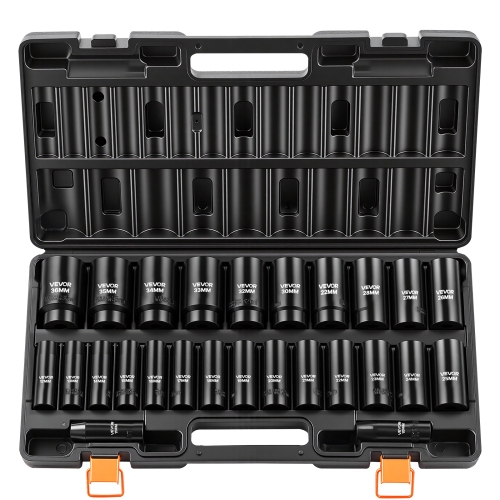
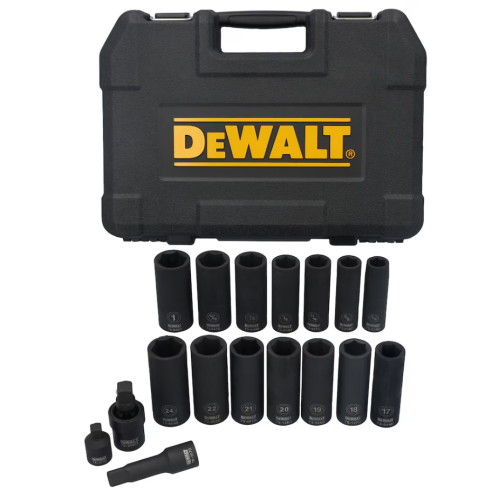
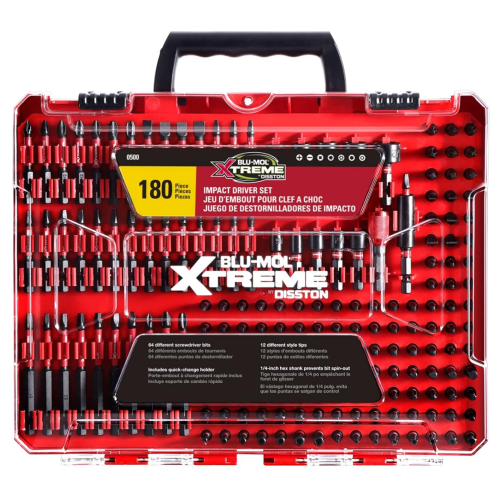
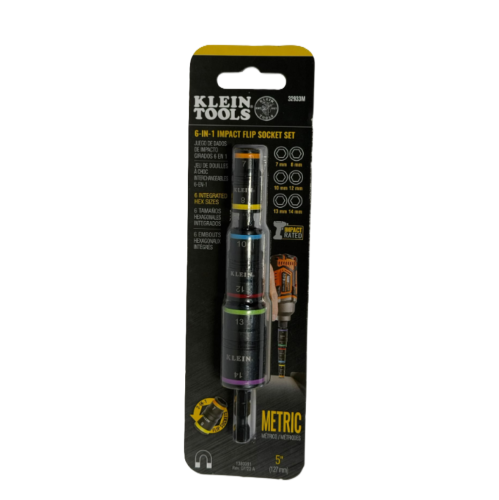
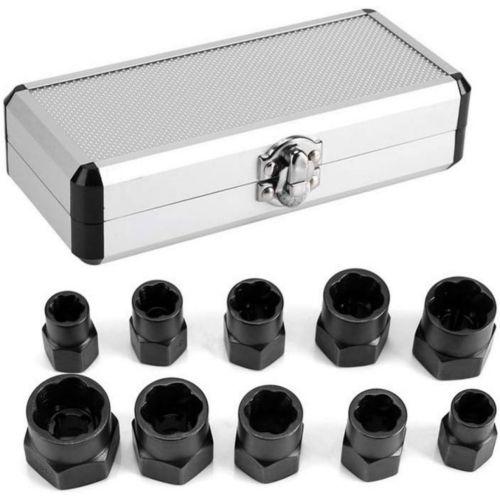
Materials, fit, and care have a direct bearing on how impact accessories perform. Impact-rated sockets are commonly made from alloy steels such as chrome molybdenum or suitably treated chrome vanadium, with designs intended to withstand repeated impact loads. Steel type or a dark finish alone does not establish suitability; the accessory must be identified by its manufacturer as impact-rated. Ordinary hand-tool sockets can fracture under impact use. The socket’s drive size must match the wrench or an approved impact-rated adaptor, and its opening must fit the fastener accurately. Metric and imperial sizes are not interchangeable simply because two sockets seem close. A snug, correctly sized socket helps protect the corners of a nut, while shallow and deep profiles provide access to different bolt lengths and recessed locations. Six-point sockets engage hexagonal fasteners securely, though wall thickness and surrounding clearance also matter in confined spaces. For drivers, the bit profile and size should match the screw head, with the bit seated fully to reduce slipping and damage. Impact force is useful for demanding fastening, but it does not replace controlled final tightening. Vehicle wheel nuts and other torque-critical fasteners require the specified procedure and final verification with a suitable torque wrench; impact tools are not precision torque-measuring instruments. Eye protection is important around moving fragments, and hearing protection may be needed because impact operation can be loud. Long-term care is generally straightforward: remove dust and debris, inspect sockets and bits for cracks or distortion, and store components dry in their case. Battery contacts should stay clean, and pneumatic tools need lubrication only as directed by their manufacturer. A well-matched set can be a practical gift for a keen home renovator, an automotive hobbyist, or someone building a workshop, particularly when it complements tools and batteries they already use. The most useful choice reflects familiar tasks, comfortable handling, and compatible accessories rather than the largest case or the highest torque figure.
Top selling and popular products
-
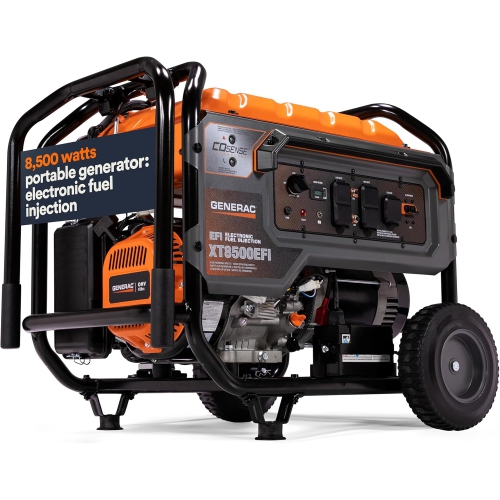 Your price for this item is $3000
-
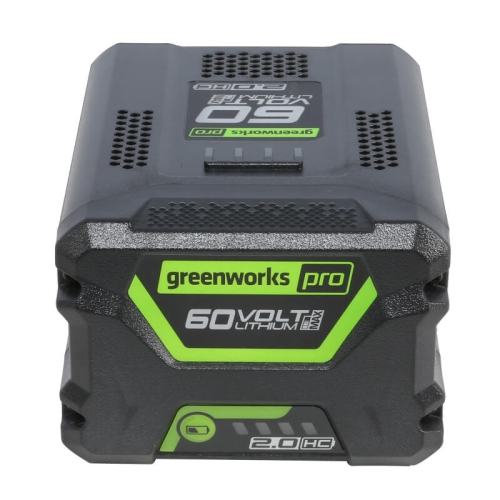 Your price for this item is $152.99
-
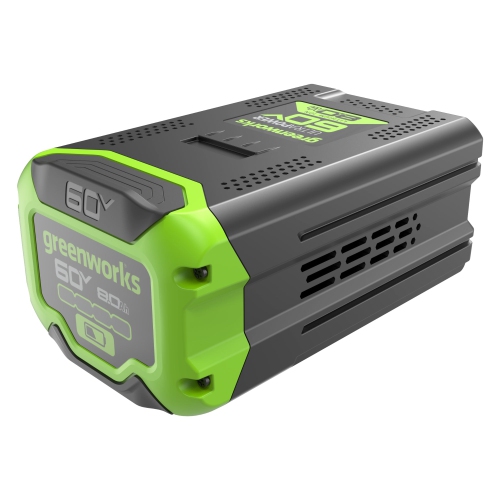 Your price for this item is $329.99
-
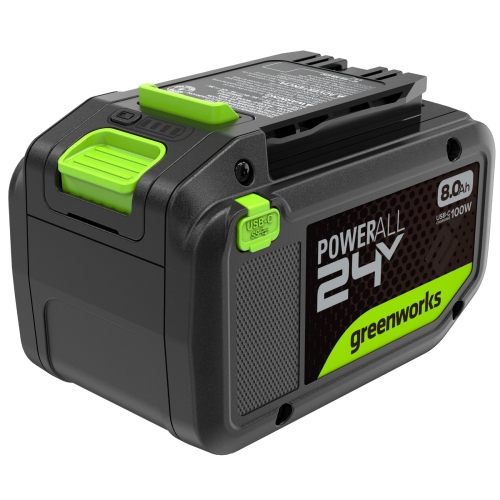 Your price for this item is $144.49
-
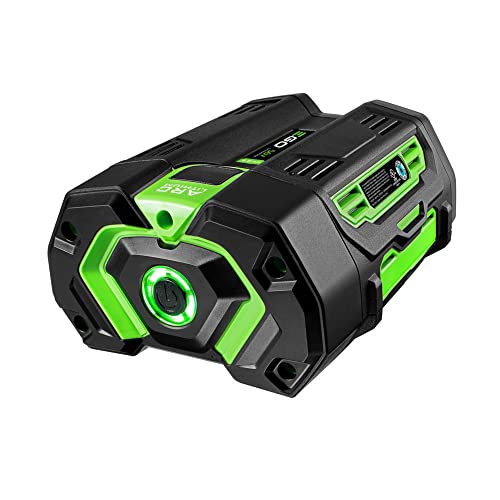 Your price for this item is $255
-
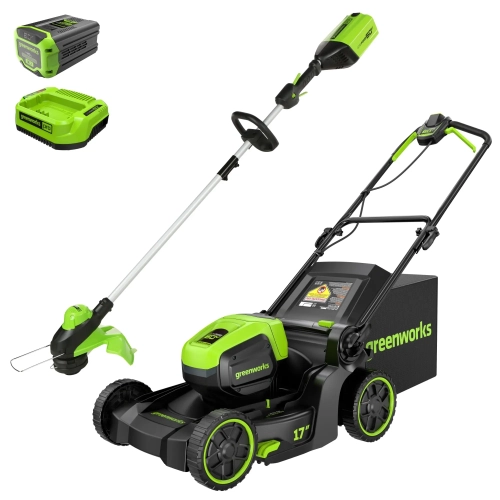 Your price for this item is $779.99
-
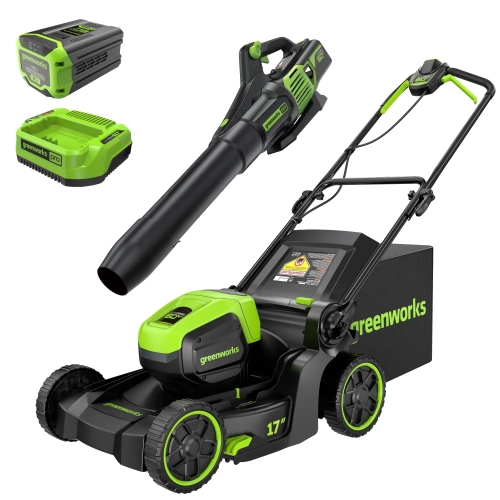 Your price for this item is $659.99
-
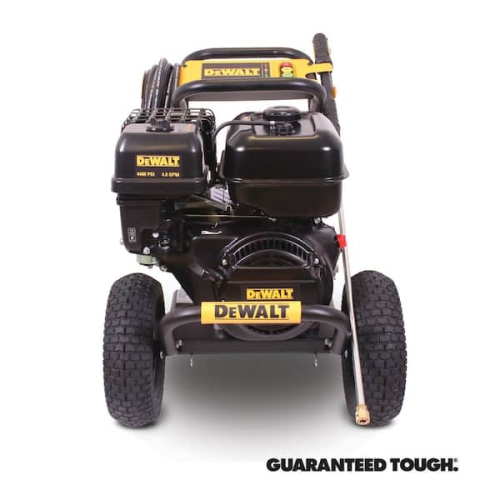 Your price for this item is $999.99
Discover more categories related to Impact Tool Sets
Top Collections:
Best Black Friday Deals This Year, Best Black Friday Deals On Electronics, Kindle Devices, Pokemon Centers, Best Black Friday Deals On Apple Products, Best Cameras for Sports Photography, Dyson Airwrap, Pokémon 30th Celebration Cards, Apple iPhone 17 Pro, Canon G7X Cameras
Some products may be subject to Environmental Handling Fees
(EHF) depending on your province.
Learn more about EHFs.