Impact Drivers
Impact drivers are a type of power tool designed to make driving screws and other fasteners into materials much easier. They are especially useful for driving screws into hard materials such as metal, wood, and plastic. They are also useful for driving long screws into materials without stripping them. Here are some of the great options for you.
Sort
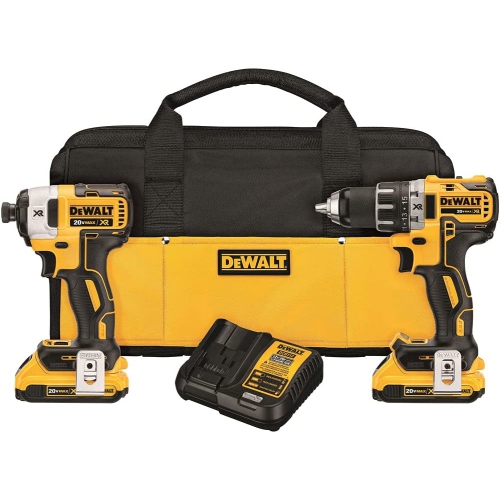
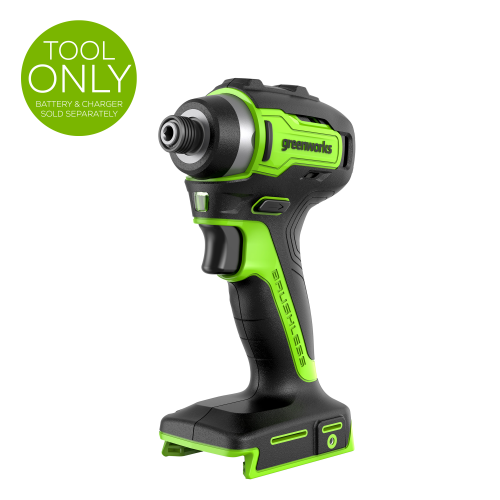
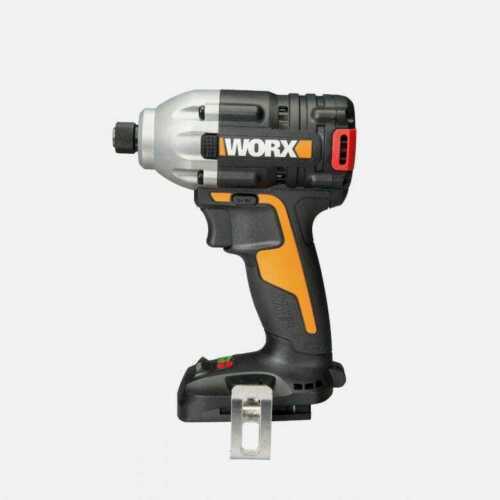
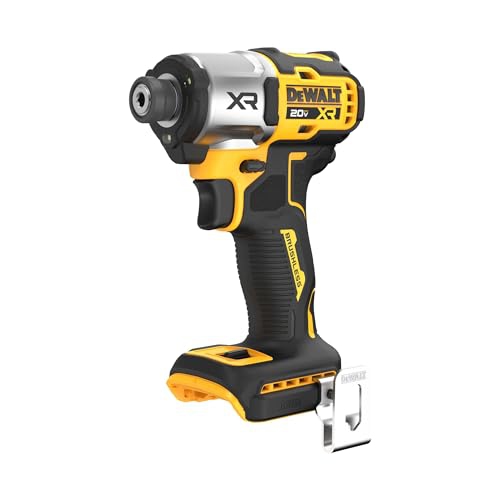
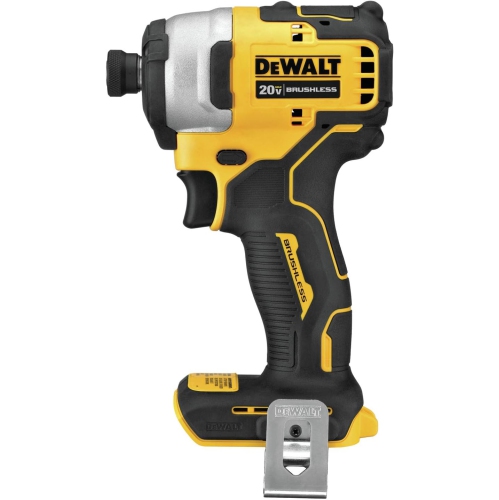
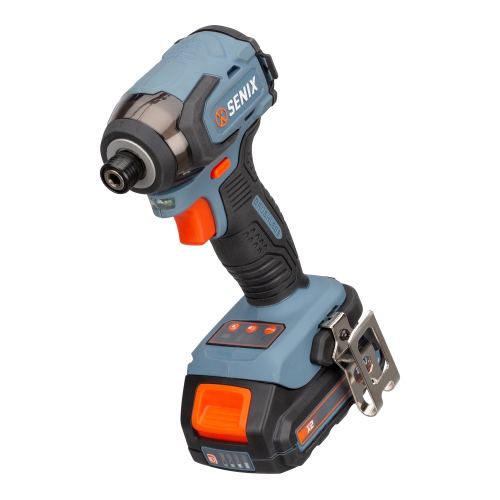
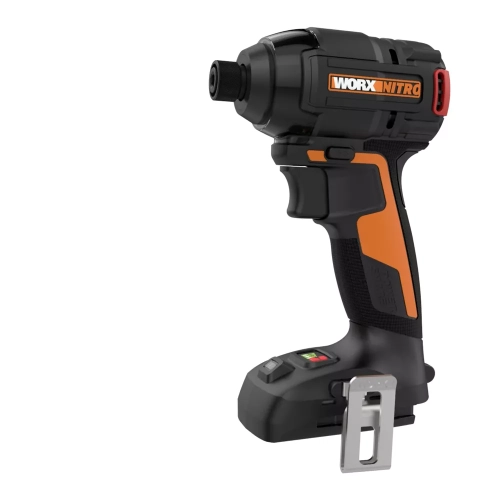
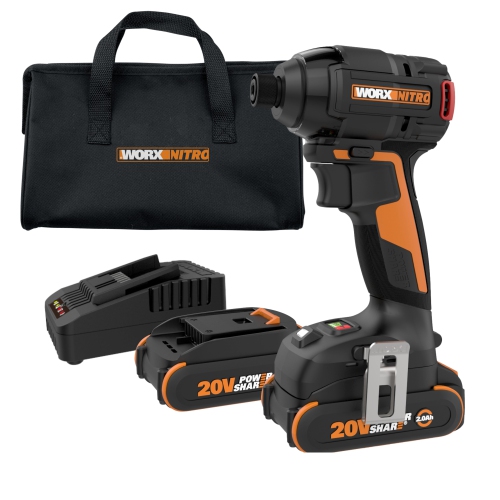
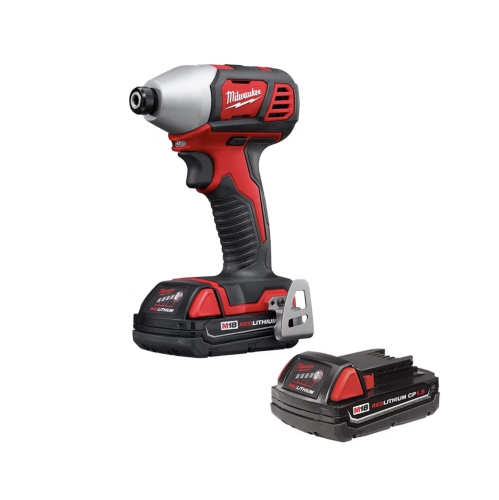
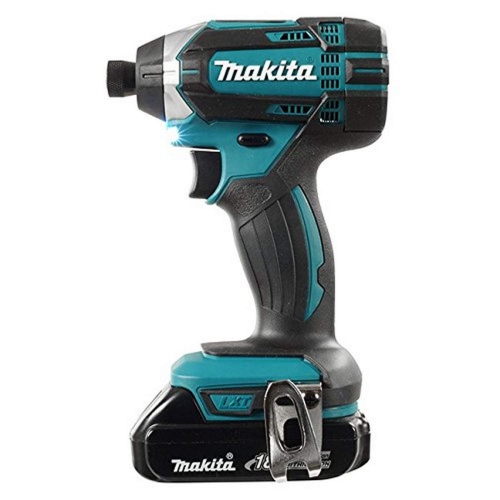
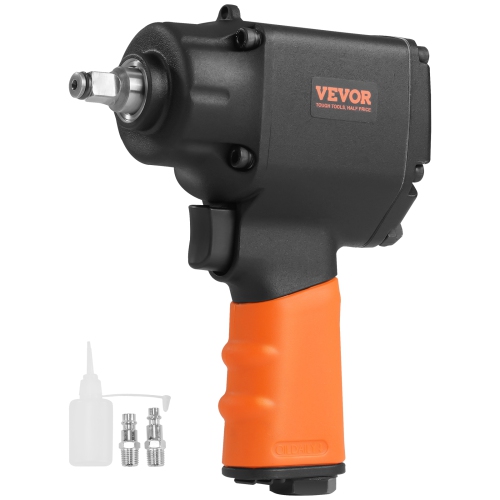
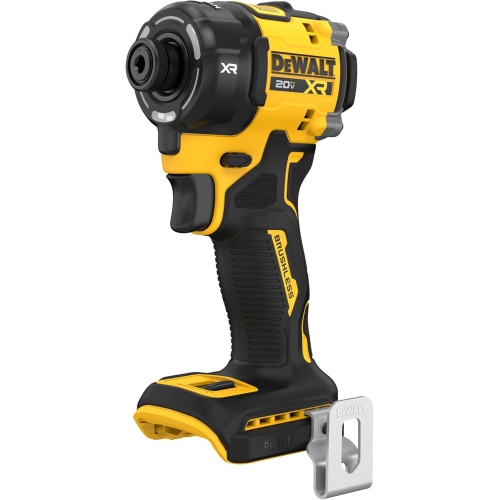
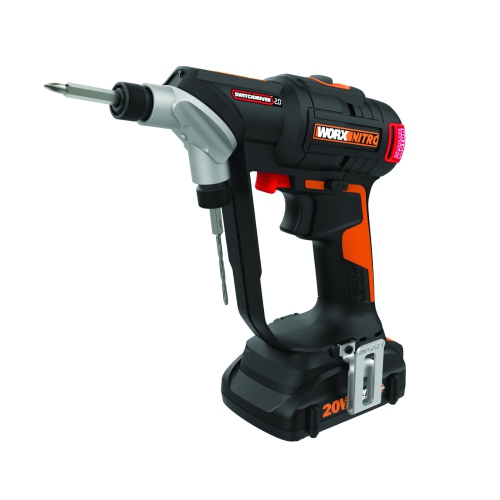
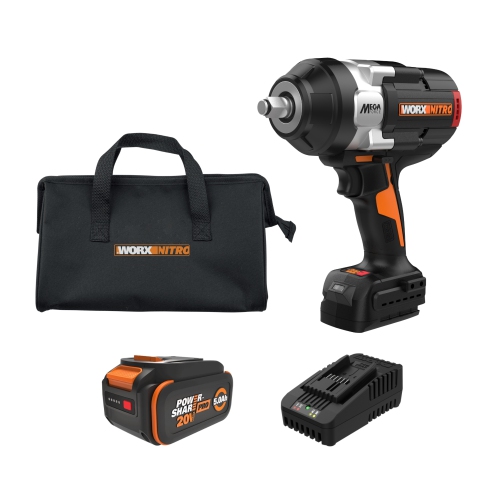
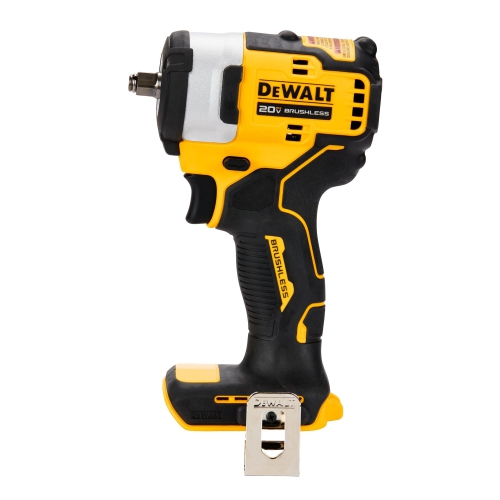
How bursts of turning force drive stubborn screws
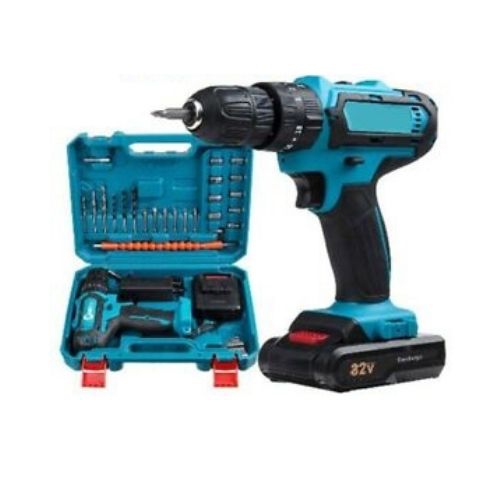
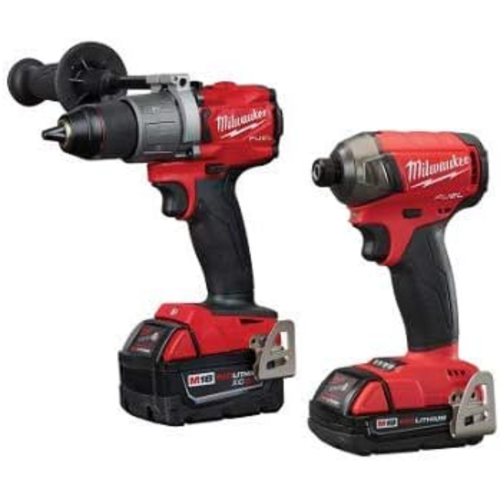
Impact drivers are power tools designed to drive screws and other compatible fasteners using a combination of rotation and rapid rotational impacts. When a fastener meets resistance, an internal hammer-and-anvil mechanism delivers repeated bursts of turning force, helping move long screws through dense timber or seat fasteners during demanding assembly work. This action distinguishes an impact driver from a standard drill driver, which relies on continuous rotation, and from a hammer drill, which adds forward hammering for drilling into masonry with suitable bits. Most handheld impact drivers use a 1/4-inch hex collet rather than an adjustable drill chuck, allowing quick changes between compatible screwdriver bits and accessories. Their main purpose is fastening, although some can drill holes with appropriate impact-rated hex-shank drill bits. For precise hole placement, larger drilling accessories, or delicate work, a drill driver is often the better companion. The term Impact Drill can appear alongside these tools, but the fastening or drilling mechanism matters more than the label when matching a tool to a task. Impact drivers suit jobs such as securing timber framing, assembling shelving, fitting workshop storage, and driving repeated screws into plywood or dimensional lumber. Carpenters, installers, renovators, and hands-on homeowners may appreciate the compact body and strong fastening action, especially where a conventional drill struggles with long screws. They are less suited to tasks that demand a very light touch, such as tightening small hardware into thin furniture panels or securing fragile fittings. Pilot holes may still be necessary depending on the timber, screw size, edge distance, and fastener manufacturer's requirements. The impact mechanism can reduce the sustained twisting force felt at the handle compared with a conventional drill under load, but it does not eliminate kickback, slipping bits, or the need for a secure grip. Correct bit fit and steady alignment remain important to both the finished result and comfortable handling.
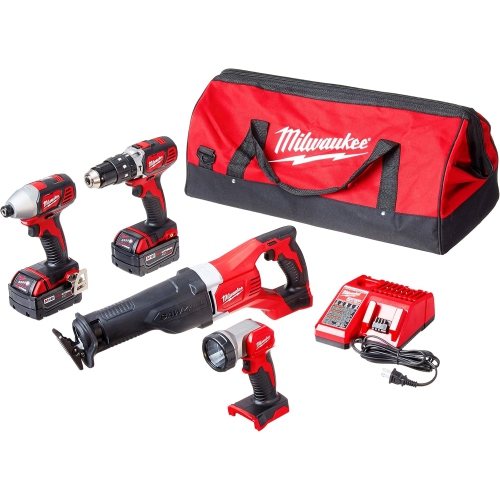
The differences between impact drivers become clearer when their specifications are connected to the work they will perform. Torque describes turning force and is commonly stated in inch-pounds or newton-metres; higher output can help with demanding fastening, but maximum torque alone does not determine how useful a tool will be. Rotational speed, impact rate, trigger response, and selectable operating modes also influence how smoothly a screw starts and how much control remains as its head approaches the surface. A variable-speed trigger helps with careful starts, while multiple speed settings can make one tool more adaptable across lighter assembly and heavier fastening. Some designs include assist modes intended to reduce particular fastening problems, though their functions vary and should not be treated as a substitute for correct technique. Many impact drivers lack the adjustable mechanical clutch found on drill drivers, making control especially important around softwood, finished surfaces, and smaller screws. Brushless motors generally offer efficient operation and eliminate motor-brush replacement, while brushed designs use a different motor construction with their own maintenance requirements. Cordless impact drivers are useful where a trailing cable would restrict movement, whether that means reaching inside a cabinet or moving along a row of shelving supports. Battery capacity, usually expressed in amp-hours, affects potential runtime, but actual performance depends on the task, battery condition, and tool design. A larger battery can extend working time while adding weight and changing the tool's balance. Nominal voltage and maximum voltage are different rating conventions, so voltage labels alone are not a complete comparison of capability. For anyone already using cordless tools, battery compatibility is an important practical detail: the battery and charger must be approved for the particular tool platform, and similar-looking connections do not guarantee a match. Bare-tool and kit formats also differ in what they include, making the stated contents relevant to setting up a complete working system.
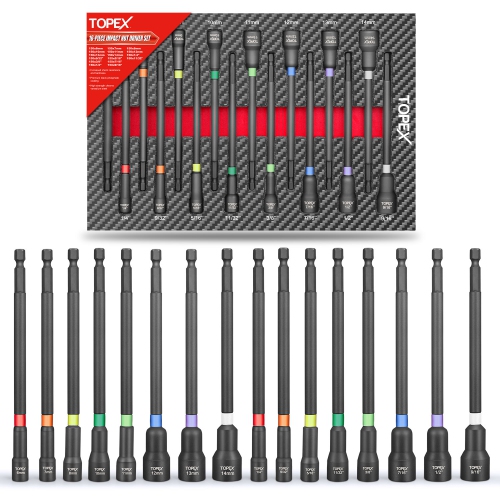
Physical fit and construction make a noticeable difference during repeated use. A short front-to-back body can reach between cabinet sides or framing members, while a comfortable handle and well-positioned trigger help maintain control through a series of fasteners. The working weight includes the battery and accessory, not just the tool body, and a compact design may still feel unbalanced with a large battery attached. Built-in work lights can brighten the screw head inside a cupboard, although shadows will depend on the light's placement. Belt clips and carrying cases add convenience for moving between tasks and keeping accessories organized. Impact drivers commonly combine moulded housings, grip coverings, metal gear components, and hardened steel parts within the impact mechanism; overall durability depends on construction, intended duty, and proper care rather than appearance alone. Accessories deserve equal attention. Impact-rated bits are designed for the repeated loads these tools produce, and the bit profile and size should match the fastener closely. A worn or poorly fitting bit can damage a screw head even when the driver has ample power. Where socket adapters are supported, both the adapter and socket need to be appropriate for impact use, and an impact driver should not be confused with a square-drive impact wrench intended for different fastening demands. Connections requiring a specified final torque need the appropriate torque-measuring tool rather than an estimate based on sound or impact duration. For routine care, disconnect the power source before changing accessories or cleaning, keep ventilation openings clear, and follow the manufacturer's instructions for battery handling, inspection, and storage. Protective eyewear and hearing protection are important during operation, and loose workpieces should be secured before fastening begins. An impact driver can make a practical gift for someone building a workshop or taking on regular repairs, particularly when its battery platform and handling suit tools they already use. For everyday ownership, the best fit is a driver that combines enough fastening capability with manageable weight, useful control, and compatible accessories for the projects at hand.
The differences between impact drivers become clearer when their specifications are connected to the work they will perform. Torque describes turning force and is commonly stated in inch-pounds or newton-metres; higher output can help with demanding fastening, but maximum torque alone does not determine how useful a tool will be. Rotational speed, impact rate, trigger response, and selectable operating modes also influence how smoothly a screw starts and how much control remains as its head approaches the surface. A variable-speed trigger helps with careful starts, while multiple speed settings can make one tool more adaptable across lighter assembly and heavier fastening. Some designs include assist modes intended to reduce particular fastening problems, though their functions vary and should not be treated as a substitute for correct technique. Many impact drivers lack the adjustable mechanical clutch found on drill drivers, making control especially important around softwood, finished surfaces, and smaller screws. Brushless motors generally offer efficient operation and eliminate motor-brush replacement, while brushed designs use a different motor construction with their own maintenance requirements. Cordless impact drivers are useful where a trailing cable would restrict movement, whether that means reaching inside a cabinet or moving along a row of shelving supports. Battery capacity, usually expressed in amp-hours, affects potential runtime, but actual performance depends on the task, battery condition, and tool design. A larger battery can extend working time while adding weight and changing the tool's balance. Nominal voltage and maximum voltage are different rating conventions, so voltage labels alone are not a complete comparison of capability. For anyone already using cordless tools, battery compatibility is an important practical detail: the battery and charger must be approved for the particular tool platform, and similar-looking connections do not guarantee a match. Bare-tool and kit formats also differ in what they include, making the stated contents relevant to setting up a complete working system.
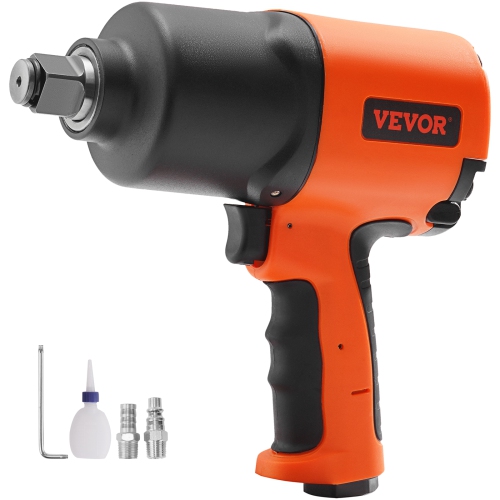
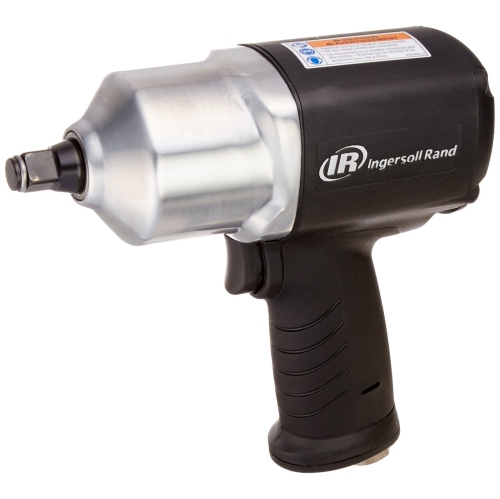
Physical fit and construction make a noticeable difference during repeated use. A short front-to-back body can reach between cabinet sides or framing members, while a comfortable handle and well-positioned trigger help maintain control through a series of fasteners. The working weight includes the battery and accessory, not just the tool body, and a compact design may still feel unbalanced with a large battery attached. Built-in work lights can brighten the screw head inside a cupboard, although shadows will depend on the light's placement. Belt clips and carrying cases add convenience for moving between tasks and keeping accessories organized. Impact drivers commonly combine moulded housings, grip coverings, metal gear components, and hardened steel parts within the impact mechanism; overall durability depends on construction, intended duty, and proper care rather than appearance alone. Accessories deserve equal attention. Impact-rated bits are designed for the repeated loads these tools produce, and the bit profile and size should match the fastener closely. A worn or poorly fitting bit can damage a screw head even when the driver has ample power. Where socket adapters are supported, both the adapter and socket need to be appropriate for impact use, and an impact driver should not be confused with a square-drive impact wrench intended for different fastening demands. Connections requiring a specified final torque need the appropriate torque-measuring tool rather than an estimate based on sound or impact duration. For routine care, disconnect the power source before changing accessories or cleaning, keep ventilation openings clear, and follow the manufacturer's instructions for battery handling, inspection, and storage. Protective eyewear and hearing protection are important during operation, and loose workpieces should be secured before fastening begins. An impact driver can make a practical gift for someone building a workshop or taking on regular repairs, particularly when its battery platform and handling suit tools they already use. For everyday ownership, the best fit is a driver that combines enough fastening capability with manageable weight, useful control, and compatible accessories for the projects at hand.
Top selling and popular products
-
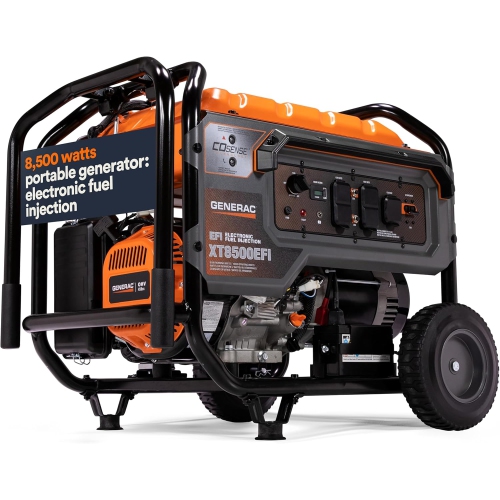 Your price for this item is $3000
 -
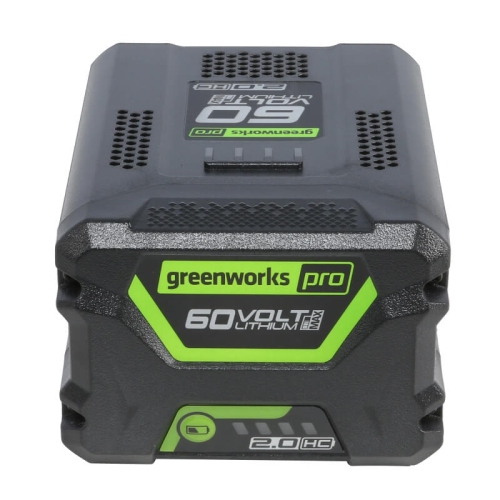 Your price for this item is $124.45
 -
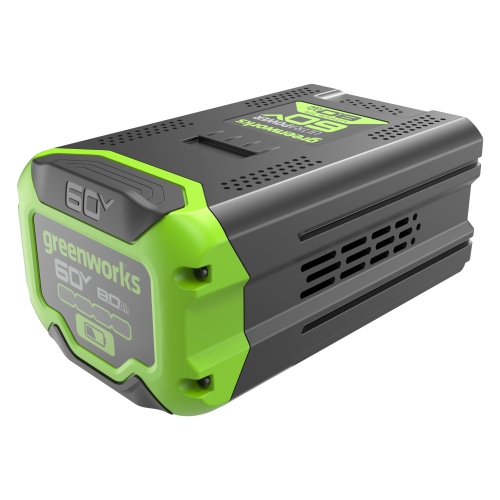 Your price for this item is $329.99
 -
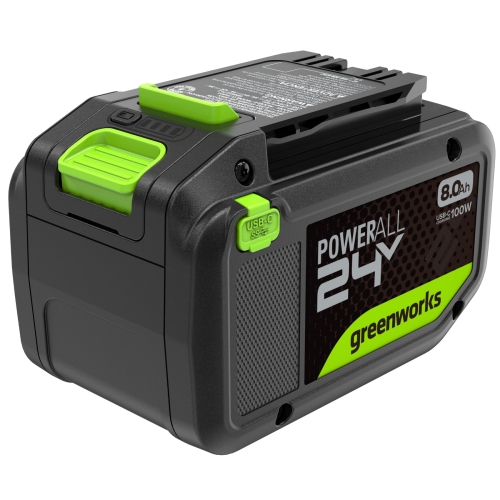 Your price for this item is $139.99
 -
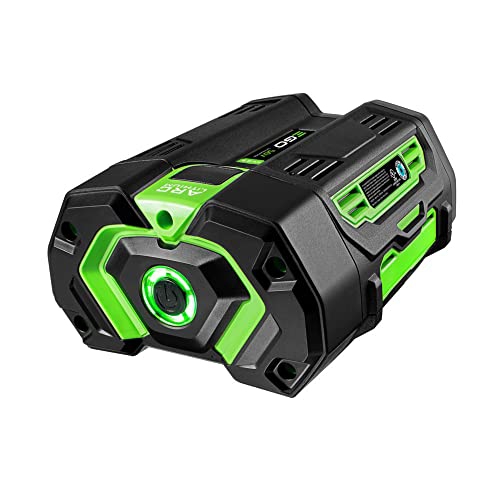 Your price for this item is $264
 -
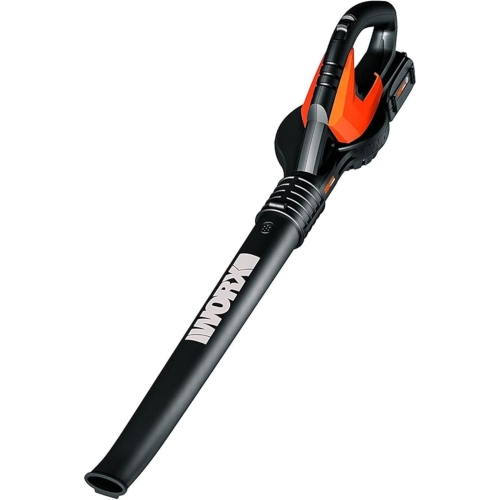 Your price for this item is $217.55
 -
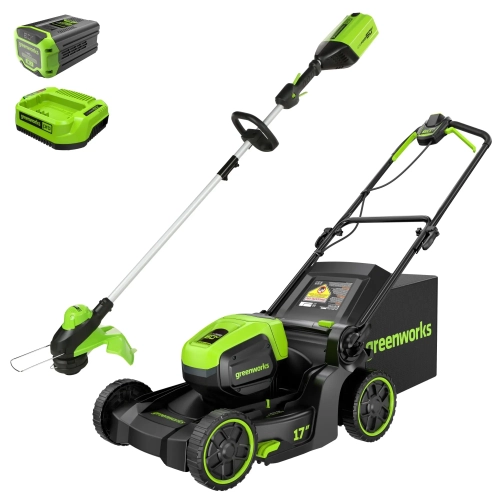 Your price for this item is $739.99
 -
 Your price for this item is $599.99
Discover more categories related to Impact Drivers
Top Collections:
Pokemon Centers, Kindle Devices, Best Budget Office Chairs, Apple iPhones 16, Best Laptops for Writers, iPhone 15 Apple, Canon G7X Cameras, Refurbished Apple Laptops, Alarm Clock, Motorola Razr Phones
Some products may be subject to Environmental Handling Fees
(EHF) depending on your province.
Learn more about EHFs.