Indoor Fly Traps
Looking to keep pesky flies at bay in your home? Look no further than our selection of indoor fly traps. These innovative devices are designed to effectively capture and eliminate flies, making your living space more comfortable and fly-free. Whether you're dealing with fruit flies in the kitchen or annoying house flies buzzing around, our indoor fly traps offer a convenient and efficient solution. With a variety of options available, you can find the perfect fly trap to suit your needs and maintain a clean and enjoyable environment indoors.
Sort














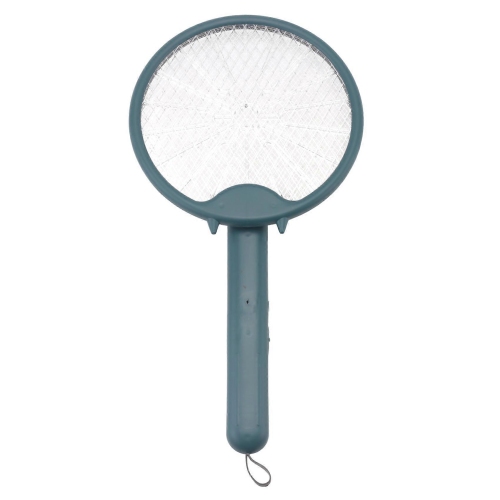


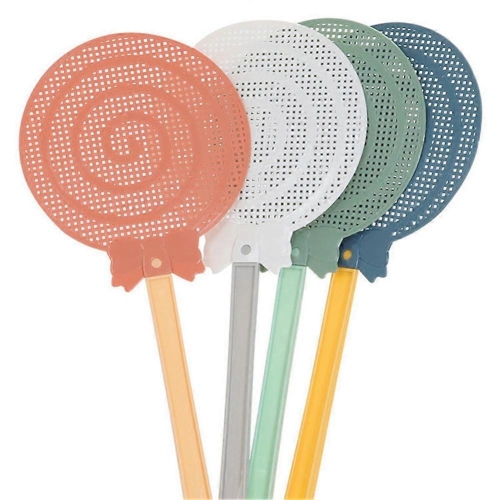
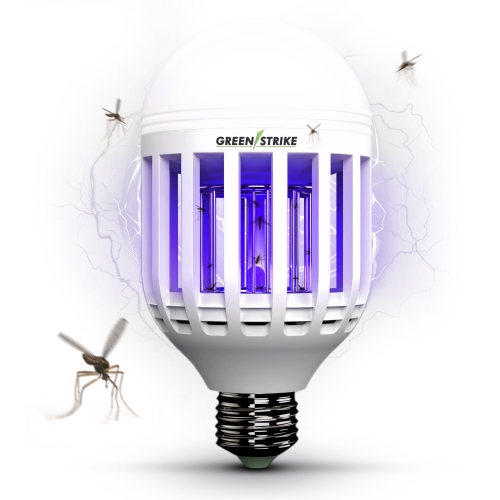
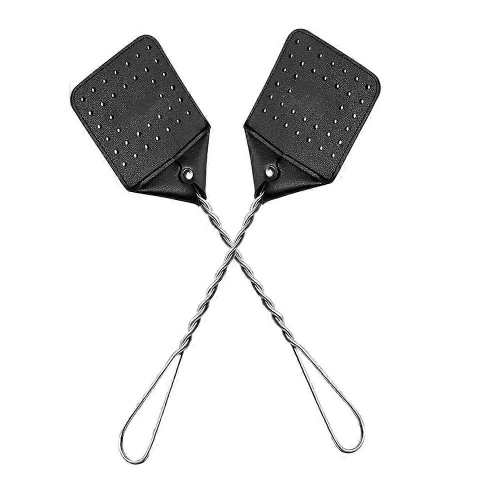
Why different flies call for different trapping methods
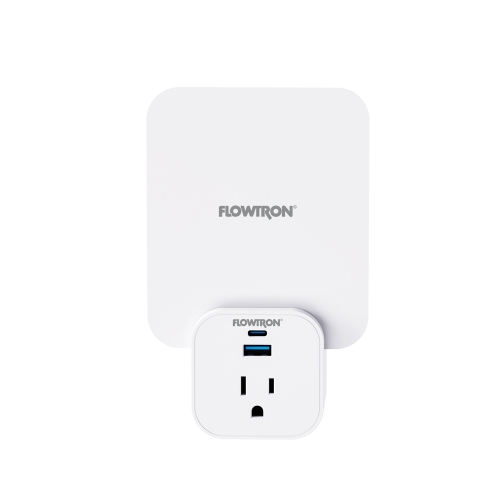
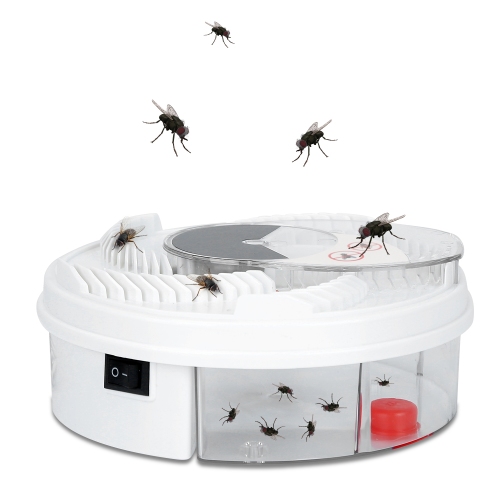
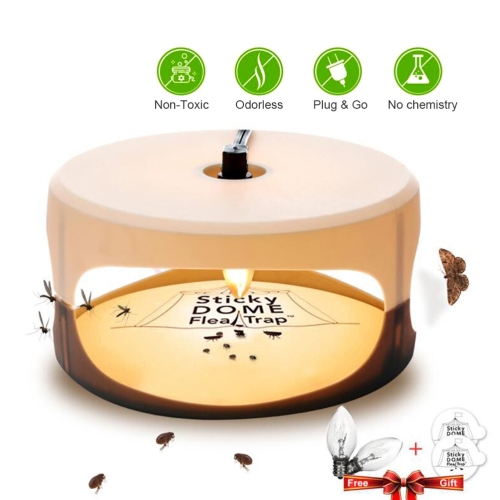
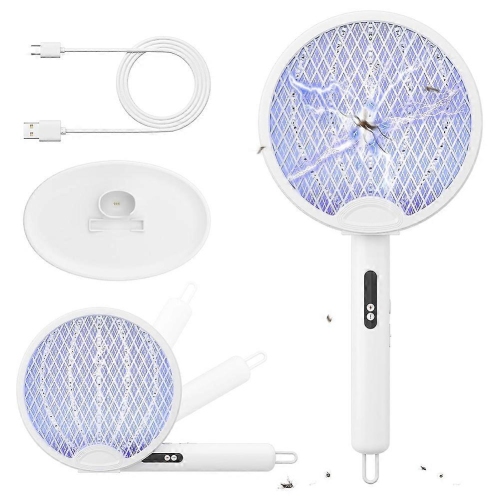
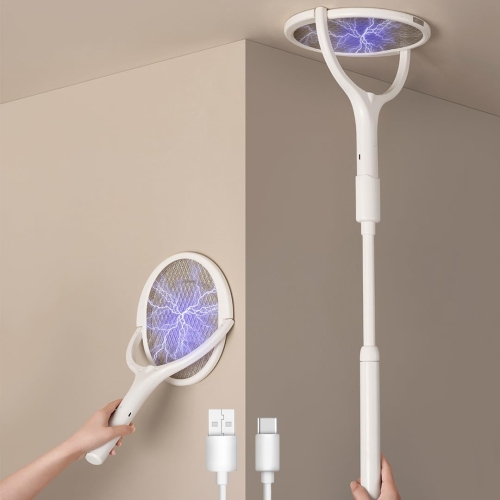
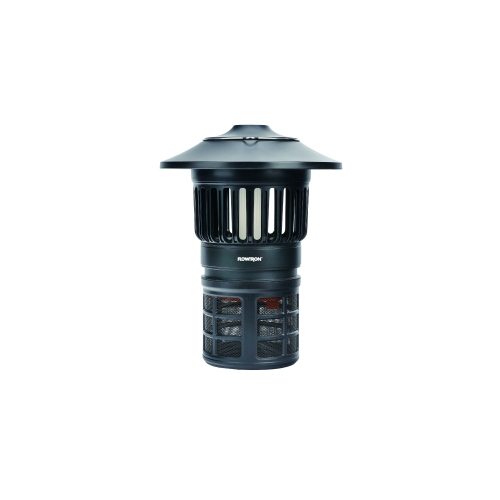
Indoor fly traps help capture flying insects inside the home, with designs suited to kitchens, living areas, utility rooms, and spaces where houseplants are kept. The main types include plug-in light traps with adhesive inserts, fan-assisted traps that draw insects into a collection chamber, sticky cards or strips, and enclosed traps that use a food-based attractant. Each works differently, so the most useful match depends on the insect and where it gathers rather than on a single feature such as brightness or size. Fruit flies often linger around ripe produce, drink residue, and food scraps, while fungus gnats are more closely associated with damp potting mix. House flies are larger and may need a trap specifically labelled to capture them. Small flies near a sink can also be drain flies, which breed in organic buildup inside drains; capturing the adults alone does not address that source. Light-based traps attract certain flying insects, but their effectiveness varies by species, placement, and competing light sources. Food-based lures are generally aimed at particular flies rather than every insect in a room. For a kitchen where tiny flies hover near a fruit bowl, an enclosed fruit fly trap may be a more relevant choice than a general-purpose light trap. Around indoor plants, adhesive cards positioned according to their directions can capture adult fungus gnats and make their presence easier to monitor. A trap labelled for house flies is a better starting point when larger flies repeatedly gather near windows. Indoor fly control works best when capture is paired with attention to breeding and feeding sources, including uncovered food waste, sticky spills, and standing water. Traps can help reduce the number of adult insects seen around a room, but they do not replace cleaning drains, emptying bins, or adjusting plant care where those conditions are contributing to the problem.
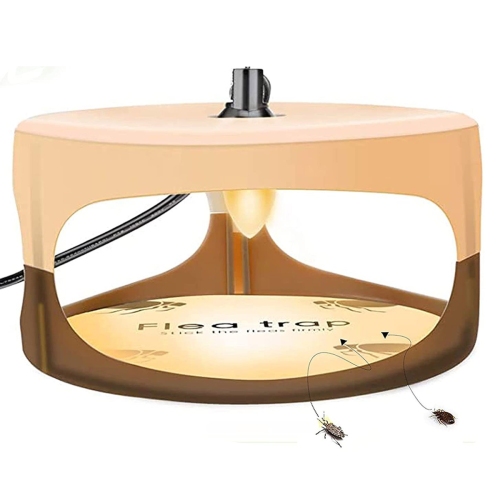
The physical design of an indoor fly trap matters just as much as its capture method, especially in rooms used for cooking, relaxing, or working. Plug-in models can leave counters clear, although their dimensions and orientation determine whether they block an adjacent socket or fit beneath a cabinet. A freestanding light or fan trap needs a stable surface, a suitable power connection, and enough clearance around its openings to work as intended. Coverage claims are worth considering alongside room layout: an open-plan kitchen and dining area presents a different challenge from a small enclosed utility room, and a stated coverage area does not guarantee equal performance through doorways or around partitions. Some light traps have a shielded front that keeps the adhesive surface out of direct view, which can be preferable beside a dining area or in a shared workspace. The same housing may still cast a visible glow, so light output matters in bedrooms and television rooms. Fan-assisted designs add moving air and some operating sound; descriptions such as quiet should be weighed against how close the trap will sit to a bed or desk. Passive sticky traps and lure containers need no motor, making them useful where electrical access or sound is a concern. Materials commonly include moulded plastic housings, paper or plastic adhesive inserts, and removable collection compartments. Smooth surfaces and accessible trays make routine wiping easier, while a stable base and a well-fitting cover help a trap stand up to repeated handling. Colour and shape can also affect how comfortably a unit fits into a room, whether tucked beside a pantry cabinet or placed near a cluster of planters. For households with children or pets, the key consideration is preventing access to adhesive, liquid attractants, electrical parts, and captured insects. An enclosed design can limit contact, but it should not be treated as childproof or petproof unless specifically rated that way. Placement should follow the label and keep traps away from food preparation surfaces, splashing water, and areas where they could be knocked over.
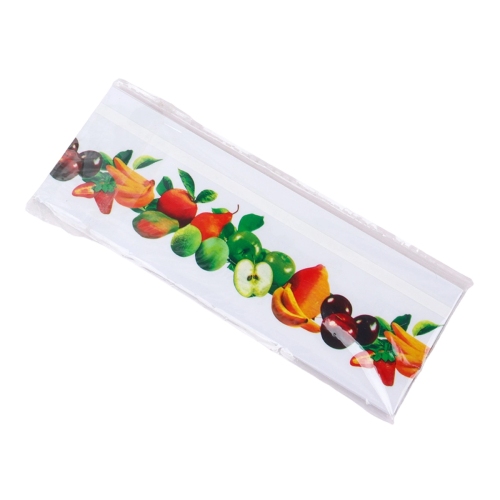
Ongoing care determines how practical a fly trap will be after its first few days of use. Adhesive inserts need replacement when they become covered with insects, collect dust, or reach the interval stated by the manufacturer. A large glue surface may offer more capture space, but access matters too: a cartridge that slides out without exposing fingers to the sticky side can make servicing less awkward. Refillable lure traps involve a different routine, with containers that may need emptying, washing, and fresh attractant at specified intervals. Lures can have a noticeable scent, making an enclosed design and appropriate placement particularly relevant in kitchens and living spaces. Fan traps may require debris removal from a collection chamber and cleaning around air openings to maintain airflow. For powered units, unplugging before cleaning and keeping moisture away from electrical components are important parts of care; only removable parts identified as washable should be rinsed. Durability depends on more than the outer casing. Secure cartridge fittings, accessible compartments, and clear maintenance directions all contribute to a trap that is straightforward to keep in use. Replacement insert compatibility is another practical detail, since adhesive cards and lure refills are not necessarily interchangeable between designs. Renters may favour freestanding or socket-mounted formats that need no permanent installation, while plant enthusiasts may prefer compact cards that fit neatly among pots without brushing against leaves. In a home office, a discreet capture surface and low operating sound may matter more than a decorative finish. Indoor and outdoor traps also serve different purposes: some outdoor attractants have strong odours or draw insects towards their location, making them unsuitable for use inside. For patios, yards, and other exterior spaces, Outdoor Fly Traps are a separate category, and each trap should be used only in the setting indicated on its label. Indoors, a well-matched trap combines the right target insect, a suitable capture method, manageable upkeep, and a position that fits everyday household routines. Those details make it easier to address flies around a kitchen bin, near indoor plants, or beside a utility-room window without adding unnecessary clutter or disruption.
Top selling and popular products
-
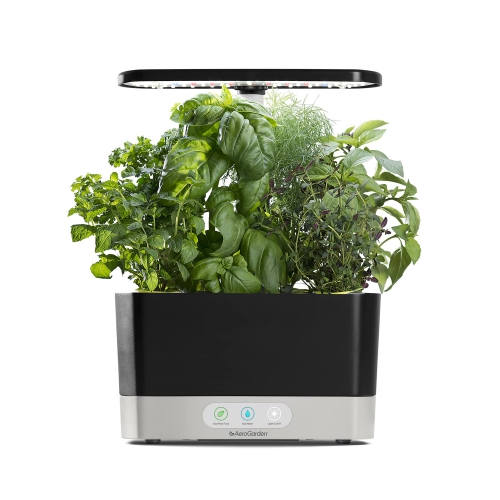 Your price for this item is $199
-
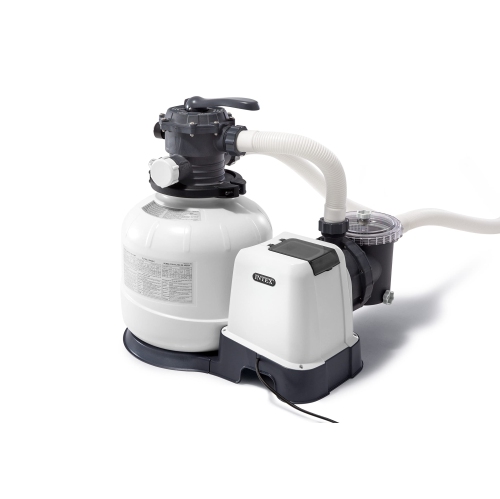 Your price for this item is $430.99
-
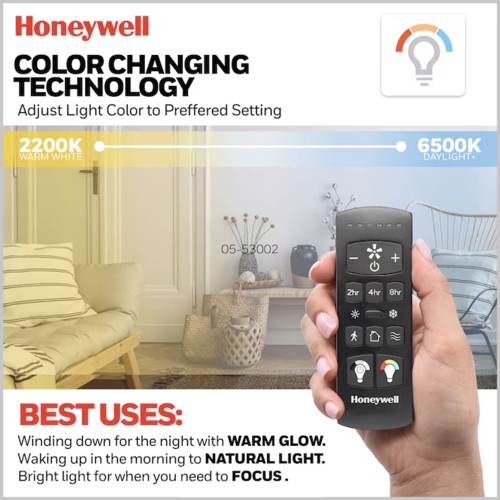 Your price for this item is $480.99
-
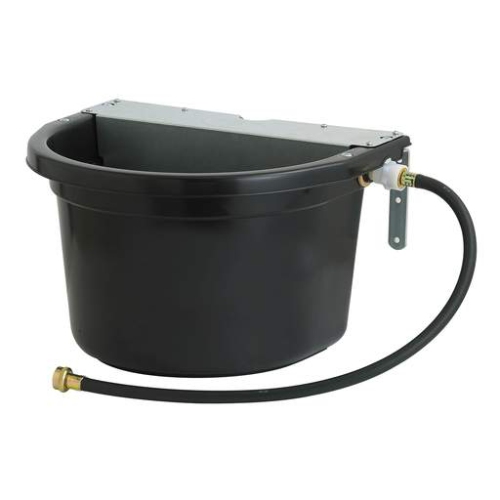 Your price for this item is $130.99
-
 Your price for this item is $221.99
-
 Your price for this item is $69.45
-
 Your price for this item is $569.99
-
 Your price for this item is $249.99
Discover more categories related to Indoor Fly Traps


Top Collections:
Pokemon Centers, Best Cameras for Sports Photography, Kindle Devices, Samsung Galaxy Phones, Canon G7X Cameras, Pokémon 30th Celebration Cards, Refurbished Apple Laptops, iPhone 15 Apple, Laptops for Students, Budget Smartphones
Some products may be subject to Environmental Handling Fees
(EHF) depending on your province.
Learn more about EHFs.