Indoor Insect Traps
If you're looking to rid your home of pesky insects without the use of harmful chemicals, look no further than these indoor insect traps. These innovative devices are designed to attract and capture common household pests, such as flies, mosquitoes, and ants. With a variety of options available, you can find the perfect trap to suit your needs and effectively eliminate unwanted bugs from your living space.
Sort






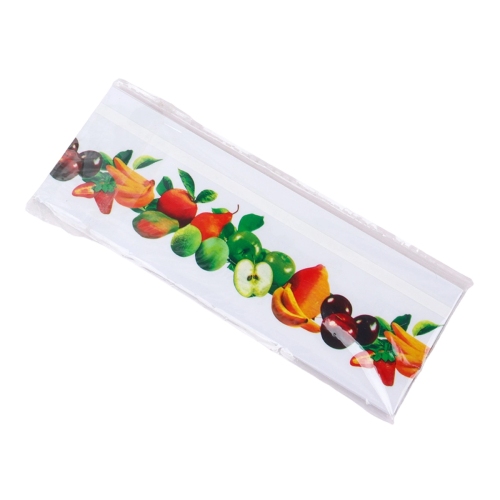


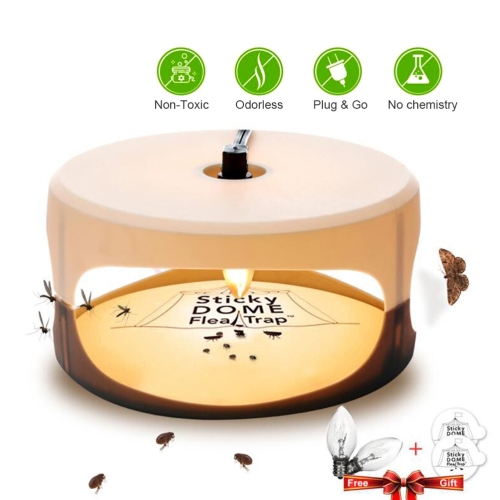
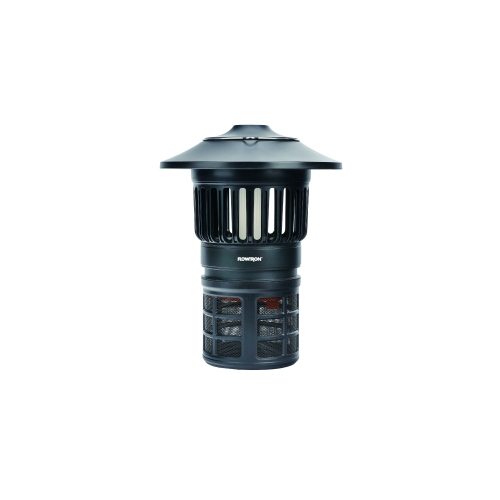


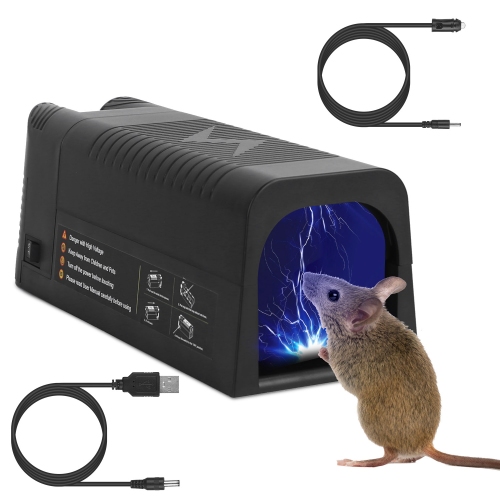

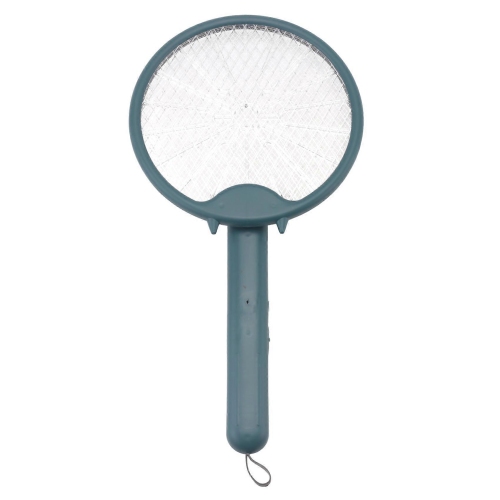

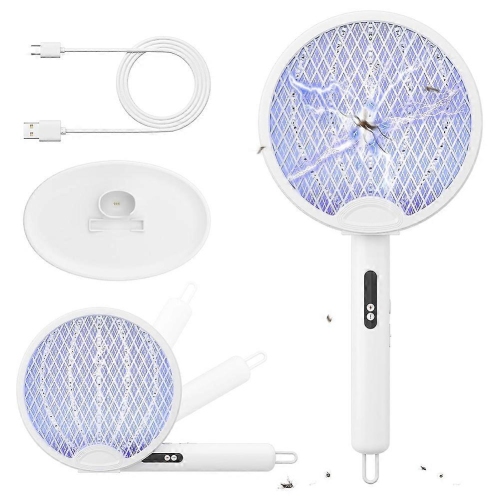

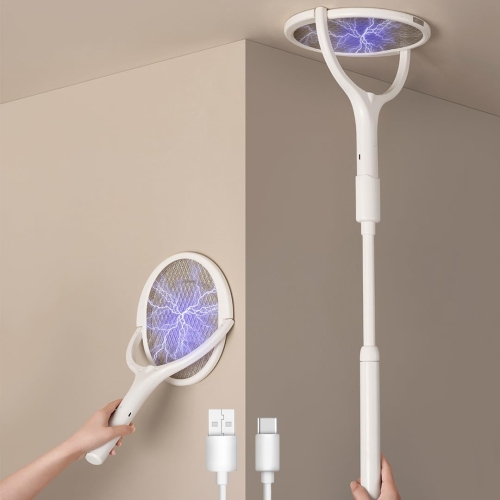


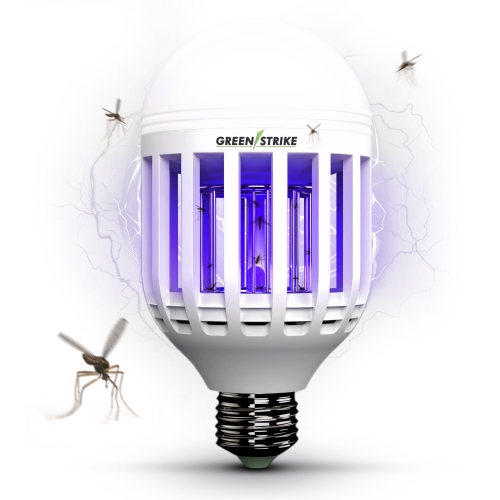



Practical ways to manage flying and crawling pests indoors
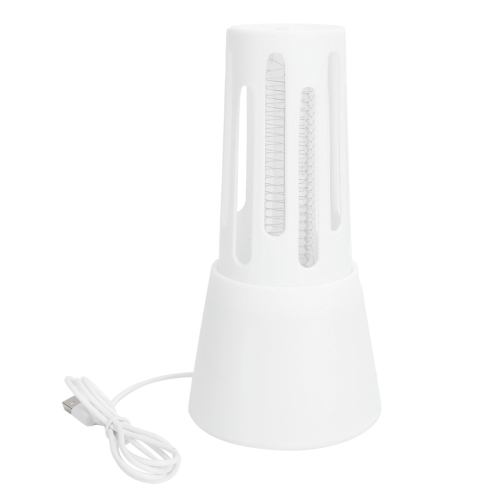
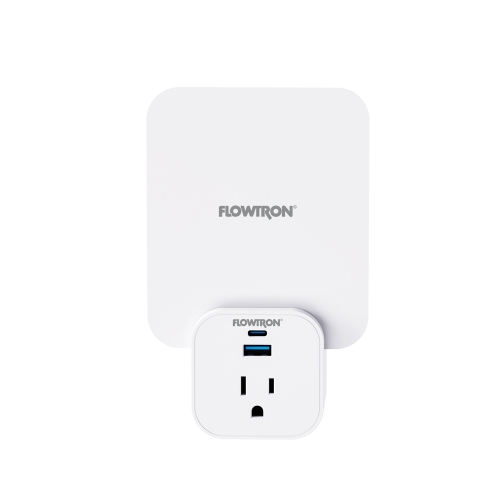
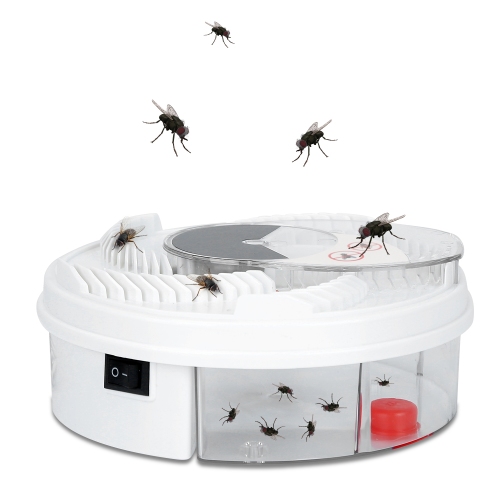
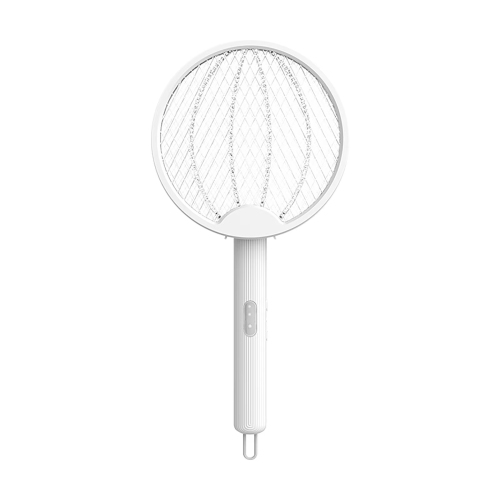
Indoor insect traps offer a practical way to manage the occasional flying or crawling pest inside the home, particularly in kitchens, bathrooms, entryways and other areas where insects tend to gather. Different traps are designed for different habits, so choosing the right style starts with identifying what you have noticed. Flying insects such as fruit flies, gnats and mosquitoes are often drawn to light, warmth, moisture or food odours. Plug-in light traps use blue or UV light to attract these pests, then capture them on a concealed sticky card or adhesive surface. They can be useful near fruit bowls, recycling bins, sinks, pet dishes and indoor plants, where small flying insects may appear during the cooler months when windows and doors stay closed more often. For best results, place a light trap in a dimmer area away from direct window light, since bright daylight can compete with the trap’s glow. Keep it clear of curtains, splashes and busy walkways, and allow enough open space around the unit for insects to reach the light. If mosquitoes are the main concern, browse Indoor Mosquito Traps for options intended for that particular pest. Light traps are most effective when paired with basic housekeeping, such as rinsing bottles and cans, wiping spills, covering food, emptying rubbish regularly and allowing damp areas to dry. They are not a substitute for finding a leak, repairing a screen or addressing a persistent source of insects, but they can help reduce the number of pests circulating in commonly used rooms.
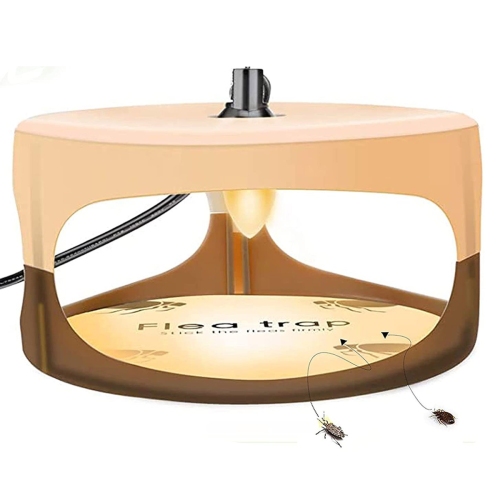
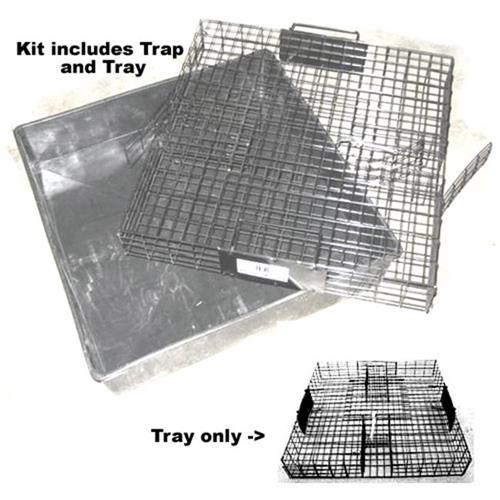
Crawling insects follow a different pattern and are usually found along edges rather than in open areas. Foldable glue traps and pre-baited crawling traps can be placed flat, folded into a covered shape or positioned along baseboards, behind appliances, beneath cabinets and in quiet corners. These locations match the routes commonly used by ants, spiders, cockroaches and other low-profile pests as they move between hiding places and food or water sources. A trap tucked beside a refrigerator, under a sink or near a pantry may work better than one placed in the middle of a room, where household activity can disturb it. Look for signs such as small insects near a drain, fine webbing in corners, activity around food storage or repeated sightings along the same wall. That information can help determine whether a light-based trap or an adhesive crawling trap is the better fit. Because adhesive surfaces can collect dust and lose effectiveness over time, check traps regularly and replace them according to the care instructions. Avoid placing them where they may be covered by boxes, kicked under furniture or exposed to moisture. In a home with children or pets, choose covered designs where possible and position every trap well out of reach. Plug-in units should be kept away from water and should not be blocked by furniture, while used glue cards and traps should be handled carefully and discarded in accordance with the package directions. These details matter in real homes: a discreet trap behind a bin or beneath a cabinet is easier to leave undisturbed, while a device in a high-traffic area may be unplugged, moved or forgotten.
Indoor insect traps can be helpful for renters, homeowners, students living in shared accommodation and anyone who wants a low-profile option for everyday pest control. They may also make a thoughtful housewarming gift for someone settling into a new flat, preparing a basement suite or organizing a cottage for the cooler season. A compact plug-in trap can suit a kitchen counter or laundry area, while a covered crawling trap may be better for a pantry, mudroom or storage room. When selecting one, consider the type of pest, the size and layout of the room, the location of nearby outlets, visibility, replacement-card availability and whether the trap can be positioned safely around children and animals. It is also worth considering noise and brightness, especially for bedrooms, nurseries and open-plan living spaces. Some homes benefit from using more than one trap, with a light trap near a likely source of flying insects and adhesive traps along concealed travel paths. Place them consistently rather than moving them from room to room, and give them time to work while keeping food, rubbish and standing water under control. During seasonal changes, insects may enter through doors, vents, gaps around pipes or small tears in screens, so sealing obvious openings can complement the use of traps. If activity is widespread, continues despite regular trap replacement or appears to involve a large nest or infestation, professional pest-control advice may be appropriate. With thoughtful placement, safe handling and the right trap style, these products can help keep indoor spaces more comfortable through changing weather and the quieter months at home.
Top selling and popular products
-
 Your price for this item is $199
-
 Your price for this item is $430.99
-
 Your price for this item is $480.99
-
 Your price for this item is $130.99
-
 Your price for this item is $221.99
-
 Your price for this item is $69.45
-
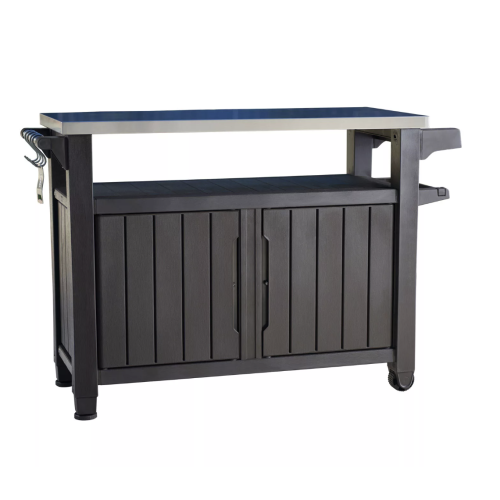 Your price for this item is $520.99
-
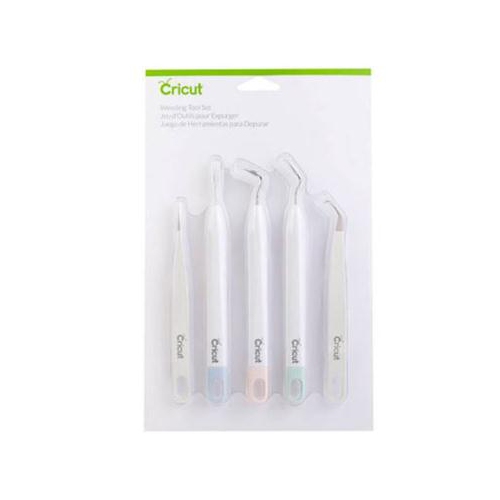 Your price for this item is $26.99
Discover more categories related to Indoor Insect Traps
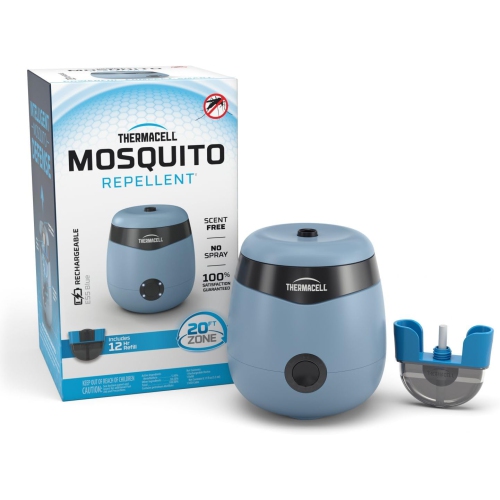
Top Collections:
Pokemon Centers, Kindle Devices, Best Budget Office Chairs, Canon G7X Cameras, Apple iPhones 16, Samsung Galaxy Phones, Refurbished Apple Laptops, Laptops for Students, iPhone 15 Apple, Budget Smartphones
Some products may be subject to Environmental Handling Fees
(EHF) depending on your province.
Learn more about EHFs.