Flying Insect Trap
Looking to keep pesky flying insects at bay? Flying insect traps are the perfect solution for those who want to enjoy their indoor and outdoor spaces without the annoyance of buzzing bugs. Here are some great options available.
Sort


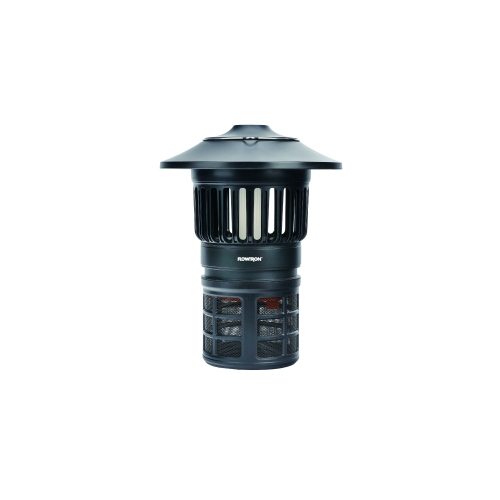


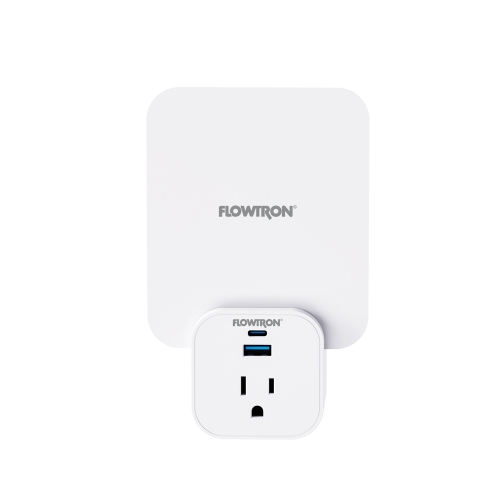
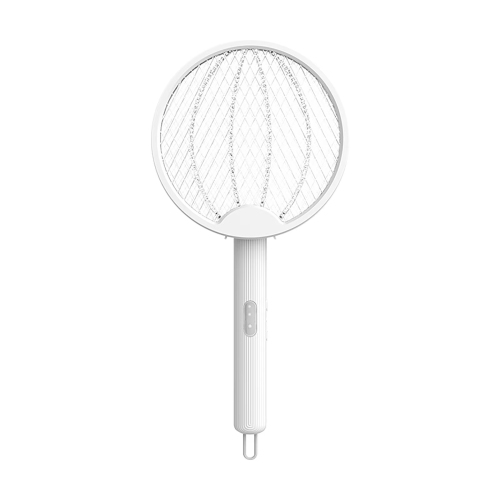

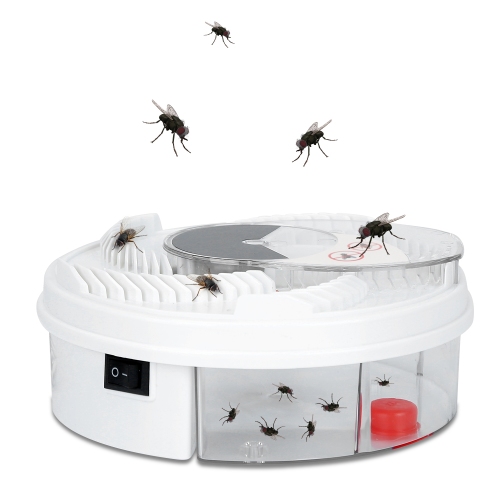


















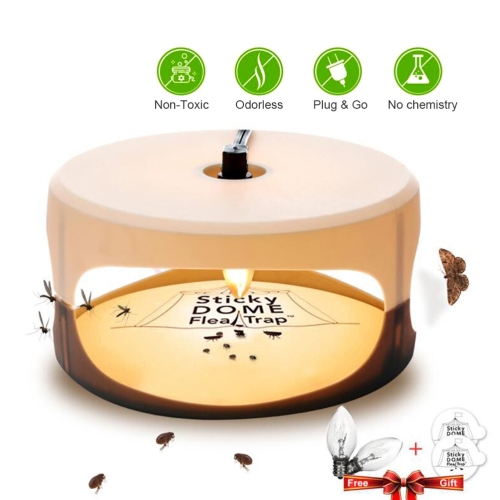


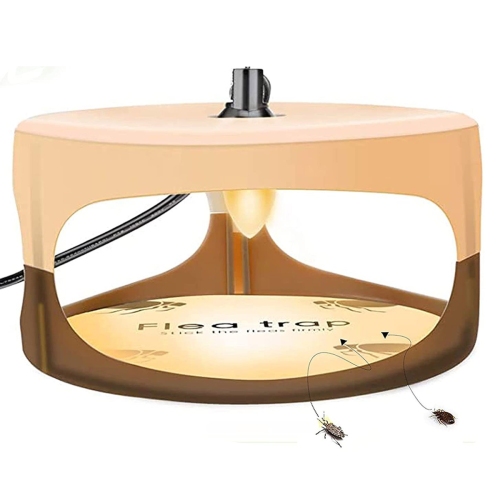


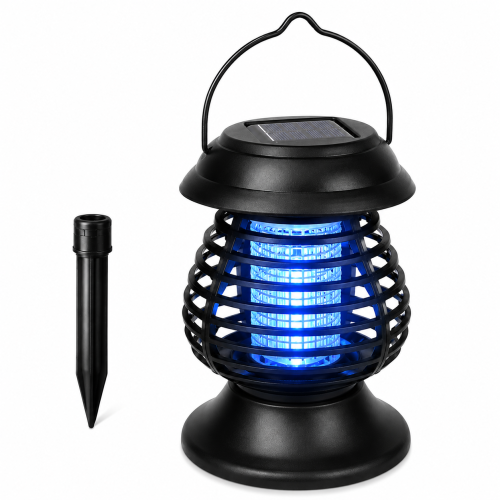
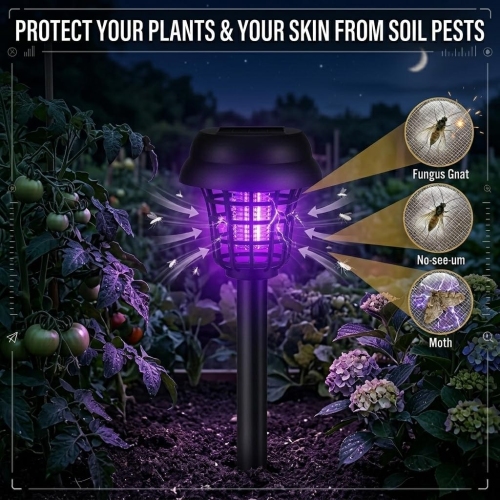


Why the right trap depends on the insect
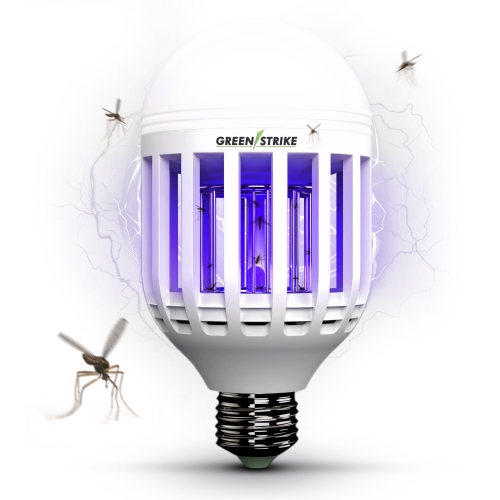
Flying insect traps help capture nuisance insects around kitchens, living spaces, utility rooms, and other areas where flies or gnats tend to gather. Depending on their design, they may use light, a lure, an adhesive surface, or a fan to attract and contain insects. The most suitable type depends on the insect involved and where it appears: fruit flies hovering above a bowl of ripe pears behave differently from fungus gnats near damp potting soil or house flies gathering at a window. Light-based traps use wavelengths that attract certain flying insects, often paired with a sticky cartridge or a collection chamber. Their effectiveness varies by species, placement, and competing light sources, so a glowing trap is not automatically the right choice for every pest. Lure-based fruit fly traps are designed around feeding behaviour, while sticky traps positioned near plants can help capture adult fungus gnats. Neither approach removes eggs or larvae hidden in a breeding site. For everyday household use, a flying insect trap works best alongside practical measures such as wiping up juice spills, emptying food waste, repairing damaged screens, and addressing standing water or excess moisture. During the cooler months, heated rooms and indoor plants can still support insect activity even when windows stay closed. A trap near a recurring trouble spot can help reveal whether activity is easing, but persistent insects may point to an overlooked source rather than a need for a brighter light or a larger device. Insecticide-free trapping designs can suit households that prefer to avoid spraying for occasional flying pests; the term describes the trapping method, not a guarantee that every component is harmless if handled incorrectly. Labels and operating directions remain important, particularly around children, pets, and food preparation areas. A useful distinction is whether the aim is to catch occasional visitors entering through a door or manage repeated activity around a particular source. That difference helps set realistic expectations for what a trap can do.
Size, power source, and capture method shape how comfortably a flying insect trap fits into a room. A compact wall plug-in can keep a counter clear, while a freestanding unit offers more flexibility on a stable shelf or side table within reach of an outlet. Some plug-in designs have a rotating plug or a narrow body that leaves an adjacent socket accessible, but outlet spacing and nearby cabinetry still affect fit. Corded fan traps need room around their air openings, and rechargeable designs trade outlet dependence for battery charging and a limited operating time between charges. For shoppers comparing Indoor Fly Traps, practical differences include whether captured insects remain visible, how cartridges are changed, and whether the device produces light or sound during use. Adhesive traps without a fan or electric grid generally capture insects quietly, whereas fan-assisted models may create a steady hum. A soft glow that feels unobtrusive beside a kitchen bin may be distracting in a bedroom, especially if the light remains on overnight. Placement also matters: a light trap needs an unobstructed position rather than a spot behind a curtain or a bulky appliance. Follow the stated placement directions instead of assuming that putting a device directly beside food, a sink, or an open window will improve results. Water splashes, steam, heat, and grease can affect safe operation or make cleaning more difficult. Published coverage areas are useful for comparison, but walls, doorways, airflow, and the layout of an open-plan room can change how well insects encounter the trap. A device in a hallway may not address gnats gathering around plants in a separate room. Renters, condo residents, home cooks, and indoor gardeners may each value different features, from a small footprint to easy access for maintenance. For covered patios or other outdoor spaces, use only traps specifically rated for the intended setting; an indoor housing is not designed to withstand rain, frost, or exposure on a balcony.
Materials and upkeep influence how well a flying insect trap stands up to regular use. Many housings use lightweight plastic that can be wiped clean, while some larger designs incorporate metal grilles or protective guards. A sturdy base, securely fitted cartridge, and accessible collection chamber are more useful than appearance alone, particularly in a busy kitchen where surfaces are cleaned frequently. Smooth outer panels tend to be easier to wipe than deep grooves that collect dust, and removable parts can simplify maintenance when the manufacturer permits washing them. Electrical sections should not be immersed, and the device should be disconnected from power before cleaning or servicing as directed. Adhesive pads need replacement when their catching surface is covered with insects or dust, or at the interval stated in the instructions. Washing a sticky insert or touching its adhesive can reduce its ability to hold insects. Fan traps may require the collection chamber to be emptied and the intake cleared so air can move freely; a clogged opening can undermine the capture method even if the light still turns on. Some light sources are replaceable, while others are built into the unit, which affects longer-term care. Cartridge compatibility, access to the chamber, and the steps involved in routine cleaning all deserve attention when comparing designs. Keep adhesive surfaces, lures, cords, and electrical components out of reach of children and pets, and place plant traps where leaves and fur are unlikely to brush against them. In a home with a curious cat, a guarded capture surface may be a more practical fit than an exposed sticky card. Food-contact surfaces should stay separate from traps and captured insects. If flies repeatedly gather around a drain, bin, or plant pot, identifying and addressing the source is just as important as maintaining the device. A well-matched trap offers a manageable way to capture adult flying insects, with its usefulness grounded in the right target pest, sensible placement, and consistent care rather than the promise of a completely insect-free home.
Top selling and popular products
-
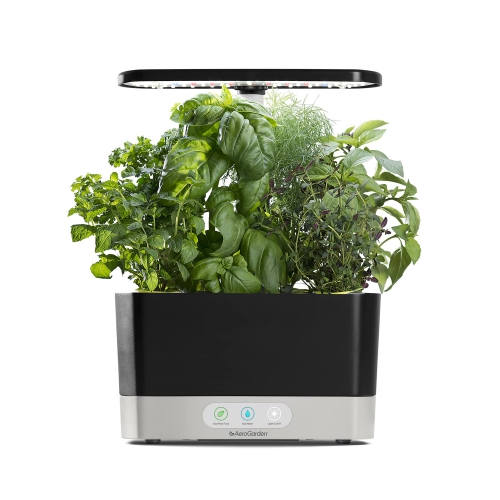 Your price for this item is $199
-
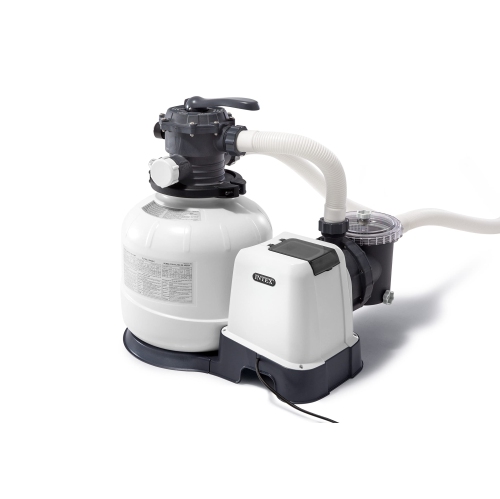 Your price for this item is $430.99
-
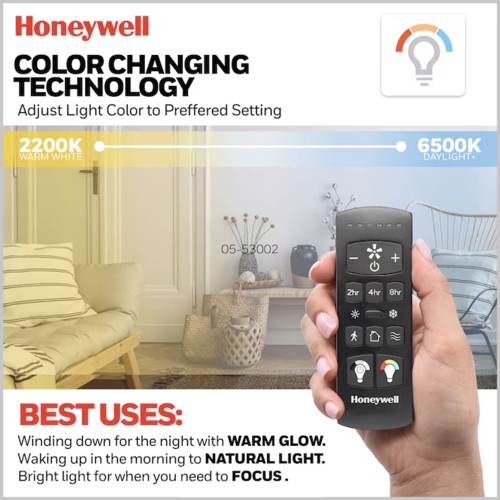 Your price for this item is $480.99
-
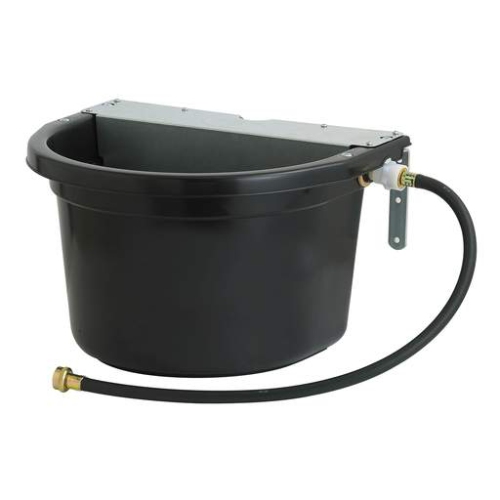 Your price for this item is $130.99
-
 Your price for this item is $221.99
-
 Your price for this item is $69.45
-
 Your price for this item is $569.99
-
 Your price for this item is $249.99
Discover more categories related to Flying Insect Trap

Top Collections:
Pokemon Centers, Best Cameras for Sports Photography, Kindle Devices, Samsung Galaxy Phones, Canon G7X Cameras, Pokémon 30th Celebration Cards, Refurbished Apple Laptops, iPhone 15 Apple, Laptops for Students, Budget Smartphones
Some products may be subject to Environmental Handling Fees
(EHF) depending on your province.
Learn more about EHFs.