Indoor Lounge Chairs
Upgrade your relaxation space with our selection of indoor lounge chairs, designed to elevate both style and comfort in your home. Whether you're looking for a cozy reading nook or a stylish addition to your living room, our range of indoor lounge chairs offers a variety of designs, materials, and features to suit your preferences. From sleek modern silhouettes to plush upholstered options, explore our collection to find the perfect indoor lounge chair that complements your interior decor while providing a cozy spot to unwind after a long day.
Sort



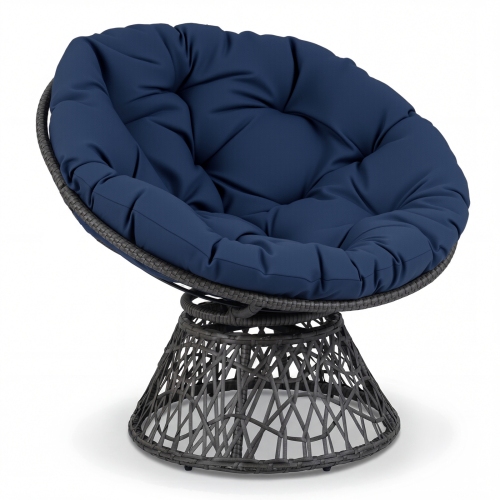
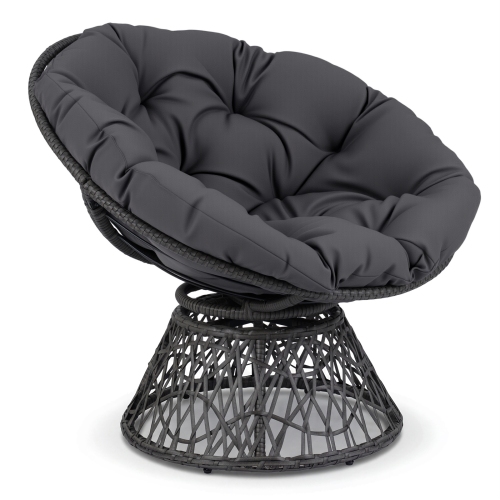
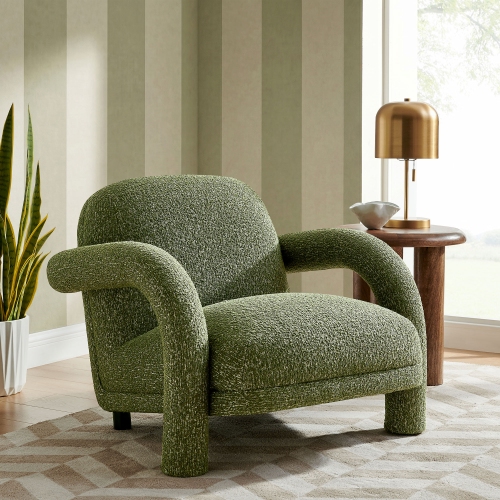
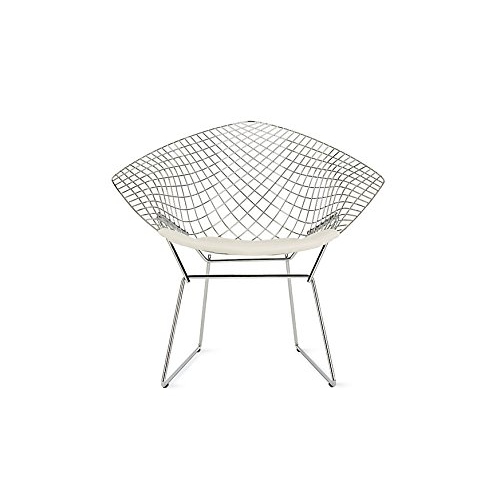
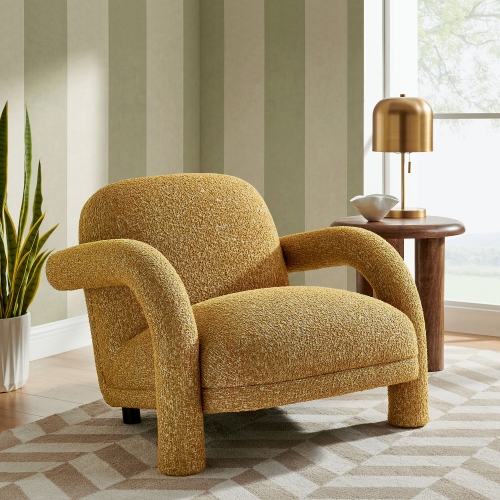
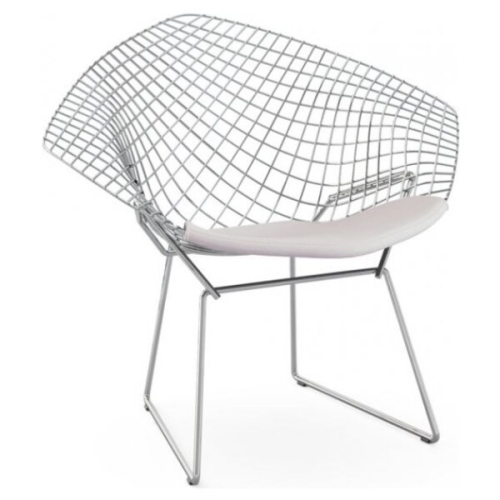
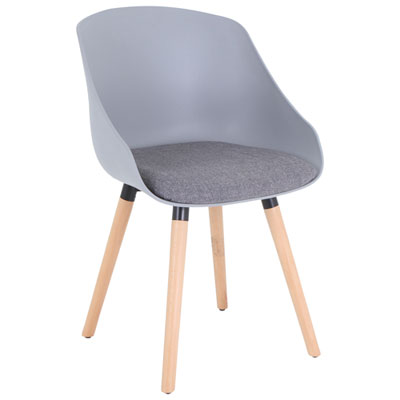
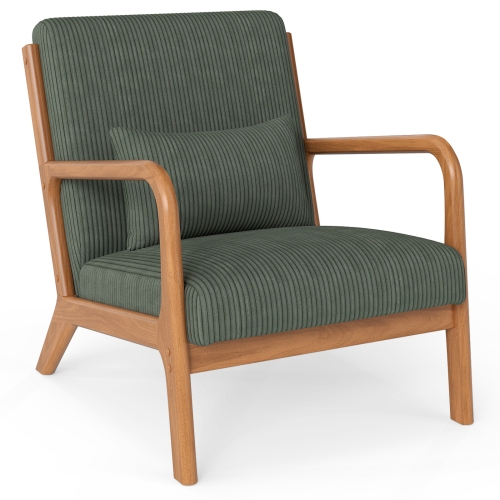



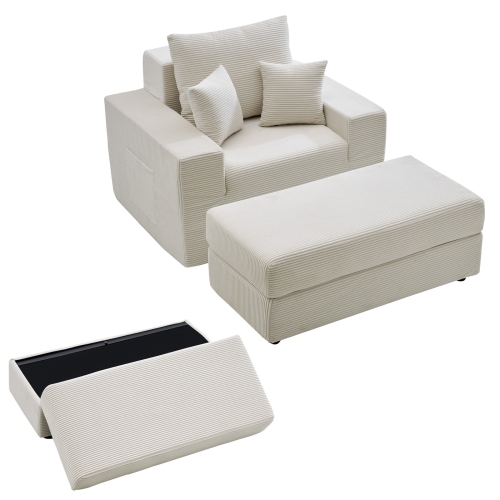
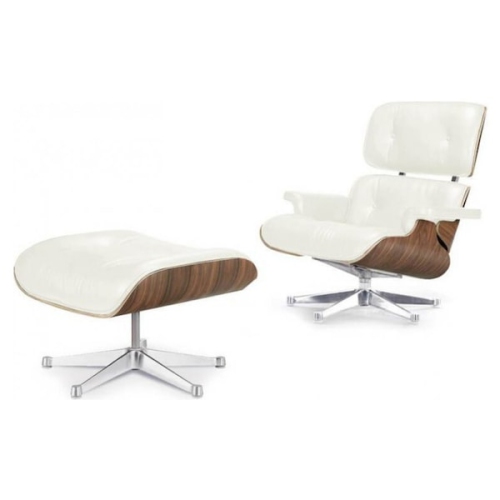
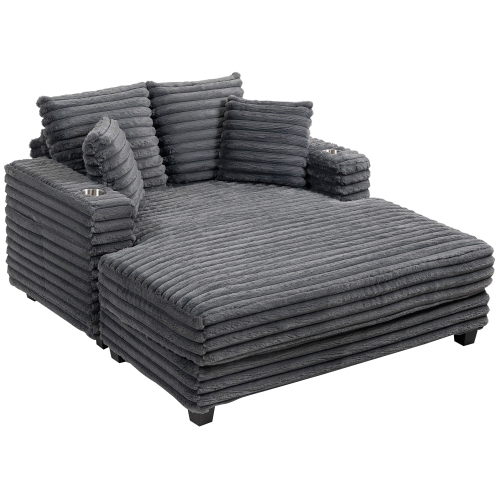


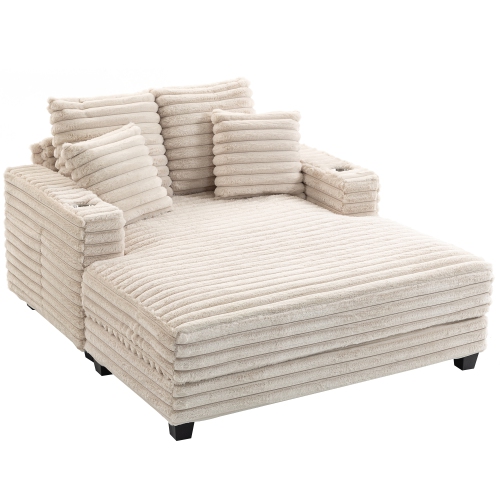

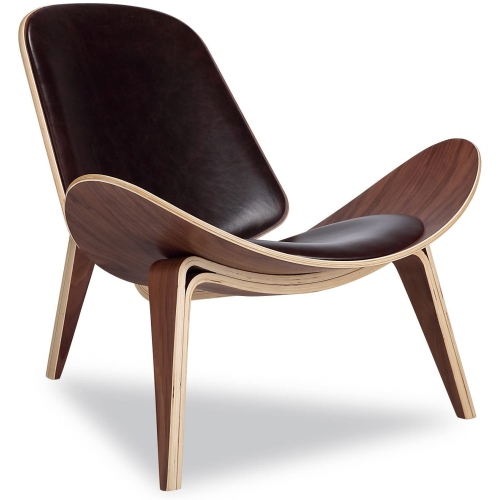
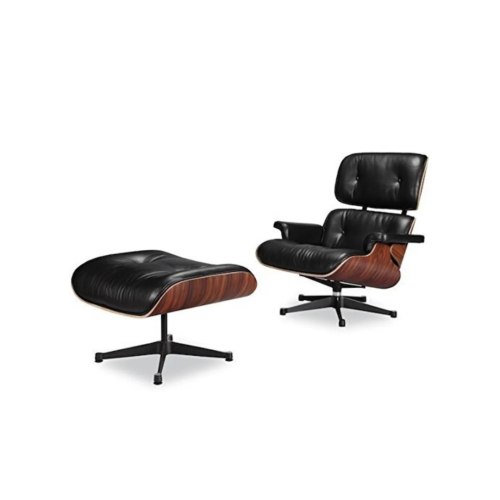

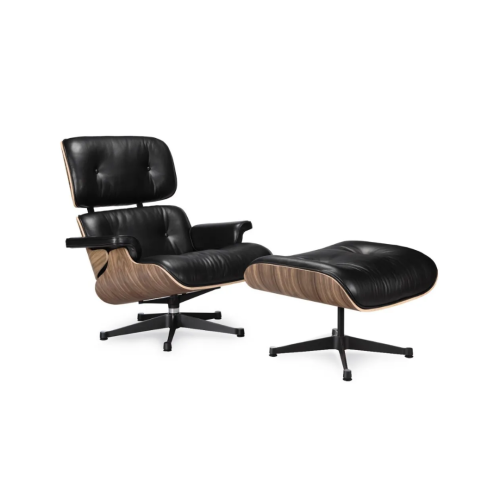


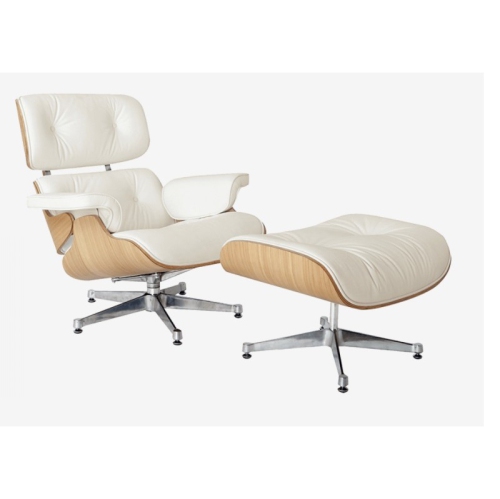




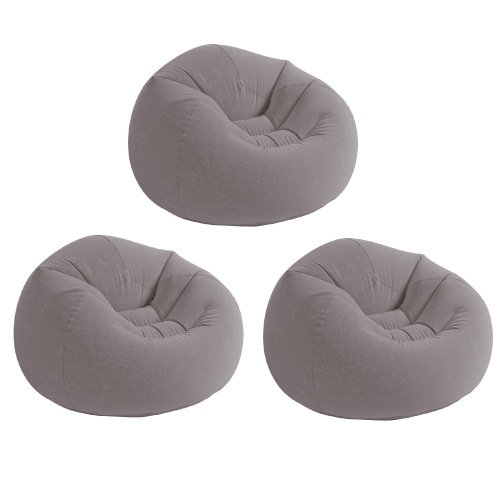
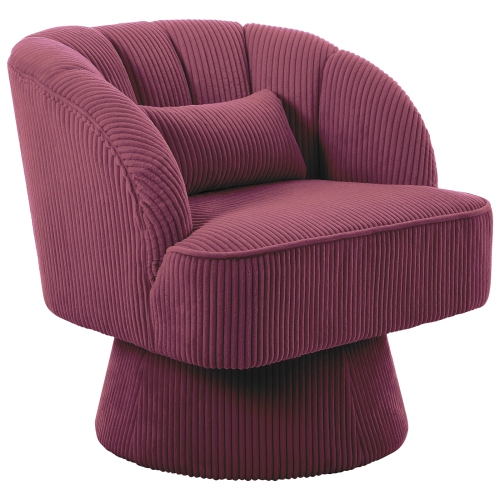


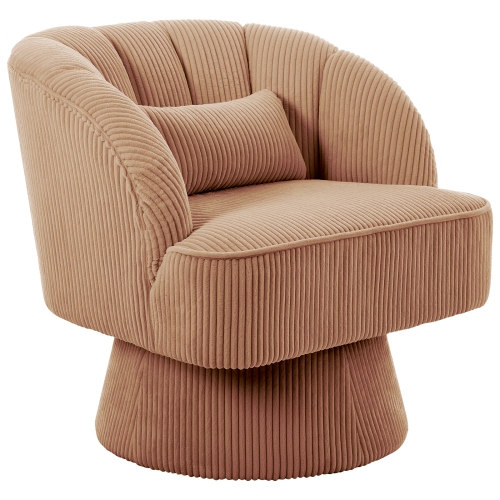

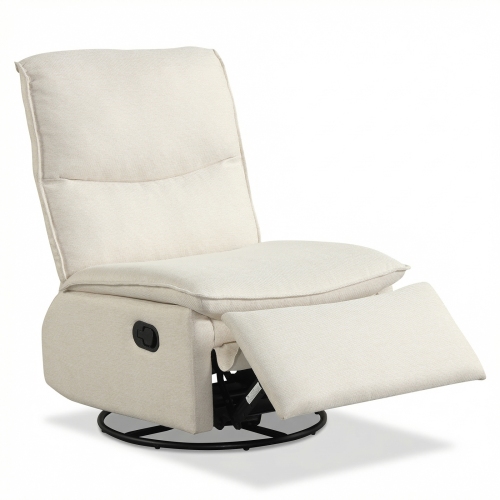
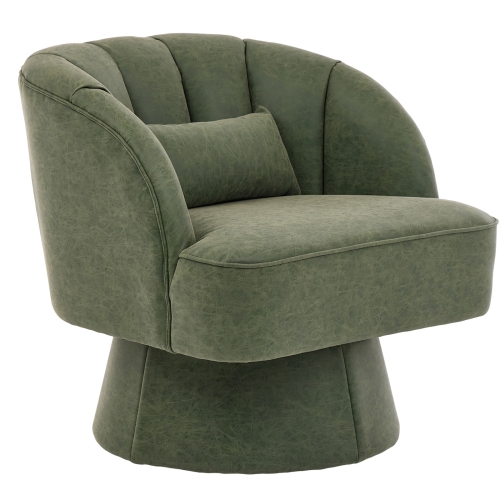
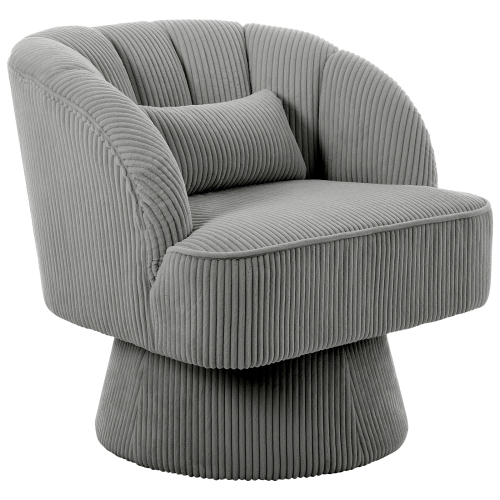


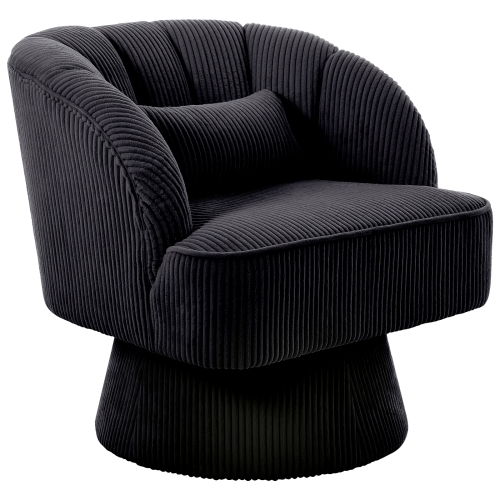

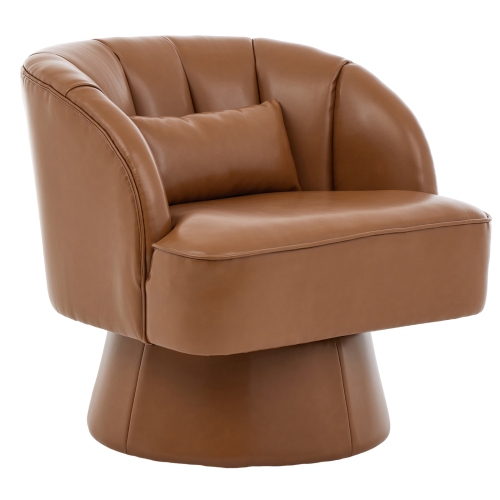


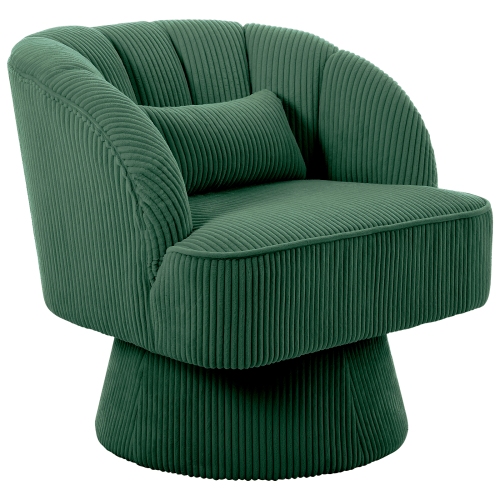
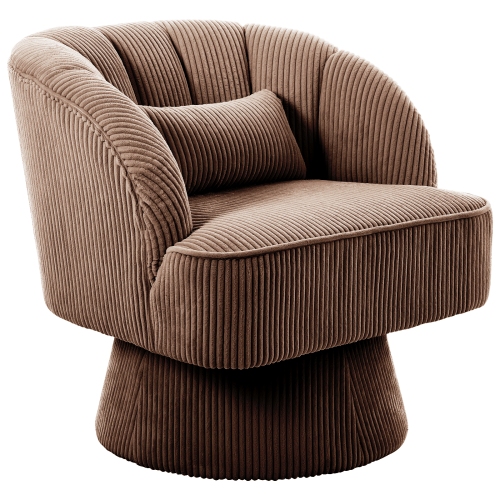
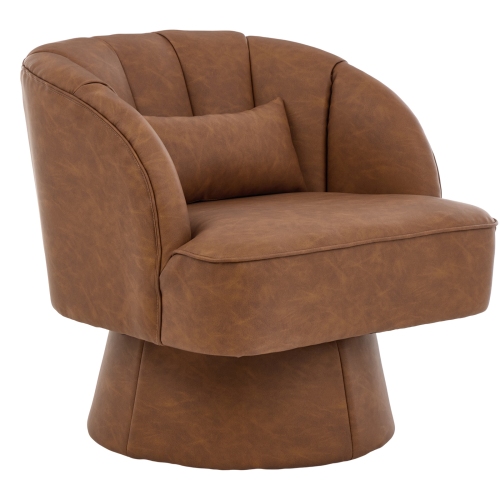
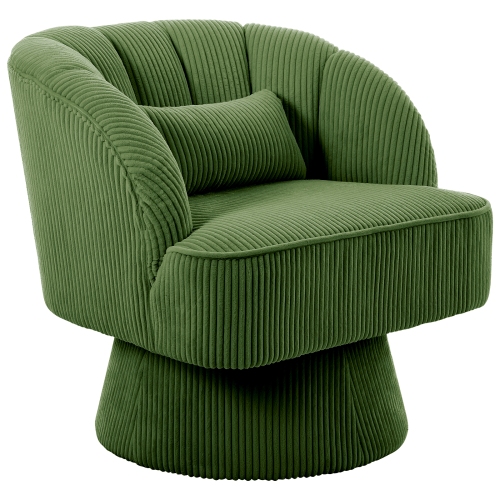

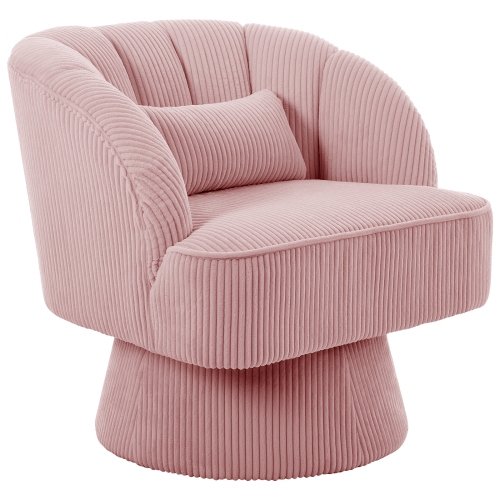

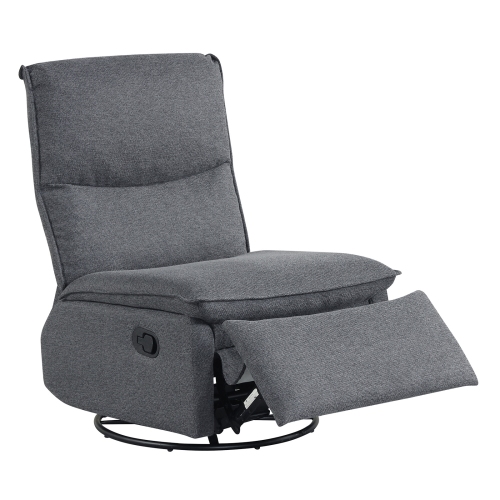


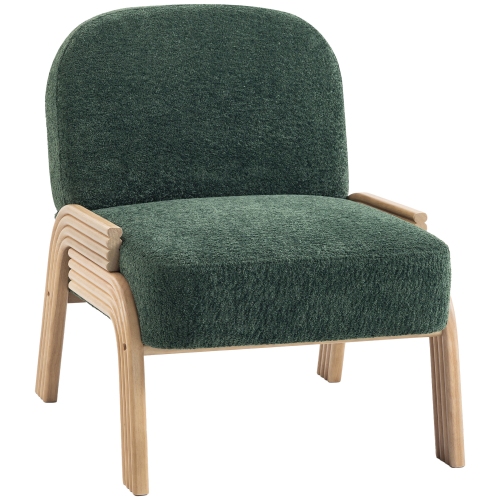
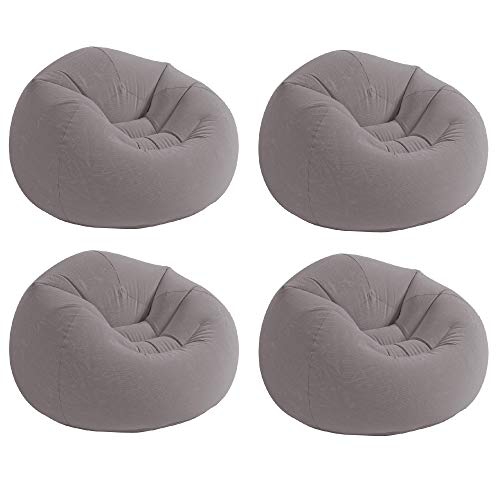
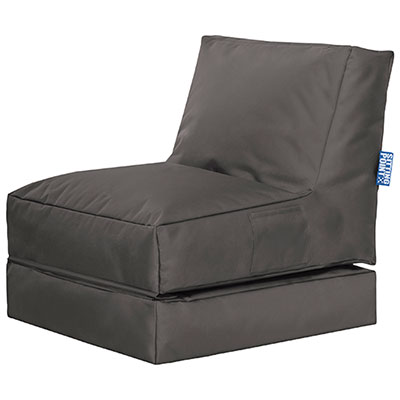


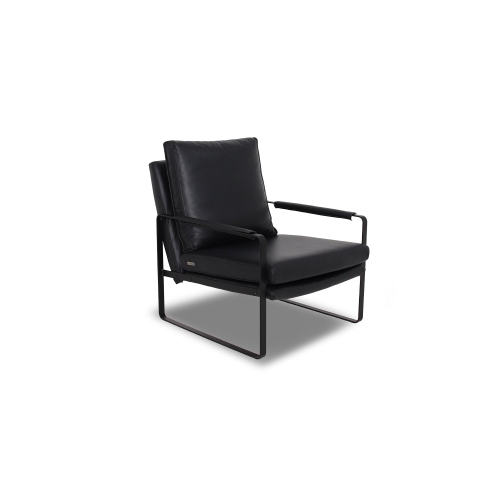


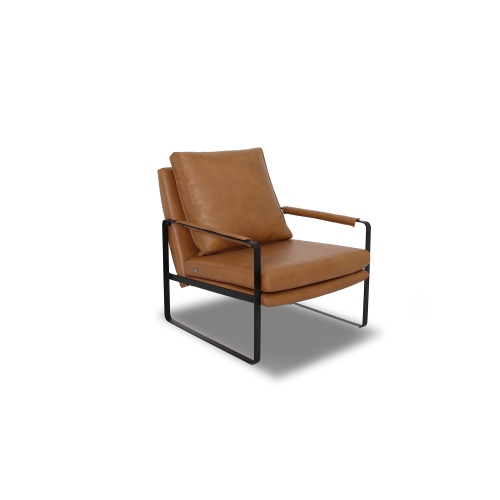
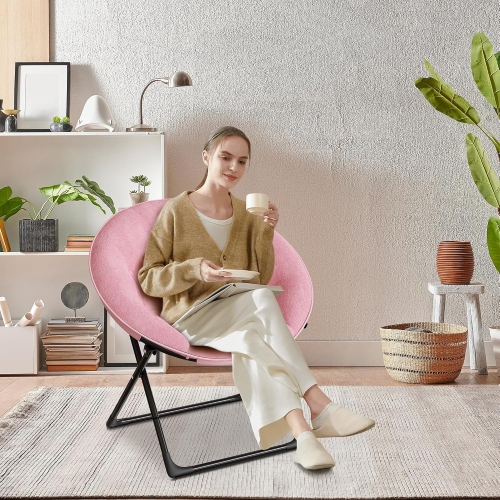
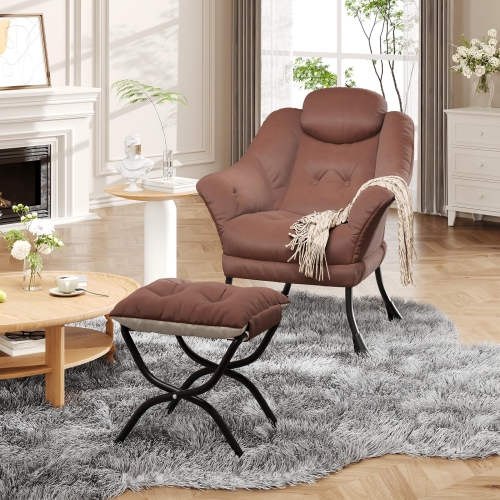

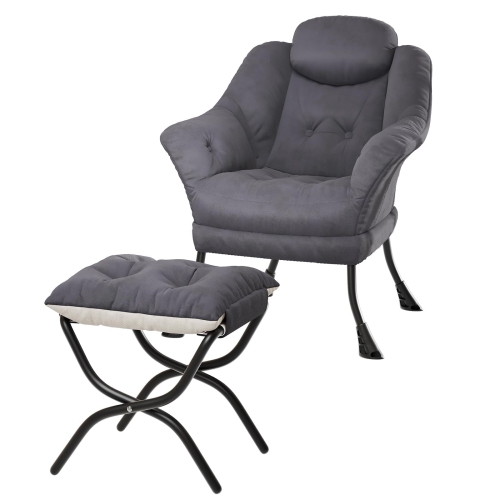

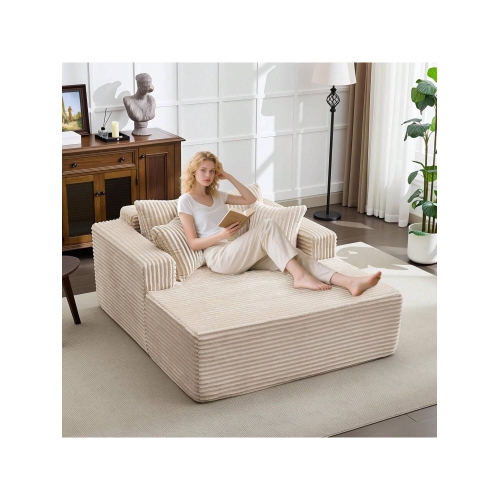

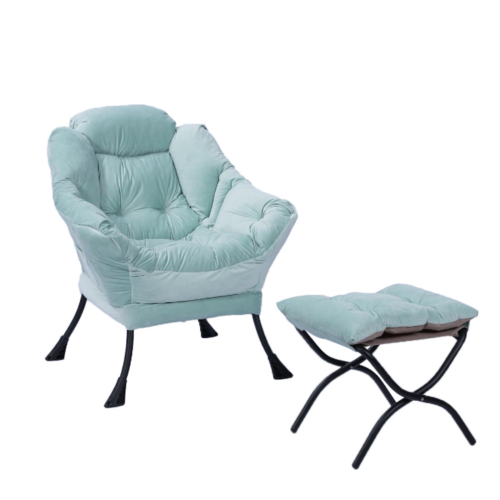

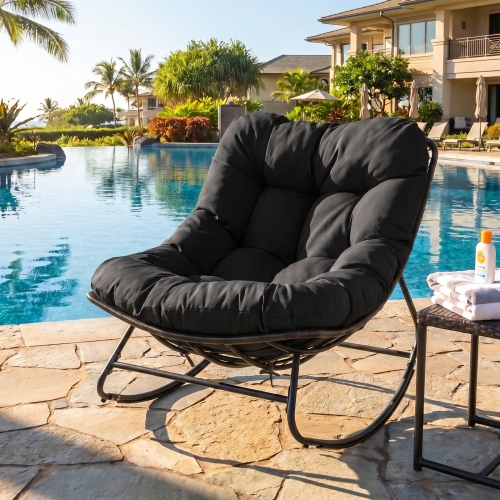


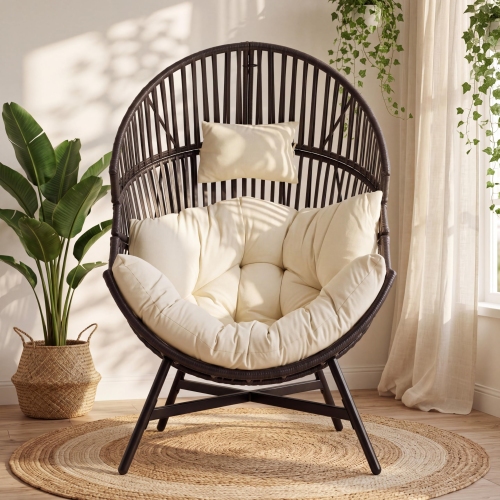

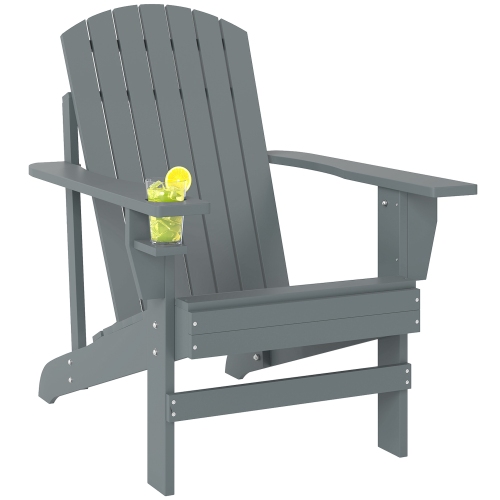


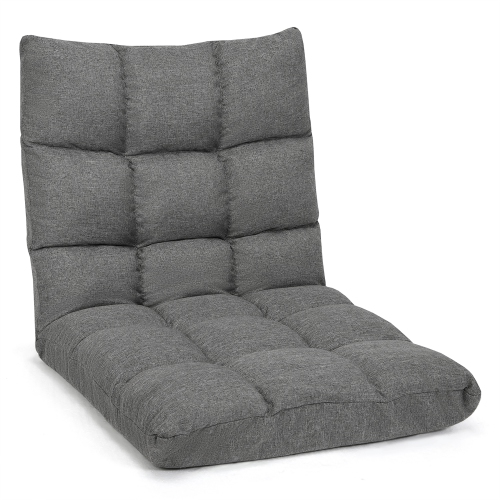
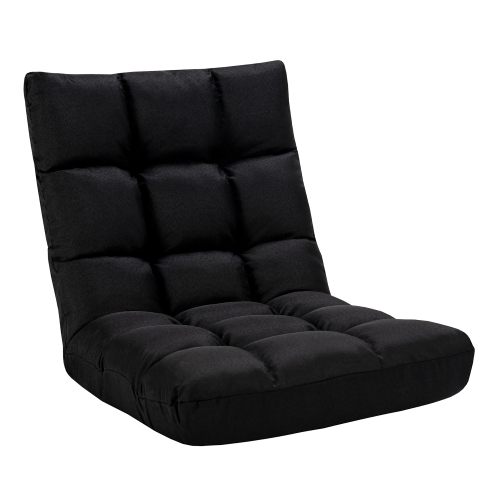
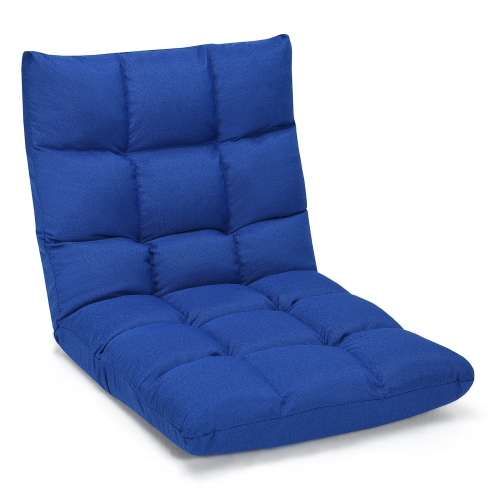

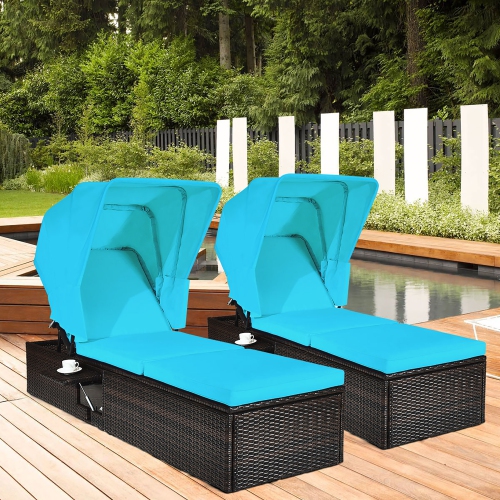
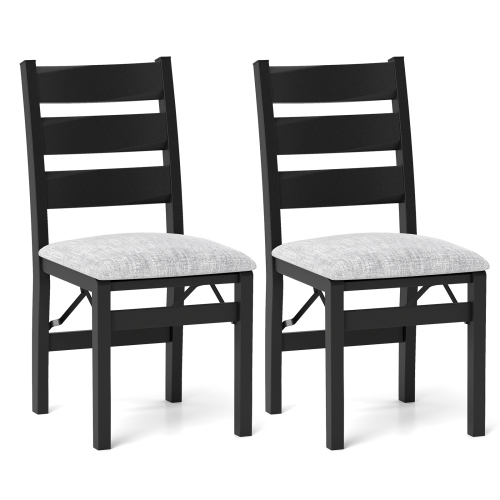


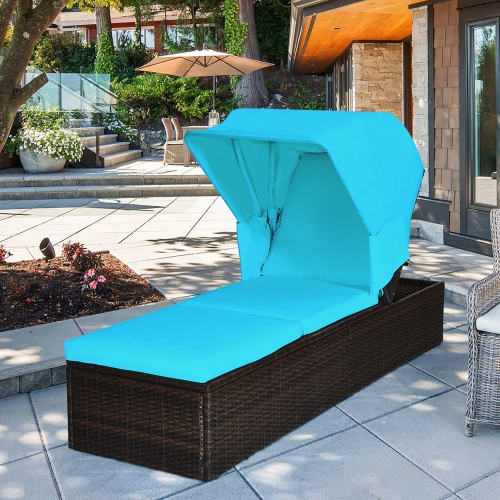


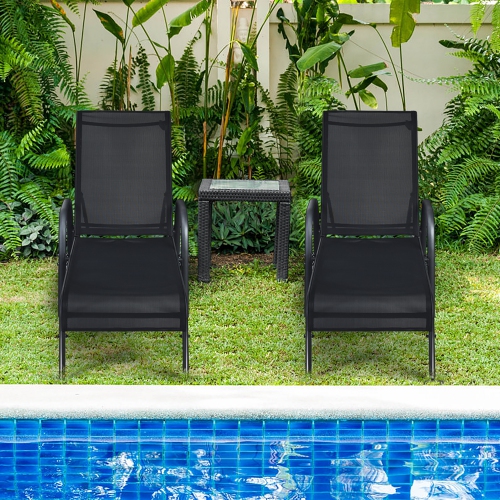
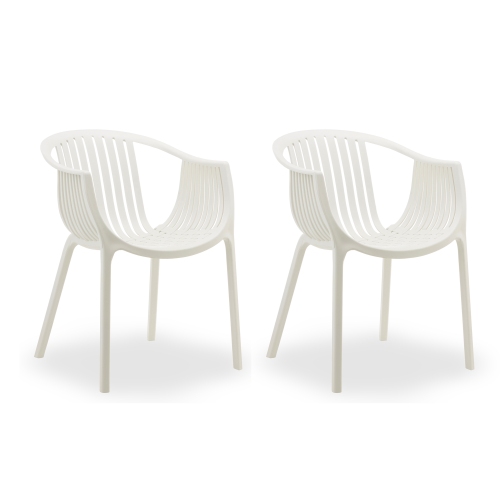

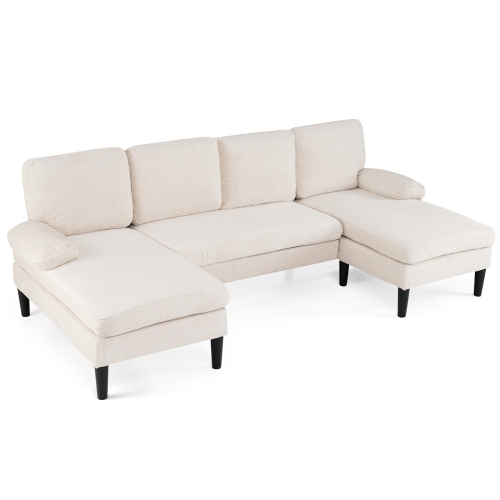


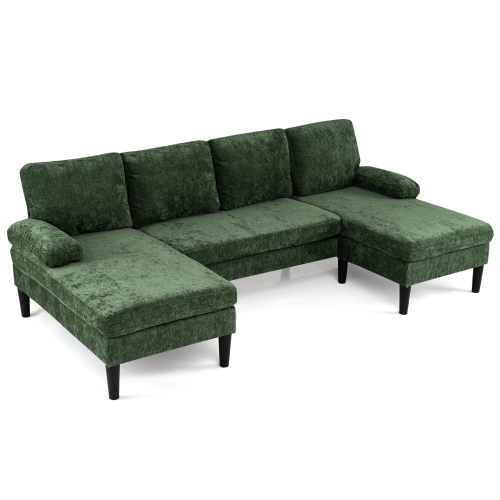
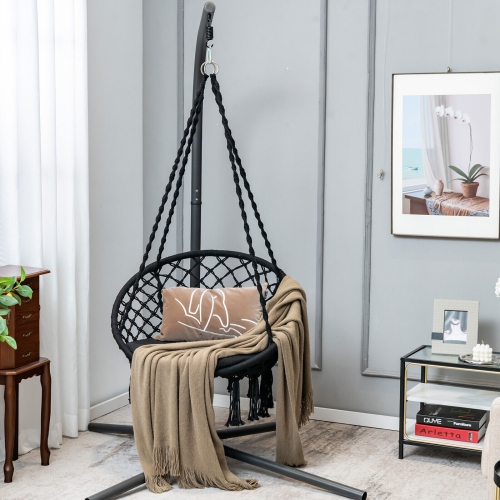
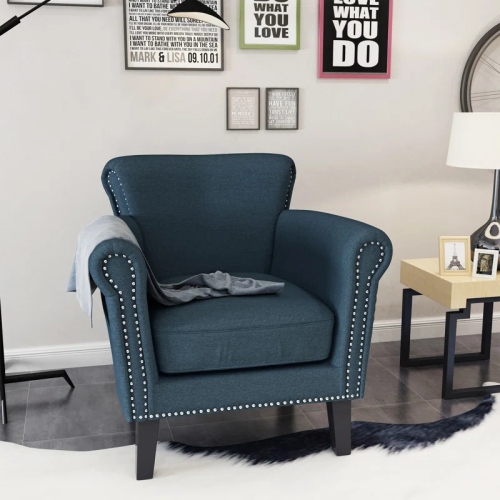
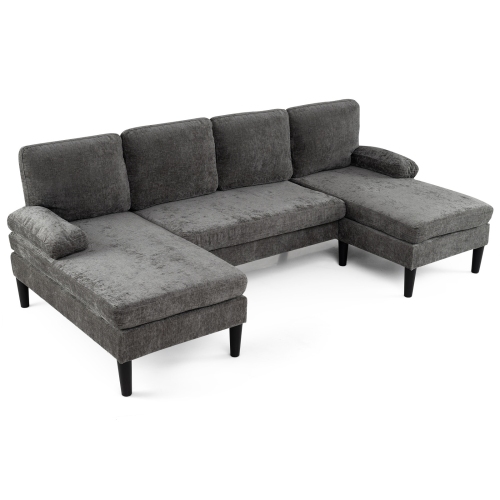


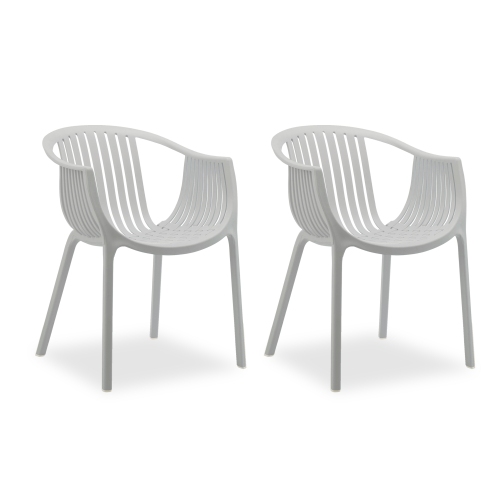


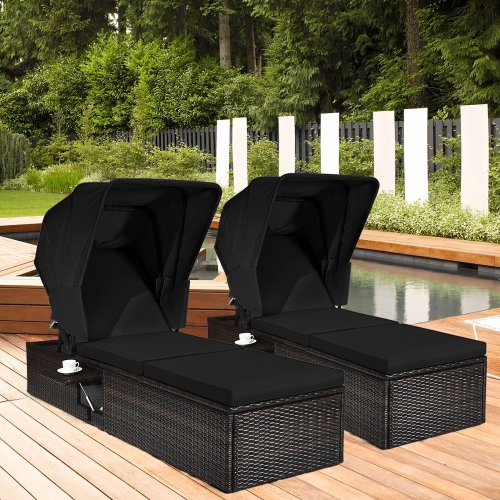

The right seat shape for your downtime
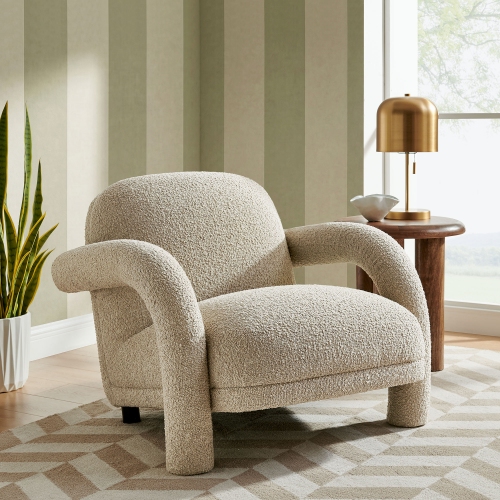
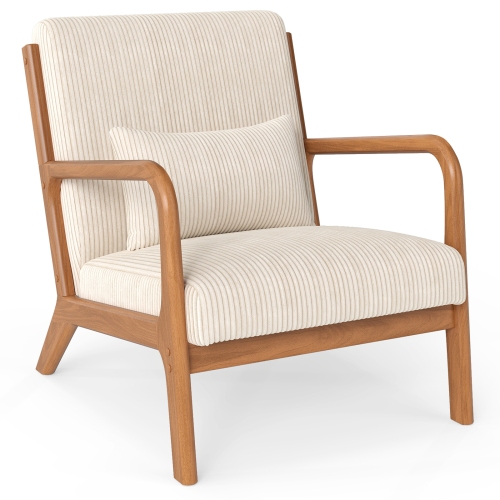
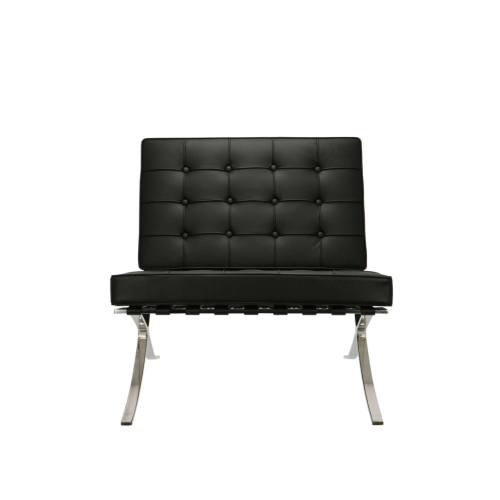
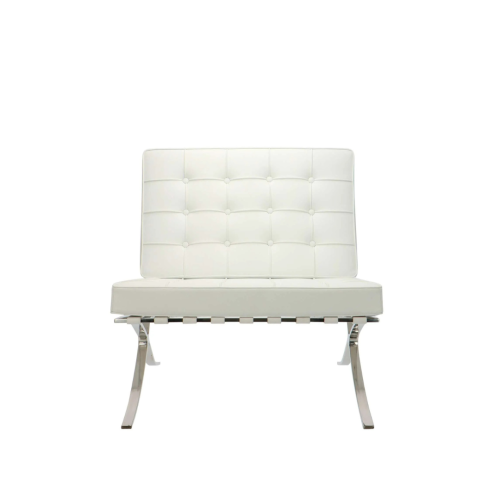
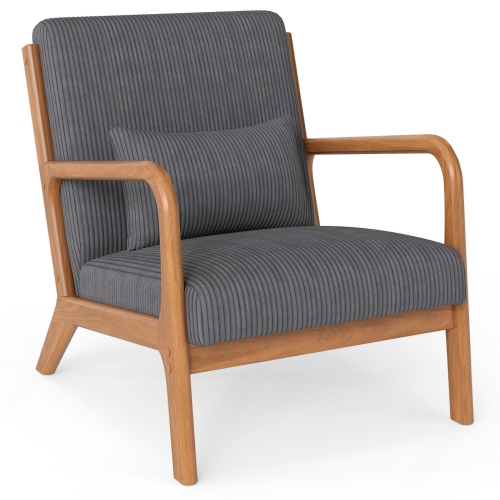
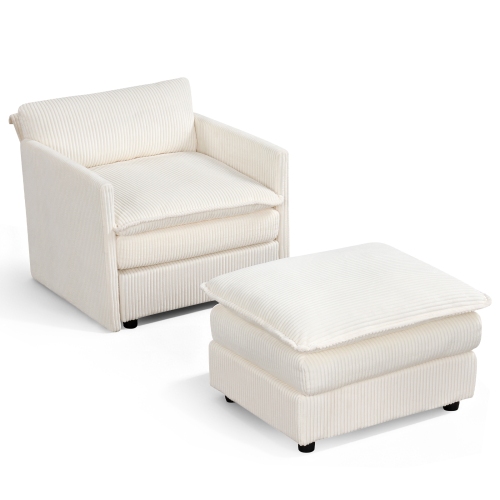
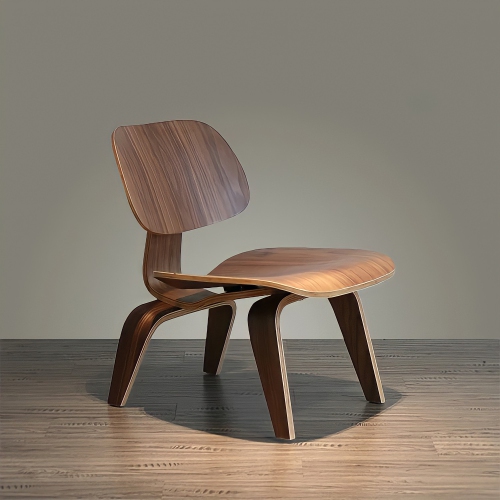
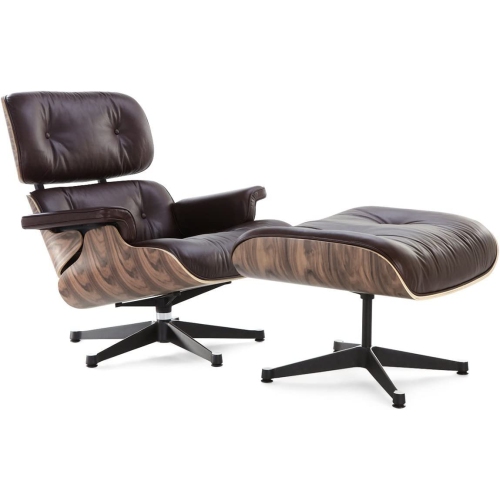
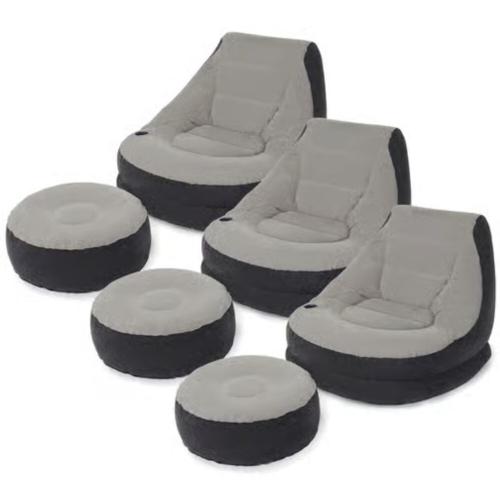
Indoor lounge chairs are designed for relaxed seating, with proportions and cushioning that suit reading, watching television, listening to music, or taking a quiet break. The category spans compact armchairs, gently angled bentwood designs, generously padded accent chairs, and chaise lounges that support the legs as well as the body. Unlike dining chairs, which generally encourage an upright position at a table, lounge seating often has a more reclined back, a deeper seat, or space to settle in with a cushion. The right shape depends on how the chair will be used. A supportive armchair with a moderately upright back can work well beside a reading lamp, while a deep, wide seat offers room to curl up with a novel. A chaise provides an extended resting surface without a separate footstool, although its longer footprint needs careful placement. Chairs paired with ottomans offer more flexibility: the footrest can be moved aside when someone needs to walk through the room. Some designs swivel to face a conversation area or a television, while others recline or rock; each movement changes the clearance needed around the chair. In a shared living space, a lounge chair can add a comfortable seat without the visual bulk of another sofa. In a bedroom, den, or spacious home office, it can establish a separate spot for time away from a desk. For seating arranged around a sofa, coffee table, or media unit, Living Room Lounge Chairs offer a more room-focused selection to explore. Style can be as understated or expressive as the setting calls for. Exposed wood arms and slender legs create an open appearance, while upholstery that extends to the floor gives a chair a more substantial presence. Rounded backs soften a room with angular furniture, and a distinct fabric texture can give a quiet corner character without introducing a strong pattern.
Comfort depends on the relationship between seat height, seat depth, back support, and the person sitting in the chair. For upright reading, a seat that allows feet to rest on the floor and supports the back without pressure behind the knees is often easier to use for longer stretches. A very deep seat may feel inviting for lounging but leave a shorter person needing a cushion behind the lower back. Taller users may prefer additional seat depth or a higher back, especially when neck and shoulder support matter. Low, soft seating creates a relaxed feel, but getting up from it can take more effort than rising from a firmer, higher chair with stable armrests. Arm height also affects everyday comfort: an armrest should support a relaxed elbow rather than push the shoulders upward. For someone who reads on a tablet or holds a book for extended periods, that detail can matter as much as the softness of the cushion. Dimensions deserve equal attention at room level. Overall width includes arms and frame details, so a broad chair does not necessarily have a broad sitting area. Compare the usable seat dimensions with the full footprint, and leave room for nearby drawers, cabinet doors, and walking routes. Marking the footprint on the floor with removable tape can help show whether a chaise crowds a doorway or an ottoman interrupts the path to the sofa. Reclining chairs need space in their extended position, and swivel chairs need clearance throughout their rotation. Delivery access matters too, particularly in apartments with narrow hallways, tight stair turns, or small lifts. A lounge chair should complement the furniture around it without requiring an exact match. Similar wood tones, a repeated upholstery colour, or a shared curved silhouette can connect different pieces. A reading lamp positioned beside the shoulder and a reachable side table make the seat practical, while keeping cables and table legs out of the walking route helps the surrounding area remain easy to navigate.
Materials shape both the appearance of indoor lounge chairs and the care they need. Woven upholstery offers a wide range of colours and textures, from smooth, tightly woven surfaces to more pronounced weaves. Velvet has a soft pile that catches the light and may show shading or pressure marks as its fibres change direction. Corduroy adds visible ribbing, while bouclé brings a looped texture that may need extra consideration in homes where pet claws or jewellery could catch the surface. Leather develops creases with use and needs care suited to its finish; it should not be treated in the same way as fabric or synthetic upholstery. Faux leather can offer a smooth, wipeable surface, but cleaning requirements and resistance to wear vary by material. Removable cushion covers may make maintenance easier, although removable does not automatically mean machine washable. The care label remains the best reference for approved cleaning methods. Regular vacuuming with a suitable upholstery attachment helps lift dust and crumbs from seams, and prompt blotting can limit the spread of a spill. Avoid scrubbing or applying an unfamiliar cleaner without checking the manufacturer's directions and testing an inconspicuous area where advised. Cushion construction also influences how a chair feels over time. Foam generally provides a more defined shape, while fibre-filled sections can feel softer and may need regular plumping. Seat suspension, frame joints, and the way cushions are supported all contribute to lasting comfort; upholstery thickness alone does not establish durability. Weight limits and assembly instructions are worth checking, especially for chairs with moving mechanisms or detachable legs. Felt pads or suitable furniture protectors can help reduce marks on flooring, provided they are compatible with the chair and floor surface. In a busy household, accessible seams, straightforward care, and sturdy armrests may take priority over delicate detailing. For a chair used mainly for occasional guests, a compact footprint and an easy fit with the room may matter more. As a housewarming gift or a contribution to a family member's reading corner, lounge seating is most thoughtful when the recipient's space, preferred sitting position, and care expectations are already understood.
Top selling and popular products
-
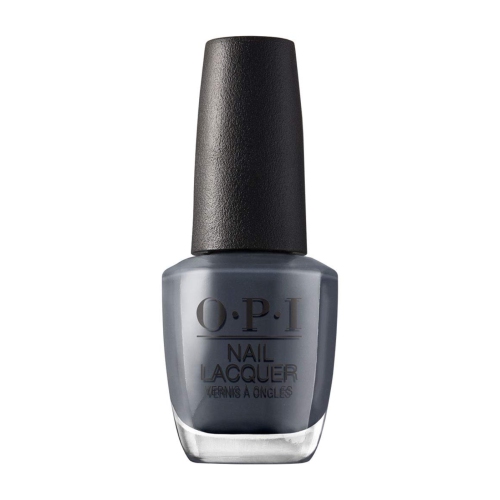 Your price for this item is $13.3
-
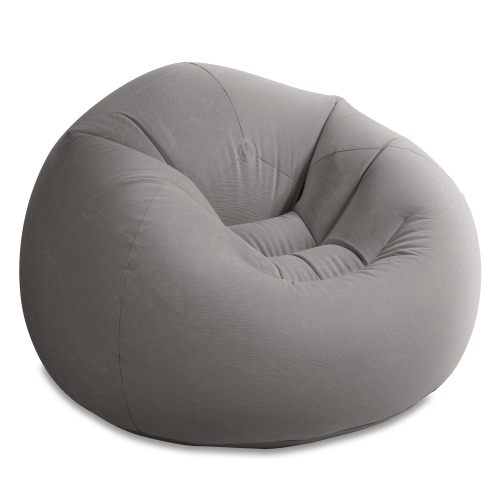 Your price for this item is $109.99
-
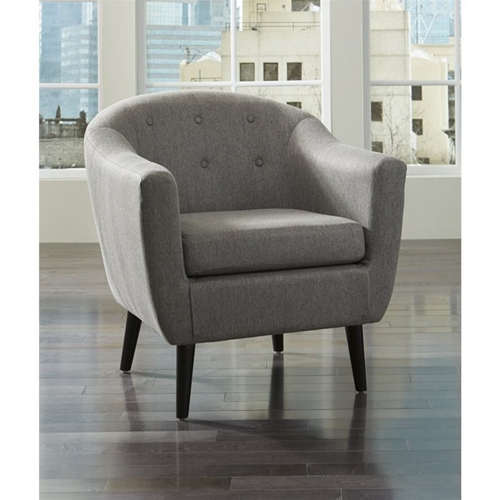 Your price for this item is $544.85
-
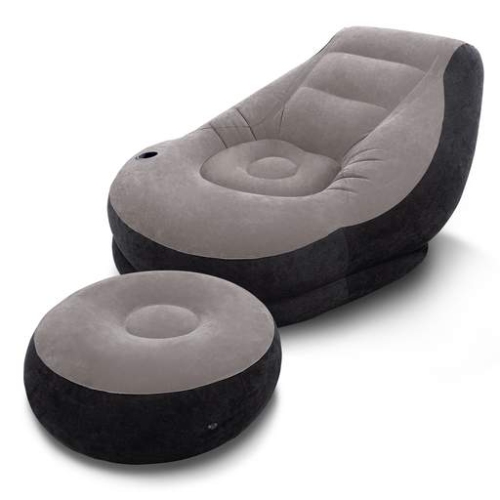 Your price for this item is $289.99
-
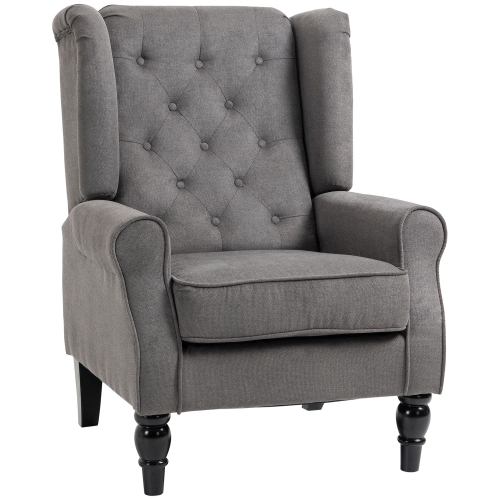 Your price for this item is $249.99
-
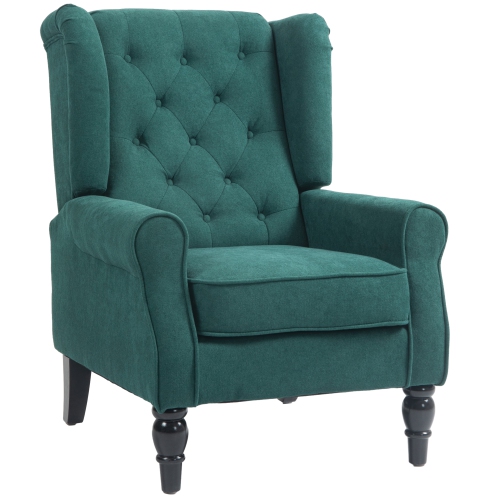 Your price for this item is $244.99
-
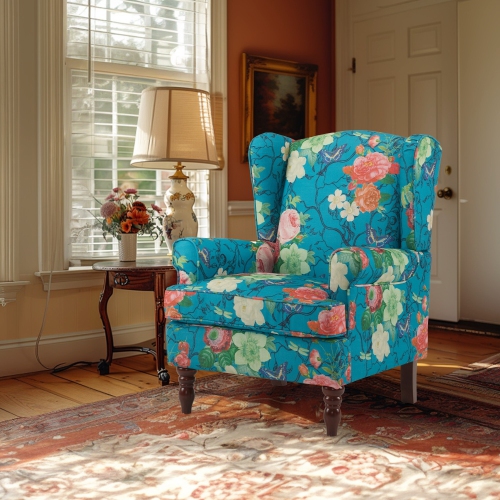 Your price for this item is $249.99
-
 Your price for this item is $157.99
Discover more categories related to Indoor Lounge Chairs

Top Collections:
Best Black Friday Deals This Year, Best Black Friday Deals On Electronics, Kindle Devices, Pokemon Centers, Best Black Friday Deals On Apple Products, Best Cameras for Sports Photography, Dyson Airwrap, Pokémon 30th Celebration Cards, Apple iPhone 17 Pro, Canon G7X Cameras
Some products may be subject to Environmental Handling Fees
(EHF) depending on your province.
Learn more about EHFs.