Indoor Mosquito Zappers
Say goodbye to pesky mosquitoes with our selection of indoor mosquito zappers. These innovative devices are designed to effectively eliminate mosquitoes and other flying insects from your home, providing you with a peaceful and bug-free environment. Whether you're hosting a backyard barbecue or simply want to enjoy a quiet evening indoors, our indoor mosquito zappers offer a convenient and efficient solution to keep those annoying bugs at bay. With a range of options to choose from, you'll find the perfect mosquito zapper to suit your needs and help you reclaim your space from unwanted intruders.
Sort












How placement, light and care affect indoor performance
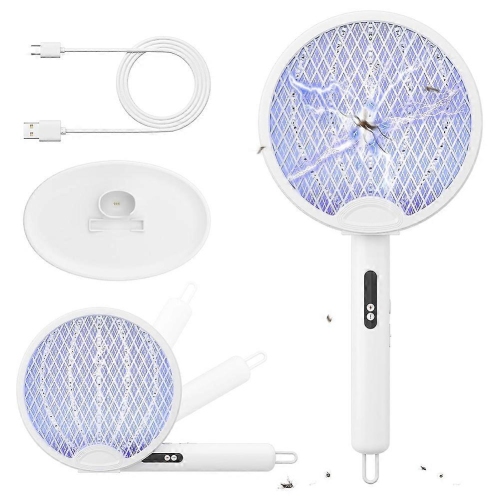
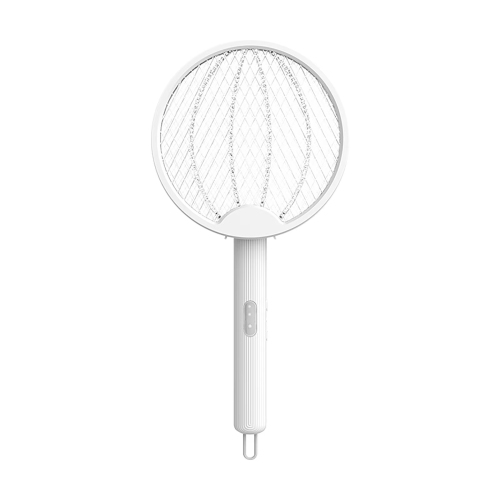
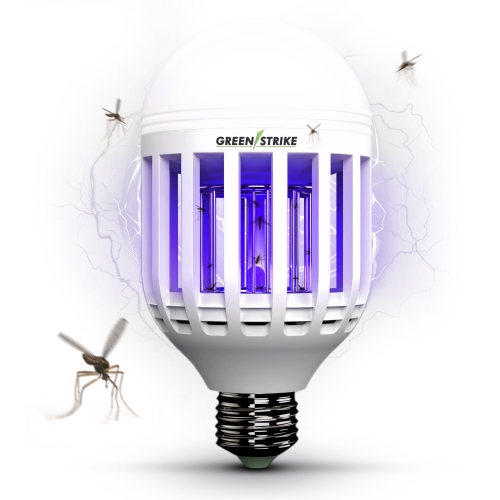
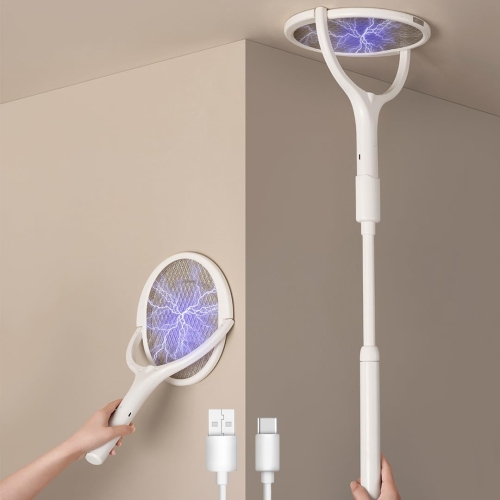
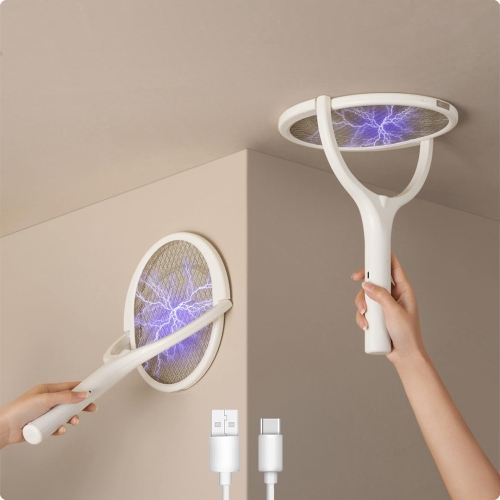
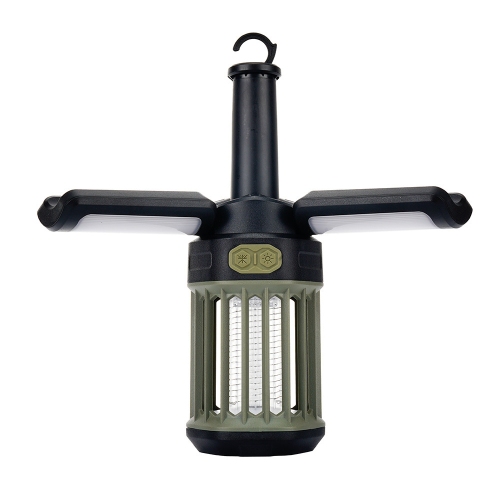
Indoor mosquito zappers can help make indoor spaces more comfortable when flying pests find their way inside, particularly around doors, windows, porches enclosed with screens, kitchens, bedrooms, cottages and other areas where people spend time. Most plug-in and tabletop units use ultraviolet or other attractive light to draw flying insects toward an internal high-voltage grid, where they are killed on contact. Protective outer grilles and narrow housing openings are designed to help prevent fingers from reaching the grid, but these appliances should still be treated with care and kept away from children, pets, water and areas where they could be knocked over. Some models are compact enough to sit discreetly on a counter or plug directly into a wall outlet, while larger units may provide a stronger light source and a removable collection tray for easier cleanup. Handheld, racquet-style zappers offer a different approach: instead of attracting insects continuously, they let you move through a room and target a visible mosquito or fly near a window, lamp or ceiling. When comparing indoor mosquito zappers, consider the size and layout of the room, the location of nearby outlets, how much light the unit produces, and whether you prefer a set-and-leave appliance or a portable option. A small unit may be a practical choice for a bedside table, home office or compact entryway, while a more powerful design may suit an open living area, rec room or seasonal property. Coverage claims can be useful for comparing models, but actual results depend on room shape, competing light sources, airflow and the types of insects present. Mosquitoes are not always as strongly attracted to ultraviolet light as other flying pests, since they often follow carbon dioxide, body heat and odour, so a zapper should be viewed as one part of an indoor pest-control routine rather than a guarantee that every mosquito will be drawn away. It may work especially well against flying insects such as moths, gnats and flies, while placement and expectations make a noticeable difference when mosquitoes are the main concern. For shoppers who spend cooler evenings at a cottage, use a screened porch, or want to keep an entryway more comfortable as doors open and close, an indoor zapper can be a convenient addition to the room. It can also make a useful housewarming, cottage or new-apartment gift for someone who enjoys hosting, though the best choice depends on where the recipient will use it and whether they have accessible wall outlets.
Placement is one of the most important considerations for getting useful performance from an indoor mosquito zapper. Rather than placing the unit directly beside a sofa, bed or dining table, position it several feet away from where people sit, ideally in a dimmer part of the room and along a likely flight path near an entry door or window. The goal is to give insects an alternative target instead of placing the light beside the people they are already following. Bright ceiling fixtures, televisions, lamps and sunlight can compete with the zapper’s light, so turning off unnecessary lights may help the unit stand out, especially during the evening. Avoid placing it behind curtains, inside crowded shelving or directly in a strong draught, since blocked light and moving air can reduce its reach. In a bedroom, a unit placed near the room’s entrance or a window may be preferable to one positioned beside the pillow; in a kitchen, keep it well away from food preparation areas, splashes and steam. Always read the care and safety instructions supplied with the specific appliance. Unplug the unit before emptying or cleaning it, allow time for the electrical components to settle, and use the recommended brush, tray-removal method or cleaning tool rather than touching the internal grid. Collection trays can gather insect debris over time, so checking them regularly helps maintain airflow and keeps the appliance looking tidy. Do not rinse an electrical unit unless its instructions clearly state that the removable part is washable, and never operate a zapper where it can come into contact with water. Keep cords secured, place tabletop models on a stable surface, and store handheld zappers out of children’s reach when not in use. During the warmer part of the season, an indoor unit may be helpful near frequently used entrances and screened rooms; as the weather cools, it can remain useful in heated homes, cottages and other spaces where insects enter when doors open. For a broader look at light-based options for indoor flying pests, visit Mosquito Zapper Lights. Choosing the right style comes down to the room, the insects you typically notice, the amount of hands-on control you want and the cleaning routine you are comfortable maintaining.
Placement is one of the most important considerations for getting useful performance from an indoor mosquito zapper. Rather than placing the unit directly beside a sofa, bed or dining table, position it several feet away from where people sit, ideally in a dimmer part of the room and along a likely flight path near an entry door or window. The goal is to give insects an alternative target instead of placing the light beside the people they are already following. Bright ceiling fixtures, televisions, lamps and sunlight can compete with the zapper’s light, so turning off unnecessary lights may help the unit stand out, especially during the evening. Avoid placing it behind curtains, inside crowded shelving or directly in a strong draught, since blocked light and moving air can reduce its reach. In a bedroom, a unit placed near the room’s entrance or a window may be preferable to one positioned beside the pillow; in a kitchen, keep it well away from food preparation areas, splashes and steam. Always read the care and safety instructions supplied with the specific appliance. Unplug the unit before emptying or cleaning it, allow time for the electrical components to settle, and use the recommended brush, tray-removal method or cleaning tool rather than touching the internal grid. Collection trays can gather insect debris over time, so checking them regularly helps maintain airflow and keeps the appliance looking tidy. Do not rinse an electrical unit unless its instructions clearly state that the removable part is washable, and never operate a zapper where it can come into contact with water. Keep cords secured, place tabletop models on a stable surface, and store handheld zappers out of children’s reach when not in use. During the warmer part of the season, an indoor unit may be helpful near frequently used entrances and screened rooms; as the weather cools, it can remain useful in heated homes, cottages and other spaces where insects enter when doors open. For a broader look at light-based options for indoor flying pests, visit Mosquito Zapper Lights. Choosing the right style comes down to the room, the insects you typically notice, the amount of hands-on control you want and the cleaning routine you are comfortable maintaining.
Top selling and popular products
-
 Your price for this item is $199
-
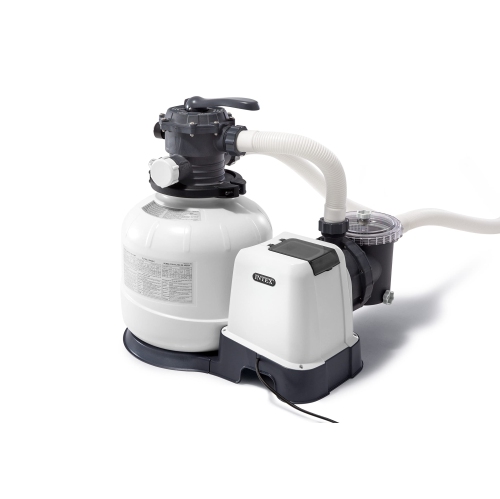 Your price for this item is $430.99
-
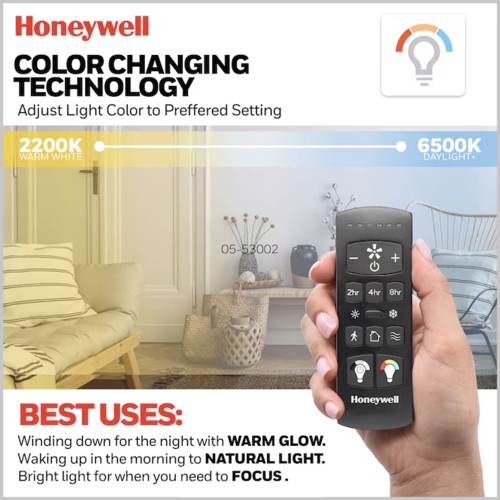 Your price for this item is $480.99
-
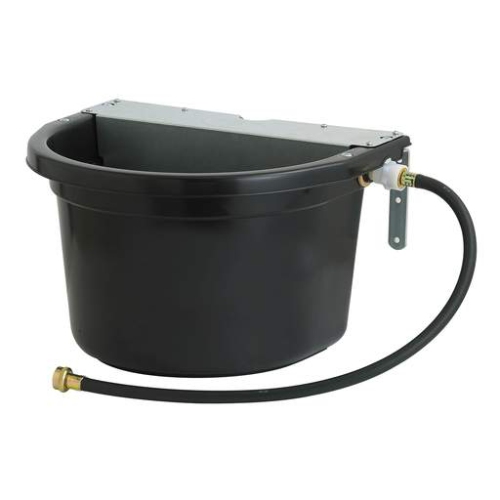 Your price for this item is $130.99
-
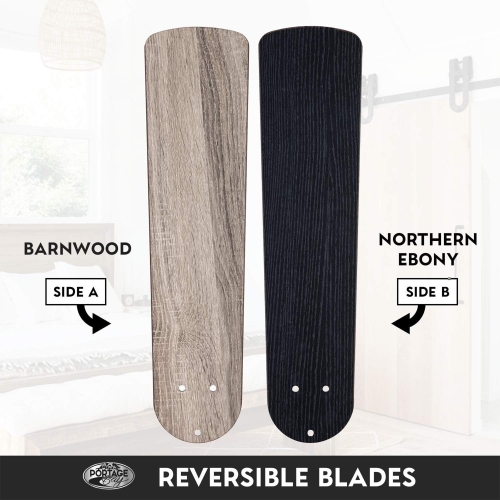 Your price for this item is $221.99
-
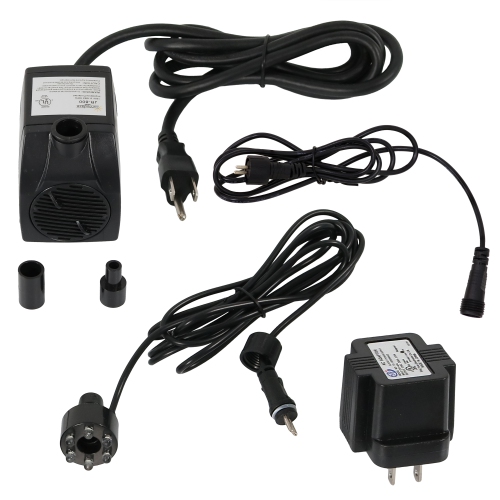 Your price for this item is $69.45
-
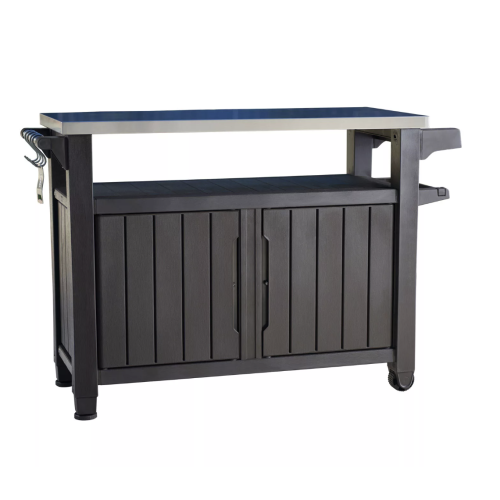 Your price for this item is $569.99
-
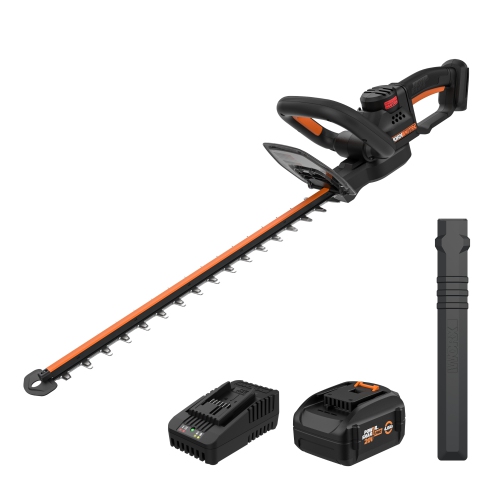 Your price for this item is $249.99
Discover more categories related to Indoor Mosquito Zappers


Top Collections:
Pokemon Centers, Best Cameras for Sports Photography, Kindle Devices, Samsung Galaxy Phones, Canon G7X Cameras, Pokémon 30th Celebration Cards, Refurbished Apple Laptops, iPhone 15 Apple, Laptops for Students, Budget Smartphones
Some products may be subject to Environmental Handling Fees
(EHF) depending on your province.
Learn more about EHFs.