Mosquito Zappers
If you're looking to enjoy the great outdoors without the constant annoyance of pesky mosquitoes, look no further than these mosquito zappers. These innovative devices are designed to effectively eliminate mosquitoes and other flying insects, allowing you to relax and unwind in peace. Whether you're hosting a backyard barbecue, camping in the wilderness, or simply enjoying a quiet evening on your patio, our range of mosquito zappers will help create a bug-free environment, so you can make the most of your time outdoors.
Sort


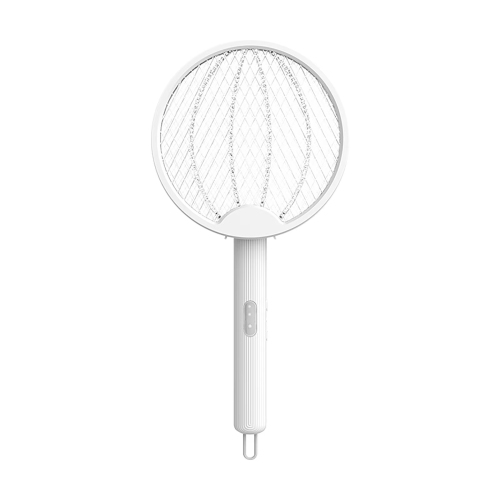
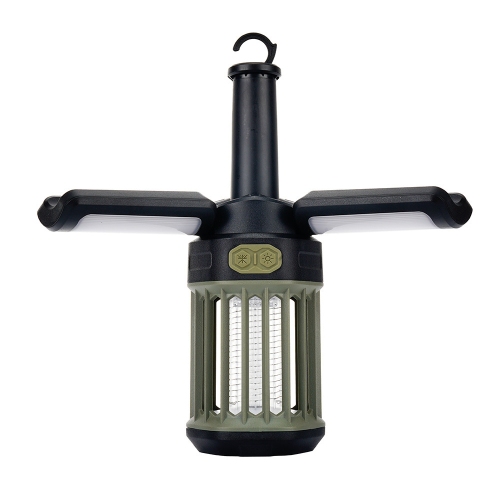
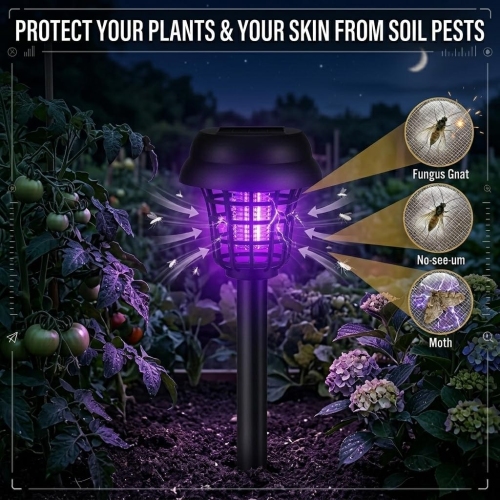


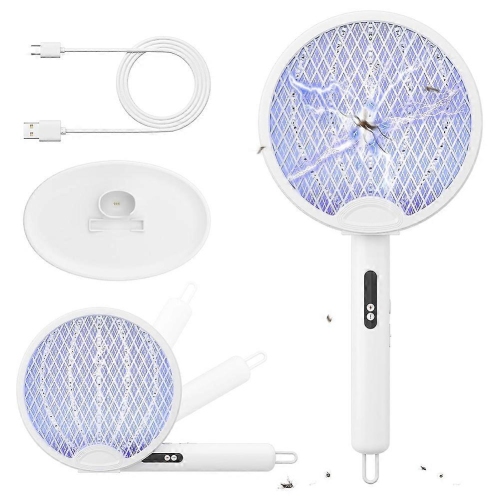


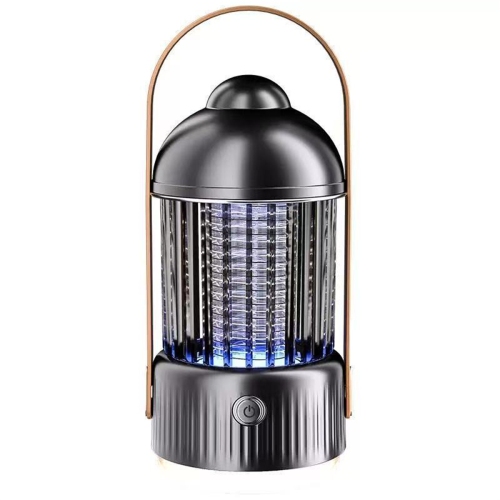


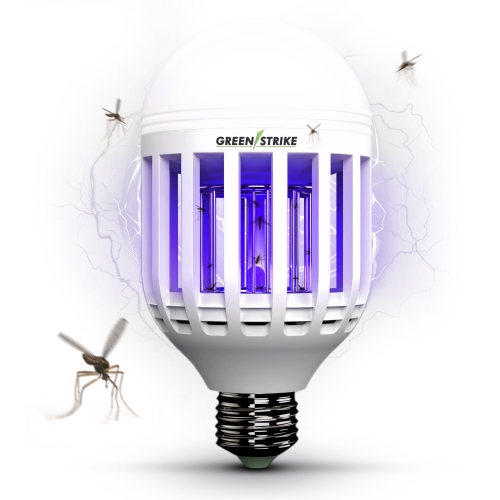



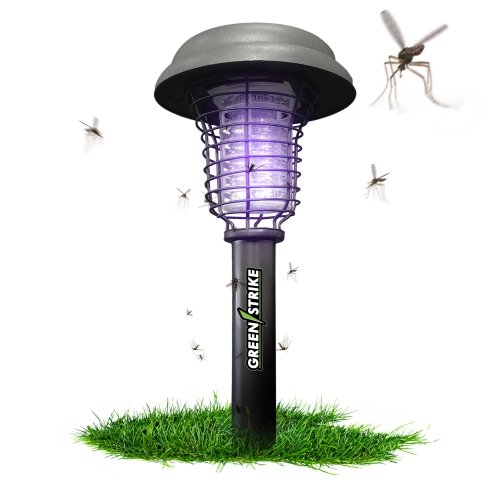






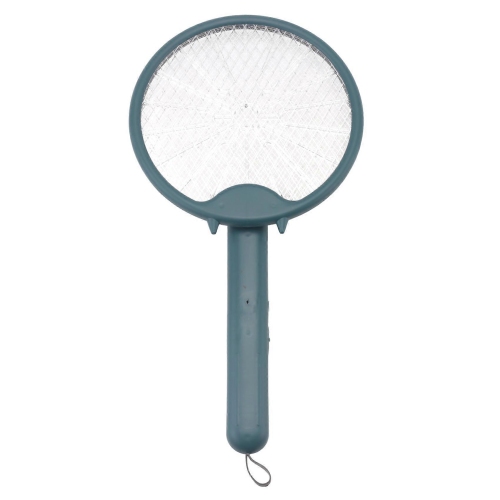


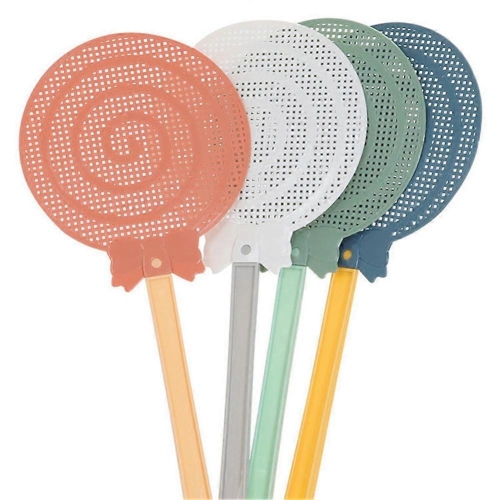

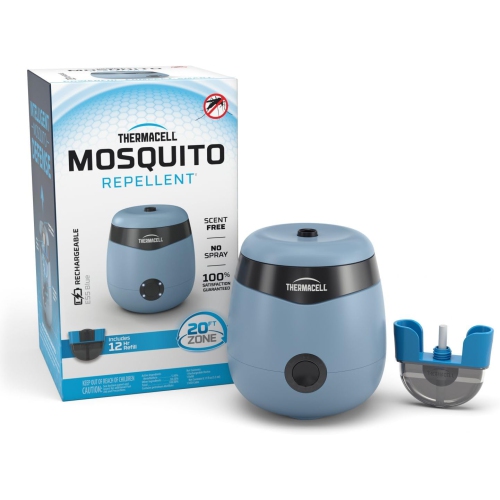


Why similar-looking insect traps can work very differently
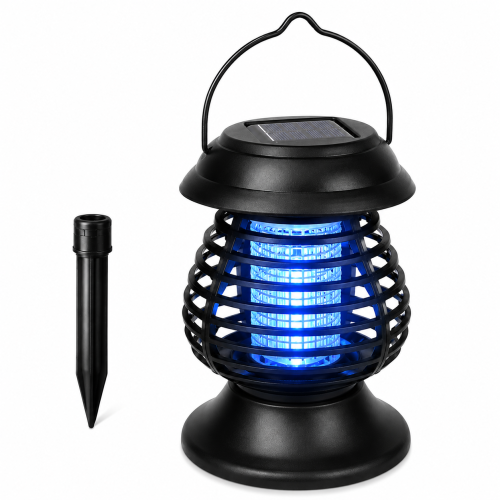
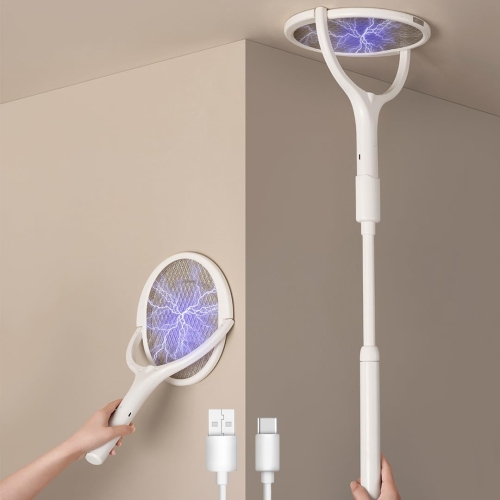
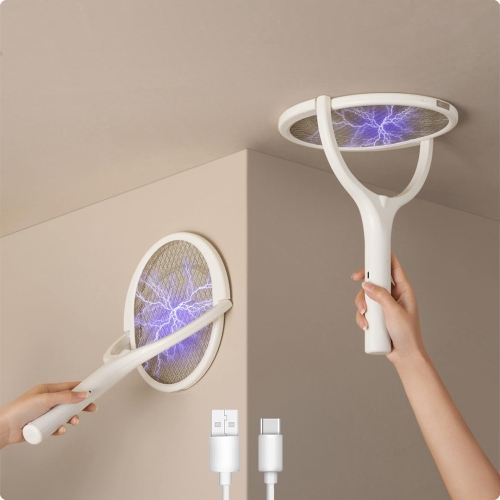
Mosquito zappers are electric insect-control devices that use an energized grid to kill insects on contact. The category includes handheld electric racquets for targeting individual flying insects and stationary units that attract insects towards a protected grid. These designs serve different purposes: a racquet requires someone to locate and reach the insect, while a stationary zapper operates in a designated area without being held. Some devices sold for mosquito control instead use a fan to draw insects into a collection chamber, so the capture method matters when comparing similar-looking lamps and traps. Light-based designs overlap with UV Bug Zappers, but ultraviolet light alone is not a reliable mosquito-specific attractant. Traditional UV zappers can attract many other flying insects, including moths, and the number of insects collected does not necessarily show how effectively a device is controlling mosquitoes. Mosquitoes locate people through a combination of cues, including exhaled carbon dioxide, body heat, and skin odours. Certain stationary traps use additional attractants intended to appeal to mosquitoes, although their effectiveness depends on the design, the mosquito species, placement, and surrounding conditions. A light source described as LED is not automatically ultraviolet, and the presence of a UV lamp does not establish that a device uses a separate mosquito attractant. These distinctions are useful for households dealing with an occasional insect indoors, people furnishing an outdoor seating area, or anyone looking for a portable way to deal with insects within reach. A handheld racquet offers direct control over an insect that has already been spotted, whereas an unattended lamp or trap depends on insects approaching it. Neither format should be treated as a guarantee against bites. Well-fitting window screens, closed screen doors, and the removal of standing water remain useful alongside electric insect-control devices. For a patio supper or time spent reading near an open doorway, a zapper is best understood as one part of managing flying insects rather than a substitute for personal protection where mosquitoes are active.
The right fit for a mosquito zapper involves its intended location, power source, physical size, and operating design. A compact tabletop unit occupies little space, while a hanging model needs a secure support and the clearance specified by its manufacturer. A device beside a covered doorway may need a different rating from one intended for a sheltered indoor room; indoor-only equipment should not be used outside simply because an outlet is nearby. An outdoor rating also does not mean a device can be submerged, exposed to every type of precipitation, or left in any location without protection. Weather-resistance information, cord requirements, and mounting instructions establish where it can be used safely. Housings may use plastic, metal, or a combination of both, with an outer guard separating hands from the energized grid. Sturdy construction, stable feet, securely attached hanging hardware, and a collection tray that seats properly all contribute to everyday usability. For handheld electric racquets, handle shape, weight, head size, and protective mesh affect how comfortable the device feels and how easily it can reach an insect without striking furniture or nearby objects. These are electrical devices, not toys, and they belong out of reach of children and pets. Corded stationary zappers suit locations with an appropriate power connection, while battery-powered or rechargeable designs offer portability within their stated operating limits. Battery runtime and charging arrangements vary; a USB-powered device still needs a compatible power supply, and a rechargeable model may not be intended to operate while charging. Advertised coverage is another consideration rather than a promise of uniform results throughout a space. Walls, corners, competing light sources, and the placement of the device can affect insect access and attraction. A large coverage figure does not necessarily translate into better mosquito control. Visible light and occasional snapping sounds may also influence whether a unit feels suitable beside a reading chair, near a bedroom, or farther from a gathering area. Placement should follow the device’s instructions, with electrical equipment kept away from water, unsuitable extension connections, and areas where food could be exposed to falling insect debris.
Care and durability are closely linked to how a mosquito zapper is built and used. Stationary grid designs often collect insect remains in a removable tray or around the grid, while fan-based traps may hold them in a basket or chamber. Accessible collection parts make routine upkeep less awkward, particularly for a unit mounted above eye level or placed where insects accumulate frequently. Before cleaning, the device should be switched off and disconnected from its power source, with any waiting period or discharge procedure followed exactly as described in the manufacturer’s instructions. An energized grid should never be touched, and metal tools should not be inserted into it. Cleaning methods vary by design: a supplied brush or other approved dry-cleaning method may be appropriate, but electrical housings should not be washed or sprayed unless expressly permitted. Any removable part approved for washing needs to be fully dry before reassembly. Light-source life, battery condition, and the availability of compatible replacement components can influence useful service life. Some units have replaceable lamps, while others use integrated lighting; replacement attractants, where applicable, must match the device rather than being improvised. A damaged cord, cracked guard, loose fitting, or exposed electrical component is a reason to stop using the unit. Storage also matters for portable equipment. A racquet kept in a dry cupboard, protected from heavy objects pressing against its mesh, is less likely to suffer accidental damage than one left loose among tools or camping supplies. Mosquito zappers can be practical gifts for someone who enjoys spending time on a deck, maintains a screened porch, or appreciates useful household accessories, provided the format suits where it will be used. A compact handheld design and a permanently mounted outdoor unit are not interchangeable gifts. For households choosing an everyday insect-control accessory, the most useful qualities are a suitable indoor or outdoor rating, manageable upkeep, safe placement, and a capture method that matches the intended use. Those details offer a clearer picture of suitability than brightness, appearance, or a broad coverage claim alone.
Top selling and popular products
-
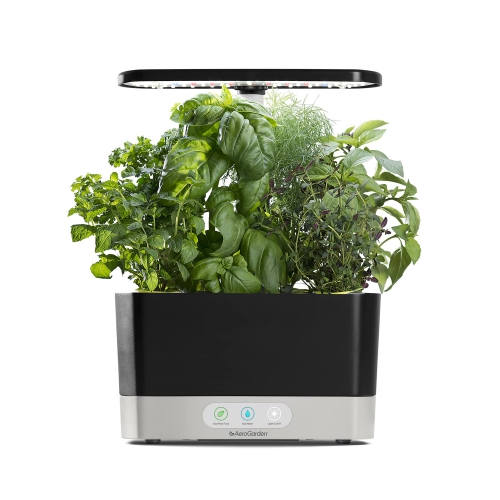 Your price for this item is $199
-
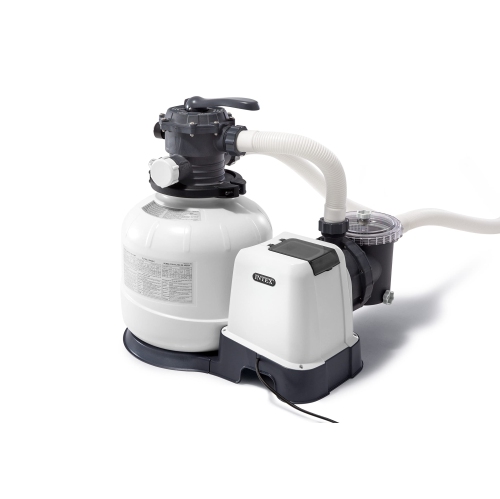 Your price for this item is $430.99
-
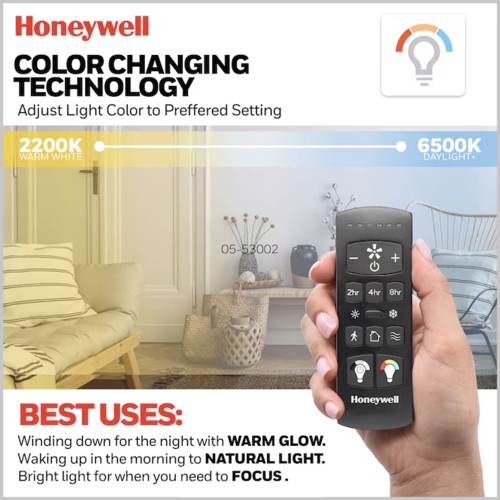 Your price for this item is $480.99
-
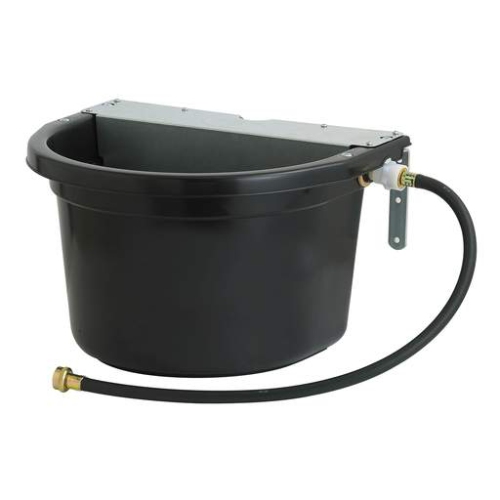 Your price for this item is $130.99
-
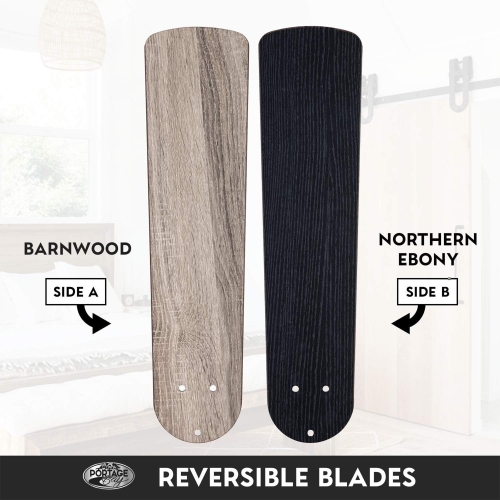 Your price for this item is $221.99
-
 Your price for this item is $69.45
-
 Your price for this item is $520.99
-
 Your price for this item is $26.99
Discover more categories related to Mosquito Zappers
Top Collections:
Pokemon Centers, Kindle Devices, Best Budget Office Chairs, Canon G7X Cameras, Apple iPhones 16, Samsung Galaxy Phones, Refurbished Apple Laptops, Laptops for Students, iPhone 15 Apple, Budget Smartphones
Some products may be subject to Environmental Handling Fees
(EHF) depending on your province.
Learn more about EHFs.