Indoor Outdoor Plant Stands
Elevate your home or garden décor with Indoor Outdoor Plant Stands designed to showcase your favorite greenery in style. Whether you’re looking to create a vibrant display on your patio, balcony, living room, or entryway, these versatile stands offer the perfect solution for organizing and highlighting plants of all sizes. Discover options that seamlessly blend with any aesthetic, making it easy to add a touch of nature to both indoor and outdoor spaces. Explore the collection of Indoor Outdoor Plant Stands to find the ideal pieces that suit your space and bring your botanical vision to life.
Sort
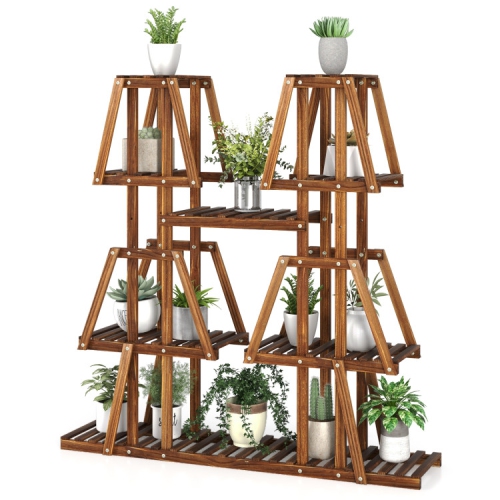
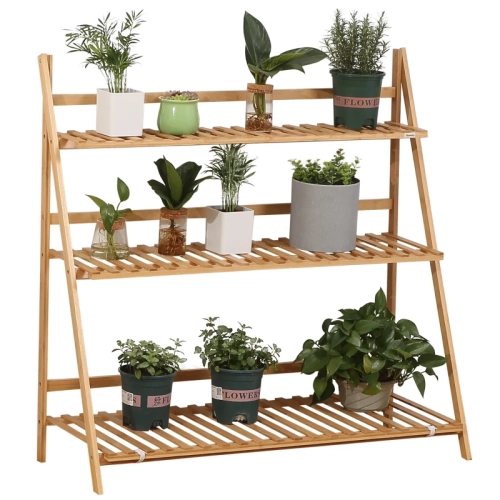


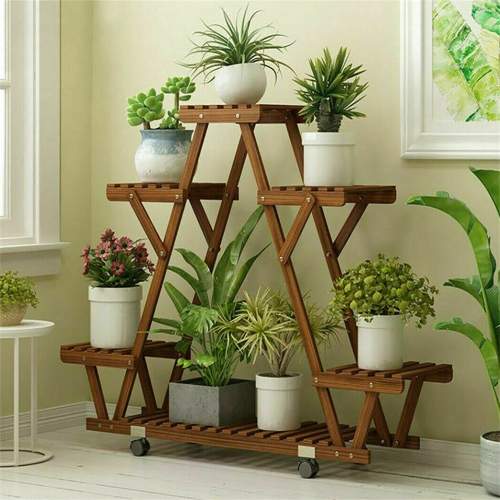
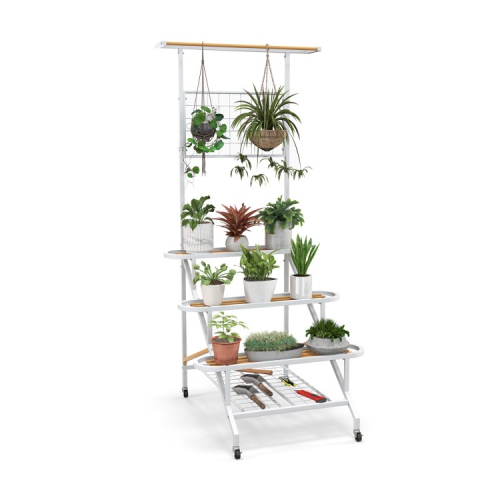
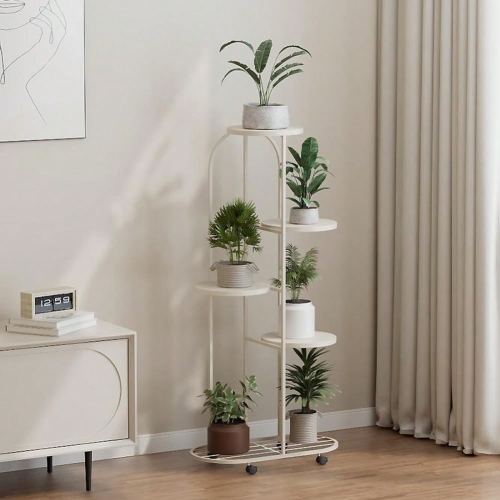
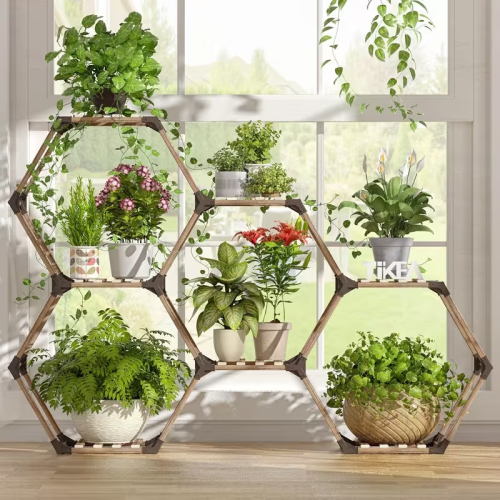
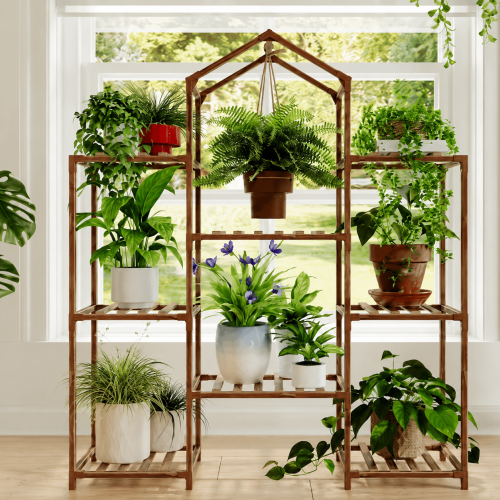
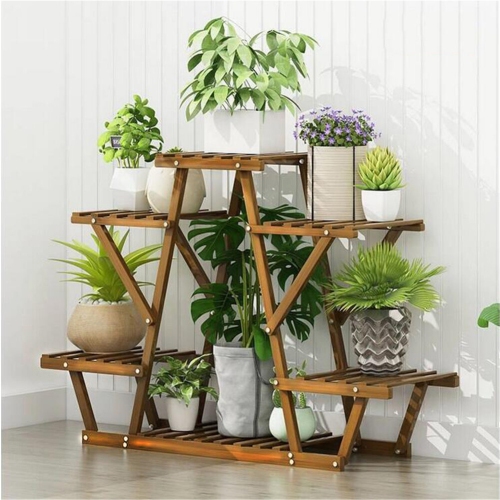
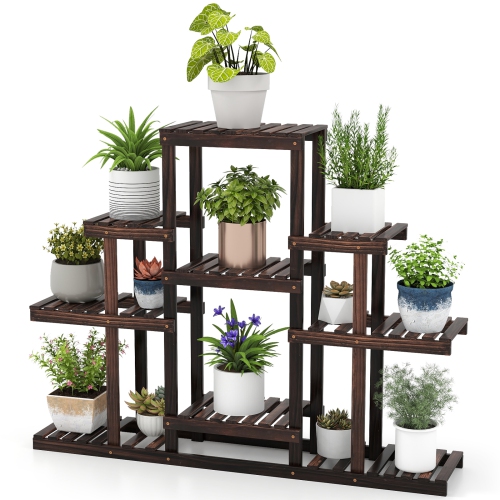
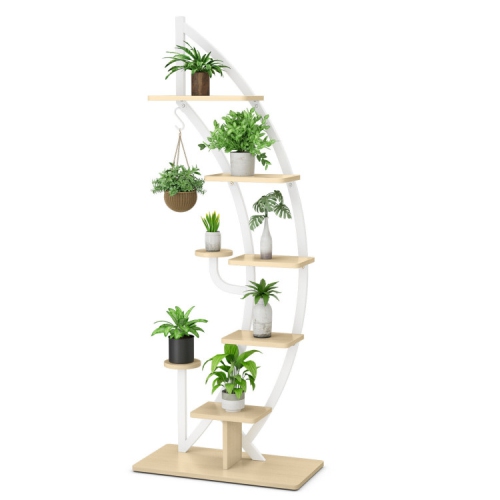
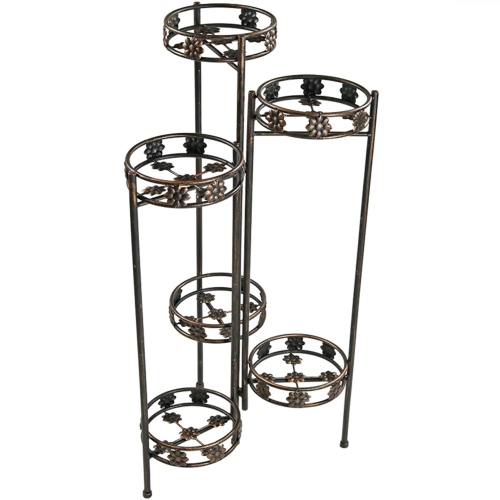
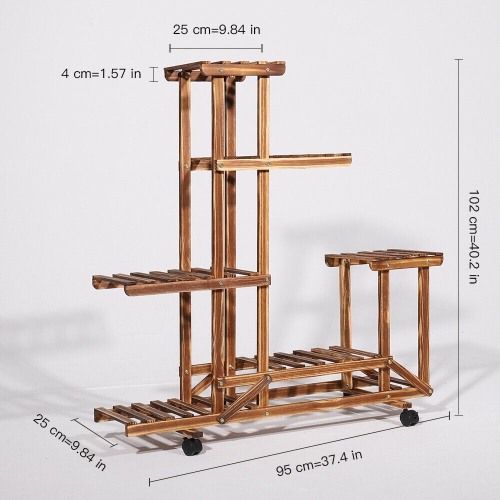
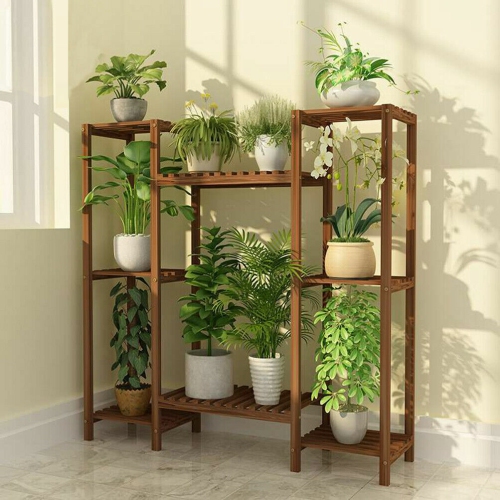
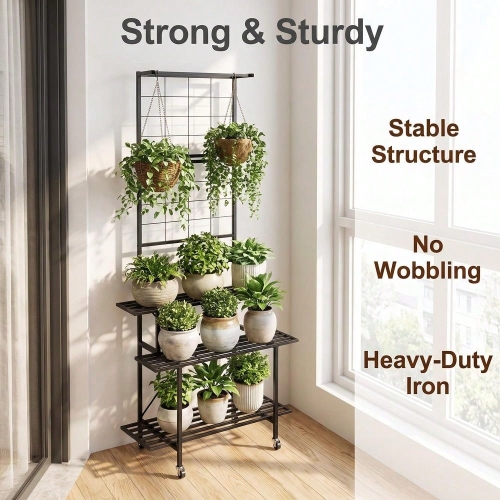
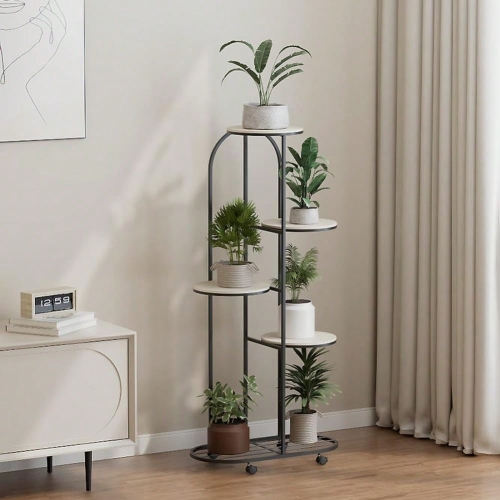
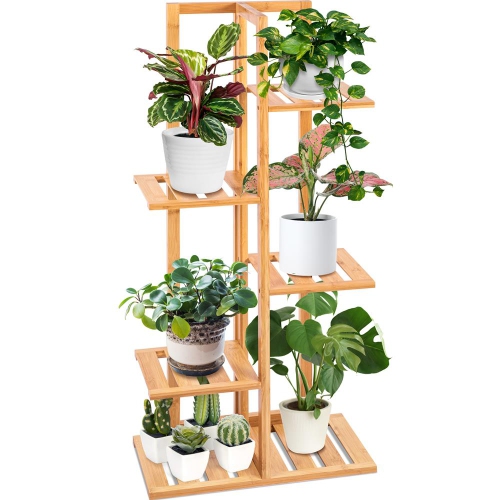
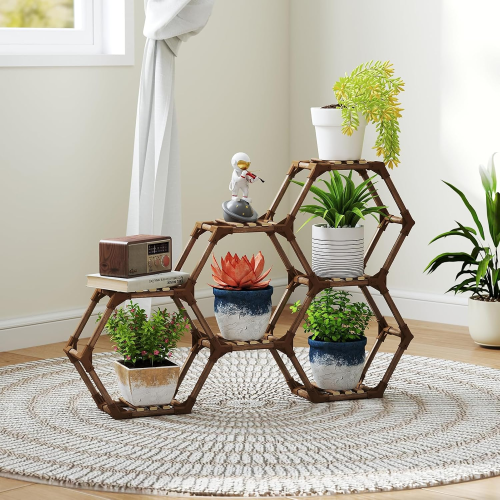
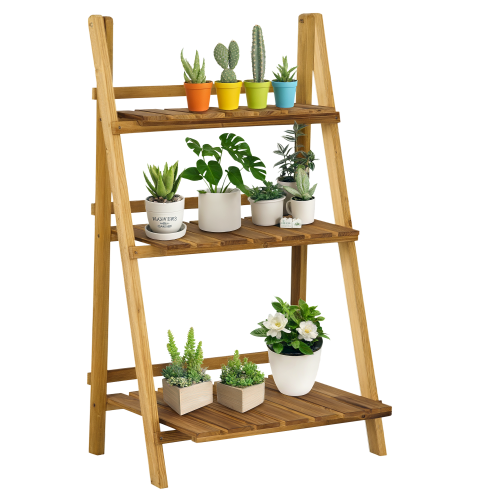
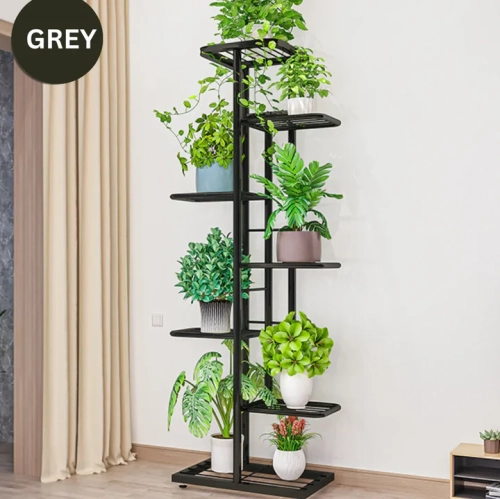
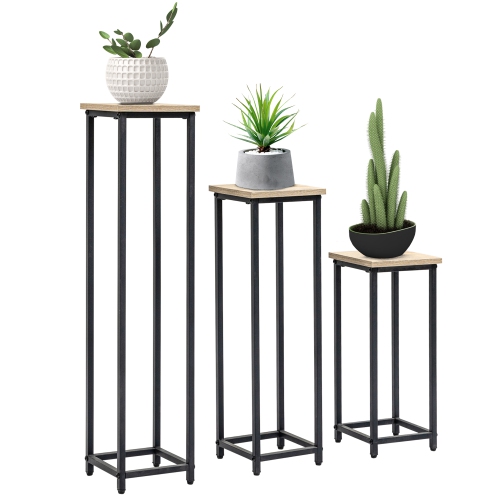
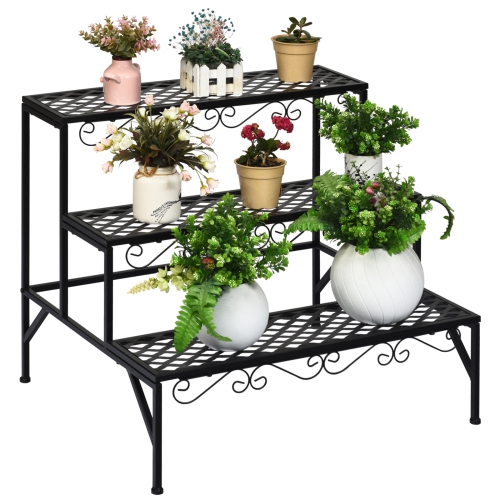
More room for greenery without crowding everyday spaces
Indoor outdoor plant stands are raised supports or shelving units that hold plant pots in living spaces, on balconies, and in outdoor areas such as patios and porches. They give greenery a defined place without requiring a built-in shelf or a large piece of furniture. A single-pot stand can lift a leafy plant beside an armchair, while a tiered stand brings several smaller pots together in a compact footprint. In a room where every surface already has a purpose, that extra vertical space can make a noticeable difference: the windowsill stays clear, the side table has room for a cup of tea, and trailing stems have somewhere to fall without spreading across the floor. Outdoors, stands can frame a seating area, soften an empty corner, or keep pots raised above a patio surface. The most useful shape depends on both the plants and the available space. Narrow corner stands suit tucked-away spots, wider shelving provides room for a mixed collection, and individual pedestals let you arrange pots at different heights. For rounded silhouettes that sit comfortably beside sofas, chairs, or curved planters, Round Plant Stands offer another way to arrange greenery without adding much visual bulk. Open frames allow light and sightlines through, which can help a small room feel less crowded. Solid shelves provide a broader resting surface for pots and saucers, although their suitability still depends on their dimensions and load rating. Plant stands appeal to apartment dwellers making room for a growing collection, homeowners arranging an entryway, and anyone who wants a favourite plant to feel like part of the room rather than an afterthought. Raising a pot may also make watering and inspecting leaves more comfortable, depending on the stand’s height. For someone who enjoys tending plants, a thoughtfully sized stand can be a practical housewarming or birthday gift, especially when chosen to fit a space and planter they already use.
The main purchase considerations for indoor outdoor plant stands are intended placement, material, dimensions, weight capacity, and stability. Not every stand described for indoor and outdoor use is suited to prolonged exposure to rain, snow, or freezing temperatures, so the manufacturer’s placement and care information matters more than appearance alone. A covered porch offers different conditions from an open balcony, where wind and wind-driven rain can reach shelving from several directions. Powder-coated metal can provide a clean-lined frame and some protection against corrosion, but the finish should remain intact, and exposed joints or scratched areas may need attention according to the care instructions. Wood brings warmth and visible grain to a room or sheltered seating area; its outdoor suitability depends on the species, finish, and construction. Bamboo also has a distinctive appearance, though an indoor bamboo stand should not be assumed suitable for outdoor use. Whatever the material, check the overall footprint as well as the usable shelf area. A pot may fit across a shelf yet leave no room for its saucer, or its leaves may extend into a walkway once it is in place. Shelf spacing is equally important for taller plants and for reaching between tiers with a watering can. Compare the stated load capacity with the full weight of the planter, plant, moist potting mix, and any retained water. On multi-tier stands, look for both per-shelf limits and an overall limit where provided. A broad base, secure joints, and level contact with the floor all contribute to a steadier setup. Adjustable feet can help on slightly uneven surfaces, while protective foot pads may help reduce marks indoors. For stands with castors, locking wheels are useful when the display needs to stay put. Assembly requirements deserve a look, too: accessible fasteners, clear instructions, and manageable component sizes can make the difference between an easy setup and an awkward afternoon.
A plant stand works best when its placement suits the plants as well as the room. Height alone does not guarantee better light, and an upper shelf can shade the pots beneath it. Leaving enough space between plants allows foliage to spread and makes it easier to spot dry soil, fallen leaves, or water collecting in a saucer. Beside a window, a stand should leave curtains and blinds free to move; near a doorway, it should not narrow the walking path. During the cooler months, avoid positioning sensitive plants against cold glass or directly beside a heating vent, where temperatures and airflow can vary sharply. If a stand moves indoors after time on a balcony or patio, clean and dry it as directed, inspect the joints and feet, and check plants for pests before placing them near an existing indoor collection. Foldable stands can be handy when the layout changes with the seasons, provided their hinges or braces are fully secured during use. Wheeled stands can make repositioning easier, but thresholds and uneven paving still call for care, particularly with heavy pots. Water management is another everyday detail worth planning before bringing a stand home. Raising a planter does not by itself protect flooring: suitable saucers or watertight cachepots help catch runoff, and spills should be wiped up promptly. Outdoors, drainage should not leave water pooling beneath feet or dripping onto a neighbour’s balcony. For households with children or pets, choose a stable arrangement, keep heavier pots low, and follow any supplied anchoring instructions; elevation alone does not make a plant inaccessible. The finished display need not look overly arranged. A trailing plant above a fuller upright one, with a little open space between them, often feels more natural than filling every shelf. Matching the stand’s proportions to the pots gives the arrangement a settled look, whether it sits beside a reading chair or along a sheltered patio wall. With the right fit, an indoor outdoor plant stand brings plants into daily view while keeping their care straightforward and the surrounding space comfortable to use.
Top selling and popular products
-
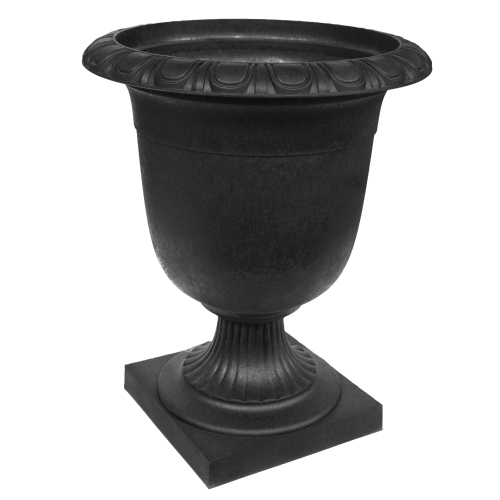 Your price for this item is $204.99
-
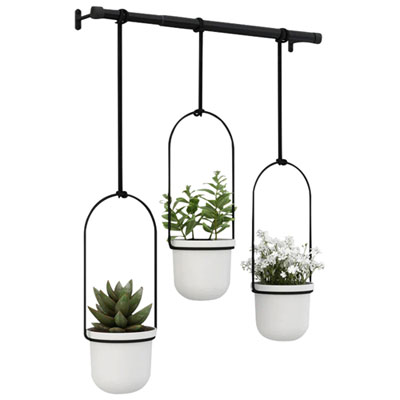 Your price for this item is $65.98
-
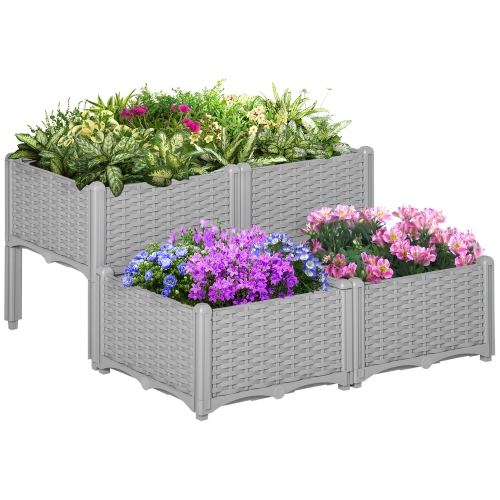 Your price for this item is $94.99
-
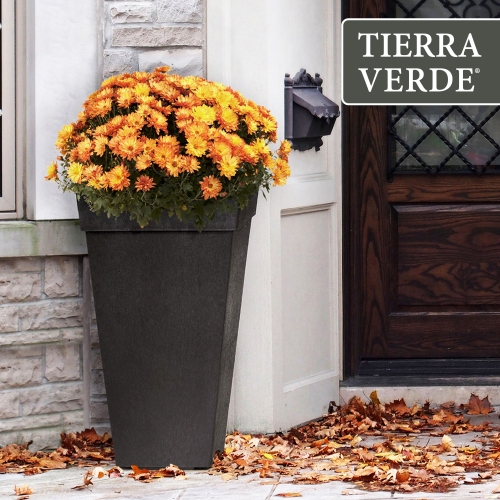 Your price for this item is $187.99
-
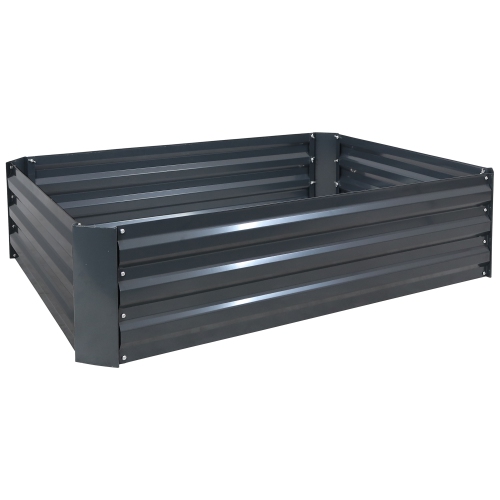 Your price for this item is $117.75
-
 Your price for this item is $117.75
-
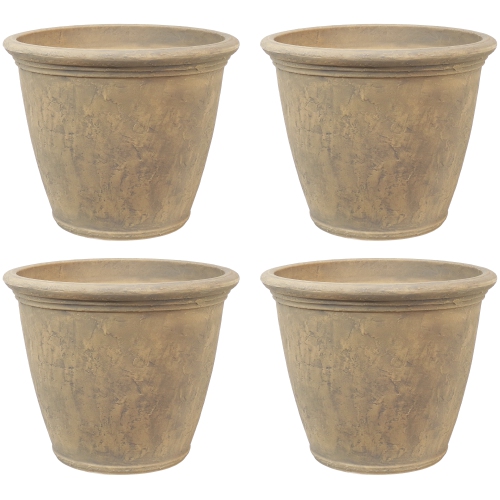 Your price for this item is $415.35
-
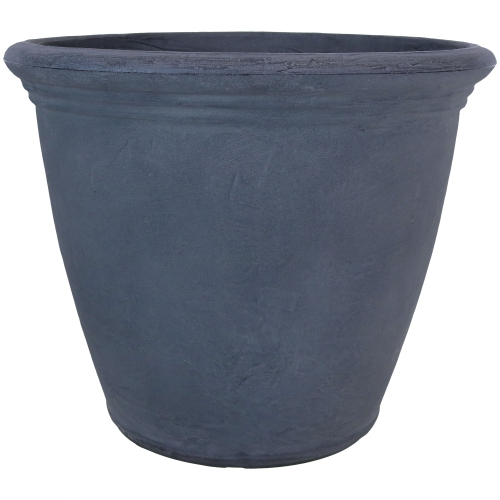 Your price for this item is $134.25
Discover more categories related to Indoor Outdoor Plant Stands
Top Collections:
Best Black Friday Deals This Year, Best Black Friday Deals On Electronics, Kindle Devices, Pokemon Centers, Best Black Friday Deals On Apple Products, Best Cameras for Sports Photography, Dyson Airwrap, Pokémon 30th Celebration Cards, Apple iPhone 17 Pro, Canon G7X Cameras
Some products may be subject to Environmental Handling Fees
(EHF) depending on your province.
Learn more about EHFs.