Indoor Potted Plants
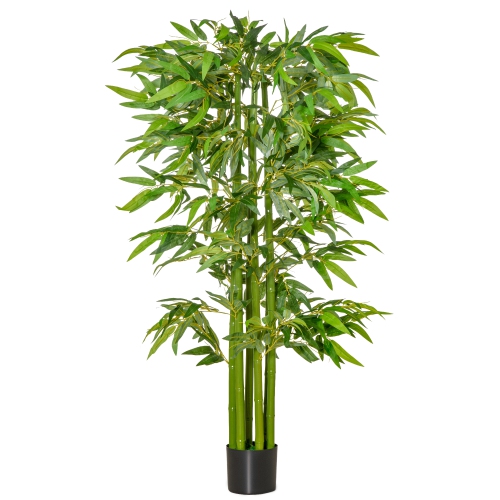
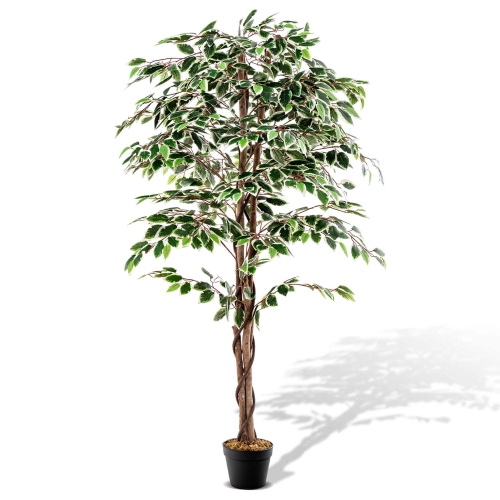
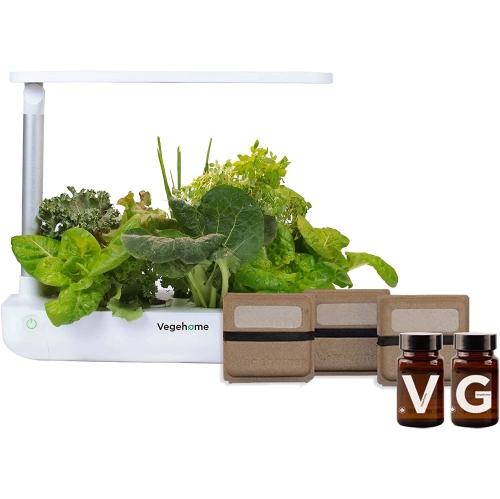
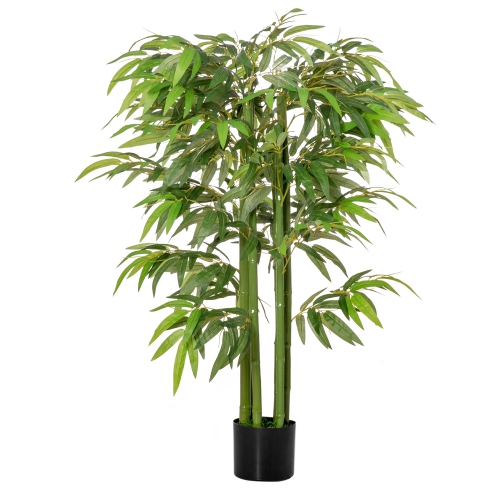
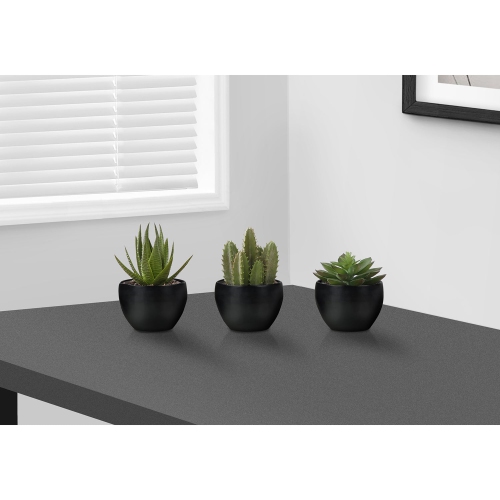
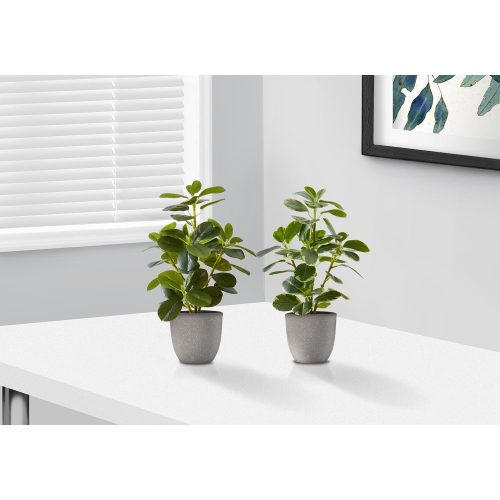
Enhance the ambiance of your living space with this collection of indoor potted plants. Bring a touch of nature indoors and create a refreshing atmosphere in any room of your home. From lush green foliage to vibrant blooms, these potted plants are perfect for adding a pop of color and life to your surroundings. Whether you're a seasoned plant parent or just starting your indoor garden journey, our selection offers a variety of options to suit every style and space.
Sort


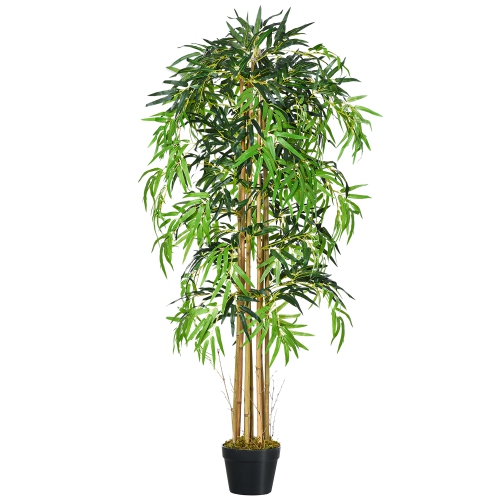
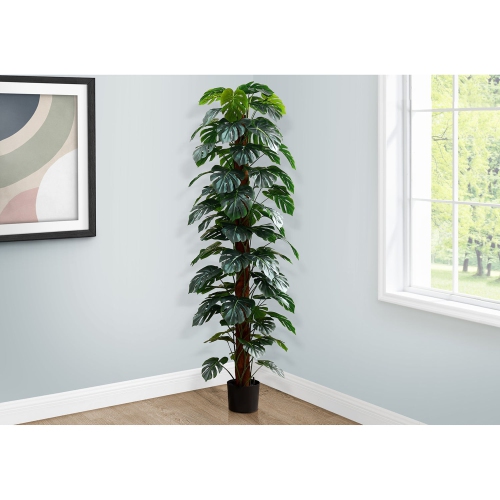
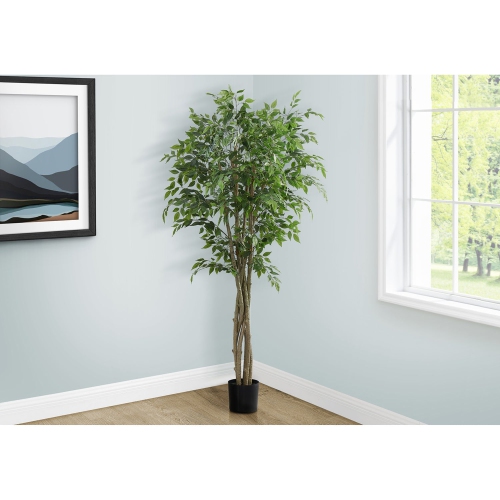
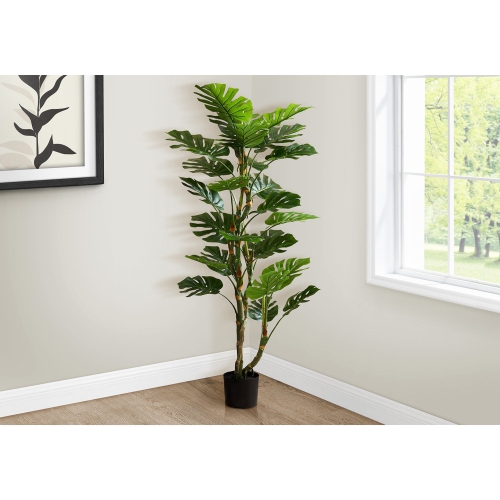
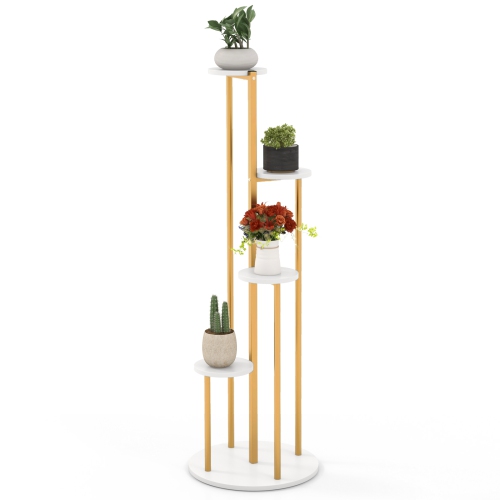
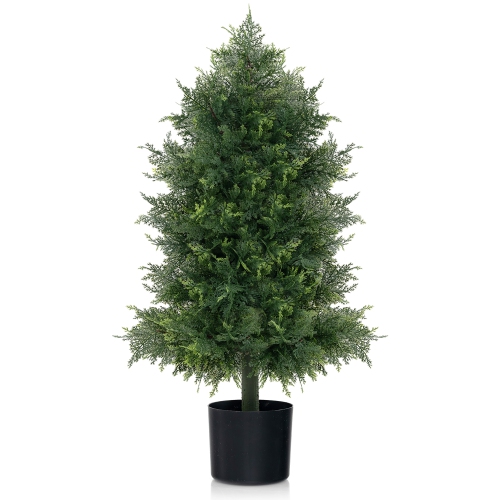
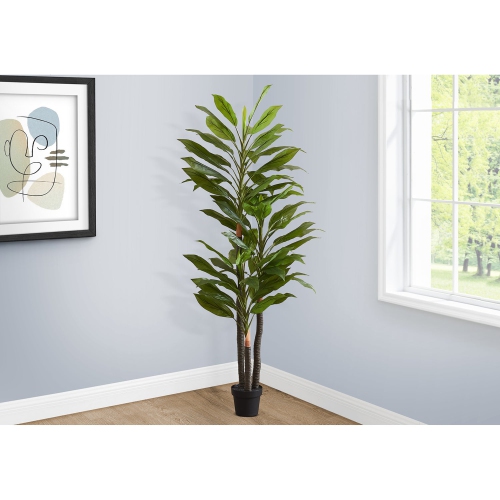
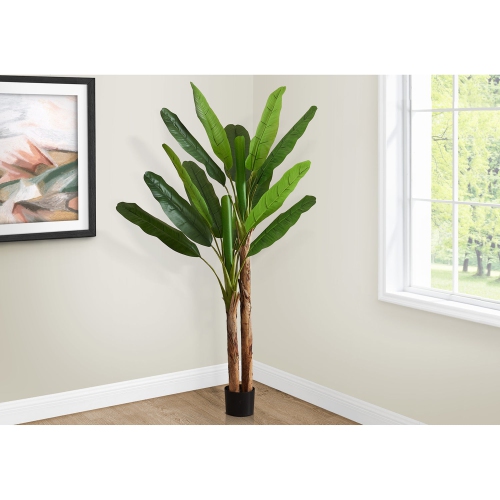
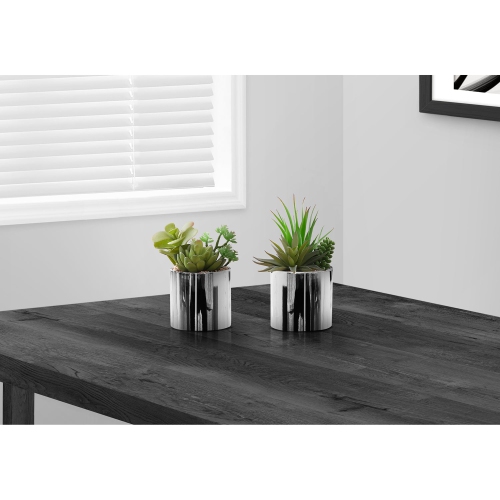
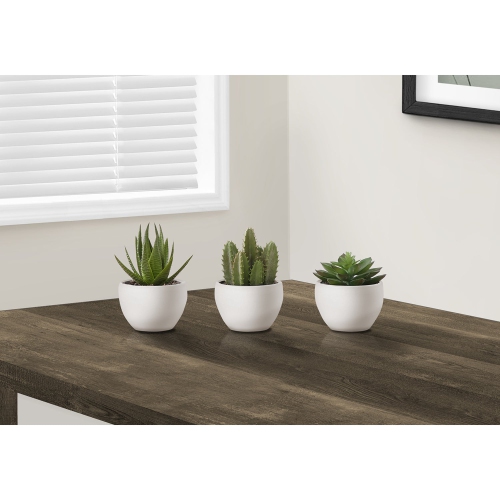
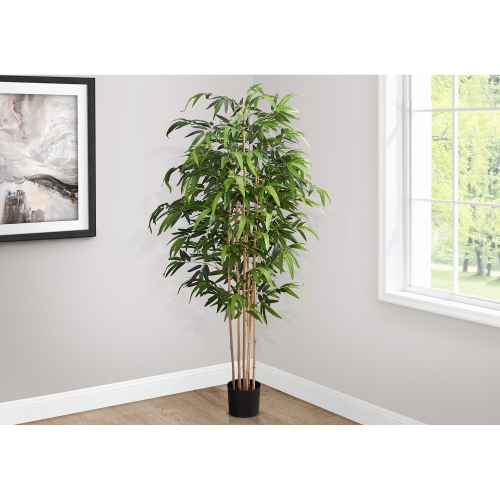
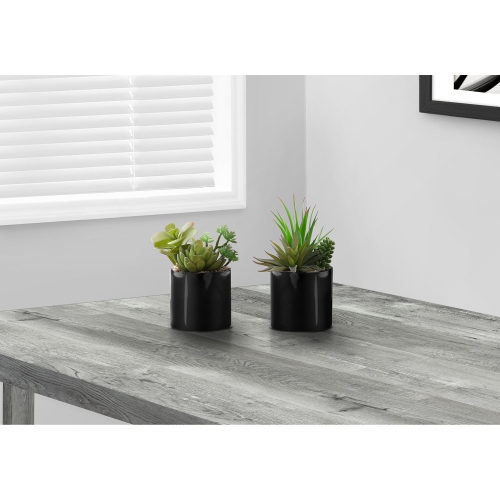

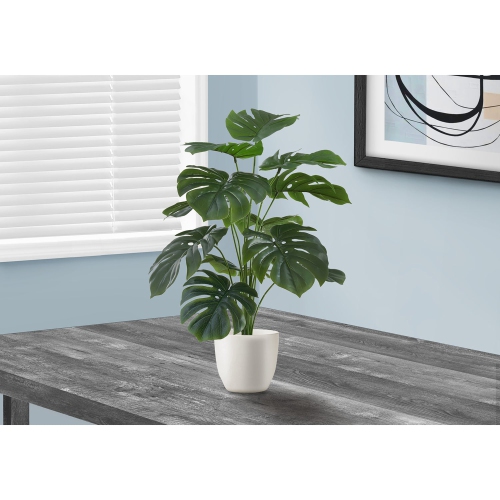

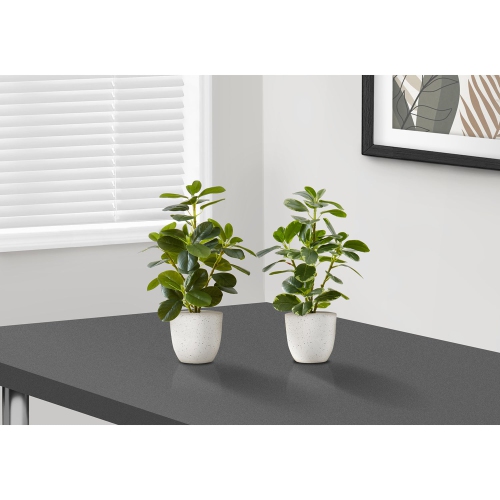
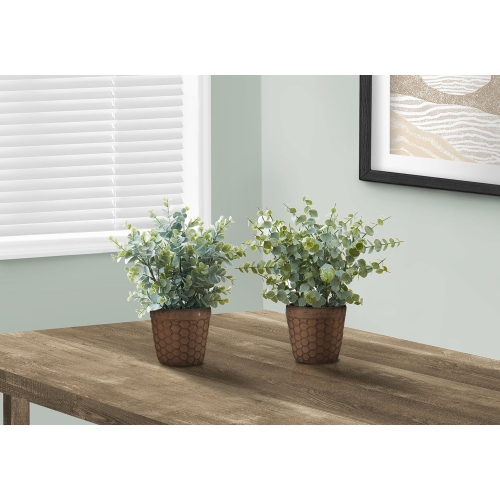
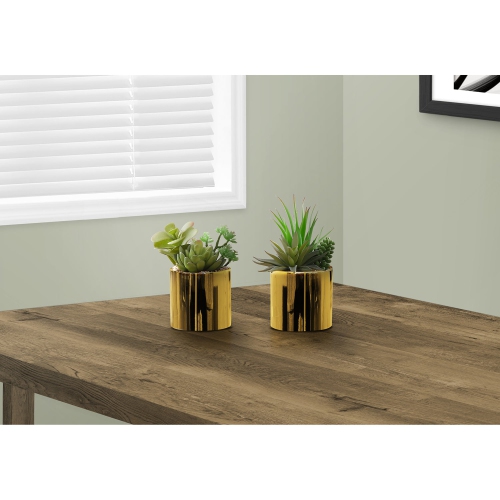


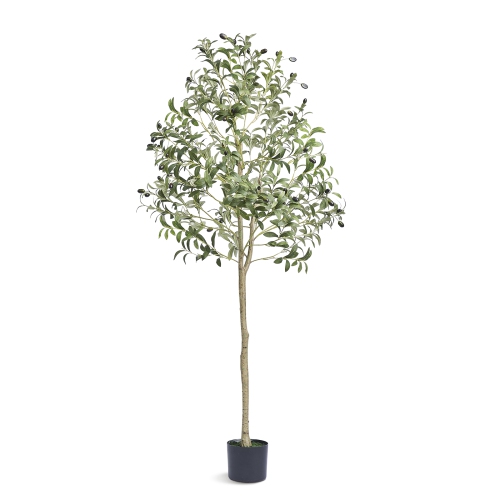
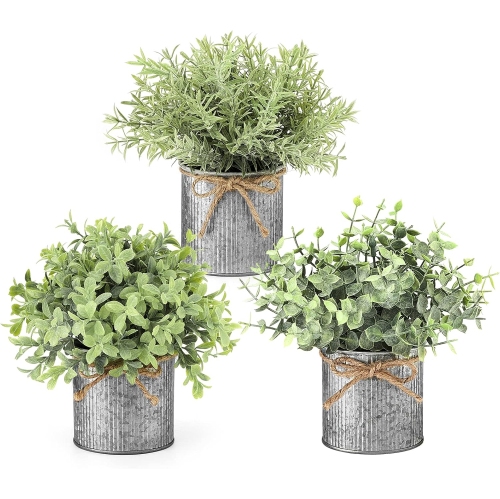
The right light, pot, and watering routine matter
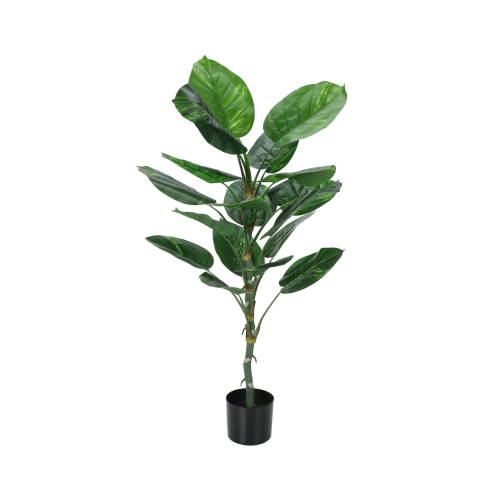
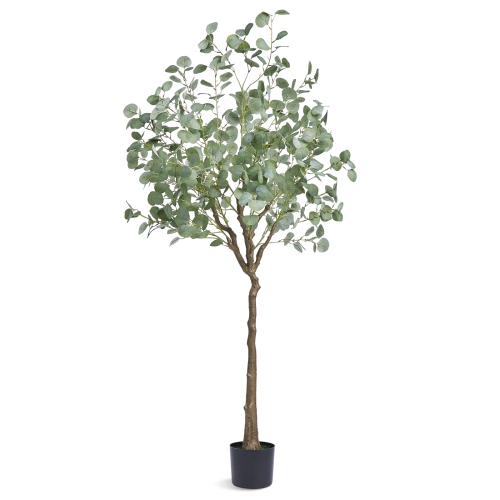
Indoor potted plants bring colour, texture, and a sense of life to rooms where people spend much of their time. A leafy plant can soften the lines of a home office, add height beside a bookcase, or create a welcoming focal point on an entryway table. Smaller plants fit neatly on shelves, bedside tables, kitchen counters, and bathroom ledges, while larger potted plants can help define an open area or fill an unused corner. They are also thoughtful gifts for new homeowners, students settling into a residence, colleagues moving into a new office, or anyone who enjoys adding personal touches to their space. When choosing an indoor potted plant, start by considering the room where it will live. Bright, indirect light near a window is suitable for many common houseplants, while lower-light areas call for varieties that can manage with less natural light. Direct afternoon sun can be intense through glass, particularly in rooms with south- or west-facing windows, so a sheer curtain or a position slightly back from the window may help protect delicate leaves. It is also worth considering the plant’s mature size, growth habit, and placement. A compact plant may be ideal for a narrow shelf, whereas a taller plant with spreading foliage needs room around it and a stable surface. During the cooler months, keep plants away from cold drafts, heating vents, and radiators, since sudden temperature changes can dry foliage and affect the soil more quickly than expected. A plant selected with its surroundings in mind is easier to enjoy and simpler to care for over time.
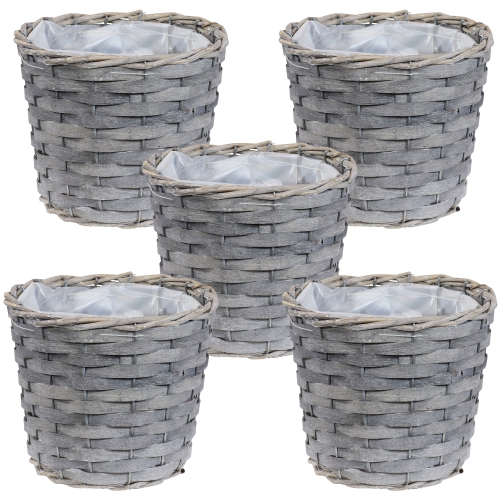
The container plays an important role in keeping an indoor potted plant healthy and looking its best. Choose a pot that is generally 1 to 2 inches wider in diameter than the plant’s current root ball; an oversized container can hold more moisture than the roots can use, while a pot that is too small may dry out quickly and restrict growth. Proper drainage is one of the most important features to look for, because excess water needs a clear way to escape after watering. If a decorative pot does not have drainage holes, keep the plant in a separate nursery container and place it inside the decorative vessel as a cachepot. This approach makes it easier to remove the inner pot, water thoroughly, and allow excess moisture to drain before returning it to its display position. For coordinating containers and display pieces, explore Indoor Planter Pots. Container materials also influence how quickly soil dries. Terracotta is porous and allows moisture to evaporate more readily, which can suit plants that prefer a drier cycle but may require more frequent checking. Ceramic and plastic containers tend to retain moisture longer, making them useful for rooms where the soil dries slowly. Always check the weight and stability of a planter before placing a taller plant in a busy hallway or near the edge of furniture. A saucer beneath a draining container can protect surfaces from water marks, while a lightweight pot may be easier to move when adjusting the plant’s position for light or cleaning.
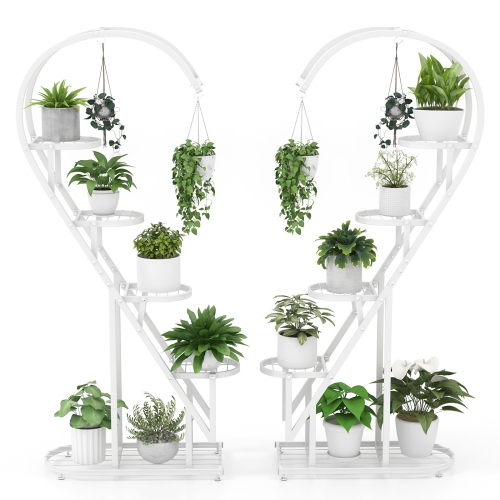
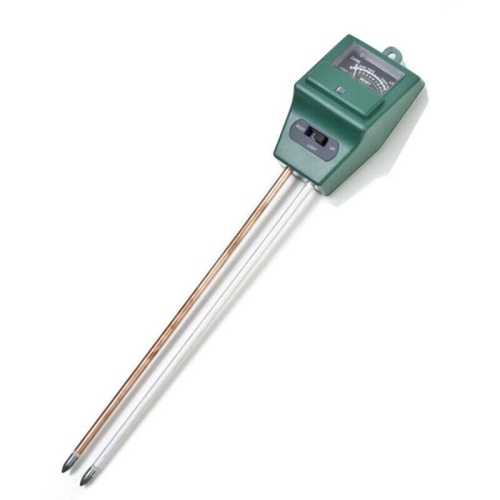
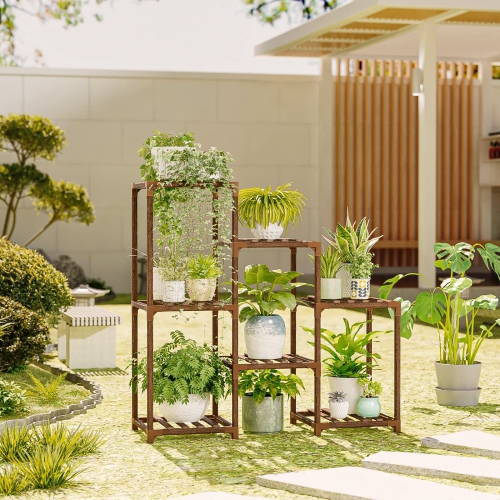
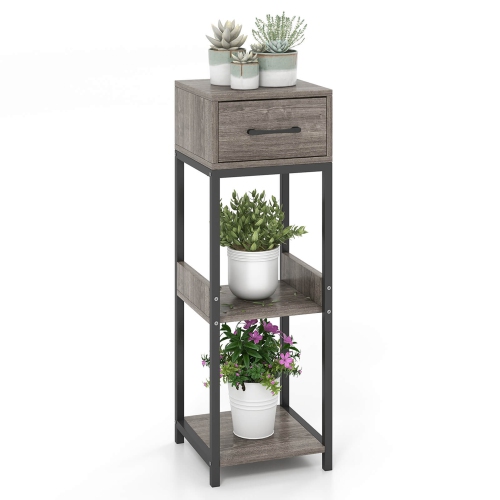
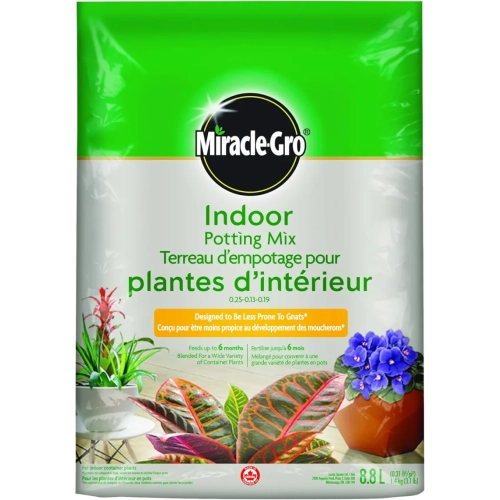
Watering is best guided by the plant and its growing conditions rather than by a fixed calendar. Press a finger into the top layer of soil and check whether it feels dry before adding more water. When watering is needed, pour slowly until a little water reaches the drainage holes, then empty any water collected in the saucer or outer container. Frequent small splashes may wet only the surface, leaving the roots dry below, while repeated overwatering can leave the soil saturated and reduce the air available to the root system. Light, temperature, humidity, pot material, and plant size all affect how often watering is required, so the routine may change as indoor heating begins or daylight becomes less intense. Wipe dust from broad leaves with a soft, damp cloth so the foliage stays fresh and can make good use of available light, and remove yellowing or damaged leaves with clean scissors. Plants can also be grouped according to similar light and watering preferences, creating a layered display on a console, windowsill, or plant stand without making care complicated. Indoor potted plants suit first-time plant owners as well as experienced enthusiasts, and they make adaptable gifts because they can be chosen to match a recipient’s home, schedule, and decorating style. With an appropriately sized container, reliable drainage, suitable light, and attentive watering, an indoor plant can remain a pleasing part of a room through changing seasons and bring a warm, natural detail to everyday spaces.
The container plays an important role in keeping an indoor potted plant healthy and looking its best. Choose a pot that is generally 1 to 2 inches wider in diameter than the plant’s current root ball; an oversized container can hold more moisture than the roots can use, while a pot that is too small may dry out quickly and restrict growth. Proper drainage is one of the most important features to look for, because excess water needs a clear way to escape after watering. If a decorative pot does not have drainage holes, keep the plant in a separate nursery container and place it inside the decorative vessel as a cachepot. This approach makes it easier to remove the inner pot, water thoroughly, and allow excess moisture to drain before returning it to its display position. For coordinating containers and display pieces, explore Indoor Planter Pots. Container materials also influence how quickly soil dries. Terracotta is porous and allows moisture to evaporate more readily, which can suit plants that prefer a drier cycle but may require more frequent checking. Ceramic and plastic containers tend to retain moisture longer, making them useful for rooms where the soil dries slowly. Always check the weight and stability of a planter before placing a taller plant in a busy hallway or near the edge of furniture. A saucer beneath a draining container can protect surfaces from water marks, while a lightweight pot may be easier to move when adjusting the plant’s position for light or cleaning.
Watering is best guided by the plant and its growing conditions rather than by a fixed calendar. Press a finger into the top layer of soil and check whether it feels dry before adding more water. When watering is needed, pour slowly until a little water reaches the drainage holes, then empty any water collected in the saucer or outer container. Frequent small splashes may wet only the surface, leaving the roots dry below, while repeated overwatering can leave the soil saturated and reduce the air available to the root system. Light, temperature, humidity, pot material, and plant size all affect how often watering is required, so the routine may change as indoor heating begins or daylight becomes less intense. Wipe dust from broad leaves with a soft, damp cloth so the foliage stays fresh and can make good use of available light, and remove yellowing or damaged leaves with clean scissors. Plants can also be grouped according to similar light and watering preferences, creating a layered display on a console, windowsill, or plant stand without making care complicated. Indoor potted plants suit first-time plant owners as well as experienced enthusiasts, and they make adaptable gifts because they can be chosen to match a recipient’s home, schedule, and decorating style. With an appropriately sized container, reliable drainage, suitable light, and attentive watering, an indoor plant can remain a pleasing part of a room through changing seasons and bring a warm, natural detail to everyday spaces.
Top selling and popular products
-
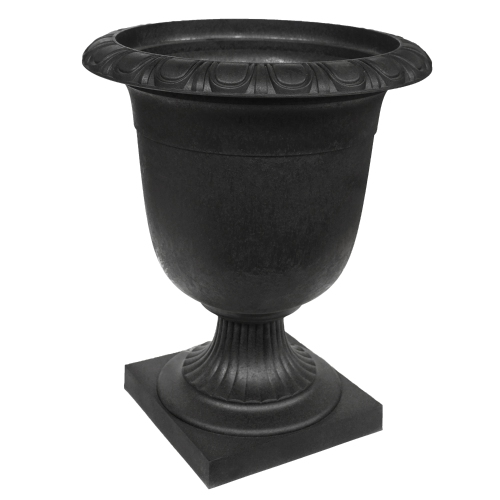 Your price for this item is $69.99
 -
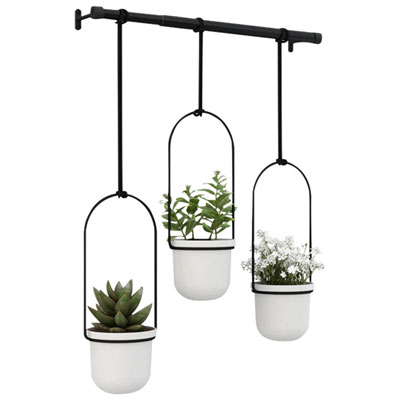 Your price for this item is $54.98
 -
 Your price for this item is $89.99
 -
 Your price for this item is $91.99
 -
 Your price for this item is $49.99
 -
 Your price for this item is $92.99
 -
 Your price for this item is $117.75
 -
 Your price for this item is $117.75
Discover more categories related to Indoor Potted Plants
Top Collections:
Best Laptops for Video Editing, Pokemon Centers, Samsung Z Fold, Kindle Devices, Best Cell Phones Under $300, Best Laptops for Writers, Best Budget Office Chairs, Best Cell Phones Under $500, Best Laptop Computers for Students, iPhone 15 Apple
Some products may be subject to Environmental Handling Fees
(EHF) depending on your province.
Learn more about EHFs.