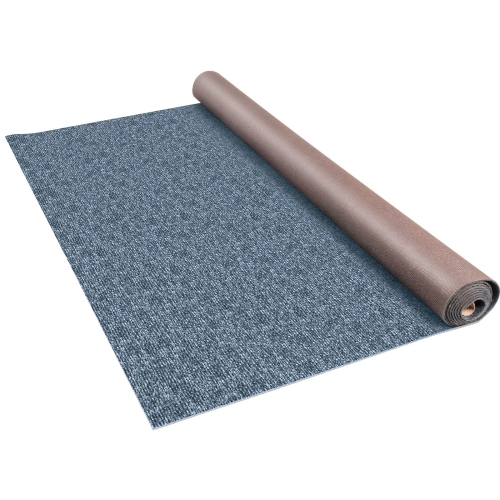
Indoor Runner Rugs
Enhance the comfort and style of your home with our wide selection of indoor runner rugs. Perfect for adding a touch of warmth and personality to any hallway, entryway, or living space, these versatile decorative rugs are designed to effortlessly blend into your existing decor. Whether you prefer a modern geometric pattern or a timeless floral design, our collection offers a variety of options to suit your taste and complement your interior aesthetic. Crafted with high-quality materials, these runner rugs are not only visually appealing but also durable and easy to maintain, ensuring long-lasting beauty in your home. Explore our assortment of indoor runner rugs and find the perfect piece to elevate the ambiance of your space.
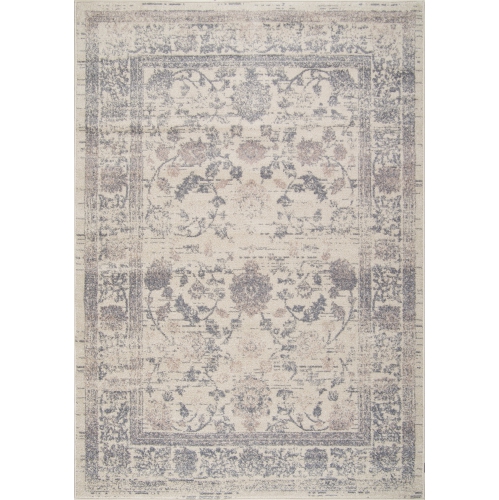
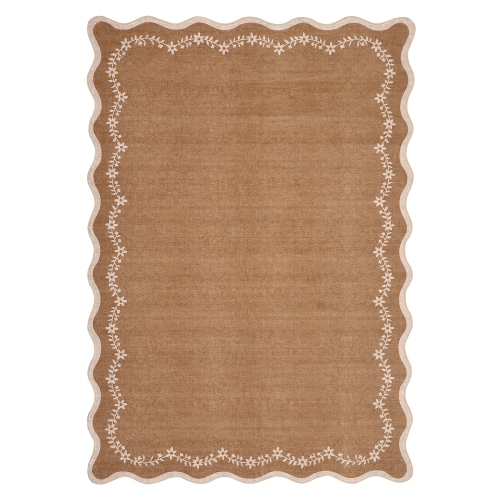
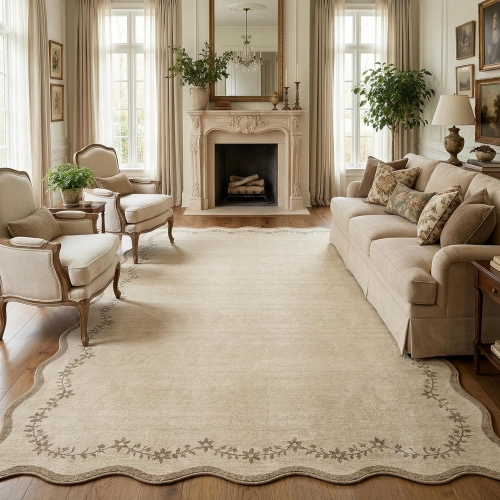
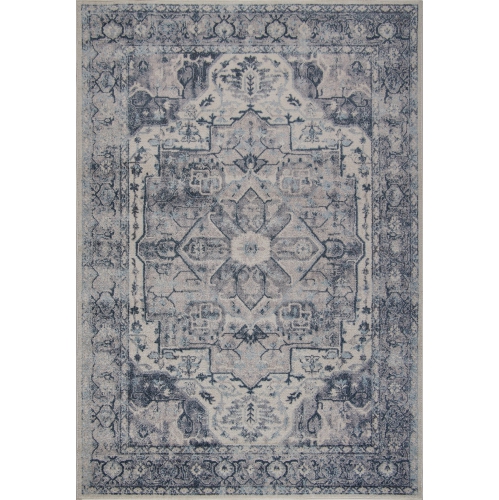
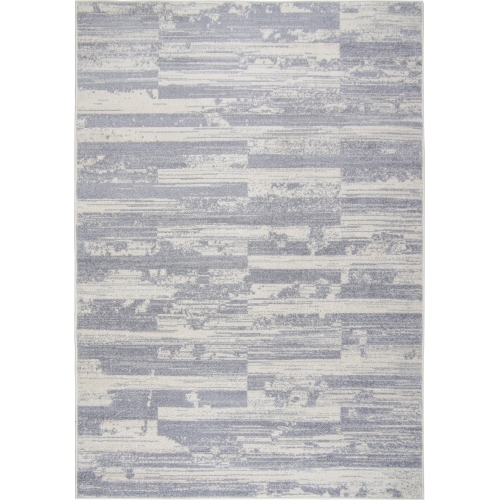
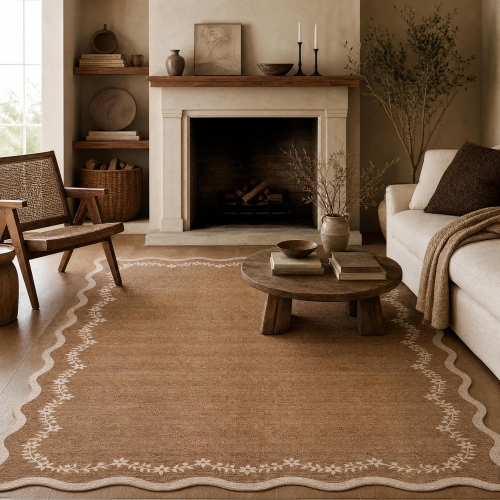
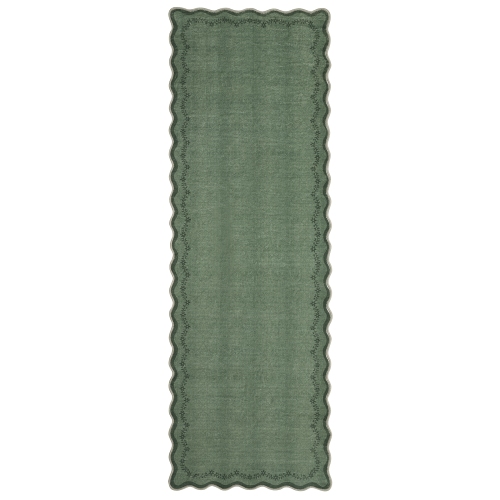
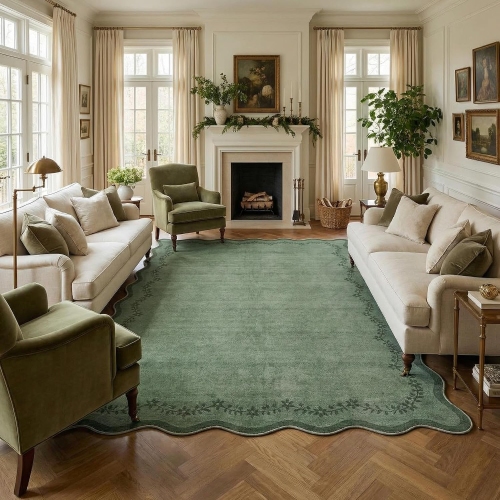
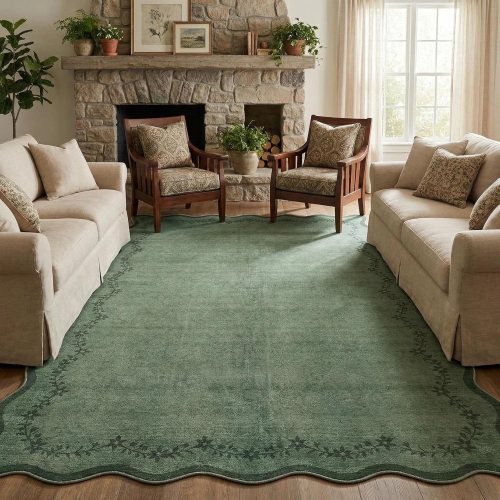
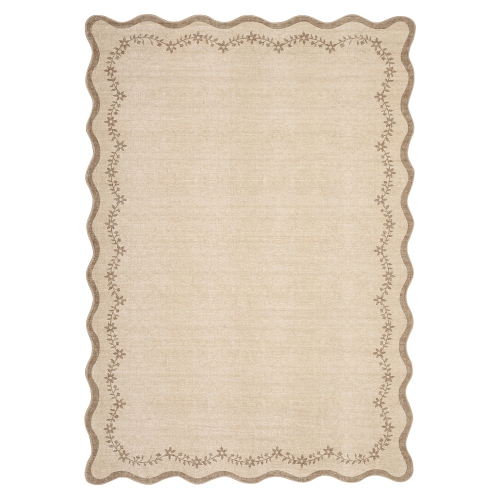
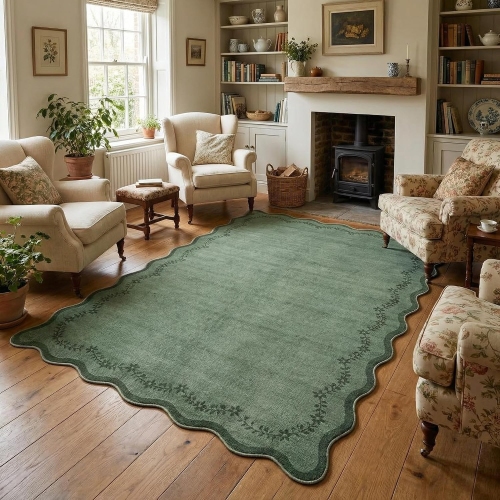
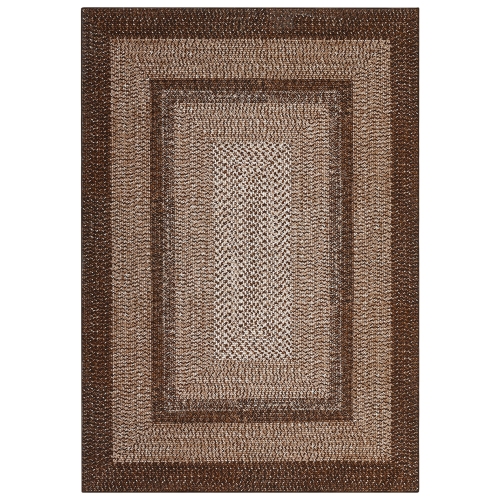


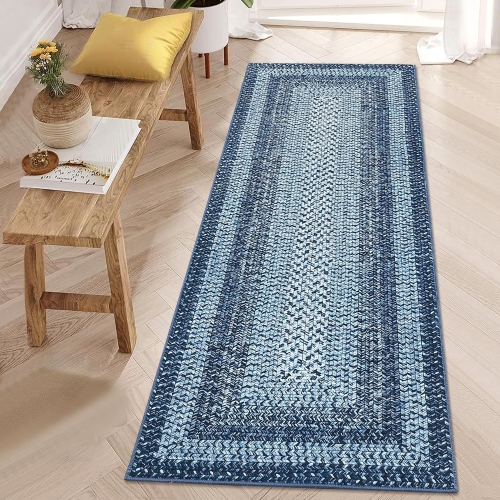
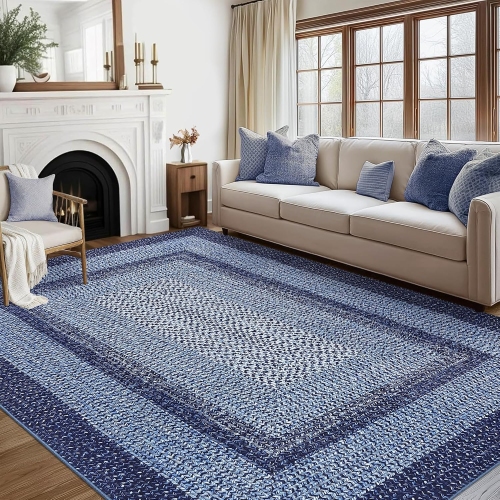

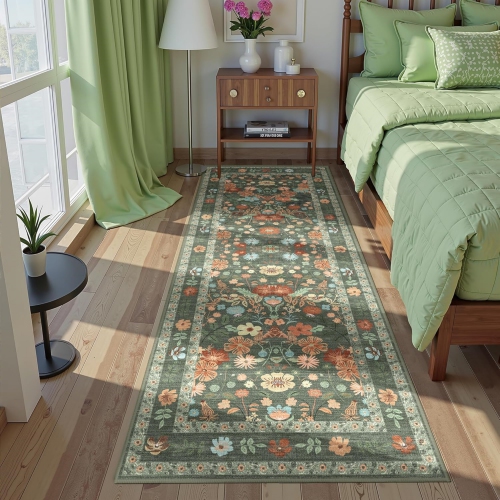
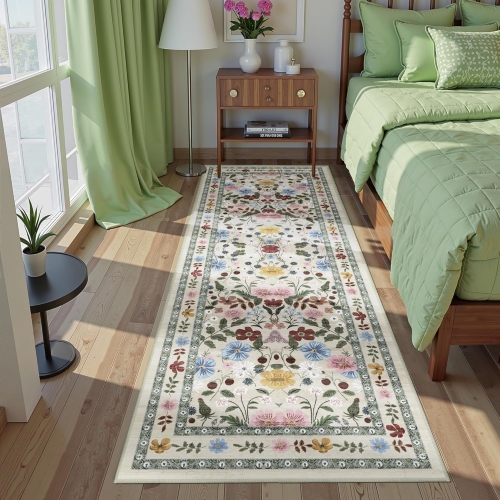
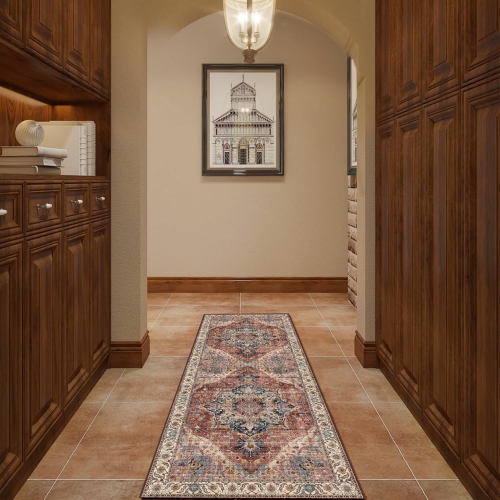
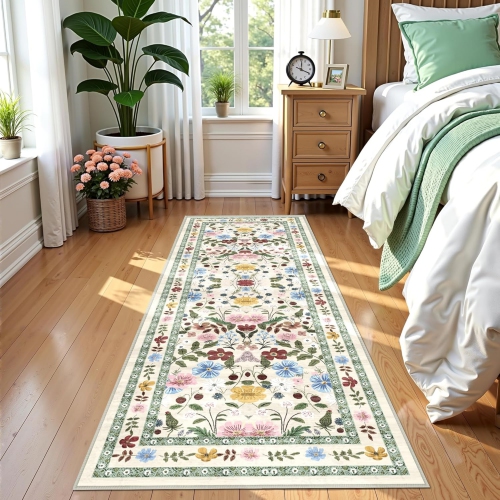
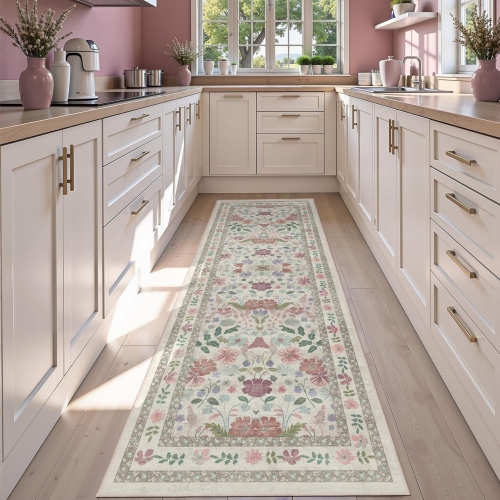
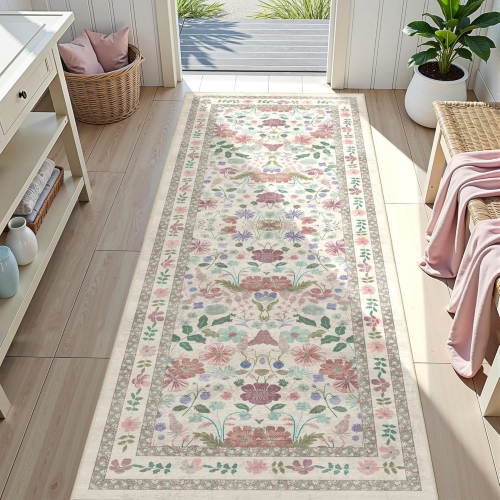
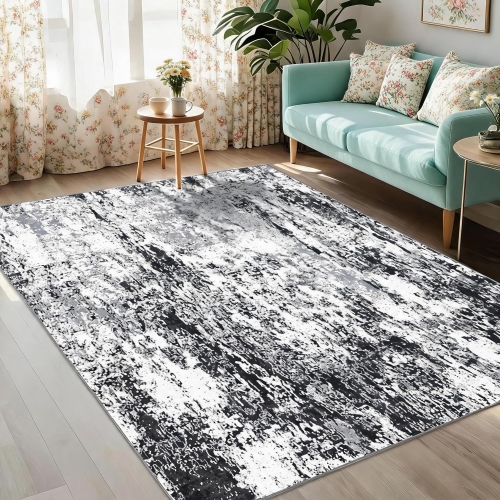
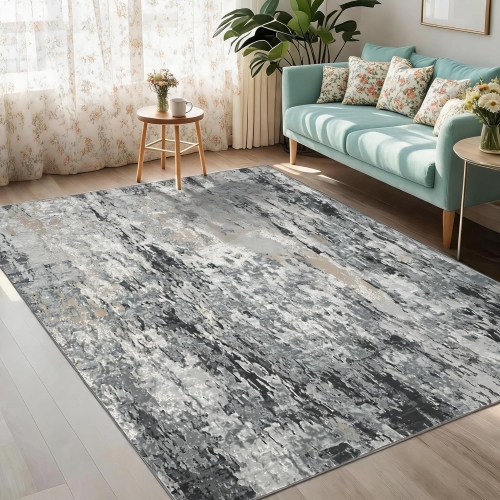
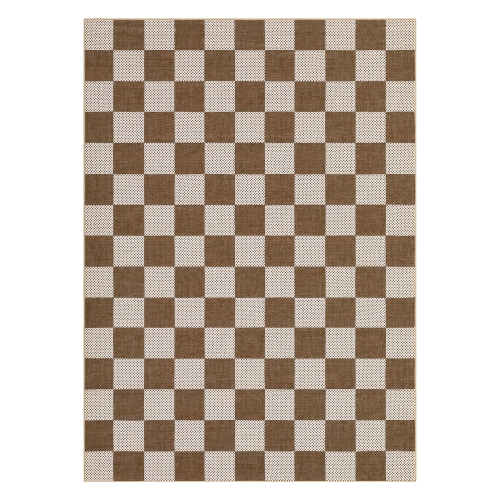
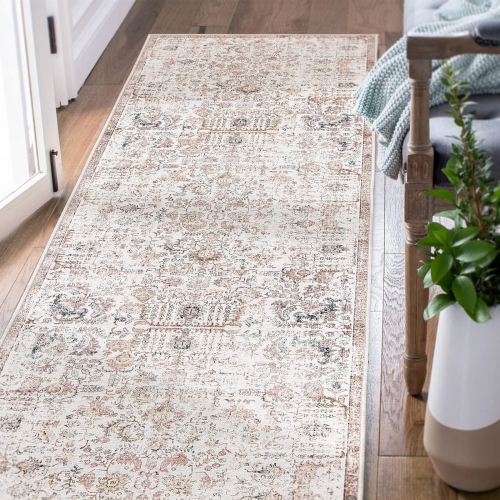
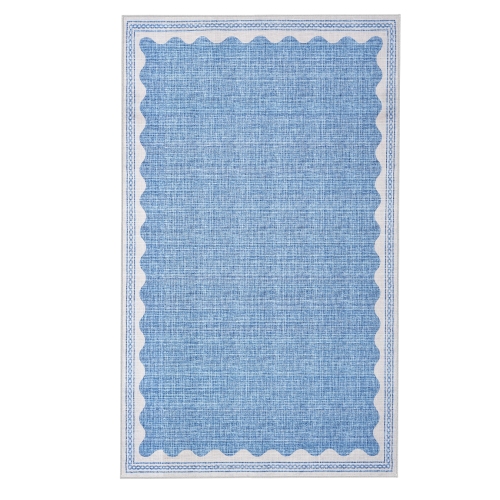
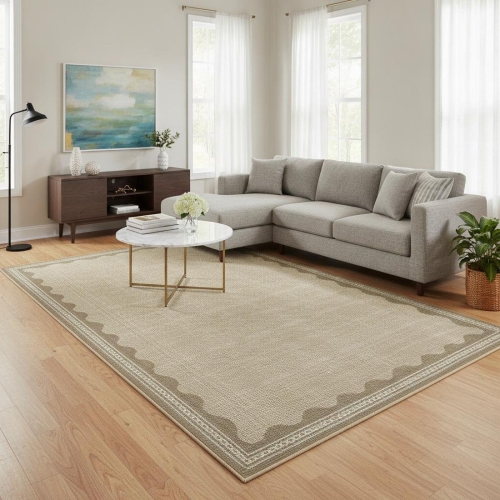

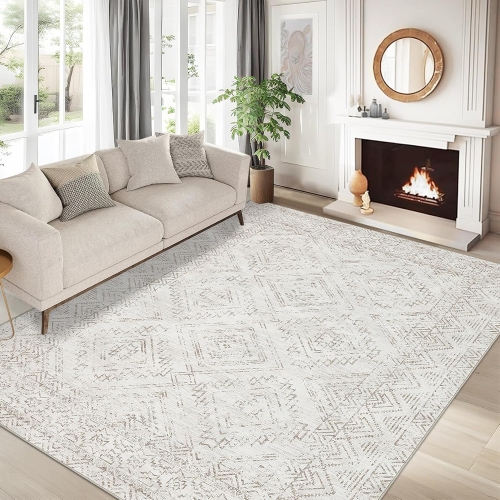
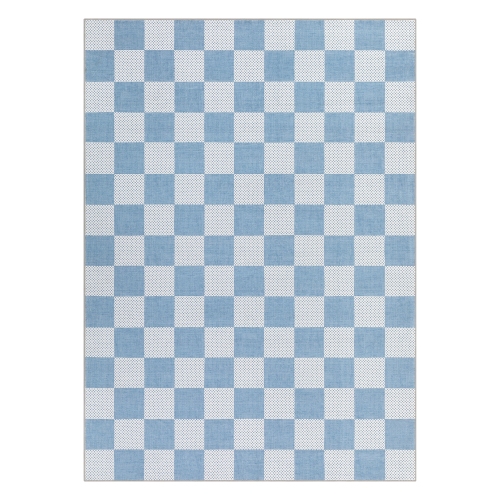
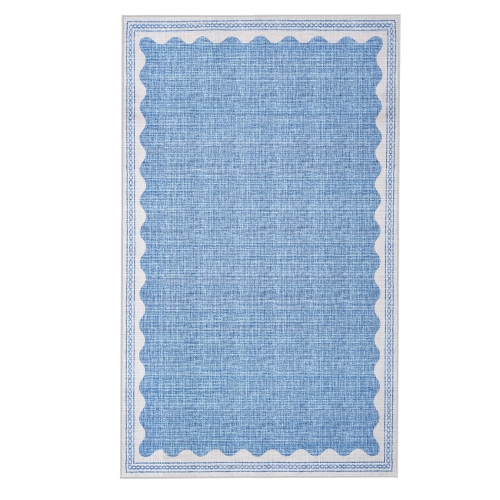
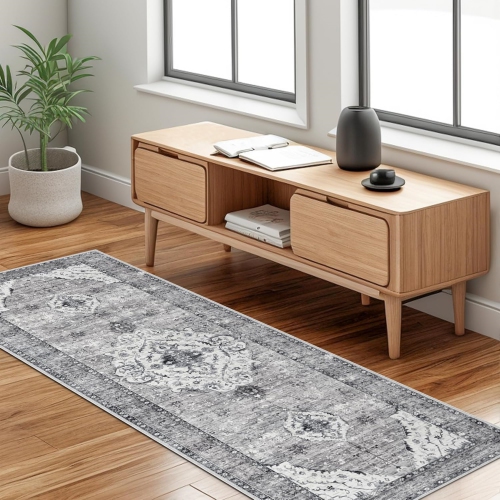
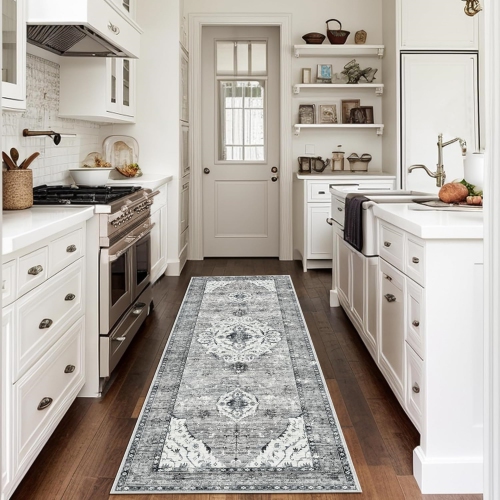
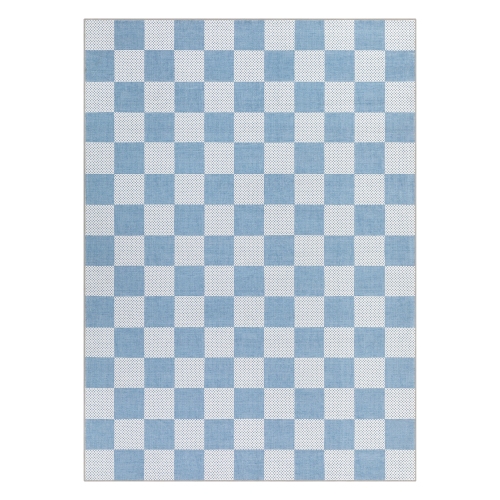
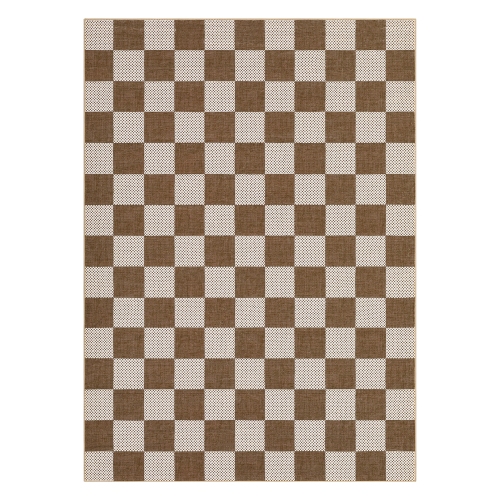
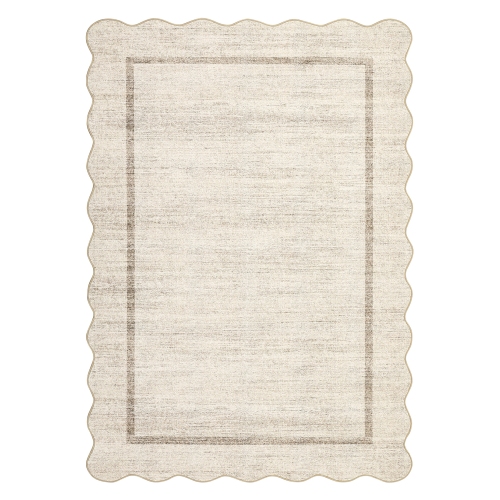
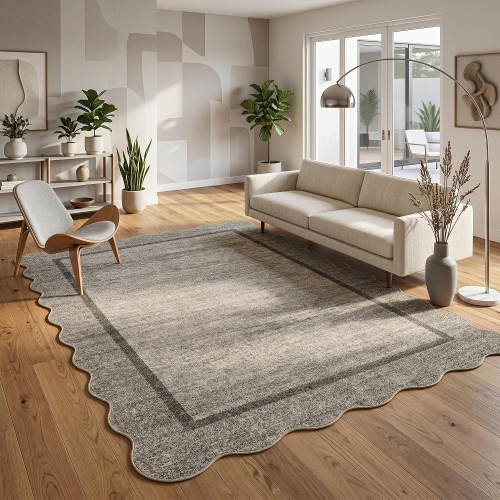
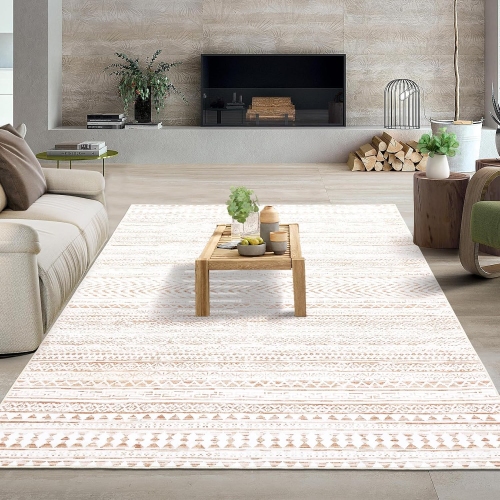
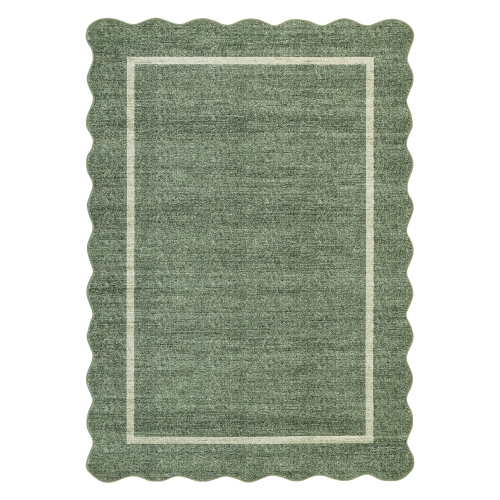
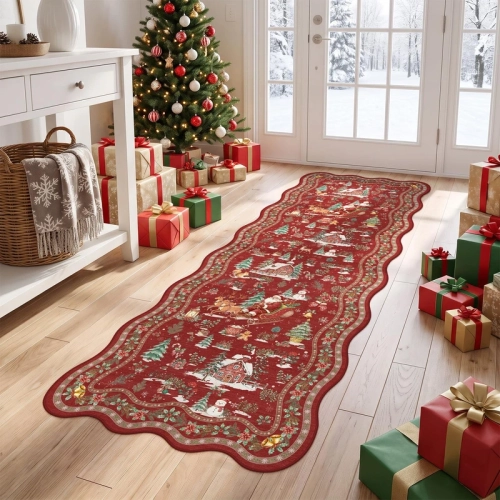

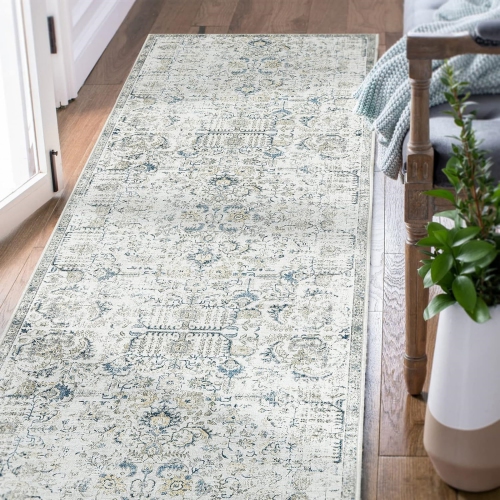
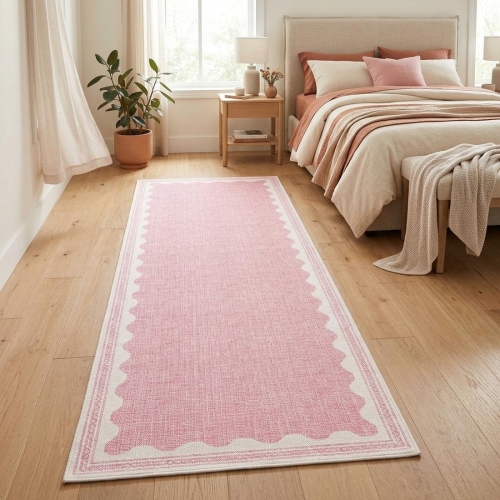
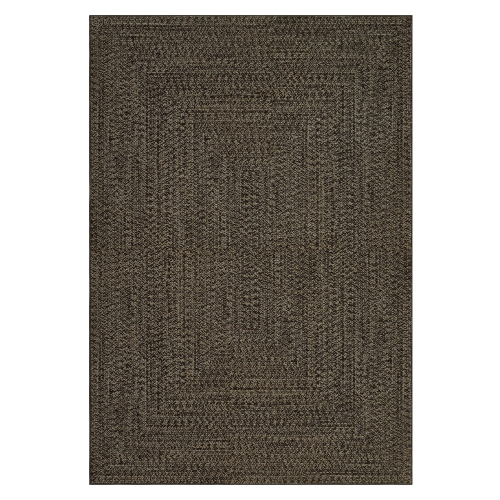
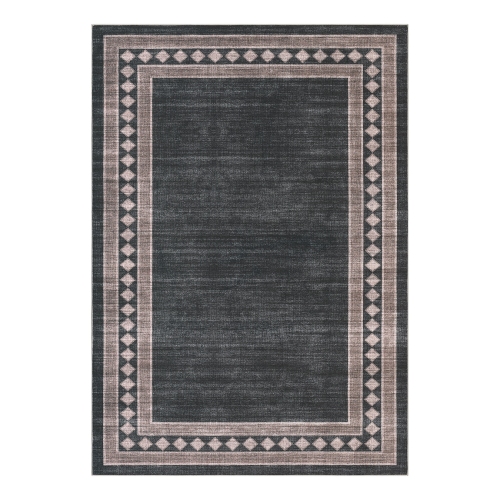
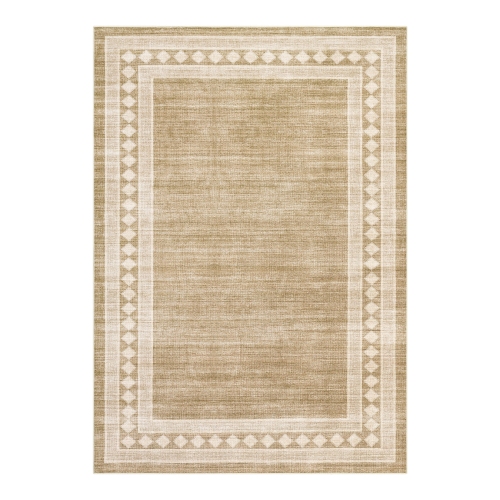
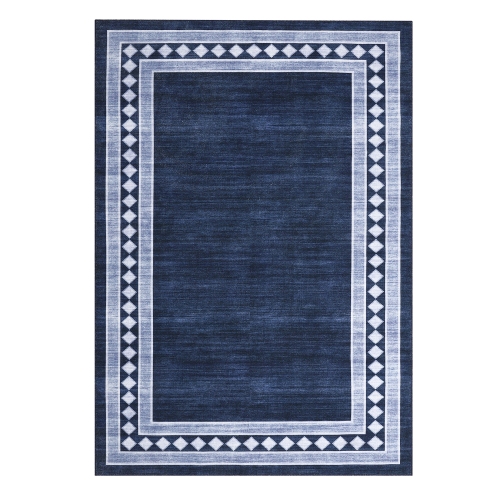
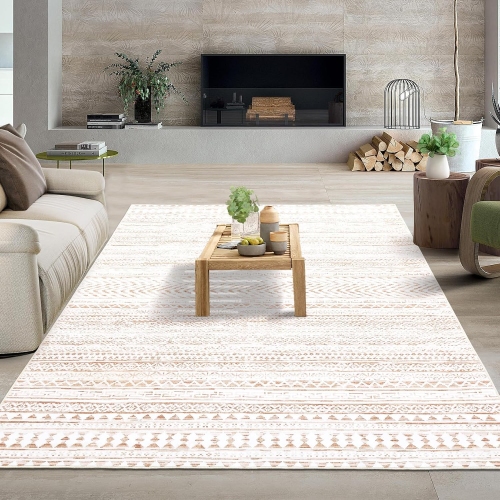
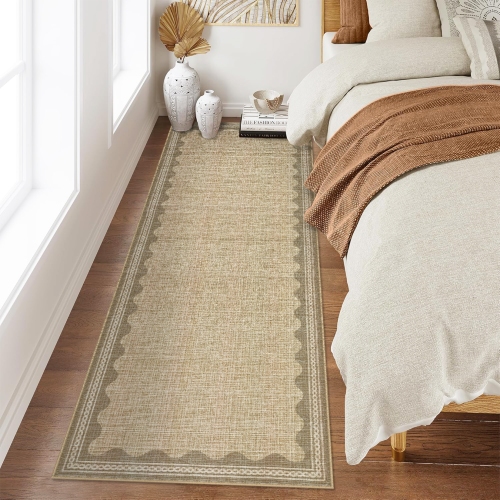
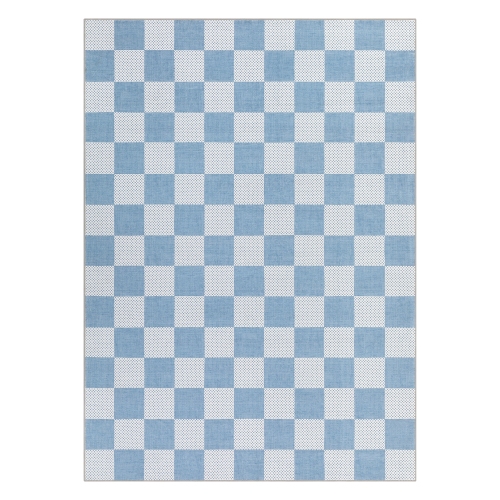
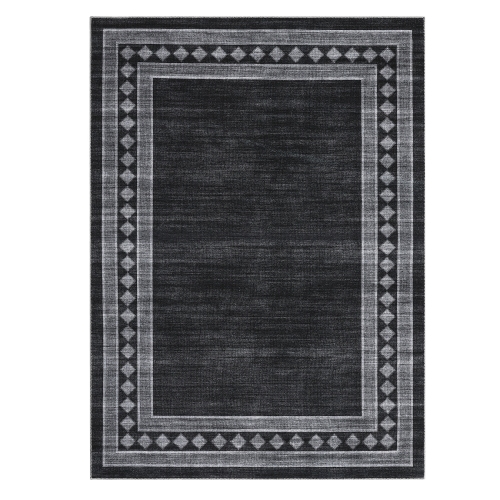
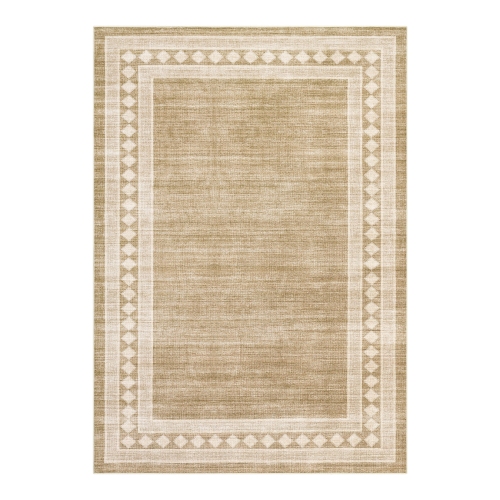
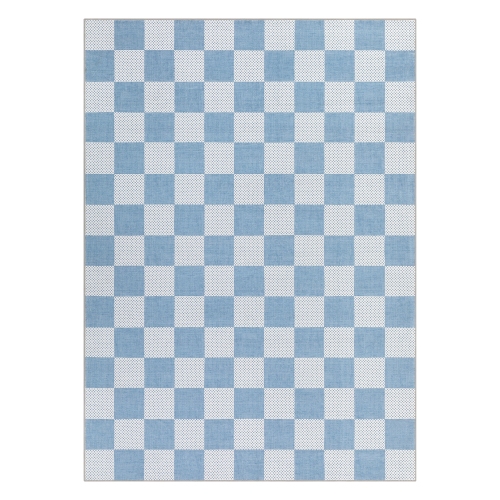
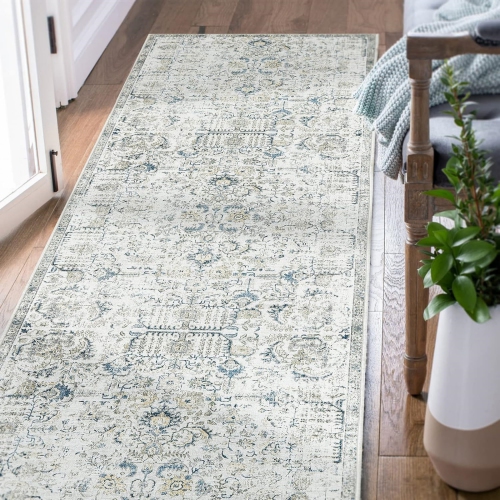
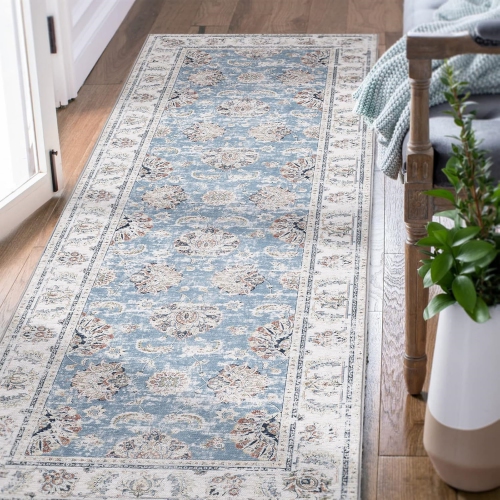
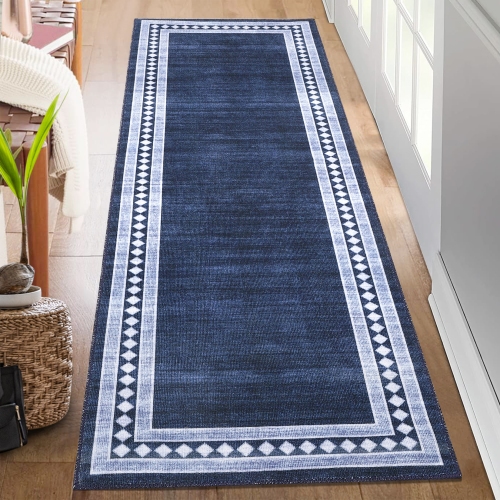
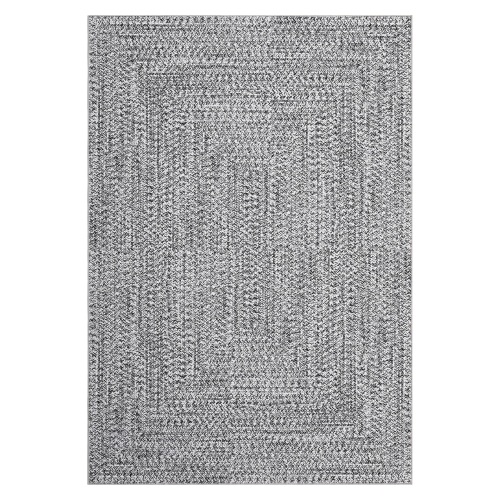
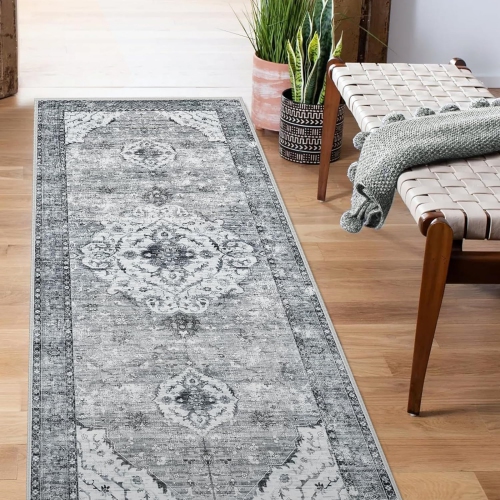
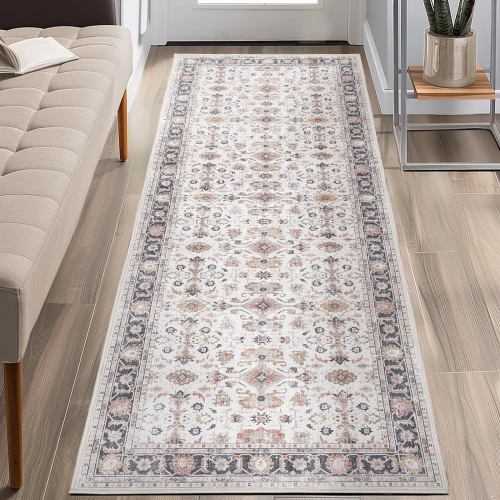
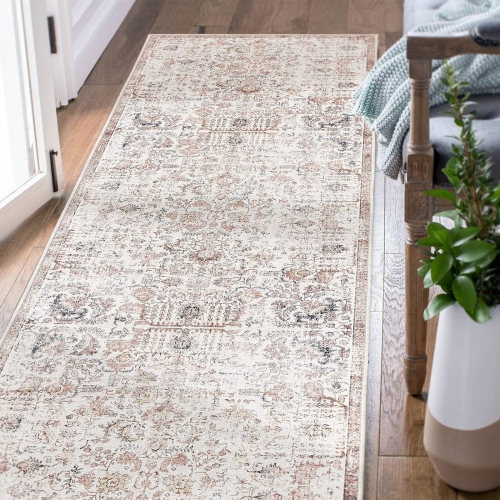
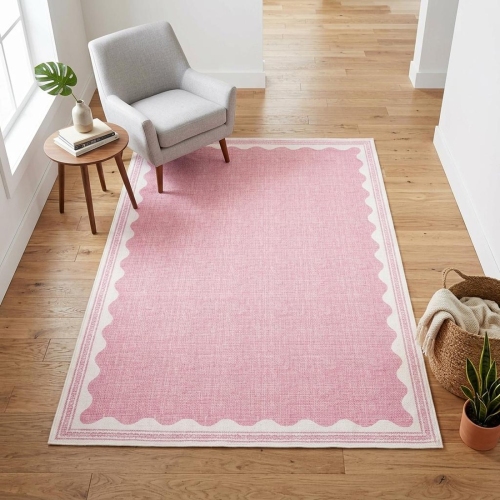
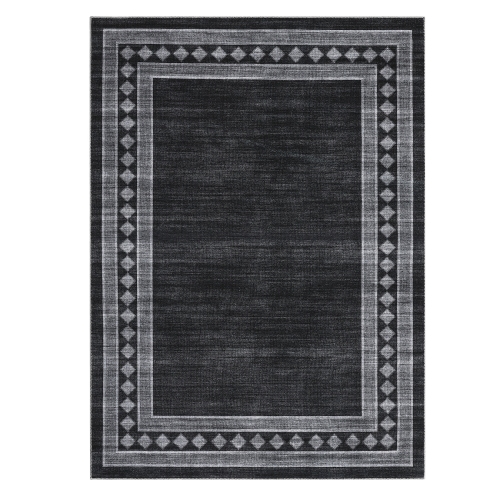
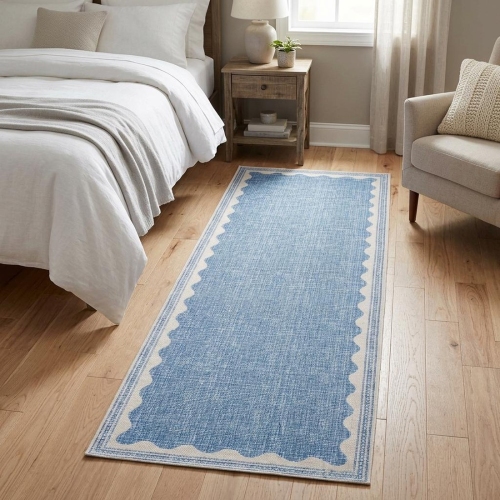
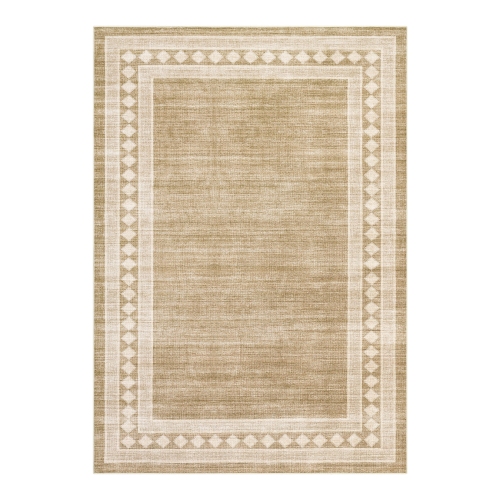
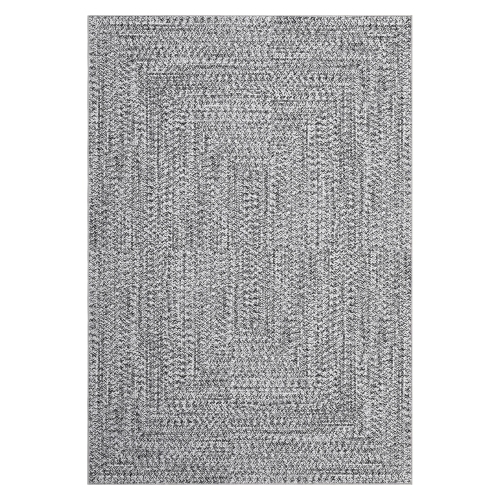
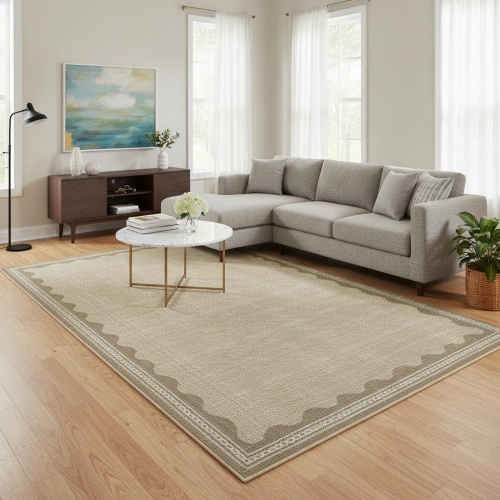
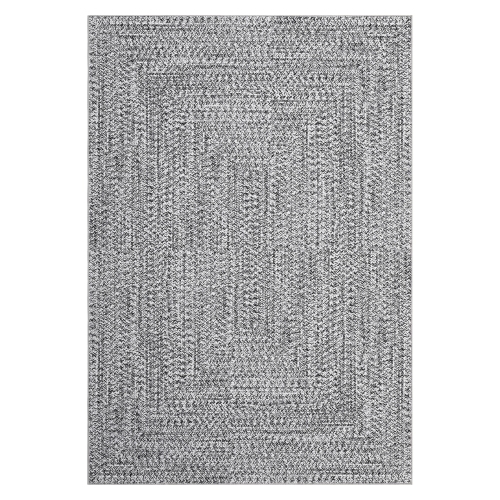
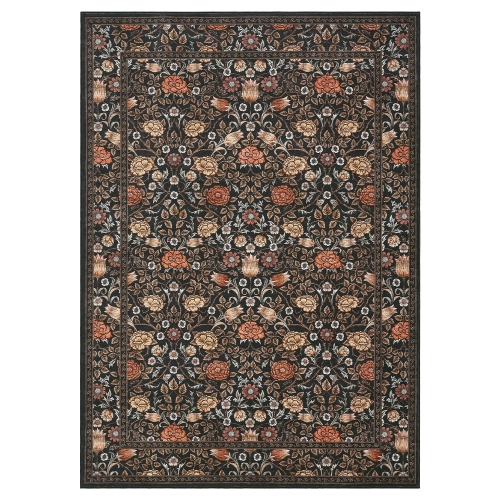
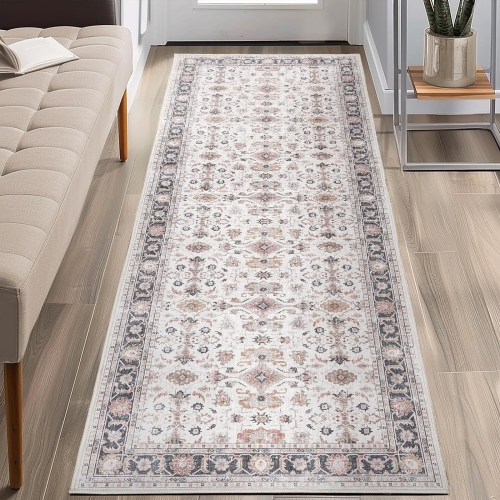
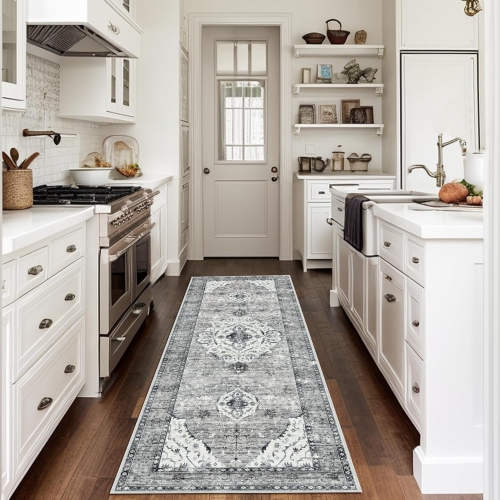
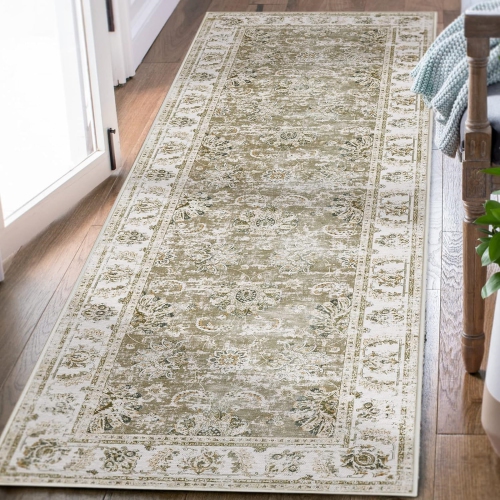
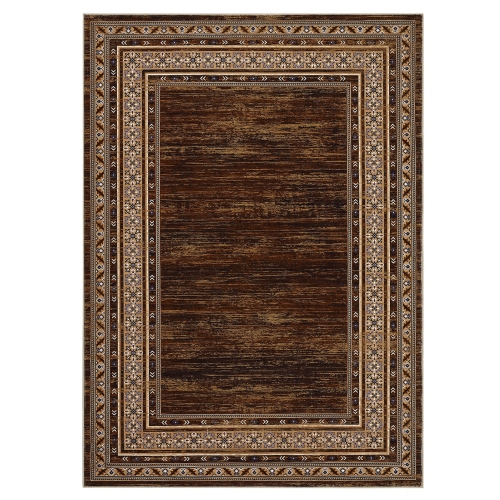
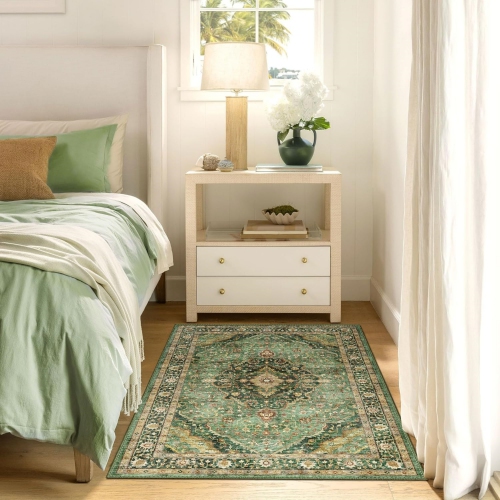



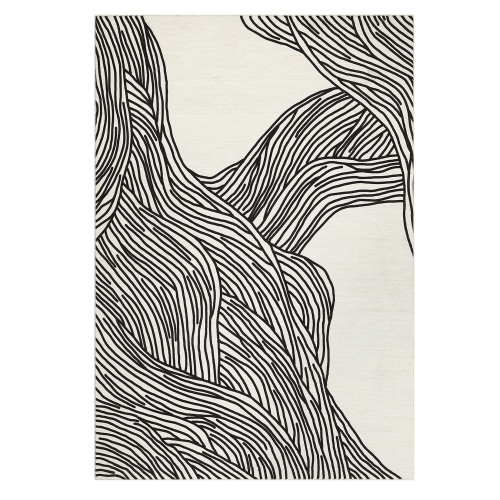
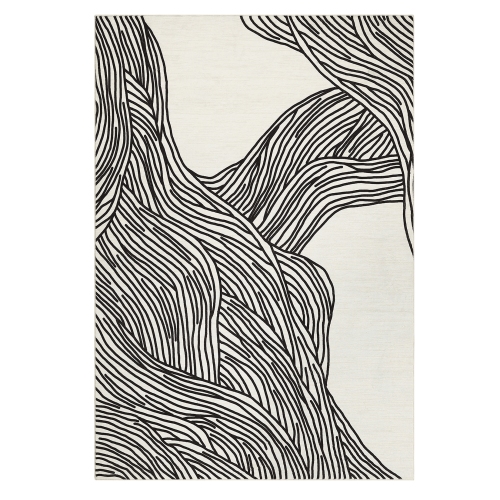
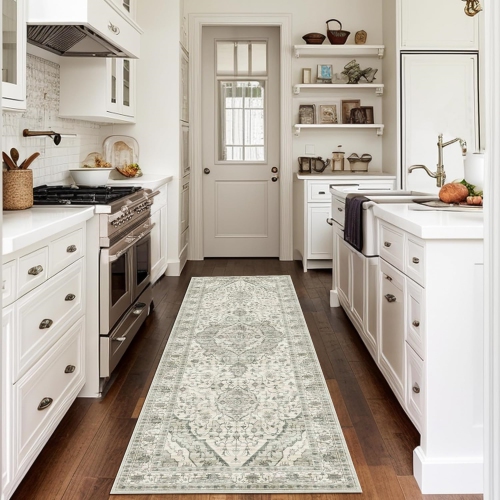
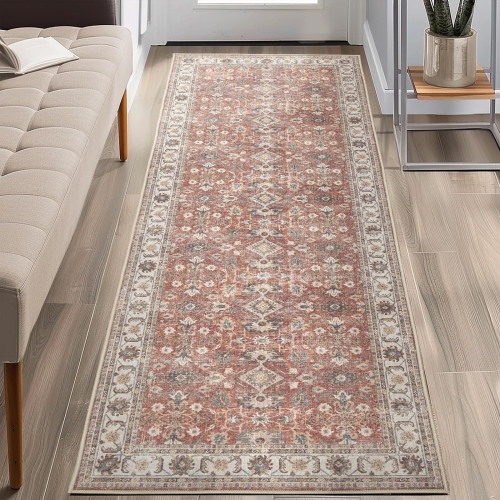
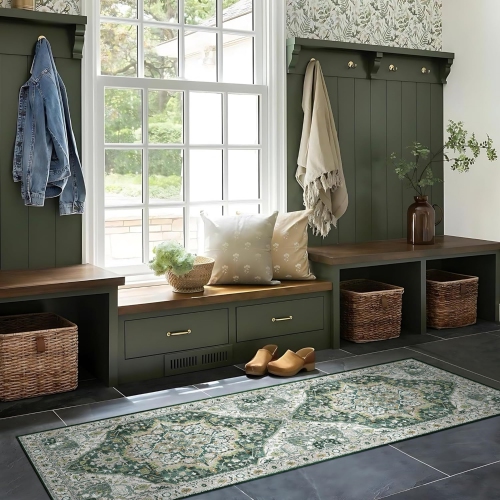
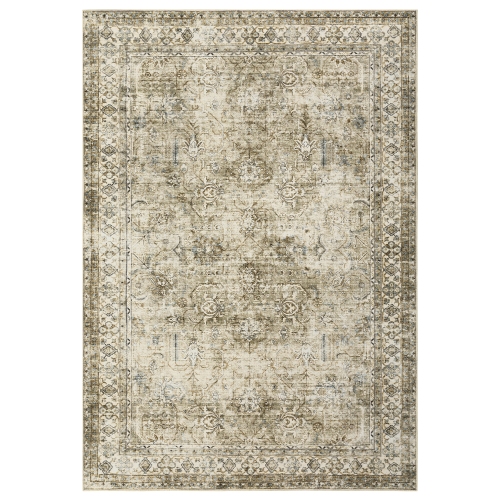
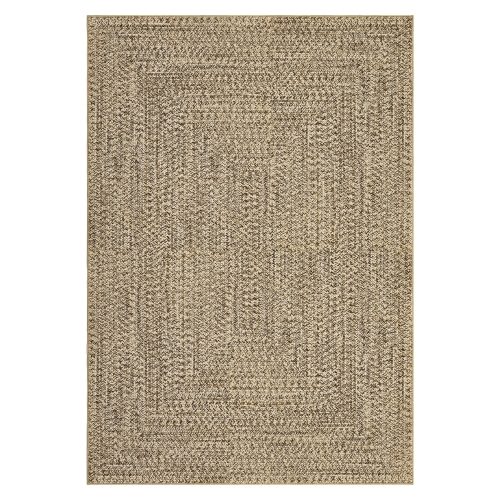
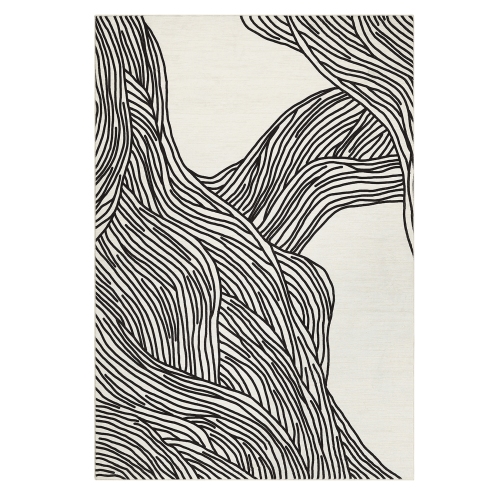
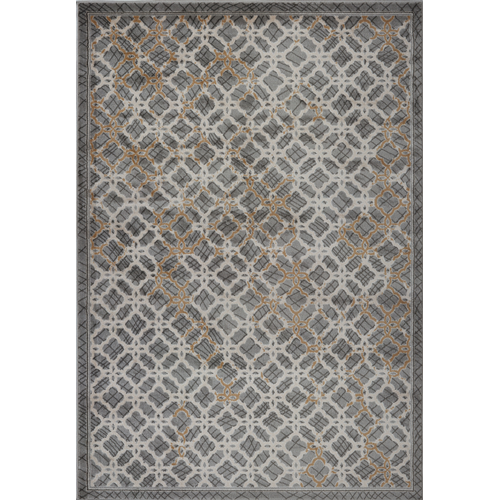

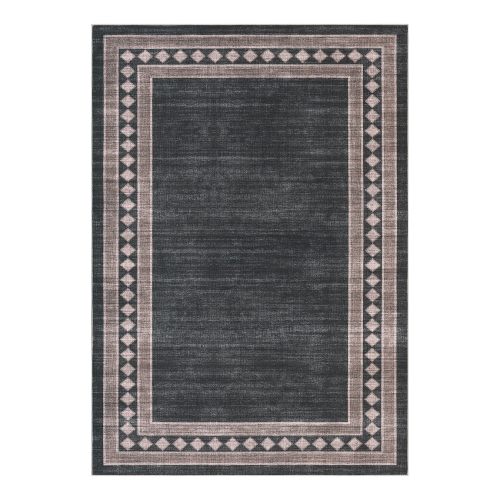

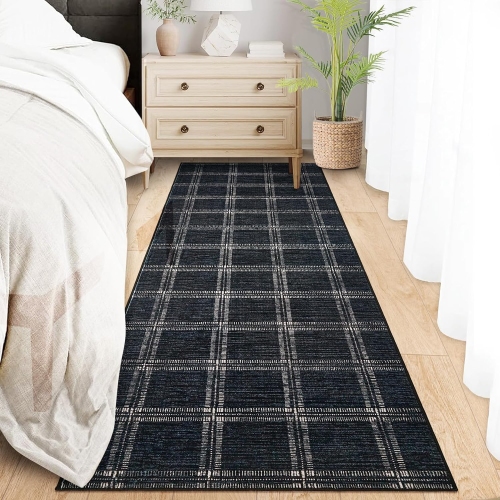
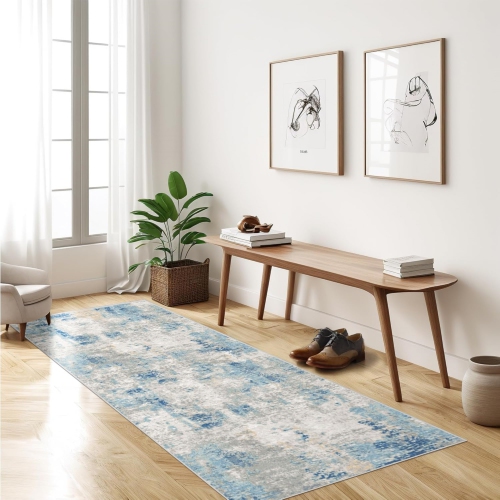
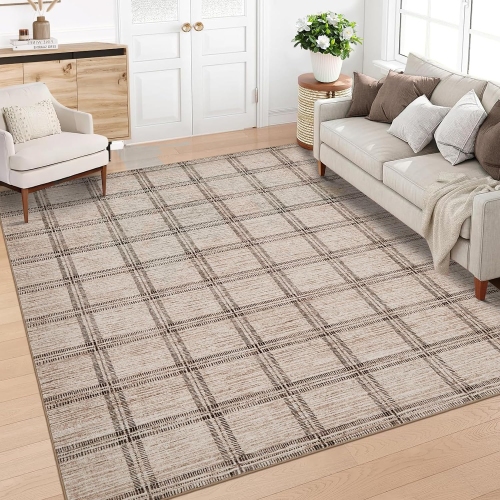

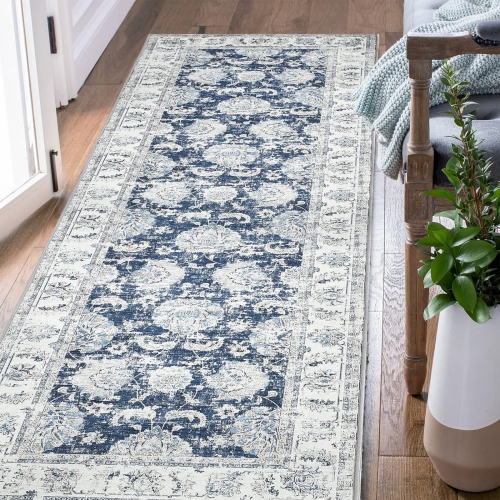

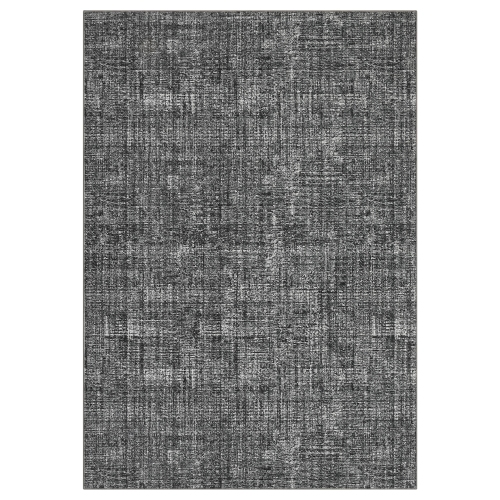
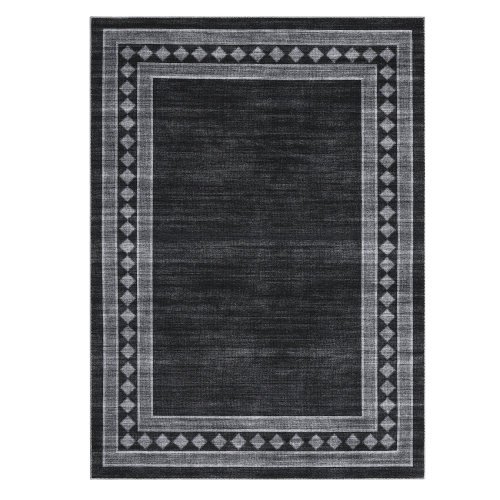
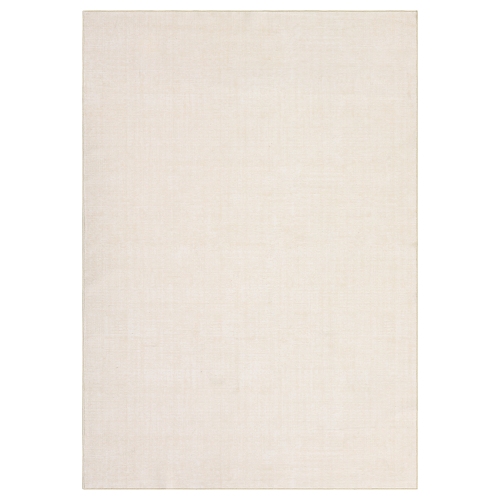
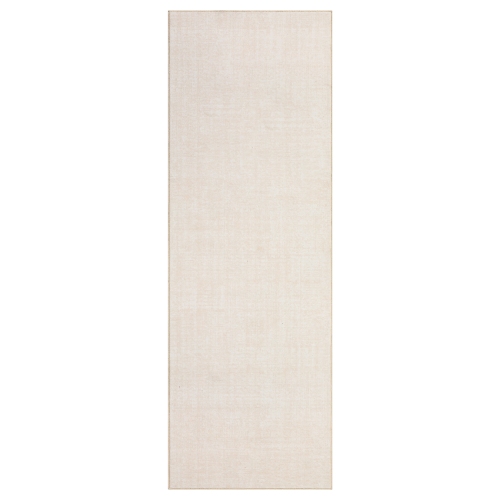
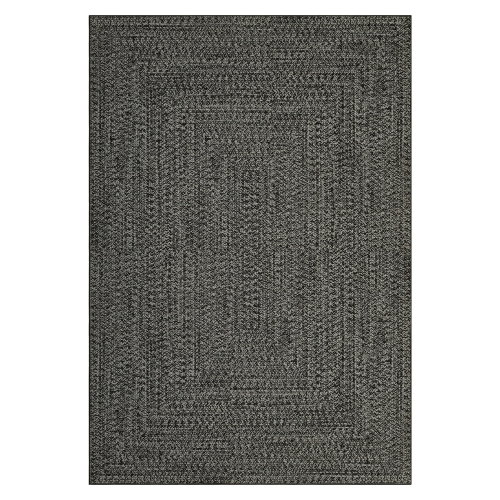
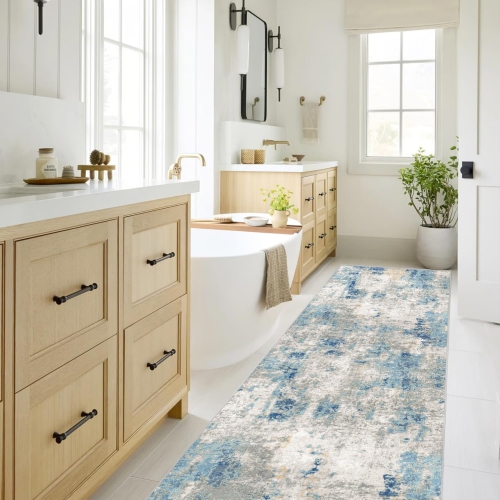

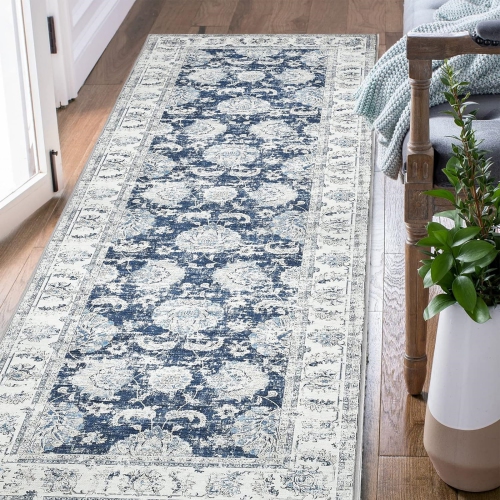
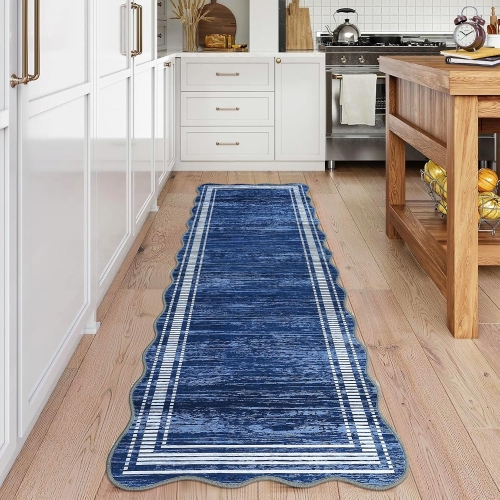
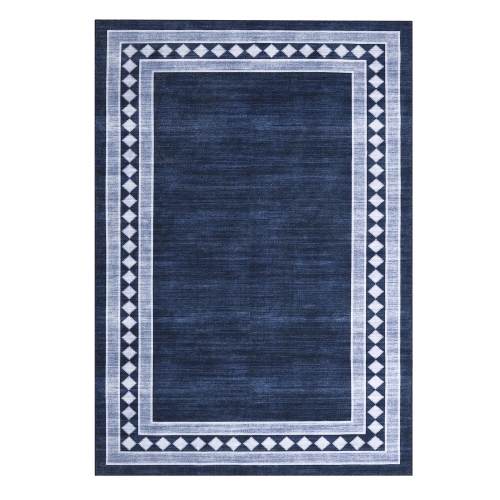
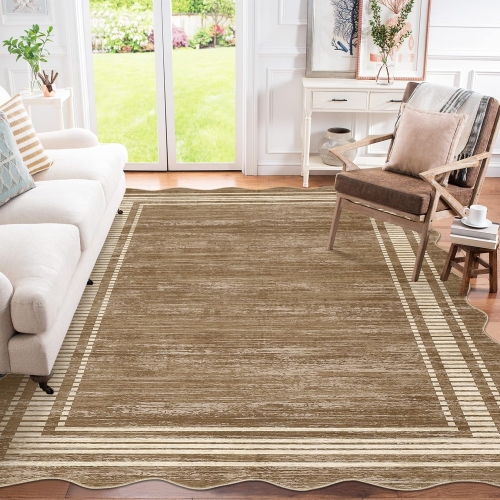
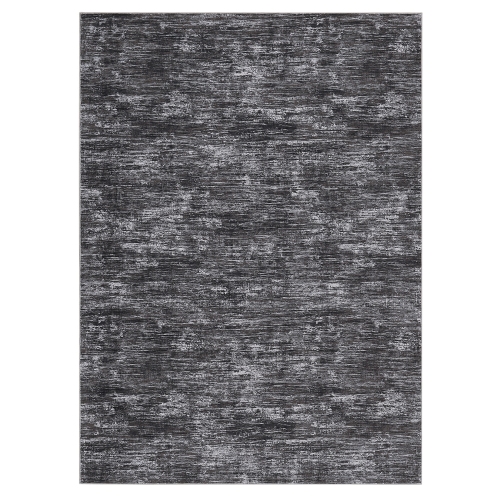
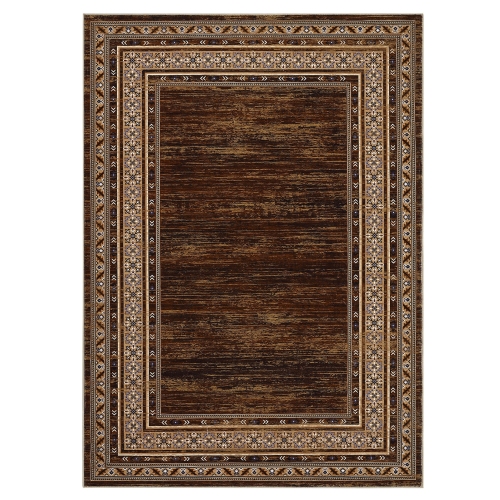
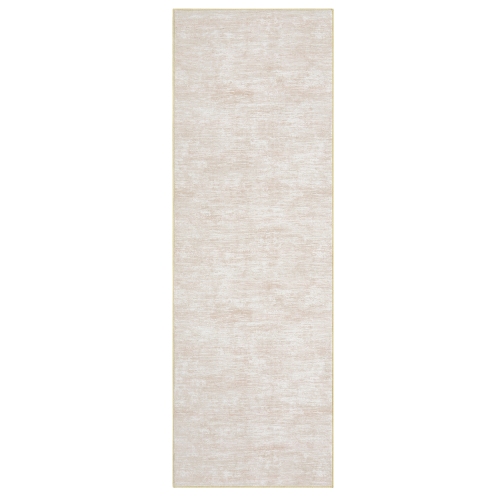
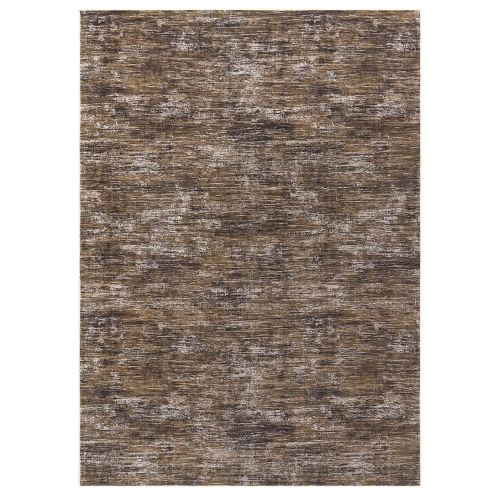

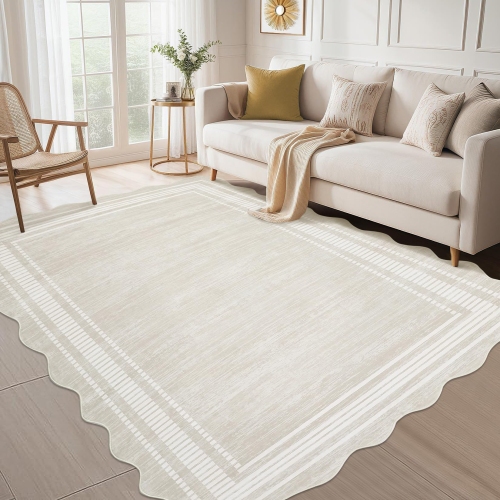
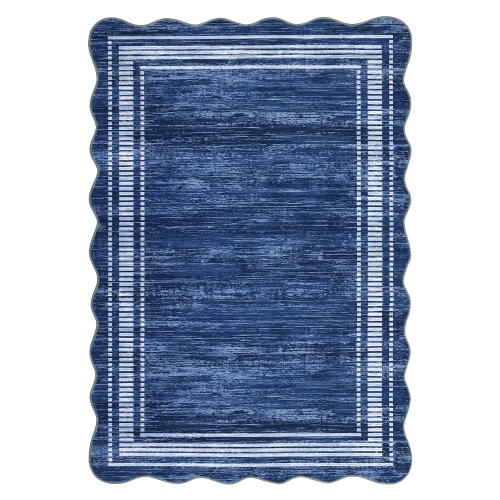
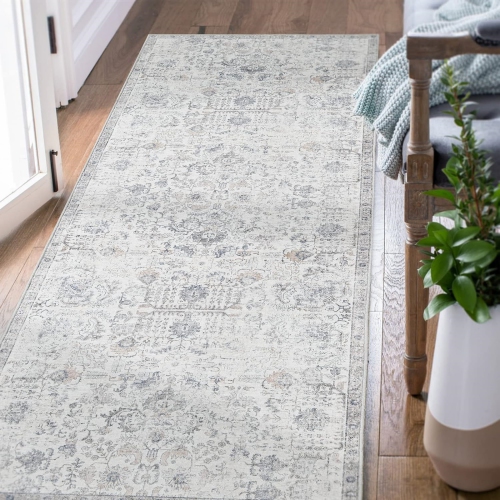
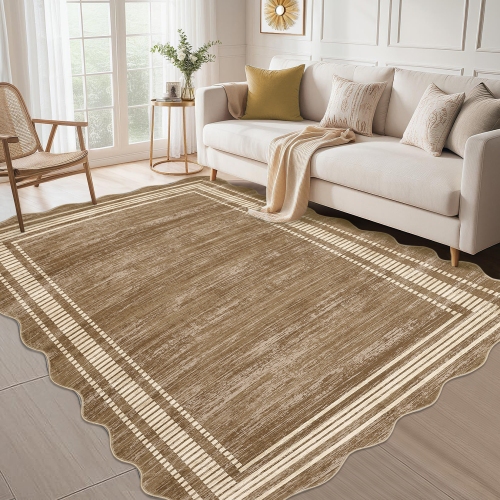

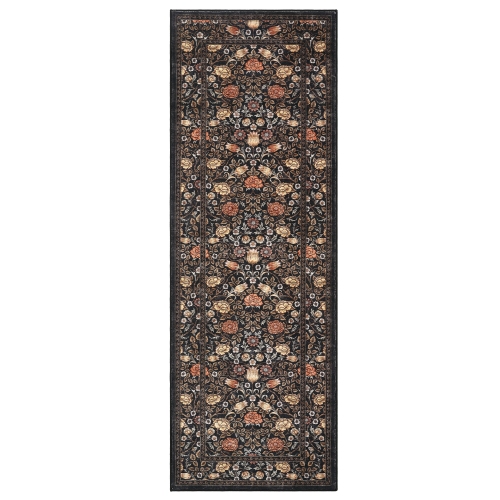
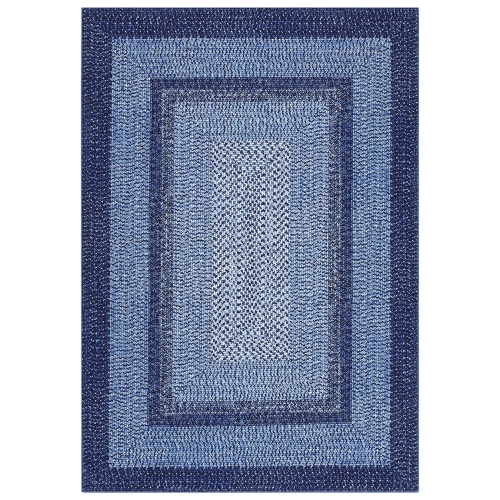
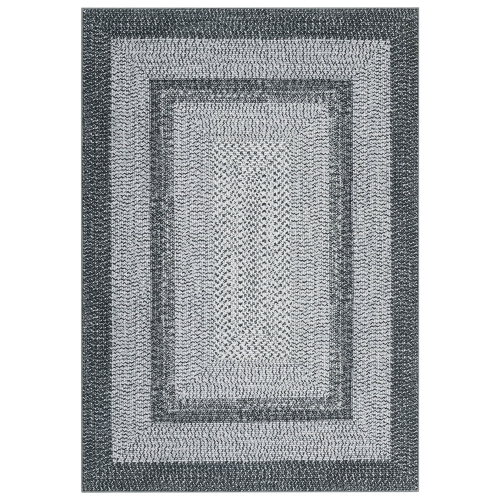
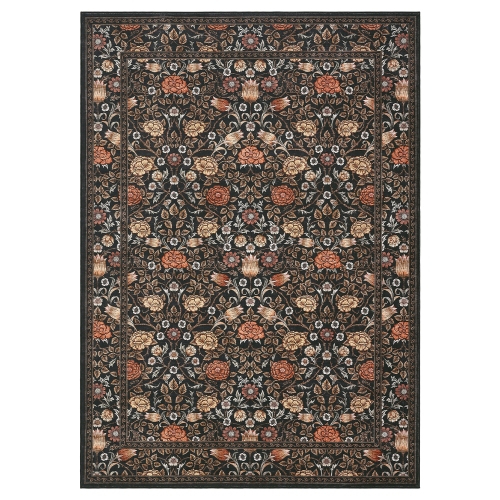
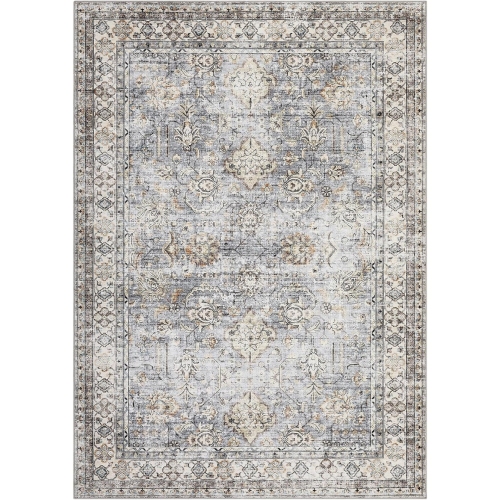
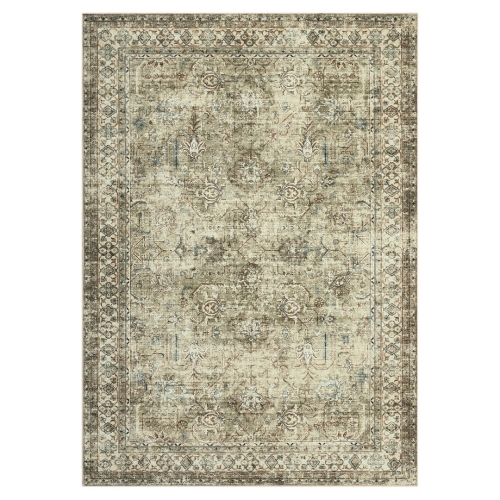
Softer steps in narrow spaces start with the right fit
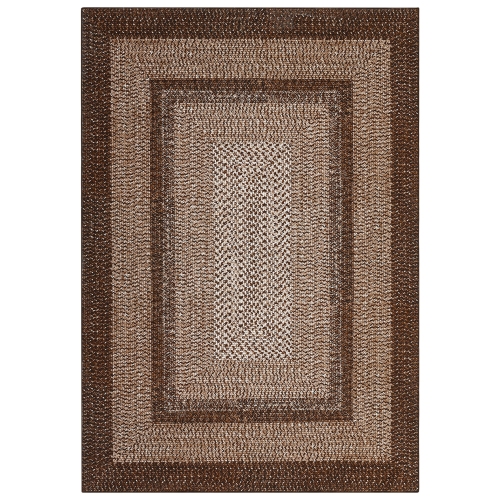
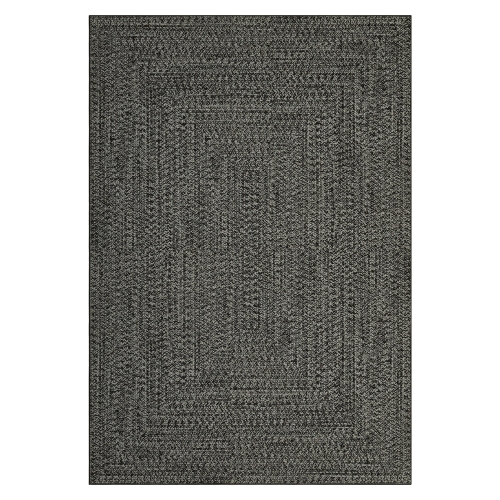
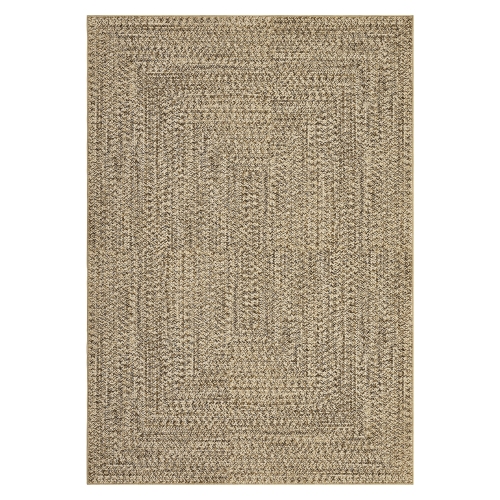
Material and construction influence how an indoor runner rug feels, how it wears, and how much attention it needs. Wool offers a cushioned feel and resilient fibres, making it appealing for living areas and bedrooms, though some wool rugs shed initially and require specific cleaning methods. Cotton runners often have a lighter, more flexible feel, and some can be machine washed, depending on their backing, size, and care label. Synthetic fibres such as polypropylene, polyester, and nylon are common choices for everyday spaces, with performance varying by fibre, weave, and finish. Polypropylene generally resists moisture absorption, polyester often feels soft, and nylon is known for its abrasion resistance. None of these qualities makes a rug immune to staining or wear, so construction and maintenance still deserve attention. Flatwoven runners have little or no raised pile and can be practical where chairs, doors, or frequent foot traffic make extra thickness inconvenient. Low-pile rugs offer a little more texture while remaining relatively straightforward to vacuum. A deeper pile creates a plush landing beside a bed but can hold more crumbs and debris in a busy kitchen. Natural plant fibres such as jute and sisal bring a textured appearance, although their absorbency and cleaning limitations can make them less suitable near sinks or in spill-prone areas. For a household with pets, a tightly constructed surface without loose fringe may be easier to manage than open loops that can catch claws. Backing deserves as much attention as the face fibres: check whether it is suitable for the floor finish and whether a separate rug pad is required. A compatible non-slip pad can help reduce movement, but it cannot eliminate every trip risk. Keep the runner flat, check it regularly for shifting, and follow both the flooring and rug manufacturers’ recommendations. Where someone uses a walker or another mobility aid, firm, low-profile edges and a stable surface are especially important considerations.
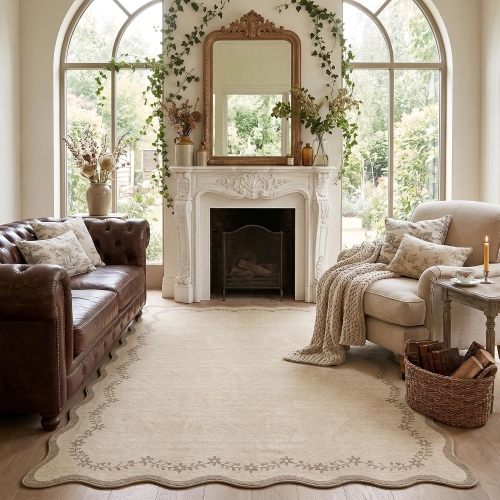
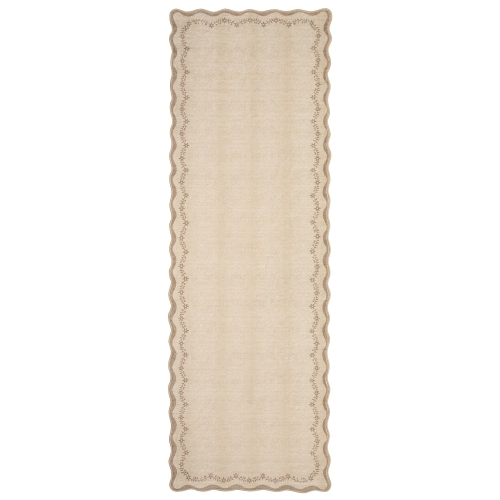
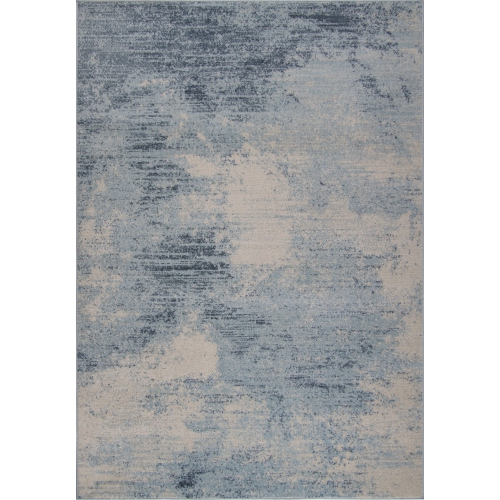
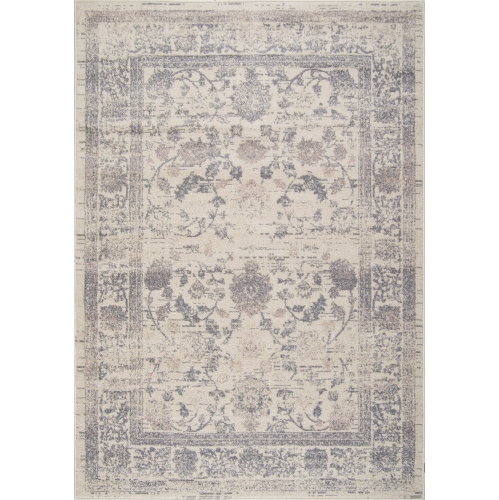
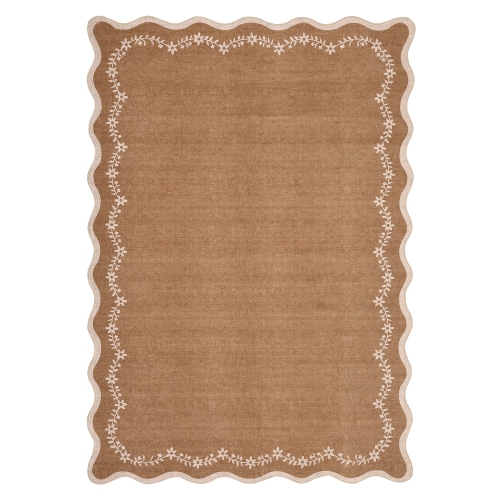
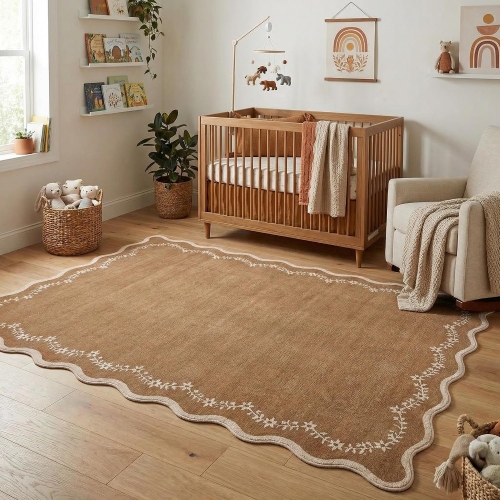
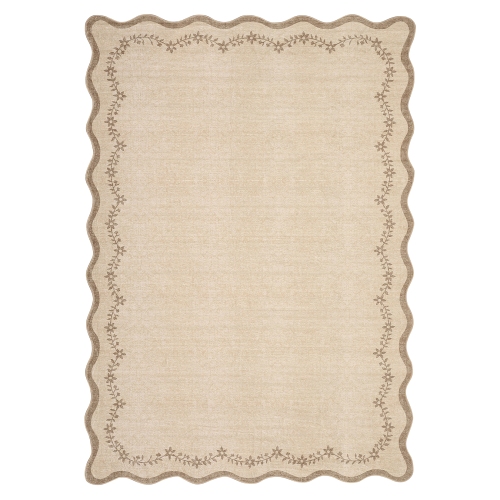
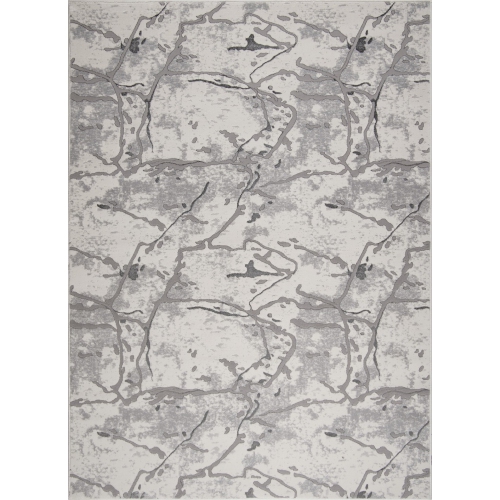
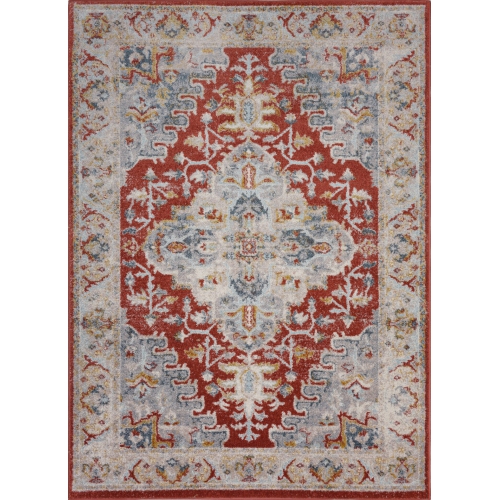
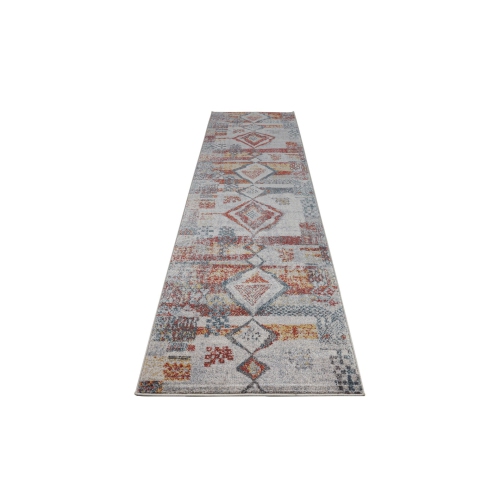
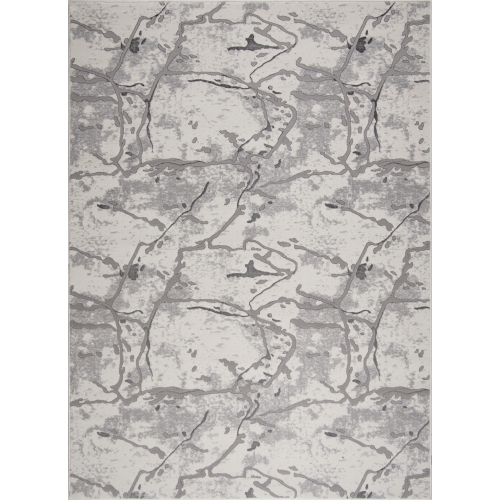
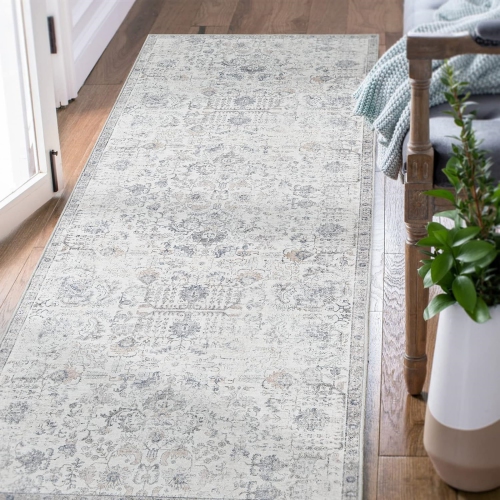
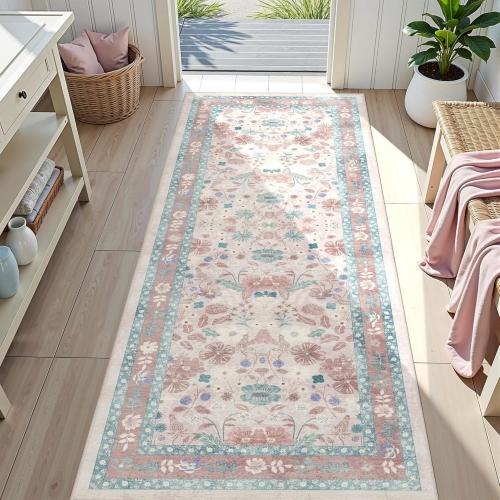
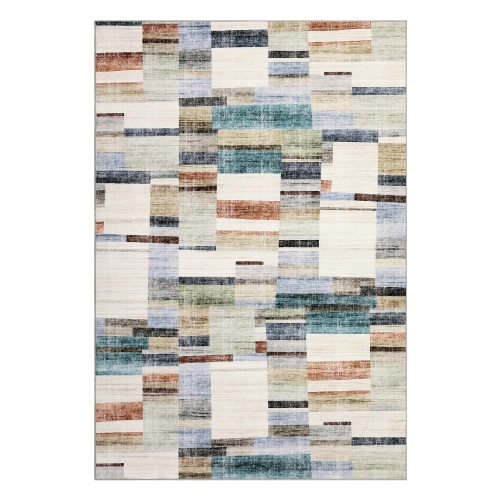
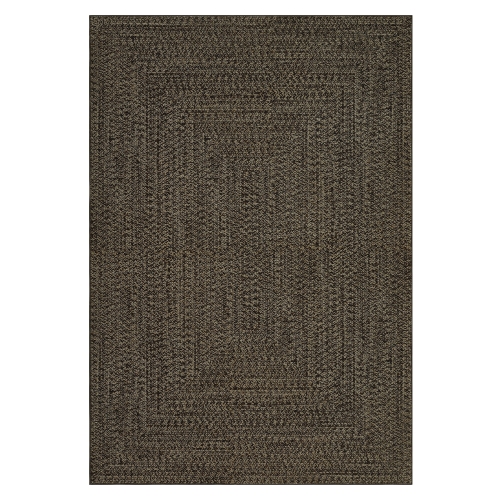
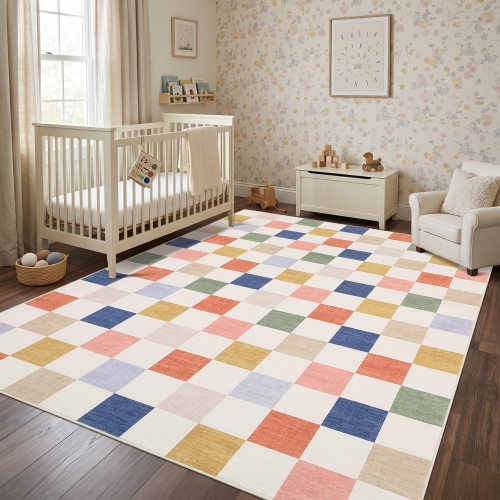
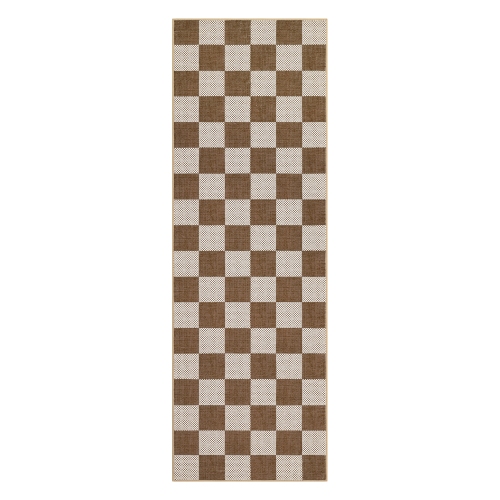
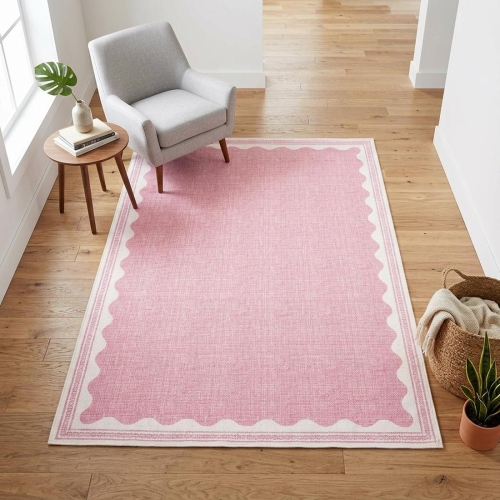
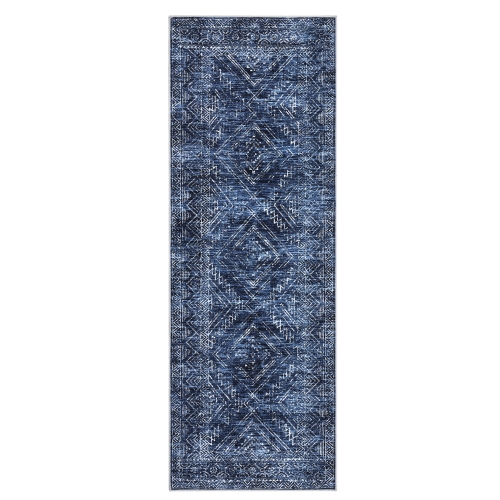
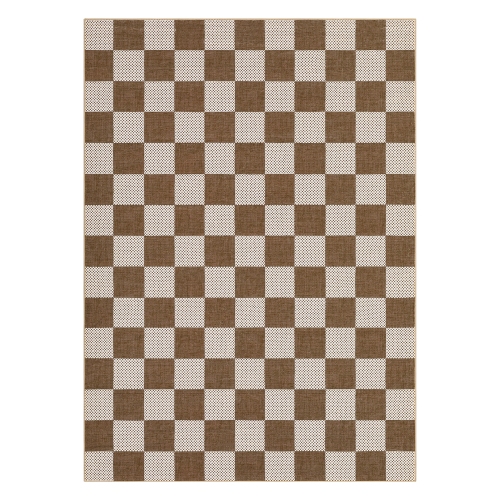
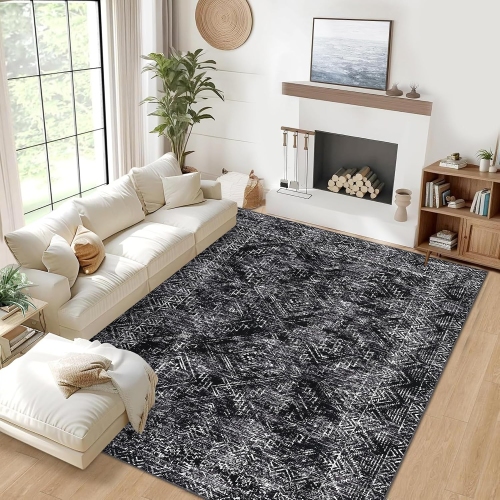
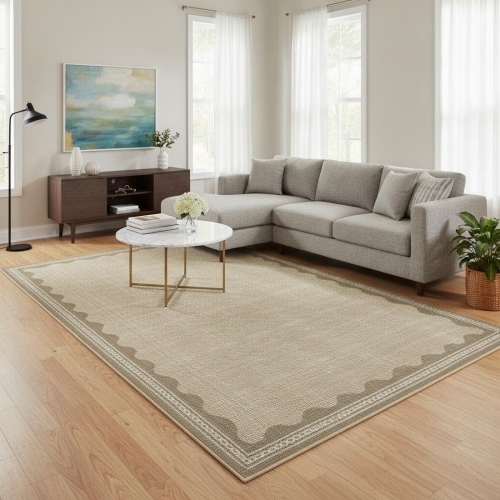
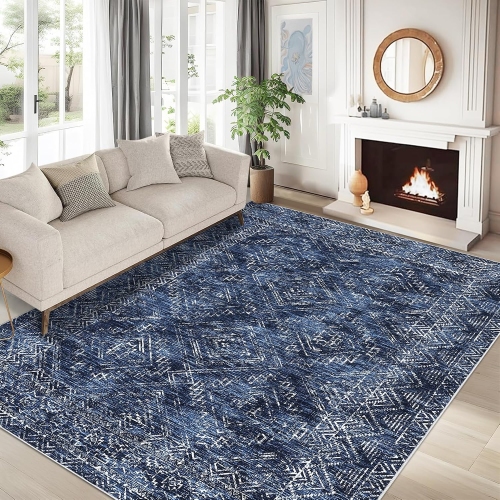
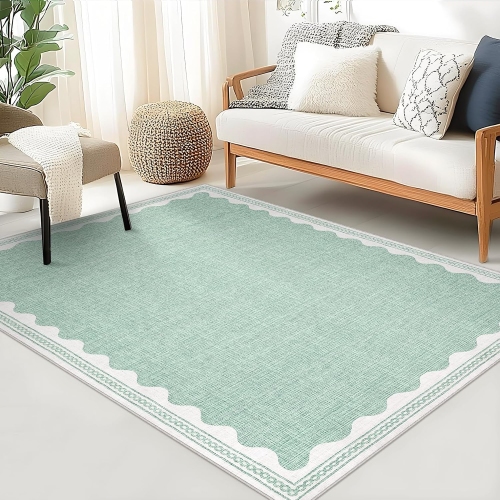
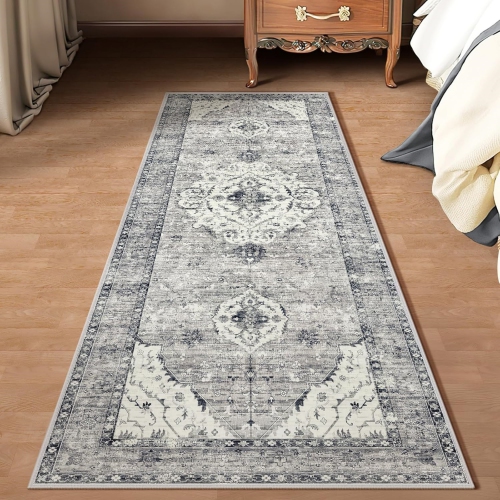
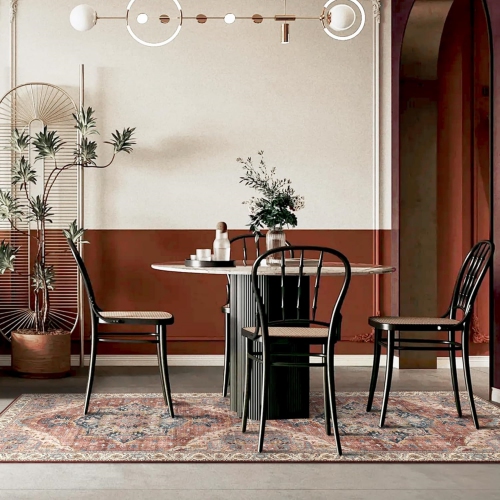
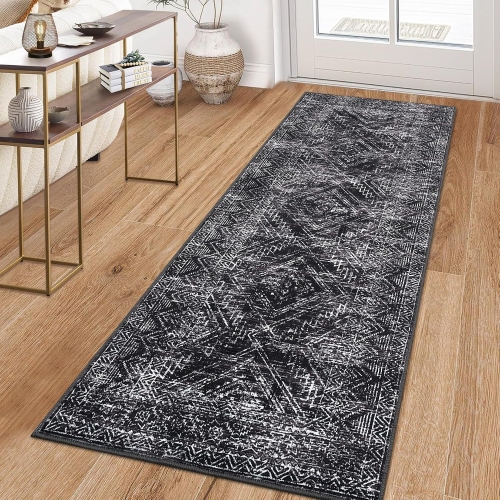
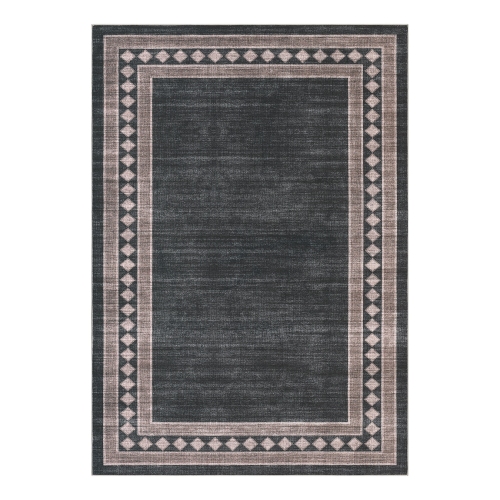
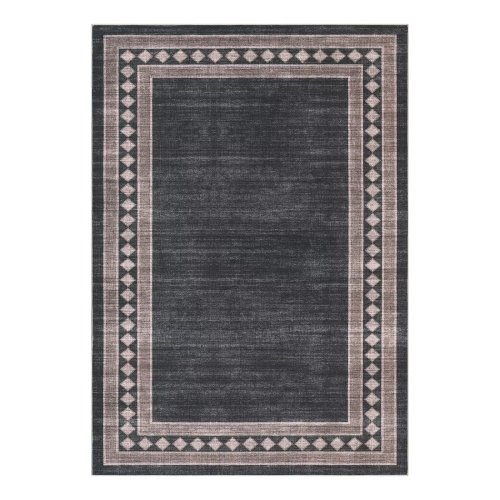
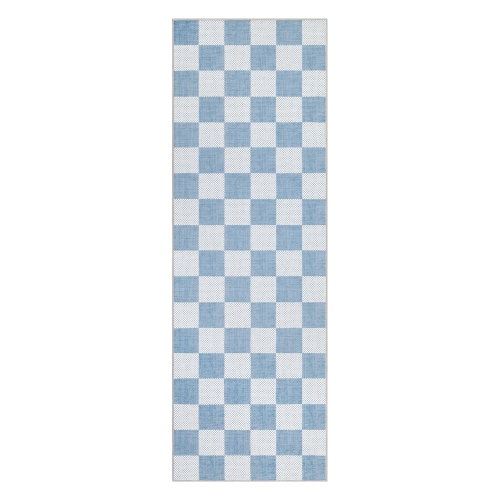
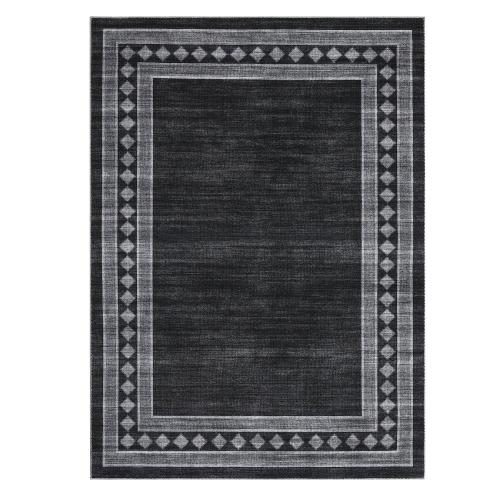
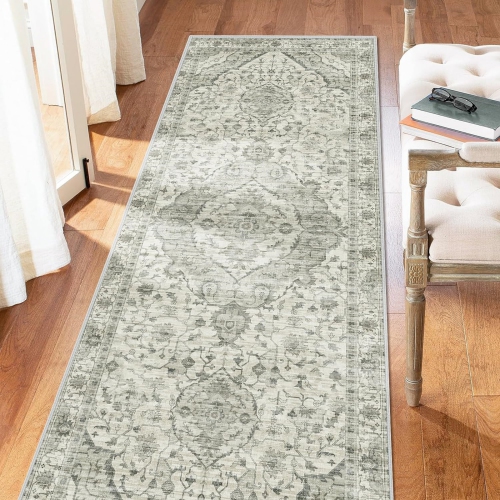
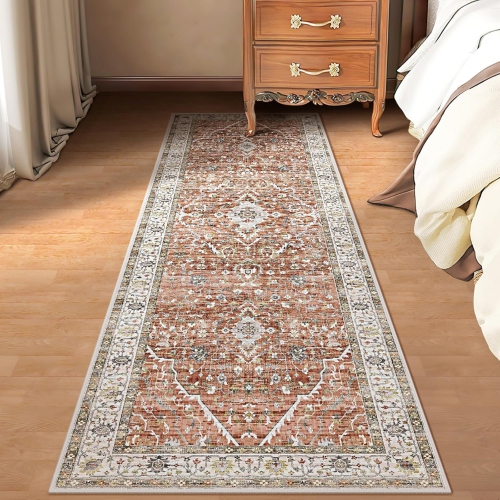
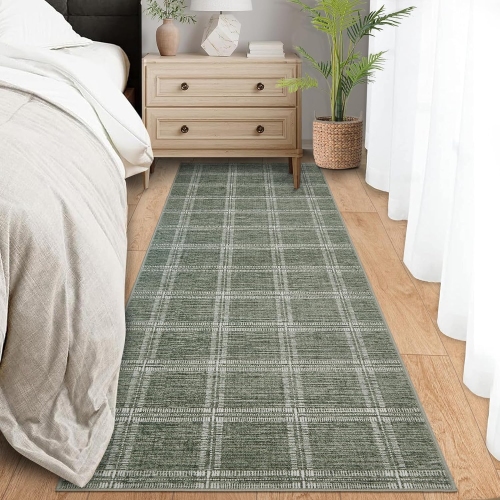
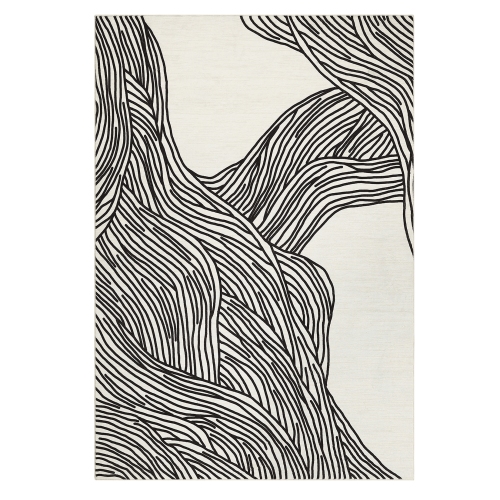
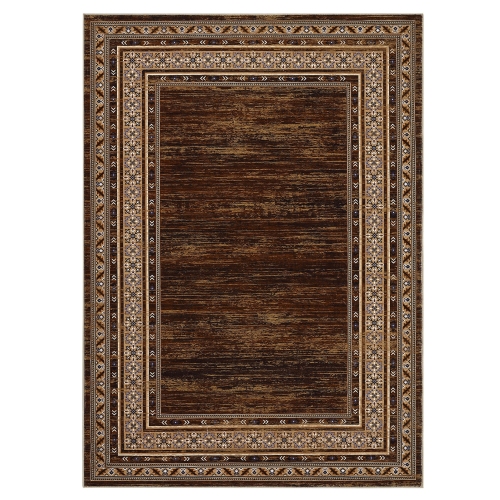
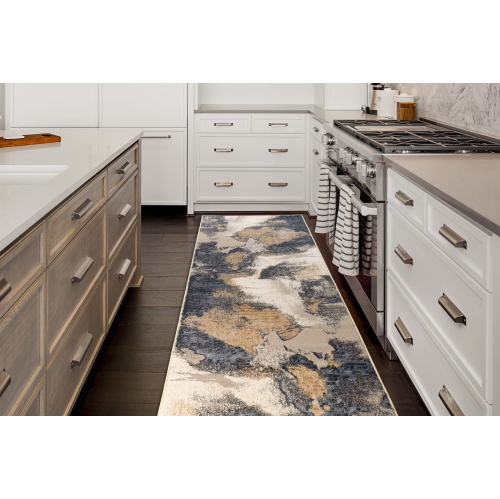
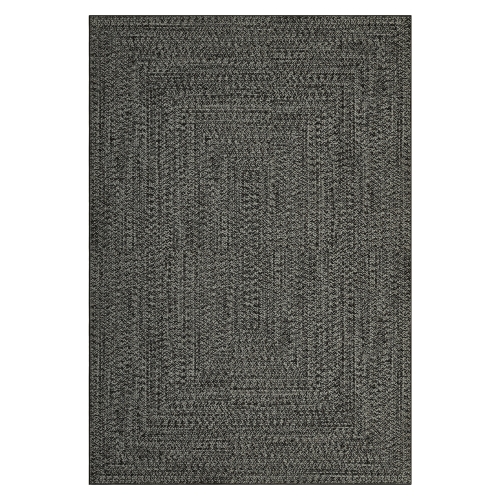
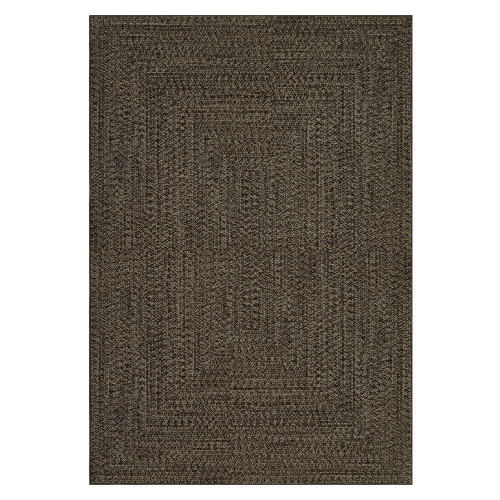
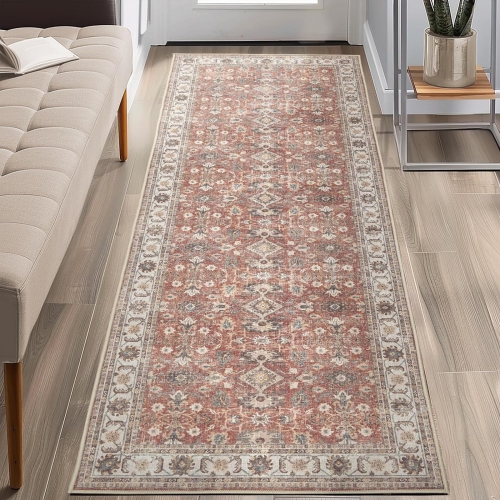
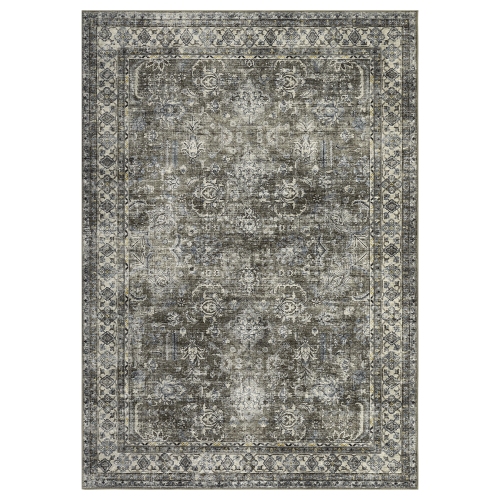
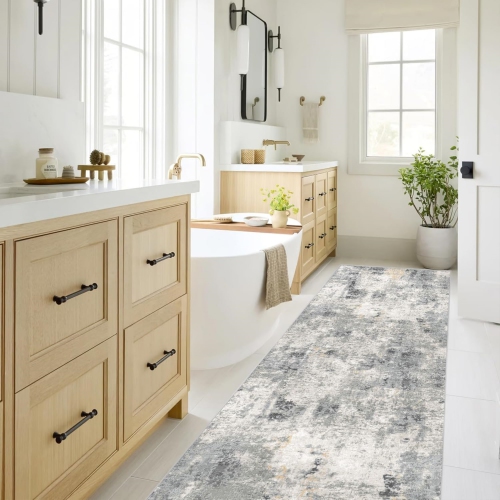
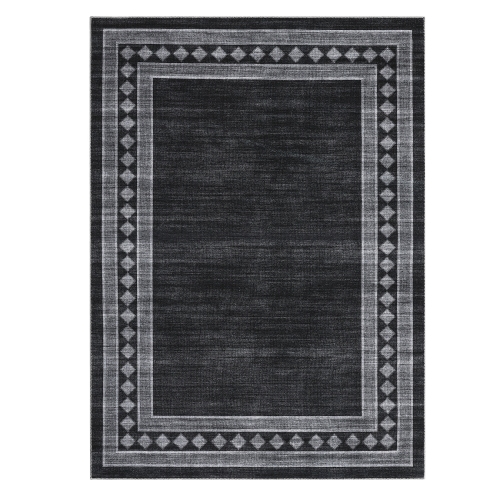
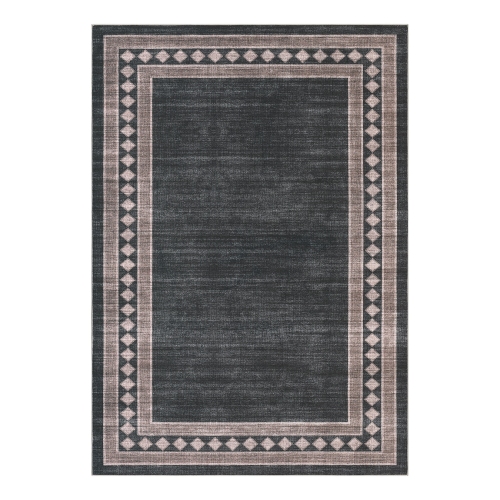
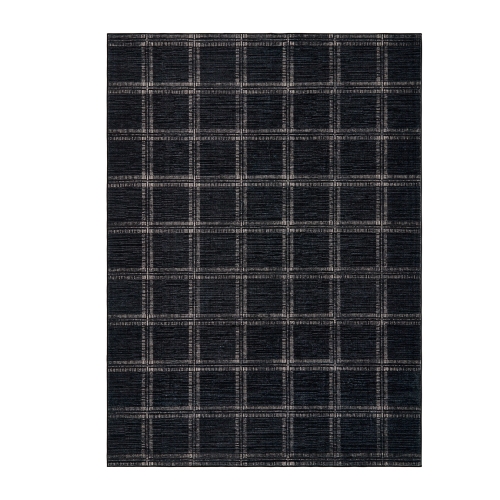
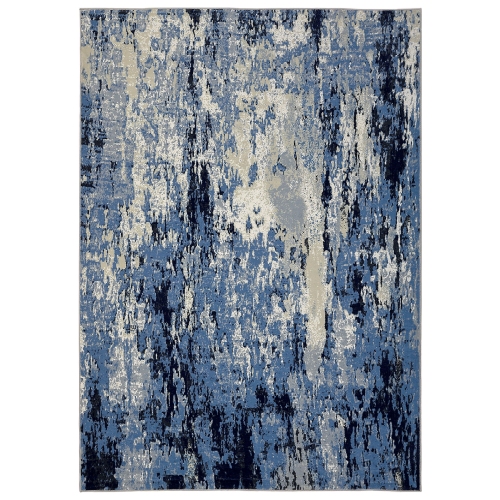
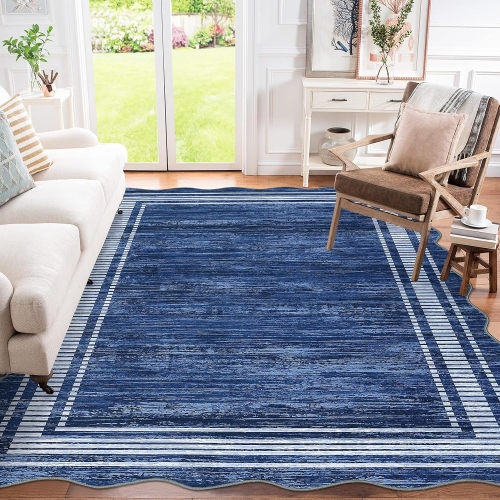
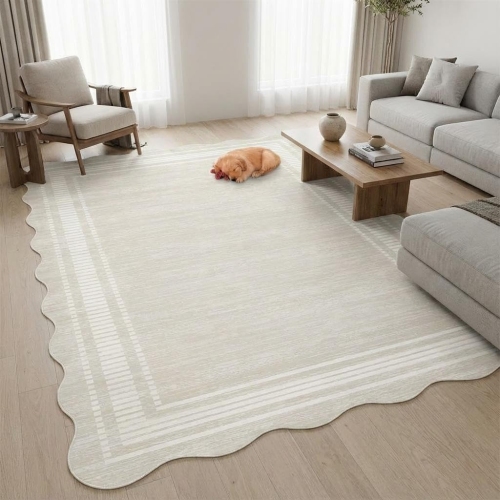
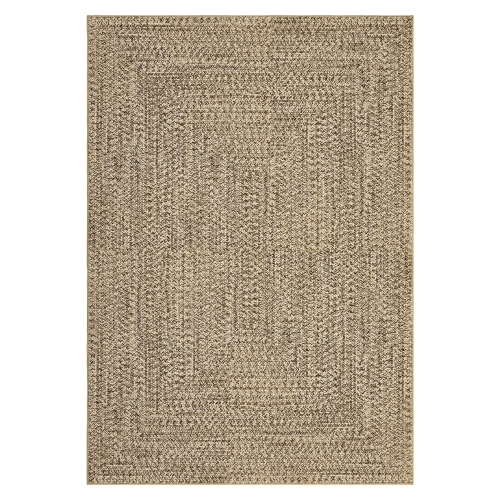
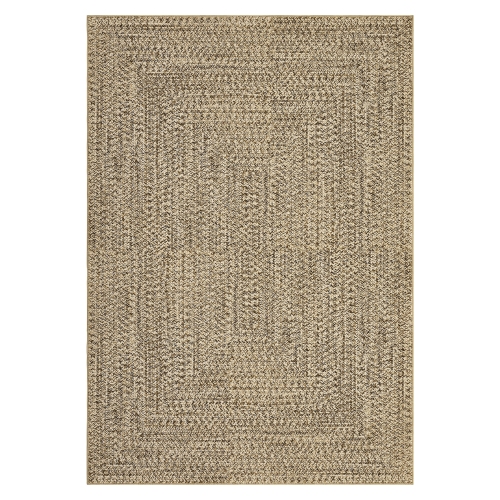
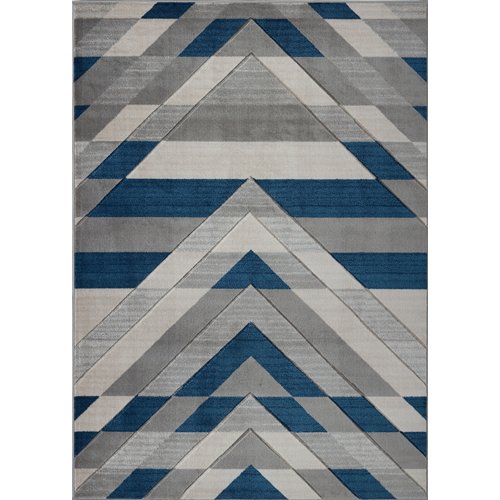
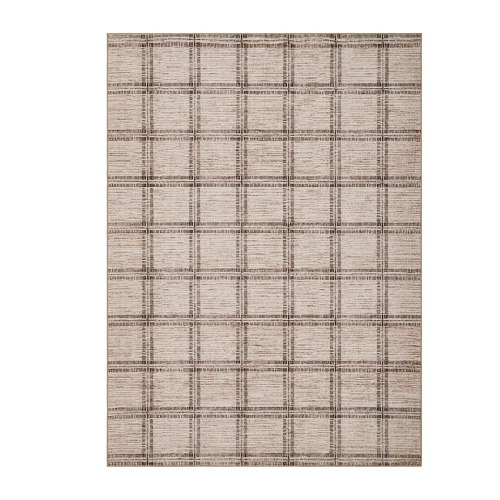
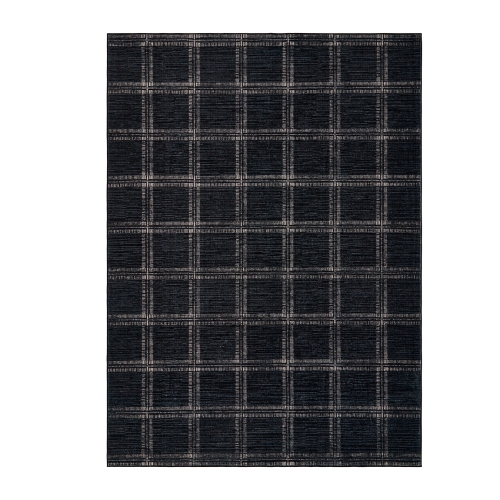
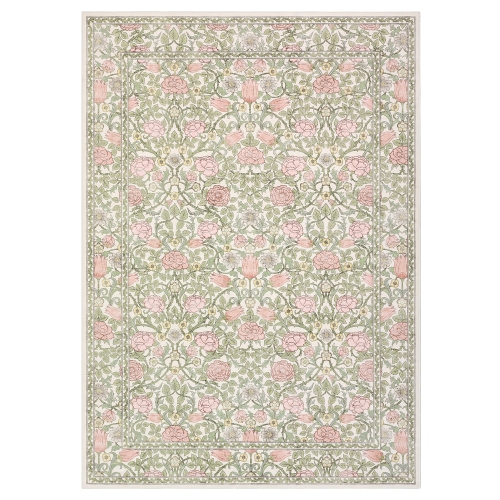
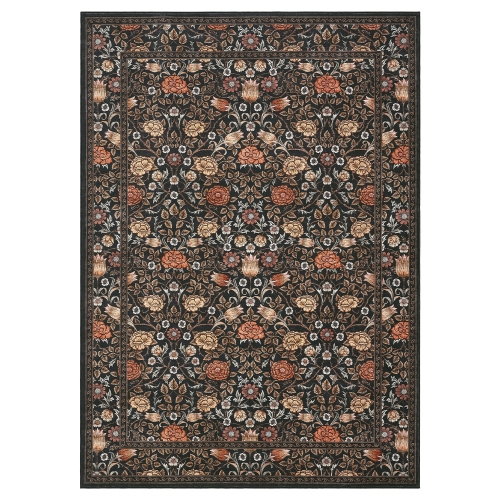
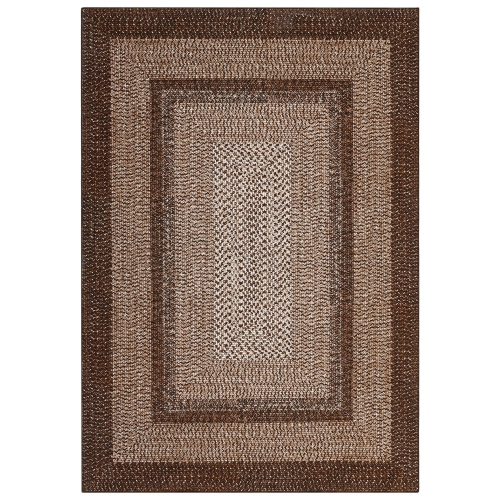
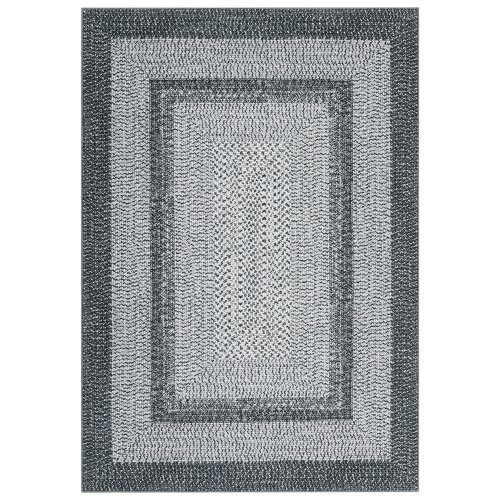
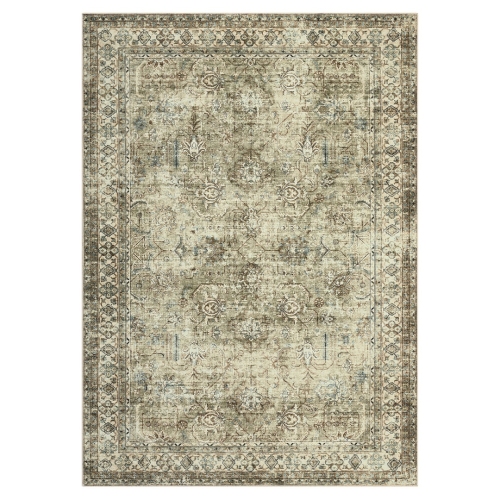
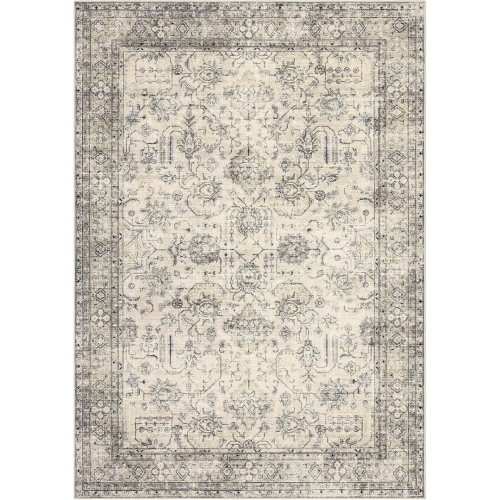
Colour, pattern, and texture help a runner connect adjoining rooms without requiring every furnishing to match. A muted stripe can draw the eye along a hallway, while a small repeating motif adds detail without dominating a compact entrance. Patterned or heathered surfaces may make everyday lint and minor marks less noticeable than a uniform colour, though they still need the same cleaning attention. A pale runner can create a gentle contrast against dark flooring, while deeper shades can anchor a bright passage. Pulling one colour from nearby artwork, cabinetry, or upholstery often gives the placement a more cohesive feel. In a long corridor with several doors, a simpler pattern can sit comfortably alongside the existing architectural detail; beside plain kitchen cabinets, a more expressive design can become a focal point. Practical care helps preserve that appearance. Vacuum regularly using a setting appropriate for the fibres, and avoid running a powered brush over fringe or delicate woven edges. Lift the runner periodically to clean the floor and pad beneath it, then make sure every surface is dry before replacing it. Blot spills promptly rather than rubbing them deeper into the pile, and test any permitted cleaning solution in an inconspicuous area. Machine-washable runners need enough room in the washer to move freely, so confirm both the care label and the appliance’s capacity before laundering. Drying instructions matter too, especially when a rug has a backing that could be damaged by heat. Rotate the runner when its shape and placement allow to distribute wear from a frequently used doorway or standing position. Bound edges, secure stitching, and a weave suited to the amount of foot traffic can all contribute to lasting use. For renters, a runner offers a way to add personality without changing the floor itself; for busy households, it can make a well-used passage feel more comfortable and considered. As a housewarming gift, it works best when the recipient’s measurements, preferred colours, floor type, and cleaning preferences are already known.
Top selling and popular products
-
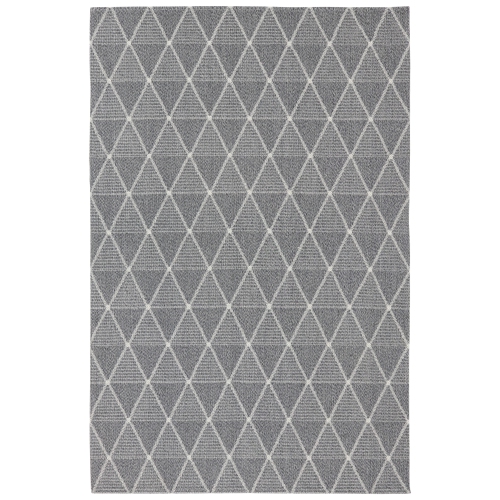 Your price for this item is $130.55
-
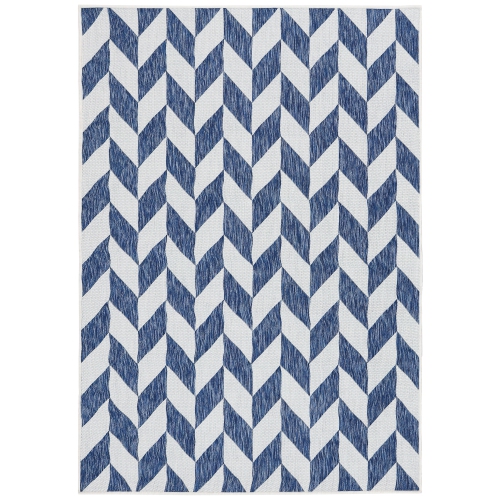 Your price for this item is $129.15
-
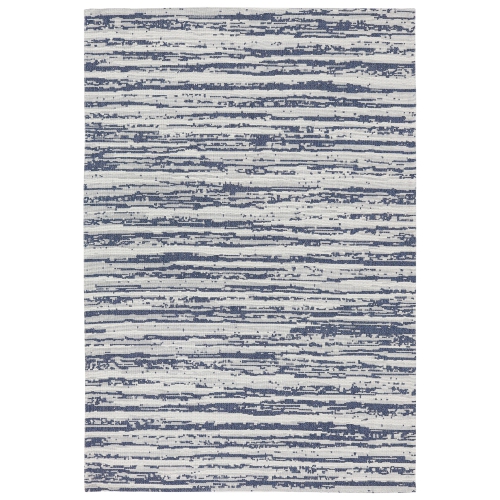 Your price for this item is $130.55
-
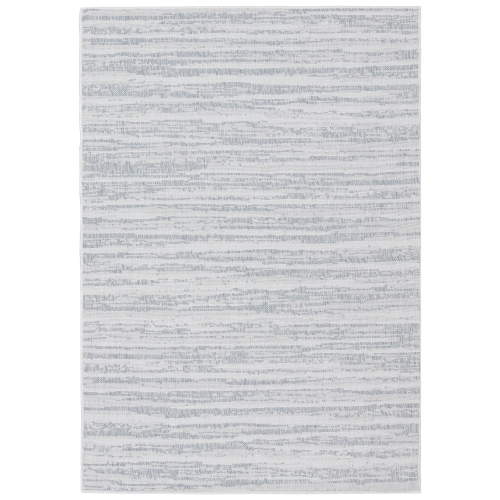 Your price for this item is $129.15
-
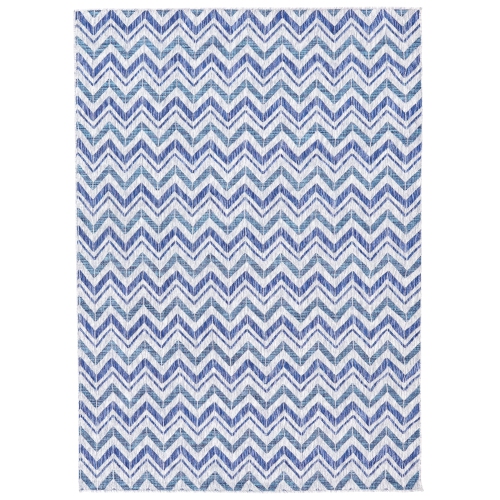 Your price for this item is $129.15
-
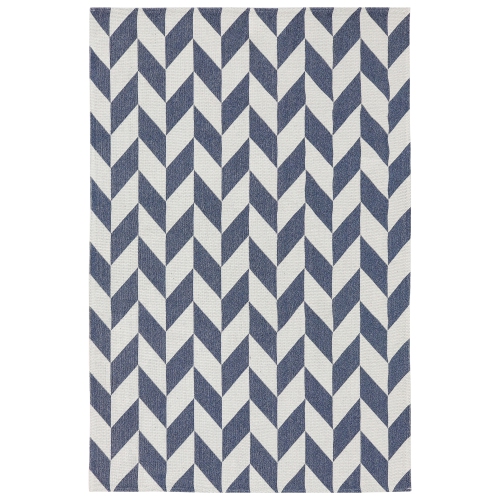 Your price for this item is $130.55
-
 Your price for this item is $144.99
-
 Your price for this item is $103.99