Decorative Rugs
Looking to add a touch of style and warmth to your living space? Look no further than our collection of decorative rugs. Whether you're looking for a pop of color, a bold pattern, or a classic design, we have the perfect rug to suit your taste and complement your home decor. They're also great for adding texture and comfort to almost any room. Here are some great options available.
Sort
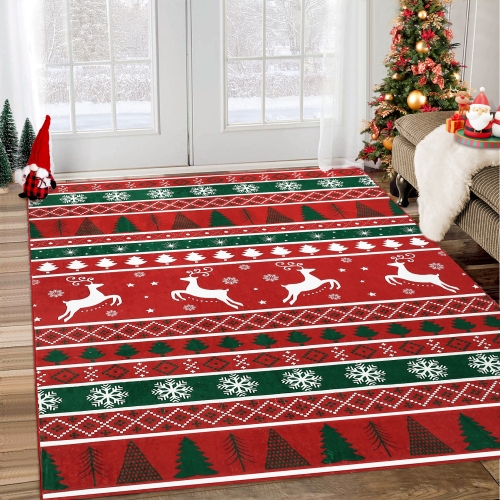
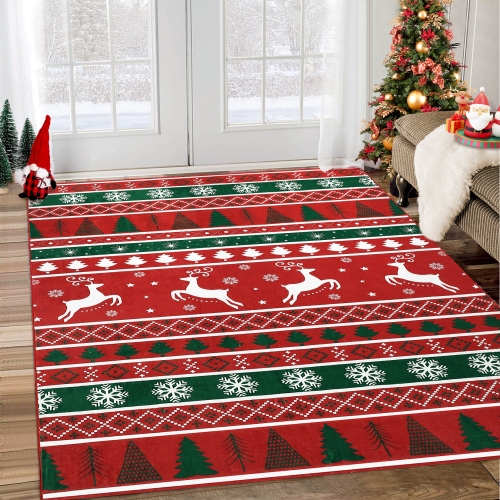
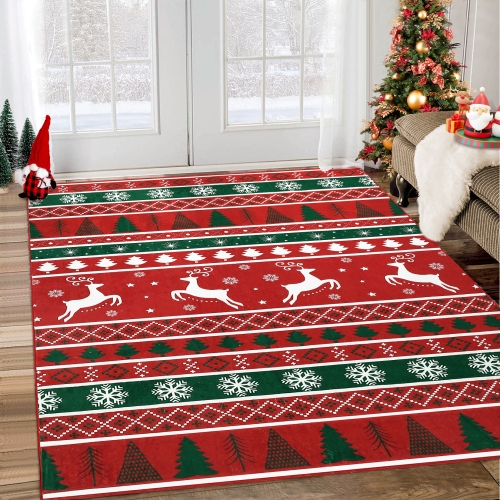


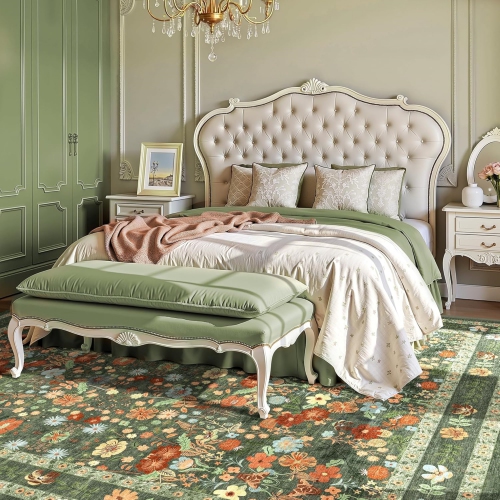


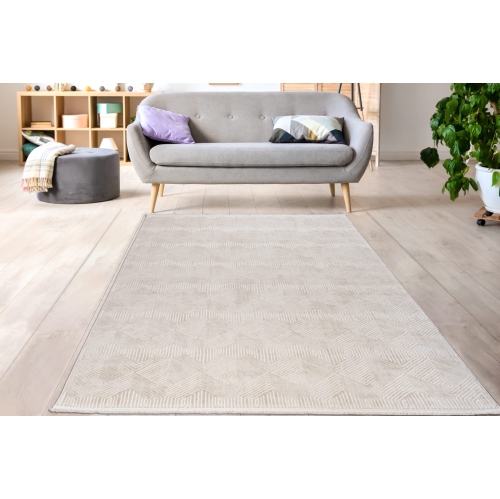
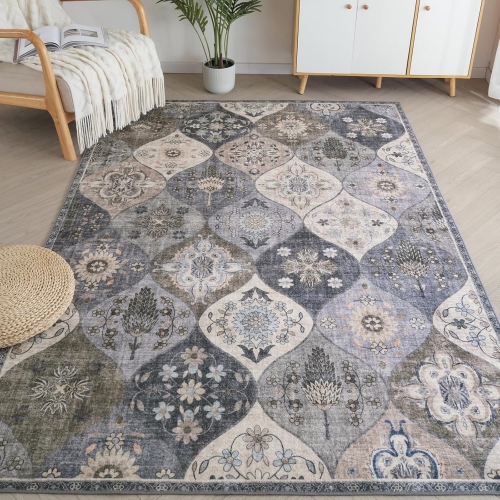
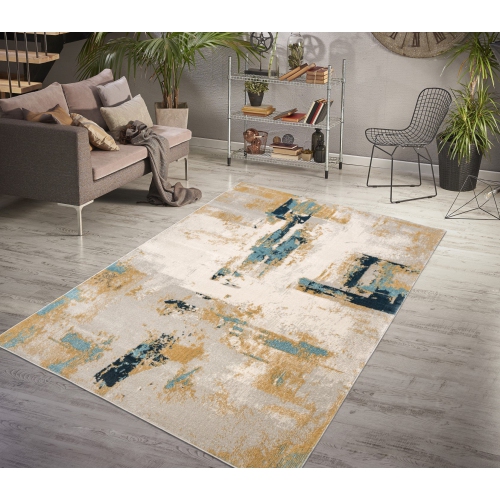

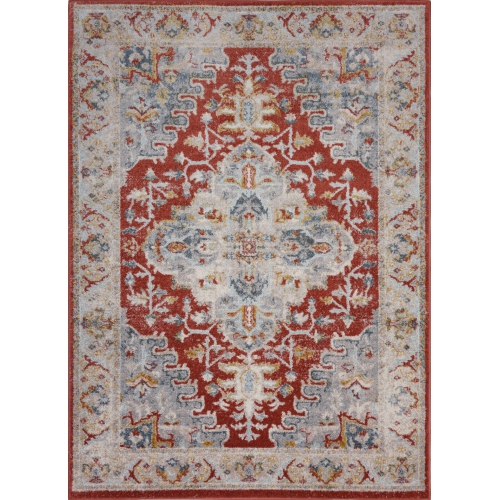
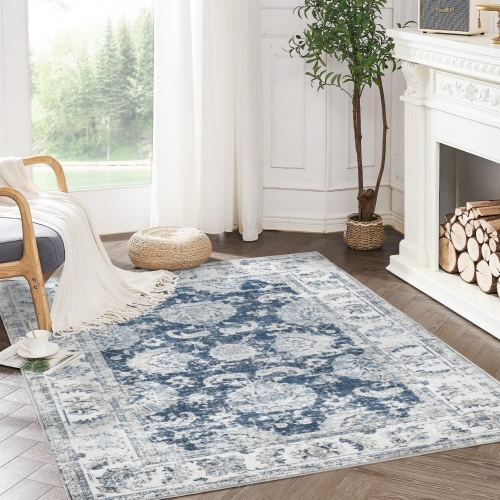
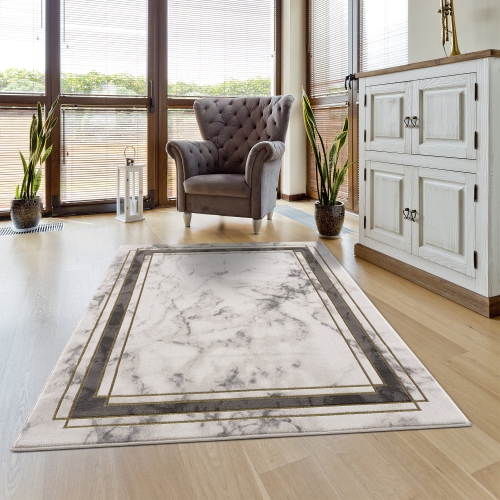

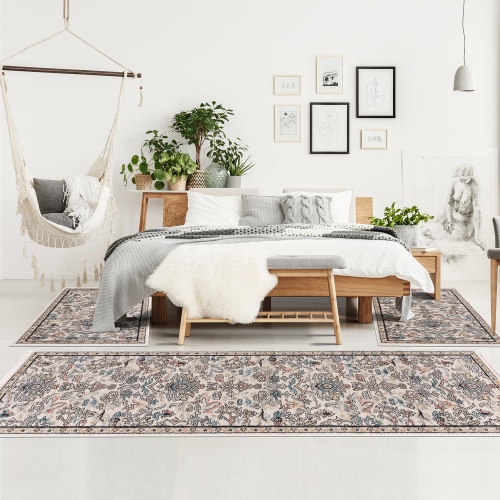
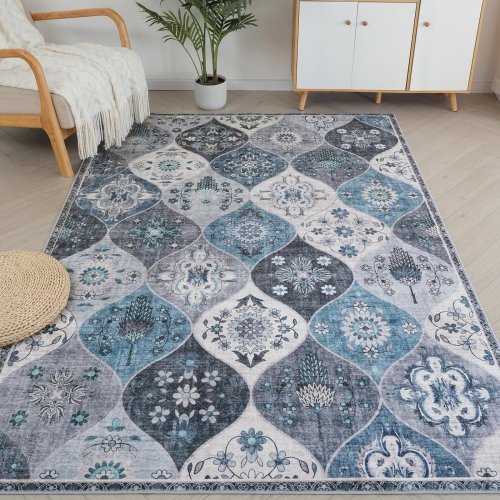









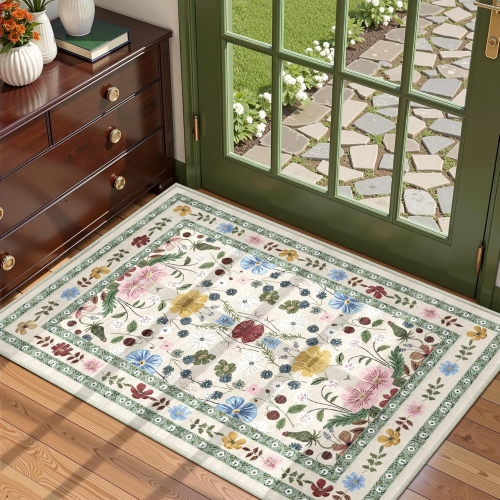


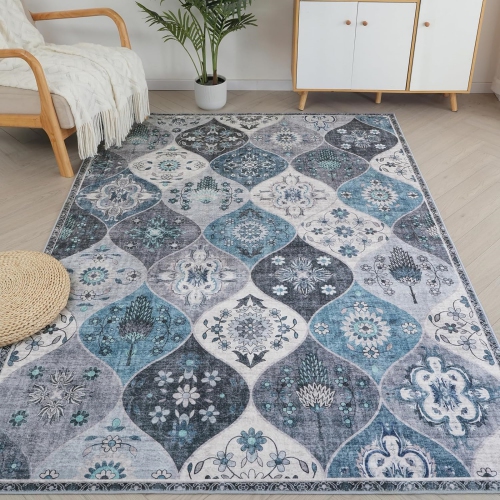

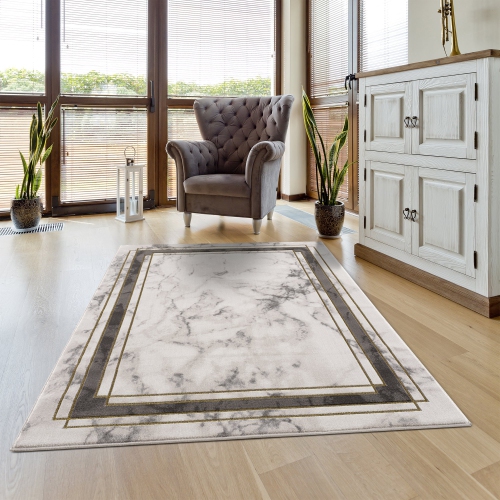


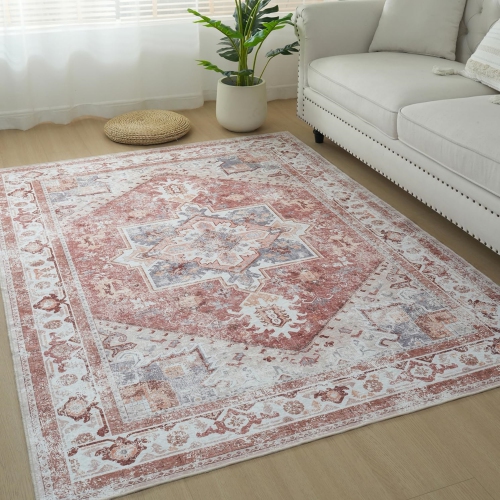
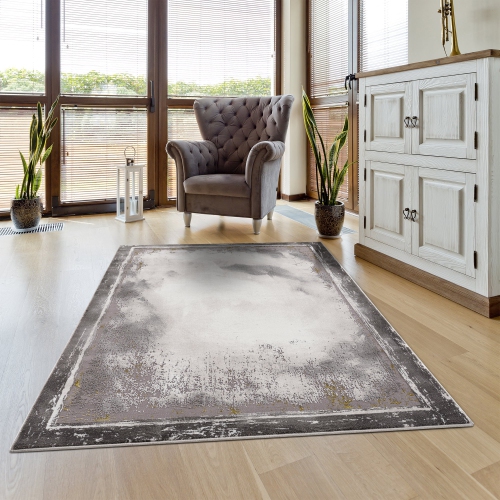


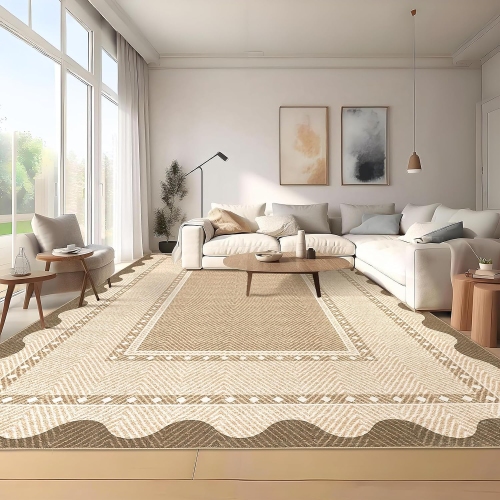
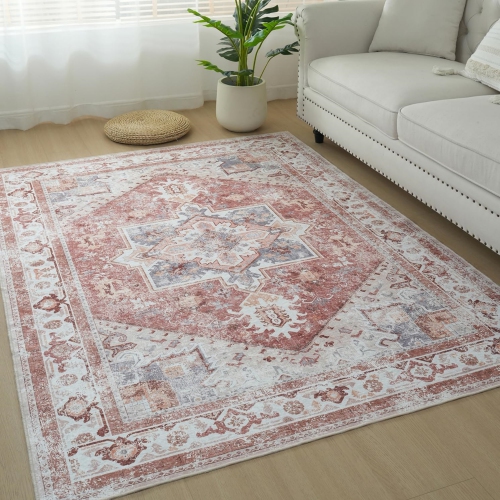

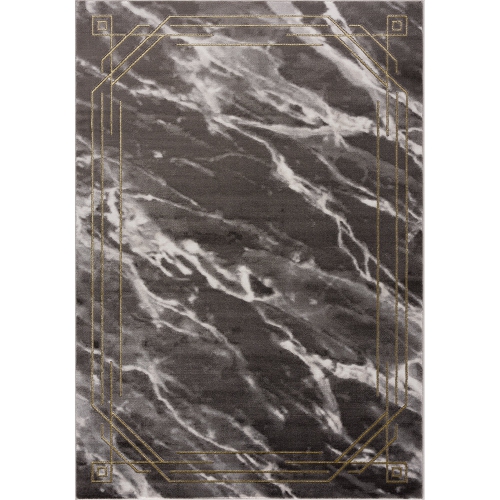


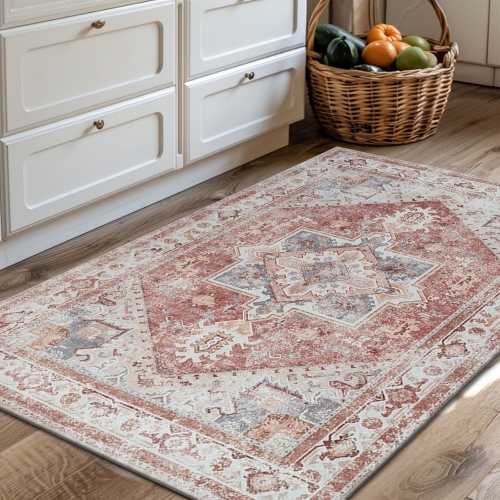
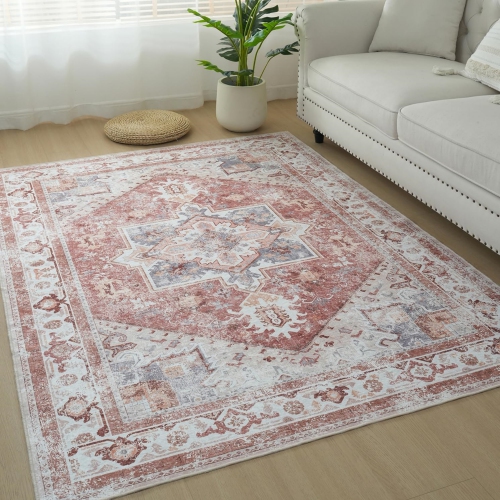
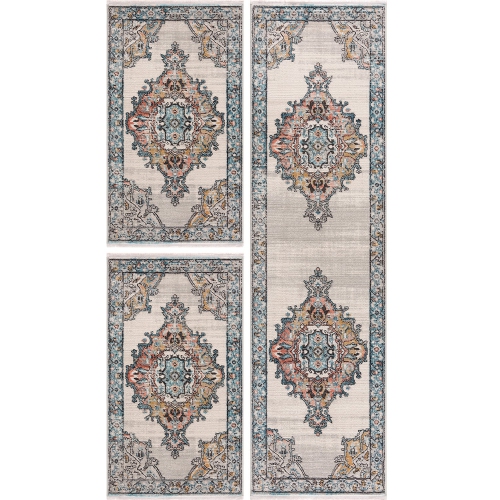
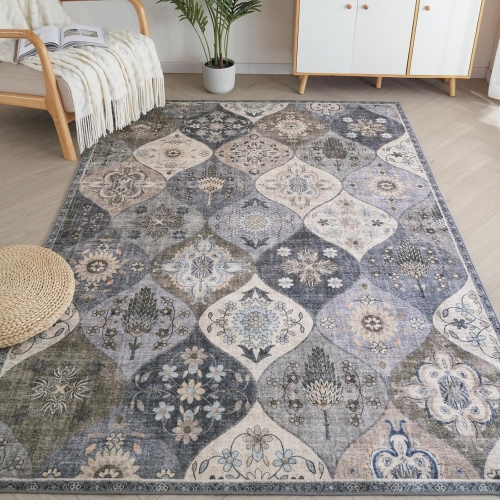

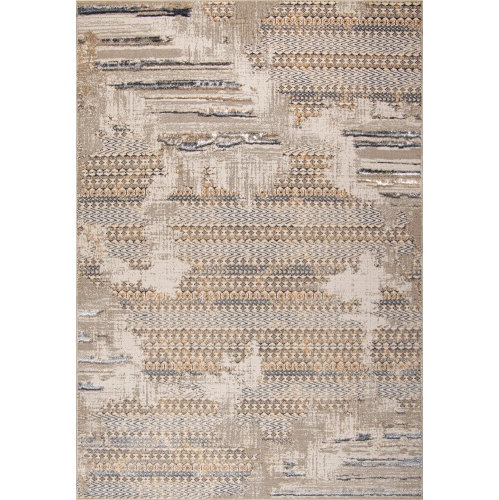
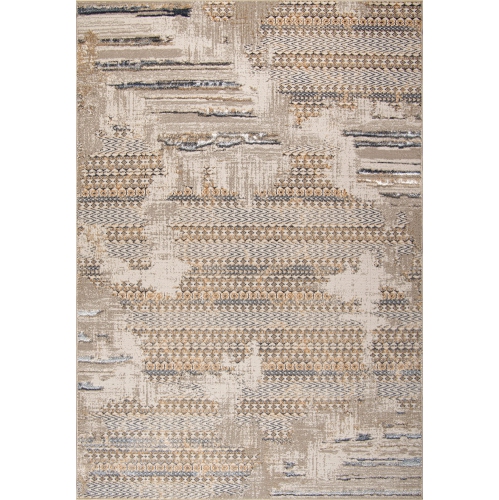
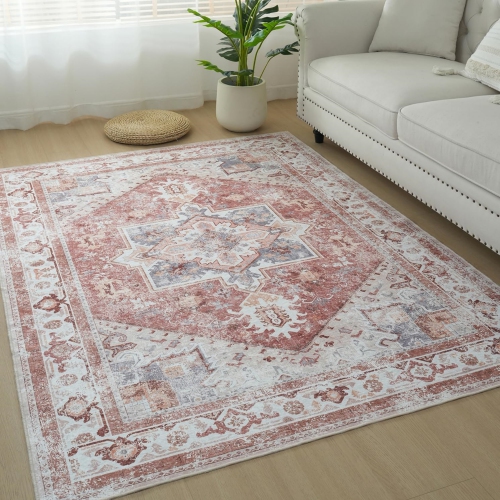
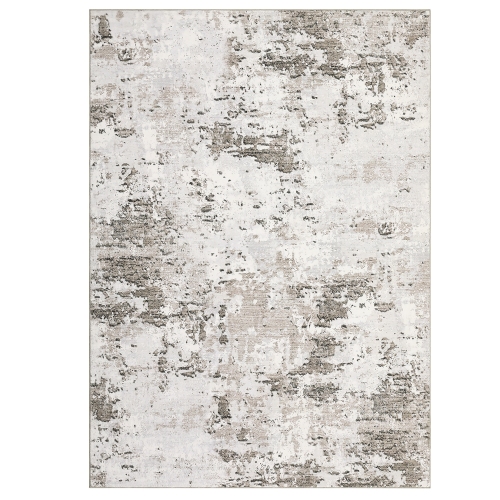
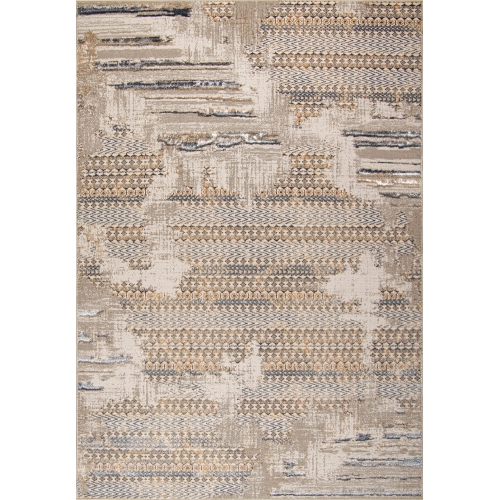
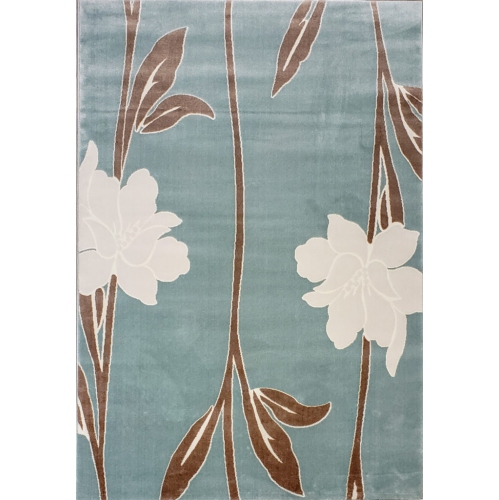
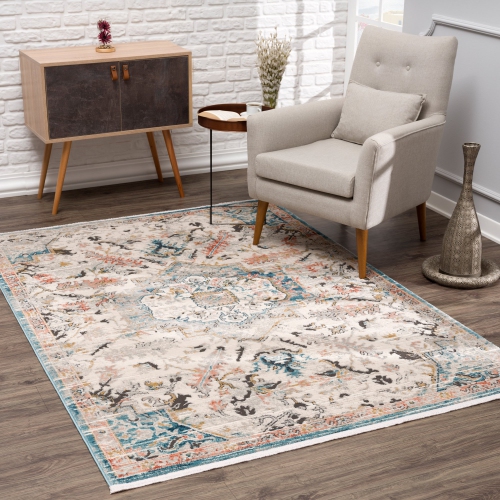


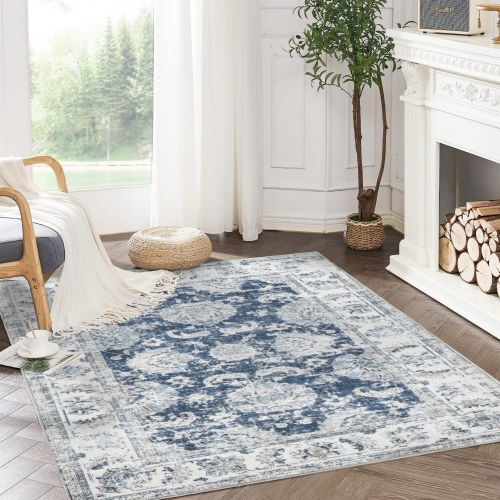






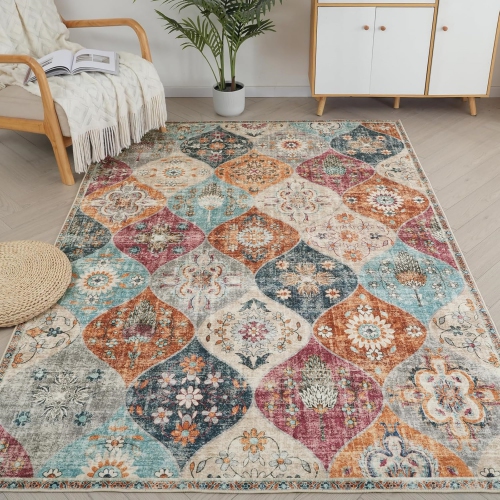


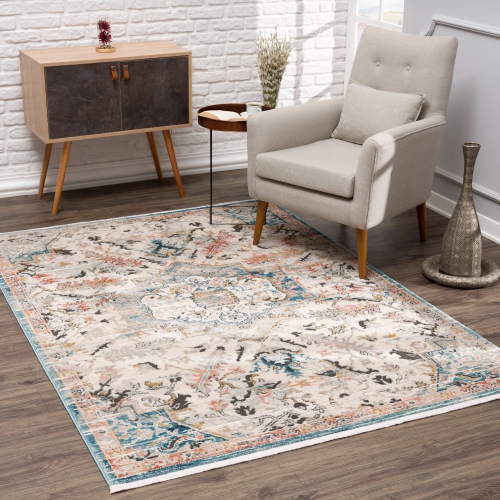
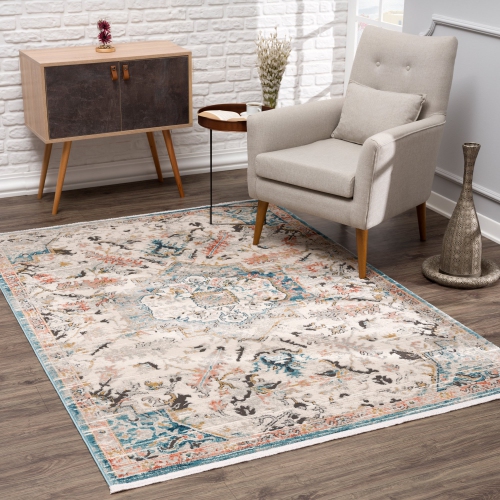
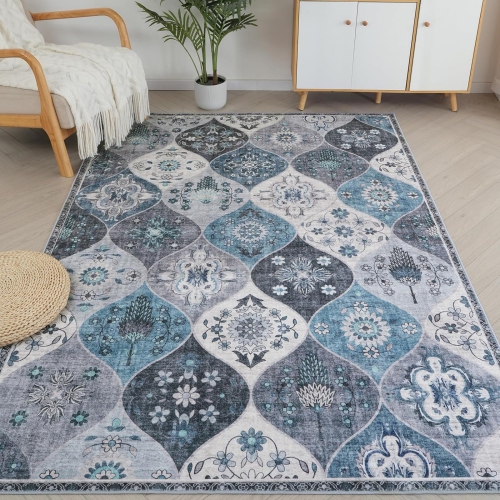



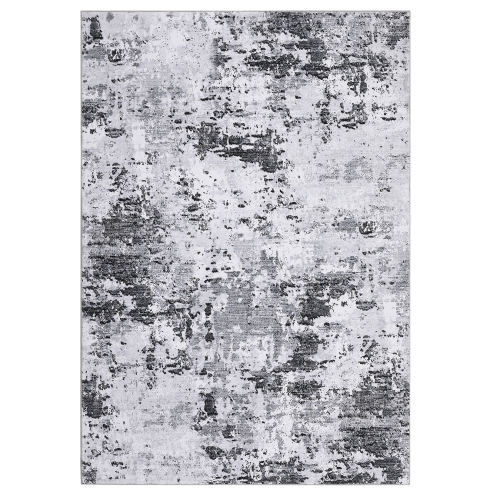
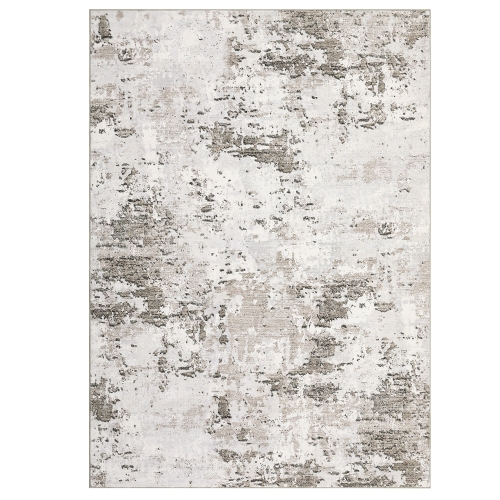


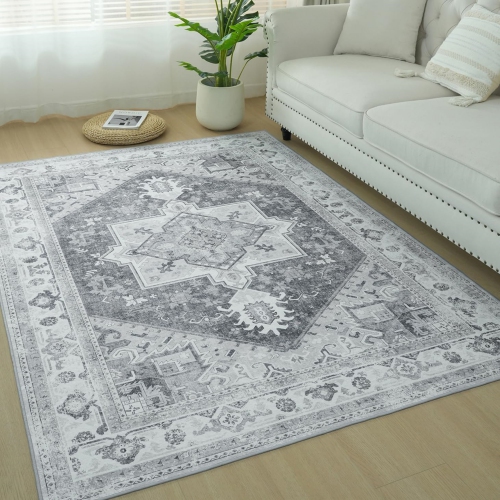
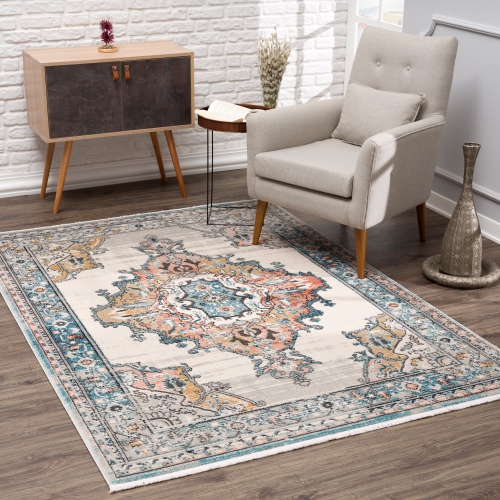
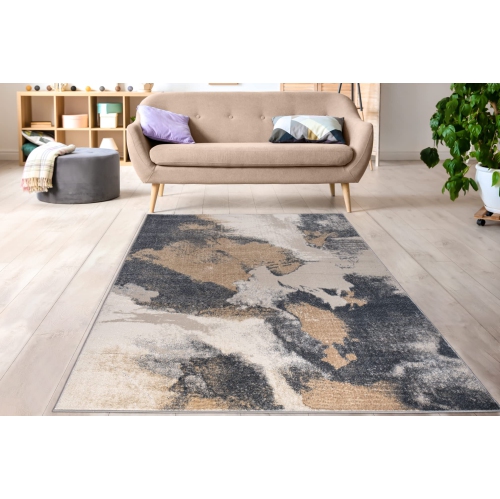

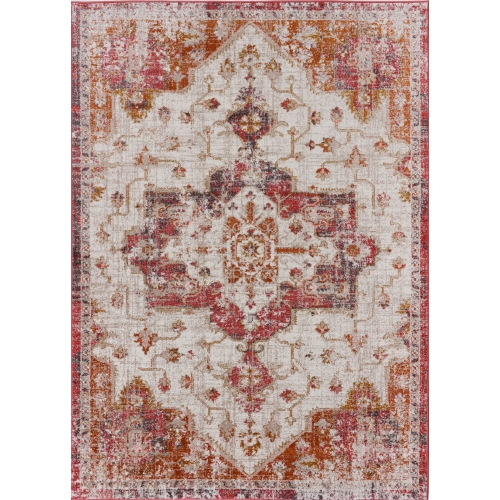

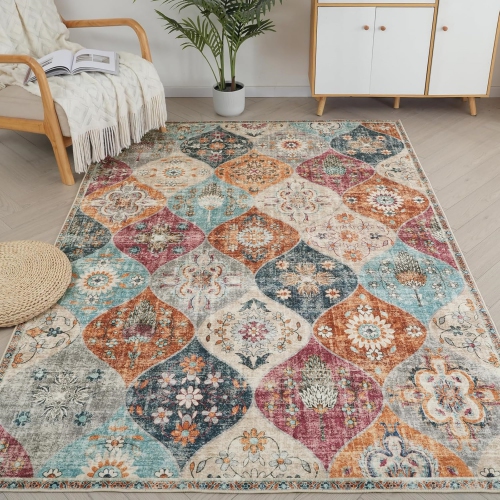

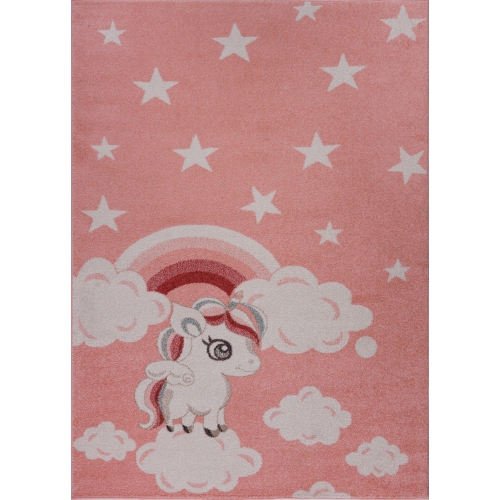

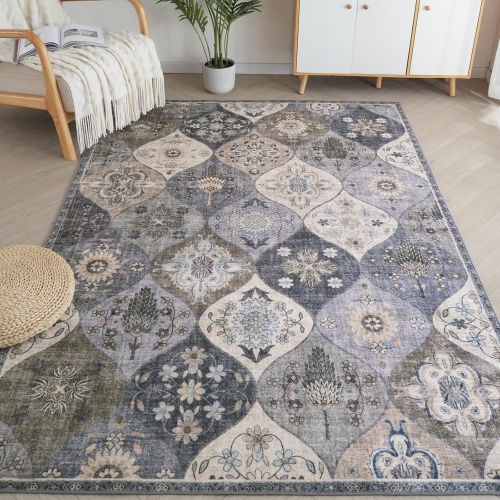
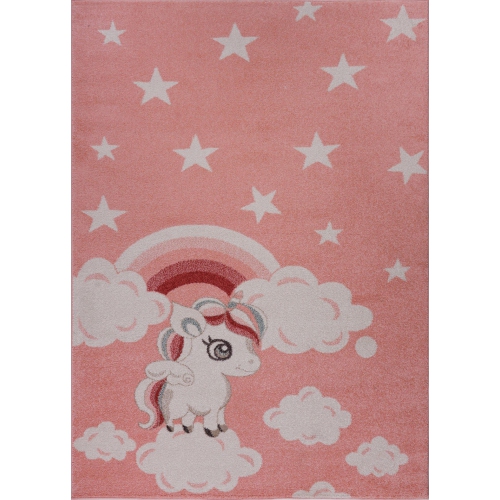

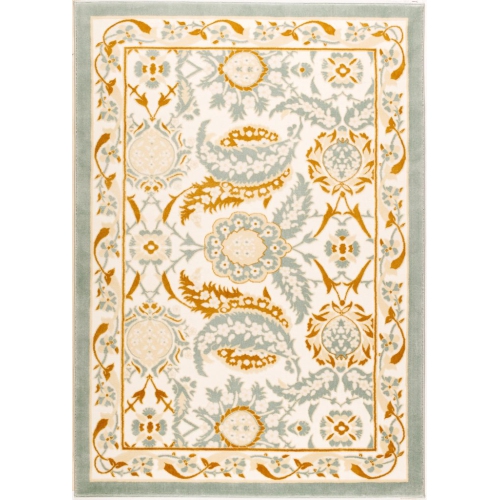






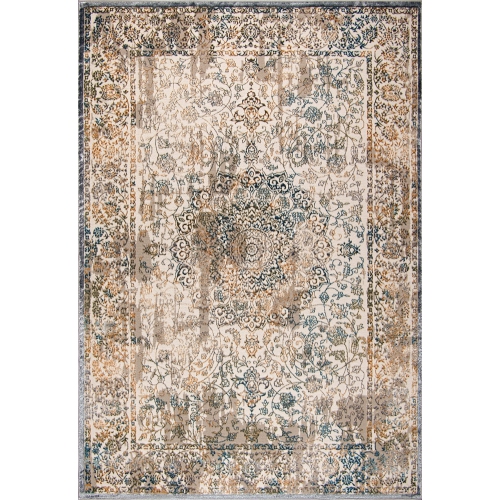
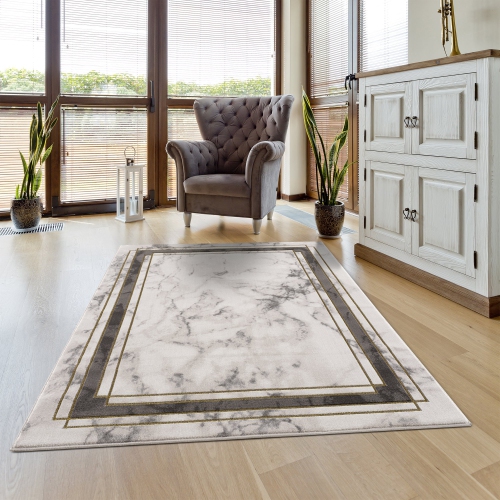
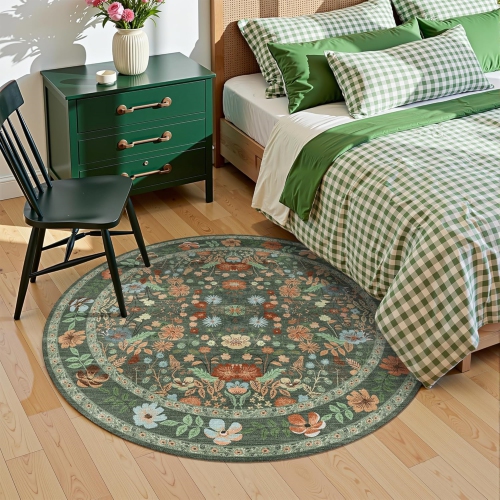

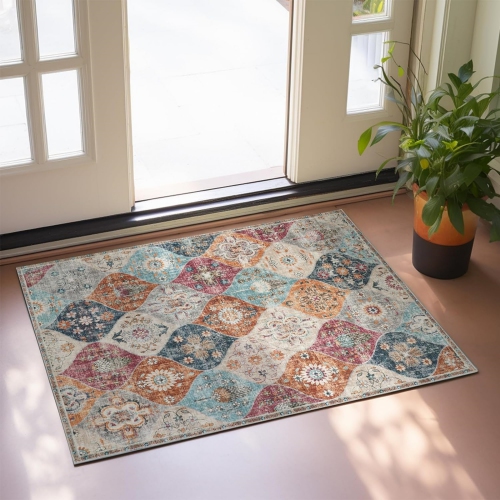

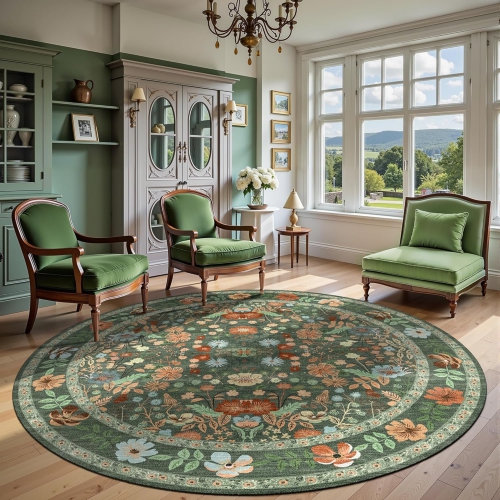


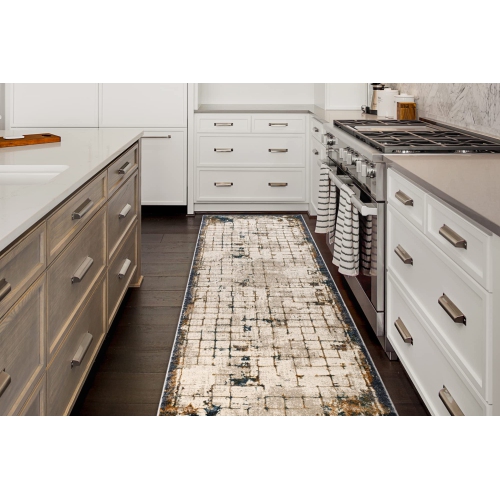

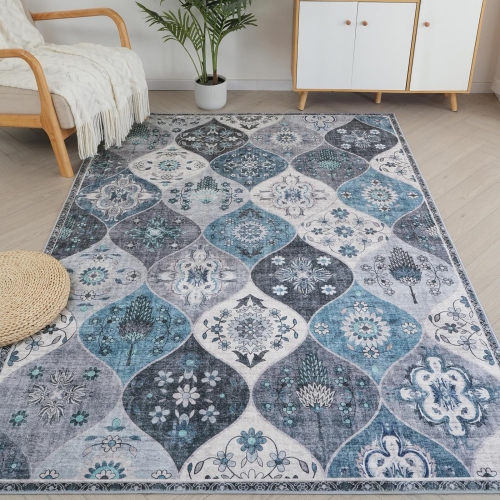


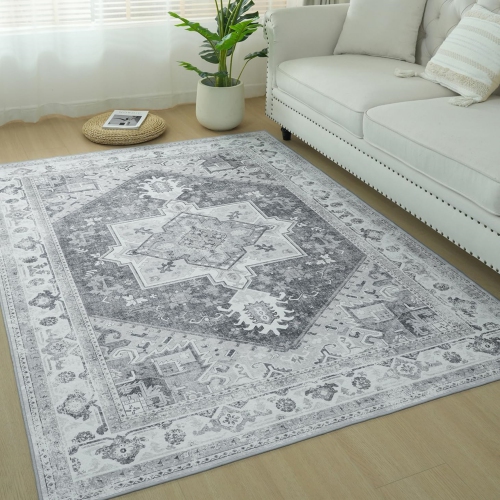



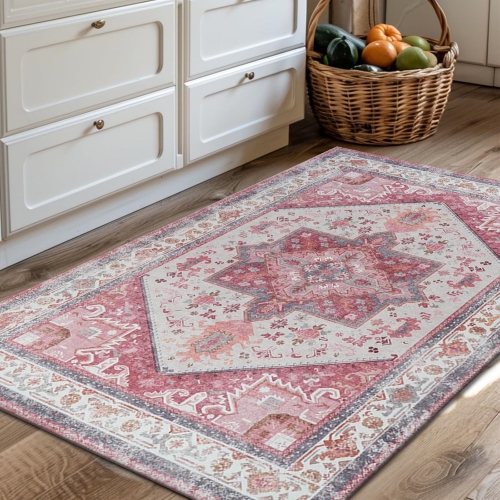


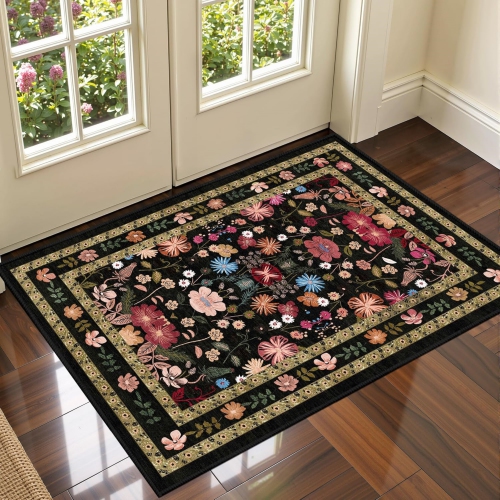

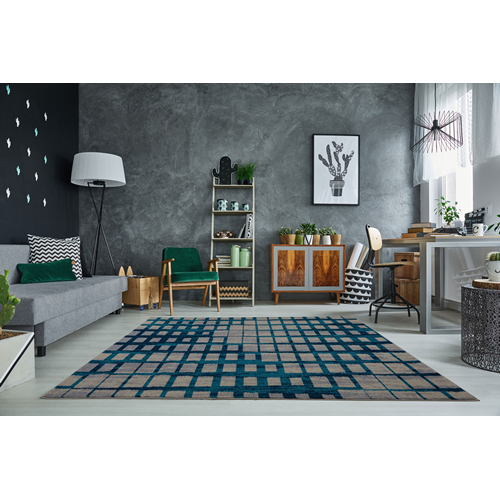


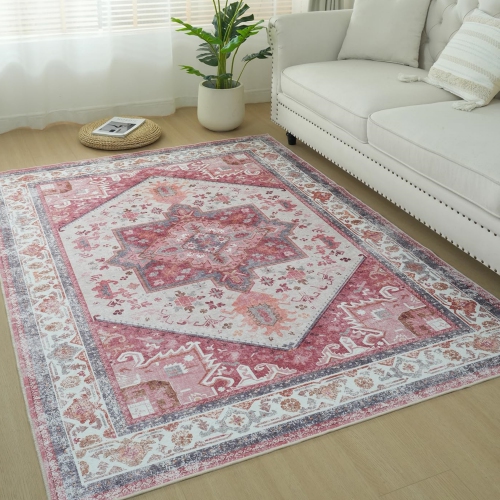








How rug patterns and placement pull a room together
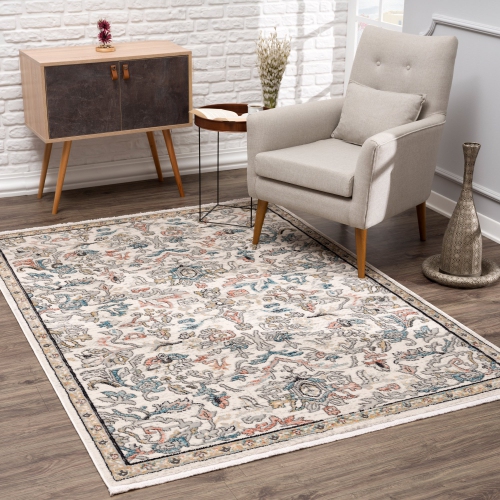
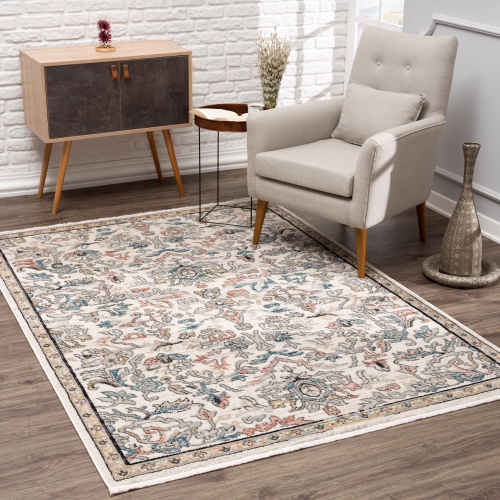
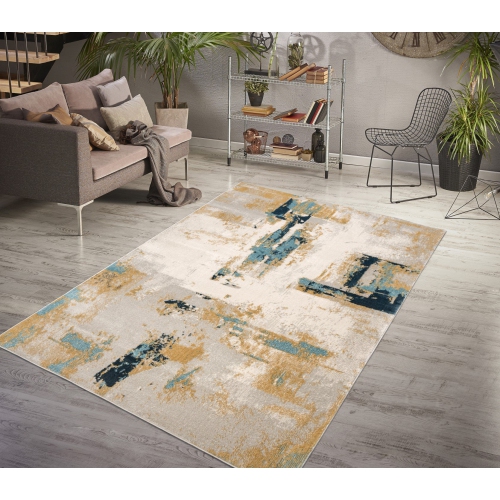
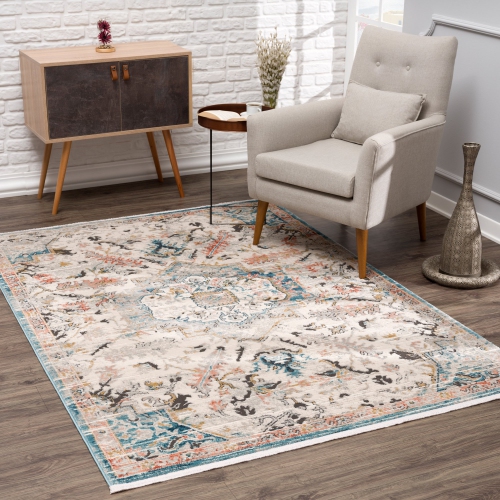
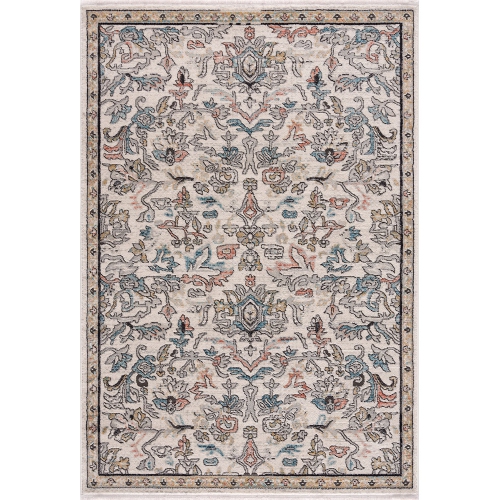
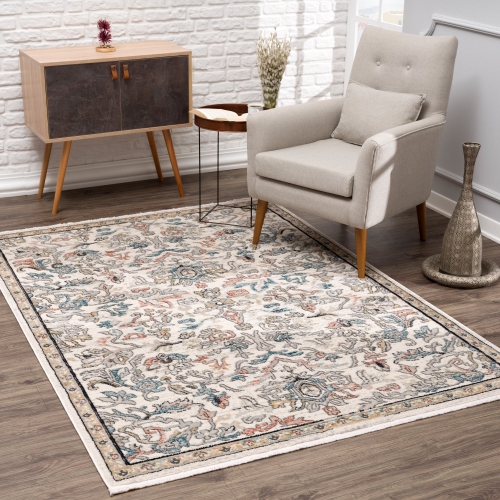
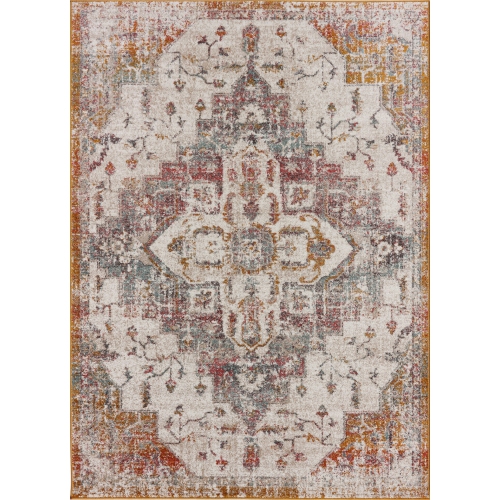
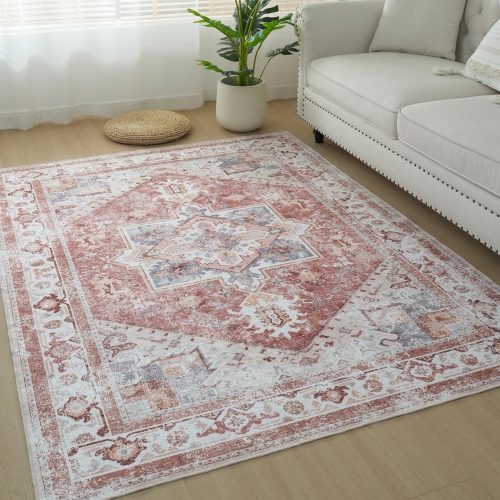
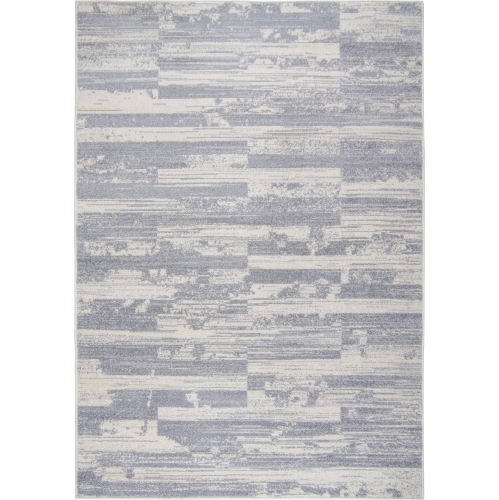
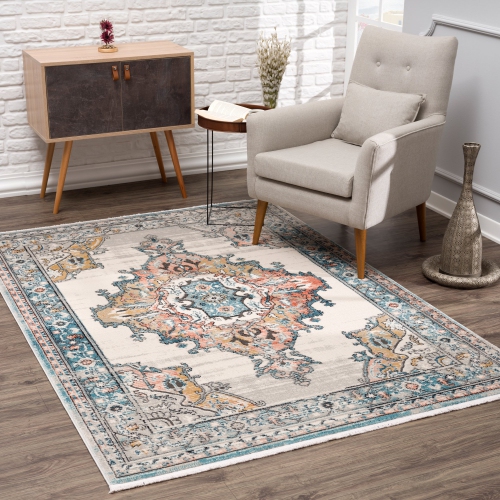
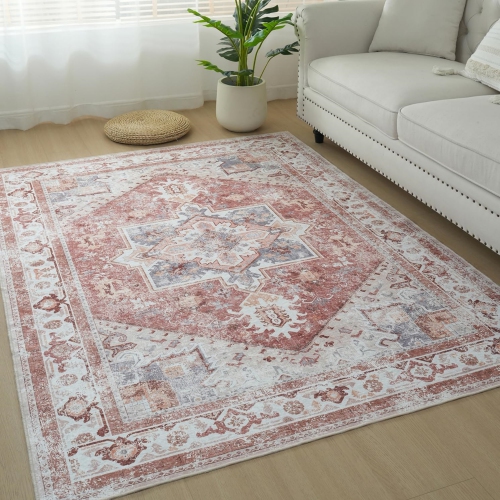
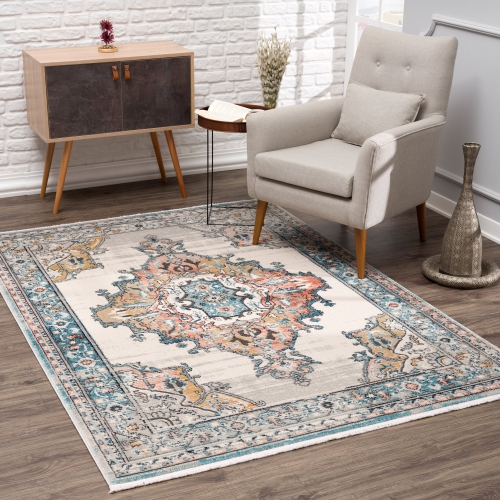
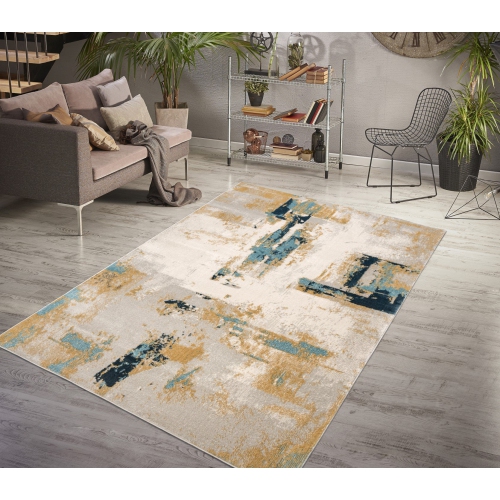
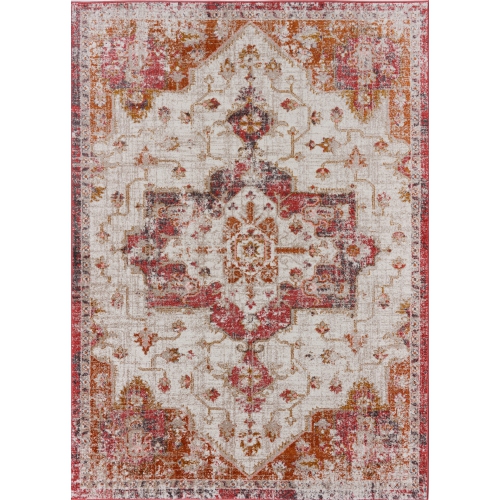
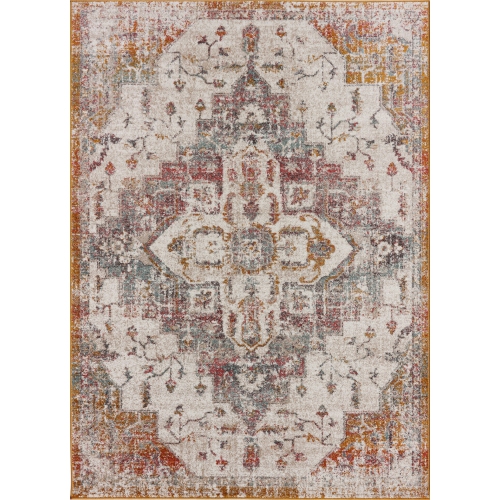
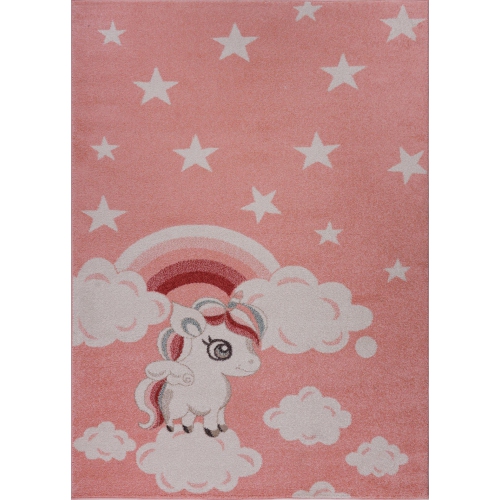
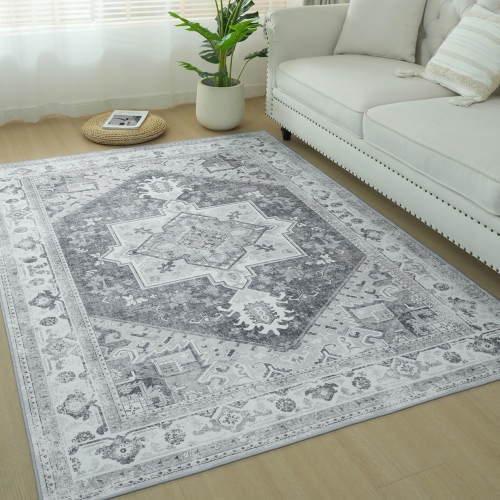
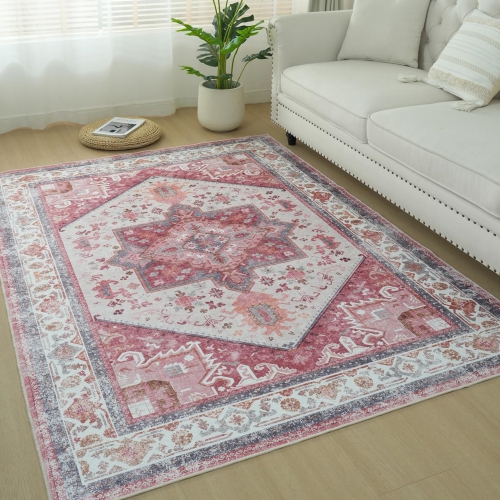
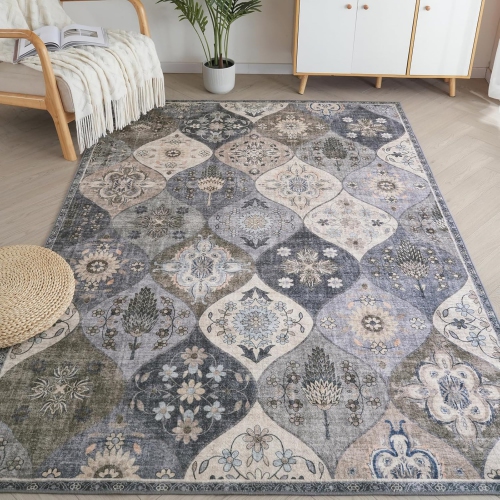
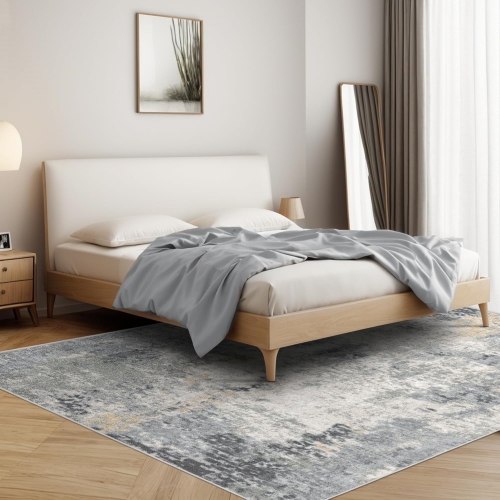
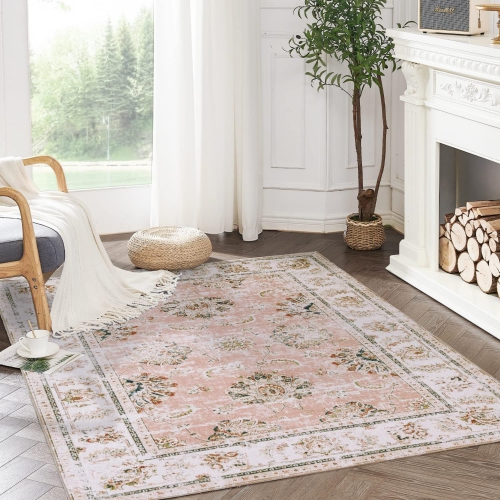
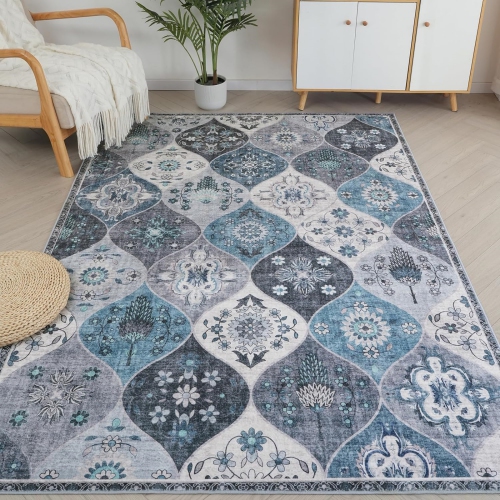
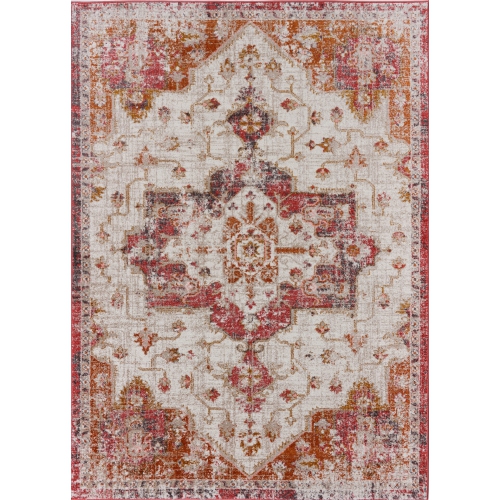
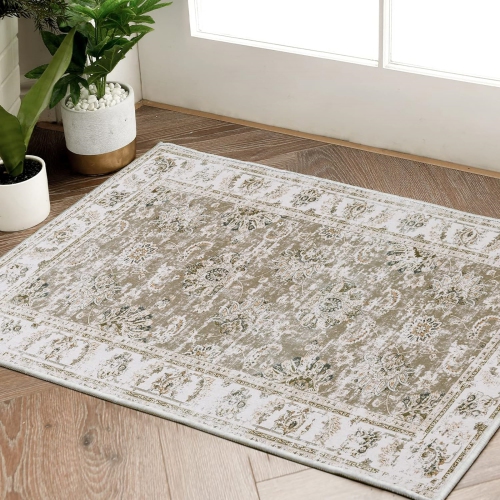
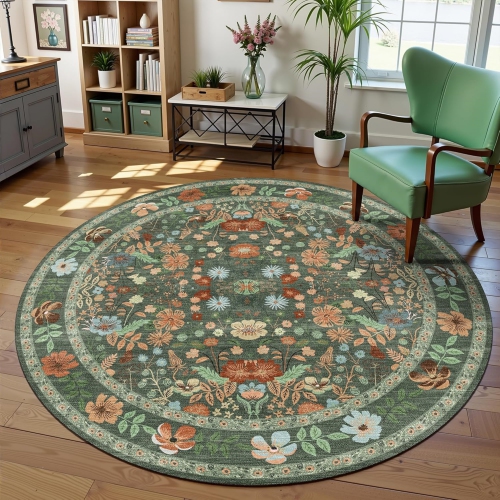
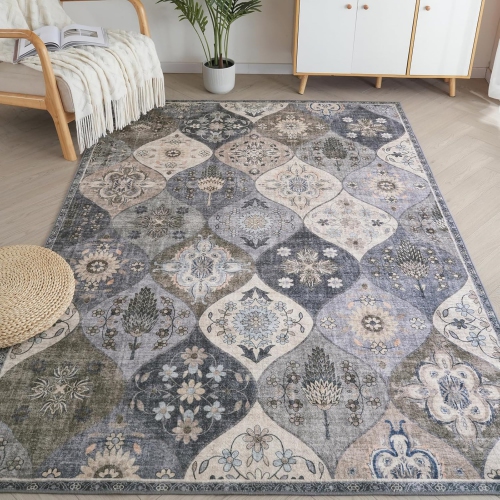
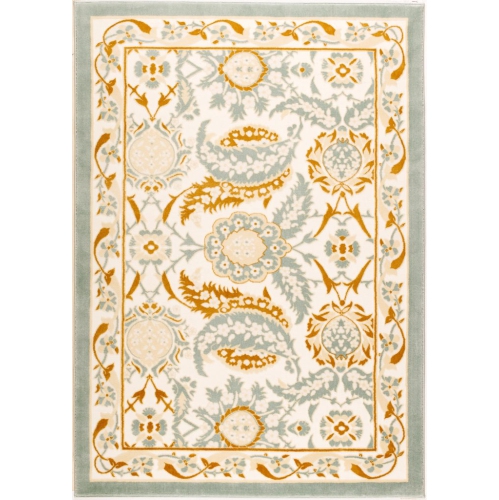
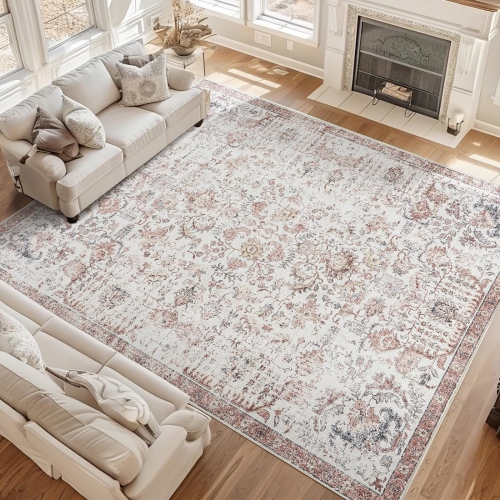
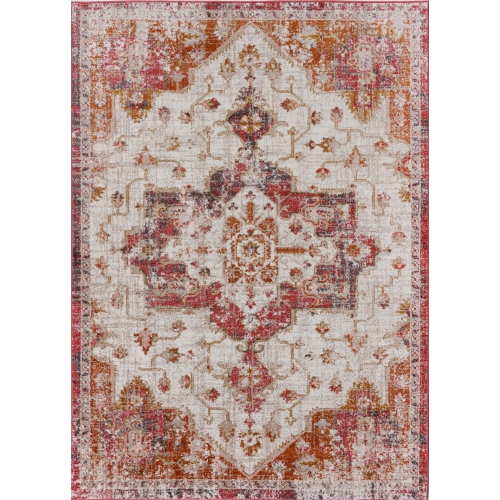
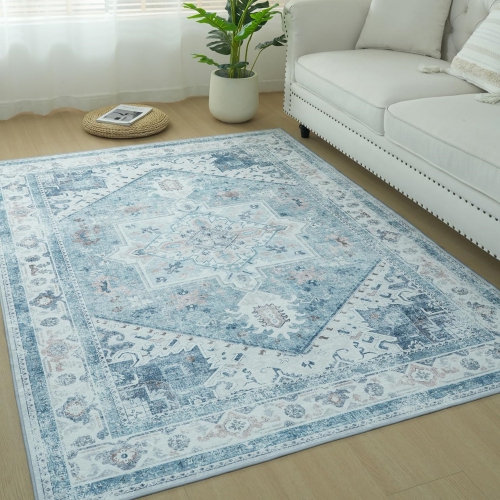
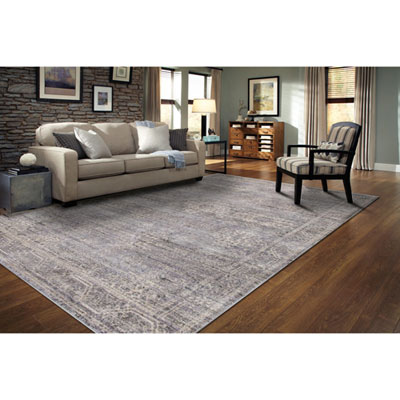
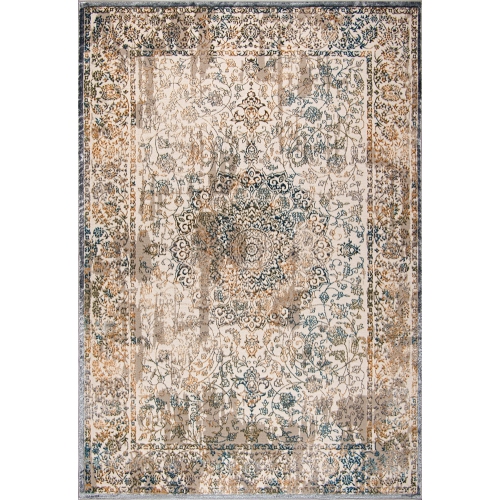
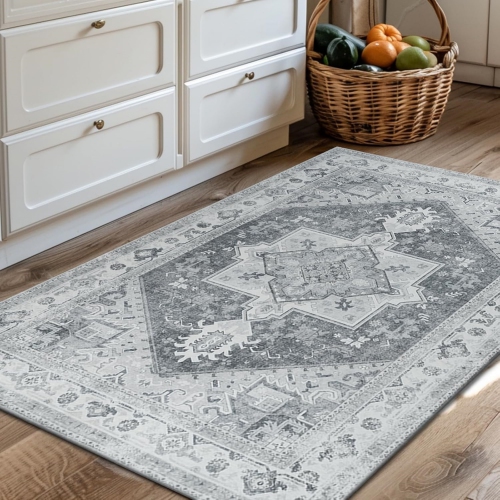
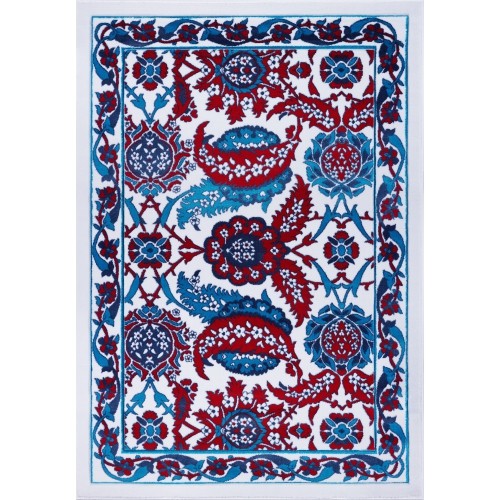
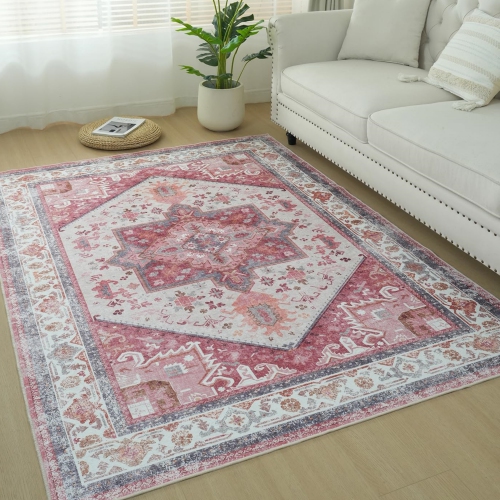
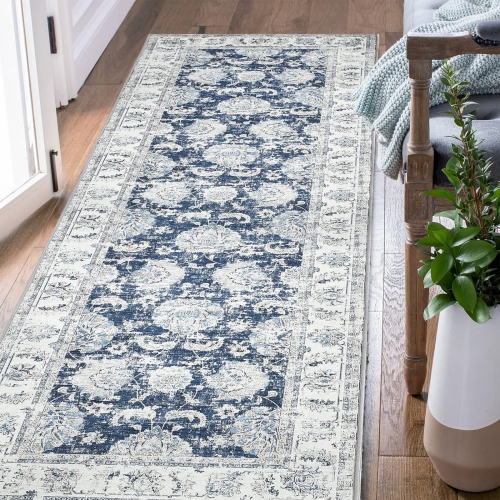
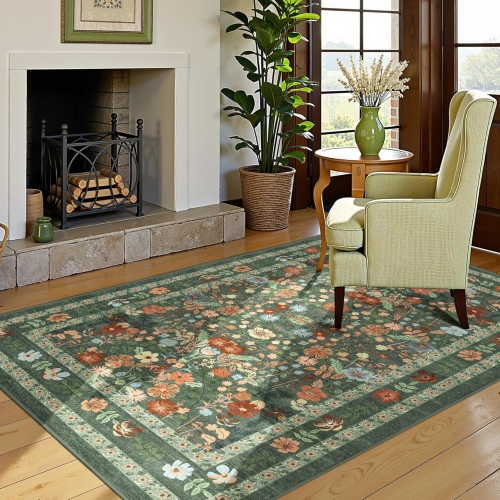
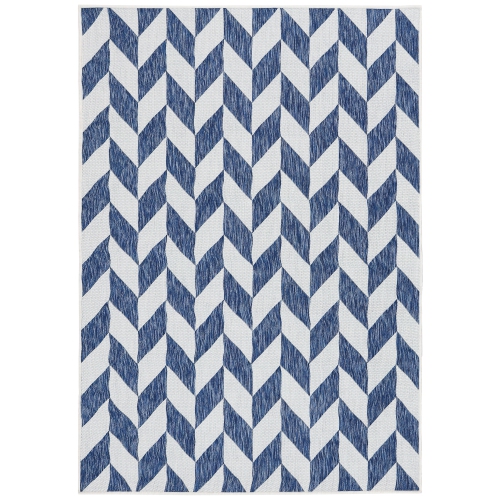
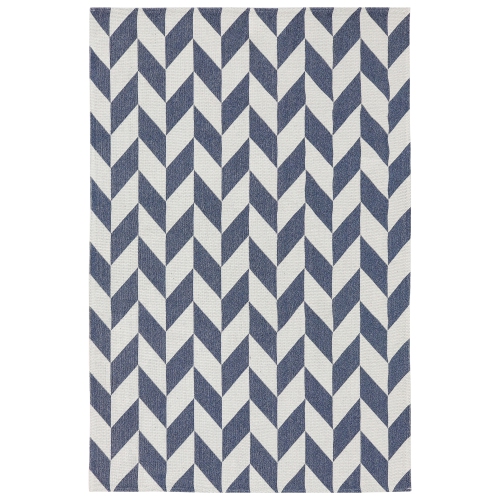
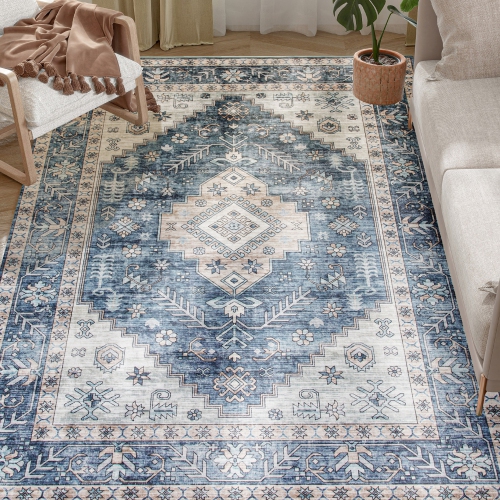
Decorative rugs are floor coverings that add colour, pattern, and texture while helping define how a room looks and feels. Styles range from Persian-inspired motifs and relaxed bohemian patterns to crisp geometric designs, modern abstract compositions, and understated textured solids. A rug can anchor a seating area, soften the look of a room with hard flooring, or introduce a focal point without changing the furniture. In a living room with a plain sofa and simple curtains, a patterned rug can bring together several accent colours. In a room with bold upholstery or detailed wallpaper, a quieter design can give the eye somewhere to rest. Traditional borders create a framed effect around a furniture arrangement, while flowing abstract patterns feel less structured. Distressed finishes have a softened, timeworn appearance; sharply defined lines and contrasting colours make a more graphic statement. Scale matters as much as the motif itself. Small, repeating patterns tend to read as texture from across the room, whereas large shapes remain prominent even when part of the rug sits beneath a table or sofa. Colour also changes the visual balance: pale neutrals can make a compact room feel more open, while deeper tones create a stronger anchor beneath lighter furniture. A multicoloured design can connect wood finishes, upholstery, and accessories that might otherwise feel unrelated. For spaces where the floor covering is intended to act as a visual centrepiece, Artistic Rugs offer another way to explore expressive patterns and painterly effects. Round rugs can echo a circular table or soften a room dominated by straight edges, while rectangular rugs reinforce the layout of a seating group. Runners bring pattern into narrow spaces without covering the entire floor. These differences allow decorative rugs to suit a wide range of interiors, from a compact condo with multipurpose rooms to a larger home with distinct areas for dining, conversation, and relaxing.
Material and construction influence how a decorative rug feels underfoot, how it wears, and the kind of care it needs. Wool has a naturally resilient texture and can provide comfortable cushioning, although some wool rugs shed loose fibres, particularly early in use. Cotton generally has a lighter, softer feel and is common in flatwoven designs that work well in casual spaces. Jute and sisal create a more pronounced woven texture and an earthy visual character, but they can feel coarse against bare feet and are generally better suited to dry areas. Synthetic fibres such as polypropylene, polyester, and nylon have different strengths depending on the weave and finish. Polypropylene is often used for its resistance to many everyday stains, polyester can hold vibrant colour, and nylon is known for resilience under repeated foot traffic. No fibre is completely stain-proof, and the backing and construction affect performance alongside the surface material. Viscose can add sheen and a silky appearance, but it is sensitive to moisture and may need specialist cleaning. Pile height makes an equally noticeable difference in daily use. A low-pile rug has a relatively smooth surface that is usually easier to vacuum and allows dining chairs to move with less resistance. A plush or shaggy rug offers a deeper, softer feel beside a bed or in a quiet sitting area, though crumbs and small debris can settle farther into the fibres. Flatwoven rugs have little or no pile, giving them a slim profile that can be useful beneath furniture or near doors, provided there is enough clearance. Hand-knotted, hand-tufted, and machine-made constructions also differ in structure and maintenance requirements; appearance alone does not establish durability. For busy households, practical details such as securely finished edges, a stable backing, and a texture suited to regular cleaning can be just as important as the pattern. Homes with pets may benefit from a close weave rather than loose loops that claws could catch.
Size and placement help a decorative rug feel connected to the room rather than isolated in the middle of it. In a living room, a rug large enough to sit beneath the front legs of the main seating pieces can visually gather the arrangement together. A much smaller rug beneath only the coffee table creates a different, more compact effect. Dining areas need enough rug beyond the tabletop for chairs to remain supported when pulled out; otherwise, chair legs can catch at the edges. Beside a bed, the most useful coverage is often where feet land when getting up, rather than beneath furniture that conceals most of the design. Door swings, floor vents, and frequently used walking routes also influence the right fit. A suitable rug pad can reduce movement and add cushioning, but it needs to be compatible with both the rug backing and the flooring beneath it. Floors with particular finish requirements or radiant heating may have specific restrictions. For households using walkers or wheelchairs, low-profile edges and secure placement are especially important. Routine care helps preserve both appearance and texture: regular vacuuming lifts loose dirt before it works deeper into the pile, while occasional rotation can distribute wear from familiar walking paths. Vacuum settings should suit the construction, since aggressive brush action can damage delicate fibres or pull at loops and fringe. Spills are best blotted promptly rather than rubbed, using cleaning methods permitted by the care label. Machine-washable rugs still have individual washing instructions and size limits, so the label and washing machine capacity matter. These everyday considerations make decorative rugs useful for first apartments, shared living spaces, family rooms, and home offices alike. They can also make thoughtful housewarming gifts when the recipient’s preferred colours, room dimensions, and care needs are known. The most satisfying fit brings the visual details and practical requirements together: a pattern that belongs with the furnishings, a texture that feels right for the room, and a construction suited to the way the space is used.
Top selling and popular products
-
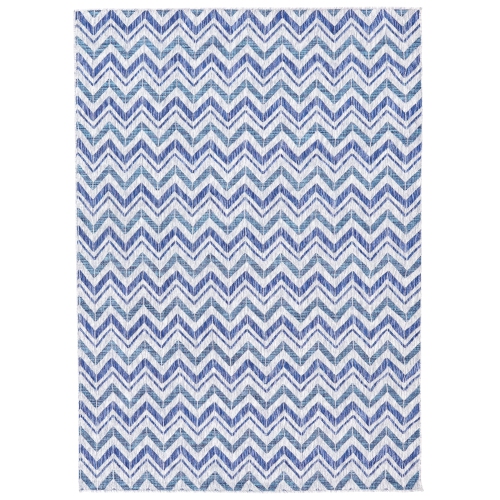 Your price for this item is $129.15
-
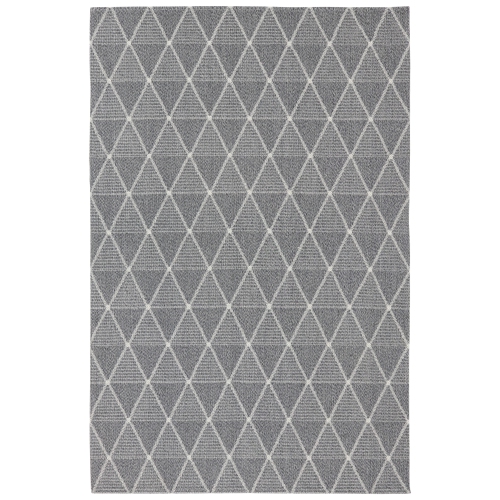 Your price for this item is $130.55
-
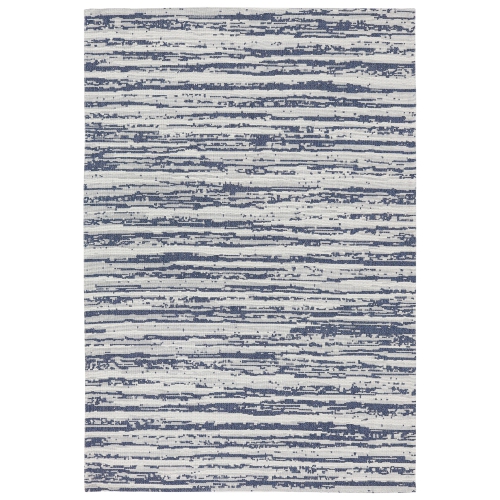 Your price for this item is $130.55
-
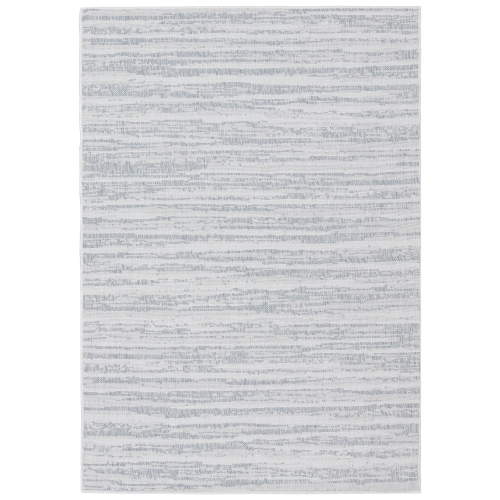 Your price for this item is $129.15
-
 Your price for this item is $129.15
-
 Your price for this item is $130.55
-
 Your price for this item is $111.99
-
 Your price for this item is $124.99
Discover more categories related to Decorative Rugs

Top Collections:
Pokemon Centers, Kindle Devices, Best Cameras for Sports Photography, Pokémon 30th Celebration Cards, Apple iPhones 16, Canon G7X Cameras, iPhone 15 Apple, Flip Phones, Samsung Galaxy Phones, Alarm Clock
Some products may be subject to Environmental Handling Fees
(EHF) depending on your province.
Learn more about EHFs.