Industrial Metal Cabinets
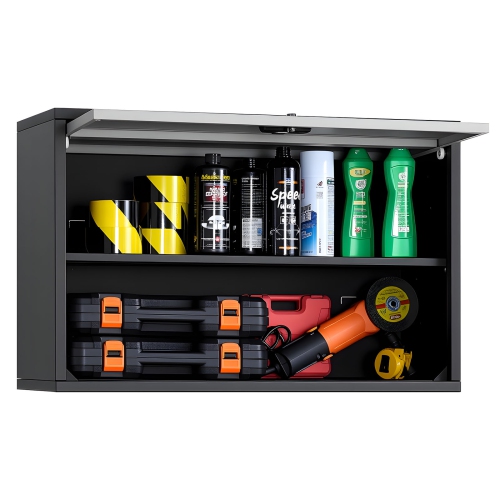
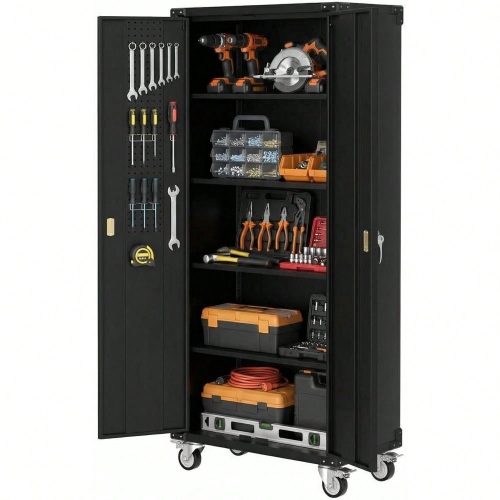
Looking for durable and versatile storage solutions for your industrial space? Look no further than our industrial metal cabinets. These sturdy cabinets are designed to withstand the demands of heavy-duty environments, providing you with a reliable and secure way to organize and store your tools, equipment, and supplies. With their sleek metal construction and adjustable shelving options, our industrial metal cabinets offer both functionality and style.
Sort





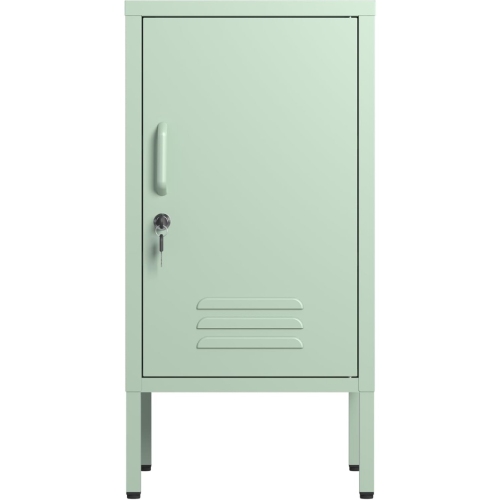
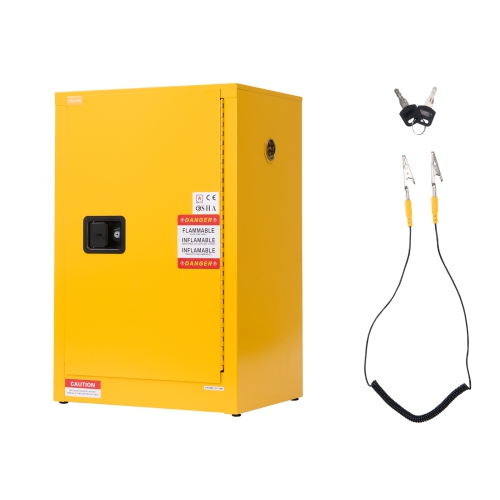
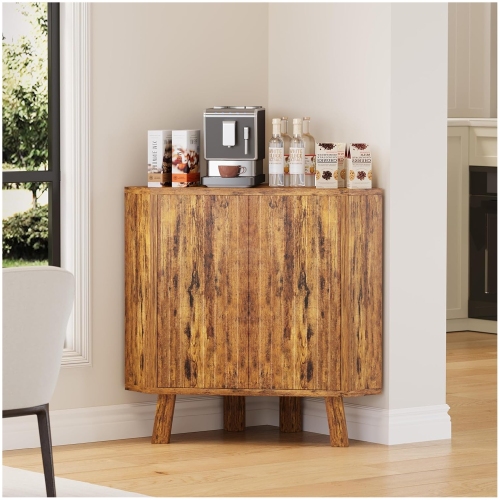
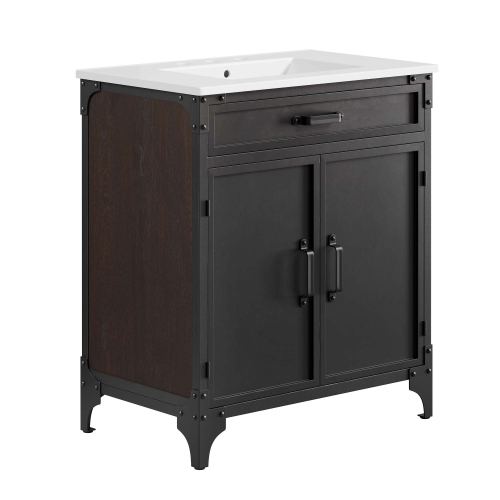







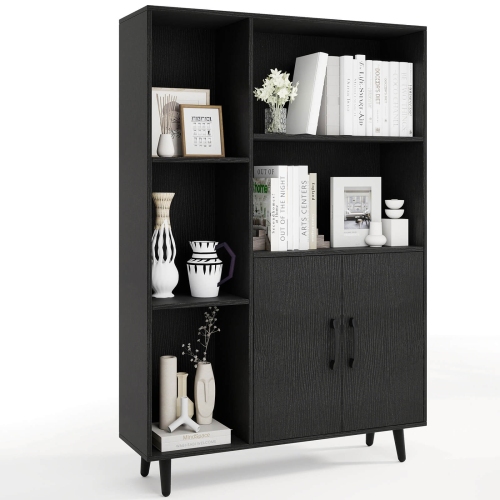
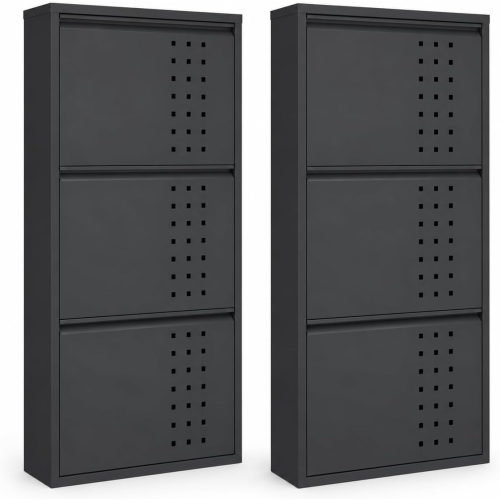



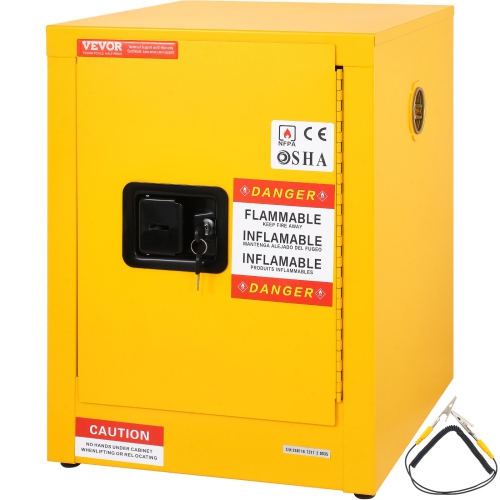
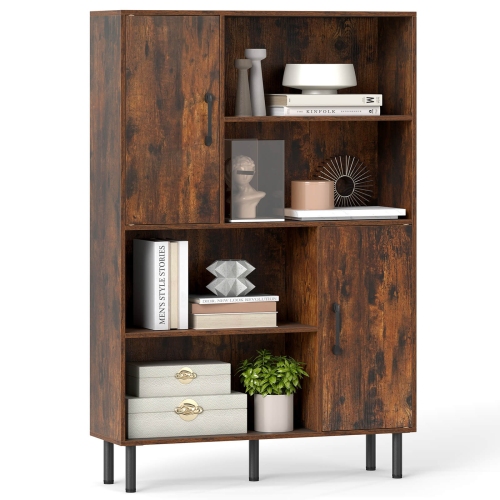
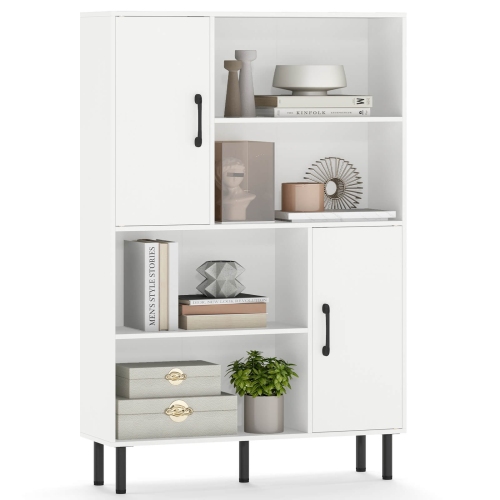
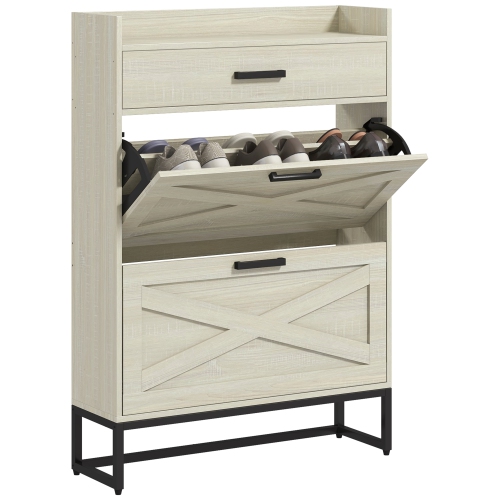
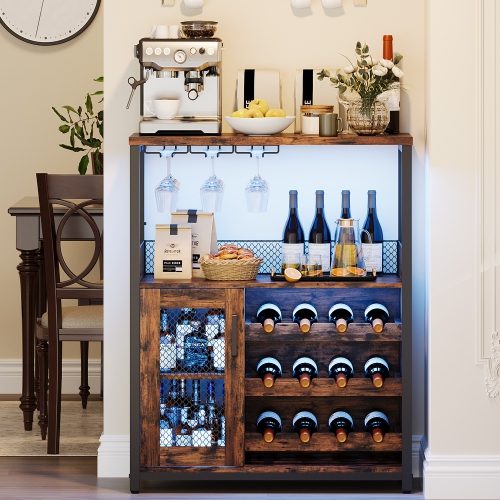
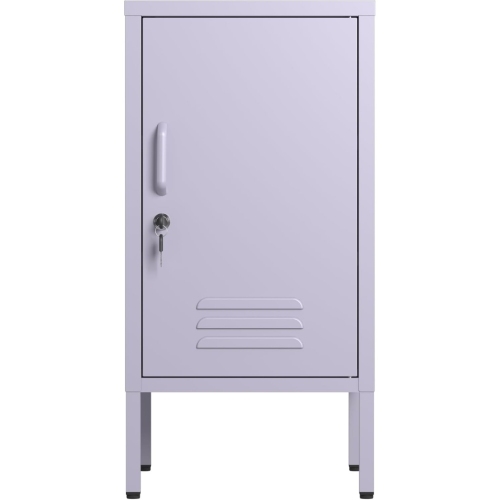
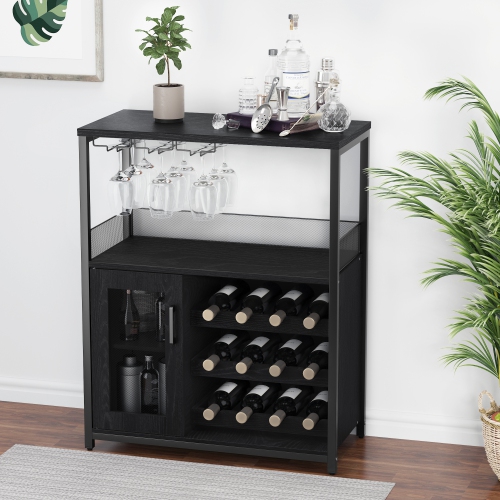

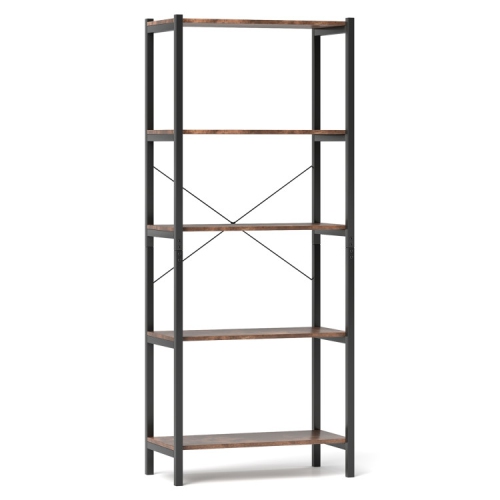



Why cabinet strength matters as much as storage space
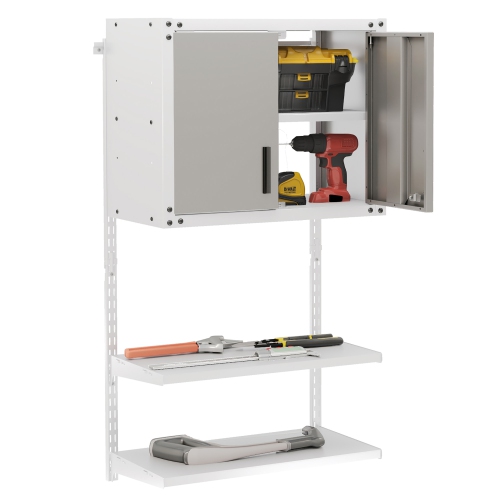
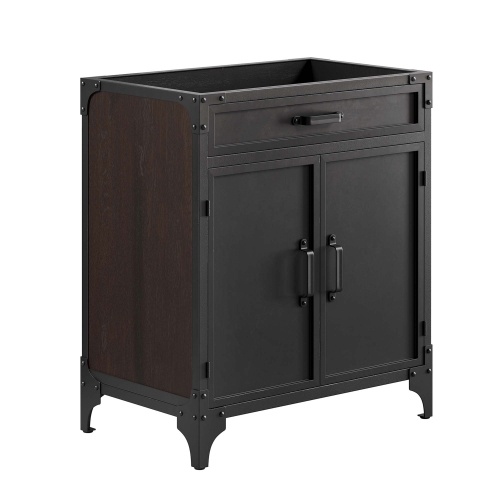
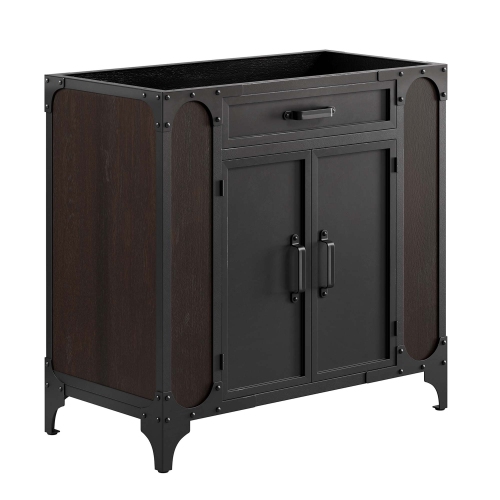
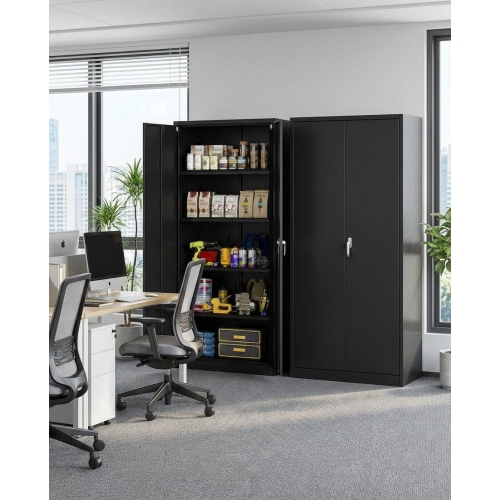
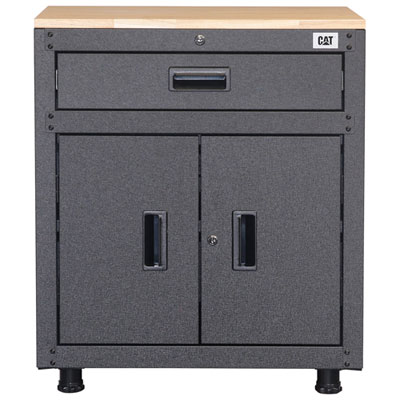
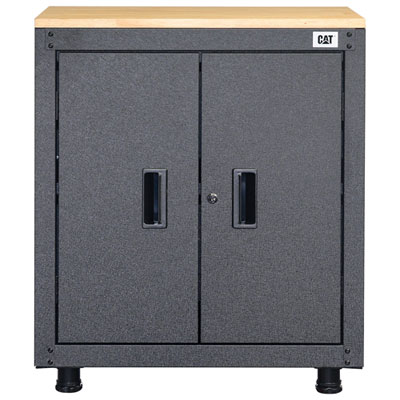
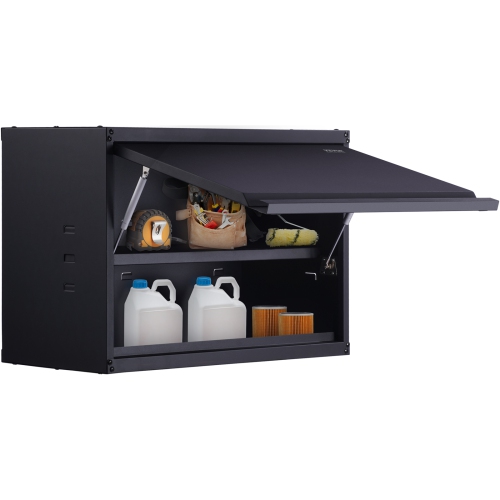
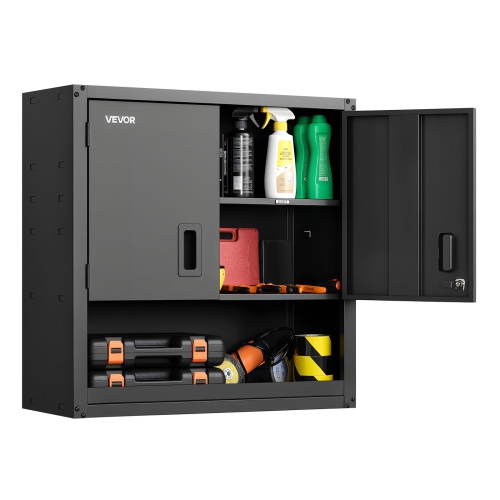
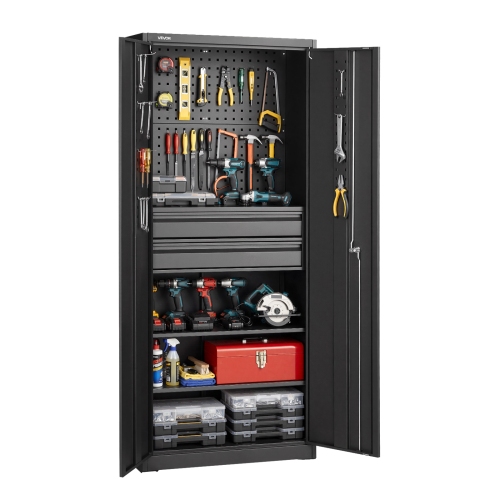
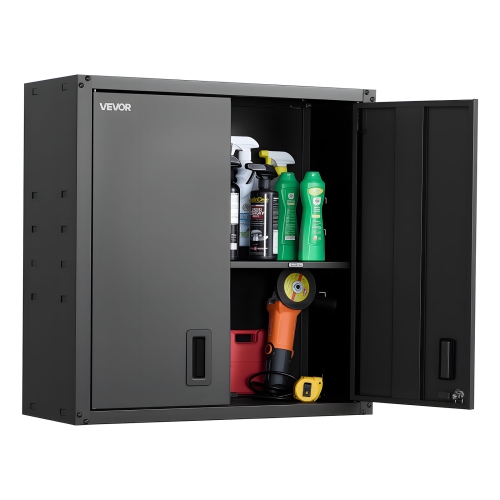
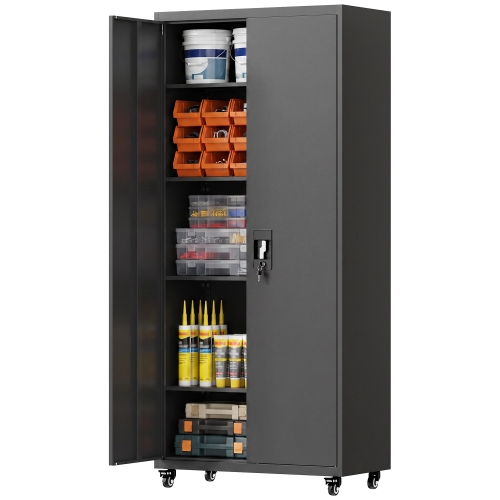
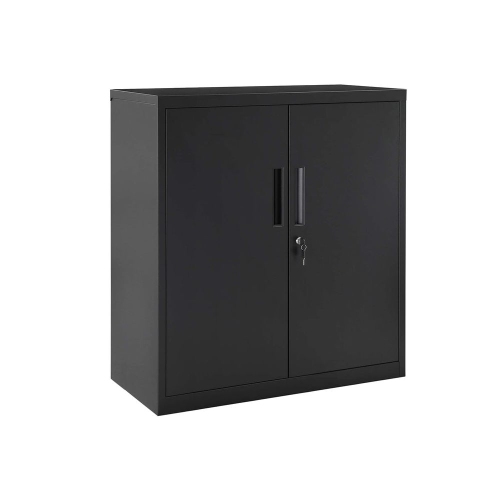
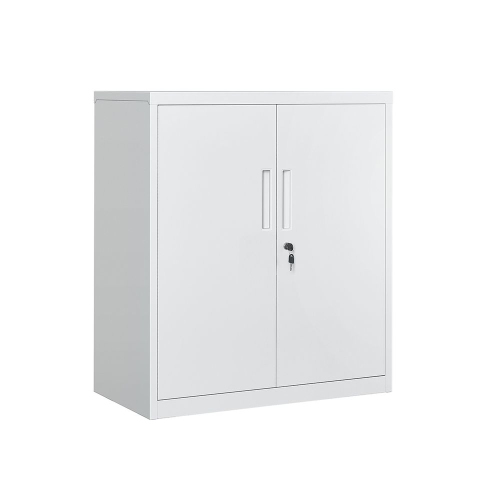
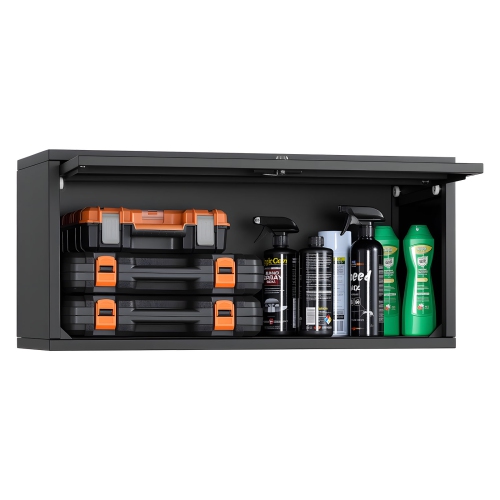
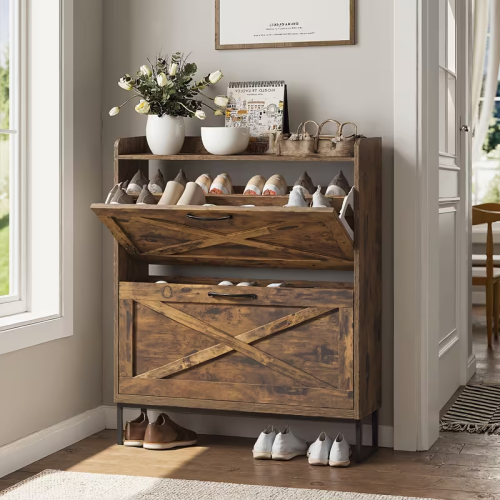
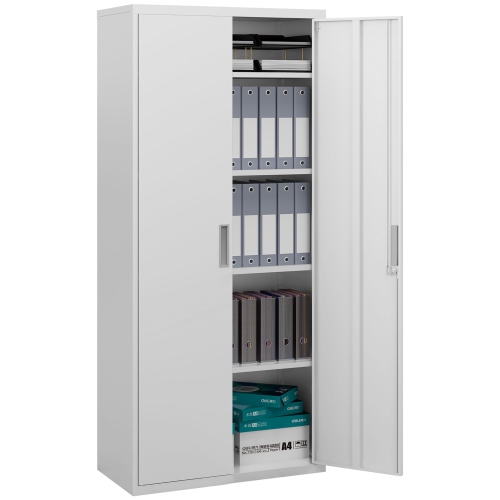
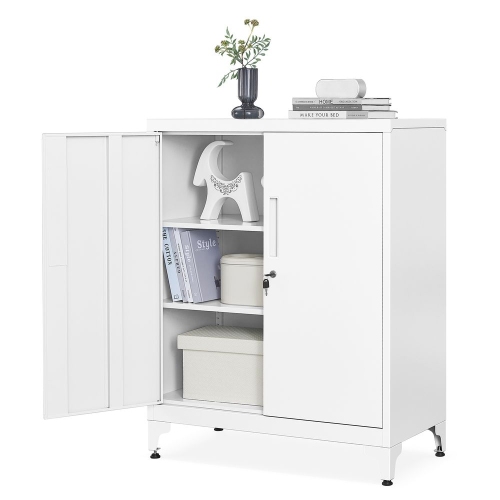
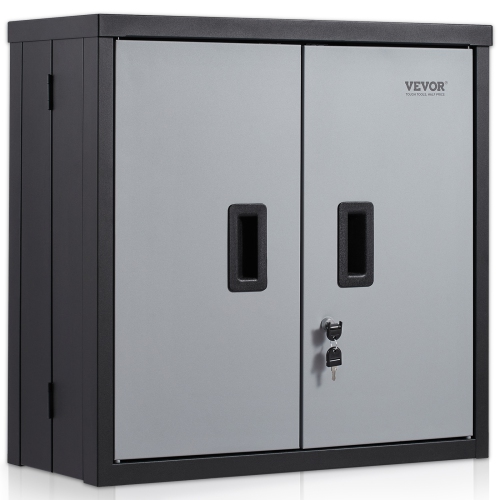
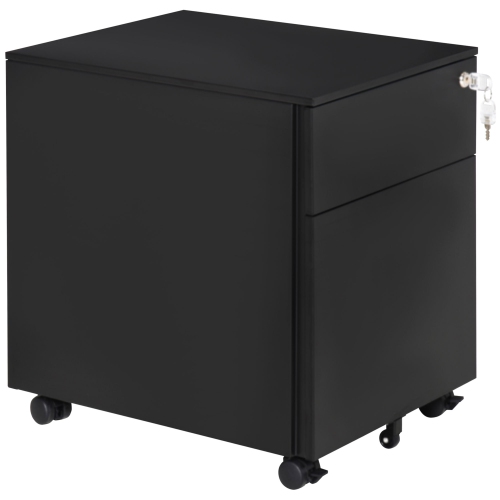
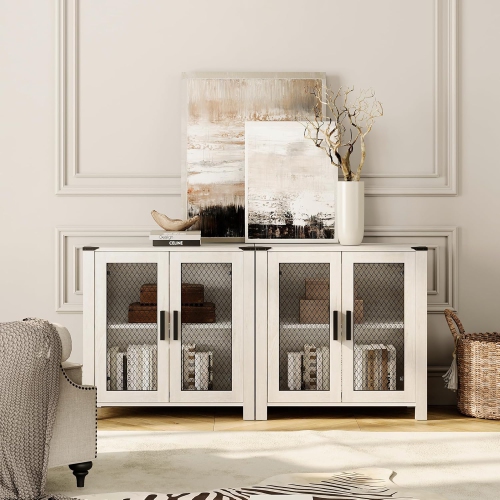
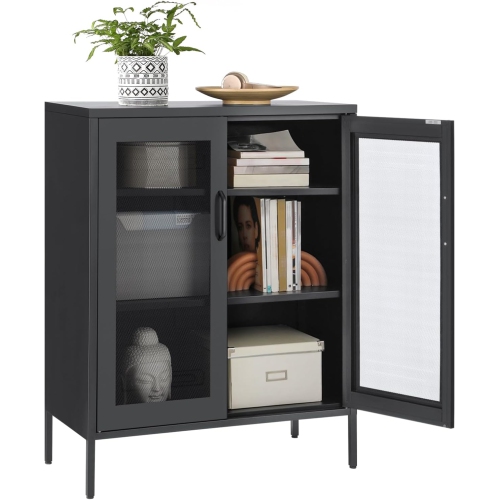
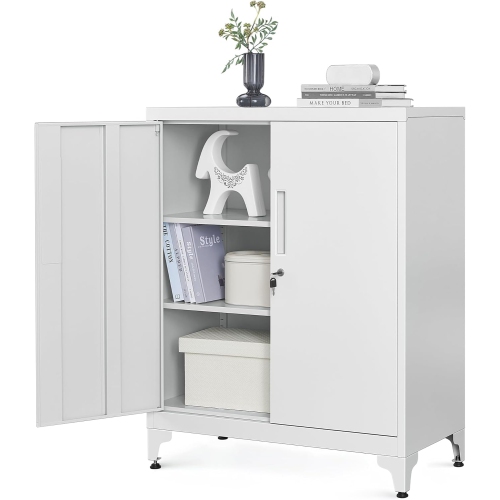
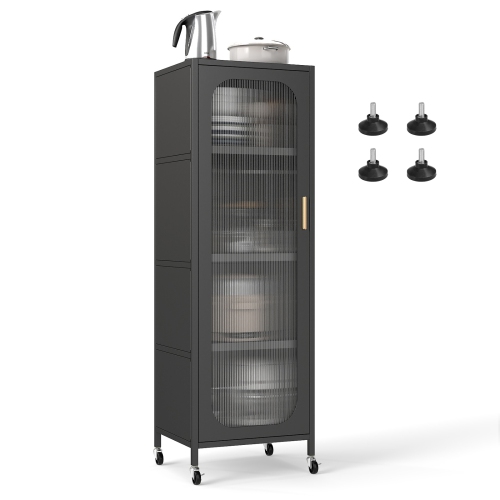
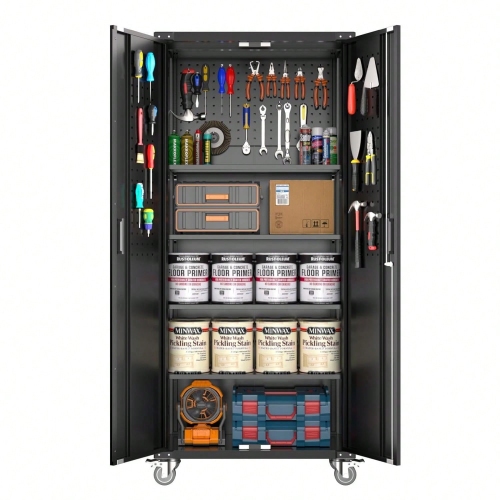
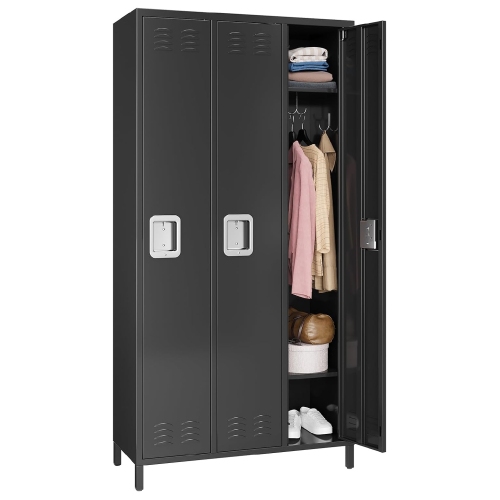
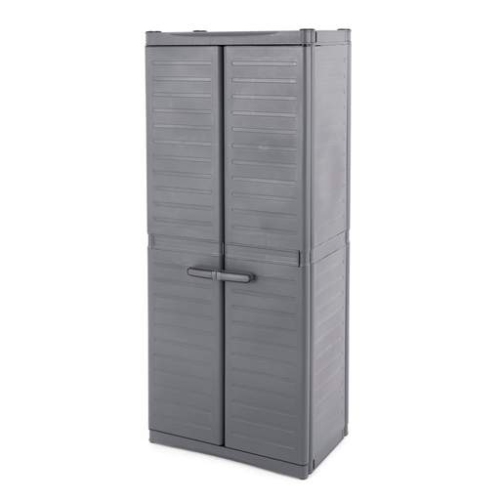
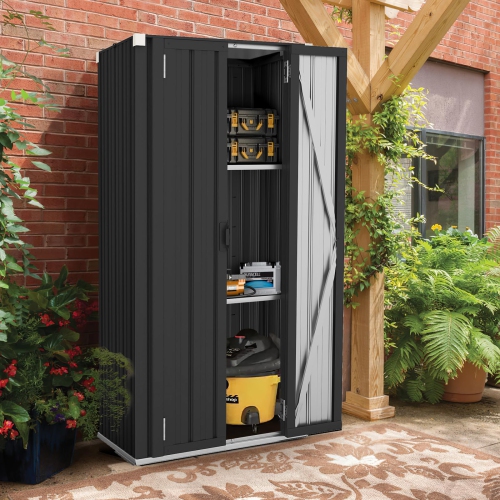
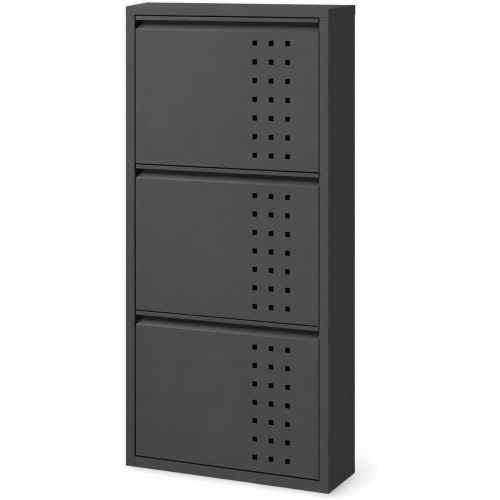
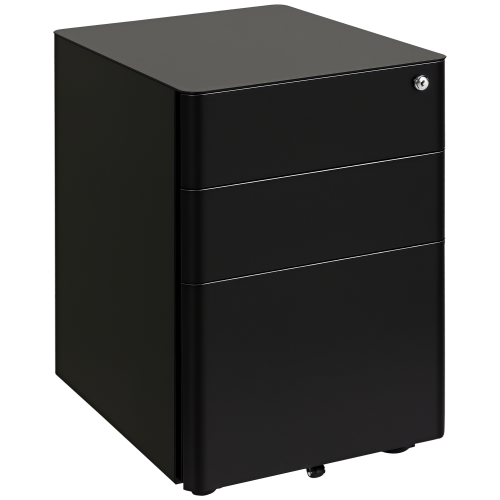
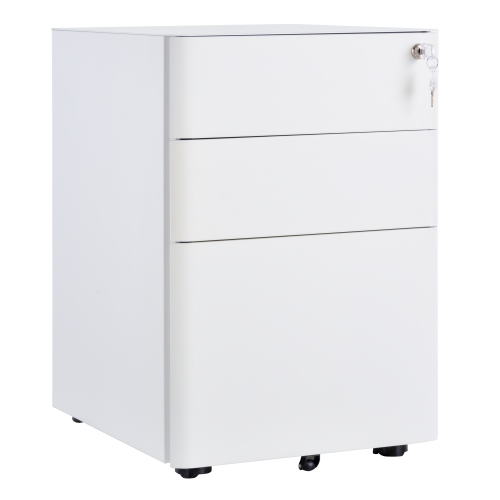
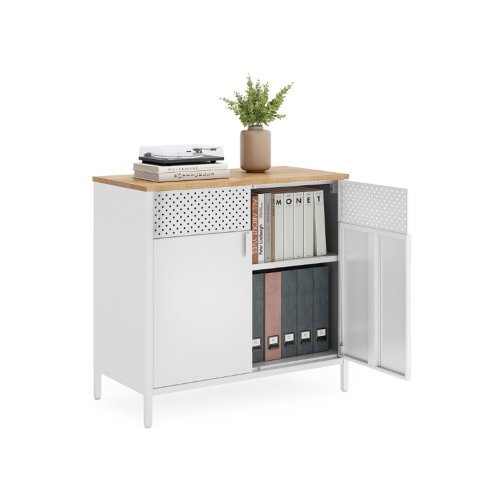
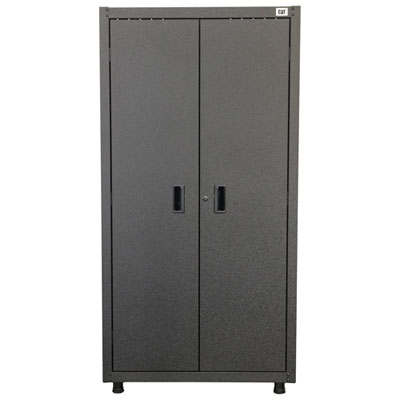
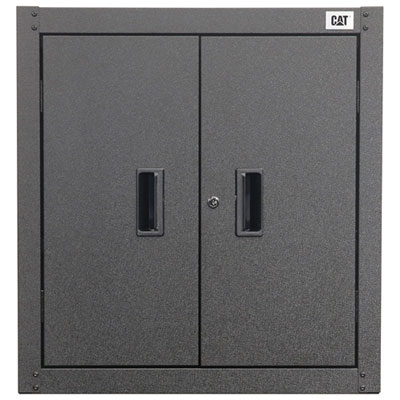
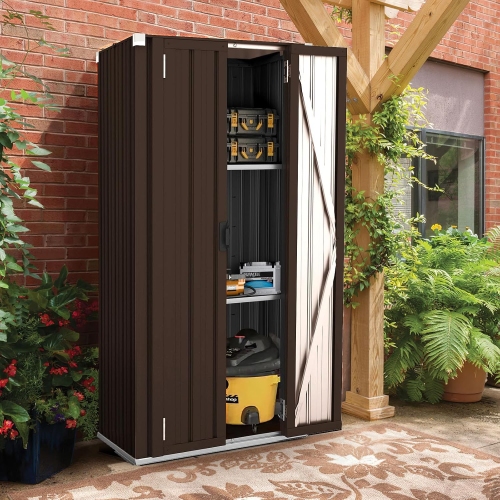
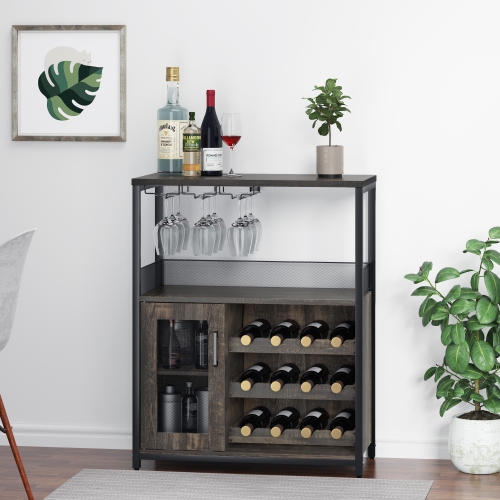
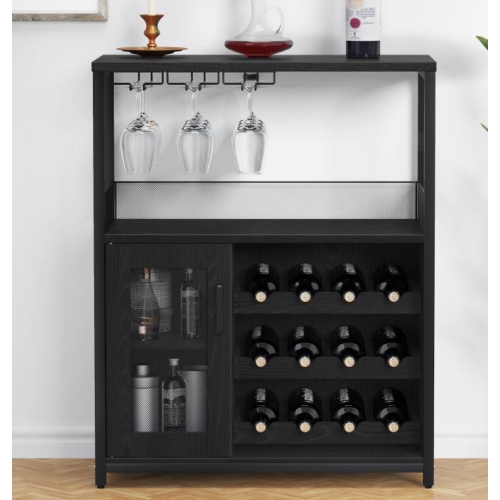
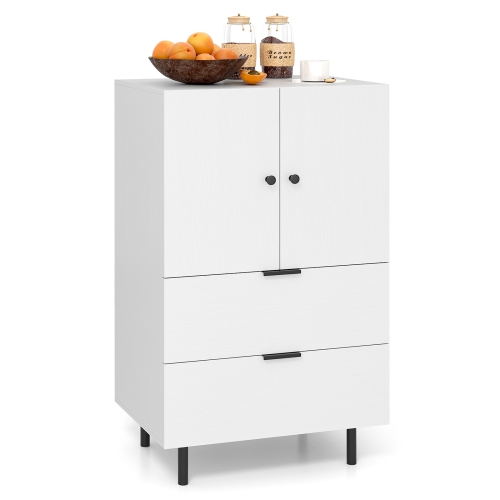
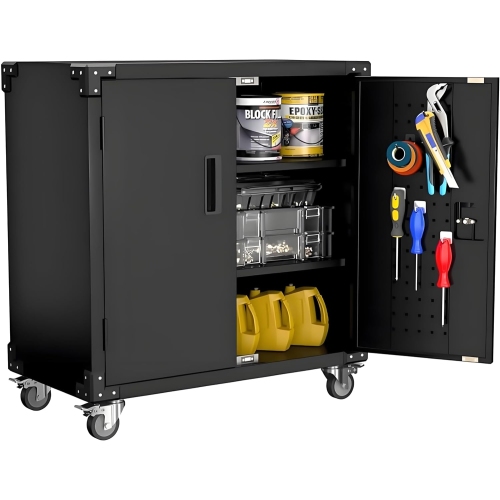
Industrial metal cabinets are enclosed storage units, usually made from steel, designed to organize tools, parts, supplies, and equipment in workshops, garages, warehouses, and commercial workspaces. Their appeal comes from the combination of a rigid structure, accessible shelving, and doors that keep stored contents out of sight. In a repair shop, that might mean keeping replacement parts together rather than scattered across a workbench; in a home garage, it could mean giving hand tools, hardware, and project supplies a designated place. Unlike open shelving, an enclosed cabinet provides a barrier against incidental contact and helps reduce dust settling on stored contents, although ordinary cabinet doors do not create a dustproof or waterproof seal. Steel construction varies considerably, so the industrial appearance alone does not establish how much weight a cabinet can support. Steel gauge is one useful detail: lower gauge numbers generally indicate thicker steel, but frame reinforcement, shelf design, welds, and fasteners also influence strength. Some lighter-duty cabinets use steel in the 22- to 24-gauge range, while heavier-duty designs may use substantially thicker material in key structural areas. Published load ratings remain more useful than gauge alone when assessing suitability for heavy equipment. A shelf rating typically assumes an evenly distributed load, not one concentrated weight resting in the middle. Powder-coated finishes provide a practical surface for regular use and help protect the underlying metal, while exposed scratches and chipped edges require attention to reduce the chance of rust. Welded and assembly-required construction offer different practical benefits: welded units can provide a rigid enclosure with fewer assembly steps, while cabinets supplied in sections may be easier to move through narrow doorways. For home workshops and business premises alike, the most useful cabinet is one whose construction matches the weight, size, and frequency of use of its intended contents.
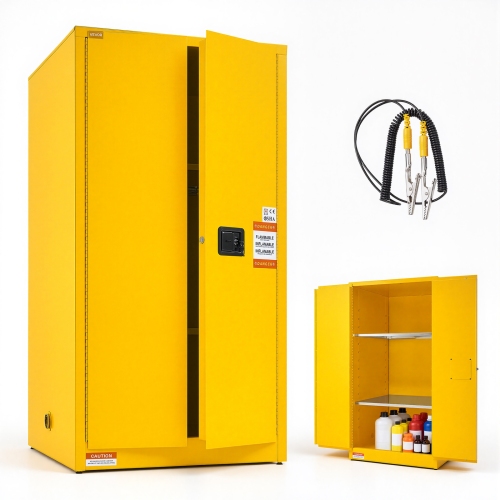
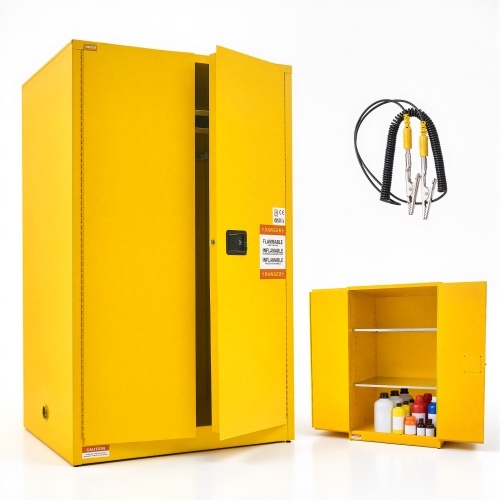
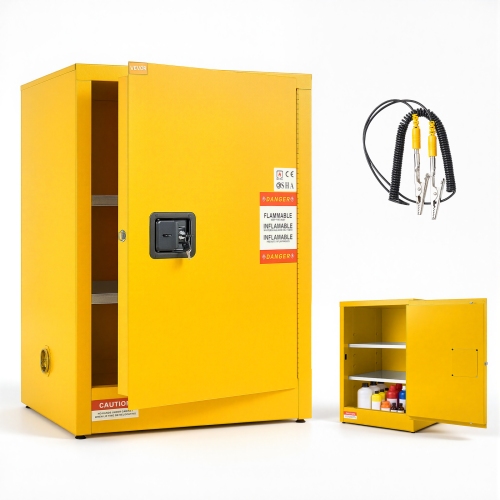
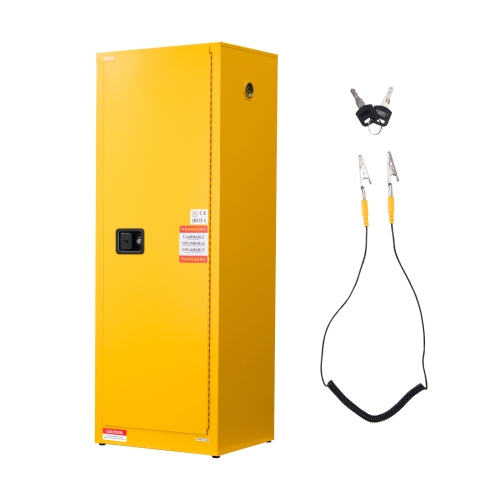
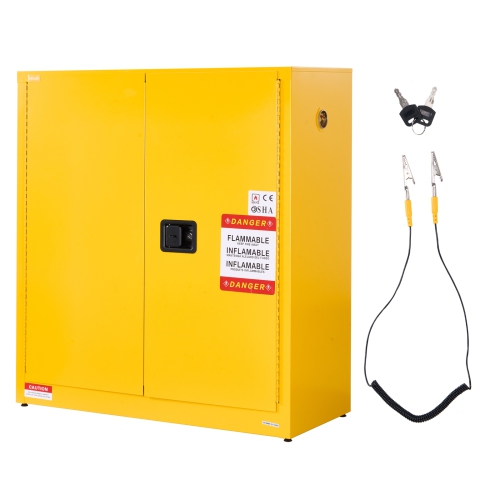
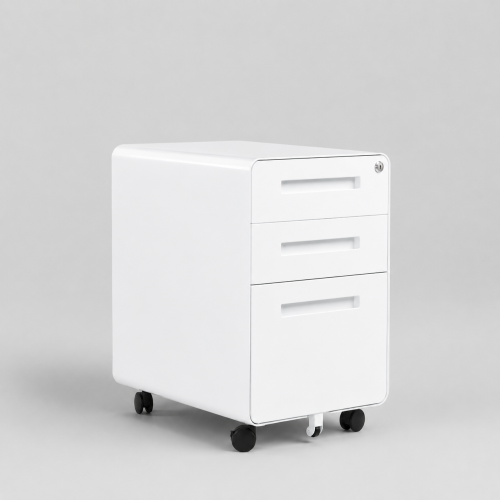
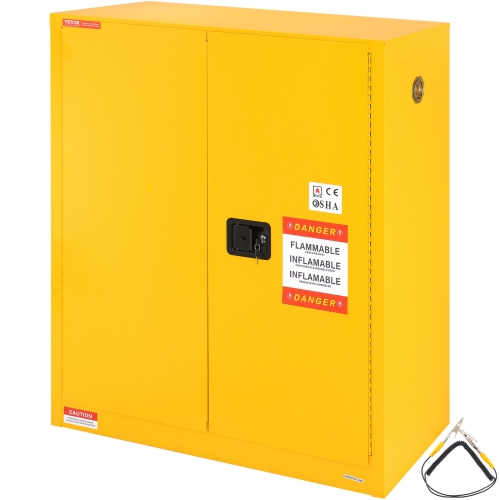
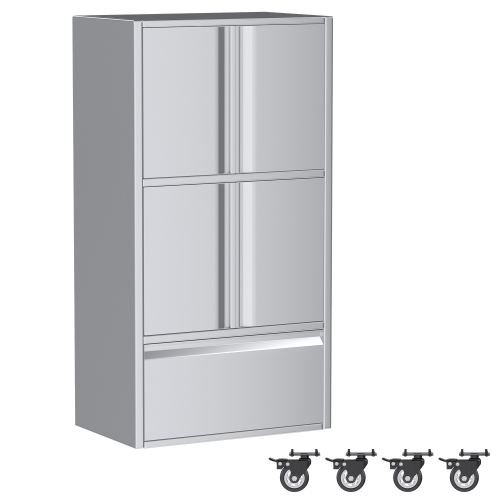
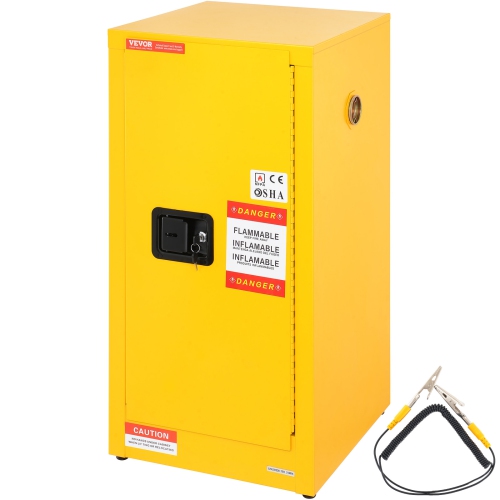
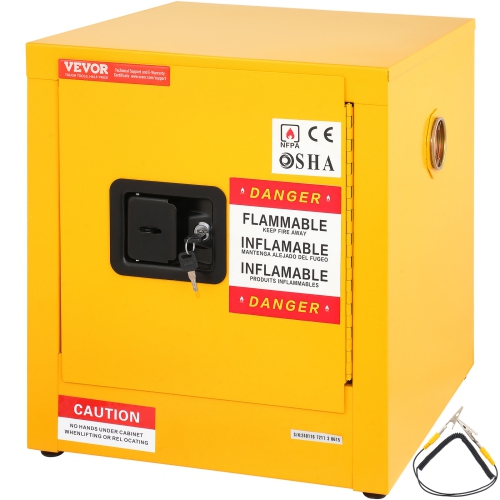
Fit involves more than finding a cabinet that occupies an empty stretch of wall. External width, depth, and height determine where it can stand, but internal measurements establish whether larger tool cases, containers, or equipment will actually fit. Door openings can be narrower than the cabinet interior, and hinges, centre dividers, shelf supports, or locking components may reduce usable space. A deep cabinet can accommodate bulky equipment, yet smaller supplies may become difficult to see or reach at the back. Shallower storage can work well beside a workbench, where frequently used contents need to stay visible and accessible. Adjustable shelves make it easier to separate tall containers from shallow bins, while fixed shelves may suit contents with consistent dimensions. Door swing also matters in a busy workspace: a cabinet positioned beside a parked vehicle, workstation, or access door needs enough clearance to open without blocking movement. Sliding or space-saving door designs, where offered, have their own access dimensions to consider. Floor condition is equally important because an uneven base can affect stability and door alignment. Levelling features can help with minor irregularities, but they do not replace a suitable supporting surface or any anchoring required by the manufacturer. Heavier contents belong on lower shelves, and the total cabinet load must remain within the stated limit even when individual shelves are rated separately. Mobile designs add flexibility for shared work areas, provided the casters are rated for the intended load and can be secured against movement during use. Lockable doors can help control access to shared supplies, with some designs using a three-point mechanism that engages at the top, middle, and bottom of the door. That feature should not be confused with a certified security rating. Likewise, an ordinary metal storage cabinet is not automatically suitable for flammable liquids, corrosive chemicals, or other materials that require purpose-built storage.
Good organization gives an industrial metal cabinet a clear role in the working day. A maintenance team may group supplies by task, keeping inspection equipment together and separating frequently used hardware from spare components. Someone restoring furniture might reserve one shelf for measuring tools and another for sanding accessories, leaving enough open space to lift containers out without disturbing everything around them. Small-parts bins, shelf labels, and compatible drawer inserts can make a large enclosure more practical, particularly when several people share it. Shelf adjustment increments matter here: closer spacing provides more control over the gaps between shelves and can reduce unused vertical space. Any door-mounted accessories need to be compatible with the cabinet and must not interfere with closure or exceed the door’s load limit. Closed storage is especially useful for contents that benefit from being tucked away between tasks, while open shelving keeps bulky supplies visible and easier to retrieve. In spaces that need both approaches, Industrial Metal Racks can complement cabinets by providing accessible shelving for larger containers, leaving enclosed storage for smaller tools and supplies. Routine care is straightforward but important. A soft cloth and mild cleaning solution are generally appropriate for finished steel, subject to the manufacturer’s care directions; abrasive pads and harsh cleaners can damage protective coatings. Spills should be wiped away promptly, and surfaces should be dried rather than left damp. Hinges, shelf clips, handles, locks, and fasteners benefit from periodic checks, especially in areas where doors are opened repeatedly throughout the day. Scraping shelves or forcing overloaded doors closed can cause avoidable wear, while clear shelf edges and properly seated supports help maintain reliable operation. With suitable dimensions, verified load capacity, and a layout built around real tasks, industrial metal cabinets create an orderly place for equipment without turning everyday access into another job. Their value lies in making supplies easier to locate, keeping work surfaces clearer, and giving each part of a workshop or utility space a defined purpose.
Top selling and popular products
-
 Your price for this item is $285
-
 Your price for this item is $452.93
-
 Your price for this item is $155.99
-
 Your price for this item is $269.99
-
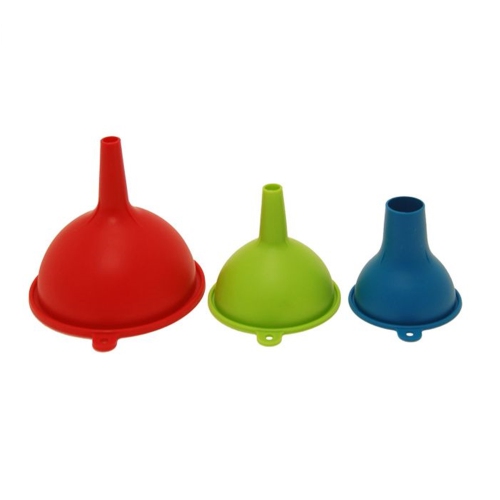 Your price for this item is $12.97
-
 Your price for this item is $155.99
-
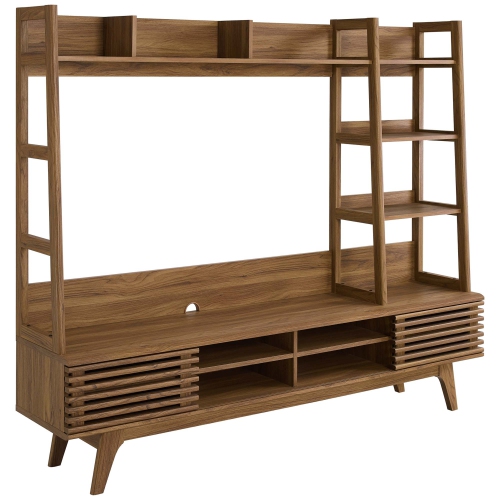 Your price for this item is $885.06
-
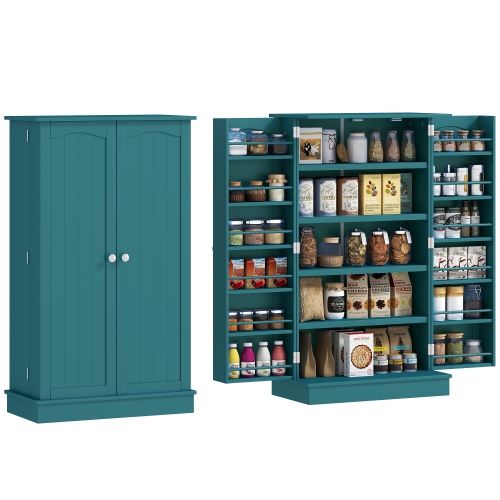 Your price for this item is $132.99
Discover more categories related to Industrial Metal Cabinets
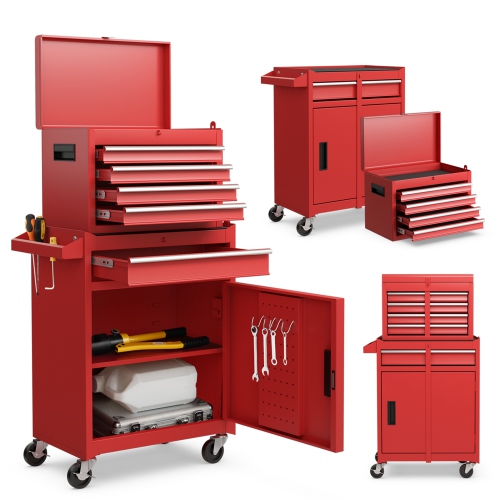
Top Collections:
Best Black Friday Deals This Year, Best Black Friday Deals On Electronics, Kindle Devices, Dyson Airwrap, Best Cameras for Sports Photography, Best Budget Office Chairs, Canon G7X Cameras, PS5 Pro Consoles, Best Black Friday Deals On Apple Products, XBOX One S Consoles
Some products may be subject to Environmental Handling Fees
(EHF) depending on your province.
Learn more about EHFs.