Industrial Metal Racks
Looking for sturdy and reliable storage solutions for your industrial space? Look no further than our wide selection of industrial metal racks. Whether you need to organize raw materials, finished products, or heavy-duty equipment, industrial metal racks provide the durability and efficiency you need to keep your operations running smoothly. Here are some great options available.
Sort
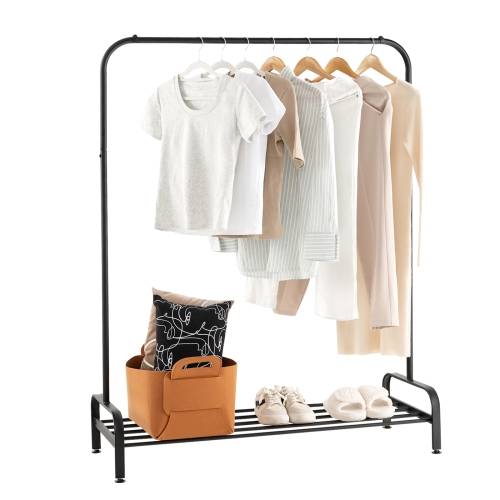
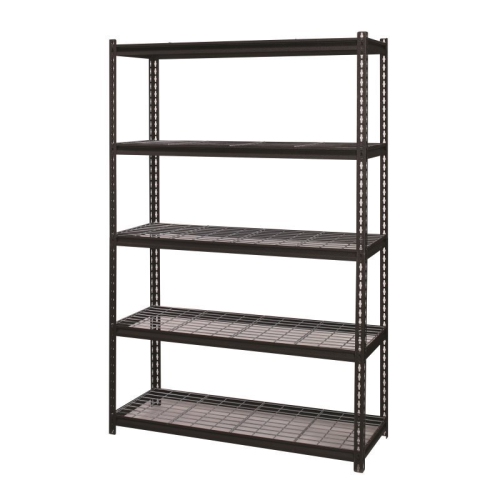
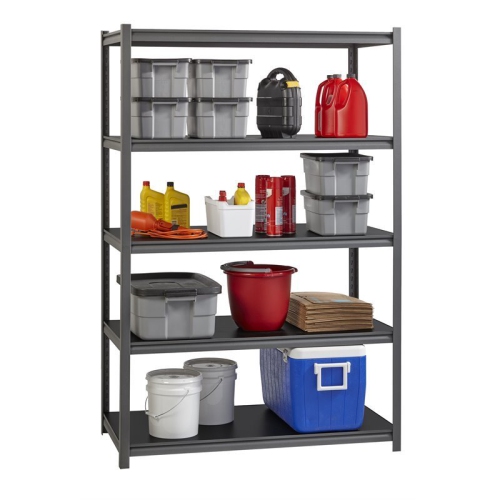
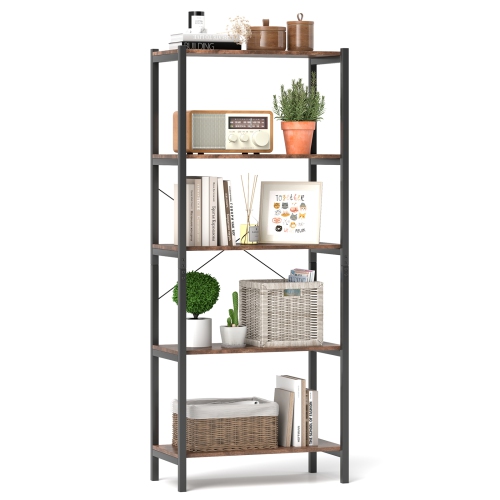
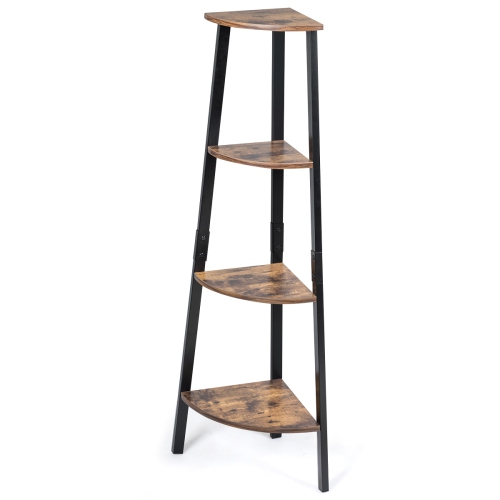

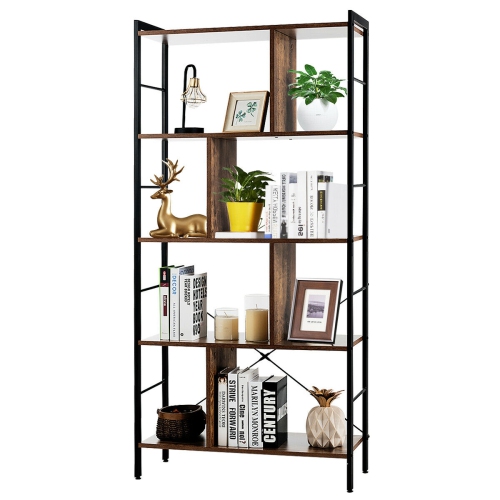

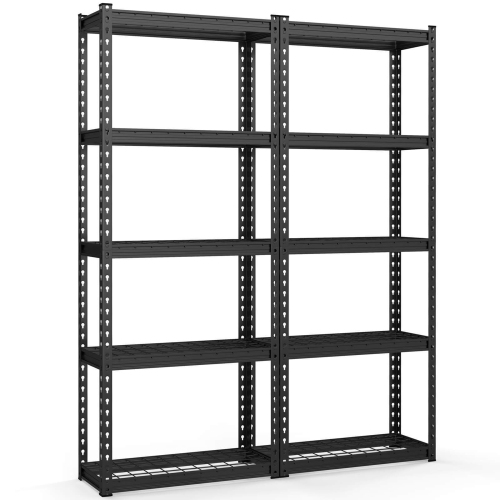
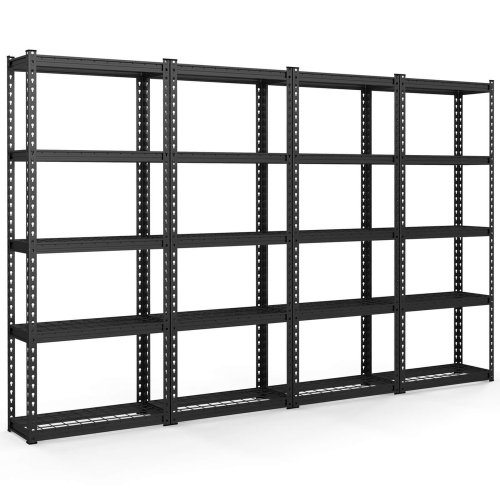
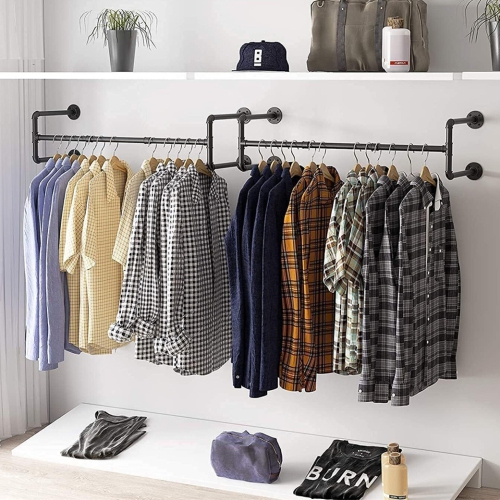
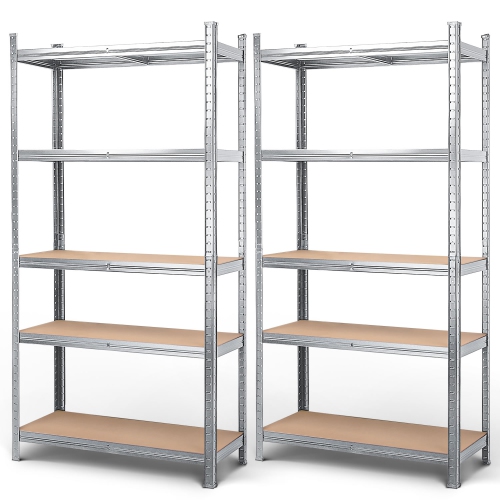
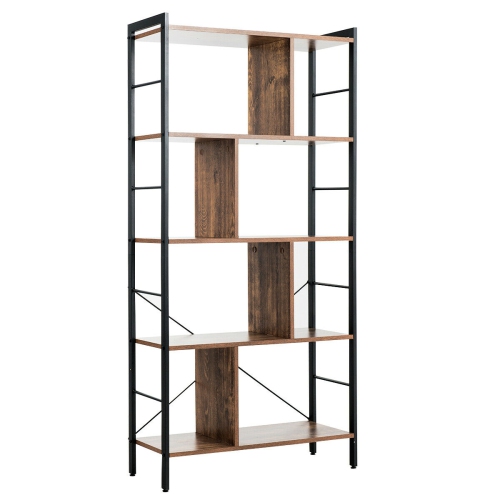

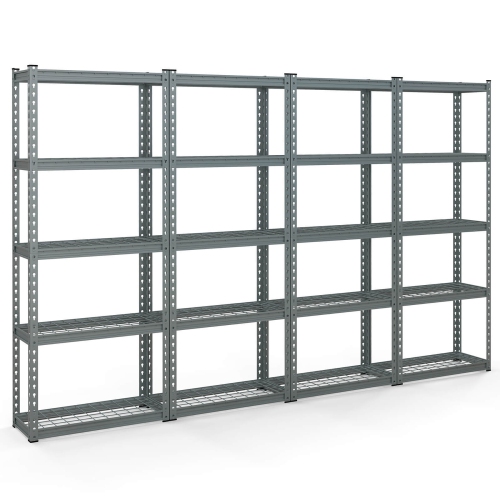
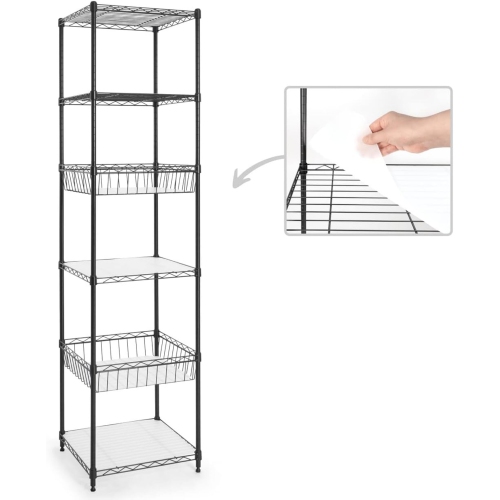
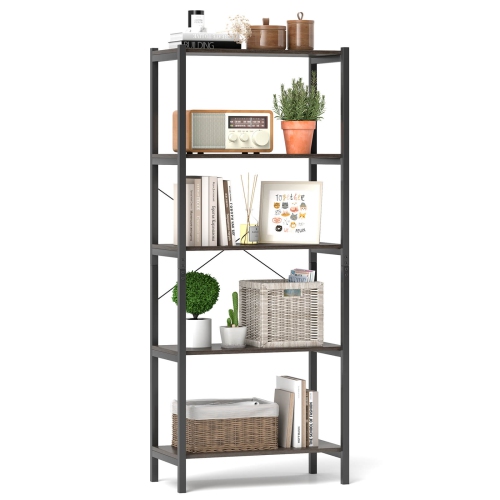
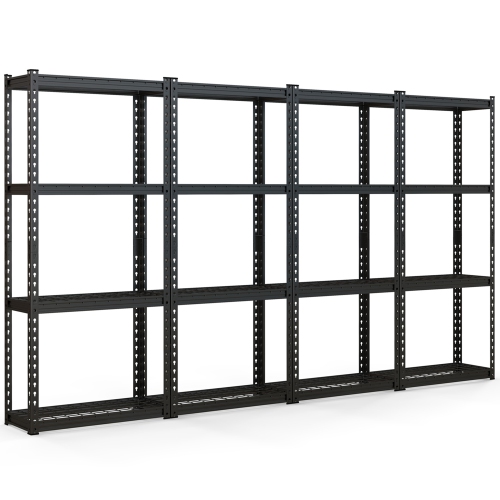
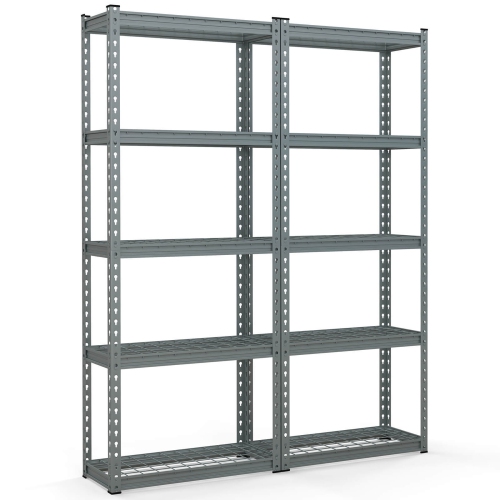



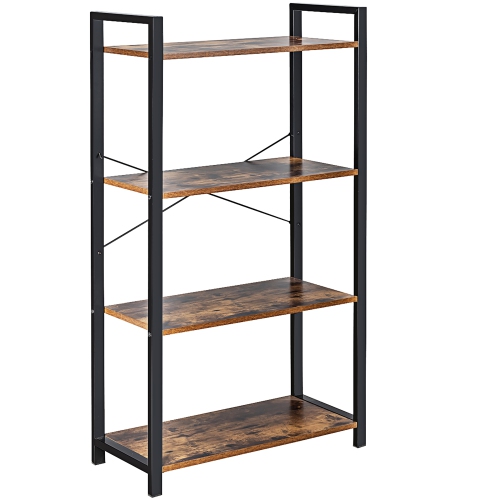
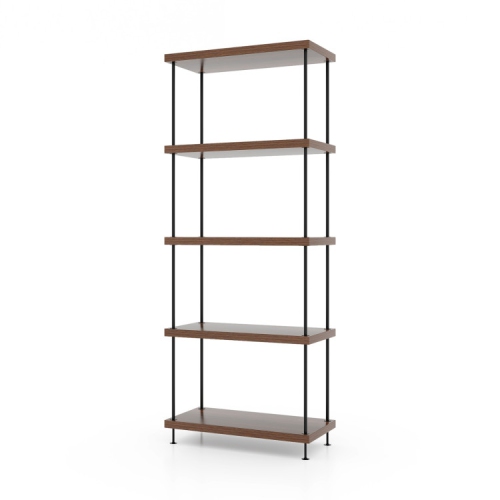
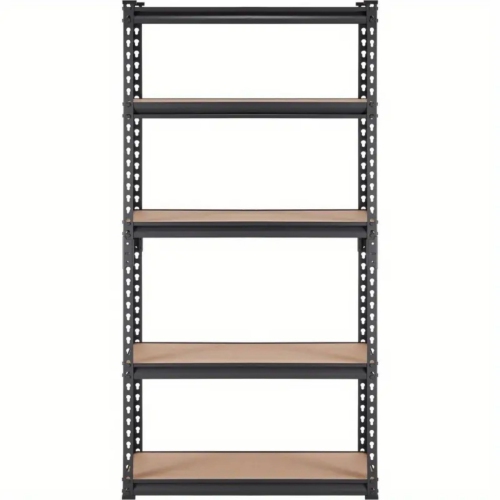
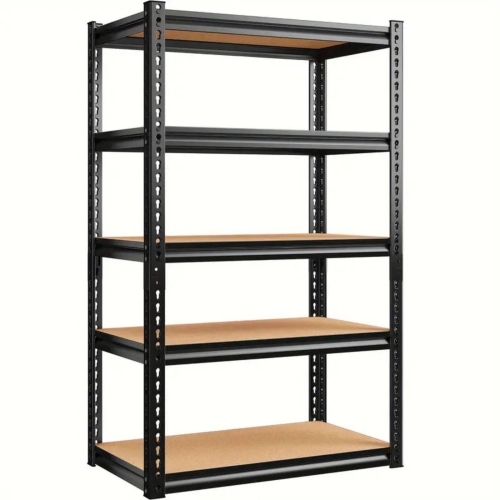
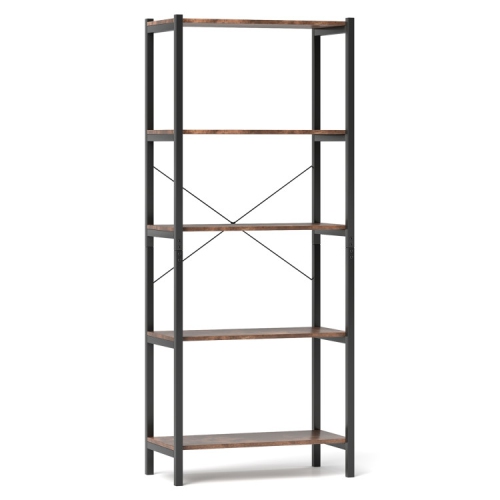
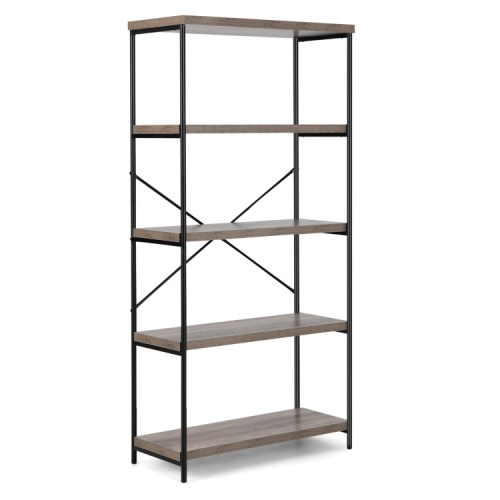
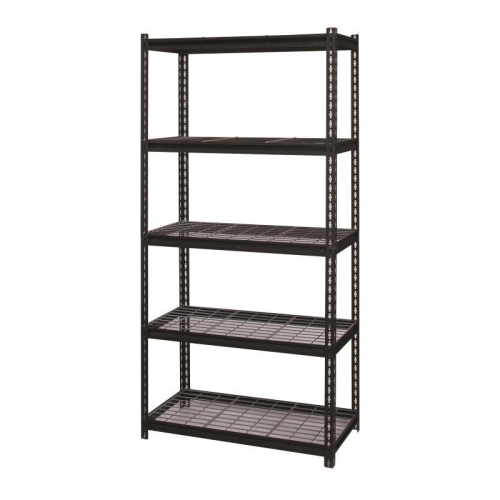
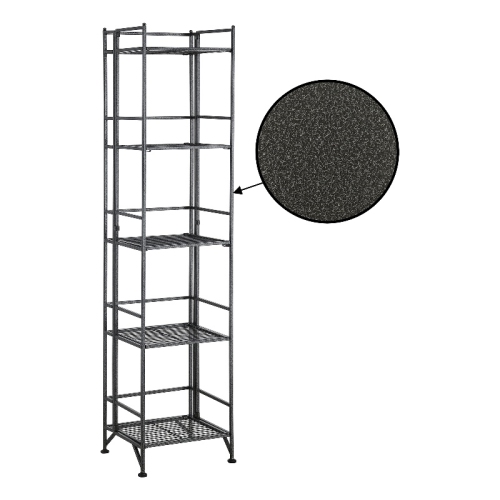

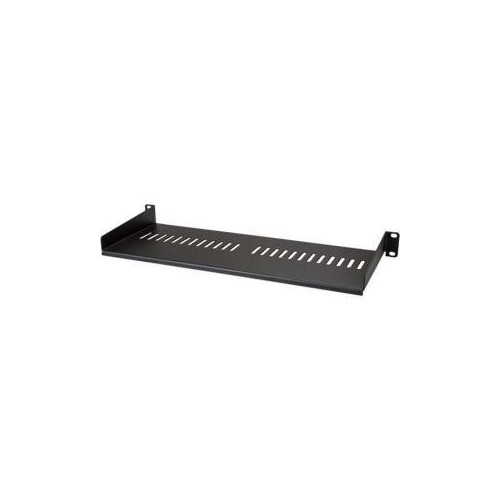


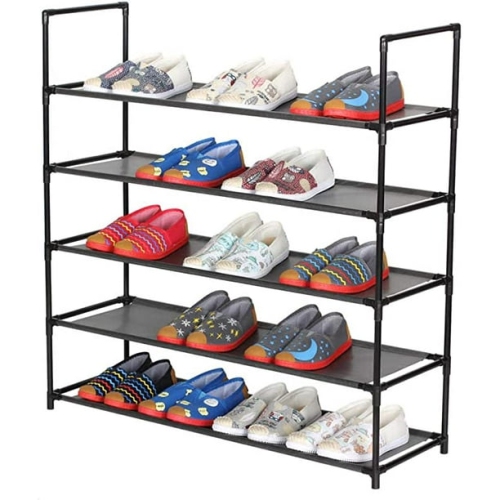
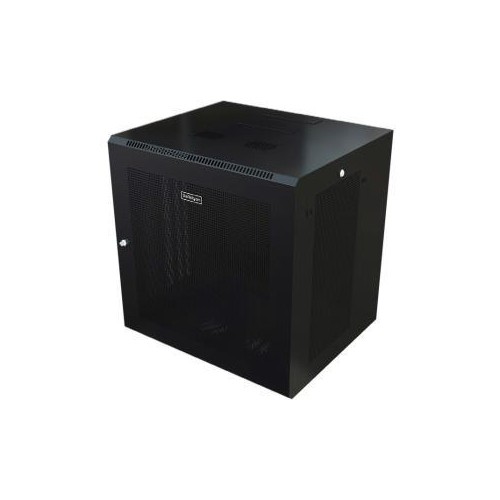

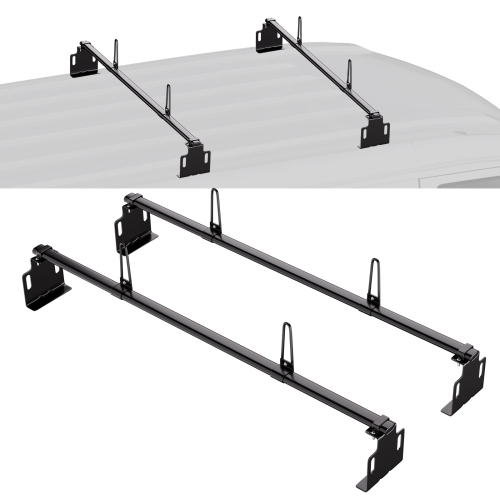
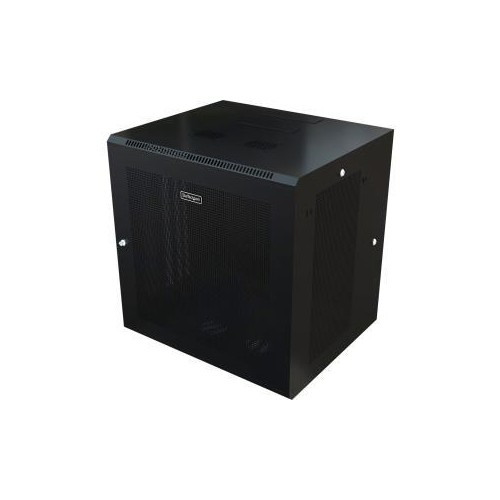
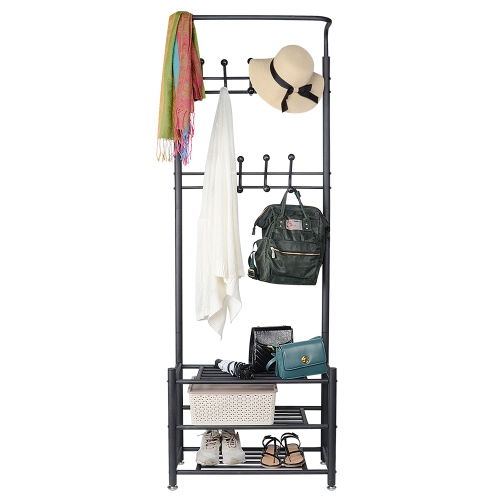
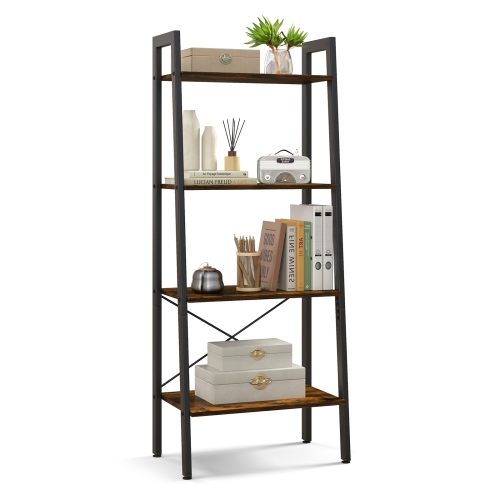




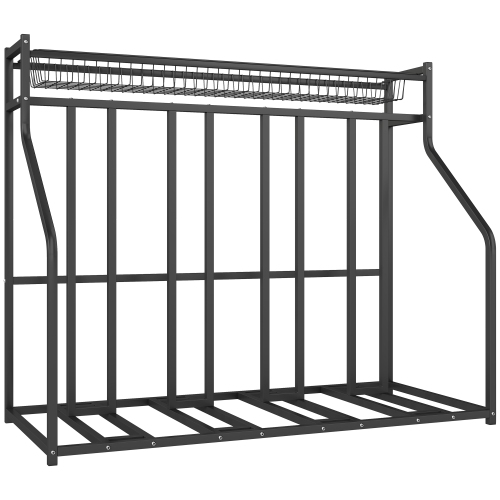
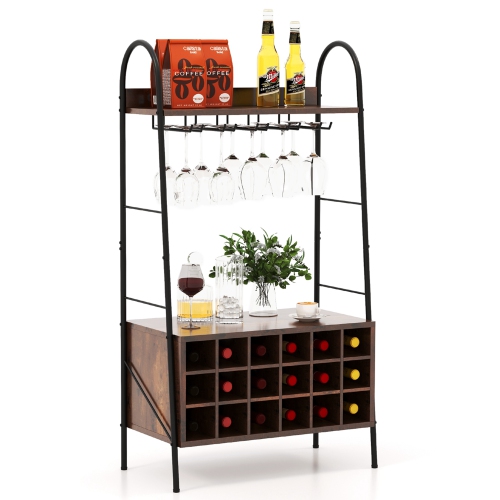
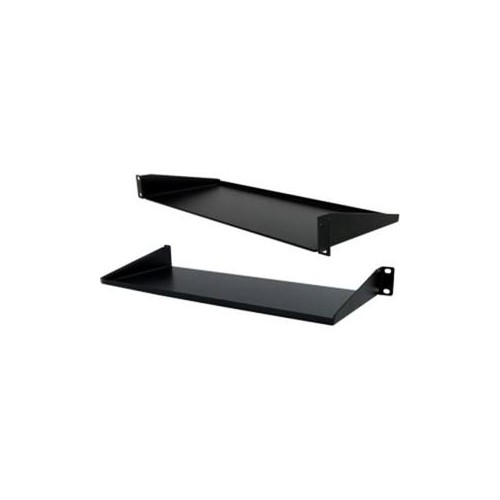
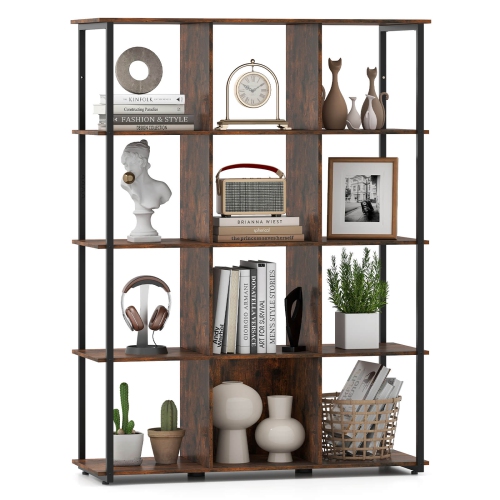
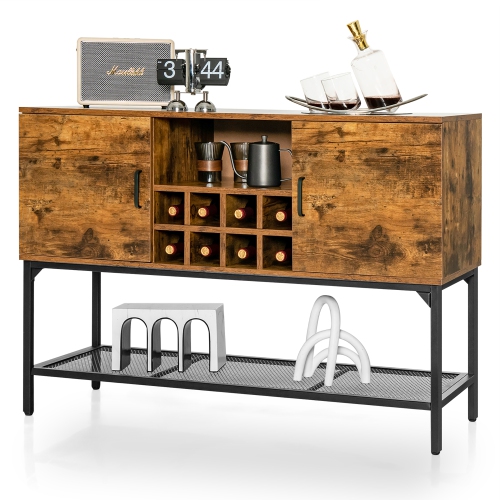
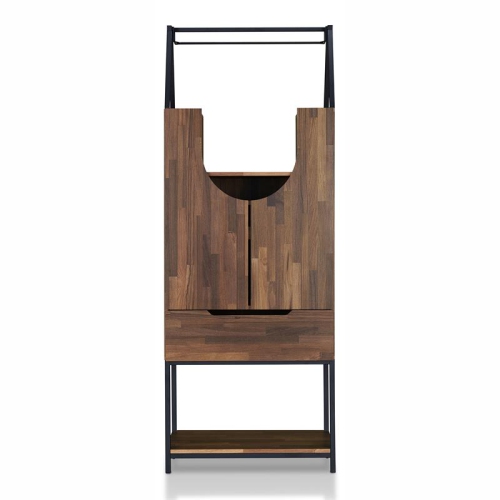
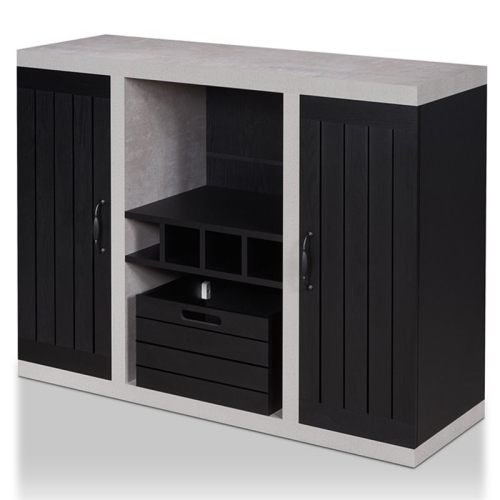
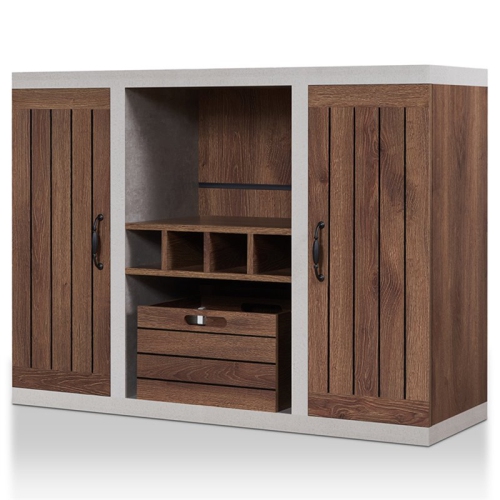
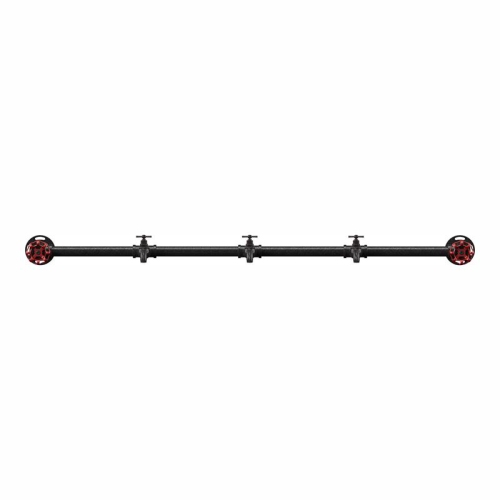
Rack strength goes beyond steel thickness and appearance
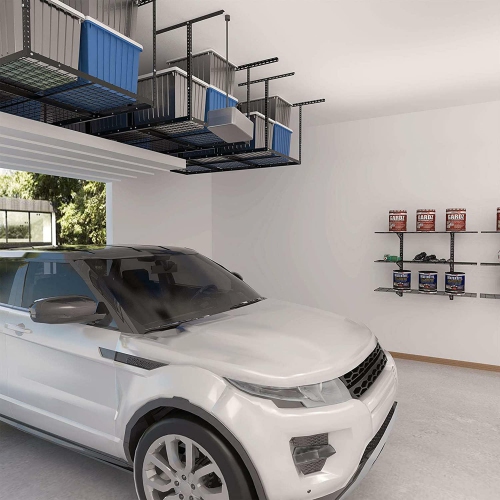
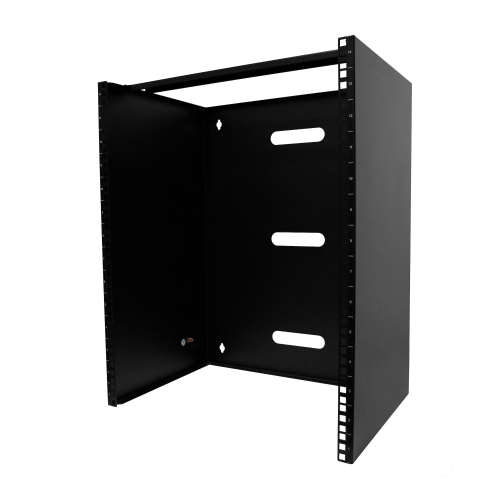
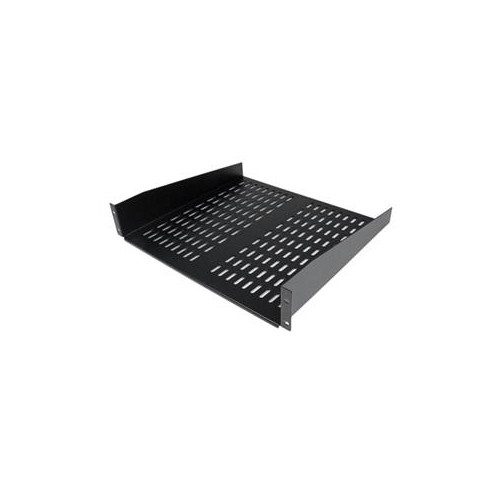
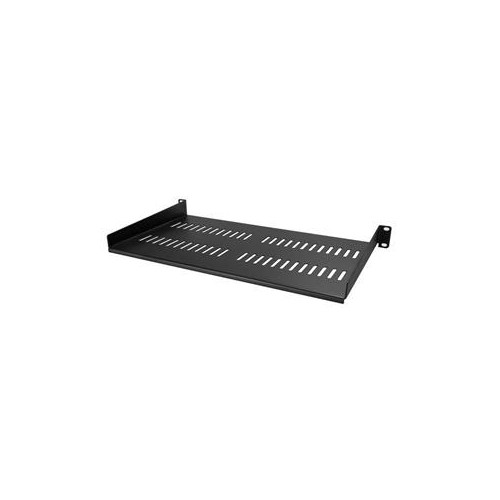
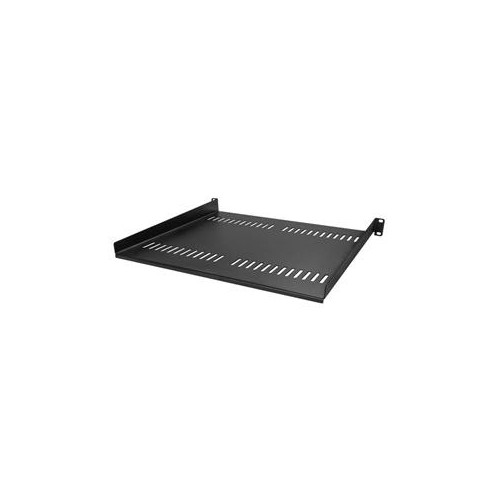
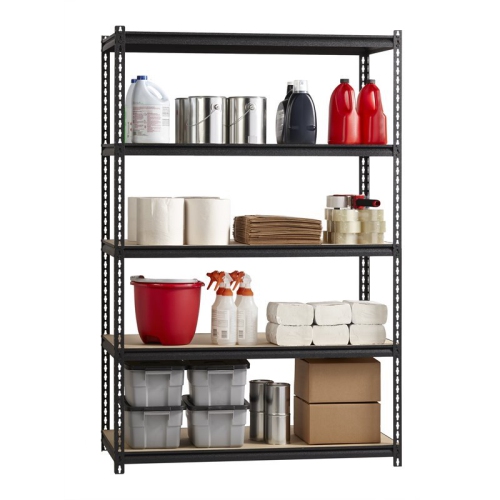
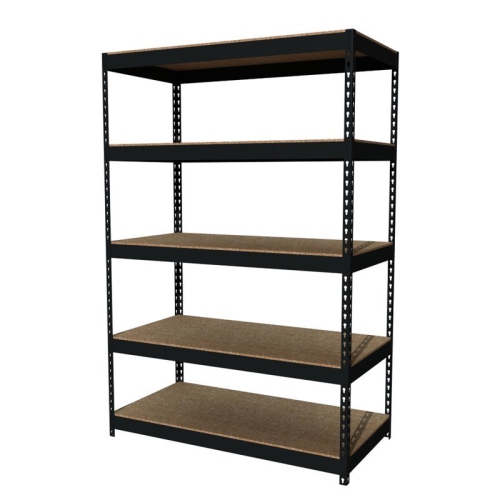
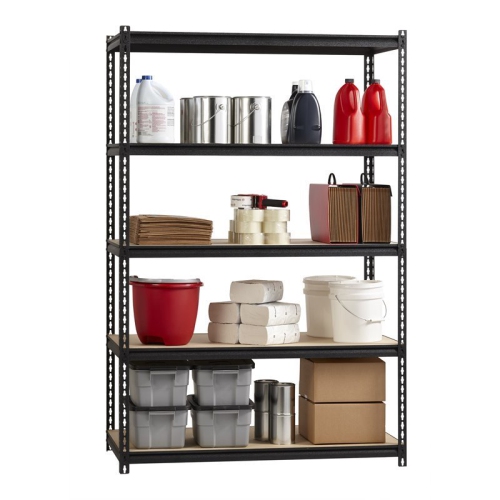
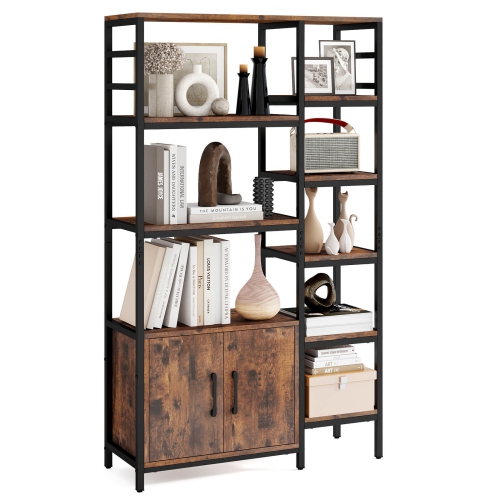
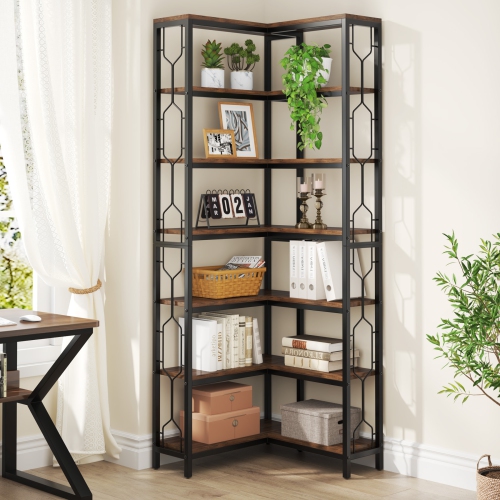
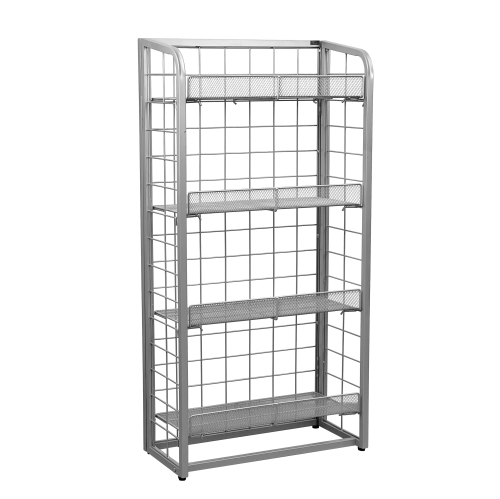
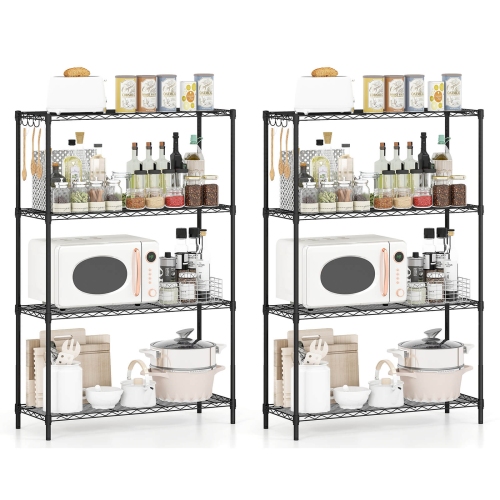
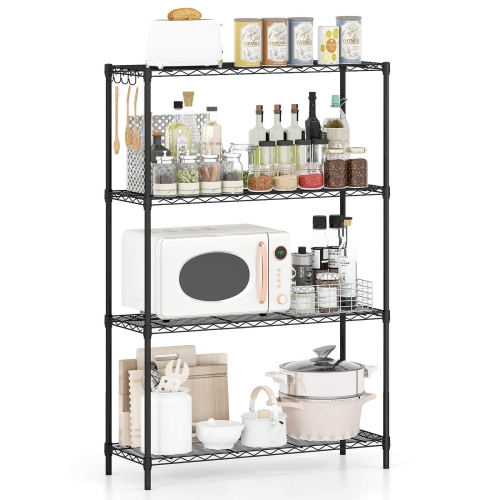
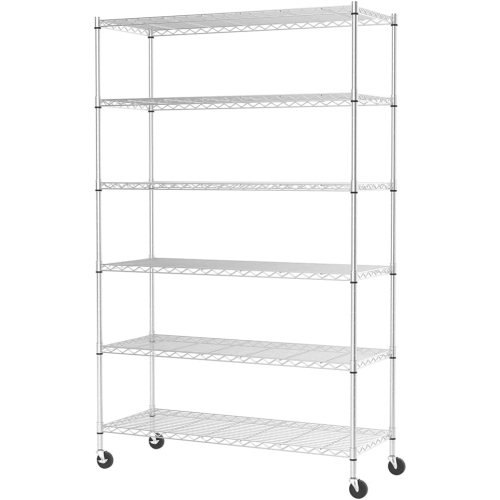
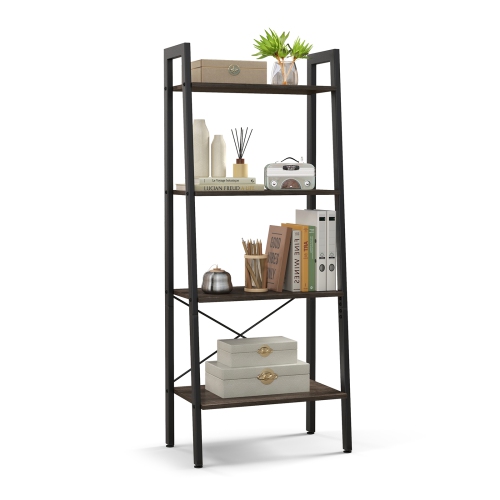
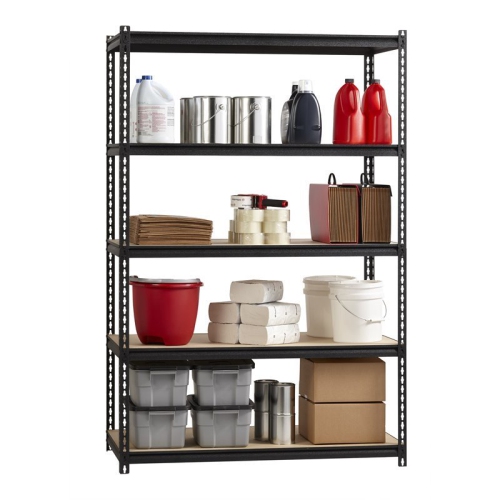
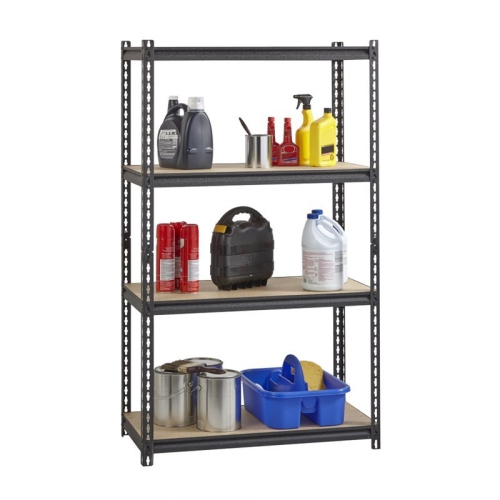
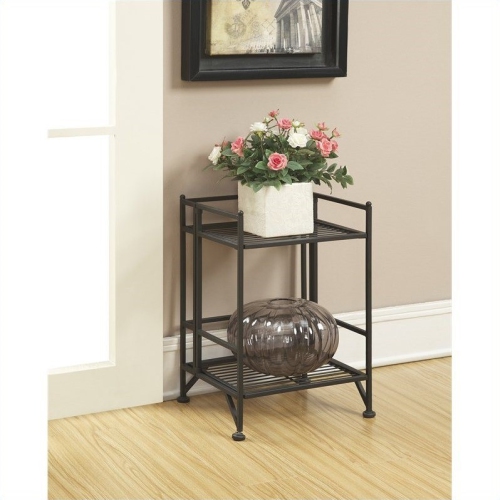
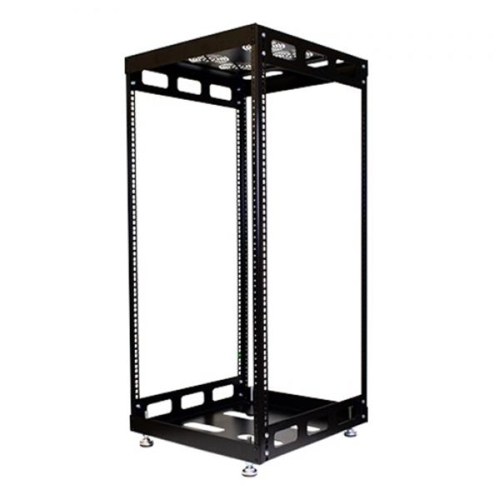
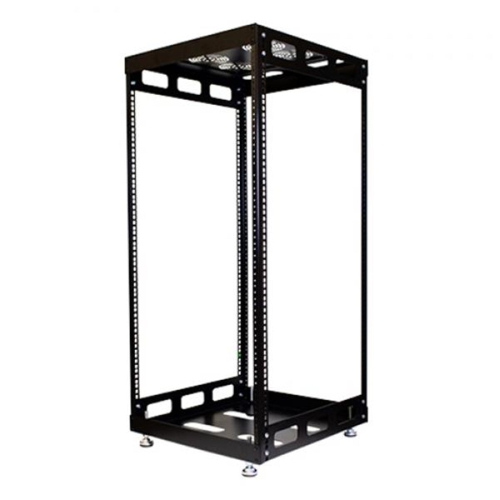
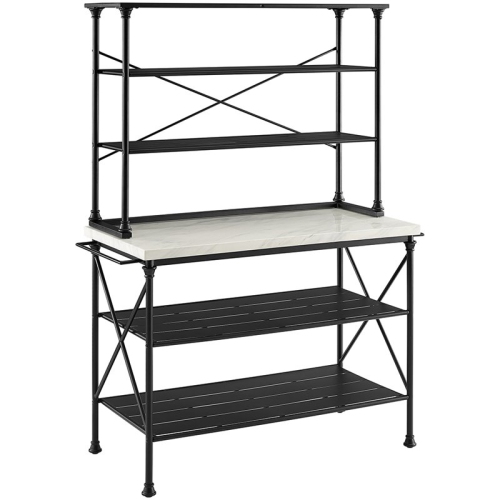
Industrial metal racks are sturdy storage structures designed to hold tools, cartons, equipment, and supplies in garages, workshops, warehouses, and commercial spaces. Typically built with steel uprights, horizontal beams, and wire or solid shelf surfaces, they turn unused wall space into accessible storage while keeping work areas clear. Their open construction makes it easier to see what is on each level, whether that means labelled bins of fasteners, cases of maintenance supplies, or bulky equipment that does not fit inside a cabinet. Heavy-duty metal racks differ in frame construction, shelf dimensions, and rated load capacity, so an industrial appearance alone does not establish how much weight a unit can safely hold. The useful comparison is between the manufacturer’s stated ratings and the actual contents being stored. A shelf rating generally refers to weight distributed evenly across the shelf, not concentrated beneath a single small, heavy object. The total rack capacity also matters: several individually loaded shelves must still remain within the limit for the complete structure. Steel thickness, beam design, bracing, connectors, and decking all contribute to strength, making steel gauge only one part of the picture. For a home workshop, the priority might be keeping power tools and hardware within comfortable reach; for a commercial workspace, it might be separating packed cartons from supplies used throughout the day. Neither situation necessarily calls for pallet racking, which is a distinct storage system intended for palletized loads and requires appropriate design, installation, and handling equipment. Freestanding industrial shelving is often better suited to goods loaded and retrieved by hand, provided its specifications match the task. Keeping the heaviest contents on lower shelves helps make handling more manageable and supports stability, while lighter, less frequently used supplies can occupy upper levels. A well-matched rack creates a practical place for everyday essentials without turning each retrieval into a reshuffling exercise.
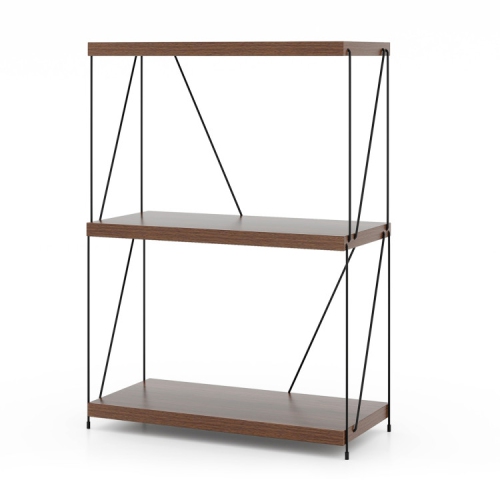
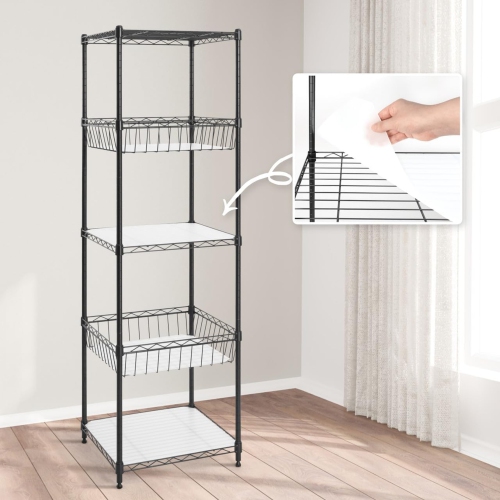
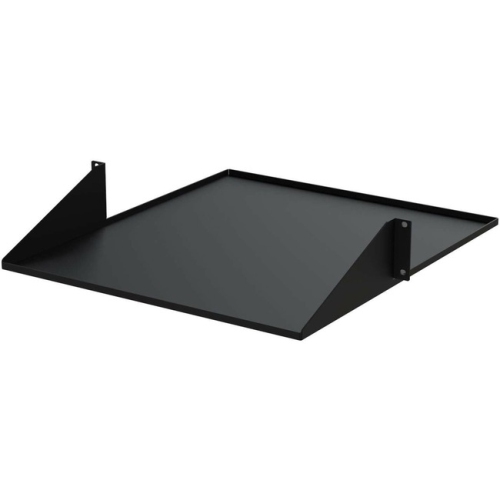
Shelf material has a direct effect on how industrial metal racks function. Wire decking allows air to circulate and lets light reach lower levels, making it useful for boxed goods, larger containers, and contents that benefit from ventilation. Small components or narrow feet may need a compatible shelf liner or tray to sit securely, but any added surface should be suitable for the rack and must not be assumed to increase its load rating. Solid steel shelves provide a continuous base for smaller containers and are generally straightforward to wipe clean. Some steel-framed racks use wood-based decking instead; that surface can work well in dry indoor storage, but its tolerance for moisture and concentrated weight depends on the material and construction. Powder-coated or painted steel offers a finished surface that helps protect the underlying metal when the coating remains intact. Galvanized finishes can provide additional resistance to rust, although no finish makes every rack suitable for outdoor use, wet conditions, or exposure to road salt. In a garage during the cooler months, leaving space between shelving and wet footwear or slushy equipment can help keep moisture away from the frame and stored contents. Fit is equally important. Overall width, depth, and height need to suit the room, but usable shelf space can be smaller than the outside dimensions because uprights and beams occupy part of the opening. Measuring the largest tote or carton, including its lid and handles, helps avoid shelves that are just too shallow or openings that are slightly too narrow. Adjustable levels make it easier to accommodate tall containers alongside shallow parts bins without wasting vertical space. Related Industrial Metal Shelving can also suit spaces where closely spaced shelf levels and straightforward access are priorities. Beyond the rack footprint, allow room for doors to swing, drawers to open, and people to carry bulky contents past the unit without twisting around corners or brushing against exposed edges.
Assembly, placement, and ongoing care determine how reliably a metal storage rack performs over time. Boltless designs commonly use tabs, rivets, or interlocking connectors to join the frame, while bolted designs rely on secured fasteners; either style needs every component fully seated and installed according to the manufacturer’s directions. Boltless does not always mean no tools are required, and larger frames may need more than one person for safe assembly. Shelves should stand on a firm, level surface capable of supporting the combined weight of the rack and its contents. A loaded unit can place substantial pressure on a small floor area, which deserves particular attention on raised floors or in spaces not originally intended for heavy storage. Where anchoring is specified, suitable fixings and an appropriate supporting surface are essential; a freestanding design is not a reason to disregard anchoring requirements. Keep access routes, electrical panels, vents, and emergency equipment unobstructed, and leave enough clearance above stored contents to lift them out without catching on the shelf above. In a busy workshop, frequently used tools belong at an accessible height, while spare supplies can sit farther from the main work position. In a shared garage, grouping car-care supplies separately from household storage makes the space easier for everyone to use. Mobile racks offer flexibility only when designed for that purpose, with compatible castors and stated load limits; adding wheels can change the permitted capacity and stability of a system. Routine care is usually simple: remove dust and debris, wipe spills promptly, and dry surfaces rather than letting moisture collect around joints or beneath containers. Cleaning methods should suit the finish, since harsh chemicals and abrasive pads can damage protective coatings. Periodic checks for loose fasteners, damaged connectors, bent beams, corrosion, or sagging decking can reveal problems before storage becomes unsafe. Damaged parts need assessment and replacement in line with the manufacturer’s instructions rather than improvised reinforcement. With suitable dimensions, verified capacity, and sensible organization, industrial metal racks provide durable, accessible storage for spaces where equipment and supplies need a dependable place to land.
Shelf material has a direct effect on how industrial metal racks function. Wire decking allows air to circulate and lets light reach lower levels, making it useful for boxed goods, larger containers, and contents that benefit from ventilation. Small components or narrow feet may need a compatible shelf liner or tray to sit securely, but any added surface should be suitable for the rack and must not be assumed to increase its load rating. Solid steel shelves provide a continuous base for smaller containers and are generally straightforward to wipe clean. Some steel-framed racks use wood-based decking instead; that surface can work well in dry indoor storage, but its tolerance for moisture and concentrated weight depends on the material and construction. Powder-coated or painted steel offers a finished surface that helps protect the underlying metal when the coating remains intact. Galvanized finishes can provide additional resistance to rust, although no finish makes every rack suitable for outdoor use, wet conditions, or exposure to road salt. In a garage during the cooler months, leaving space between shelving and wet footwear or slushy equipment can help keep moisture away from the frame and stored contents. Fit is equally important. Overall width, depth, and height need to suit the room, but usable shelf space can be smaller than the outside dimensions because uprights and beams occupy part of the opening. Measuring the largest tote or carton, including its lid and handles, helps avoid shelves that are just too shallow or openings that are slightly too narrow. Adjustable levels make it easier to accommodate tall containers alongside shallow parts bins without wasting vertical space. Related Industrial Metal Shelving can also suit spaces where closely spaced shelf levels and straightforward access are priorities. Beyond the rack footprint, allow room for doors to swing, drawers to open, and people to carry bulky contents past the unit without twisting around corners or brushing against exposed edges.
Assembly, placement, and ongoing care determine how reliably a metal storage rack performs over time. Boltless designs commonly use tabs, rivets, or interlocking connectors to join the frame, while bolted designs rely on secured fasteners; either style needs every component fully seated and installed according to the manufacturer’s directions. Boltless does not always mean no tools are required, and larger frames may need more than one person for safe assembly. Shelves should stand on a firm, level surface capable of supporting the combined weight of the rack and its contents. A loaded unit can place substantial pressure on a small floor area, which deserves particular attention on raised floors or in spaces not originally intended for heavy storage. Where anchoring is specified, suitable fixings and an appropriate supporting surface are essential; a freestanding design is not a reason to disregard anchoring requirements. Keep access routes, electrical panels, vents, and emergency equipment unobstructed, and leave enough clearance above stored contents to lift them out without catching on the shelf above. In a busy workshop, frequently used tools belong at an accessible height, while spare supplies can sit farther from the main work position. In a shared garage, grouping car-care supplies separately from household storage makes the space easier for everyone to use. Mobile racks offer flexibility only when designed for that purpose, with compatible castors and stated load limits; adding wheels can change the permitted capacity and stability of a system. Routine care is usually simple: remove dust and debris, wipe spills promptly, and dry surfaces rather than letting moisture collect around joints or beneath containers. Cleaning methods should suit the finish, since harsh chemicals and abrasive pads can damage protective coatings. Periodic checks for loose fasteners, damaged connectors, bent beams, corrosion, or sagging decking can reveal problems before storage becomes unsafe. Damaged parts need assessment and replacement in line with the manufacturer’s instructions rather than improvised reinforcement. With suitable dimensions, verified capacity, and sensible organization, industrial metal racks provide durable, accessible storage for spaces where equipment and supplies need a dependable place to land.
Top selling and popular products
-
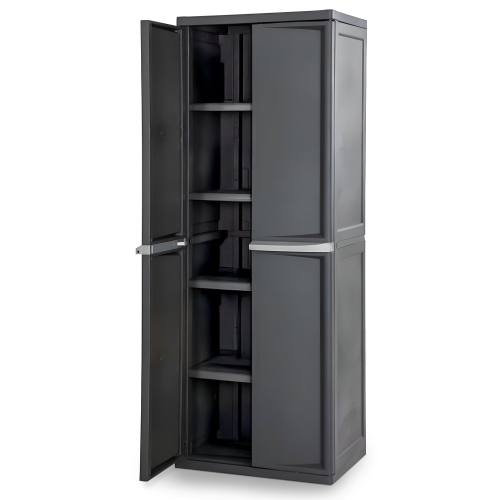 Your price for this item is $772.99
 -
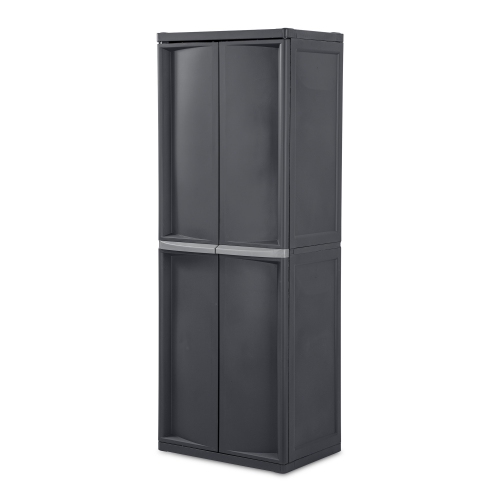 Your price for this item is $1522.99
 -
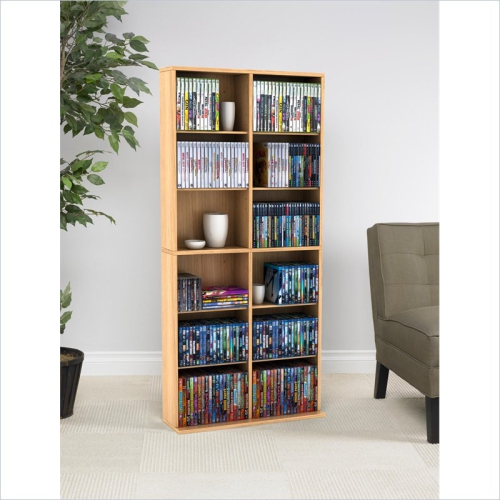 Your price for this item is $234.68
 -
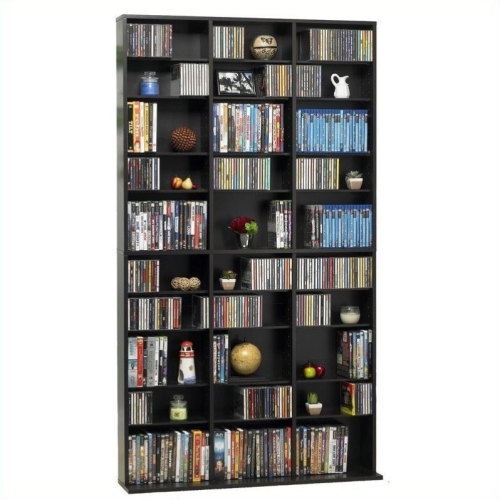 Your price for this item is $365.38
 -
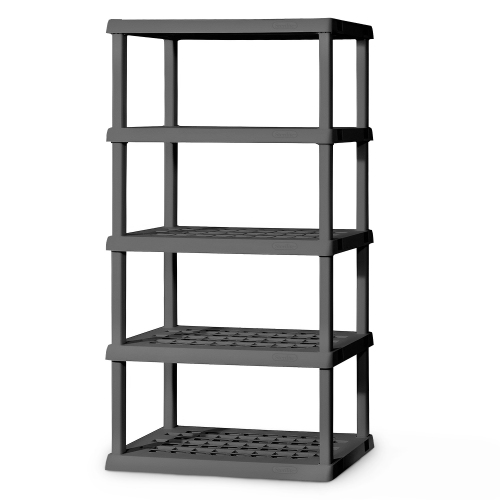 Your price for this item is $468.99
 -
 Your price for this item is $295.84
 -
 Your price for this item is $999.77
 -
 Your price for this item is $998.43
Discover more categories related to Industrial Metal Racks
Top Collections:
Pokemon Centers, Kindle Devices, Best Budget Office Chairs, Apple iPhones 16, Best Laptops for Writers, iPhone 15 Apple, Canon G7X Cameras, Refurbished Apple Laptops, Alarm Clock, Motorola Razr Phones
Some products may be subject to Environmental Handling Fees
(EHF) depending on your province.
Learn more about EHFs.