Industrial Metal Desks
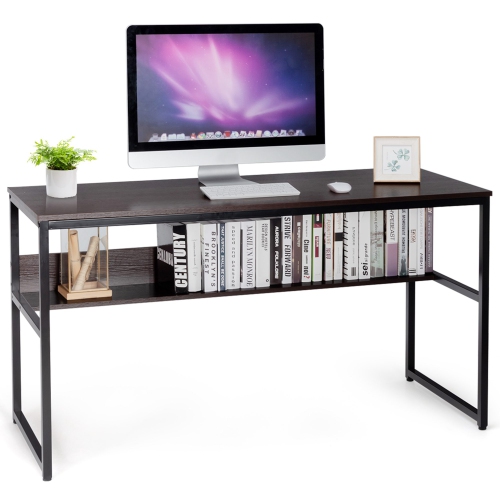
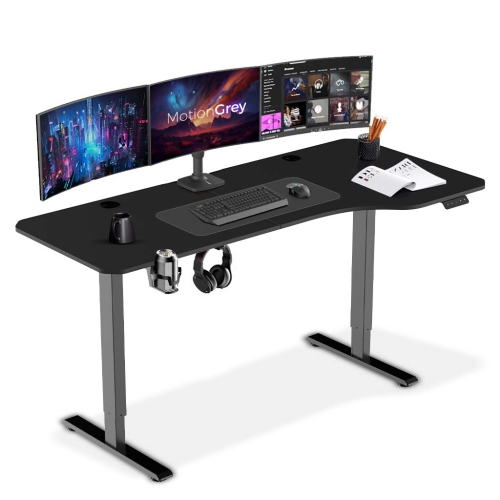
Enhance your workspace with an industrial metal desk that combines sleek design with durability. Whether you're setting up a home office or revamping your commercial space, our selection of industrial metal desks offers the perfect blend of style and functionality. They're built with strong steel frames and feature spacious desktop surfaces that can accommodate monitors, documents, and other office essentials. Here are some great options available.
Sort

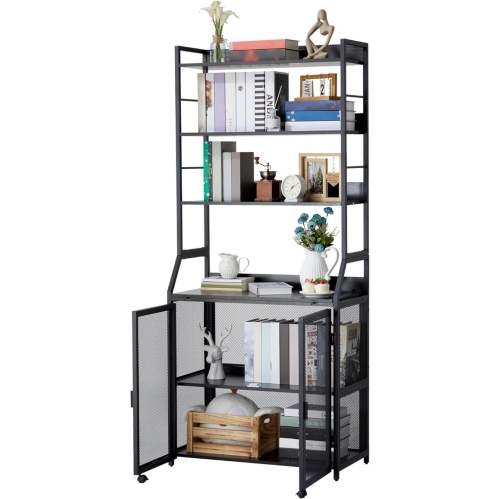


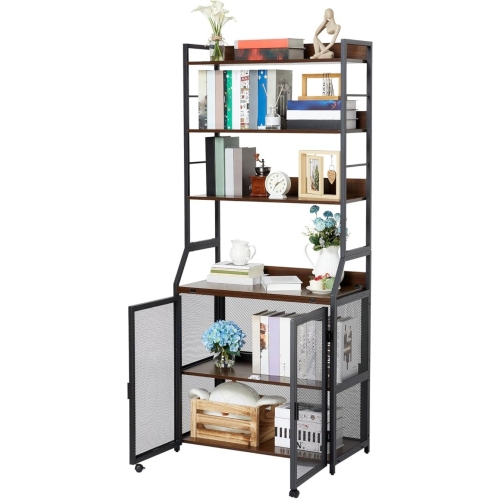
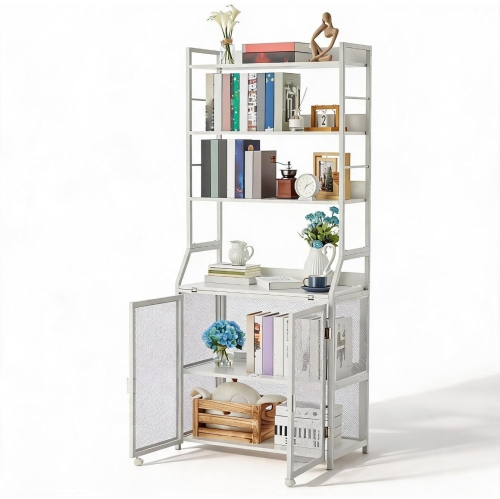


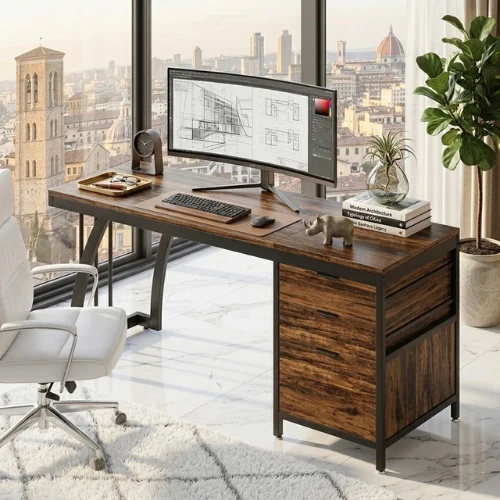
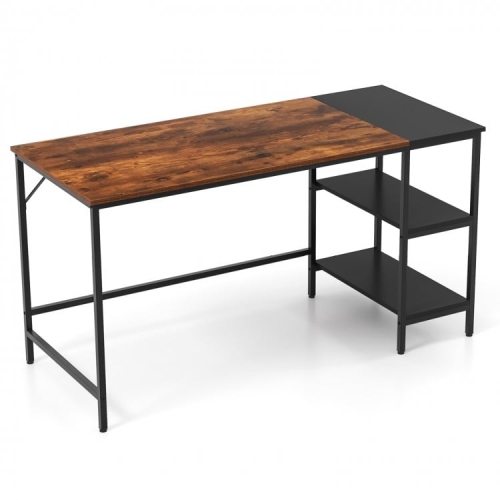
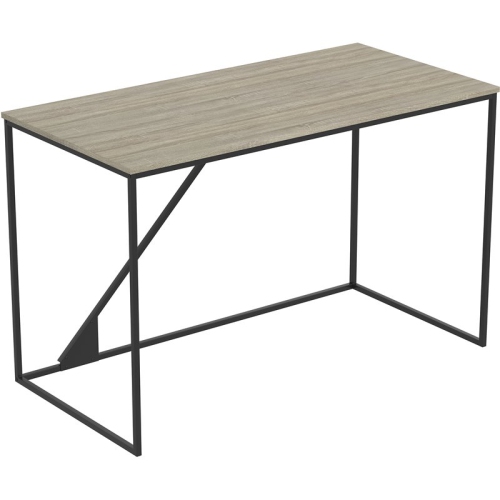
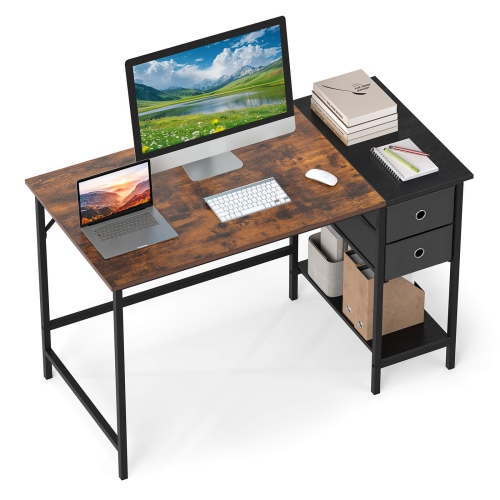
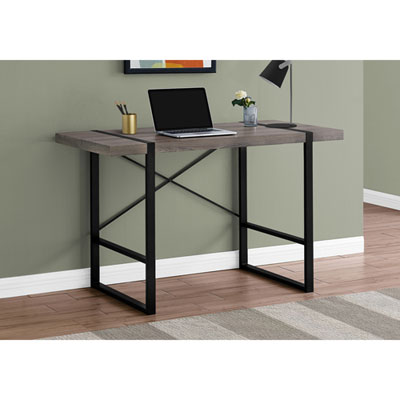
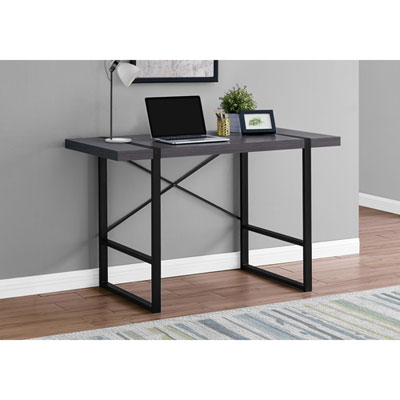
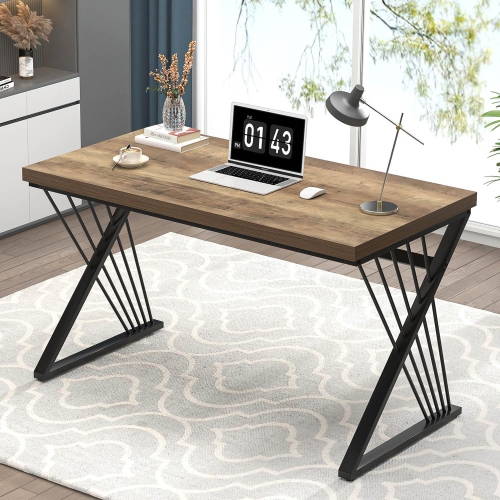


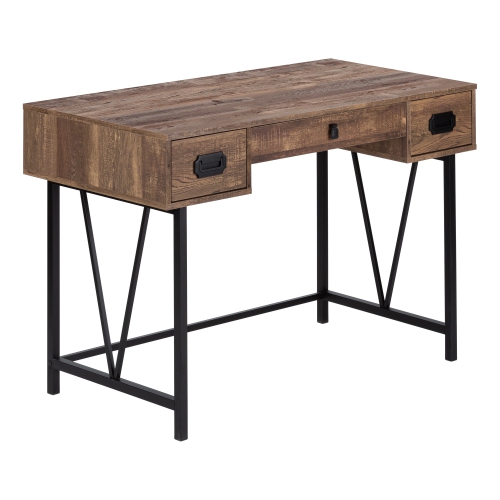
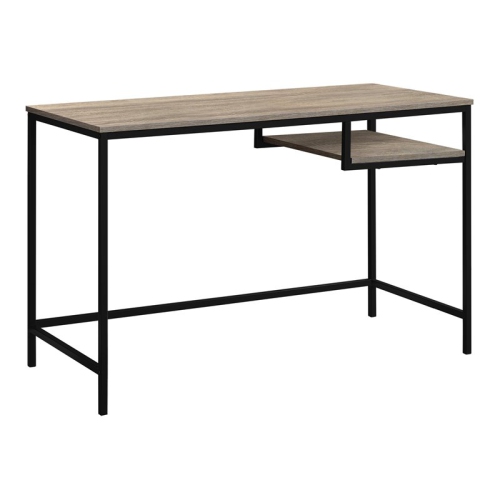
















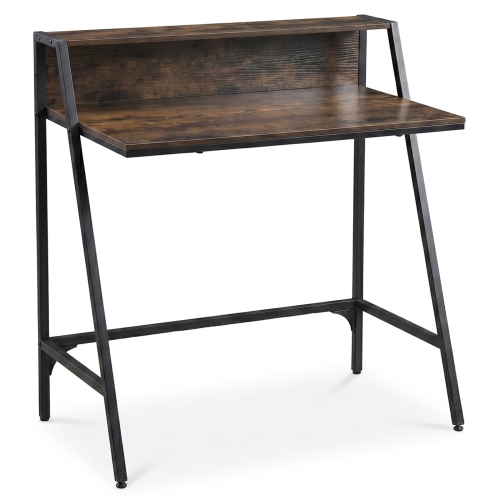
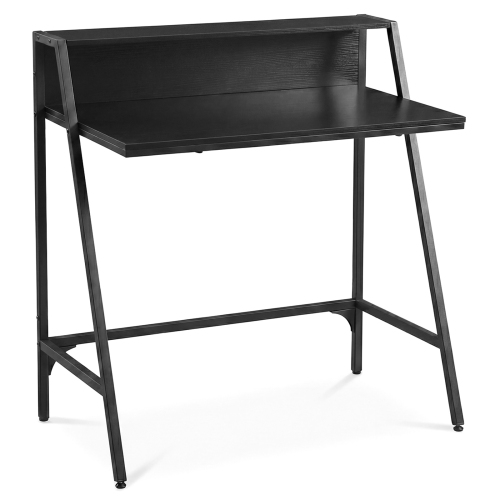
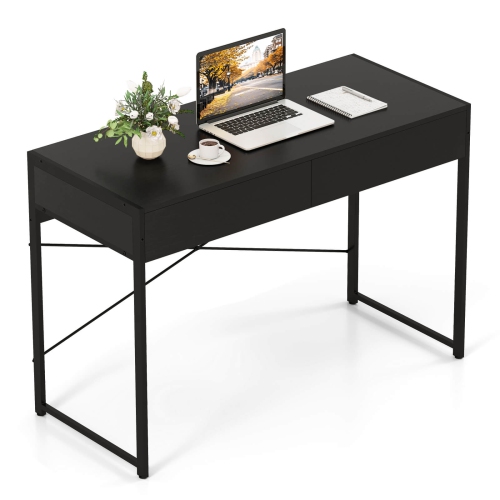
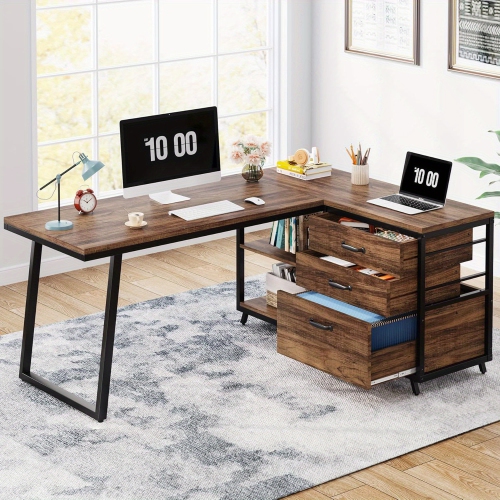

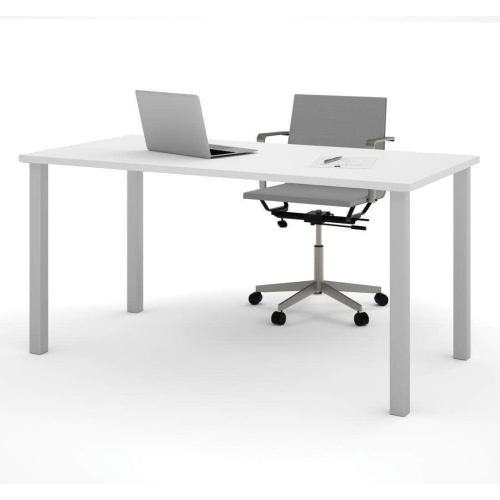


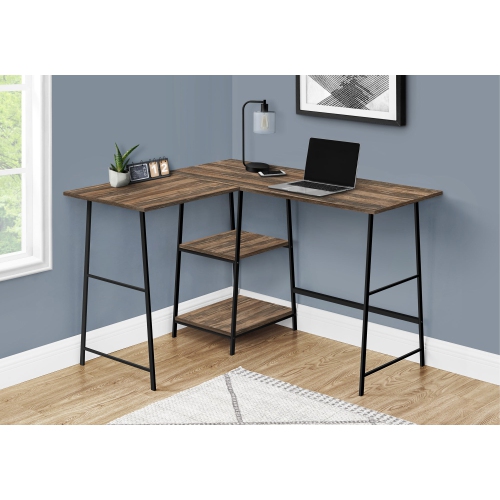


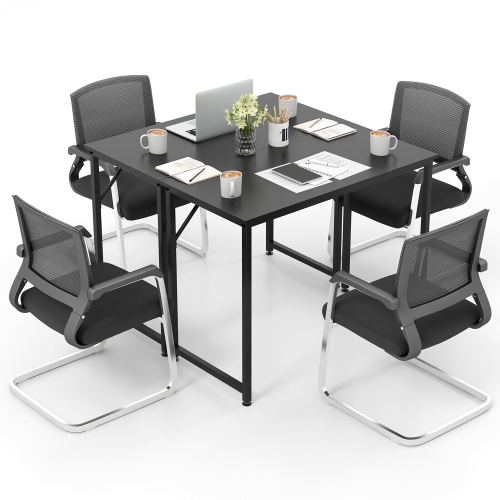
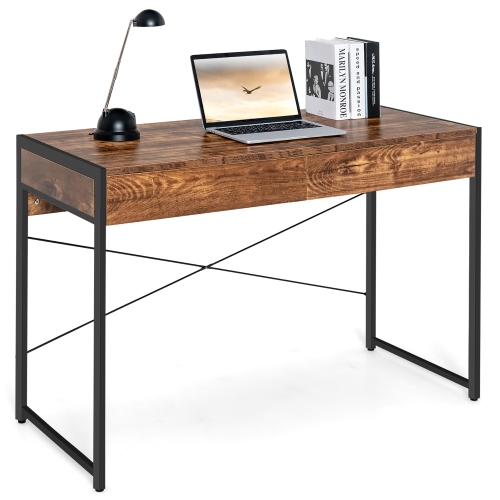

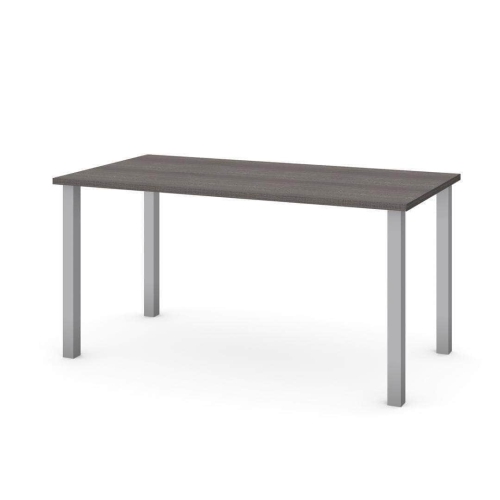


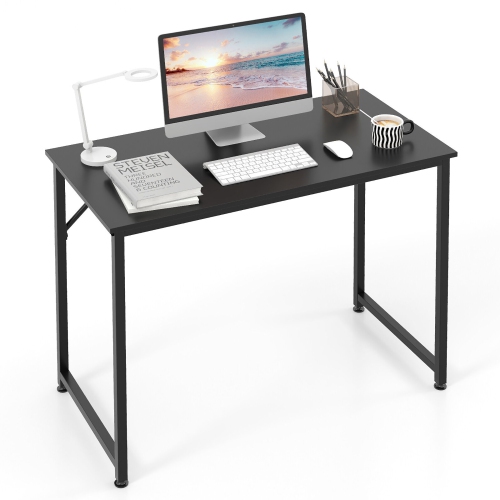
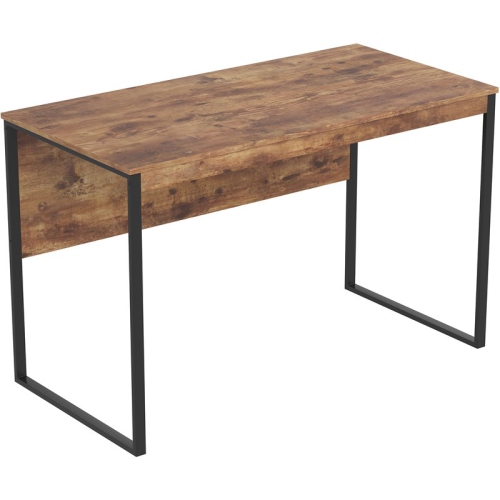


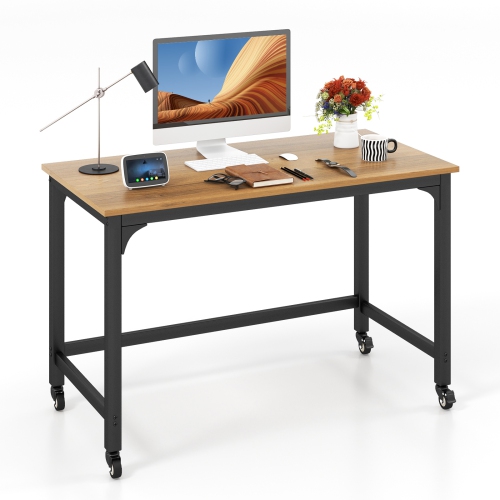
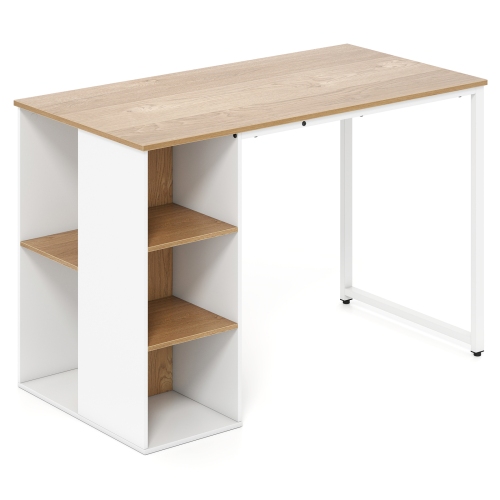
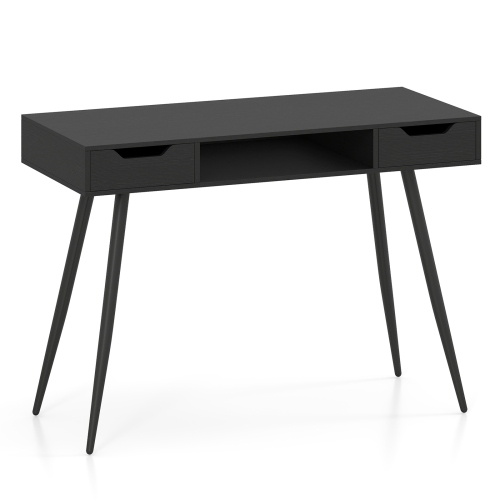
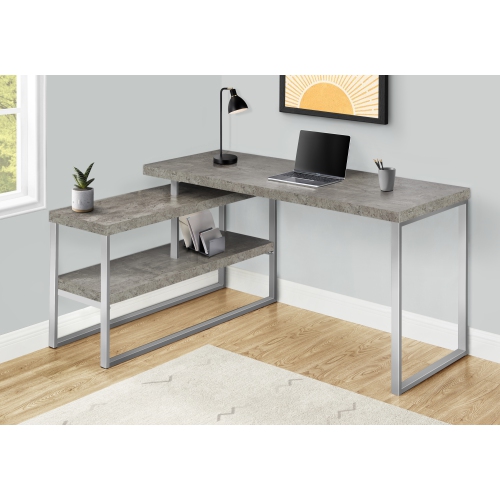
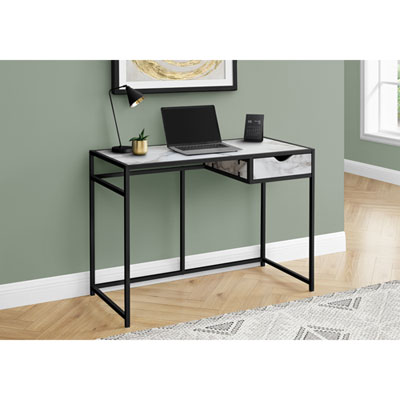
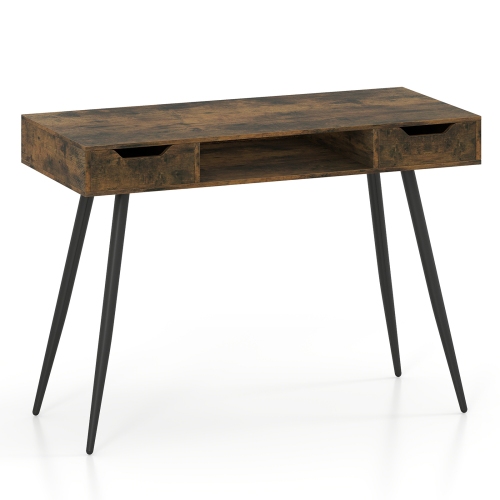
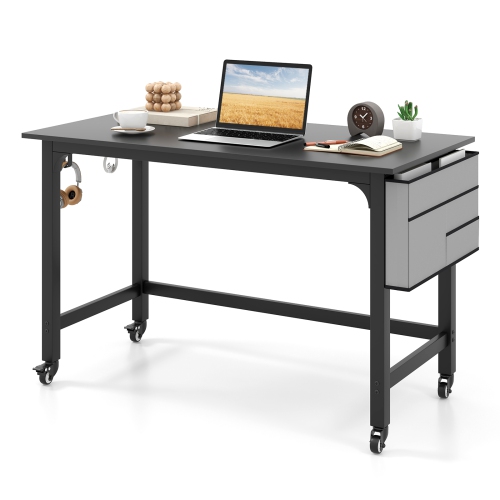


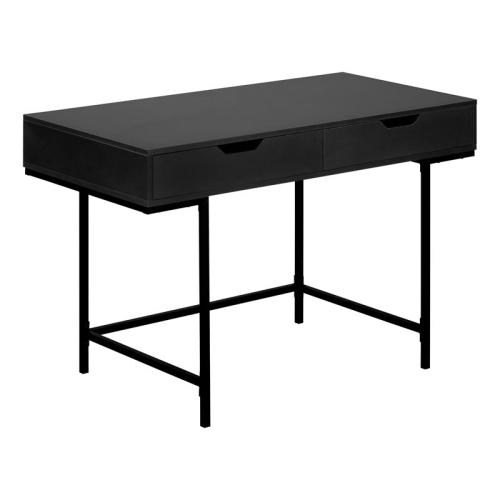
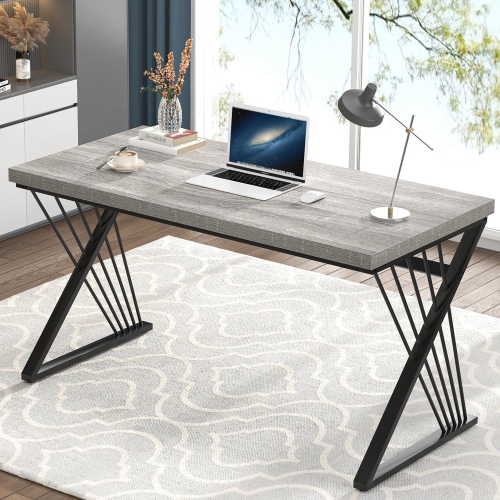
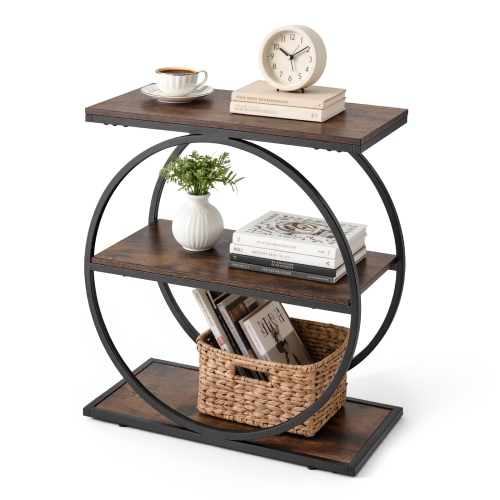

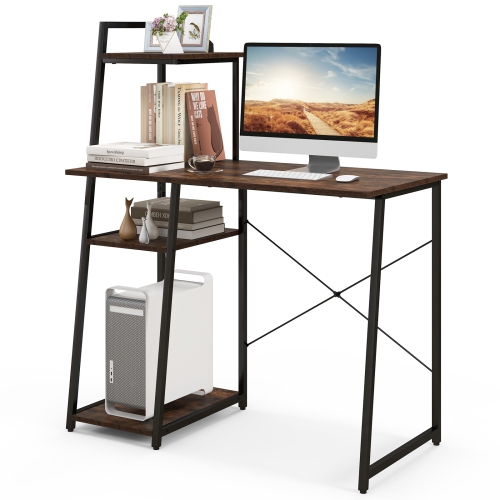


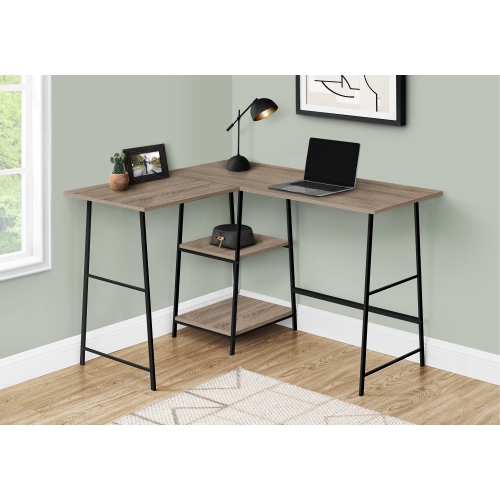

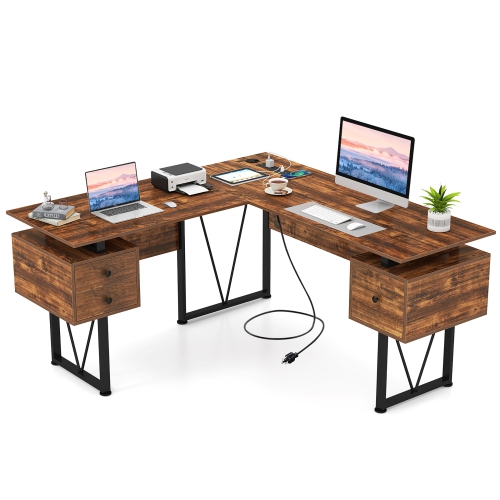


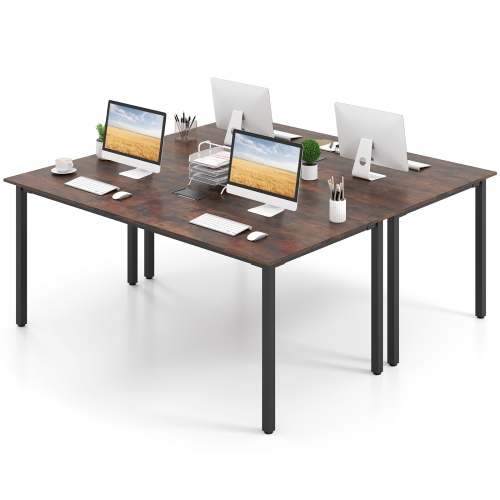


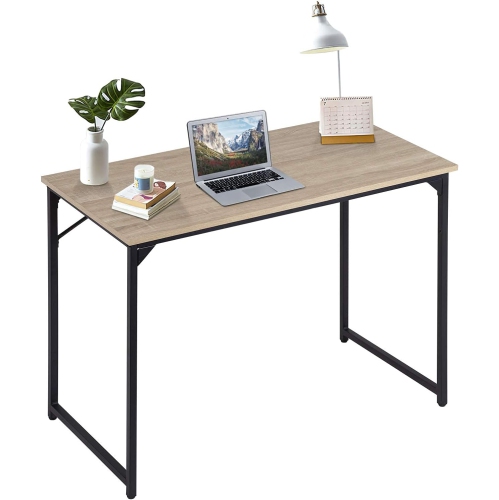
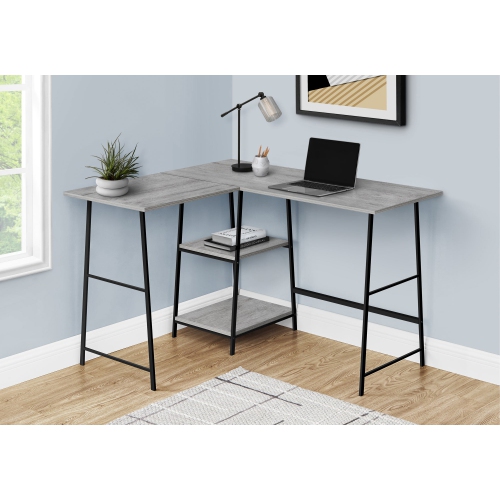
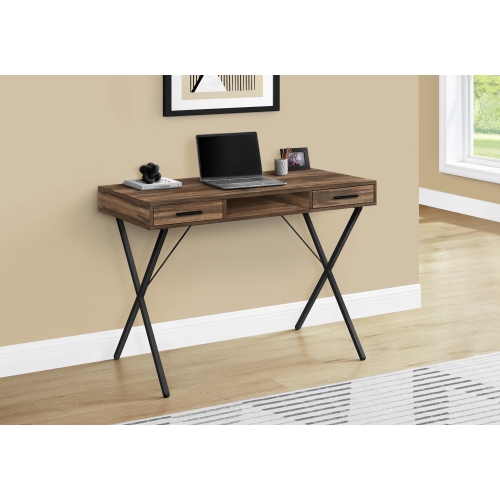

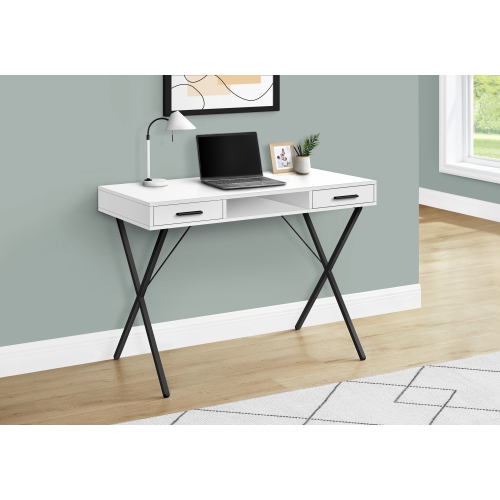


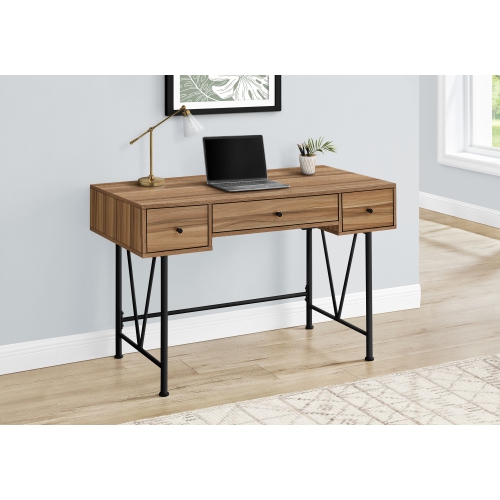


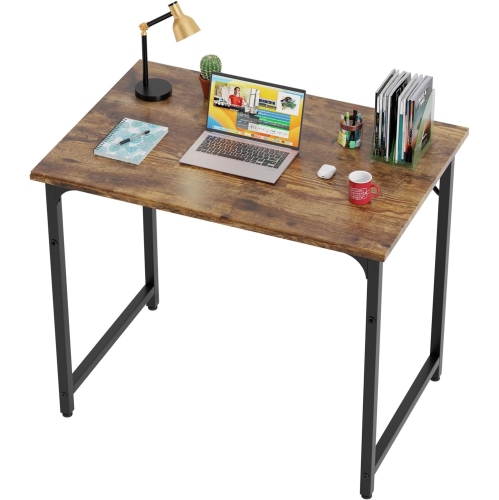
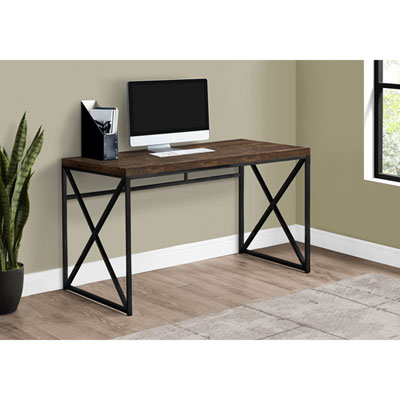

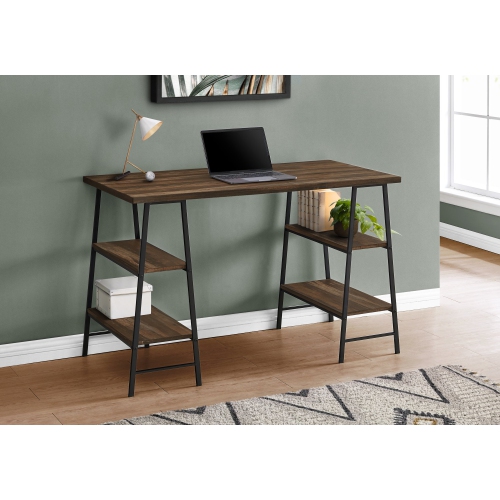
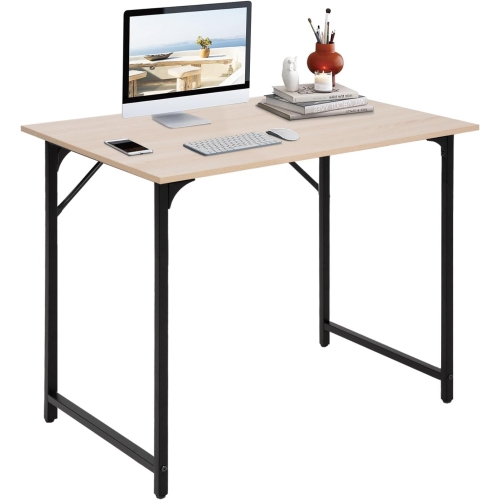

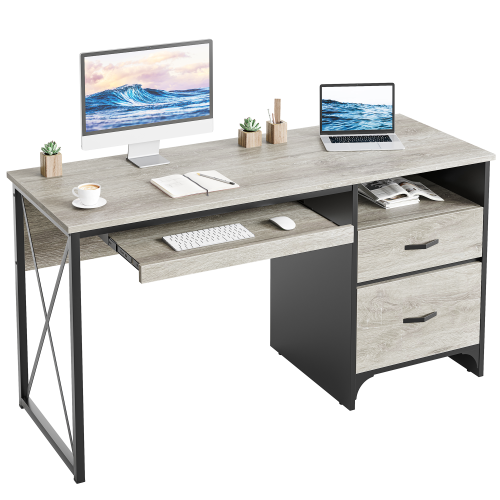
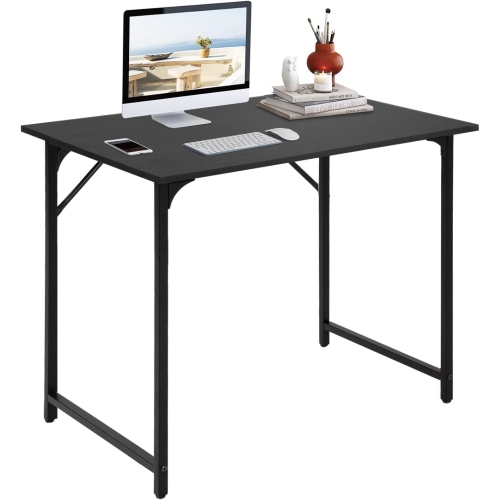
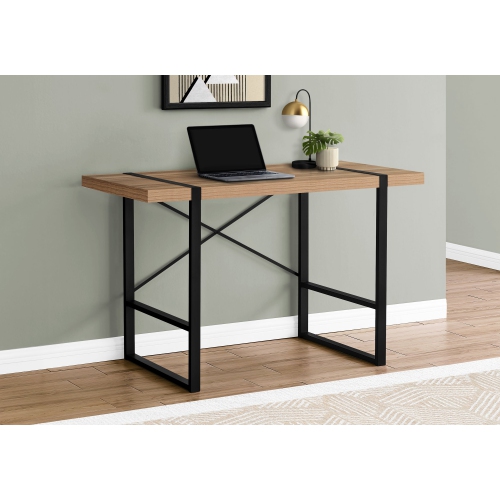


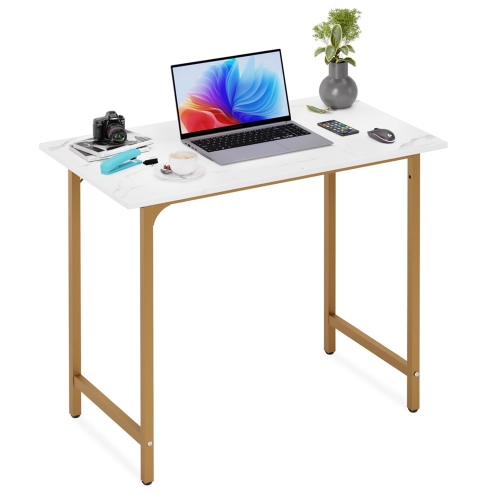
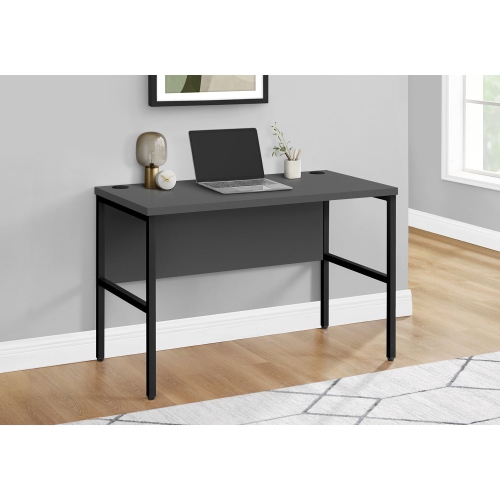


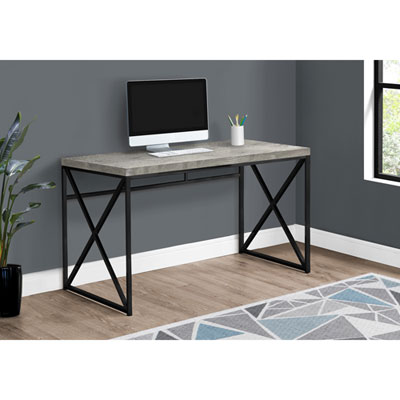











Why desk construction matters more than rugged looks
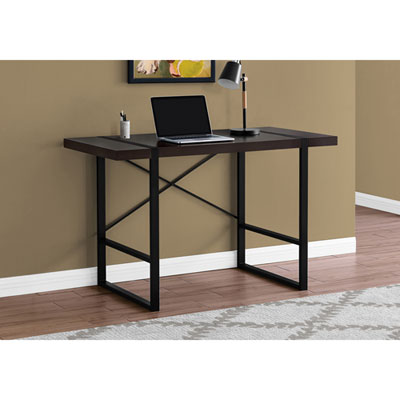
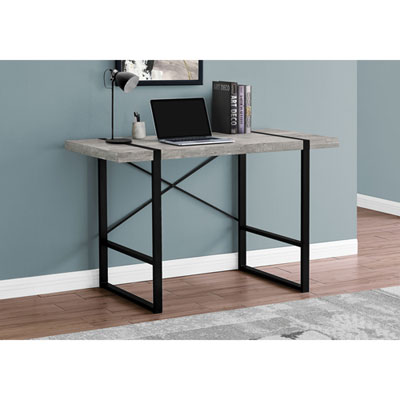
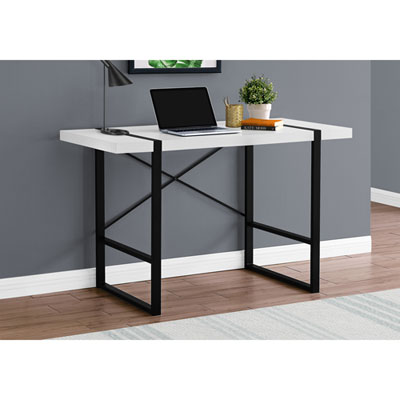
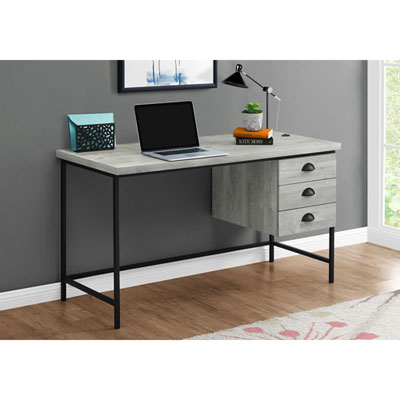
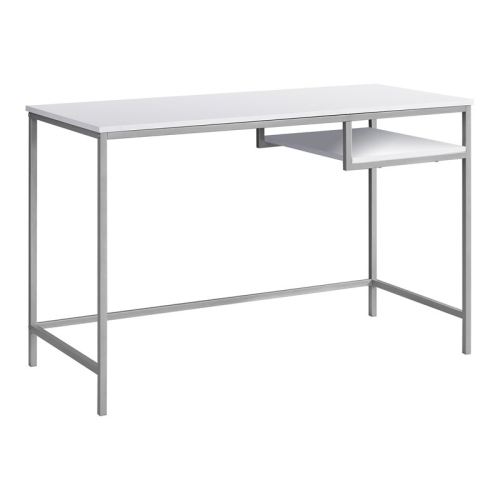
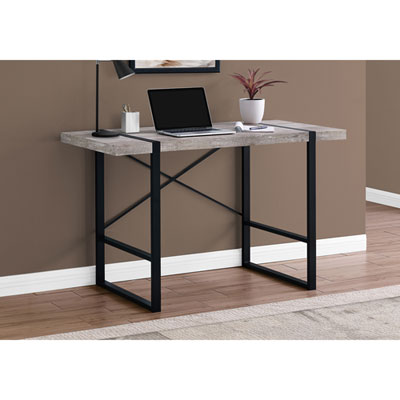
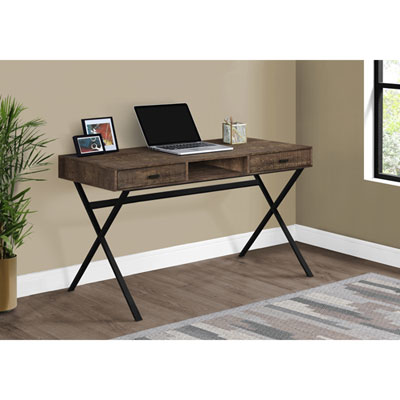
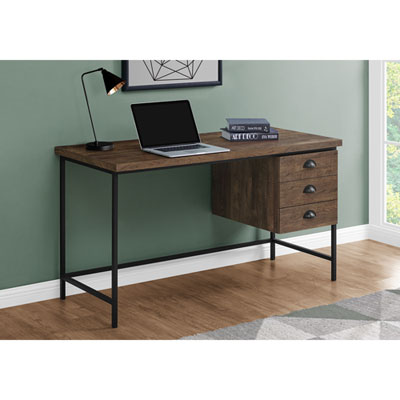
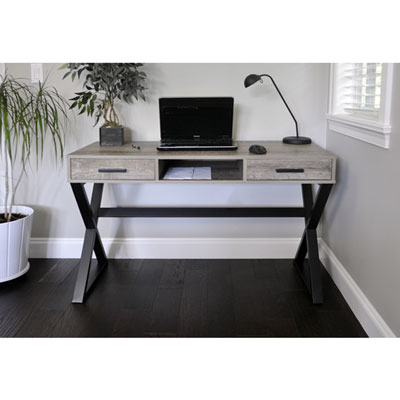
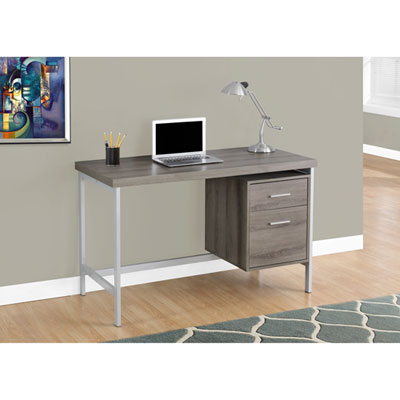
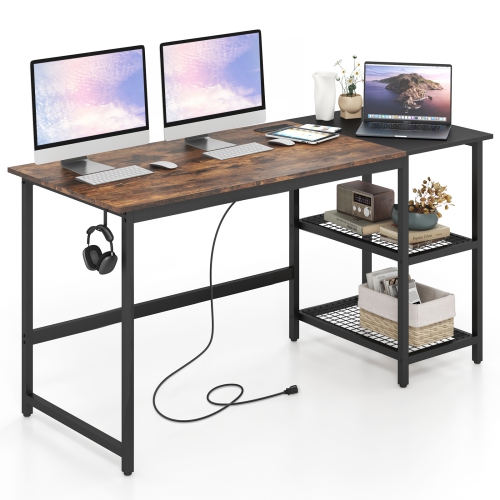
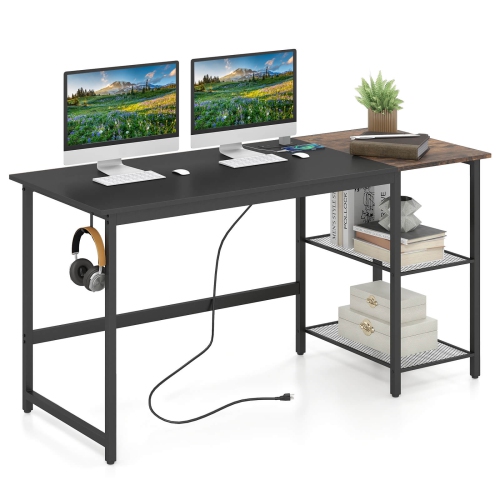
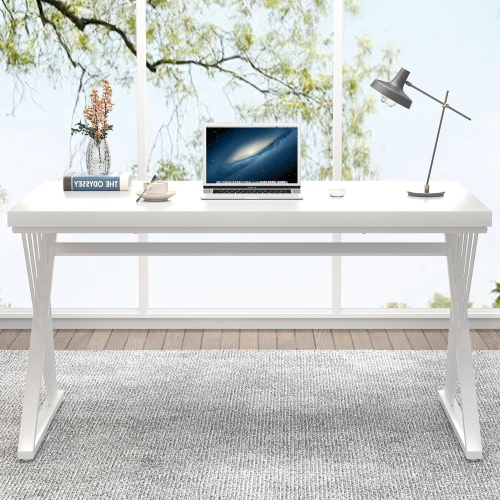
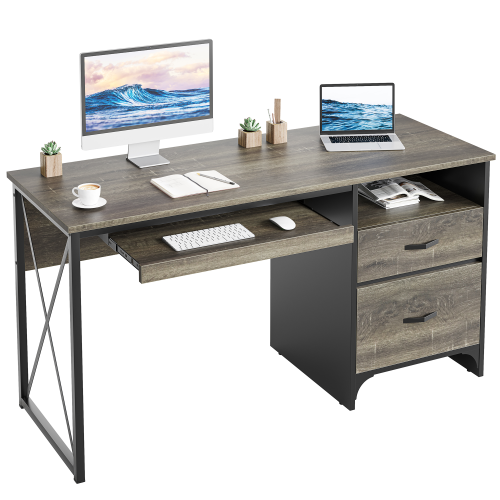
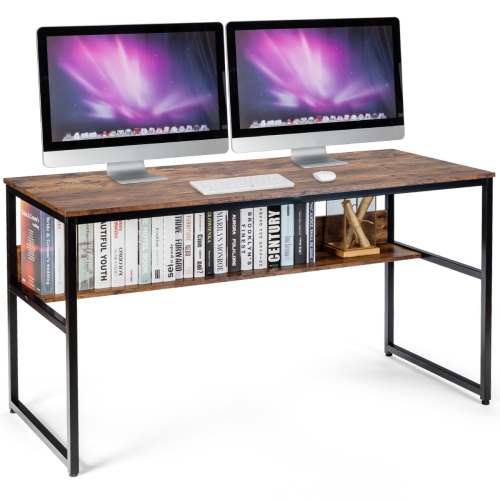
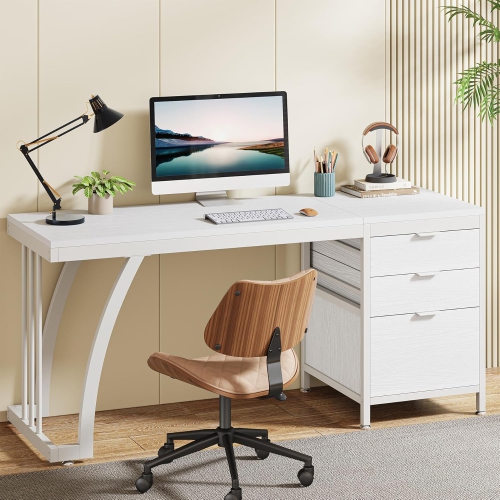
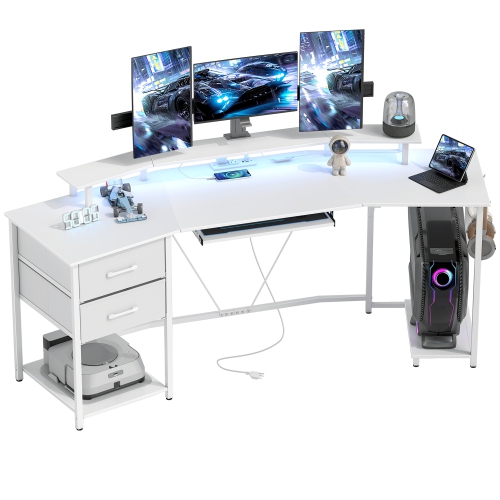
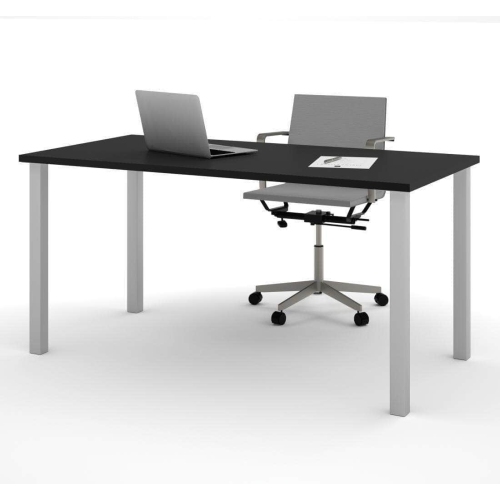
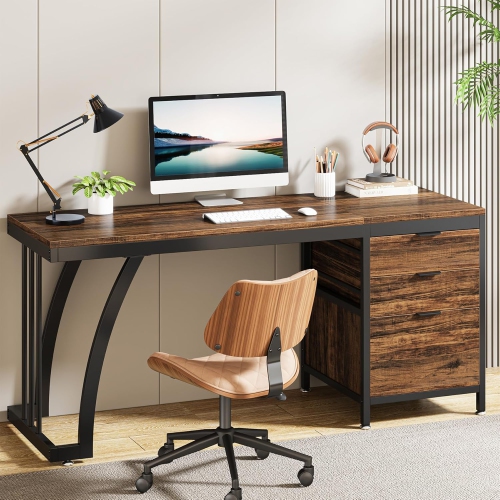
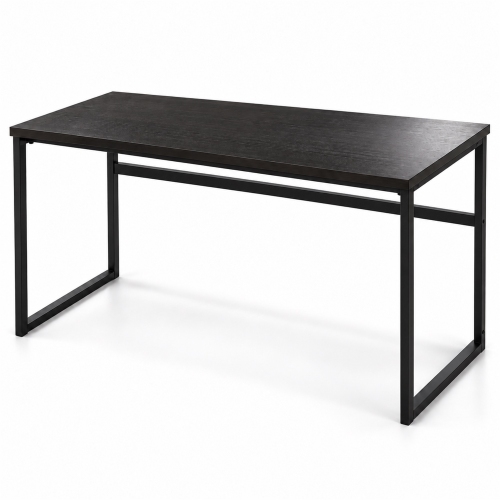
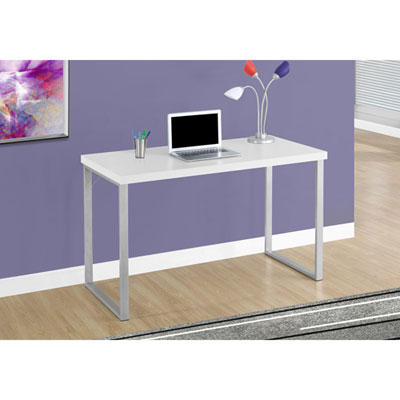
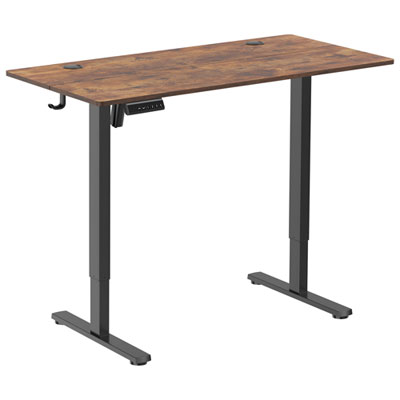
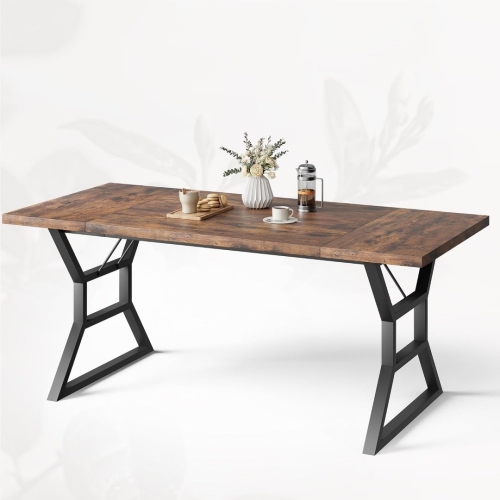
Industrial metal desks bring sturdy construction and a straightforward, utilitarian look to workspaces, from home offices and study areas to administrative stations in workshops. Their defining feature is a metal structure, typically steel or iron, that supports the work surface and gives the desk its distinctive profile. Some designs use metal throughout, while others pair a metal frame with solid wood, engineered wood, or laminate tops. These differences affect more than appearance: a wood surface introduces visible grain and warmth, laminate offers a relatively uniform writing area, and an all-metal top creates a more workshop-oriented finish. Industrial style and industrial-duty construction are not interchangeable, however. A desk with exposed bolts and a distressed finish may be designed for everyday computer work rather than tools, machinery, or demanding commercial use. Frame construction, joint quality, desktop thickness, and the stated weight capacity are more useful indicators of suitability than styling alone. Powder-coated steel is common because the coating adds colour and helps protect the underlying metal, although resistance to scratches, moisture, and chemicals depends on the particular finish. Welded joints, bolted connections, cross-bracing, and well-supported corners can all contribute to stability when properly designed and assembled. Visually, these desks range from slim black frames with clean rectangular tops to substantial pedestal designs with enclosed storage. Open bases leave more floor visible, helping a compact office feel less crowded, while solid side panels create a more enclosed workstation. Matte finishes soften reflections, and contrasting wood and metal surfaces fit naturally alongside bookcases, upholstered chairs, and task lighting. For a lighter visual contrast, White Metal Desks offer another way to introduce metal construction into a workspace. The appeal of an industrial metal desk lies in that balance of practical structure and visible character, whether the room leans towards a workshop aesthetic or a restrained, modern office.
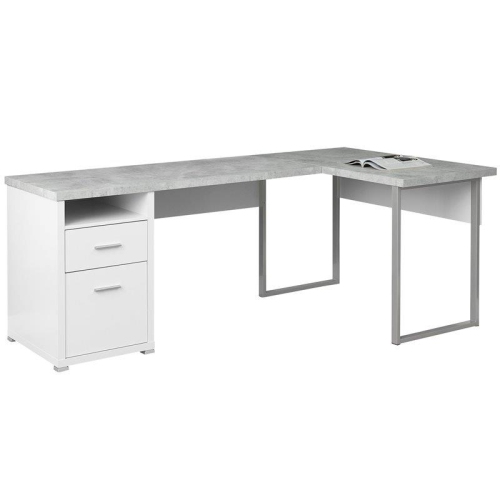
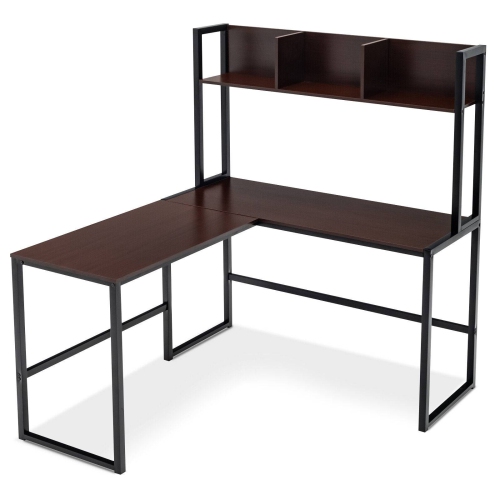
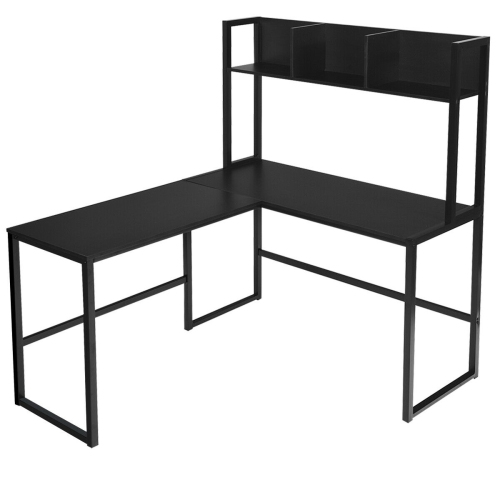
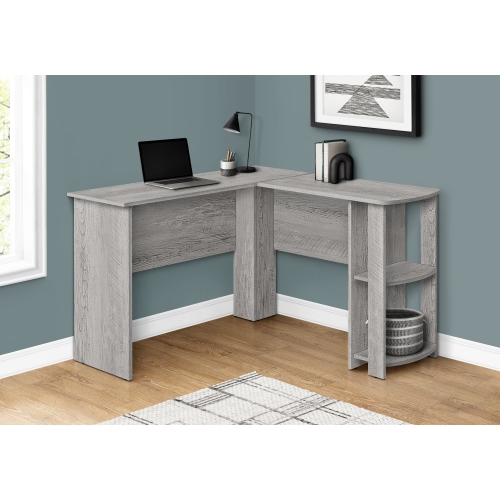
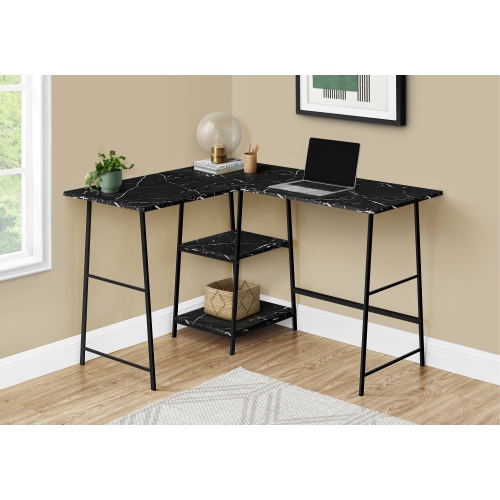
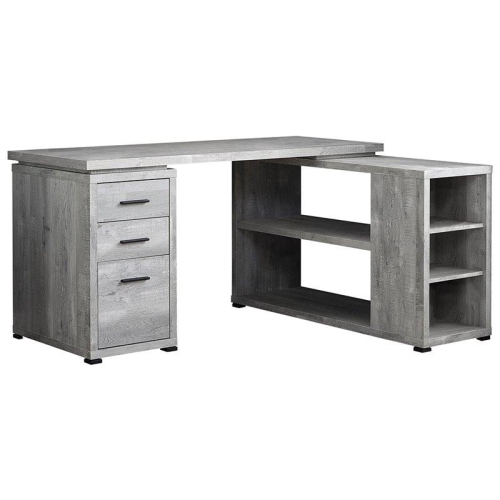
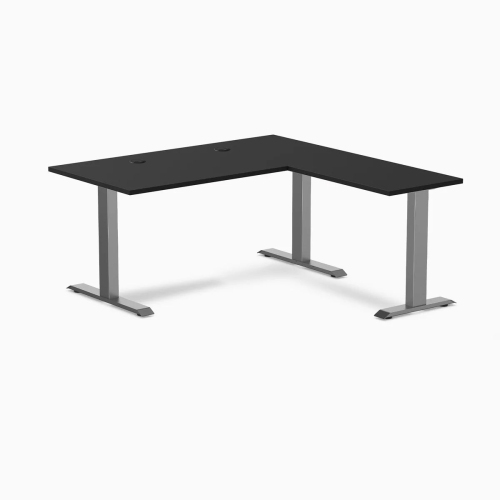
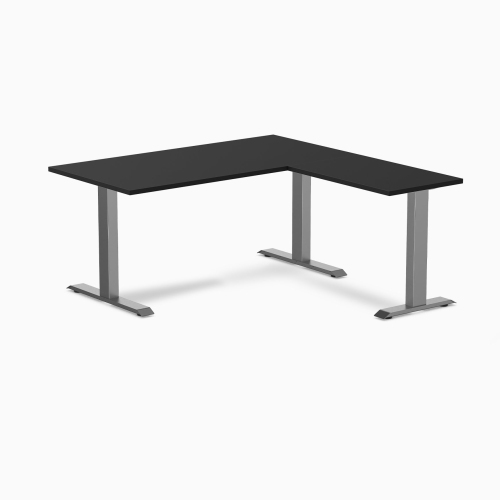
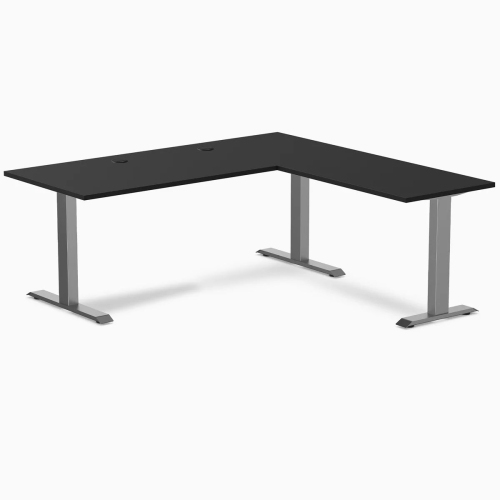
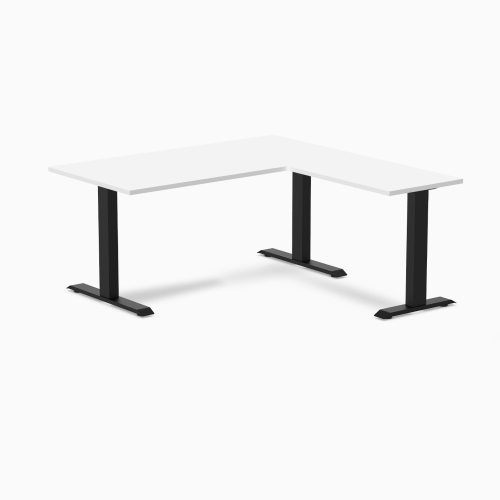
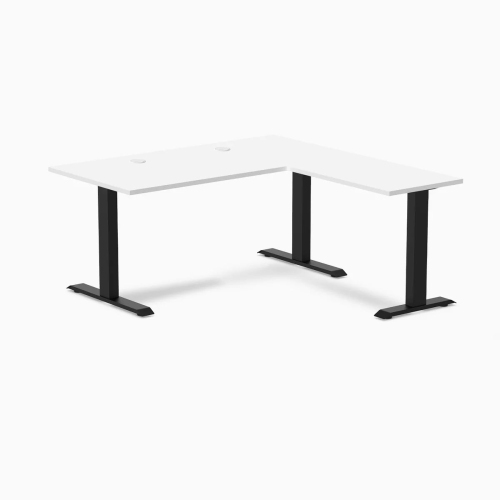
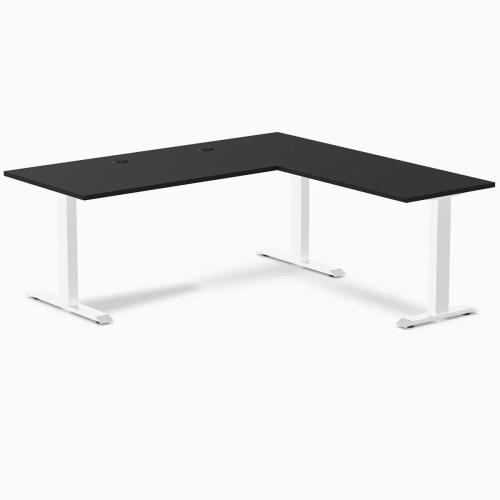
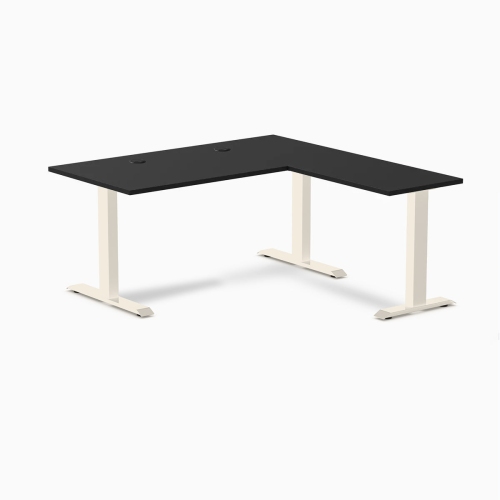
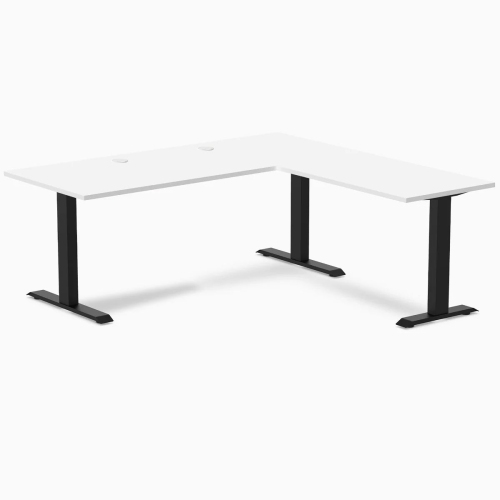
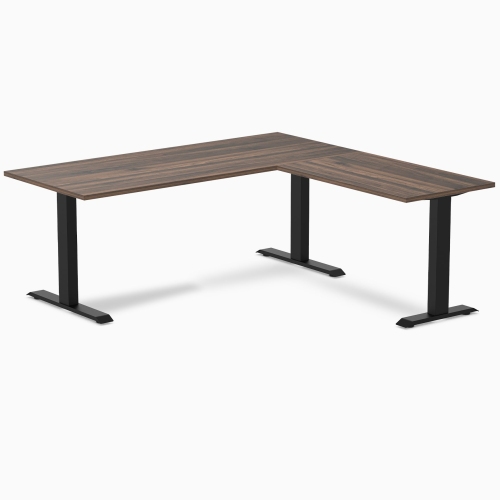
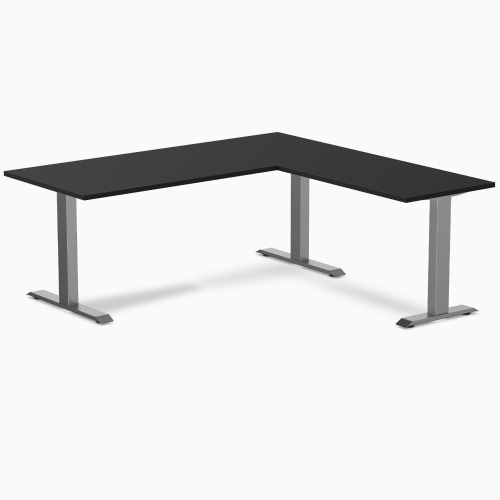
The right proportions depend on both the room and the work that happens at the desk. A laptop and notebook need less surface area than two monitors, a full-size keyboard, reference documents, and a drawing tablet. Desktop depth matters as much as width: a shallow surface may fit neatly against a wall but leave limited space between the keyboard and screen. A deeper top can accommodate monitor stands while preserving a useful writing area at the front. L-shaped industrial metal desks provide separate zones for computer work and paperwork, although their larger footprint requires enough clearance for the chair and surrounding furniture. Rectangular desks are often easier to position in bedrooms, shared living spaces, or narrow offices. Underneath, legroom can be affected by drawer pedestals, low shelves, centre supports, and diagonal braces, so the open area beneath the desktop deserves attention alongside the overall measurements. Many seated office desks are around 30 inches high, but comfort depends on the user's height, chair adjustment, and keyboard position rather than a single standard measurement. Adjustable-height designs can offer more flexibility, while taller shop desks may be intended for standing tasks or use with a suitably sized stool. Levelling feet help compensate for small floor irregularities; they are not a substitute for a height-adjustment mechanism. Storage also changes how a desk functions day to day. Shallow drawers keep pens and small accessories close, deeper compartments can hold supplies, and file drawers need to match the document format being stored. Lockable drawers can limit casual access to paperwork but should not be treated as secure safes. Cable openings and trays help separate cords from the working surface, particularly where a computer, monitor, and desk lamp share the same station. For monitor arms, both the desktop material and the mounting area matter: an edge apron, thin top, or nearby support rail may prevent a clamp from fitting correctly. These details distinguish a desk that simply fits the room from one that comfortably supports a full working day.
Durability comes from the complete desk rather than metal alone. A substantial frame still needs a properly supported top, secure hardware, and a load rating appropriate for the intended equipment. Weight capacities may assume an evenly distributed load, so a heavy object concentrated near one edge can place different stresses on the surface and connections. A computer desk should not be treated as a workbench unless it is specifically designed for that purpose. For home office users, students, designers, and hobbyists doing light assembly or paperwork, an industrial metal desk can provide a dependable base without requiring the bulk of a dedicated shop station. In shared rooms, rounded desktop corners, manageable dimensions, and storage that keeps frequently used materials within reach can matter more than a rugged appearance. A desk can also make a useful gift for someone setting up a study space or starting a home office, provided the room measurements and the recipient's working preferences are known. Practical ownership begins with access: larger desks may be heavy, and doorways, stair turns, assembly space, and the route into the room all affect placement. Moving an assembled desk by lifting rather than dragging helps protect its joints and the floor, while suitable furniture pads can reduce marking beneath stationary feet. Routine care is usually straightforward, but it should follow the instructions for each material. A soft cloth and a cleaner approved for the finish are generally preferable to abrasive pads or strong chemicals. Spills should be wiped up promptly, especially around seams, exposed fasteners, and wood or engineered-wood edges. Coasters and desk mats can reduce everyday wear from cups, keyboards, and frequently moved accessories. Chips in a protective metal coating deserve attention because exposed steel may rust when moisture reaches it; any repair should use a method recommended by the manufacturer. Wood tops may need different care from coated metal legs, while laminate surfaces still benefit from protection against standing liquid and sharp objects. With suitable dimensions, thoughtful storage, and care matched to its materials, an industrial metal desk offers a practical place for focused work with a distinctive, durable-looking presence.
Top selling and popular products
-
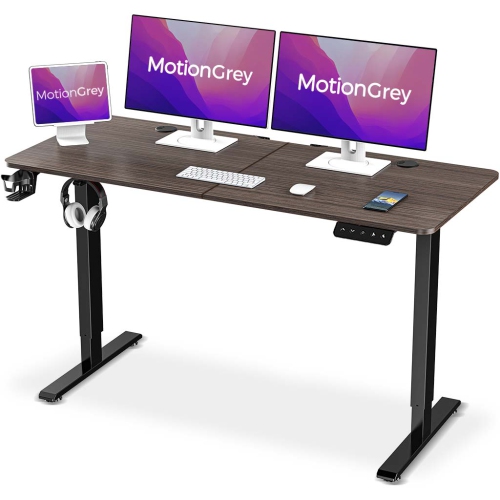 Your price for this item is $97.99
-
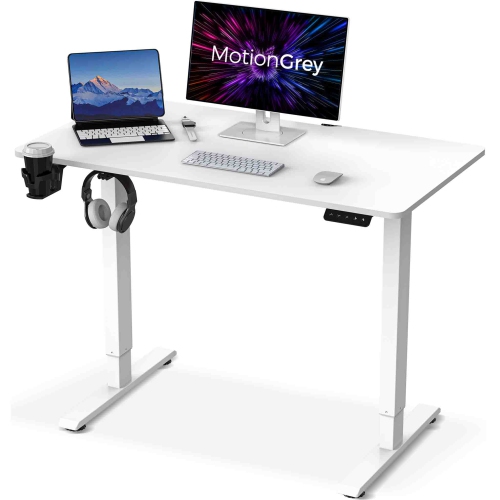 Your price for this item is $89.99
-
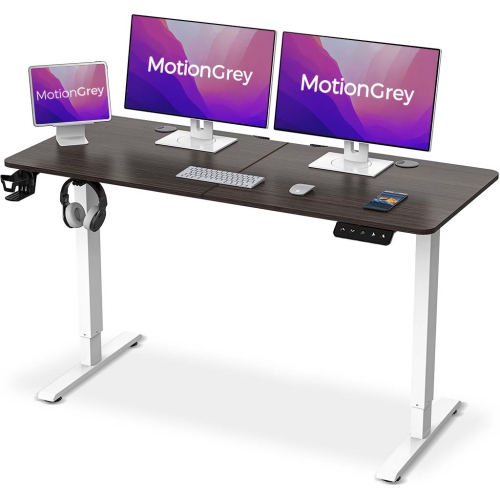 Your price for this item is $84.99
-
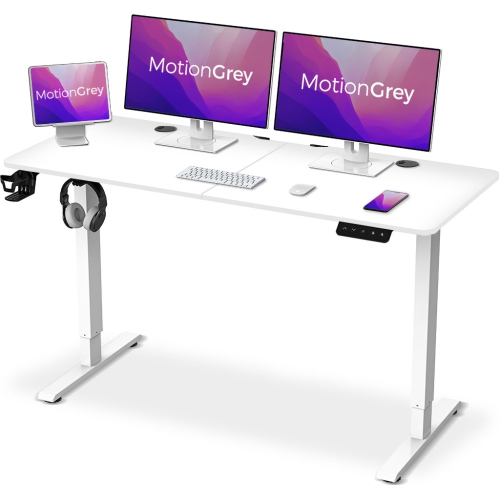 Your price for this item is $97.99
-
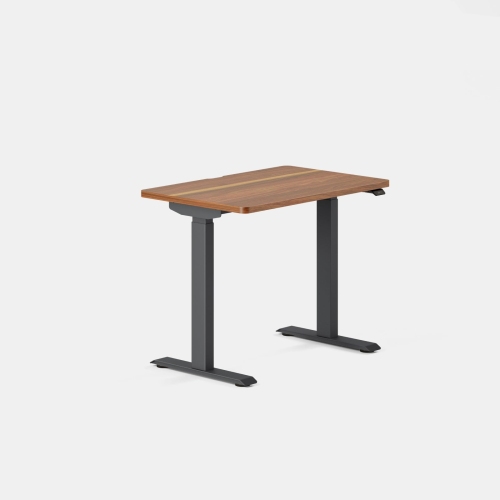 Your price for this item is $649
-
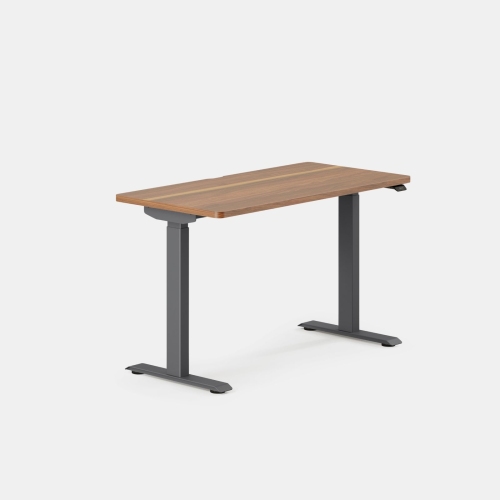 Your price for this item is $749
-
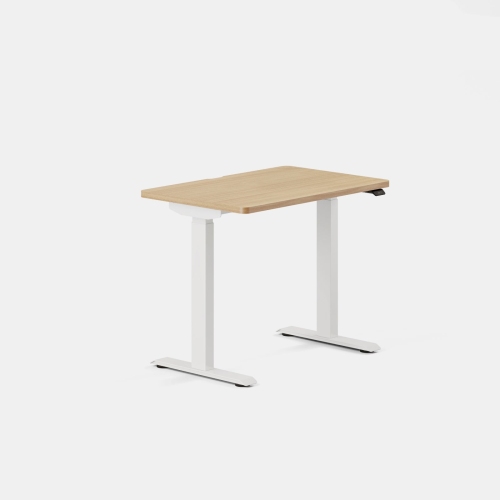 Your price for this item is $649
-
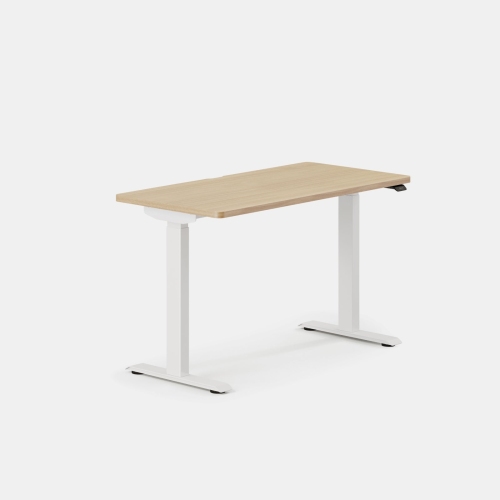 Your price for this item is $749
Discover more categories related to Industrial Metal Desks
Top Collections:
Best Black Friday Deals This Year, Best Black Friday Deals On Electronics, Kindle Devices, Pokemon Centers, Best Black Friday Deals On Apple Products, Best Cameras for Sports Photography, Dyson Airwrap, Pokémon 30th Celebration Cards, Apple iPhone 17 Pro, Canon G7X Cameras
Some products may be subject to Environmental Handling Fees
(EHF) depending on your province.
Learn more about EHFs.