Industrial Metal Shelving
Industrial metal shelves are an essential storage solution for almost any workspace. These shelves are designed to be strong and durable, making them ideal for storing heavy items such as tools, machinery, and other industrial supplies. They are also easy to assemble and can be customized to fit almost any space. Here are some great options available.
Sort
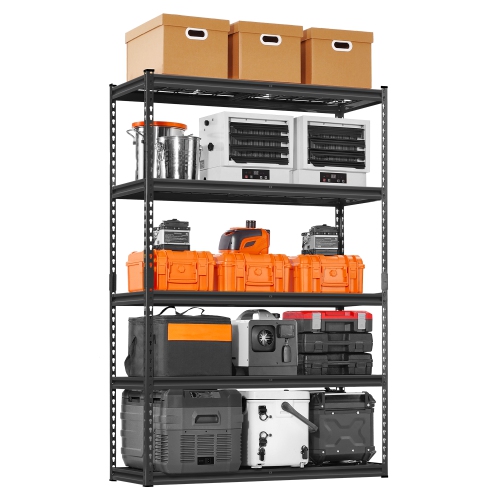
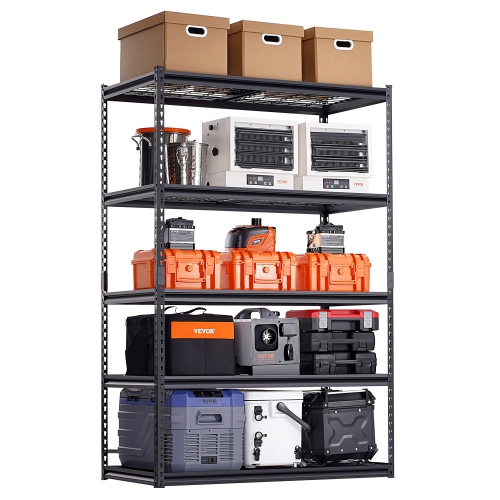
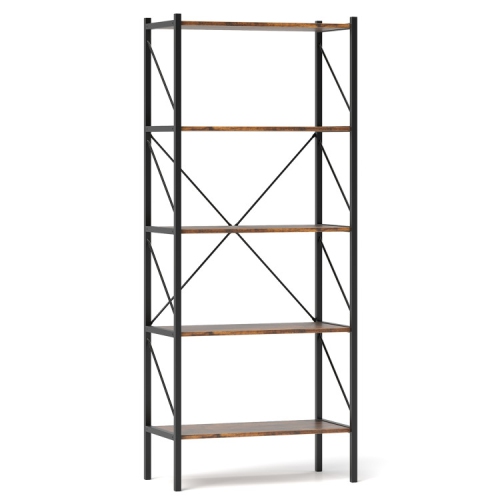
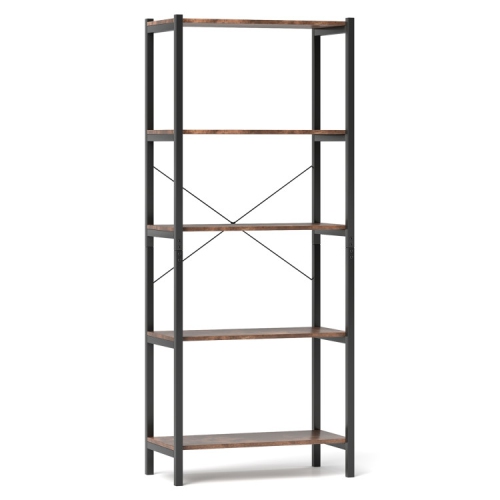
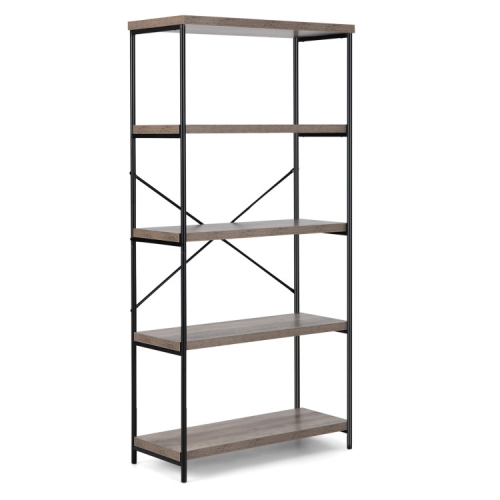
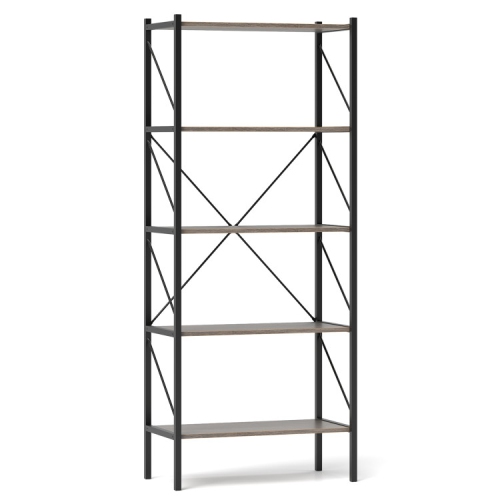
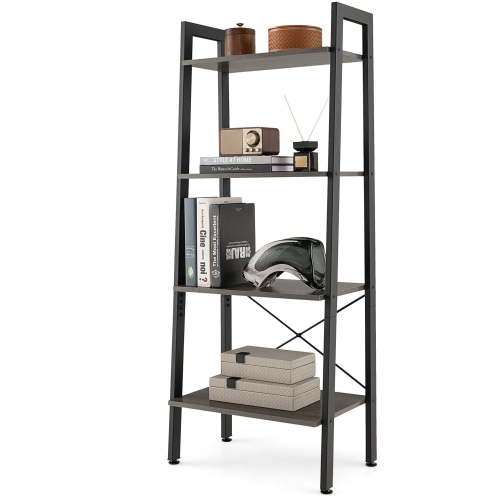
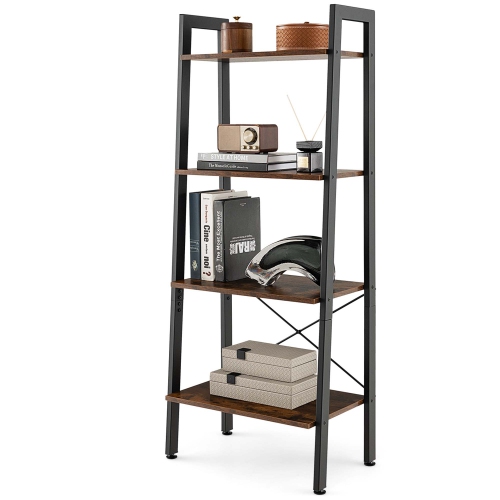
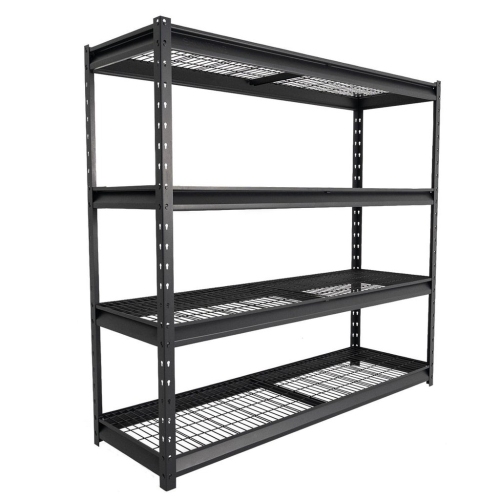
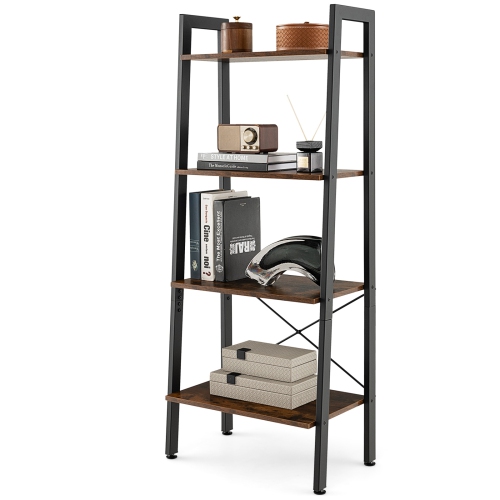
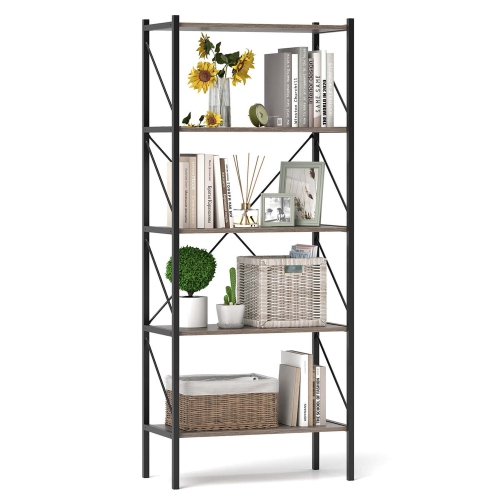
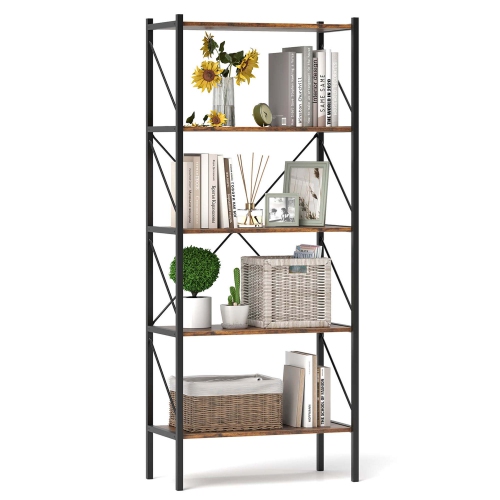
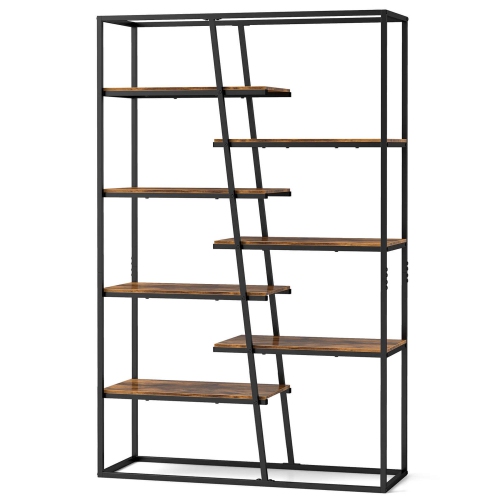
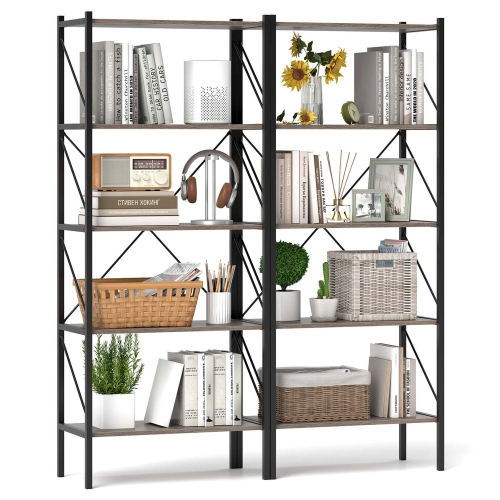
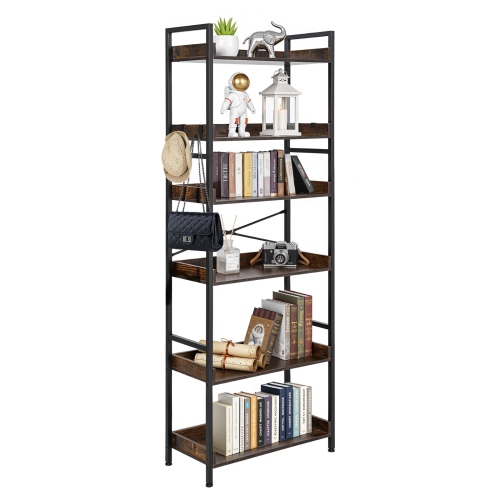
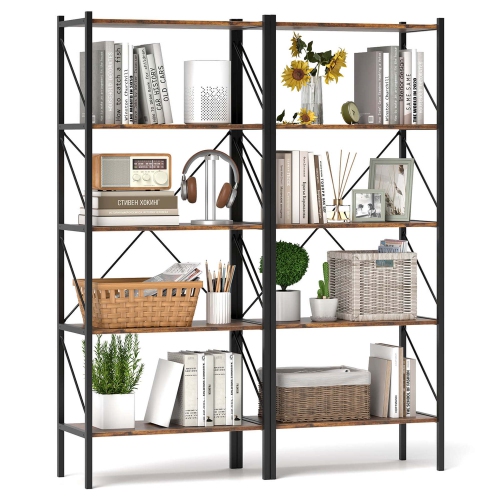
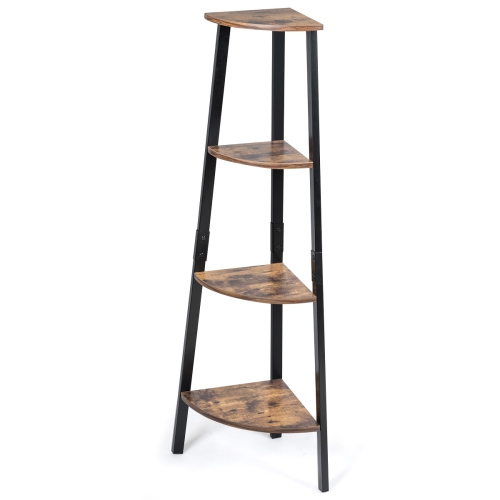
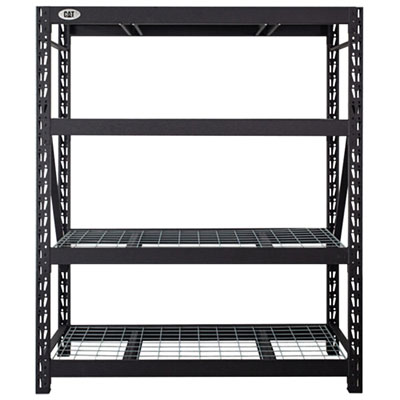
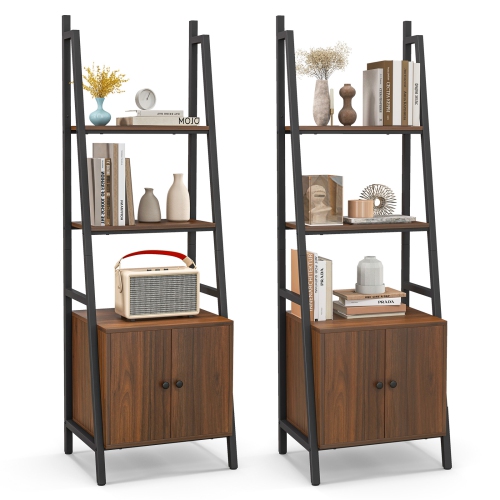
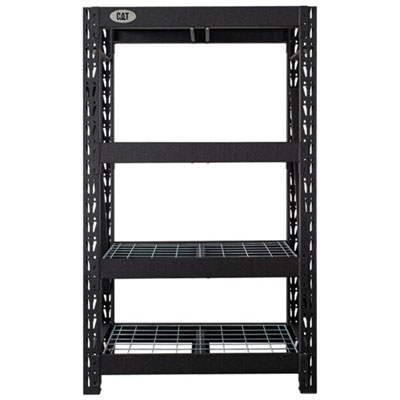
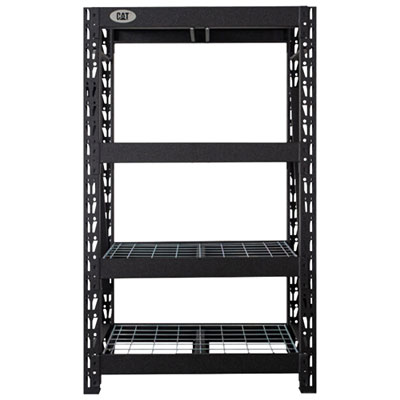
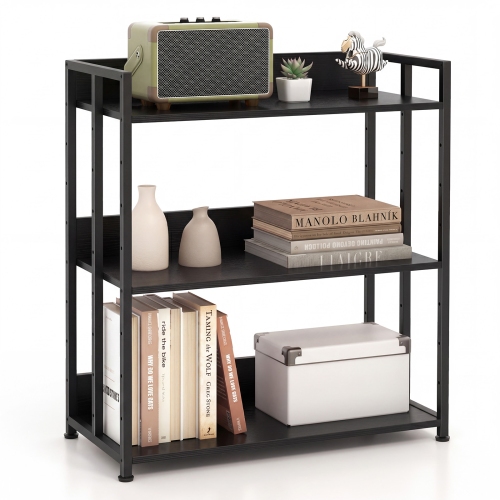
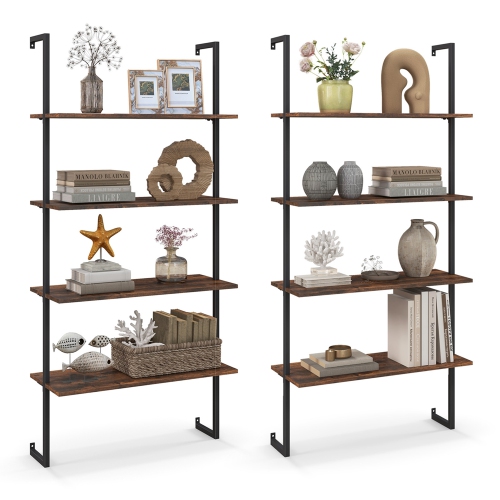
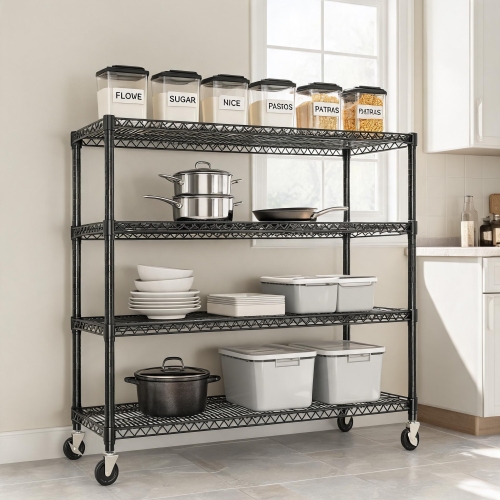
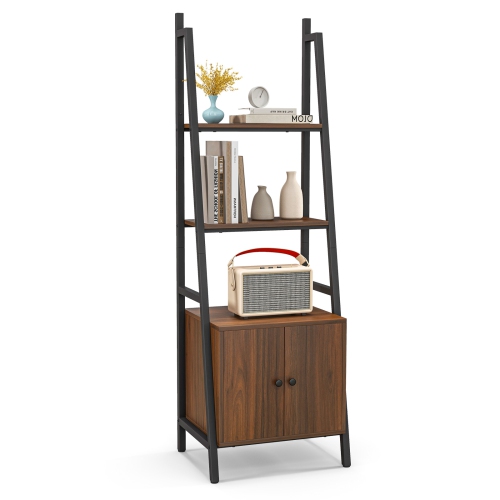
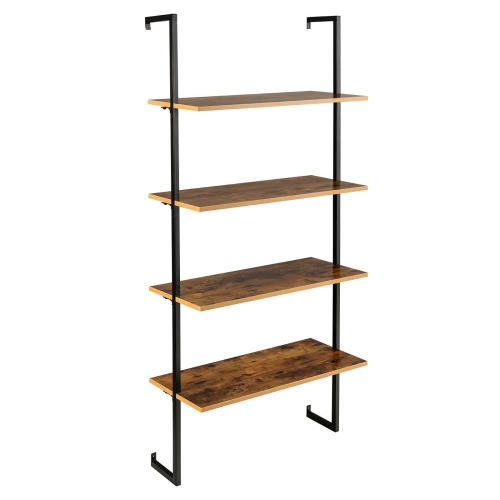
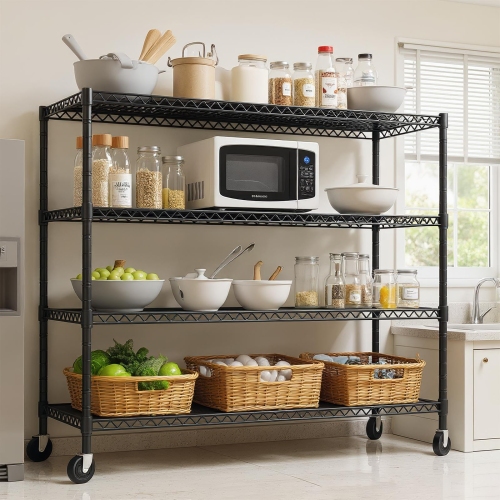
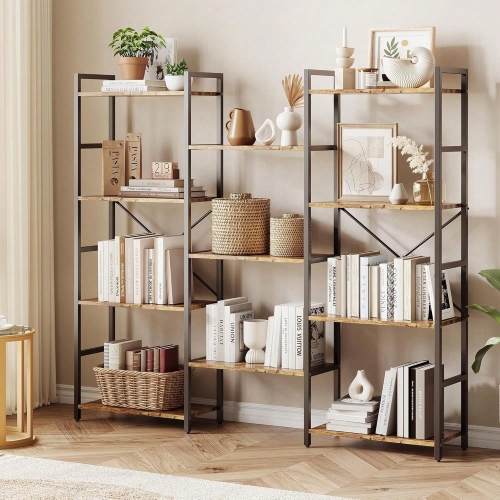
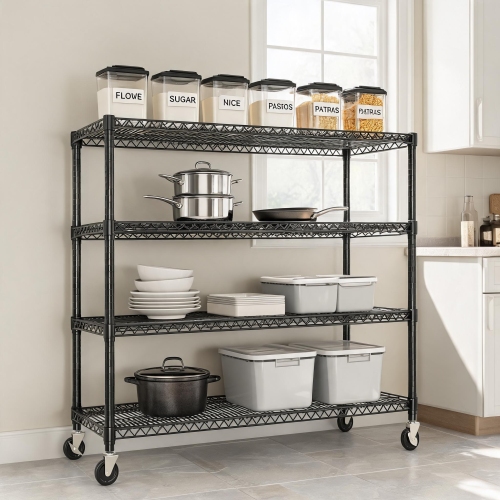
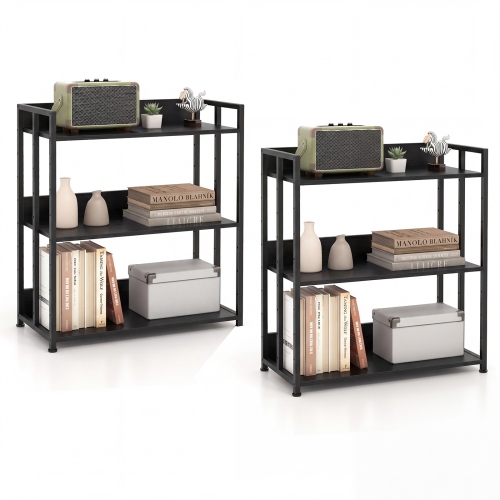
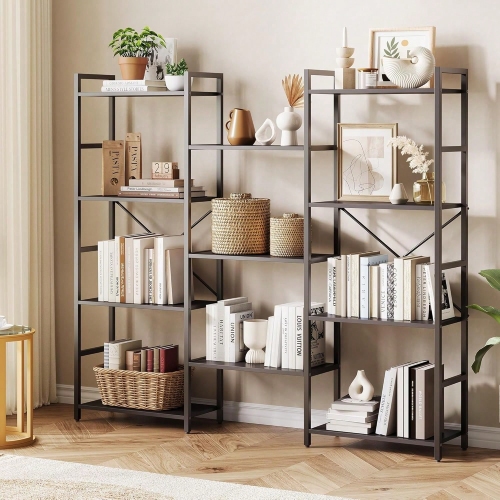
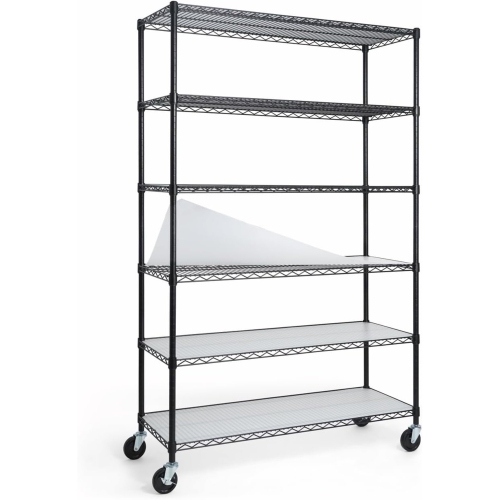
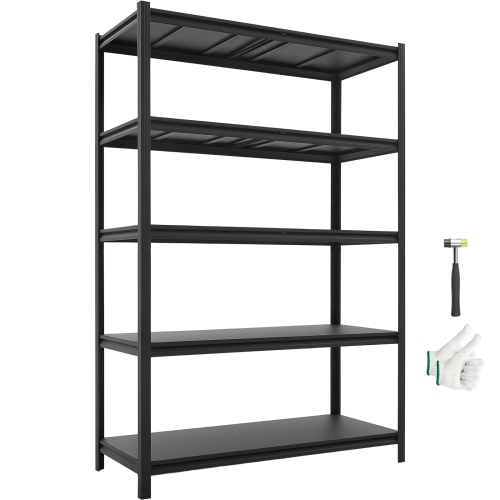
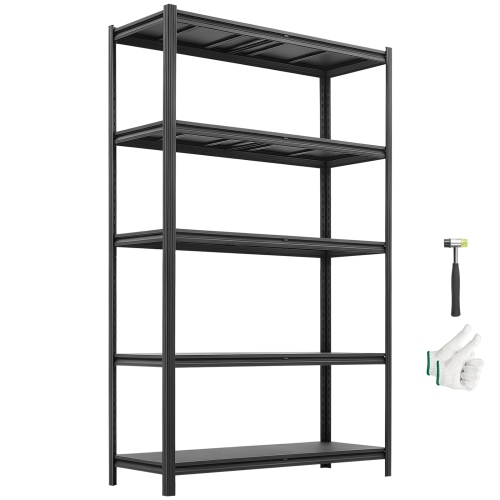
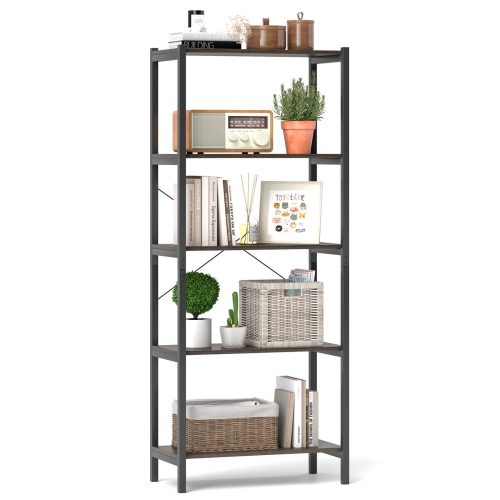
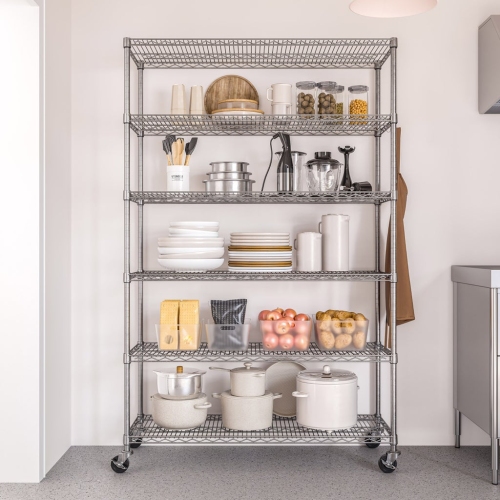
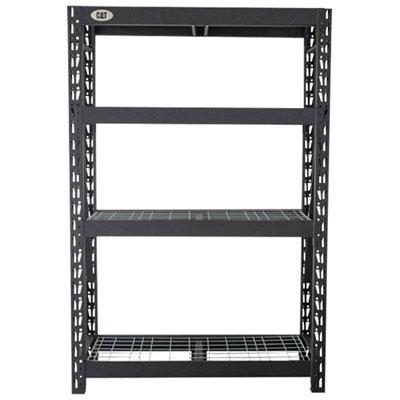
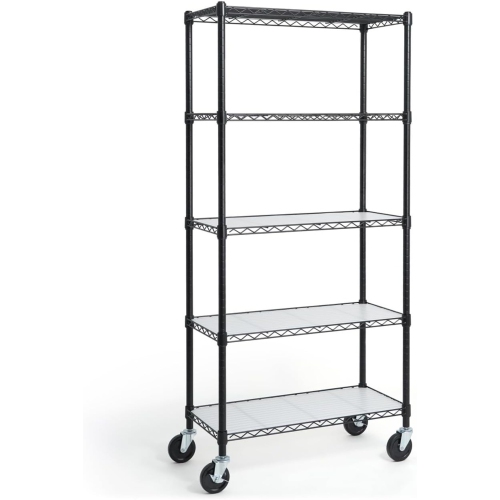

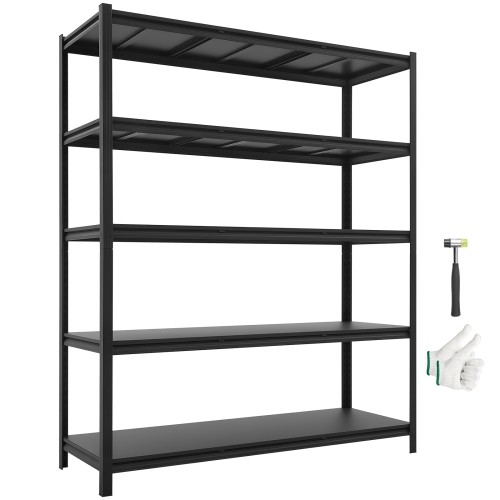
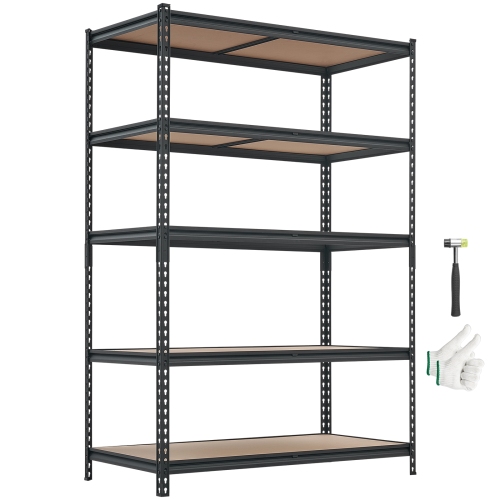
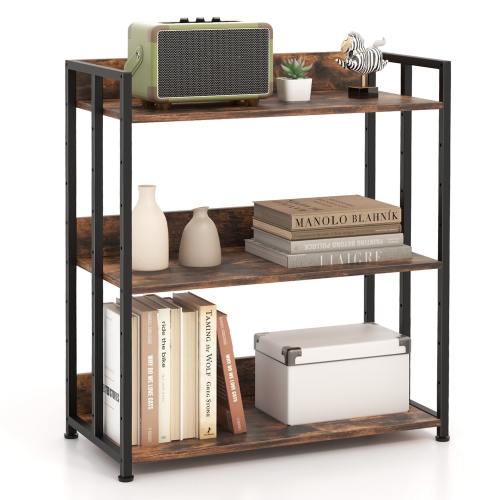
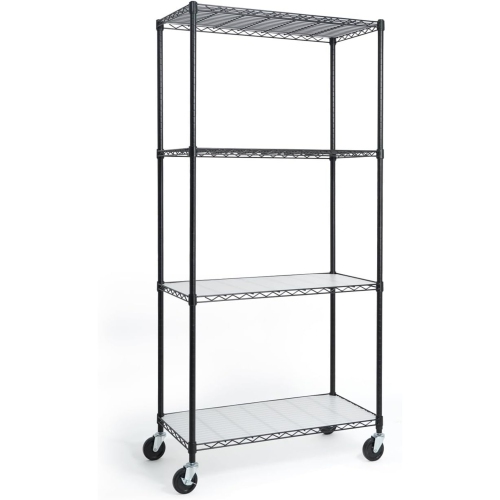
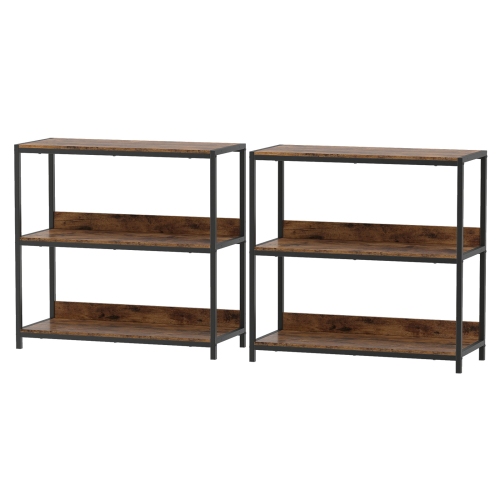
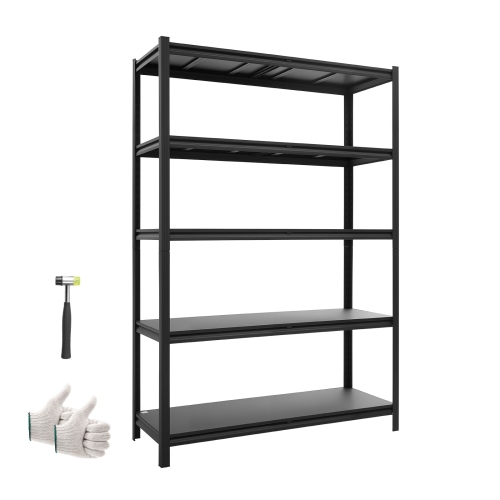
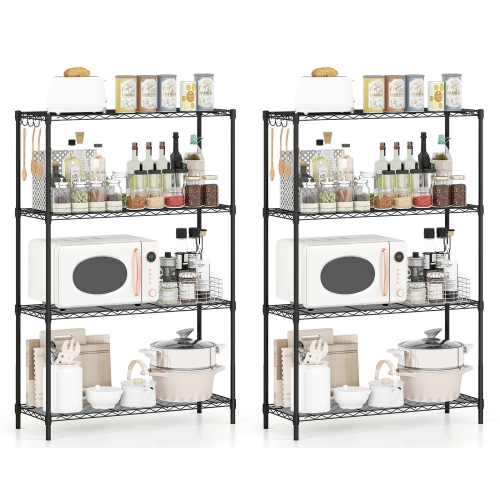
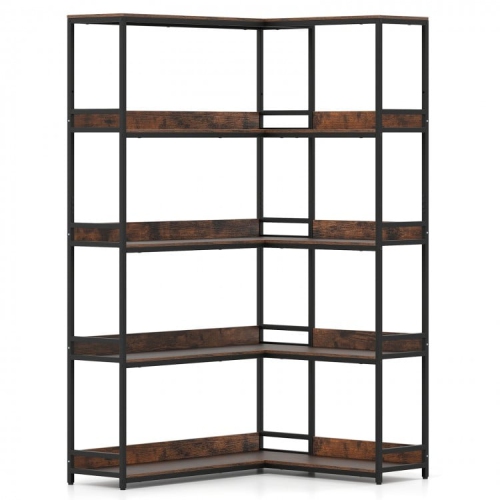
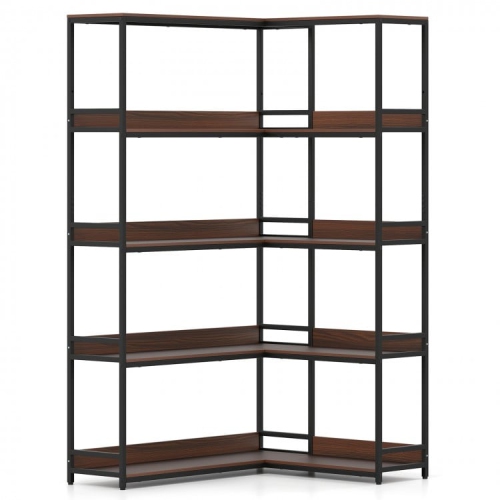
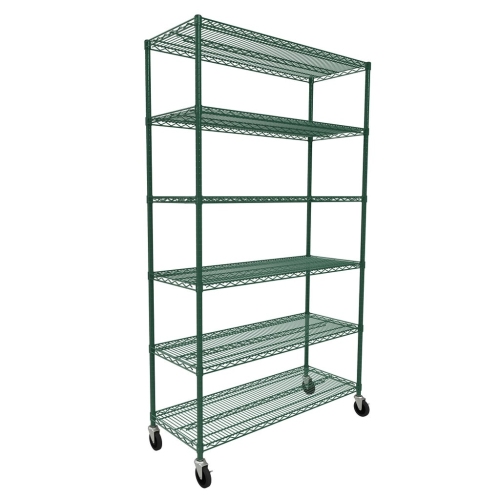
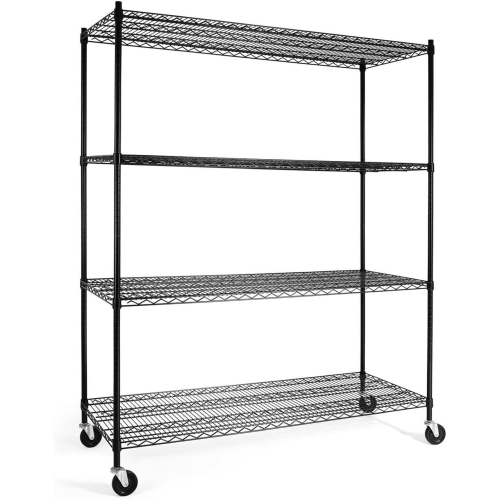
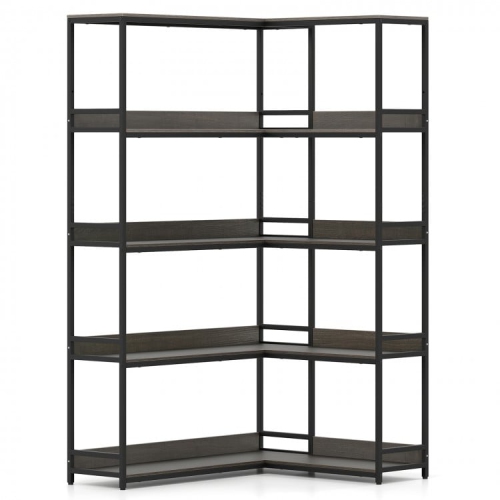
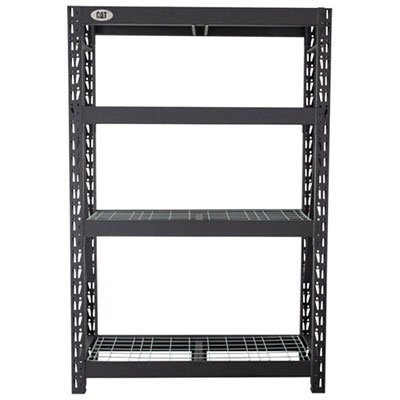
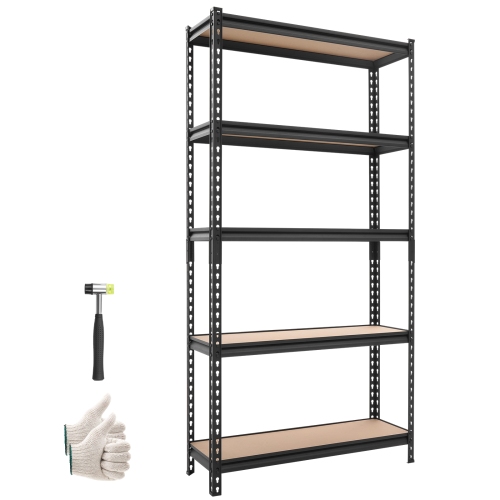
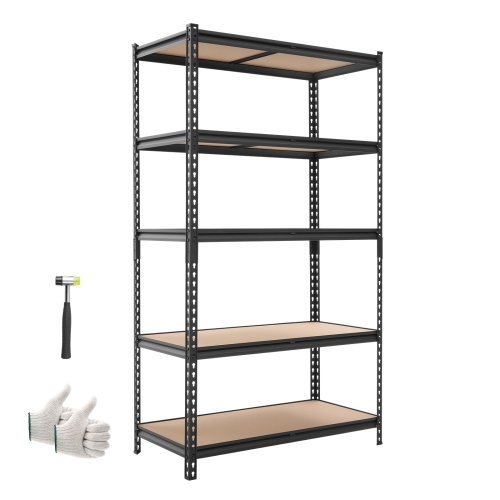
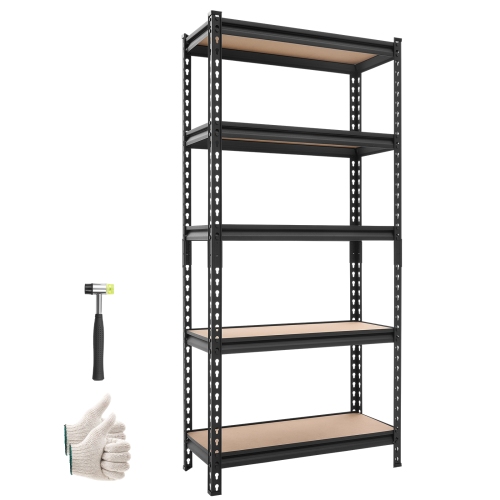

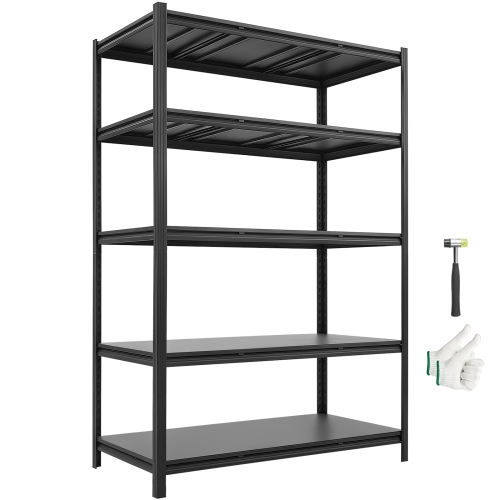
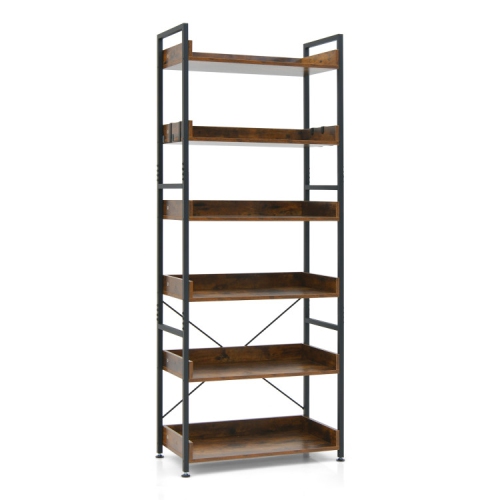
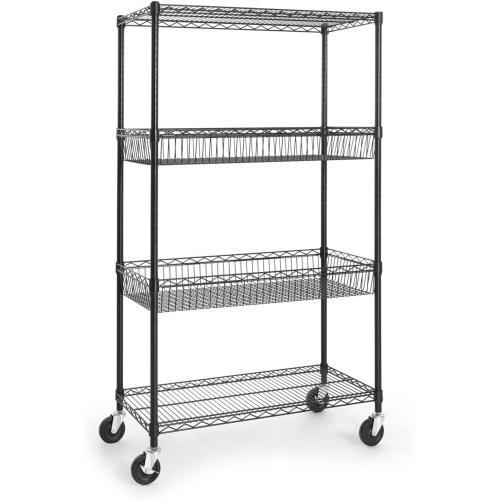

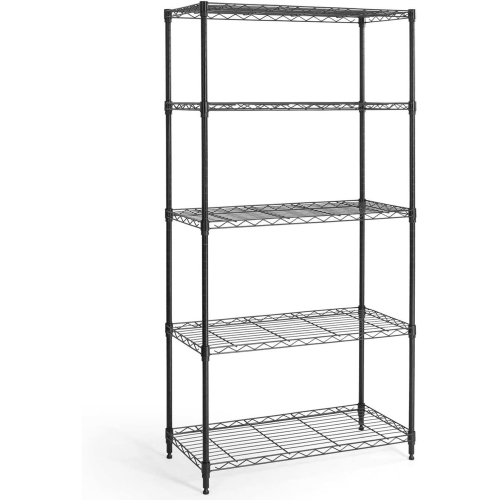
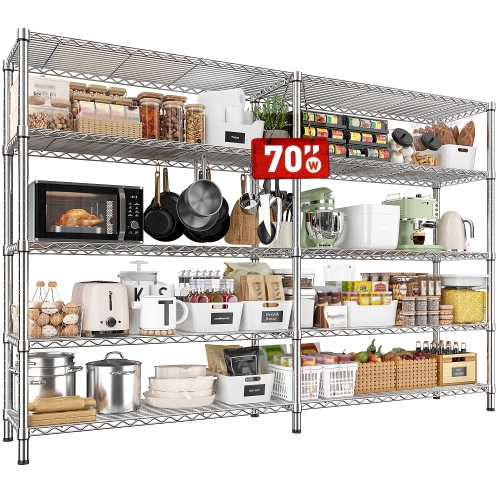
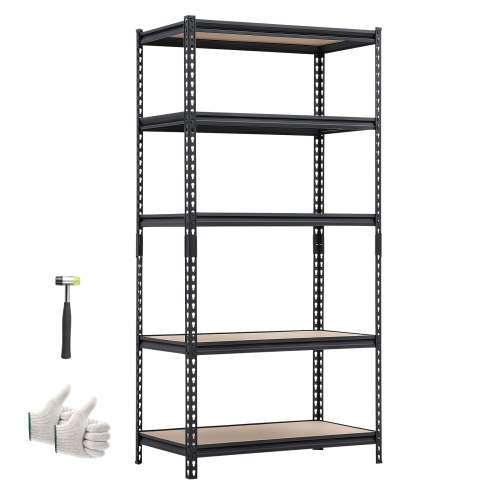
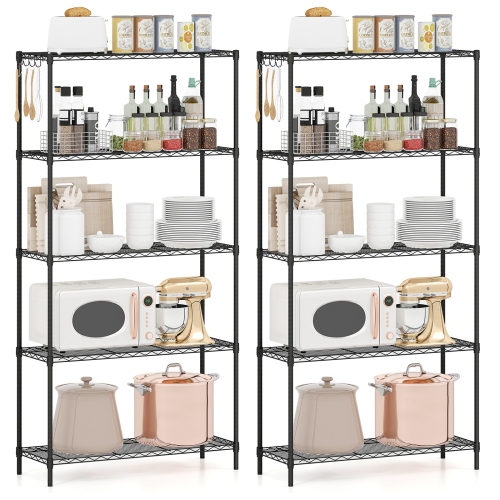
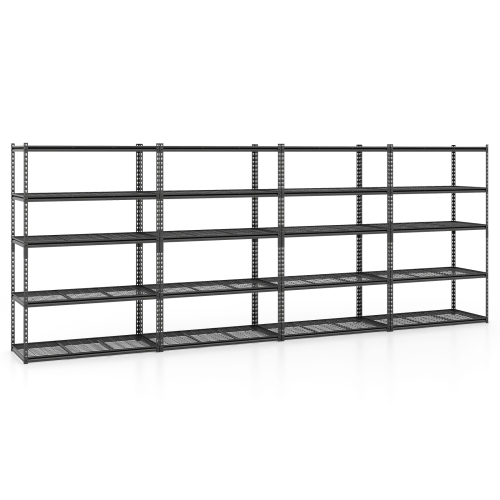
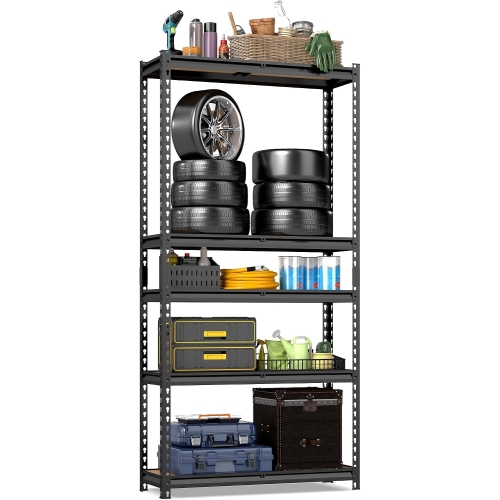
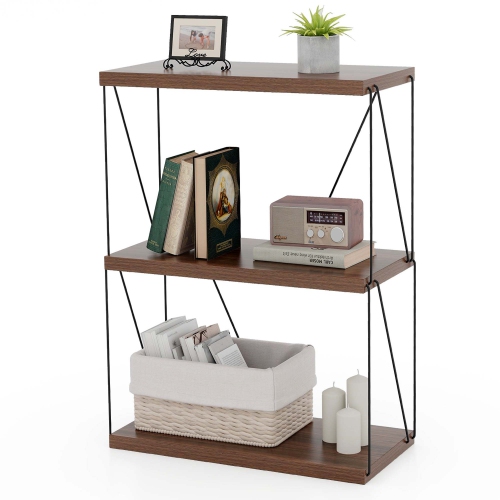
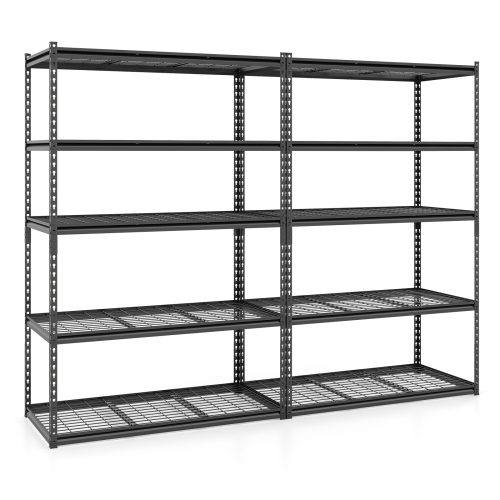

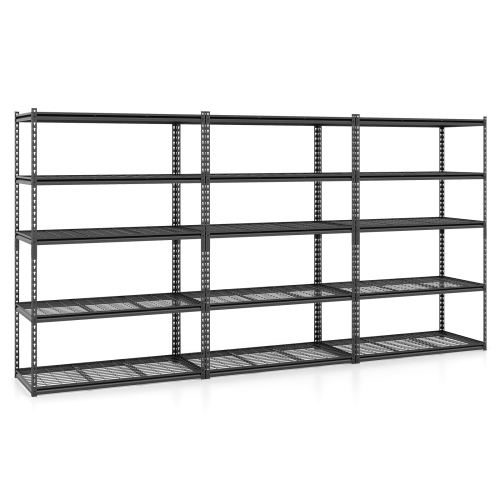
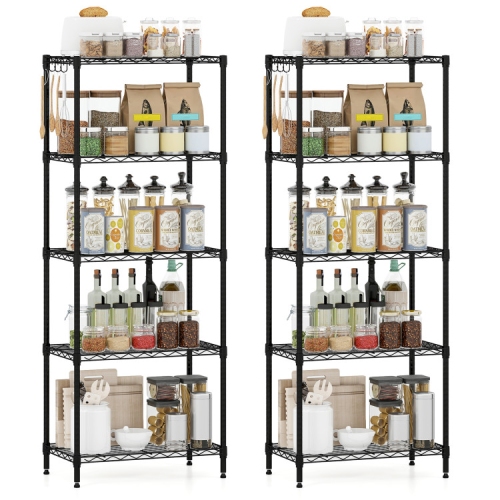
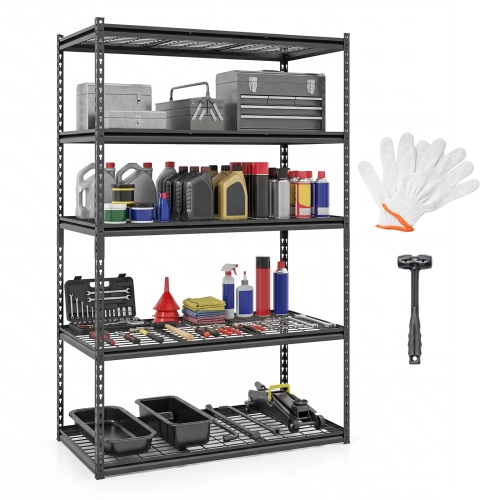
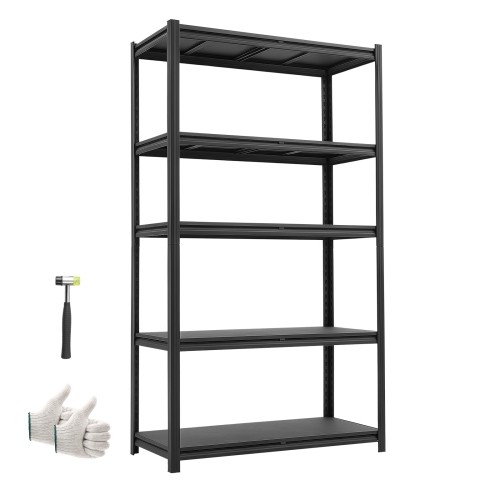
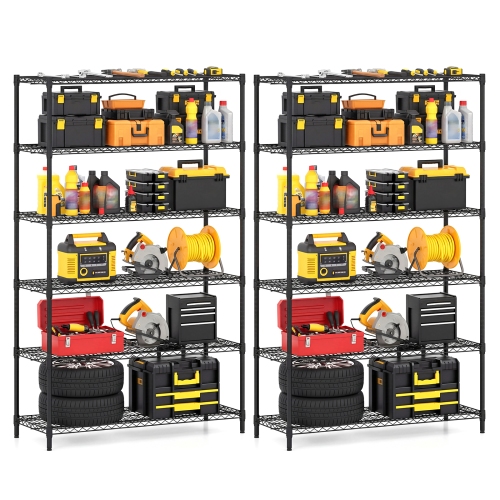
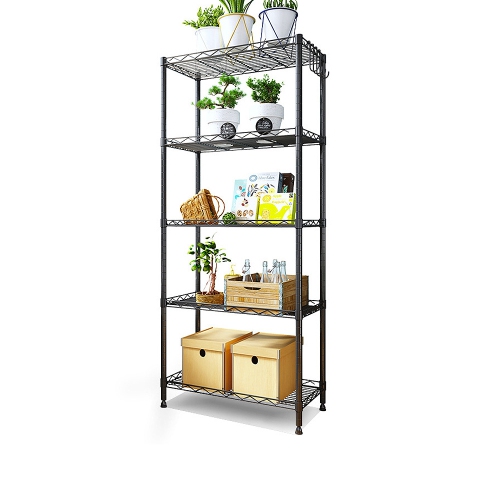
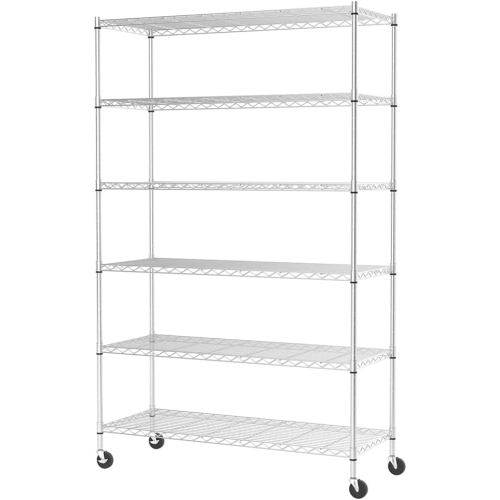

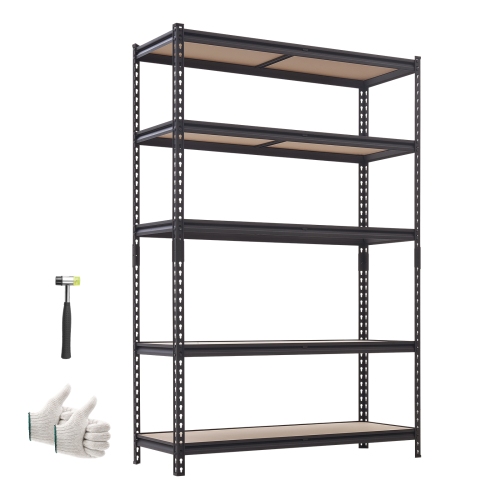

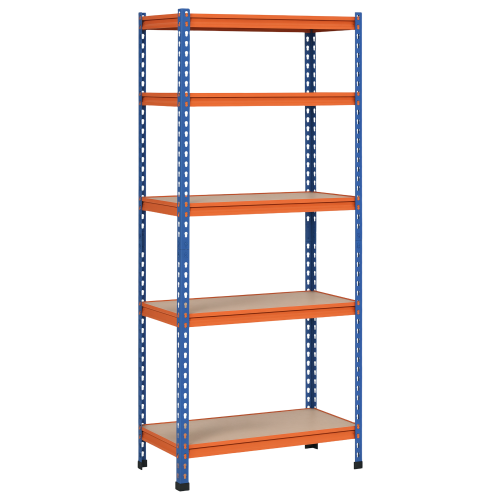
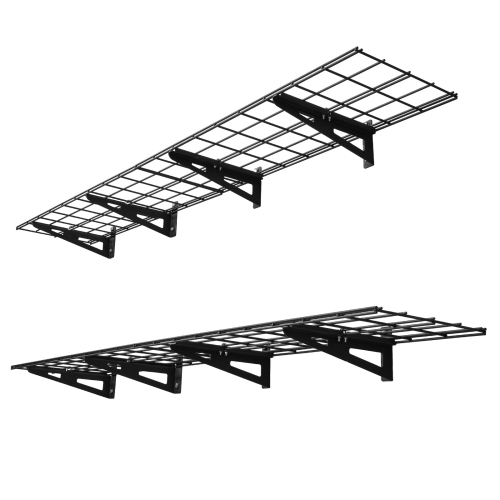
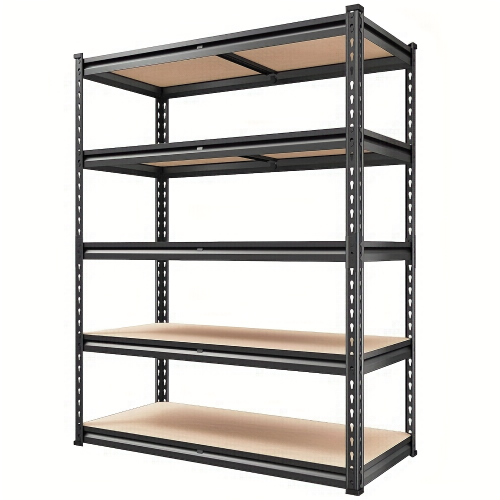
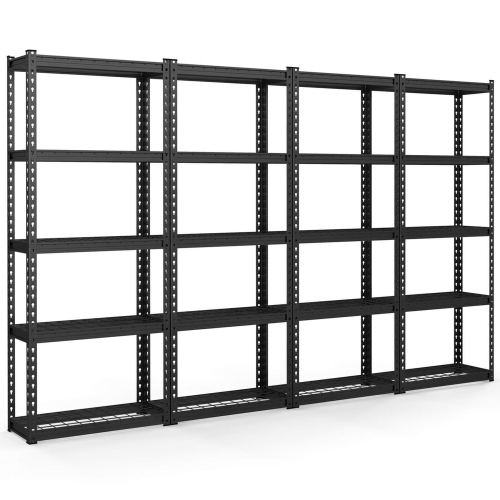
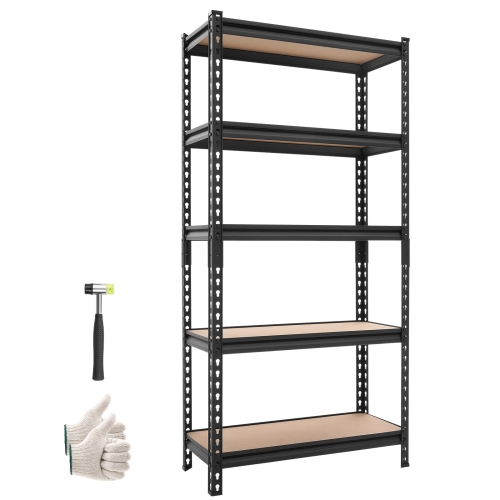
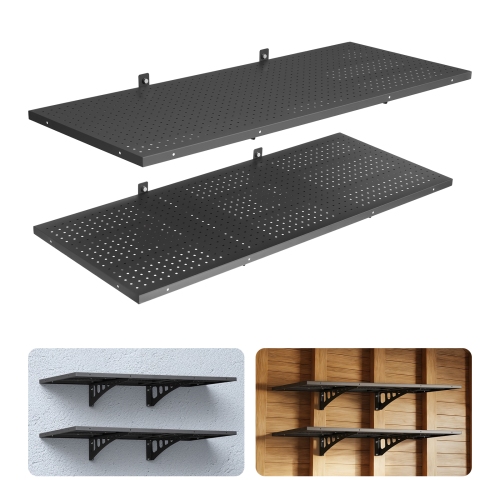

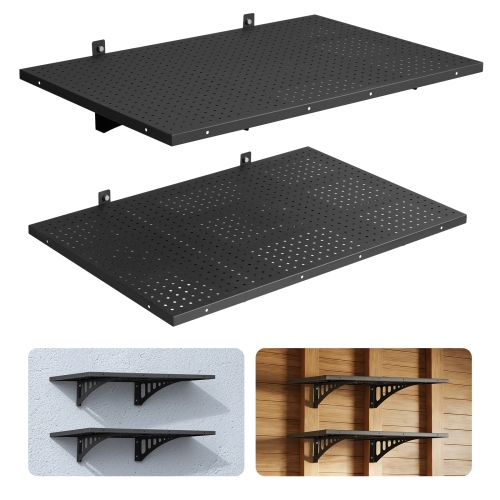
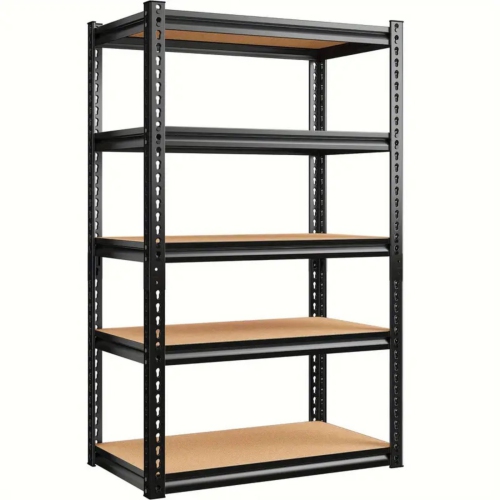
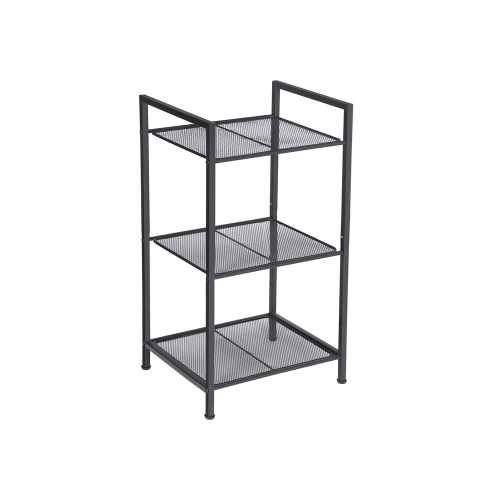
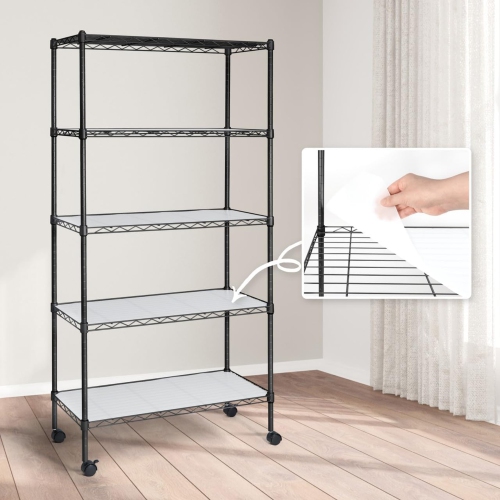
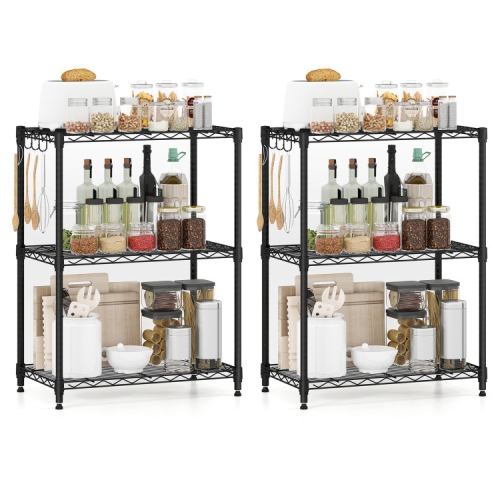
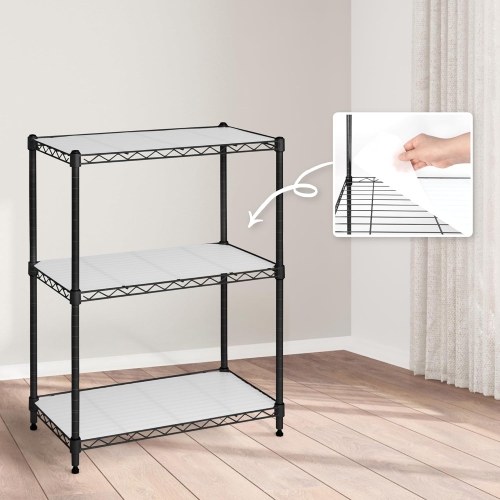
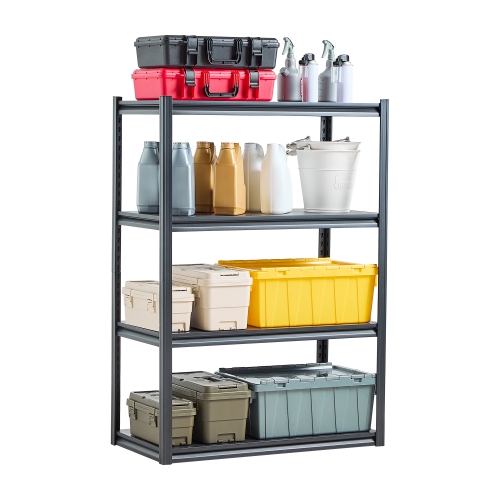
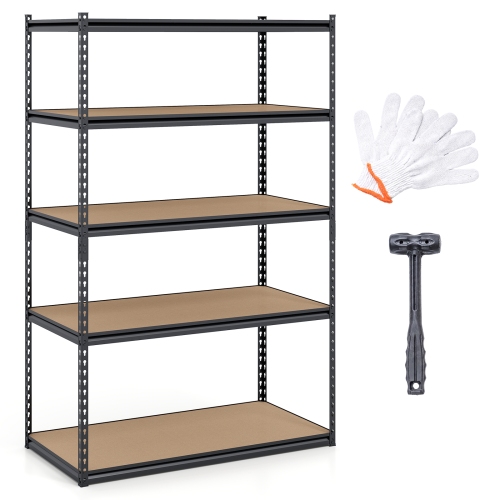
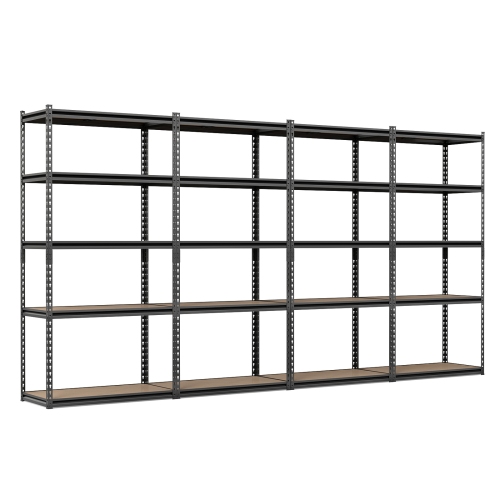
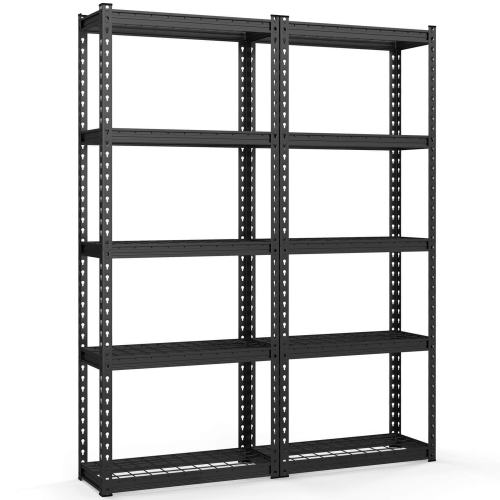
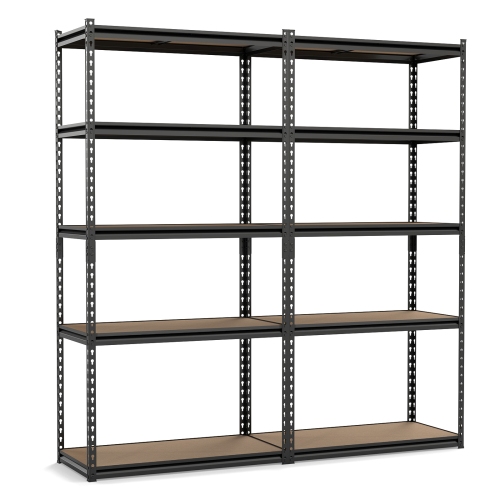
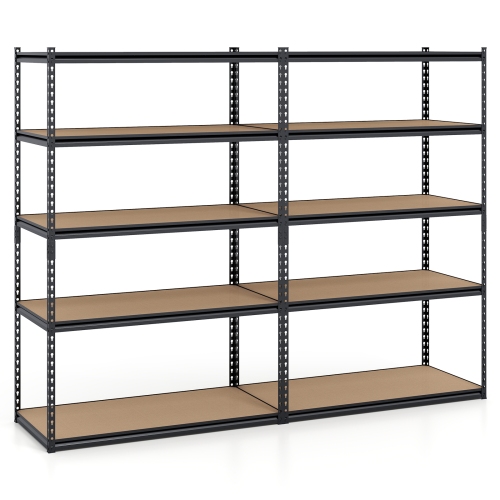
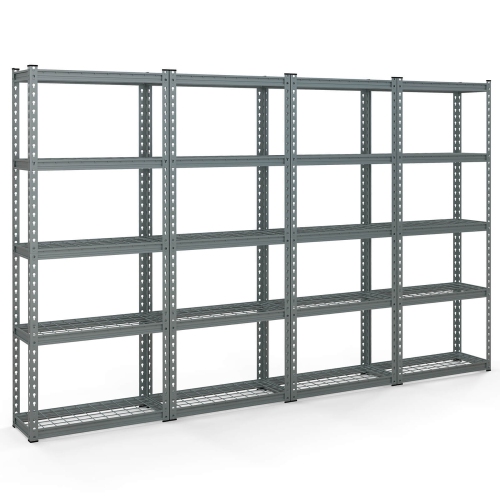
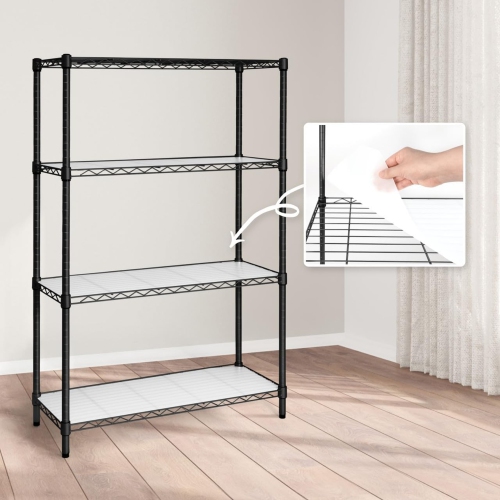
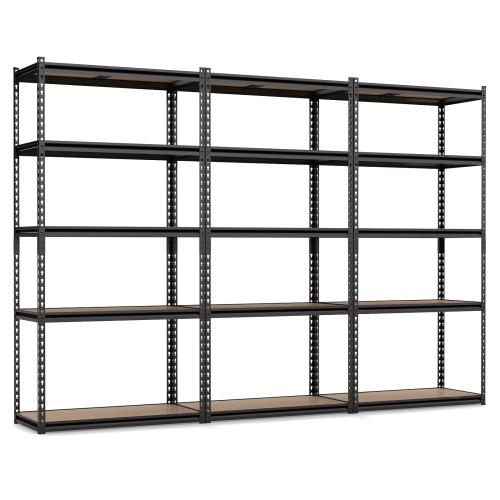
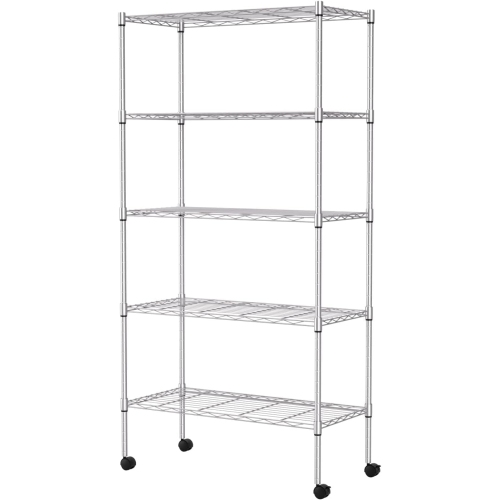
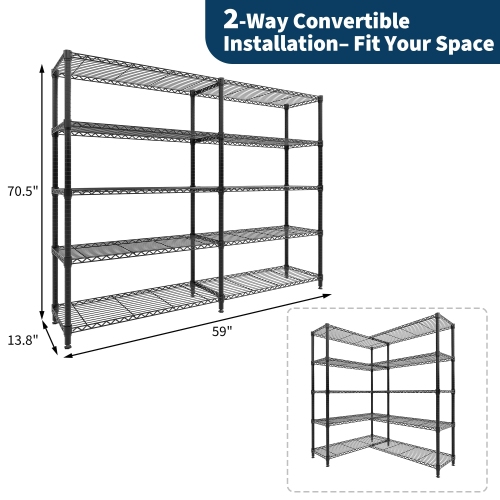
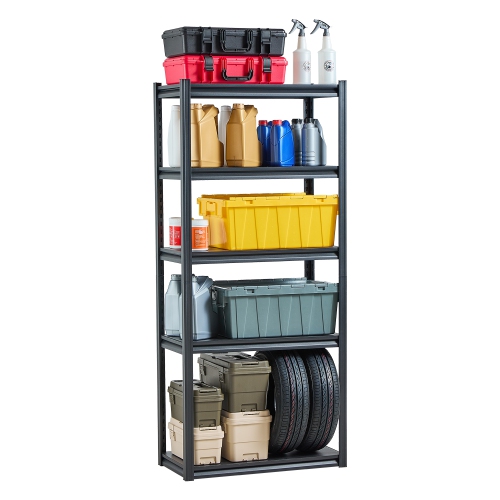
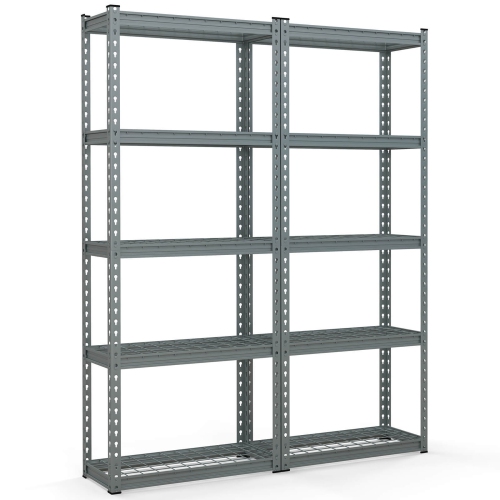
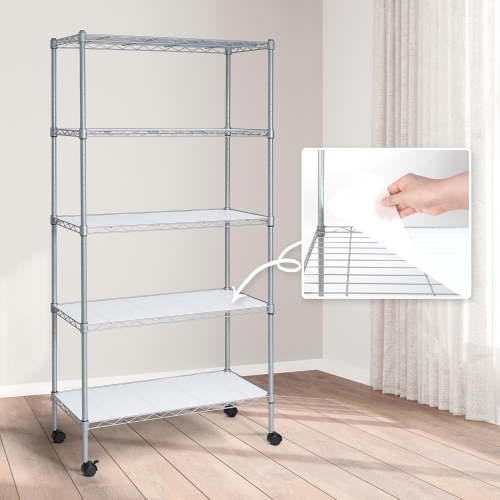

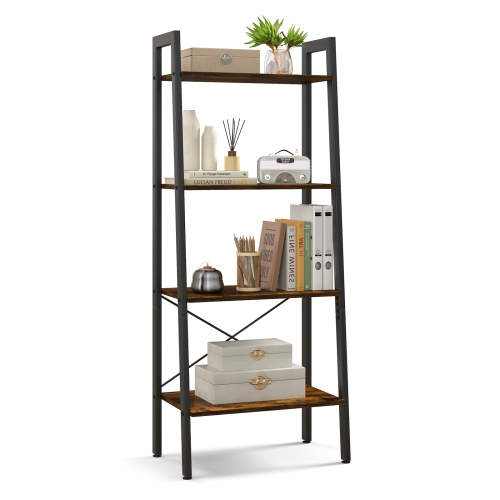
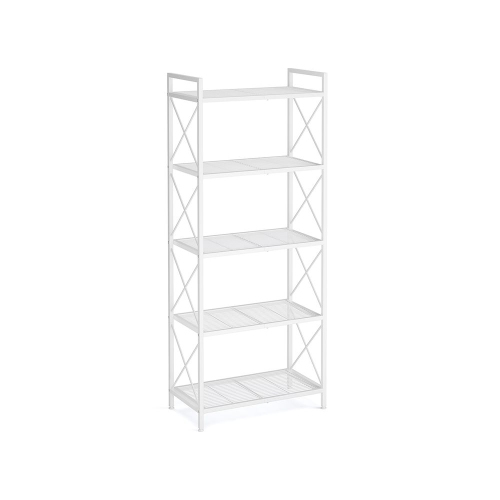
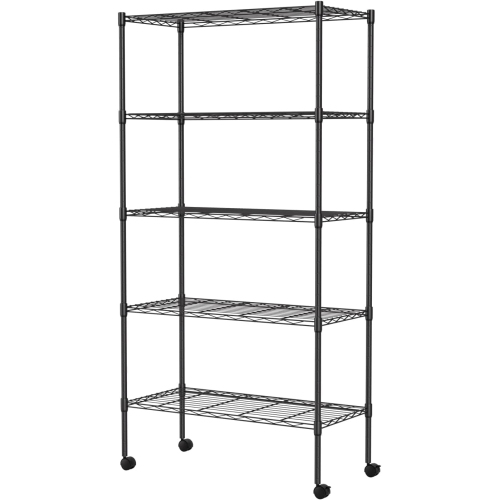
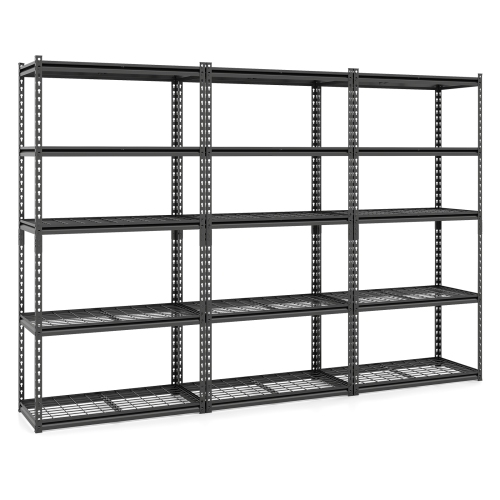
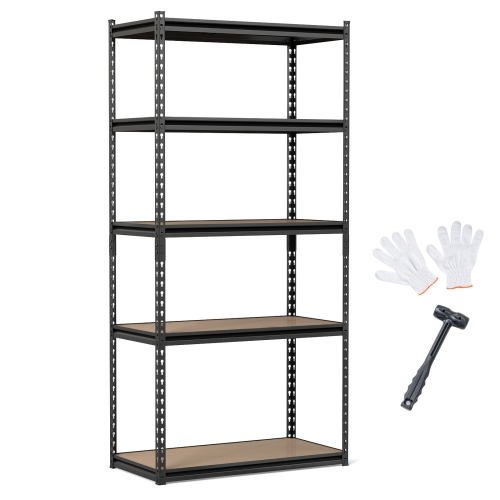
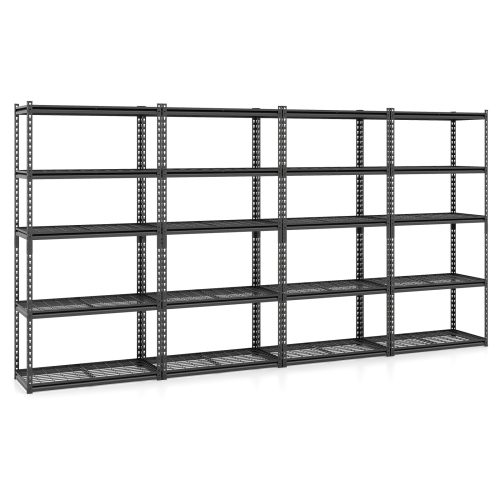
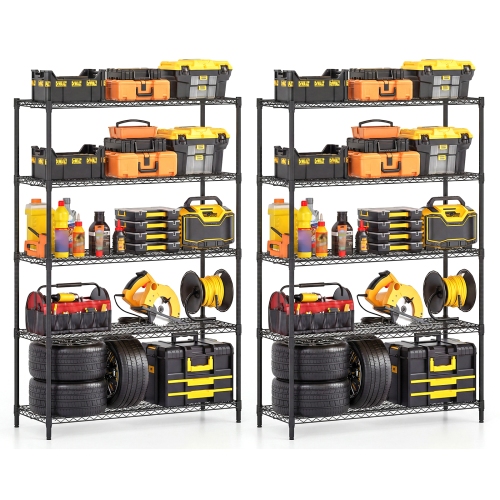
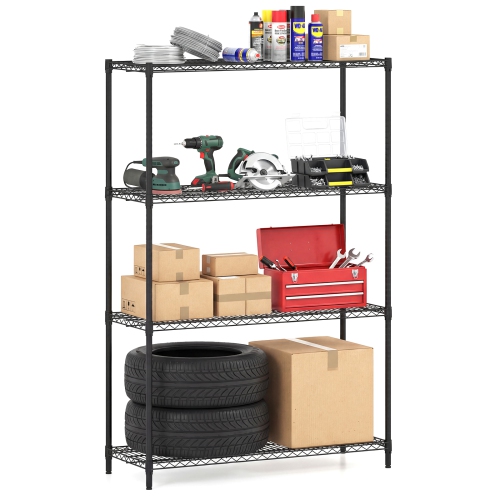
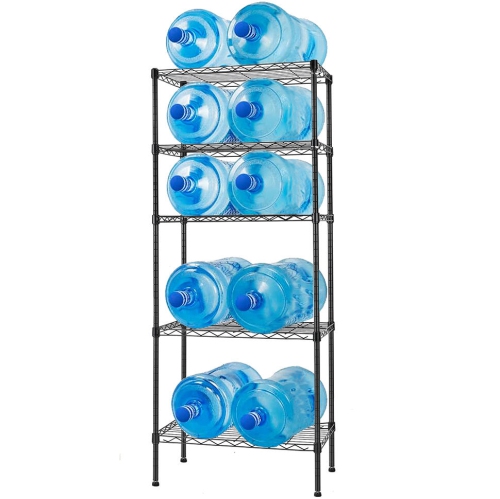
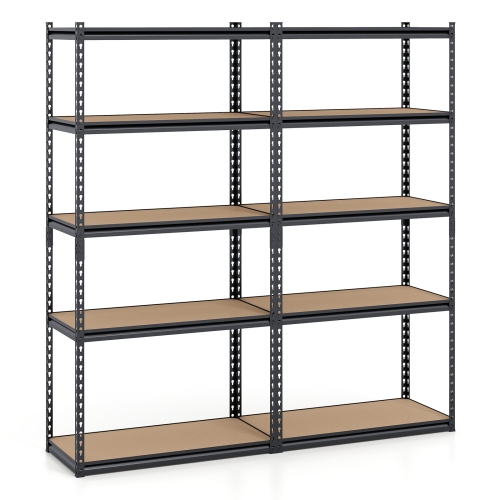
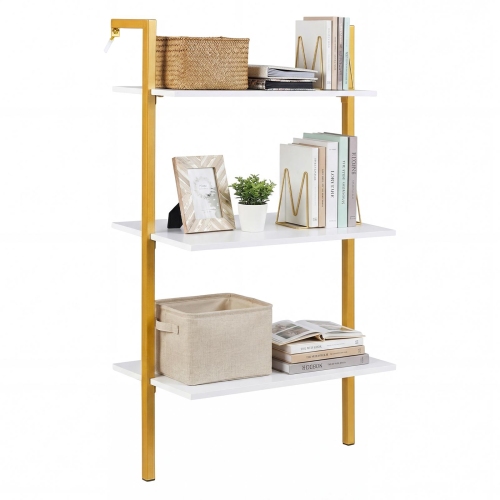
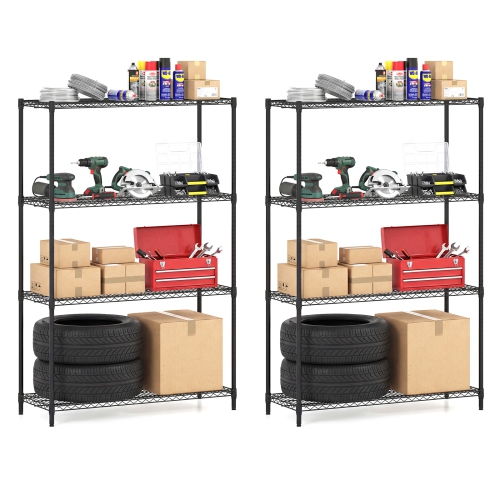
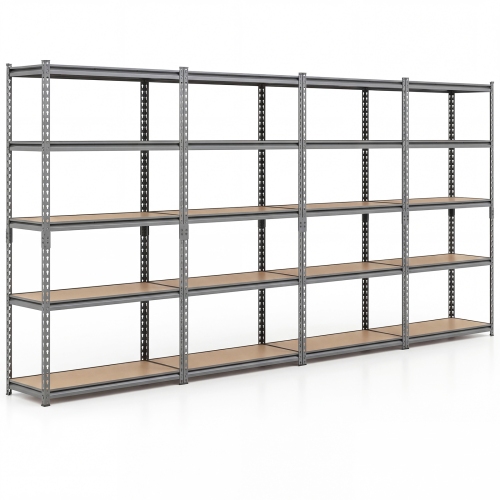
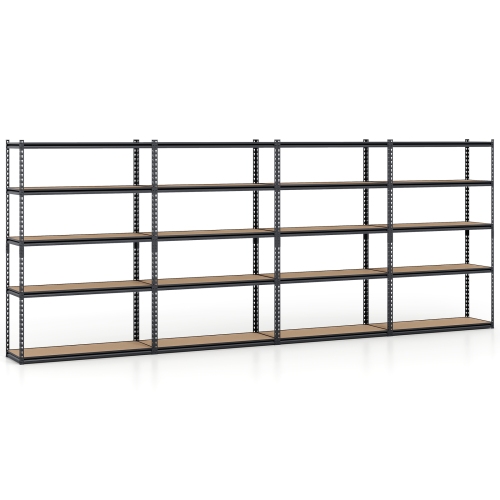
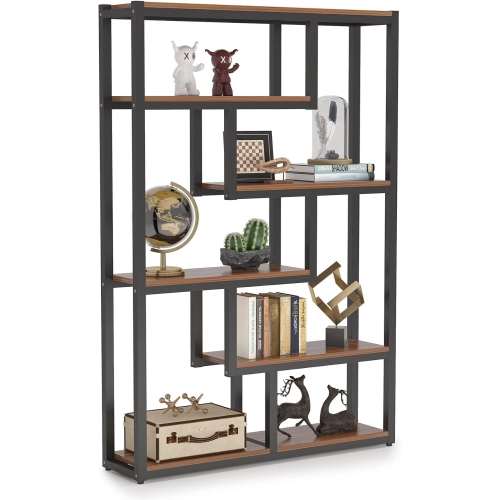

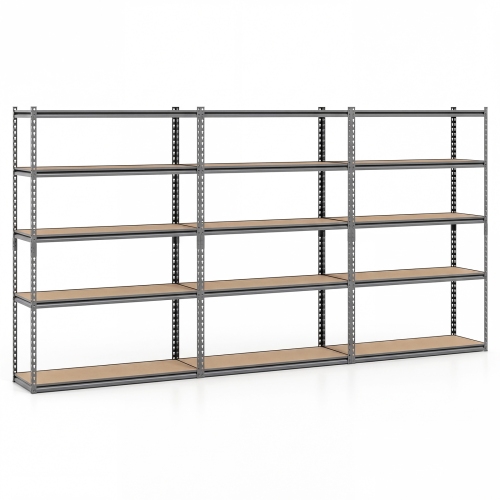
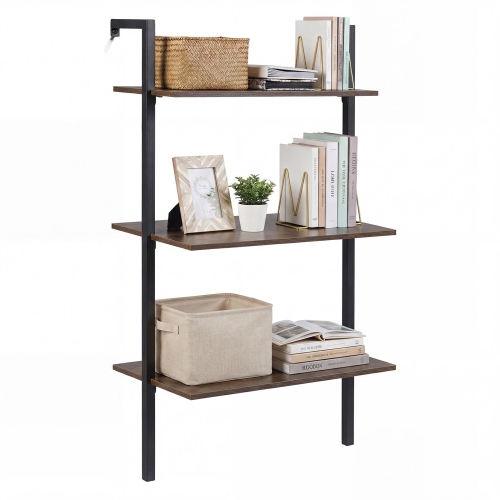
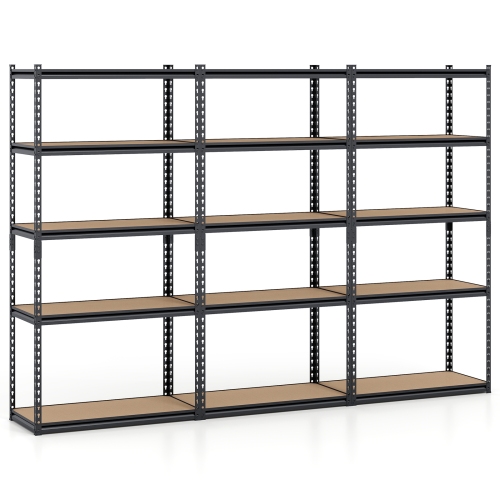
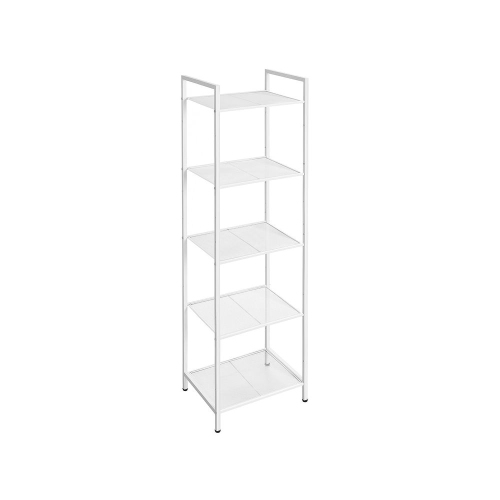
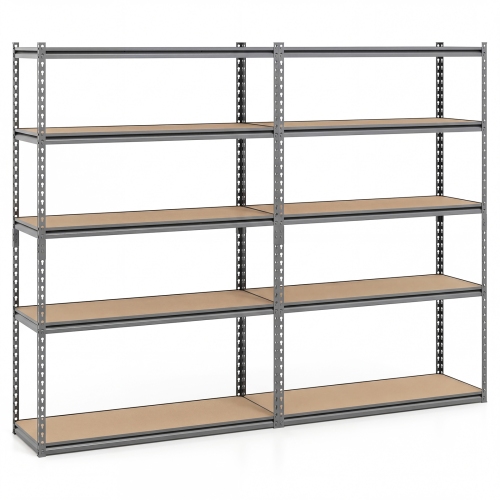
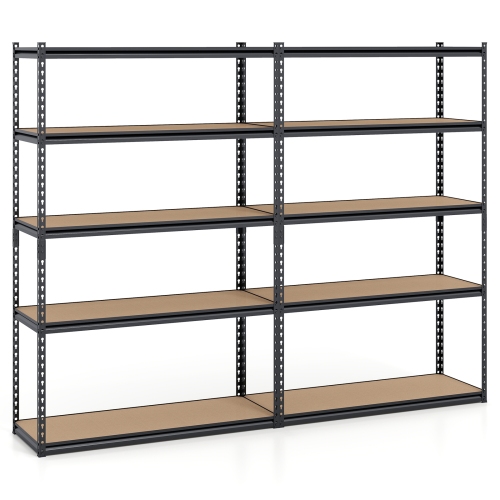
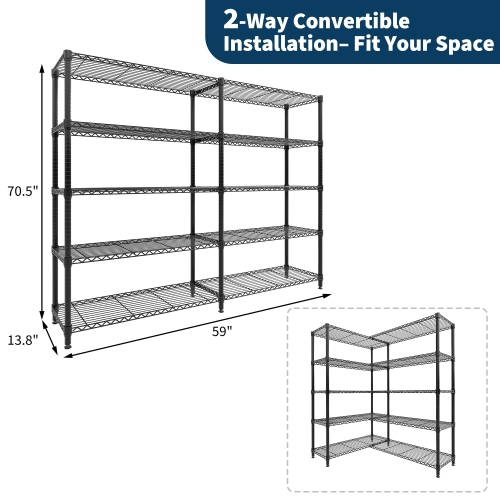
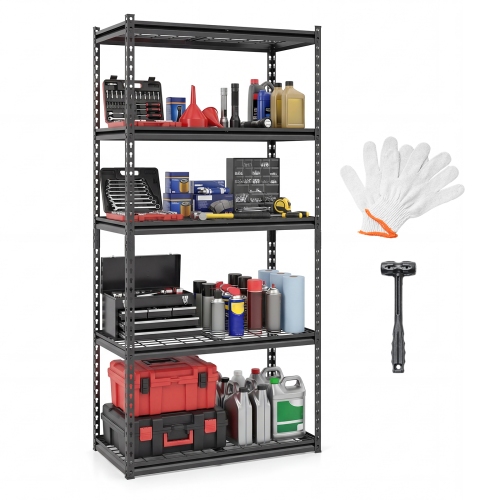
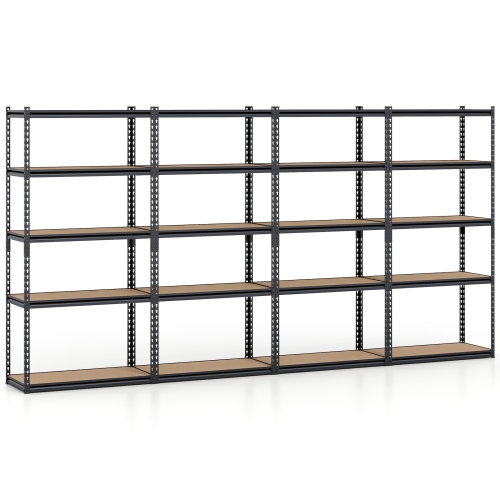
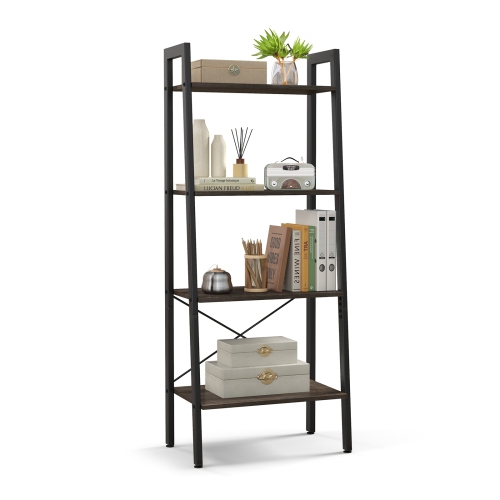
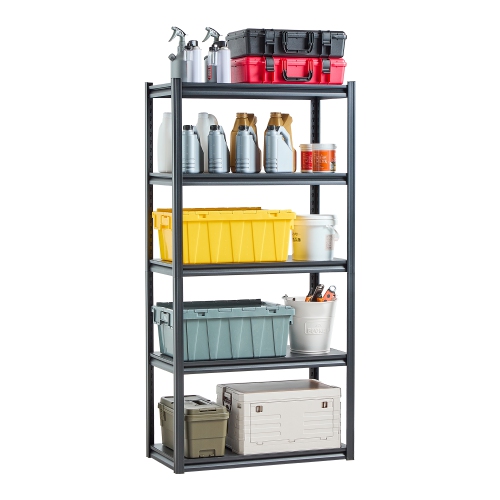
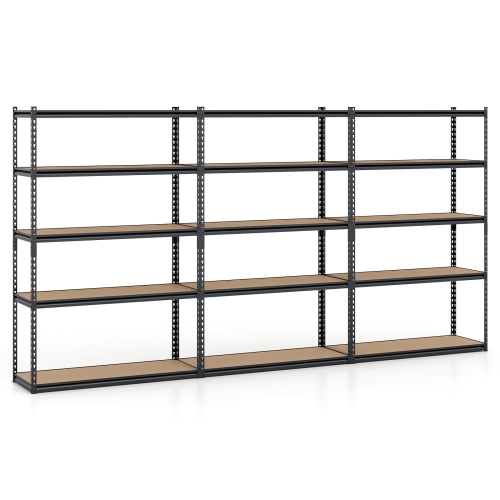
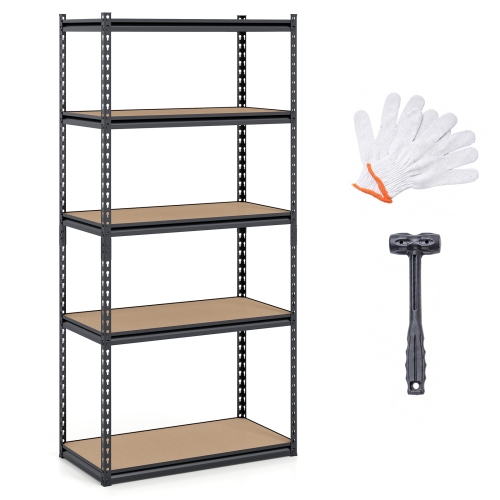
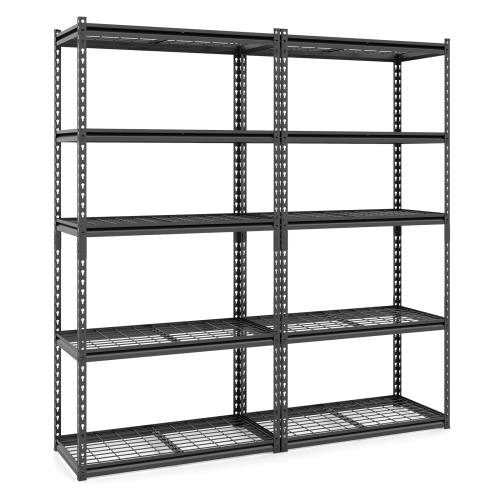
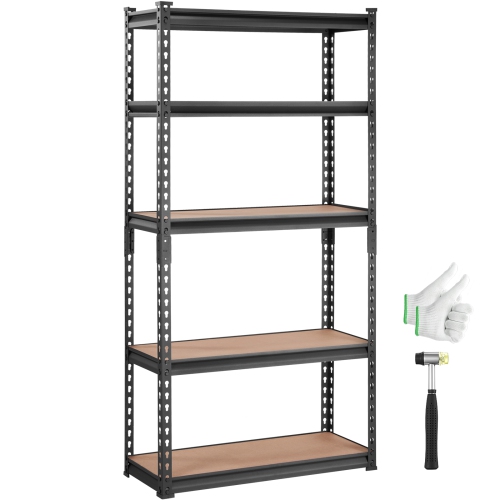
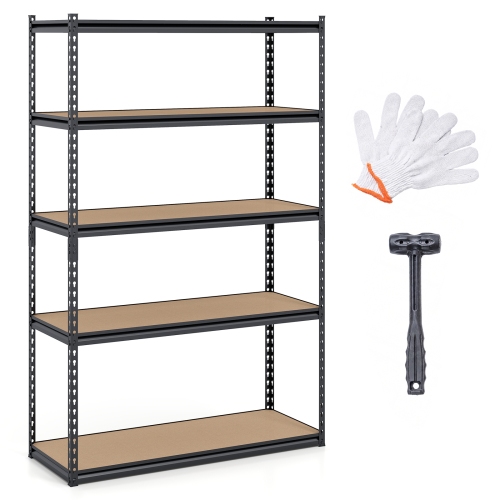
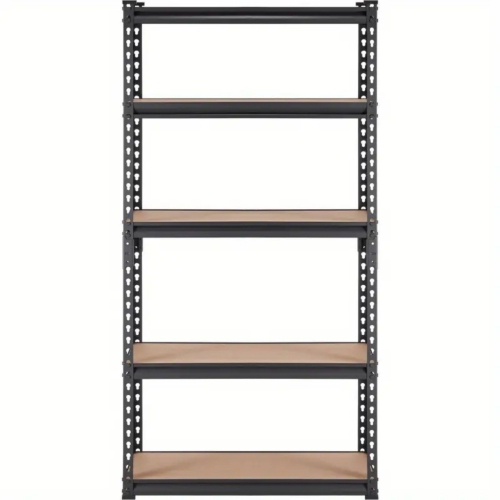
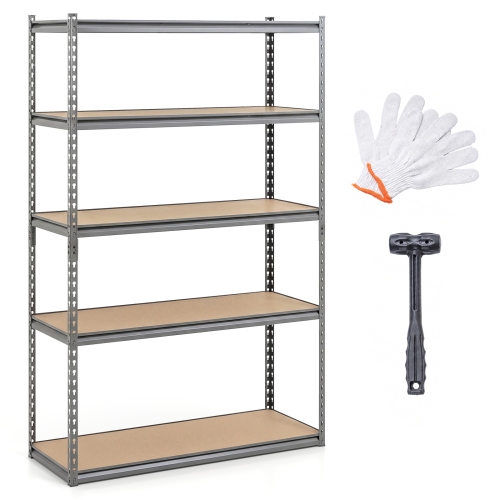
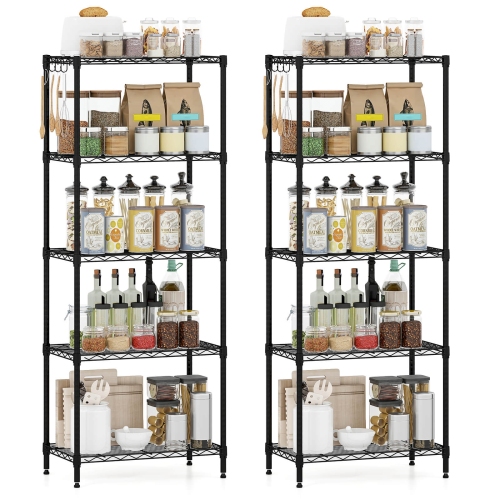
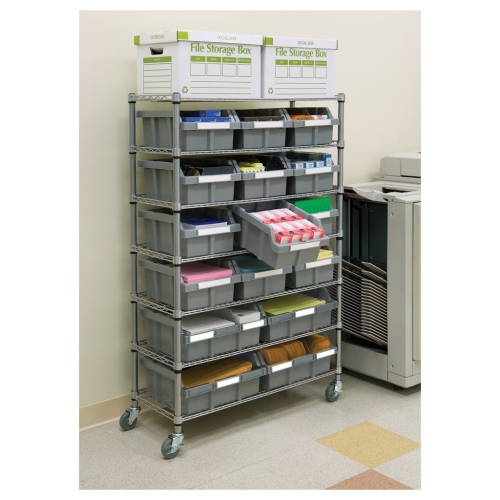
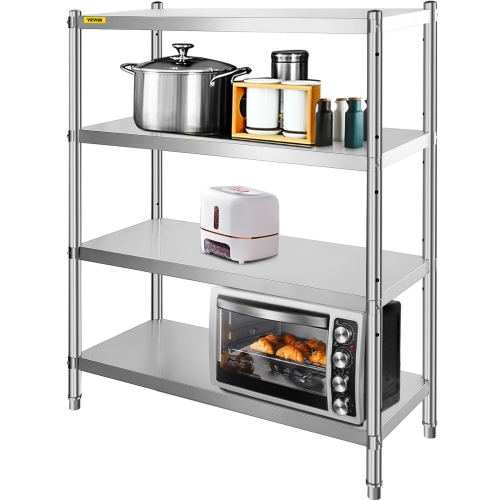
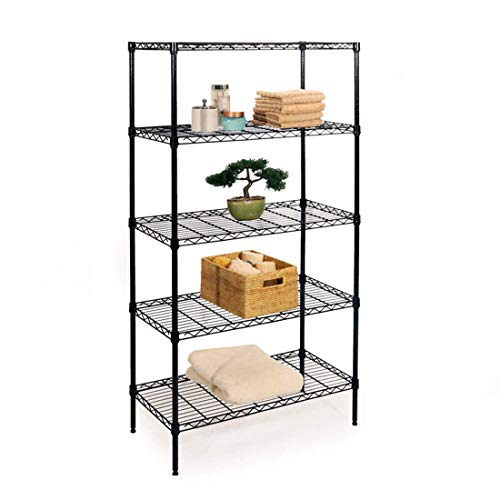
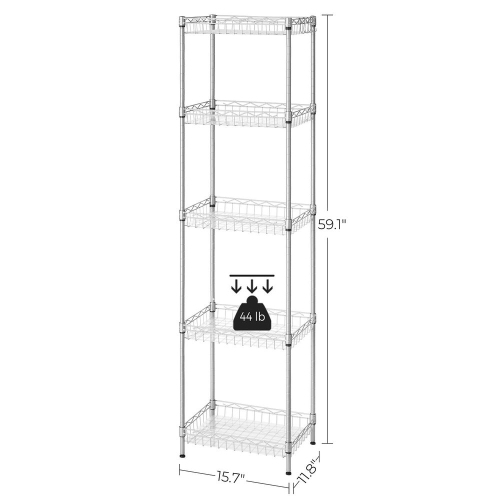
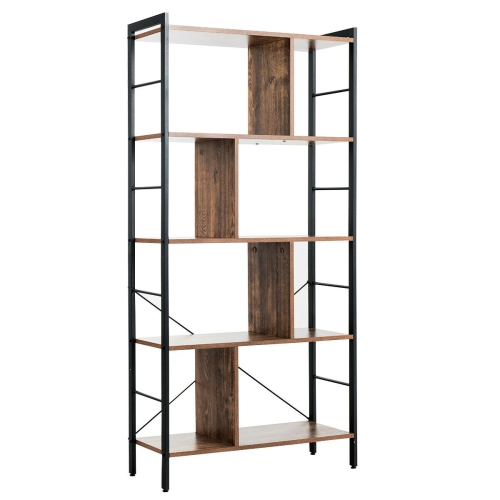
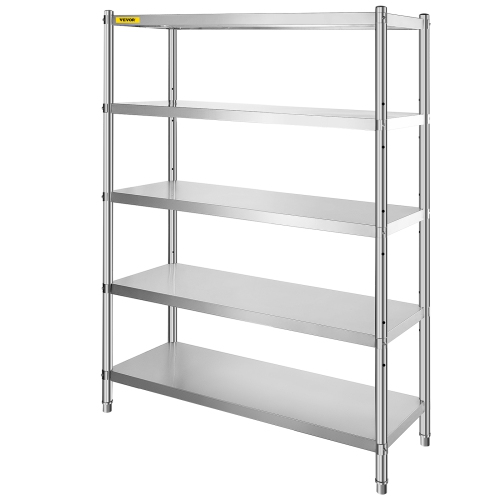

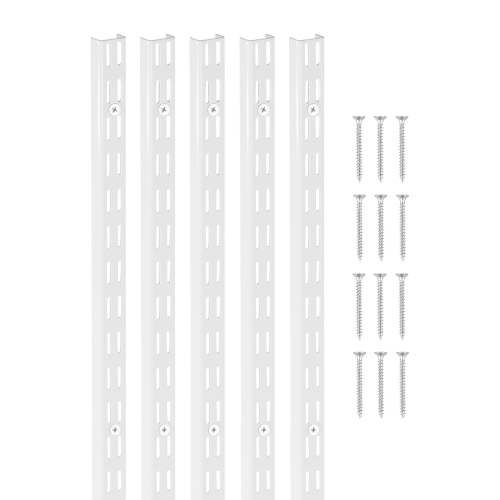
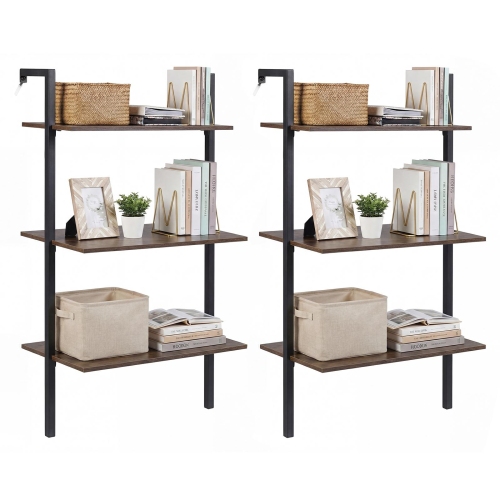
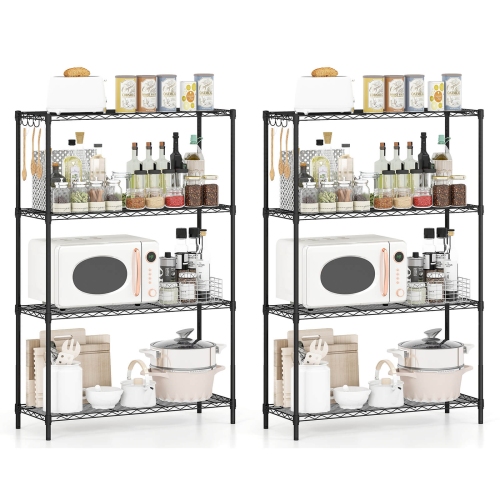

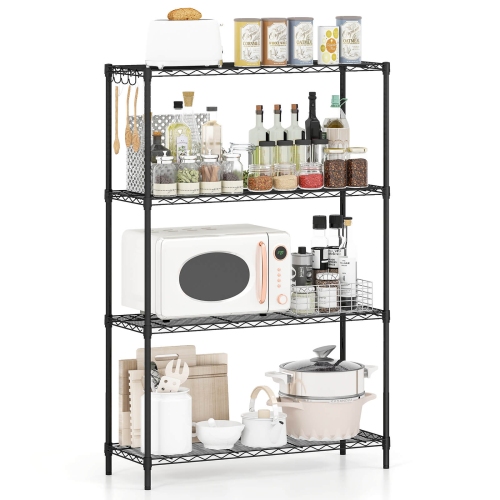
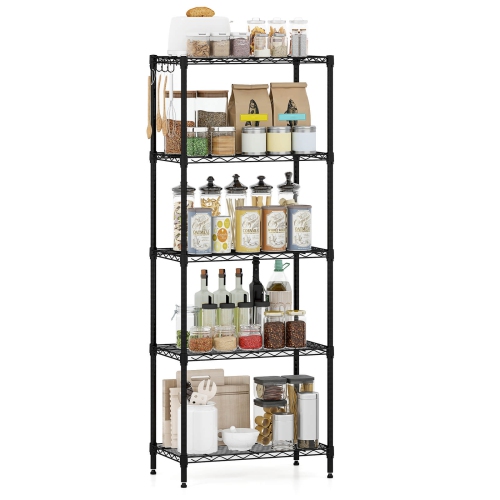
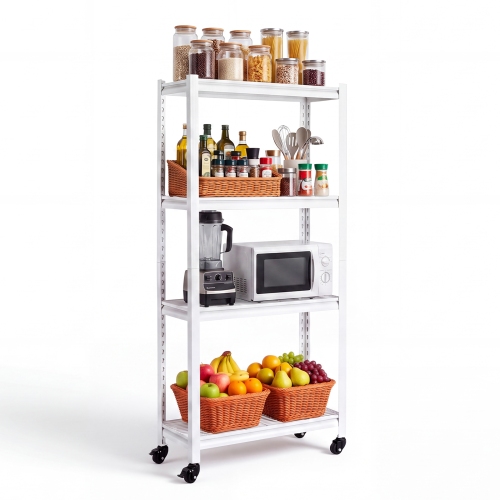
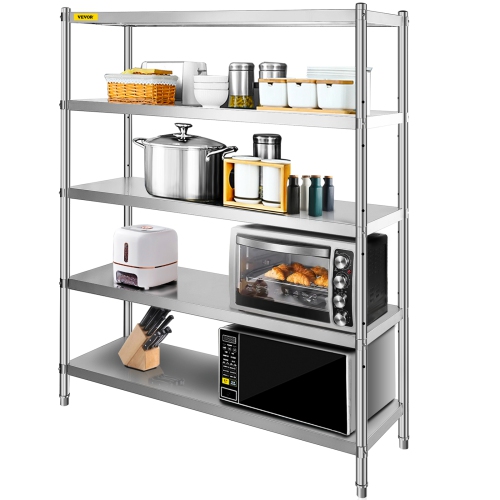
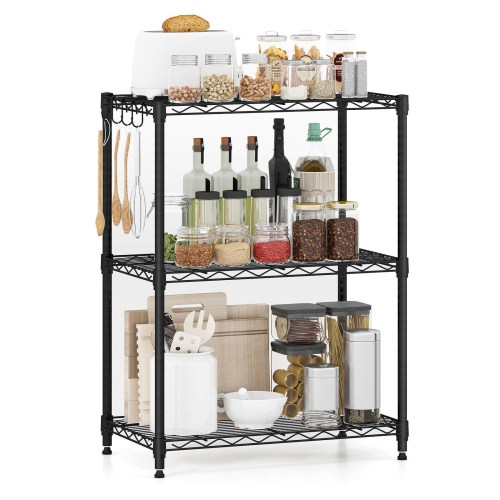

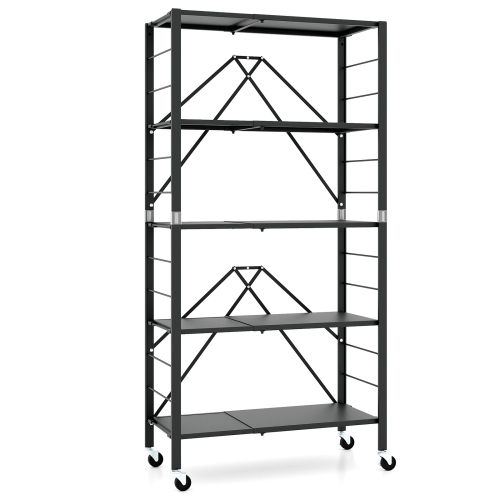
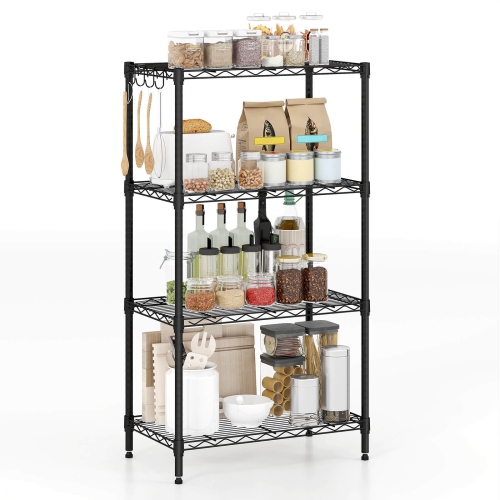
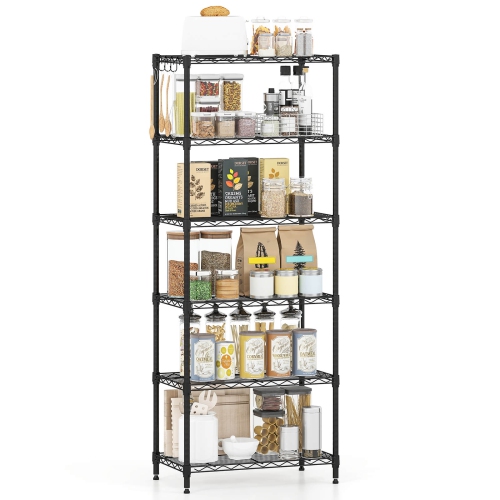
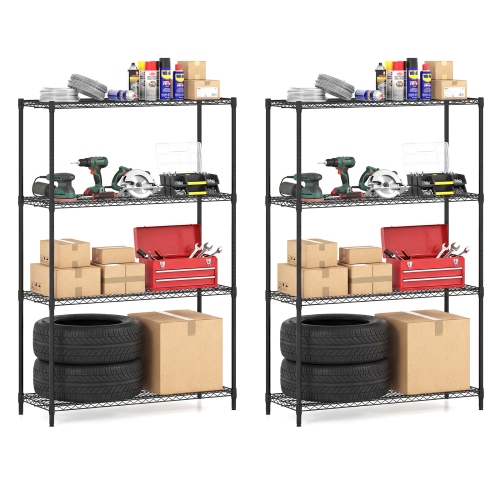
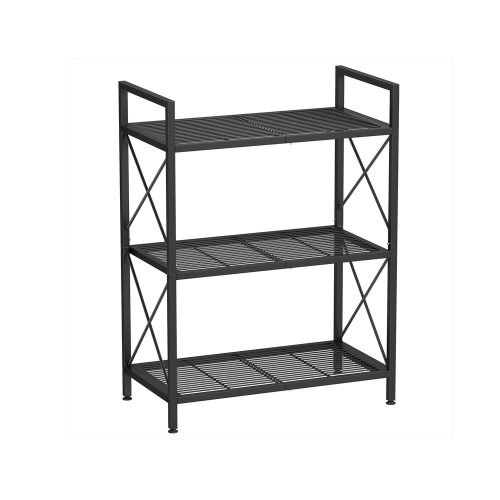
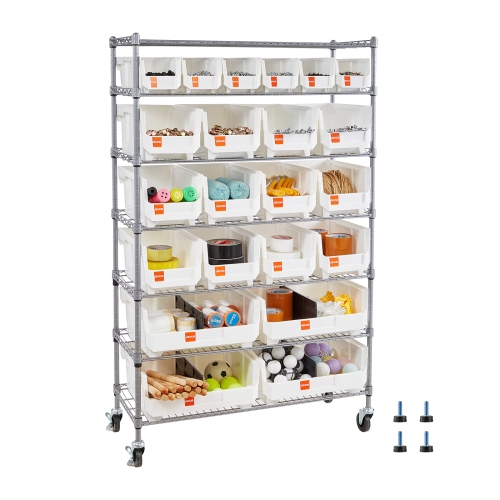
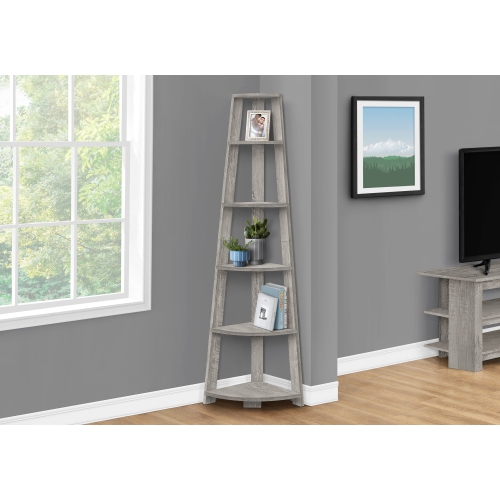
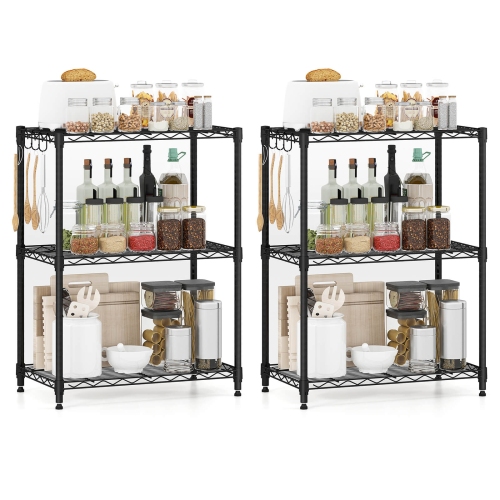

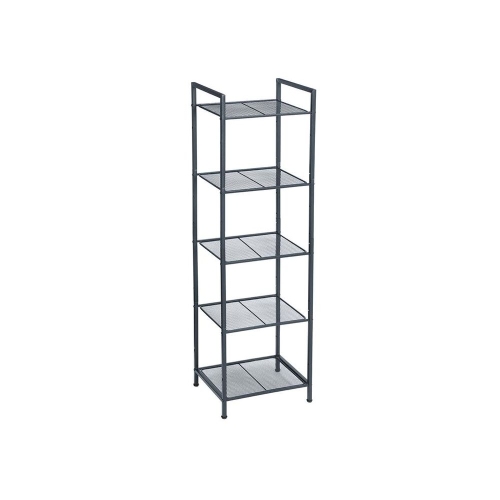
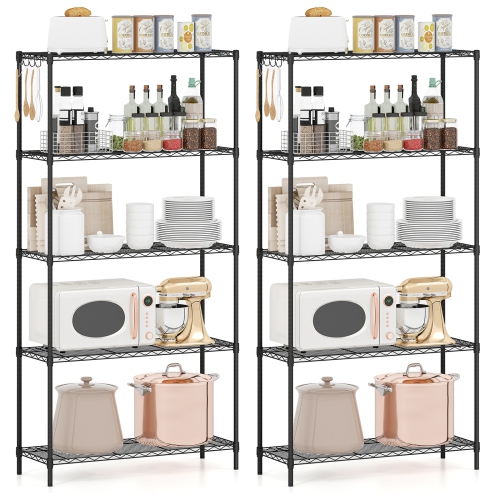

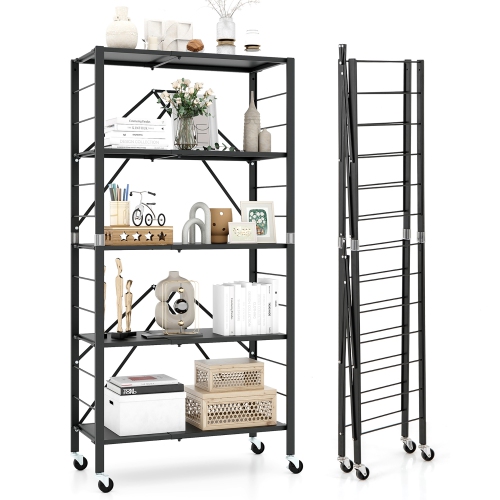
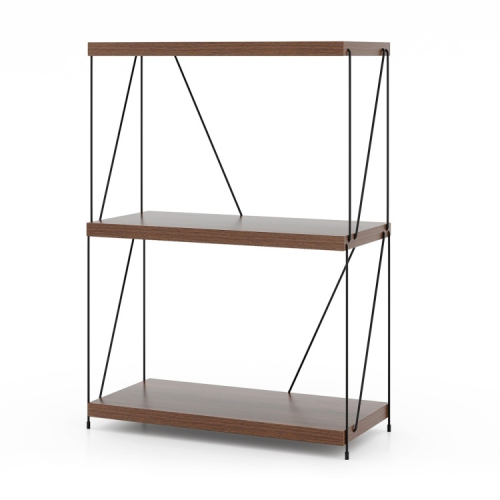
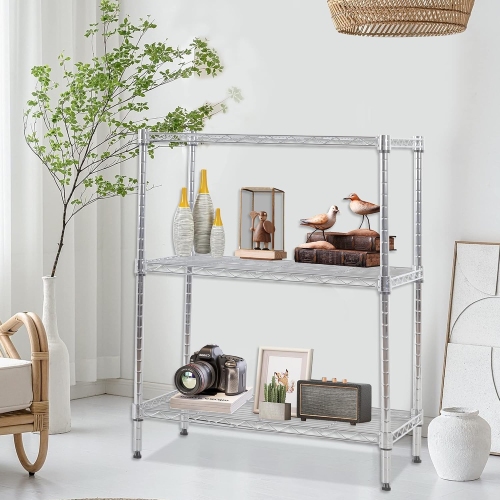
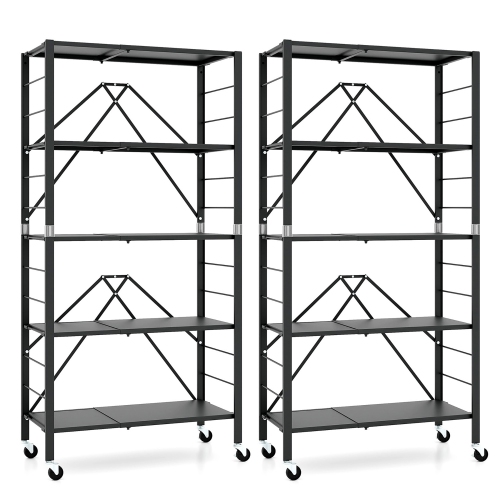
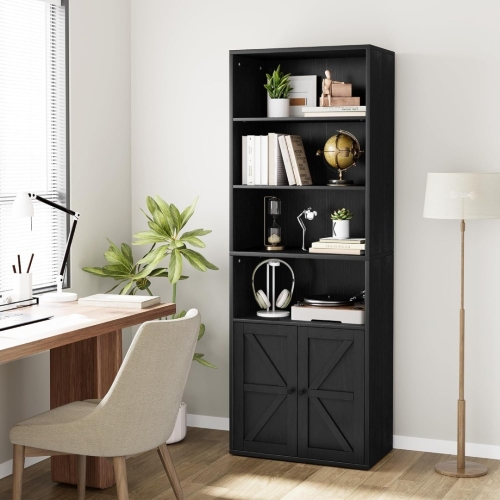
Heavy-duty storage depends on more than strong steel
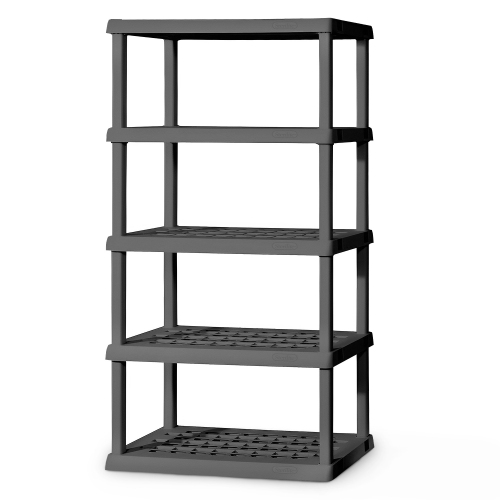
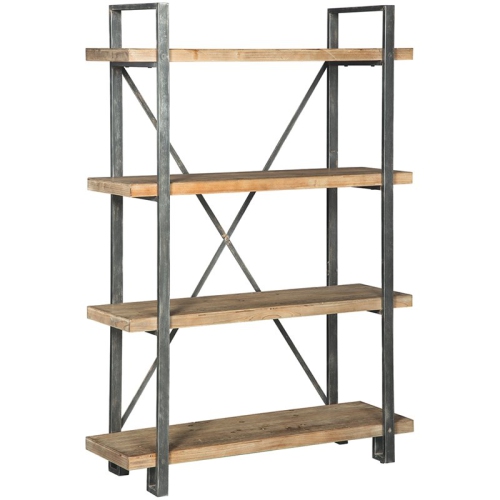
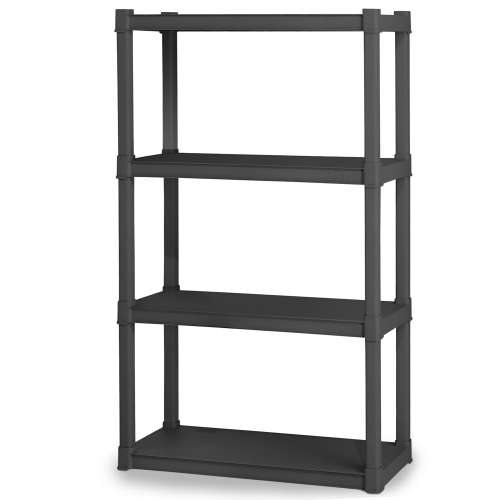
Industrial metal shelving provides durable, high-capacity storage for warehouses, garages, workshops, and commercial spaces, with open shelves that keep tools, equipment, and supplies visible and within reach. Its practical appeal comes from a strong supporting frame, usable vertical space, and a layout that can accommodate materials of different shapes and sizes. In a home garage, that might mean a clear place for tool cases, hardware containers, and automotive supplies. In a workshop or business supply room, it can mean separating frequently used materials from equipment that only comes out for particular tasks. Steel is a common choice for industrial shelving because it offers strength and rigidity, although the design of the uprights, beams, shelf supports, and connections matters as much as the material itself. Finishes also affect where shelving fits best. Powder-coated steel provides a finished surface that helps protect the underlying metal, galvanized steel has a zinc coating for corrosion resistance, and stainless steel can suit settings where frequent cleaning is important. The shelf surface deserves equal attention. Wire shelves allow visibility through the unit and give dust fewer broad surfaces to settle on, but narrow containers and small components may need compatible liners or bins. Solid metal shelves provide a continuous surface for equipment with small feet, bottles, and loosely grouped supplies. Some metal-framed shelving uses wood-based shelf panels rather than metal decks, so the frame material alone does not describe the entire unit. Those panels may need different care and may be less suitable where spills are likely. The most useful construction depends on what will sit on the shelves, how often it will be moved, and whether the storage area needs easy wipe-down surfaces. A smooth shelf for boxed electronics serves a different purpose from an open wire shelf holding bulky tool cases, even when both belong within an industrial-style storage setup.
Fit involves more than finding a unit that fits along an empty wall. Overall width, depth, and height determine the footprint, while the clear space between uprights and beneath each shelf determines what can actually be stored. Deep shelves can accommodate larger containers, but they also need enough room in front for lifting and retrieving them without awkward twisting. Shallower shelving can be more practical beside a workbench or along a narrow passage, where access matters as much as storage volume. Adjustable shelf heights help accommodate tall equipment and compact containers within the same frame, although adjustment methods and permitted configurations vary. Load capacity is another important distinction: a rating for one shelf is not necessarily the rating for the complete unit, and published capacities commonly depend on weight being evenly distributed. A heavy machine resting on a few small feet creates a different load from several containers spread across the shelf. Reinforced beams, deck supports, and the specified shelf material all contribute to how a unit handles weight. For dense materials such as paper, hardware, or metal parts, the combined load can rise faster than the occupied space suggests. Heavier contents generally belong on lower shelves, with lighter supplies above, while frequently handled materials benefit from comfortable lifting heights. Freestanding does not necessarily mean a unit can be left unsecured; manufacturer requirements for anchoring, assembly, and floor conditions still apply. A firm, level floor and correctly fitted components help the shelving perform as intended. Industrial shelving designed for hand-loaded storage should not be treated as pallet racking or assumed to support forklift loading. Likewise, wheels are only appropriate when the shelving is designed for them, and a mobile unit may have different capacity limits from a stationary one. These distinctions are especially relevant in shared workshops and commercial spaces, where shelving must suit both the stored contents and the way people move through the room throughout the day.
A well-planned shelving layout makes everyday work less cluttered without making useful equipment difficult to reach. Matching shelf spacing to the containers already in use can prevent wasted gaps, while grouping related supplies keeps a task from spreading across several storage areas. A repair bench, for example, benefits from nearby shelves for tool cases and clearly labelled parts containers; an office storage area may need shelf depths suited to document boxes and enough support for their considerable weight. Open shelving makes contents easy to scan, although exposed surfaces and stored materials will still collect dust. Bins can help contain small pieces, and compatible shelf liners can provide a steadier base where wire openings would otherwise be inconvenient. Accessories should suit the shelving design rather than interfere with its connections or load distribution. For rooms that need a broader storage footprint, Large Metal Shelves can complement a layout built around wider containers or larger equipment. Appearance can matter alongside function, particularly when shelving sits in a studio, utility room, or workspace visible to visitors. Dark finishes can create a consistent backdrop for mixed containers, while metallic finishes retain a straightforward workshop character. Long-term durability depends on sensible use and regular care as well as construction. Wiping spills promptly, using cleaning methods appropriate to the finish, and avoiding abrasive tools can help preserve shelf surfaces. Chipped coatings, bent supports, loose connections, and damaged shelf panels deserve attention rather than being hidden behind stored contents. Cleaning chemicals should be compatible with the metal and finish, and shelving intended for routine dry storage should not be assumed suitable for specialized sanitation requirements. When storage needs change, adjustable layouts can make space for different equipment, provided the revised arrangement follows the manufacturer’s requirements. The result is practical, accessible storage that gives everything from everyday tools to bulky supplies a defined place without sacrificing the working space around it.
Top selling and popular products
-
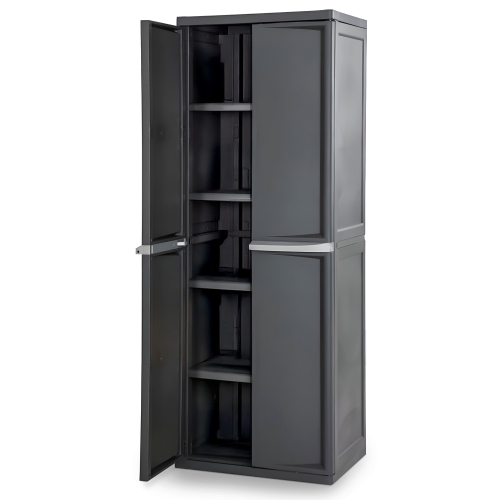 Your price for this item is $576.99
-
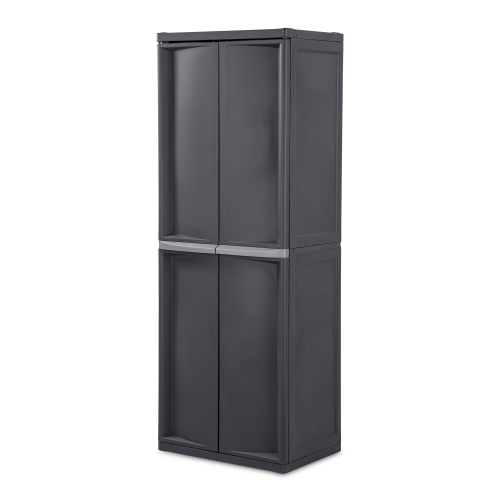 Your price for this item is $1132.99
-
 Your price for this item is $356.99
-
 Your price for this item is $208.99
-
 Your price for this item is $169.99
-
 Your price for this item is $604.99
-
 Your price for this item is $599
-
 Your price for this item is $254.99
Discover more categories related to Industrial Metal Shelving
Top Collections:
Best Black Friday Deals This Year, Best Black Friday Deals On Electronics, Kindle Devices, Pokemon Centers, Best Black Friday Deals On Apple Products, Best Cameras for Sports Photography, Dyson Airwrap, Pokémon 30th Celebration Cards, Apple iPhone 17 Pro, Canon G7X Cameras
Some products may be subject to Environmental Handling Fees
(EHF) depending on your province.
Learn more about EHFs.