Industrial Style Floating Shelves
Industrial Style Floating Shelves bring a bold, modern edge to any space, combining sleek lines with a touch of rugged charm. Perfect for showcasing décor, organizing essentials, or adding visual interest to your walls, these shelves offer versatile solutions for living rooms, kitchens, offices, and more. With their distinctive look, Industrial Style Floating Shelves make it easy to enhance your home or workspace with both function and style. Discover options designed to complement a variety of interiors while maximizing your available wall space.
Sort
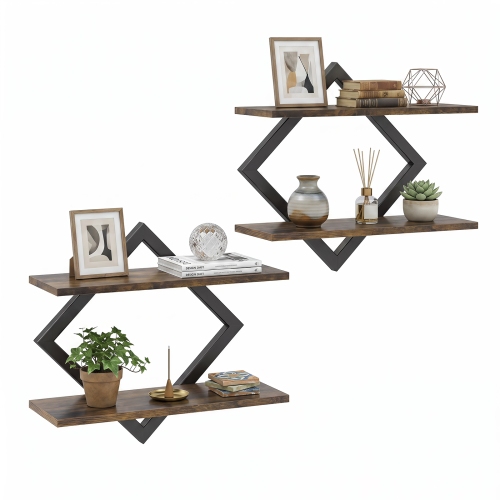
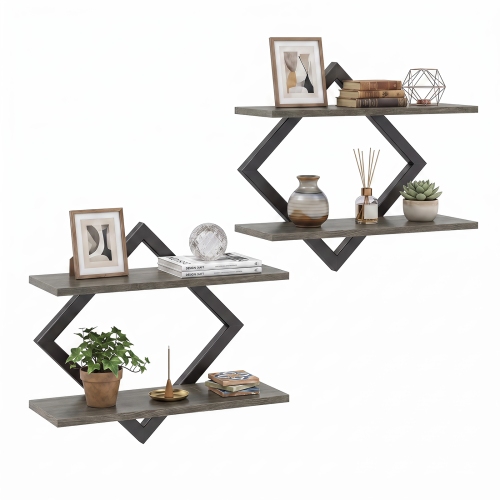
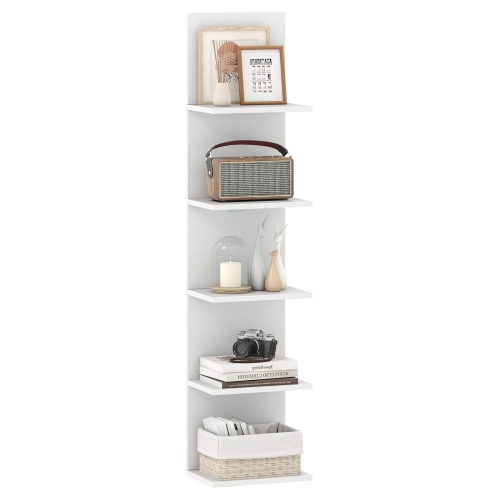
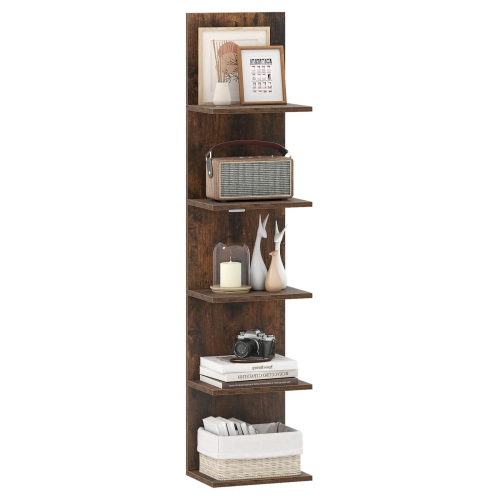
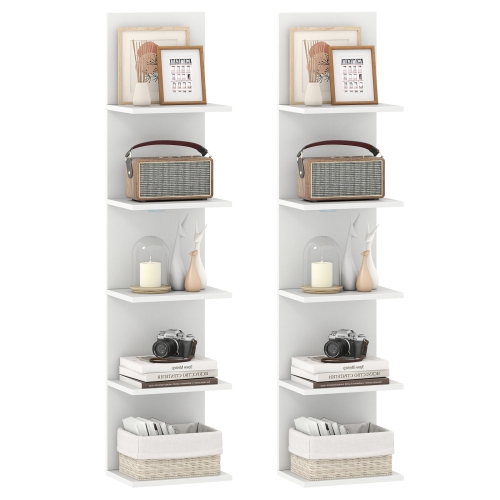
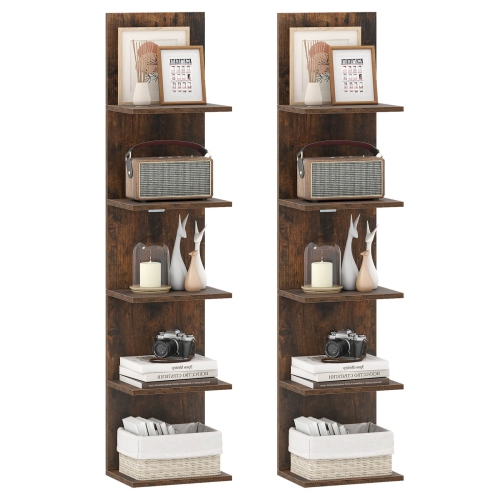
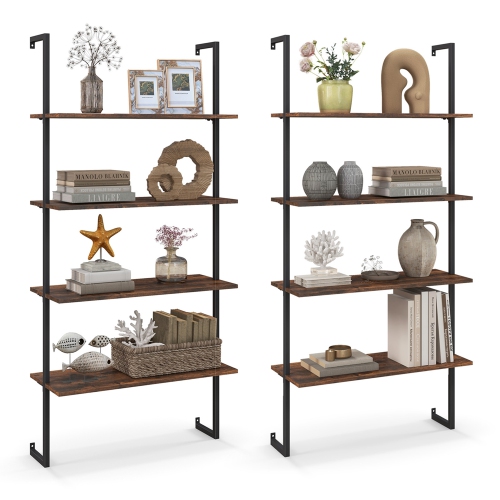
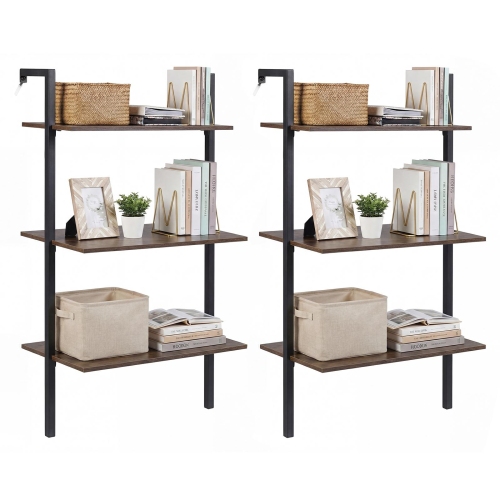
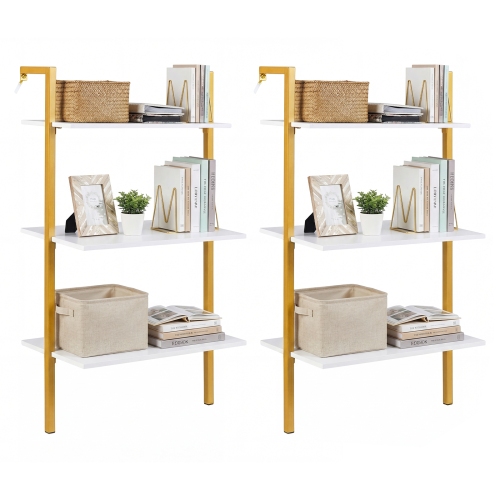
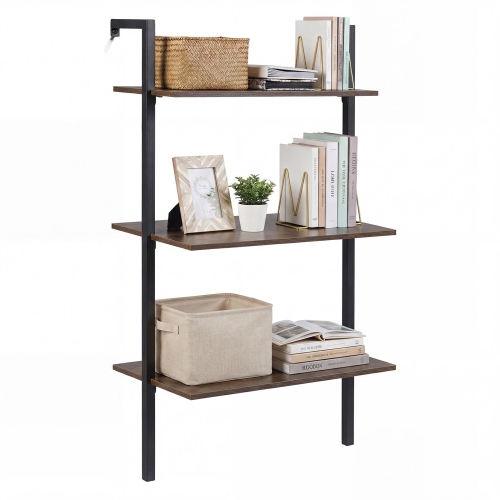
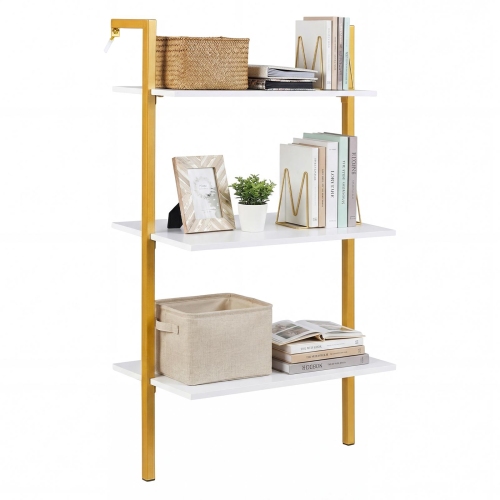

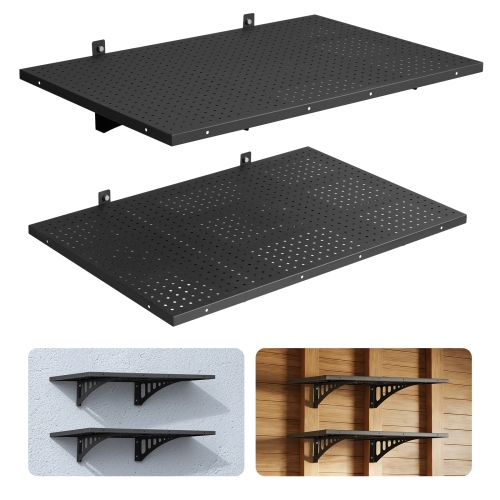
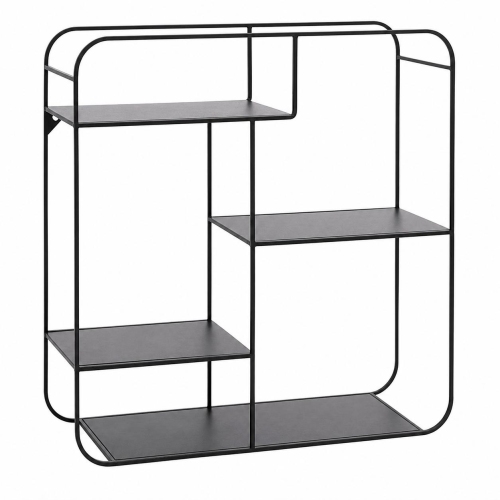
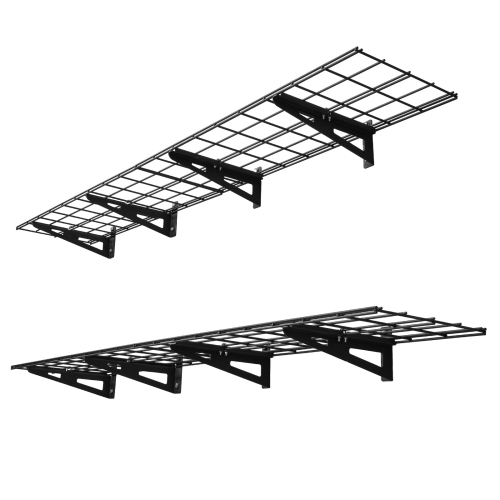
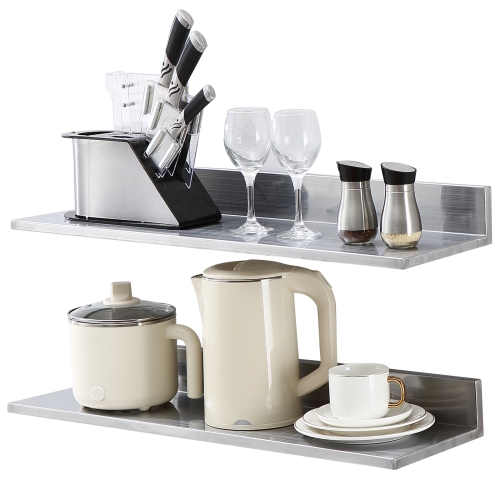
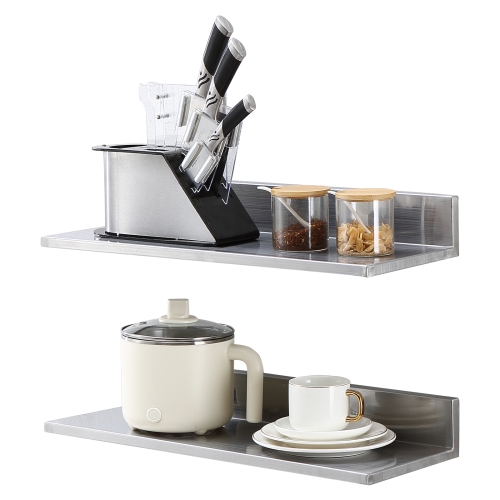
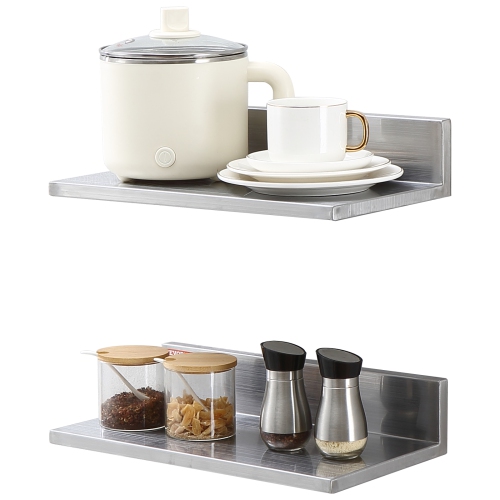
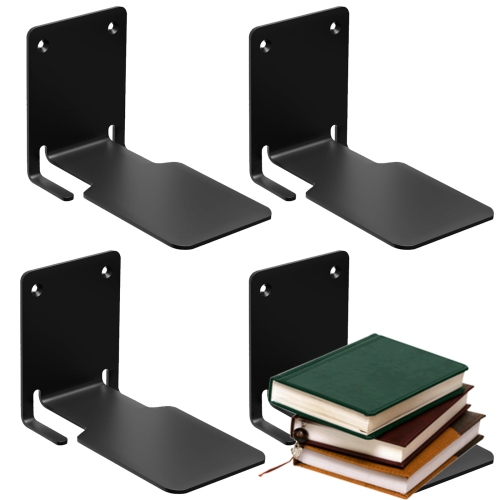
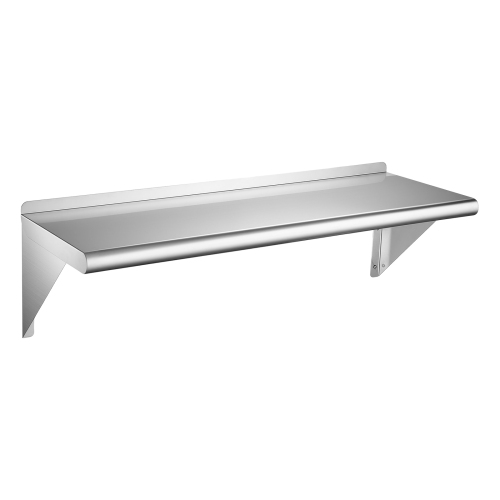
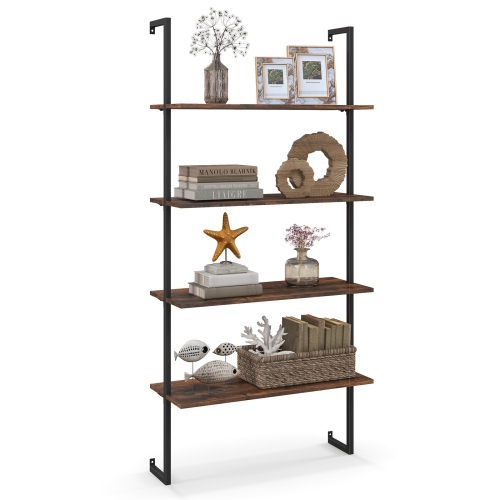


When shelf supports become part of the style
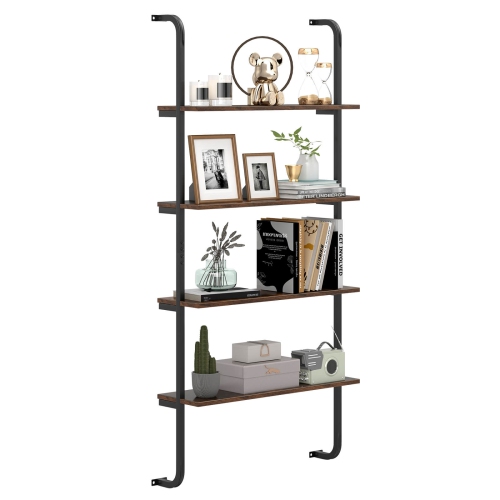
Industrial style floating shelves pair the warmth of wood with the clean lines and darker finishes of metal, creating wall storage with a workshop-inspired character. Common designs feature wood or wood-look surfaces alongside black steel brackets, iron pipe supports, or concealed mounting hardware. The distinction between these styles matters: a true floating shelf hides its supports inside the shelf, while an industrial wall shelf may leave brackets or pipework visible as part of the design. Both can offer an open look without the footprint of a freestanding bookcase. Natural grain, knots, brushed metal, and matte finishes give this style its texture, but the overall effect can range from rugged to quite refined. A thick shelf with prominent pipe fittings makes a stronger visual statement than a slim plank with discreet black supports. Solid wood offers individual grain patterns and can develop small variations over time, while engineered wood can provide a more uniform appearance. Veneered surfaces have a thin layer of real wood over a core, whereas laminate finishes create a wood-look surface with different care requirements. These construction details are worth distinguishing because appearance alone does not indicate weight capacity, moisture resistance, or repair options. A metal support can look substantial without making the entire shelf suitable for heavy storage; the shelf board, hardware, mounting method, and wall all contribute to its performance. Colour also changes how industrial shelving sits within a room. Warm brown tones soften black metal, pale wood keeps the contrast lighter, and darker finishes create a more pronounced outline against a light wall. For rooms that lean towards softer textures and less visible metalwork, Modern Rustic Floating Shelves offer a related direction. Industrial designs tend to put more emphasis on the relationship between the shelf surface and its hardware, making the supporting structure part of the room’s character rather than simply a detail to hide.
The most useful industrial style floating shelves suit both the wall space and the objects they are intended to hold. Width determines how comfortably a shelf fits above a desk, console, or small cabinet, while depth affects what can sit on it safely. A shallow ledge may work well for small framed photographs, but books, serving pieces, and storage baskets generally need a broader surface. Brackets can reduce the usable space beneath or beside the board, and raised edges or pipe fittings may affect how objects sit near the ends. Vertical spacing is just as important when several shelves share a wall: tall books and upright frames need clearance, while closely spaced shelves can suit smaller everyday essentials. In a home office, an industrial shelf can keep reference books and desk accessories nearby without taking over the work surface. In a living room, it can give a collection of ceramics or photographs a defined place above a cabinet. An entryway shelf can provide a spot for lightweight essentials, provided its depth does not intrude into the walking route. Kitchen use calls for particular attention to the finish, cleaning requirements, and distance from splashes or direct heat. Bathroom use requires similar care, since a wood-look surface or dark metal coating does not automatically make a shelf suitable for frequent moisture exposure. For every location, the stated load rating applies only under the mounting conditions specified by the manufacturer. Secure installation may require fastening into wall studs or using hardware specifically approved for the wall material and intended load. Drywall, masonry, and tiled walls need different approaches, and supplied fasteners are not necessarily suitable for every installation. Shelf weight also forms part of the total load on the wall. Heavy objects should remain within the rated capacity and placement guidance, rather than being concentrated along the front edge. Positioning shelves clear of door swings, busy passageways, and places where children might climb helps make the finished arrangement practical as well as attractive.
Day-to-day use brings out the value of a well-proportioned shelf and an easy-care finish. Industrial shelving often looks best when there is enough open space to see the wood surface and the shape of the supports, rather than filling every inch. A short row of books balanced by a low ceramic bowl can feel more settled than a crowded line of objects, while repeated colours help connect separate shelves across a larger wall. Mixing heights adds interest, but tall or top-heavy pieces need a stable base and a position where they are unlikely to be knocked. Open shelving also leaves belongings exposed to household dust, so frequently used objects are often more practical than intricate displays that are difficult to clean. For readers, collectors, apartment dwellers, and people working with a compact office or living area, the appeal is partly that storage can be added above existing furniture without placing another cabinet on the floor. A shelf may also make a thoughtful housewarming gift when the recipient’s measurements, preferred finish, and ability to mount it are already known. Its lasting usefulness depends less on a dramatic distressed appearance than on sound construction, appropriate installation, and care suited to the materials. Dusting with a soft cloth keeps both the surface and exposed hardware looking tidy. Any damp cleaning should follow the manufacturer’s directions, with moisture removed promptly rather than left around edges, seams, or mounting points. Abrasive pads and harsh cleaners can damage protective coatings, and spilled liquids may mark wood or affect some engineered cores. Felt pads beneath rough-bottomed objects can help limit scratches when arrangements change. Occasionally checking for movement, sagging, or loose fittings is sensible, especially on shelves used for books or other regularly handled belongings. With the right proportions and a considered load, industrial style floating shelves provide accessible storage while giving wood grain, metalwork, and the objects on display room to stand out.
Top selling and popular products
-
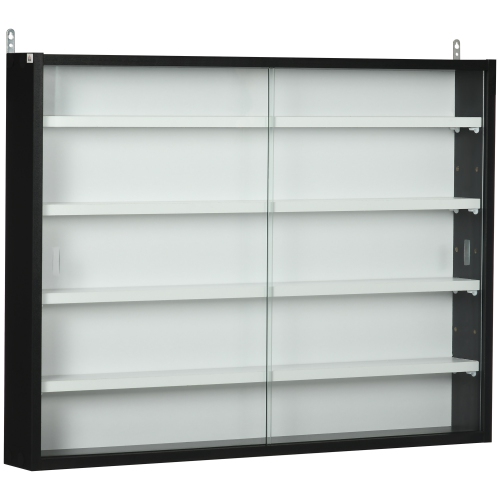 Your price for this item is $86.99
-
 Your price for this item is $496.99
-
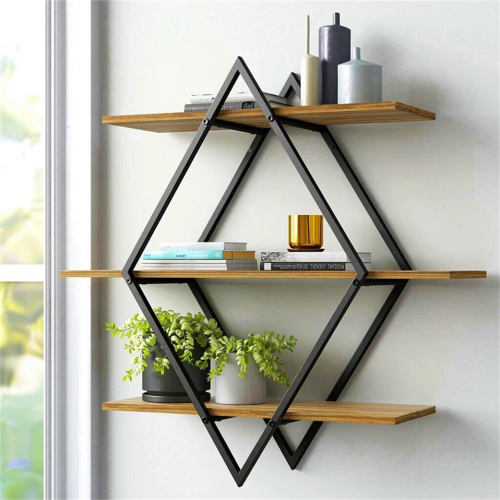 Your price for this item is $27.19
-
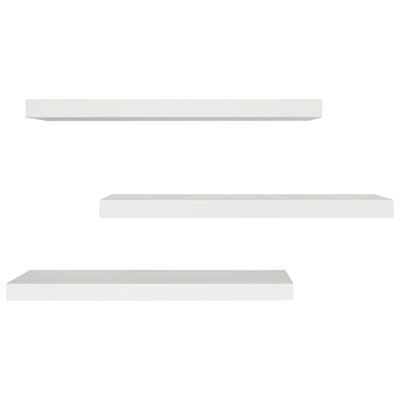 Your price for this item is $59.99
-
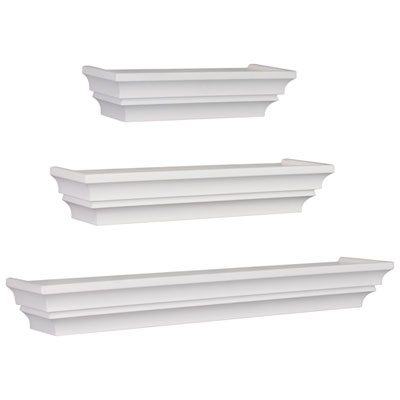 Your price for this item is $49.98
-
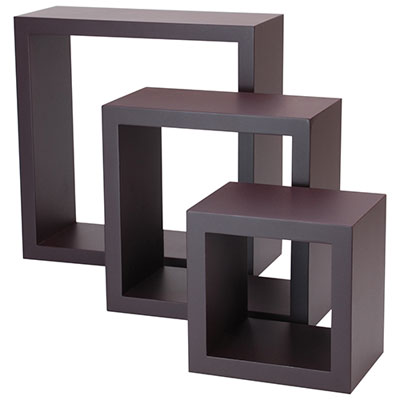 Your price for this item is $30.98
-
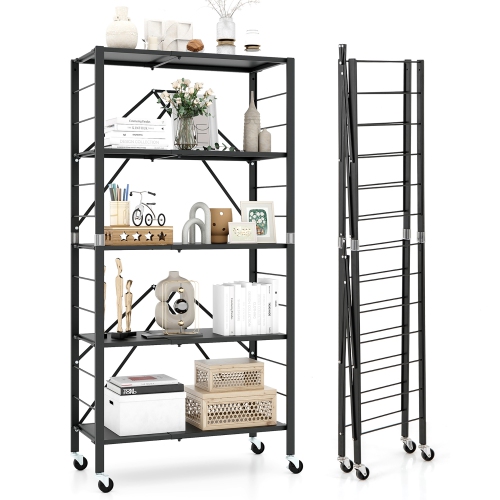 Your price for this item is $129.99
-
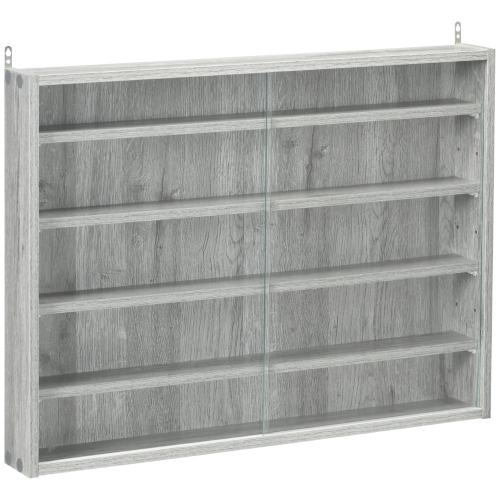 Your price for this item is $79.99
Discover more categories related to Industrial Style Floating Shelves
Top Collections:
Best Black Friday Deals This Year, Best Black Friday Deals On Electronics, Kindle Devices, Pokemon Centers, Best Black Friday Deals On Apple Products, Best Cameras for Sports Photography, Dyson Airwrap, Pokémon 30th Celebration Cards, Apple iPhone 17 Pro, Canon G7X Cameras
Some products may be subject to Environmental Handling Fees
(EHF) depending on your province.
Learn more about EHFs.