Industrial Wall Shelves
Create a stylish and functional display in your home or office with our collection of industrial wall shelves. These versatile shelves are designed to add a touch of modern industrial charm to almost any space while providing ample storage and organization options. Whether you're looking to showcase your favorite books, display decorative items, or keep everyday essentials within reach, industrial wall shelves are the perfect solution.
Sort
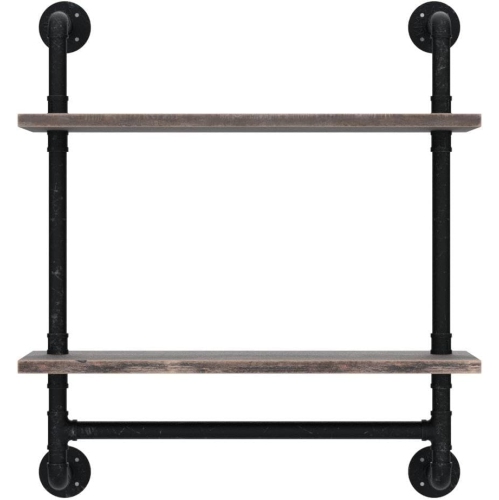
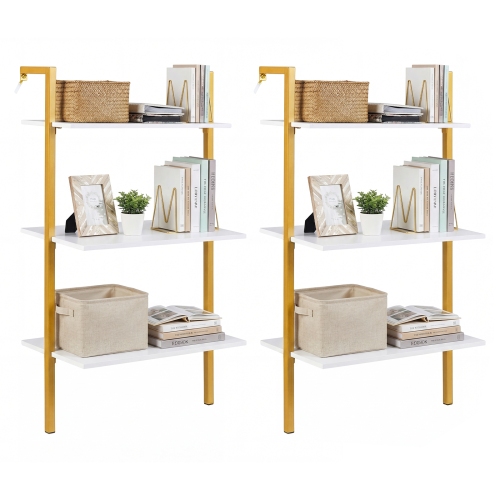
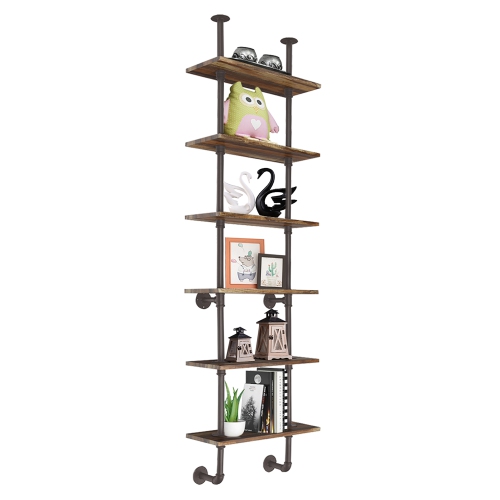
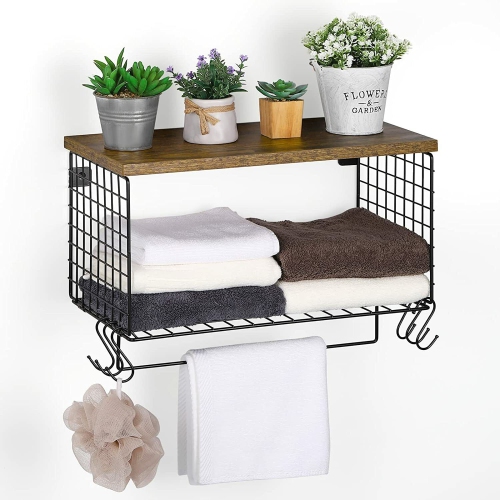
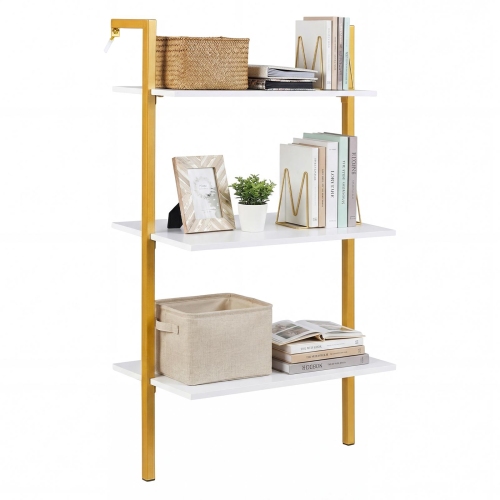
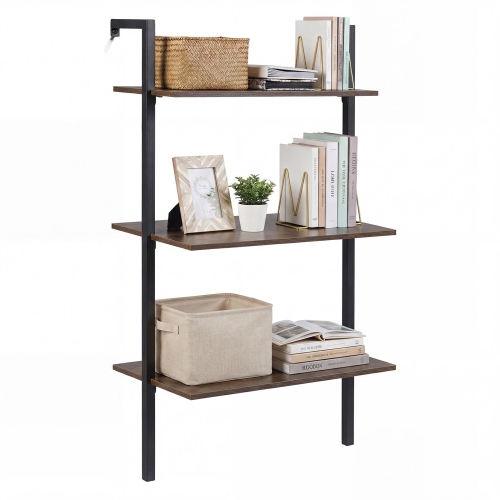
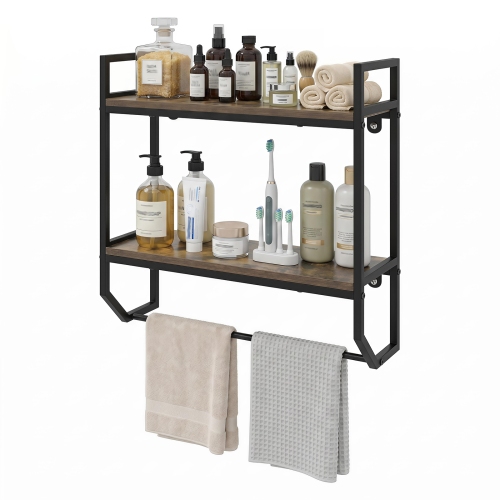
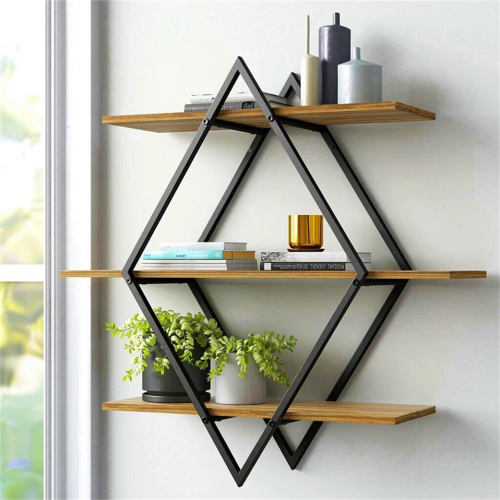
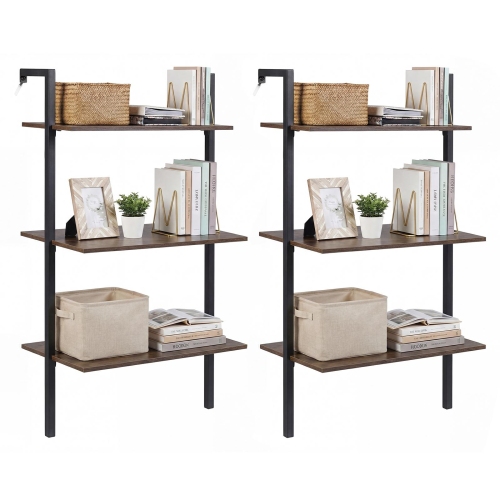
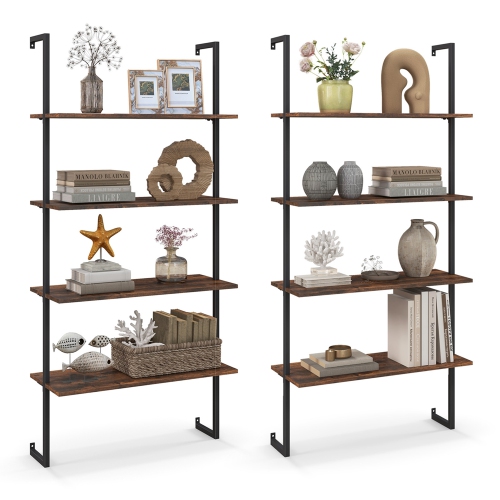
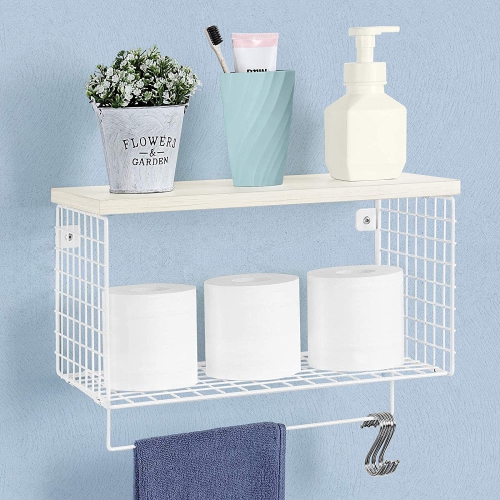
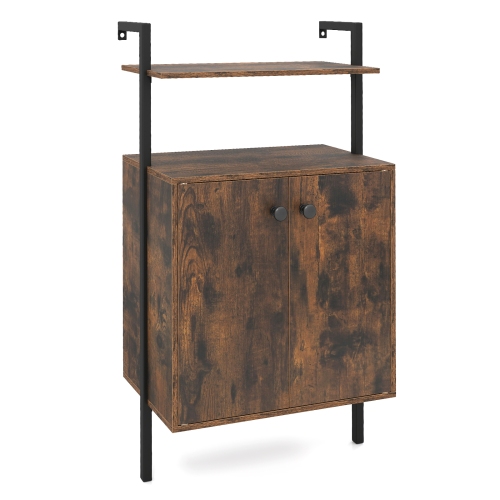
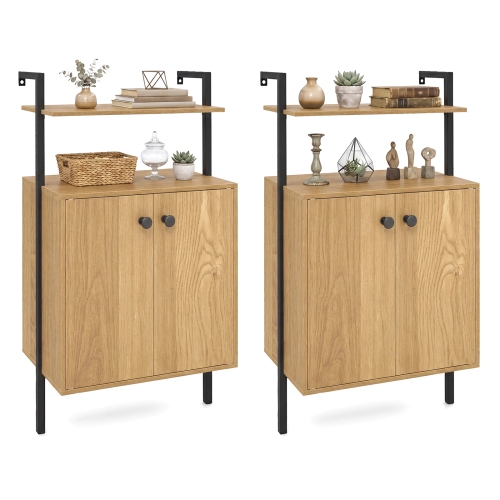
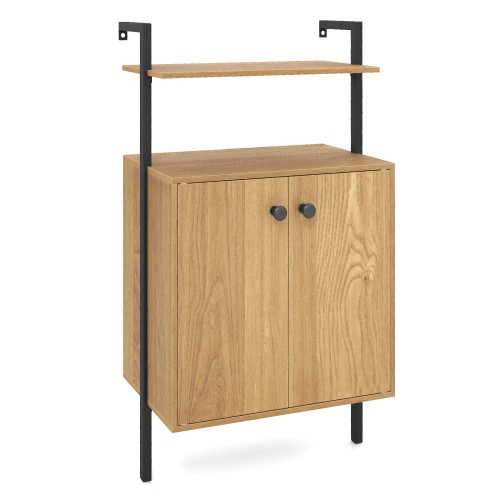
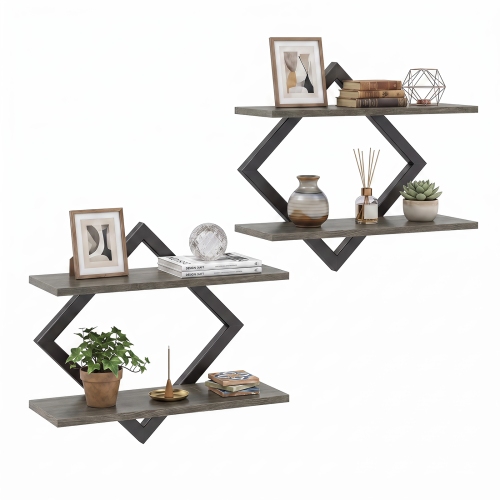
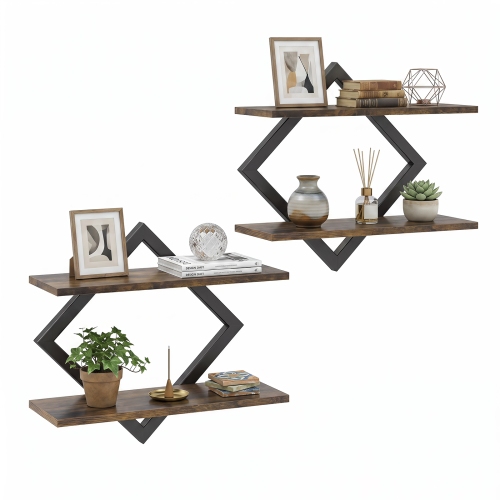
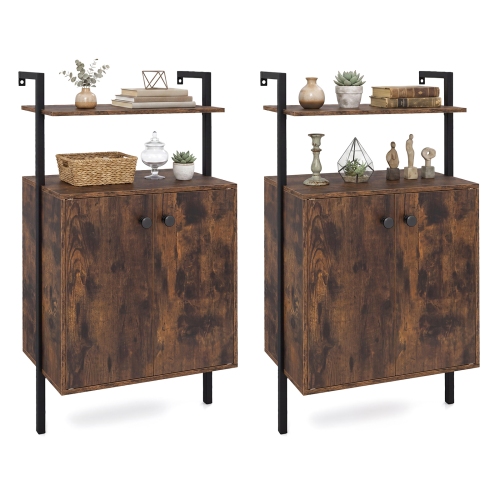


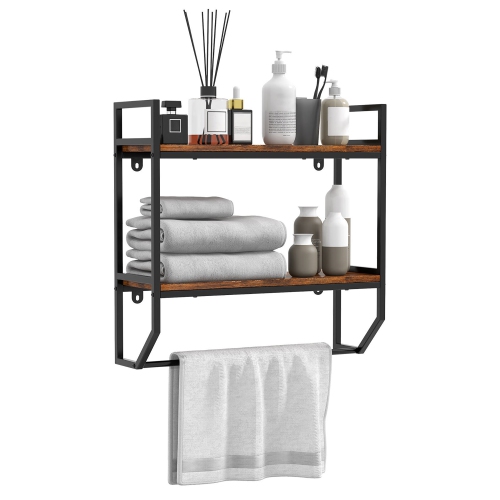
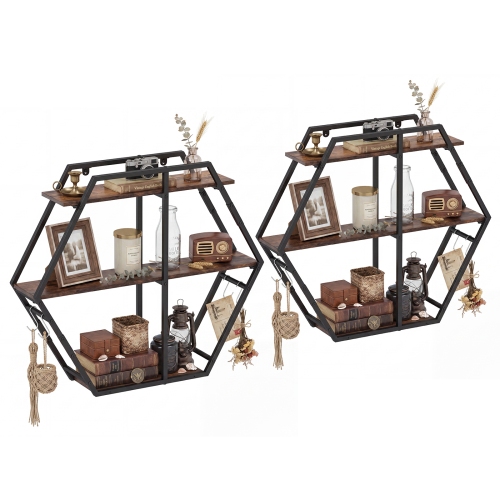

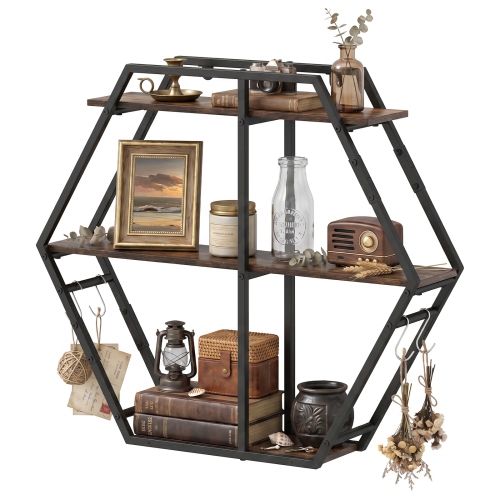
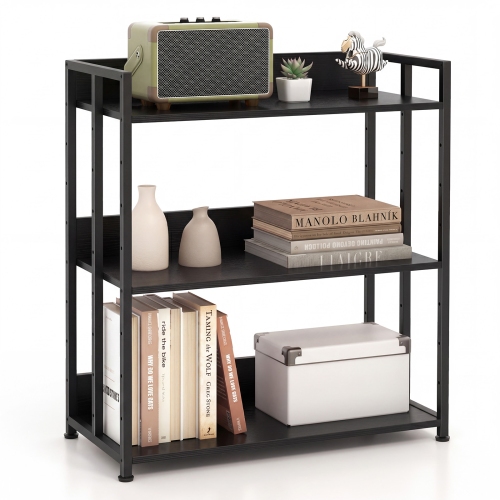
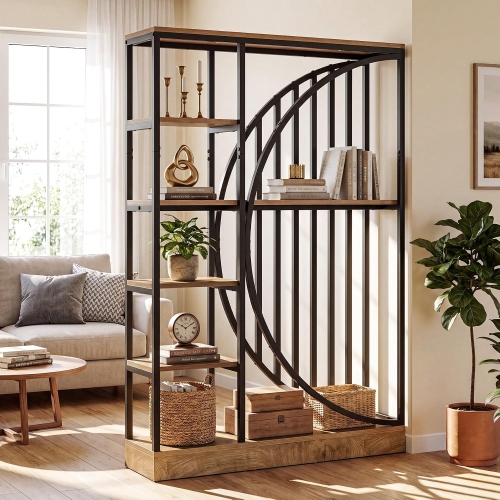
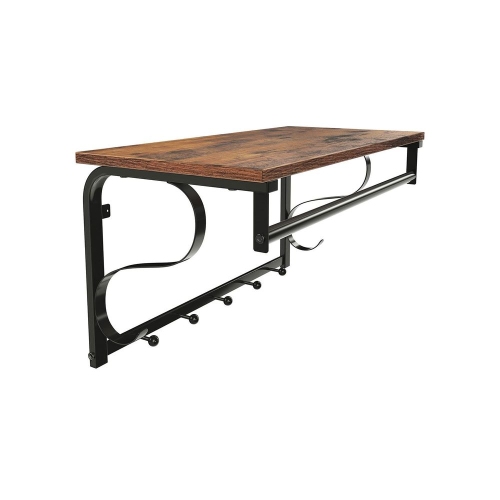
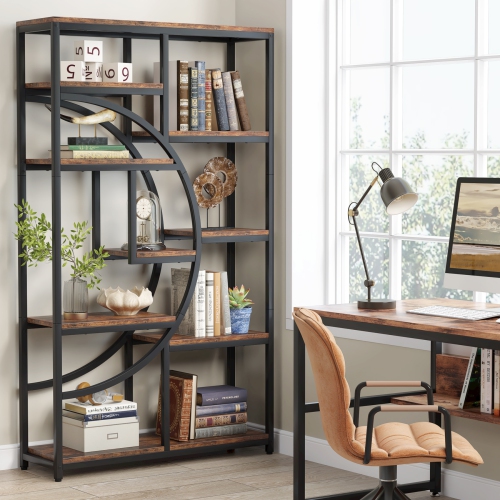
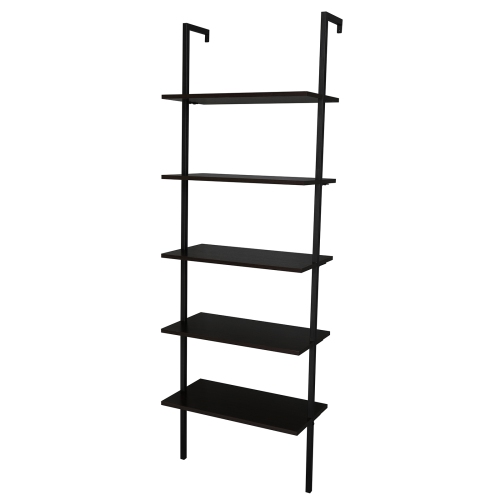

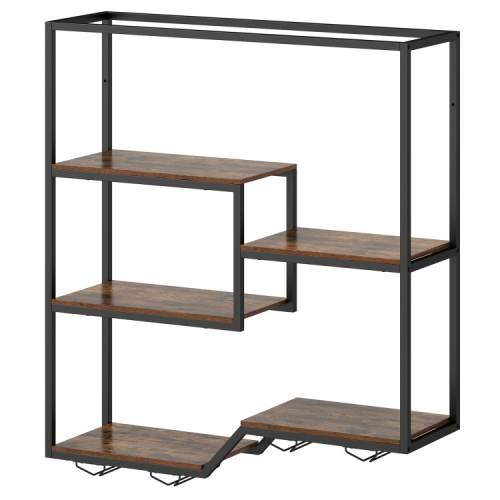
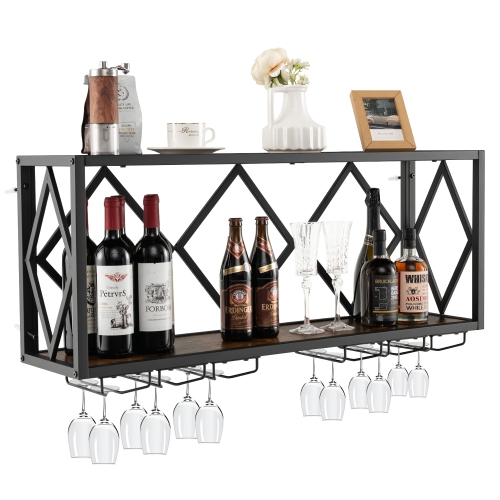
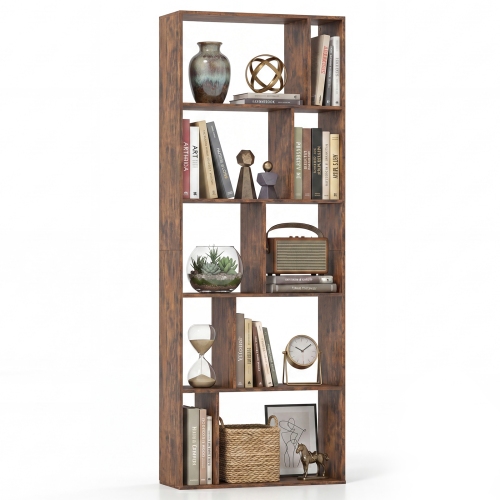

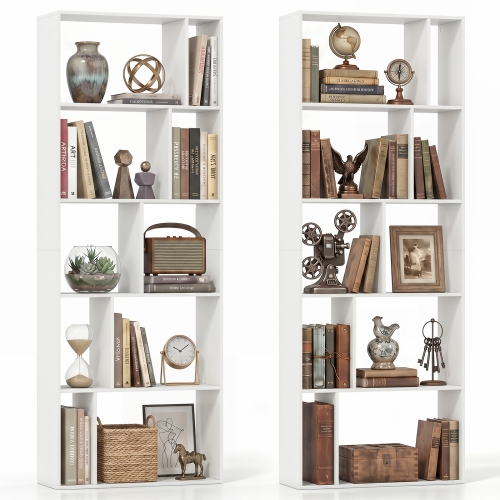
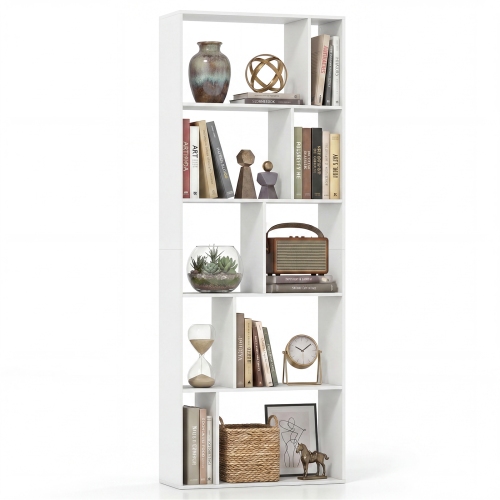
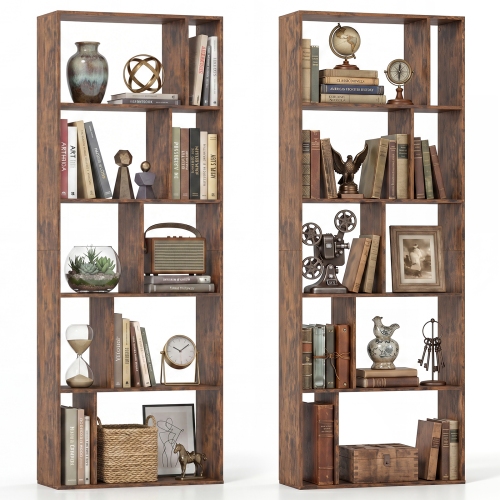
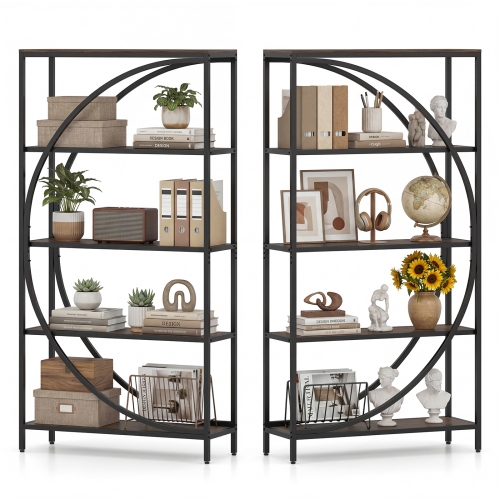
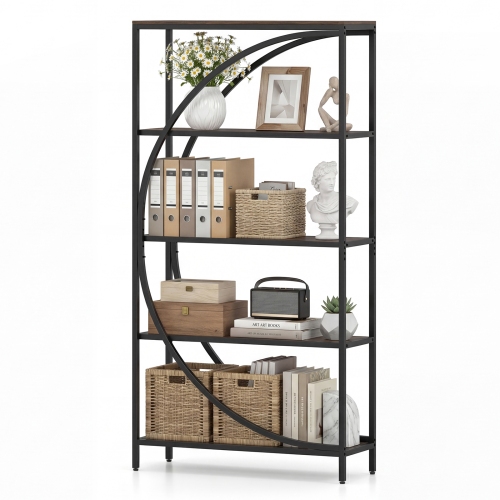
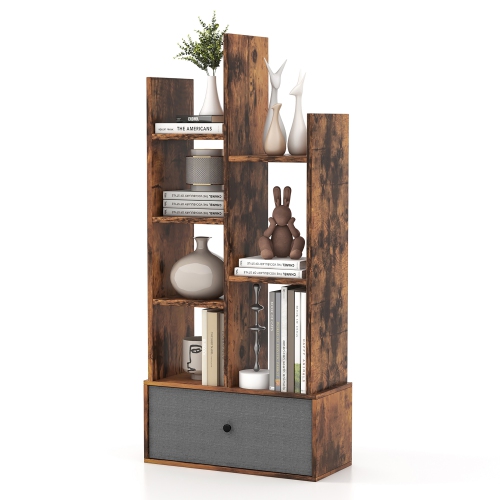
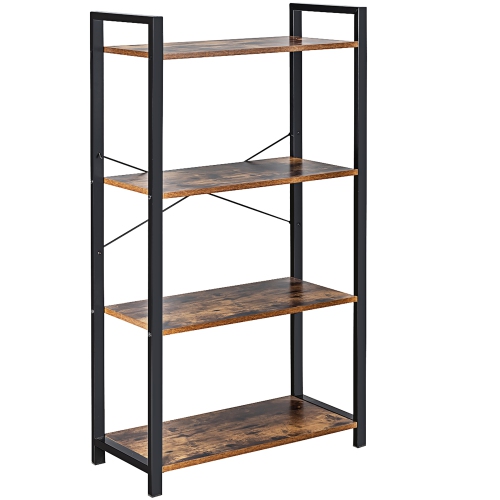
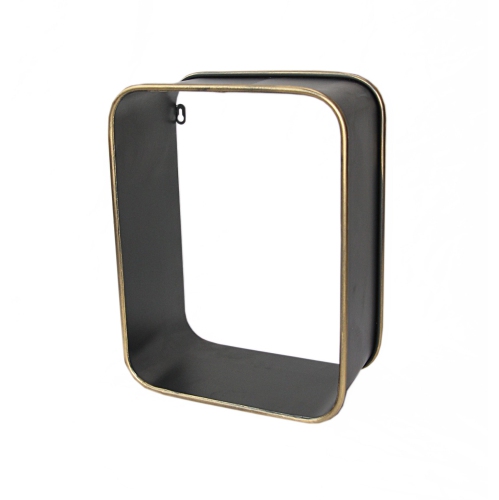
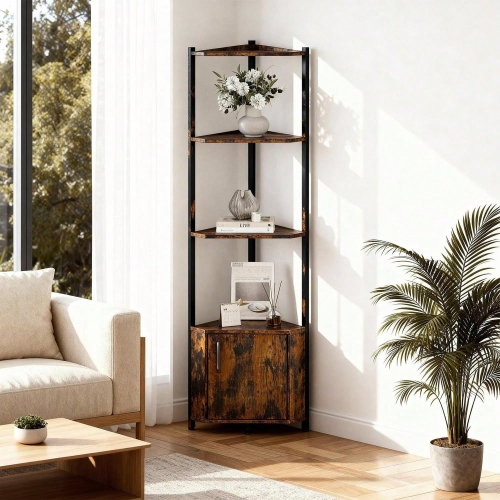
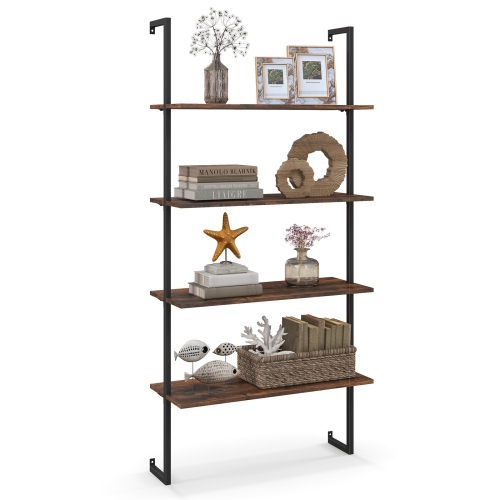
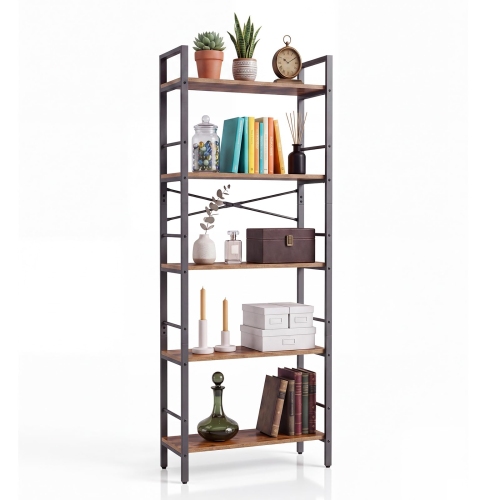


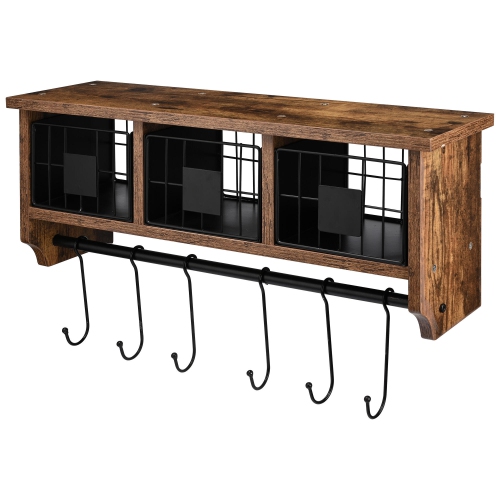
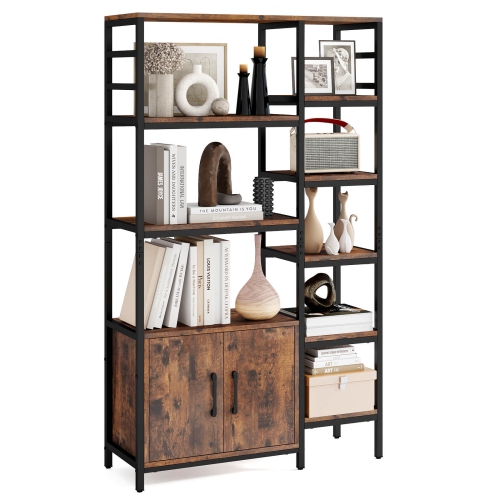

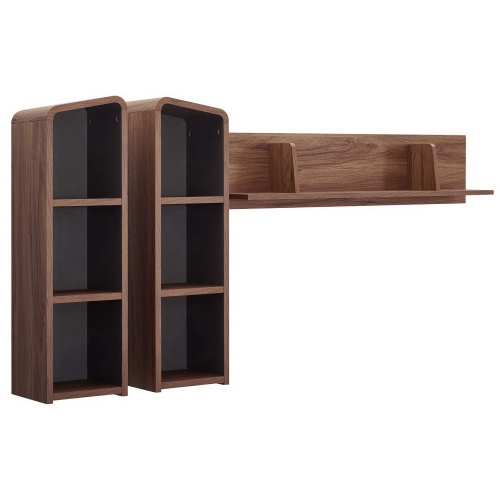


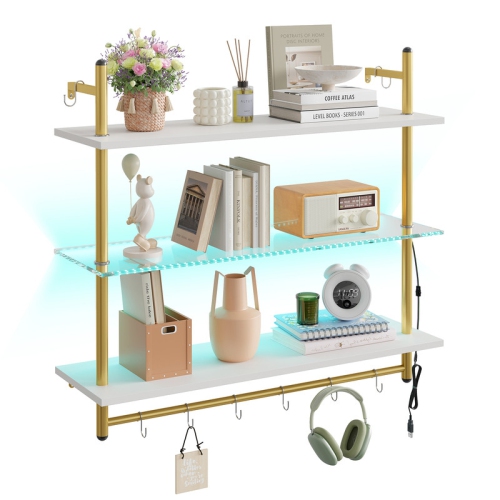


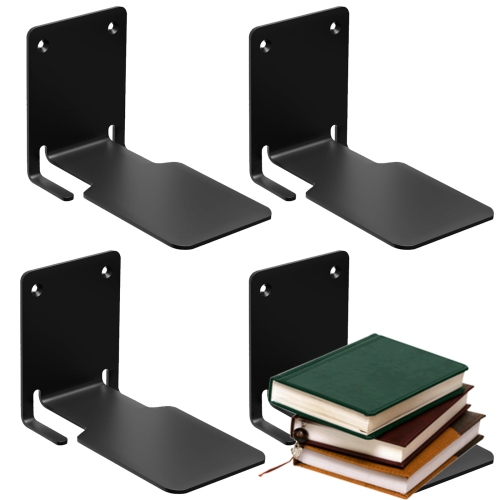
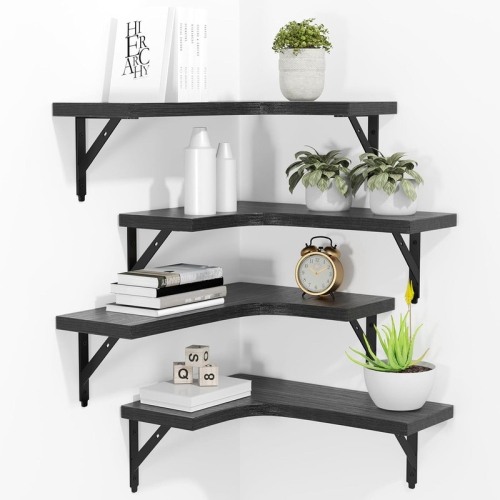


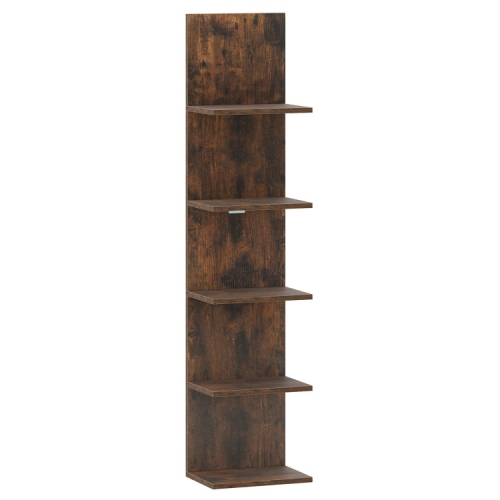

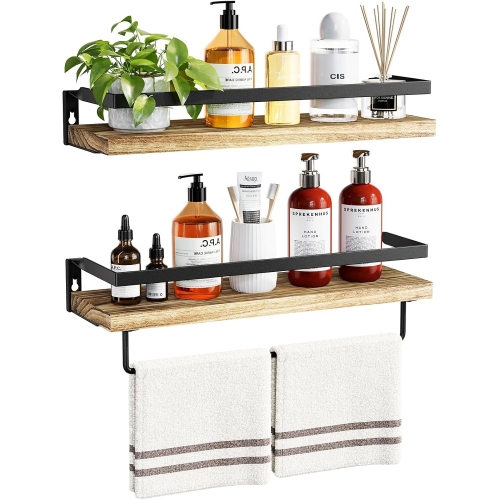
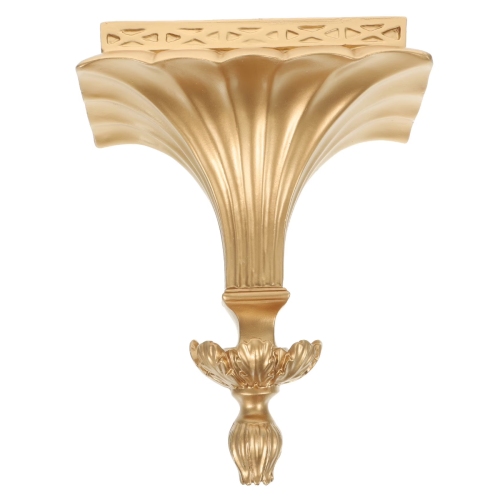
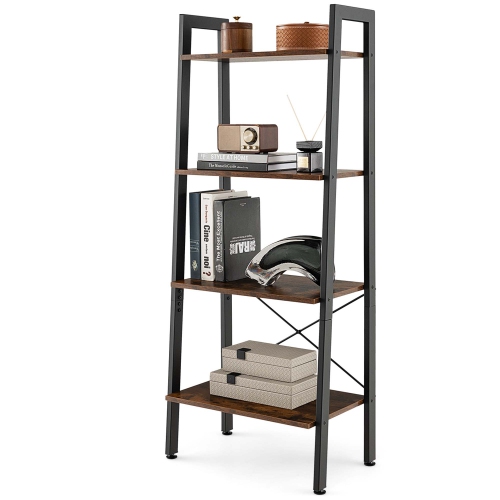
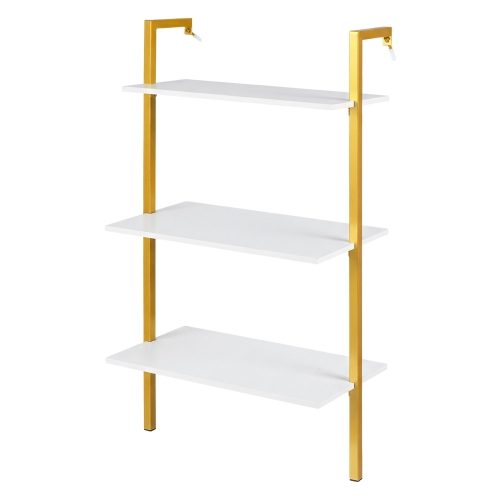
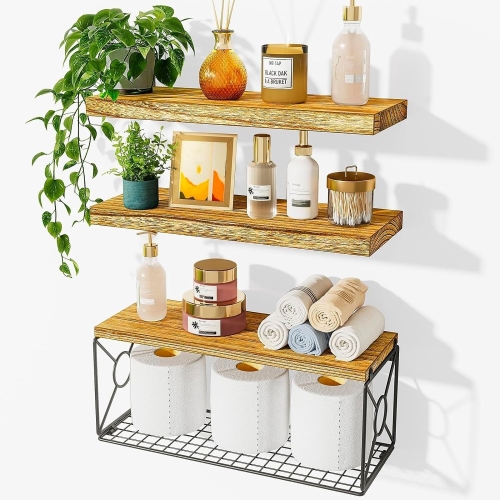

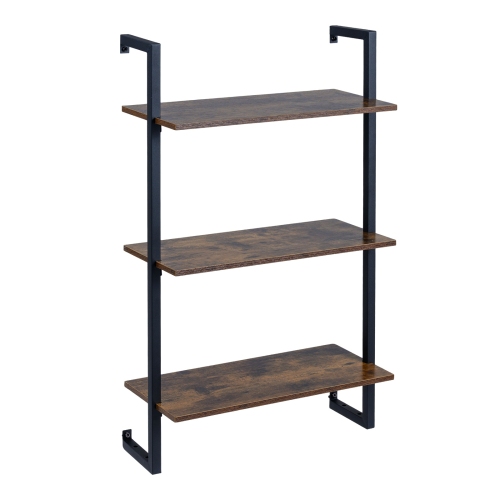


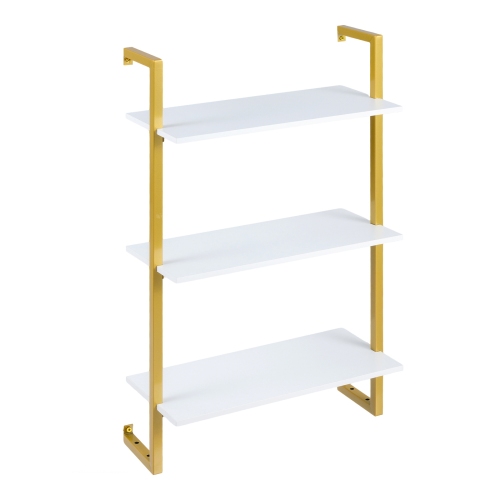
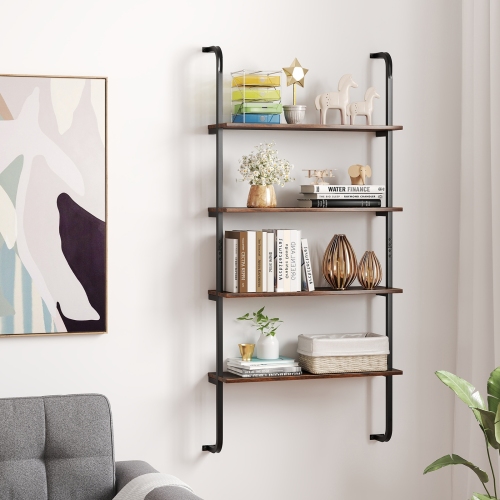
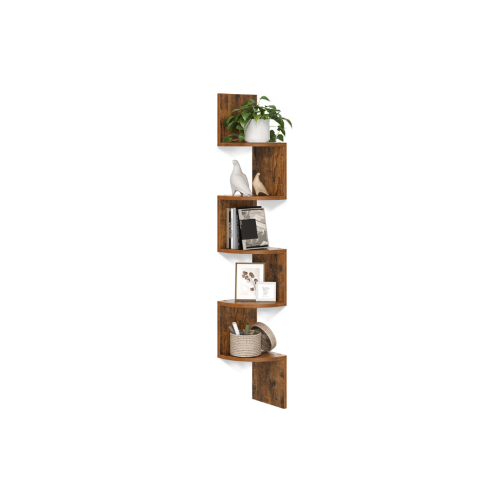
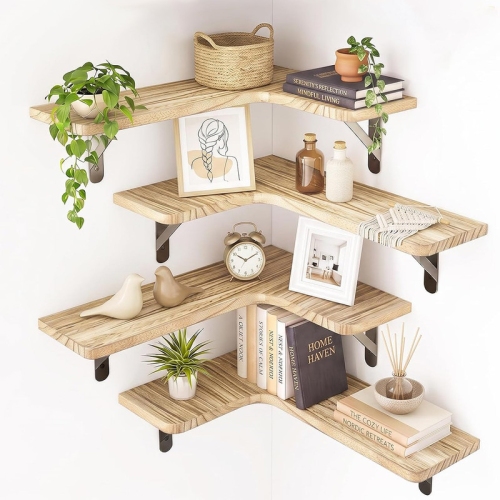
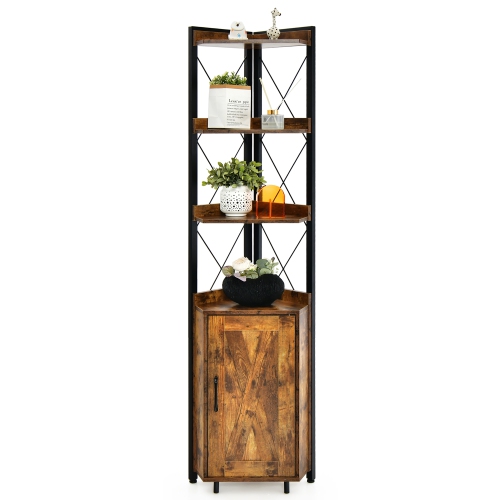
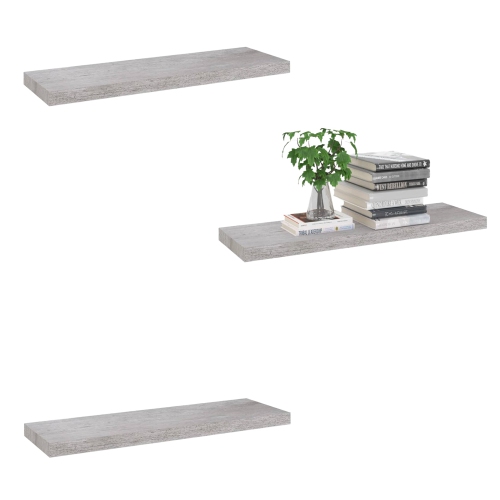
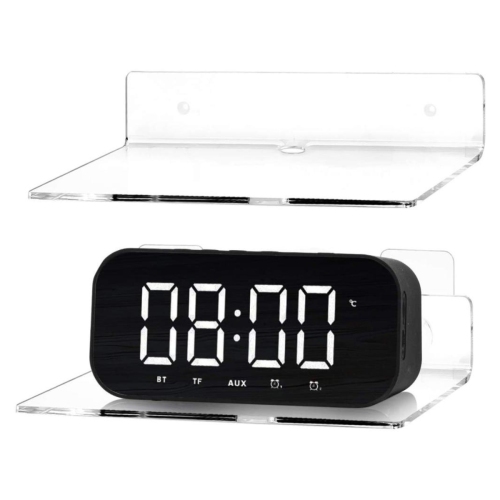
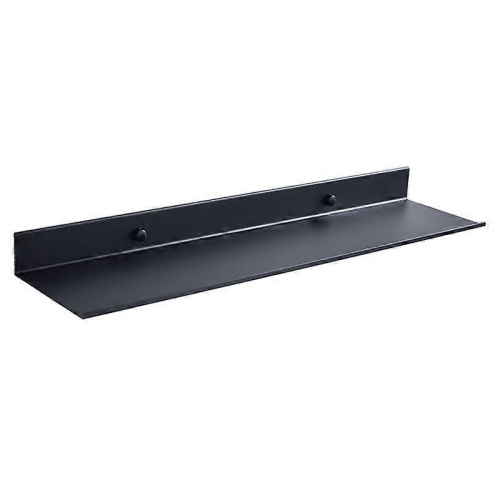
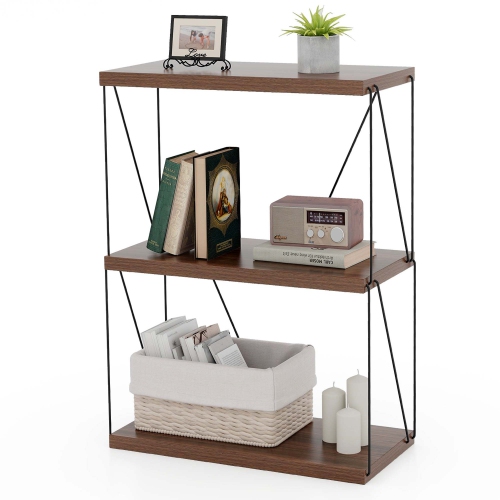
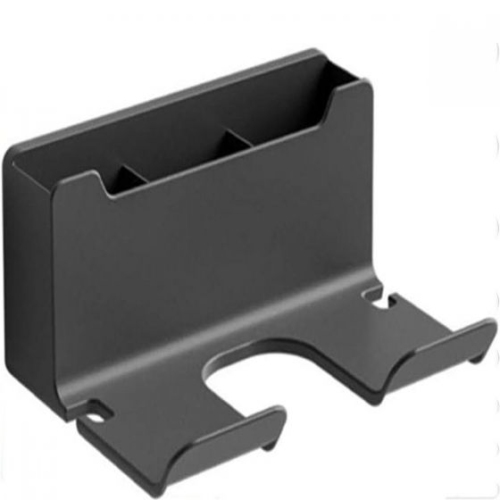
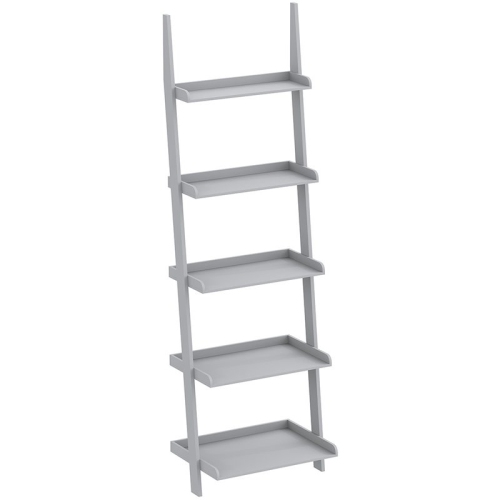

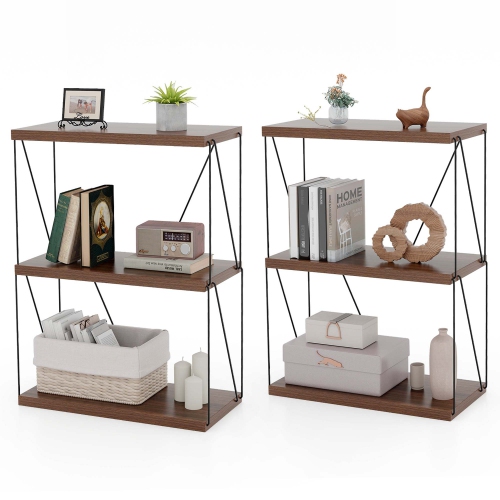
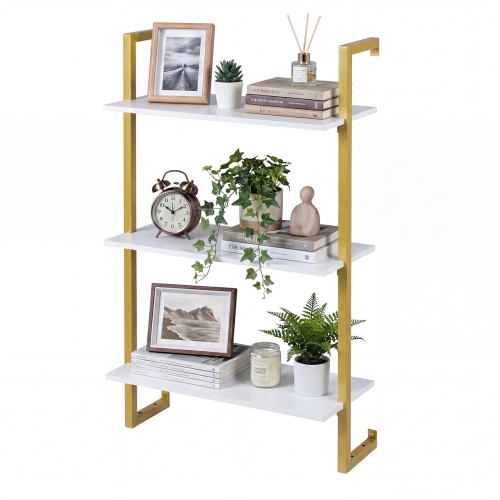
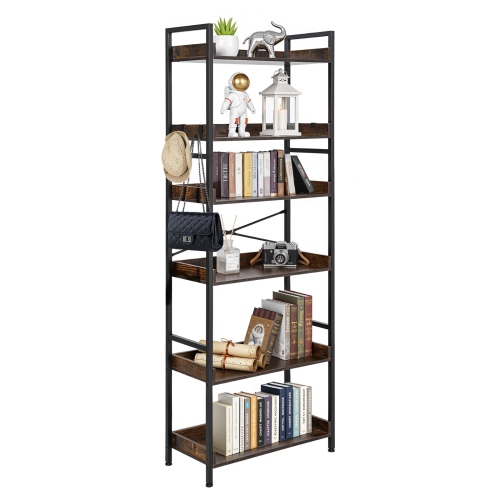
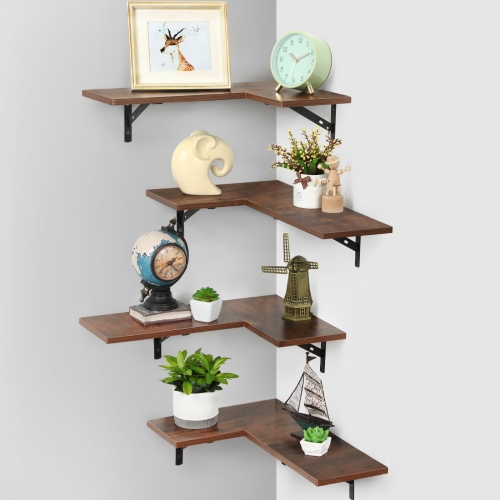

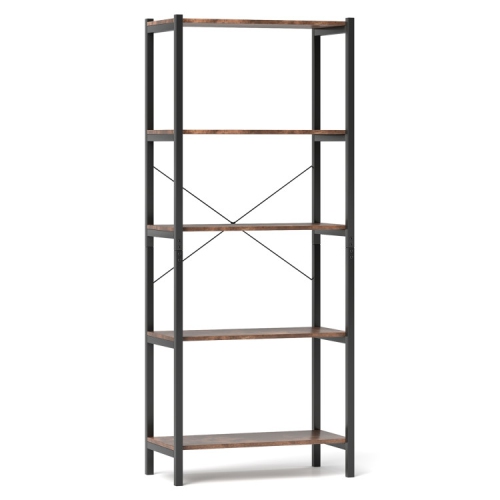
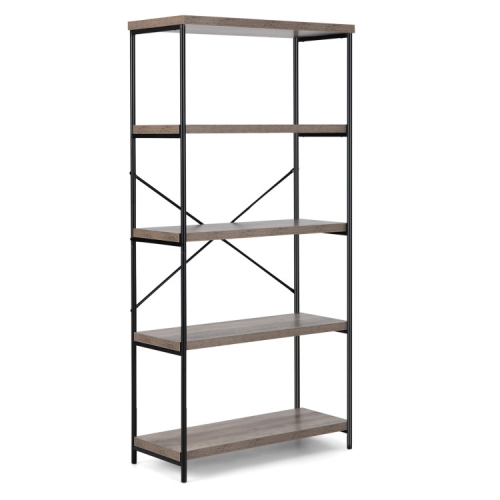
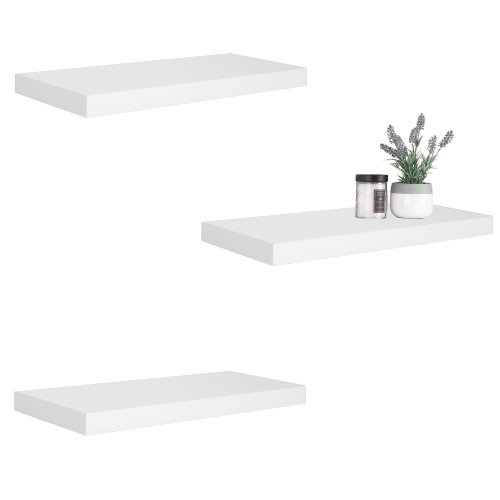
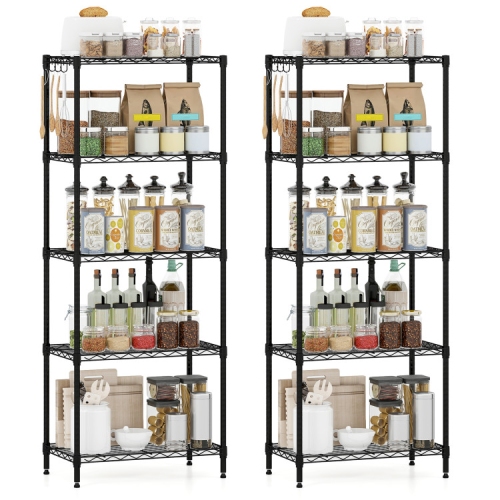
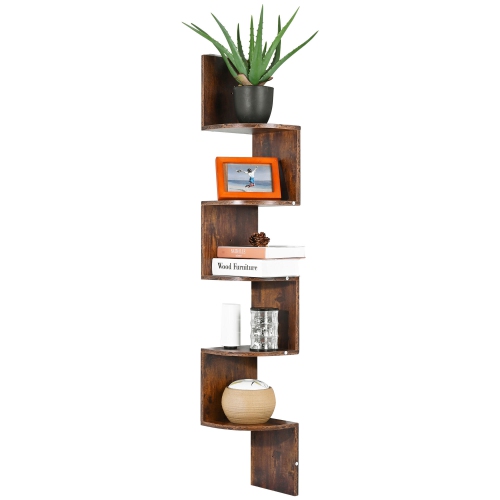
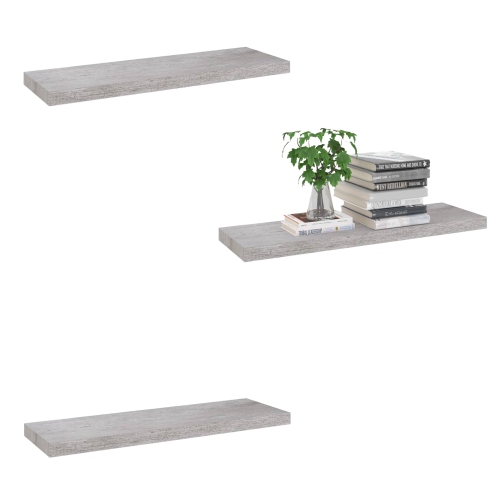
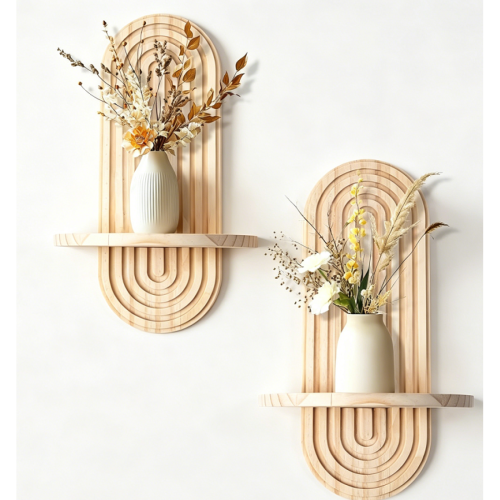

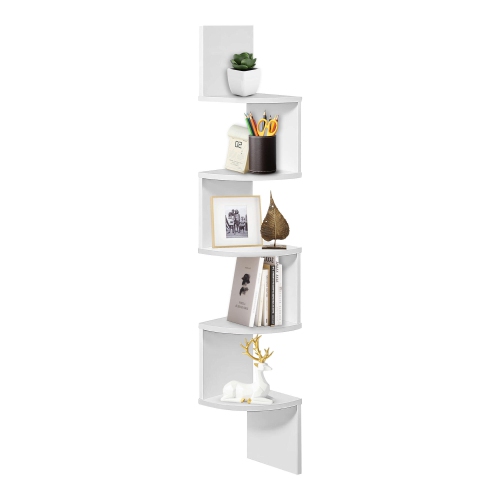
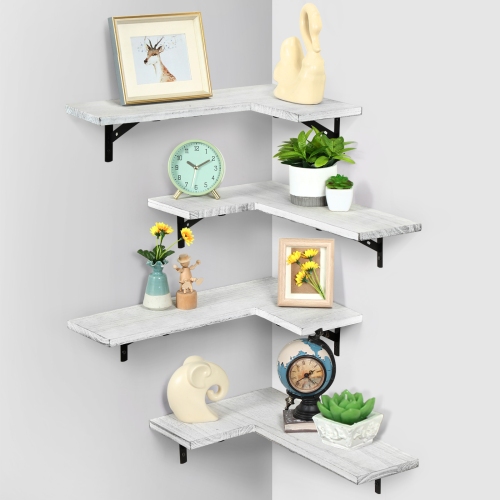
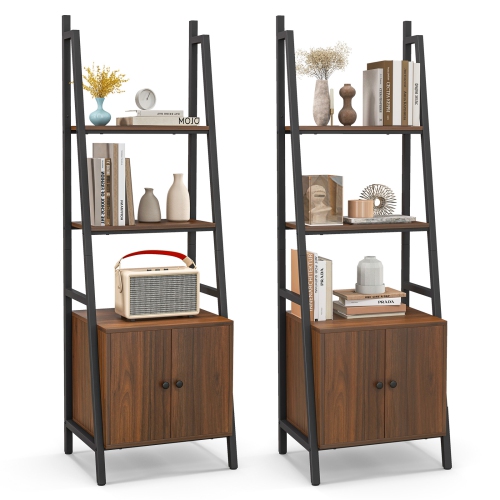
Everyday storage with warm wood and exposed metal
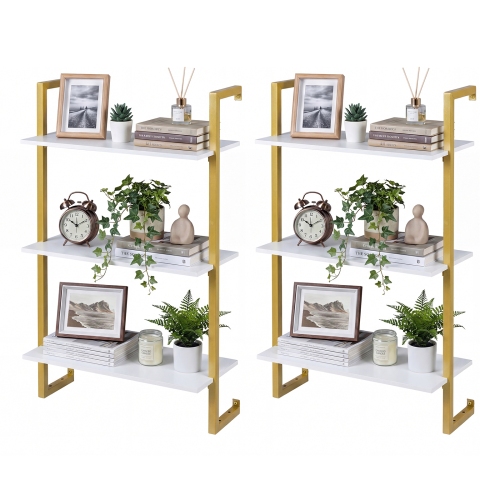
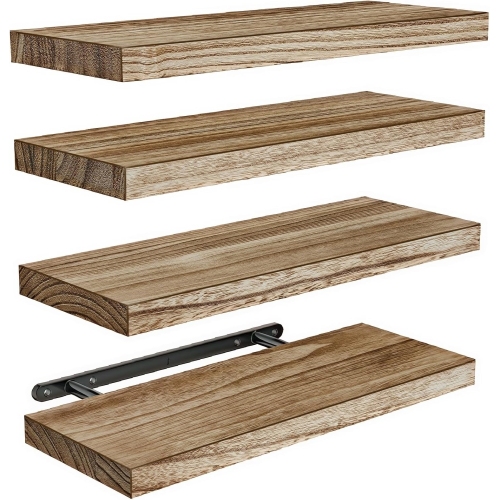
Industrial wall shelves combine practical storage with the character of exposed metalwork, substantial boards, and straightforward construction. Their look takes cues from workshops and converted lofts, but it can feel just as natural in a compact condo, a home office, or a family living room. Dark metal brackets against warm wood create a strong outline without needing elaborate detailing, while pipe-style supports, angular frames, and visible fasteners give different designs their own personality. The finish makes a noticeable difference: a smooth, evenly coloured shelf feels more tailored, whereas pronounced grain, knots, and textured edges bring a more rustic appearance. Black or charcoal frames can connect visually with nearby lighting, cabinet handles, and desk legs, helping a room feel coordinated without requiring every furnishing to match. Wood tones offer another way to shape the space, from pale surfaces that keep a small nook feeling light to deeper browns that stand out against a painted wall. Materials matter beyond appearance, too. Solid wood has natural variation and may respond to changes in indoor humidity, while engineered wood can provide a more uniform surface and consistent colouring. Veneered shelves have a thin layer of real wood over a core material, so their care needs differ from those of a thick, unfinished timber board. Powder-coated steel is often used for brackets and frames, though the quality of the coating, the construction of the joints, and the suitability of the fasteners all affect long-term performance. Some shelves have a deliberately worn-looking finish; that visual treatment does not mean they are intended for rough handling. Industrial styling is an aesthetic rather than a guarantee of heavy-duty capacity. The appeal lies in the balance of warmth and structure: shelves can show their supports openly while keeping books, framed photographs, and everyday belongings neatly arranged.
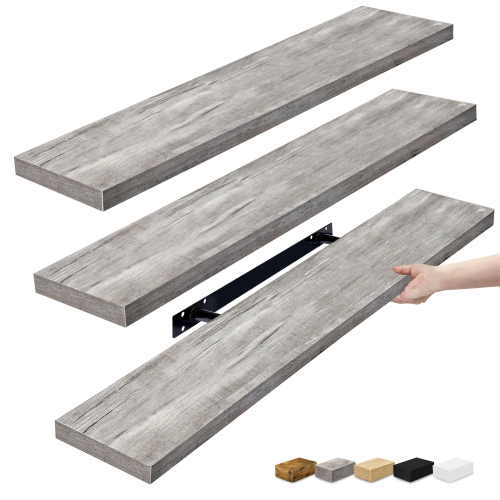
The right proportions help industrial wall shelves feel like part of the room rather than an afterthought. Width determines how much horizontal space a shelf occupies, but depth often has the greater effect on everyday use. A shallow ledge can suit small framed prints or a narrow hallway, while a deeper surface gives books and storage baskets more room without leaving their edges projecting awkwardly. Above a desk, shelf depth and mounting height affect headroom, access to the work surface, and clearance around a monitor. Near a doorway, a projecting bracket or shelf corner should not interfere with the door swing or a busy walking route. Multi-tier designs add storage vertically, although the distance between levels needs to suit the objects being stored; tall binders, upright books, and smaller display pieces each call for different spacing. For a broader arrangement above a sideboard or along an open wall, large wall shelves offer another format to consider, with dimensions and support requirements that deserve the same attention as the finish. A shelf’s stated load limit applies under the conditions set out by its manufacturer, including the specified mounting method and how weight is distributed. A row of hardcovers places different demands on a shelf than a few lightweight photographs, and a thick board alone does not establish how much the complete assembly can hold. Wall construction is equally important. Drywall, masonry, and walls with wood or metal studs require suitable fastening methods, and included hardware may not be appropriate for every surface. Secure attachment to suitable structural support, where required, matters more than the rugged appearance of the brackets. In rental homes, permanent mounting also needs to fit the property’s rules. These details are particularly relevant above seating, beds, or workstations, where secure installation and sensible placement of heavier objects are essential. A well-proportioned layout leaves enough room to reach frequently used belongings comfortably, keeps heavy objects within easy reach, and gives the wall some open space between groups rather than filling every inch.
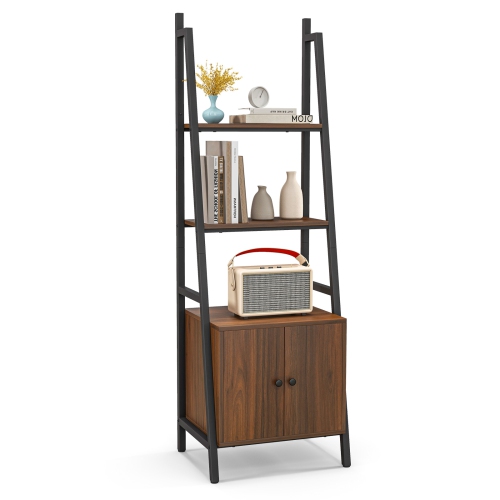
Industrial wall shelves work especially well where storage needs to stay visible and convenient. In a home office, they can keep reference books and small organizers off the desktop while leaving everyday materials close at hand. In a living room, the same style can bring order to a mix of paperbacks, ceramics, and family photographs, with the metal framework adding definition around softer upholstery. An entryway shelf can hold a small catch-all tray, provided its position does not narrow the passage or create a bumping hazard. In a kitchen, shelves intended for the setting can put frequently used mugs or dishes within reach, although steam, grease, and splashes make finish suitability and easy cleaning more important. Bathroom placement calls for similar care: a wood-and-metal appearance does not automatically mean the materials are suited to repeated moisture exposure. For hobby spaces, open shelving makes supplies easier to see, but small loose pieces are usually more manageable in containers than scattered across the boards. Thoughtful arrangements also make cleaning less of a chore. Leaving space around objects allows a soft cloth to pass along the surface and around brackets, while felt pads beneath rough-bottomed pottery can help limit scratches. Most finished shelves benefit from gentle dusting and prompt attention to spills, with cleaning products chosen according to the manufacturer’s directions. Abrasive pads, prolonged dampness, and harsh cleaners can damage coatings or affect wood finishes, and textured surfaces may need extra attention where dust settles into grooves. Periodic checks for loosened fasteners, movement, or sagging are worthwhile, particularly when the contents change. For someone furnishing a first apartment or setting up a dedicated workspace, industrial wall shelves can also make a practical housewarming gift when their preferred dimensions, finish, and mounting options are known. Their lasting usefulness comes from fitting ordinary routines: a favourite book that is easy to find, a clear desk at the end of the day, or a collection displayed with enough breathing room to appreciate each piece. The strongest fit is a shelf that suits both the wall and the belongings it needs to hold.
Top selling and popular products
-
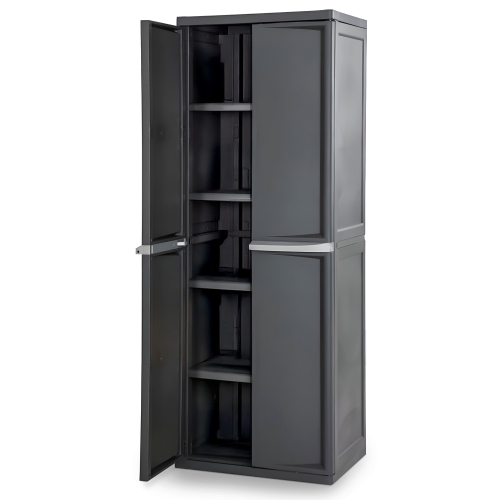 Your price for this item is $593.99
-
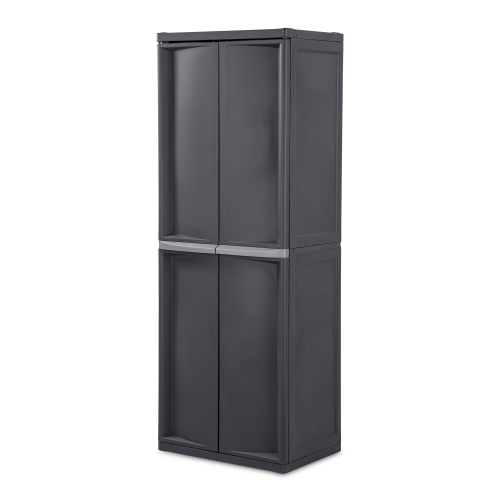 Your price for this item is $1445.95
-
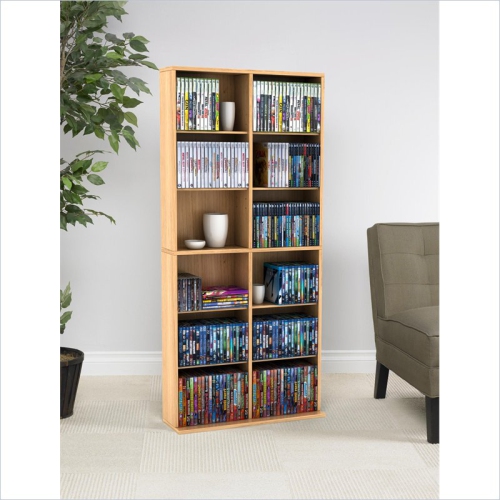 Your price for this item is $234.68
-
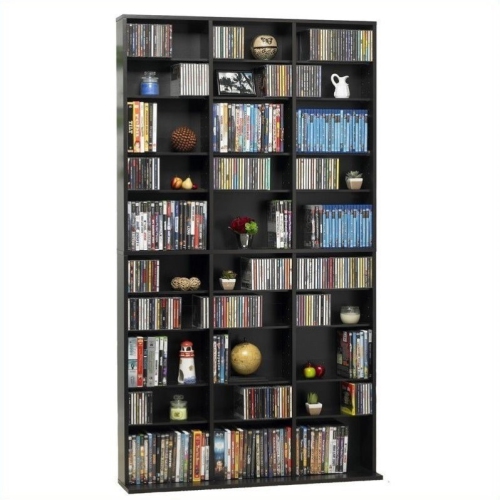 Your price for this item is $365.85
-
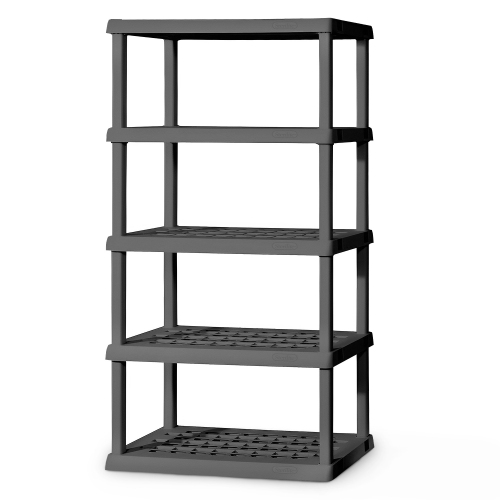 Your price for this item is $351.99
-
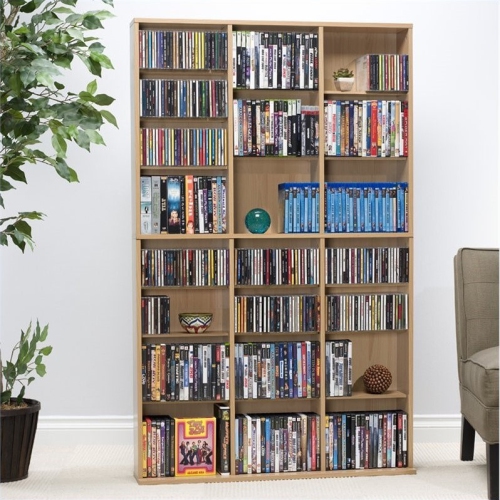 Your price for this item is $295.5
-
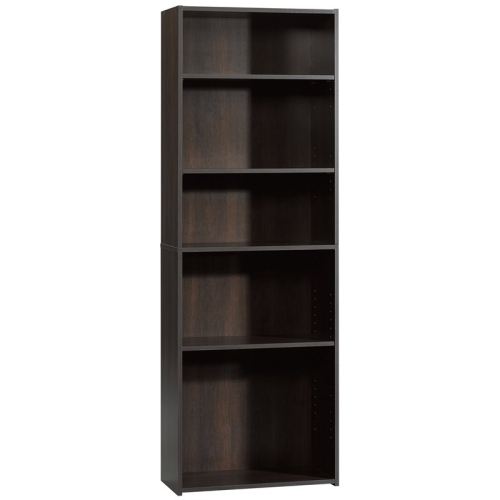 Your price for this item is $227.8
-
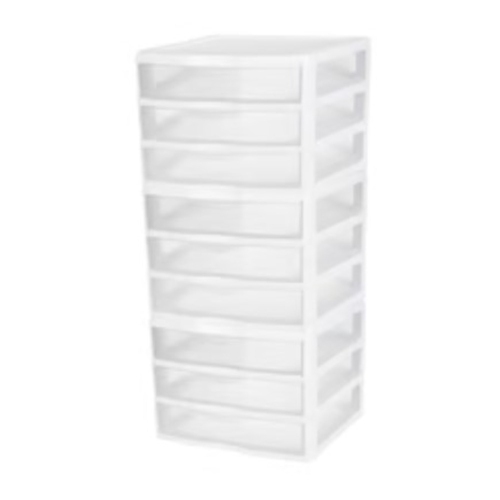 Your price for this item is $169.99
Discover more categories related to Industrial Wall Shelves
Top Collections:
Pokemon Centers, Kindle Devices, Best Cameras for Sports Photography, Pokémon 30th Celebration Cards, Canon G7X Cameras, Samsung Galaxy Phones, iPhone 15 Apple, Best Black Friday Deals On Electronics, Jackery Power Stations, Solar Generators for Home
Some products may be subject to Environmental Handling Fees
(EHF) depending on your province.
Learn more about EHFs.