Interior Doors With Glass Panels
Interior Doors With Glass Panels add a touch of elegance and sophistication to any home or office space. These doors offer a stylish way to divide rooms while allowing natural light to flow through, creating an open and inviting atmosphere. Whether you’re updating your interior décor or completing a renovation project, Interior Doors With Glass Panels provide a versatile solution that complements a wide range of design preferences. Explore options that can help enhance both the look and functionality of your living spaces.
Sort
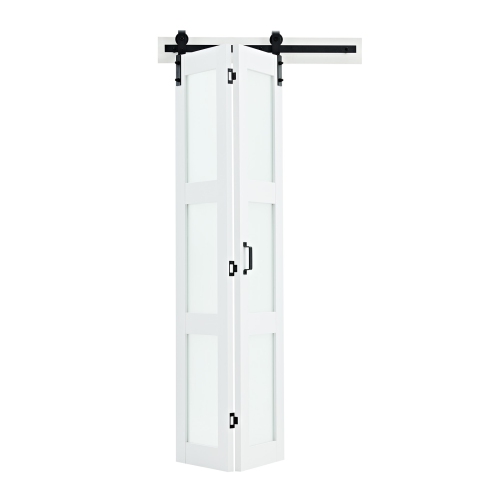
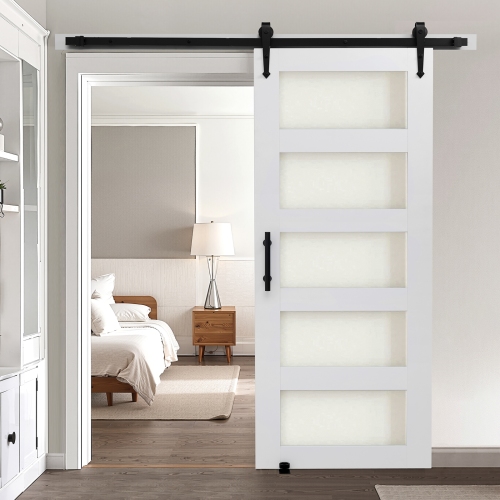

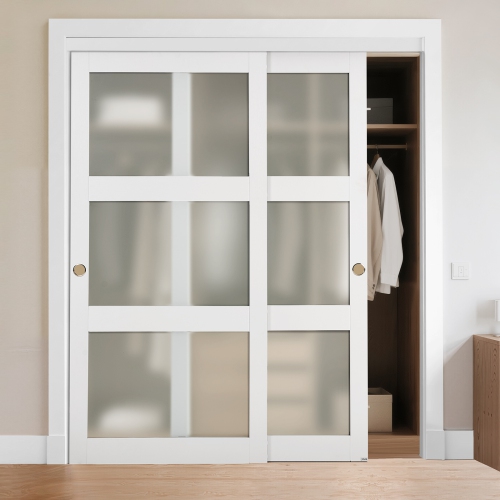
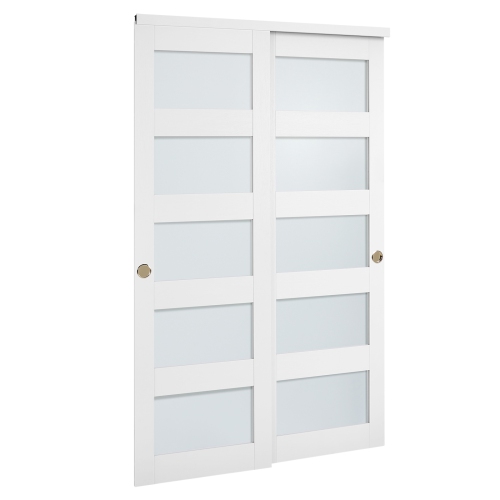
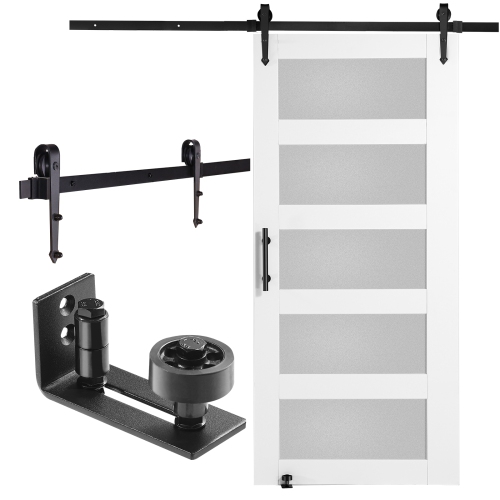


How glass panels balance borrowed light and privacy
Interior doors with glass panels separate rooms while allowing light to pass through glazed sections, creating a visual connection without leaving every doorway open. They can bring borrowed light into a hallway, keep a home office connected to the rest of the house, or give a dining room a defined entrance without the solid appearance of a fully enclosed wall. The glass treatment makes a noticeable difference to how the space feels and functions. Clear panels preserve sightlines, making them useful where an open view matters, such as between a living area and a study. Frosted, etched, or textured glass softens the view and can conceal pantry shelving, laundry supplies, or everyday clutter while still admitting light. These finishes offer different degrees of privacy; a frosted panel may blur details but still reveal movement or silhouettes when the room behind it is brightly lit. Reeded glass adds a lined texture that suits both understated and character-filled interiors, although its screening effect depends on the pattern and viewing angle. Panel proportions also shape the overall look. A single large pane creates a broad, uncluttered view, while several smaller panes introduce a more structured pattern that can complement traditional trim or cabinetry. Narrow glazed sections leave more of the door surface solid, balancing light transmission with a greater sense of enclosure. Paired doors can frame a wider opening between shared spaces, whereas a single glazed door often fits naturally into an existing room layout. For spaces with simple trim and clean-lined furniture, Contemporary Interior Glass Doors offer a related direction to explore. The most suitable appearance depends as much on what is visible through the doorway as on the door itself: a clear pane can frame a tidy bookcase beautifully, while a screened finish may feel more comfortable beside a busy utility area. Matching the glass pattern and frame colour to nearby finishes helps the doorway feel like part of the room rather than an isolated feature.
Fit involves more than matching the height and width of the door already in place. A replacement door slab needs to suit the existing frame, hinge positions, thickness, and latch location, while a prehung assembly includes its own frame and must fit the prepared opening. Measurements taken at several points can reveal an opening that is uneven or out of square, which is particularly relevant in older homes. Finished flooring, rugs, baseboards, and nearby furniture also affect clearance. A hinged door needs room to swing without striking a vanity, desk, or another door; its handing should match the way people move through the space. Sliding glass-panel doors can avoid a swing arc, but they require suitable track support and enough clear wall space beside the opening. Their edge gaps may also make them less suitable where privacy or sound control is a priority. Pocket doors keep the panel out of sight when open, though the wall cavity must accommodate the door and any required framing changes without conflicting with wiring or plumbing. Frame materials contribute to both appearance and everyday performance. Wood offers visible grain and can coordinate with other interior woodwork, while engineered wood can provide a consistent surface for a painted finish. Metal frames create crisp outlines, with the finish and construction influencing their resistance to scratches and knocks. Glass weight matters too: hinges, tracks, handles, and the supporting frame need to be suitable for the complete door assembly. Some glazed doors have limits on trimming, drilling, or hardware placement, especially near the glass, so alterations should follow the manufacturer’s specifications. On paired doors, the meeting edges, latching arrangement, and usable opening width deserve attention, particularly where furniture needs to pass through. Consistent handle heights and complementary hardware finishes can help a new door sit comfortably alongside existing doors, even when the glass design is different. These practical details matter whether the door is part of a full renovation or a focused update to one room.
Everyday use helps determine which features will remain useful beyond the initial installation. In a home office, glass can maintain a connection with shared living areas, but a closed glazed door does not automatically provide strong speech privacy. Sound reduction depends on the entire assembly, including its construction, perimeter gaps, seals, and installation, rather than the presence of glass alone. Bedrooms and bathrooms generally call for closer attention to screening, sightlines, and a reliable privacy latch. Pantry and laundry room doors may benefit from obscured glass, though any ventilation requirements for the room or installed appliances still need to be met. Safety glazing is another important consideration, particularly around children, pets, and busy passageways. Tempered glass is designed to break into small fragments, while laminated glass uses an interlayer that helps hold broken pieces together; the appropriate glazing must meet applicable requirements for its location. A decorative interior door should not be assumed to meet requirements for a fire-rated separation. Clear glass can also be harder to notice at a glance, making visible framing or a defined panel pattern useful in frequently travelled areas. Care is usually straightforward when it follows the instructions for both the glass and frame. A soft cloth and an appropriate non-abrasive cleaner can remove fingerprints, while keeping excess liquid away from joints, glazing beads, and unfinished edges helps protect surrounding materials. Textured panes may need a little more attention where dust settles into grooves. Painted surfaces, wood finishes, and metal coatings can each have different cleaning requirements, so one cleaner may not suit the whole door. Smooth operation also relies on secure hinges, properly adjusted latches, and clean sliding tracks. With suitable glass, dependable hardware, and a layout that respects clearance and privacy, these doors can make everyday rooms feel connected while preserving the practical value of a separate space.
Top selling and popular products
-
 Your price for this item is $3000
-
 Your price for this item is $159.99
-
 Your price for this item is $329.99
-
 Your price for this item is $149.99
-
 Your price for this item is $264
-
 Your price for this item is $217.55
-
 Your price for this item is $779.99
-
 Your price for this item is $659.99
Discover more categories related to Interior Doors With Glass Panels


Top Collections:
Pokemon Centers, Best Cameras for Sports Photography, Kindle Devices, Samsung Galaxy Phones, Canon G7X Cameras, Pokémon 30th Celebration Cards, Refurbished Apple Laptops, iPhone 15 Apple, Laptops for Students, Budget Smartphones
Some products may be subject to Environmental Handling Fees
(EHF) depending on your province.
Learn more about EHFs.