Interior Wall Panels
Upgrade your space with our selection of interior wall panels, designed to bring a touch of style and sophistication to any room in your home. Whether you're looking to add texture, color, or a unique focal point to your walls, our range of wall panels offers endless possibilities for transforming your living spaces. From modern designs to classic finishes, explore our collection to find the perfect solution for enhancing the aesthetic appeal of your interior walls.
Sort


How panel profiles shape the character of a room
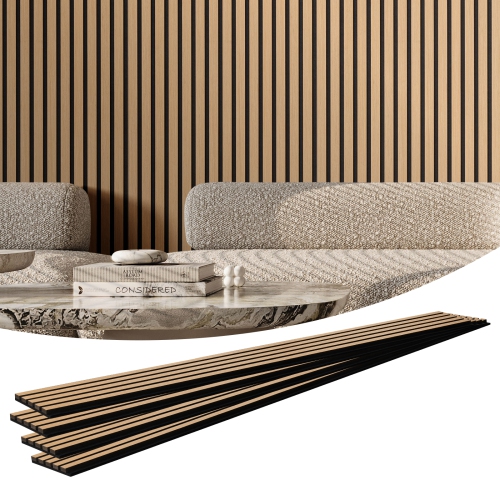
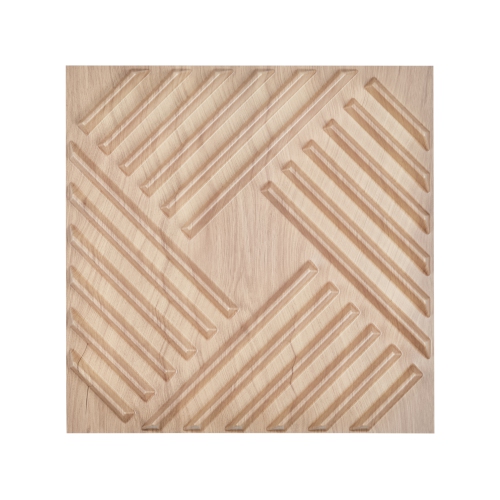
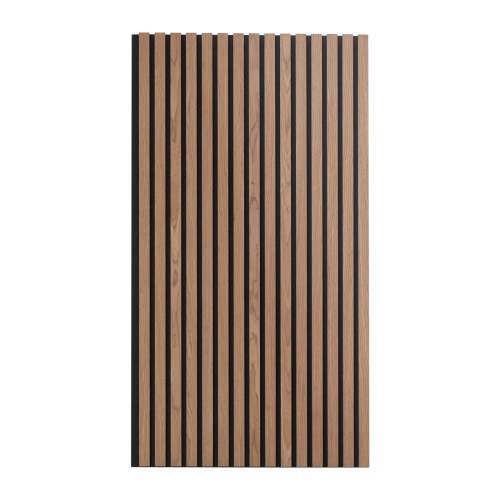
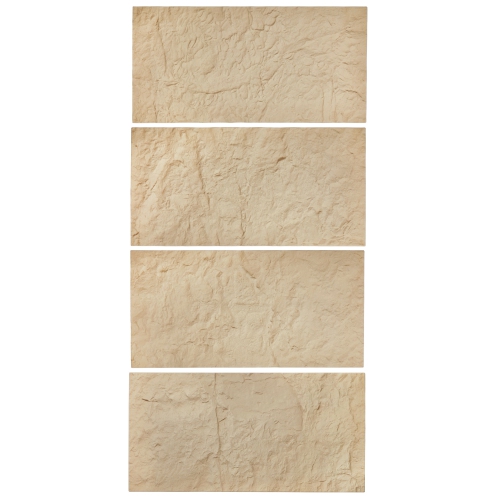
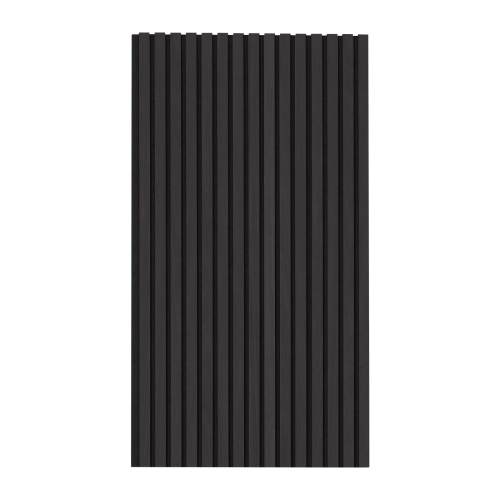
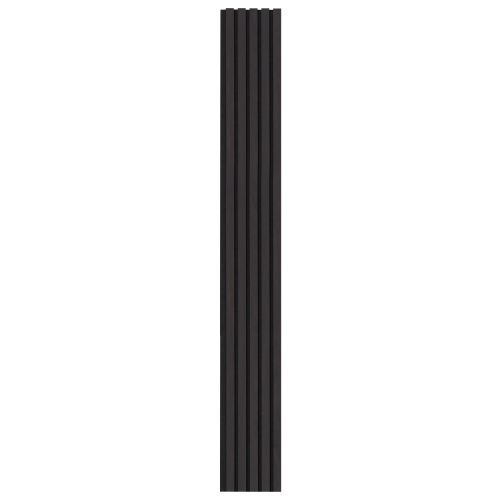
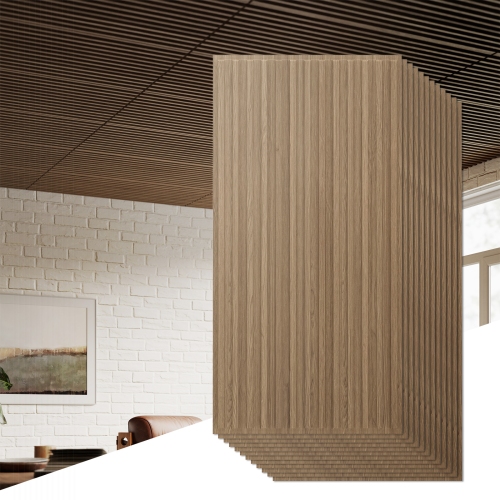
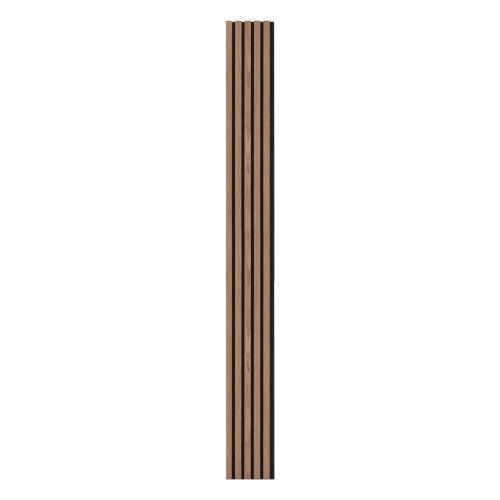
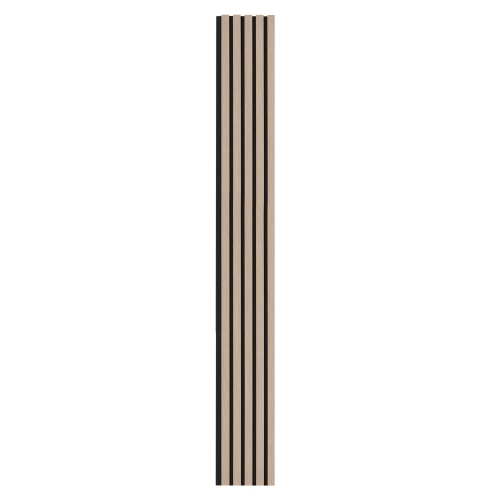
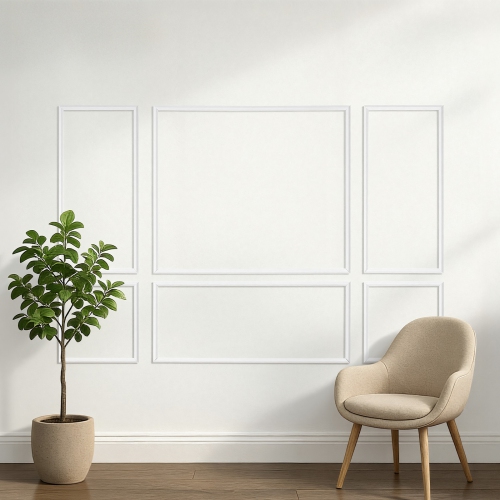
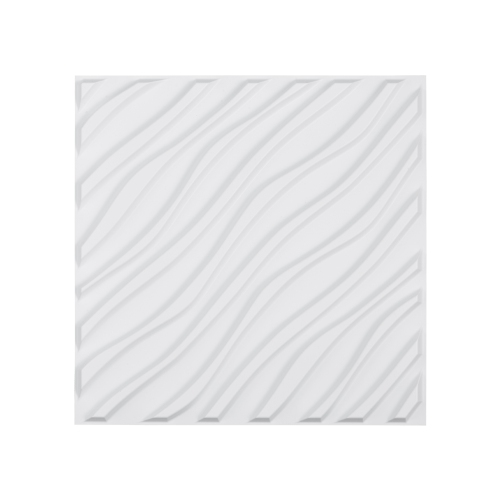
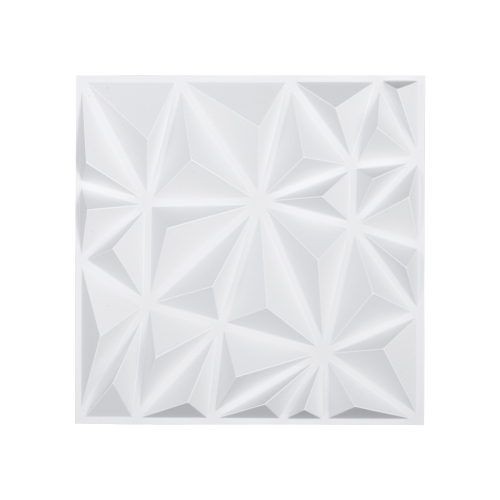
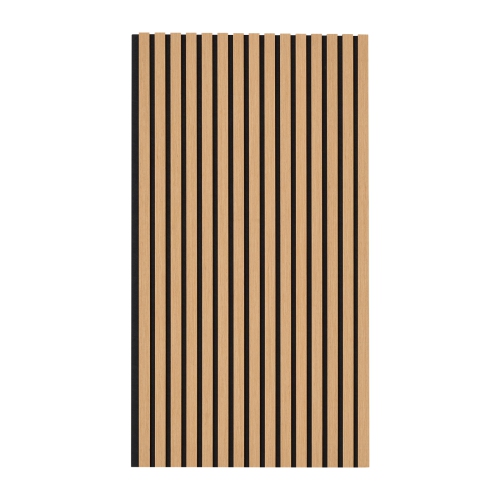
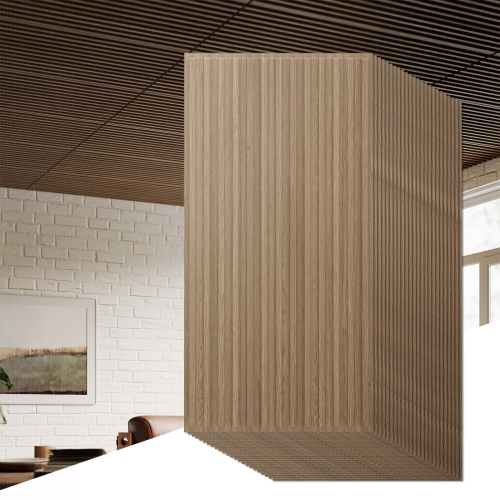
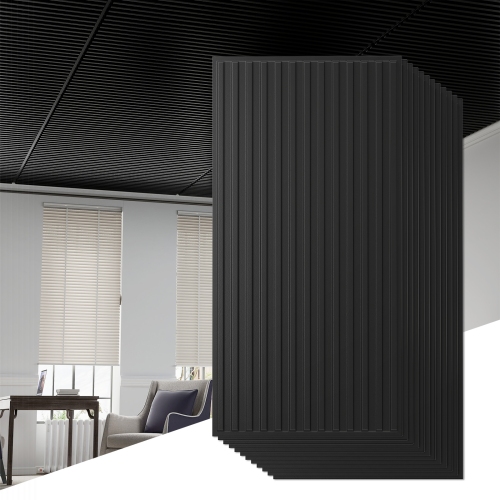
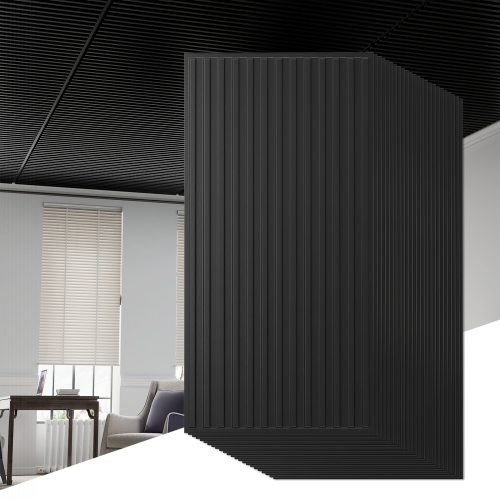
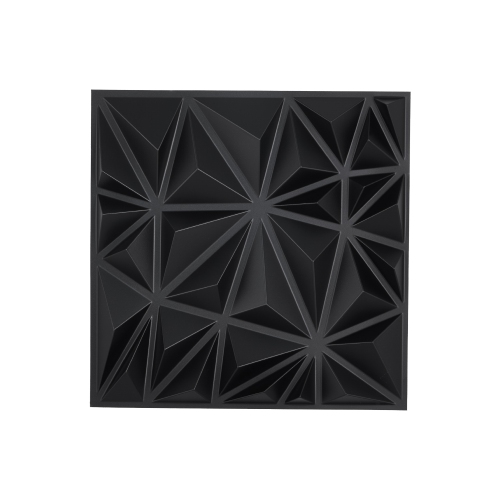
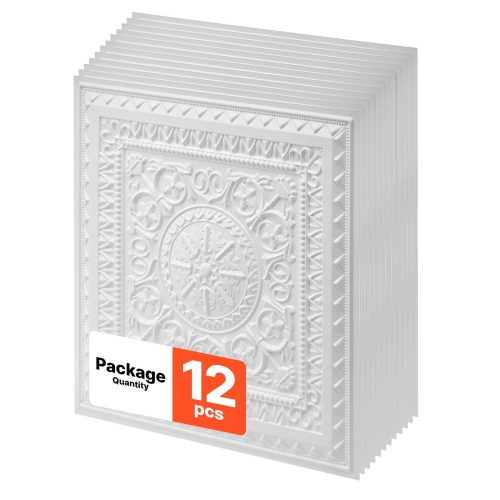
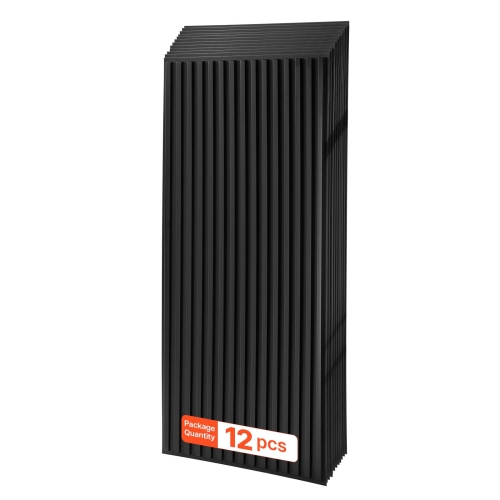
Interior wall panels are coverings that add texture, pattern, and architectural detail to indoor walls. They can turn a plain surface into a focal point, create a finished backdrop for furniture, or bring definition to an open-plan room without adding a partition. Their effect depends on the panel profile as much as the colour: narrow vertical slats establish a steady rhythm behind a sofa, broad horizontal shiplap creates long, clean lines, and beadboard introduces a finer pattern suited to entryways, dining areas, and bedrooms. Fluted wall panels have repeated rounded grooves that catch light and cast soft shadows, while raised geometric designs give an accent wall a more sculptural appearance. Wainscoting describes panelling applied to the lower portion of a wall, often finished with a top rail; it can add character while helping protect the covered surface from everyday contact. For layouts built around a repeating grid, Square Wall Panels offer a modular format that works with both subtle relief patterns and more pronounced three-dimensional textures. A full wall of panelling makes a different impression from a small section behind a desk or bed, so the intended coverage helps determine which pattern feels balanced. Large, deeply textured panels tend to draw attention, whereas shallow grooves and finishes close to the surrounding paint colour offer a quieter result. In a home office, a panelled background can make a workspace look more defined on video calls. In a living room, wood-look surfaces can soften the visual contrast between a television and a painted wall. Hallways often benefit from simpler profiles that leave room for coat hooks, benches, and framed artwork. Panels may also conceal minor cosmetic imperfections, but they are a finish rather than a remedy for dampness, mould, loose plaster, or structural damage. The wall beneath still needs to be sound and suitable for the chosen installation method. That distinction matters whether the project covers a compact alcove or several walls in a busy family home.
Materials influence the appearance, weight, durability, and suitable placement of interior wall panels. Solid wood brings natural grain variation and can develop small changes in tone with age and exposure to light. Some solid wood panels can be refinished, although the profile and original coating affect what is practical. Wood veneer provides a real wood surface over a supporting core, giving the visible grain a more consistent foundation; its thin face generally allows less sanding than solid timber. Medium-density fibreboard, commonly called MDF, is frequently used for smooth painted profiles and precisely shaped grooves. High-density fibreboard, or HDF, offers another dense engineered fibre option, but neither name alone confirms suitability for moisture exposure. Standard fibreboard can swell when water reaches unprotected edges, making the specified finish and room suitability important considerations. PVC and vinyl wall panels are often lightweight and moisture-resistant, with surfaces that can be convenient in laundry rooms or other areas where occasional splashes occur. A moisture-resistant panel is not automatically a waterproof wall system, however: joints, edges, adhesives, and the supporting surface all affect performance, and shower installations require products and methods expressly intended for that use. Felt-backed acoustic wall panels serve a different purpose, combining a textured face with a sound-absorbing layer. Depending on their construction, coverage, and mounting method, they can help reduce reflected sound and make speech clearer in rooms with hard floors and large bare walls. A slatted appearance alone does not establish acoustic performance, and sound absorption should not be confused with soundproofing between rooms. For a shared workspace, media room, or music practice area, published acoustic test information is more useful than appearance alone. Surface finish also shapes everyday practicality. Smooth, washable faces are generally easier to wipe than deeply grooved textures, while pale matte finishes and dark glossy surfaces show marks in different ways. Impact resistance varies by construction, so a panel intended mainly as a visual accent may not be the best fit where chair backs, bags, or children's toys regularly touch the wall.
Size and fit help determine how naturally wall panelling sits within a room. Individual panel dimensions are only part of the picture: effective coverage may differ where edges overlap or connect, and repeating patterns need alignment across adjoining pieces. A tall vertical layout can emphasize ceiling height, while a horizontal arrangement can draw attention to the width of a wall. The position of seams is especially noticeable around a centred television, headboard, or fireplace surround, where uneven strips at either side can interrupt the pattern. Door frames, windows, baseboards, inside corners, and electrical outlets also affect the finished layout. Panel thickness may require matching edge trim or adjustments around existing fittings, and electrical boxes must remain accessible and properly finished rather than buried behind the new surface. Adhesive-backed panels can suit some small projects, but their bond depends on compatibility with the wall finish, surface cleanliness, and the manufacturer's requirements. They are not necessarily removable without damage to paint or drywall. Larger or heavier panels may need mechanical fasteners, battens, or a specified adhesive system, which can make professional installation worthwhile for homeowners who want clean cuts and neatly resolved corners. Renters benefit from confirming permission and removal requirements before choosing any fixed wall covering. Around a fireplace or another heat-producing appliance, the panel's documented suitability and the appliance's required clearances take priority over the desired look. Wall-mounted televisions, shelves, and cabinets generally need secure anchoring into an appropriate supporting structure, not just the panel face. Once installed, care is usually straightforward when matched to the material. A soft brush attachment can lift dust from grooves, while a soft cloth may be suitable for wiping sealed surfaces according to their care instructions. Excess water, abrasive pads, and strong cleaners can damage certain coatings or exposed edges. Keeping the finish intact and addressing loose sections promptly helps preserve both appearance and function. With the right combination of profile, material, and fit, interior wall panels can give a room lasting definition while accommodating the way that space is used every day.
Materials influence the appearance, weight, durability, and suitable placement of interior wall panels. Solid wood brings natural grain variation and can develop small changes in tone with age and exposure to light. Some solid wood panels can be refinished, although the profile and original coating affect what is practical. Wood veneer provides a real wood surface over a supporting core, giving the visible grain a more consistent foundation; its thin face generally allows less sanding than solid timber. Medium-density fibreboard, commonly called MDF, is frequently used for smooth painted profiles and precisely shaped grooves. High-density fibreboard, or HDF, offers another dense engineered fibre option, but neither name alone confirms suitability for moisture exposure. Standard fibreboard can swell when water reaches unprotected edges, making the specified finish and room suitability important considerations. PVC and vinyl wall panels are often lightweight and moisture-resistant, with surfaces that can be convenient in laundry rooms or other areas where occasional splashes occur. A moisture-resistant panel is not automatically a waterproof wall system, however: joints, edges, adhesives, and the supporting surface all affect performance, and shower installations require products and methods expressly intended for that use. Felt-backed acoustic wall panels serve a different purpose, combining a textured face with a sound-absorbing layer. Depending on their construction, coverage, and mounting method, they can help reduce reflected sound and make speech clearer in rooms with hard floors and large bare walls. A slatted appearance alone does not establish acoustic performance, and sound absorption should not be confused with soundproofing between rooms. For a shared workspace, media room, or music practice area, published acoustic test information is more useful than appearance alone. Surface finish also shapes everyday practicality. Smooth, washable faces are generally easier to wipe than deeply grooved textures, while pale matte finishes and dark glossy surfaces show marks in different ways. Impact resistance varies by construction, so a panel intended mainly as a visual accent may not be the best fit where chair backs, bags, or children's toys regularly touch the wall.
Size and fit help determine how naturally wall panelling sits within a room. Individual panel dimensions are only part of the picture: effective coverage may differ where edges overlap or connect, and repeating patterns need alignment across adjoining pieces. A tall vertical layout can emphasize ceiling height, while a horizontal arrangement can draw attention to the width of a wall. The position of seams is especially noticeable around a centred television, headboard, or fireplace surround, where uneven strips at either side can interrupt the pattern. Door frames, windows, baseboards, inside corners, and electrical outlets also affect the finished layout. Panel thickness may require matching edge trim or adjustments around existing fittings, and electrical boxes must remain accessible and properly finished rather than buried behind the new surface. Adhesive-backed panels can suit some small projects, but their bond depends on compatibility with the wall finish, surface cleanliness, and the manufacturer's requirements. They are not necessarily removable without damage to paint or drywall. Larger or heavier panels may need mechanical fasteners, battens, or a specified adhesive system, which can make professional installation worthwhile for homeowners who want clean cuts and neatly resolved corners. Renters benefit from confirming permission and removal requirements before choosing any fixed wall covering. Around a fireplace or another heat-producing appliance, the panel's documented suitability and the appliance's required clearances take priority over the desired look. Wall-mounted televisions, shelves, and cabinets generally need secure anchoring into an appropriate supporting structure, not just the panel face. Once installed, care is usually straightforward when matched to the material. A soft brush attachment can lift dust from grooves, while a soft cloth may be suitable for wiping sealed surfaces according to their care instructions. Excess water, abrasive pads, and strong cleaners can damage certain coatings or exposed edges. Keeping the finish intact and addressing loose sections promptly helps preserve both appearance and function. With the right combination of profile, material, and fit, interior wall panels can give a room lasting definition while accommodating the way that space is used every day.
Top selling and popular products
-
 Your price for this item is $29.95
 -
 Your price for this item is $37.91
 -
 Your price for this item is $78.99
 -
 Your price for this item is $125.99
 -
 Your price for this item is $110.9
 -
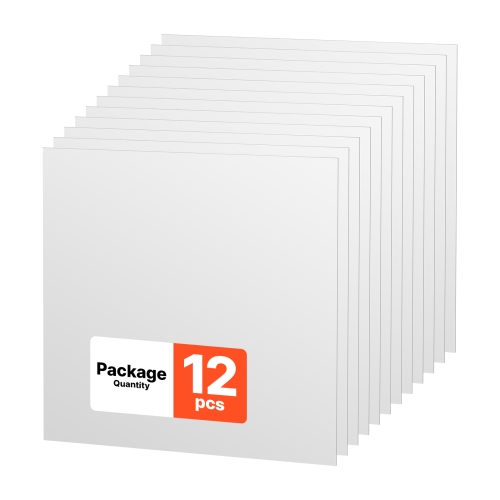 Your price for this item is $74.9
 -
 Your price for this item is $219.99
 -
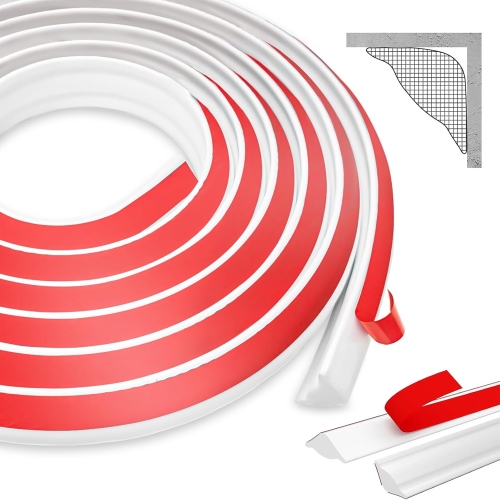 Your price for this item is $37.1
Discover more categories related to Interior Wall Panels
Top Collections:
Pokemon Centers, Kindle Devices, Best Budget Office Chairs, Apple iPhones 16, Best Laptops for Writers, iPhone 15 Apple, Canon G7X Cameras, Refurbished Apple Laptops, Alarm Clock, Motorola Razr Phones
Some products may be subject to Environmental Handling Fees
(EHF) depending on your province.
Learn more about EHFs.