Wall Paneling
Enhance the aesthetic appeal of your living space with our wide selection of wall paneling options. Whether you're looking to add a touch of rustic charm, modern elegance, or industrial flair to your home, our range of wall paneling is sure to meet your design preferences. From durable materials to easy installation, our collection offers versatile solutions to elevate any room in your home. Explore different styles, textures, and finishes to create a customized look that reflects your unique taste and personality.
Sort
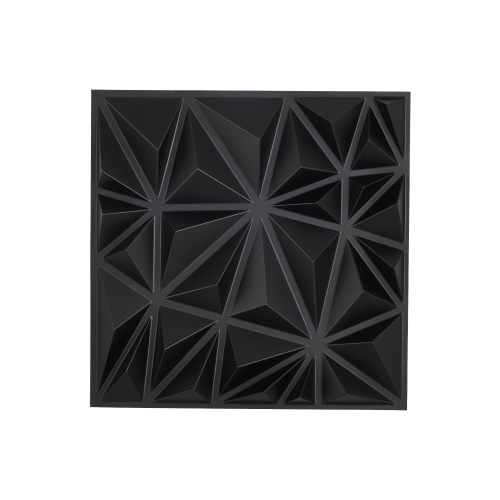
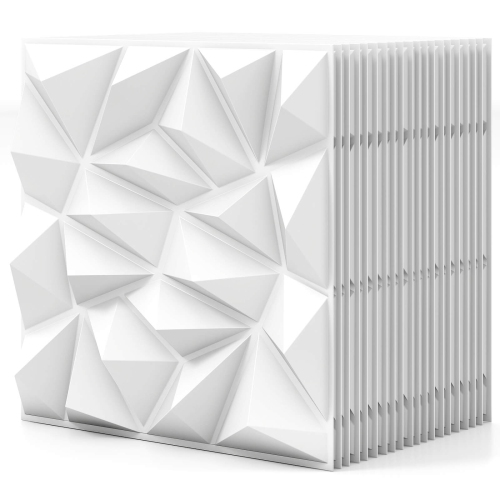
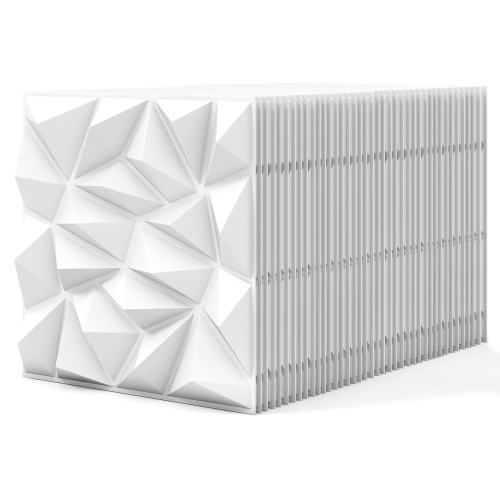
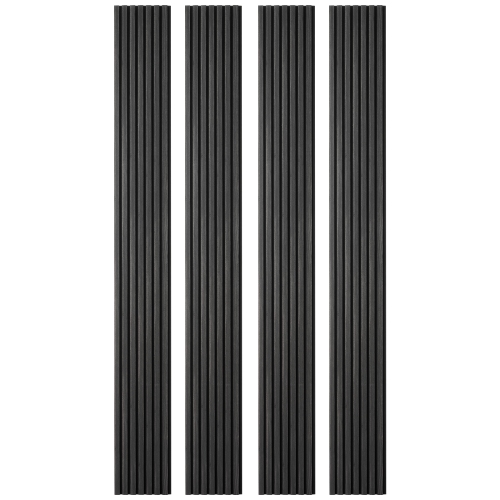
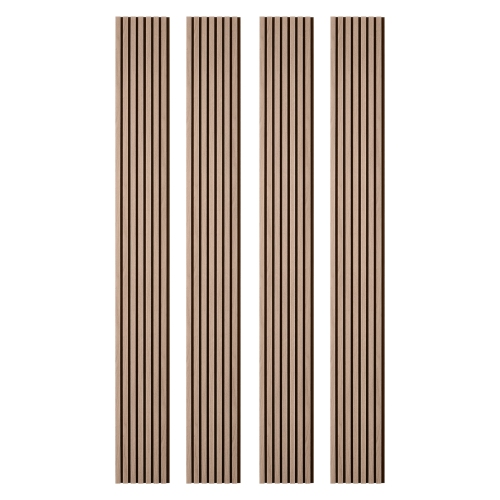
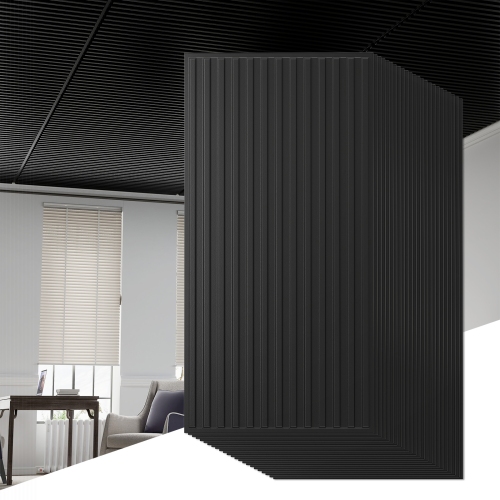

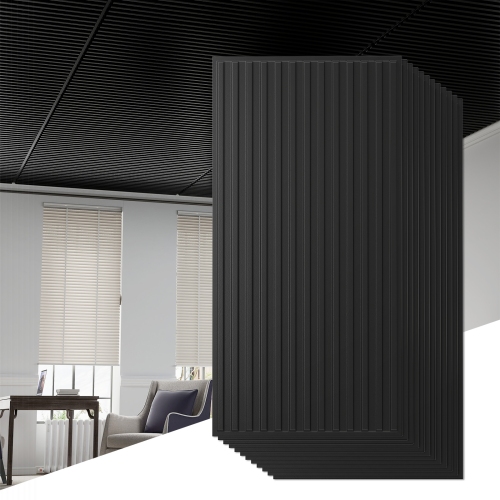
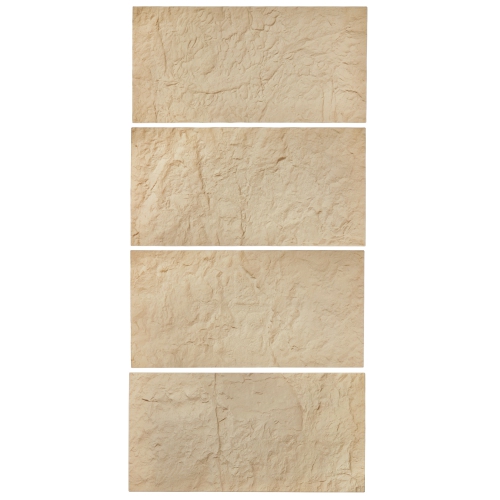
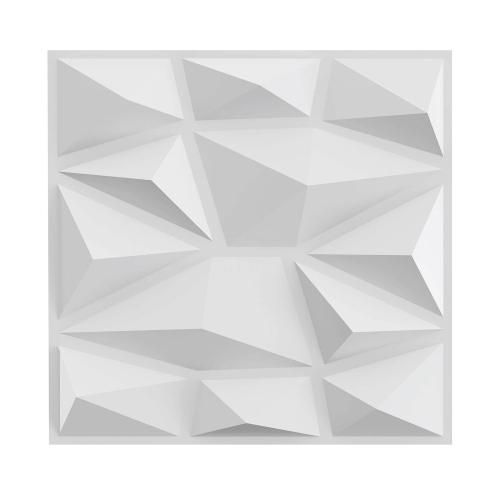
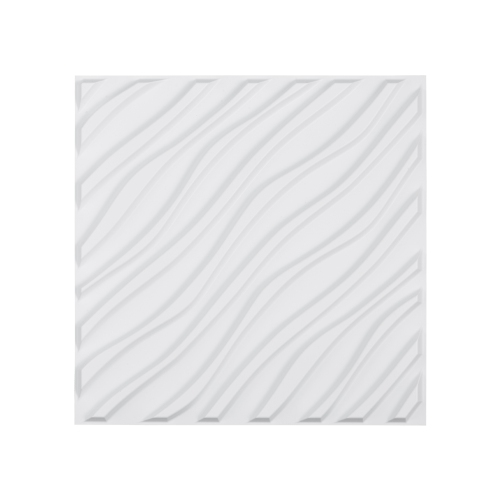
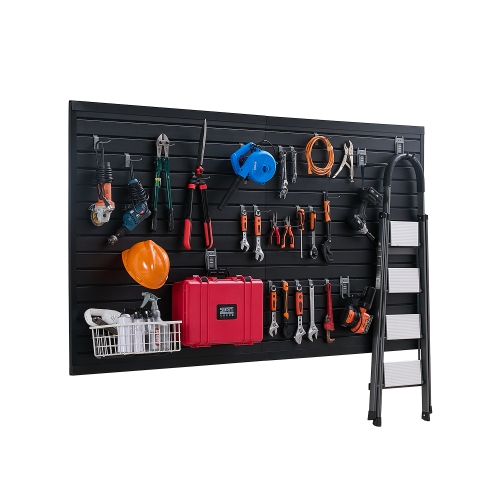
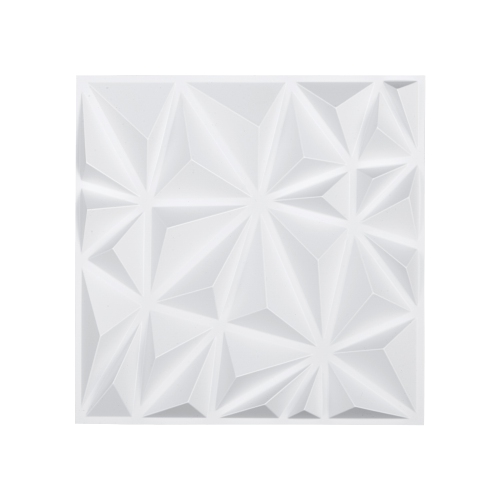
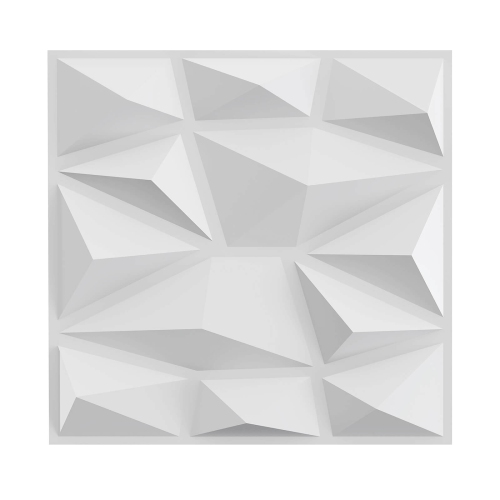
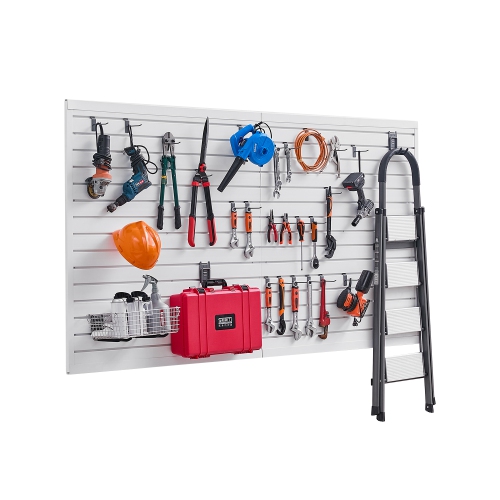
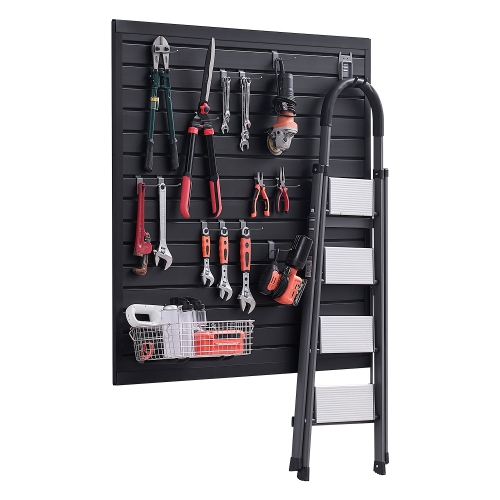
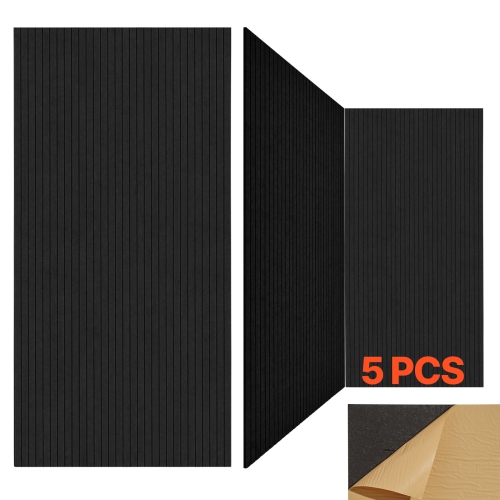
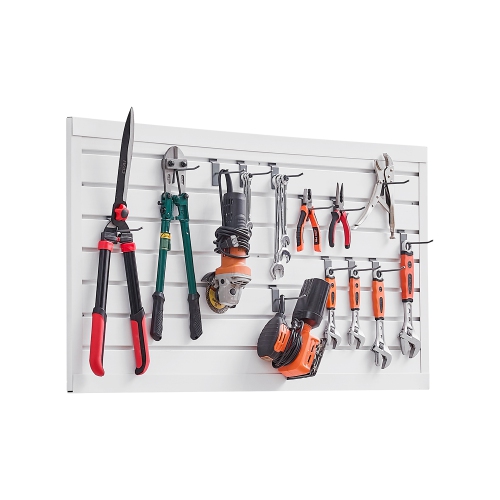
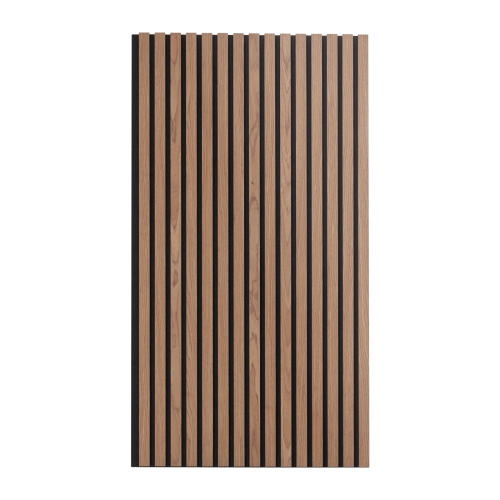
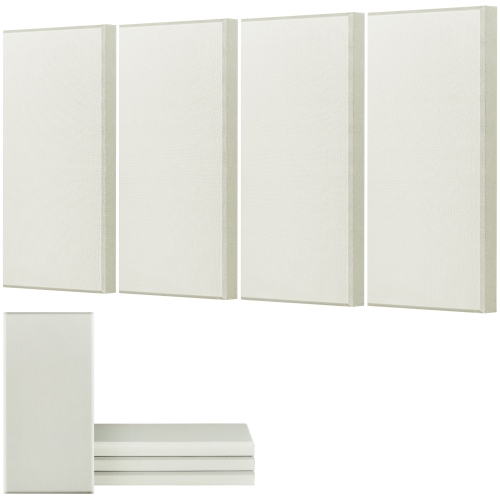

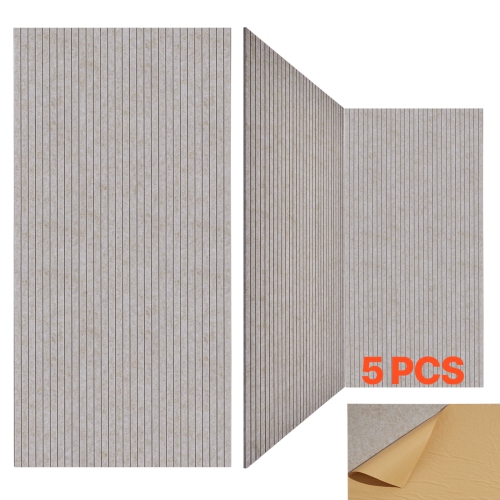
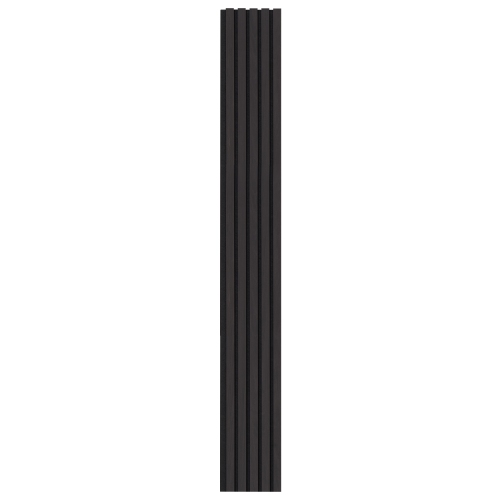
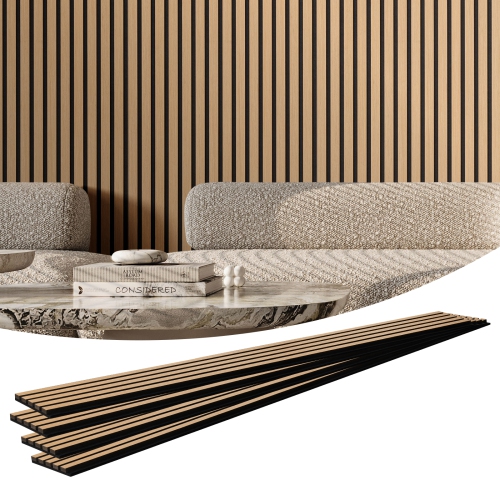
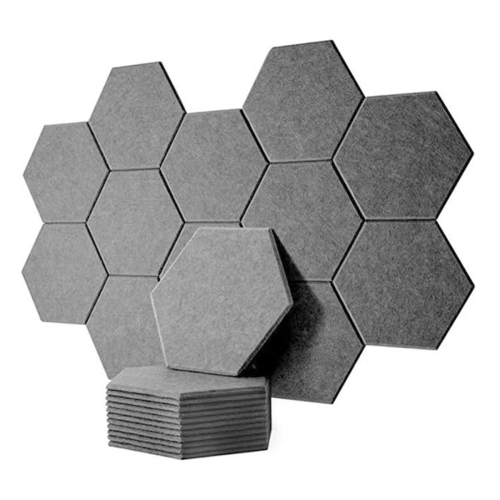
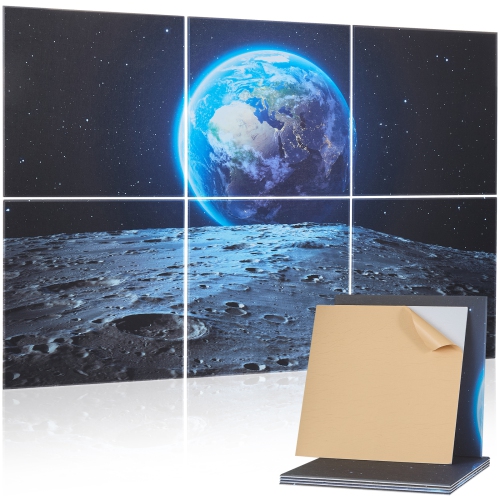
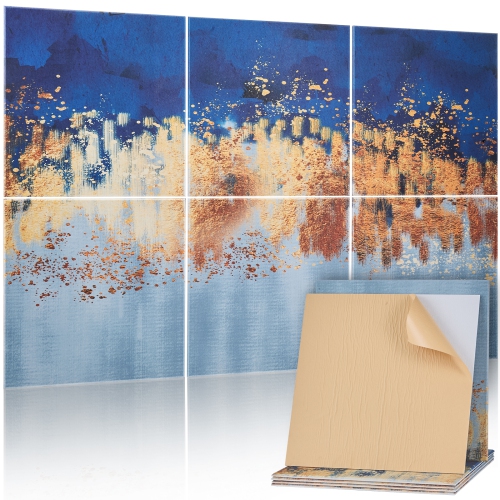
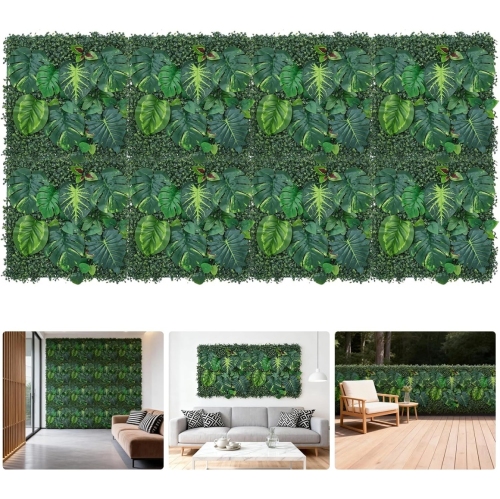
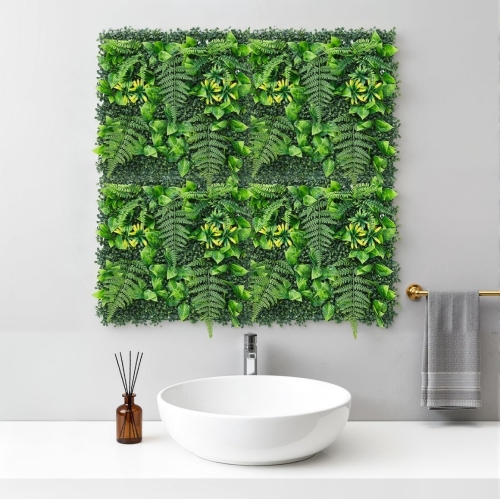
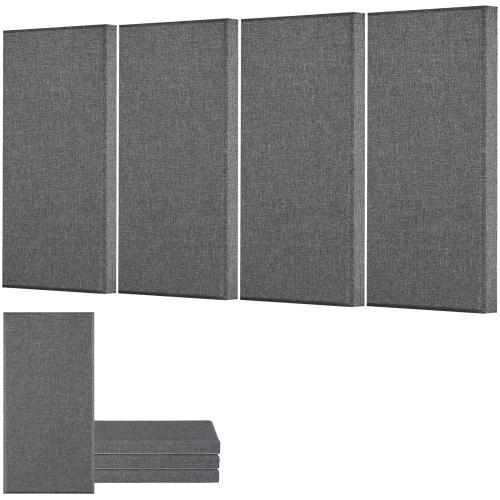
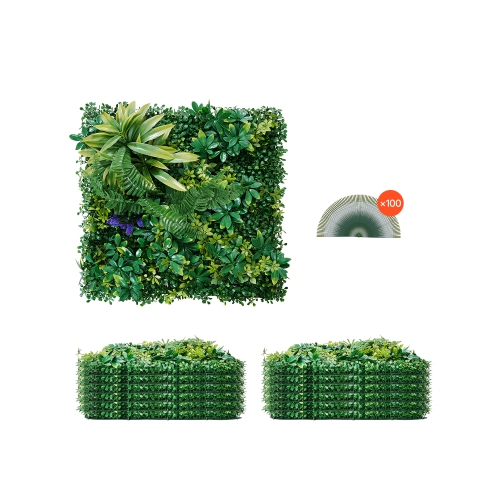
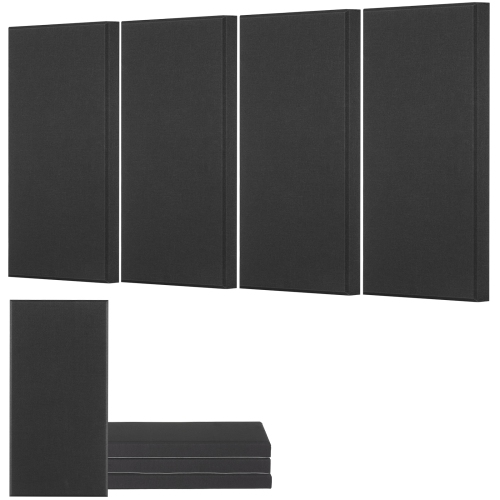
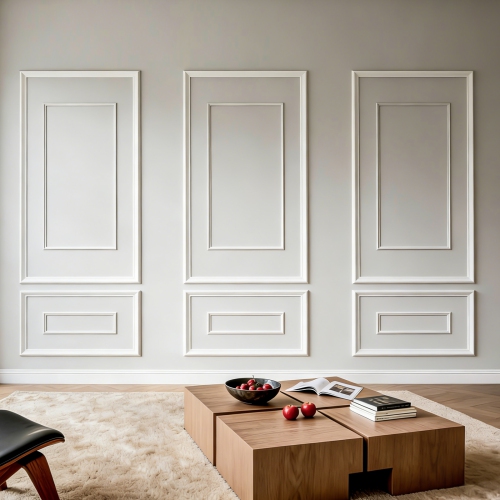
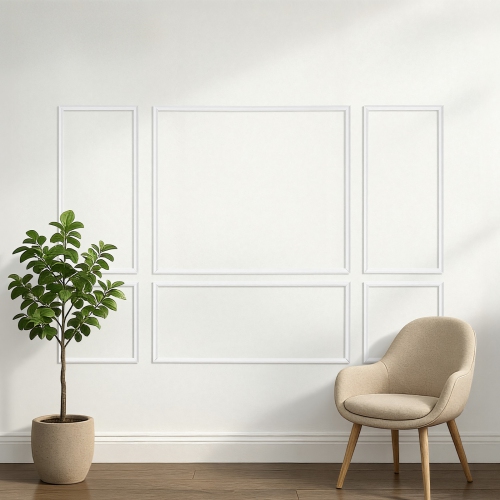
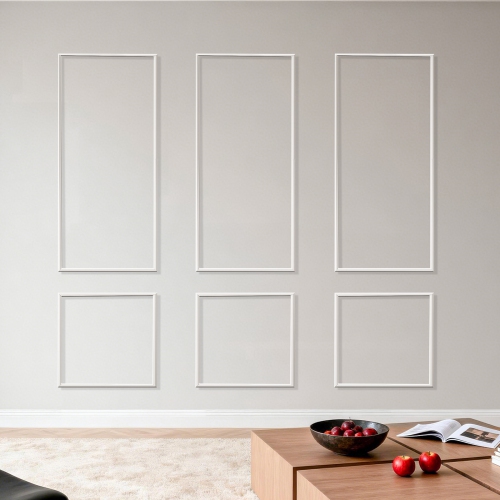
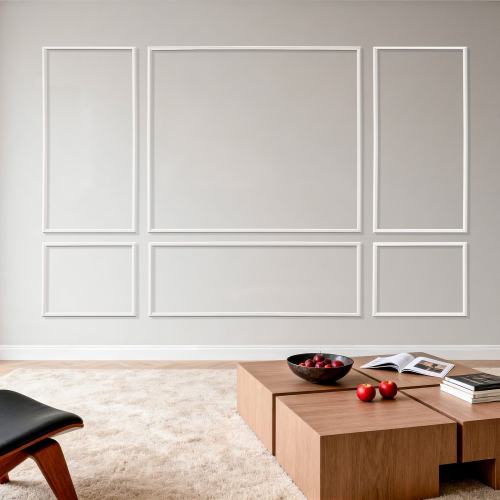
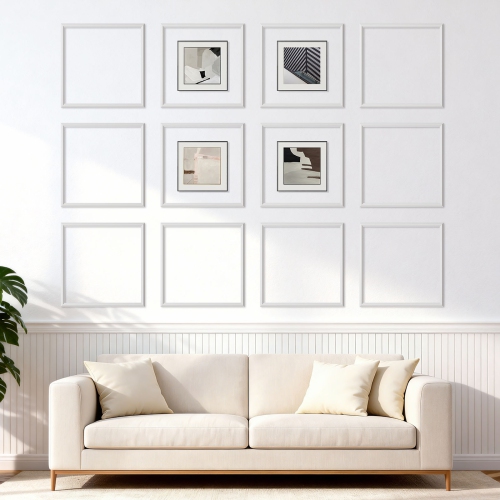

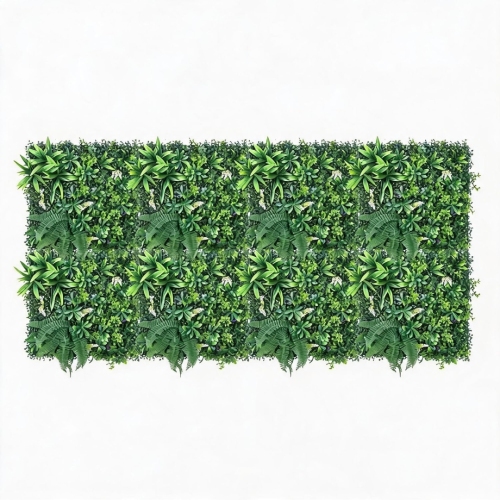
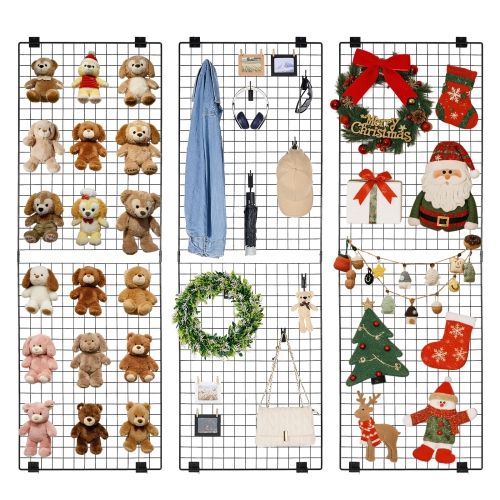
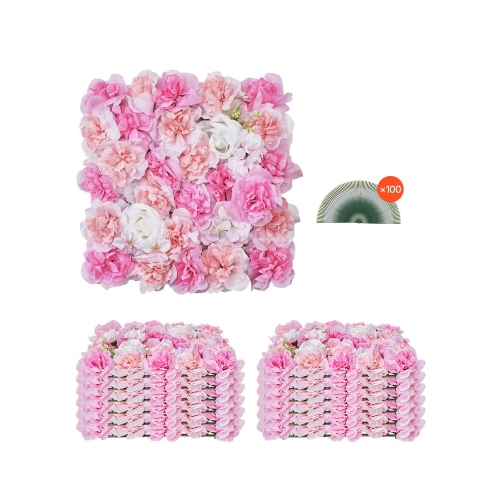

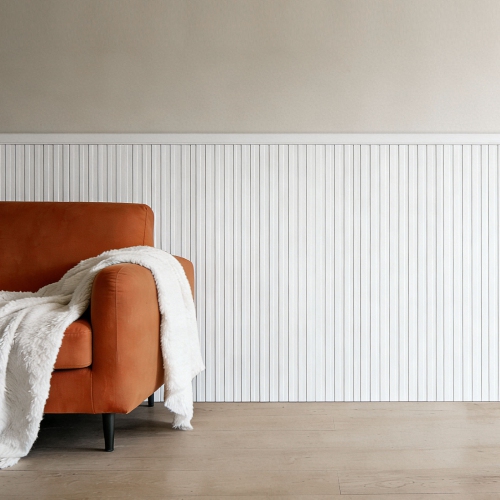
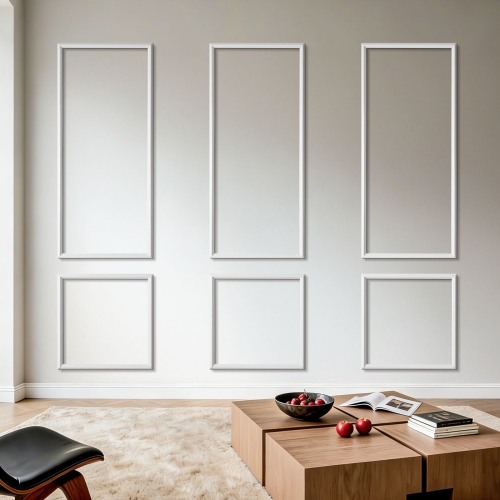
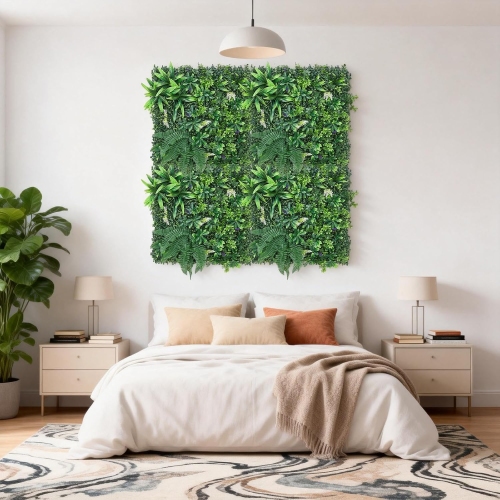
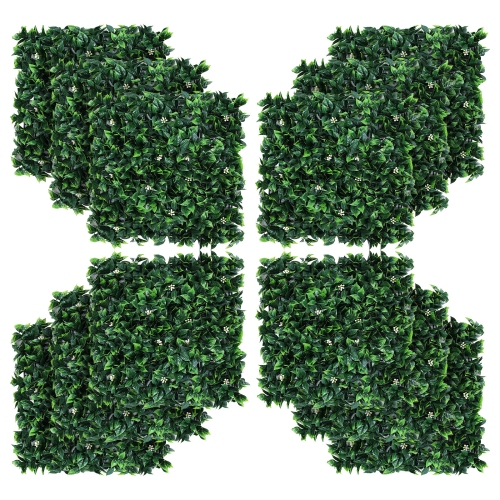
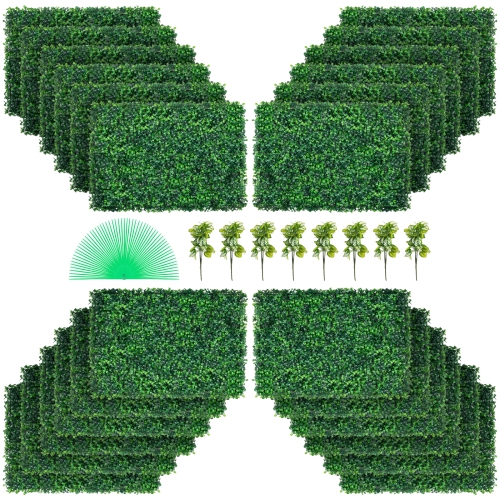
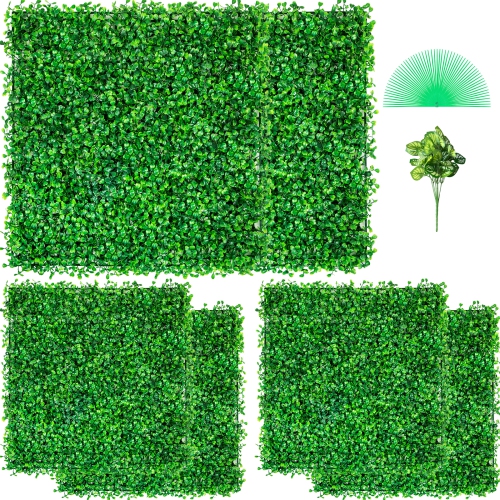
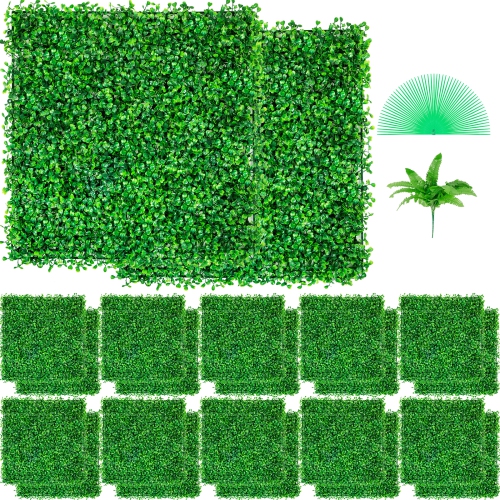
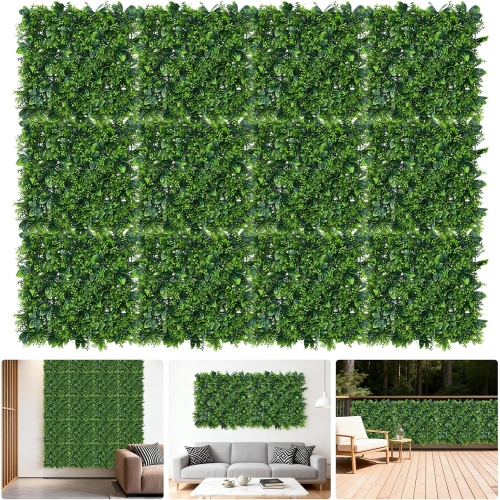
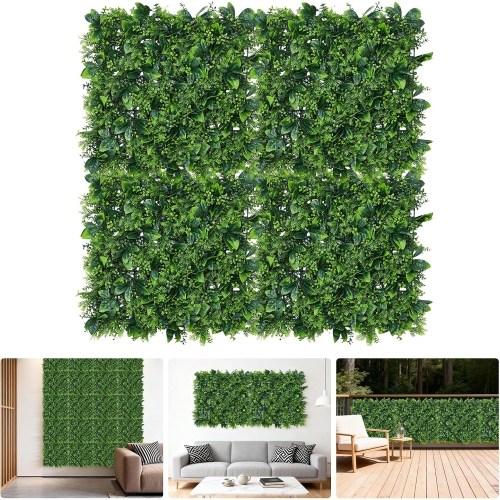
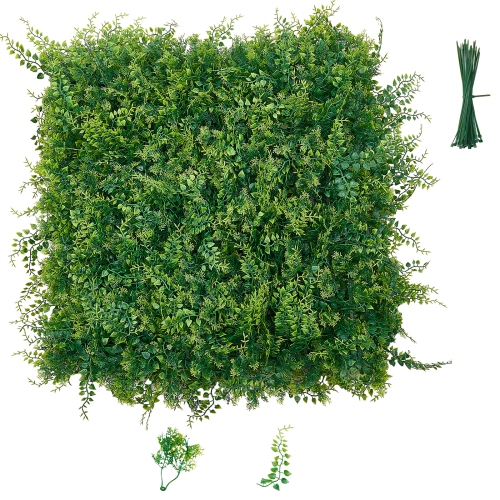
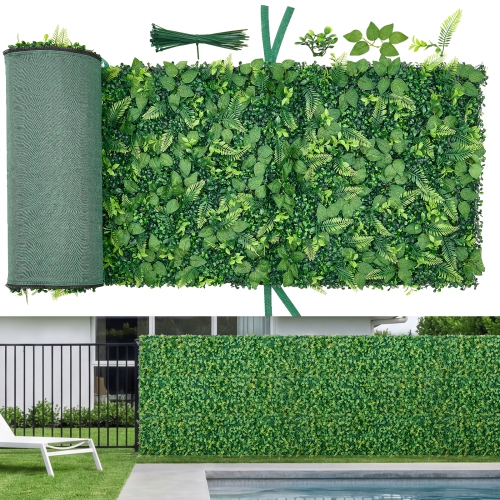


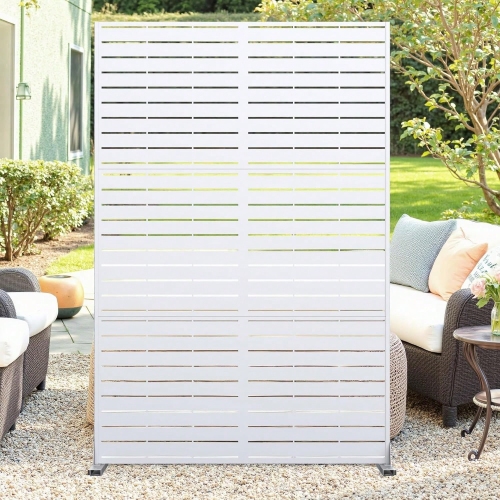
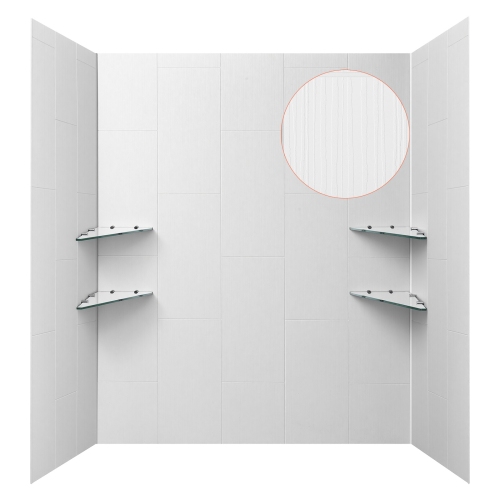
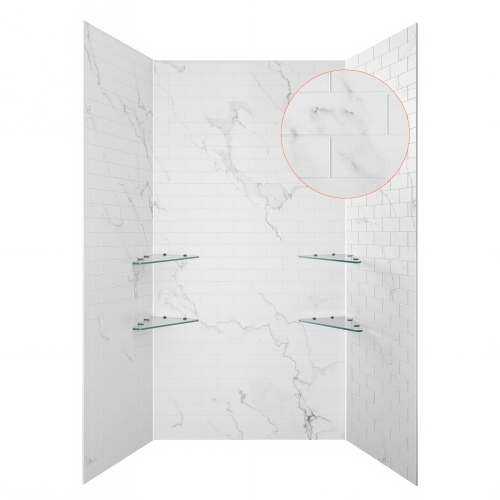
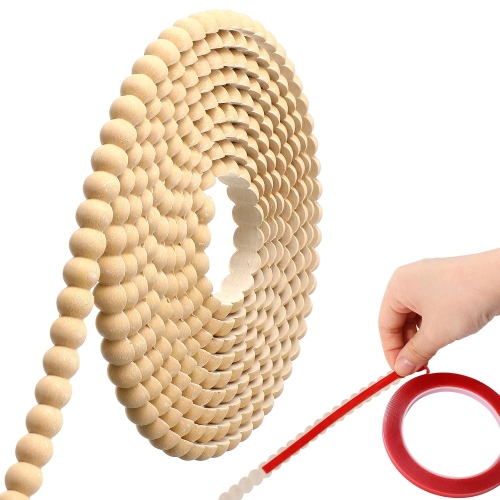
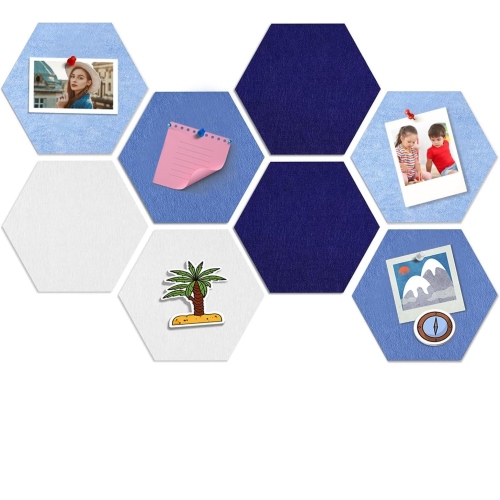
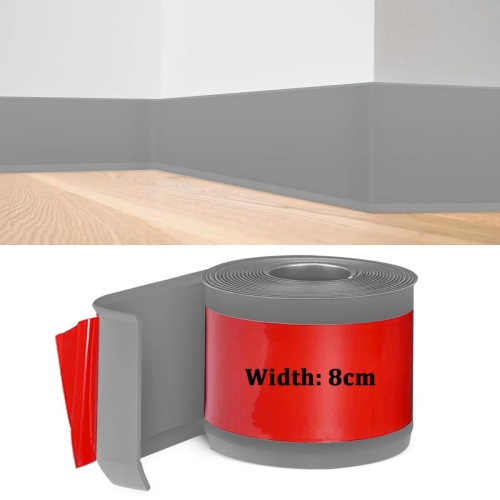
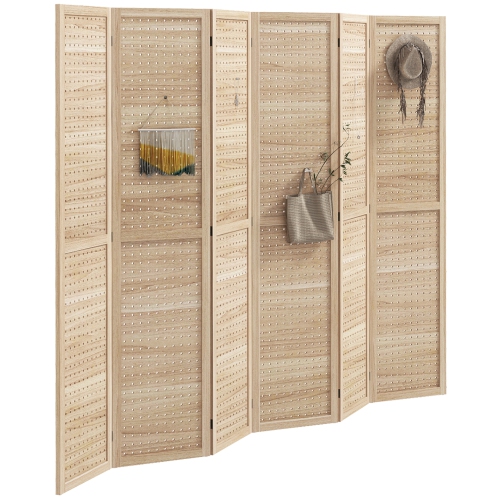
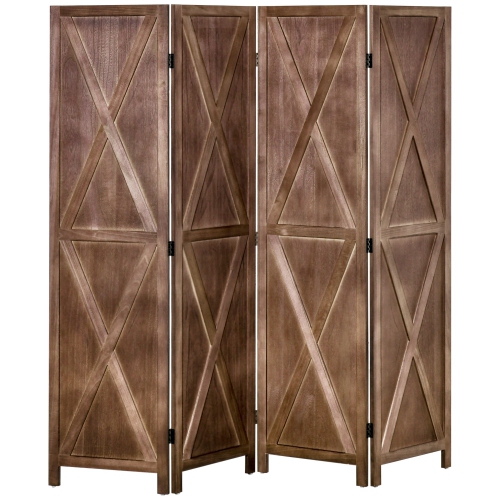
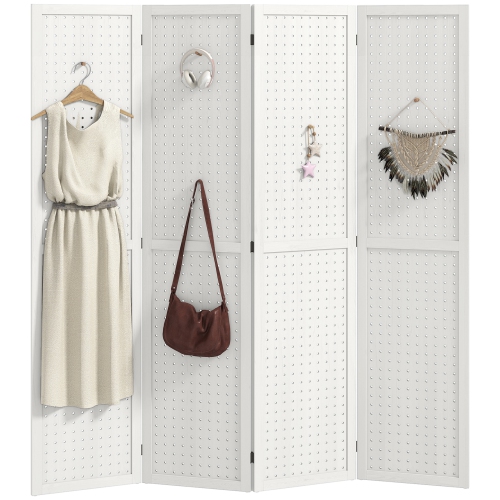
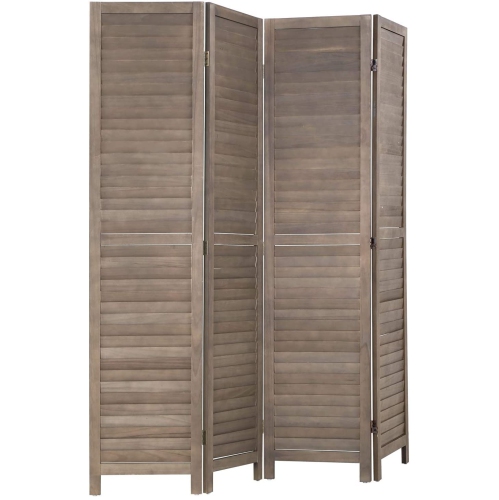
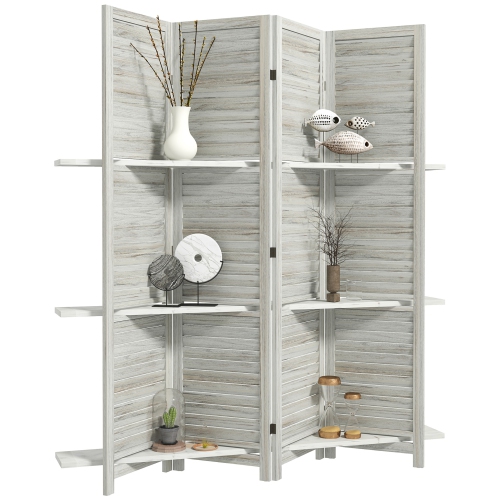
How panel texture and proportions shape a room
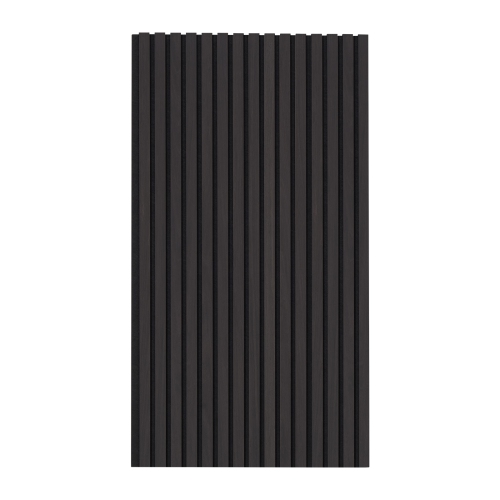
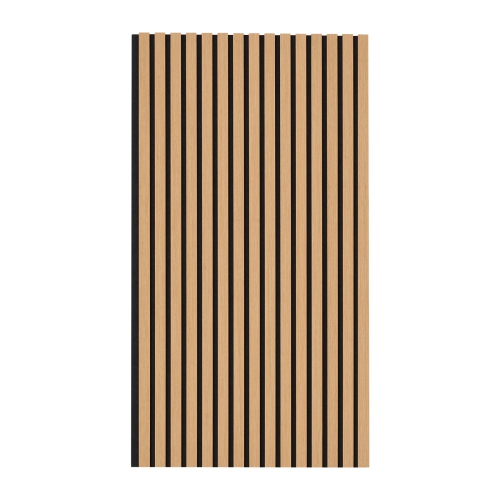
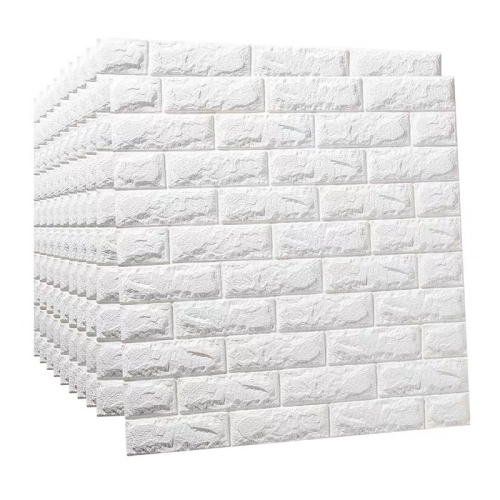
Wall panelling is a decorative interior wall covering made from materials such as solid wood, wood veneer, medium-density fibreboard (MDF), PVC, or composites. It adds texture, colour, and definition to a room, and some types also help protect the wall beneath from everyday scuffs. Unlike a painted surface, panelling introduces visible depth: narrow vertical slats cast fine shadows, broad boards create a more continuous backdrop, and raised or recessed profiles give a wall an architectural finish. These differences affect how a space feels as much as the colour does. A light wood-look finish can soften a living room filled with glass and metal, while painted panels can tie together a hallway, dining area, or bedroom without introducing another strong pattern. Natural wood has grain variation and character, though its appearance and maintenance depend on the species and finish. Wood veneer offers a real wood surface over a supporting core, so the construction beneath the veneer matters when assessing suitability. MDF provides a smooth, consistent surface that can work well with painted finishes, but standard MDF is generally better suited to dry interior spaces than areas exposed to splashes. PVC and composite options vary in construction, surface texture, and moisture resistance; their suitability depends on the manufacturer’s specifications rather than the material name alone. Finish also influences everyday practicality. Deep grooves create pronounced texture but collect more dust than flatter surfaces, while a smooth coating may be easier to wipe clean. In a busy entryway, resistance to knocks and marks may matter more than intricate detailing. Behind a bed or along a dining nook, appearance and proportions may take priority. Wall panelling can cover an entire wall, frame a defined area, or form a lower section beneath a painted upper wall. Each approach creates a different visual effect, from a subtle change in texture to a strong focal point that gives furniture and artwork a more deliberate setting.
The fit of wall panelling depends on more than the overall wall dimensions. Panel width, height, thickness, edge profile, and the spacing between repeated details all influence how neatly the finished surface comes together. A pattern that looks balanced across an uninterrupted wall may need more thought around a doorway, window, or off-centre electrical outlet. Full-height vertical lines can draw the eye upward, while horizontal boards emphasize the width of a room. On a smaller accent wall, narrower sections may allow the pattern to finish more evenly at both ends. Nominal dimensions and actual coverage are not always identical, especially where panels overlap or connect through tongue-and-groove edges. The depth of the finished assembly also matters beside door casings, baseboards, light switches, and outlet covers. Trim can provide a clean transition, but it needs to suit the panel thickness and surrounding finishes. Installation methods range from adhesive-backed surfaces to systems that use construction adhesive, screws, nails, clips, or battens, and each has different requirements for the supporting wall. A sound, clean, dry surface helps support a reliable installation; loose paint, crumbling plaster, active leaks, or mould need attention rather than concealment. Panelling can disguise some cosmetic irregularities, but it does not repair damaged walls. Adhesive-backed options are not automatically removable without leaving marks, which is an important distinction for renters or anyone planning a temporary update. Wood and wood-based materials may also require acclimation and expansion clearances according to their installation instructions. Around sinks or in bathrooms, a moisture-resistant surface does not necessarily make the complete wall assembly waterproof. Seams, cut edges, adhesives, and the underlying wall all affect performance. Similar care applies near fireplaces, heaters, and cooking areas, where documented heat limits and required clearances take precedence over appearance. Wall-mounted televisions, shelves, and heavy mirrors need suitable anchoring into the supporting structure; decorative panelling alone should not be assumed to carry their weight.
Wall panelling can serve different purposes within the same home. In a living room, it can define the television area without adding freestanding furniture. In a bedroom, a panelled wall can create a broad backdrop behind the bed, with room for bedside lighting and artwork. A hallway may benefit from a durable lower-wall treatment where bags, shoes, and furniture regularly brush past. For work-focused spaces, Office Wall Panels can add texture behind a desk, establish a distinct work zone, or create a considered background for video calls. Sound performance deserves separate attention from appearance. Some slatted or fabric-faced constructions incorporate sound-absorbing backing that may help reduce reflected sound within a room when installed as specified. Decorative wood-look panels without tested acoustic properties should not be expected to provide the same effect, and sound absorption is different from soundproofing between rooms. A quieter-feeling workspace also depends on other surfaces, furnishings, and the amount of wall coverage. For families, shared households, and high-use rooms, the most practical finish is often one with clear cleaning instructions and a surface suited to repeated contact. Dust can usually be managed with a soft cloth or a vacuum attachment appropriate for the finish, while textured grooves may need more careful attention. Any damp cleaning should follow the care instructions, since excess water can affect wood-based cores, unfinished edges, and some adhesives. Abrasive cleaners and rough scrubbing can dull coatings or damage printed surfaces. Painted finishes may allow touch-ups, whereas matching a damaged veneer or patterned surface can be more involved. Edge protection and well-finished corners help reduce wear where people pass close to the wall. Panels intended for interior decoration also need to be matched to their stated location and use, rather than assumed suitable for every room. When material, proportions, finish, and installation method suit the space, wall panelling becomes a lasting part of the room’s design rather than simply another layer on the wall.
Top selling and popular products
-
 Your price for this item is $49.99
-
 Your price for this item is $51.99
-
 Your price for this item is $69.99
-
 Your price for this item is $48
-
 Your price for this item is $49.99
-
 Your price for this item is $125.99
-
 Your price for this item is $167.99
-
 Your price for this item is $107.99
Discover more categories related to Wall Paneling
Top Collections:
Best Black Friday Deals This Year, Best Black Friday Deals On Electronics, Kindle Devices, Dyson Airwrap, Best Cameras for Sports Photography, Best Black Friday Deals On Apple Products, PS5 Pro Consoles, Portable Snow Blowers, Canon G7X Cameras, Pokémon 30th Celebration Cards
Some products may be subject to Environmental Handling Fees
(EHF) depending on your province.
Learn more about EHFs.