Island Light Fixtures
Elevate the ambiance of your kitchen or dining area with stunning island light fixtures that combine functionality and style. Perfect for casting a warm glow over your space, these fixtures come in a variety of designs to complement any décor, from modern minimalism to rustic charm. Whether you're looking to create a cozy atmosphere for family dinners or a bright, inviting space for entertaining guests, our selection of island light fixtures offers something for every taste and need. Illuminate your home with elegance and make every meal a special occasion with the perfect lighting solution.
Sort


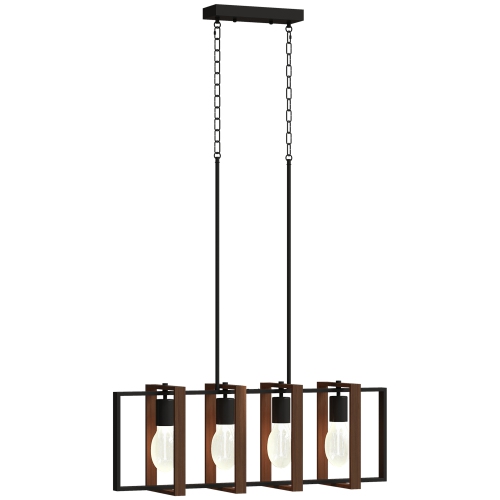
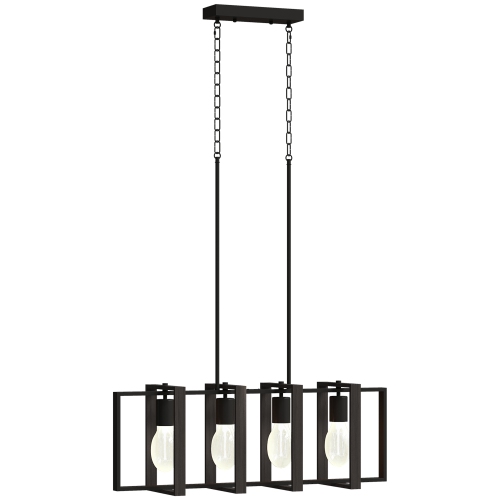


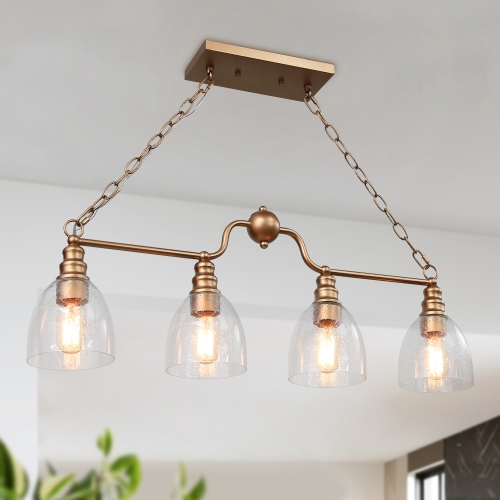


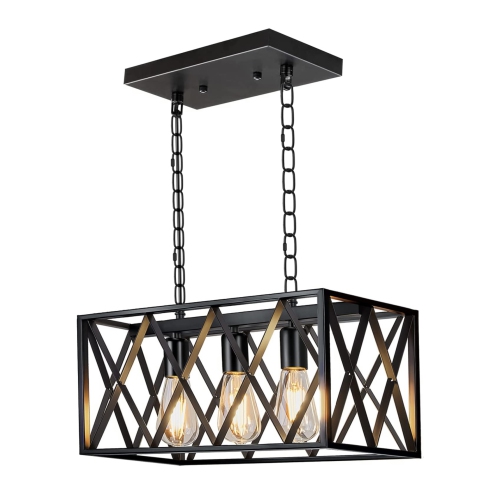
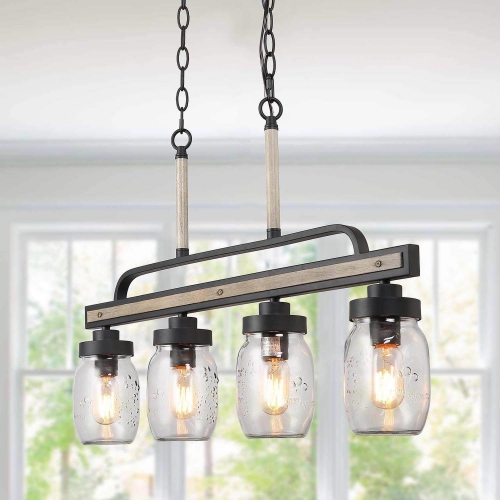
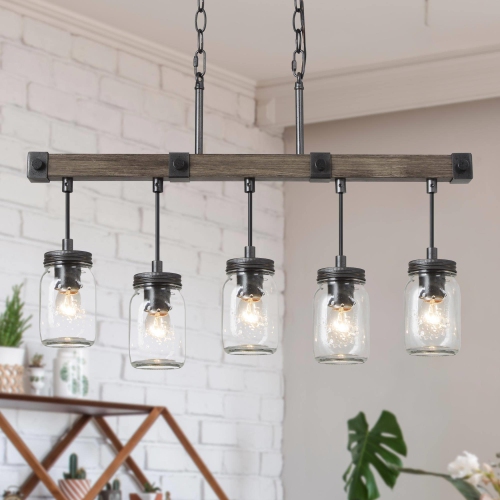
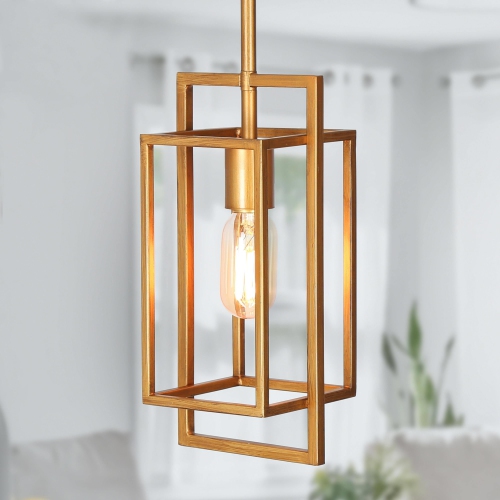
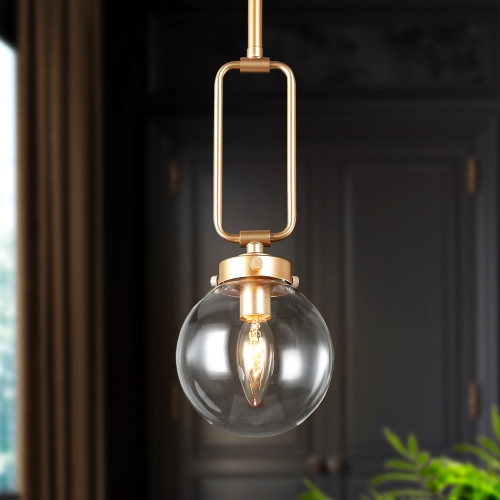
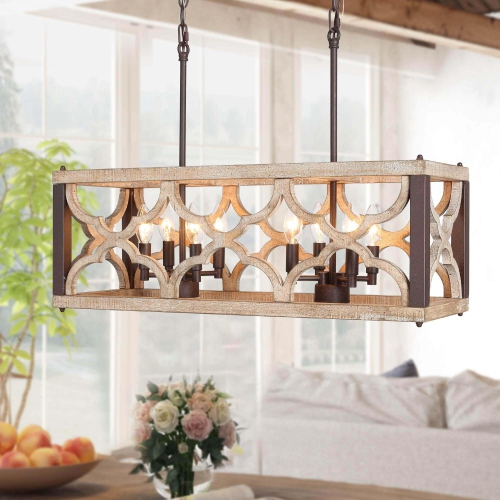
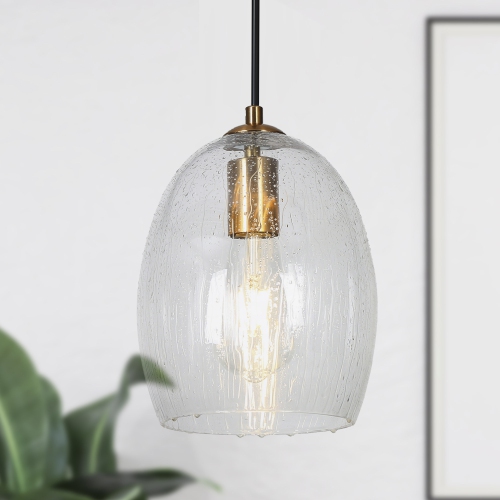

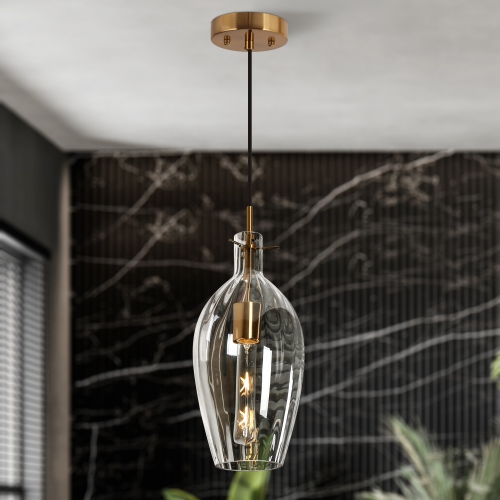
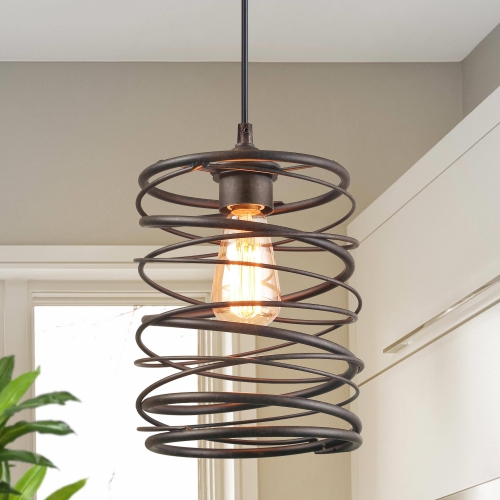
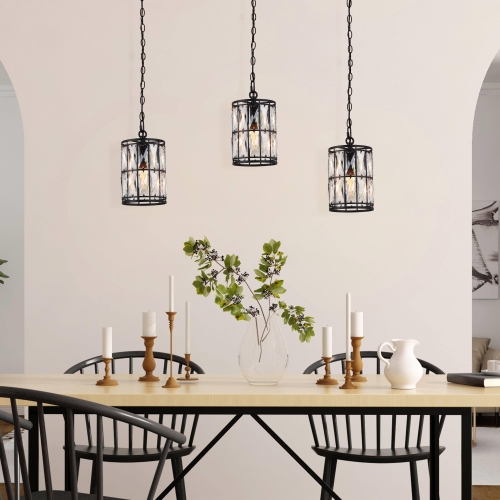
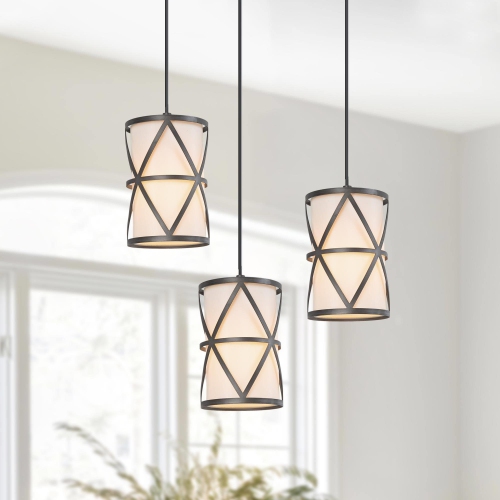


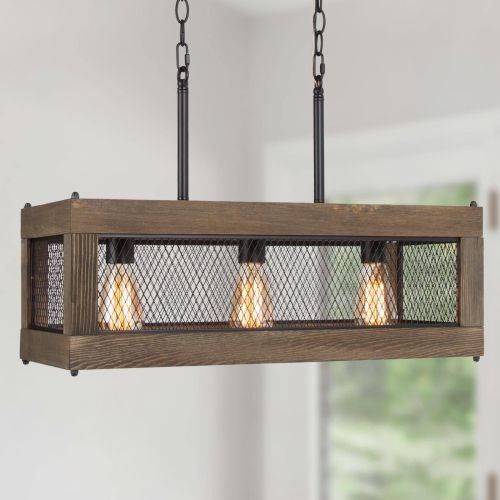
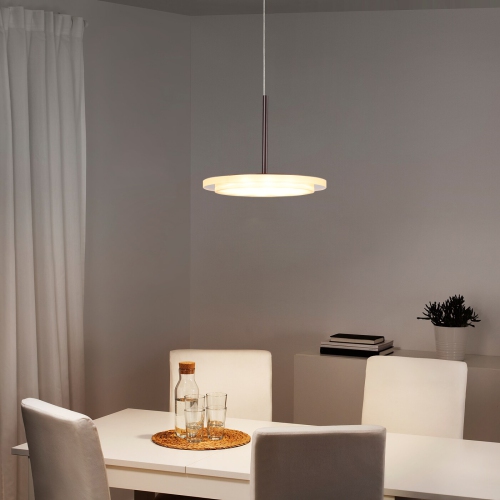
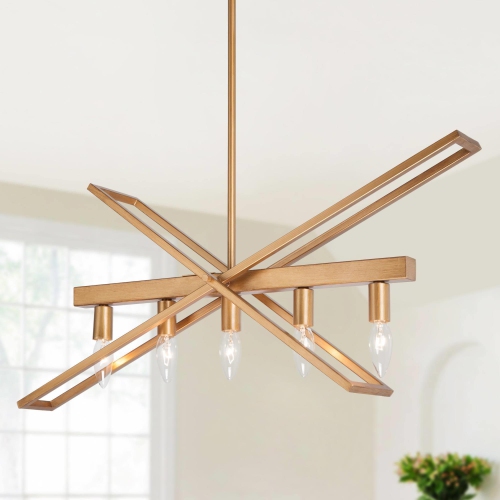
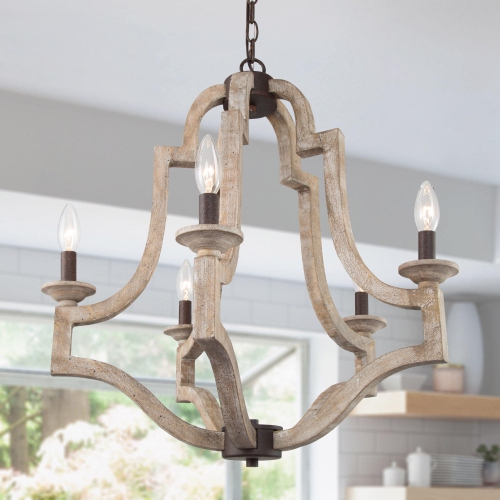
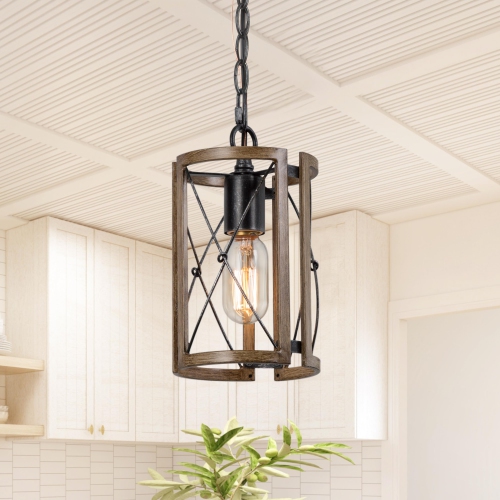
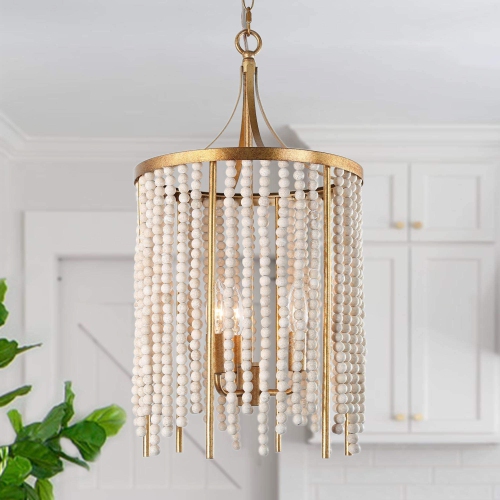
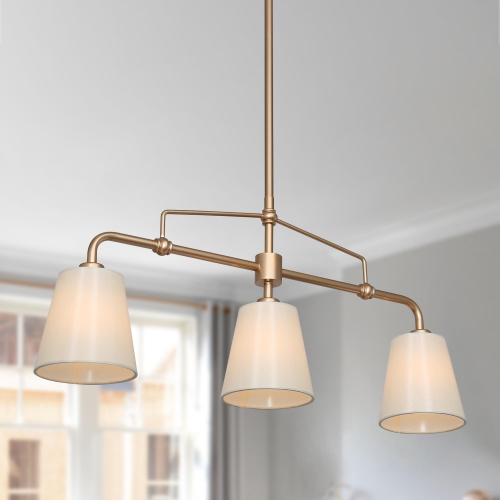
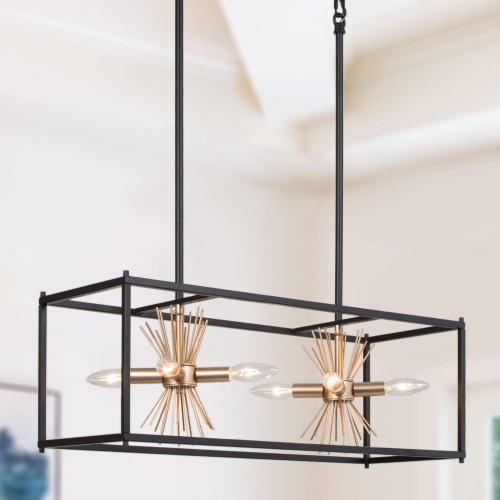
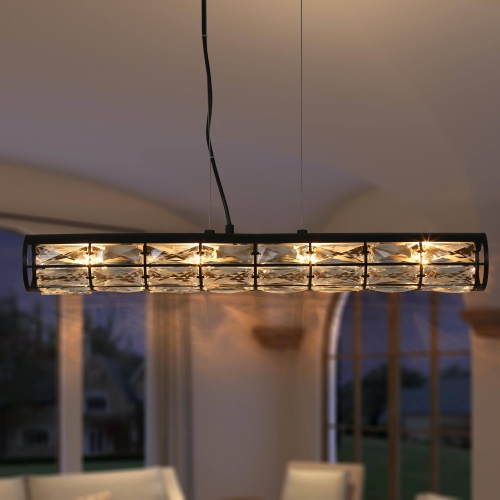


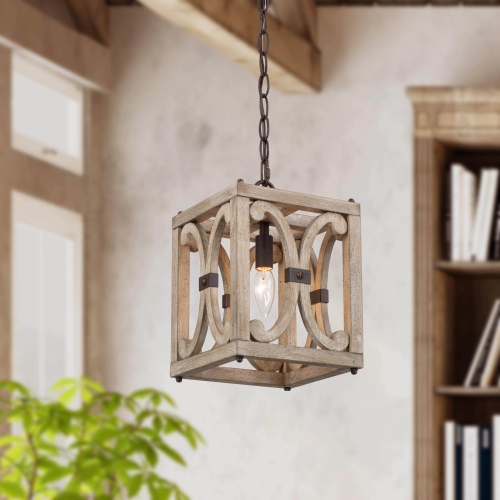
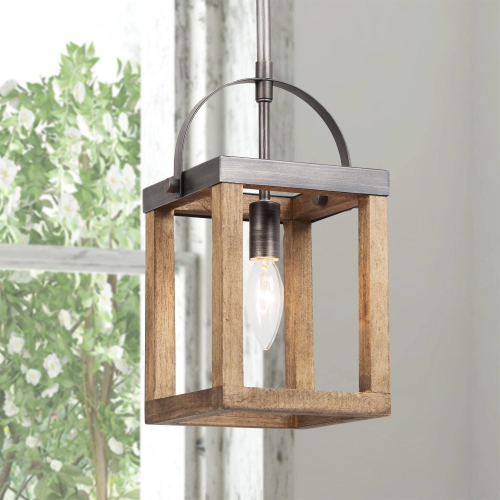
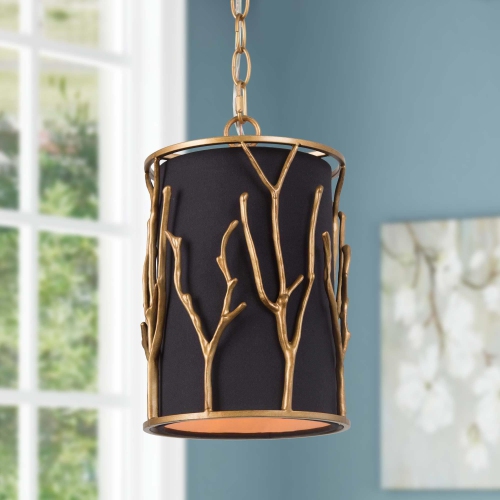
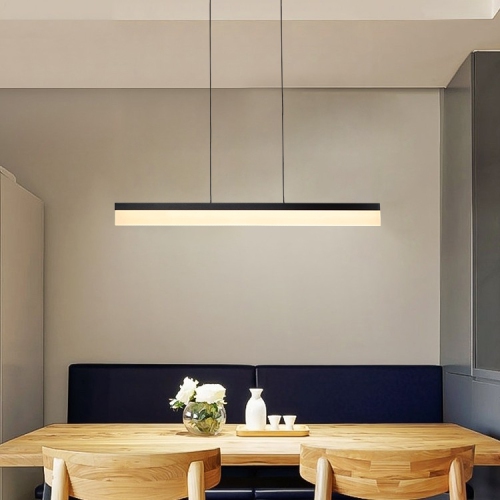
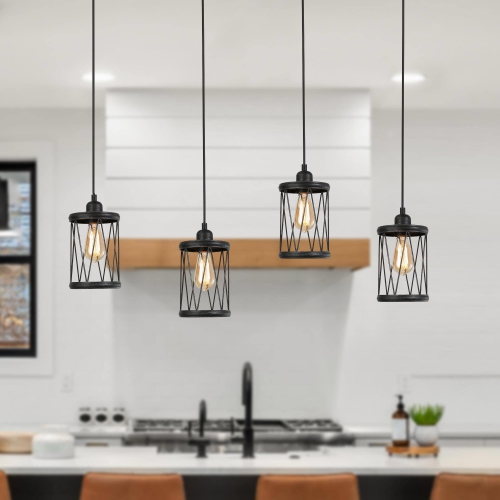
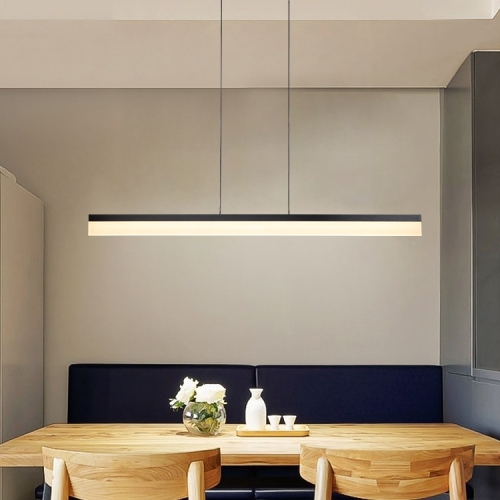
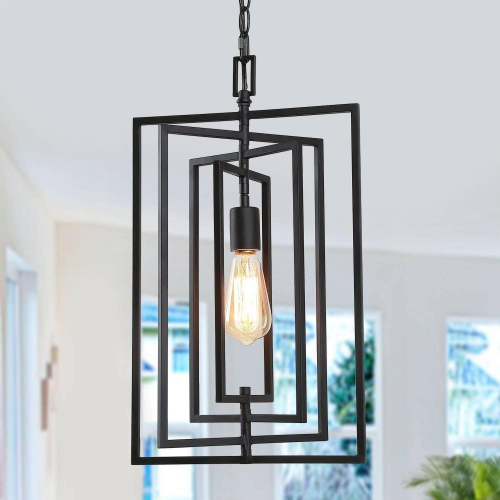

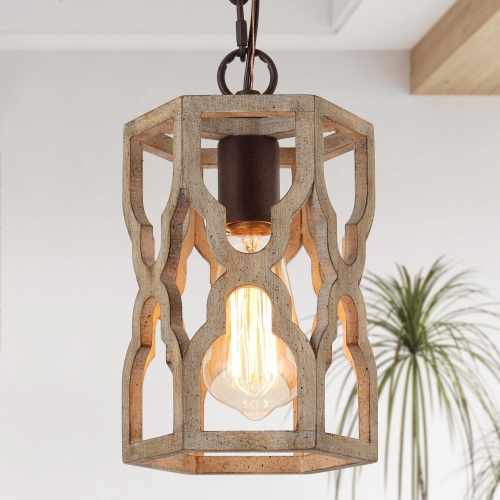
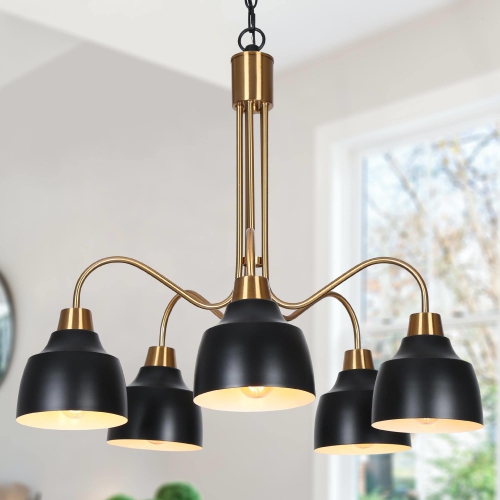
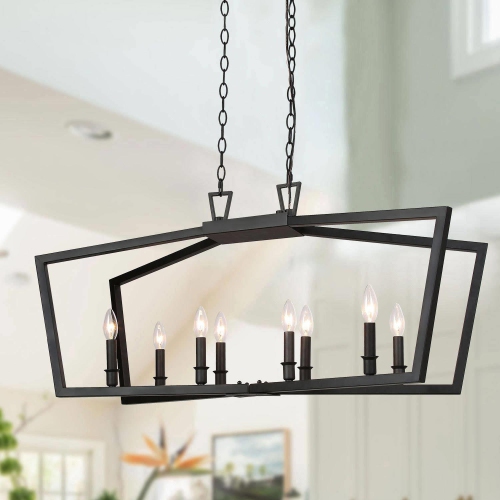

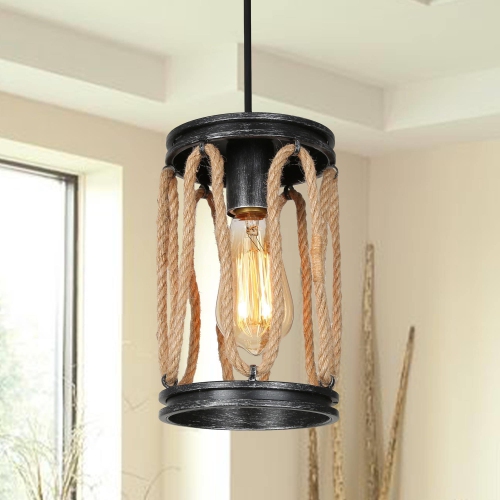
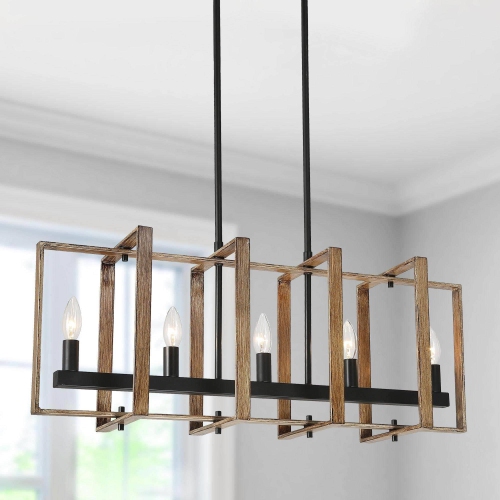
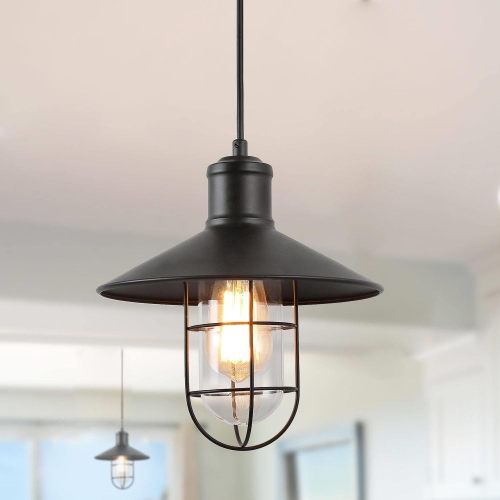
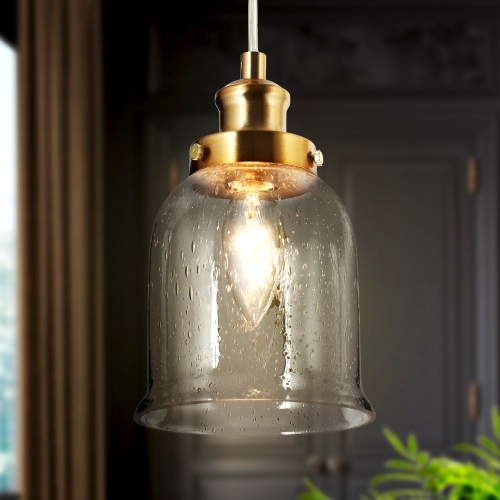


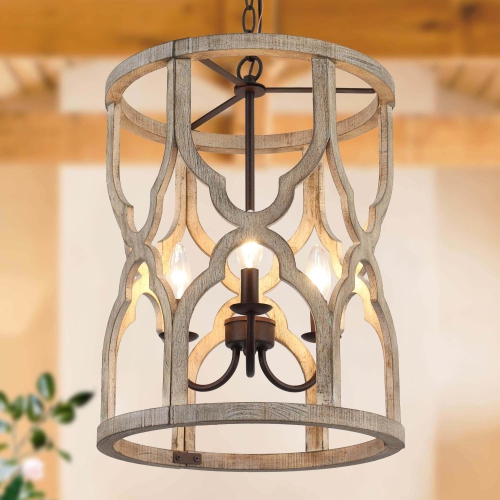

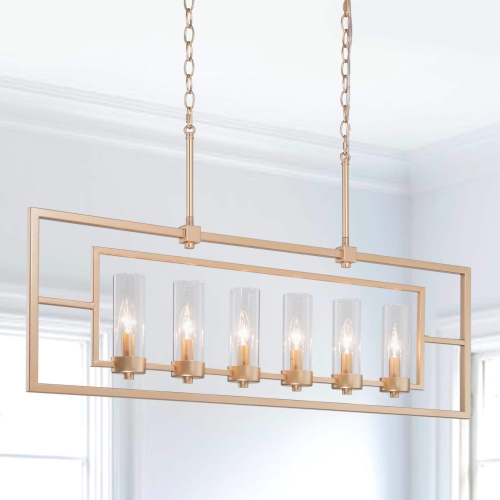
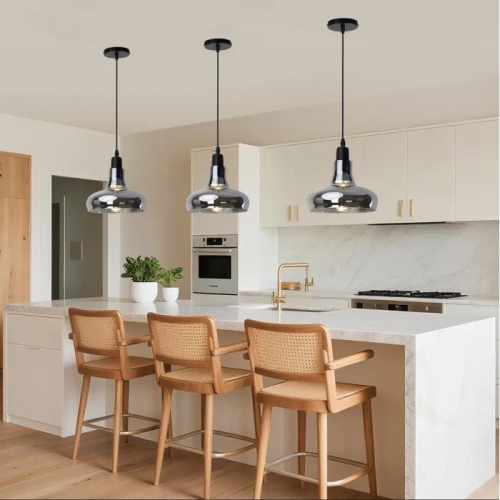
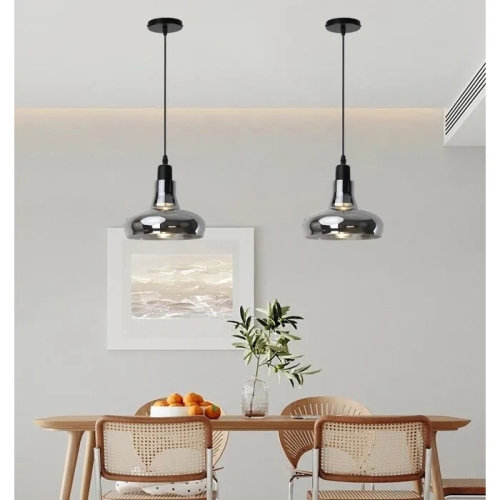
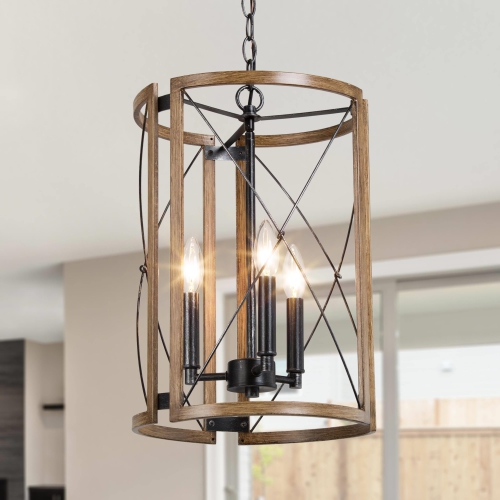
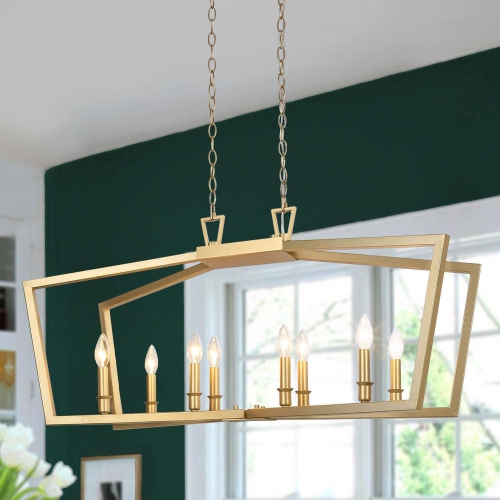
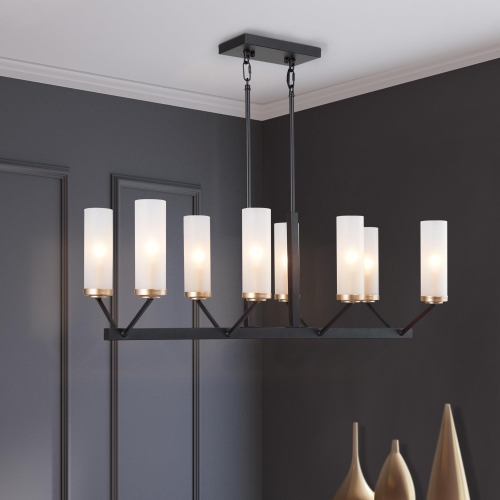
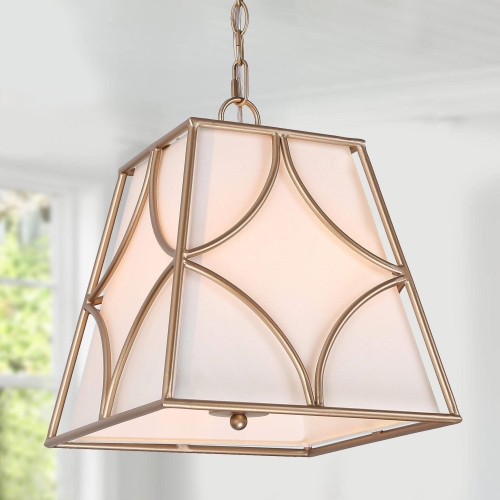
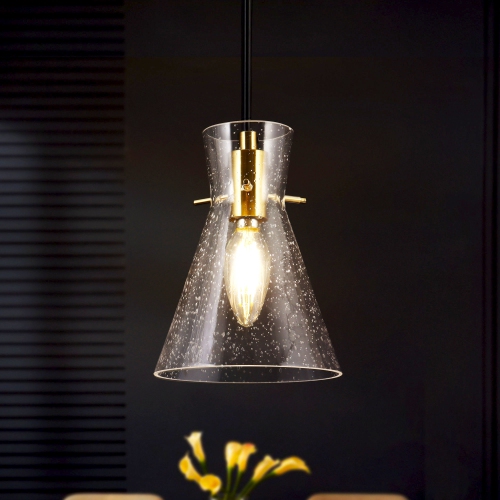
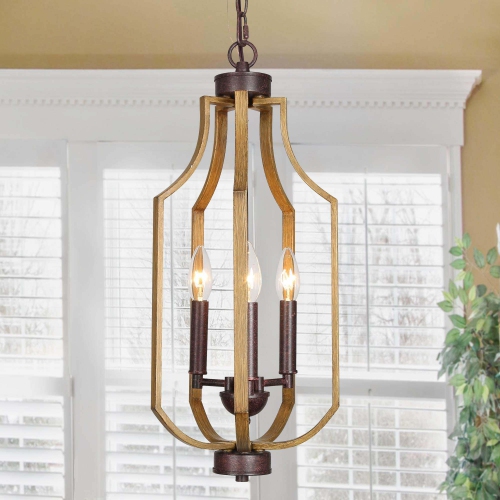


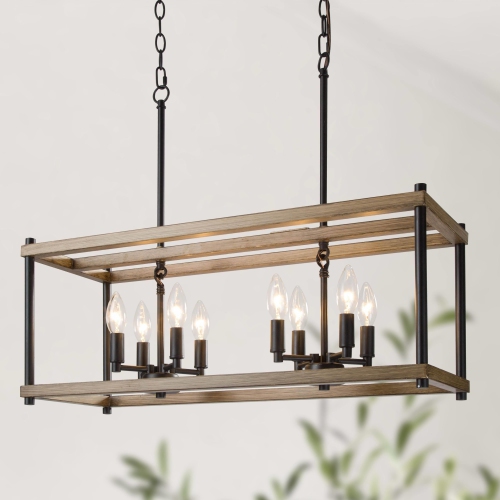
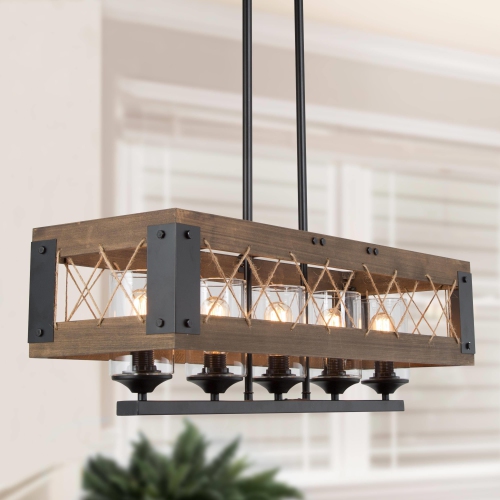


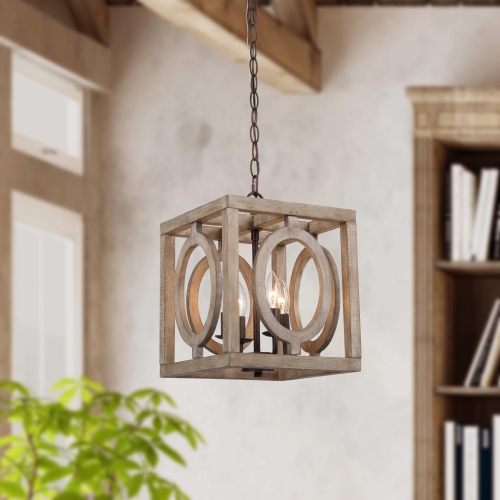


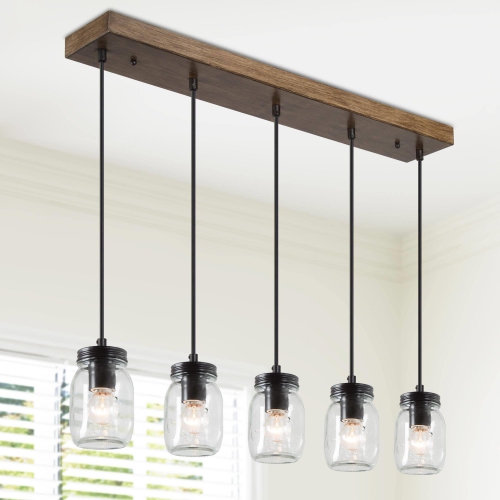

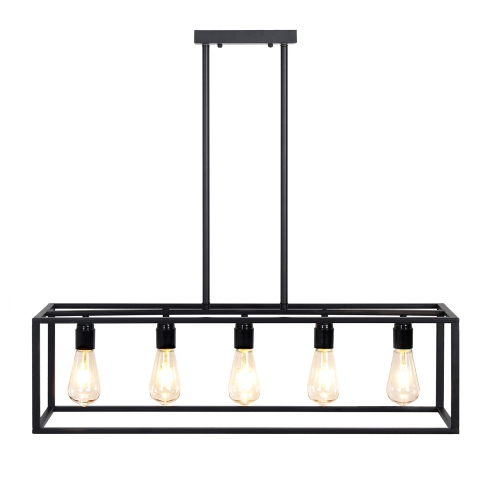
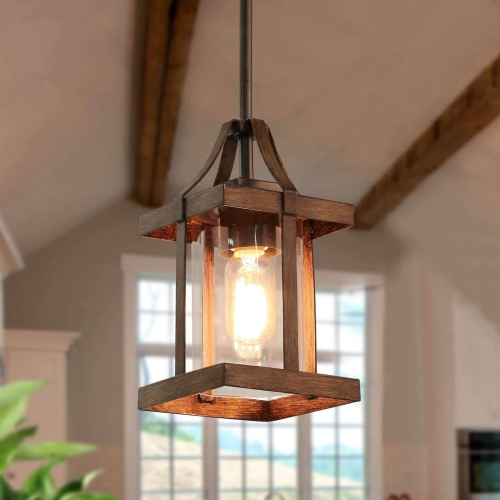
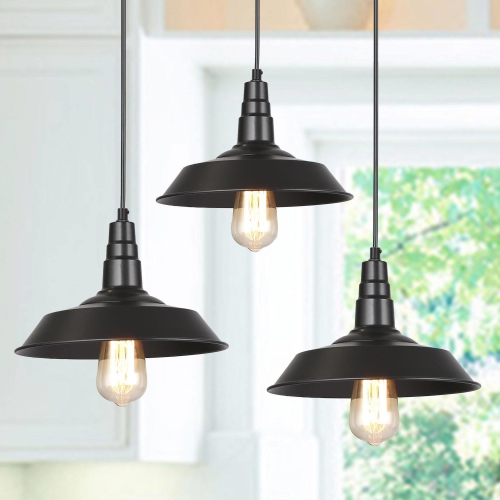
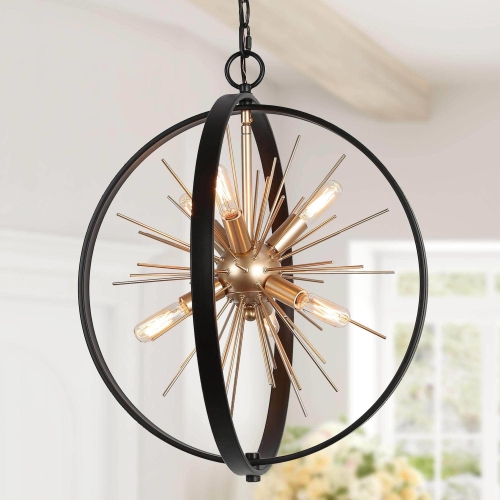


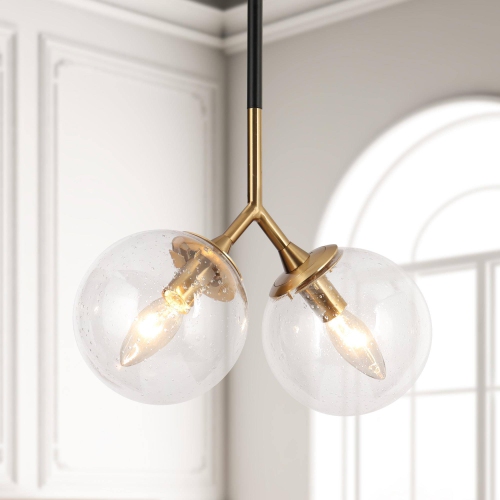
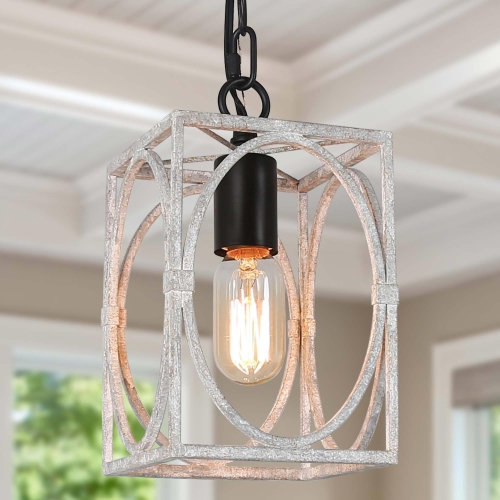
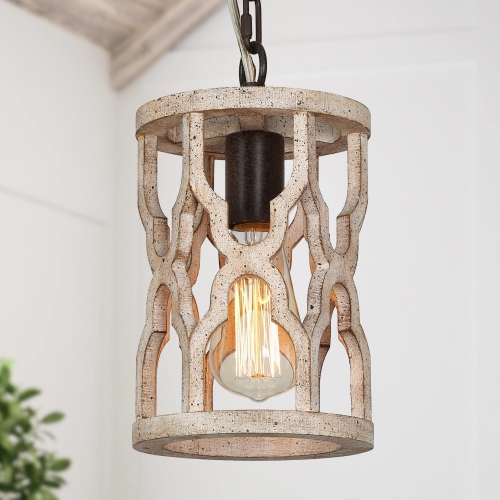

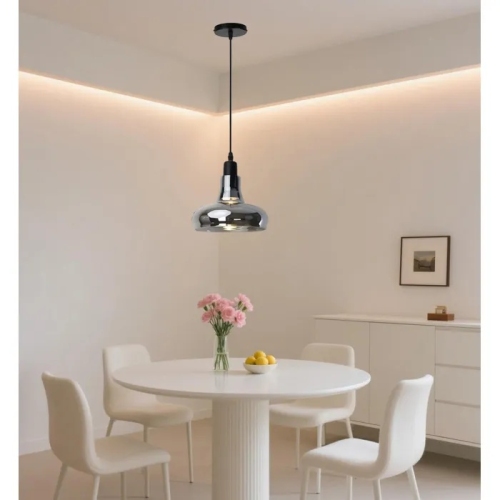


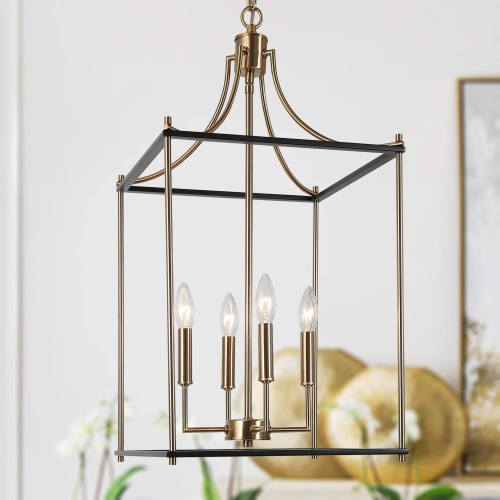
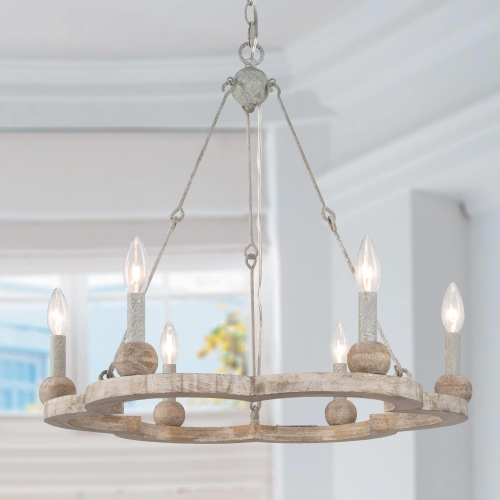

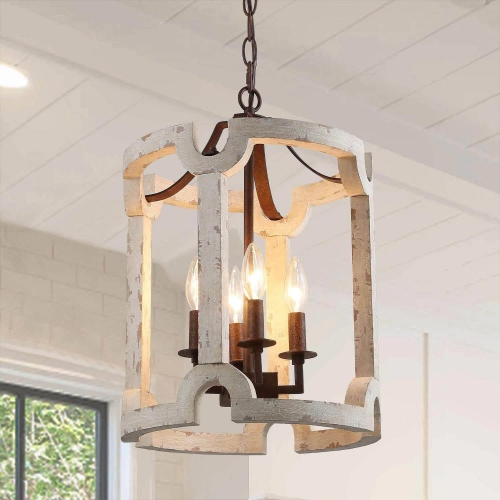
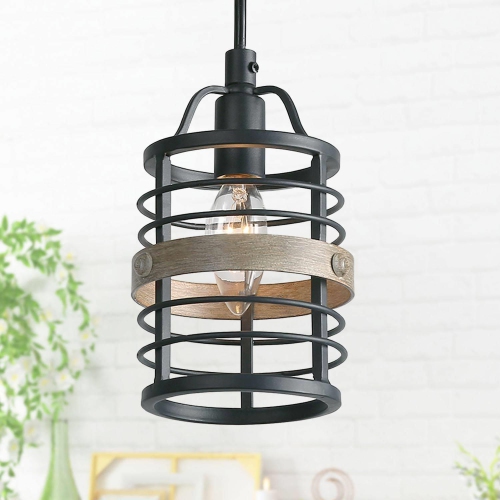


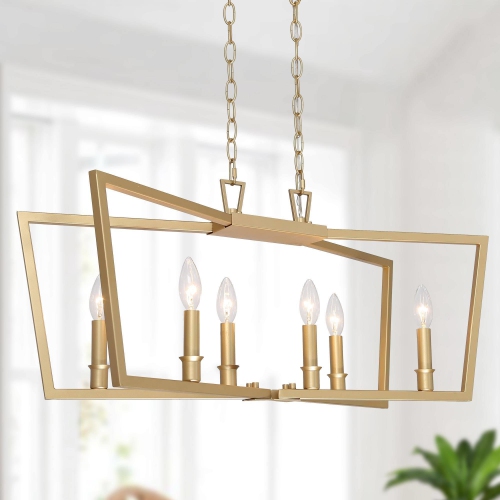
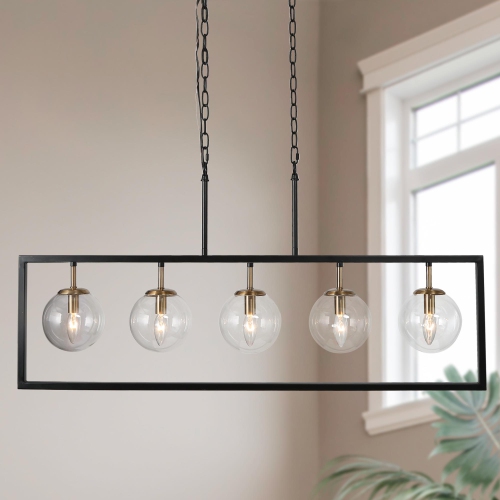
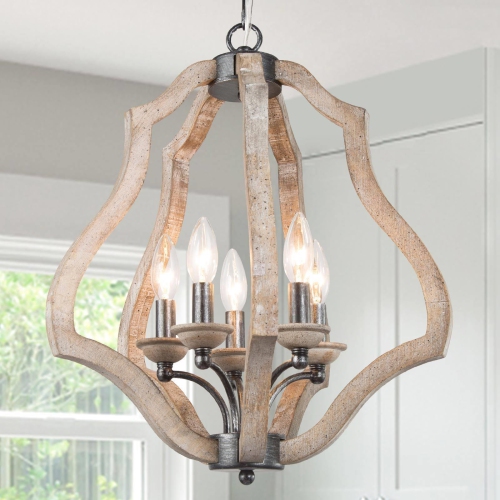

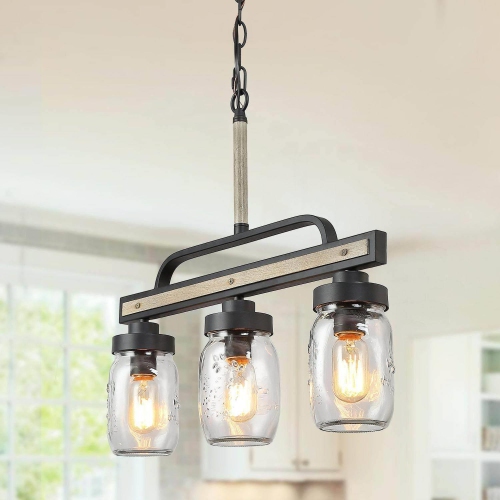

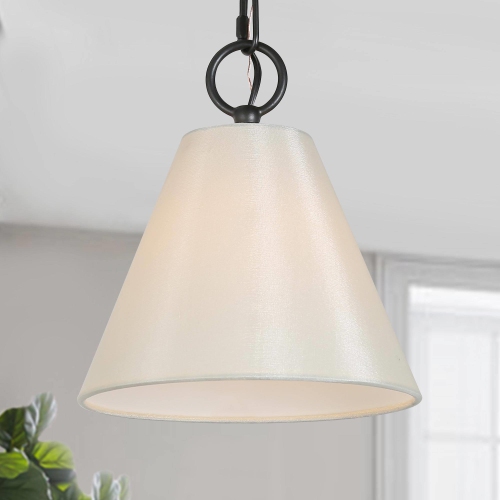

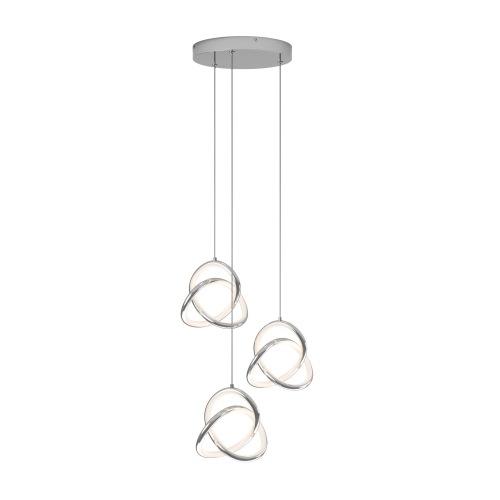
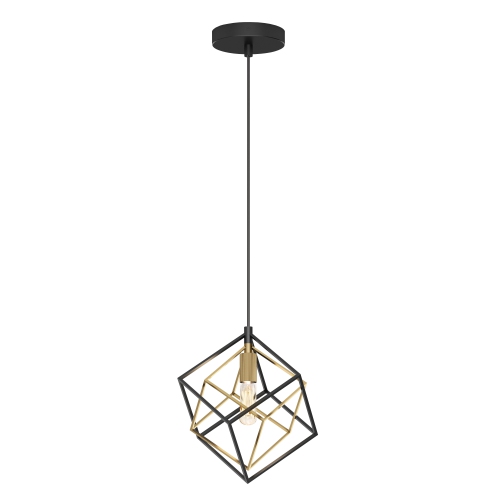
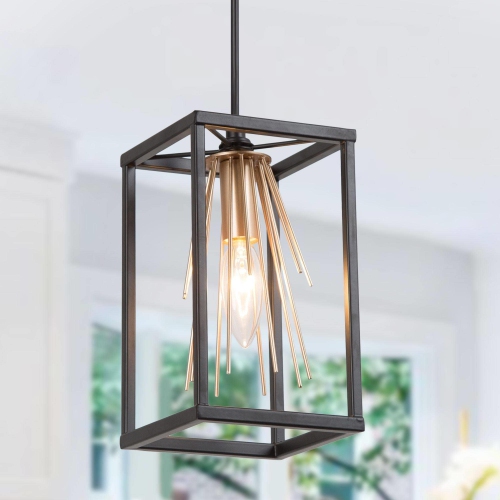
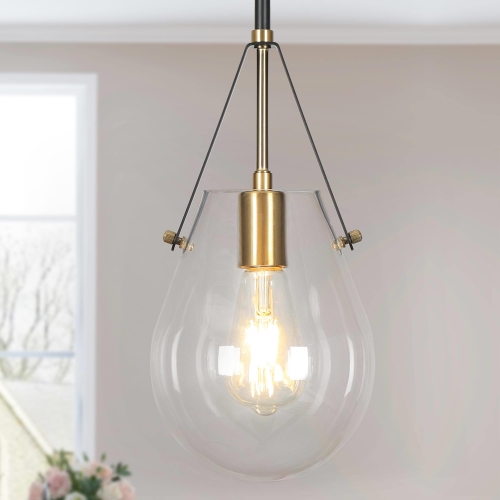
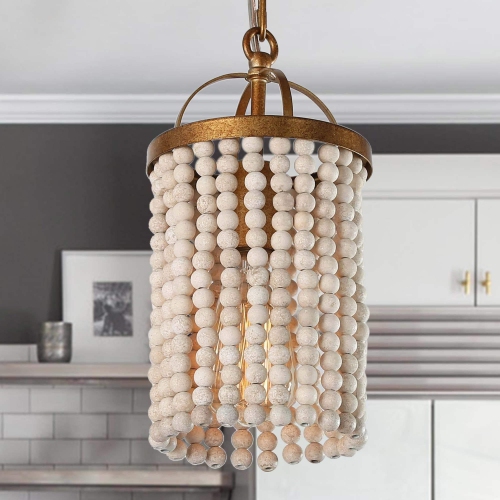

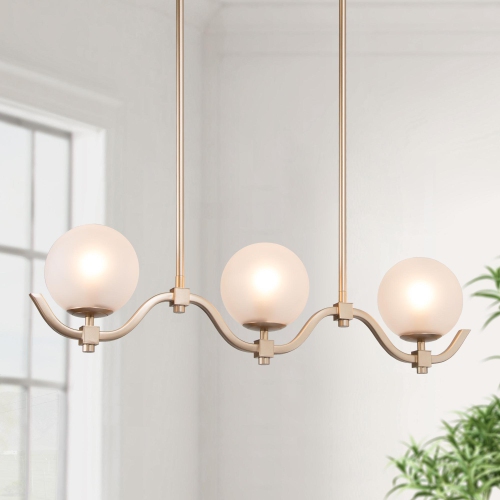


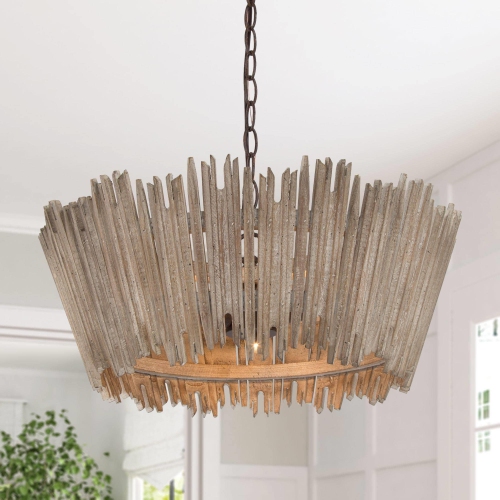
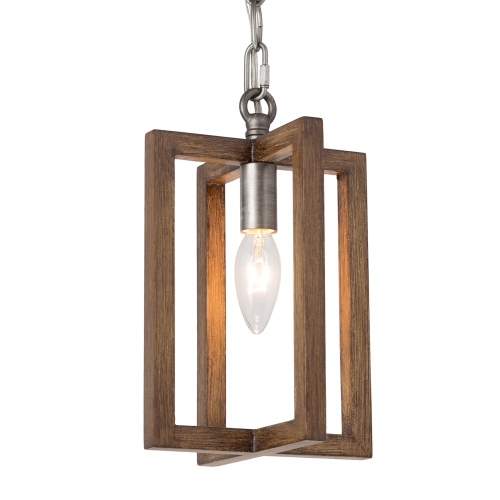









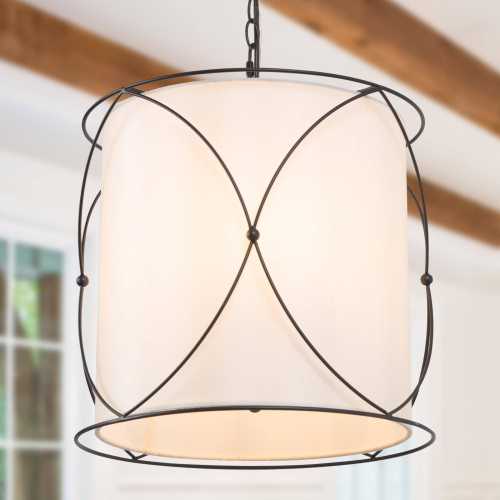
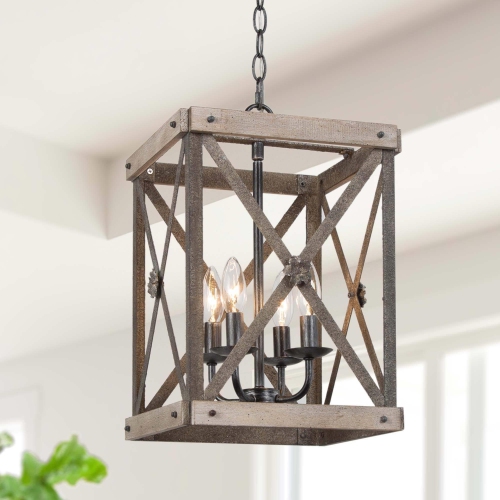


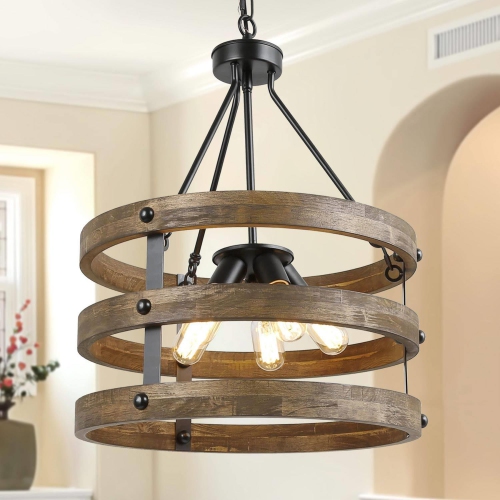


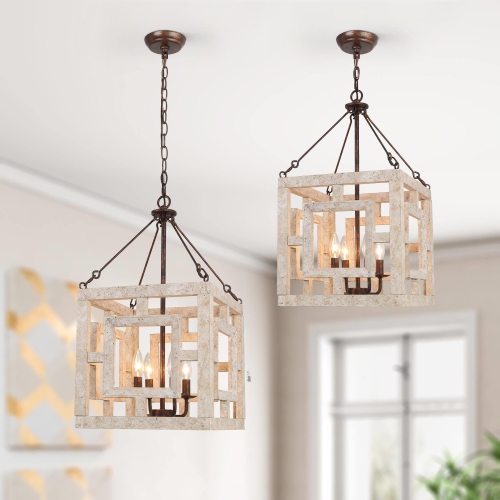
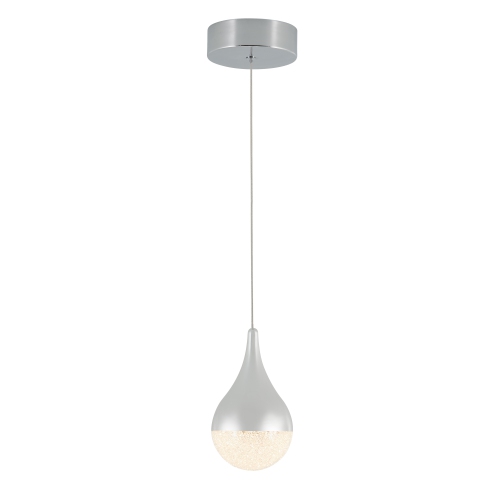


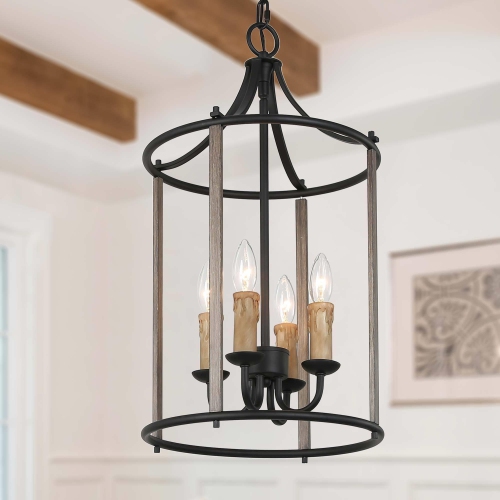


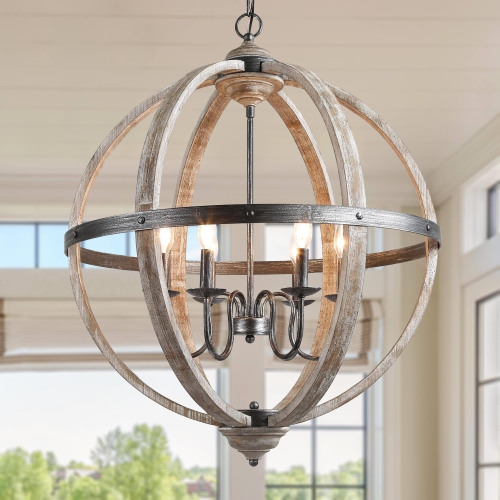
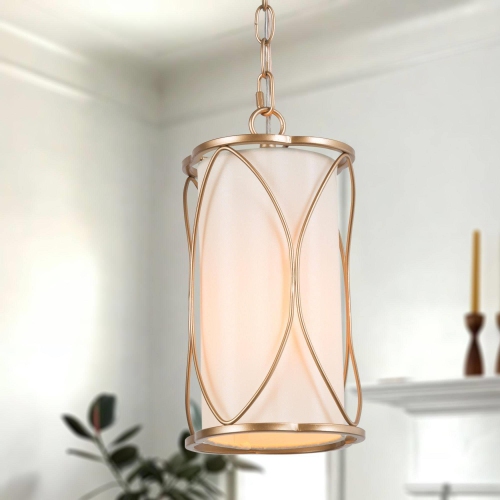

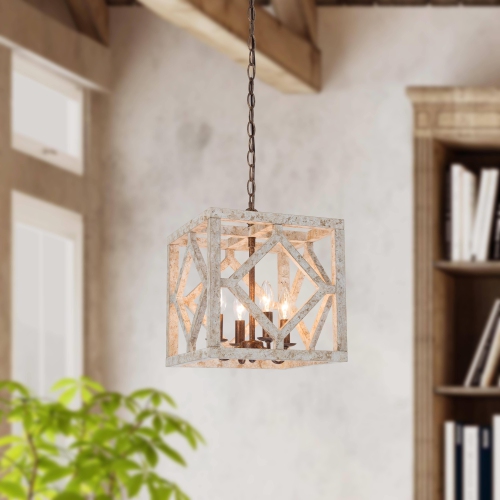
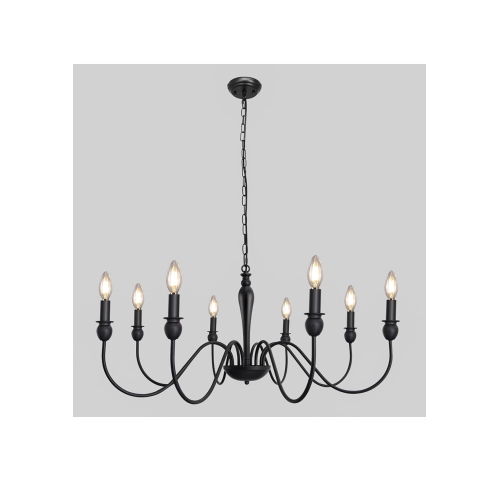


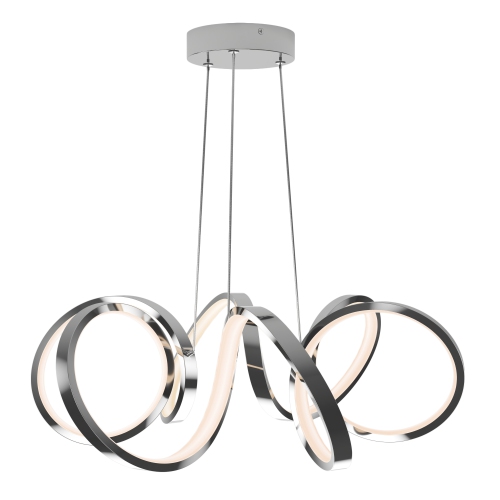


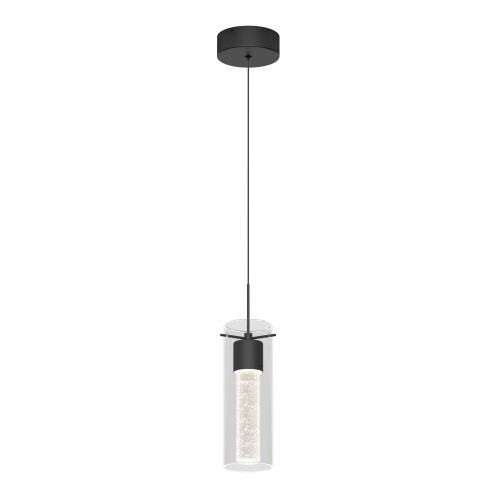
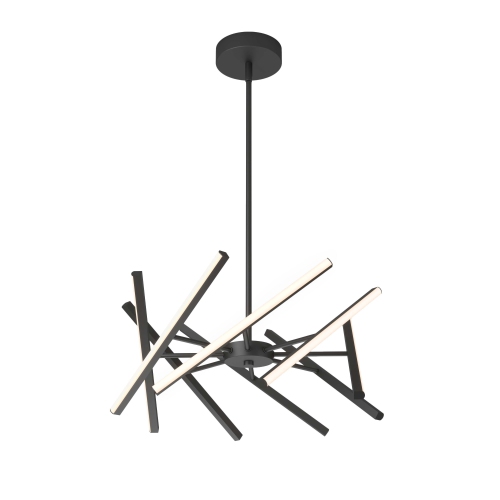
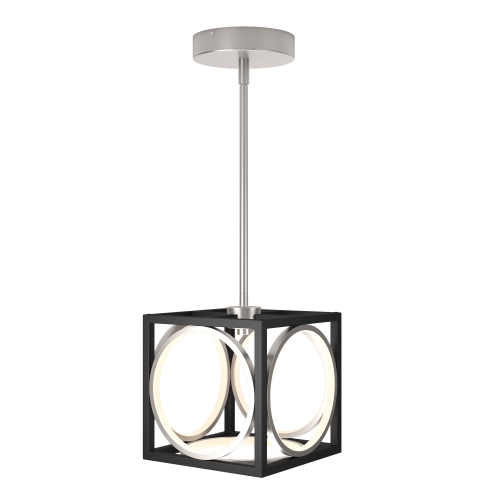

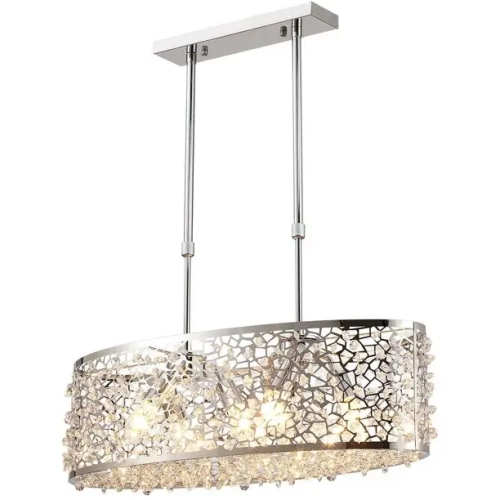


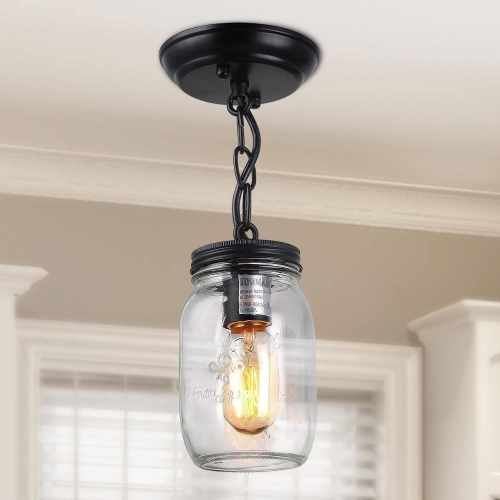
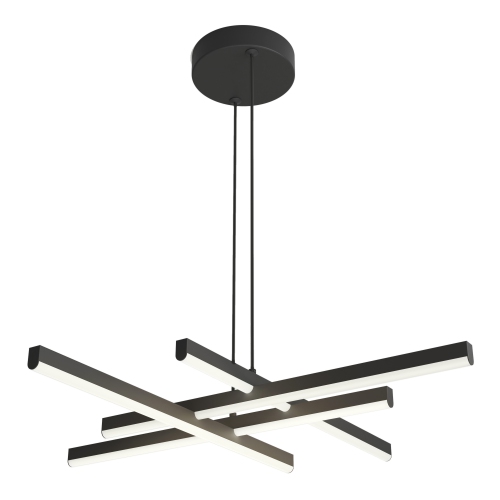
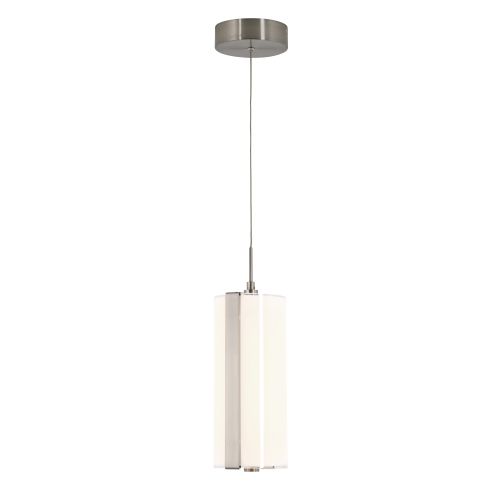
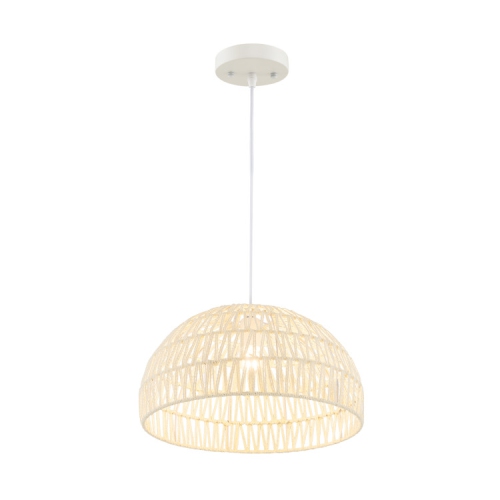
Lighting that balances countertop tasks with kitchen style
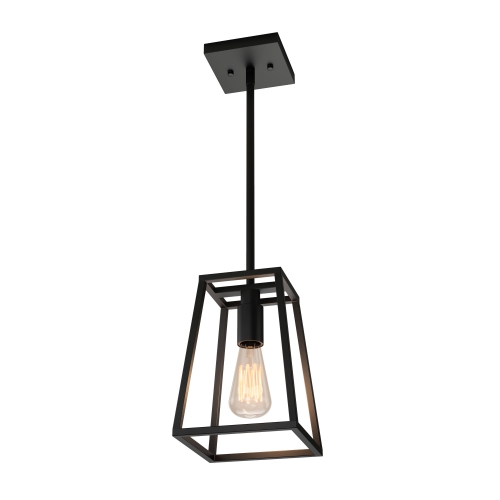
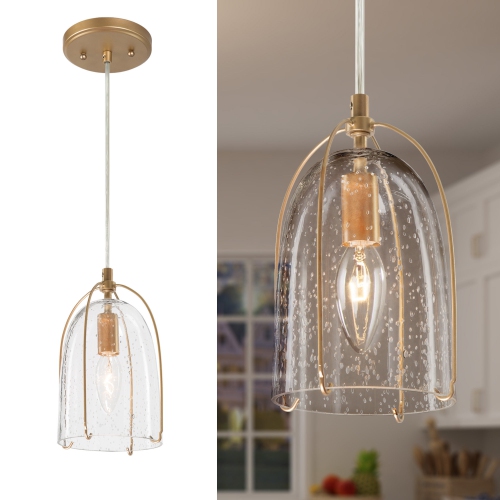
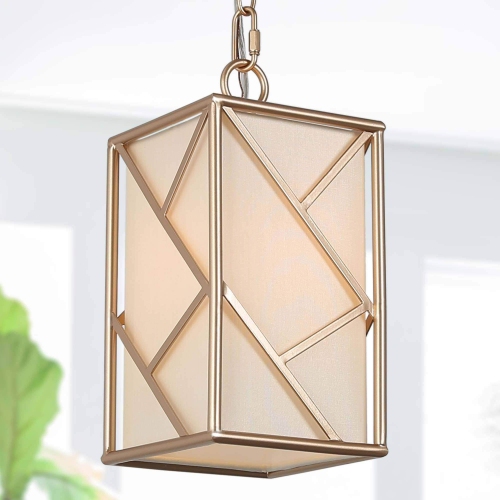
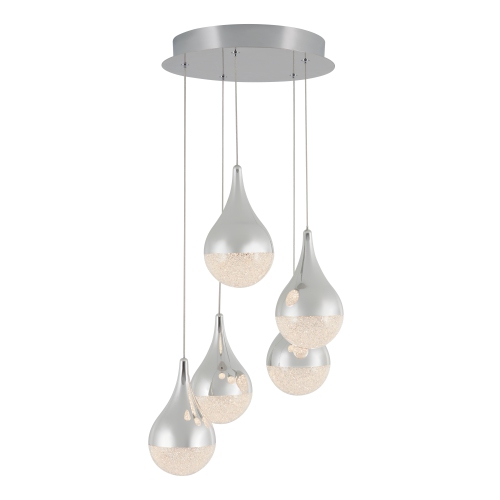
Island light fixtures provide focused illumination above a kitchen island while helping define the look and layout of the room. They brighten the counter for chopping vegetables, reading a recipe, or helping with homework, and create a visual centre above a space where people often gather. The main styles include individual pendants, multi-light linear pendants, and larger statement fixtures. Individual pendants can be arranged in a row, with separate shades distributing light along the countertop. A linear fixture carries several lights or a continuous light source on one elongated frame, making it a natural match for a rectangular island. A single broad pendant can suit a compact island, provided its light reaches enough of the work surface. Shade shape matters as much as the overall silhouette: an opaque metal shade directs most of its light downward, while clear glass allows more light to spread into the surrounding room. Frosted or opal glass softens the appearance of the light source and can reduce the sharp glare of an exposed bulb. Open frames offer an airy look and keep sightlines relatively clear, although the bulbs remain visible from across the kitchen. For spaces with flat-panel cabinetry, simple hardware, and uncluttered counters, Modern Island Lights offer a related direction built around clean shapes and streamlined proportions. Other styles can introduce curved arms, lantern-like frames, ribbed glass, or wood accents for a more textured appearance. A fixture does not need to match every finish in the kitchen exactly; repeating one existing detail, such as black cabinet pulls or a brushed metal faucet, can make the combination feel intentional. In an open-plan room, island lighting also sits within view of dining and living areas, so its scale and finish contribute to more than the kitchen alone. The most useful designs balance that visual presence with comfortable light for the people preparing meals, sitting at stools, or serving food beneath them.
Proportion and placement determine how comfortably island lighting fits into everyday use. The fixture’s width, length, and hanging height should relate to the countertop, ceiling, and seating arrangement rather than the island’s length alone. A common starting point is to position the bottom of a hanging fixture about 30 to 36 inches above the countertop, then adjust for ceiling height, the fixture’s design, and the sightlines of people using the space. This is a planning range, not a substitute for the manufacturer’s installation requirements. Someone standing at the sink should be able to see across the island without a shade cutting through their view, and a person leaning forward from a stool should have comfortable head clearance. Keeping the outer edges of the fixtures at least 6 inches inside the island’s perimeter is another useful starting point, though larger shades and particular layouts may need more space. A compact island may suit one substantial pendant or two smaller ones, while a longer island can accommodate a linear suspension or a carefully spaced group. Adding more pendants is not automatically better: crowded shades can feel heavy and create overlapping bright spots rather than balanced illumination. The distance between fixtures should account for shade diameter and how widely each light spreads. Ceiling connections also influence the choice. A linear fixture may use one canopy to support several lights, while separate pendants commonly require individual electrical connections unless they share a purpose-built canopy. Adjustable cords, chains, and downrods offer different ways to establish the hanging height, but not every design works with a sloped ceiling. The minimum and maximum suspension lengths are particularly important in rooms with low or tall ceilings. Fixture weight, mounting support, and compatibility with the existing electrical box also deserve attention before installation. Hardwired lighting is best installed by a qualified electrician in accordance with applicable local requirements. Renters and condo owners may also need permission or building approval before changing ceiling wiring or mounting arrangements.
Light quality, materials, and maintenance shape how well an island fixture performs after it becomes part of the daily routine. Brightness is measured in lumens, whereas wattage describes power use, so wattage alone does not show how much useful light will reach the counter. The right output depends on the island’s size, the shade design, the hanging height, and the other lighting in the room. Island pendants generally work best alongside ceiling and under-cabinet lighting rather than carrying the whole kitchen on their own. Warm white light around 2700 to 3000 K gives wood tones and seating areas a softer appearance, while light around 3500 to 4000 K can create a crisper feel for food preparation. Keeping nearby light sources reasonably consistent helps avoid an obvious patchwork of yellowish and bluish light. Where colour accuracy matters, a colour rendering index of 90 or higher can help ingredients, cabinetry, and countertop finishes appear more natural. Dimming makes the same island useful for detailed preparation and relaxed meals, but the fixture, bulbs or LED driver, and dimmer must be compatible. Fixtures with replaceable bulbs allow changes within the specified bulb type and wattage limits; integrated LED designs have different servicing requirements, so the light source’s replaceability is worth checking. Metal frames and shades can offer sturdy construction, while glass provides a smooth surface that is generally straightforward to wipe clean once the fixture is switched off and cool. Clear glass tends to show fingerprints and airborne cooking residue more readily than some opaque finishes. Ribbed shades, woven details, and open cages introduce texture but have more edges and recesses where dust can settle. Wood accents bring warmth to the room, though their finish may require particular care around cooking moisture and residue. A soft cloth and cleaning method approved by the manufacturer help protect painted, plated, and brushed surfaces; abrasive cleaners can scratch glass or damage finishes. For busy households, accessible shades and straightforward bulb replacement can matter just as much as appearance. A well-proportioned fixture with comfortable illumination and manageable care requirements supports the island’s many roles without making the room harder to use.
Top selling and popular products
-
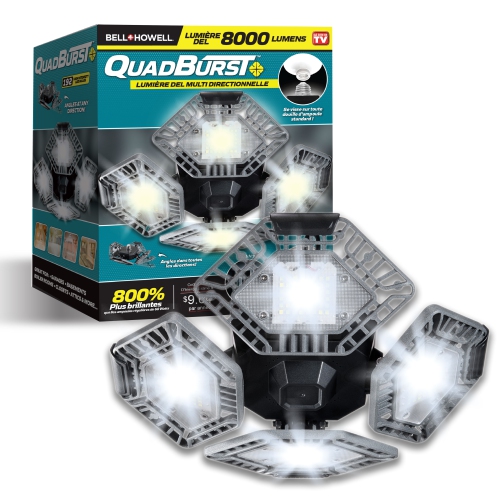 Your price for this item is $49.95
-
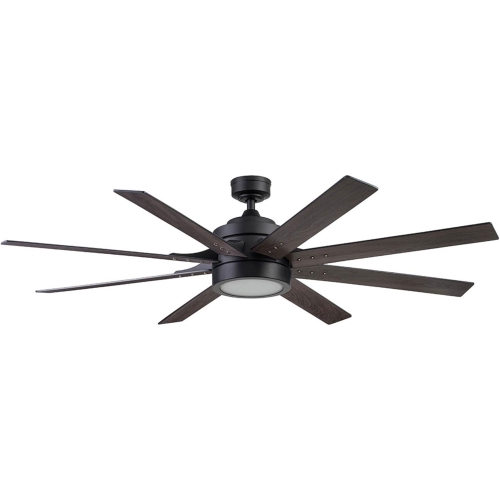 Your price for this item is $385.99
-
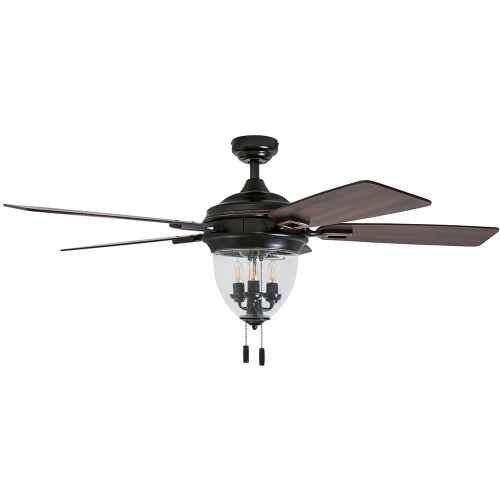 Your price for this item is $287.99
-
 Your price for this item is $187.99
-
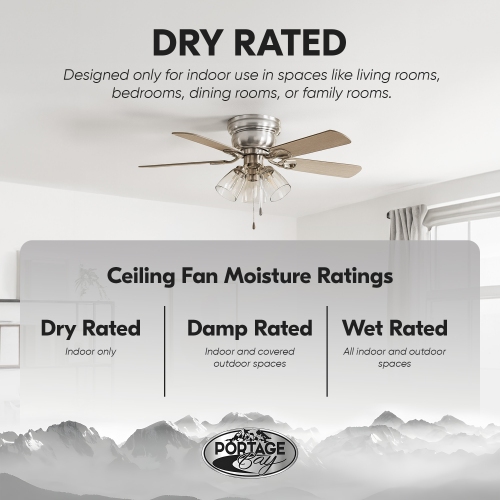 Your price for this item is $174.99
-
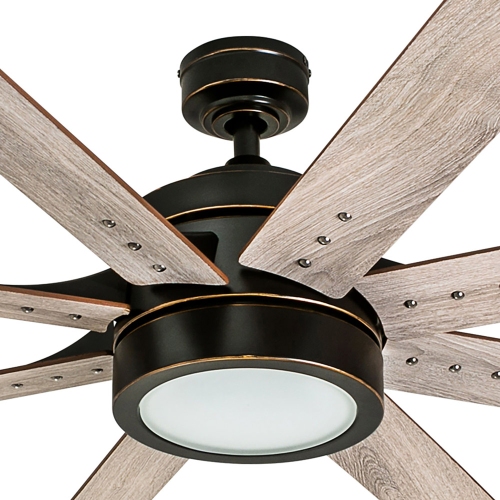 Your price for this item is $427.99
-
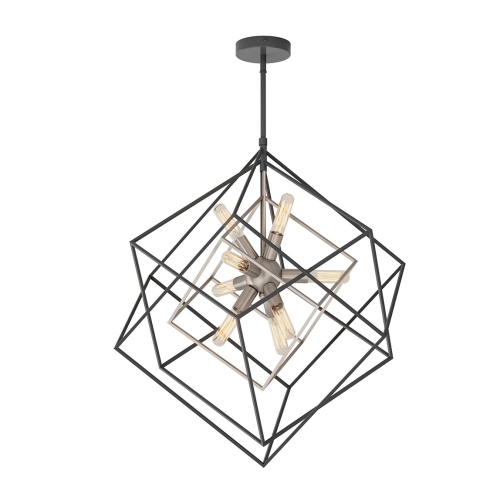 Your price for this item is $299
-
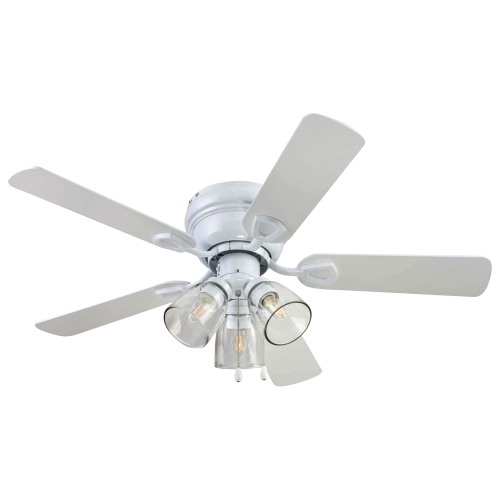 Your price for this item is $166.99
Discover more categories related to Island Light Fixtures
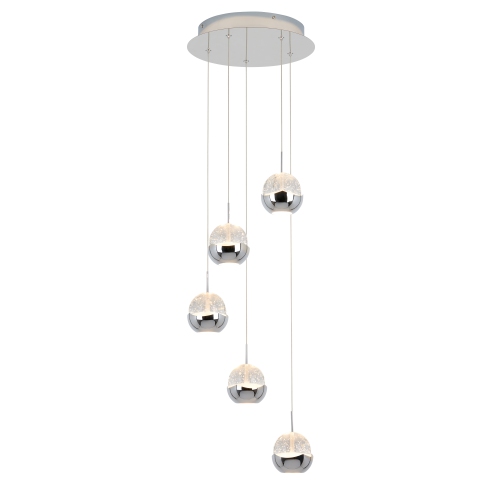

Top Collections:
Pokemon Centers, Best Cameras for Sports Photography, Kindle Devices, Samsung Galaxy Phones, Canon G7X Cameras, Pokémon 30th Celebration Cards, Refurbished Apple Laptops, iPhone 15 Apple, Laptops for Students, Budget Smartphones
Some products may be subject to Environmental Handling Fees
(EHF) depending on your province.
Learn more about EHFs.