Island Pendant Lights
Elevate the ambiance of your living space with our exquisite collection of island pendant lights. These sophisticated lighting fixtures are designed to add a touch of elegance and style to your kitchen island, dining area, or any space in need of illumination and aesthetic appeal. Whether you prefer modern, industrial, or traditional styles, our diverse range of island pendant lights offers something for every taste and decor scheme. Discover the perfect pendant light that not only brightens up your room but also serves as a stunning focal point in your home.
Sort
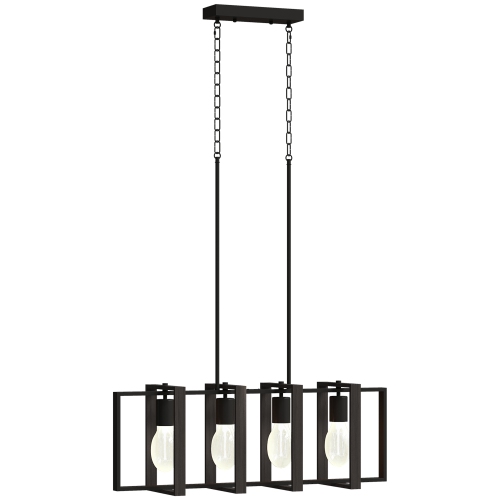
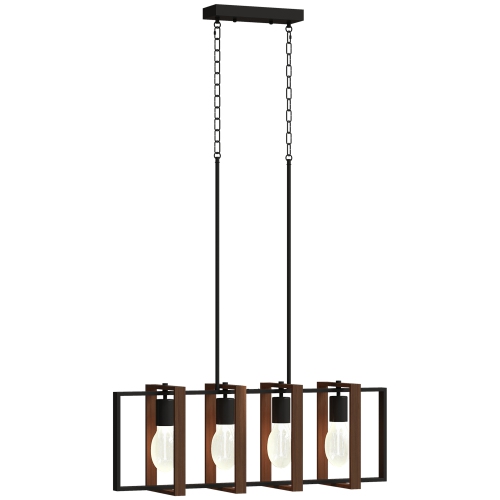


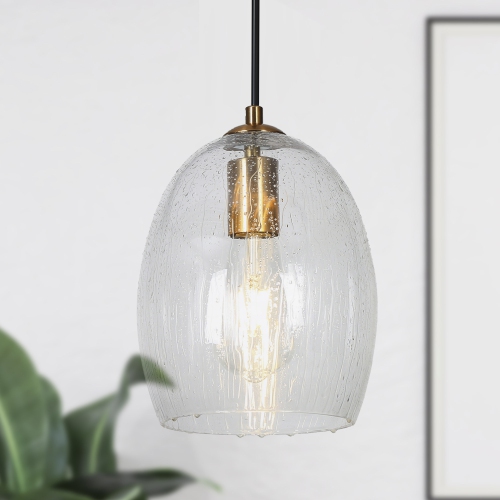
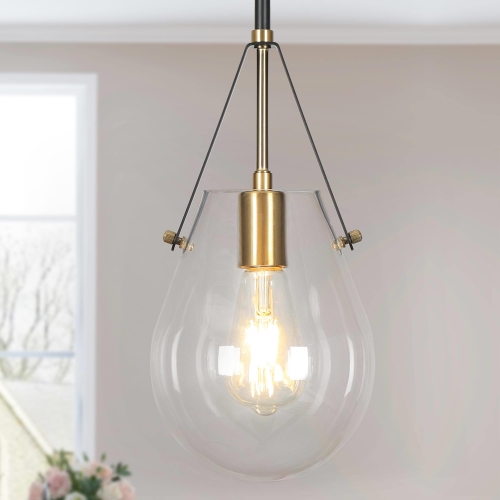

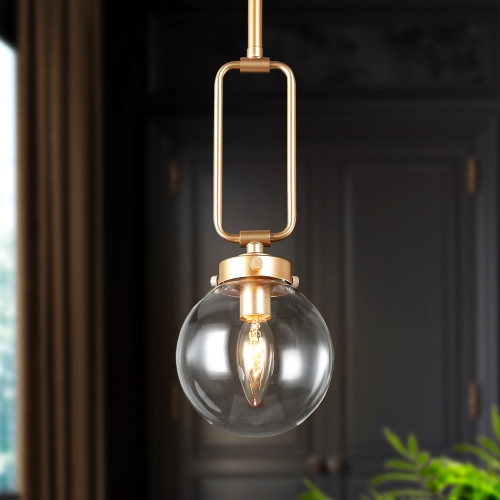
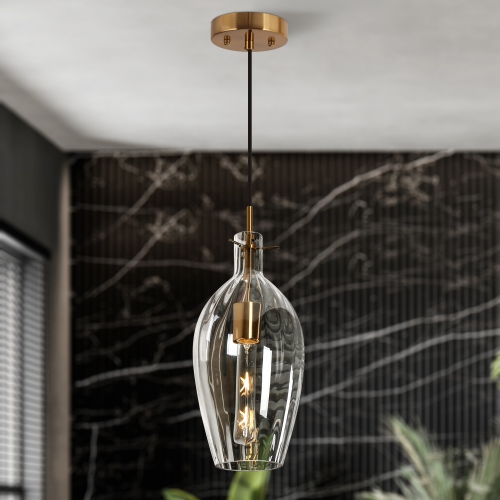
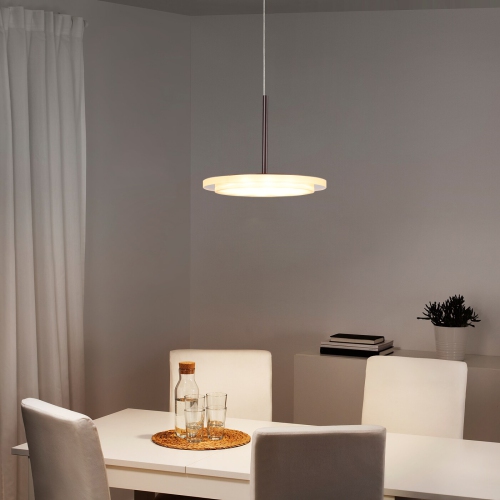
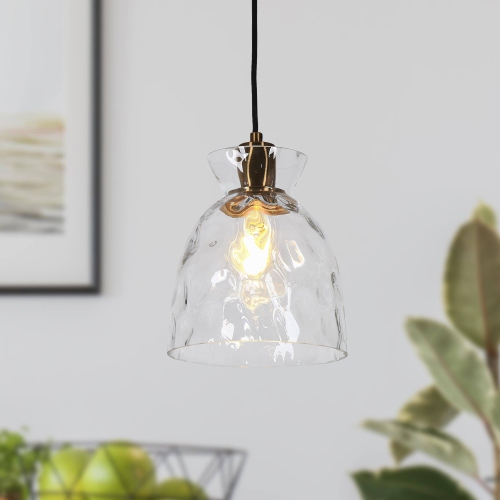

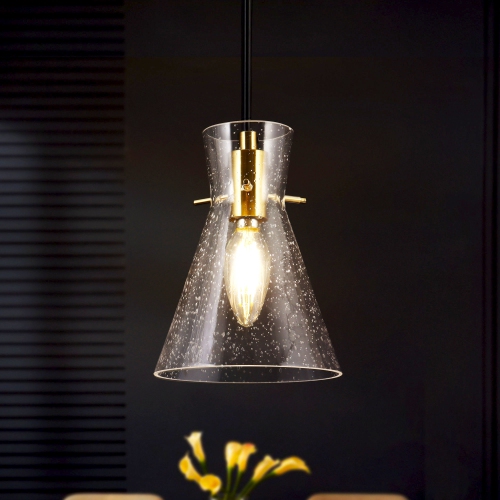
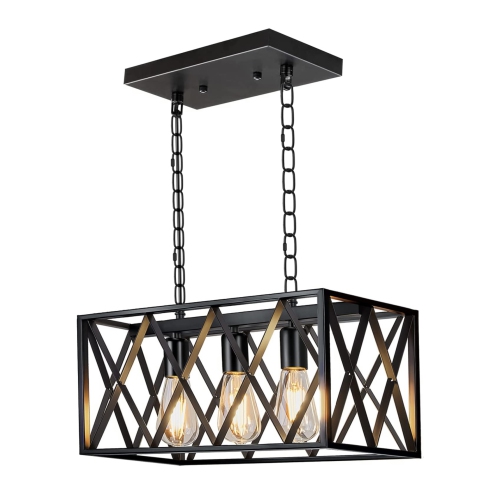
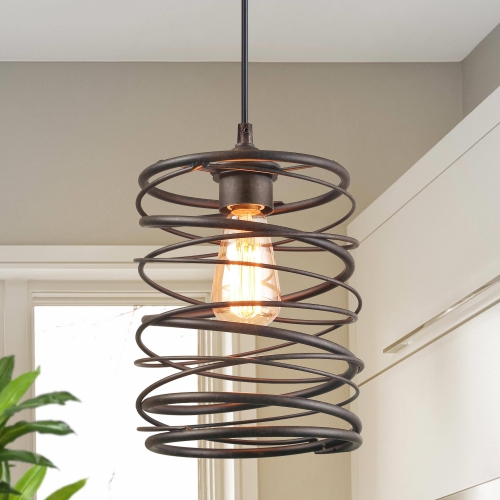
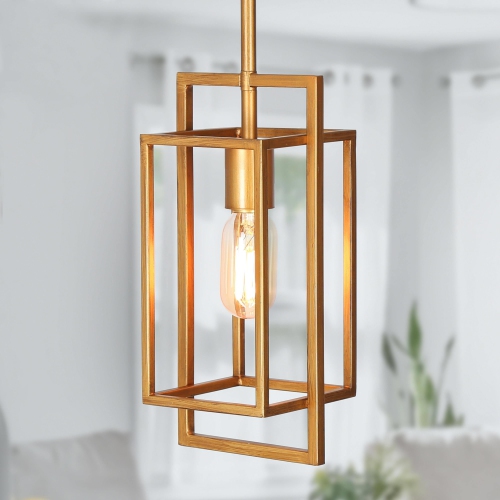
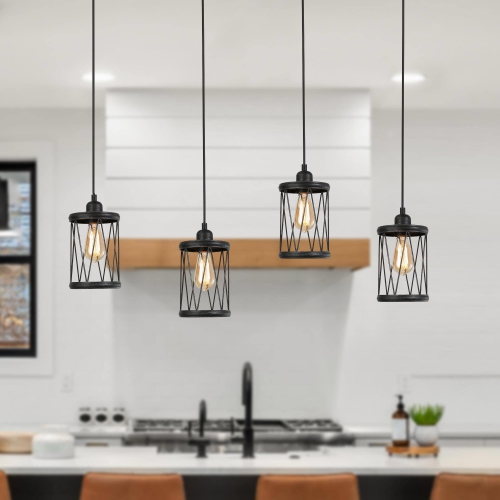

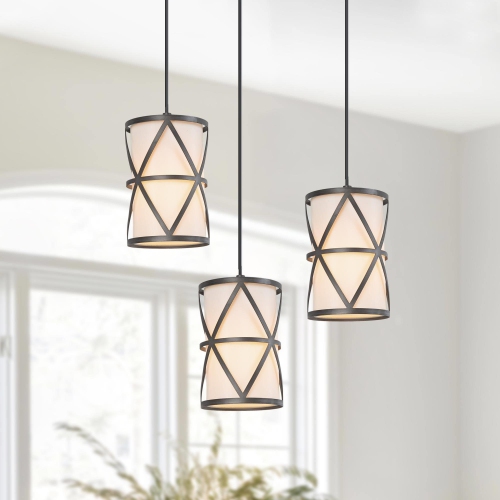
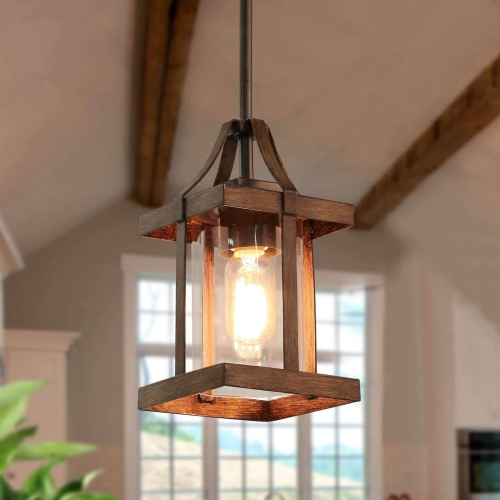

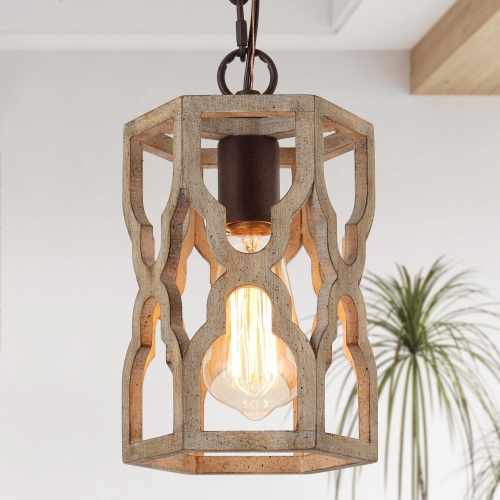


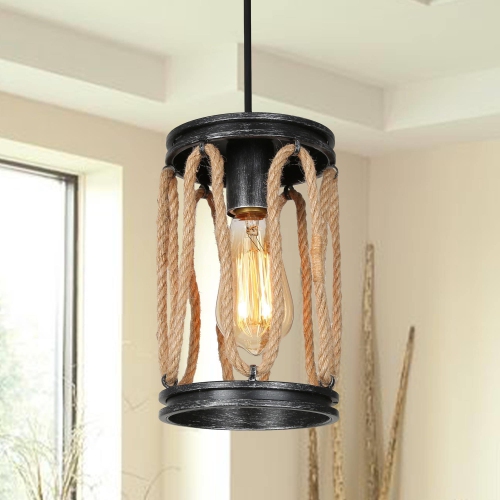
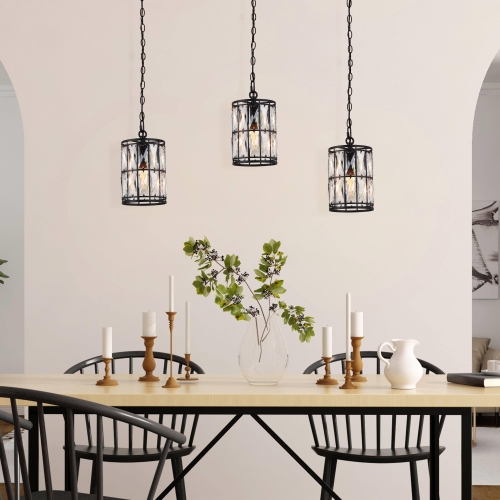
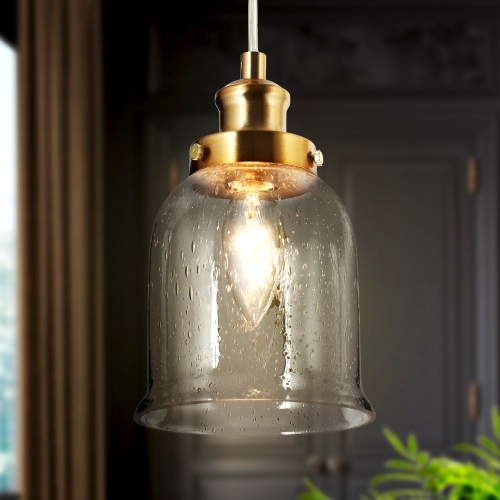

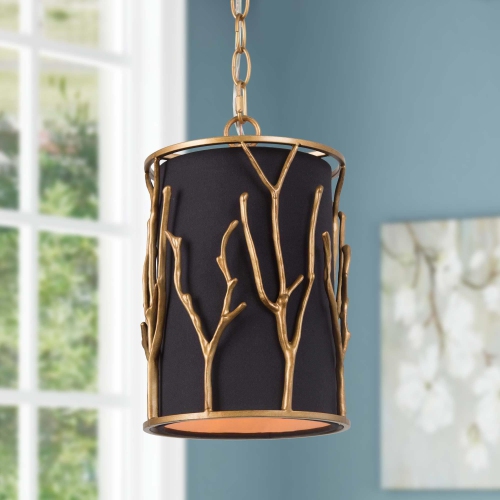

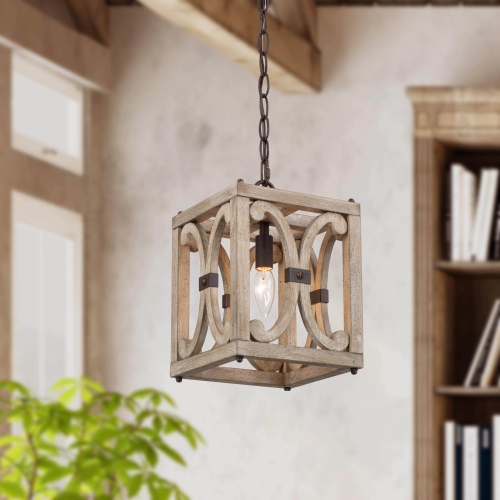
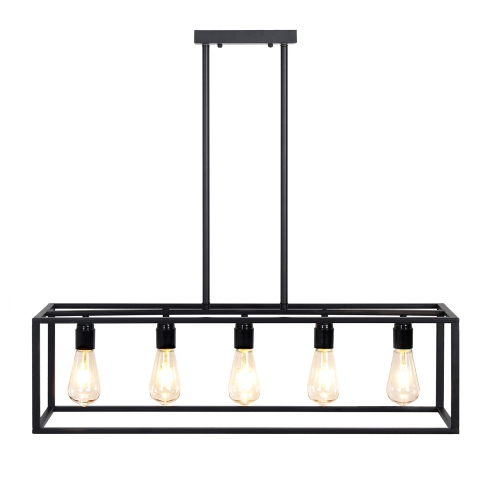
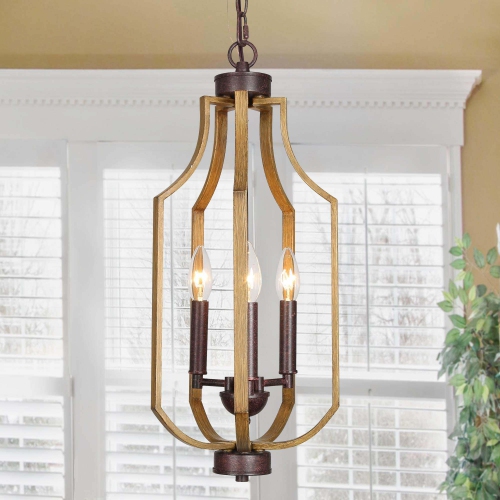
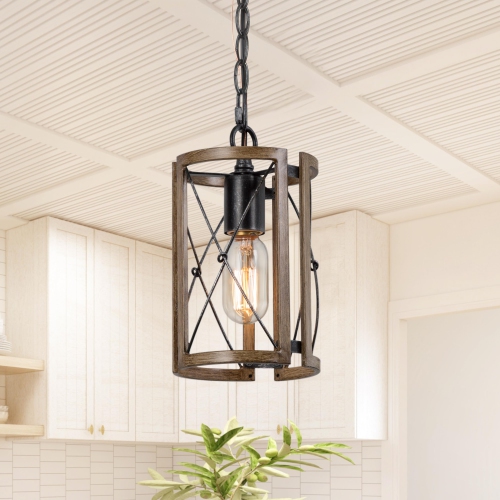
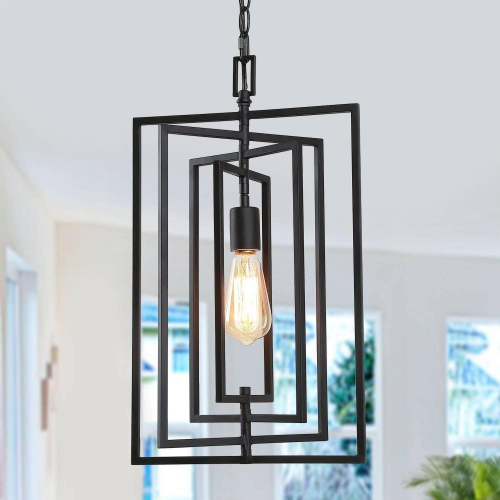
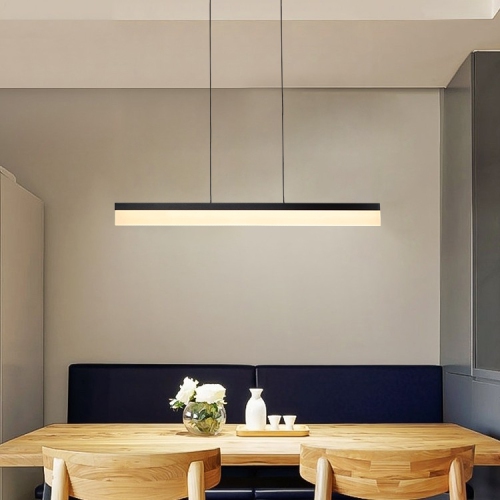
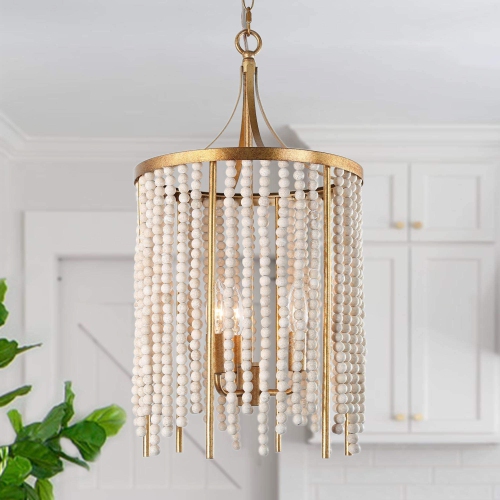
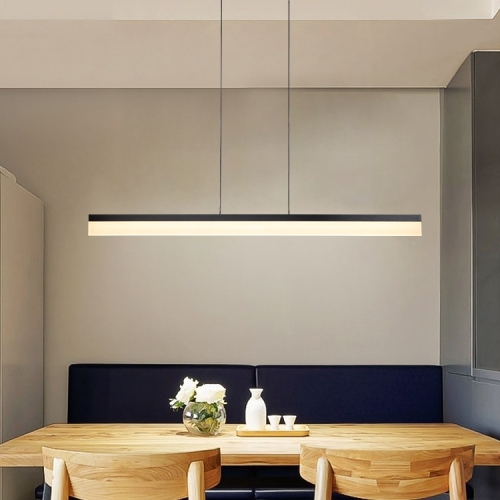
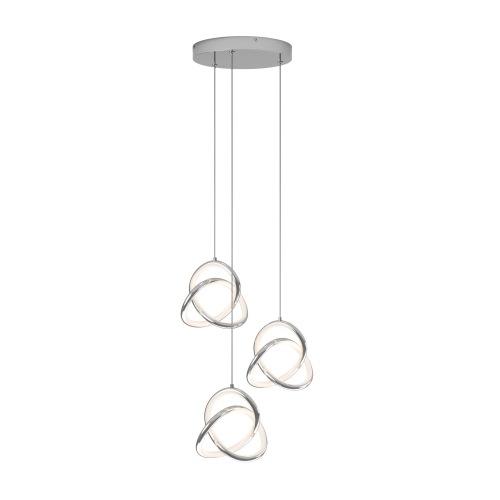

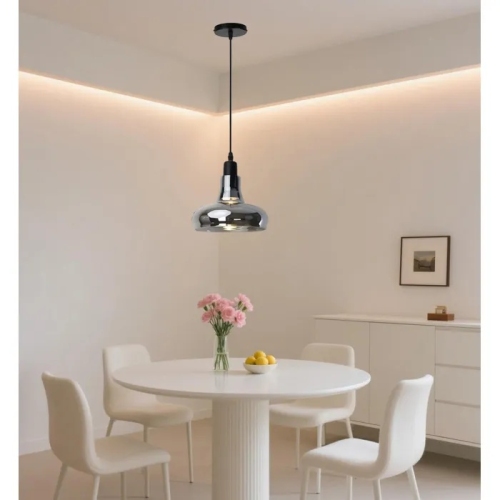
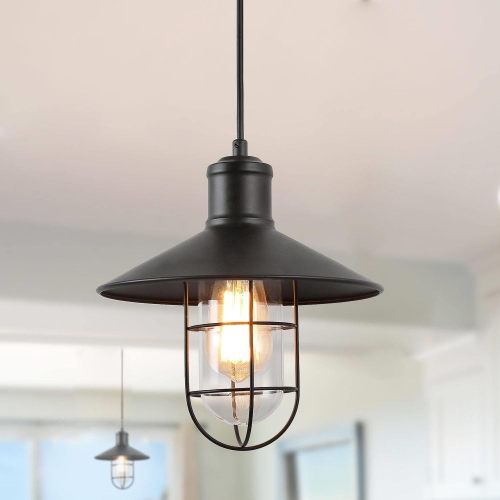
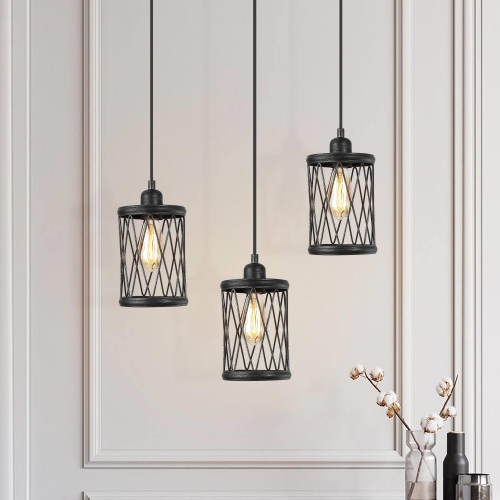

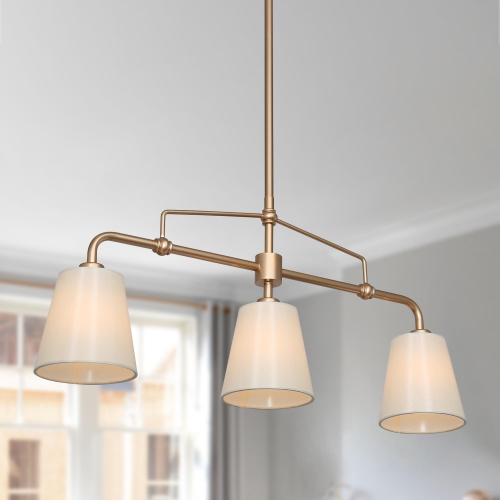
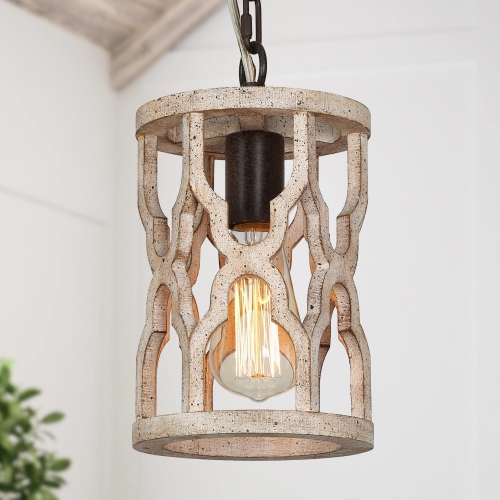


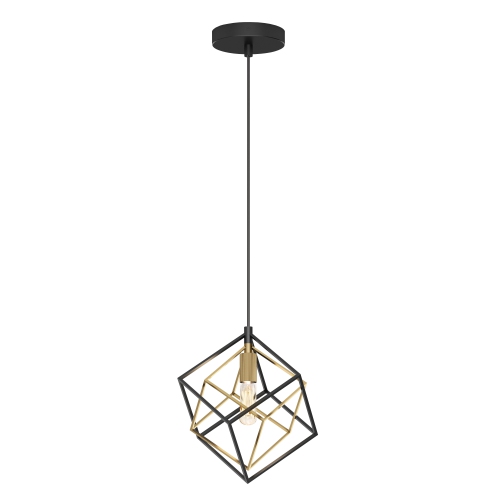


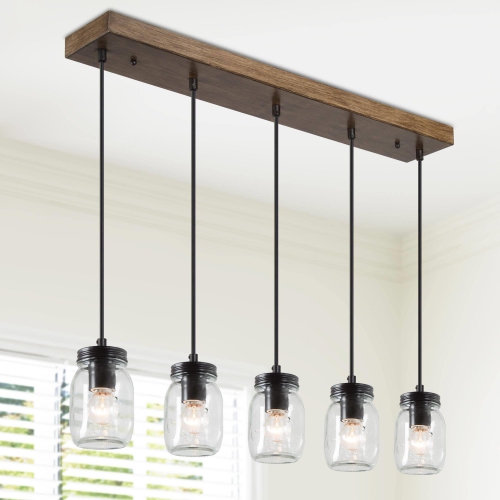
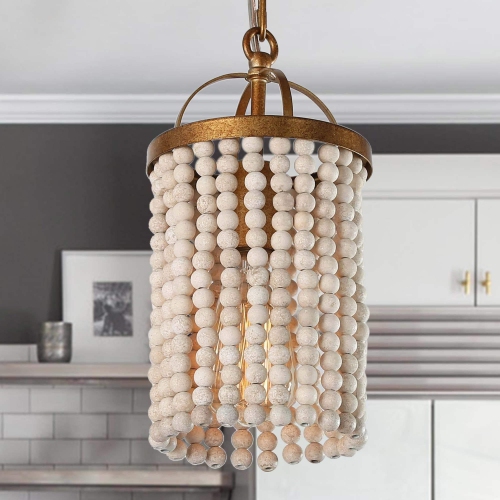
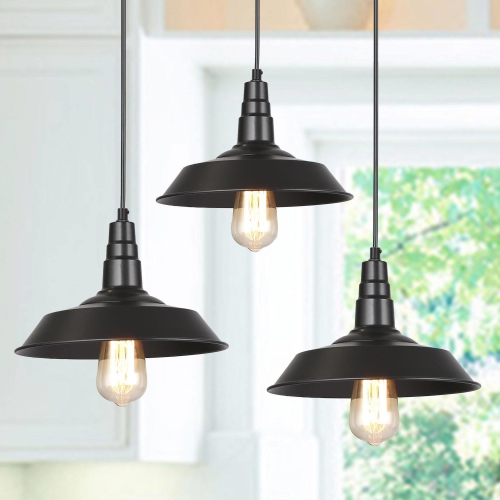
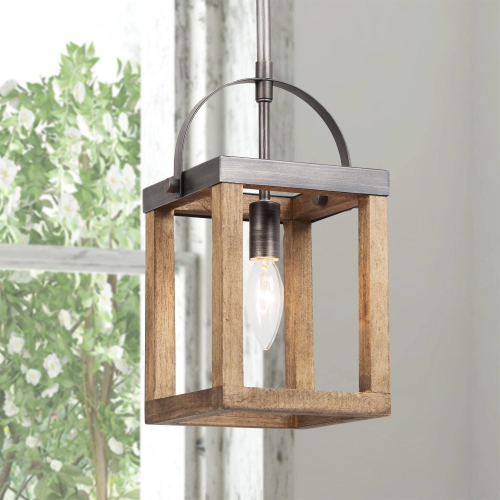
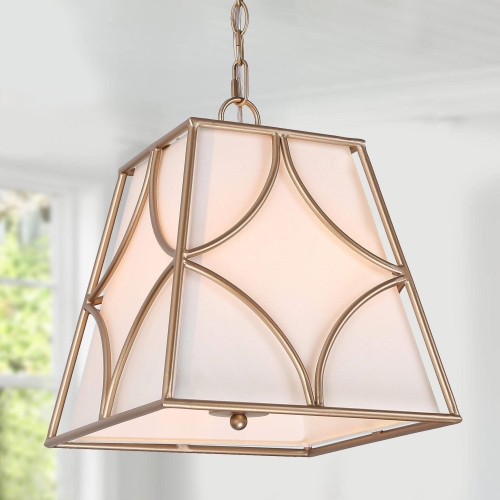

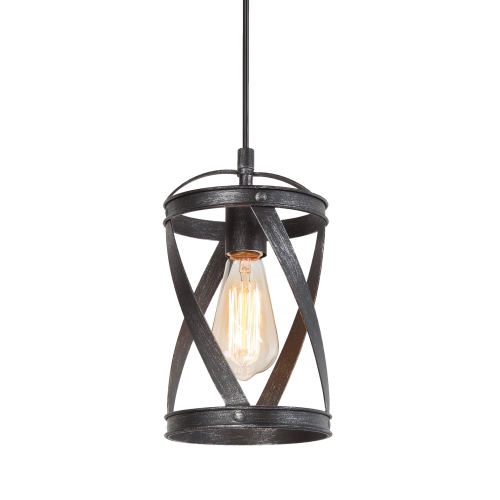


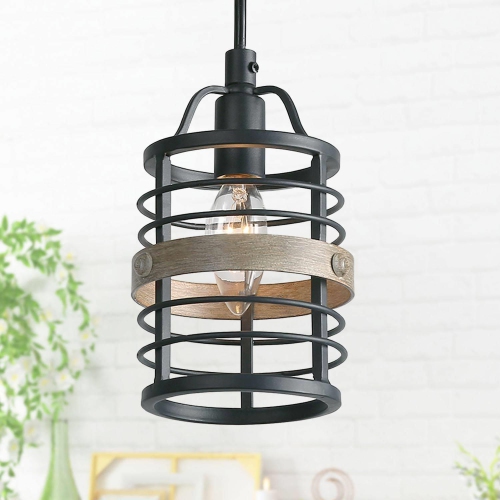

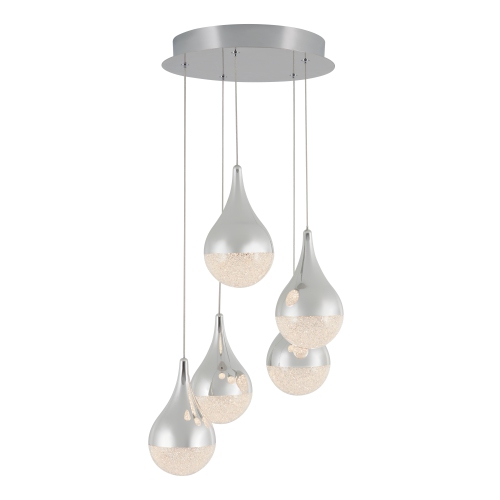
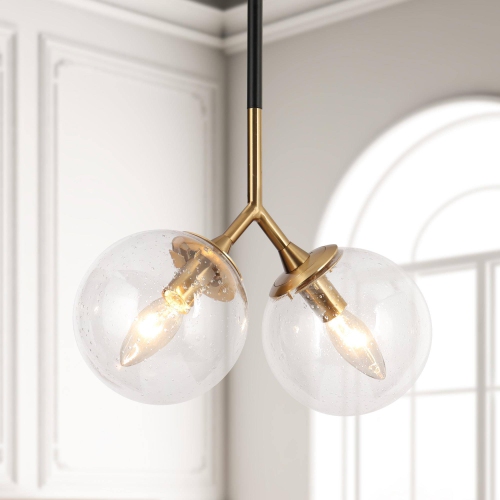

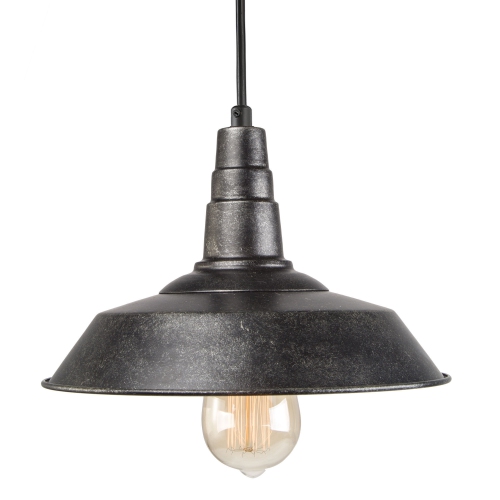
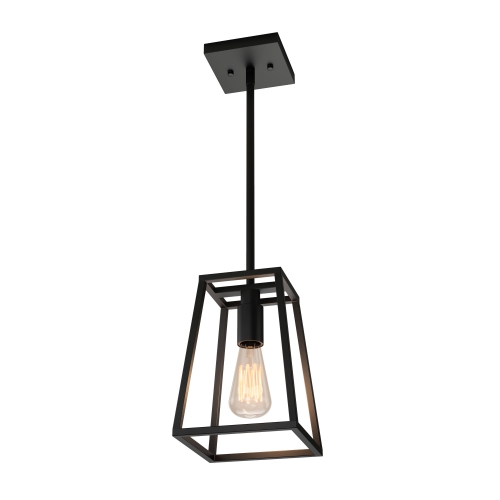
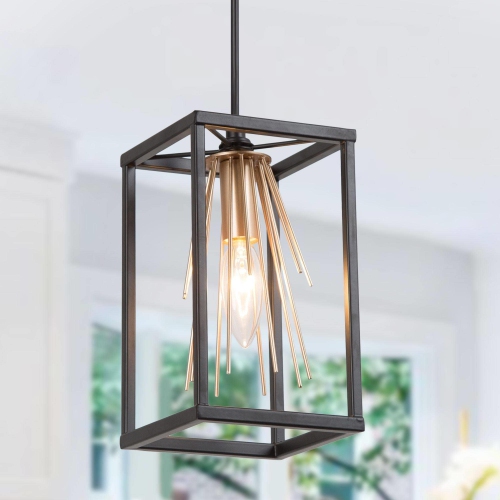


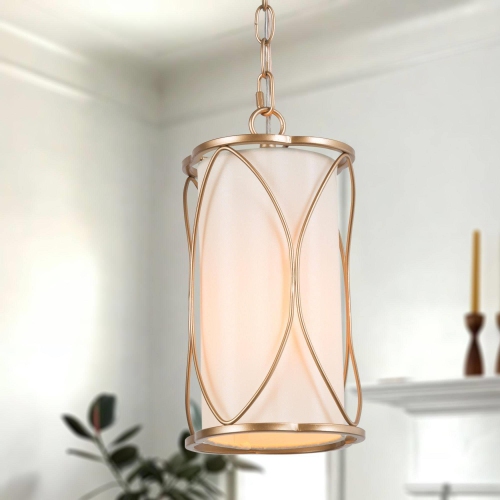
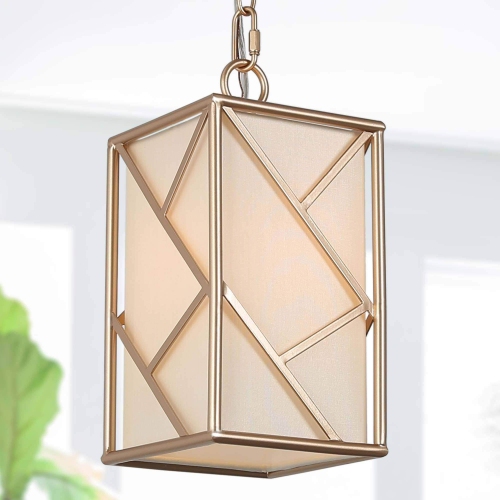


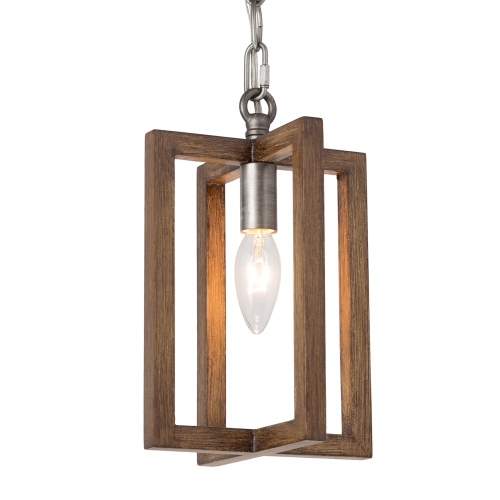
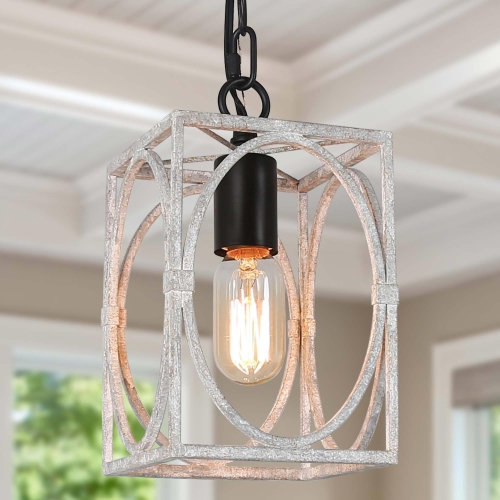
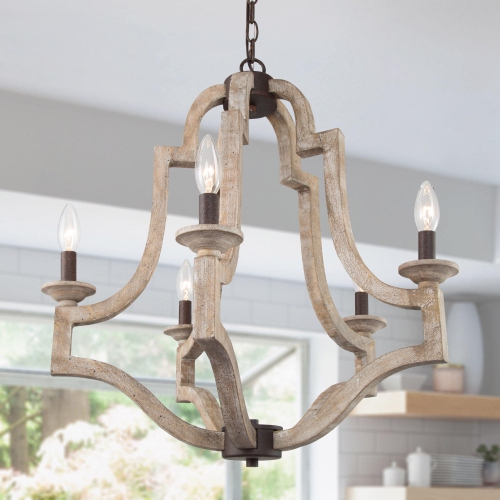
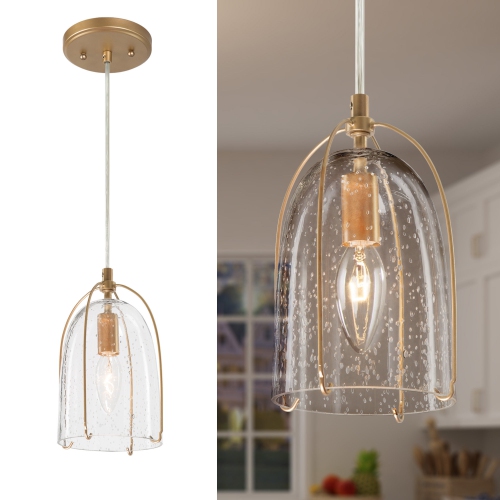
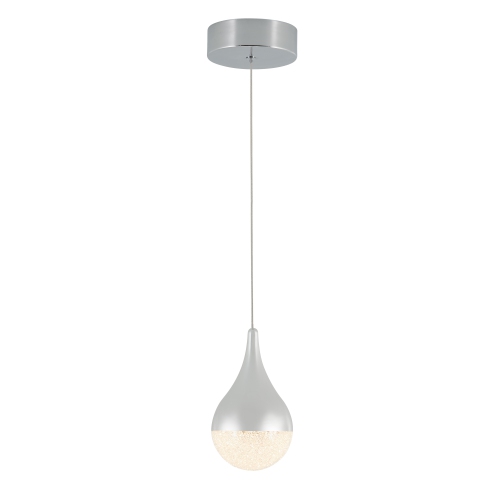
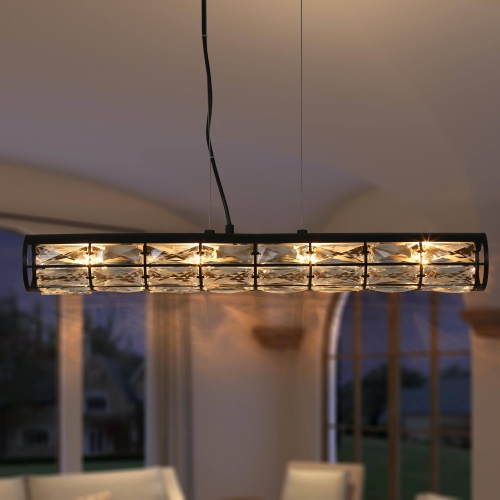

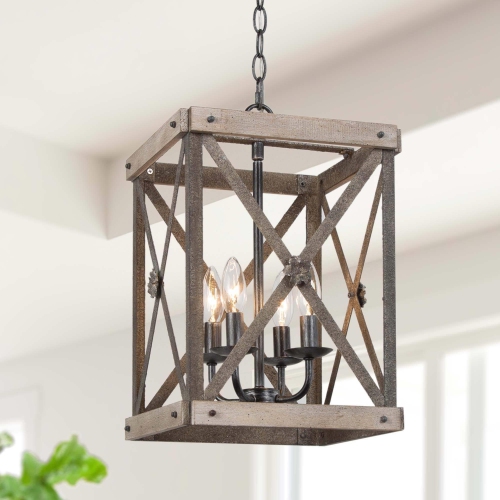

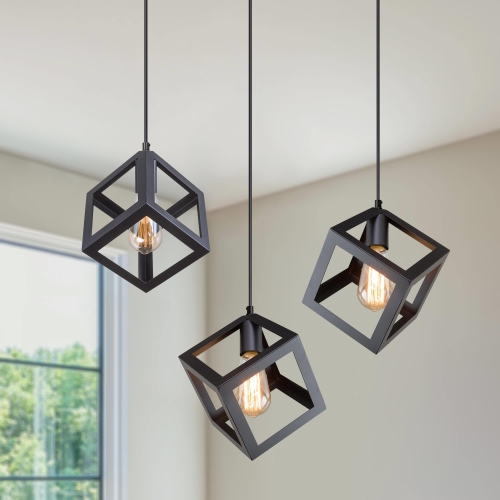
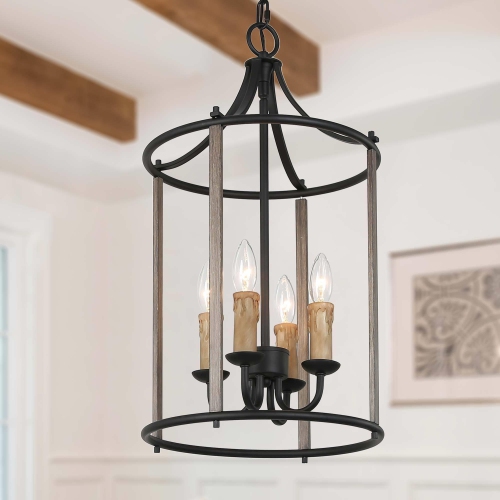

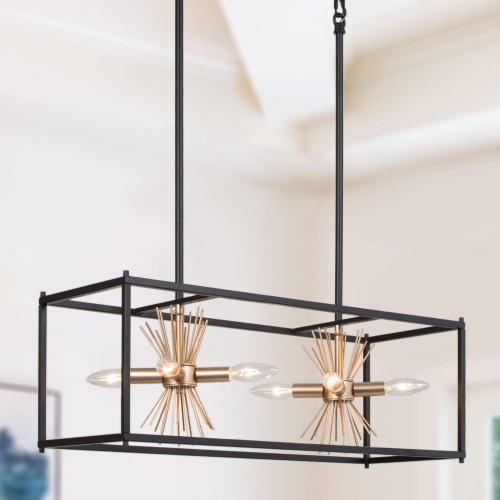
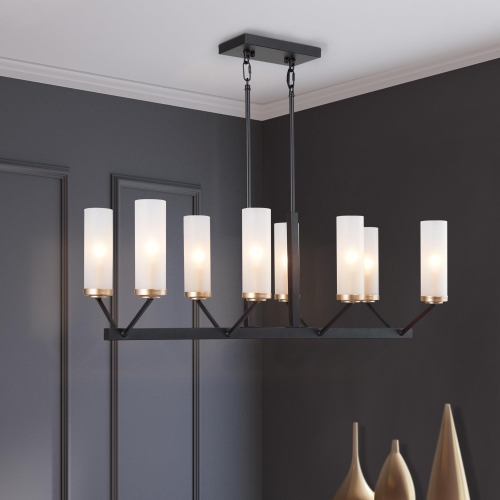


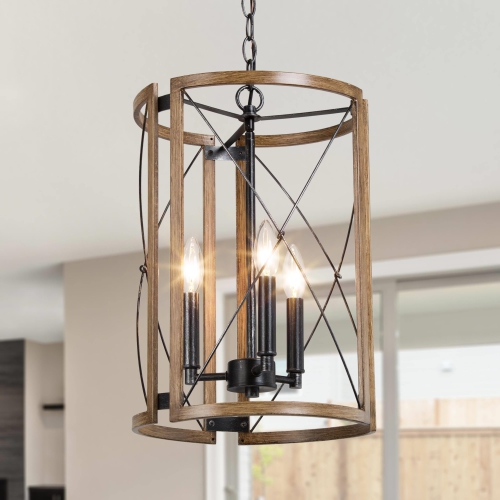
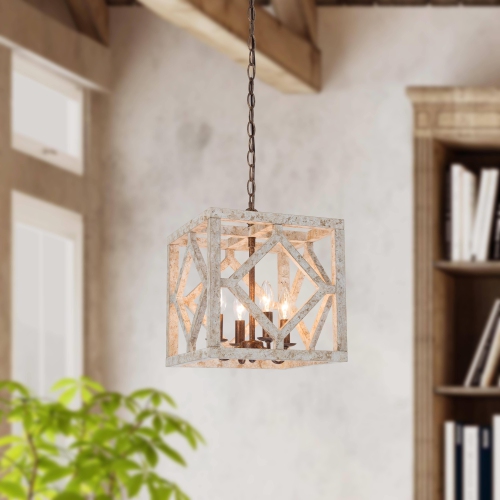
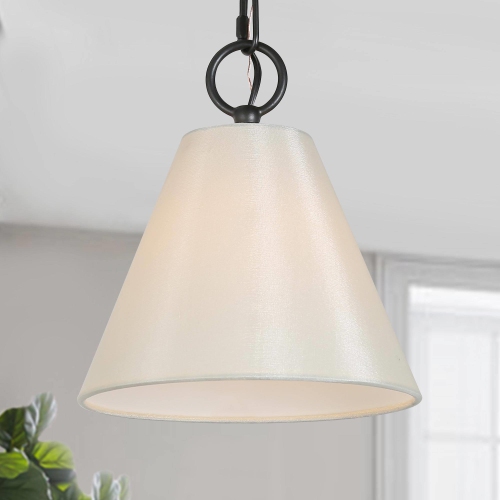
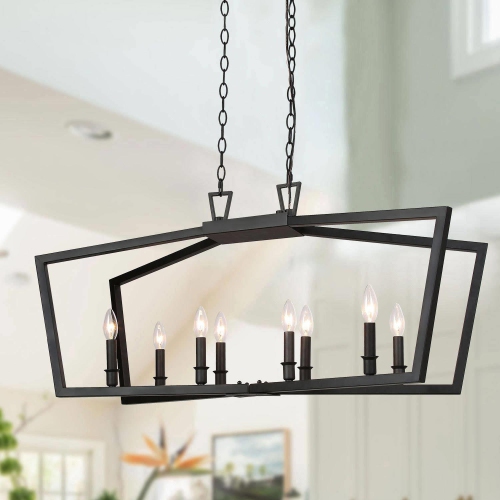

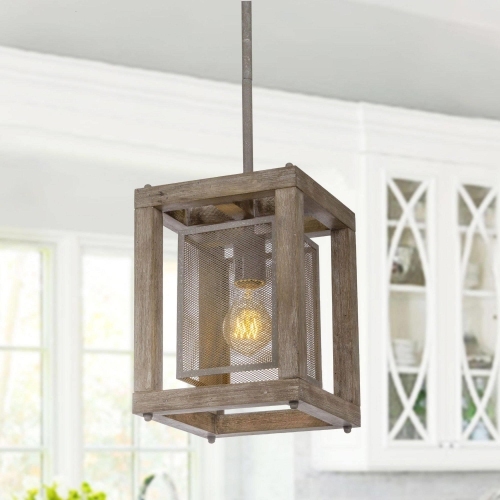


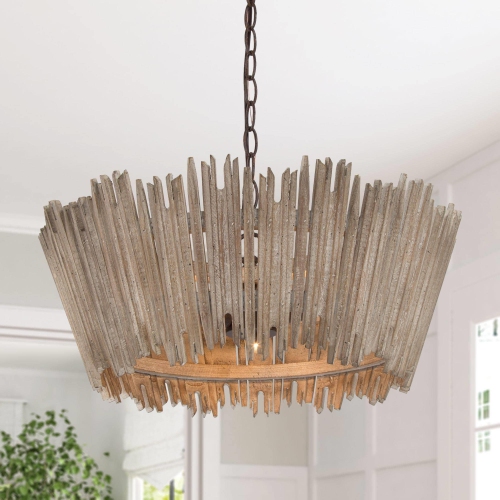


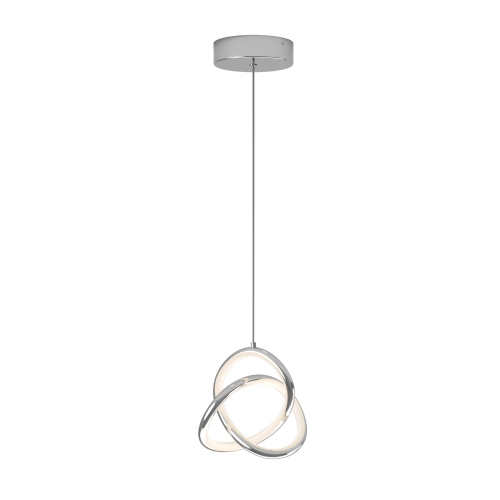


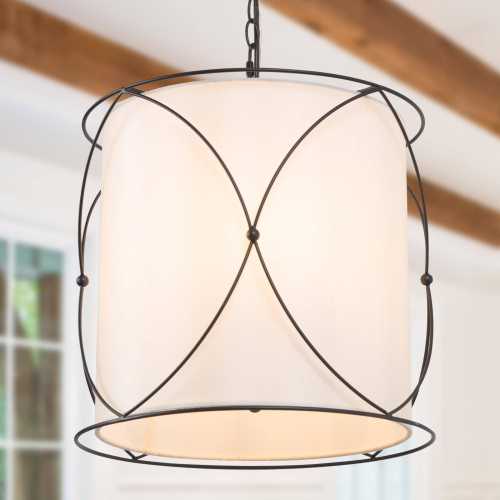


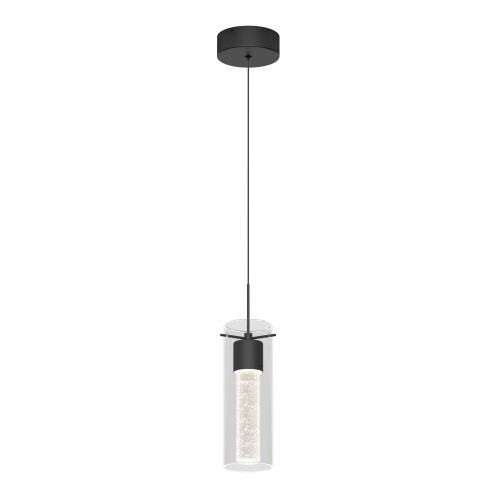


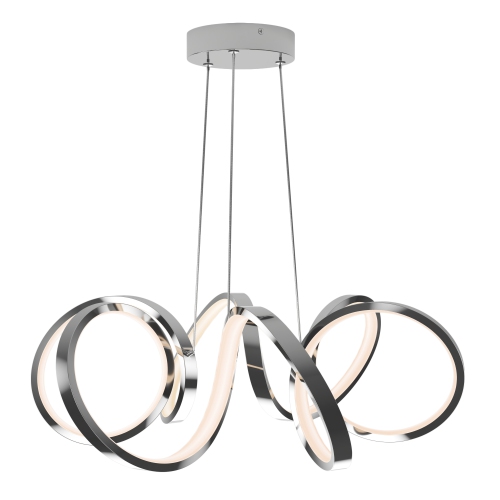

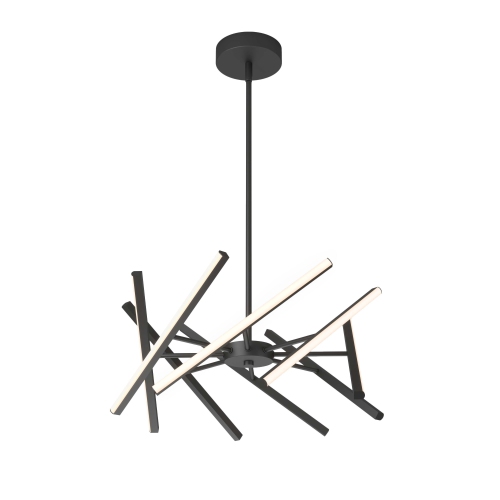


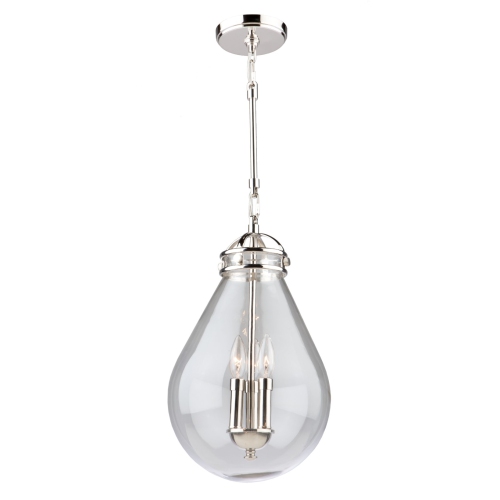
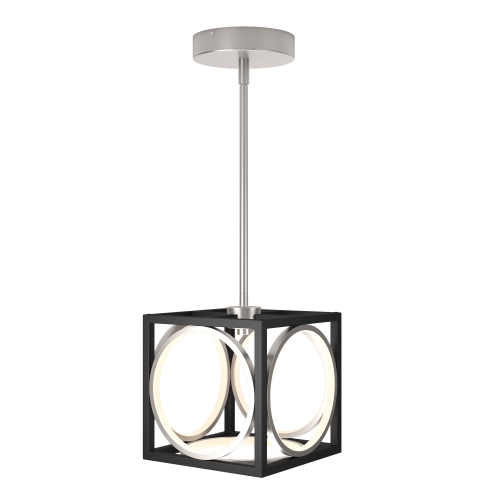

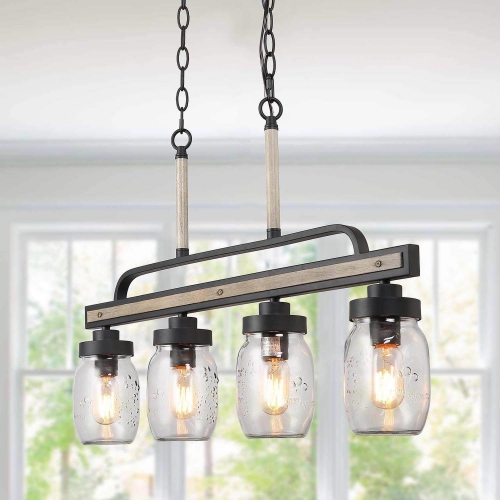


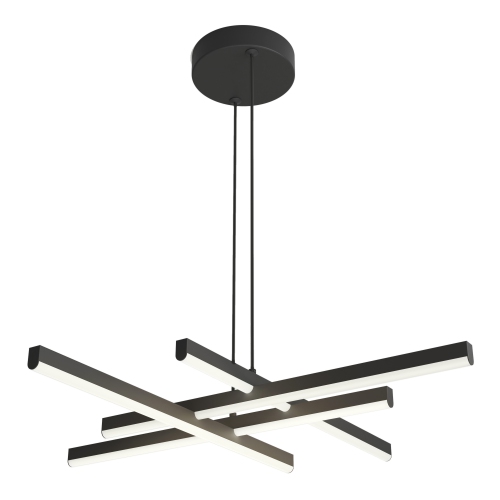

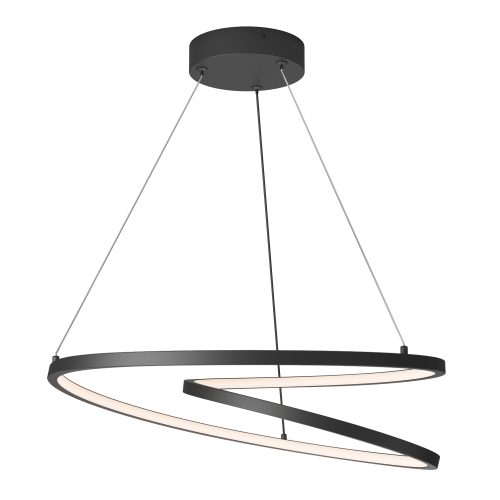


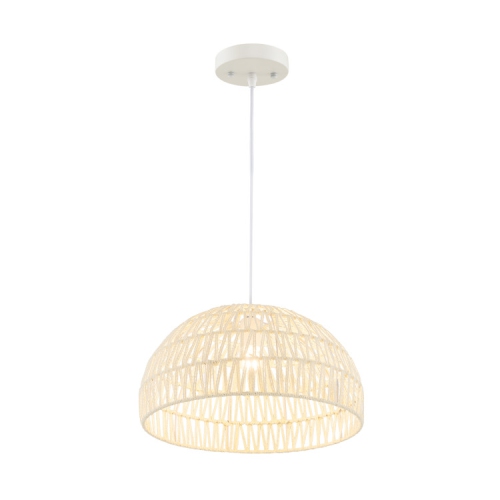


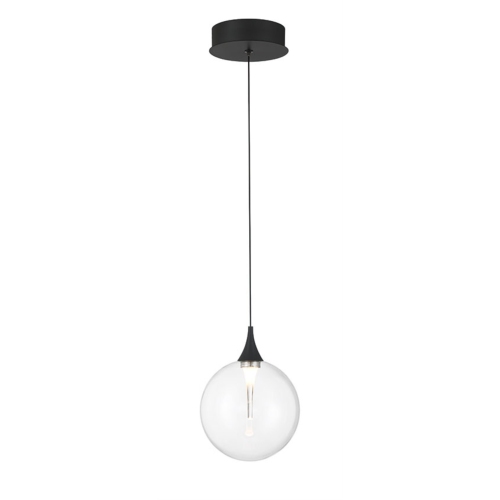
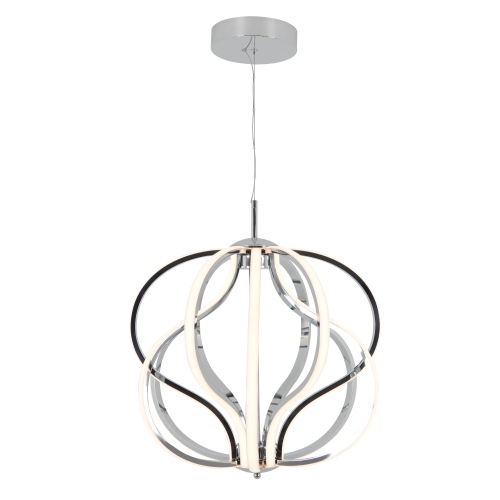
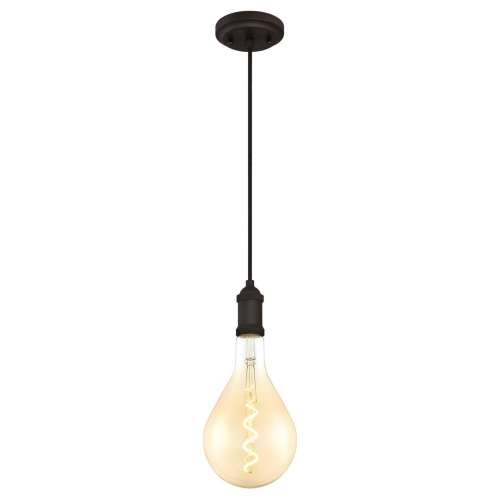


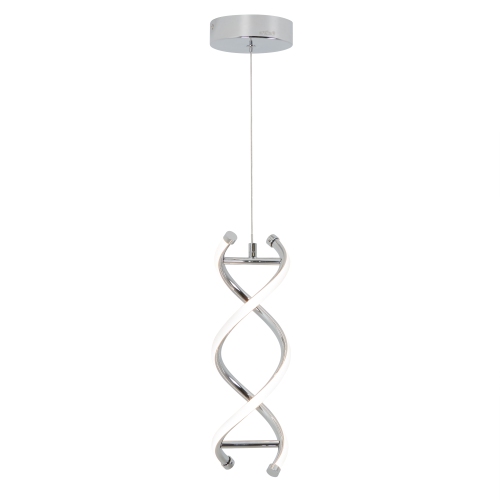


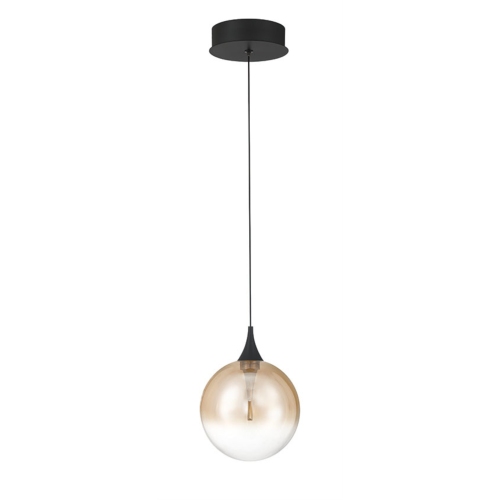


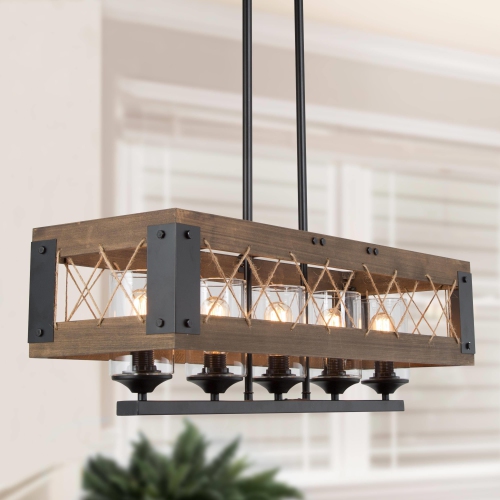

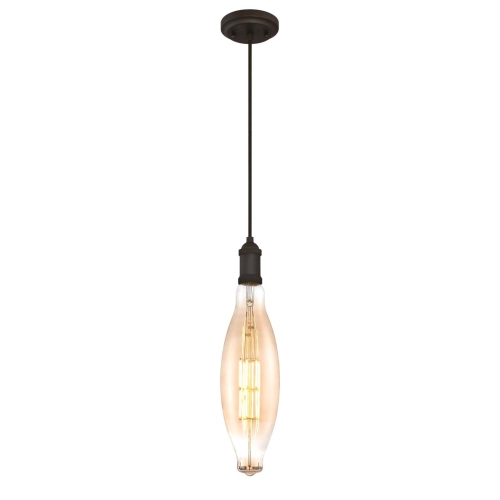






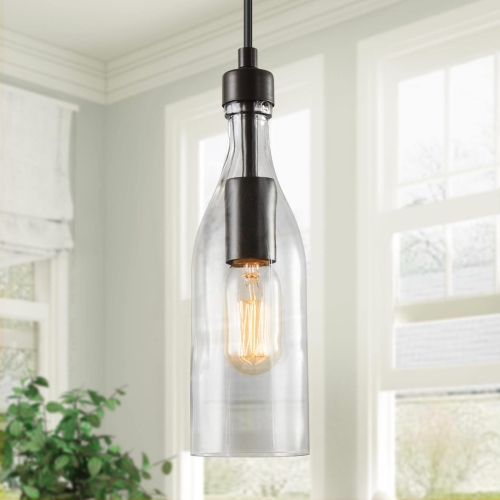
Focused countertop lighting without interrupting the conversation
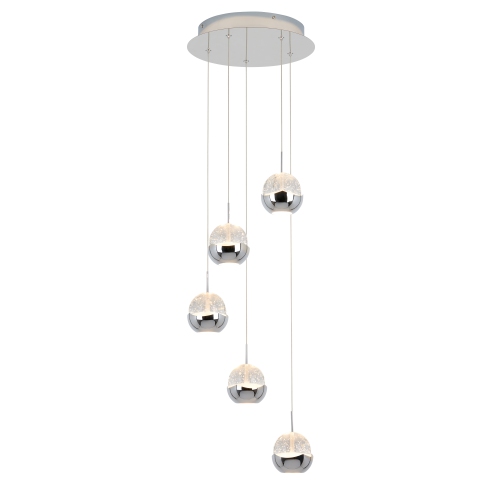
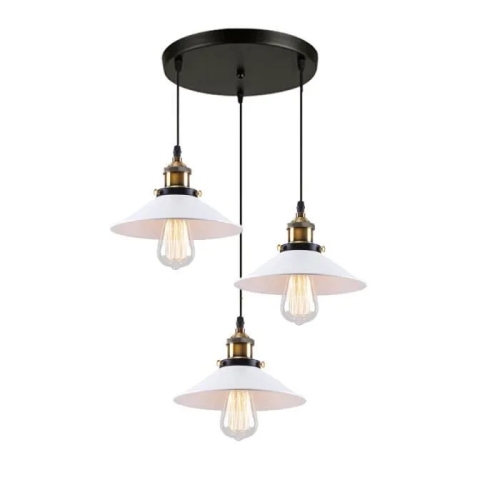
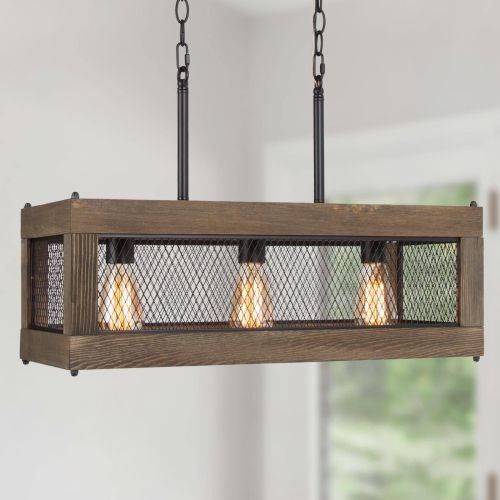
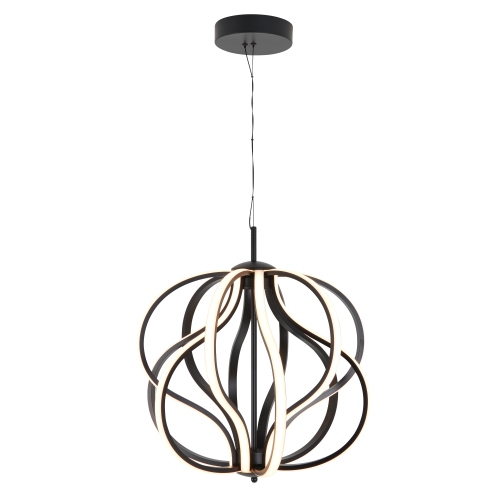
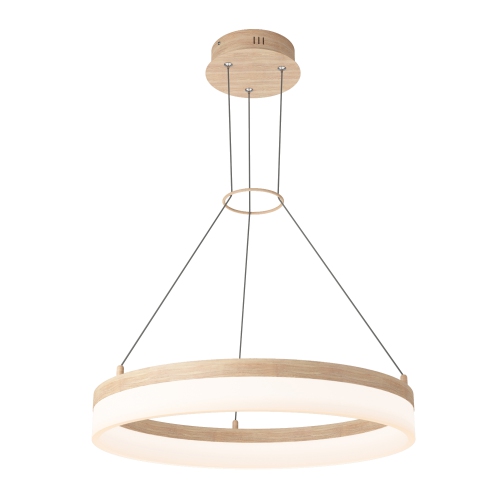
Island pendant lights bring focused illumination to one of the busiest surfaces in a kitchen, while giving the room a distinct visual centre. Suspended above the countertop, they can brighten a chopping board, light a place setting, or make an island feel more connected to the surrounding cabinetry and seating. Their position matters as much as their appearance: a fixture should illuminate the work surface without blocking conversation across it or creating glare for someone sitting on a stool. A common starting point is to hang the bottom of a pendant 30 to 36 inches above the countertop, then adjust within the manufacturer’s installation requirements to suit the fixture, ceiling height, and sightlines. For multiple pendants, 24 to 30 inches between their centres is another useful starting point, although wider shades need more room to avoid looking crowded. Neither measurement replaces checking the actual dimensions of the island and lights. Two substantial pendants can suit many islands up to 8 feet long, while three smaller pendants may create a balanced arrangement over a longer surface; shade width and light distribution should determine the final layout rather than length alone. Leave comfortable clearance inside the countertop’s edges so the fixtures do not appear to hang over the walkway. A single linear pendant offers a different approach, stretching several light sources or one continuous illuminated form along the island from a shared canopy. This can create a clean, unified look, particularly where repeated individual ceiling mounts would feel busy. Individual pendants allow more flexibility in spacing and can establish a pleasing rhythm above a row of stools. For a kitchen with several areas to illuminate, Kitchen Pendant Lights can also help connect the island’s lighting style with fixtures above a peninsula or breakfast counter. The most comfortable arrangement keeps the countertop clearly lit while allowing people to see, move, and gather naturally around it.
Materials and shade shapes influence both the character of island pendant lighting and the way it performs. Clear glass keeps an open kitchen feeling visually light and lets a backsplash or view remain visible through the fixture, but it also exposes the bulb and can make fingerprints or cooking residue more noticeable. Frosted or opal glass softens the appearance of the light source, while ribbed and fluted glass add texture and can help break up its brightness. Diffusion varies by design, so textured glass should not be assumed to eliminate glare on its own. Metal shades offer a more defined silhouette and typically direct much of their light downward, making them useful above a preparation area. A deep shade may leave the ceiling and surrounding space comparatively dim, which is why pendants often work best alongside recessed lighting and under-cabinet lights. Open frames and clear globes tend to let light travel more freely, though visible bulbs deserve particular attention from seated eye level. Matte black creates a crisp outline against pale cabinetry; brushed brass adds a warm accent; and chrome or polished nickel can echo reflective details elsewhere in the kitchen. Matching every finish is not essential, but repeating a tone from cabinet hardware, a tap, or stool frames can make the space feel considered. Wood accents and woven shades introduce texture, with extra attention needed to the manufacturer’s placement and cleaning requirements near cooking areas. Durability depends on construction and finish quality as well as material: sturdy shade fittings, secure suspension hardware, and neatly finished surfaces are worth considering in a hardworking kitchen. Smooth, accessible shades are generally easier to maintain than intricate frames with many small crevices. Before cleaning, switch the light off and let it cool; follow the supplied care directions, and avoid abrasive cleaners that could scratch glass or damage a coated finish. A soft cloth and regular gentle dusting help prevent everyday residue from becoming a more difficult cleaning job.
The light source deserves the same attention as the fixture’s shape, especially when an island serves as a food preparation station, homework desk, and gathering place within the same day. Warm white light around 2700 to 3000 kelvins often suits relaxed dining and conversation, while a more neutral appearance around 3500 to 4000 kelvins may appeal where clear task visibility is the priority. Keeping colour temperature consistent with nearby lighting helps prevent one section of the countertop from looking noticeably yellow or blue. Brightness is measured in lumens rather than watts, and the right amount depends on the island’s size, the shade’s design, and how much light comes from other fixtures. A dark countertop or an enclosed shade can change the perceived result, so bulb wattage alone is not a reliable comparison. Where colour accuracy matters, such as judging the ripeness of produce or appreciating cabinetry finishes, a colour rendering index of 90 or higher is a useful feature to look for. Dimmable island pendant lights can make the transition from detailed preparation to a quieter meal more comfortable, provided the light source and dimmer are compatible. Fixtures with replaceable bulbs offer flexibility within their specified bulb type, size, and maximum wattage; integrated LED designs can support slimmer profiles but require checking how the light source is serviced. Physical fit also includes the canopy dimensions, suspension length, and suitability for a sloped ceiling. Adjustable cords, chains, or rods do not all offer the same installation range, and a low ceiling may call for a shorter drop or shallower shade. Hardwired fixtures should be installed by a qualified electrician in accordance with local requirements, with appropriate ceiling support and electrical connections. For households that cook frequently, host friends, or spread schoolwork across the island, the strongest choice balances clear task lighting with comfortable sightlines and manageable care. A well-proportioned pendant arrangement gives that shared surface definition without overwhelming the kitchen around it.
Top selling and popular products
-
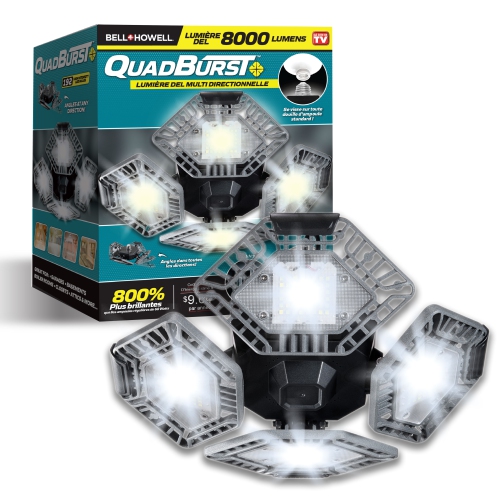 Your price for this item is $49.95
-
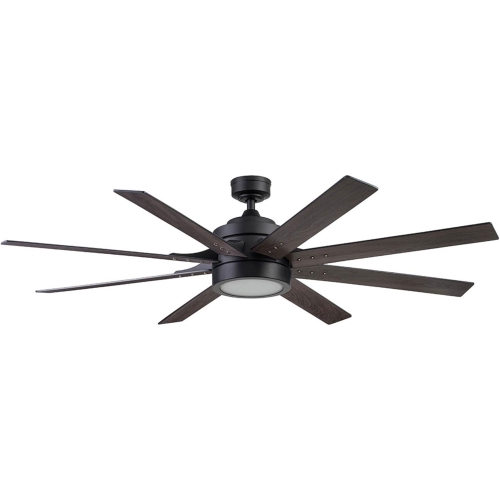 Your price for this item is $385.99
-
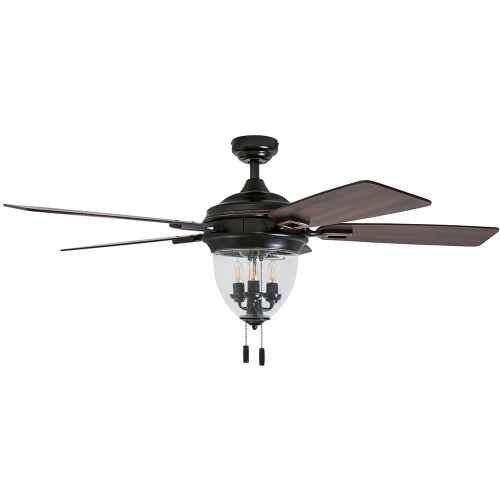 Your price for this item is $287.99
-
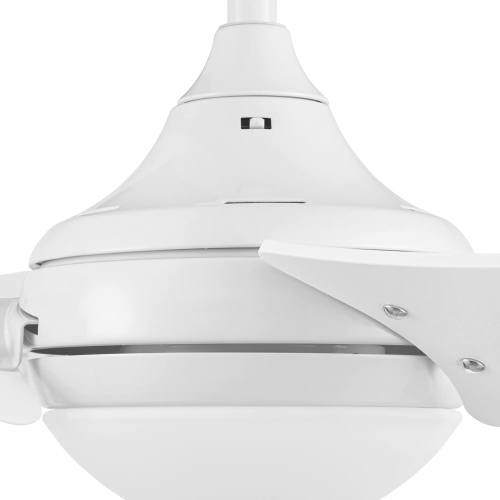 Your price for this item is $187.99
-
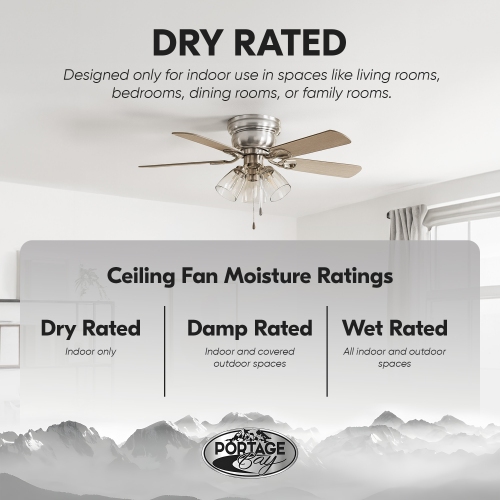 Your price for this item is $174.99
-
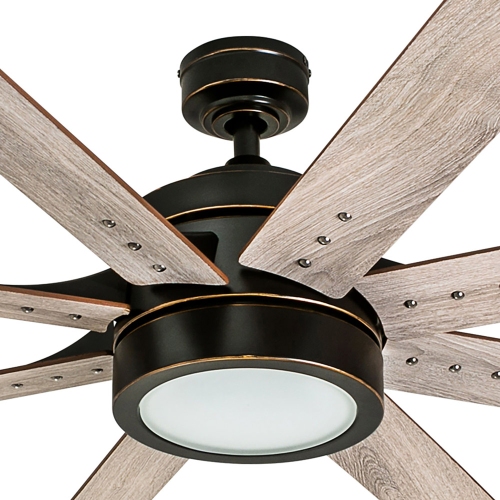 Your price for this item is $427.99
-
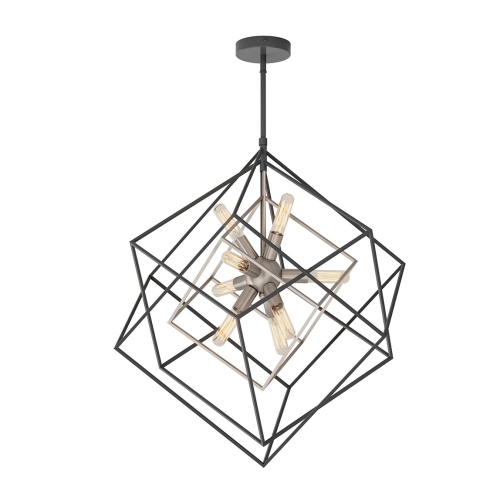 Your price for this item is $299
-
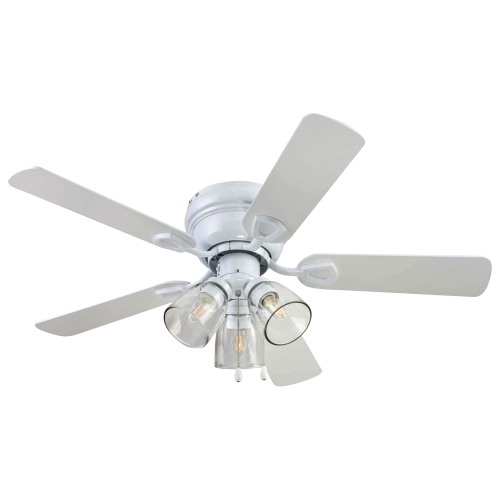 Your price for this item is $166.99
Discover more categories related to Island Pendant Lights

Top Collections:
Pokemon Centers, Best Cameras for Sports Photography, Kindle Devices, Samsung Galaxy Phones, Canon G7X Cameras, Pokémon 30th Celebration Cards, Refurbished Apple Laptops, iPhone 15 Apple, Laptops for Students, Budget Smartphones
Some products may be subject to Environmental Handling Fees
(EHF) depending on your province.
Learn more about EHFs.