Japanese Frying Pans
Whether you're a seasoned chef or a home cook looking to elevate your culinary skills, our range of Japanese frying pans offers superior heat distribution, durability, and non-stick properties. Discover the perfect balance between traditional Japanese techniques and modern cooking technology with these high-quality frying pans.
Sort
























Why rolled omelettes call for a different pan
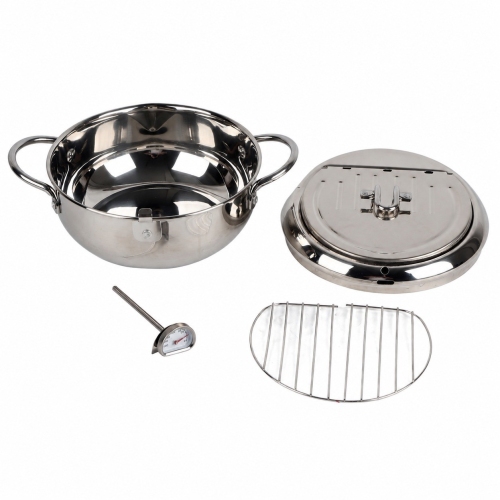
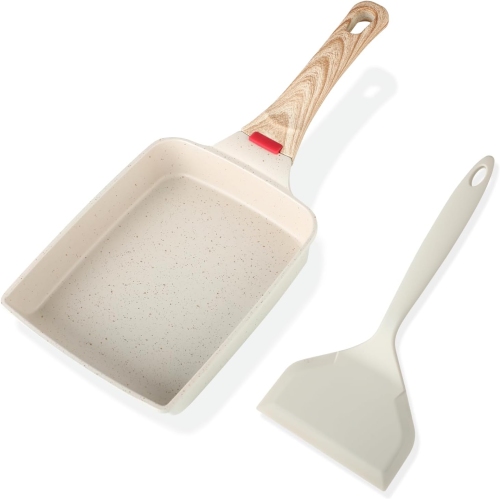
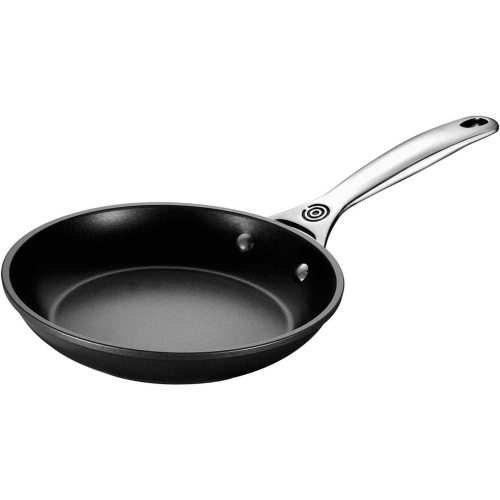
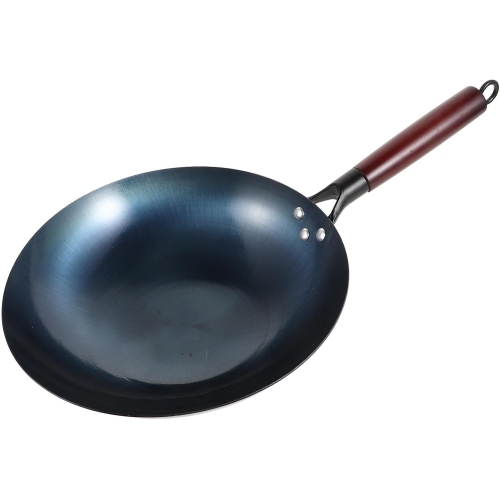
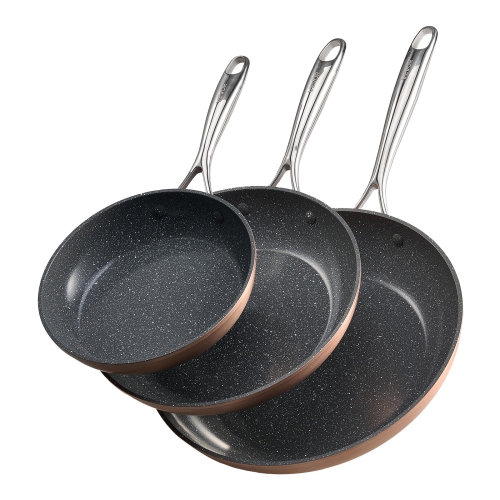
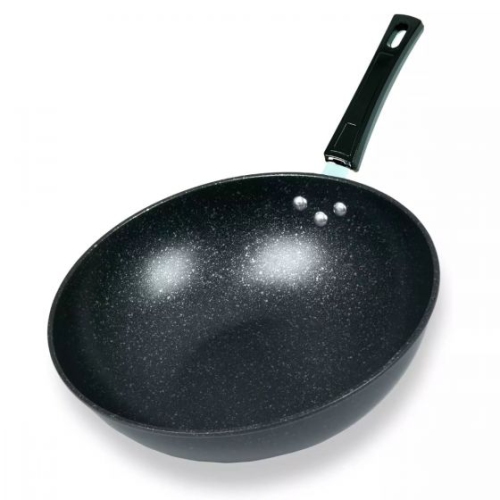
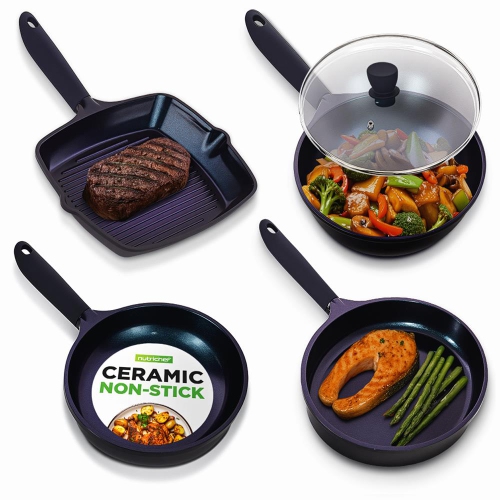
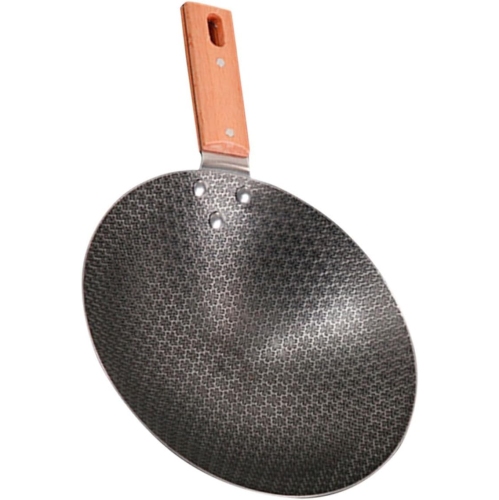
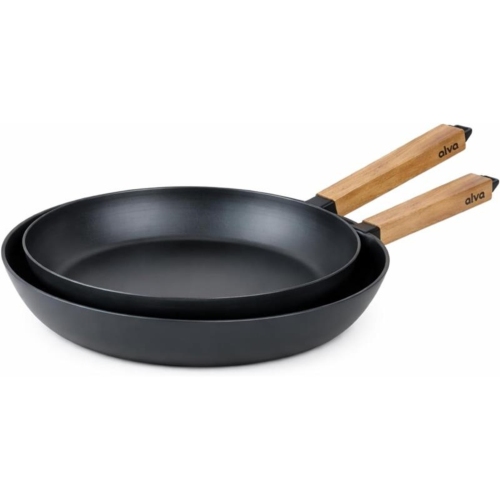
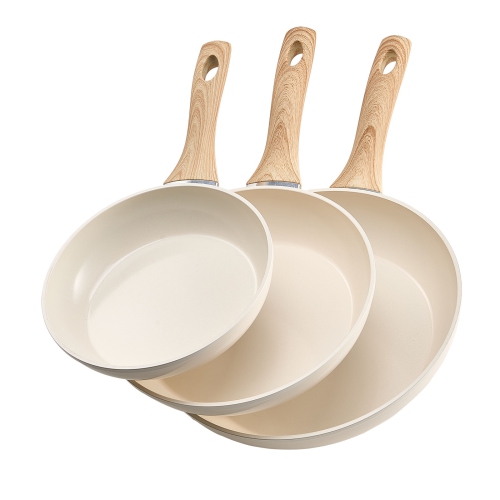
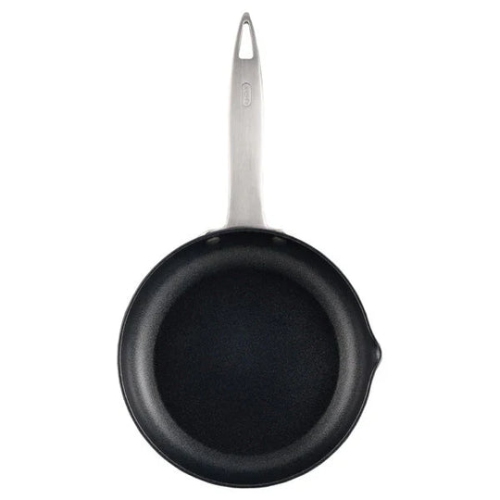
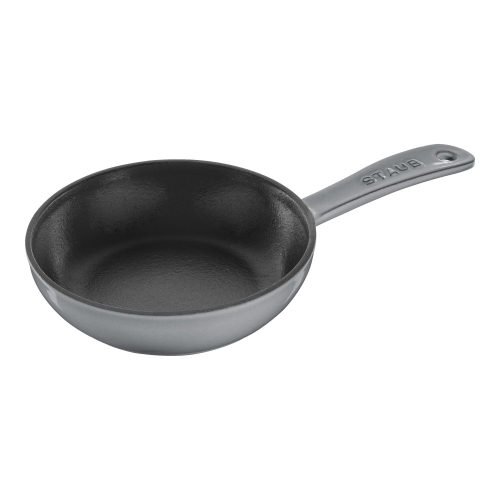
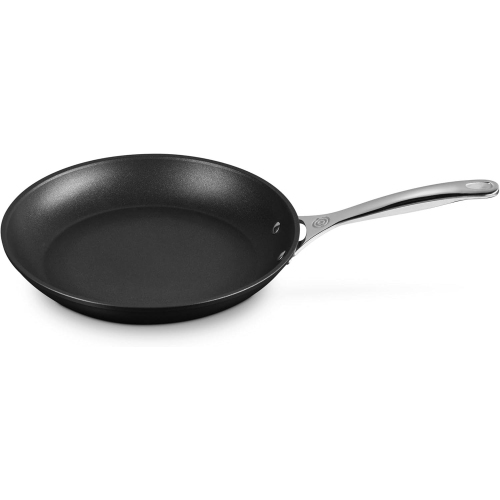
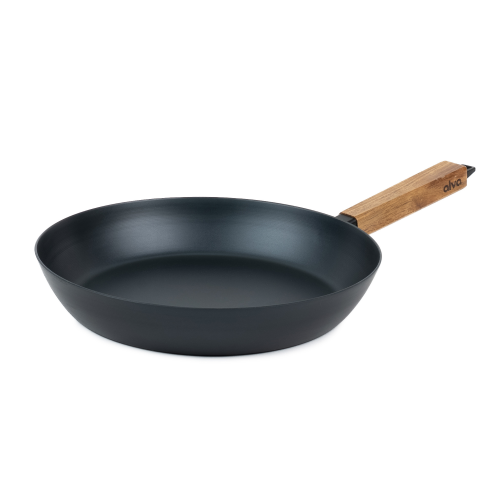
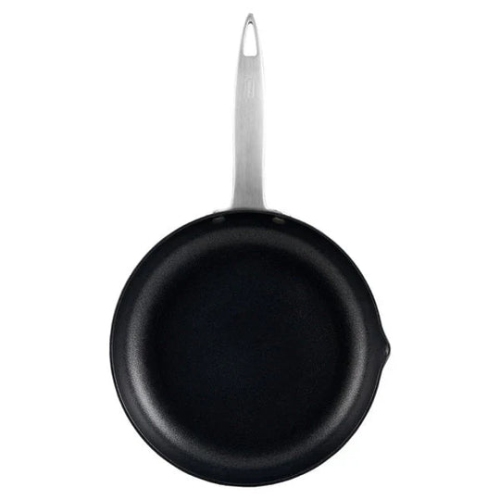
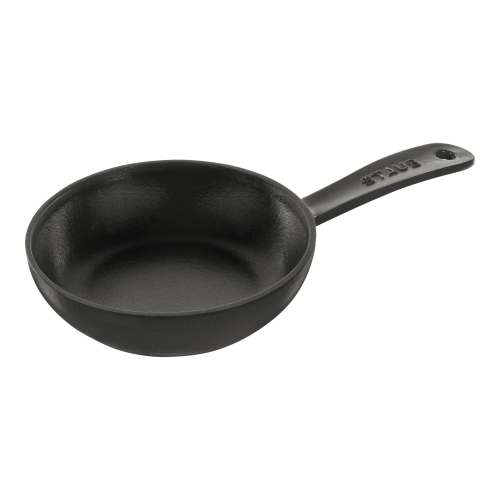
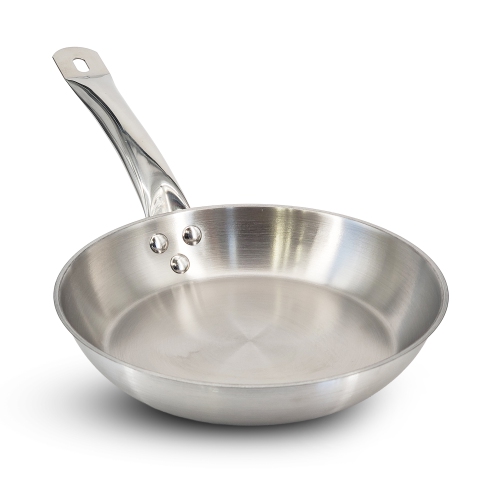
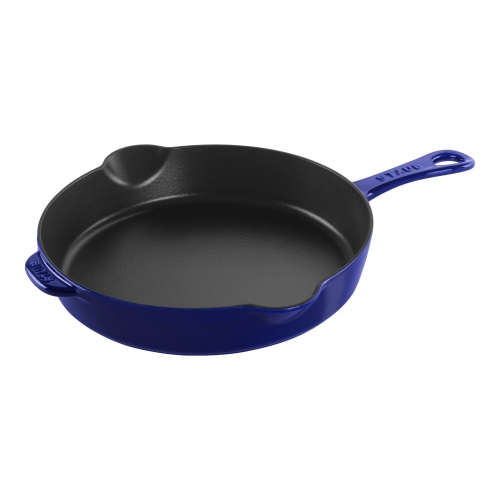
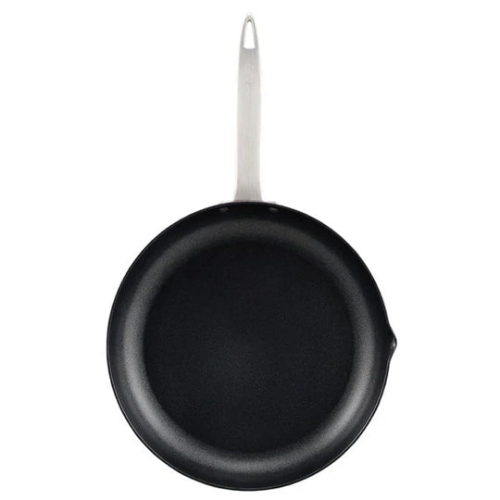
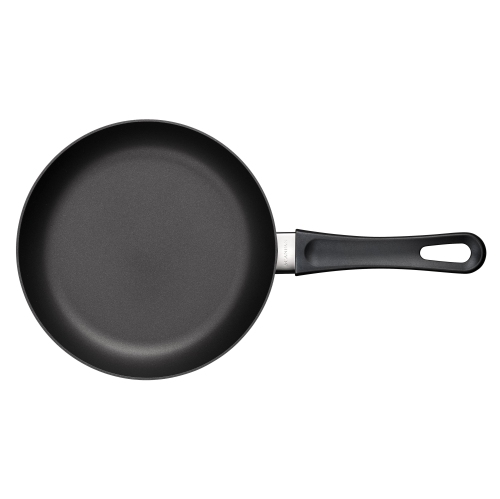
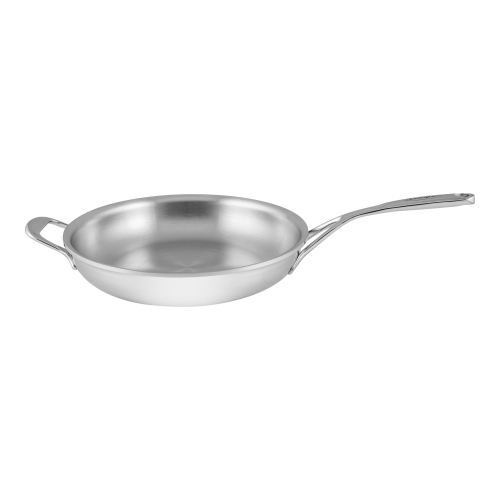
Japanese frying pans are cookware used for everyday frying, sautéing, searing, and preparing dishes that benefit from careful control over heat and movement. Often called furaipan in Japanese, they include familiar round frying pans as well as rectangular or square tamagoyaki pans designed for rolled omelettes. The distinction is practical: a round pan gives vegetables, meat, and noodles room to spread out or turn, while an egg pan’s straight sides help form neat layers of cooked egg into a compact roll. Tamagoyaki can be sweet or savoury, and its layered texture makes it a familiar addition to breakfast plates, rice bowls, and packed lunches. These pans are also useful beyond Japanese recipes. A round frying pan can handle browned mushrooms, salmon fillets, chicken cutlets, or a quick portion of fried rice, while a rectangular pan can suit small omelettes and other compact preparations. Within the wider family of Cookware Frying Pans, Japanese designs offer shapes and construction choices that fit different cooking routines. Size matters as much as shape: a smaller cooking surface suits a single serving or a few eggs, while a wider pan leaves more space between ingredients when browning food for several people. The usable base is particularly important because a pan’s advertised diameter may include sloping sides rather than describe the flat cooking area. Crowded ingredients release moisture into a confined space, making it harder to achieve a browned surface. Sidewall height also affects how a pan feels in use. Lower sides allow easier access with a spatula, whereas deeper sides help contain vegetables or noodles during stirring. For a rectangular egg pan, the interior width influences the length of the finished omelette and the space available for rolling each layer. Japanese-made cookware and Japanese-style cookware are different descriptions, so country of manufacture is a separate consideration from the pan’s shape or intended cooking technique.
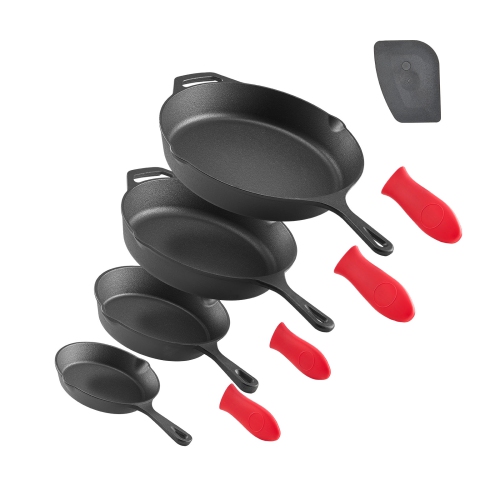
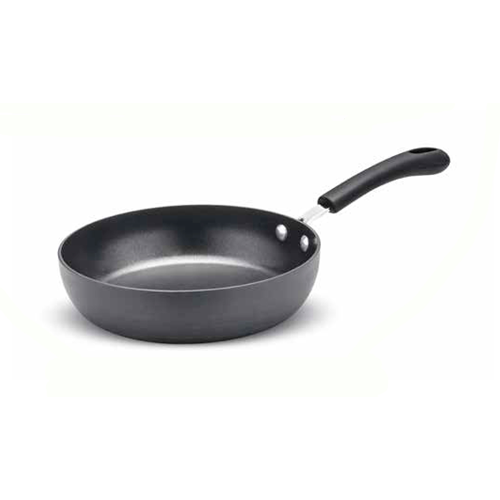
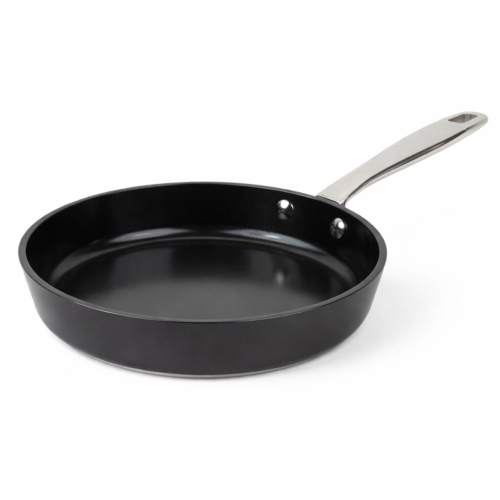
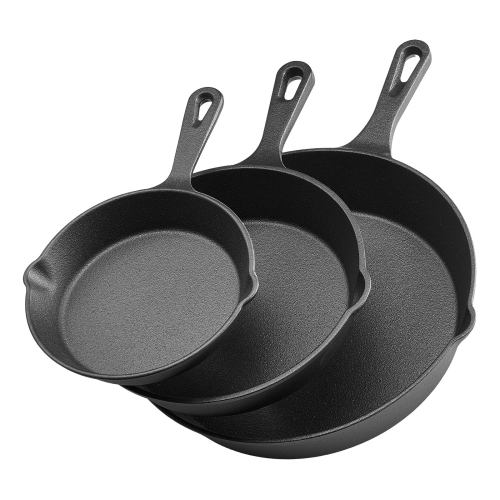
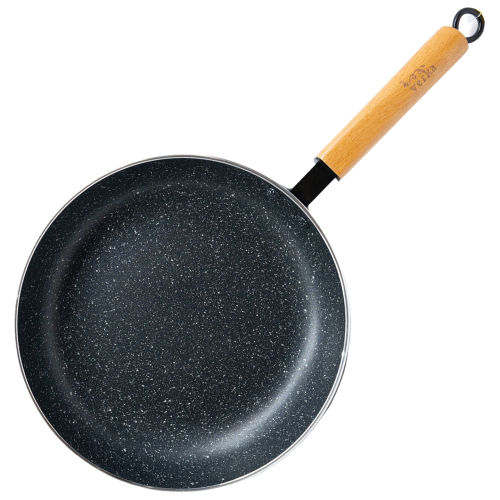
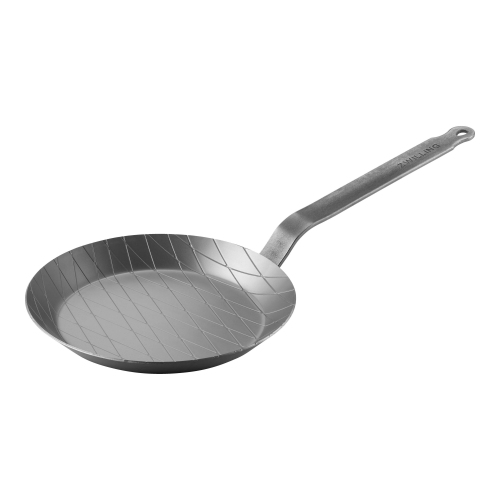
Material determines much of a Japanese frying pan’s weight, responsiveness, and upkeep. Carbon steel is valued for its suitability for searing and its ability to develop a seasoned cooking surface through repeated use and proper care. Seasoning is a thin layer of oil bonded to the metal through heating; it can help food release more readily, but it is not the same as an applied non-stick coating. An egg may still stick if the surface is insufficiently seasoned, the heat is unsuitable, or there is too little cooking fat. Carbon steel generally weighs less than a similarly sized cast iron pan, although thickness and handle construction affect the comparison. Cast iron has greater mass and retains heat well, which can be useful when adding a piece of meat to a preheated pan, but it takes longer to respond when the burner setting changes. Neither material automatically eliminates hot spots: base thickness, burner size, and preheating all influence how heat spreads across the cooking surface. Copper offers a different character, responding quickly to changes in heat and conducting it efficiently. In egg cookware, this responsiveness can support delicate cooking, though copper cookware’s interior lining and construction determine its suitable utensils, care, and stovetop use. Aluminium pans are often lighter and conduct heat readily; when paired with a non-stick coating, they can offer convenient food release for eggs and other delicate ingredients. Coated cookware generally needs gentler handling than bare metal, with appropriate utensils and cooking heat helping preserve the surface. Stainless steel is another option for cooks who prefer an uncoated surface that does not require seasoning, although food release depends on technique and the pan’s construction. Stovetop compatibility remains a separate consideration. Induction requires a suitable magnetic base, so aluminium or copper cookware needs an induction-compatible construction. Gas and electric cooking also benefit from a stable base appropriately matched to the burner. A rectangular pan may extend beyond a small heating zone, making the relationship between pan shape and burner coverage especially relevant.
The details that make a pan comfortable to use often become more noticeable than its appearance once cooking begins. A secure handle with enough clearance for the hand can make it easier to tilt an egg pan, slide food onto a plate, or carry a full frying pan from the stove. Wood, resin, and metal handles have different care requirements and heat limits, and a handle that feels comfortable on the stovetop does not necessarily make the pan suitable for the oven. Oven compatibility depends on the complete construction, including the handle, coating, and any removable components. Weight is equally personal: a heavier pan may feel reassuringly stable, while a lighter one is easier to lift and manoeuvre repeatedly. Care requirements should fit the household’s habits. Uncoated carbon steel and iron usually need prompt drying after washing to reduce the chance of rust, and their seasoned surfaces may need occasional attention. Long contact with acidic ingredients can affect seasoning, making these pans less convenient for simmering a tomato-based sauce than for a quick sear or sauté. Changes in colour on seasoned metal are normal and do not necessarily indicate damage. Coated pans call for utensils and cleaning methods that protect the finish; abrasive scrubbing and careless stacking can shorten its useful life. Copper and lined cookware have their own requirements, so the manufacturer’s instructions are important for washing, heat limits, and maintenance. Storage also matters in a compact kitchen, where handle length, hanging options, and protection between stacked pans can affect everyday convenience. Japanese frying pans can suit beginners interested in rolled omelettes, experienced cooks who enjoy managing a seasoned metal surface, or households that prepare small portions frequently. As a gift, a well-matched pan can appeal to someone interested in Japanese home cooking, especially when its size and care needs suit their kitchen. The most useful choice is one that fits the recipient’s stovetop, preferred foods, strength, and willingness to maintain the cooking surface.
Top selling and popular products
-
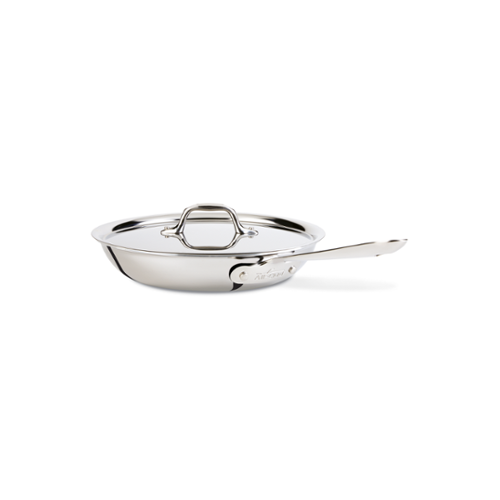 Your price for this item is $137.7
-
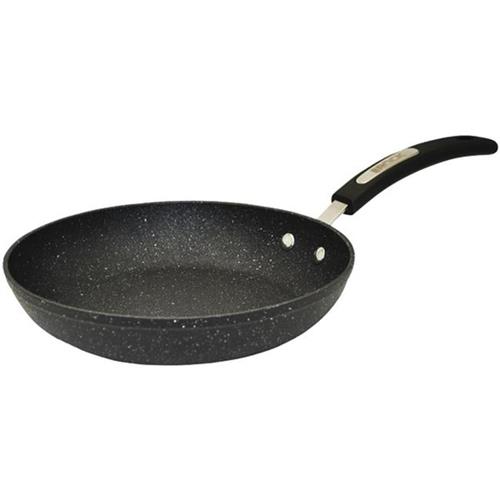 Your price for this item is $33.97
-
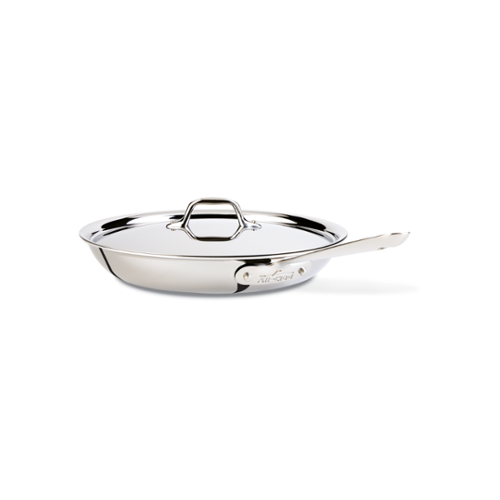 Your price for this item is $289.04
-
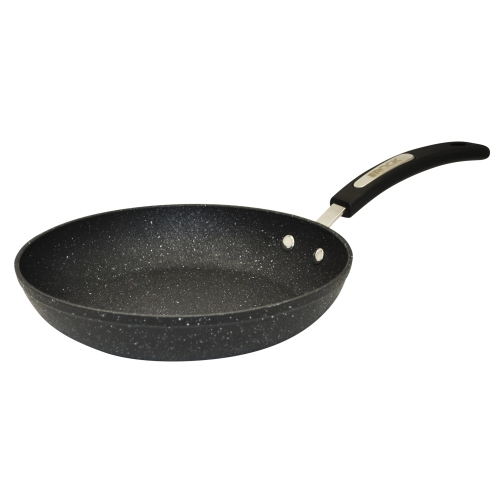 Your price for this item is $29.99
-
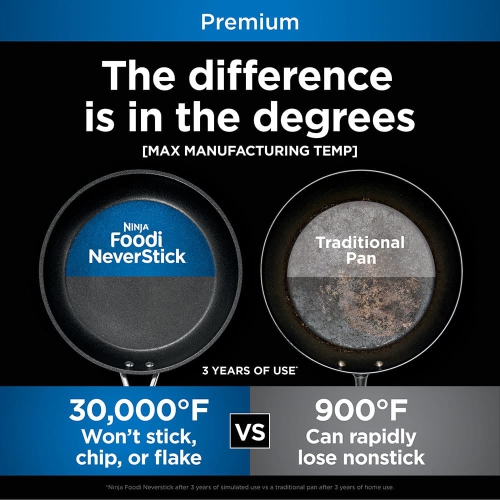 Your price for this item is $139.53
-
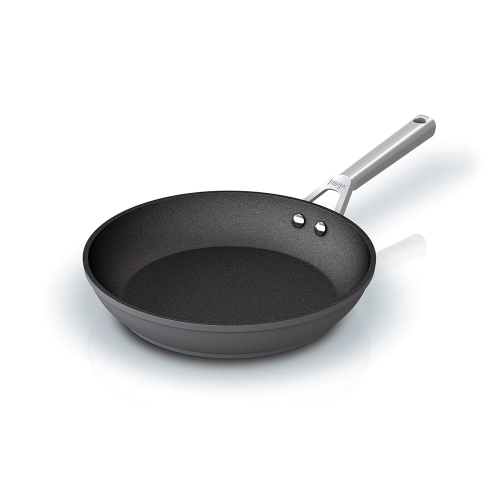 Your price for this item is $100.73
-
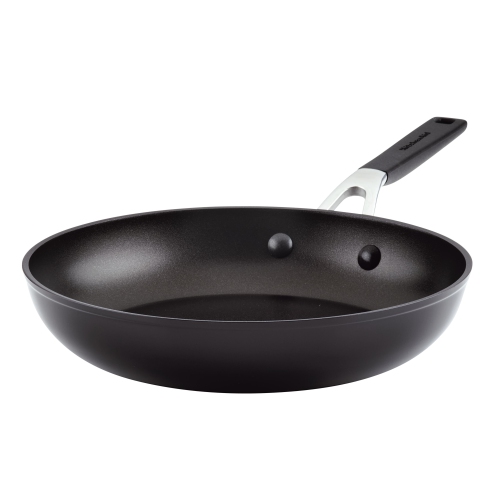 Your price for this item is $49.99
-
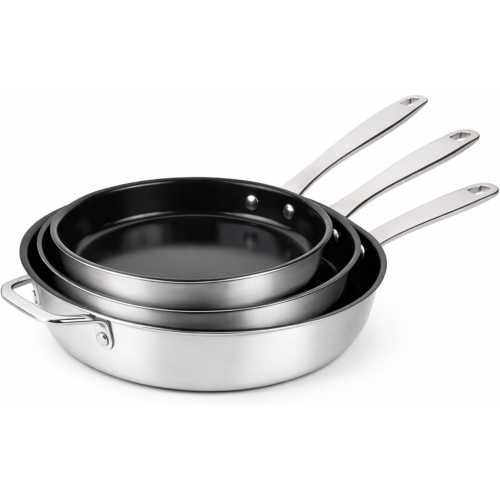 Your price for this item is $399
Discover more categories related to Japanese Frying Pans
Top Collections:
Pokemon Centers, Best Cameras for Sports Photography, Kindle Devices, Samsung Galaxy Phones, Canon G7X Cameras, Pokémon 30th Celebration Cards, Refurbished Apple Laptops, iPhone 15 Apple, Laptops for Students, Budget Smartphones
Some products may be subject to Environmental Handling Fees
(EHF) depending on your province.
Learn more about EHFs.