Japanese Futon
Japanese Futon offers a unique blend of comfort and versatility, making it a popular choice for those looking to maximize space and enjoy restful sleep. With their lightweight design and traditional style, Japanese Futons can easily adapt to various living arrangements, from bedrooms to guest spaces. Discover options that suit your home décor while enjoying the timeless appeal and practicality that Japanese Futon bedding brings to any room.
Sort


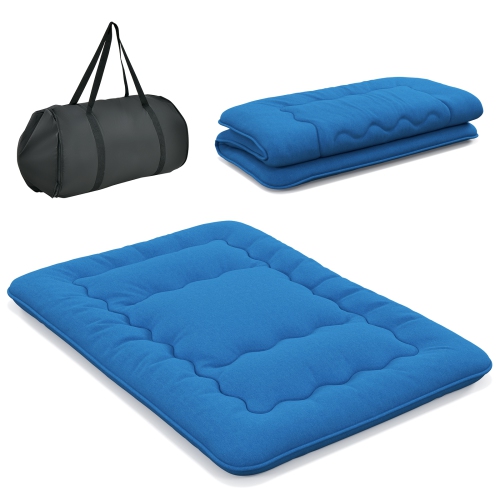

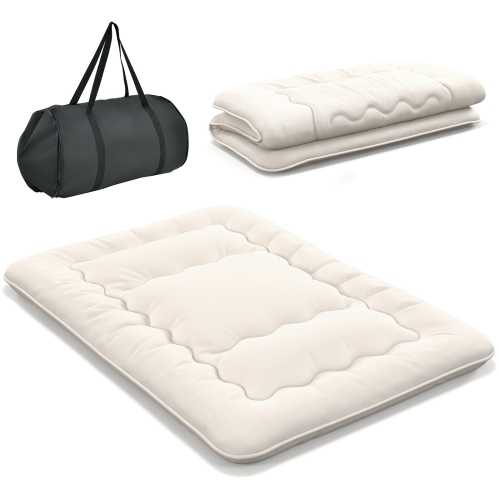

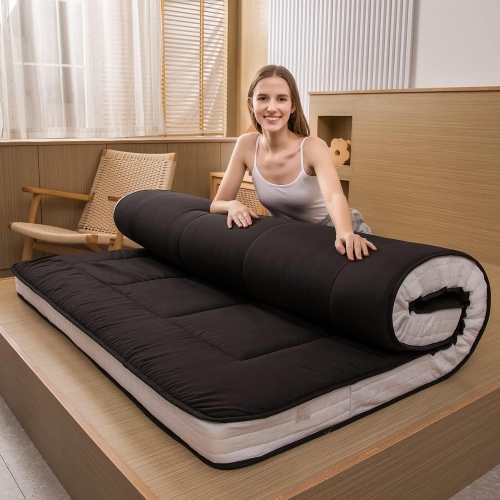
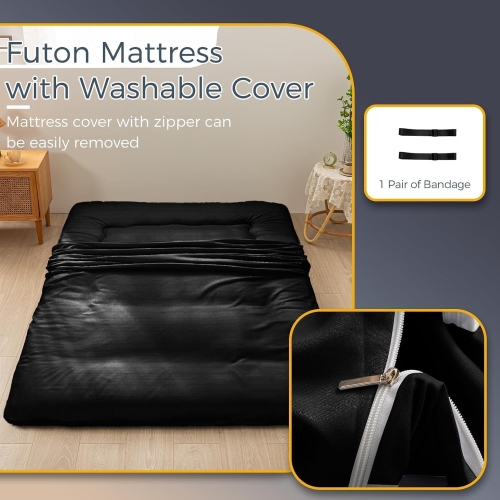
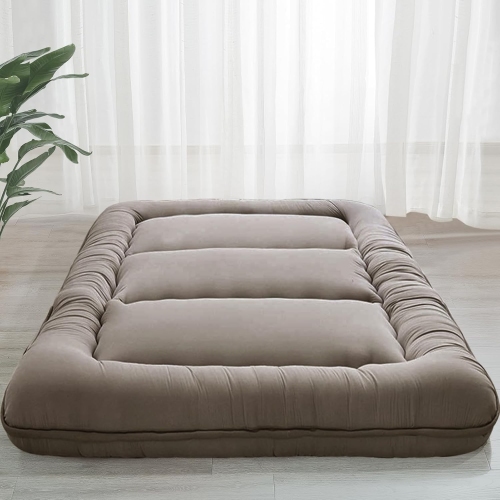

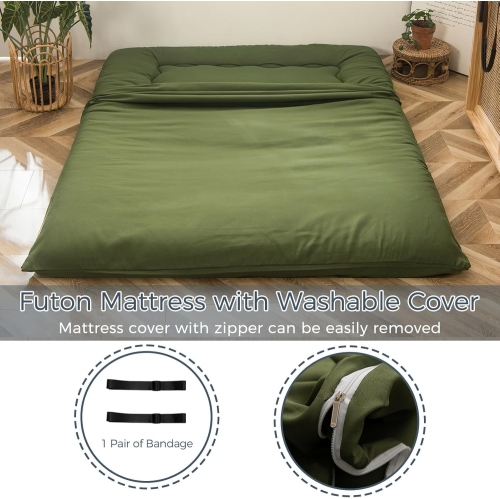

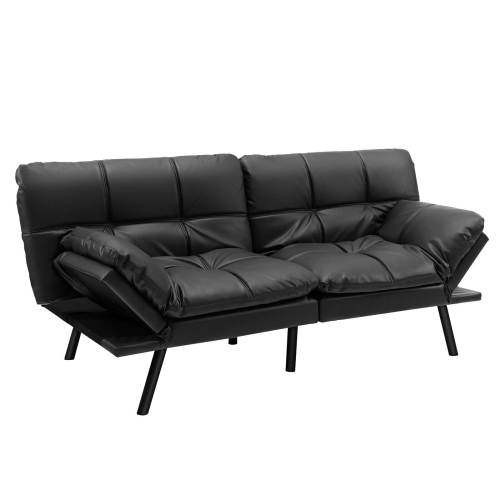
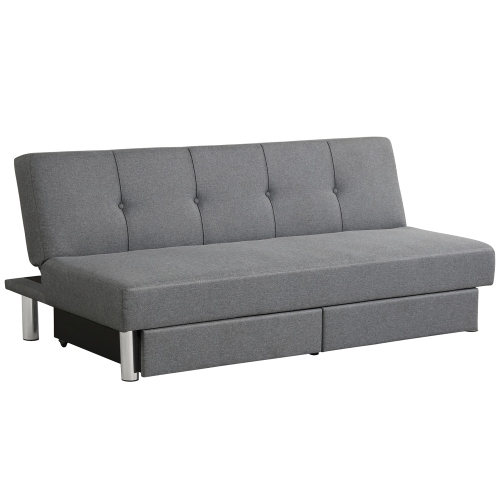
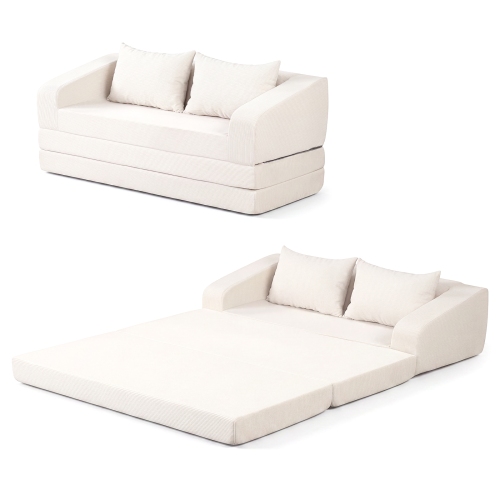
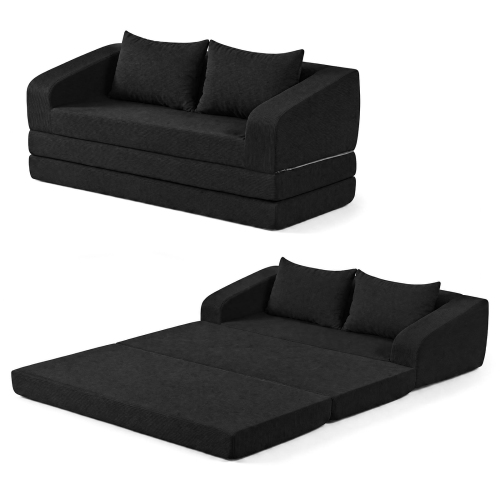
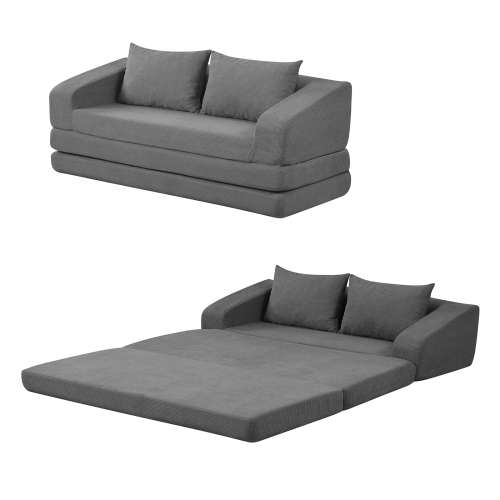
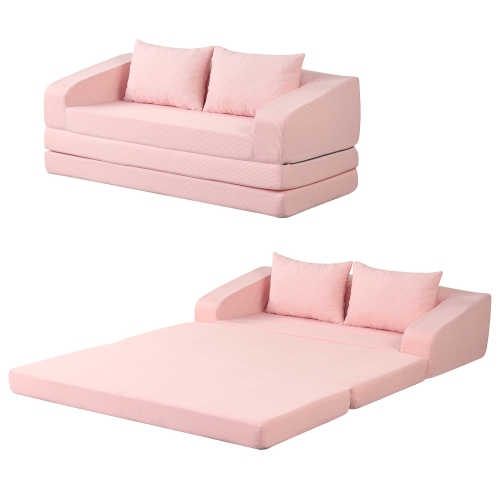
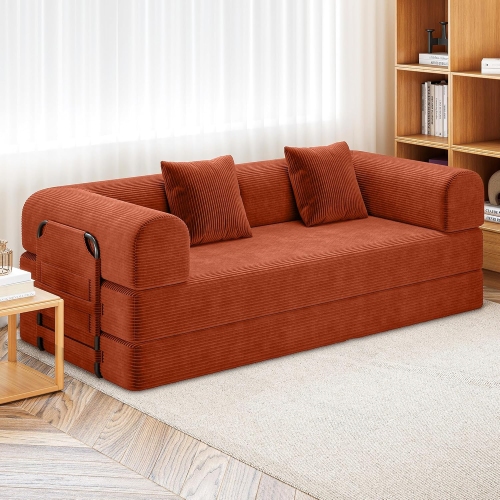

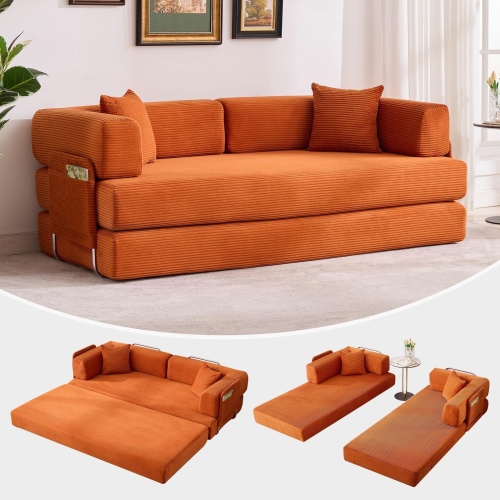

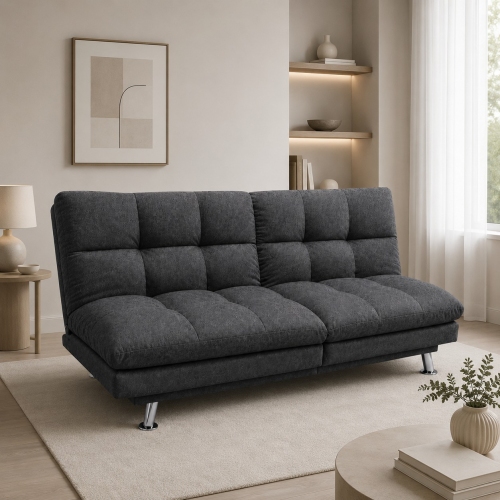
Floor-level sleeping that leaves room for daytime living
A Japanese futon is a thin, flexible mattress, often called a shikibuton, designed for floor-level sleeping and folded or rolled away when not in use. Traditionally laid over tatami mats, it creates a sleeping surface that can be cleared during the day, allowing one room to serve several purposes. This makes Japanese futons a practical choice for studio apartments, multipurpose rooms, and homes where a permanent guest bed would take up too much space. Unlike a sofa-style futon mattress, which is generally designed to sit on a convertible frame, a shikibuton is intended to lie flat on a suitable supporting surface. Within the broader category of Futon Mattresses, that distinction matters: a mattress made for a folding sofa is not necessarily suitable for regular floor use, and a lightweight floor mattress may not fit or perform properly on a sofa frame. Traditional Japanese bedding may also include a separate quilt, called a kakebuton, and a pillow, but a mattress listing does not automatically include these pieces. For everyday use, the appeal is often the close-to-the-floor feel, relatively simple setup, and ability to put bedding away rather than arrange a room around a large bed. For occasional use, a foldable mattress can turn a home office into a guest sleeping area without permanently changing the room’s layout. Its portability can also suit overnight visits, although folded size and weight determine how convenient it actually is to carry. A Japanese futon should not be assumed to provide the moisture protection or cushioning needed for outdoor camping. The intended surface is equally important indoors: tatami, a suitable platform, and a bare hard floor can produce noticeably different sleeping experiences. A low-profile mattress leaves less material between the sleeper and the surface beneath it, so the construction of both layers contributes to comfort. The result is a style of bedding with a distinct feel, rather than simply a smaller version of a conventional bed mattress.
Materials help explain why Japanese futons can feel quite different despite sharing a similar shape. Cotton-filled mattresses are associated with traditional construction and can offer a dense, relatively firm feel that gradually settles with use. Cotton batting may compress most noticeably where body weight is concentrated, making the amount of filling and its distribution important to long-term comfort. Foam layers can add cushioning, while some constructions combine fibres and foam to balance flexibility with a more substantial sleeping surface. Wool may appear in blended fillings, and polyester fibres are also used in lightweight designs. The outer fabric matters as well: a closely woven cover, secure seams, and stitching that helps hold the filling in place all contribute to how a mattress handles repeated unfolding, moving, and sleeping. A removable cover can make routine cleaning more manageable, but a removable cover does not mean the mattress itself is washable. Thickness alone is not a reliable measure of comfort or durability. A denser thin mattress may feel firmer than a thicker, loftier one, and two mattresses with similar measurements may fold very differently. For someone who sleeps on their side, cushioning around the shoulders and hips can be especially relevant; someone accustomed to a firm sleeping surface may have different preferences. No single firmness level suits every sleeper, and floor bedding should not be treated as a guaranteed answer to aches or sleep concerns. Fit also deserves attention because size labels do not always correspond exactly to familiar Canadian bedding dimensions. The stated length and width are more useful than a label alone, particularly for taller adults, shared sleeping arrangements, and fitted sheets. A mattress needs enough room to lie completely flat without curled edges or nearby furniture pressing against it. The folded measurements matter just as much in a compact home: a mattress that fits the sleeping area may still be too bulky for a particular cupboard, shelf, or carrying bag.
Daily handling and care are central to owning a Japanese futon, especially when it is used directly above the floor. Bedding absorbs moisture during normal use, and limited airflow underneath a floor mattress can allow that moisture to linger. Regularly lifting the mattress and allowing both its underside and the supporting surface to dry helps keep the sleeping area fresh. Folding damp bedding tightly into storage can trap moisture, so a dry mattress and a clean storage space are important parts of the routine. Airing, turning, rotating, and any reshaping of the filling should follow the manufacturer’s directions, since cotton, foam, and mixed-fill constructions do not all respond to the same treatment. Cleaning methods also vary: some covers can be machine washed, while the inner mattress may require careful spot cleaning and thorough drying. A washable sheet or suitable protector adds a practical barrier against everyday marks, provided it fits correctly and does not interfere with folding. Durability depends partly on construction and partly on how the mattress is used. Repeatedly bending it against its intended fold, dragging it across rough flooring, or storing it under heavy objects can affect the cover and filling. Cotton settling over time is different from a torn seam or displaced filling, but either can change how evenly the mattress supports the sleeper. For a guest room, the most useful setup includes a clear place to unfold the mattress, bedding that fits, and somewhere dry to store everything afterwards. For nightly sleeping, the ability to get down to floor level and rise comfortably is just as relevant as firmness or fabric; a higher bed may be more suitable for someone with limited mobility. As a gift for an adult moving into a compact home or setting up a flexible guest space, a Japanese futon is most thoughtful when the recipient’s sleeping preferences and storage arrangements are already known. Its usefulness comes from matching the mattress to a real routine: comfortable rest, manageable care, and a room that can return to another purpose once the bedding is put away.
Top selling and popular products
-
 Your price for this item is $1195
-
 Your price for this item is $945
-
 Your price for this item is $1095
-
 Your price for this item is $1395
-
 Your price for this item is $1199
-
 Your price for this item is $895
-
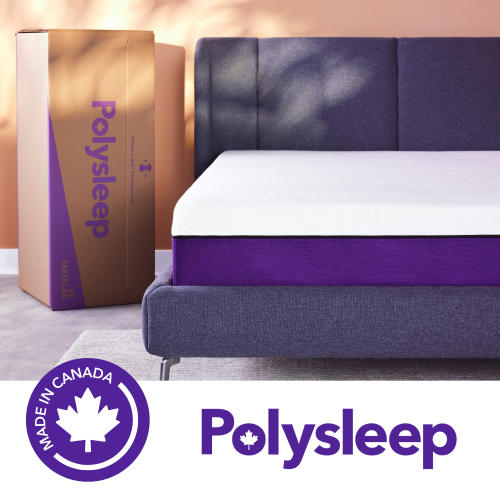 Your price for this item is $1395
-
 Your price for this item is $920
Discover more categories related to Japanese Futon
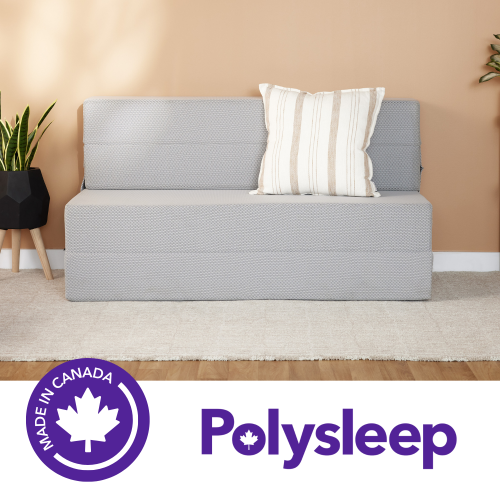
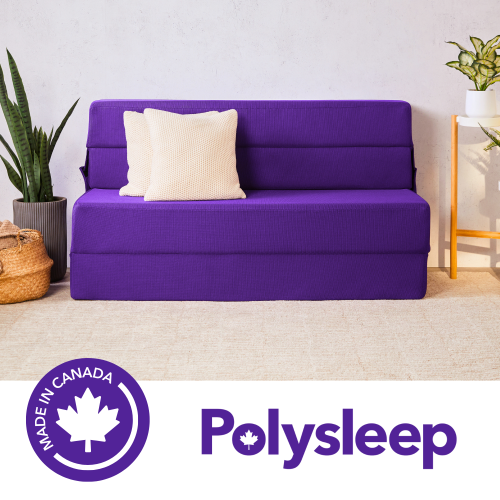
Top Collections:
Pokemon Centers, Kindle Devices, Best Cameras for Sports Photography, Pokémon 30th Celebration Cards, Apple iPhones 16, Canon G7X Cameras, iPhone 15 Apple, Flip Phones, Samsung Galaxy Phones, Alarm Clock
Some products may be subject to Environmental Handling Fees
(EHF) depending on your province.
Learn more about EHFs.