Kitchen Corner Storage Solutions
Maximize every inch of your kitchen with smart kitchen corner storage solutions designed to help you organize and streamline your space. Whether you’re looking to declutter countertops or make the most of tricky corner cabinets, these options offer practical ways to keep essentials within reach. Discover how kitchen corner storage solutions can transform unused areas into functional and stylish spots, making meal prep and cleanup more efficient than ever. Explore a variety of choices to suit any kitchen layout and create a more organized home today.
Sort
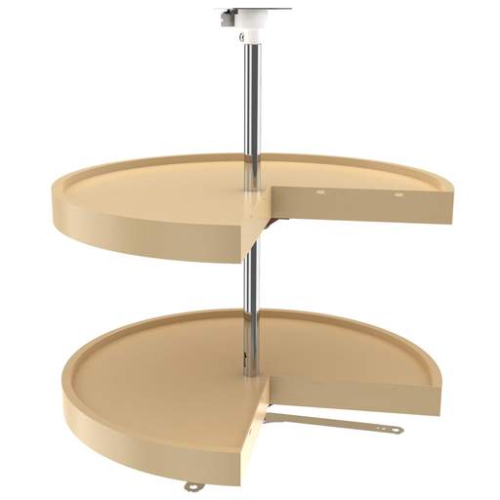

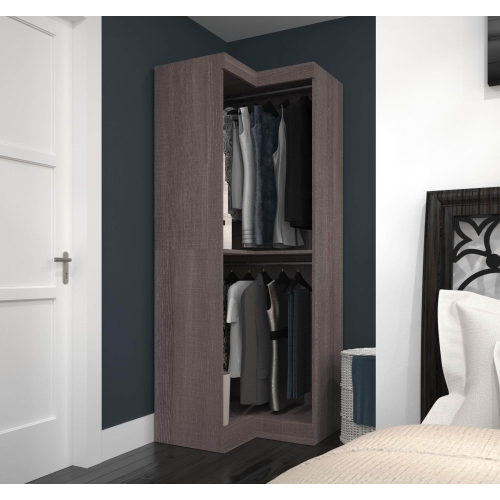

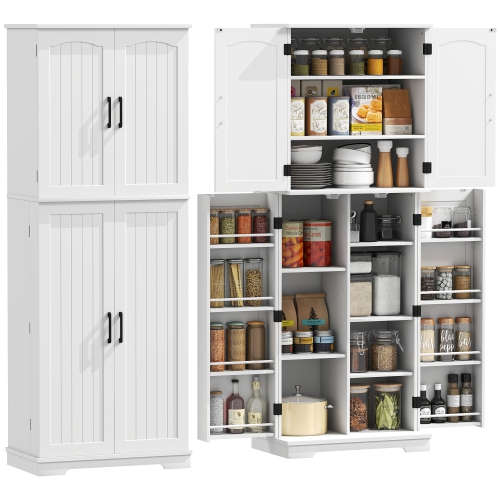
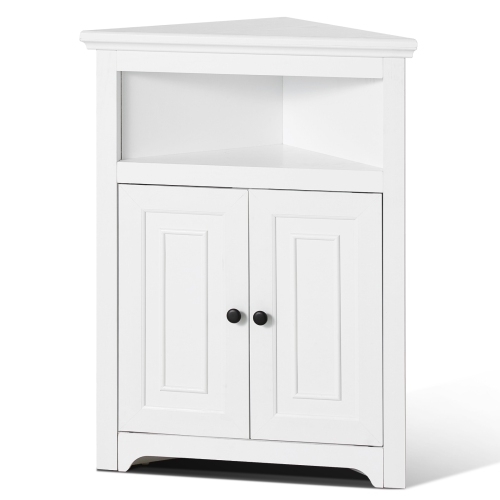
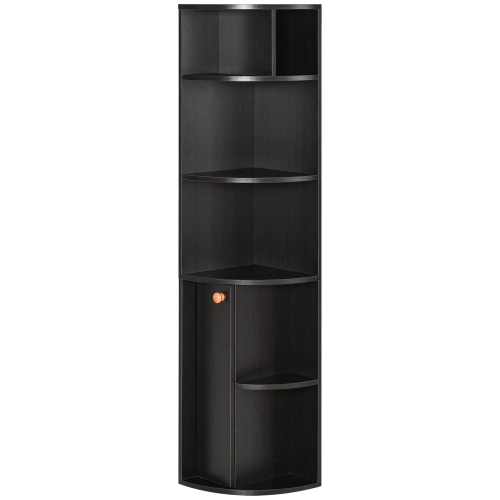
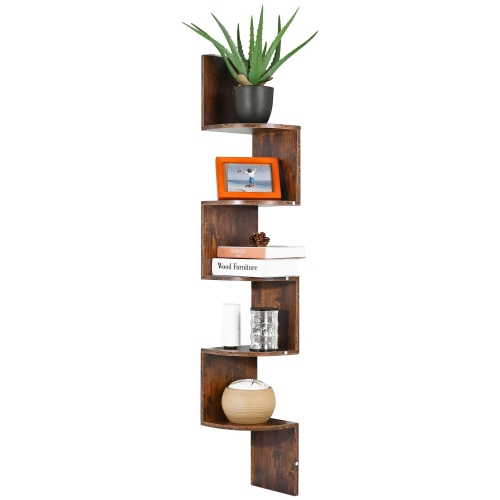
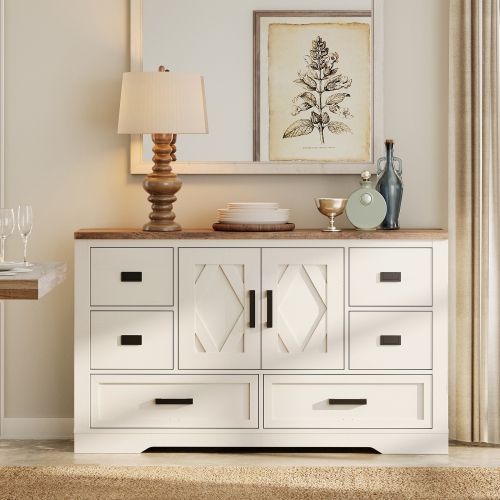
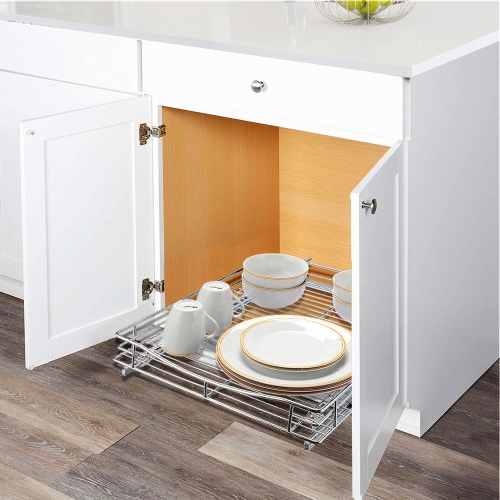
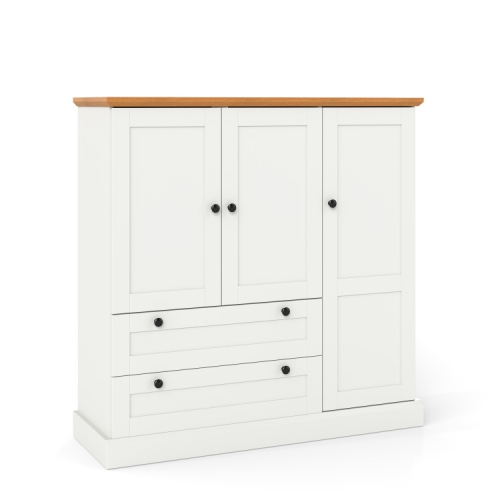
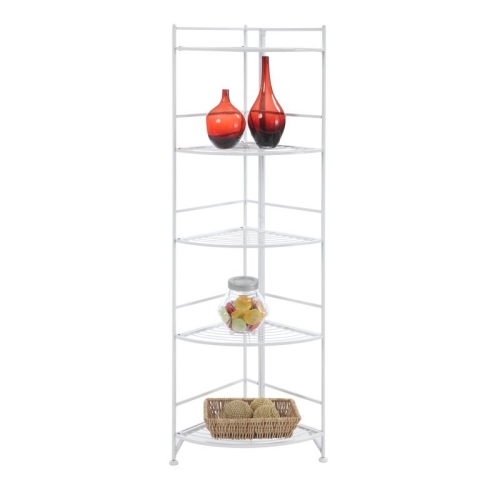
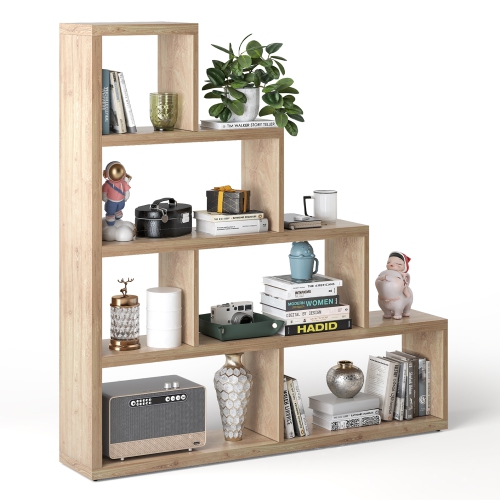
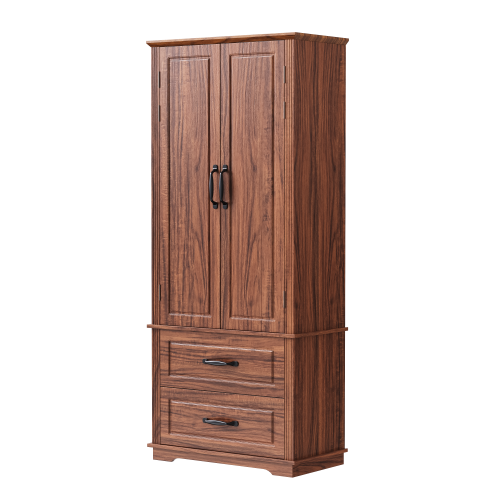
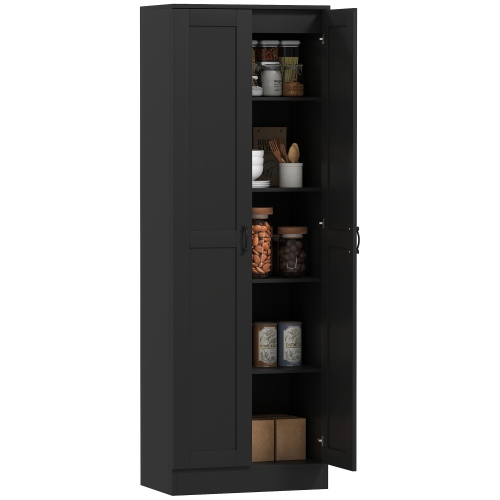
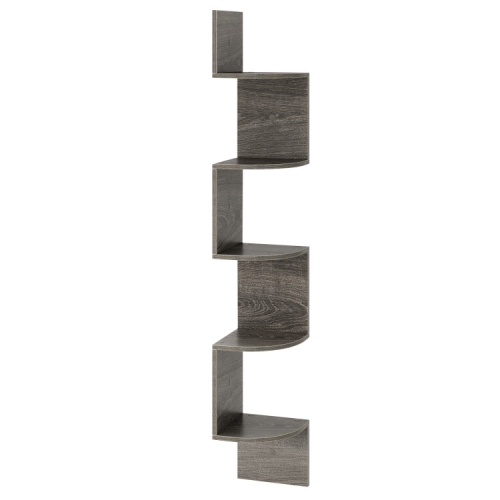
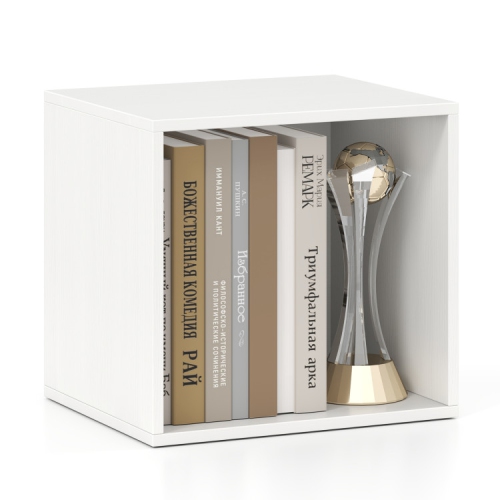
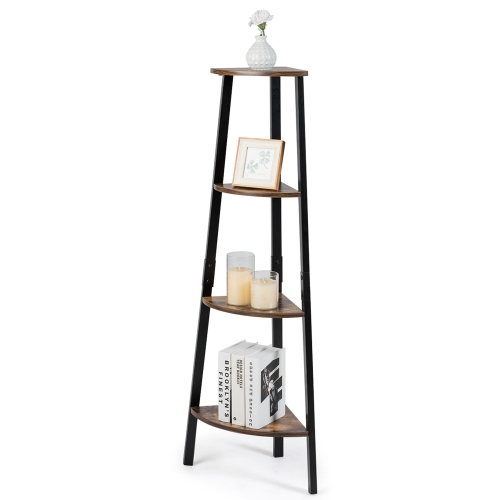

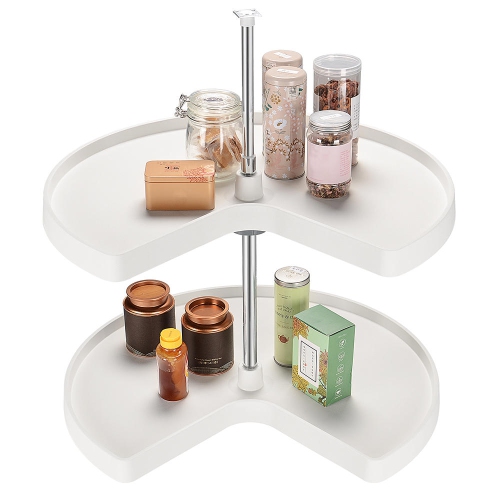
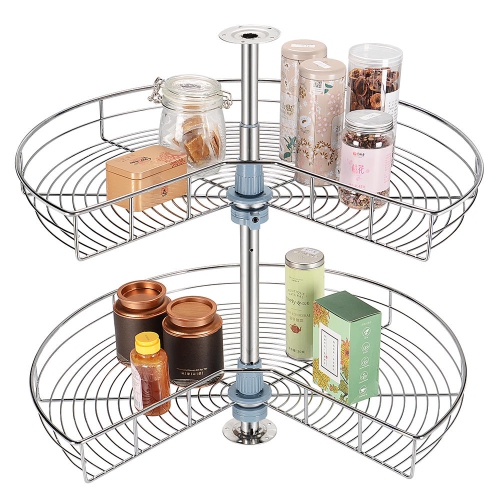
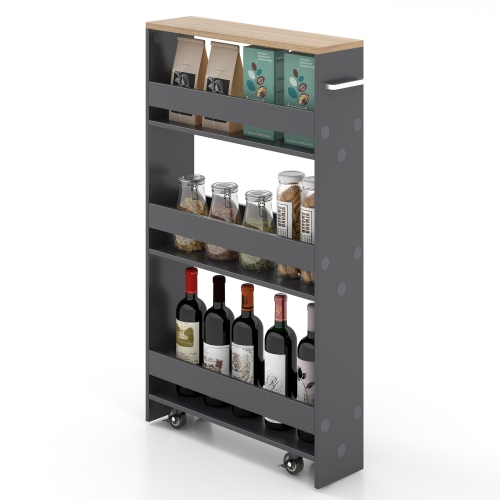

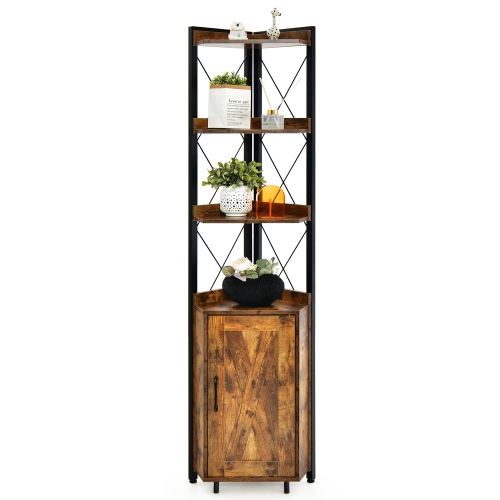
A practical approach to hard-to-reach kitchen cabinet corners
Kitchen corner storage solutions help turn one of the most awkward areas in a kitchen into useful, accessible space for cookware, serving pieces, pantry goods, and everyday essentials. Corner cabinets are often deeper than standard cabinets, which can leave items hidden behind a narrow opening or create a hard-to-reach pocket where forgotten dishes and duplicate ingredients collect. The right organizer can make that space easier to see and use, whether you are refreshing an existing kitchen or planning storage for a new layout. Options include rotating shelves, swing-out baskets, pull-out shelves, two-tier organizers, corner drawers, and adjustable inserts designed for blind corners. Rotating shelves allow you to bring stored items forward with a turn, while pull-out and swing-out systems bring the contents closer to the cabinet opening so you can reach them without kneeling or stretching. Corner drawers offer a more integrated, furniture-like appearance and can be particularly useful for utensils, linens, food containers, or smaller kitchen accessories. When comparing kitchen corner storage solutions, consider the cabinet style, the size of the opening, the direction the door opens, and the amount of clearance needed for shelves or baskets to move smoothly. A left-opening and right-opening cabinet may require different installation arrangements, while a blind corner may need an organizer designed specifically for a fixed section of cabinet that is not directly visible from the front. Taking careful measurements before purchasing is essential; record the cabinet width, depth, height, door opening, hinge position, and any plumbing or structural obstacles inside the cabinet. A few extra minutes with a tape measure can prevent an organizer from interfering with hinges, adjacent doors, or drawers.
The items you plan to store should guide the type of corner organizer you choose. Heavy pots, Dutch ovens, countertop appliances, mixing bowls, and cast-iron cookware require sturdy shelves, smooth hardware, and a clearly stated weight capacity. For these items, a pull-out or swing-out system may be more comfortable than a rotating shelf because it lets you access one level at a time without lifting several pieces to reach the item underneath. Wire baskets can be practical for packaged foods, tea towels, baking supplies, and smaller kitchen accessories because the open sides provide visibility and airflow, while solid shelves may be better for jars, bottles, serving platters, or items that need a stable surface. A rotating corner shelf can make good use of a full-height cabinet when you want to keep spices, condiments, or frequently used pantry staples within sight, although the shelf diameter and edge design should be checked to make sure containers stay secure as it turns. Look for durable materials such as coated metal, aluminium, or reinforced wood, along with smooth gliding runners, reliable hinges, and surfaces that are easy to wipe clean. Installation complexity varies considerably. Some inserts are suitable for a straightforward retrofit, while others may involve removing existing shelves, adjusting hinges, drilling into the cabinet, or working around uneven floors and walls. If you are renovating, corner drawers or a purpose-built corner cabinet can be planned into the layout from the beginning. If you are improving a finished kitchen, a retrofit insert may offer a simpler way to add function without replacing the entire cabinet. Budget is another important consideration, with basic shelf inserts often available around $20, mid-range pull-out or rotating organizers commonly costing more, and premium systems reaching approximately $670 depending on materials, size, weight capacity, and installation features.
Corner storage can make a noticeable difference for busy households, home cooks, entertainers, renters with limited cabinet space, and anyone who prefers a kitchen that feels orderly and easy to navigate. A family may use a lower corner cabinet for large pots and lunch containers, leaving the upper shelves for serving bowls or occasional cookware. Someone who enjoys baking might dedicate the space to cake stands, mixing bowls, baking trays, and decorating supplies, while a keen entertainer could store platters, carafes, and table linens where they are protected but still accessible. These organizers can also be thoughtful gifts for first-time homeowners, newly married couples, people moving into a condominium, or anyone completing a kitchen refresh, especially when the gift is selected around the recipient’s cabinet dimensions and cooking habits. During the cooler months, when more meals may be prepared at home and kitchens often become gathering places, an accessible corner can help keep preparation areas clear and make it easier to reach the cookware used for soups, roasts, baked dishes, and weekend meals. For a coordinated approach, storage can be considered beyond the corners themselves; Kitchen Sink Storage Solutions can help organize the area beneath the sink, where cleaning supplies, spare cloths, waste bins, and other household essentials often compete for space. Before ordering, check the organizer’s dimensions against the cabinet’s usable interior rather than its outside measurements, confirm whether the hardware supports the intended load, and review the installation requirements. Choosing a system that matches both the cabinet and the contents will help create storage that feels natural to use, keeps frequently needed items within reach, and gives overlooked corner space a practical role in the kitchen.
The items you plan to store should guide the type of corner organizer you choose. Heavy pots, Dutch ovens, countertop appliances, mixing bowls, and cast-iron cookware require sturdy shelves, smooth hardware, and a clearly stated weight capacity. For these items, a pull-out or swing-out system may be more comfortable than a rotating shelf because it lets you access one level at a time without lifting several pieces to reach the item underneath. Wire baskets can be practical for packaged foods, tea towels, baking supplies, and smaller kitchen accessories because the open sides provide visibility and airflow, while solid shelves may be better for jars, bottles, serving platters, or items that need a stable surface. A rotating corner shelf can make good use of a full-height cabinet when you want to keep spices, condiments, or frequently used pantry staples within sight, although the shelf diameter and edge design should be checked to make sure containers stay secure as it turns. Look for durable materials such as coated metal, aluminium, or reinforced wood, along with smooth gliding runners, reliable hinges, and surfaces that are easy to wipe clean. Installation complexity varies considerably. Some inserts are suitable for a straightforward retrofit, while others may involve removing existing shelves, adjusting hinges, drilling into the cabinet, or working around uneven floors and walls. If you are renovating, corner drawers or a purpose-built corner cabinet can be planned into the layout from the beginning. If you are improving a finished kitchen, a retrofit insert may offer a simpler way to add function without replacing the entire cabinet. Budget is another important consideration, with basic shelf inserts often available around $20, mid-range pull-out or rotating organizers commonly costing more, and premium systems reaching approximately $670 depending on materials, size, weight capacity, and installation features.
Corner storage can make a noticeable difference for busy households, home cooks, entertainers, renters with limited cabinet space, and anyone who prefers a kitchen that feels orderly and easy to navigate. A family may use a lower corner cabinet for large pots and lunch containers, leaving the upper shelves for serving bowls or occasional cookware. Someone who enjoys baking might dedicate the space to cake stands, mixing bowls, baking trays, and decorating supplies, while a keen entertainer could store platters, carafes, and table linens where they are protected but still accessible. These organizers can also be thoughtful gifts for first-time homeowners, newly married couples, people moving into a condominium, or anyone completing a kitchen refresh, especially when the gift is selected around the recipient’s cabinet dimensions and cooking habits. During the cooler months, when more meals may be prepared at home and kitchens often become gathering places, an accessible corner can help keep preparation areas clear and make it easier to reach the cookware used for soups, roasts, baked dishes, and weekend meals. For a coordinated approach, storage can be considered beyond the corners themselves; Kitchen Sink Storage Solutions can help organize the area beneath the sink, where cleaning supplies, spare cloths, waste bins, and other household essentials often compete for space. Before ordering, check the organizer’s dimensions against the cabinet’s usable interior rather than its outside measurements, confirm whether the hardware supports the intended load, and review the installation requirements. Choosing a system that matches both the cabinet and the contents will help create storage that feels natural to use, keeps frequently needed items within reach, and gives overlooked corner space a practical role in the kitchen.
Top selling and popular products
-
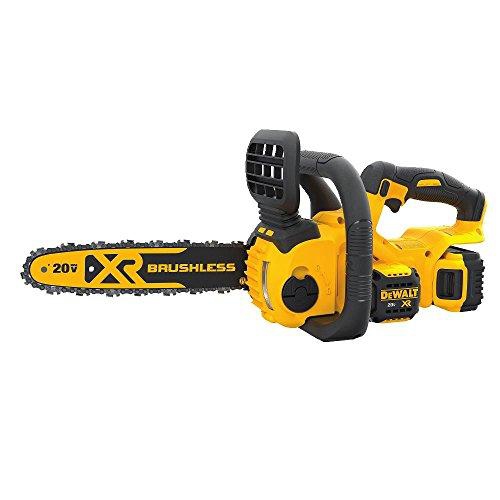 Your price for this item is $537.55
 -
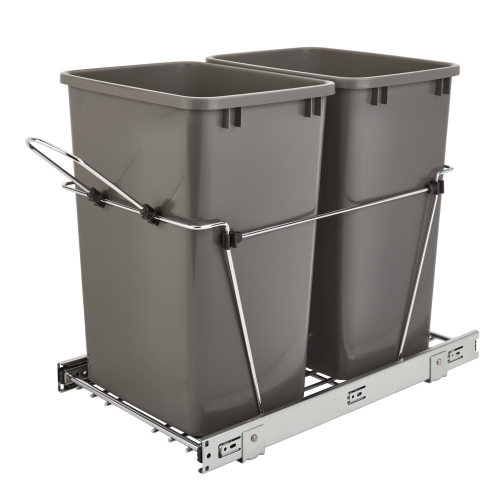 Your price for this item is $250.99
 -
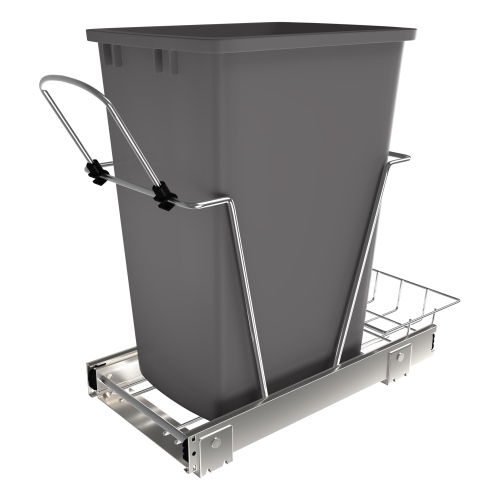 Your price for this item is $188.99
 -
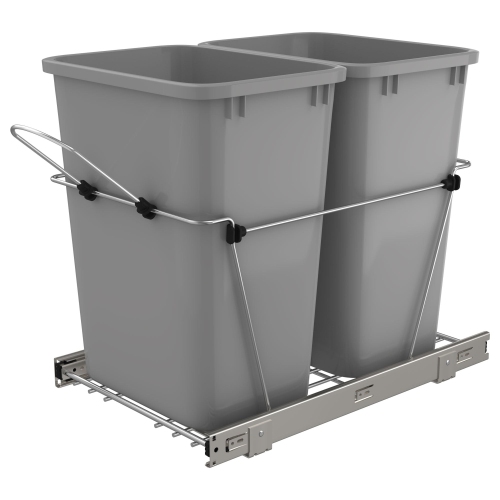 Your price for this item is $231.99
 -
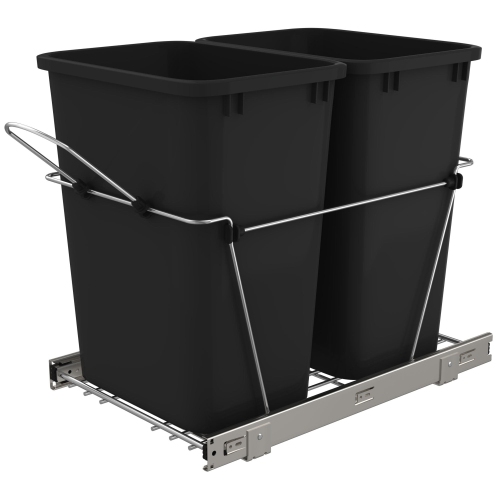 Your price for this item is $230.99
 -
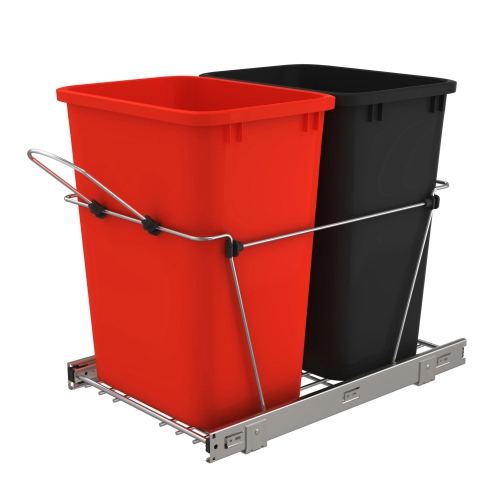 Your price for this item is $240.99
 -
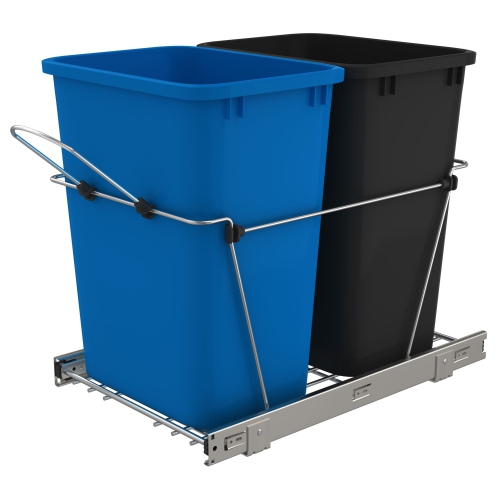 Your price for this item is $242.99
 -
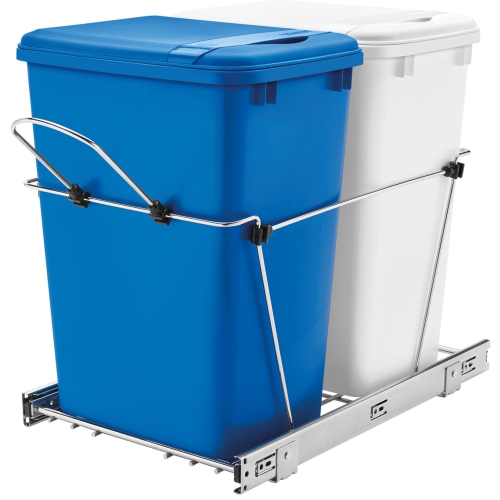 Your price for this item is $226.99
Discover more categories related to Kitchen Corner Storage Solutions


Top Collections:
Pokemon Centers, Budget 4K TVs, Kindle Devices, Canon G7X Cameras, Apple iPhones 16, iPhone 15 Apple, Laptops for Business Work, Flip Phones, Xiaomi Phones, Refurbished Apple Laptops
Some products may be subject to Environmental Handling Fees
(EHF) depending on your province.
Learn more about EHFs.