Kitchen Corners
Kitchen Corner is your destination for everything you need to elevate your culinary space. Discover a wide selection of essentials designed to make cooking, baking, and entertaining more enjoyable. Whether you're updating your kitchen or looking for the perfect addition to your setup, you'll find options that suit every style and need. Explore Kitchen Corner and find inspiration for your next kitchen upgrade.
Sort
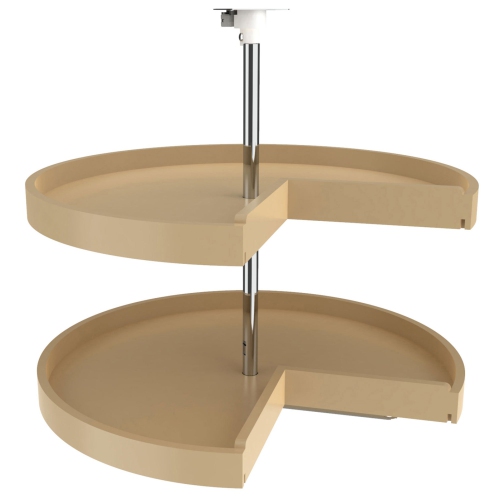

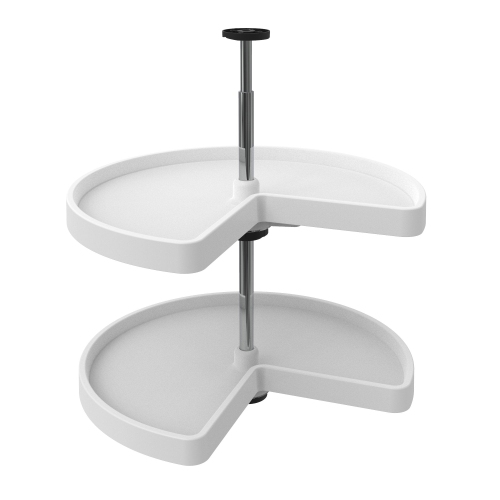
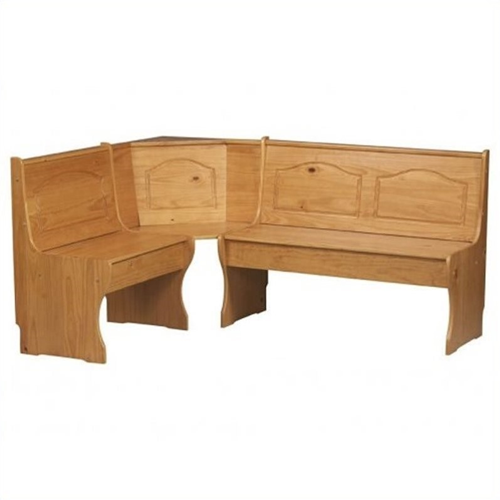

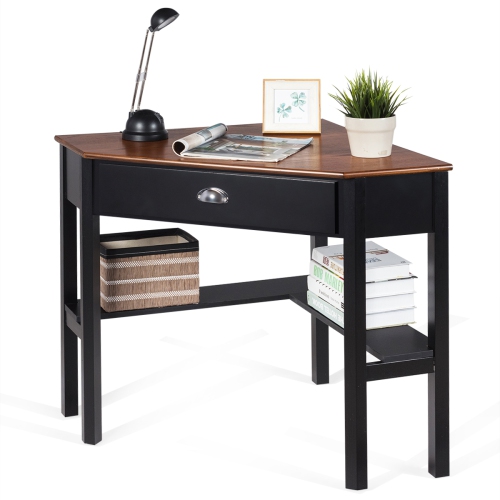
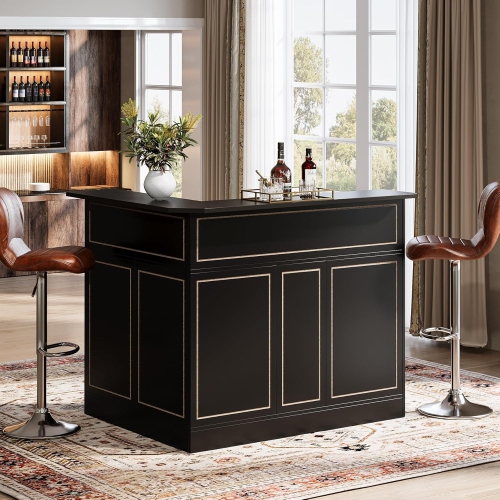
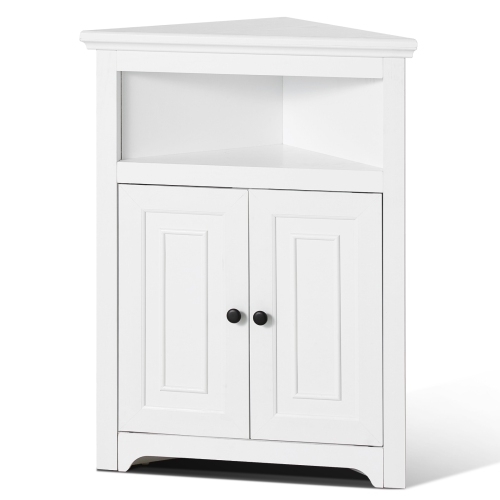
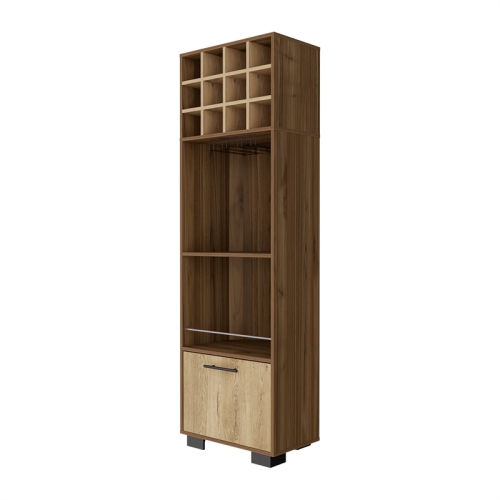
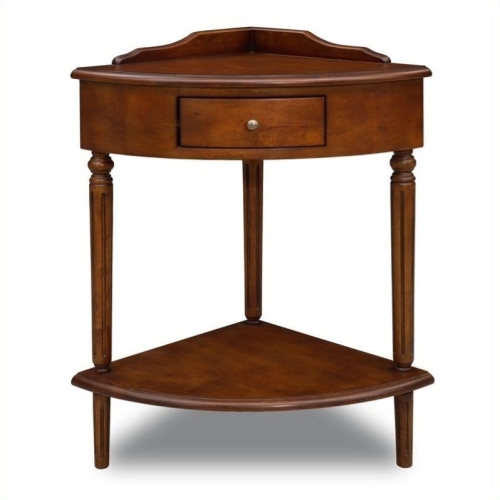
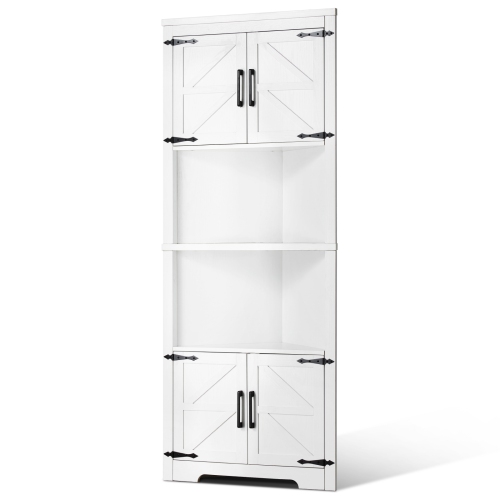
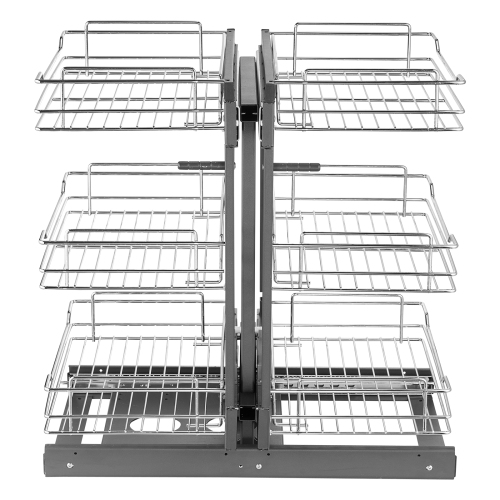
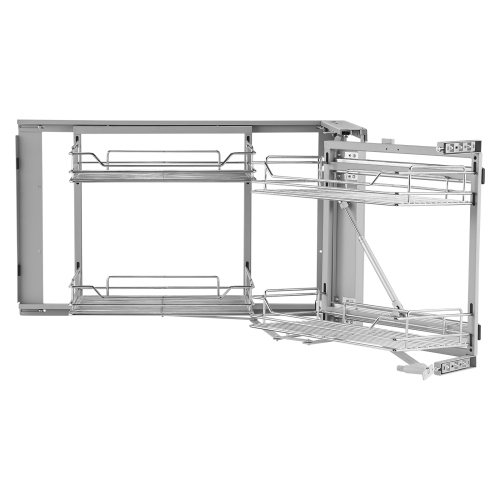
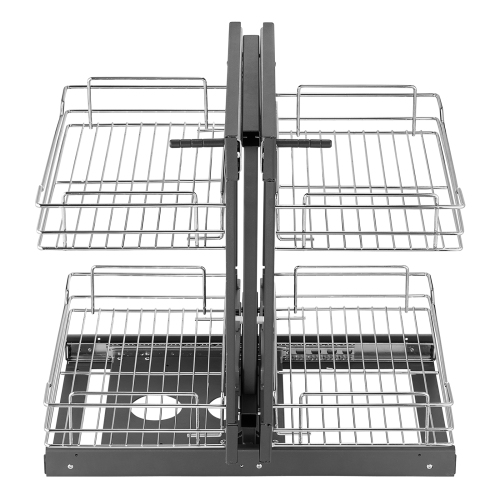
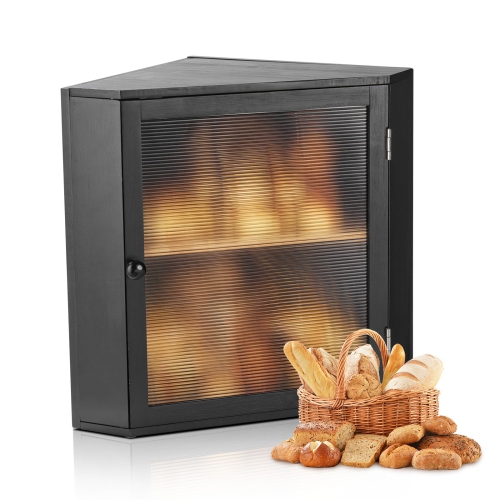
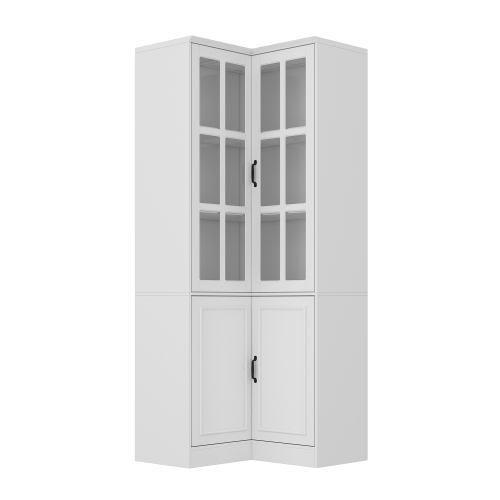
Corner storage that puts hard-to-reach spaces to work
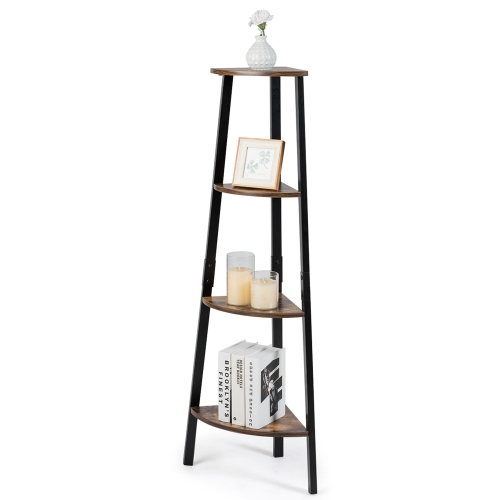
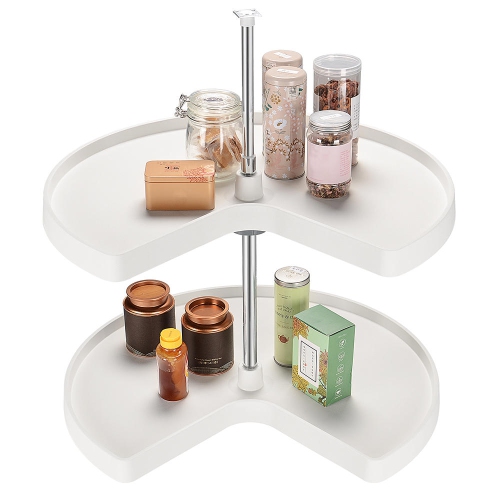
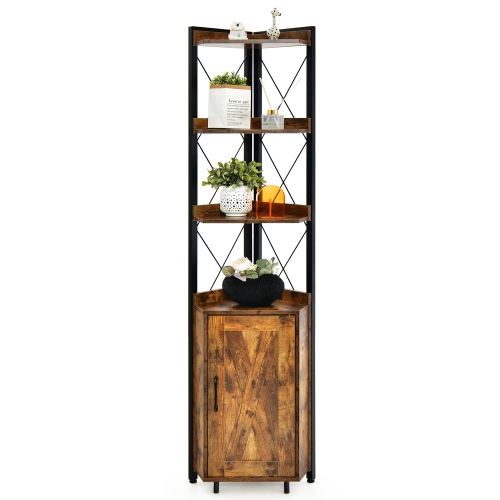
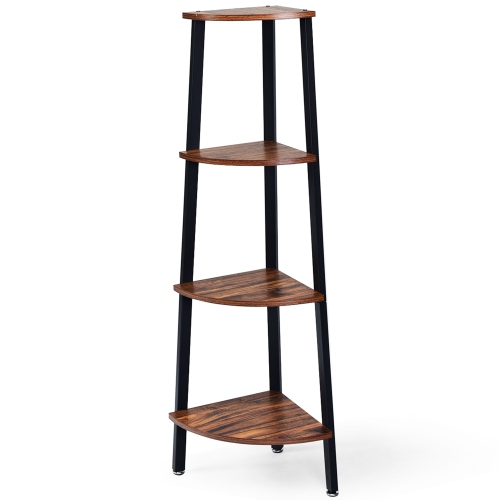
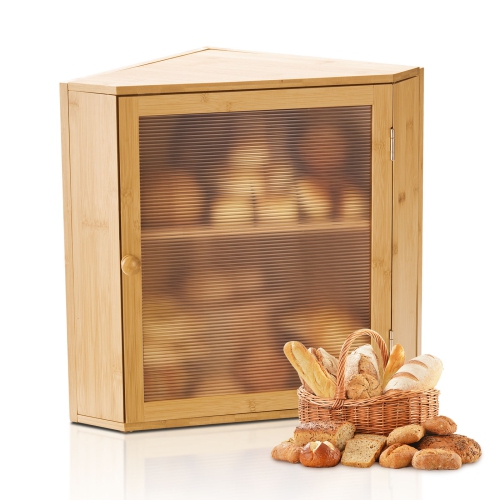
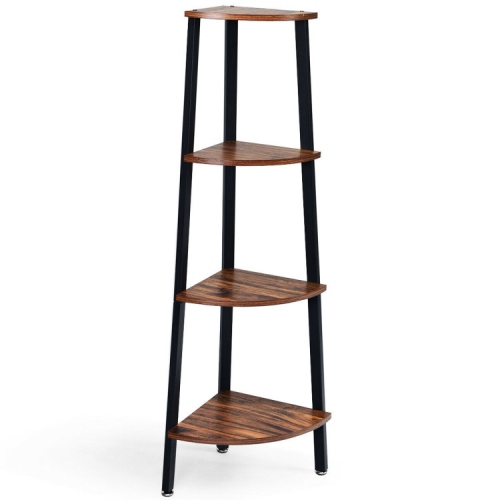
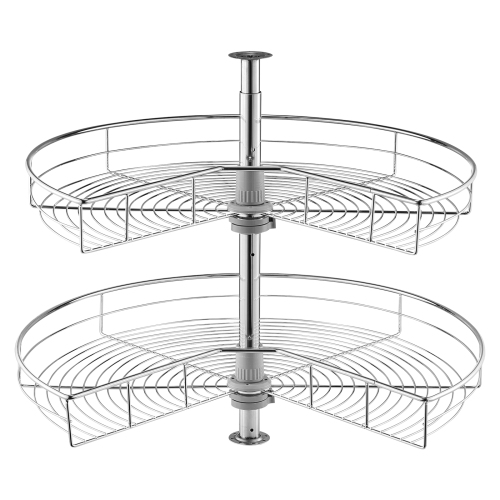
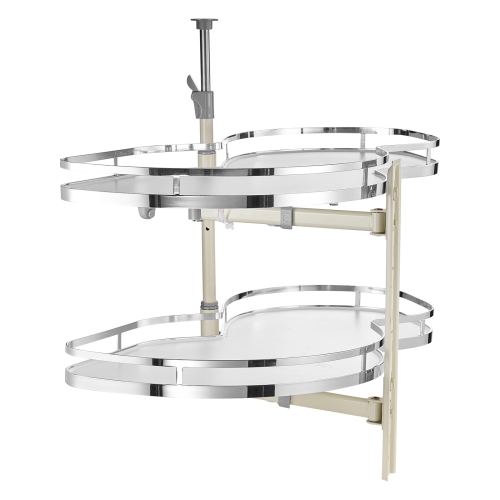
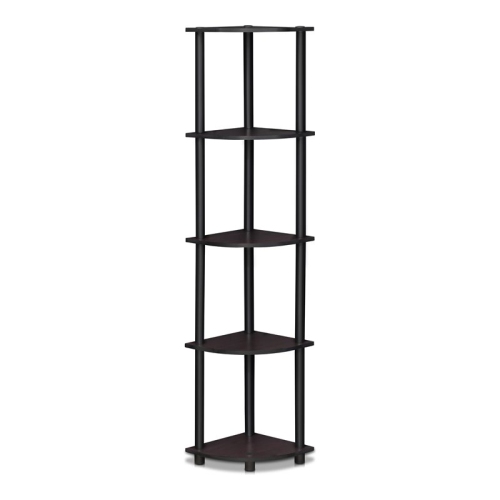
Kitchen corners can be useful places for storage, food preparation, and everyday essentials when the layout makes the most of the space where two walls or cabinet runs meet. Corner storage helps turn these often awkward areas into accessible parts of the kitchen, whether that means bringing the contents of a deep cupboard forward or adding a raised shelf above a countertop. Different designs serve different purposes. A rotating shelf, often called a lazy Susan, moves stored contents around a central point so that things at the back can come within reach. Blind corner pull-outs use sliding or pivoting hardware to move storage sections out of a cabinet whose interior extends beyond the door opening. Angled corner drawers open diagonally from the junction of two cabinet runs, providing a clearer view of their contents without requiring a reach into the back of a cupboard. Countertop organizers and freestanding shelving make use of open corners without changing the cabinetry. The most useful format depends on what the corner needs to hold and how often those contents are used. A cupboard used for heavy cookware has different requirements from a counter used to prepare morning coffee, while a small apartment kitchen may need to keep preparation space clear above all else. For open storage, Corner Racks can add accessible shelving where a conventional rectangular unit would project too far into the room. Grouping frequently used essentials near the task they support can also make a corner feel more purposeful. Breakfast supplies kept together beside a preparation area are easier to reach than supplies spread across several cupboards. Less frequently used serving pieces can occupy deeper storage, provided they remain easy to retrieve. A well-used corner is not necessarily one filled from top to bottom; leaving enough space to see, lift, and put things away is part of what makes the arrangement practical.
Fit matters as much as storage capacity because kitchen corners often contain obstacles that are easy to overlook. The usable space inside a cupboard may be smaller than its outside dimensions suggest, especially around hinges, face frames, plumbing, or fixed shelves. For rotating storage, the shelf diameter and the clearance needed for a full turn both matter. For a blind corner pull-out, the cabinet opening, internal depth, hinge position, and direction of travel determine whether the mechanism can move freely. Some systems are designed for a left-hand or right-hand opening, and their trays may need space outside the cabinet as they extend. Corner drawers are generally part of a fitted cabinetry layout rather than a simple addition to an existing cupboard. These distinctions help separate storage that can be placed into position from fittings that require compatible cabinetry and installation. On a countertop, width and depth are only part of the picture. The height beneath upper cabinets, access to electrical outlets, and room to open nearby doors all affect day-to-day use. A raised shelf should leave enough clearance for the contents below it to slide out without tilting or catching. The same principle applies to freestanding units: a narrow footprint is useful only if the shelves remain accessible and the frame does not interrupt a walkway. In a shared kitchen, the space beside the corner may need to accommodate someone opening a drawer while another person stands at the counter. Storage near an appliance must also respect the appliance manufacturer's ventilation and clearance requirements. Intended use helps determine shelf spacing and load capacity. Taller containers need adequate headroom, small packages benefit from a stable supporting surface, and heavier contents need shelves and hardware rated for their weight. Keeping heavy pieces on lower, easily reached levels can reduce awkward lifting. For renters or anyone making a modest kitchen update, freestanding and non-permanent designs may suit the space better than fittings that require drilling or changes to cabinetry.
Materials and construction influence how corner storage looks, how it handles daily use, and how much care it needs. Metal frames can provide a slim profile with relatively open sightlines, which may suit a compact kitchen where bulky furniture would feel crowded. Wire shelves allow visibility through the unit, though small containers may sit more securely on a solid surface or a compatible liner. Stainless steel, coated steel, solid wood, and engineered wood each have different care requirements, so the finish and manufacturer's directions matter as much as the material name. A protective coating can help shield metal, but damaged areas may be more vulnerable to corrosion when exposed to moisture. Wood brings visible grain and texture, while engineered wood can offer a consistent finished surface; both benefit from prompt spill cleanup and protection from standing water, particularly along joints and edges. Glass shelves have a light visual presence but need careful handling and attention to their stated weight limits. Across materials, smooth edges, secure joints, stable feet, and firmly attached shelf supports contribute to comfortable everyday use. For moving storage, durability also depends on the bearings, slides, hinges, and mounting points rather than the shelves alone. A mechanism that operates smoothly within its rated load is better suited to repeated use than one crowded with contents that obstruct its movement. Care is usually simplest when shelves can be reached easily and removable parts can be cleaned according to their instructions. Crumbs, cooking splashes, and sticky residue are easier to manage before they gather around joints or moving parts. Visually, matching a rack's finish to nearby cabinet hardware can create continuity, while a wood surface can soften a kitchen with many metal finishes. Open shelving makes its contents part of the room, so a little breathing space between groups can keep the corner from looking busy. These practical details matter for households of many sizes, from a person arranging a first apartment to a family sharing a busy preparation area. Compact corner storage can also make a thoughtful housewarming gift when the recipient's measurements, preferred finishes, and intended use are known. The lasting value comes from a good fit with everyday routines: clear counters, reachable supplies, and a place where things can be returned without rearranging everything around them.
Fit matters as much as storage capacity because kitchen corners often contain obstacles that are easy to overlook. The usable space inside a cupboard may be smaller than its outside dimensions suggest, especially around hinges, face frames, plumbing, or fixed shelves. For rotating storage, the shelf diameter and the clearance needed for a full turn both matter. For a blind corner pull-out, the cabinet opening, internal depth, hinge position, and direction of travel determine whether the mechanism can move freely. Some systems are designed for a left-hand or right-hand opening, and their trays may need space outside the cabinet as they extend. Corner drawers are generally part of a fitted cabinetry layout rather than a simple addition to an existing cupboard. These distinctions help separate storage that can be placed into position from fittings that require compatible cabinetry and installation. On a countertop, width and depth are only part of the picture. The height beneath upper cabinets, access to electrical outlets, and room to open nearby doors all affect day-to-day use. A raised shelf should leave enough clearance for the contents below it to slide out without tilting or catching. The same principle applies to freestanding units: a narrow footprint is useful only if the shelves remain accessible and the frame does not interrupt a walkway. In a shared kitchen, the space beside the corner may need to accommodate someone opening a drawer while another person stands at the counter. Storage near an appliance must also respect the appliance manufacturer's ventilation and clearance requirements. Intended use helps determine shelf spacing and load capacity. Taller containers need adequate headroom, small packages benefit from a stable supporting surface, and heavier contents need shelves and hardware rated for their weight. Keeping heavy pieces on lower, easily reached levels can reduce awkward lifting. For renters or anyone making a modest kitchen update, freestanding and non-permanent designs may suit the space better than fittings that require drilling or changes to cabinetry.
Materials and construction influence how corner storage looks, how it handles daily use, and how much care it needs. Metal frames can provide a slim profile with relatively open sightlines, which may suit a compact kitchen where bulky furniture would feel crowded. Wire shelves allow visibility through the unit, though small containers may sit more securely on a solid surface or a compatible liner. Stainless steel, coated steel, solid wood, and engineered wood each have different care requirements, so the finish and manufacturer's directions matter as much as the material name. A protective coating can help shield metal, but damaged areas may be more vulnerable to corrosion when exposed to moisture. Wood brings visible grain and texture, while engineered wood can offer a consistent finished surface; both benefit from prompt spill cleanup and protection from standing water, particularly along joints and edges. Glass shelves have a light visual presence but need careful handling and attention to their stated weight limits. Across materials, smooth edges, secure joints, stable feet, and firmly attached shelf supports contribute to comfortable everyday use. For moving storage, durability also depends on the bearings, slides, hinges, and mounting points rather than the shelves alone. A mechanism that operates smoothly within its rated load is better suited to repeated use than one crowded with contents that obstruct its movement. Care is usually simplest when shelves can be reached easily and removable parts can be cleaned according to their instructions. Crumbs, cooking splashes, and sticky residue are easier to manage before they gather around joints or moving parts. Visually, matching a rack's finish to nearby cabinet hardware can create continuity, while a wood surface can soften a kitchen with many metal finishes. Open shelving makes its contents part of the room, so a little breathing space between groups can keep the corner from looking busy. These practical details matter for households of many sizes, from a person arranging a first apartment to a family sharing a busy preparation area. Compact corner storage can also make a thoughtful housewarming gift when the recipient's measurements, preferred finishes, and intended use are known. The lasting value comes from a good fit with everyday routines: clear counters, reachable supplies, and a place where things can be returned without rearranging everything around them.
Top selling and popular products
-
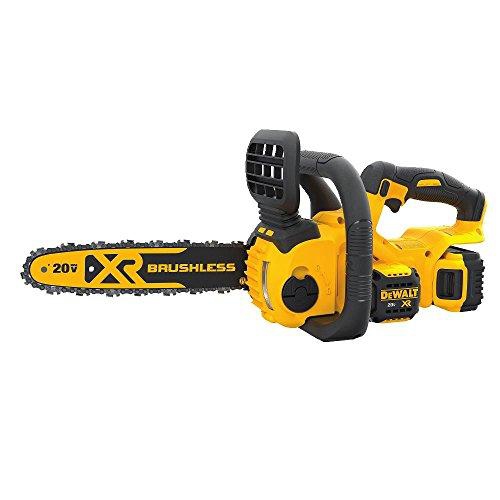 Your price for this item is $537.55
 -
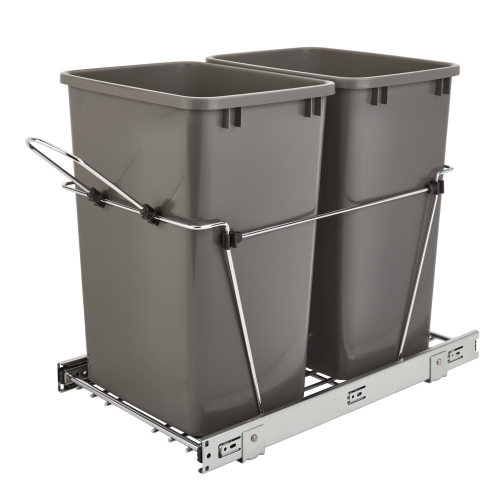 Your price for this item is $250.99
 -
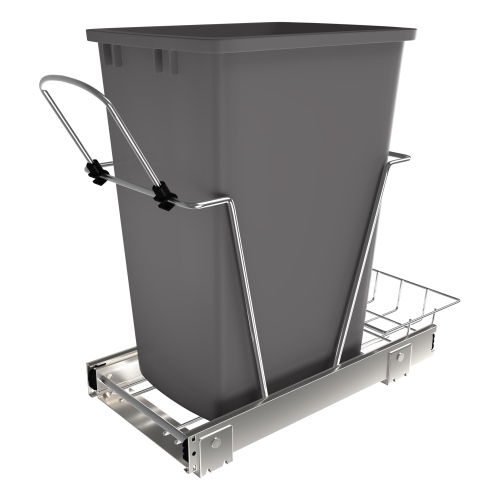 Your price for this item is $188.99
 -
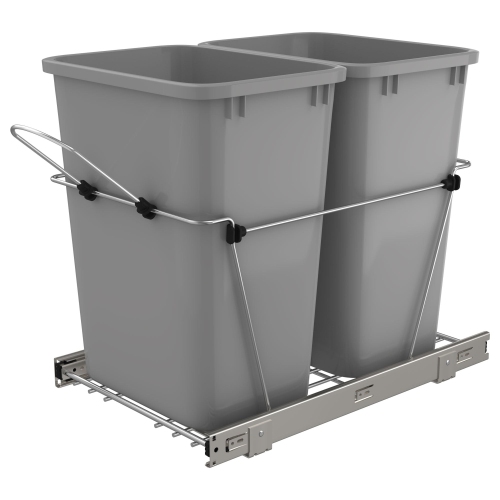 Your price for this item is $231.99
 -
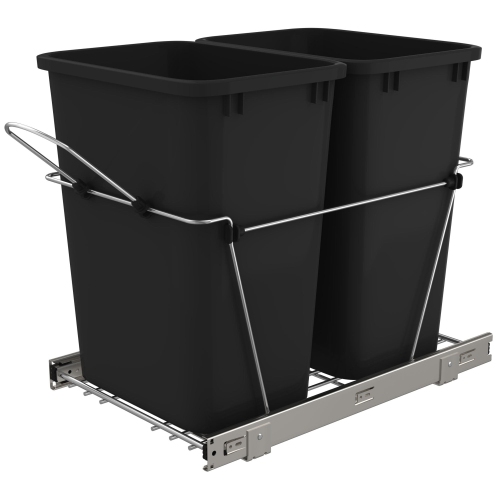 Your price for this item is $230.99
 -
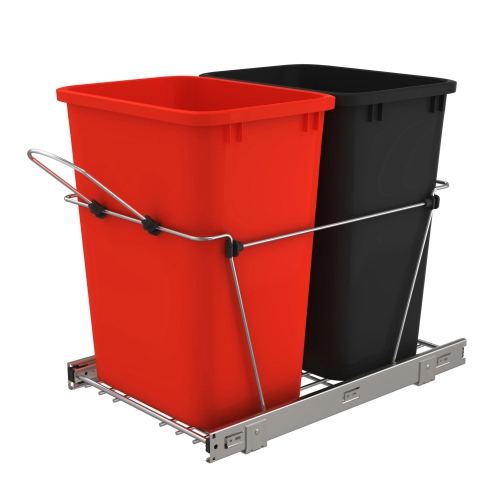 Your price for this item is $240.99
 -
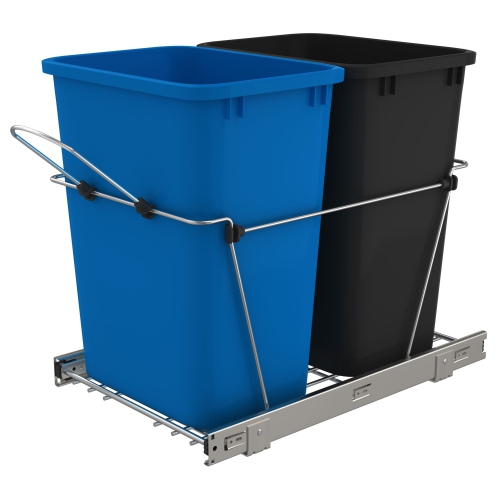 Your price for this item is $242.99
 -
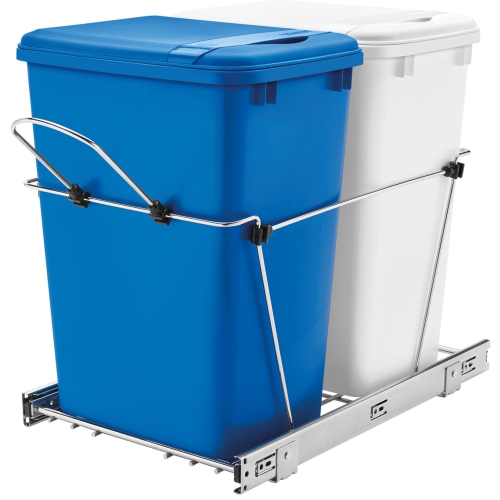 Your price for this item is $226.99
Discover more categories related to Kitchen Corners

Top Collections:
Pokemon Centers, Budget 4K TVs, Kindle Devices, Canon G7X Cameras, Apple iPhones 16, iPhone 15 Apple, Laptops for Business Work, Flip Phones, Xiaomi Phones, Refurbished Apple Laptops
Some products may be subject to Environmental Handling Fees
(EHF) depending on your province.
Learn more about EHFs.