Kitchen Cutting Boards
Enhance your culinary skills with our collection of kitchen cutting boards. From slicing and dicing to chopping and mincing, these essential tools are designed to make meal preparation a breeze. Crafted from durable materials such as bamboo, plastic, and wood, our cutting boards offer a sturdy surface for all your food prep needs. Whether you're a professional chef or a passionate home cook, our wide range of sizes, shapes, and styles ensures you'll find the perfect cutting board to suit your kitchen decor and cooking preferences. Explore our selection today and elevate your cooking experience to new heights.
Sort
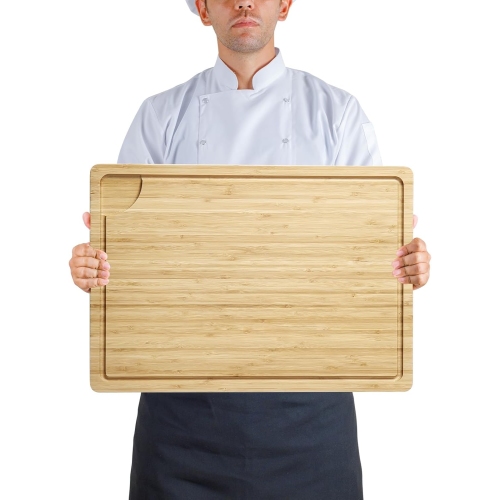
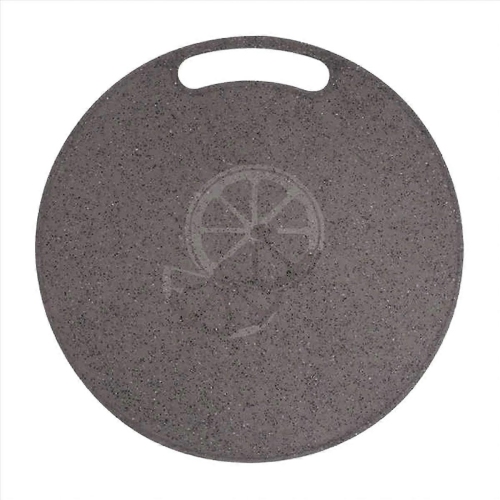
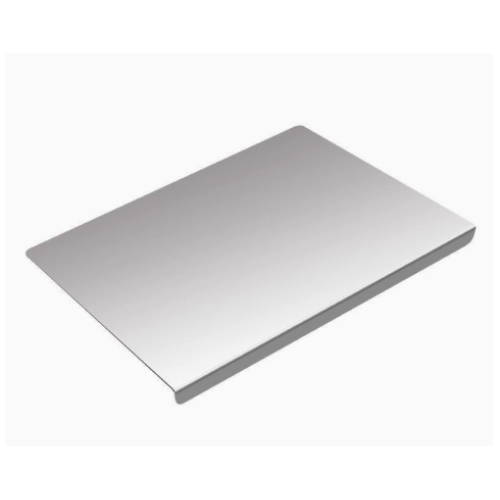
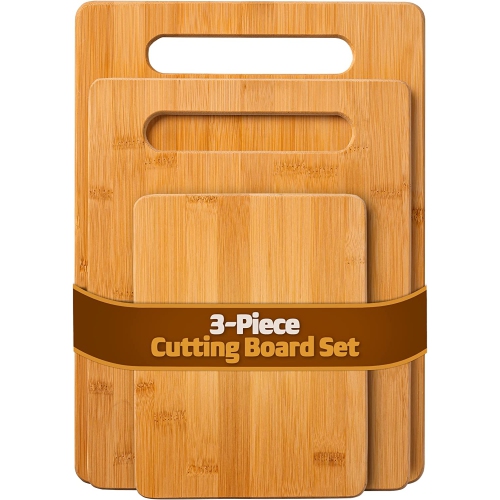
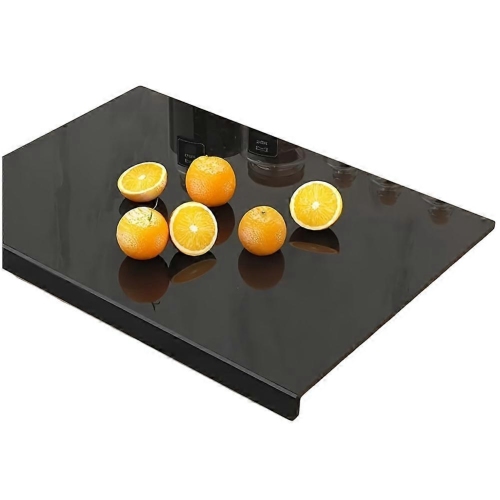
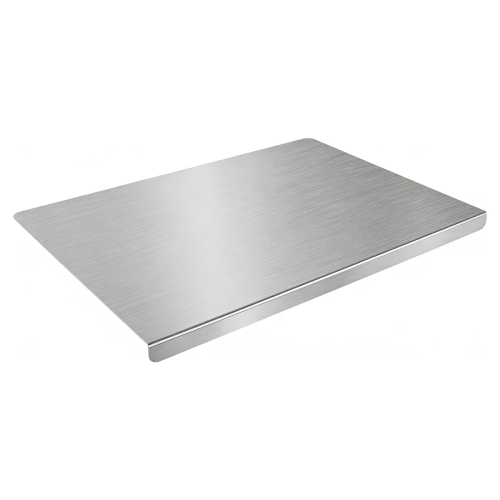
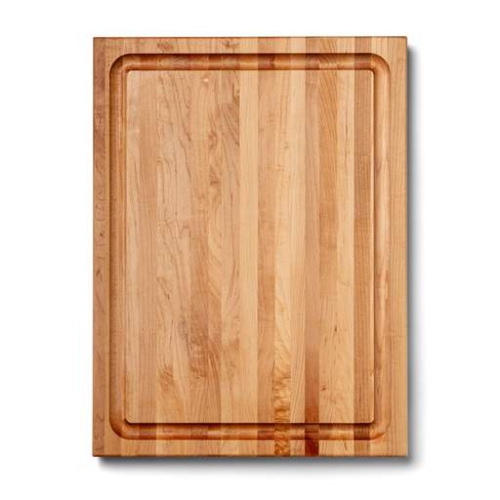
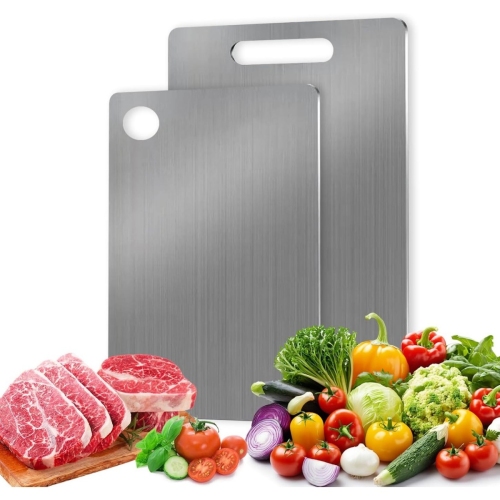
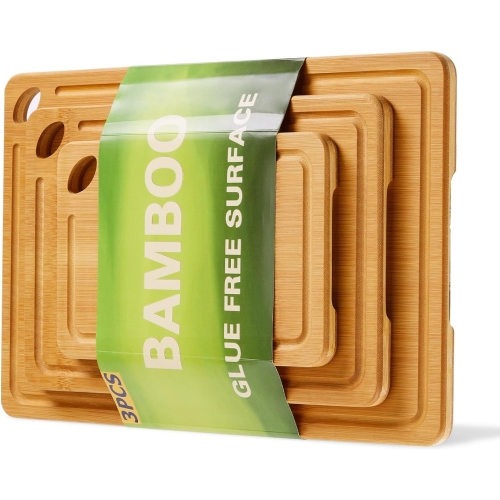
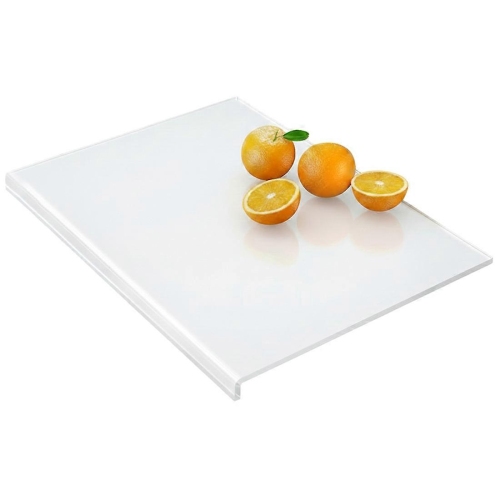
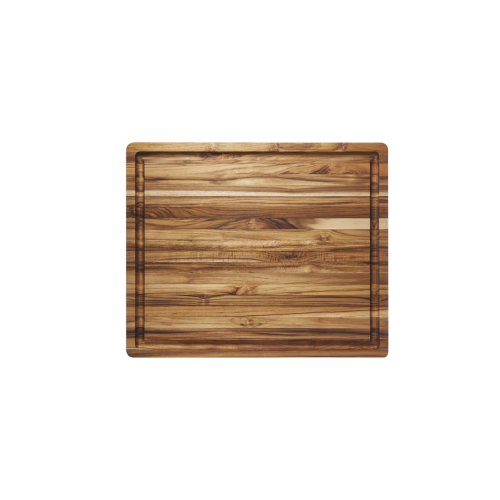
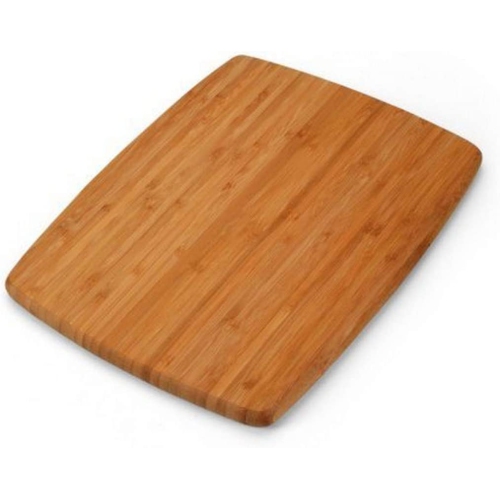
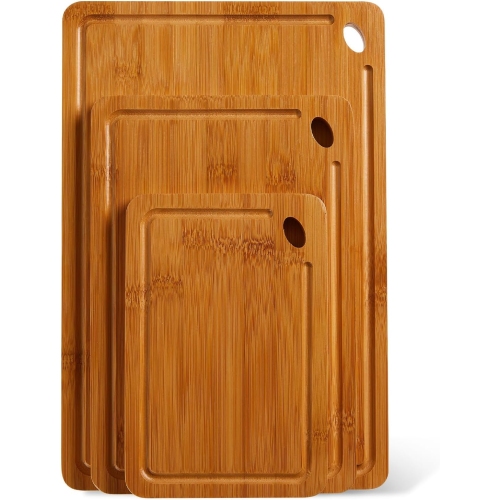
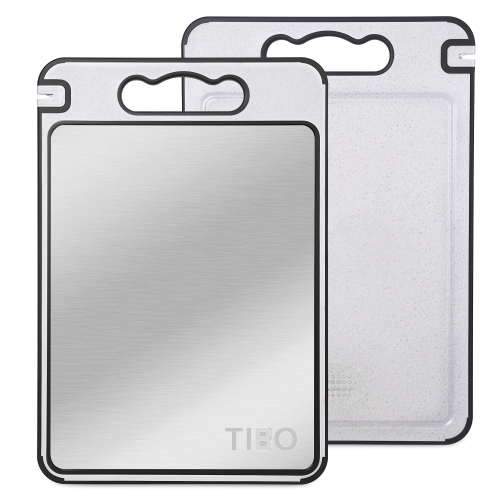
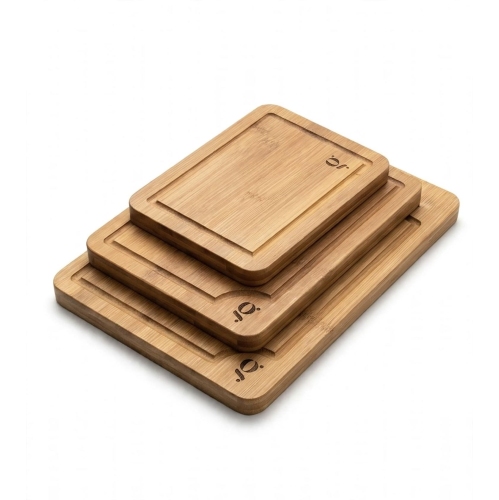
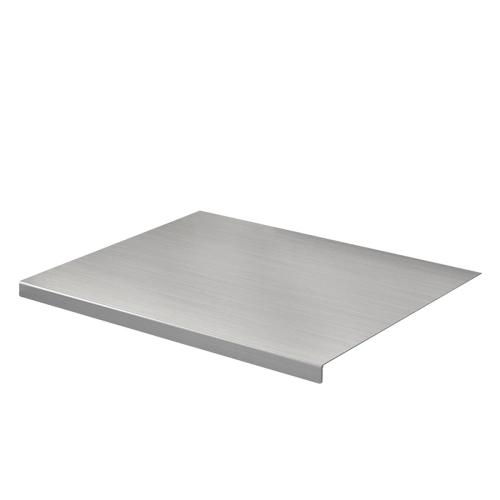
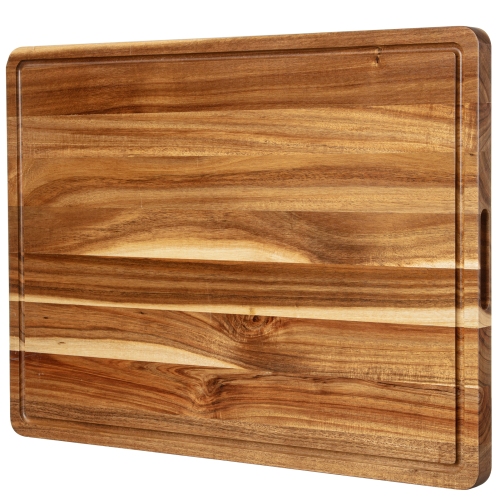
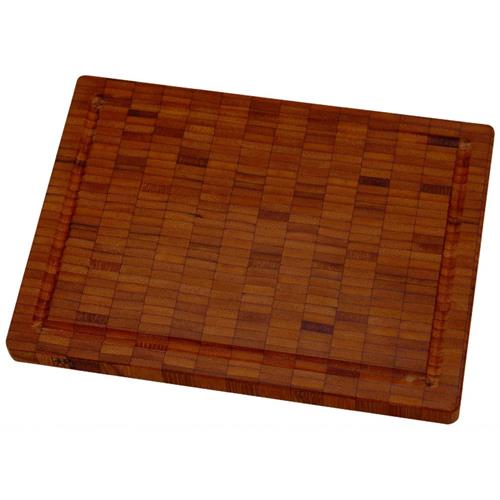
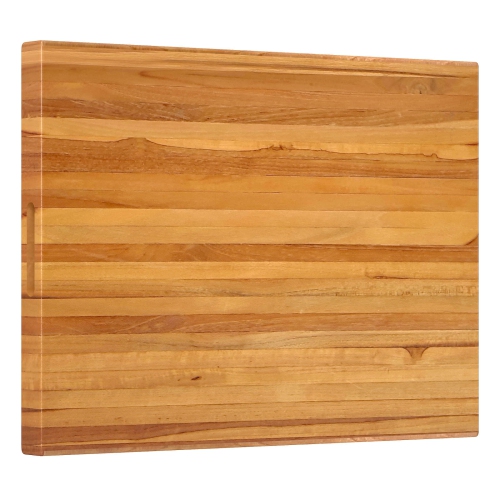
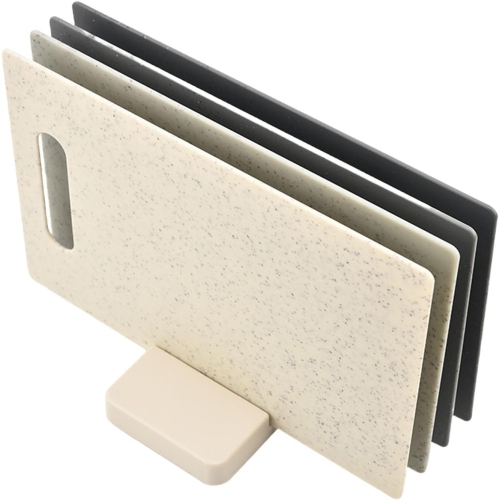
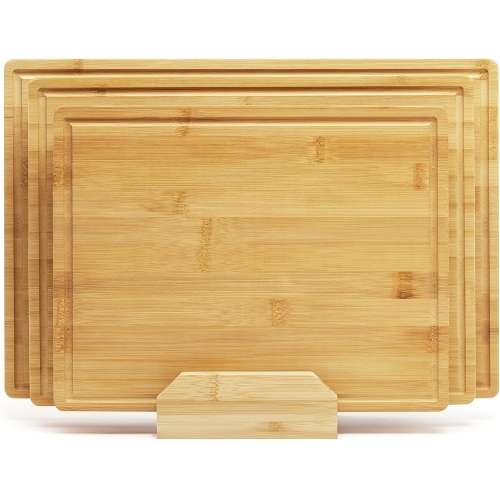
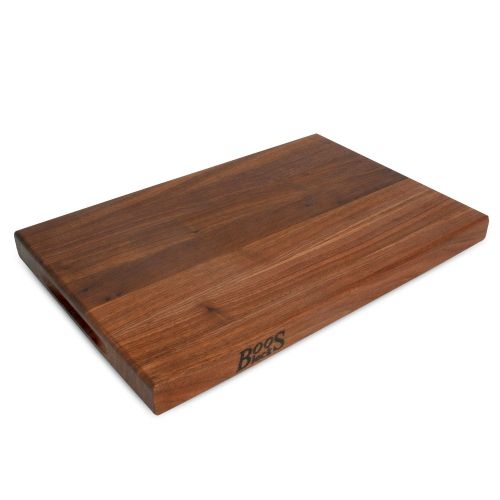
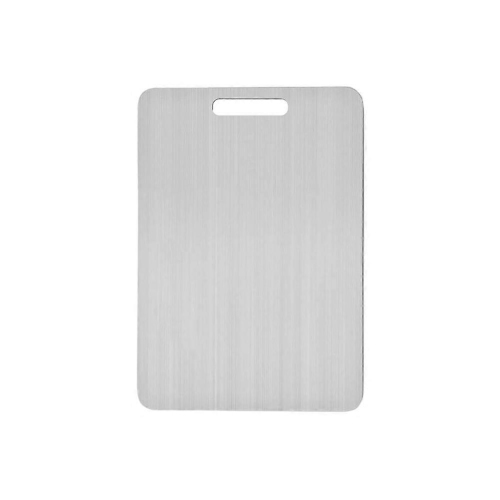
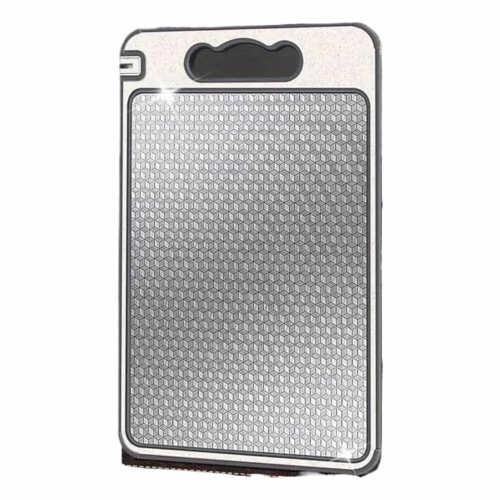
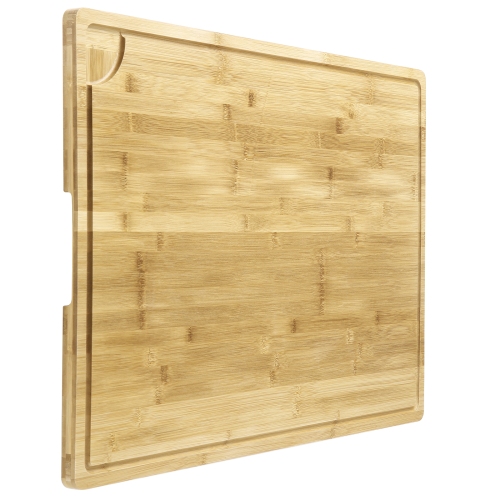
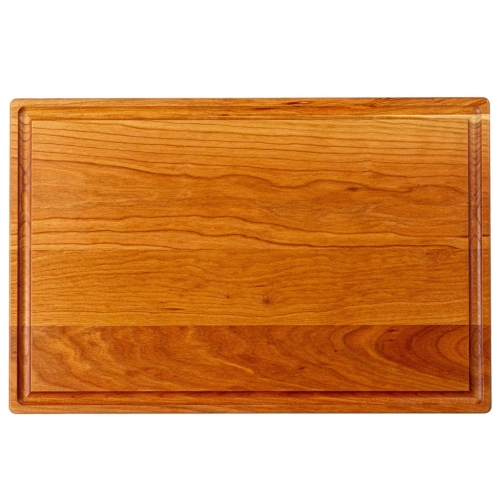
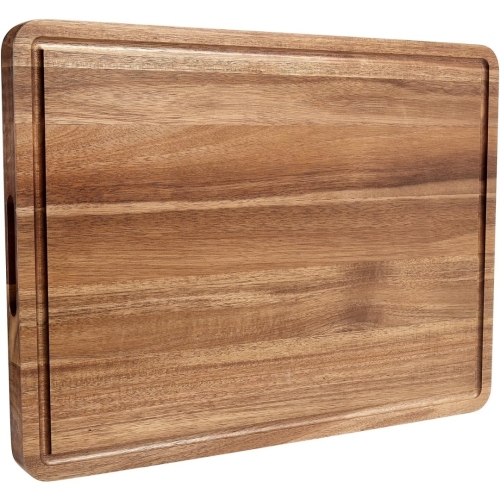
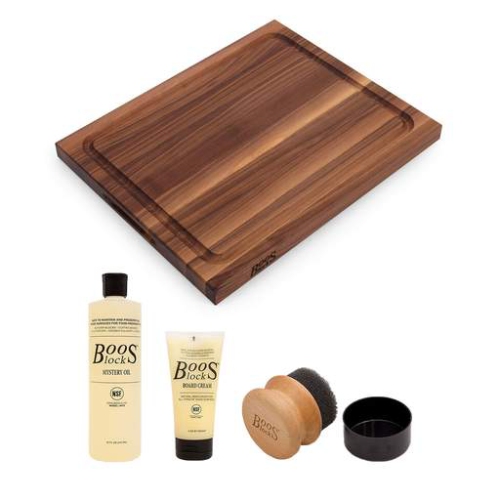
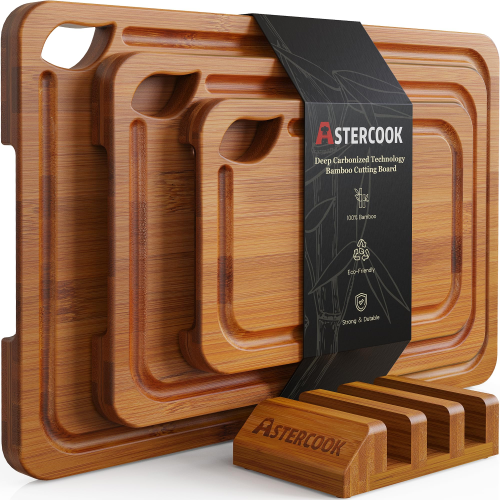
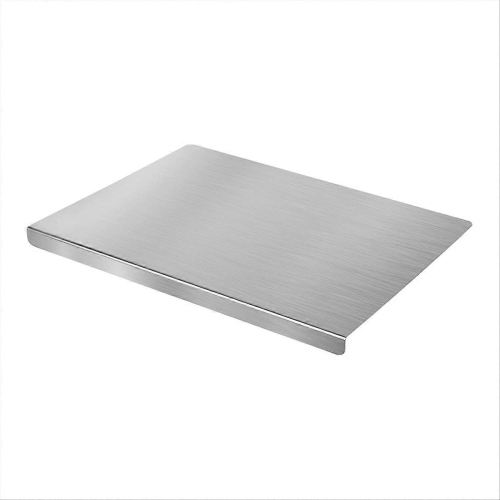
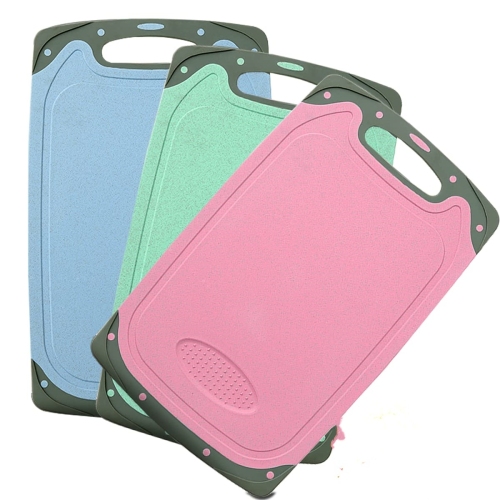
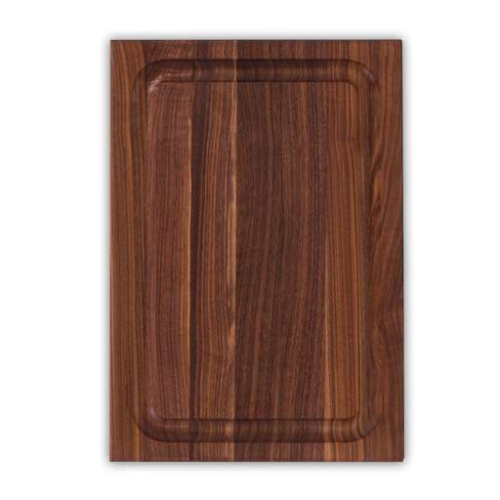
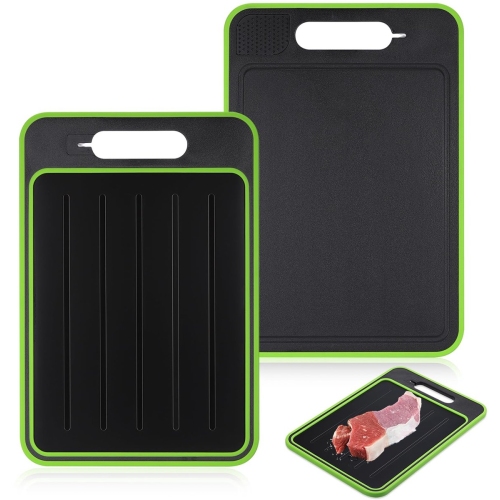
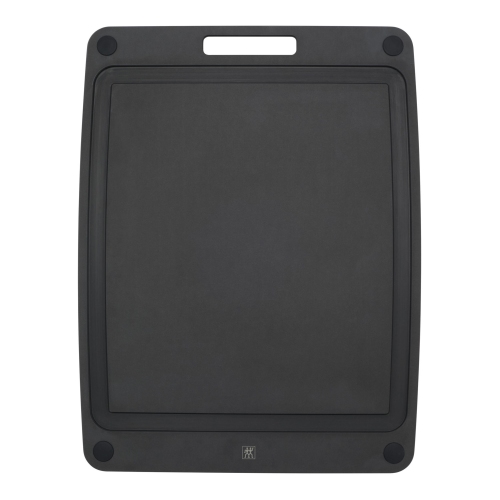
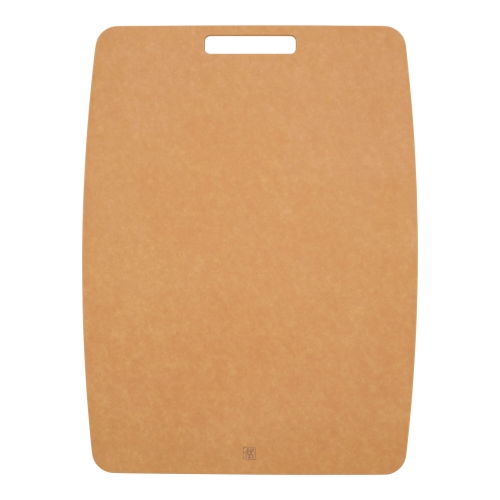
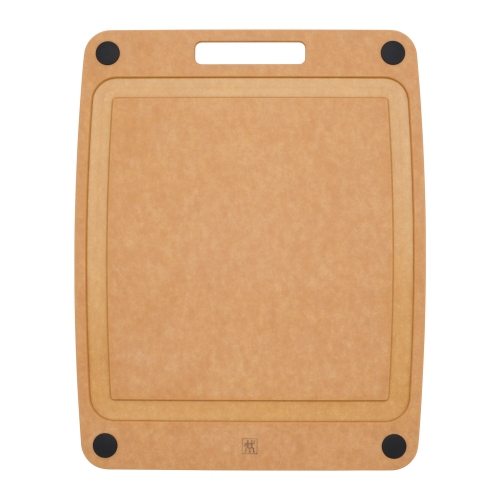
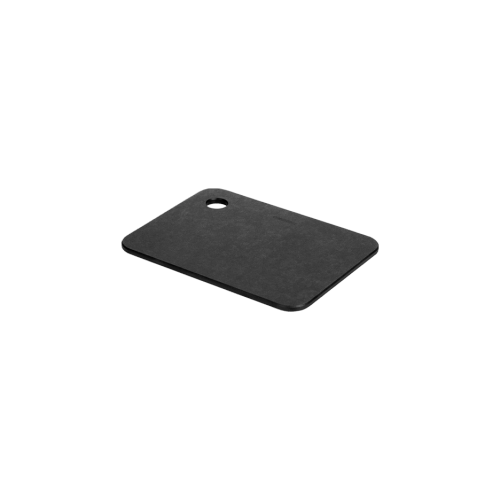
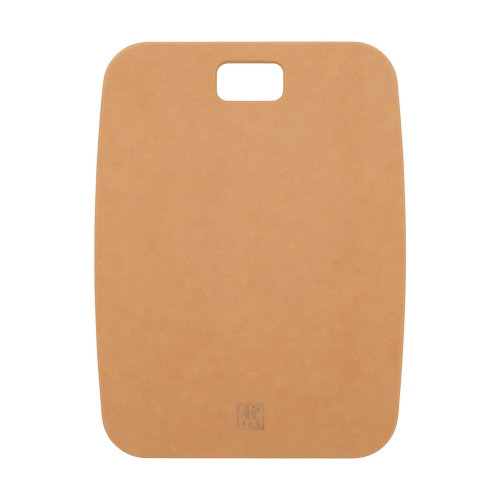
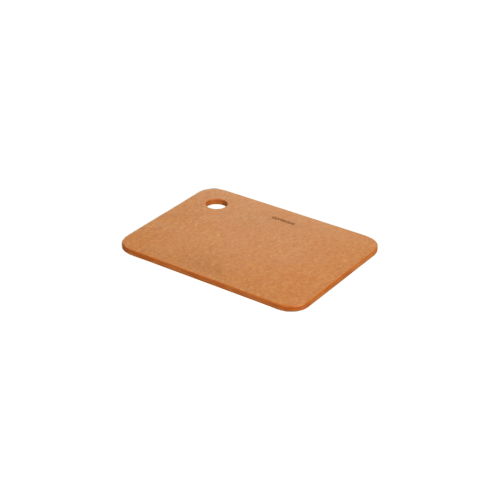
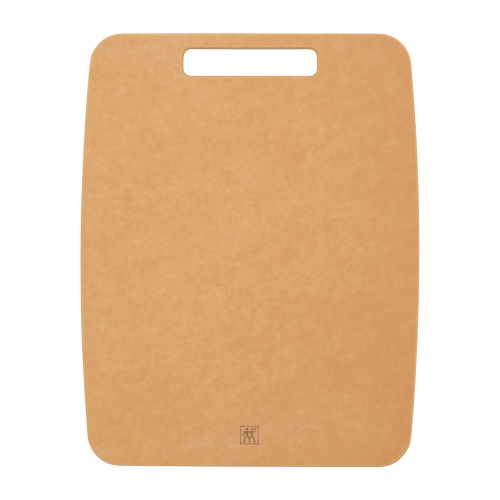
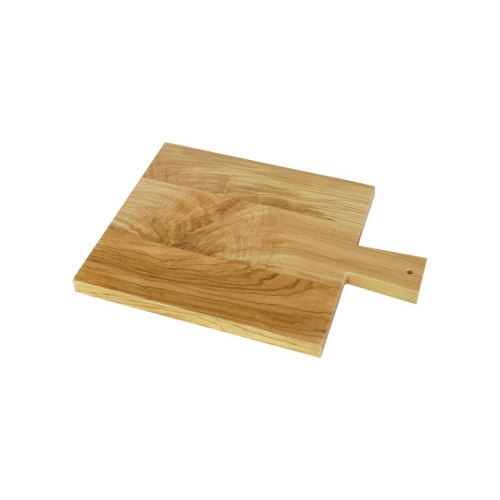
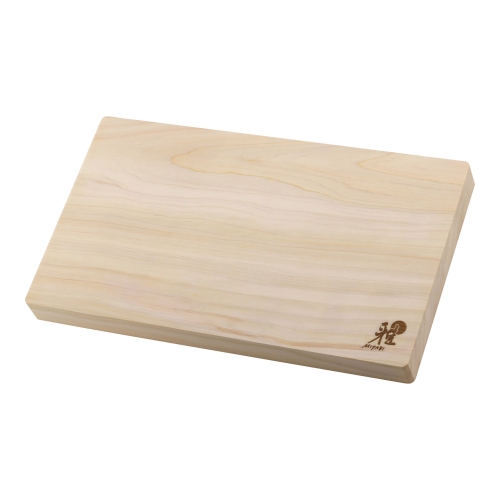
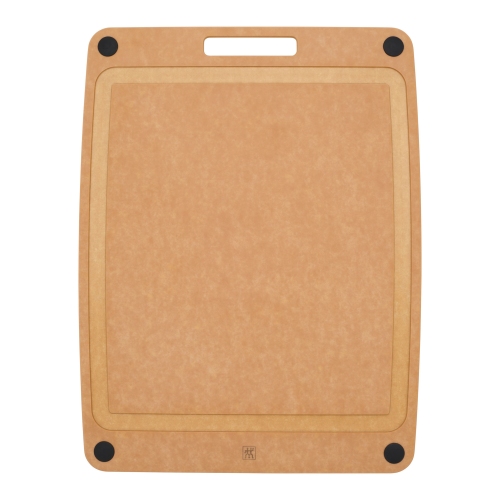
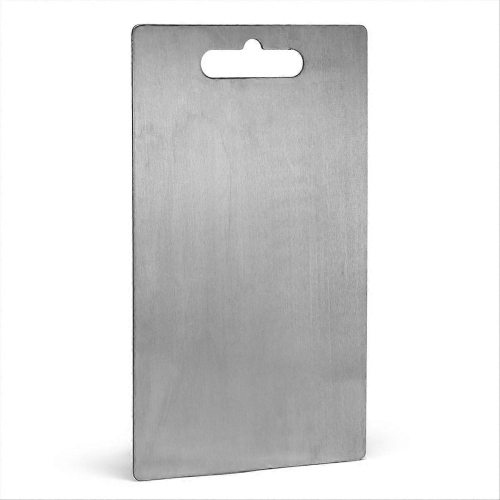
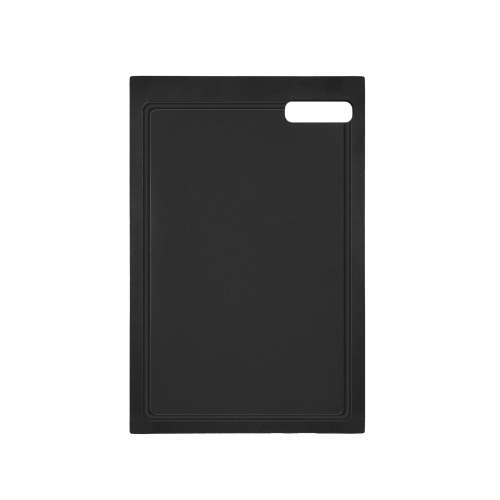
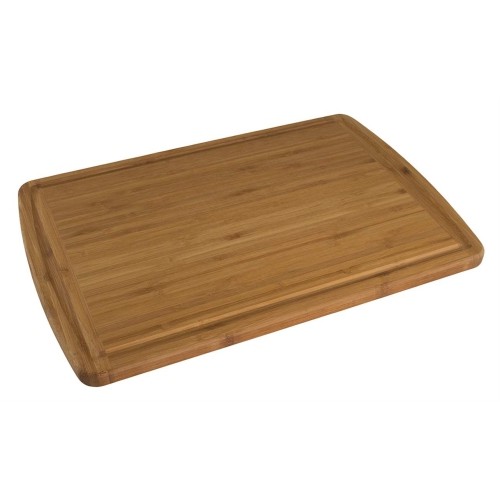
![HEIM CONCEPT Organic Bamboo Cutting Board And Serving Tray W/ Drip Groove Extra Large [ 18 X 12 Inches - 1" Inch Thick ]](https://multimedia.bbycastatic.ca/multimedia/products/500x500/152/15264/15264559.jpeg)

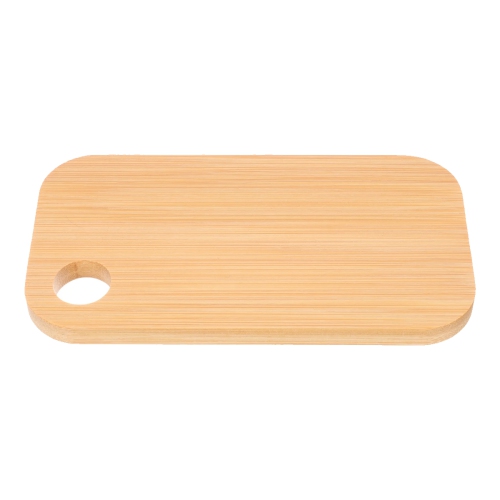
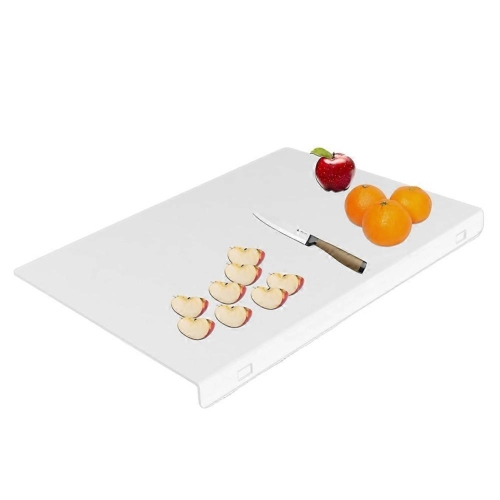
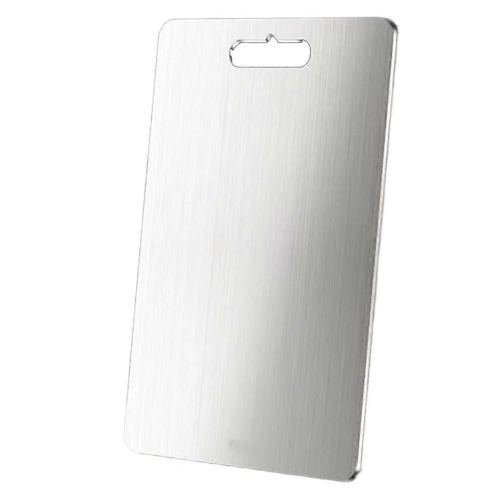
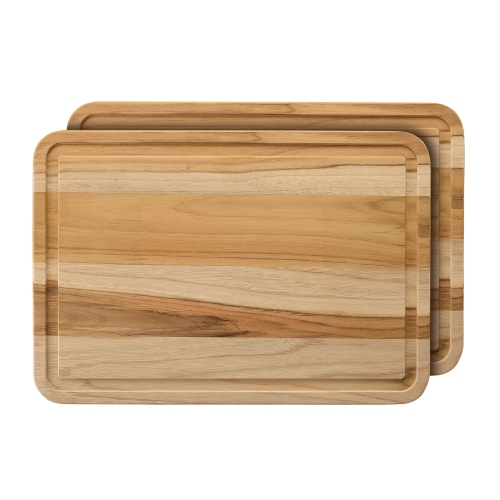
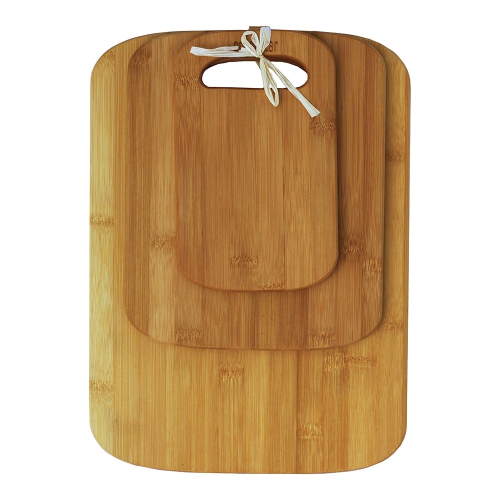
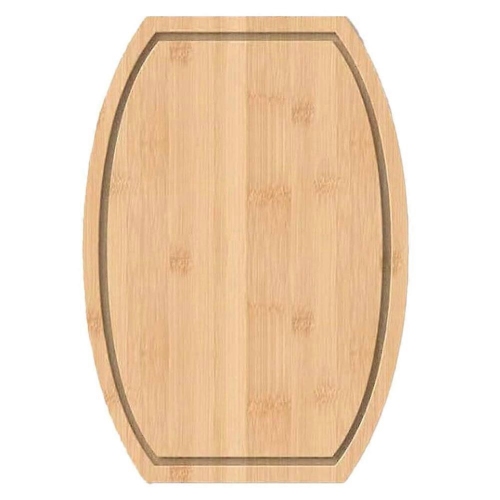
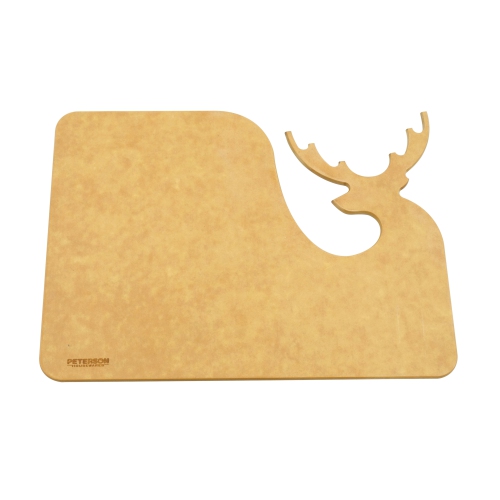
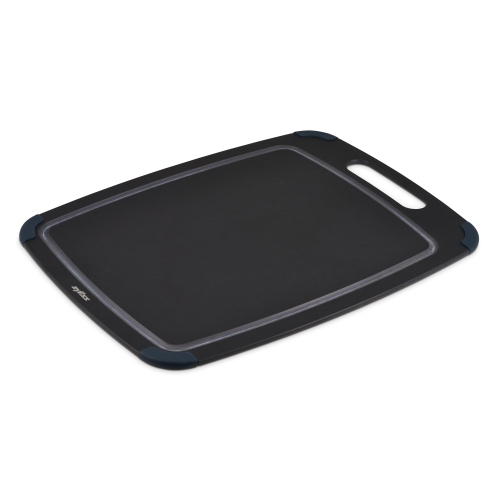
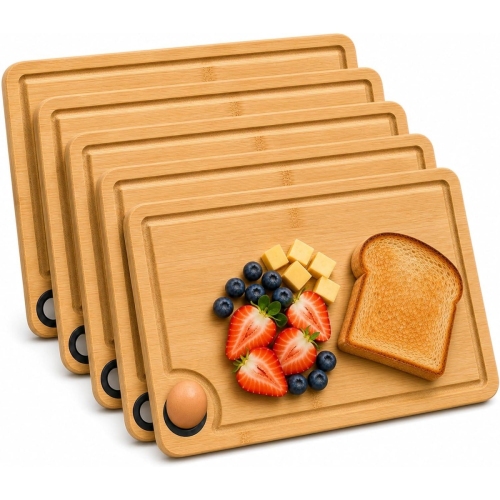
![HEIM CONCEPT Premium Organic Bamboo Extra Large Cutting Board And Serving Tray With Drip Groove [ 18" X 12" X 3/4" Inch Thick ]](https://multimedia.bbycastatic.ca/multimedia/products/500x500/152/15264/15264558.jpeg)

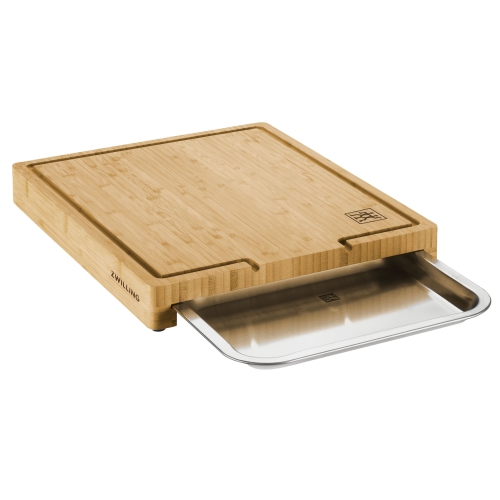
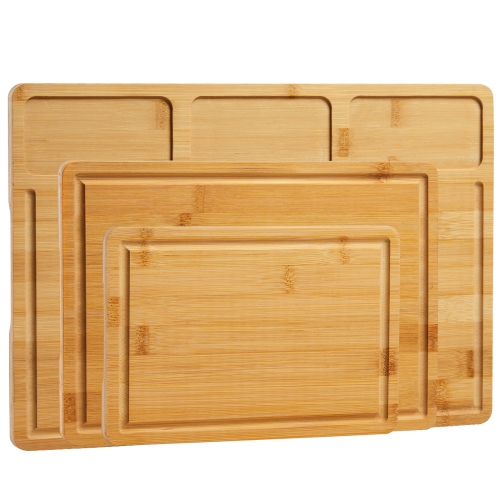
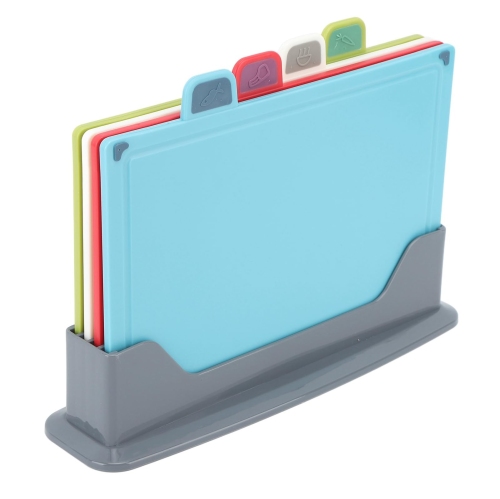
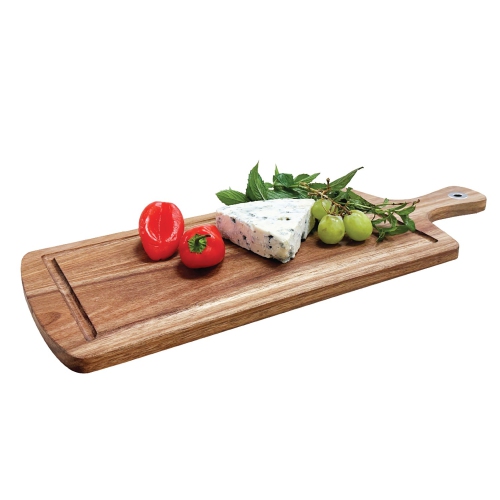
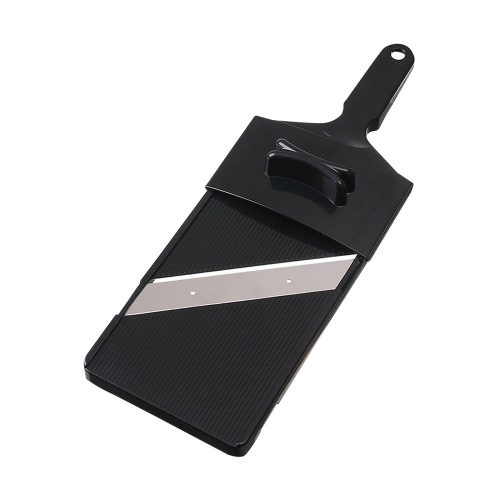
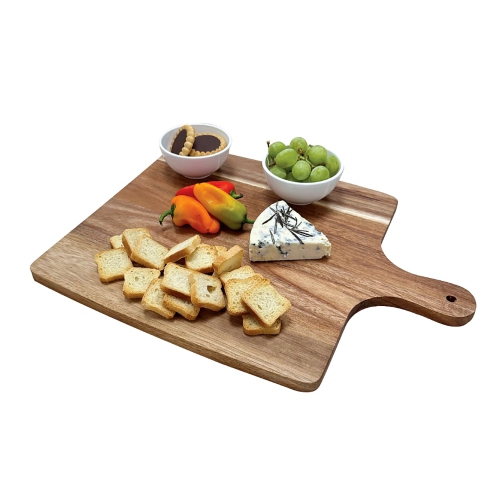
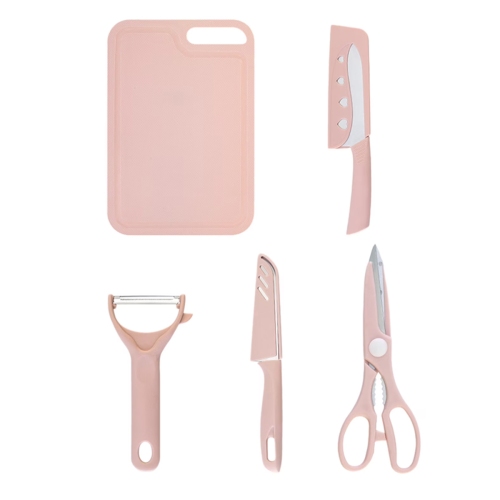
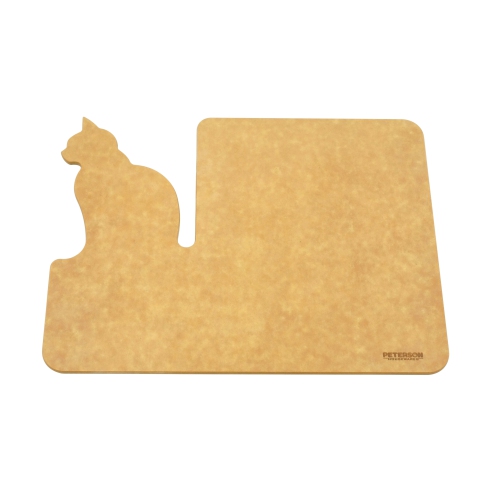
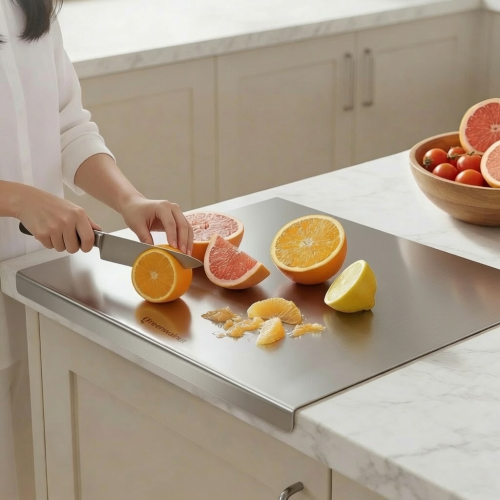
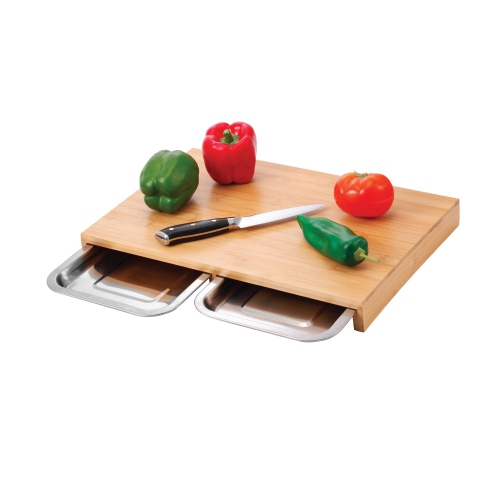

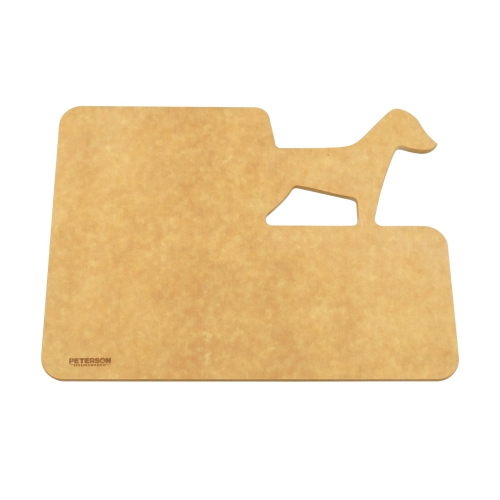
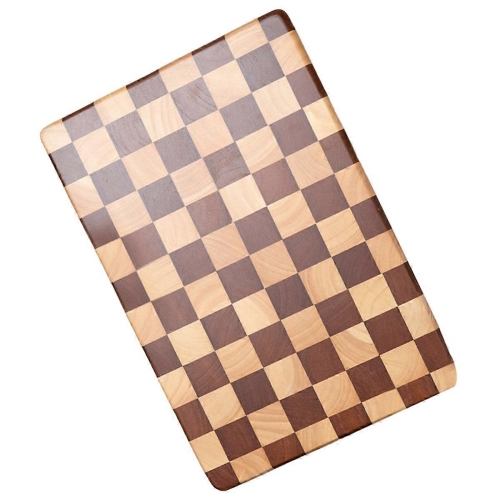
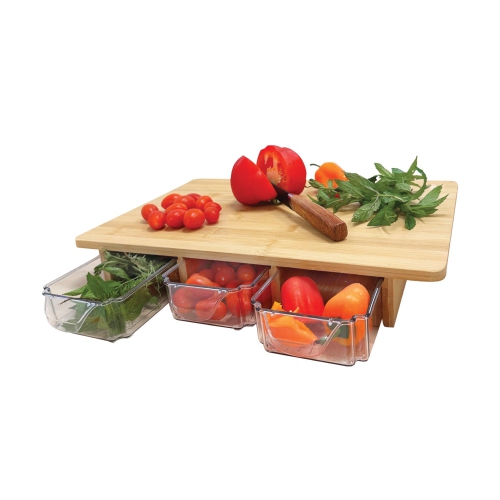
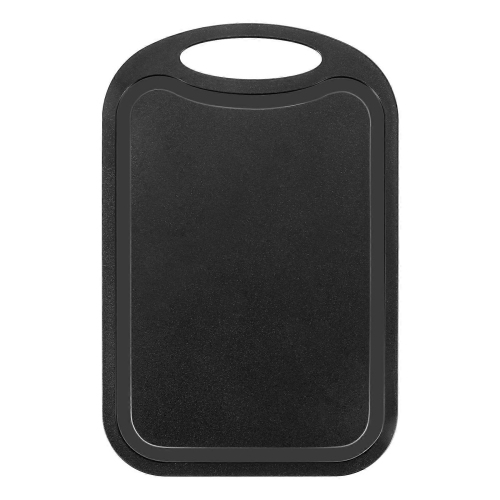
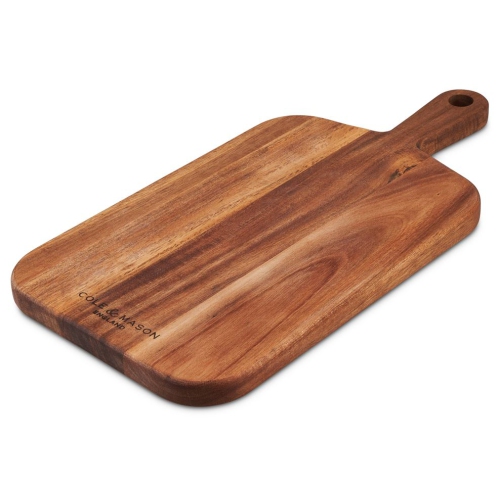
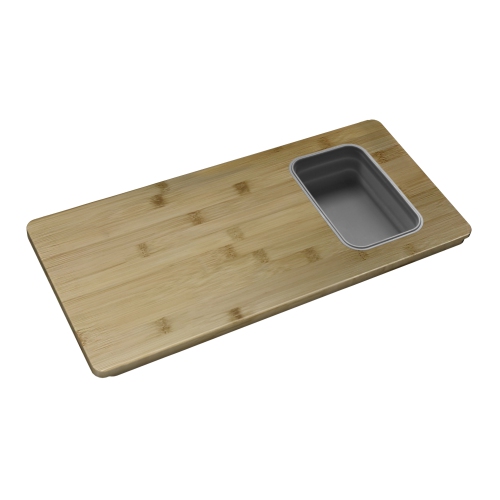
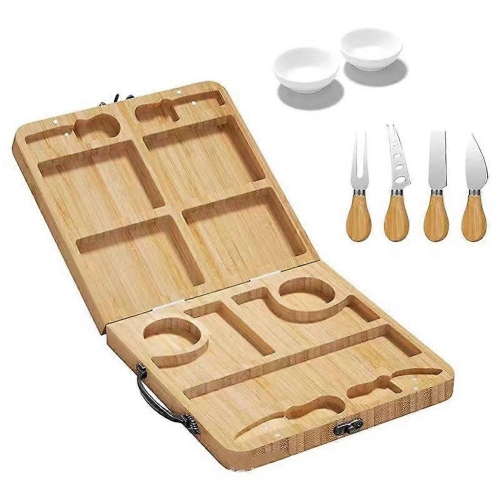
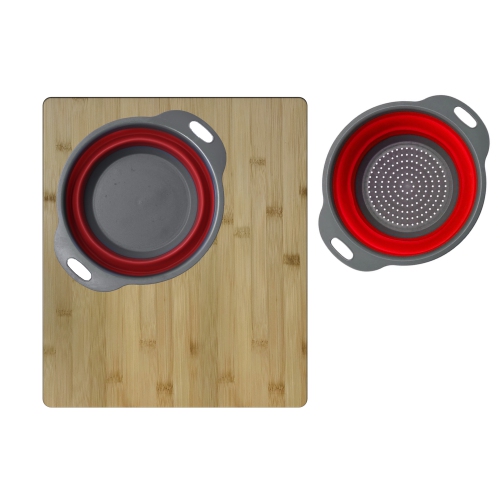
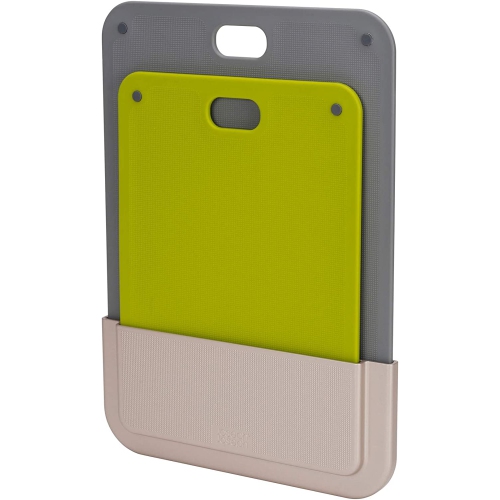
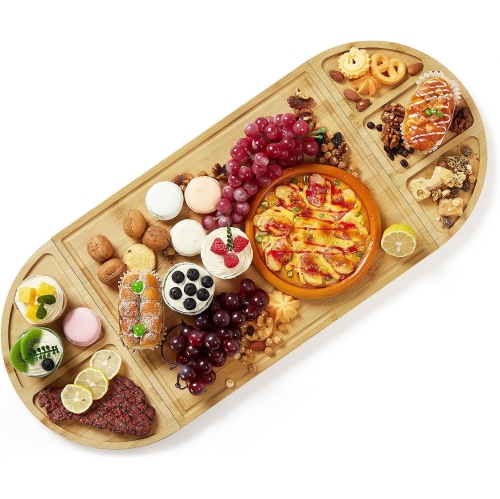
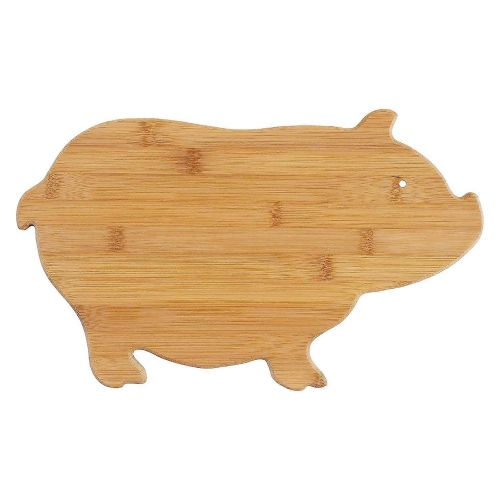
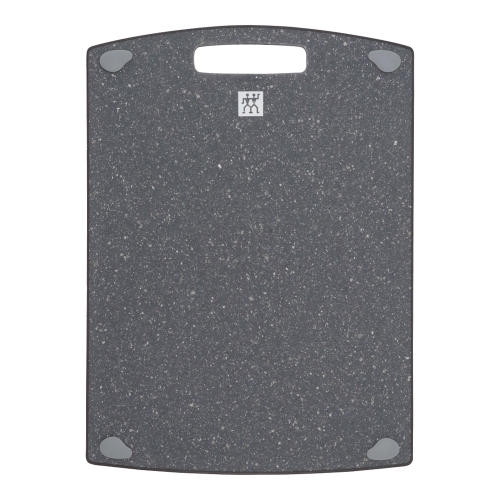
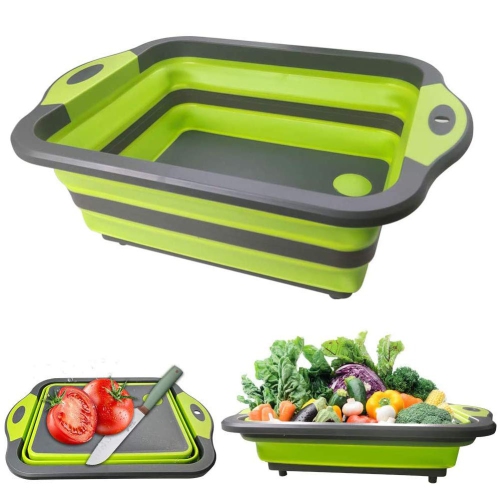
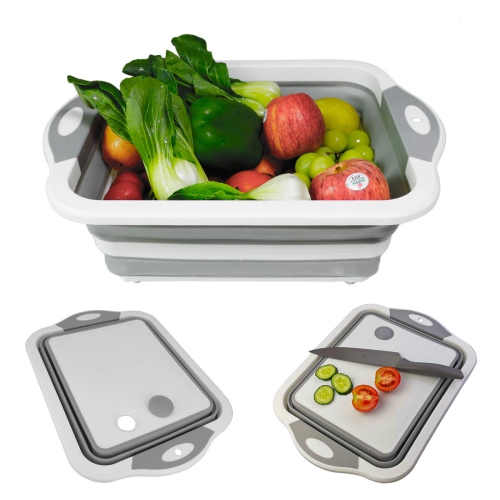
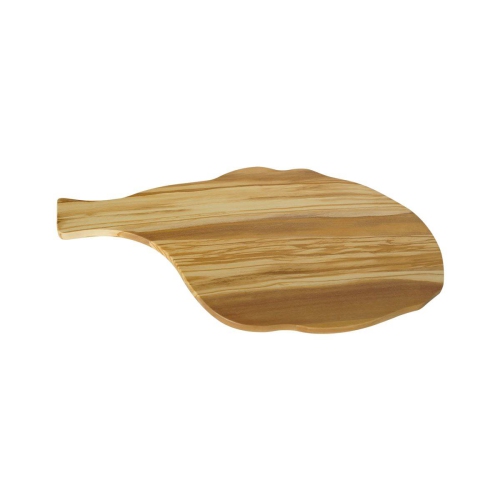
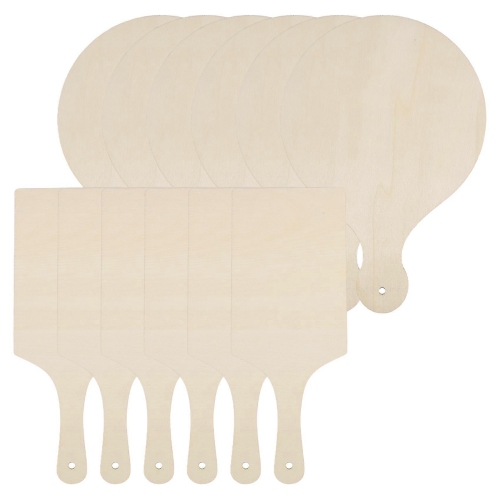
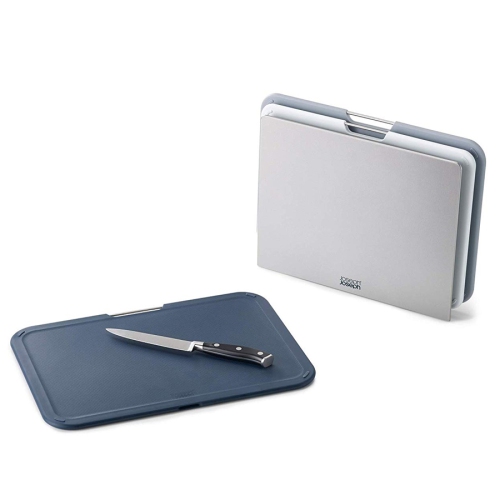
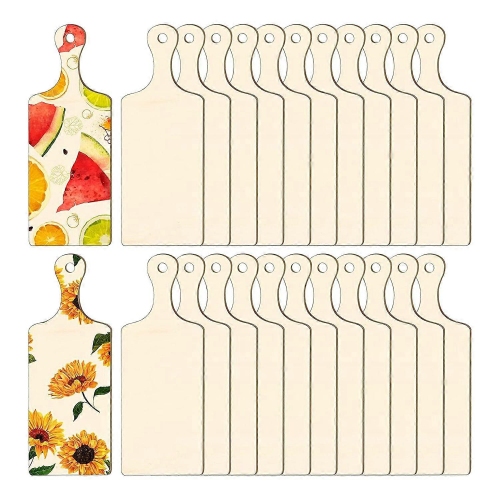
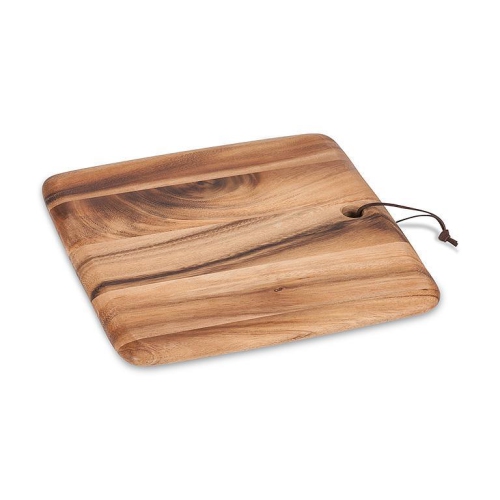
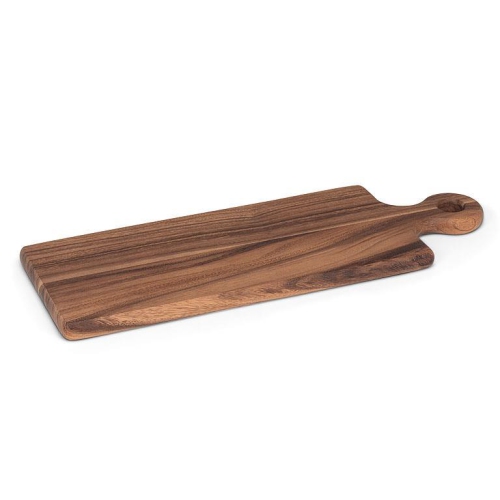

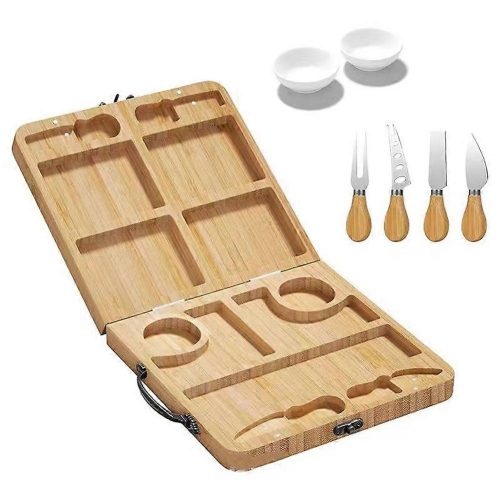
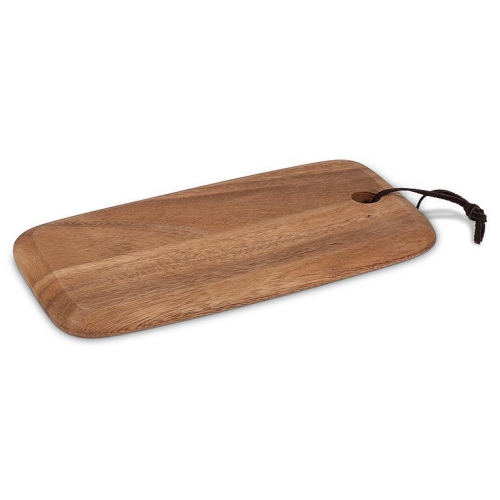
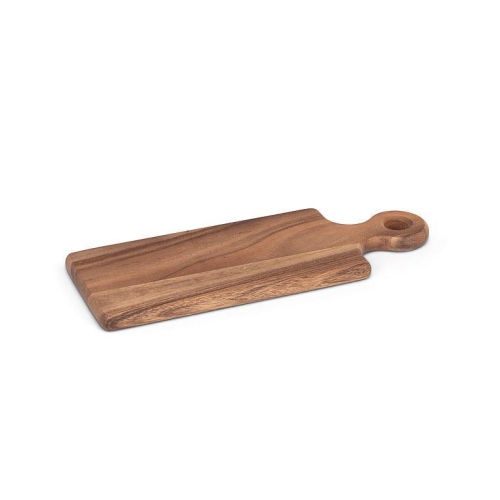
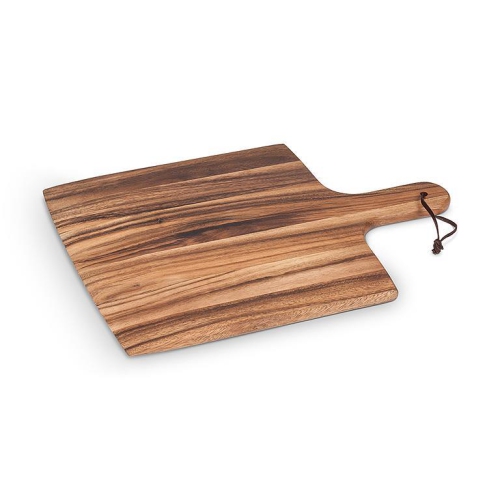
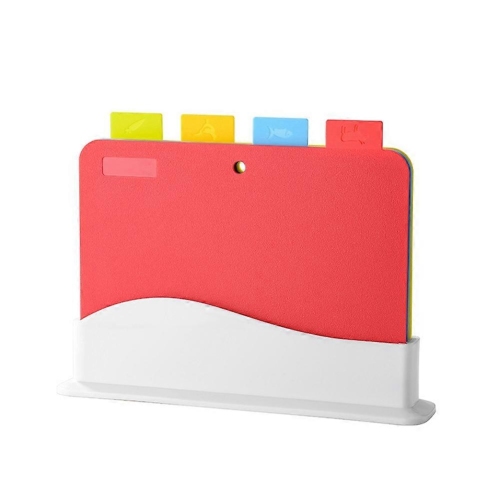
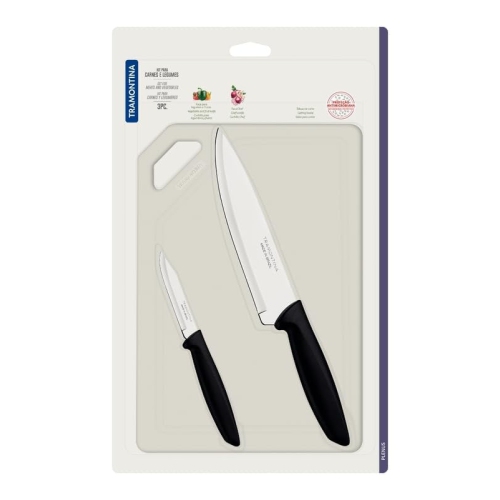
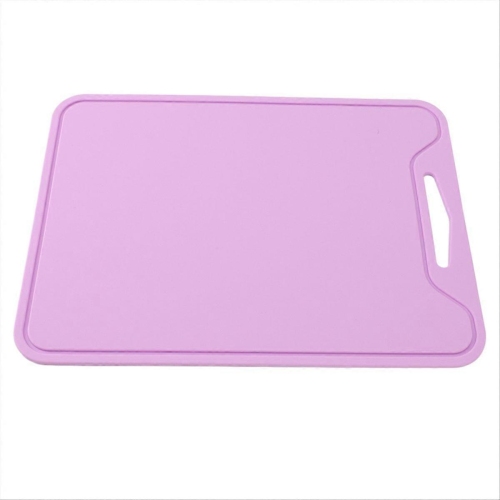
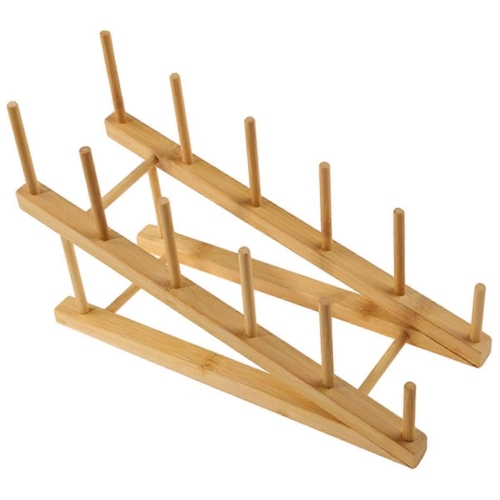
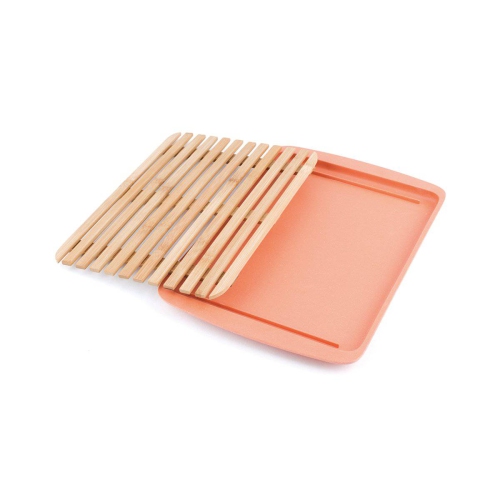
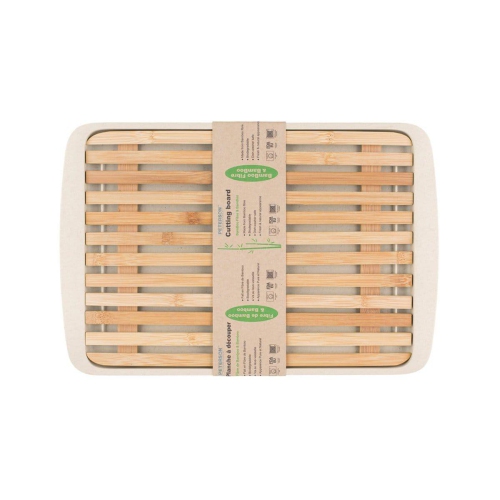
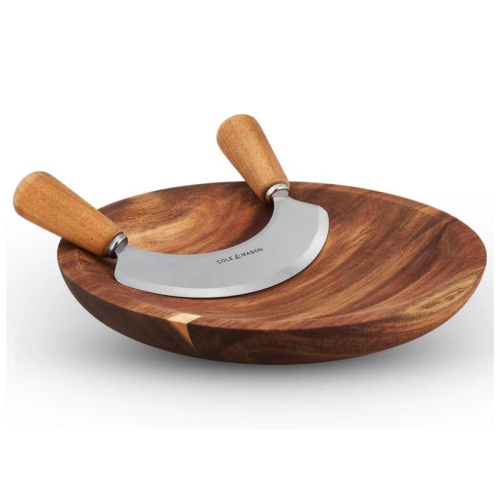
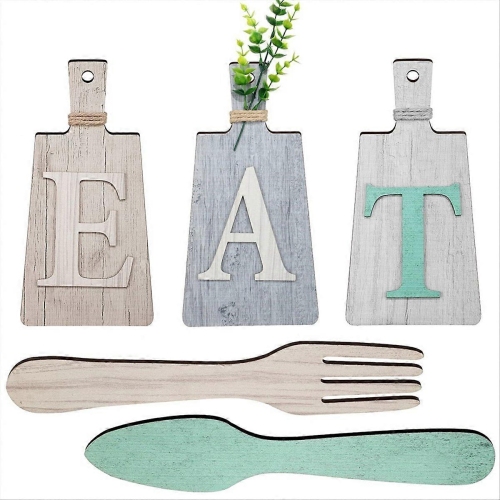
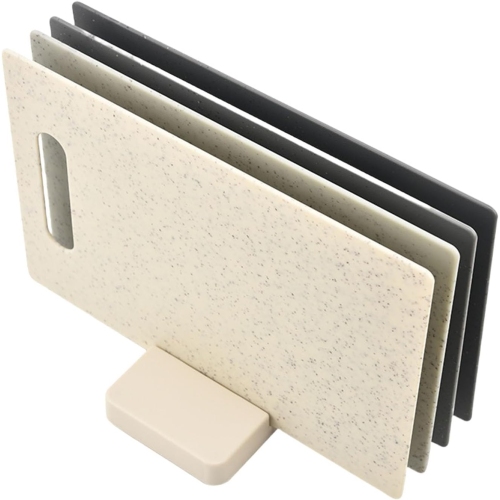
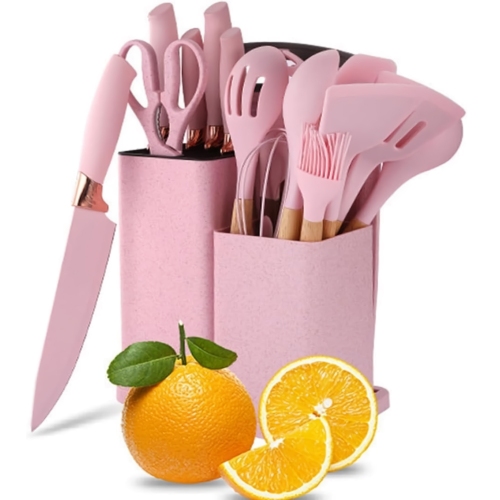
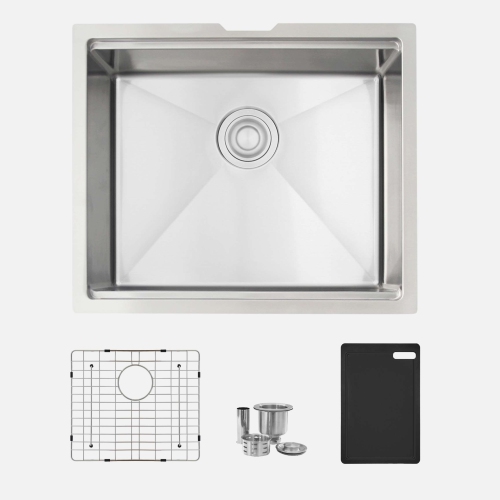
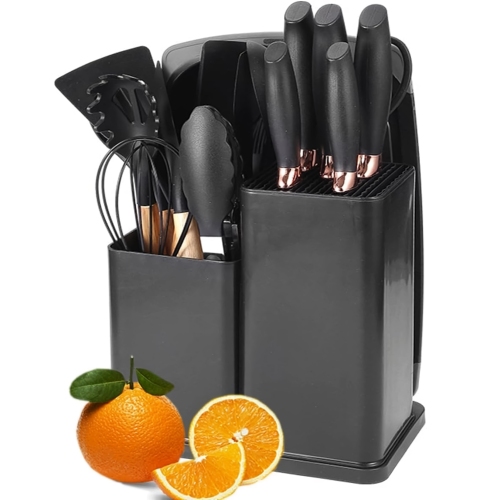
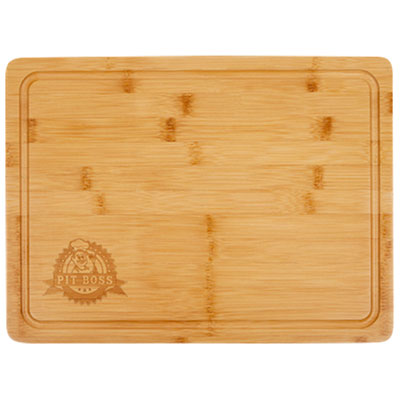
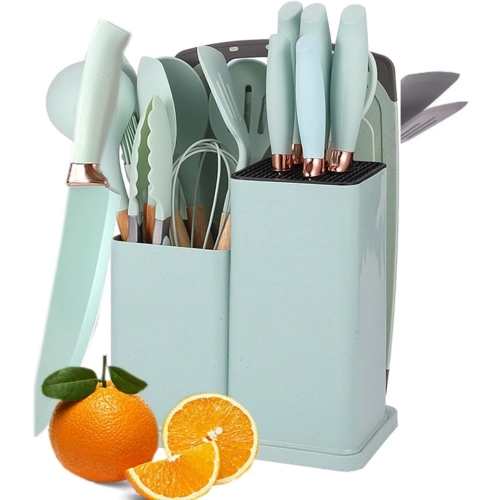
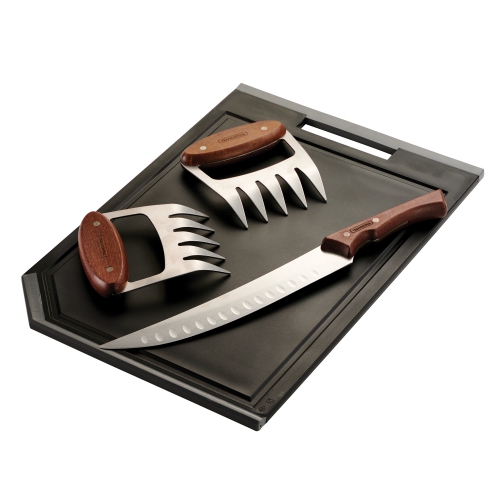
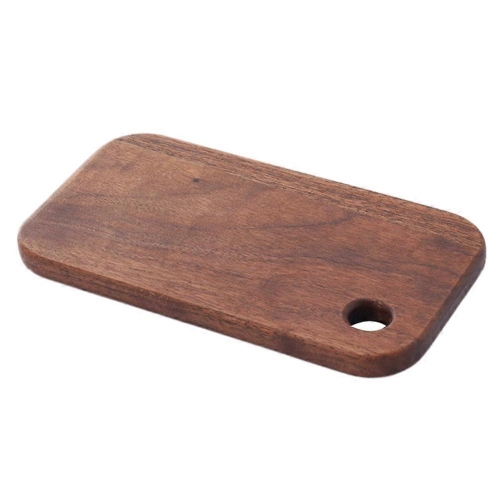
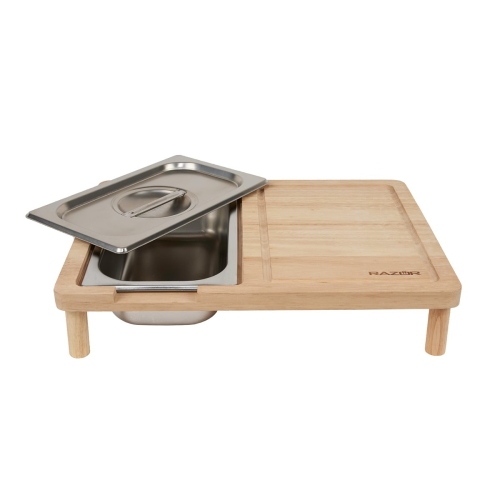
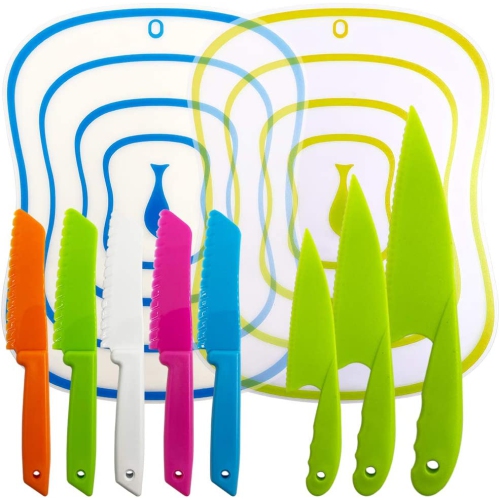

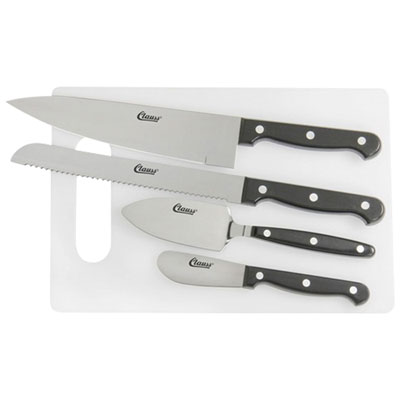
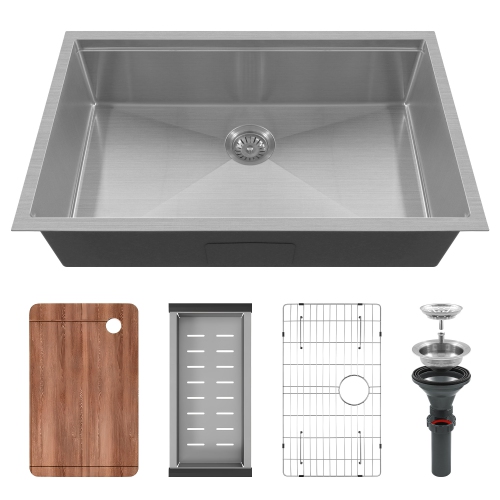
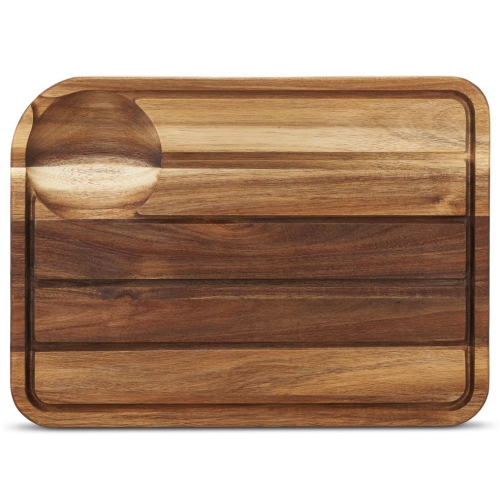
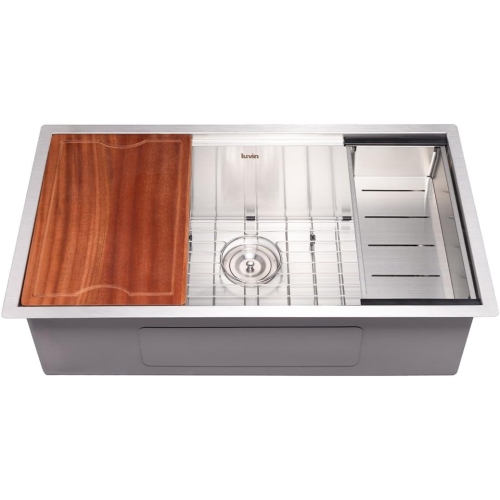
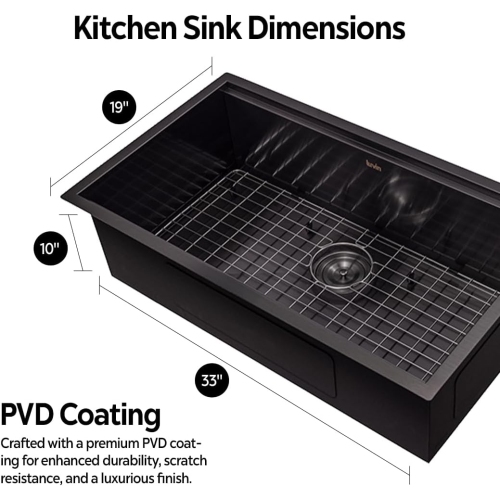
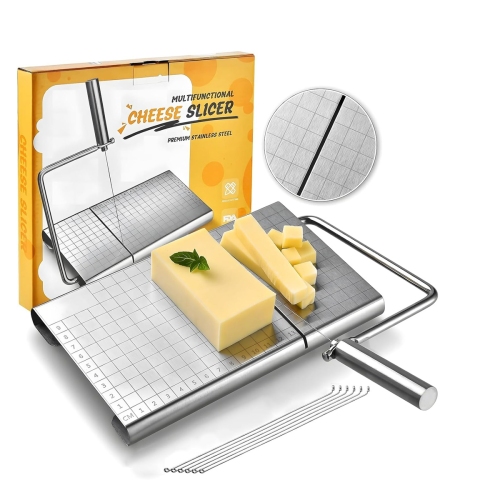
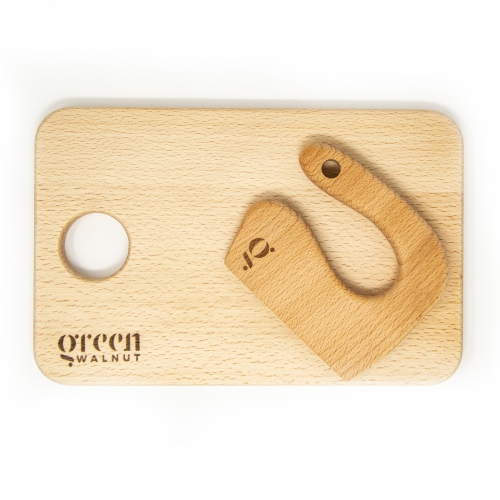
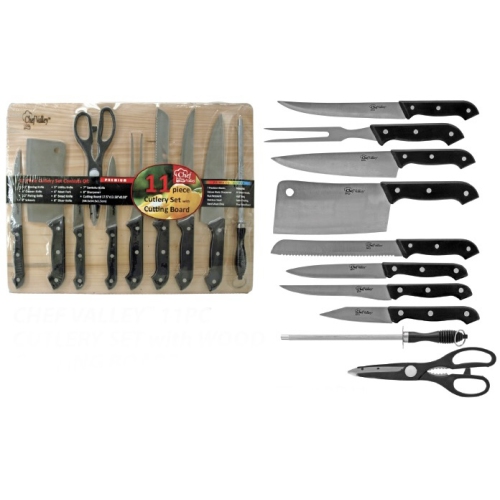
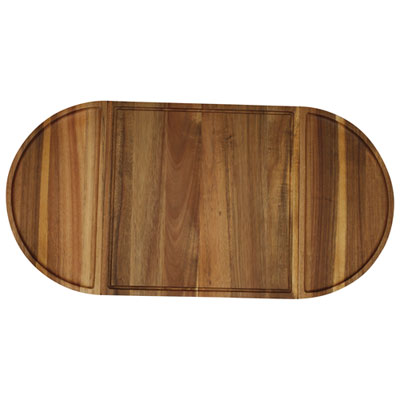
How cutting boards support everyday prep and entertaining
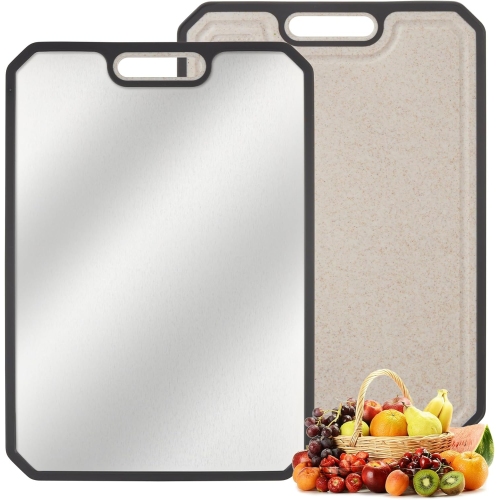
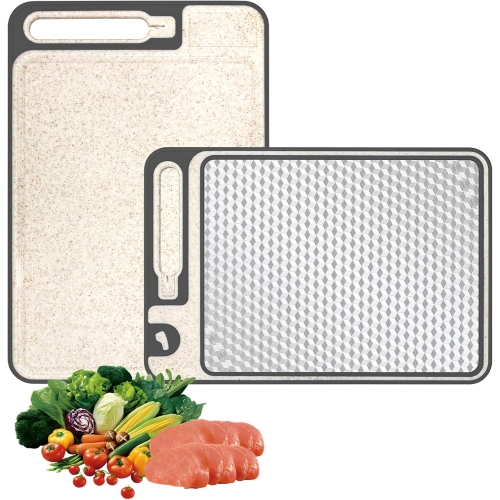
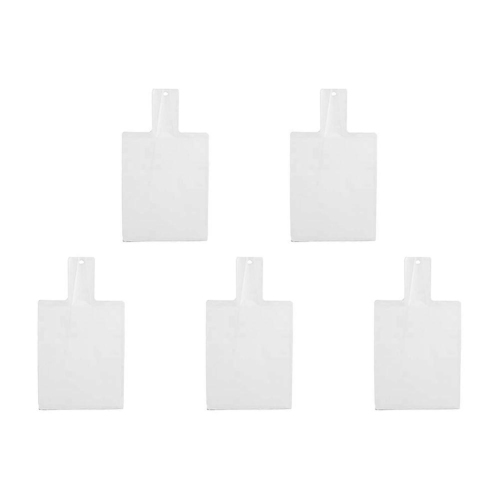
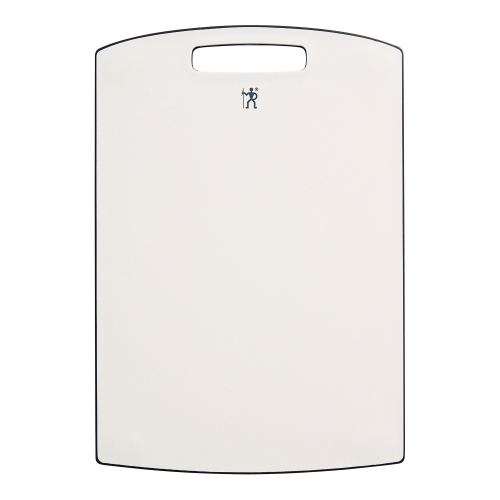
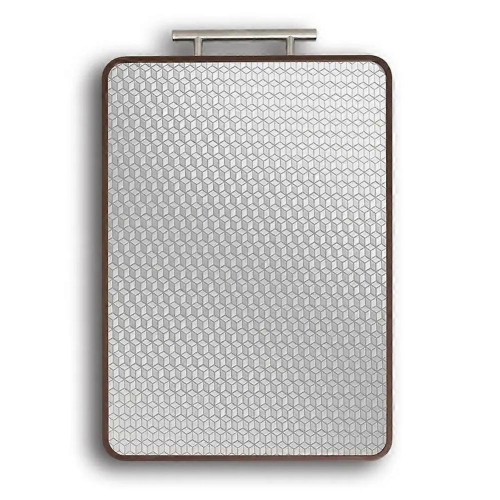
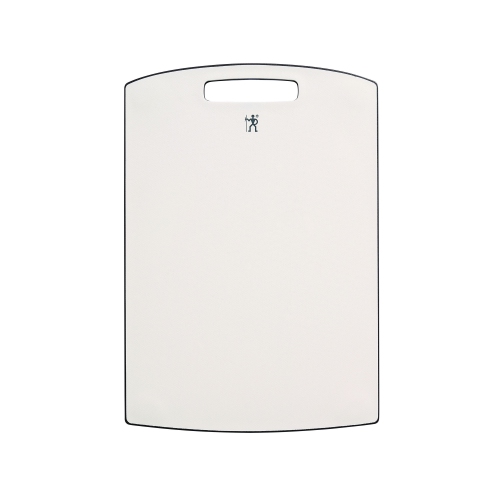
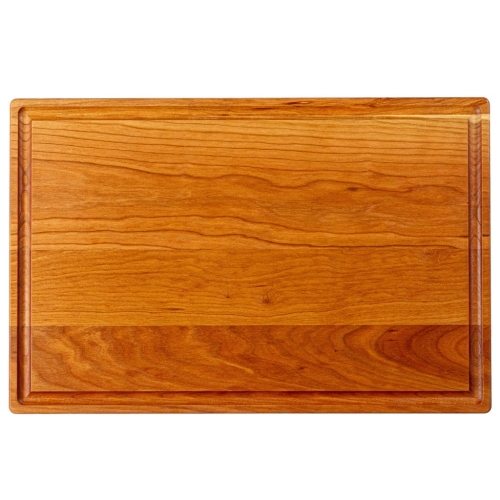
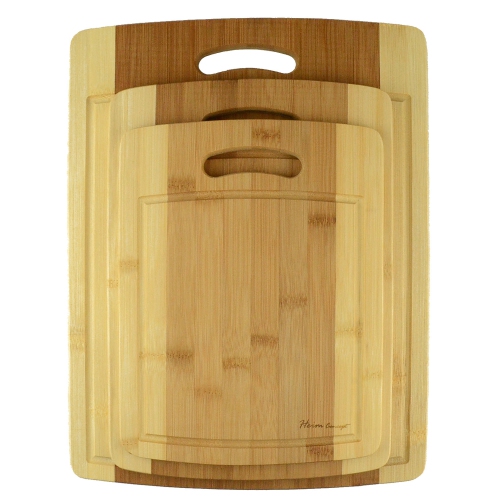
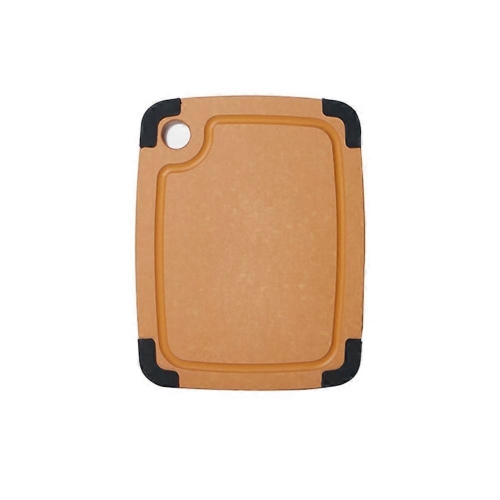
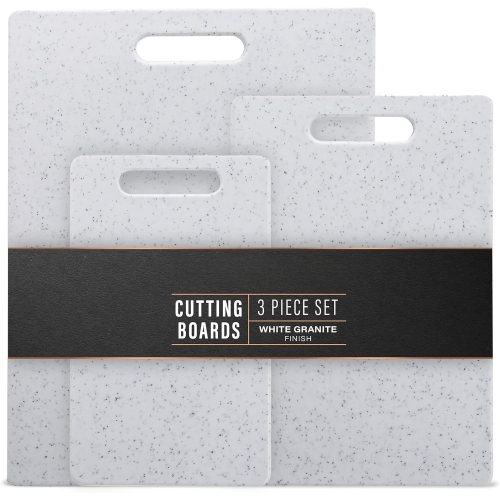
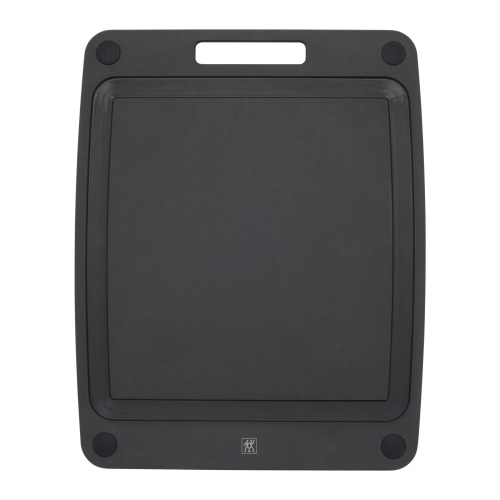
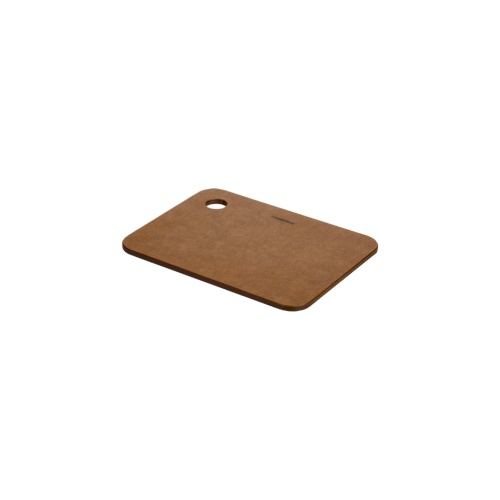
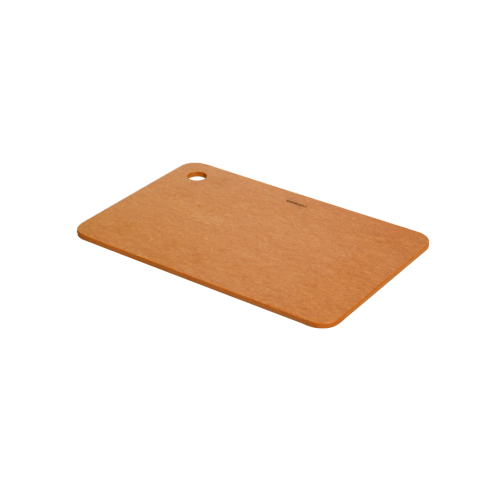
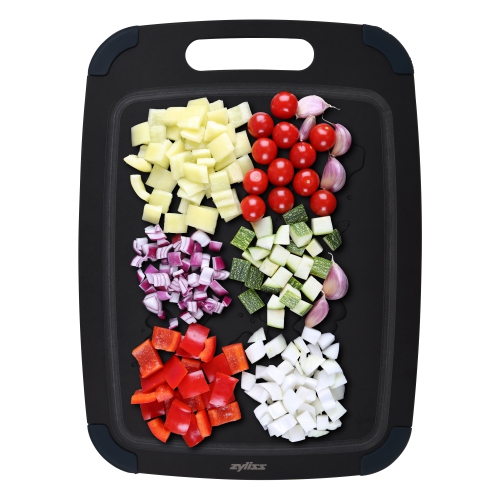
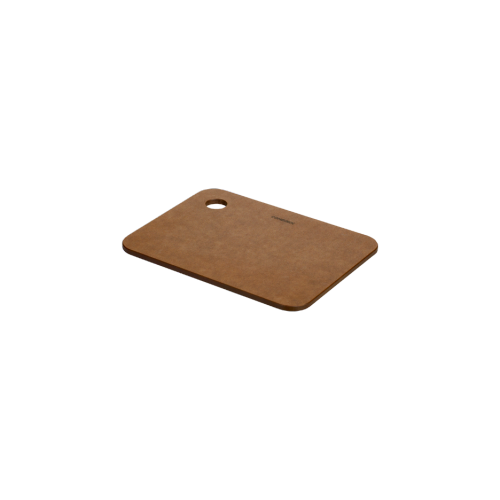
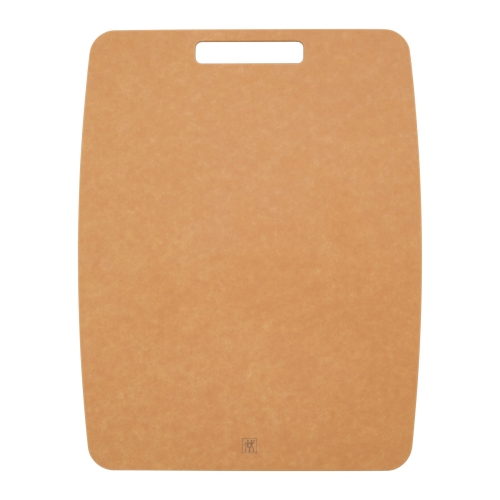
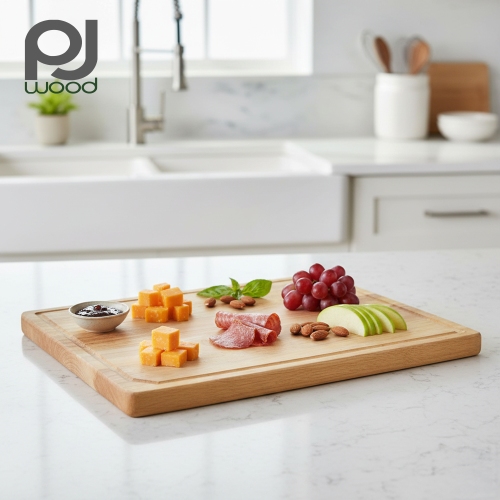
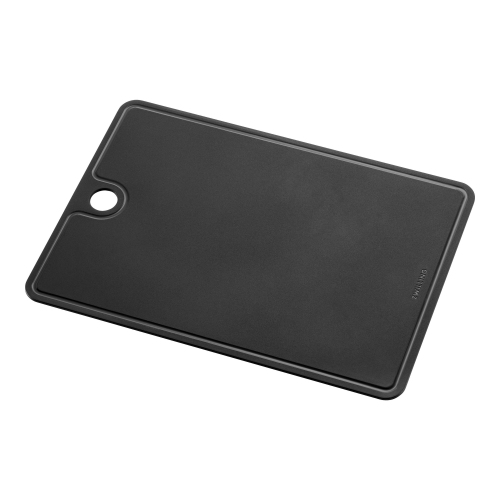
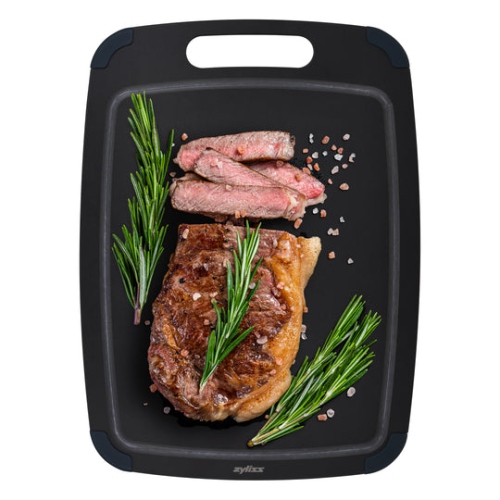
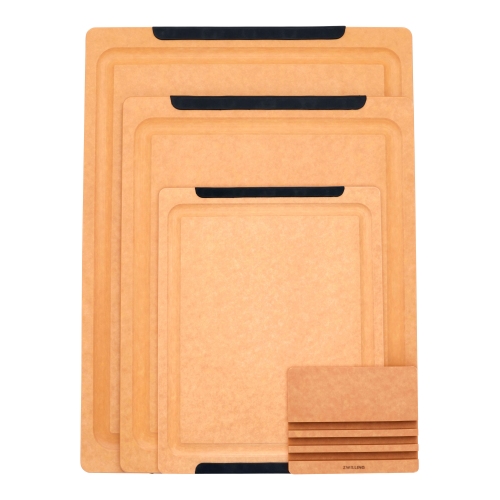
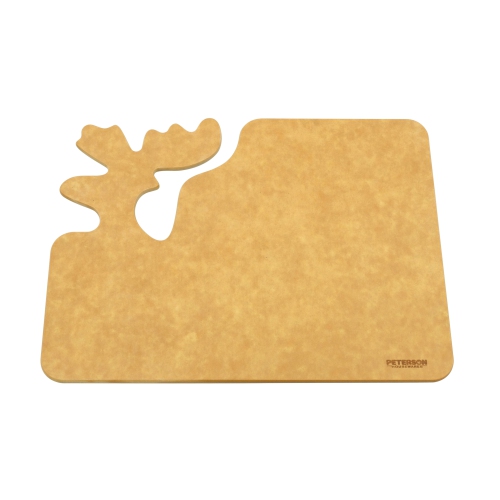
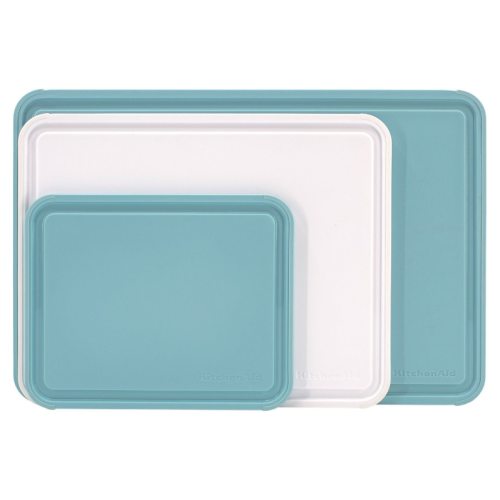
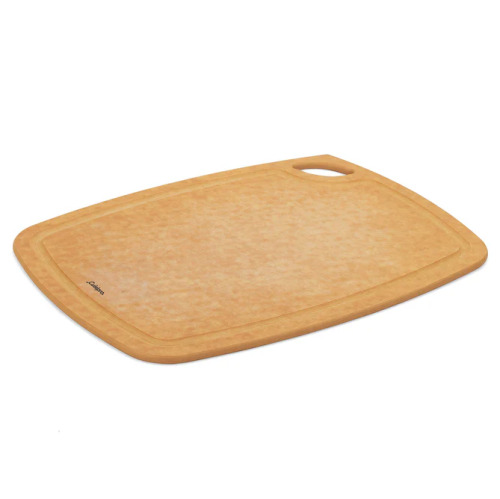
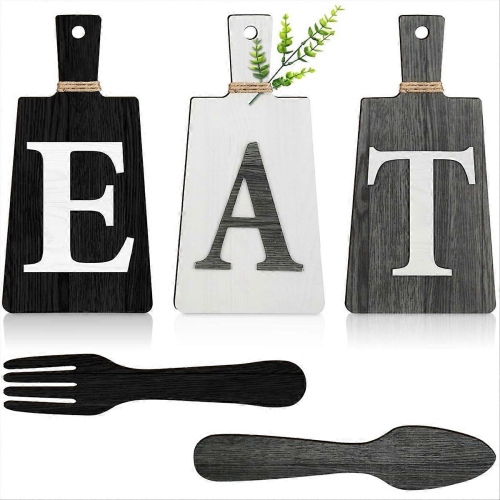
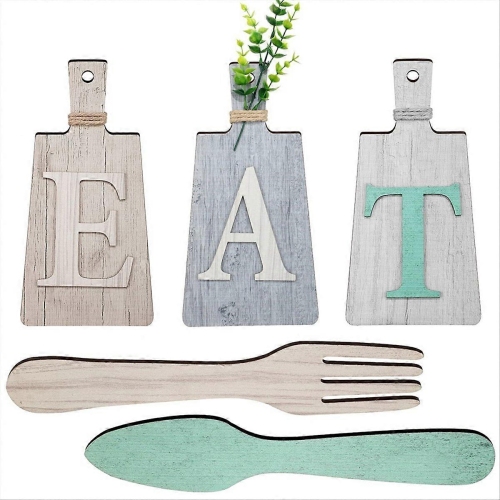
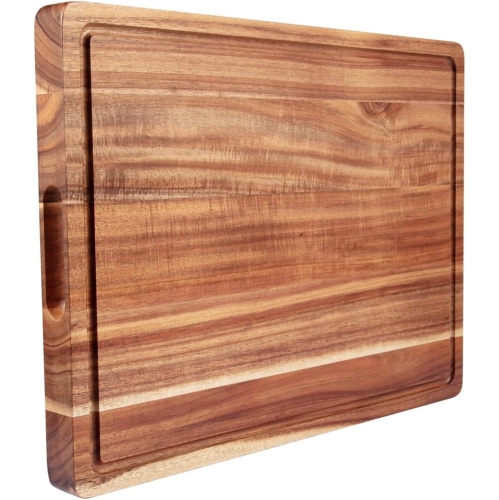
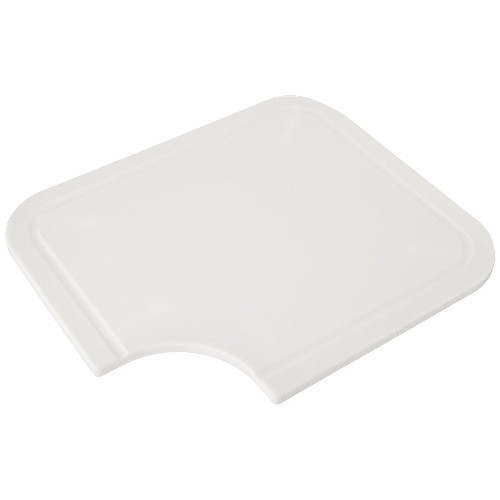
Kitchen cutting boards provide a dependable work surface for everyday food preparation, from slicing bread and fruit to chopping vegetables, carving cooked meat and assembling ingredients for a family meal. The right board can make kitchen tasks feel more comfortable and organized while helping protect countertops and knife edges. When comparing Kitchen Cutting Boards, start with the size and shape that suit your available workspace. A compact board is convenient for quick preparation in a smaller kitchen, while a larger board gives you more room to sort chopped ingredients without crowding the cutting area. A thicker board may feel sturdier and stay in place during heavier chopping, whereas a lightweight board is easier to lift, move and store. Reversible designs can provide two usable surfaces, and boards with handles or built-in openings may be easier to carry from the counter to the table. A juice groove around the edge can help collect liquid from juicy fruit, tomatoes or cooked meats, although it reduces the flat cutting area slightly. Non-slip feet and a textured underside can also add stability, especially when preparing food on smooth counters. For extra security with a board that does not have built-in grips, place a clean, damp kitchen towel or paper towel beneath it to help prevent movement. Keeping the board steady supports more controlled knife work and can make food preparation feel less tiring during large cooking sessions.
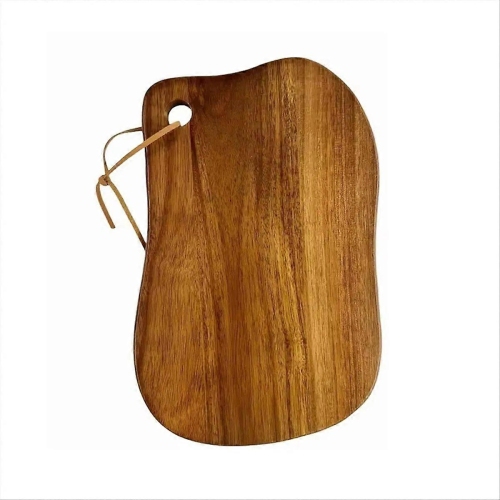
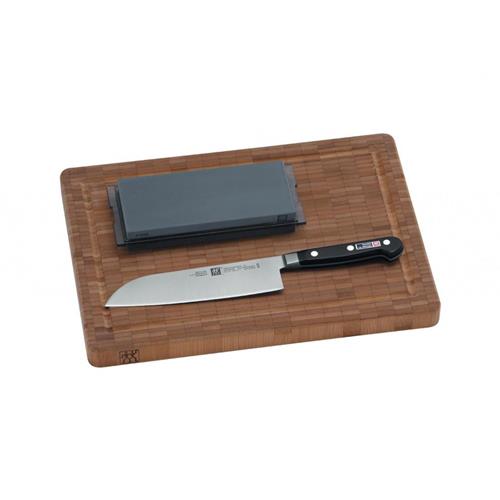
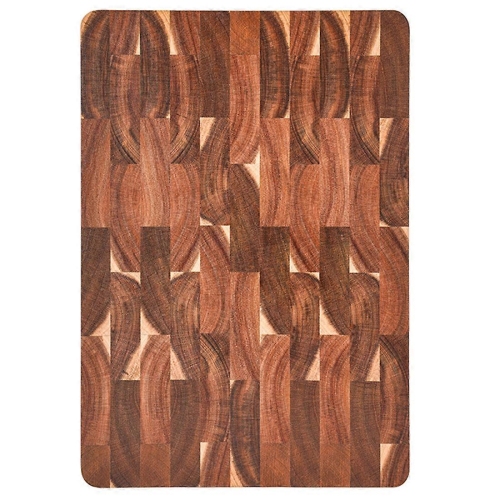
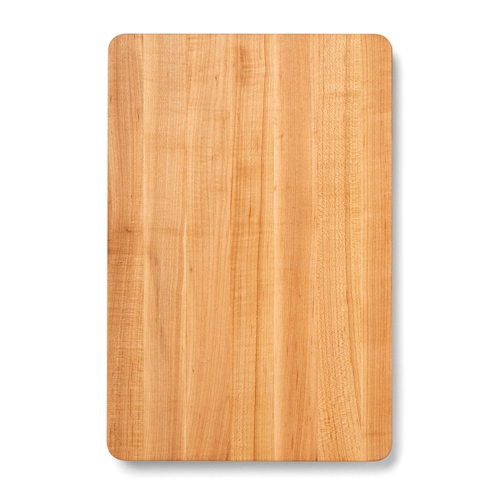
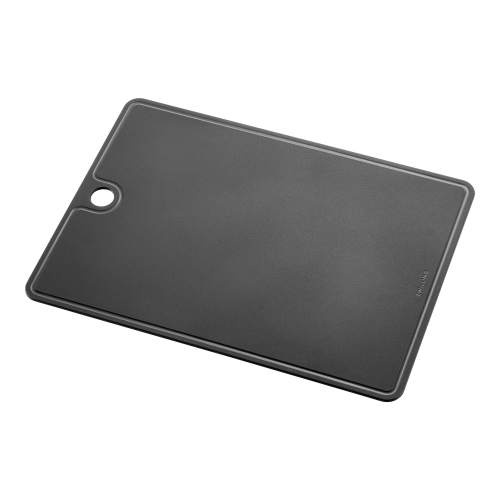
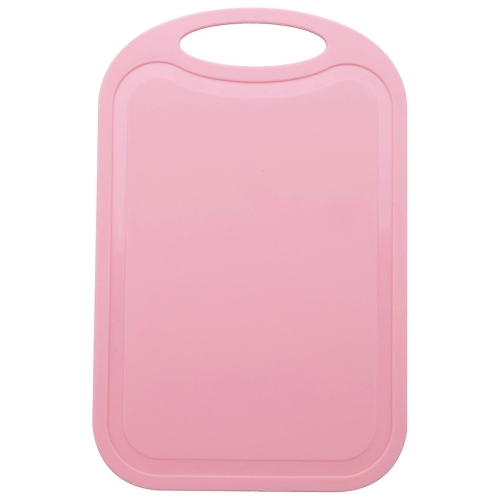
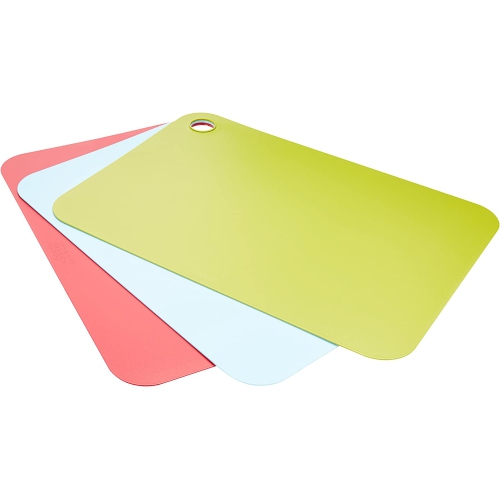
Material is one of the most important considerations because each type offers a different balance of knife care, cleaning convenience, weight and appearance. Wood is a popular choice for cooks who appreciate a solid, warm-feeling surface that is gentle on knife edges. Maple, acacia and other hardwood boards can be useful for chopping vegetables, slicing bread and preparing cooked foods, but they generally require hand washing rather than dishwasher cleaning. Wash a wooden board with hot, soapy water after use, rinse it, then dry it promptly and thoroughly so moisture does not remain trapped in the grain. Food-grade mineral oil can help reduce drying and cracking when applied according to the care instructions, while a board conditioner may provide additional protection. Avoid soaking wood for long periods or leaving it beside a sink. A selection of Wooden Cutting Boards can suit a home cook who values knife-friendly preparation and is comfortable with occasional maintenance. Plastic boards are typically lightweight, easy to move and often dishwasher-safe when the manufacturer permits it, making them practical for busy households and meal preparation that involves raw ingredients. Deep knife marks can be more difficult to clean thoroughly, so inspect the surface regularly and replace a board when it becomes excessively worn, cracked or difficult to sanitize. Rubber boards offer a durable, resilient surface that is designed to be comfortable for knives and stable during repeated use; they may be heavier and require more storage space. Bamboo boards are firm, attractive and often affordable, though their hardness can be less forgiving to knife edges than some wood surfaces. Regardless of material, always follow the manufacturer’s cleaning and care directions.
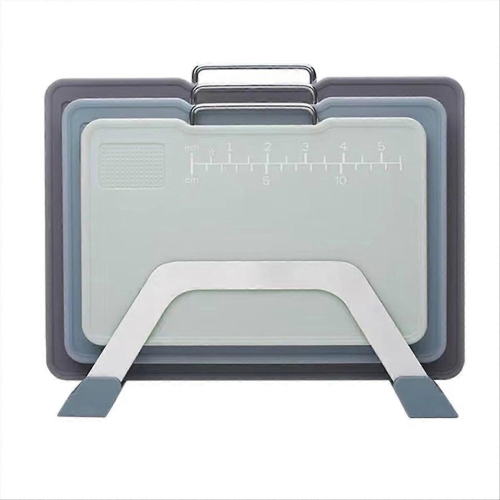
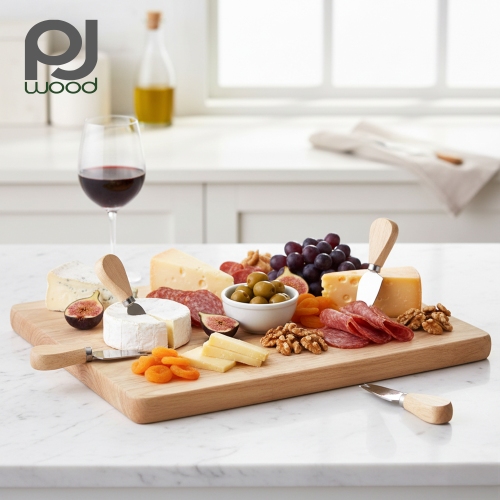
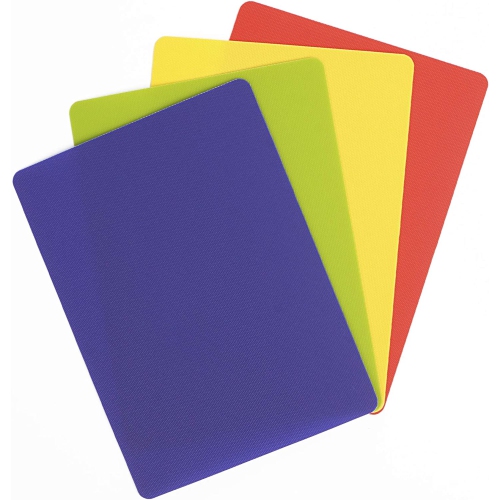
Using separate boards for different food-preparation tasks is a simple way to help reduce the transfer of germs between ingredients. Many households keep one board for raw meat, poultry and seafood and another for vegetables, fruit, bread and ready-to-eat foods. After preparing raw meat or seafood, wash the board with hot, soapy water and sanitize it using a method suitable for its material and the manufacturer’s instructions. Do not return cooked food to a surface that held raw ingredients unless the board has been properly cleaned. Let boards dry completely between uses, and store them upright or in a well-ventilated position when possible rather than stacking damp surfaces together. Kitchen Cutting Boards can be useful gifts for someone moving into a first home, setting up a new kitchen, learning to cook or preparing more meals from scratch. They are also practical additions for hosts who enjoy serving bread, cheese, fruit or appetisers, and for families that need a larger surface during shared cooking sessions. As the weather warms, a sturdy board can support preparation for picnics, patio meals and fresh salads; during the cooler months, it can help with hearty soups, roasted vegetables, baking projects and holiday entertaining. Consider the recipient’s habits before choosing: a dishwasher-focused household may prefer an easy-clean plastic option, while an enthusiastic home cook may enjoy the feel and upkeep of wood or rubber. With the right size, material and care routine, a cutting board can become one of the most frequently used tools in the kitchen.
Material is one of the most important considerations because each type offers a different balance of knife care, cleaning convenience, weight and appearance. Wood is a popular choice for cooks who appreciate a solid, warm-feeling surface that is gentle on knife edges. Maple, acacia and other hardwood boards can be useful for chopping vegetables, slicing bread and preparing cooked foods, but they generally require hand washing rather than dishwasher cleaning. Wash a wooden board with hot, soapy water after use, rinse it, then dry it promptly and thoroughly so moisture does not remain trapped in the grain. Food-grade mineral oil can help reduce drying and cracking when applied according to the care instructions, while a board conditioner may provide additional protection. Avoid soaking wood for long periods or leaving it beside a sink. A selection of Wooden Cutting Boards can suit a home cook who values knife-friendly preparation and is comfortable with occasional maintenance. Plastic boards are typically lightweight, easy to move and often dishwasher-safe when the manufacturer permits it, making them practical for busy households and meal preparation that involves raw ingredients. Deep knife marks can be more difficult to clean thoroughly, so inspect the surface regularly and replace a board when it becomes excessively worn, cracked or difficult to sanitize. Rubber boards offer a durable, resilient surface that is designed to be comfortable for knives and stable during repeated use; they may be heavier and require more storage space. Bamboo boards are firm, attractive and often affordable, though their hardness can be less forgiving to knife edges than some wood surfaces. Regardless of material, always follow the manufacturer’s cleaning and care directions.
Using separate boards for different food-preparation tasks is a simple way to help reduce the transfer of germs between ingredients. Many households keep one board for raw meat, poultry and seafood and another for vegetables, fruit, bread and ready-to-eat foods. After preparing raw meat or seafood, wash the board with hot, soapy water and sanitize it using a method suitable for its material and the manufacturer’s instructions. Do not return cooked food to a surface that held raw ingredients unless the board has been properly cleaned. Let boards dry completely between uses, and store them upright or in a well-ventilated position when possible rather than stacking damp surfaces together. Kitchen Cutting Boards can be useful gifts for someone moving into a first home, setting up a new kitchen, learning to cook or preparing more meals from scratch. They are also practical additions for hosts who enjoy serving bread, cheese, fruit or appetisers, and for families that need a larger surface during shared cooking sessions. As the weather warms, a sturdy board can support preparation for picnics, patio meals and fresh salads; during the cooler months, it can help with hearty soups, roasted vegetables, baking projects and holiday entertaining. Consider the recipient’s habits before choosing: a dishwasher-focused household may prefer an easy-clean plastic option, while an enthusiastic home cook may enjoy the feel and upkeep of wood or rubber. With the right size, material and care routine, a cutting board can become one of the most frequently used tools in the kitchen.
Top selling and popular products
-
 Your price for this item is $39.99
 -
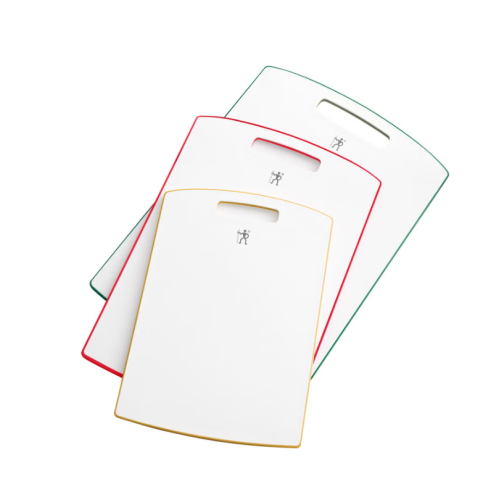 Your price for this item is $54.99
 -
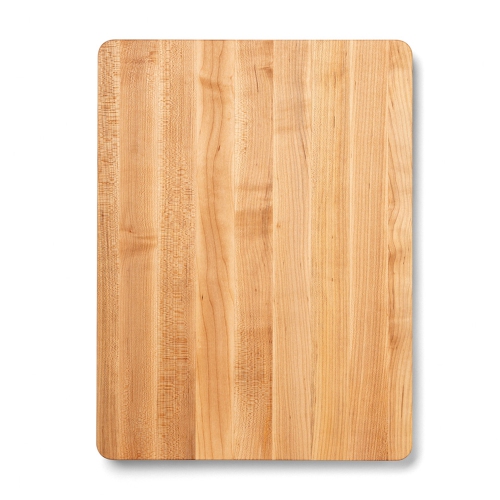 Your price for this item is $175.99
 -
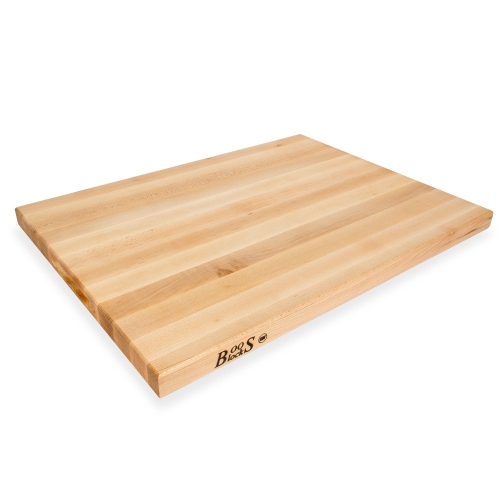 Your price for this item is $275.99
 -
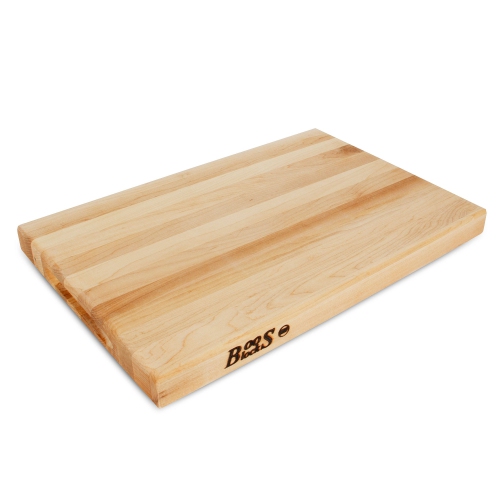 Your price for this item is $183.99
 -
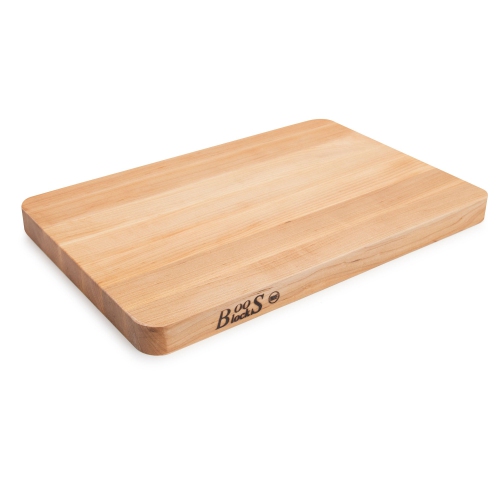 Your price for this item is $121.99
 -
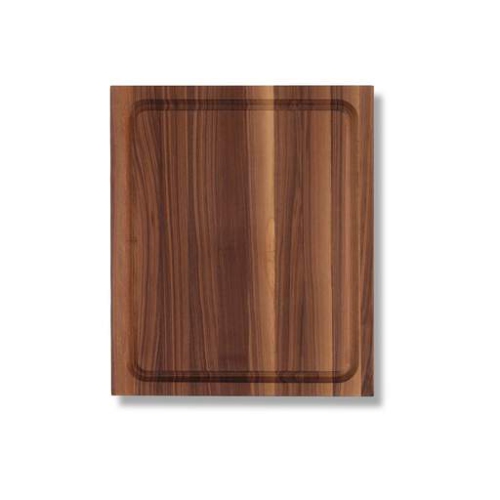 Your price for this item is $331.99
 -
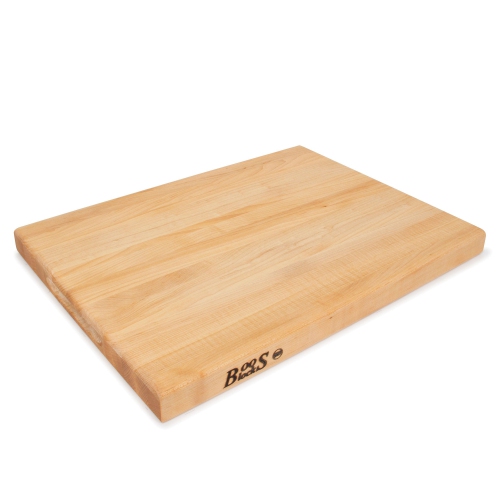 Your price for this item is $224.99
Discover more categories related to Kitchen Cutting Boards
Top Collections:
Pokemon Centers, Best Cameras for Sports Photography, Kindle Devices, Samsung Galaxy Phones, Canon G7X Cameras, Pokémon 30th Celebration Cards, Refurbished Apple Laptops, iPhone 15 Apple, Laptops for Students, Budget Smartphones
Some products may be subject to Environmental Handling Fees
(EHF) depending on your province.
Learn more about EHFs.