Pizza Cutting Boards
Looking for the perfect tool to slice and serve your favorite pizza creations? Look no further than our collection of pizza cutting boards. These versatile boards are not only practical for cutting through crispy crusts and gooey cheese, but they also double as stylish serving platters for your homemade or takeout pizzas. With a variety of materials, sizes, and designs to choose from, finding the ideal pizza cutting board to suit your kitchen decor and culinary needs is a slice of cake.
Sort



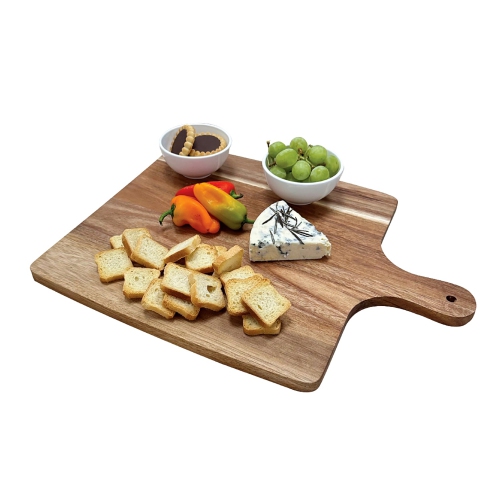
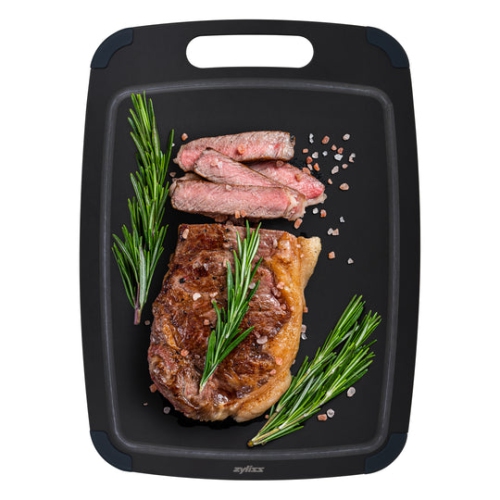
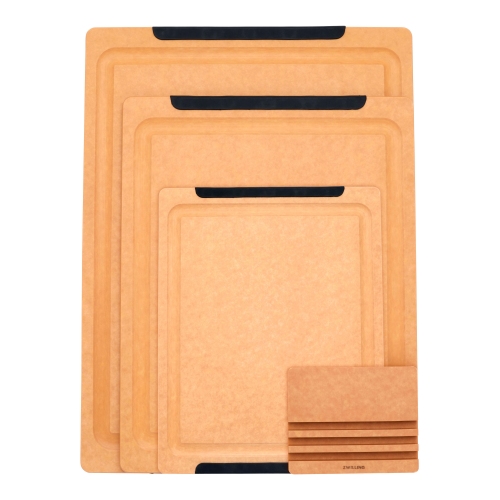
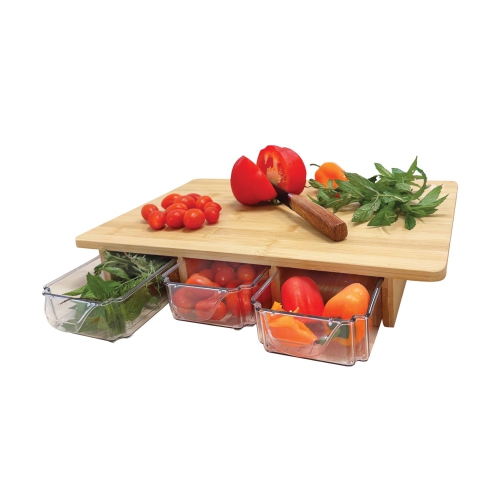

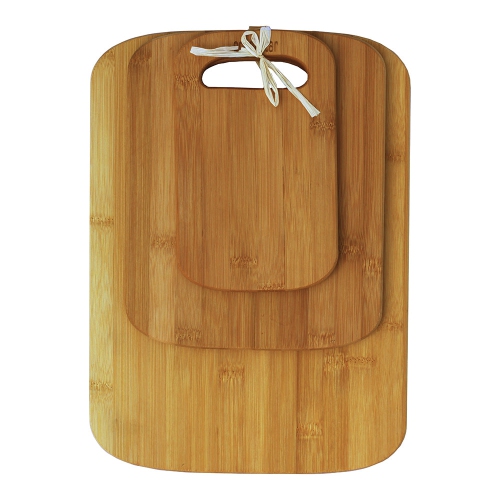



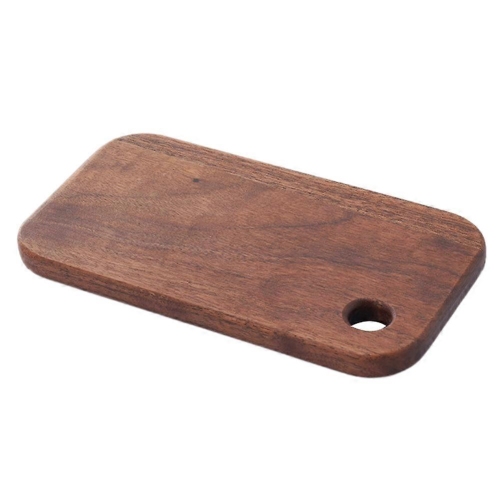
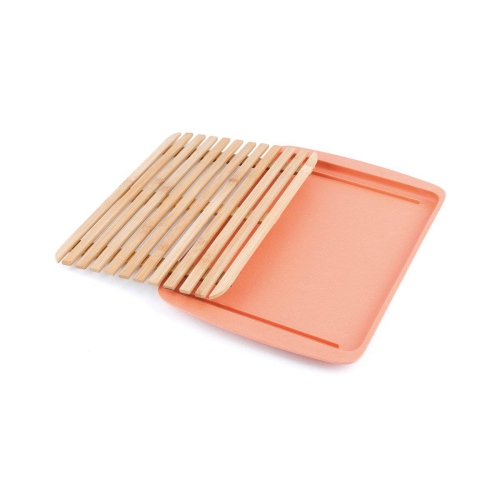
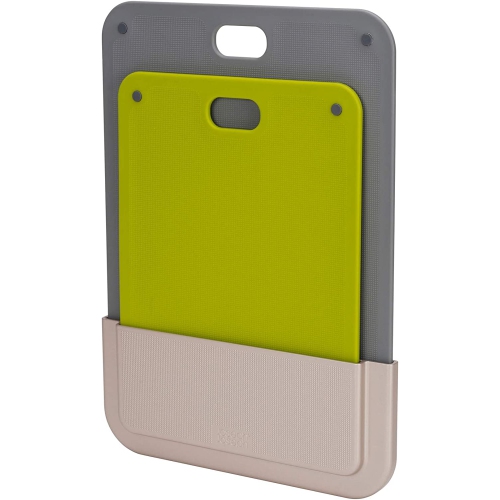
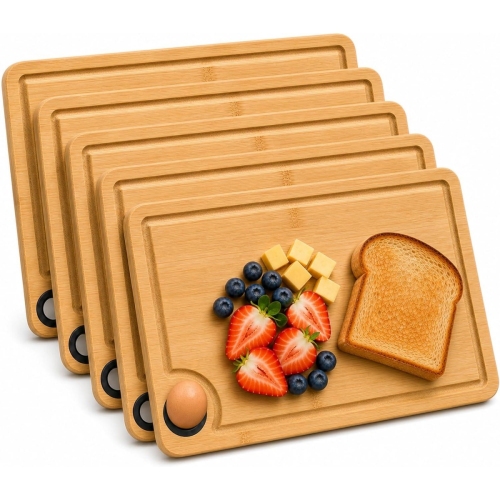


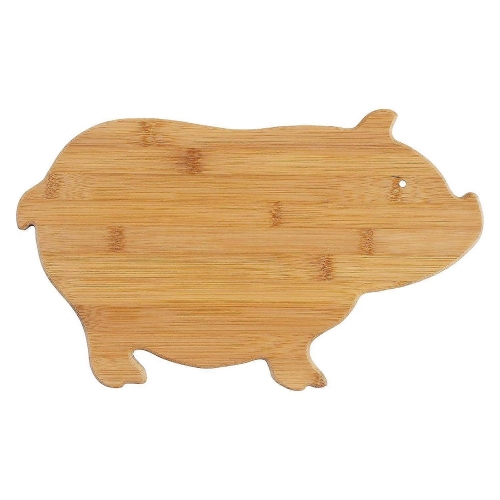
Why cutting space matters more than board shape
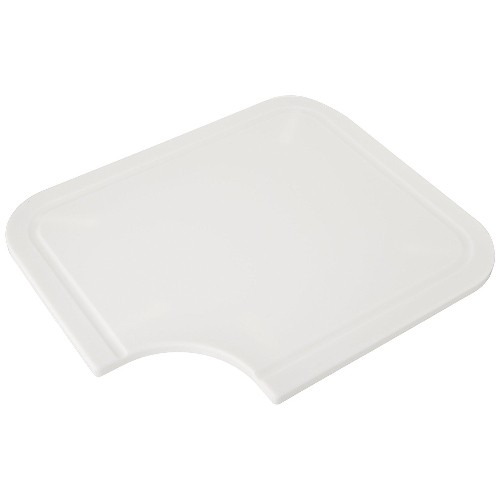
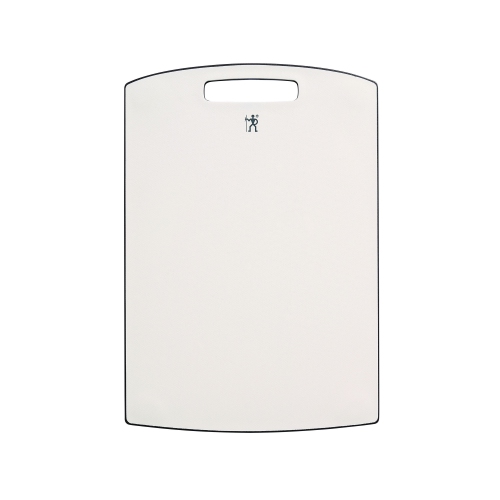
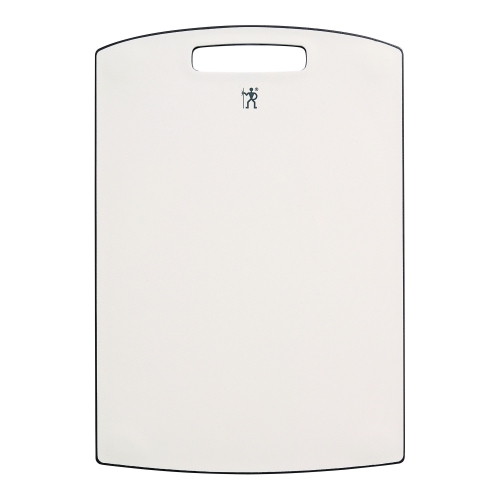
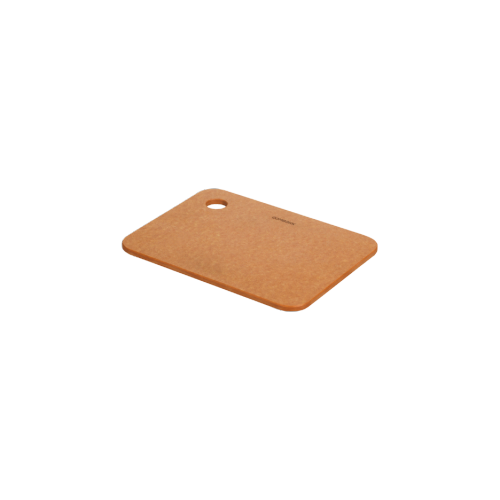
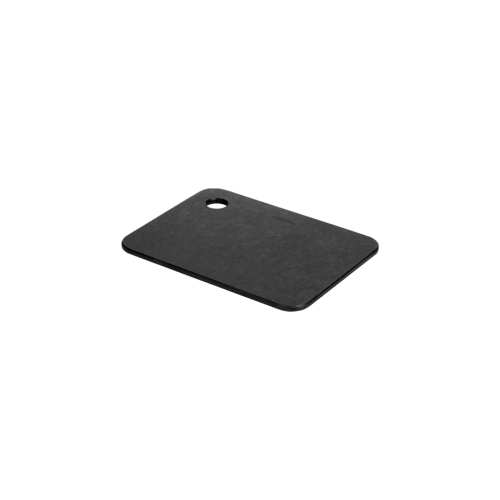
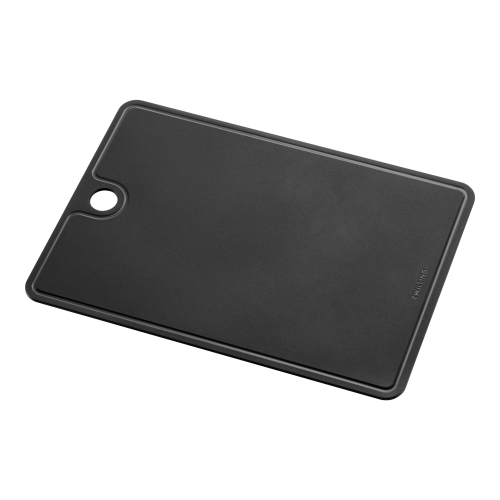
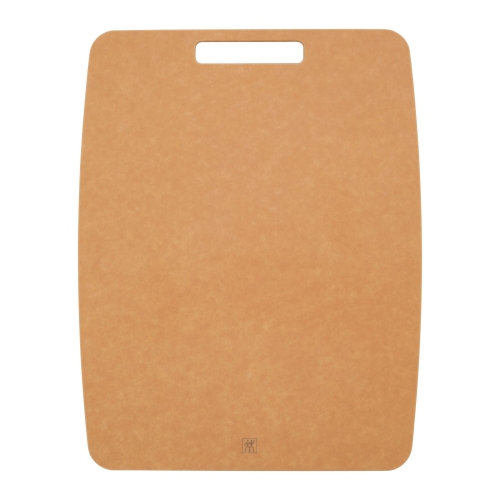
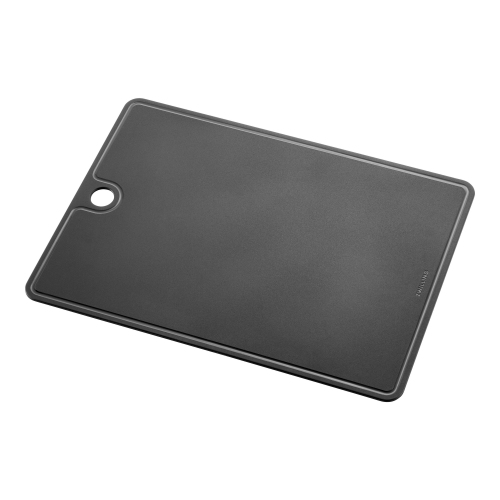
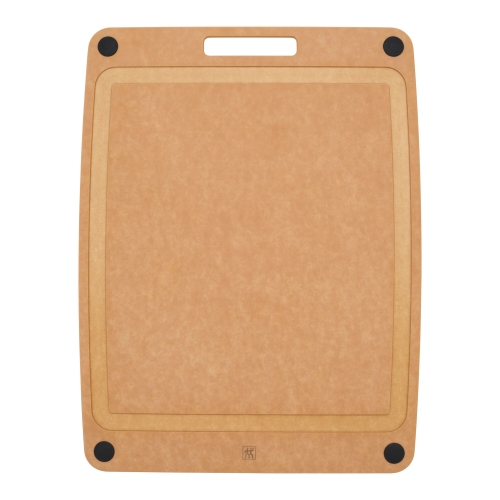
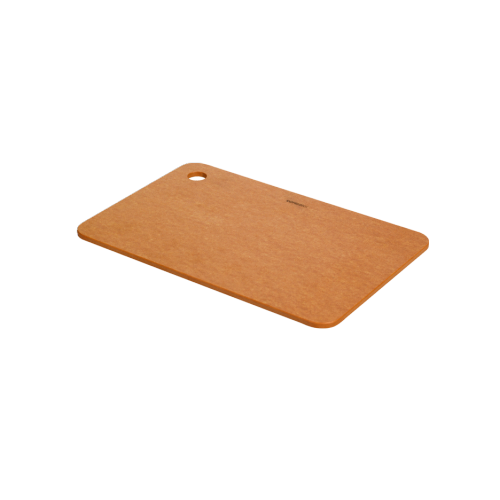
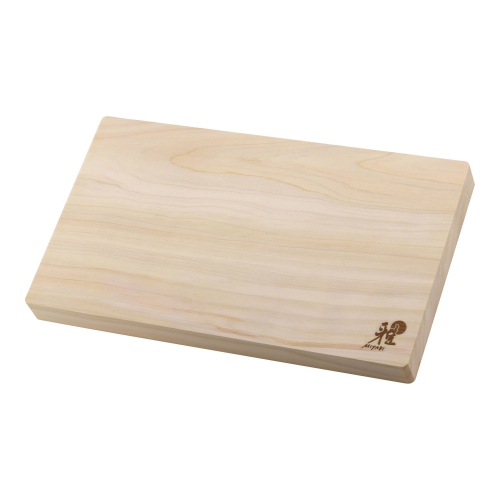
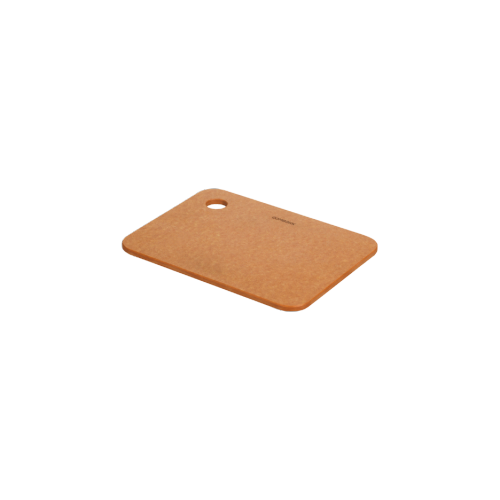
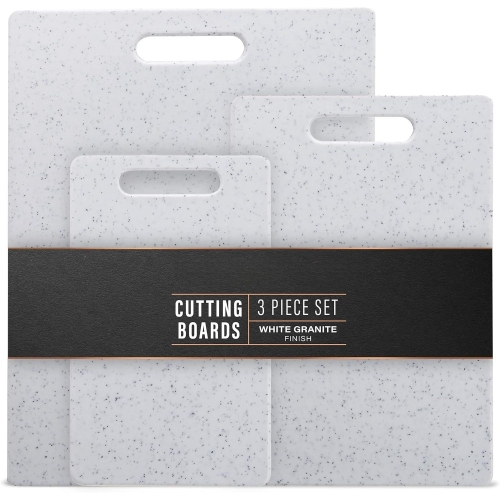
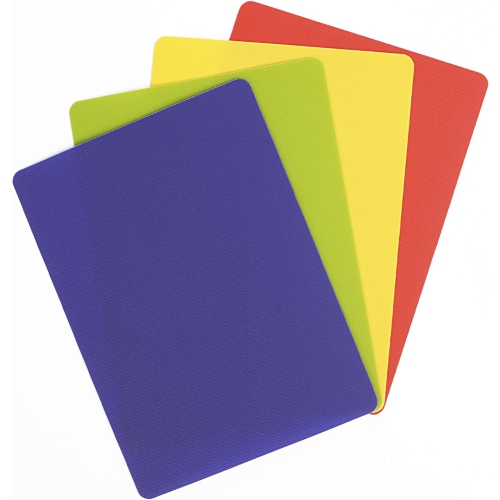
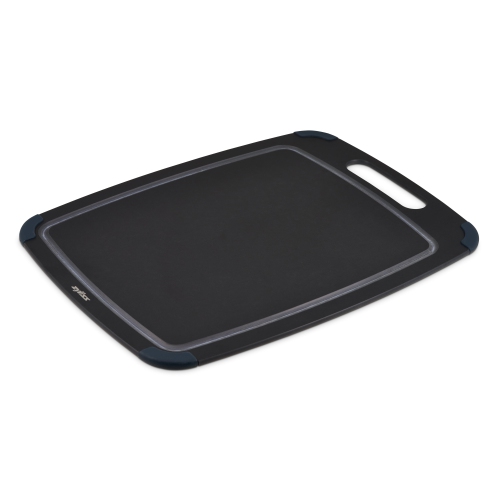
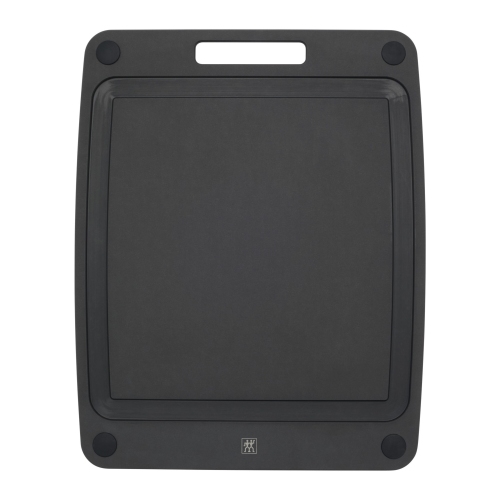
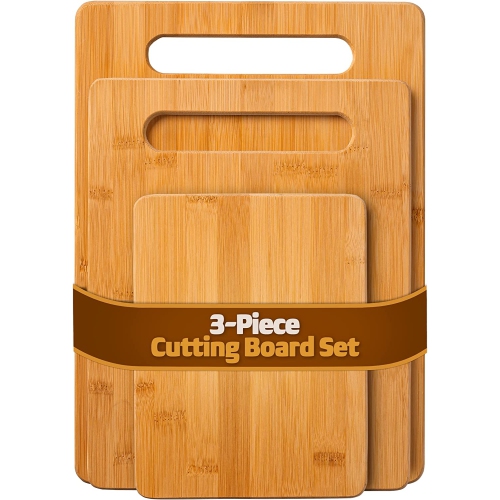
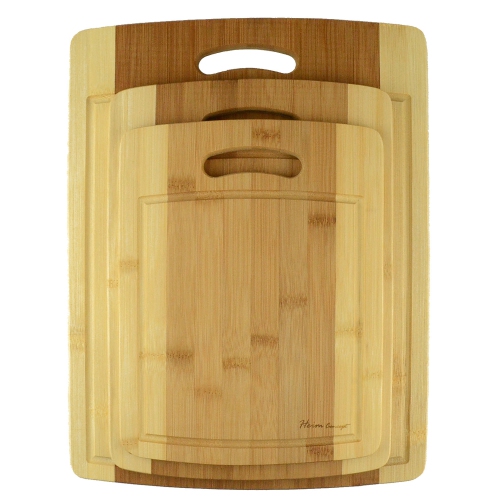
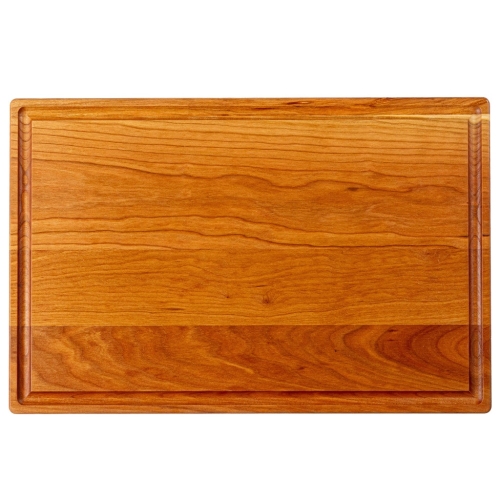
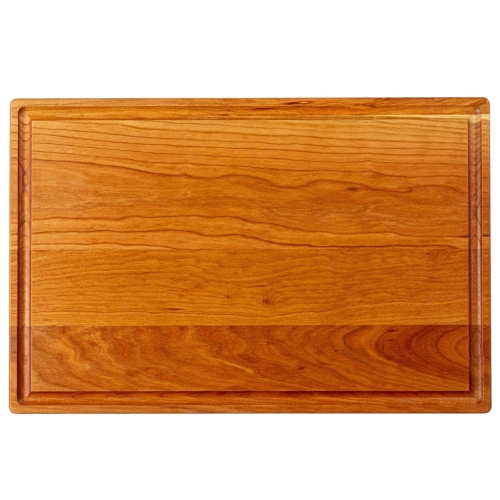
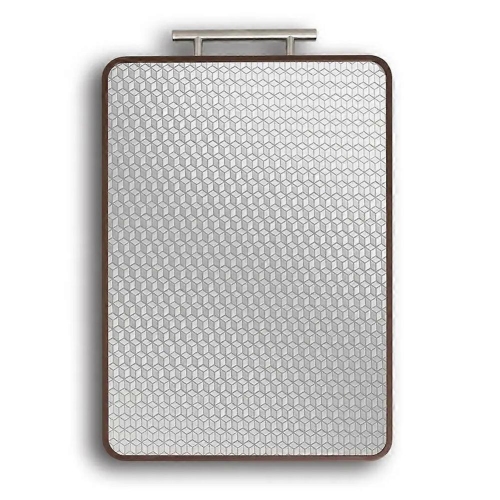
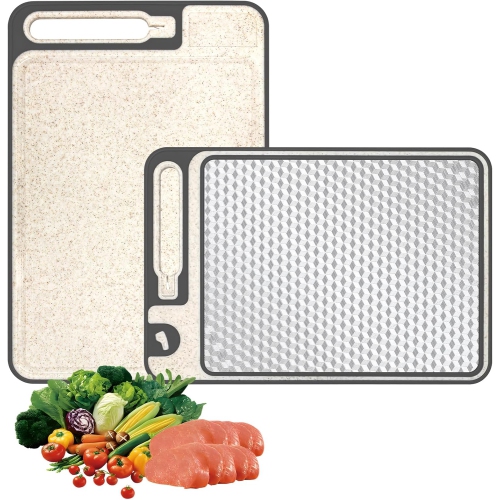
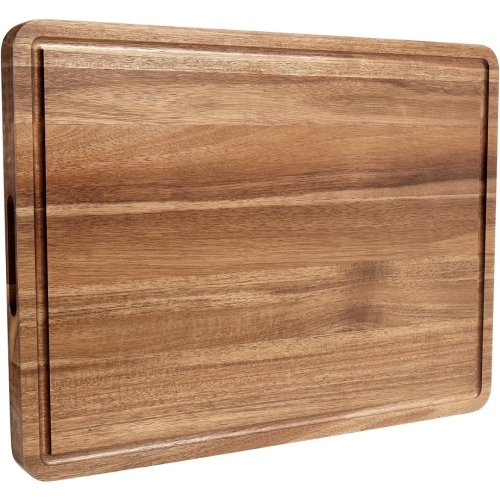
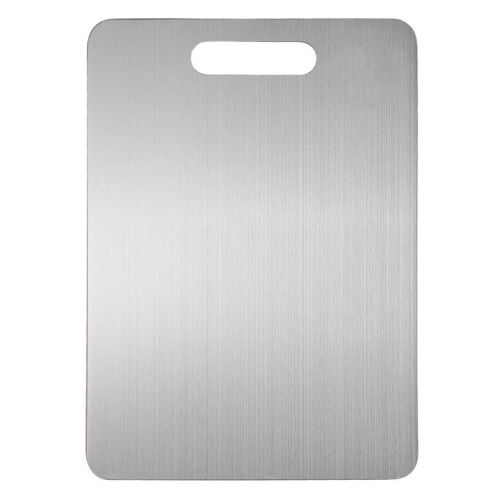
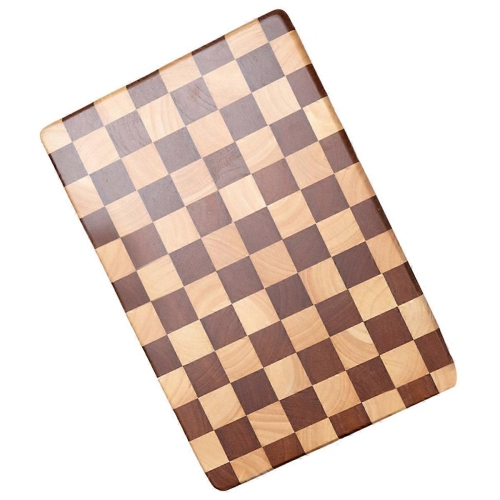
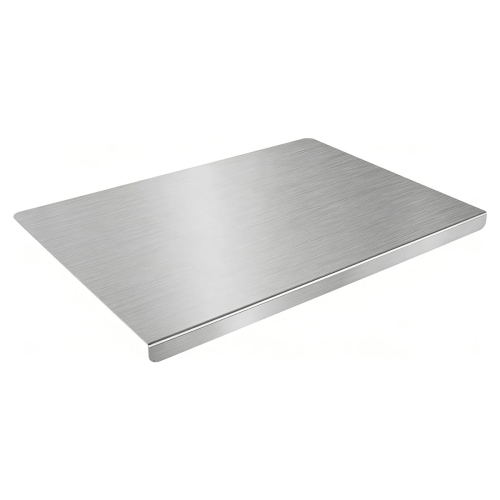
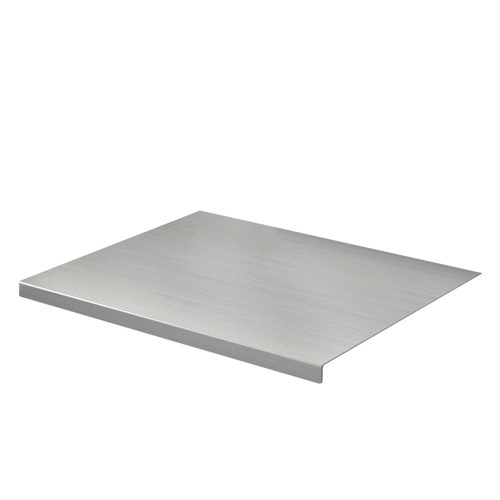
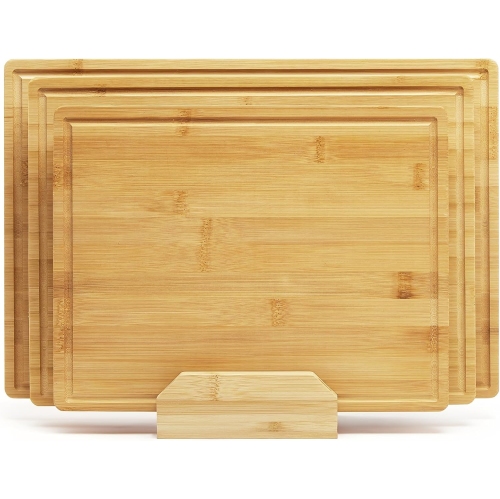
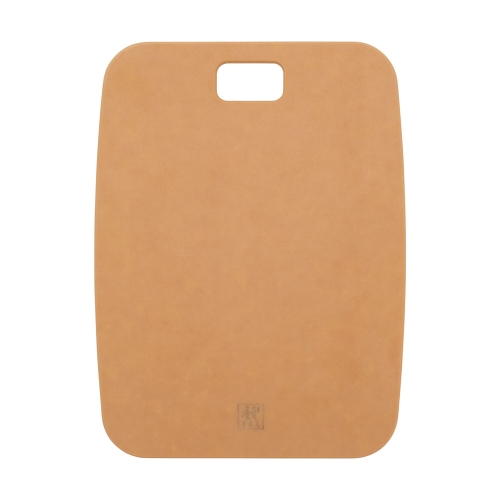
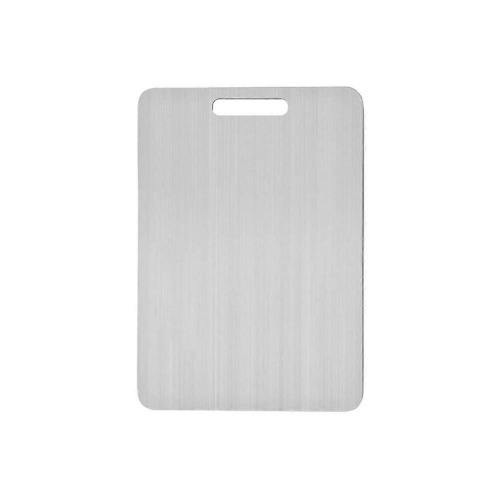
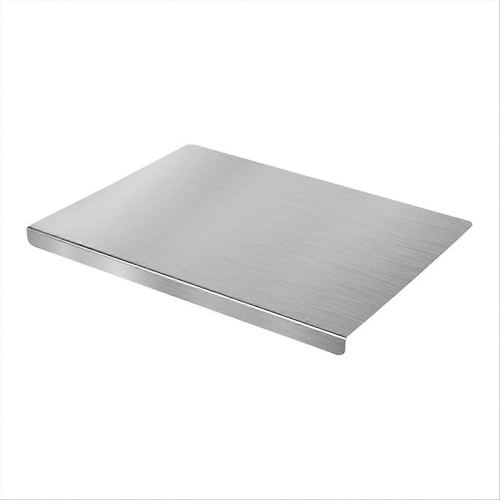
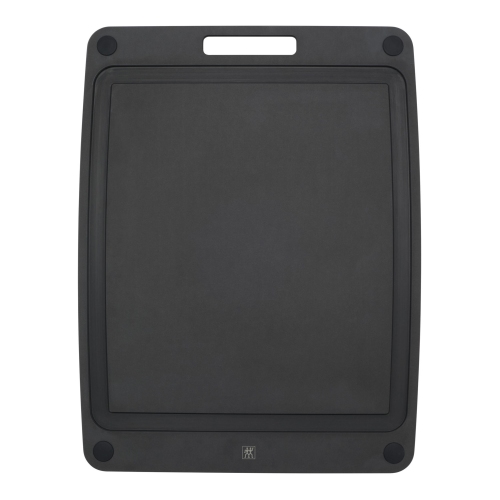
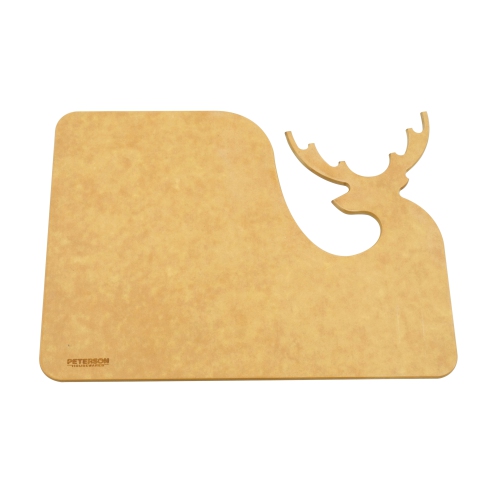
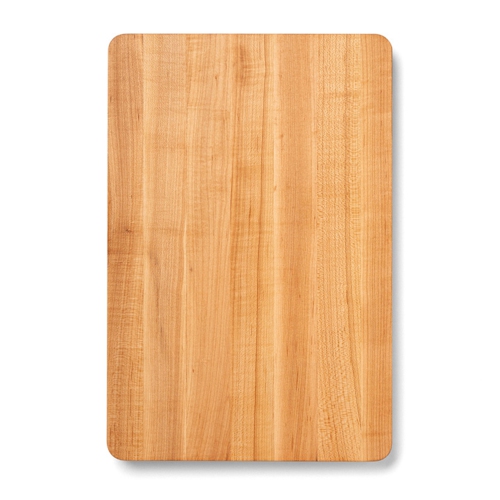
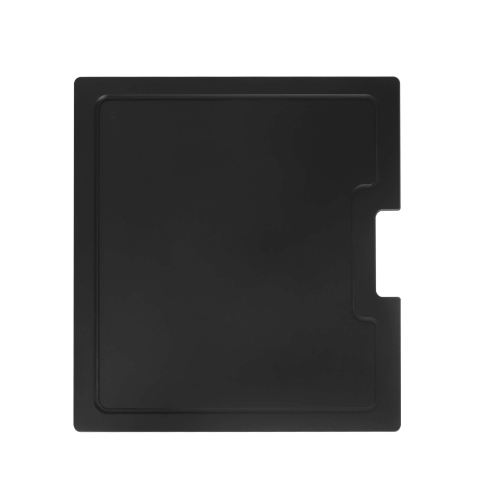
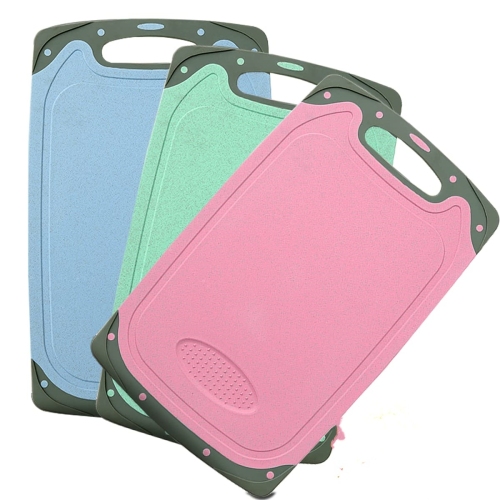
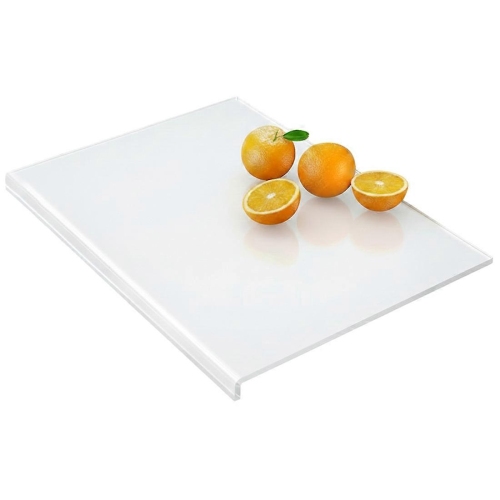
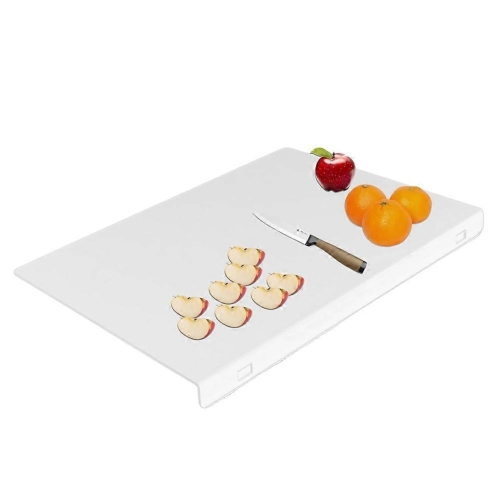
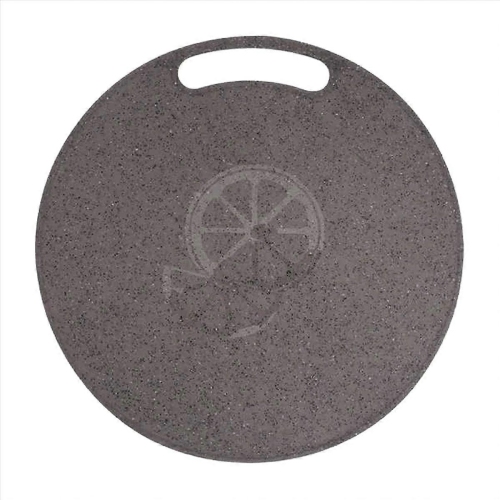
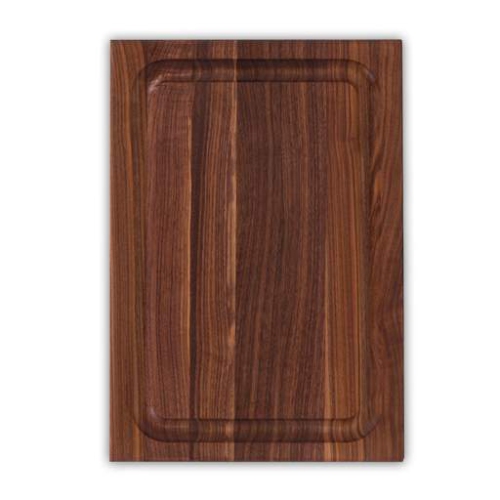
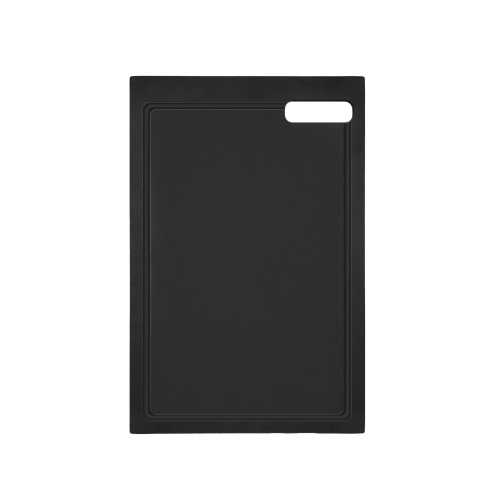
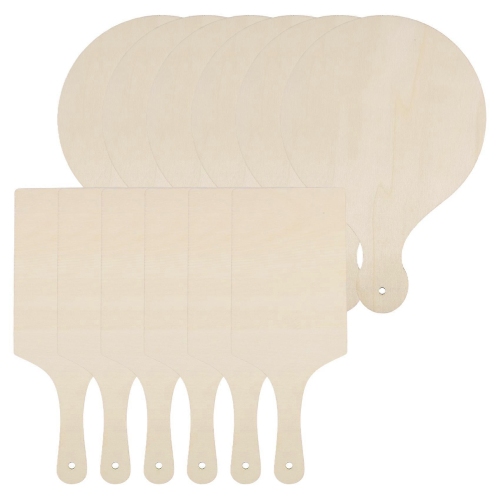
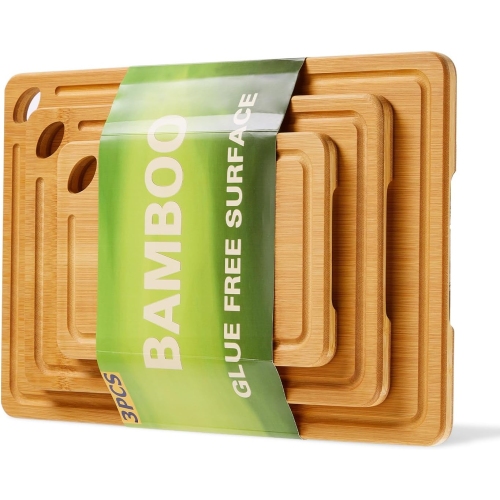
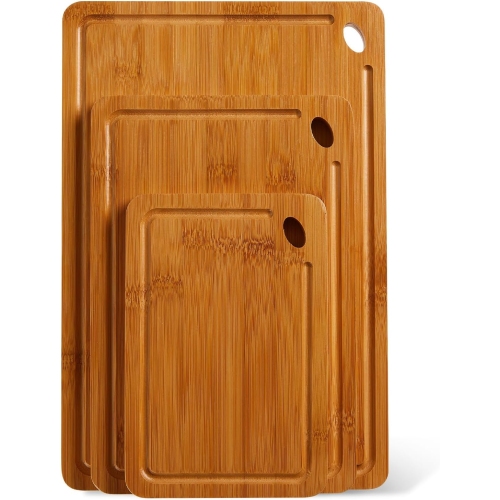
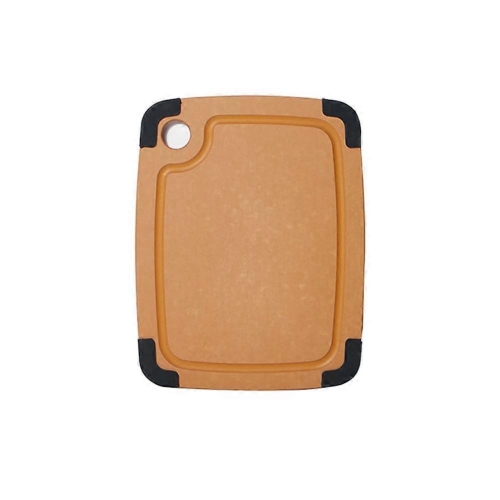
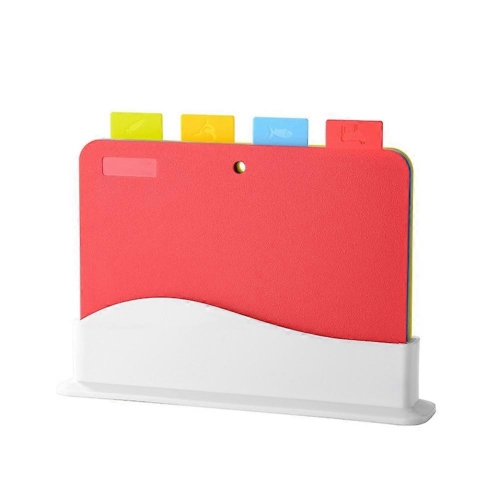
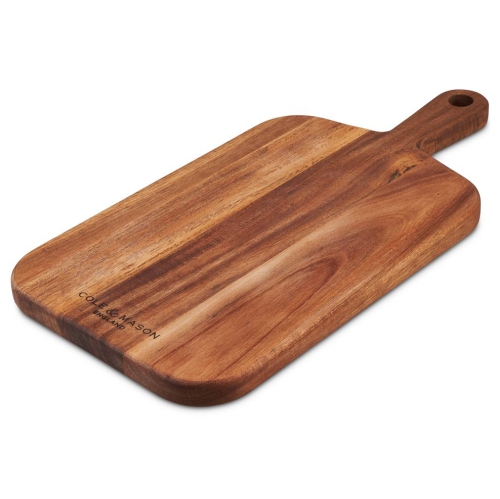
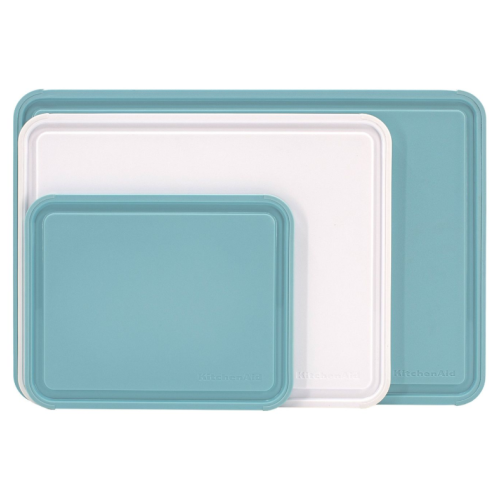
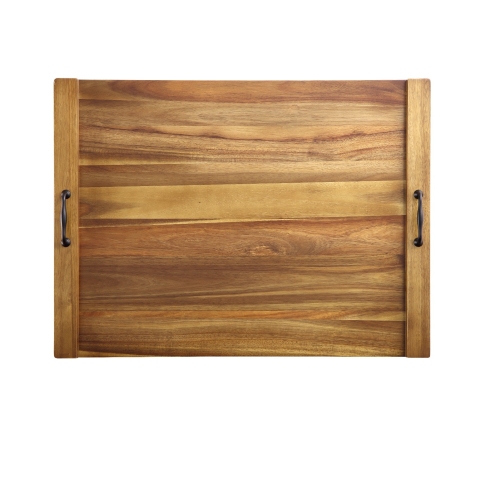
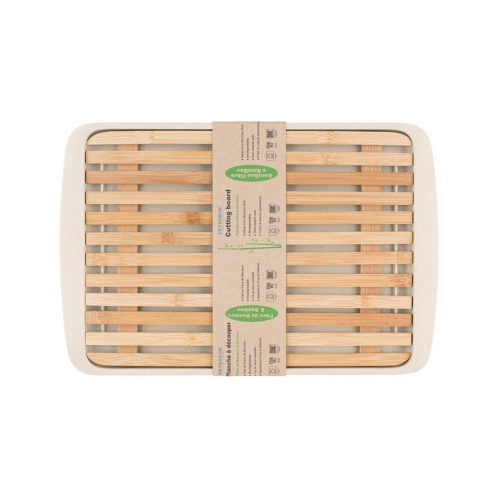
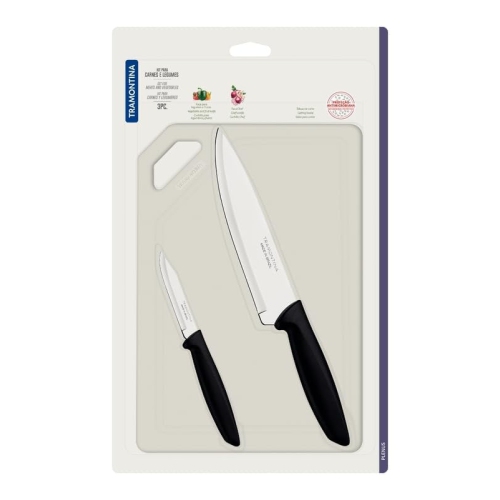
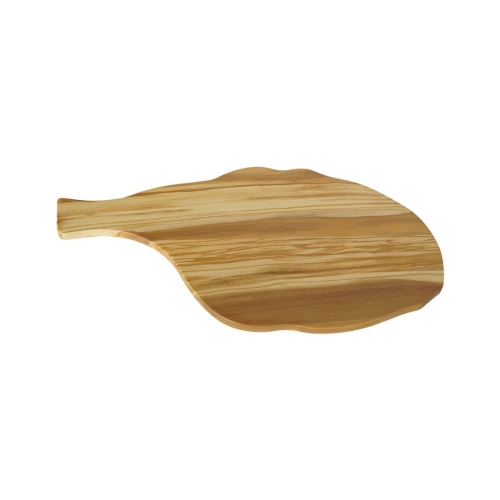
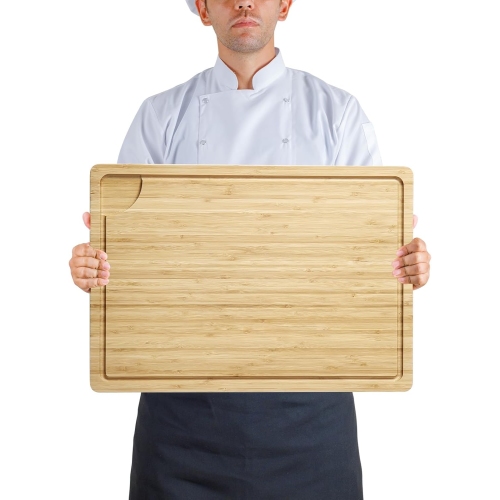
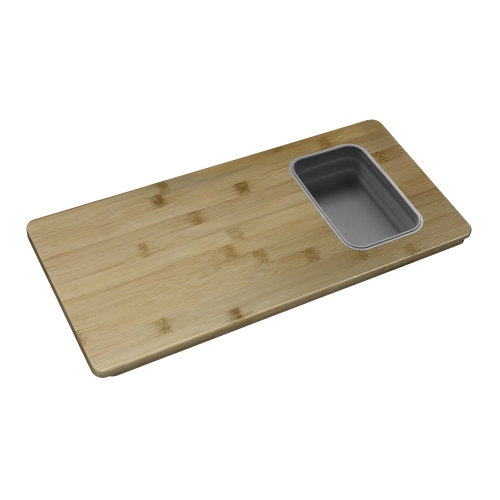
Pizza cutting boards are flat surfaces designed for slicing and serving pizza, with enough room to support the crust while a wheel cutter, knife, or rocking blade moves through it. They bring homemade pizza and takeaway favourites straight to the table without leaving slices crowded inside a box or balanced on a dinner plate. Round boards follow the shape of a traditional pizza, while rectangular designs suit tray-baked styles and leave space for a cutter or a small bowl of dipping sauce. Size matters more than shape alone: a 14-inch pizza needs a usable surface at least as wide as the crust, and a 16-inch board provides a little extra room around that same pizza for crumbs and handling. Measurements may include a handle, so the cutting surface and overall length deserve separate attention. A broad paddle can feel comfortable on the counter yet take up considerably more room in a cupboard or sink. Thickness also affects everyday use. A thicker board generally has more weight, while a thinner one is easier to carry between the kitchen and dining table. Neither needs to be oversized to work well; the right fit leaves enough space for safe cutting without overwhelming the worktop. Stability is especially useful when slicing a crisp base or working through stretchy cheese. A flat underside, a level counter, and any non-slip features help keep the board steady, although feet can make a board unsuitable for use on both sides. The cutting tool matters, too. A pizza wheel needs a smooth, uninterrupted path across the surface, while a rocking cutter needs enough board beneath the full sweep of its blade. For households making pizzas in different sizes, a little extra usable space can be more practical than a board that fits only the smallest crust.
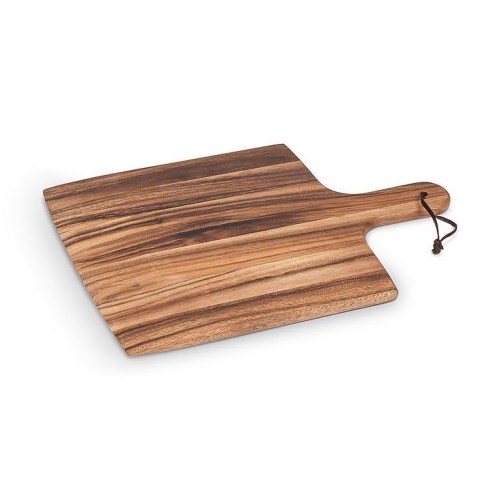
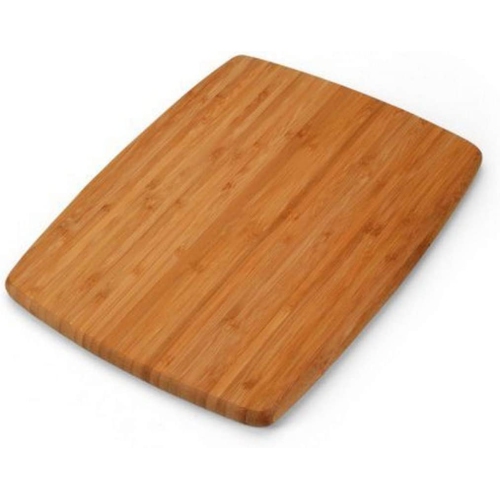
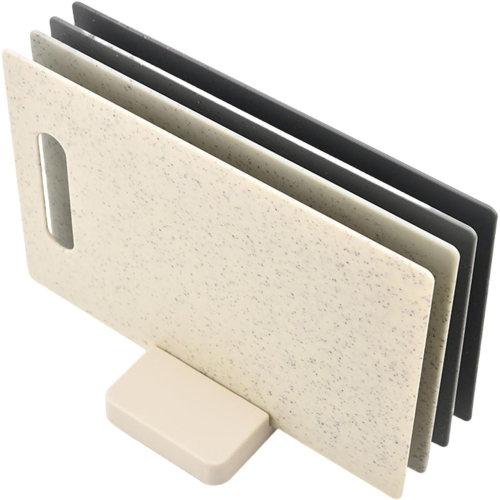
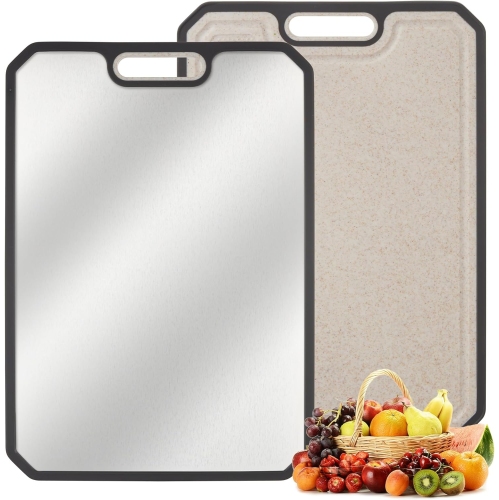
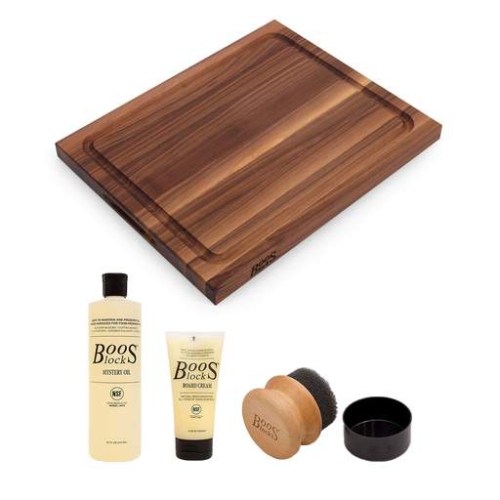
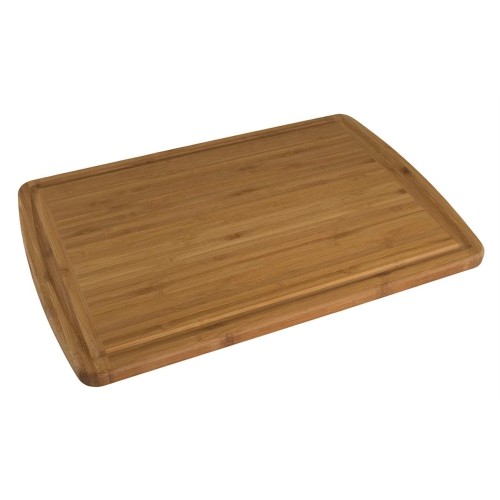
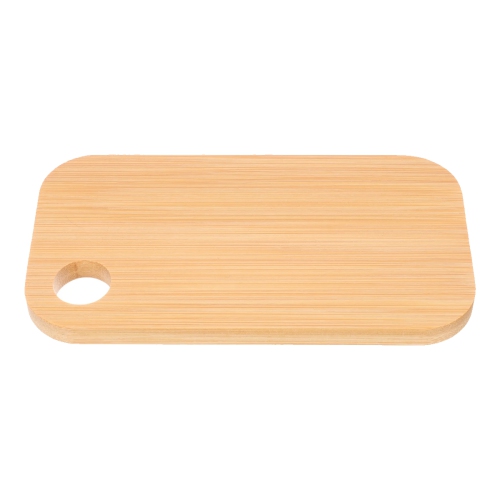
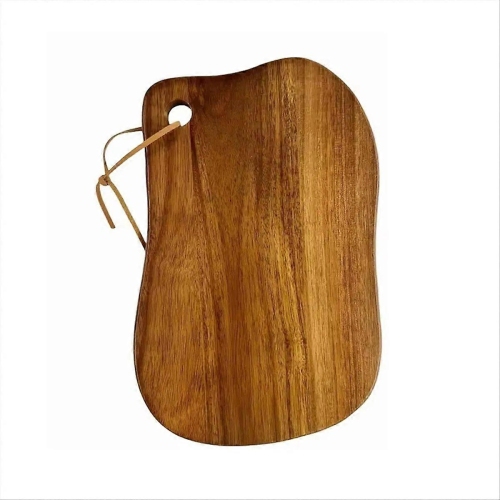
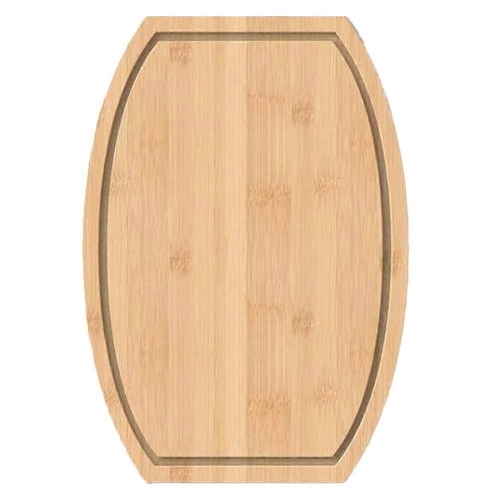
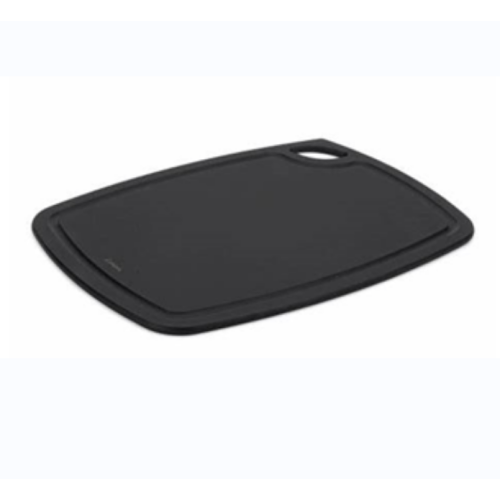
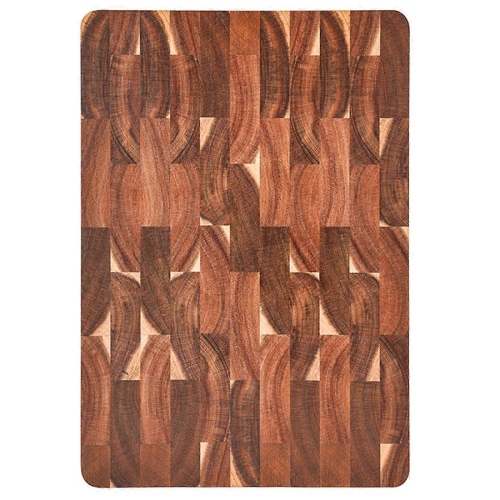
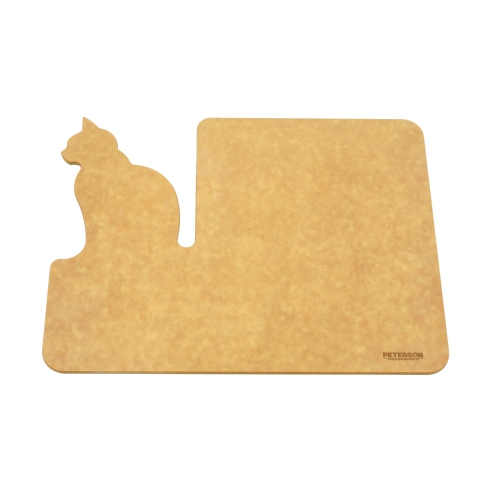
Material influences the feel, weight, appearance, and care of a pizza cutting board. Hardwood boards made from maple, acacia, or similar woods offer a firm cutting surface and natural grain that looks at home on a dining table. Their colour and grain vary, so even a simple round board can have a distinctive appearance. Bamboo boards often have a lighter look and a firm surface, though their weight and cutting feel depend on their construction. Wood and bamboo are not immune to blade marks, and repeated pressure from a pizza wheel or knife can leave visible tracks over time. Plastic boards offer a different balance of weight and upkeep, with some suitable for dishwasher cleaning when the manufacturer specifies it. Composite boards vary in their ingredients, heat tolerance, and care requirements, making the stated use more useful than assumptions based on appearance. Across materials, smooth edges, a comfortable handle, and a surface free from cracks are practical details that matter every time the board comes out. Cleaning is easiest before cheese and sauce have dried into the surface. Wood and bamboo generally need prompt handwashing with mild soap, followed by drying rather than soaking or sitting in a sink of water. Letting air reach both faces helps avoid trapped moisture; leaning a board upright to dry can be useful when it is supported securely. Food-grade mineral oil or another conditioner approved by the manufacturer can help maintain boards that require oiling, while ordinary cooking oils may become rancid. Dishwasher use, prolonged soaking, and direct heat can damage materials not designed for those conditions. Cutting boards are not automatically suitable as trivets, and they should not be placed inside an oven unless specifically rated for that purpose. Deep cuts, splintering, persistent odours, or cracks that trap food are signs that a board may no longer be suitable for food preparation.
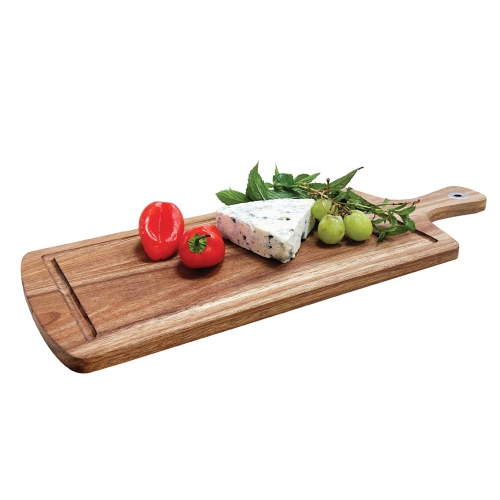
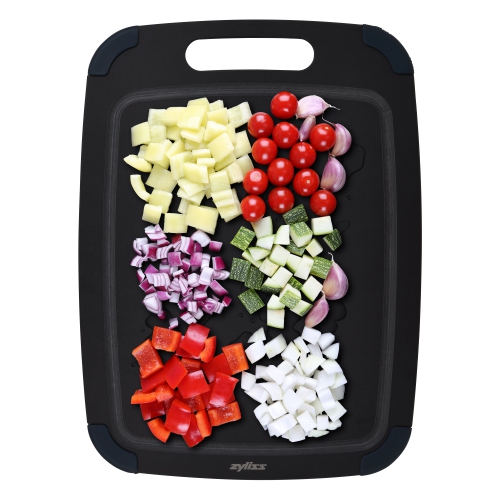
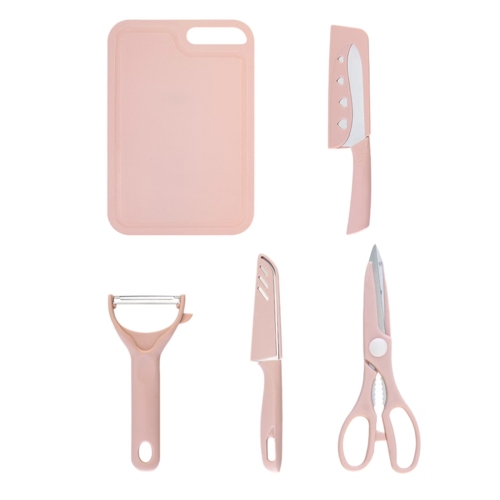
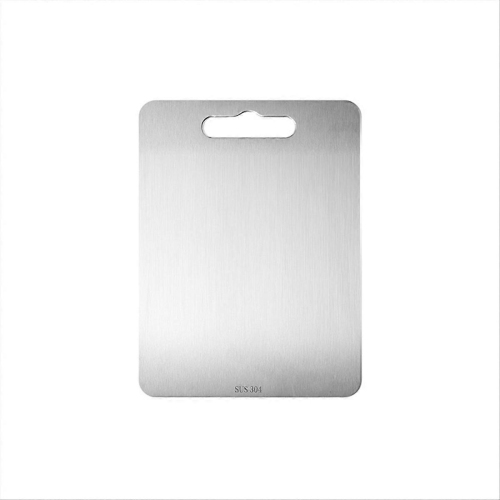
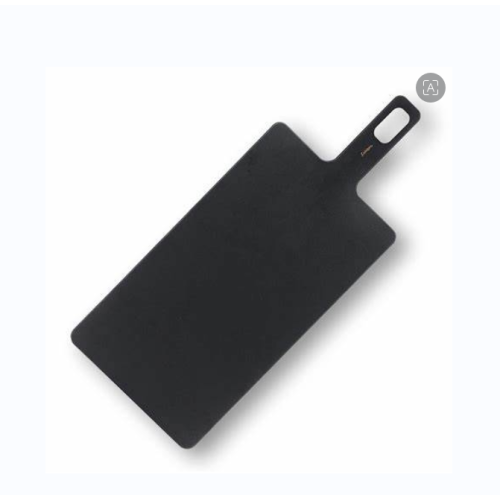
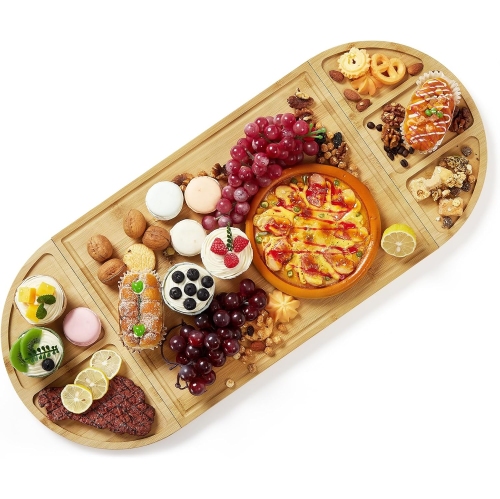
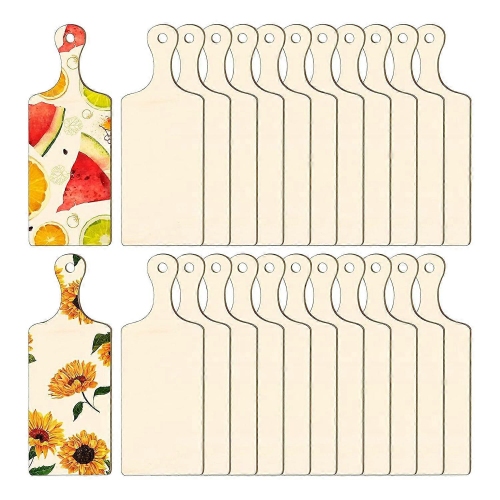
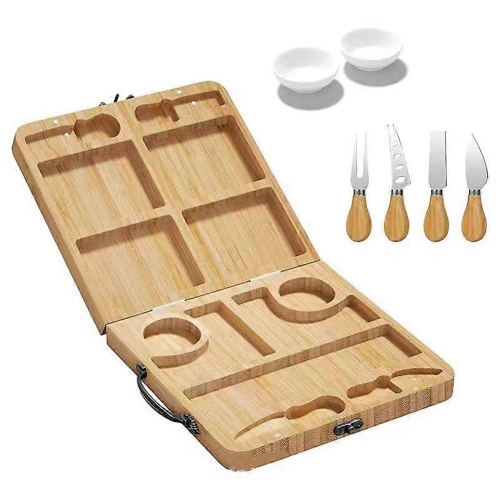
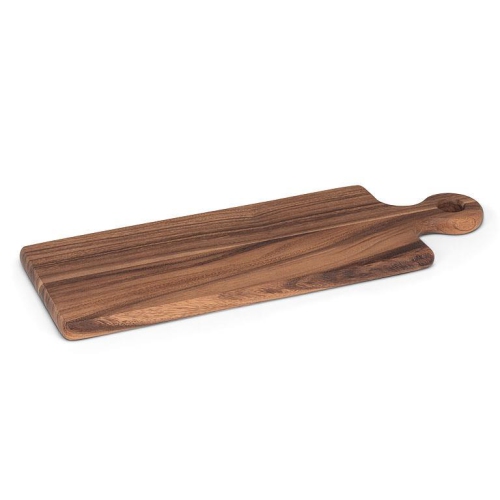
The small details of a pizza serving board shape how it works during a meal. A perimeter groove can catch some crumbs, oil, and sauce before they reach the table, while an uninterrupted surface leaves more room for cutting and wiping clean. Radial markings or slice guides can help divide a pizza into even portions, but they are different from a groove around the edge, and neither replaces a steady cutting surface. Handles make it easier to carry a board loaded with pizza, provided the weight feels manageable and there is a secure place to grip. A hanging hole may simplify storage, although the board still needs enough clearance to hang without knocking against other utensils. For home cooks who stretch dough and bake on a stone or steel, the distinction between a pizza board and a pizza peel is important. A peel is designed to move pizza into or out of an oven; a thick cutting board may be too bulky for that job, even when it has a paddle-shaped handle. Serving and slicing functions are more straightforward, from setting out a family pizza to sharing several smaller pizzas with friends. A board can also hold flatbread, sandwiches, bread, or cheese when its material and care instructions suit those foods. Households handling raw ingredients should keep them separate from ready-to-eat pizza and clean boards and utensils thoroughly between tasks. Separate boards and cutters can also help manage food contact when meals have different dietary requirements. For broader meal preparation needs, Kitchen Cutting Boards offer another way to match cutting surfaces to everyday tasks. A pizza board makes a useful housewarming or wedding gift for someone who enjoys cooking or hosting, particularly when its dimensions suit their kitchen. Paired with a comfortable cutter, it supports the simple pleasure of carrying a fresh pizza to the table and serving each slice cleanly.
Top selling and popular products
-
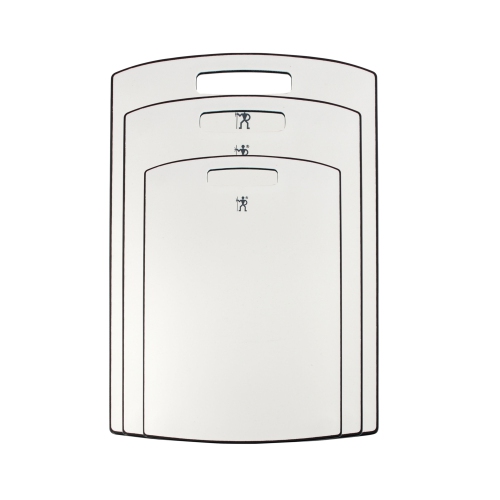 Your price for this item is $39.99
-
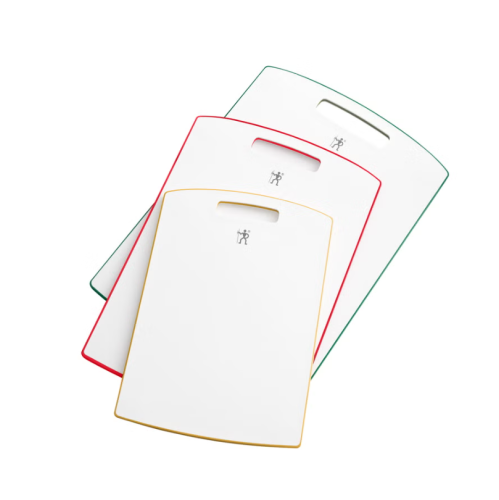 Your price for this item is $54.99
-
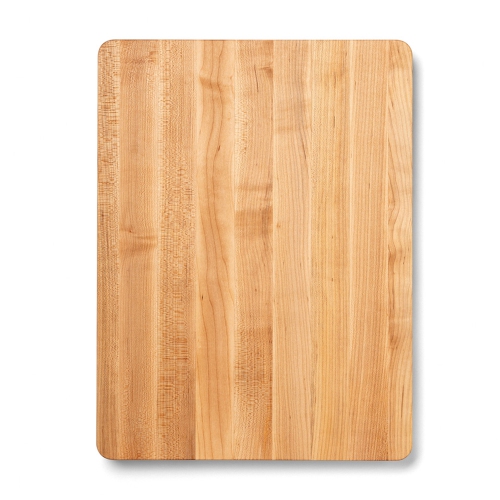 Your price for this item is $175.99
-
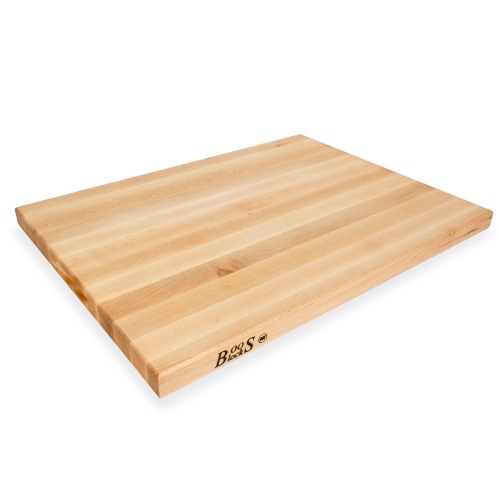 Your price for this item is $275.99
-
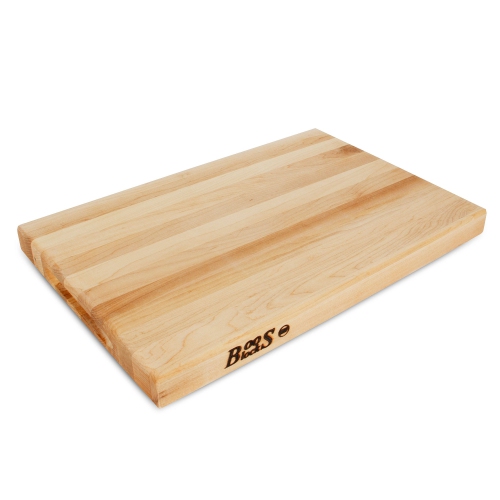 Your price for this item is $183.99
-
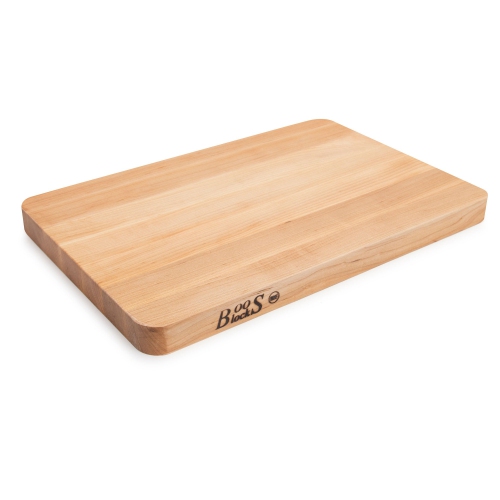 Your price for this item is $121.99
-
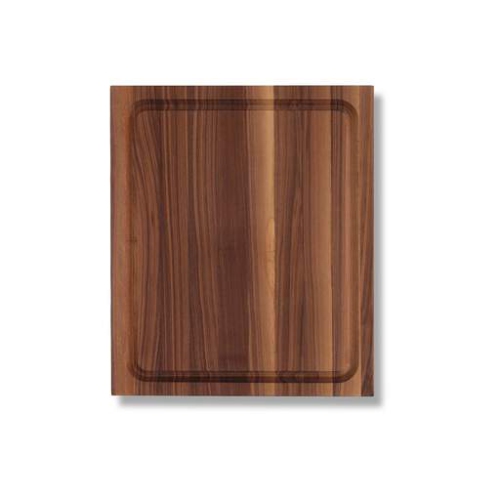 Your price for this item is $331.99
-
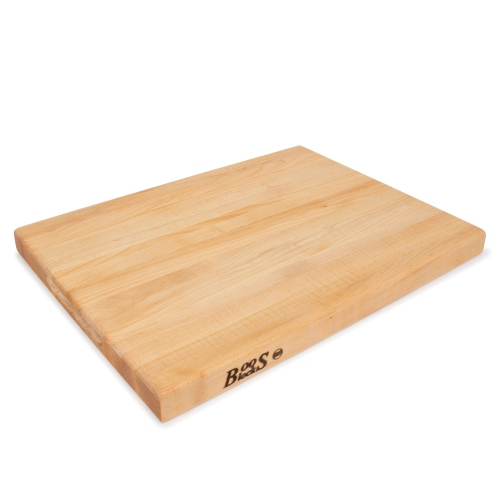 Your price for this item is $224.99
Discover more categories related to Pizza Cutting Boards
Top Collections:
Pokemon Centers, Best Cameras for Sports Photography, Kindle Devices, Samsung Galaxy Phones, Canon G7X Cameras, Pokémon 30th Celebration Cards, Refurbished Apple Laptops, iPhone 15 Apple, Laptops for Students, Budget Smartphones
Some products may be subject to Environmental Handling Fees
(EHF) depending on your province.
Learn more about EHFs.