Kitchen Shelves And Racks
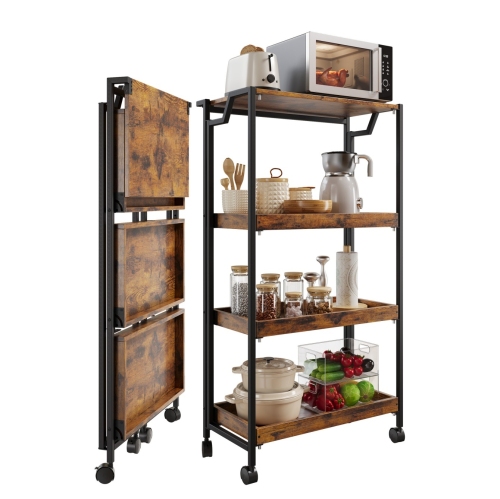
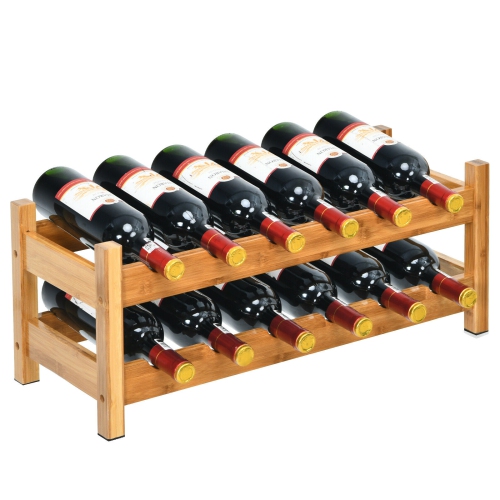
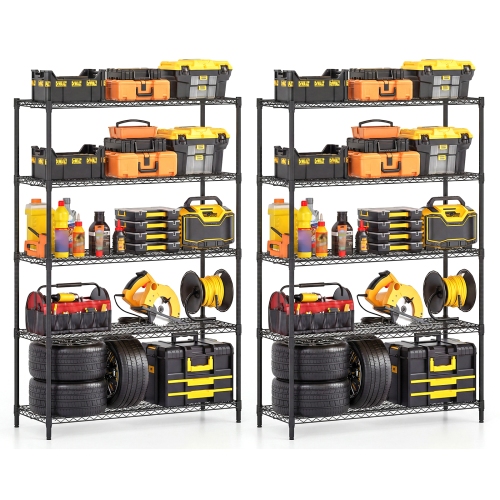
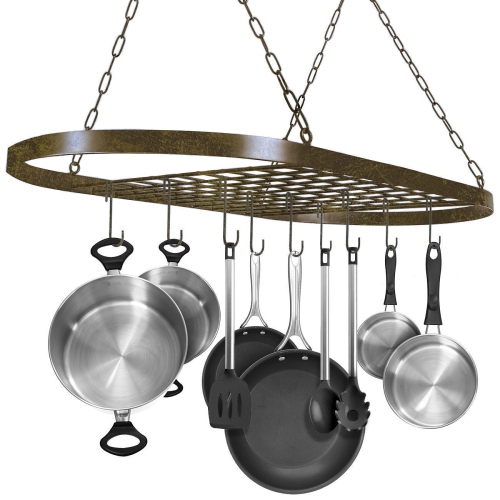
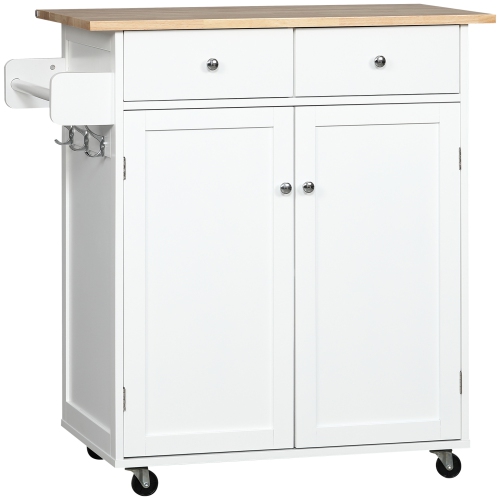
Kitchen shelves and racks are used for storing dishes, pots and pans, cutlery, and other kitchen items. They can be made of wood or metal. Kitchen shelves and racks come in a variety of shapes and sizes. Here are some of the best options available.
Sort
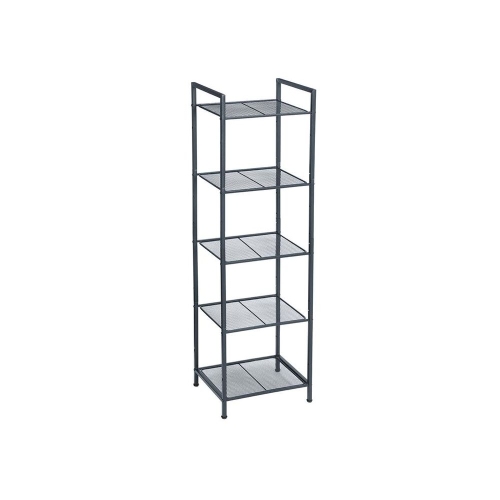
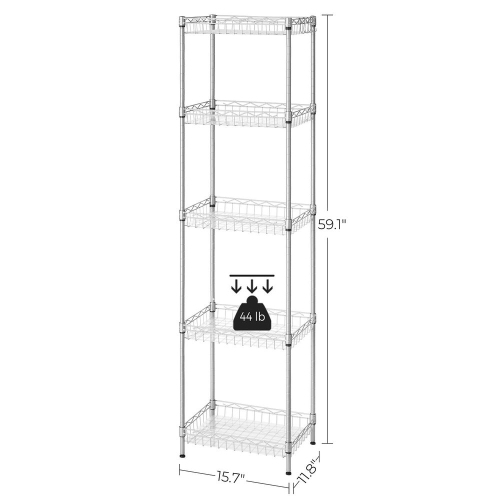
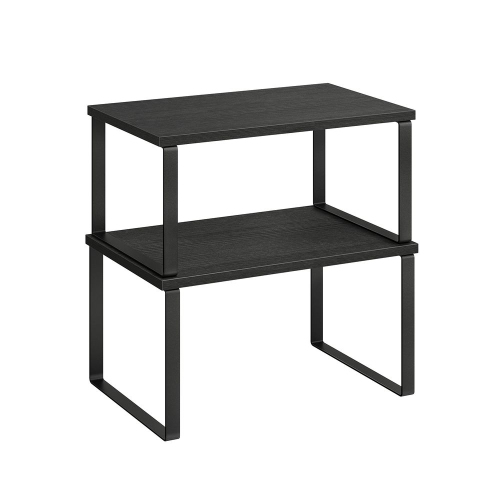
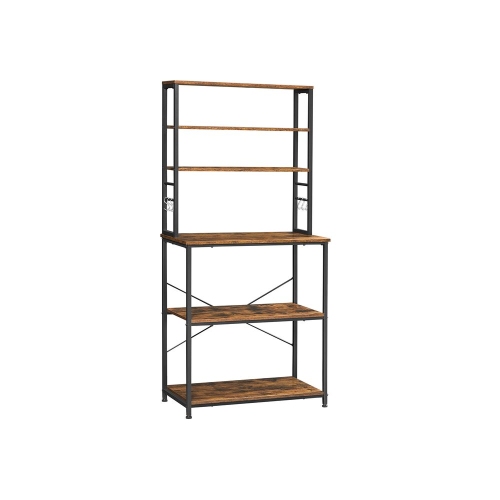
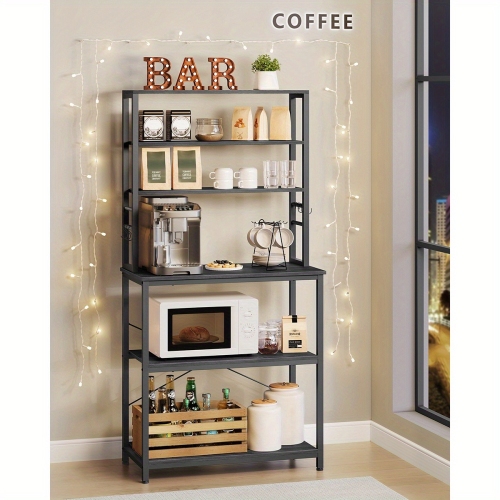
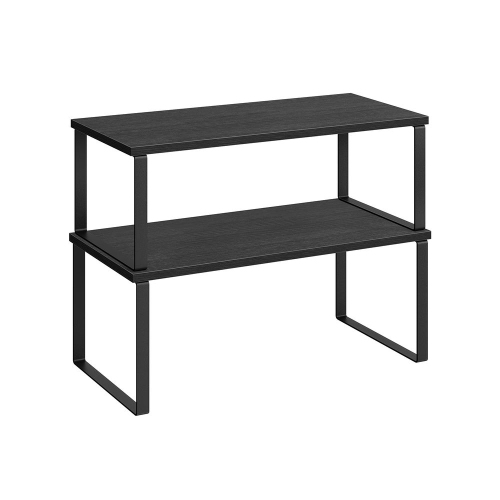
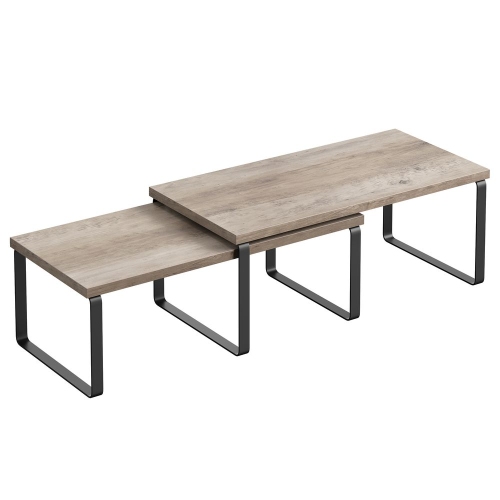
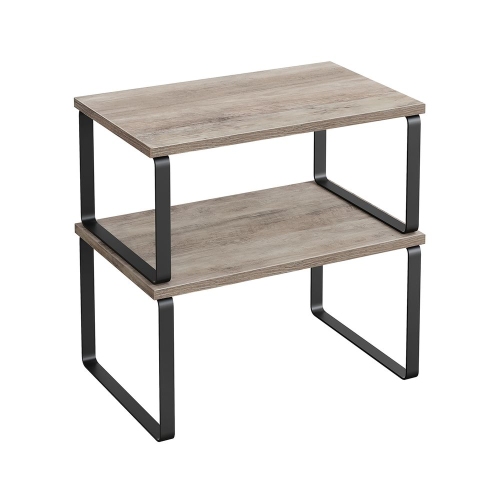

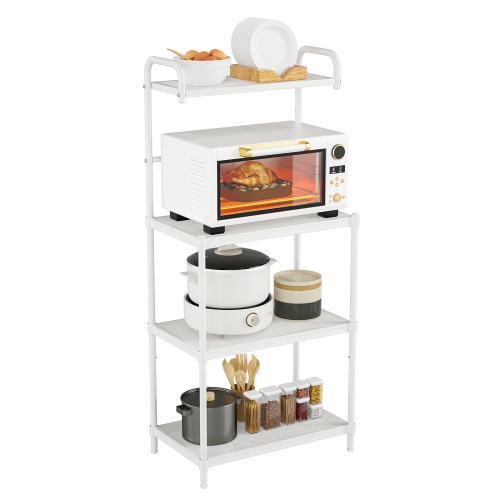
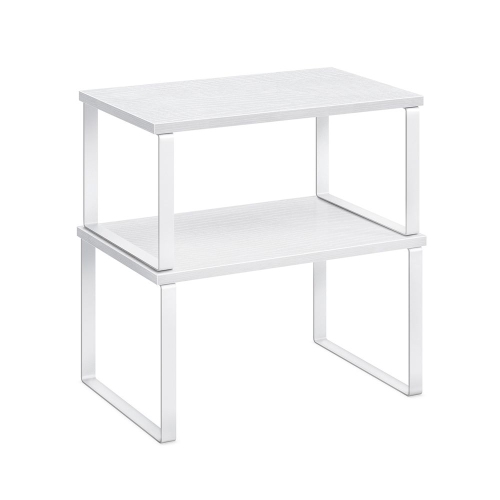
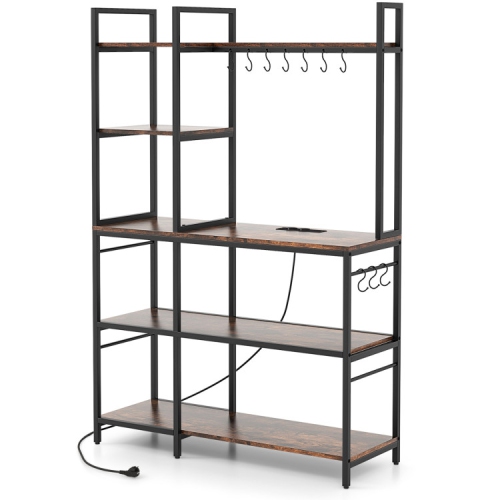

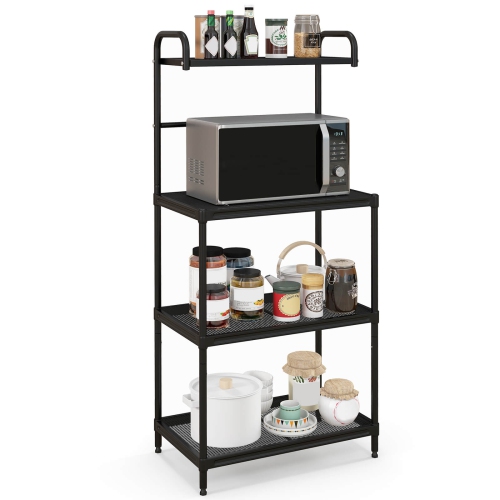

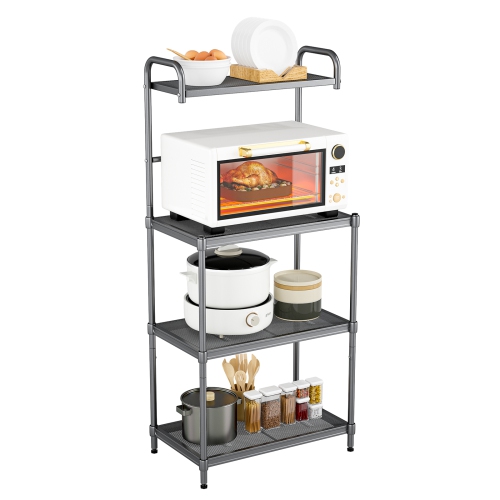
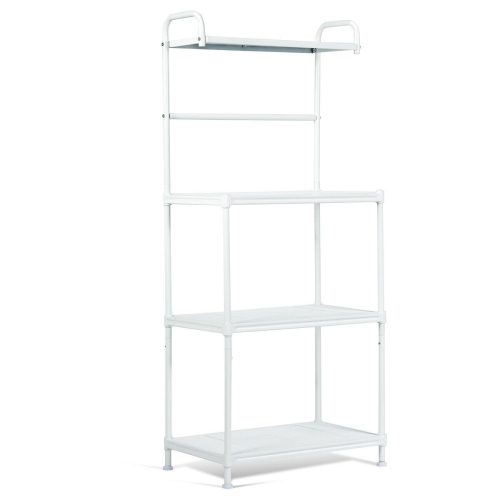
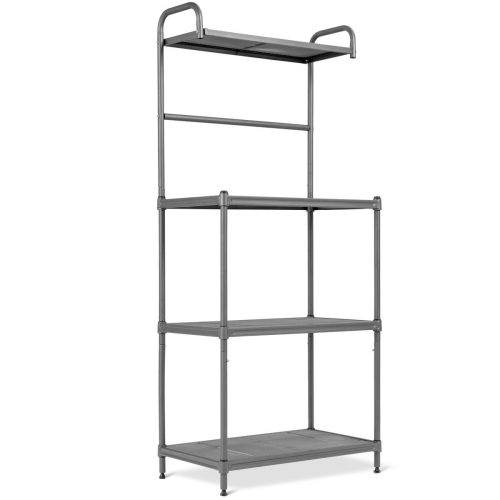
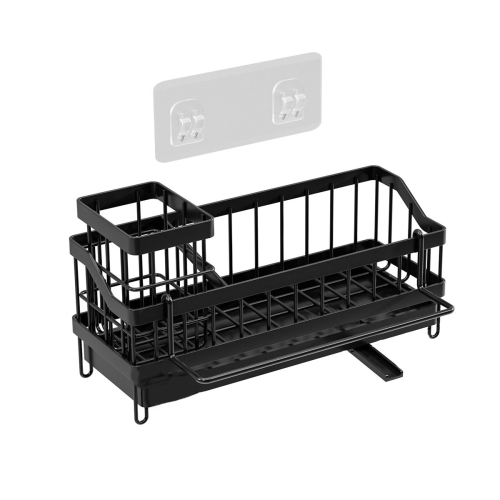


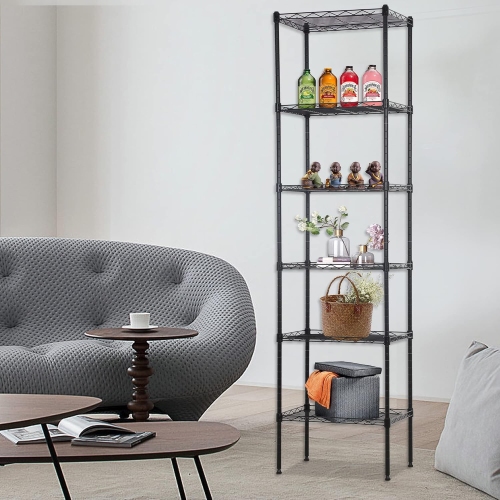
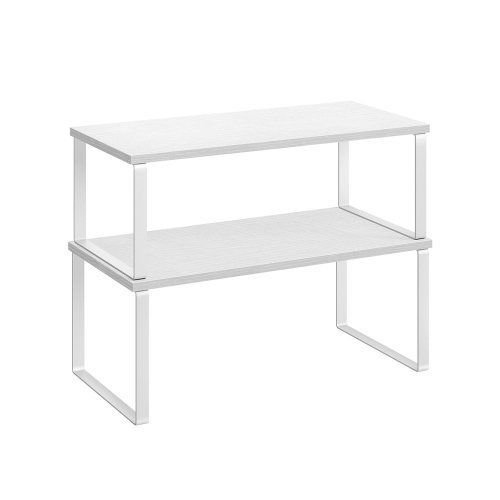
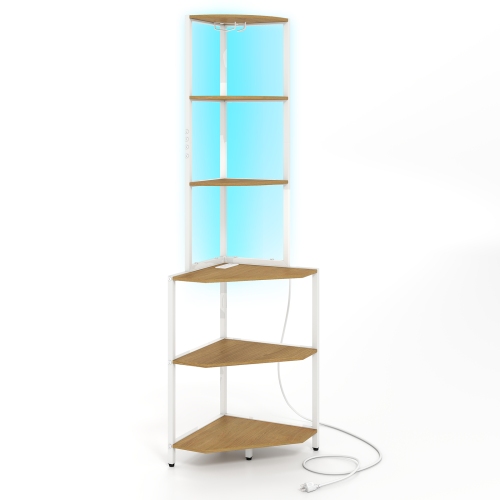

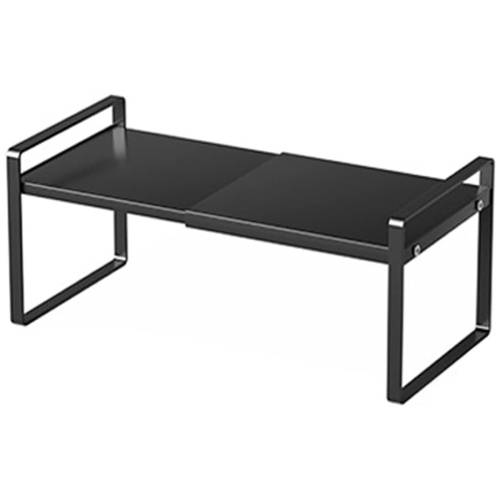

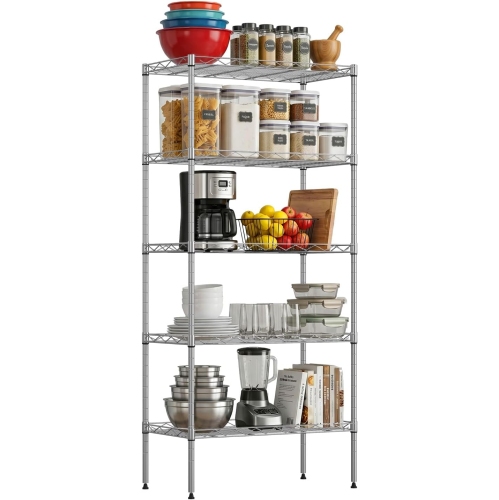
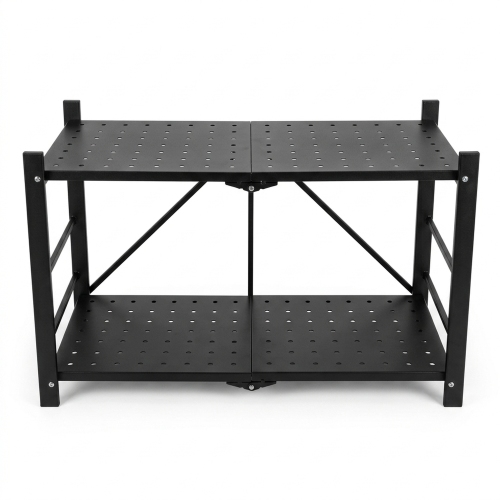
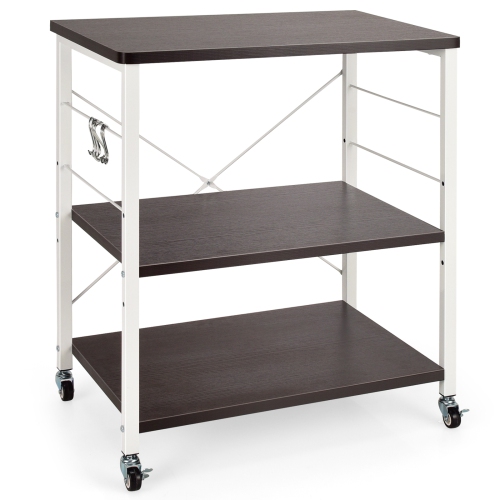
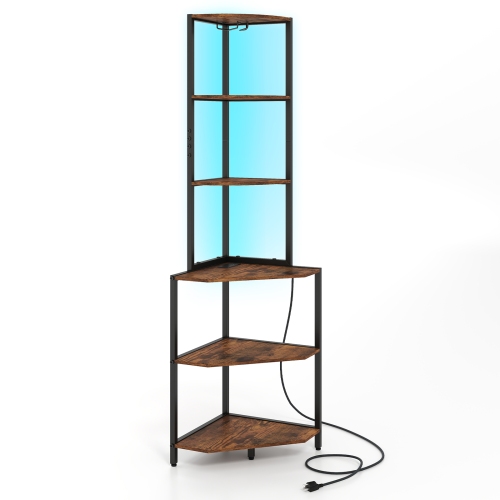
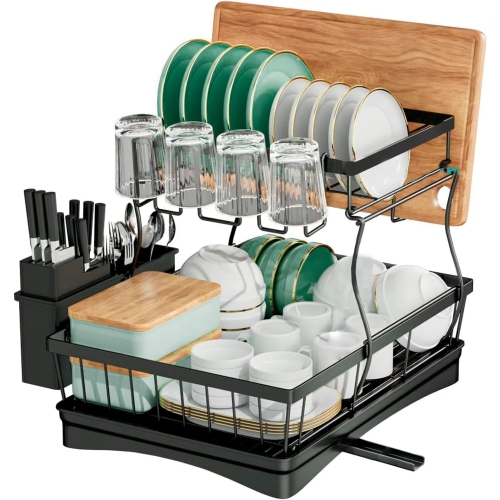

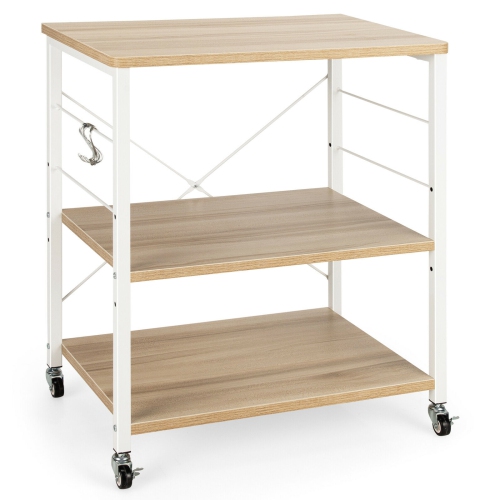
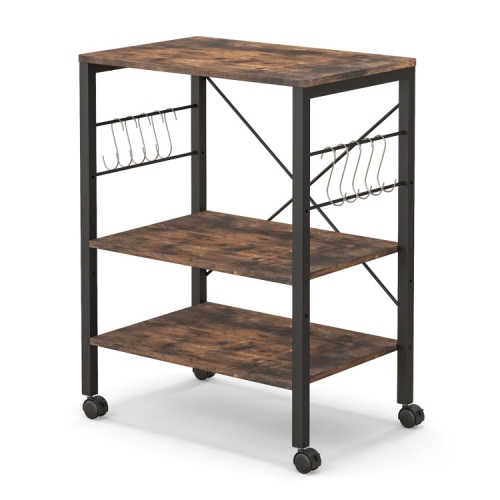

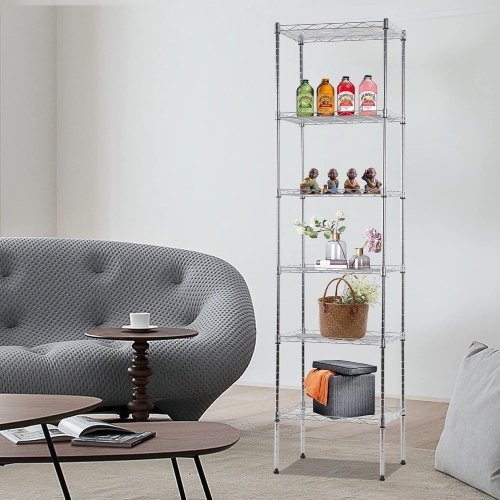





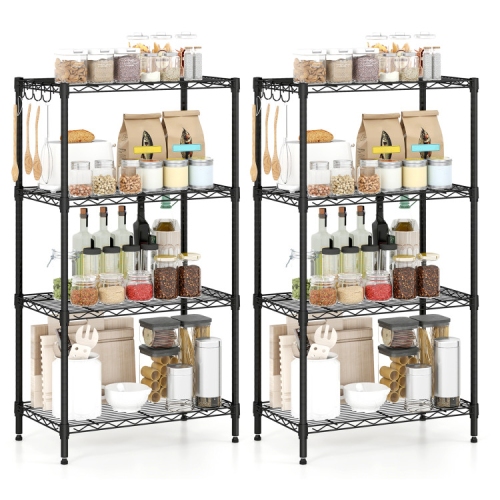
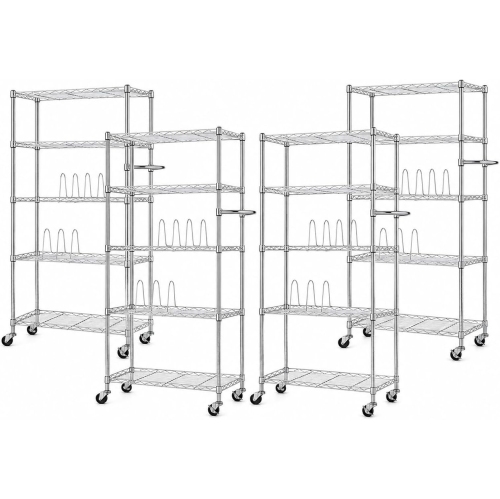
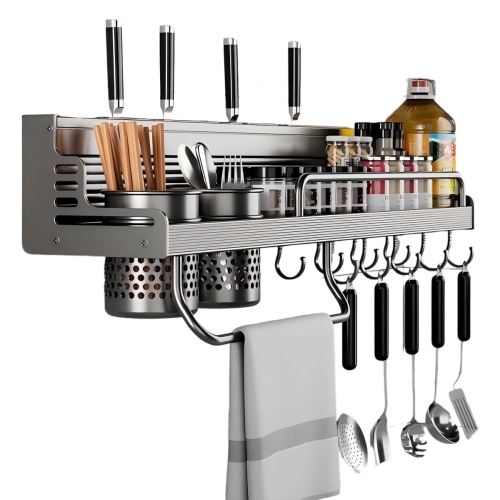
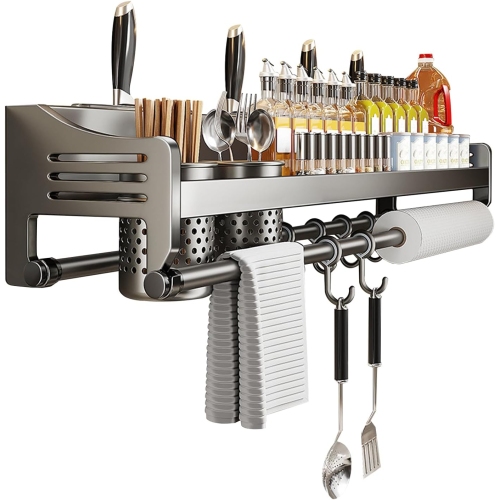
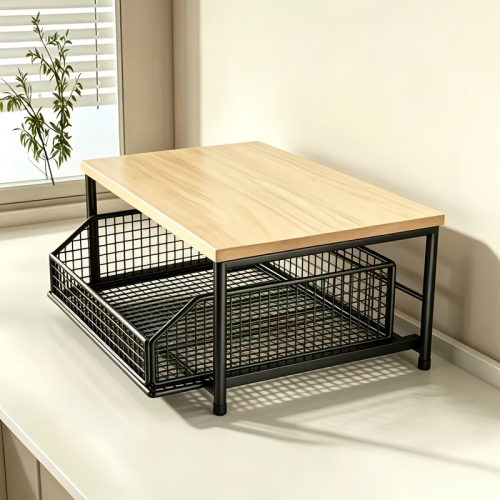
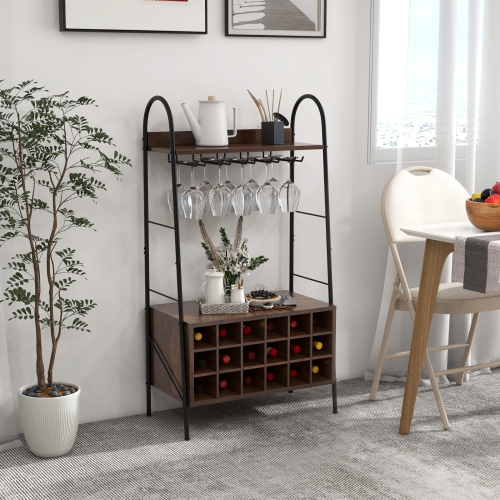

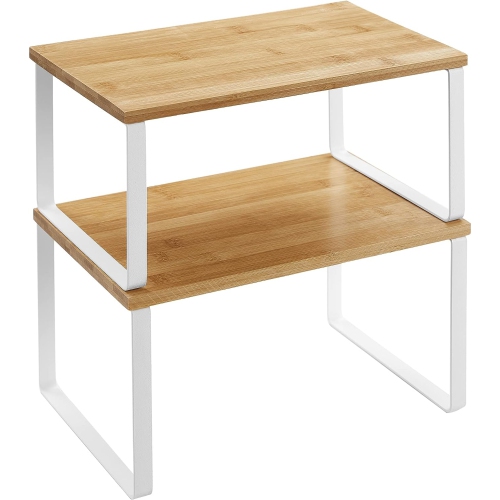
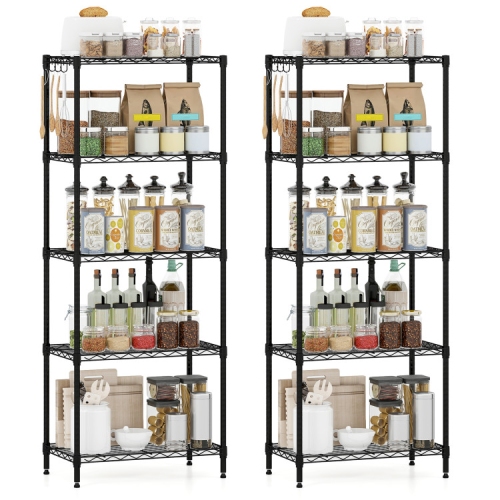
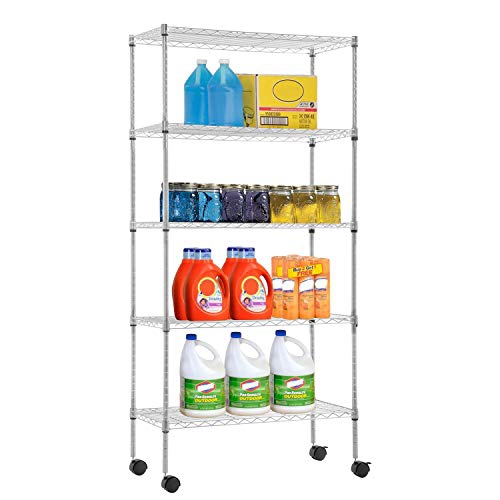
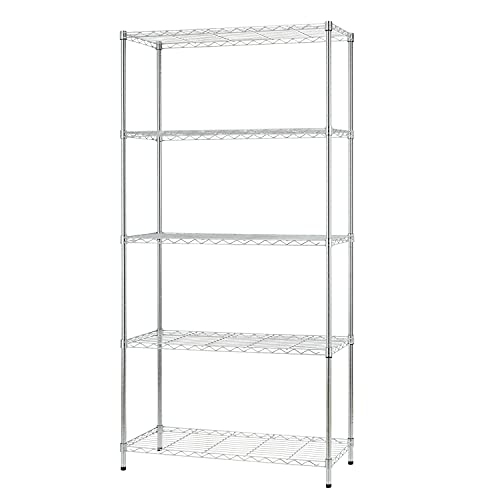


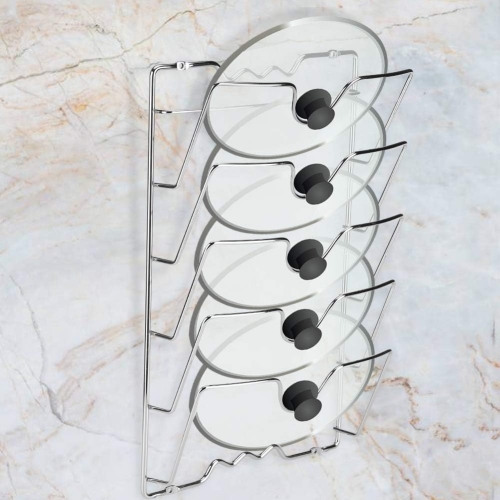
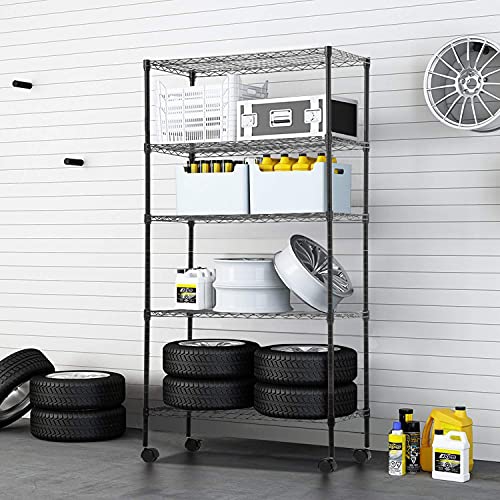


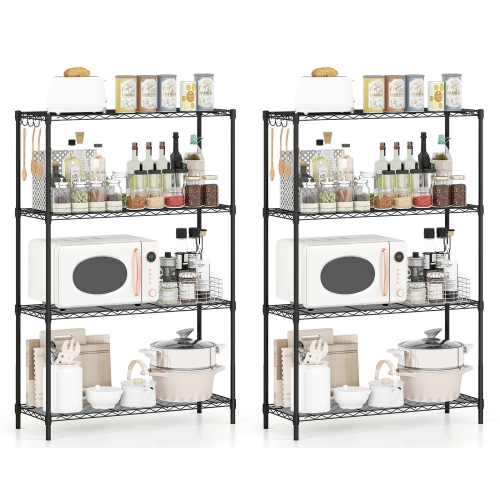
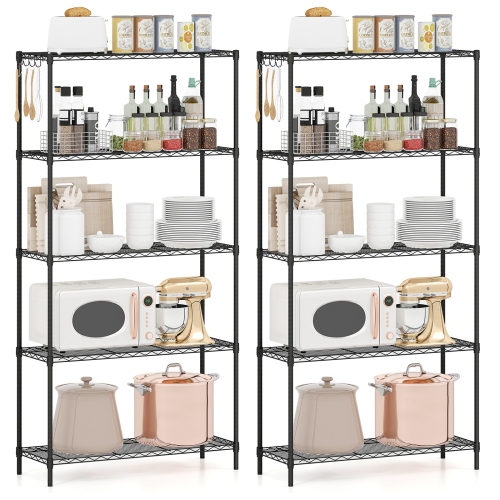

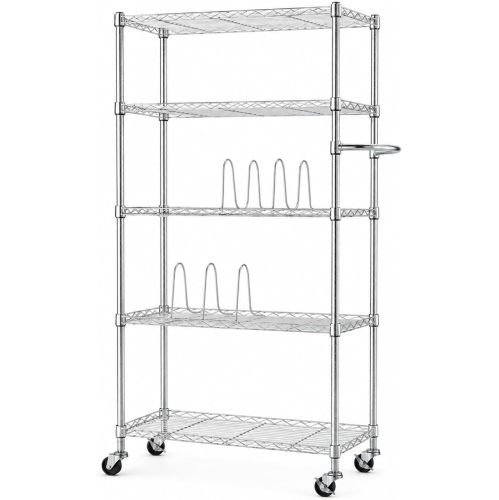

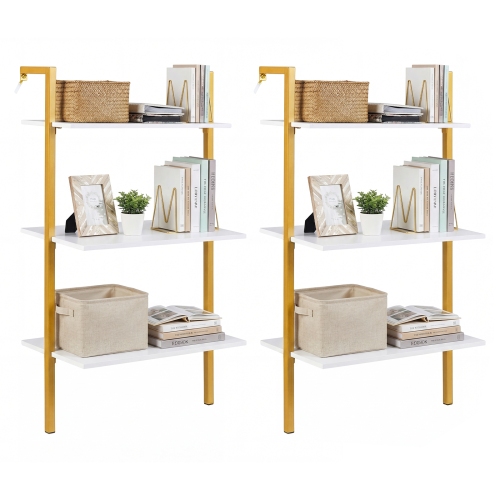
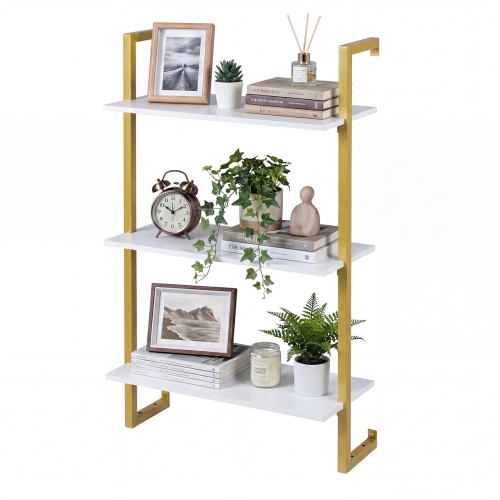
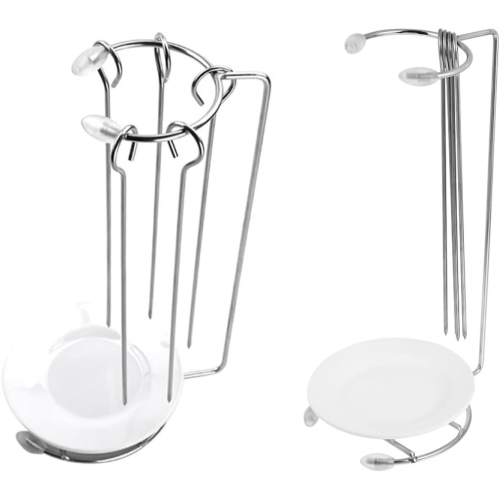
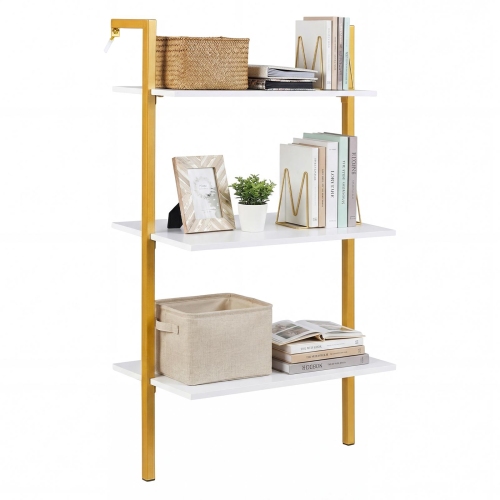
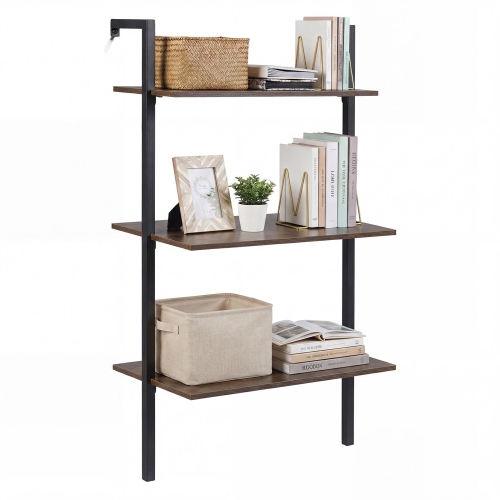
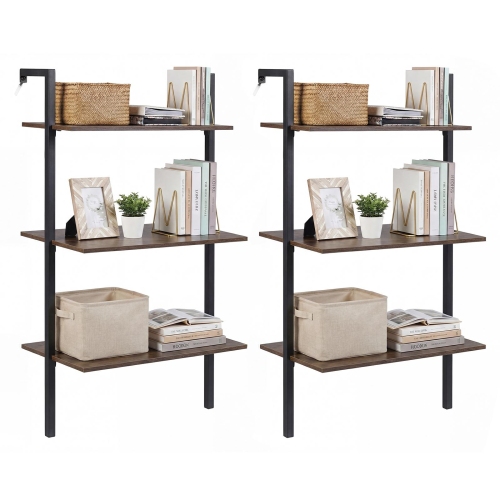
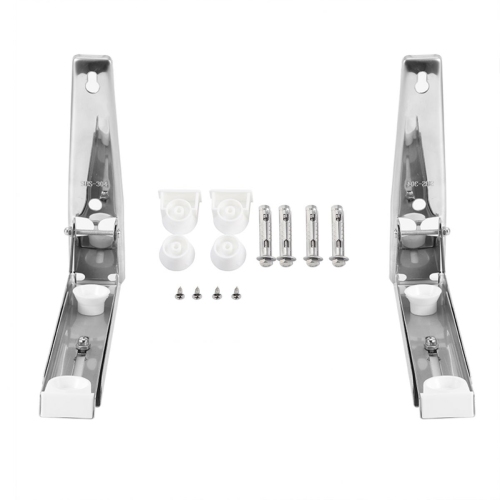
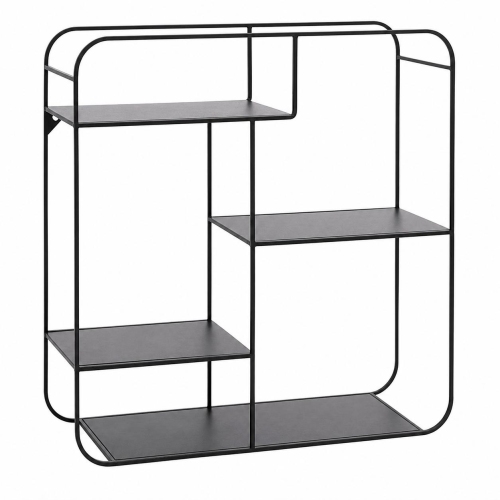
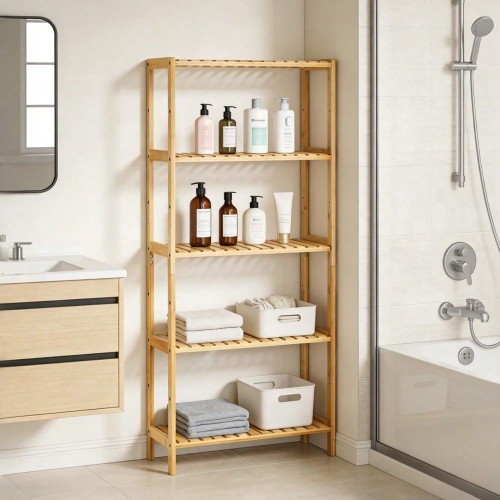

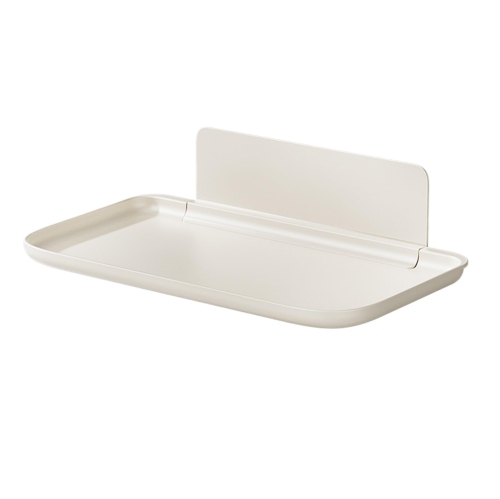
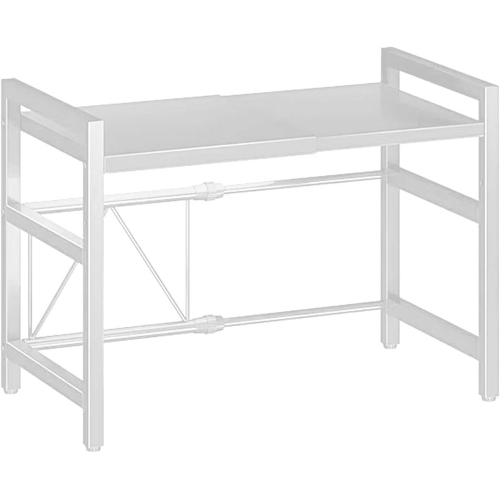
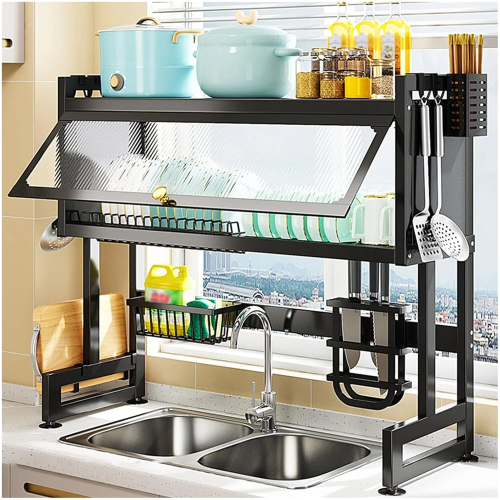
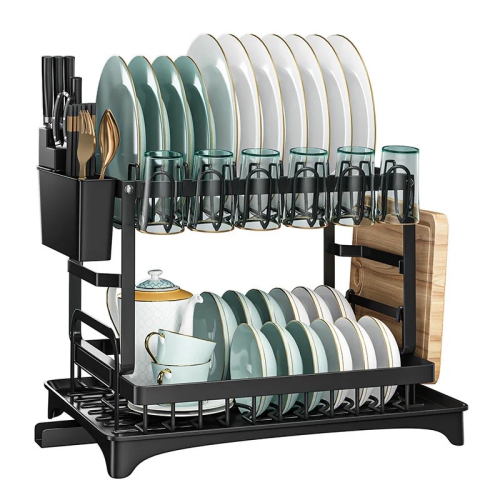
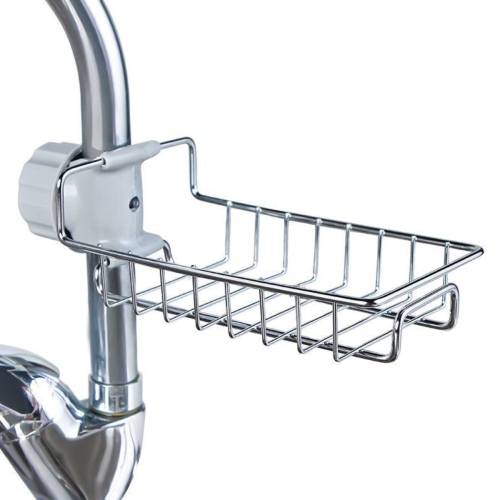
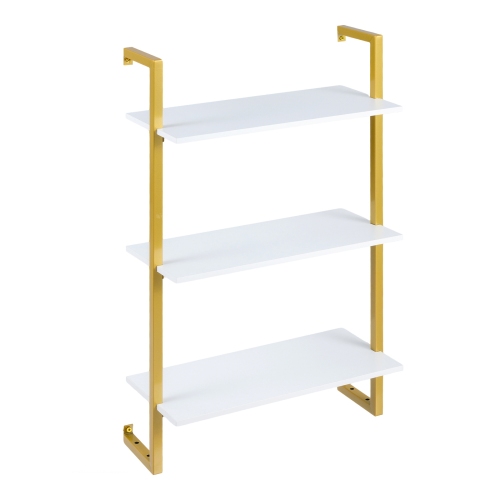
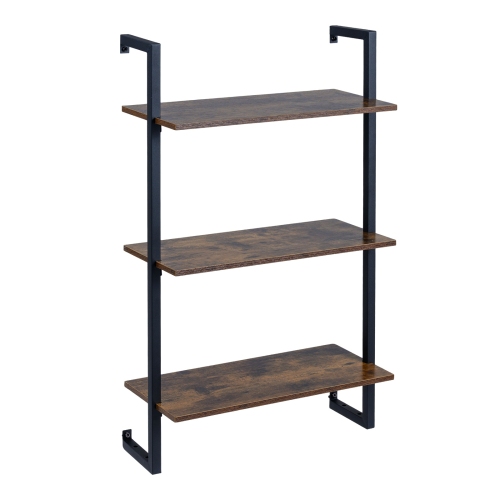
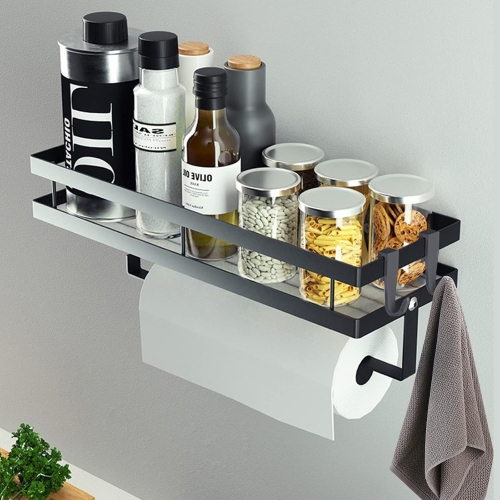






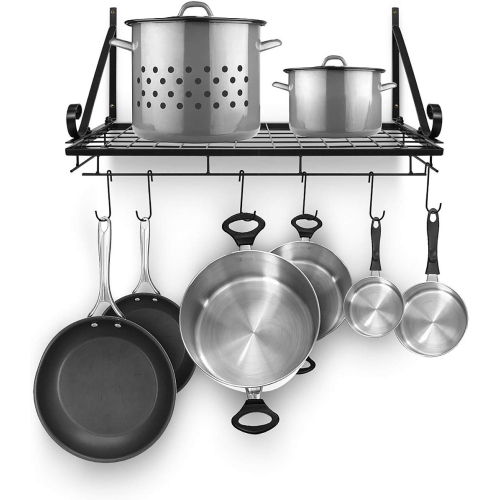

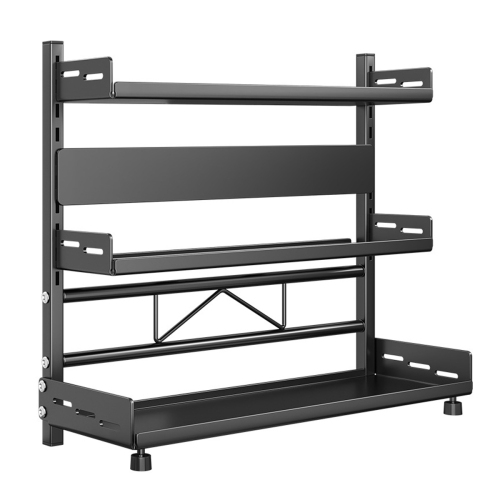
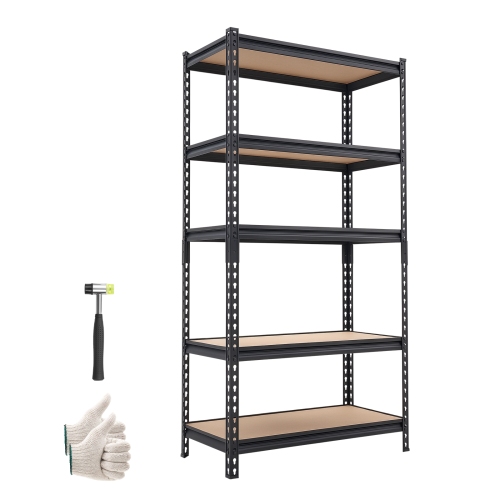
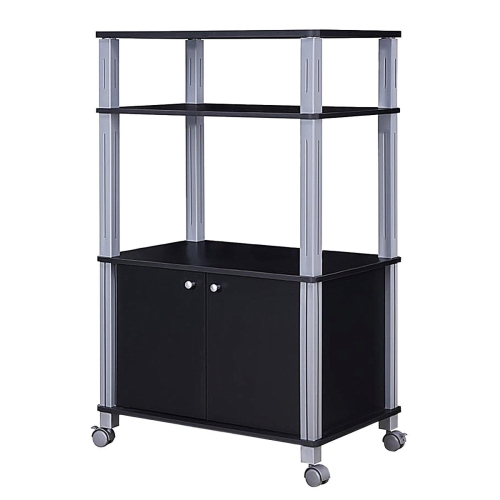
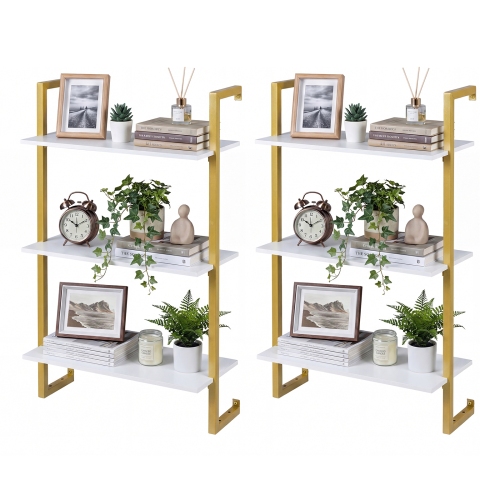
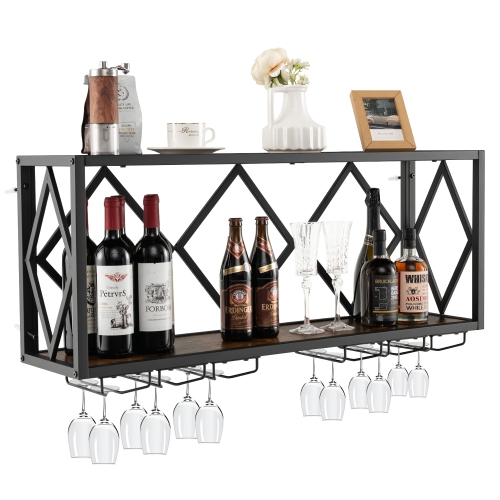

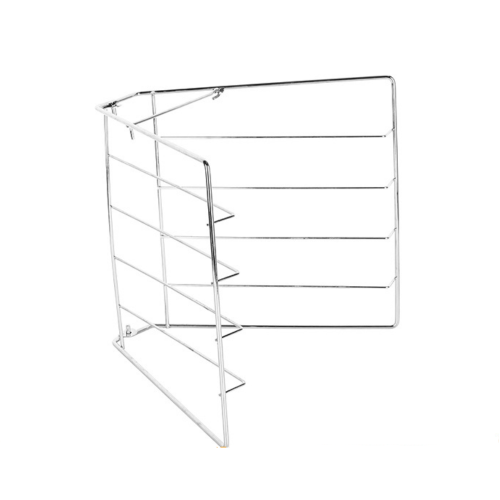


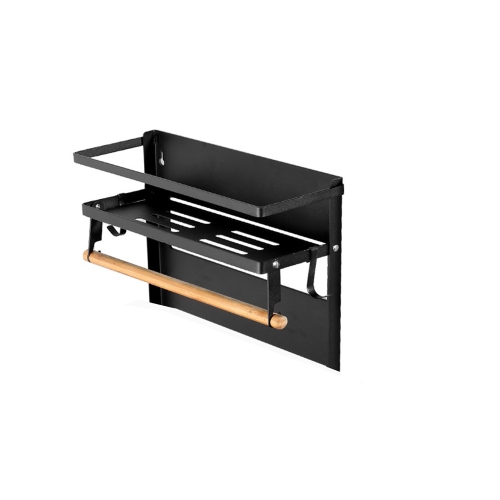
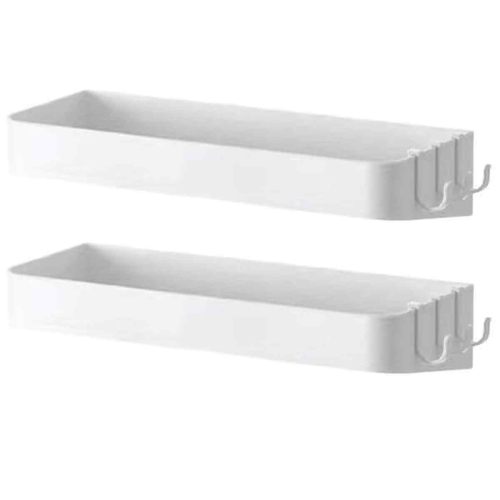
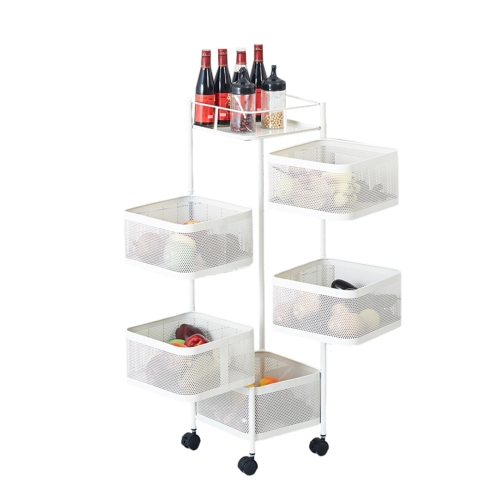
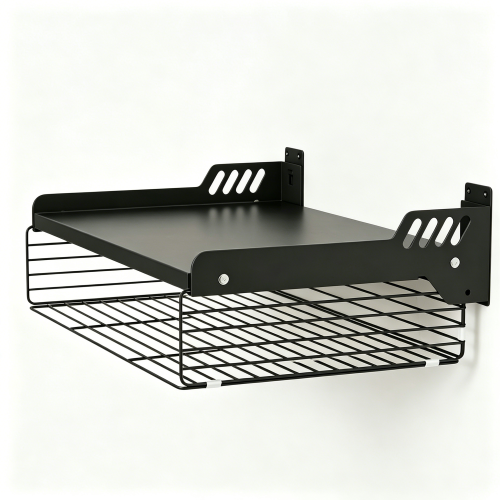
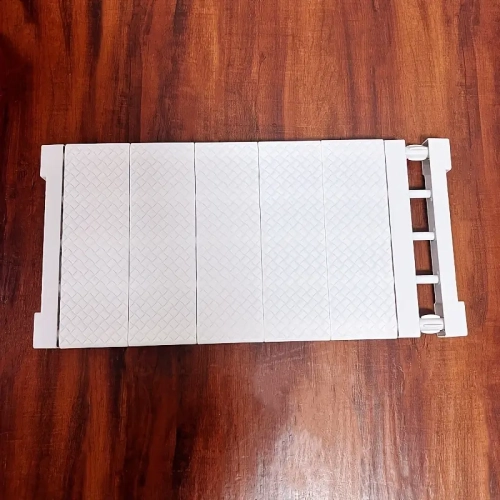





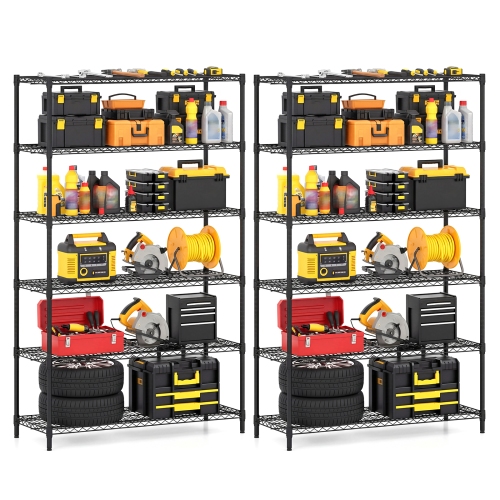
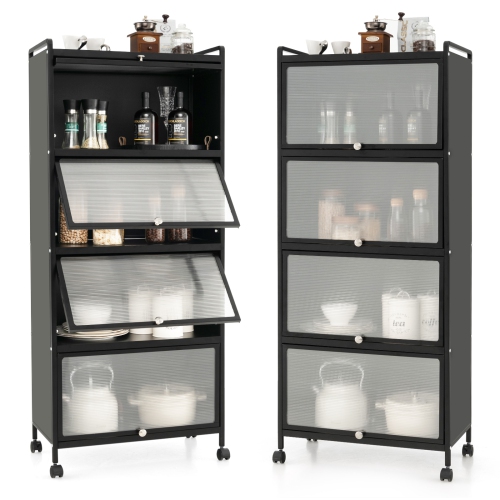
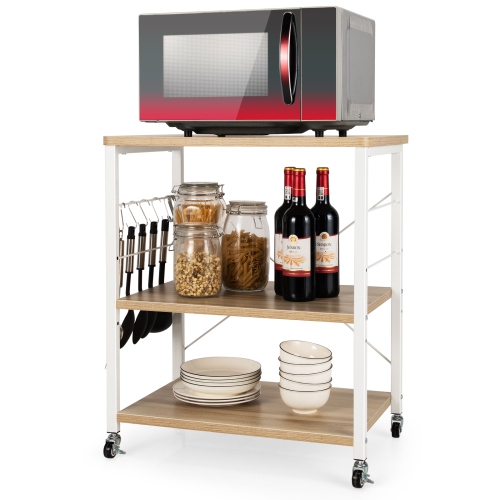
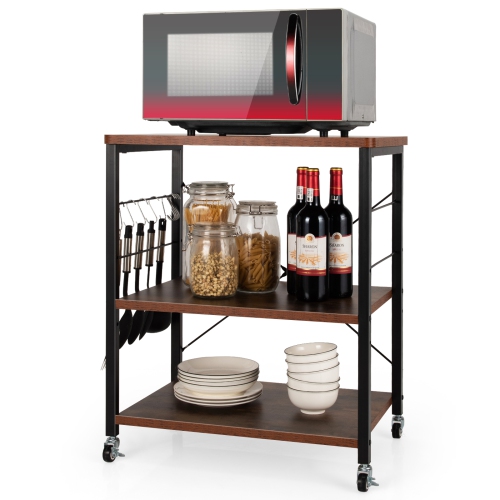

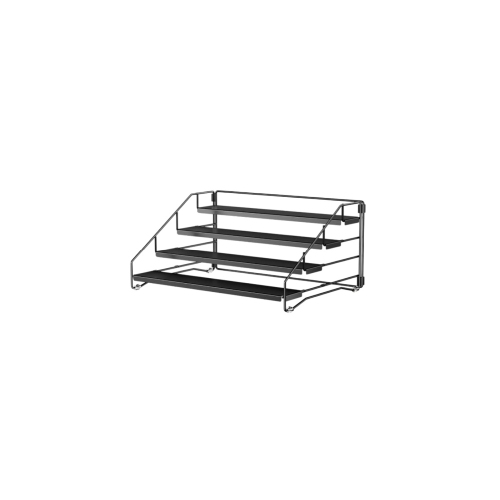
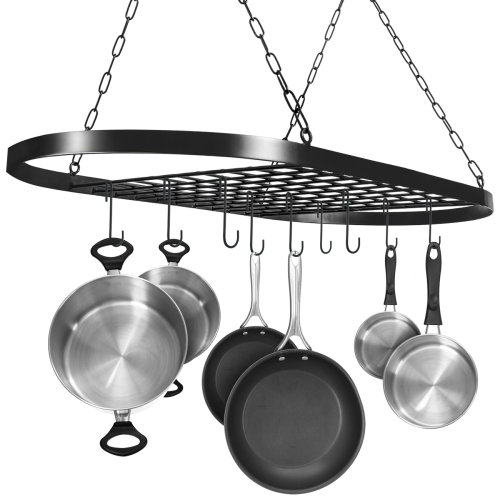

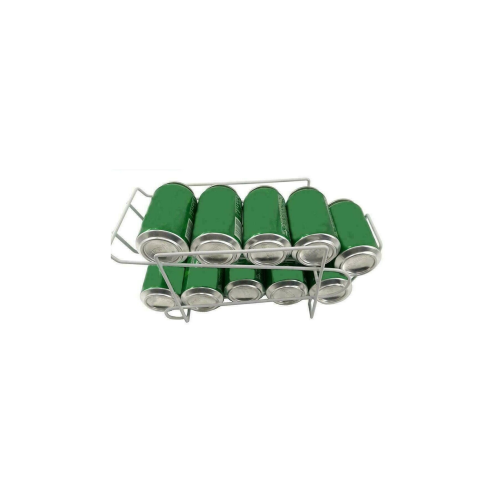

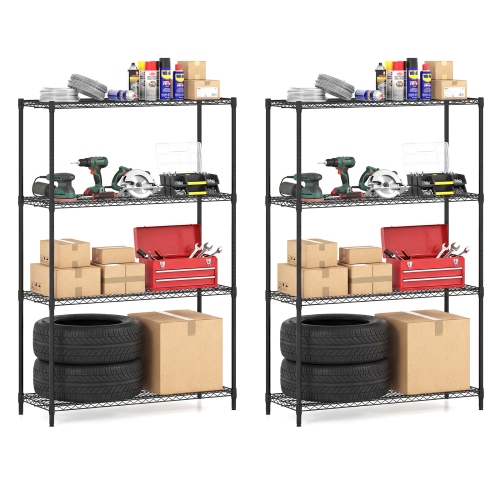
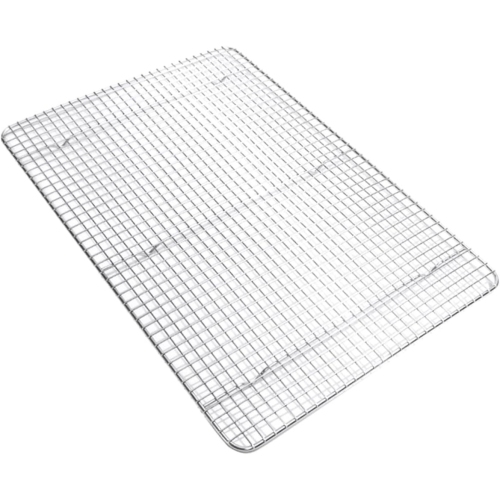
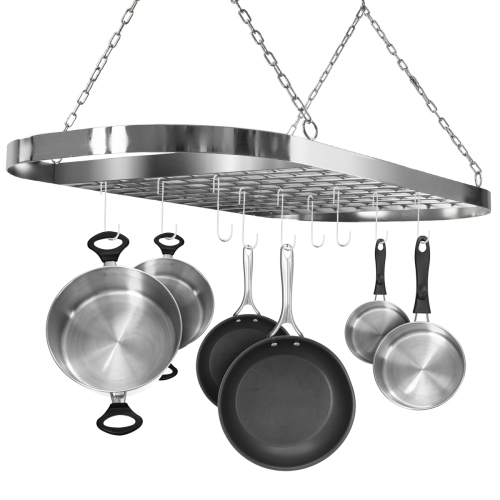


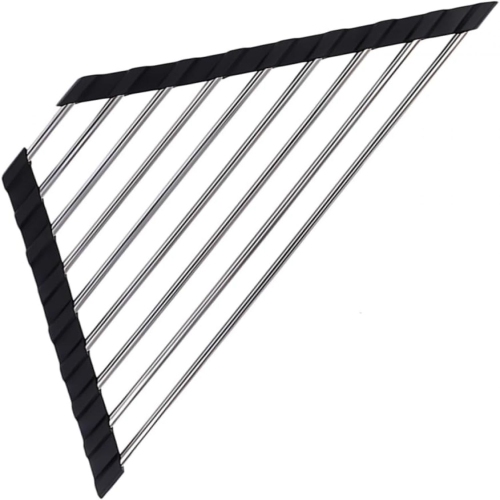
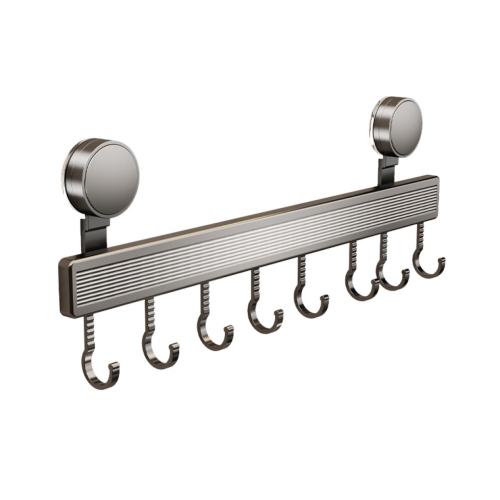
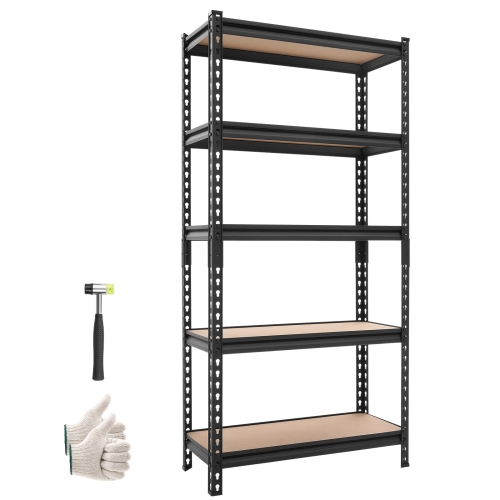
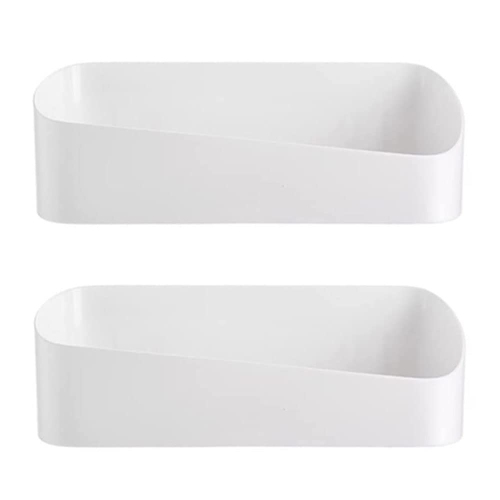

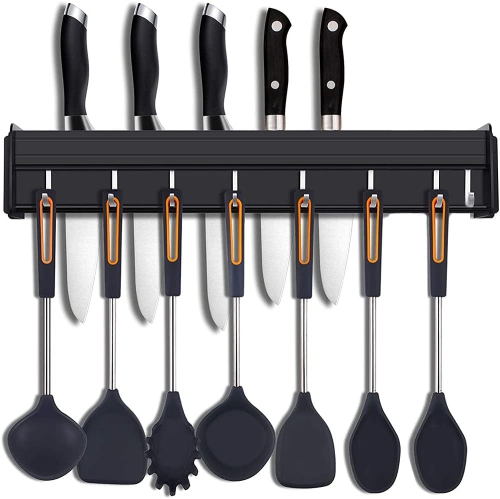
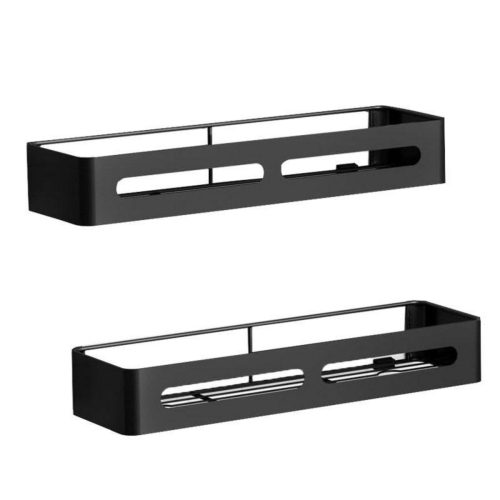
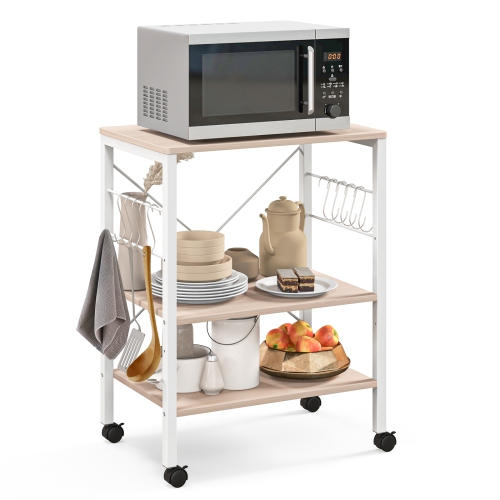


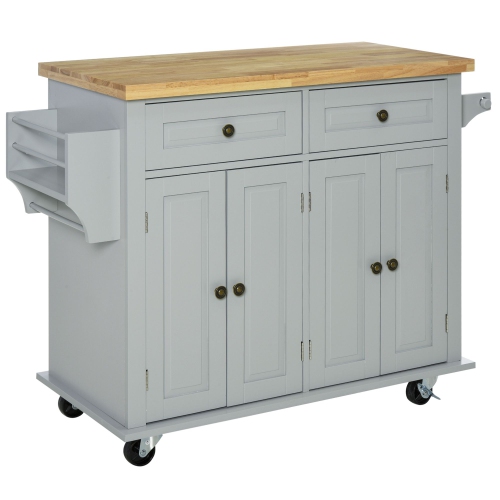


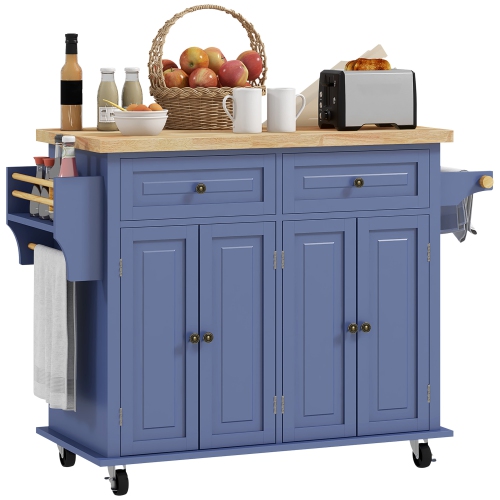
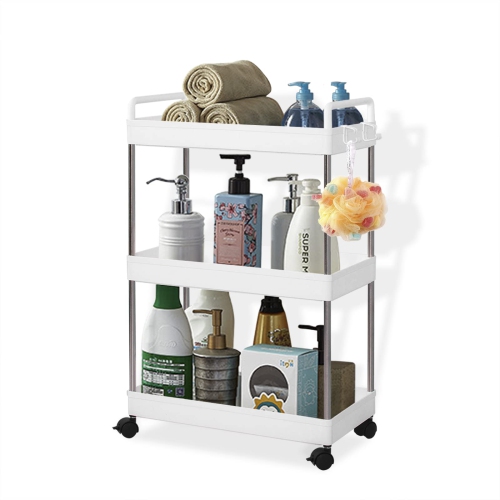


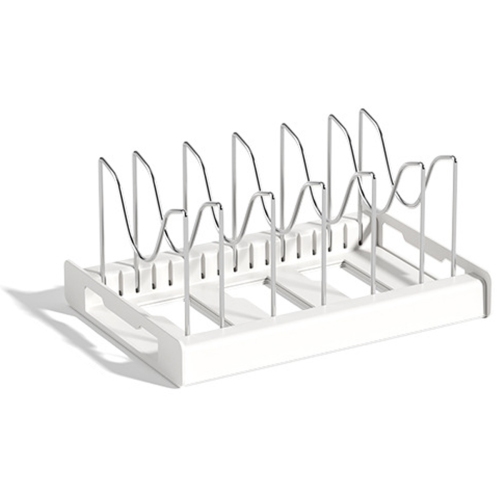
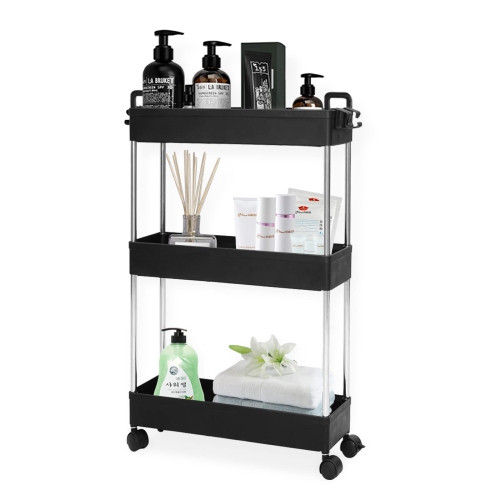
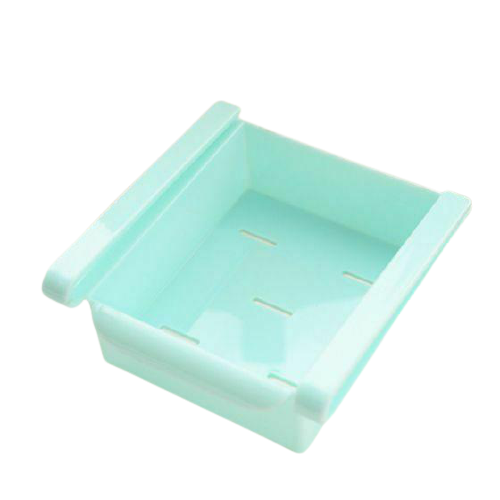
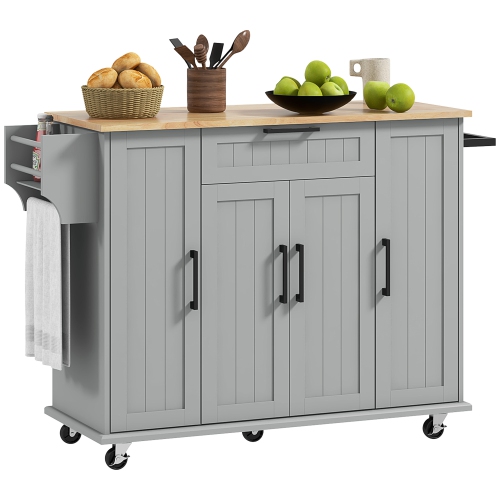

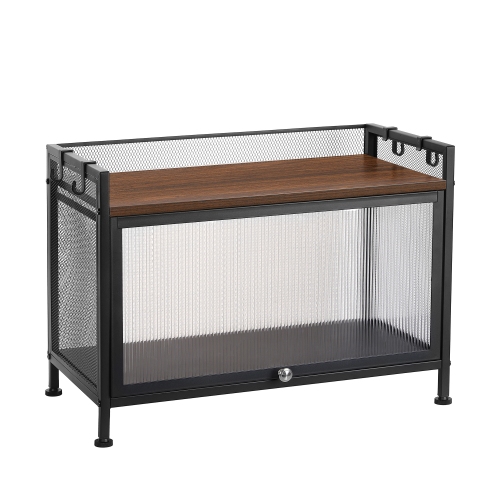

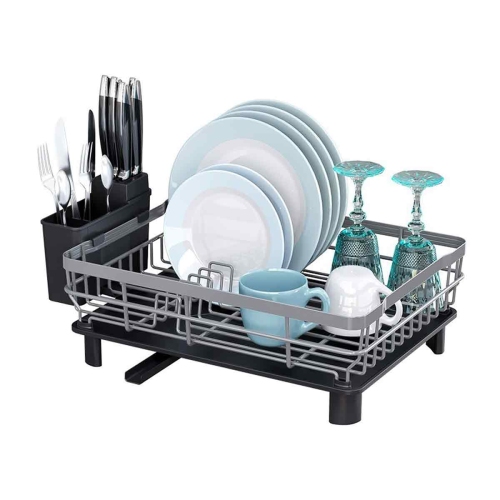
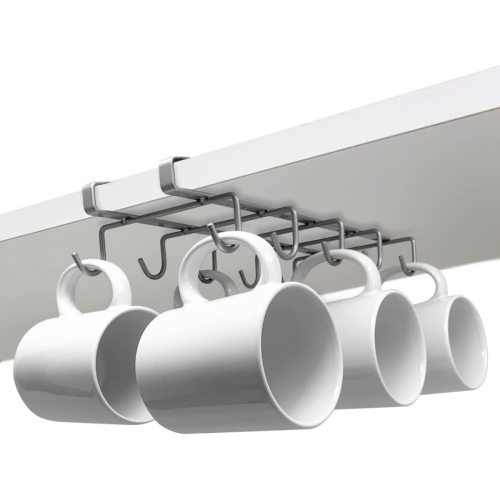

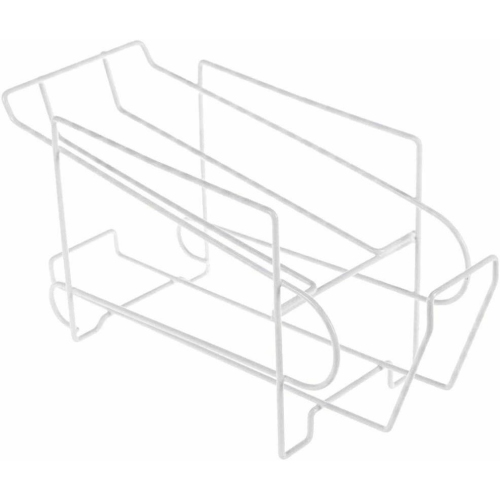


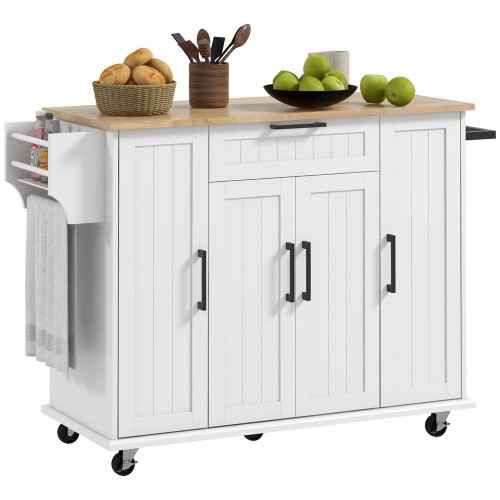
More room for cookware without crowding the counter
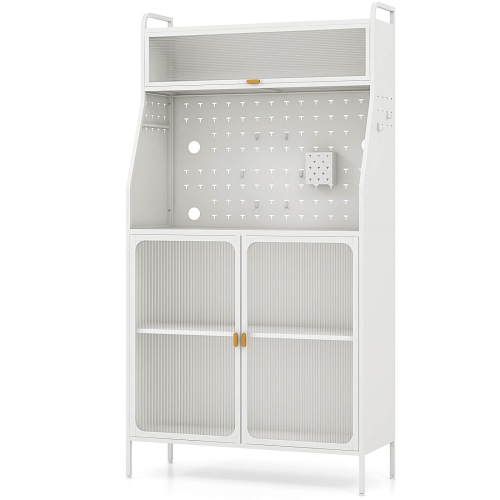
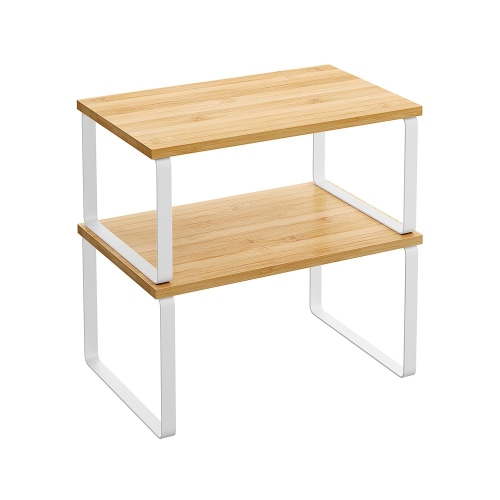
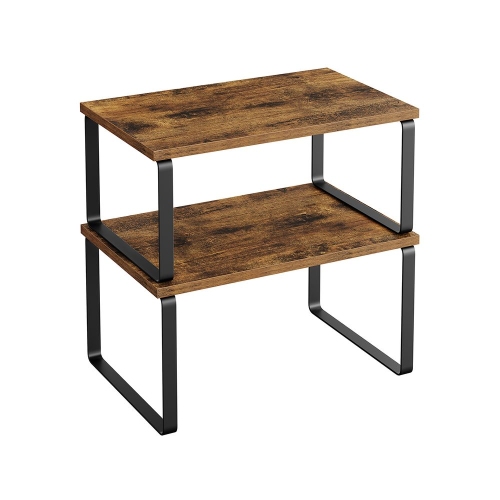
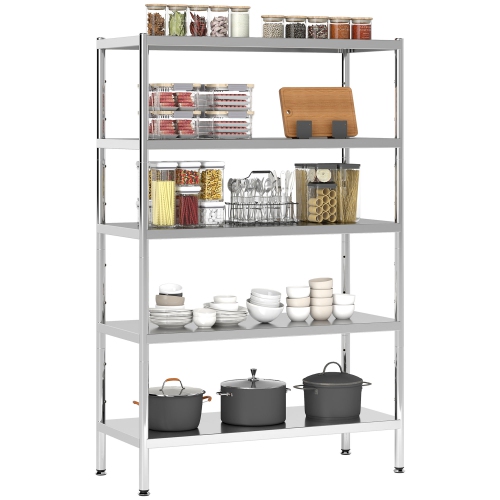
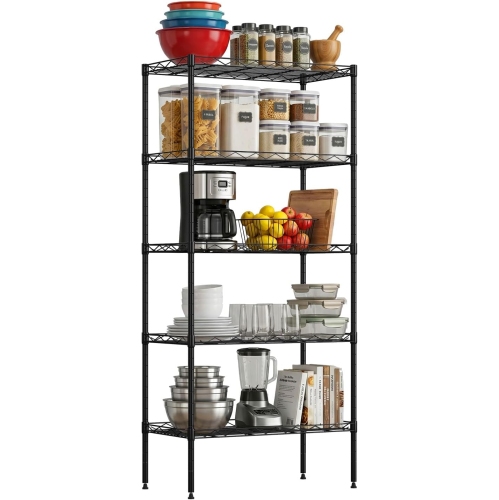
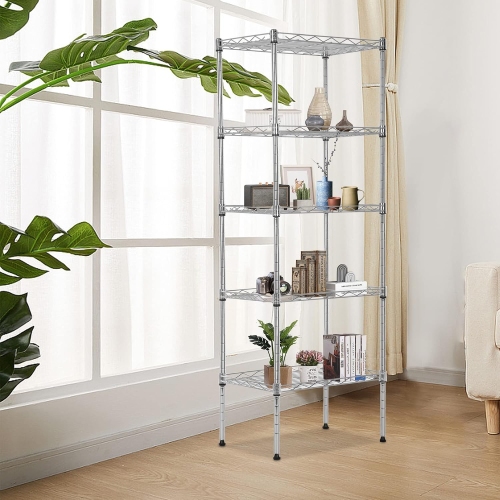
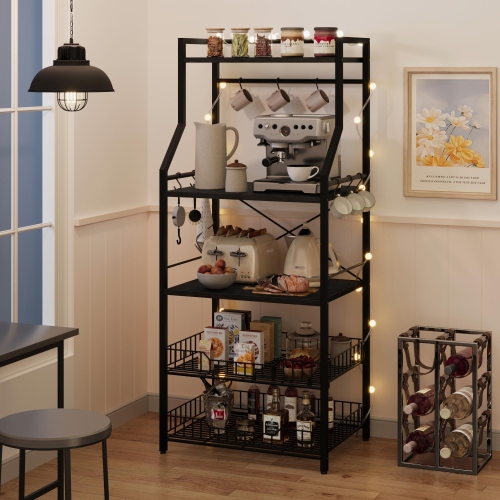
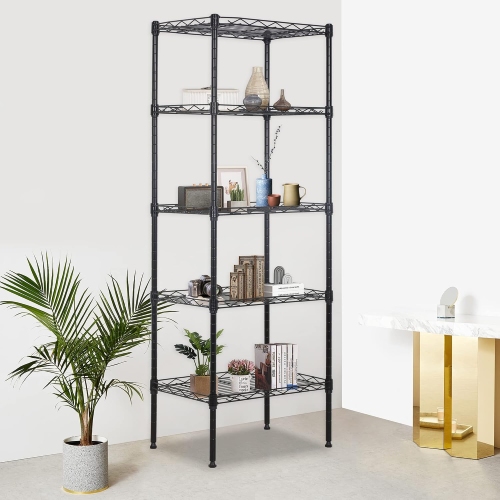
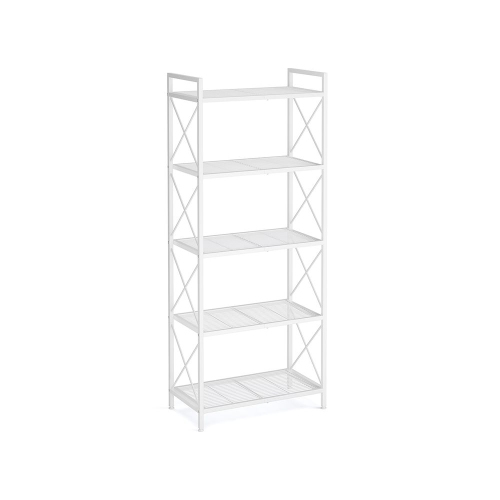
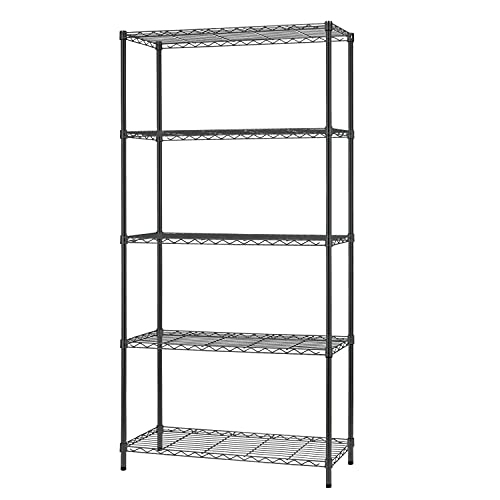
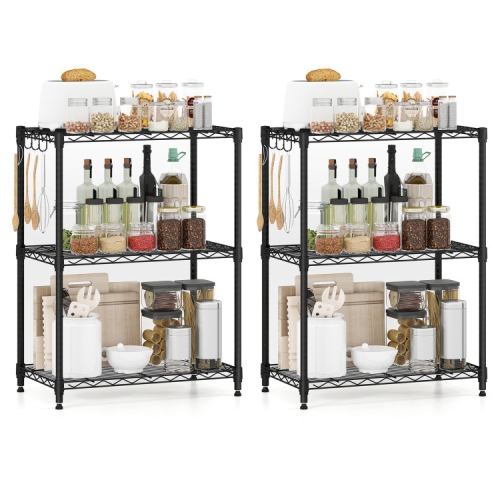
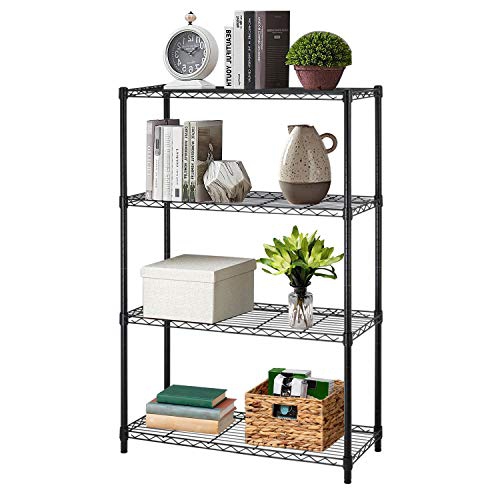
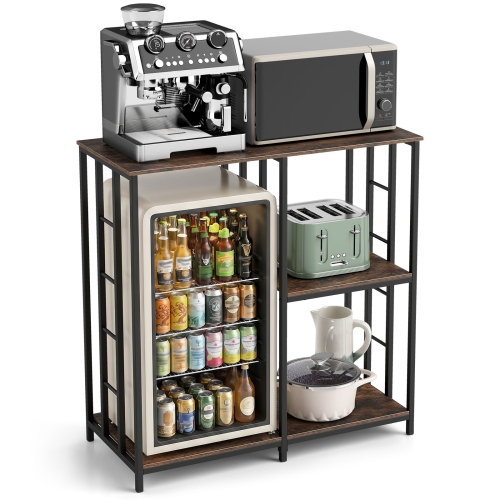
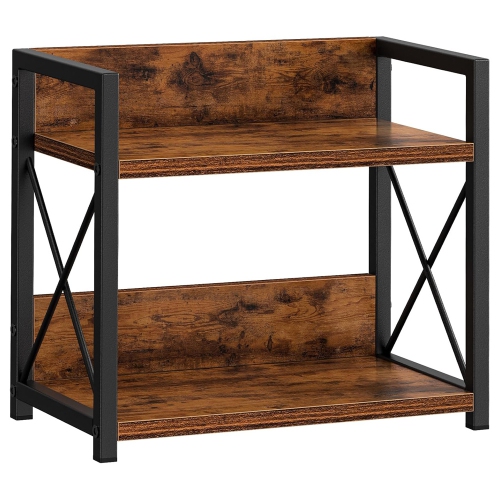
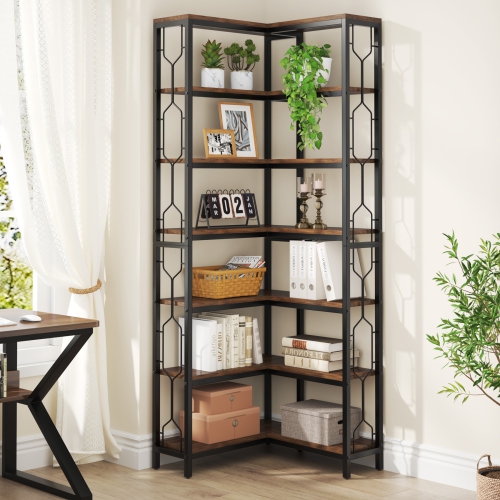
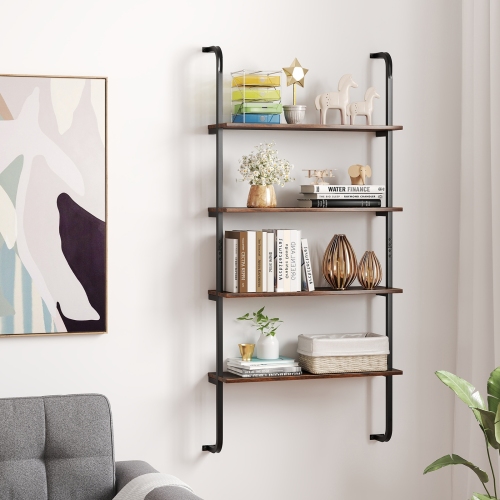
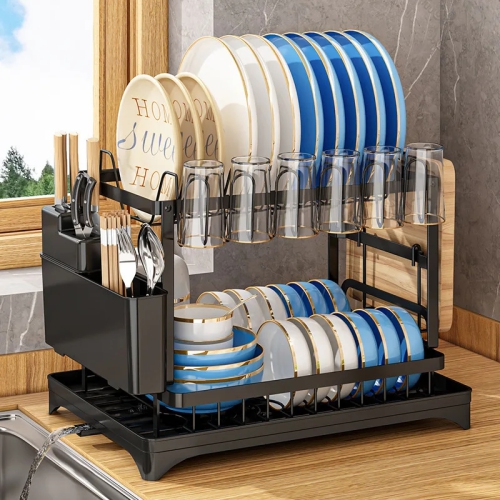
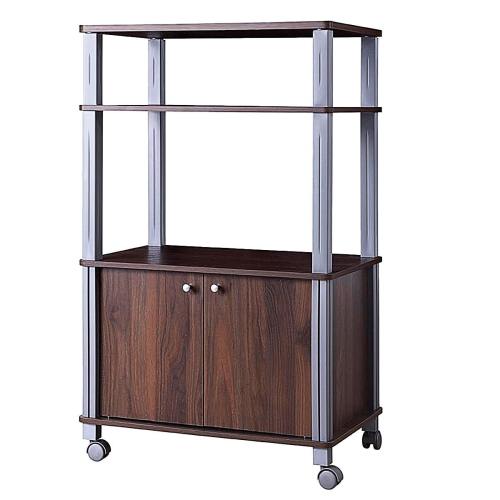
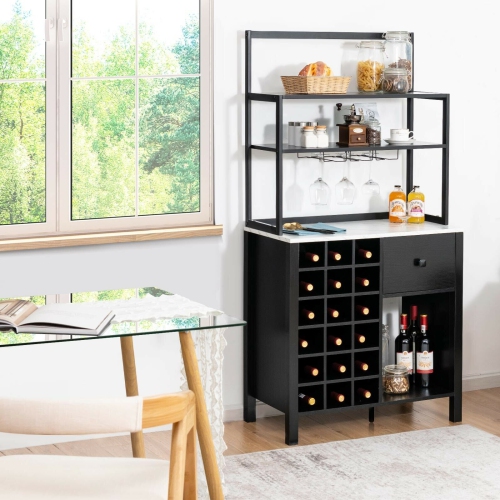
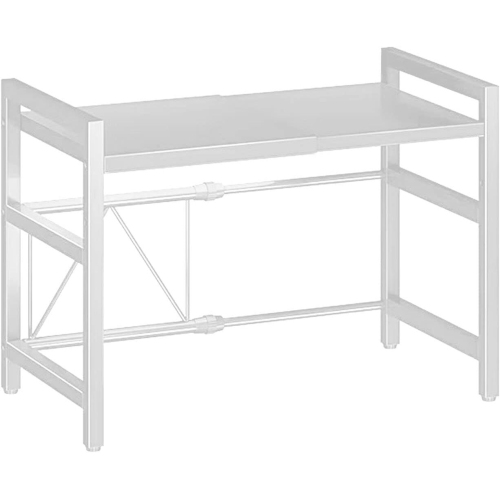
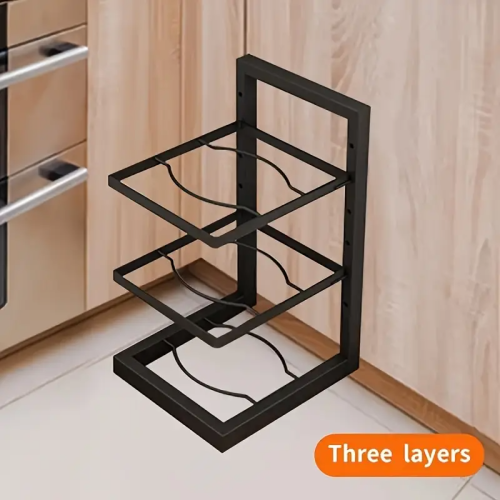
Kitchen shelves and racks bring order to the parts of a kitchen that get used every day, from the stretch of counter beside the kettle to the cupboard where pots and lids tend to pile up. Their value is often in making better use of space that would otherwise sit empty: the gap above a row of mugs, the inside of a cabinet door, or a narrow section of wall near the prep area. Open shelves keep frequently used dishes visible, while tiered racks separate smaller essentials so that reaching for one jar does not mean moving several others. A shelf riser can create a second level inside a tall cupboard, helping plates and bowls share the same footprint without being stacked into an awkward tower. Freestanding units add storage where built-in cabinetry stops, and countertop racks can gather cooking essentials into a defined area rather than leaving them scattered around a work surface. Options in the Kitchen Shelves collection suit the broader goal of giving everyday kitchenware a practical place to land. The most useful arrangement depends on how the room is used. Someone who cooks regularly may prefer sturdy storage close to the stove for cookware and mixing bowls, positioned safely away from heat and splashes. A household with several coffee or tea drinkers may appreciate a compact setup that keeps mugs and supplies together without taking over the counter. In a shared kitchen, separate shelf levels can make it easier to give each person a clear storage area. For smaller homes, vertical storage can free up preparation space while keeping useful pieces within comfortable reach. Larger kitchens benefit too, particularly when a rack fills a gap between the pantry and the main cooking area. Storage that reflects daily habits tends to stay organized more easily than an arrangement based only on appearance, whether that means a low shelf for breakfast bowls or a dedicated spot for baking trays.
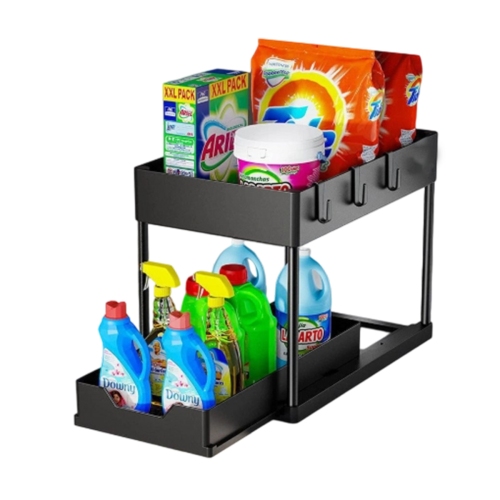
Materials and construction influence how kitchen shelving looks, how much attention it needs, and which tasks it handles comfortably. Metal racks often have relatively slim frames, making them useful where a bulky cabinet would feel intrusive. Stainless steel generally tolerates routine kitchen moisture well, although it still benefits from wiping and drying, while painted or powder-coated finishes need care to avoid chips that can expose the metal beneath. Wood brings visible grain and a warmer appearance to open storage, with the finish determining how readily the surface can be wiped clean. Bamboo offers a distinctive grain and is commonly used for compact organizers and shelf inserts; prolonged soaking can affect its shape and joints. Plastic components can be easy to wipe down, though their suitability for heavier loads depends on their construction and the stated weight limit. Solid shelves provide an even base for small jars and narrow glasses, while wire shelves allow airflow but may need a suitable liner to support smaller objects securely. Fit involves more than the overall width of a unit. Shelf depth affects whether dinner plates sit fully supported, and the distance between levels determines whether a tall bottle can stand upright or a stack of bowls can be lifted out easily. In cabinets, hinges and door frames can reduce the usable opening, even when the interior seems spacious enough. Under a sink, plumbing and cleaning-supply bottles can compete for the same space, making adjustable layouts particularly useful. Stability matters just as much as capacity: heavier cookware belongs on lower levels, and each shelf needs to stay within its stated load rating. Wall-mounted shelving also depends on suitable hardware, wall construction, and installation. Freestanding units may require anchoring according to their instructions, especially in homes with children or pets. A level base, secure connections, and enough clearance for nearby doors help storage feel like a dependable part of the room rather than an obstacle.
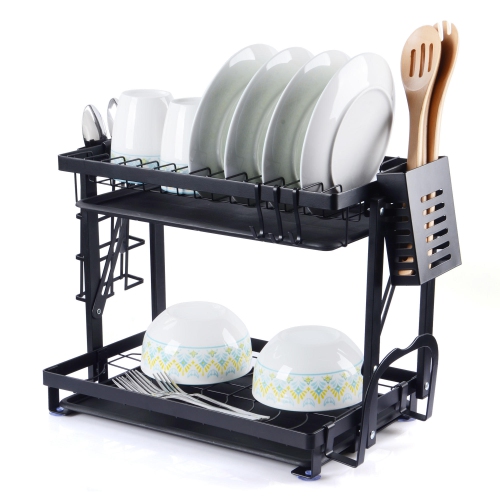
The details become especially noticeable during ordinary kitchen routines. A rack for cutting boards and baking sheets can keep broad, flat pieces upright, so retrieving a tray does not disturb everything stacked above it. Dividers for lids can reduce the clatter of searching through a deep cupboard, while a tiered spice rack makes labels easier to see at a glance. Near the sink, a dish rack needs enough room for the dishes a household washes by hand, along with a drainage arrangement that suits the counter and sink. Removable trays and accessible corners make cleaning less awkward, particularly where water collects. Inside cupboards, shelf inserts work best when they leave room for hands as well as kitchenware; a tightly packed arrangement may hold more but make everyday access frustrating. Open shelving has a different rhythm, putting dishes on display while exposing them to cooking residue and dust. Smooth surfaces, fewer difficult-to-reach joints, and removable components can simplify regular care. Cleaning requirements vary by material and finish, so manufacturer directions remain important, especially for coated metal and sealed wood. Wiping up spills promptly and allowing damp pieces to dry before storing them helps protect both the rack and the surface beneath it. Appearance can be practical too: matching the scale of a rack to nearby cabinetry keeps a narrow kitchen from feeling crowded, while a consistent colour or finish can help several storage pieces look intentional. For renters, options that do not require permanent mounting may suit the space, provided they are used and secured as directed. For someone setting up a first kitchen, storage pieces can also make thoughtful housewarming gifts when the available space and cooking habits are known. The lasting appeal of kitchen shelves and racks is straightforward: they help familiar tasks run more smoothly, giving dishes, cookware, and pantry essentials a place that makes sense from the first cup of tea to the final tidy-up.
Top selling and popular products
-
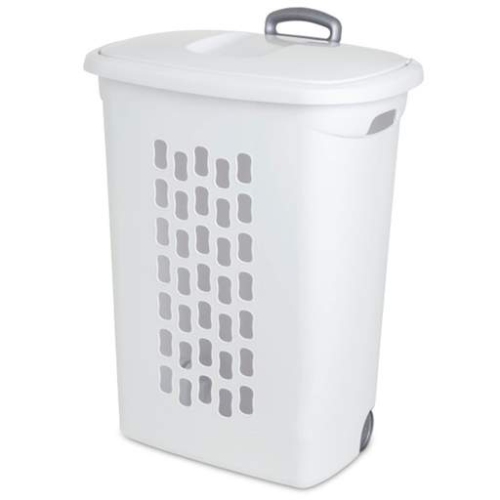 Your price for this item is $698.99
-
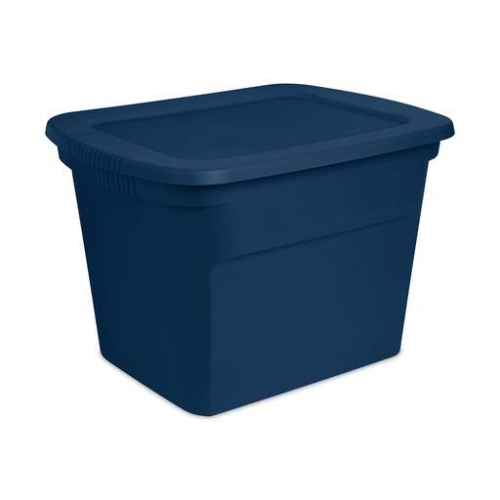 Your price for this item is $1146.99
-
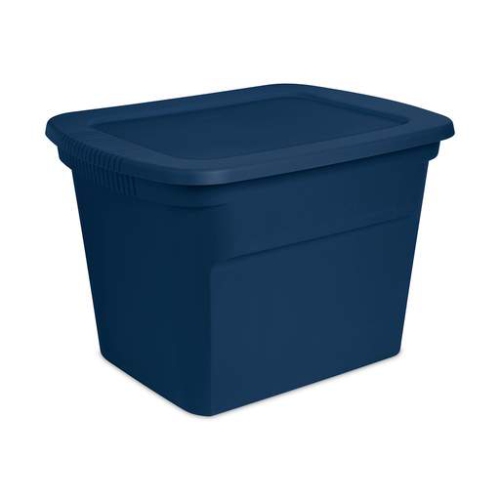 Your price for this item is $859.99
-
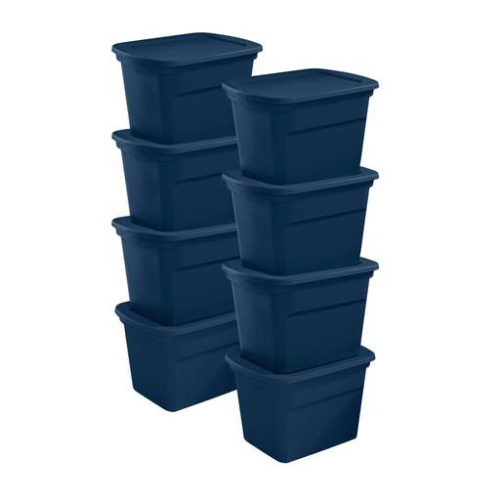 Your price for this item is $296.99
-
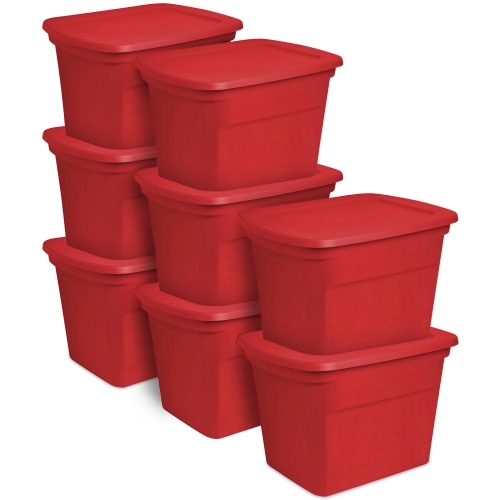 Your price for this item is $244.99
-
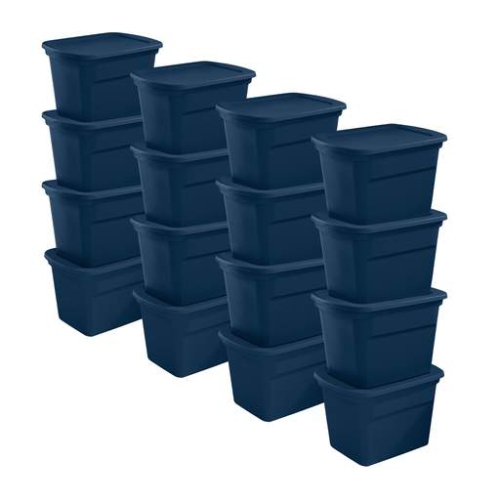 Your price for this item is $573.99
-
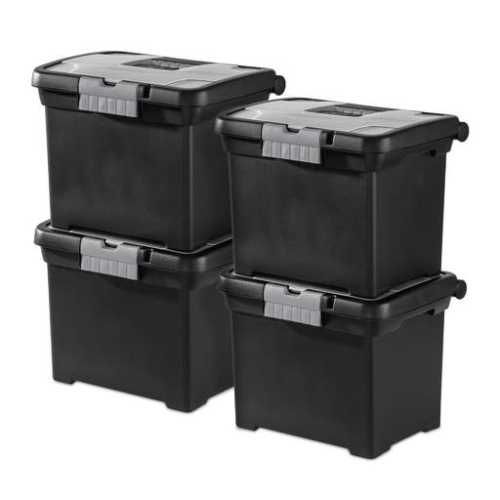 Your price for this item is $178.99
-
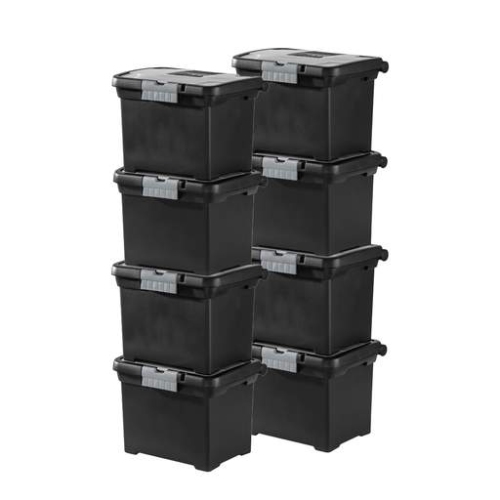 Your price for this item is $348.99
Discover more categories related to Kitchen Shelves And Racks
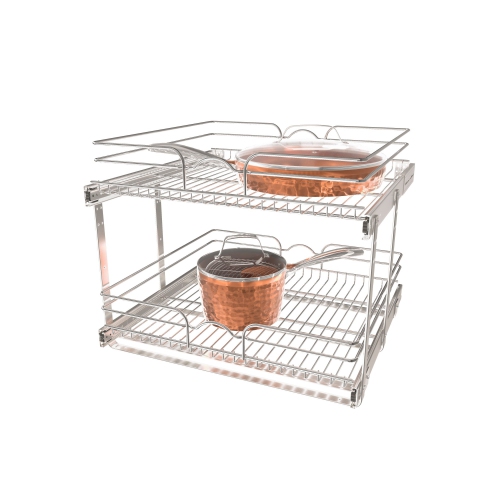
Top Collections:
Best Black Friday Deals This Year, Best Black Friday Deals On Electronics, Kindle Devices, Pokemon Centers, Best Black Friday Deals On Apple Products, Best Cameras for Sports Photography, Dyson Airwrap, Pokémon 30th Celebration Cards, Apple iPhone 17 Pro, Canon G7X Cameras
Some products may be subject to Environmental Handling Fees
(EHF) depending on your province.
Learn more about EHFs.