Kitchen Swivel Stools
Upgrade your kitchen seating with our versatile Kitchen Swivel Stools. Designed to bring style and functionality to your space, these stools are the perfect addition to any home. With their swivel feature, you can easily turn and reach for items without having to get up, making them ideal for busy kitchens. Whether you're enjoying a quick breakfast or entertaining guests, our Kitchen Swivel Stools offer comfort and convenience in one sleek package. Explore our collection today and find the perfect stool to elevate your kitchen decor.
Sort
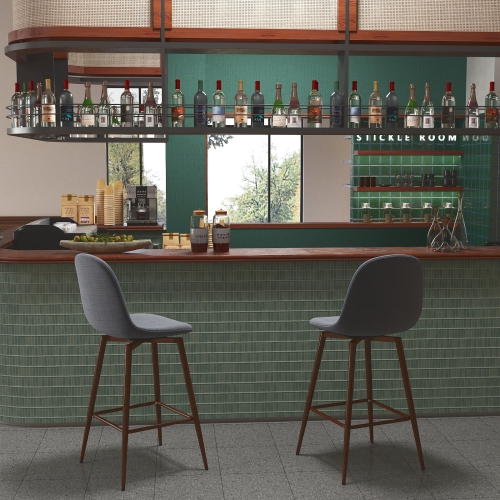
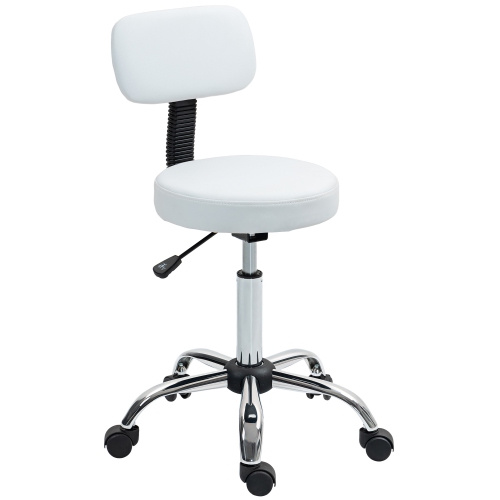
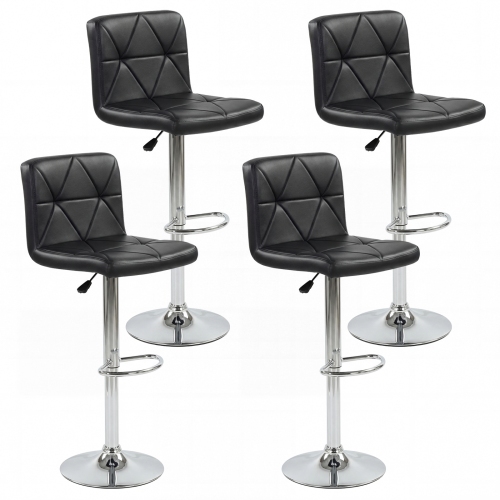
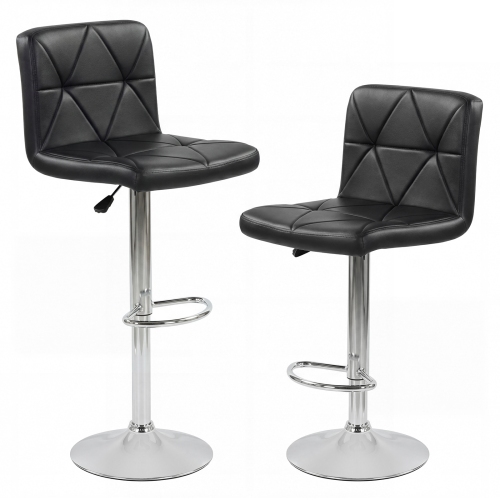
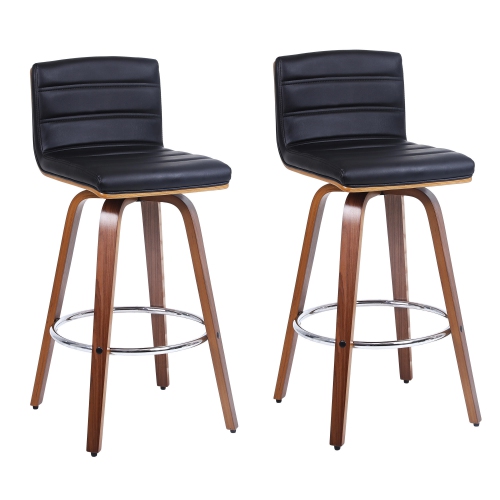
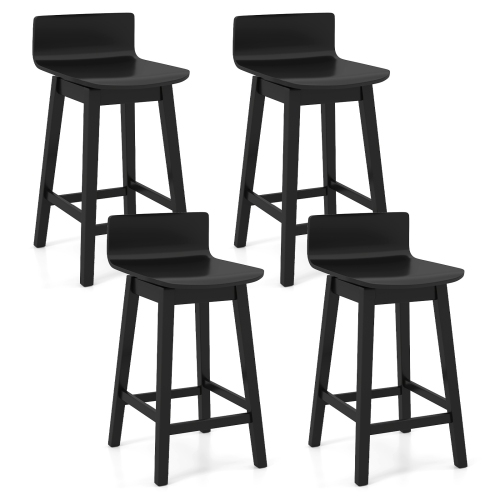
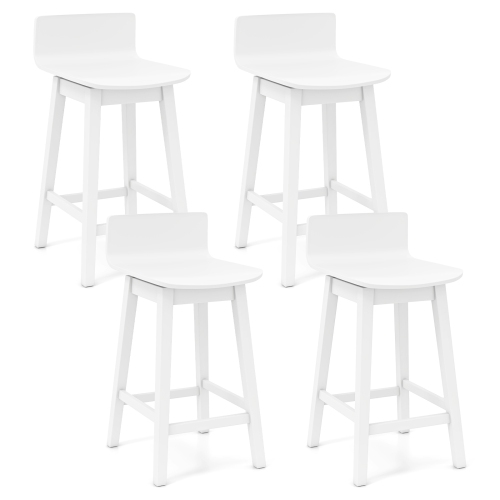
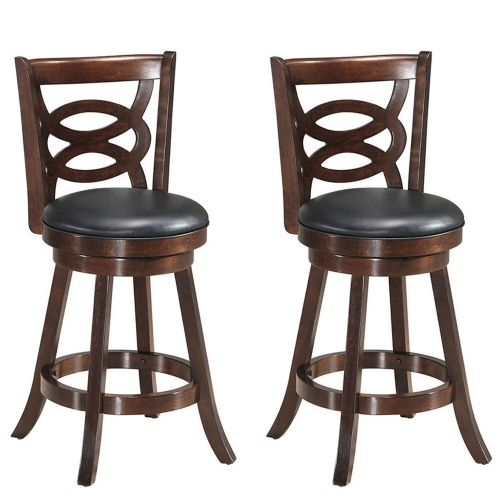
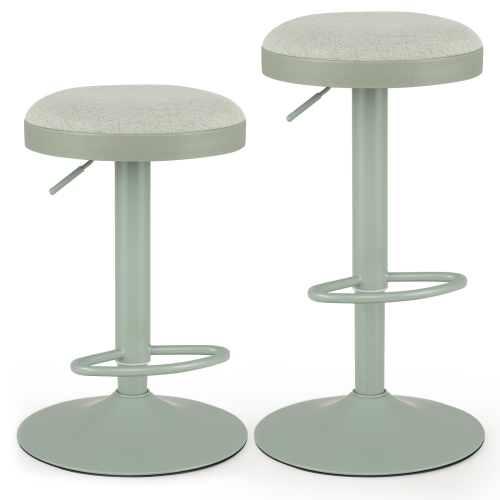
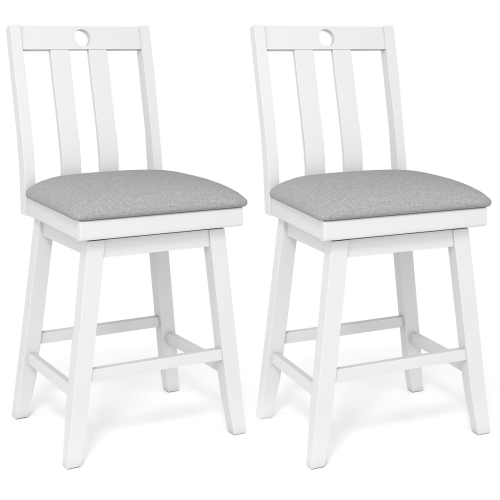
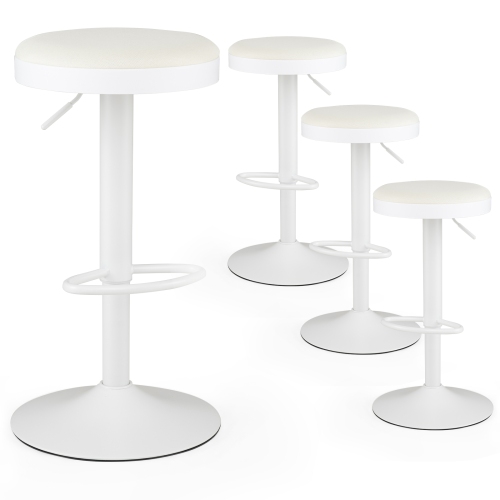
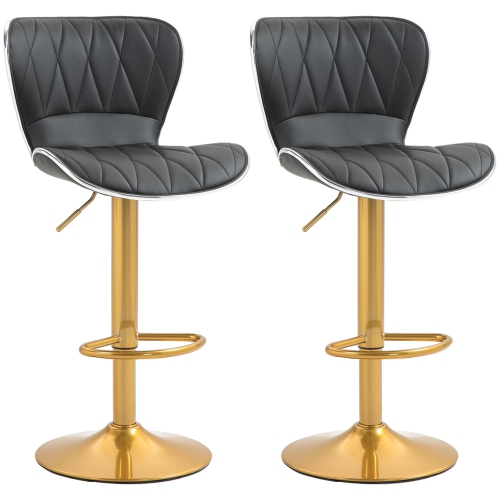
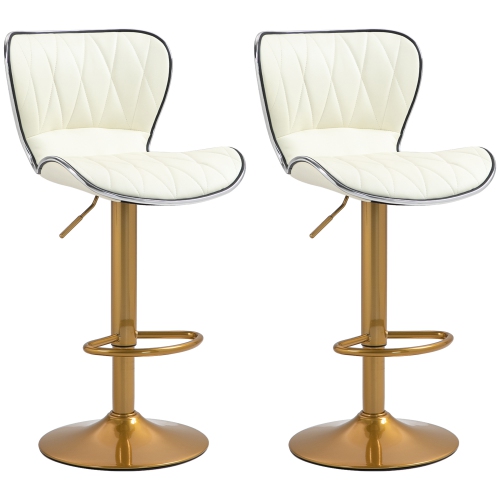
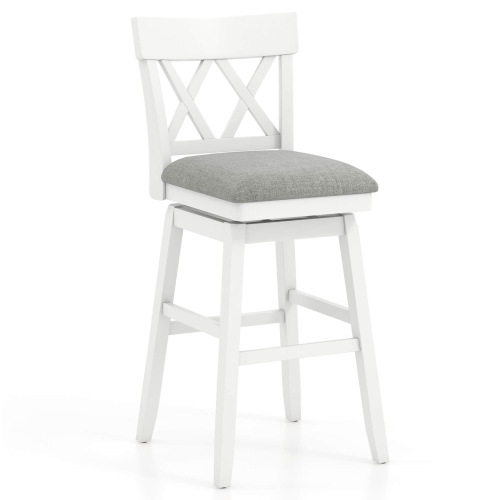
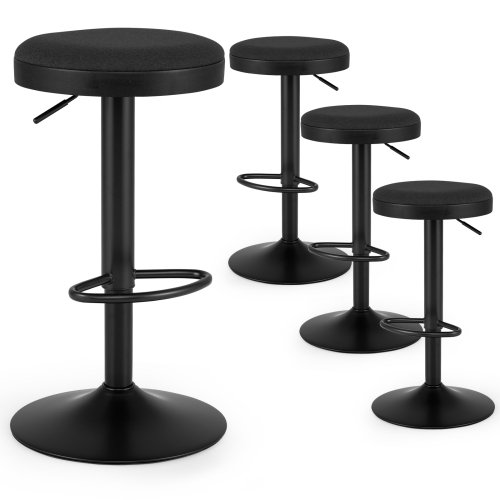
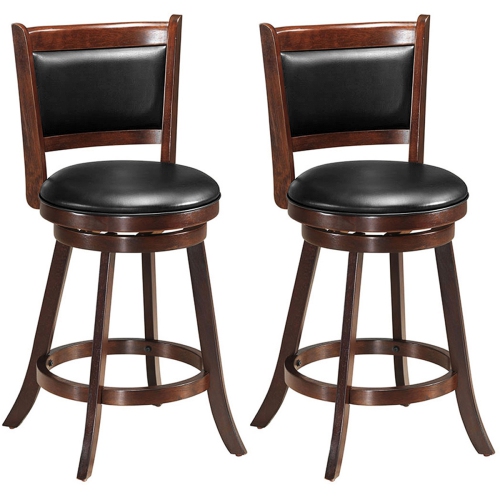
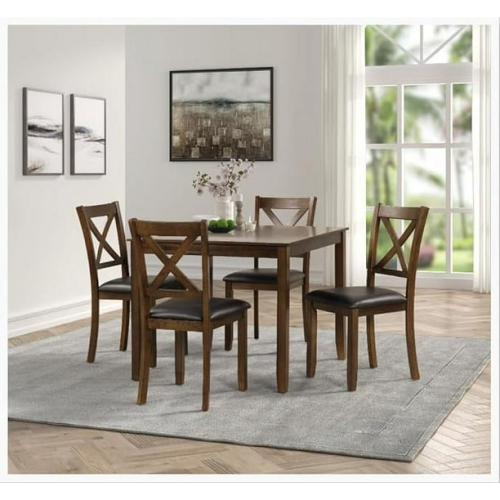
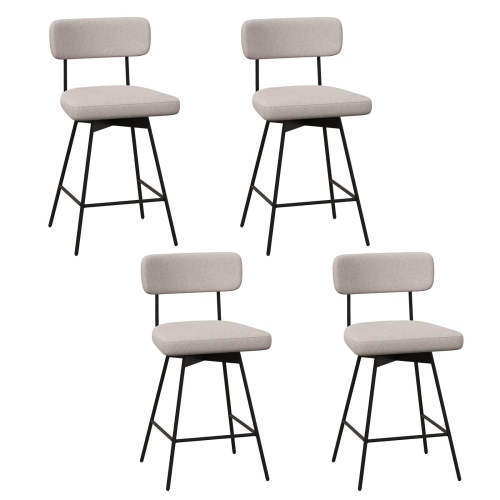
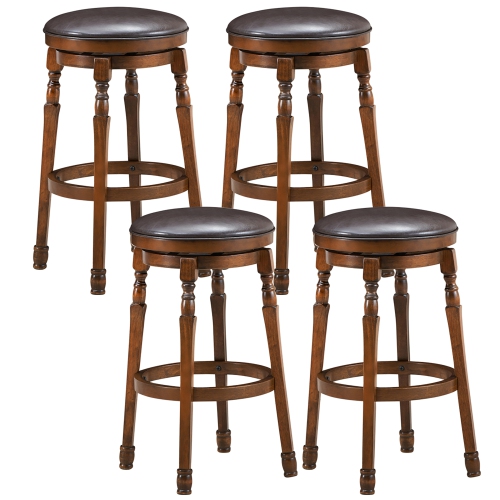
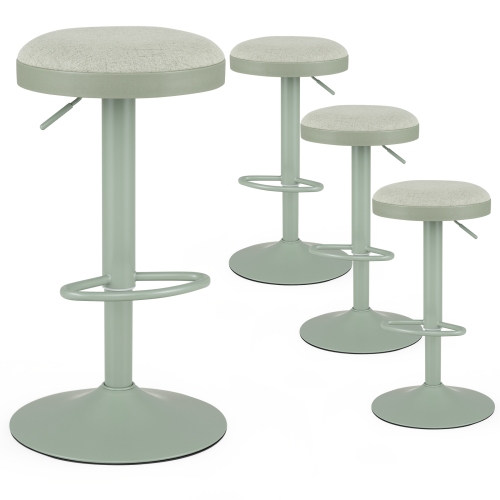
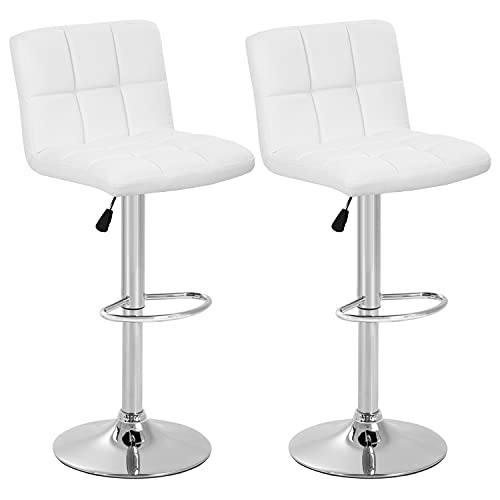
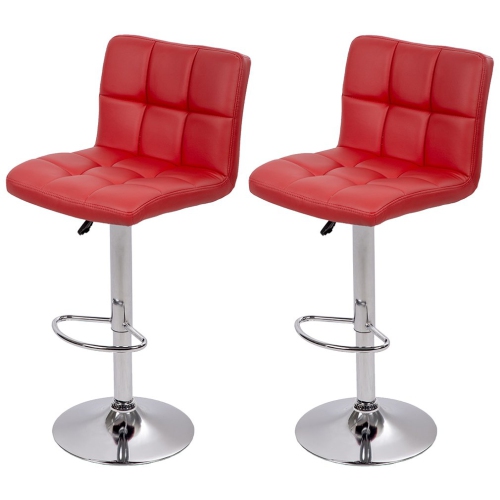
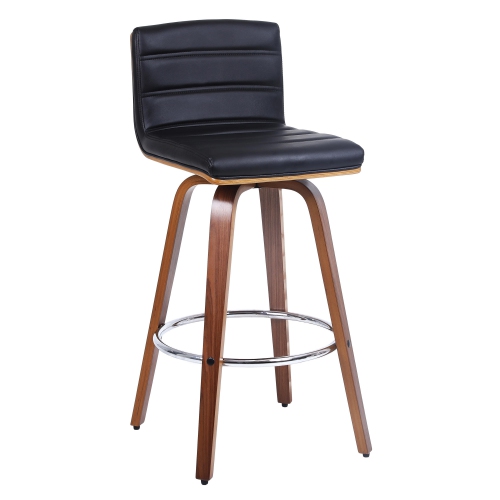
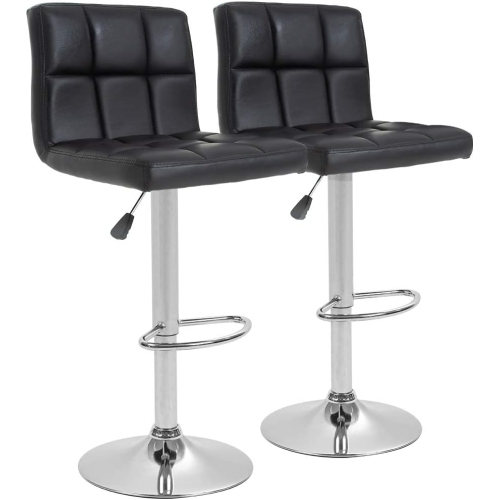
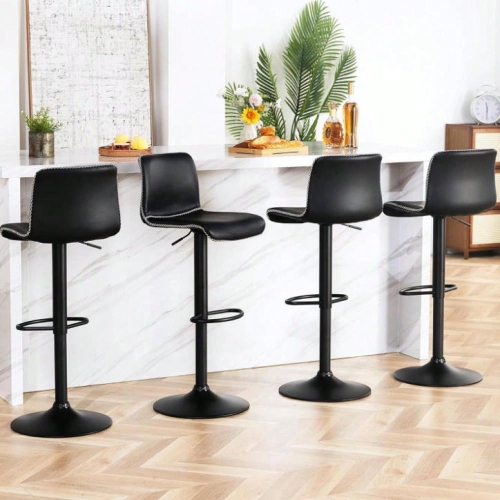
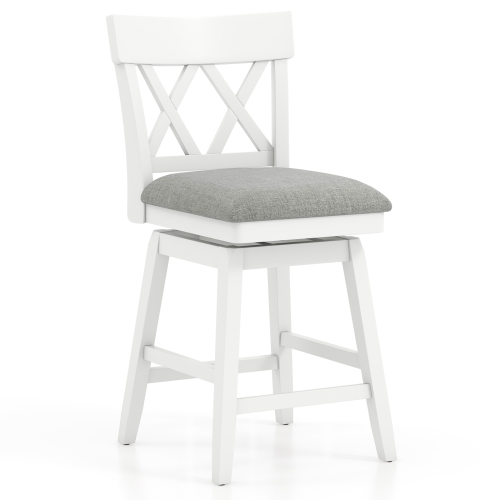

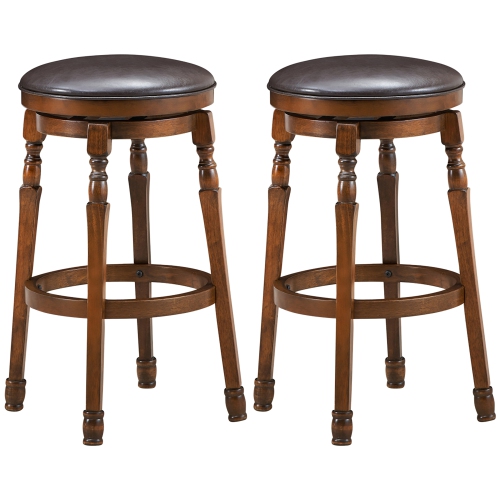
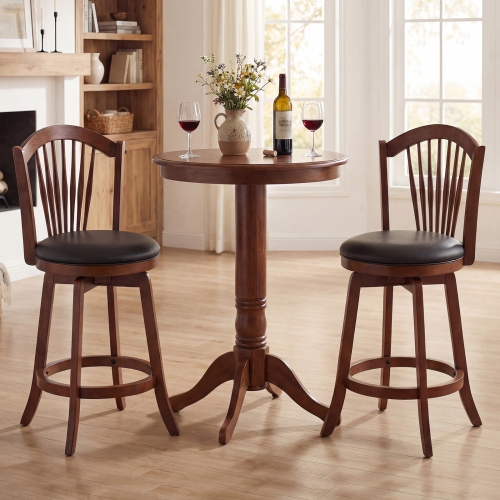
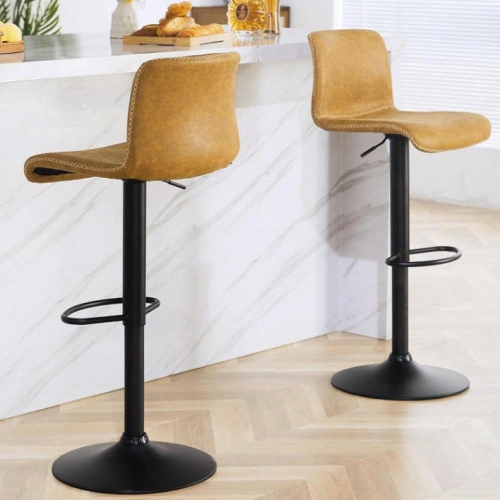
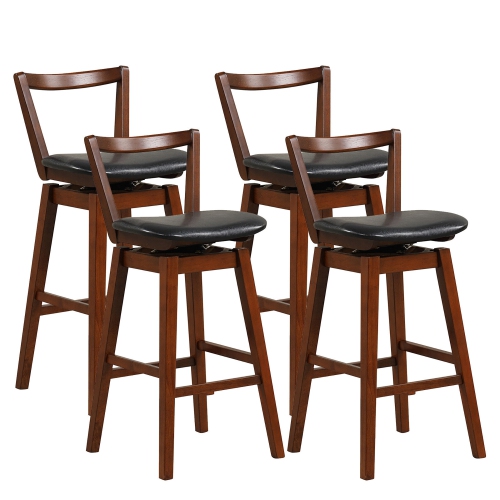
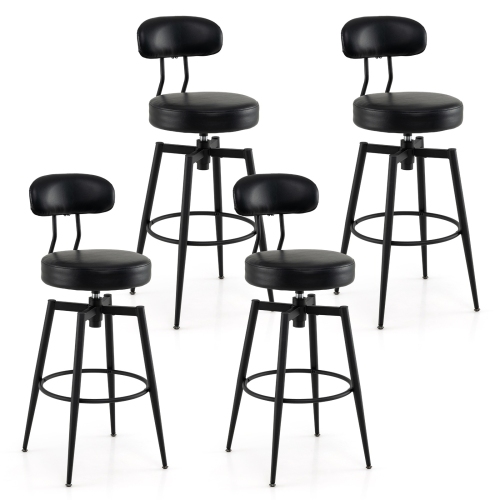
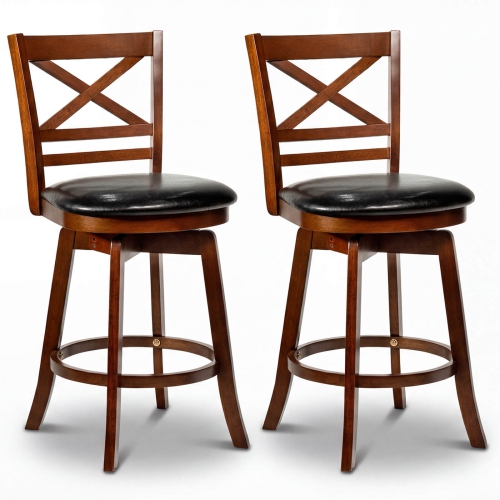
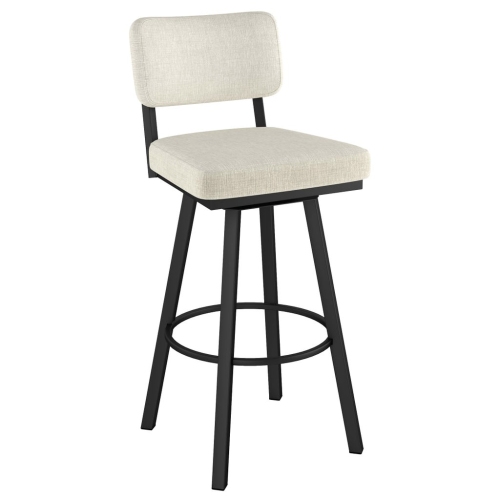
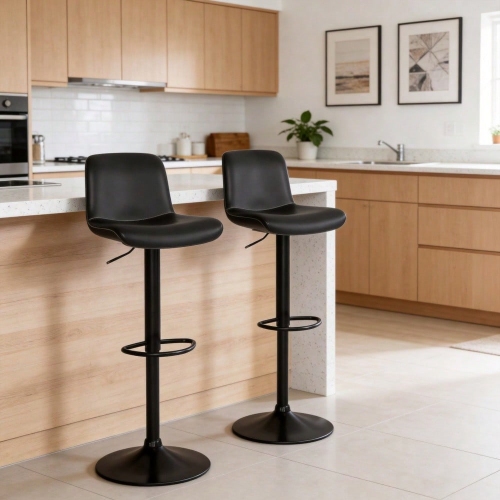
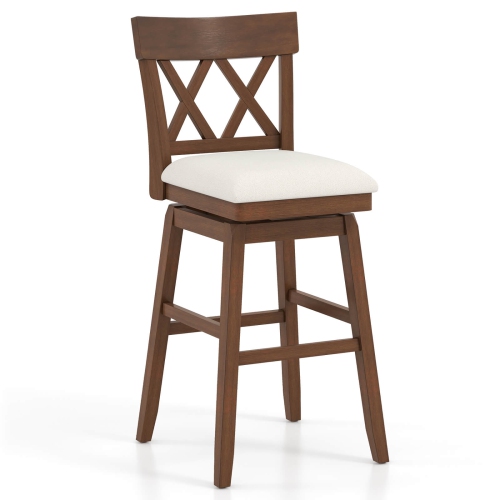
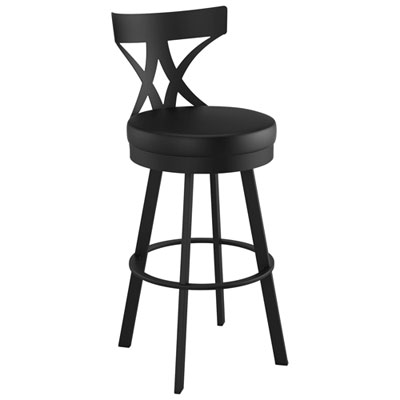
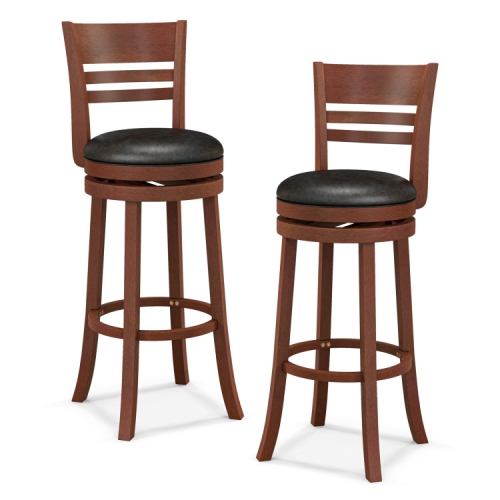
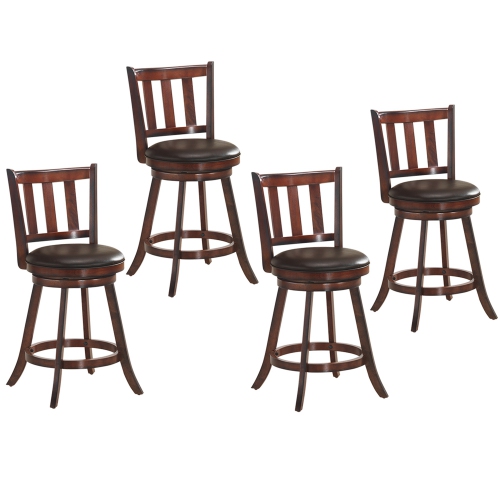
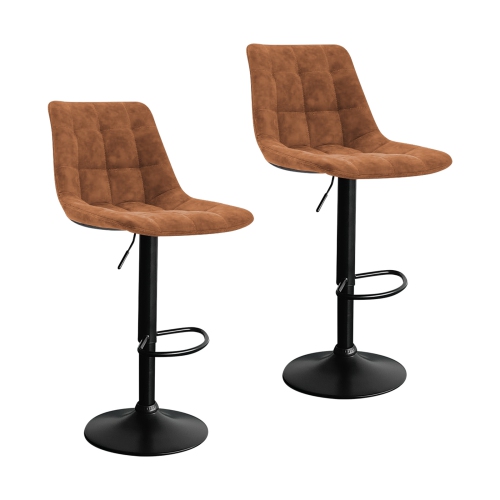
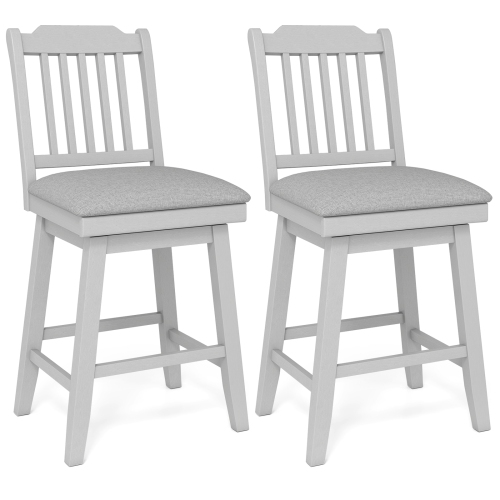
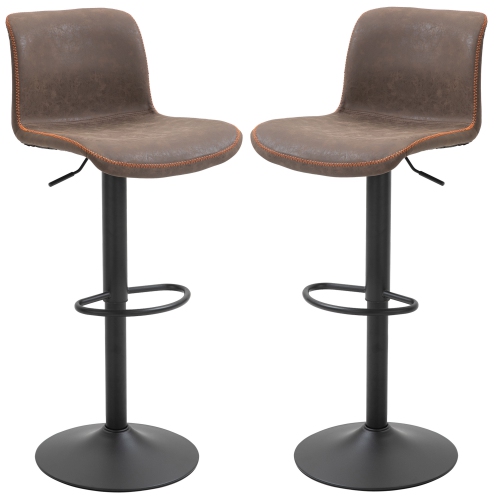
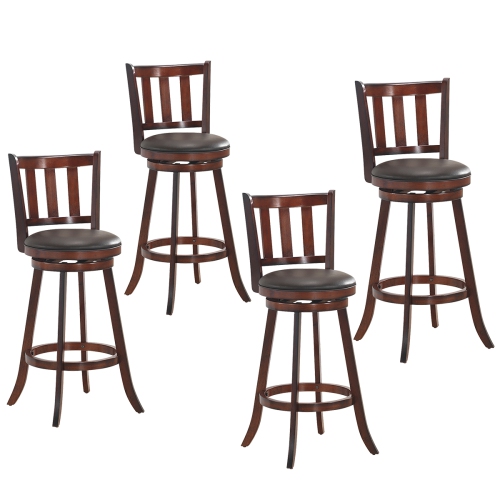
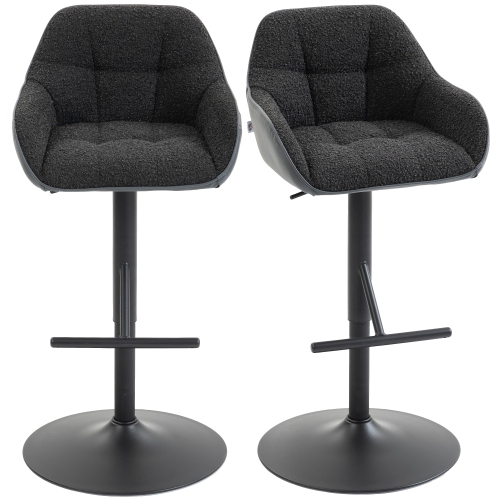
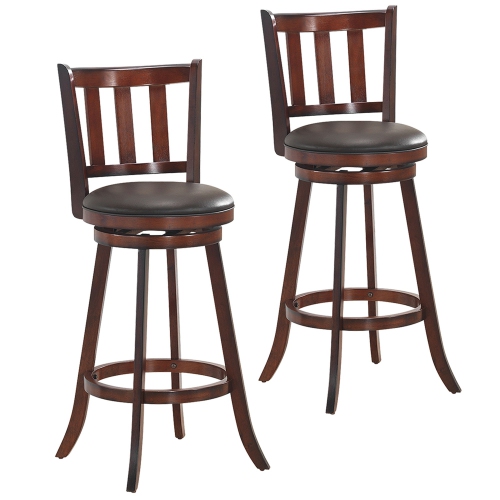
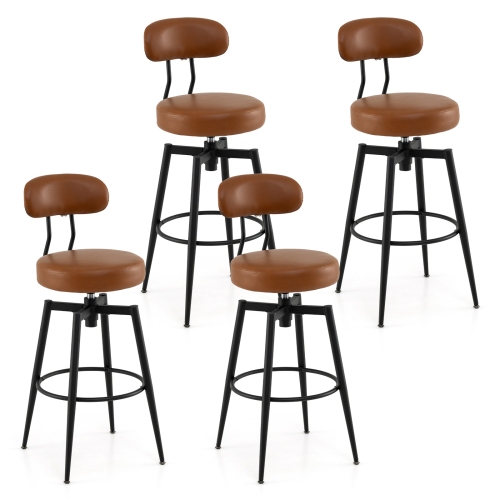
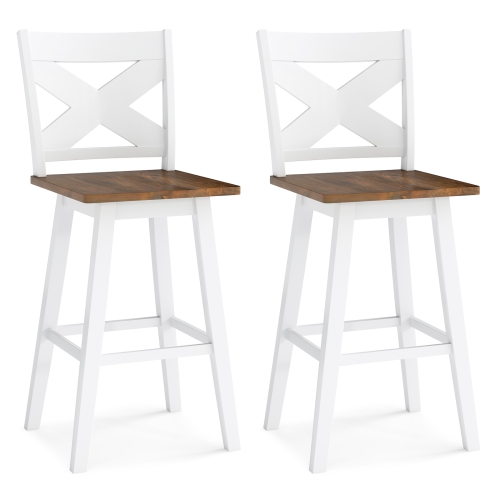
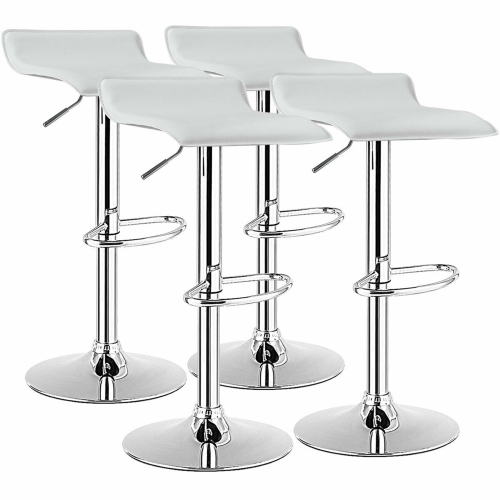
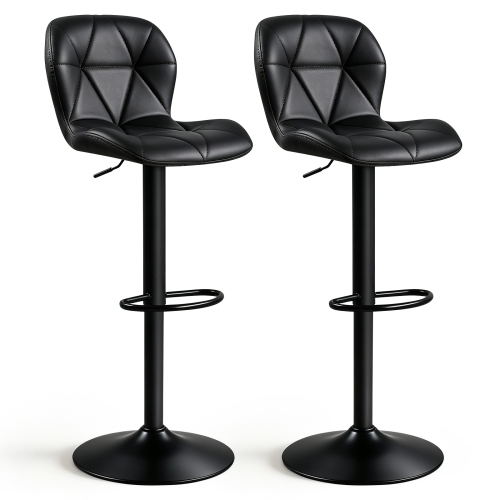

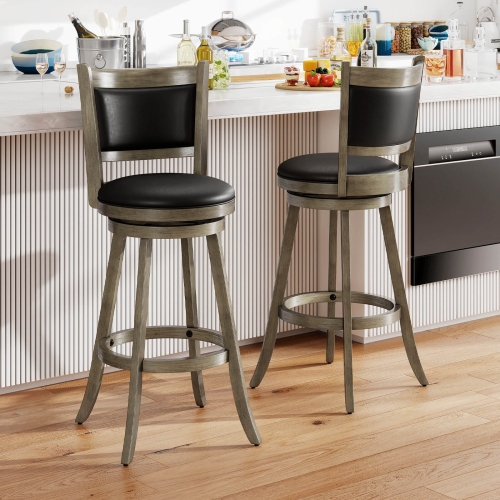
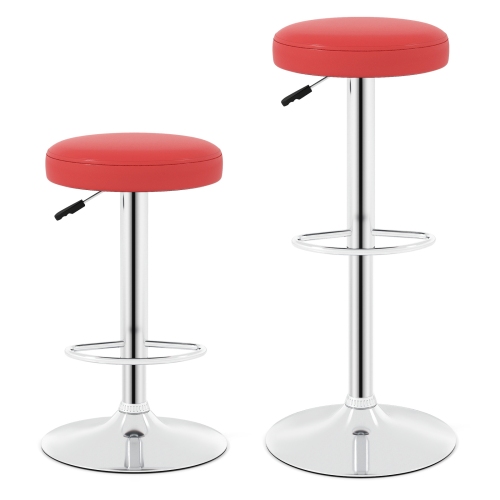
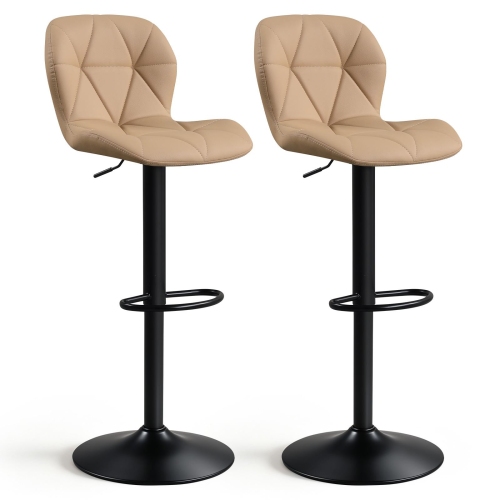
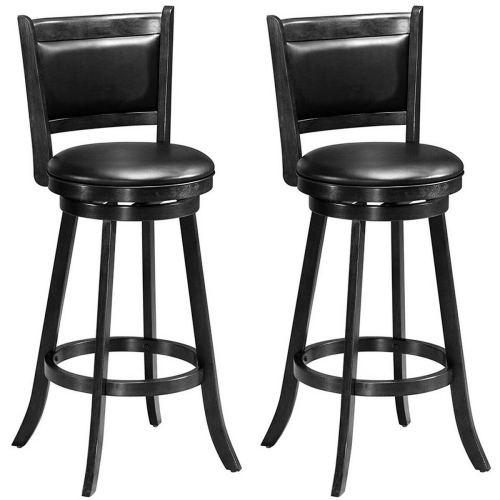
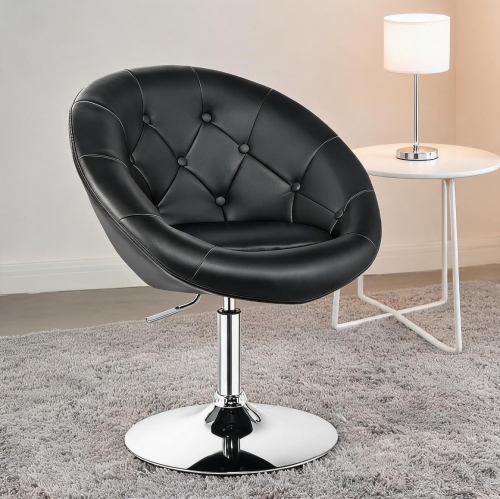
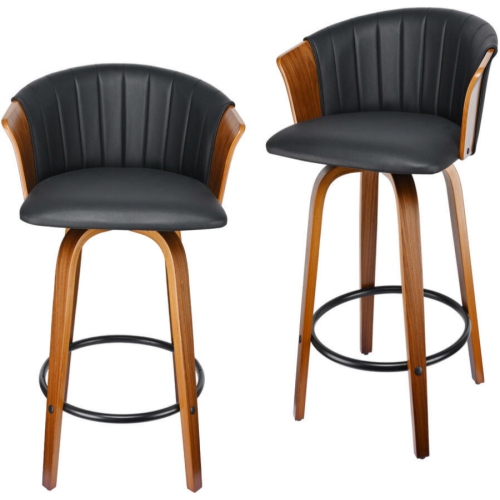

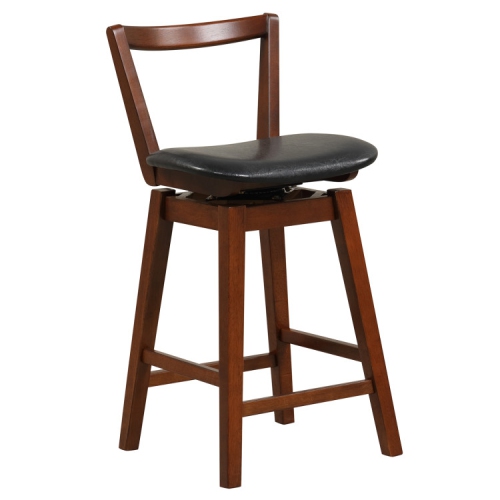
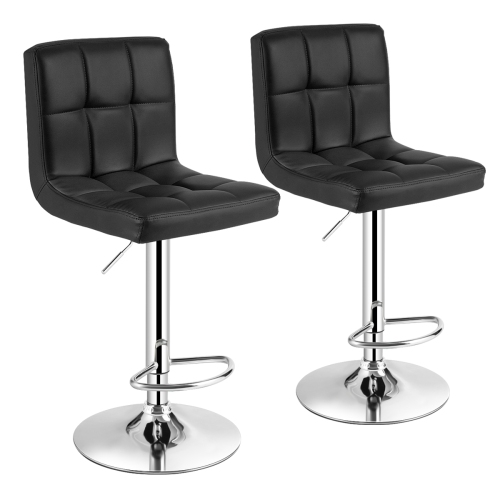
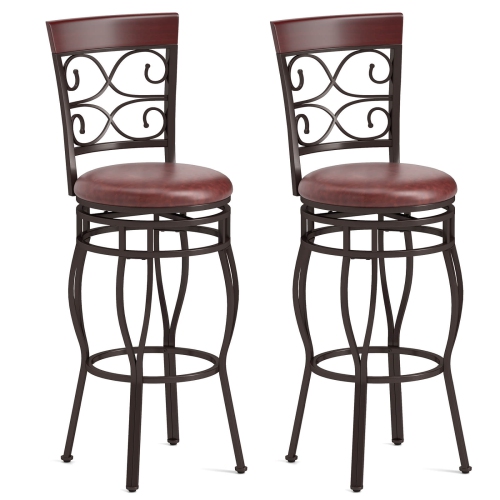
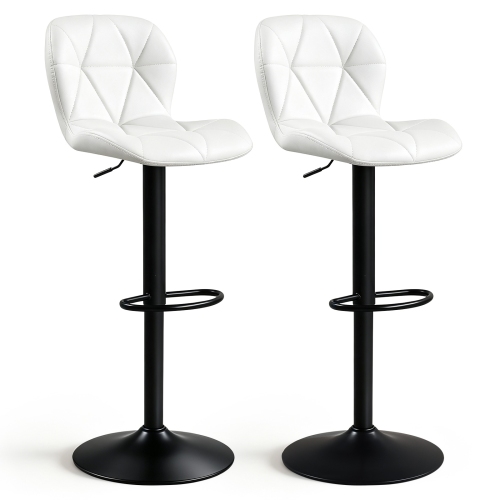
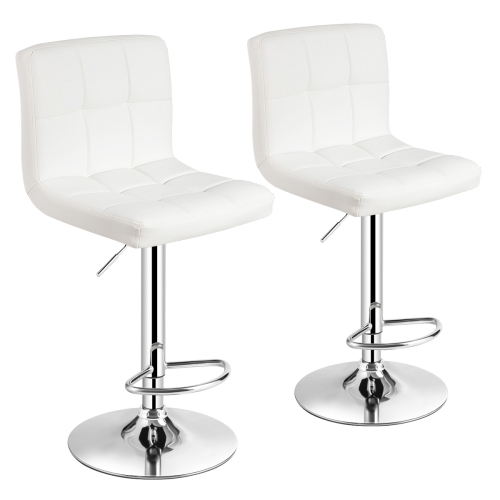
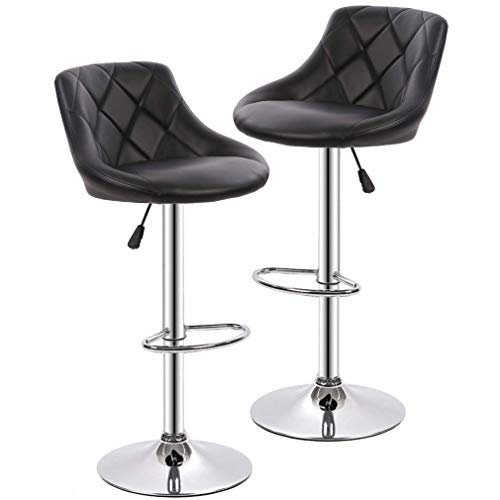

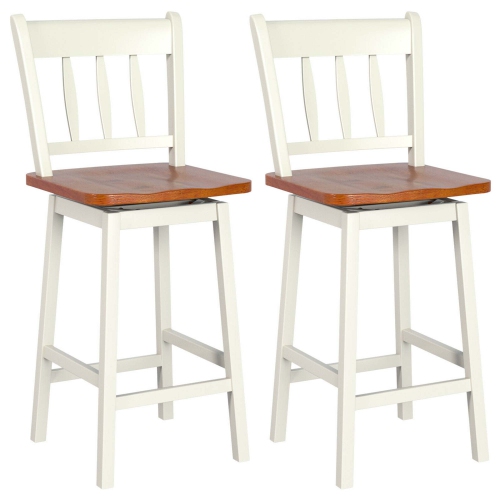
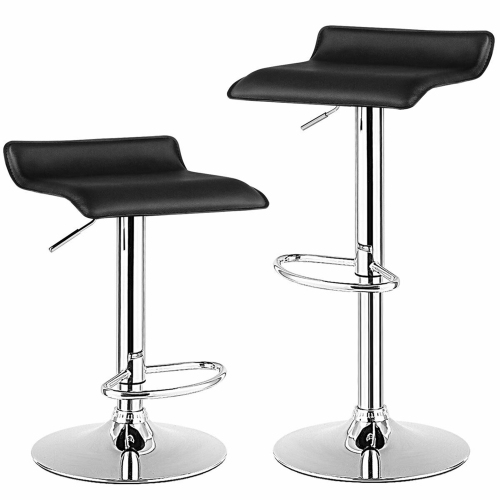

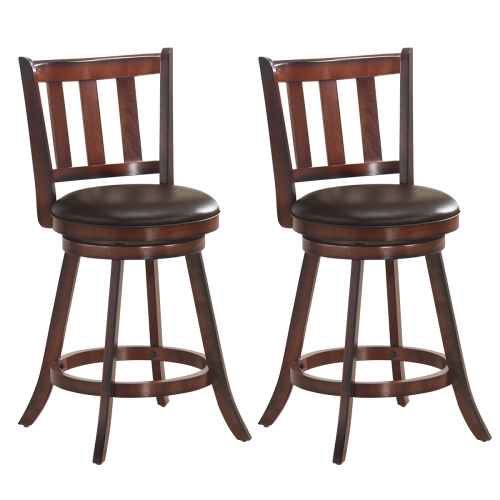
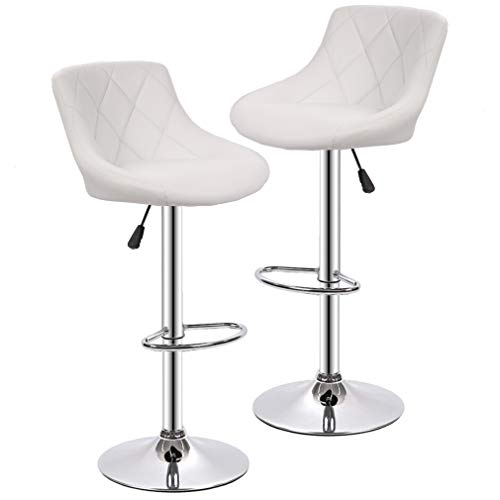
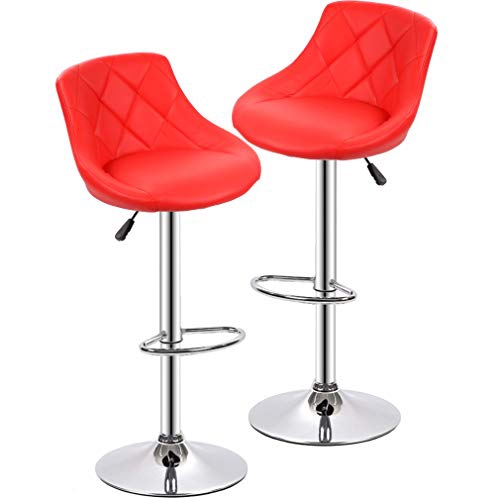
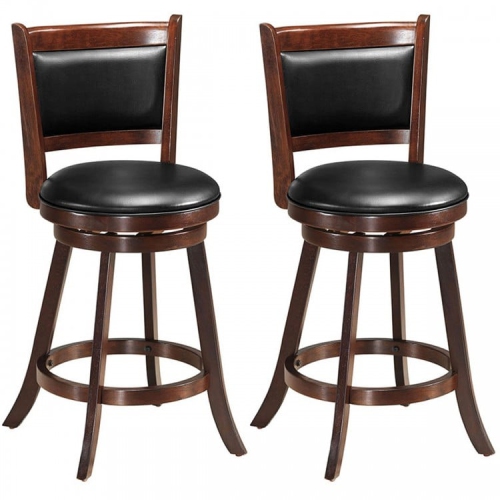
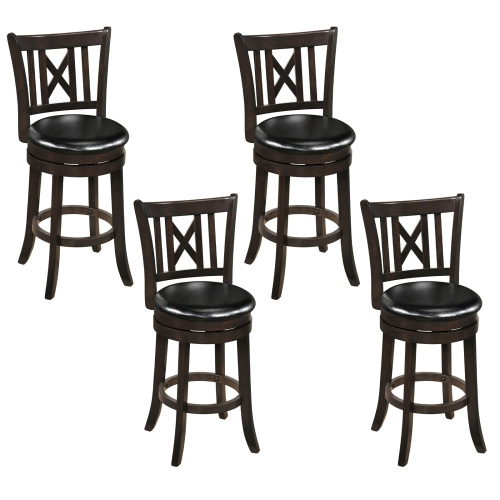
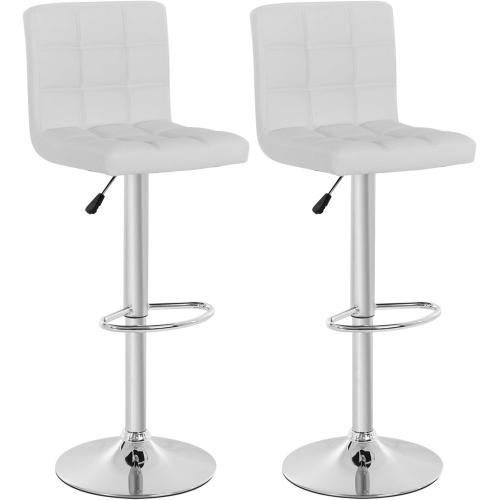
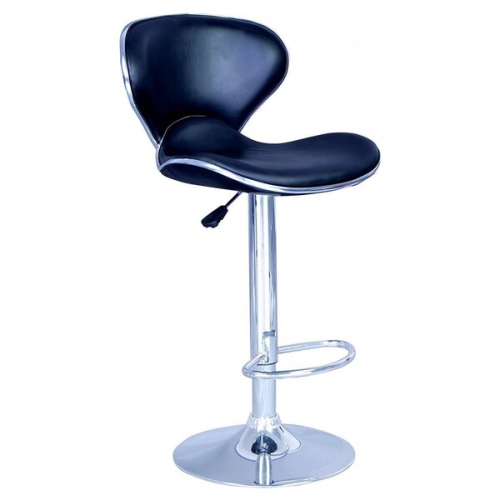
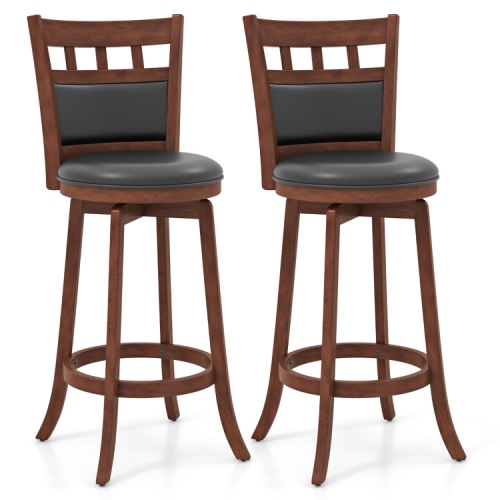
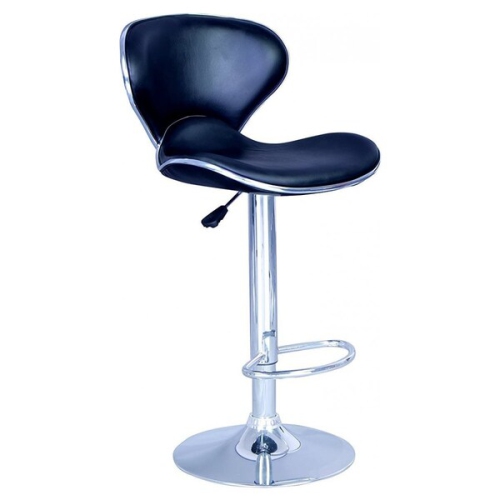
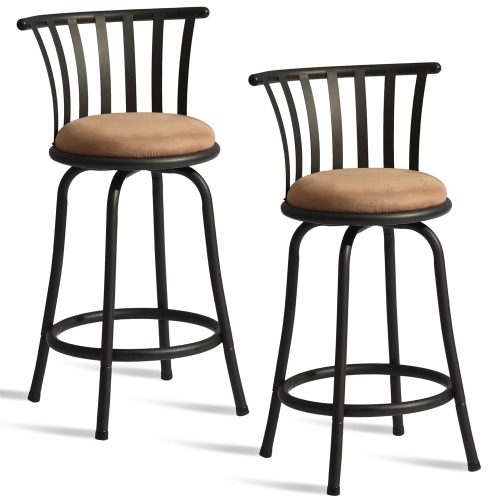
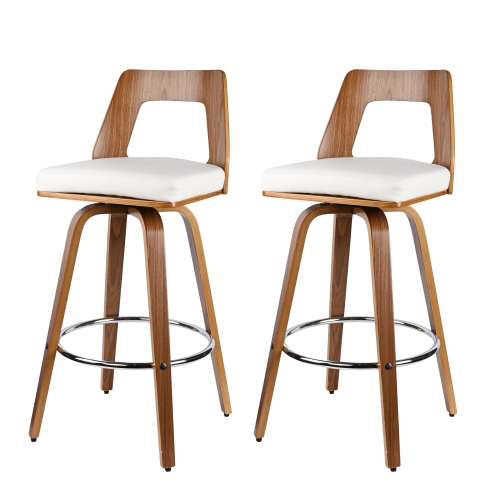
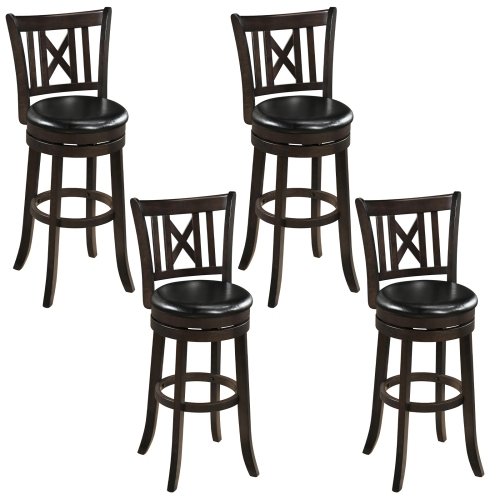
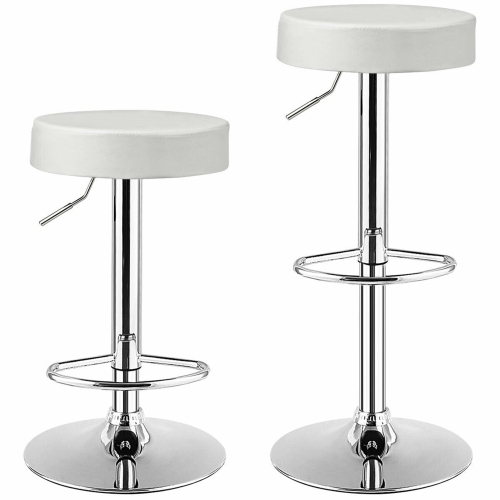
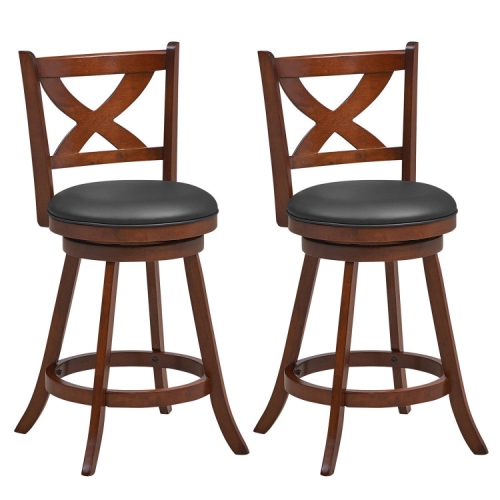
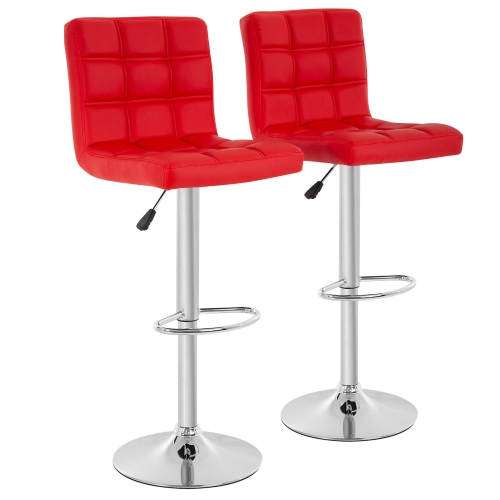
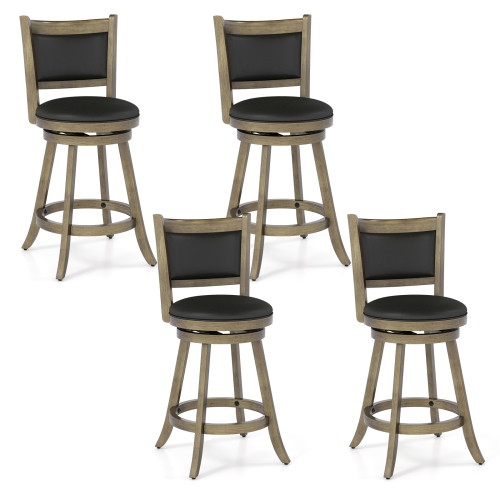
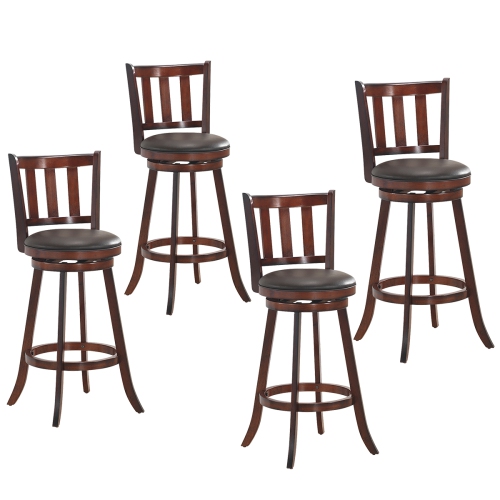
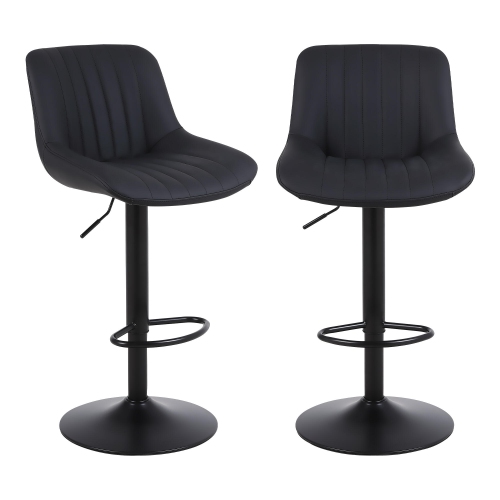
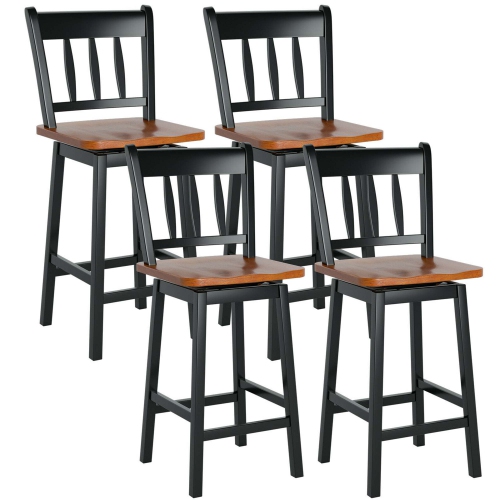
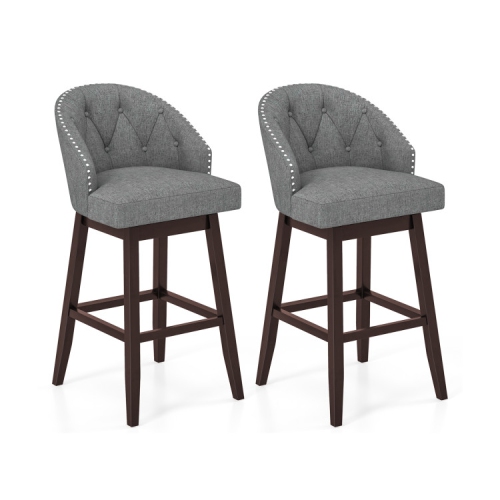
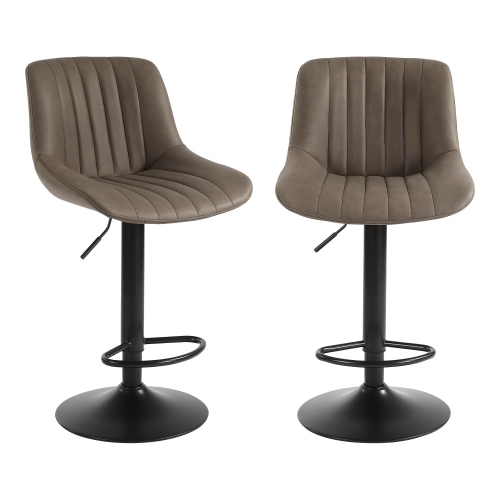
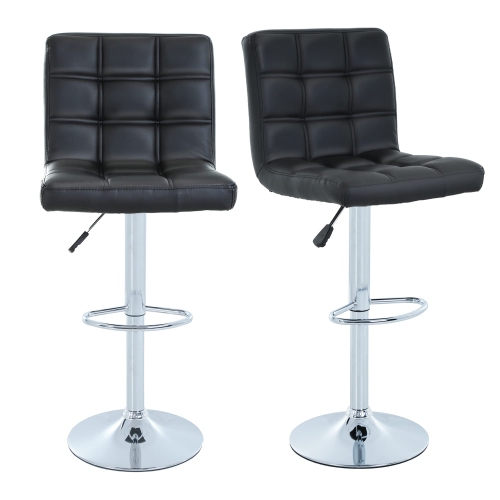
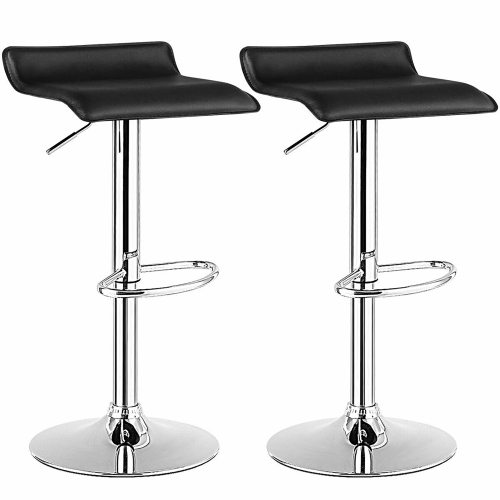

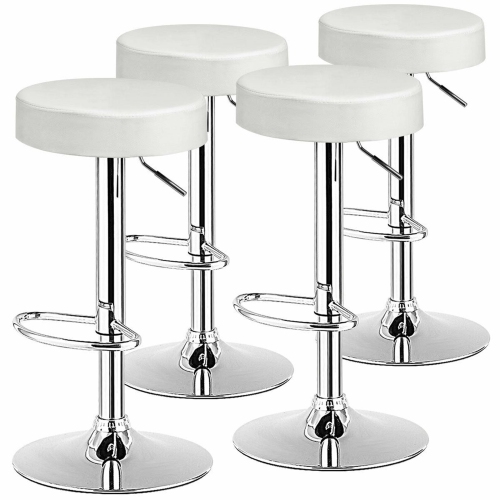
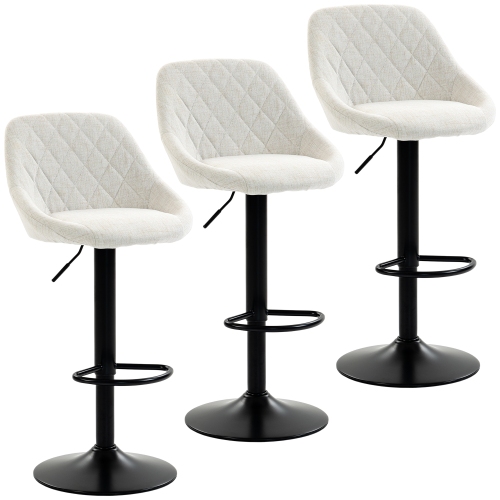
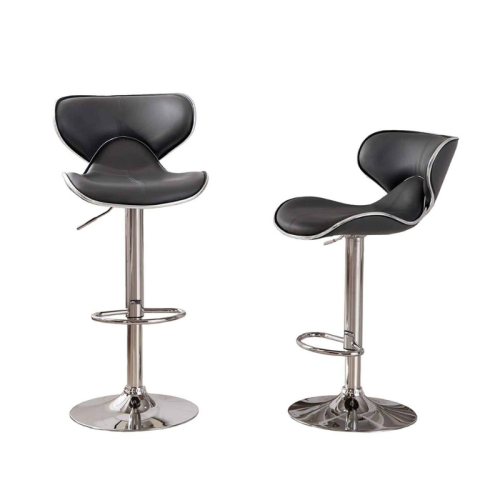
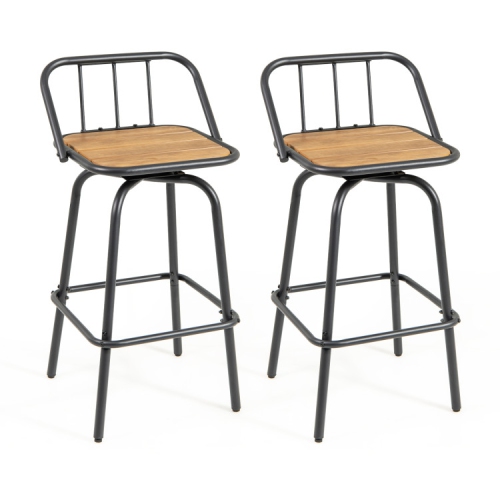
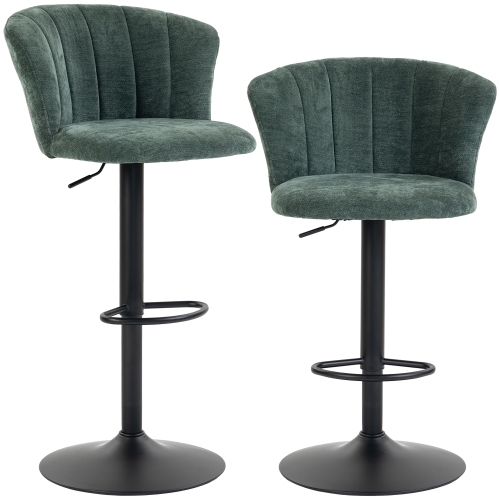
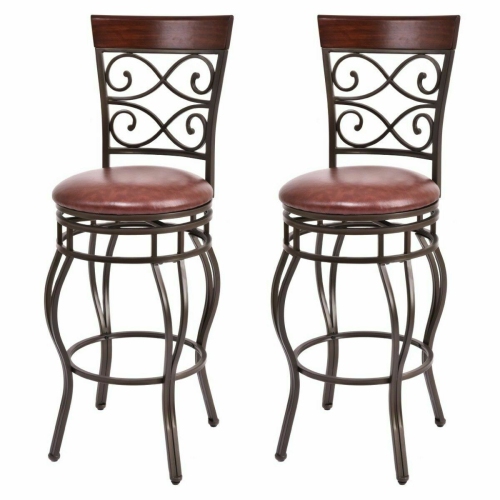
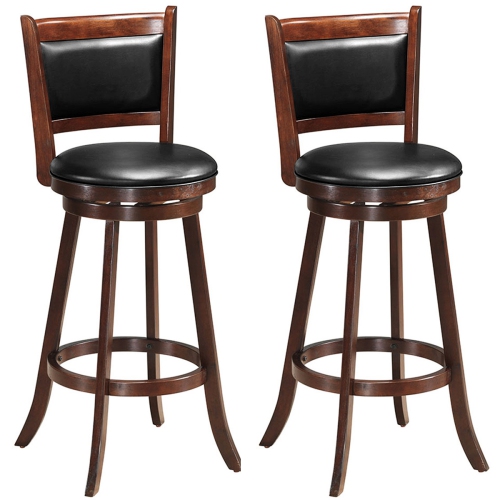
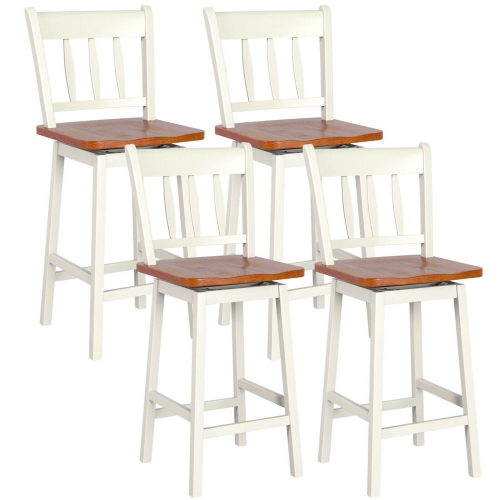
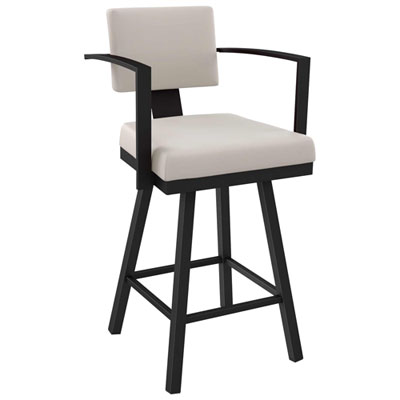
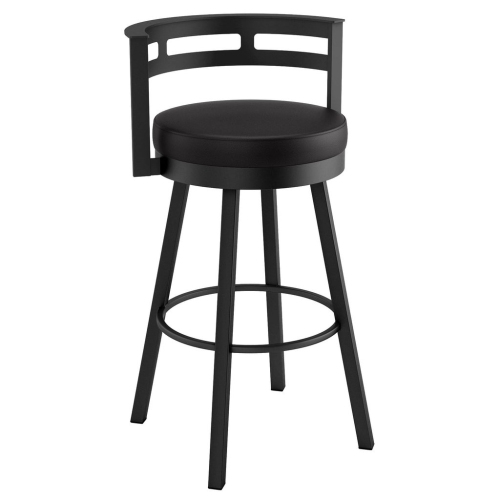
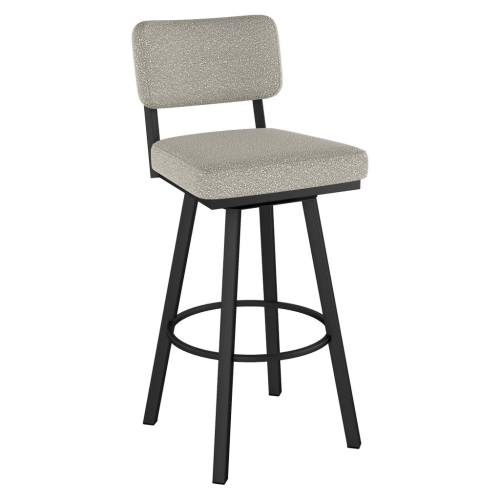
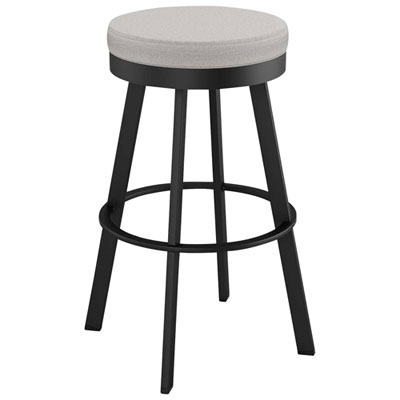
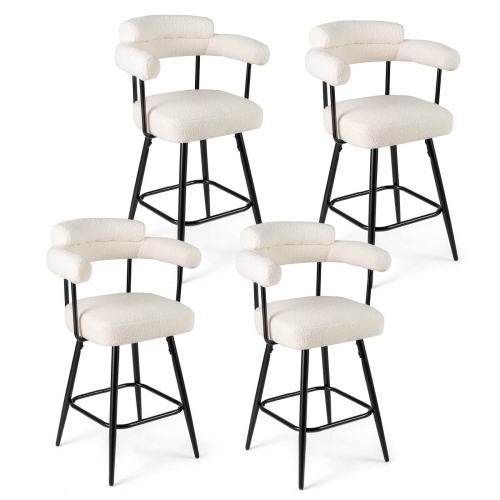
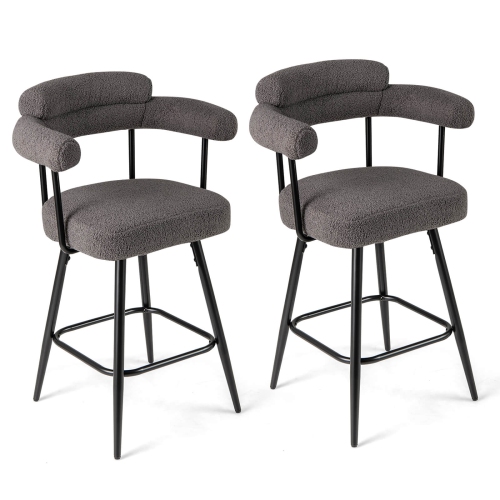
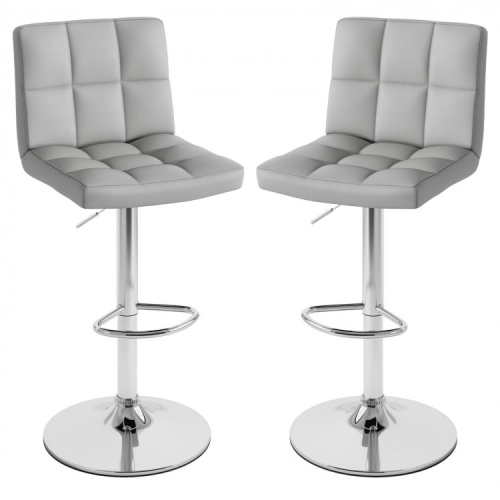


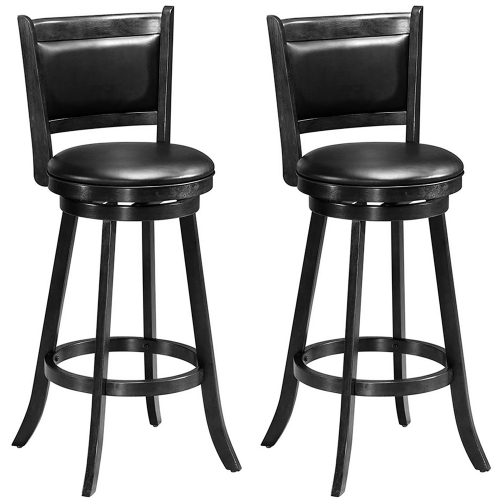
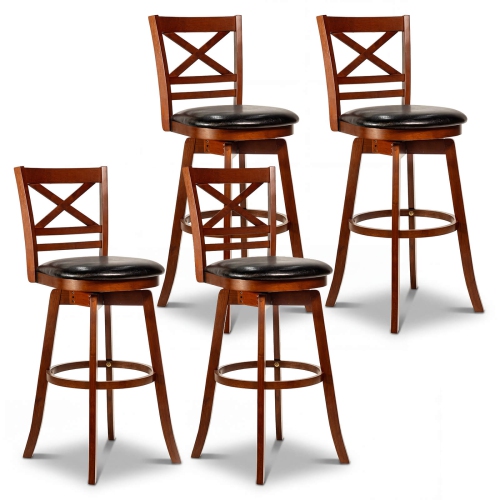
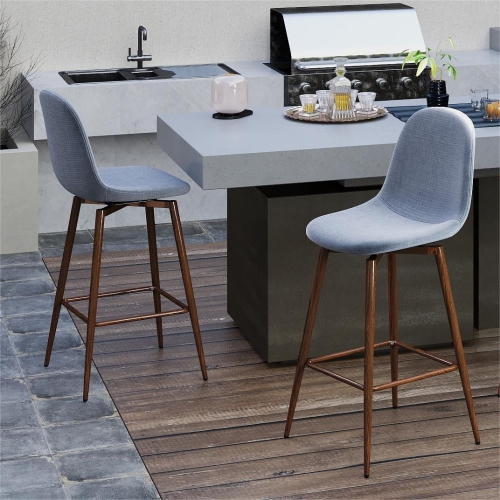
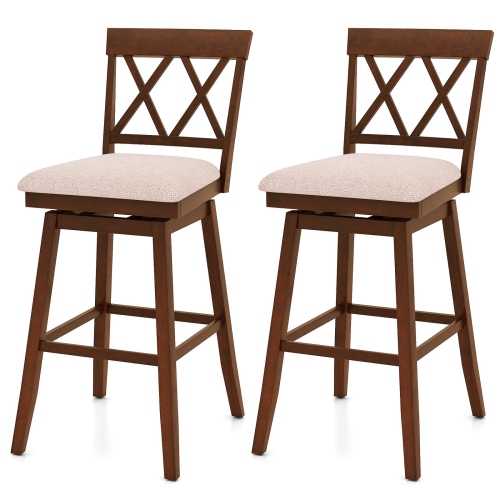
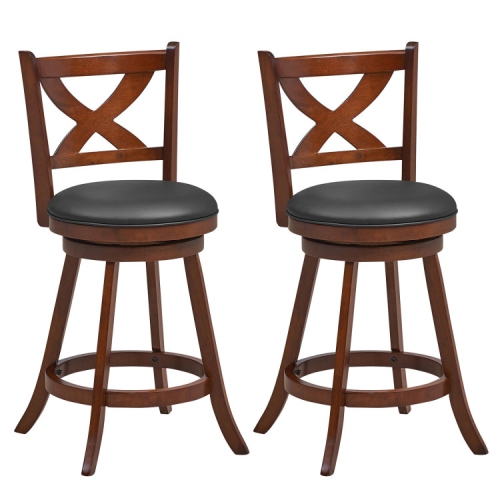
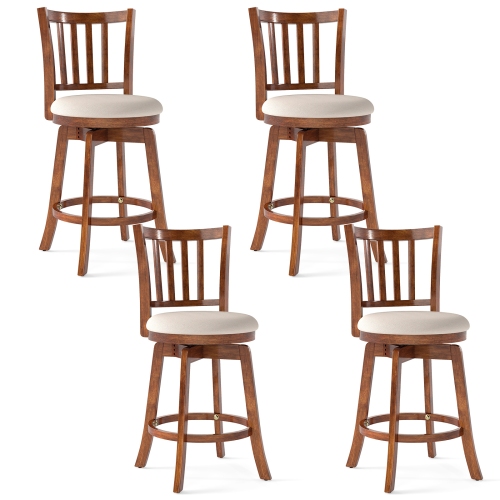

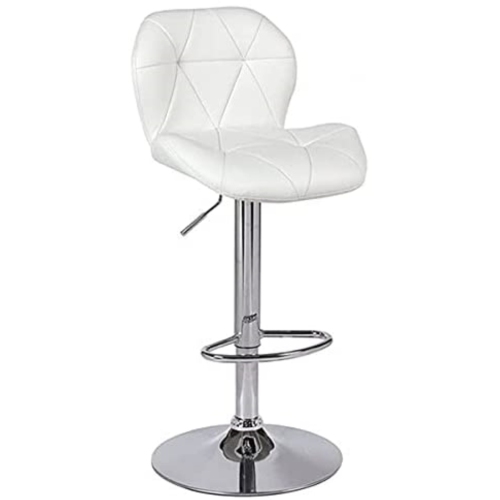
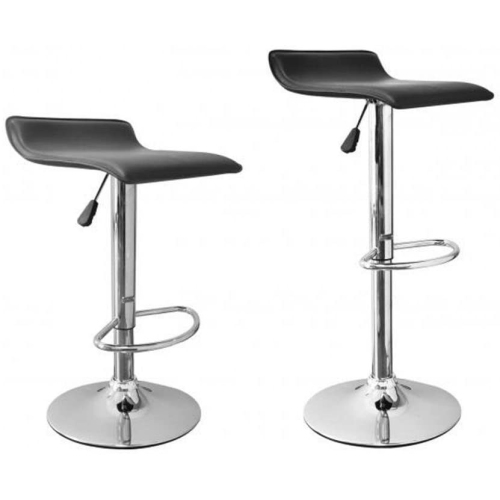
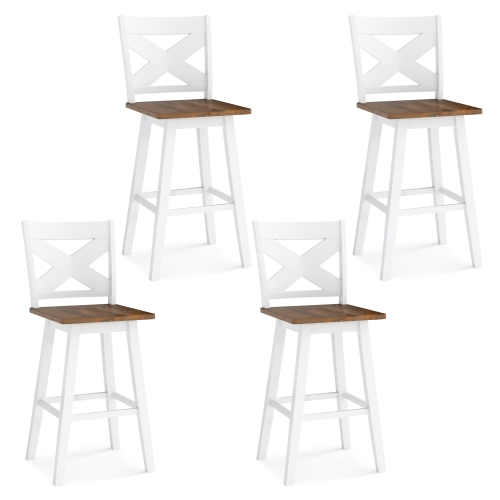

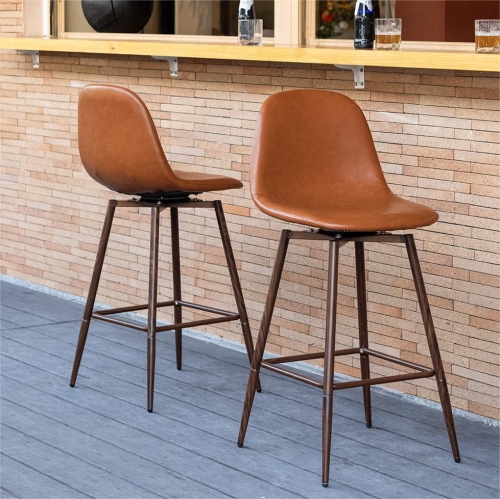
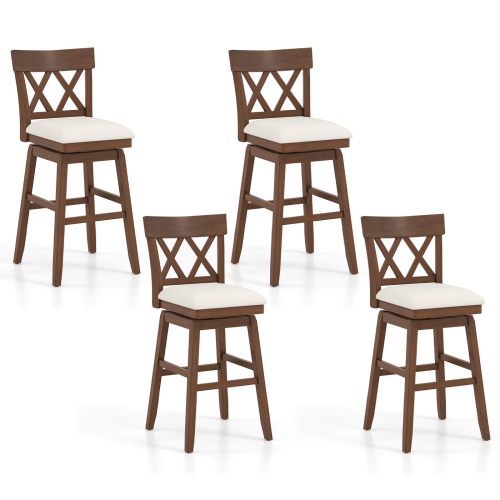
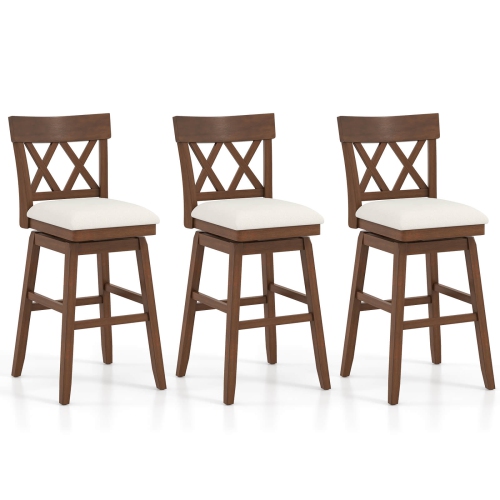
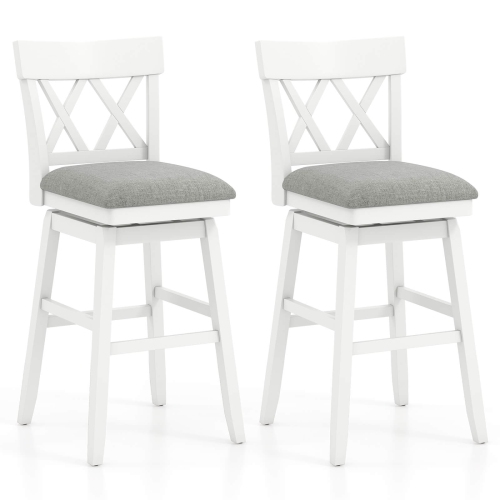
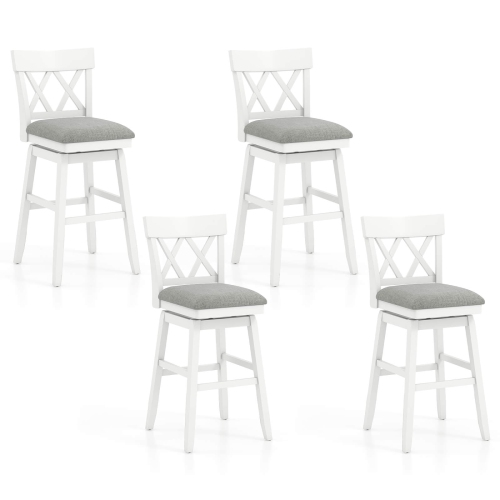
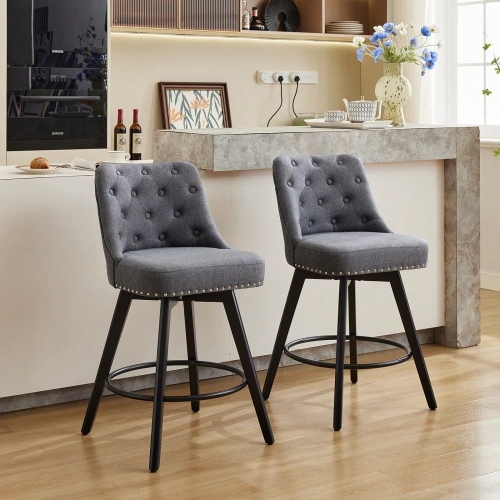
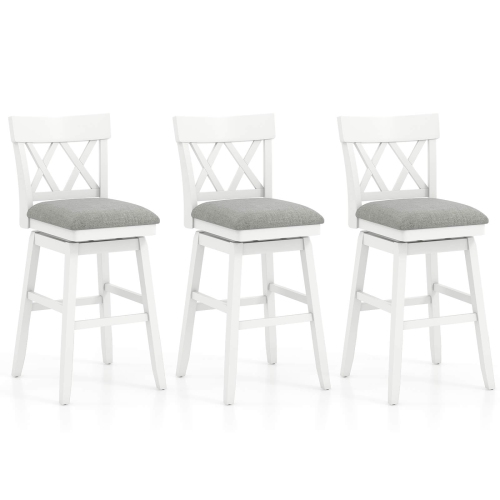
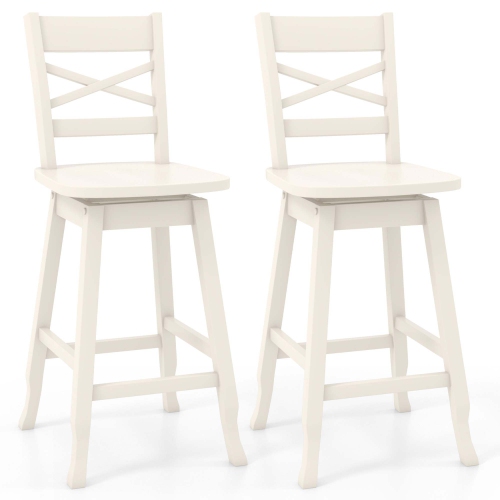
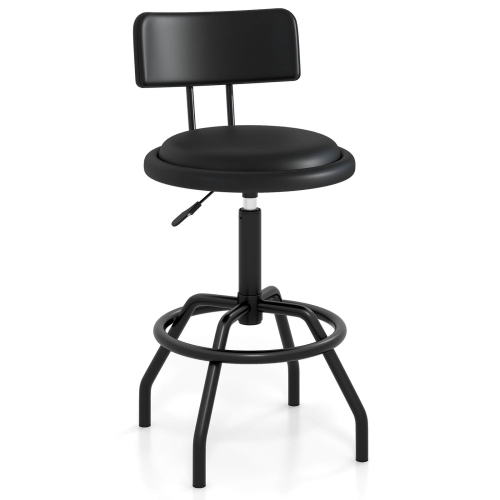
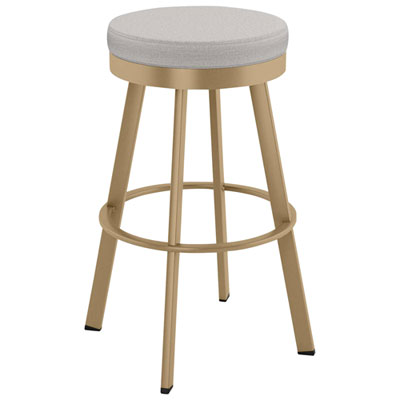
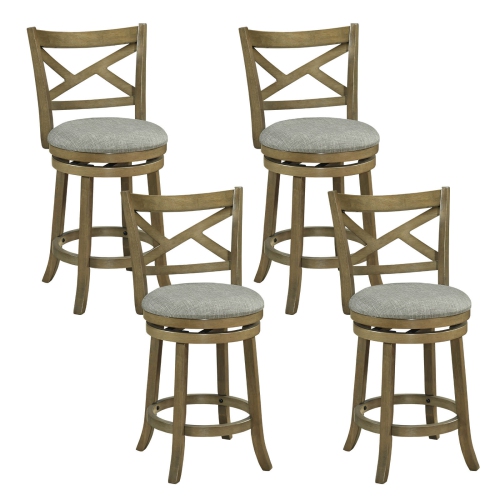
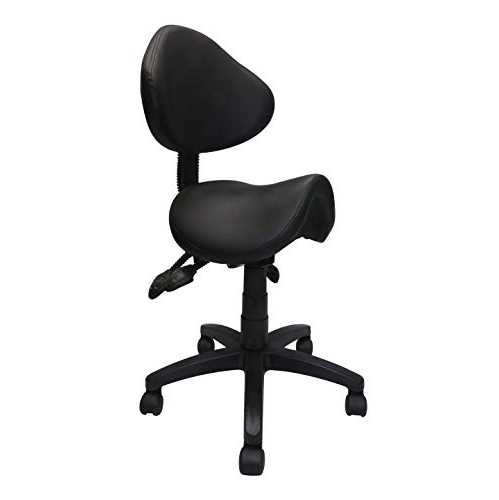
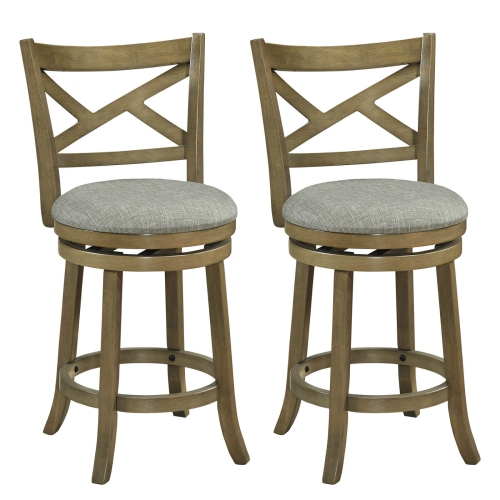

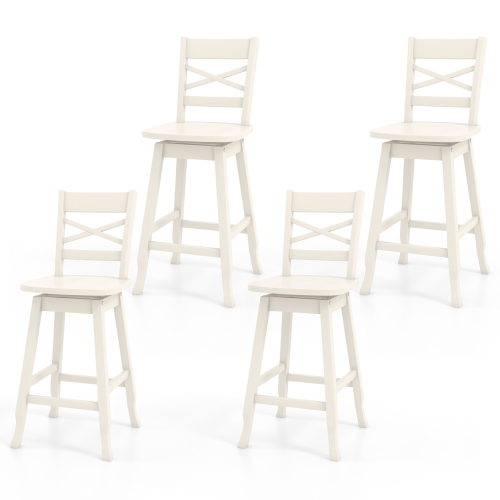
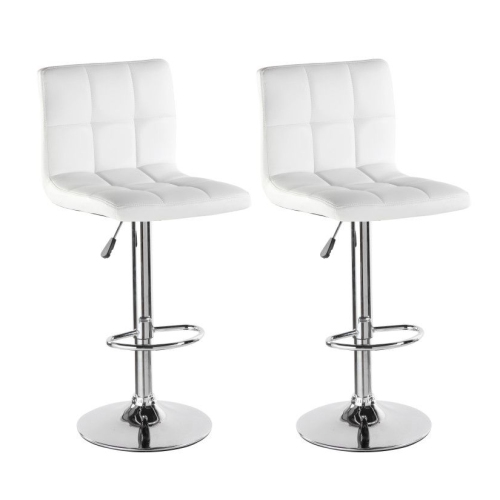
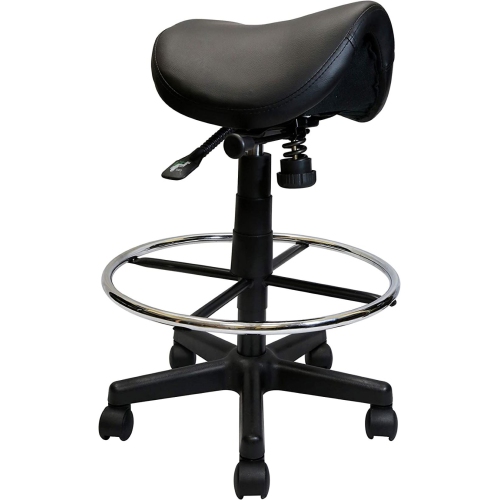
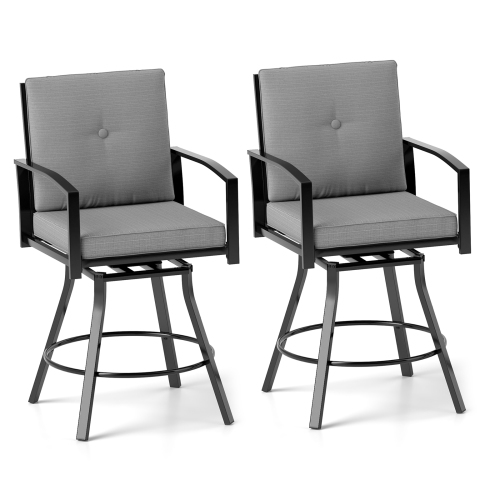
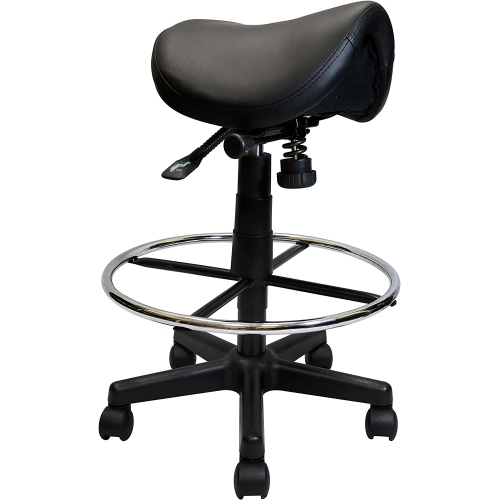
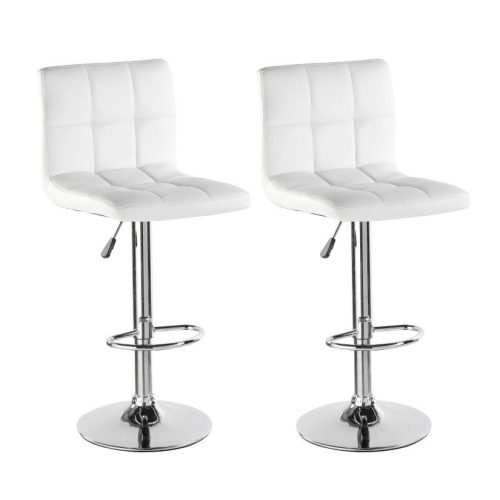
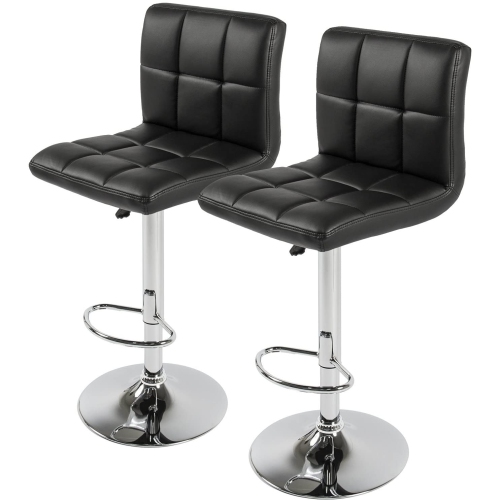
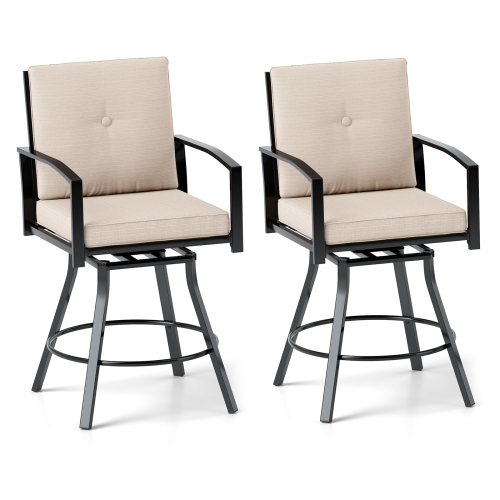
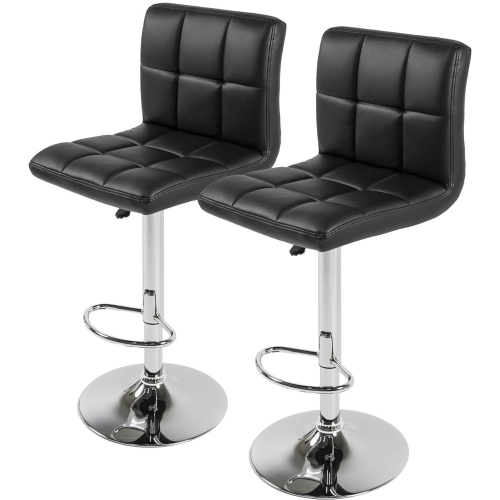
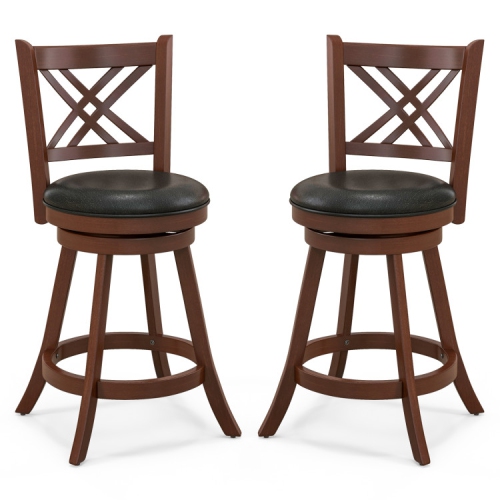
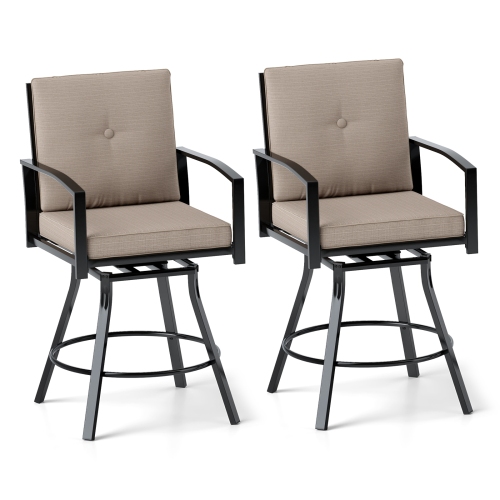
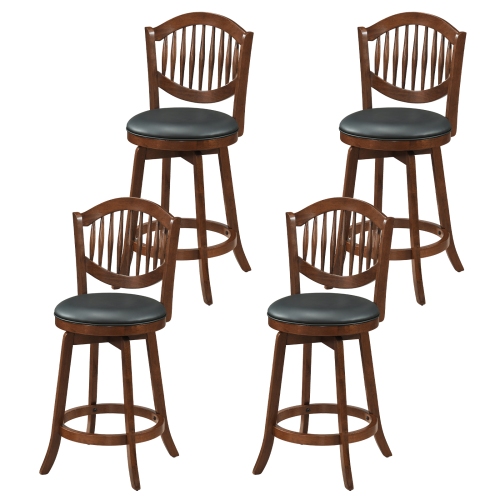
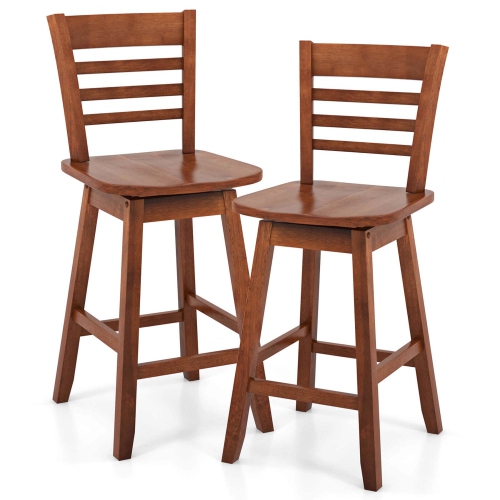
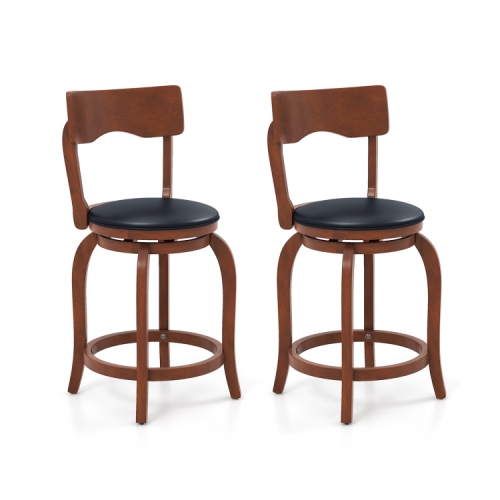
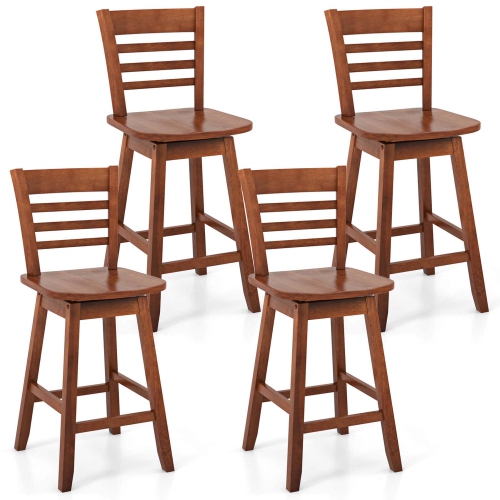
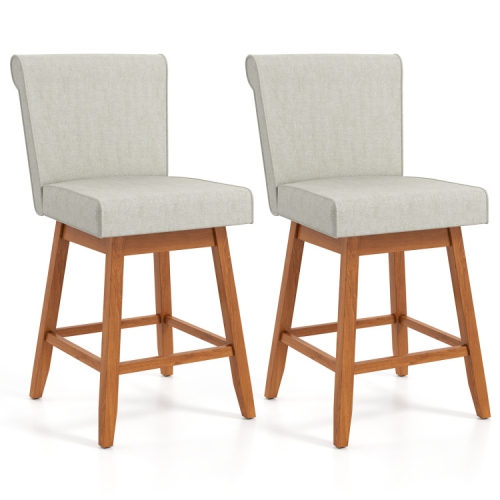
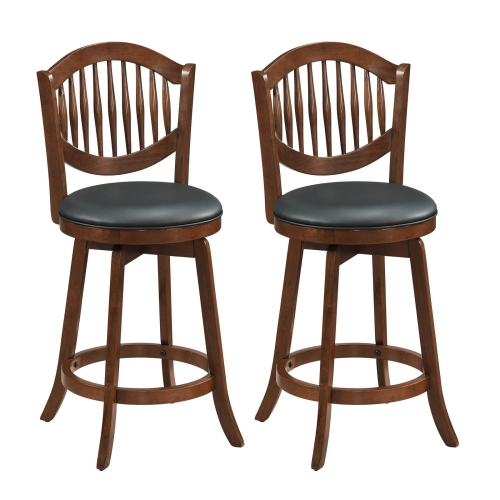
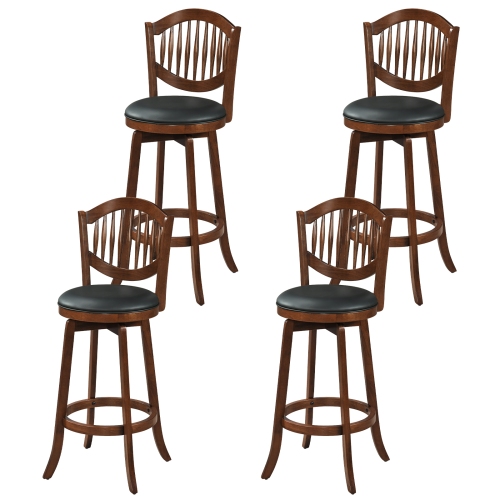
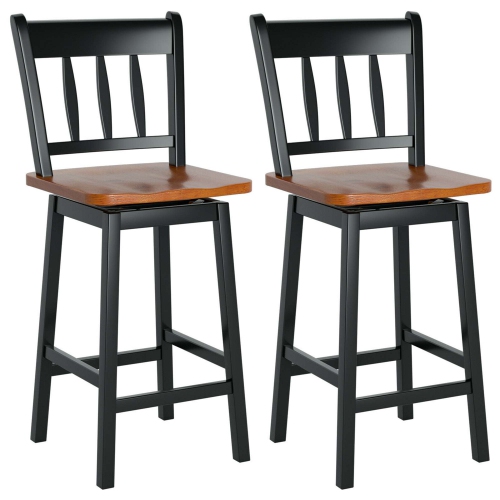
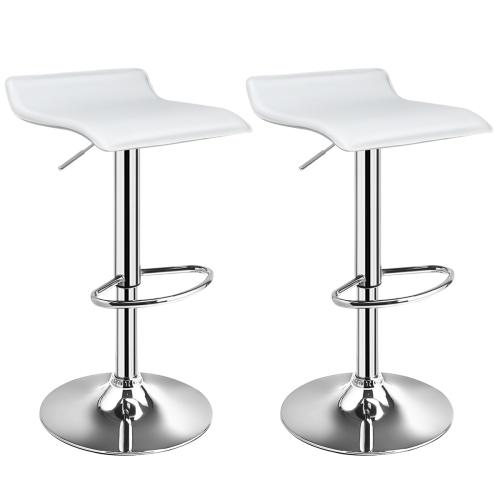
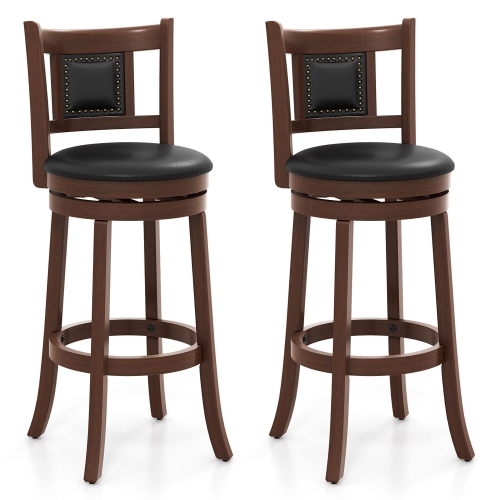
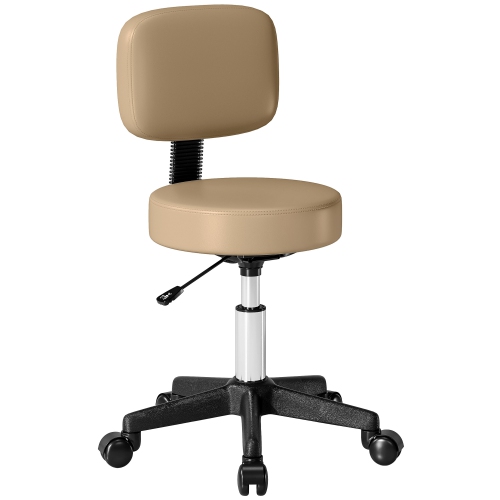
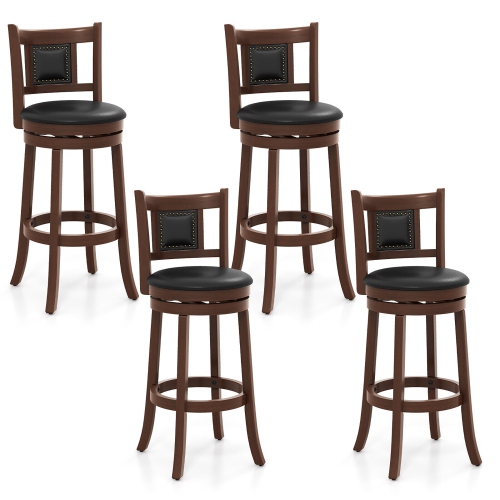
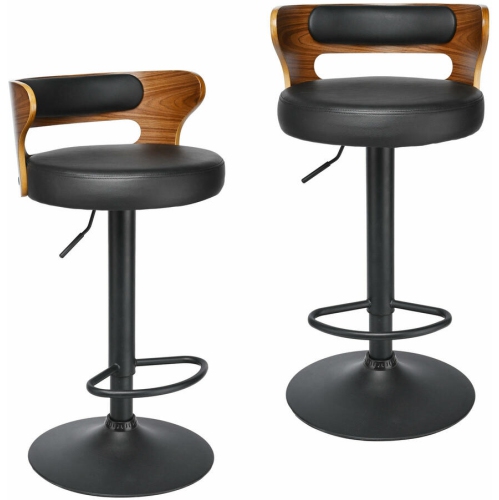
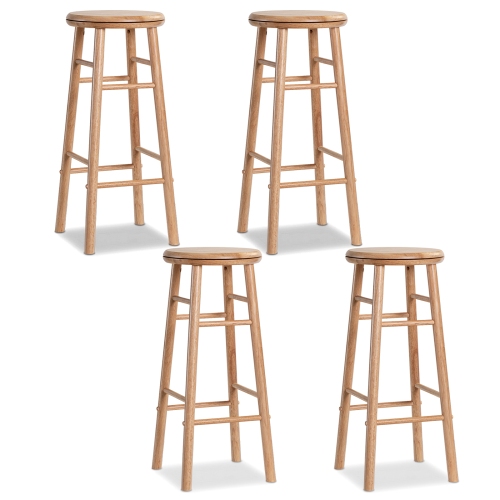
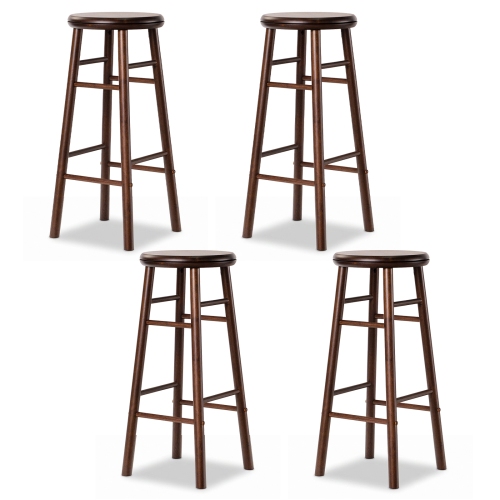
Kitchen seating with room to turn and linger
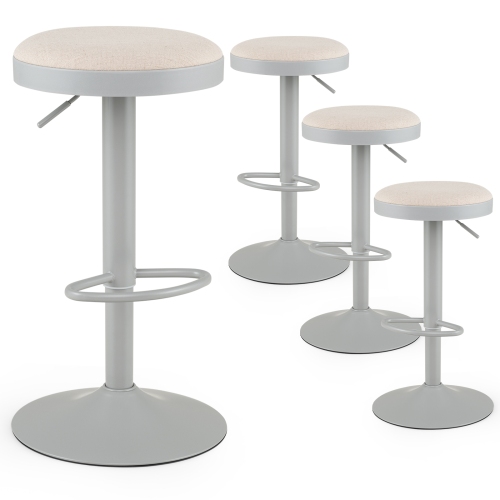
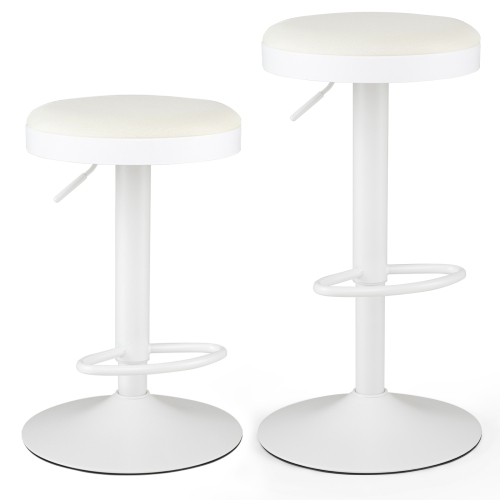
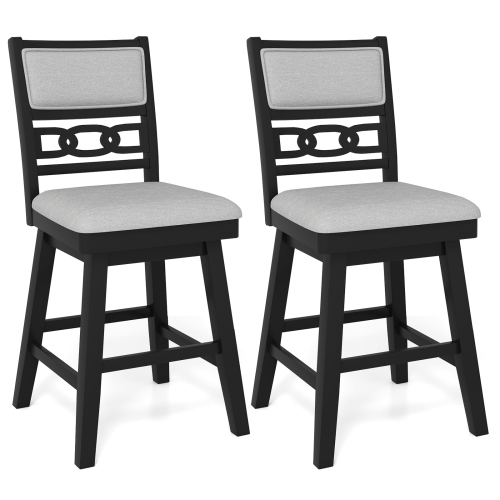
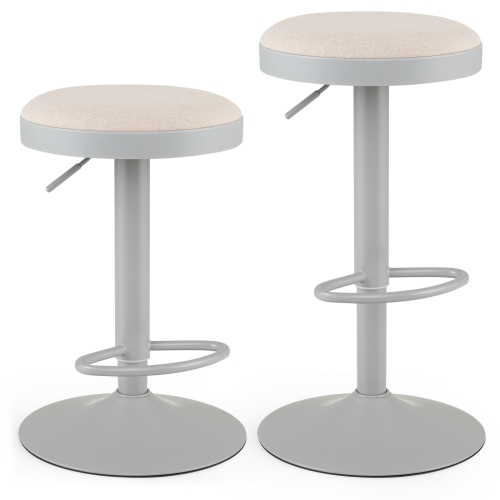
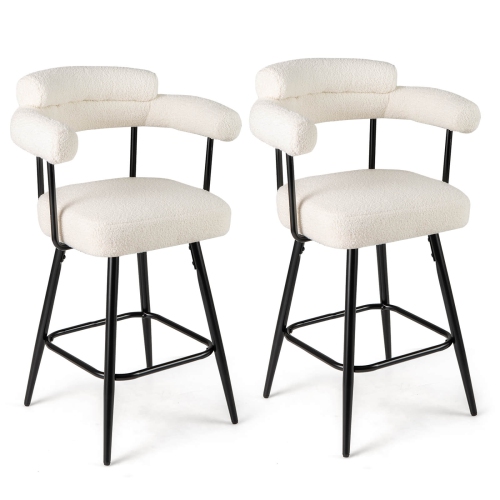
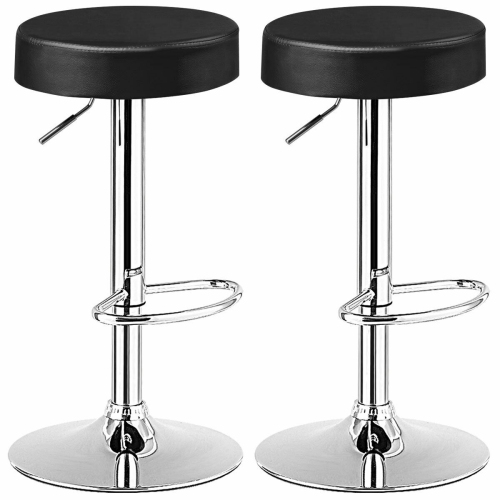
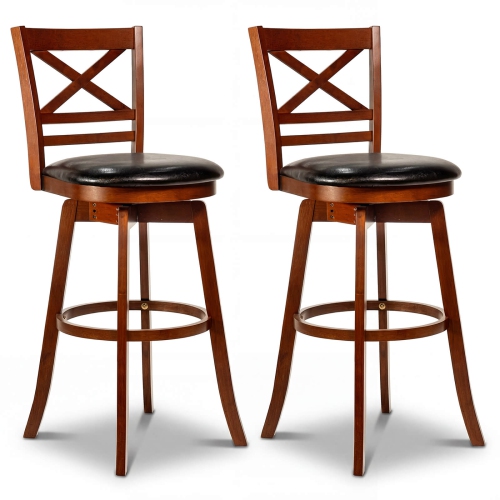
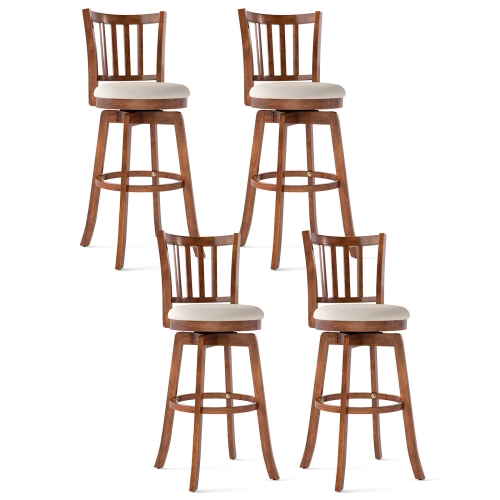
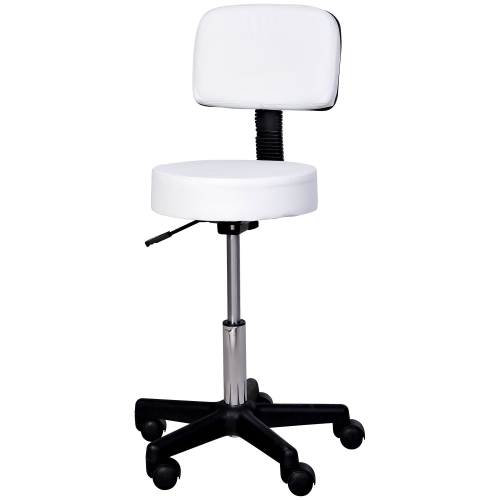
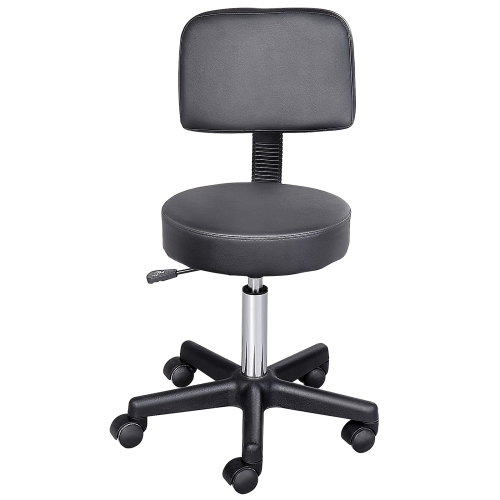
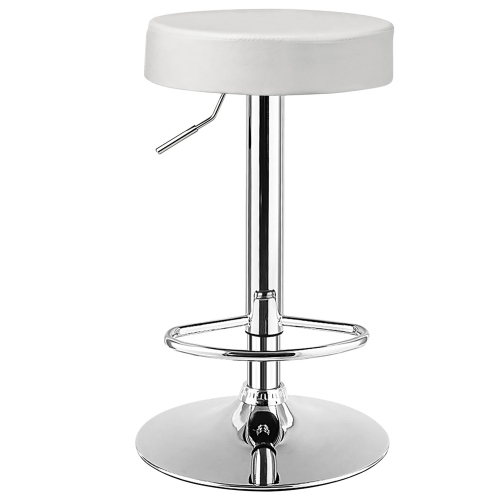
Kitchen swivel stools bring flexible seating to islands, breakfast bars and open-plan kitchens, making it easier to turn between a meal, a conversation and the activity around the room. A rotating seat lets someone face the countertop for breakfast, then turn towards the living area without repositioning the entire stool. Some swivel mechanisms offer a full 360-degree rotation, while others have a limited range or return the seat to its original position when released. The right fit starts with the relationship between the seat and the surface above it. Counter-height stools commonly have seats about 24 to 26 inches from the floor and suit countertops approximately 34 to 36 inches high. Bar-height stools generally have seats around 28 to 30 inches high for surfaces approximately 40 to 42 inches high. These ranges are useful starting points, but the actual measurements of both the stool and the kitchen matter more than the height label alone. Around 10 to 12 inches between the seat and the underside of the counter usually provides comfortable legroom; thick countertop edges, support brackets and aprons can reduce that space. Adjustable-height stools offer flexibility where household members prefer different seat heights, although the adjustment range still needs to suit the counter. Width matters just as much as height. Allowing roughly 24 to 30 inches along the counter for each seating position is a useful starting point, with extra room for broad seats, armrests and rotating backs. About 6 inches between seat edges can help prevent crowded elbows, but the full turning clearance may require more. At a compact island, a narrow backless stool can tuck neatly beneath an overhang. In a busier kitchen, the layout also needs room behind occupied seats for someone to pass, open a cupboard or reach an appliance. A stool that fits beneath the counter when empty may take up considerably more space once someone is seated and turning.
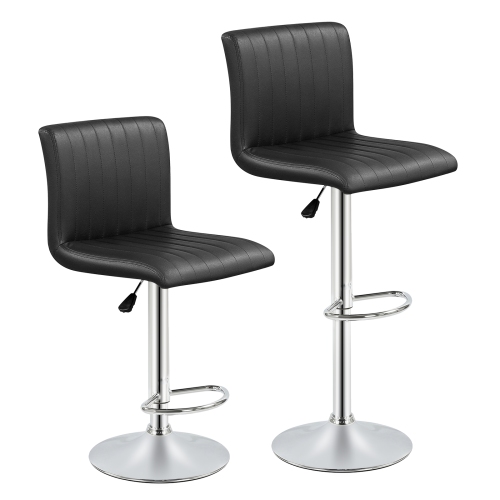
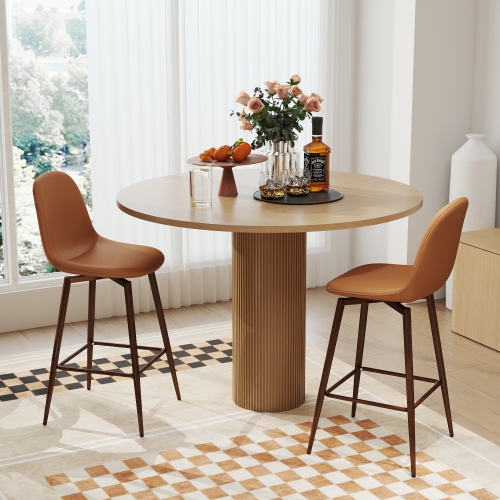
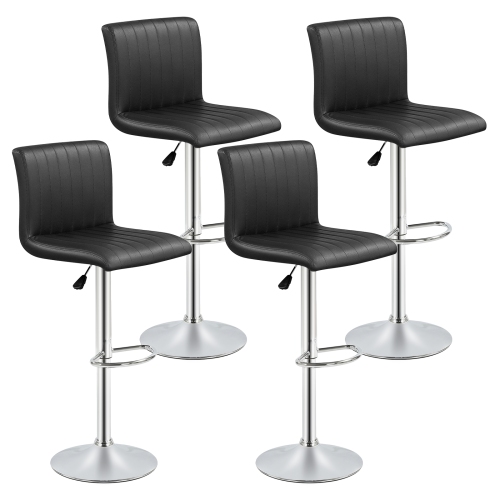
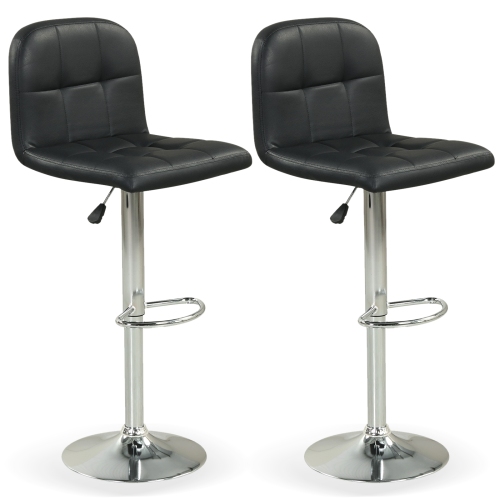
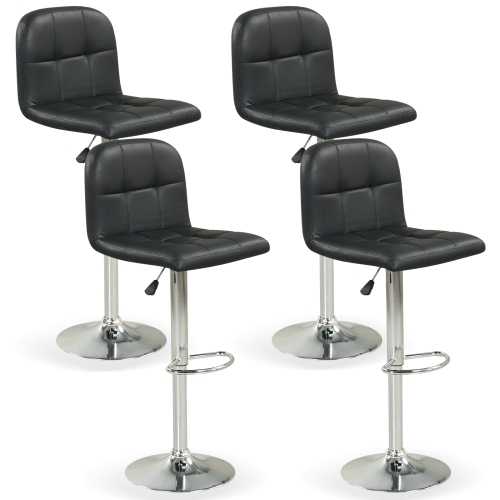
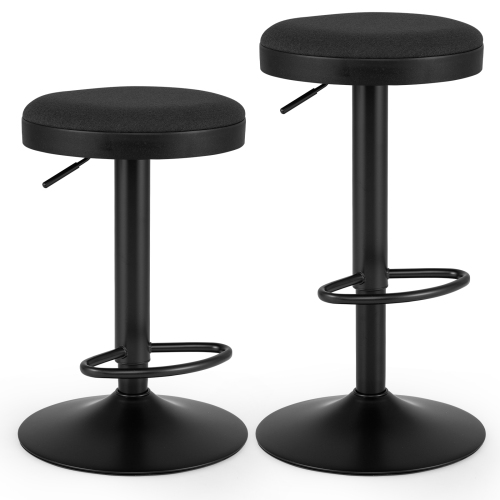
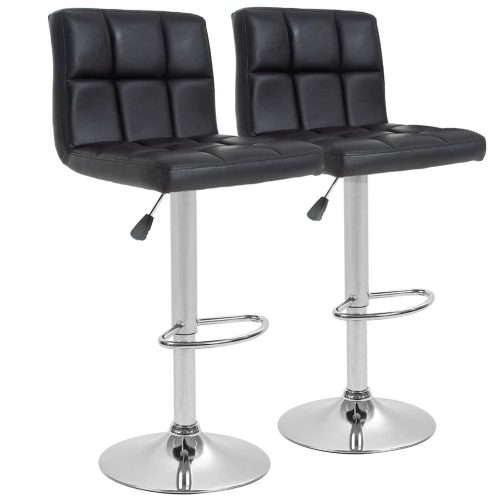
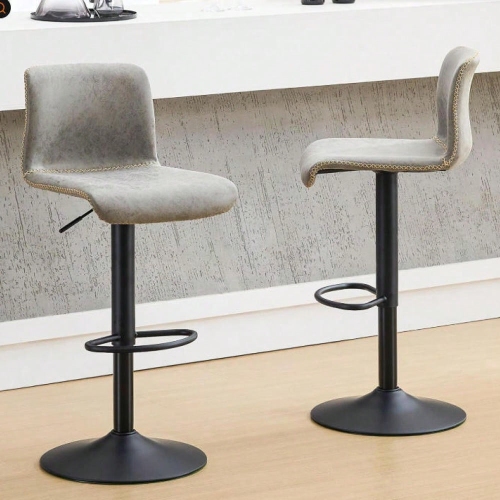
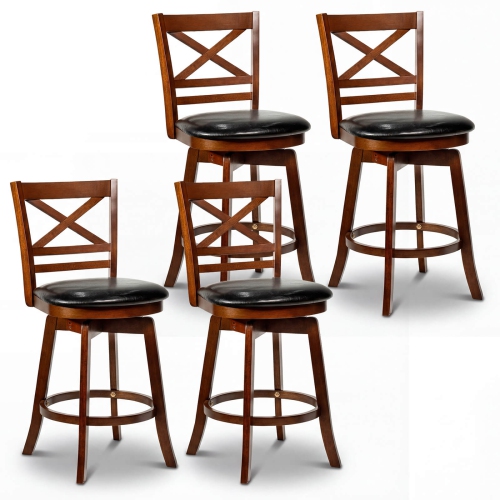
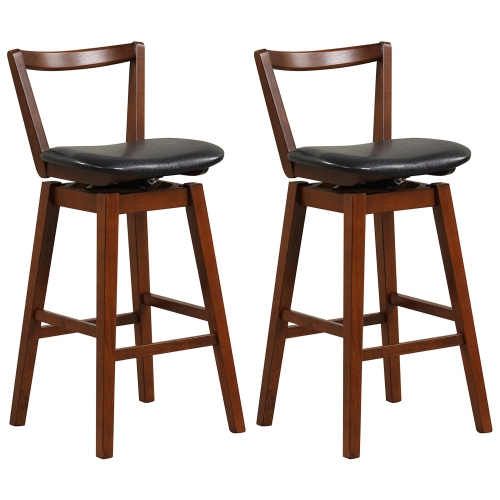
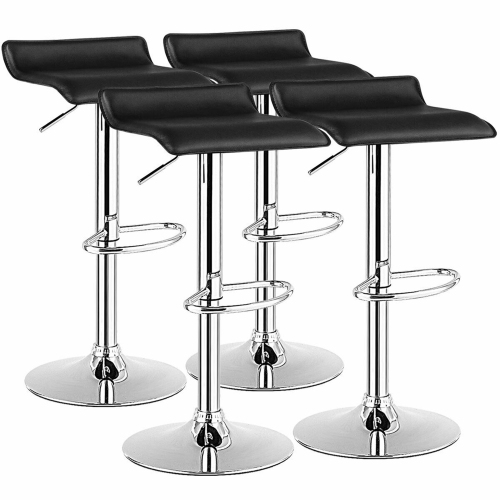
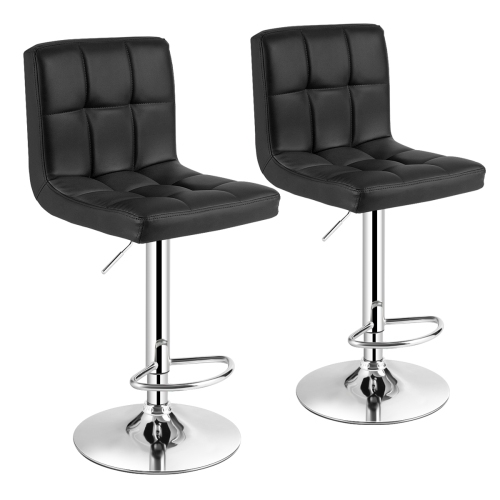
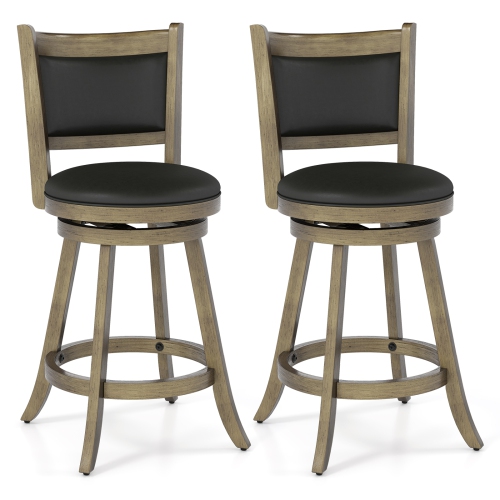
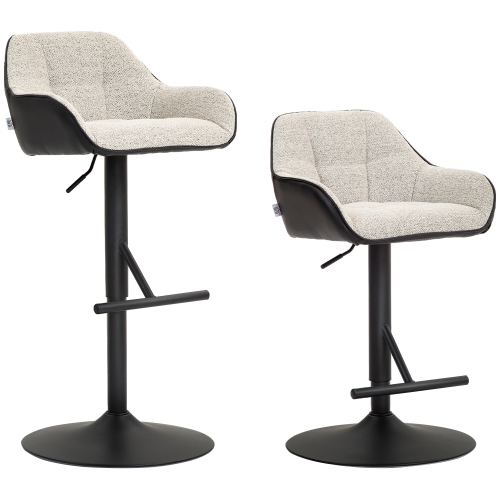
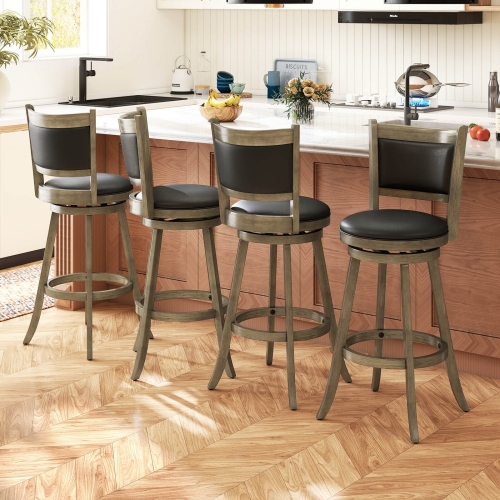
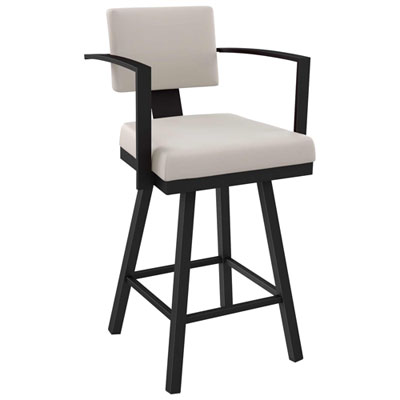
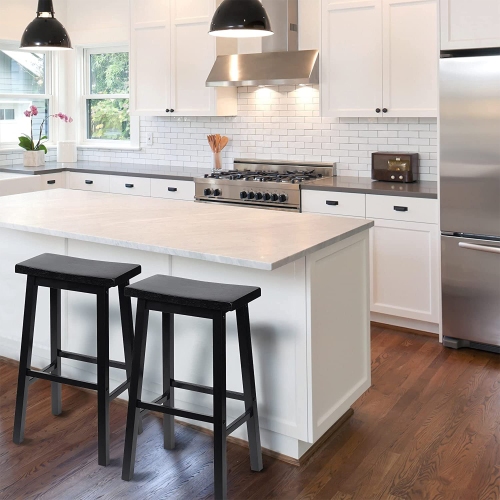
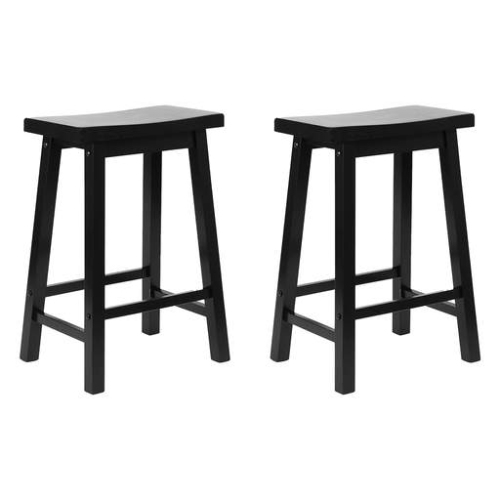
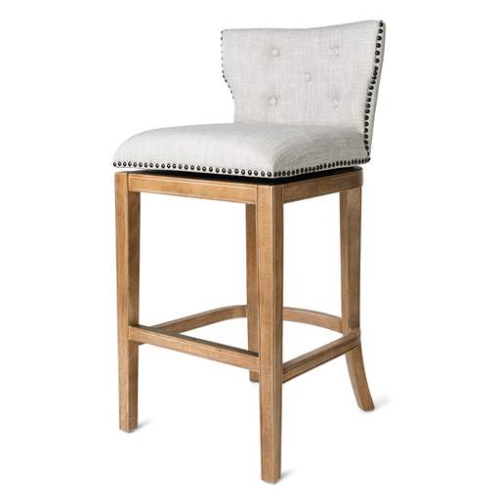
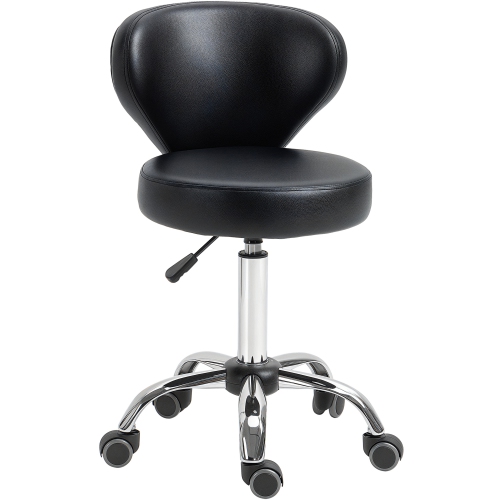
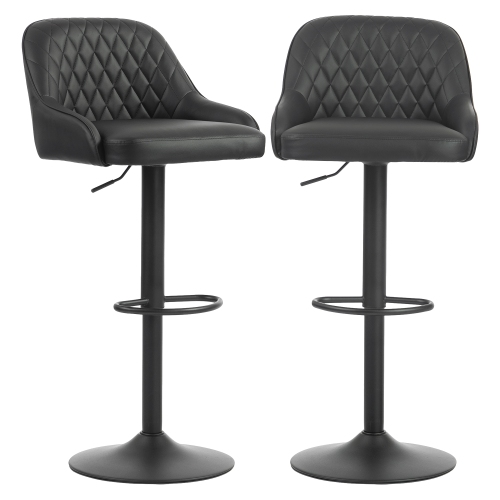
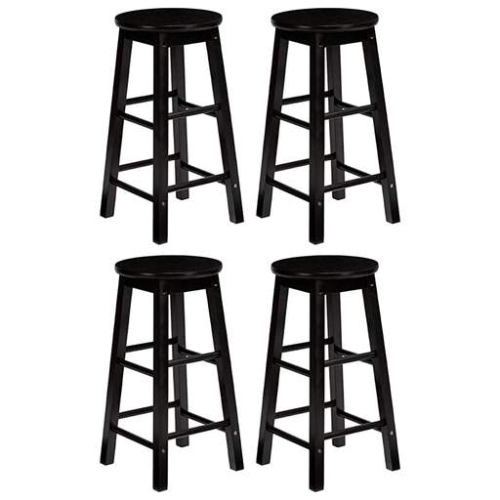
Materials, upholstery and frame details shape both the appearance of kitchen swivel stools and how they feel in everyday use. Wood frames bring visible grain and a warmer look, pairing naturally with painted cabinetry, butcher-block surfaces and dining furniture nearby. Metal frames can create a slimmer profile, with finishes ranging from polished accents to matte surfaces that blend into a quieter kitchen scheme. For a coordinated dark finish, Black Kitchen Stools can complement black cabinet hardware, pendant lighting or a contrasting pale countertop. A matching set creates a consistent line along an island, while differences in texture can keep the seating from looking too uniform: a wood frame beside smooth cabinetry, for example, or a woven-look fabric against a stone surface. Upholstered seats add cushioning for lingering over coffee, helping with homework or sitting through a relaxed meal. Fabric offers softness and a broad choice of colours and textures, though crumbs and spills may need more attention around seams and textured weaves. Faux leather often has a smoother surface that is easier to wipe, but its care requirements and resistance to wear vary by construction. Genuine leather develops its own character with use and needs care suited to the finish. Unupholstered wood or moulded seats offer a simpler surface to clean, with comfort depending on the seat contour and edge shape. Backless designs keep sightlines open and can be convenient for brief seating, whereas low or full backs provide different levels of support. Armrests can make a stool feel more like a chair, provided they clear the countertop and leave enough room to turn. A footrest is especially valuable on taller seating, giving feet somewhere to settle rather than leaving legs unsupported. Its height and position should feel comfortable at the seat setting being used. Seat depth also matters: a very deep seat may make it difficult for a shorter person to sit against the back, while a shallow seat may offer less thigh support.
The way a kitchen is used often determines which construction details deserve the most attention. A stool used for a quick breakfast has different demands from one that doubles as a place for drawing, conversation or an occasional laptop session. For longer periods of sitting, supportive back shape, well-positioned cushioning and a comfortable footrest tend to matter more than decorative details alone. Smooth rotation is useful, but the base should remain steady as the seated person turns. Four-legged frames and pedestal bases have different footprints, so stability depends on the complete design, the floor surface and correct assembly rather than appearance alone. Manufacturer weight limits apply to each stool and should be checked alongside seat dimensions; a wider seat does not automatically mean a higher weight capacity. Sturdy joints, secure footrests and a swivel mechanism that operates without excessive looseness are practical signs to assess during assembly and ongoing use. Where assembly is required, fasteners should be tightened according to the supplied instructions and checked periodically, especially in frequently used seating. Floor protection matters too. Suitable glides or pads can help reduce marks on wood and tile, but they need to match the leg or base design and remain clean so trapped grit does not scrape the surface. Everyday care is usually simplest when spills are addressed promptly with a soft cloth and a cleaning method approved for the material. Fabric may need regular vacuuming around seams, while wood and metal finishes should be protected from abrasive cleaners and prolonged moisture. Cleaning liquid should not be allowed to run into the swivel mechanism, and lubrication should only be used if the manufacturer recommends it. In homes with children, rotating seats call for clear space around nearby edges and supervision; footrests are not steps, and stools are not intended for standing or climbing. Well-proportioned kitchen swivel stools combine an appropriate seat height, comfortable support and enough turning room to make everyday kitchen seating feel easy rather than crowded.
Top selling and popular products
-
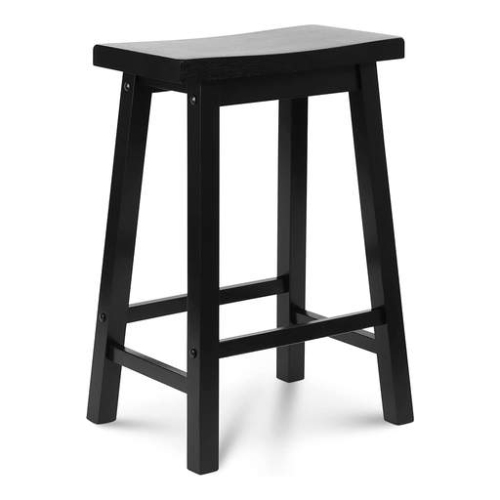 Your price for this item is $93.99
-
 Your price for this item is $563.99
-
 Your price for this item is $224.99
-
 Your price for this item is $202.99
-
 Your price for this item is $508.99
-
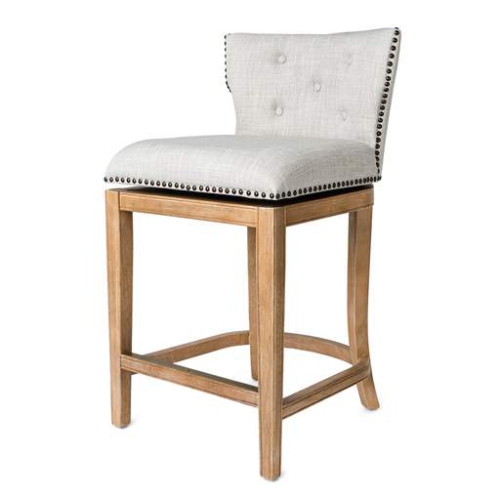 Your price for this item is $559.99
-
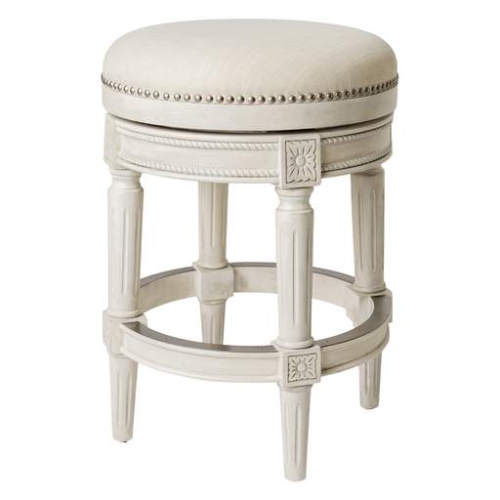 Your price for this item is $512.99
-
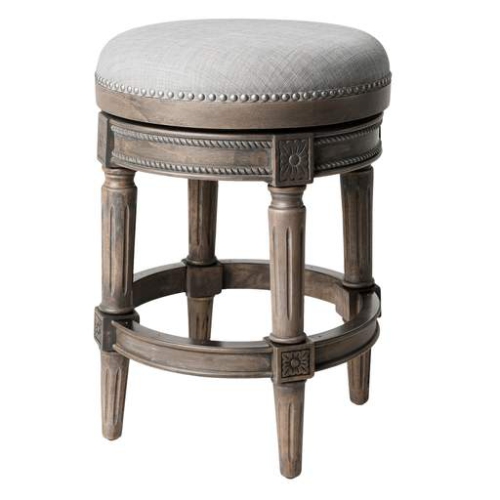 Your price for this item is $482.99
Discover more categories related to Kitchen Swivel Stools
Top Collections:
Best Black Friday Deals This Year, Best Black Friday Deals On Electronics, Kindle Devices, Pokemon Centers, Best Black Friday Deals On Apple Products, Best Cameras for Sports Photography, Dyson Airwrap, Pokémon 30th Celebration Cards, Apple iPhone 17 Pro, Canon G7X Cameras
Some products may be subject to Environmental Handling Fees
(EHF) depending on your province.
Learn more about EHFs.