Kitchen Timers
Looking to upgrade your kitchen with a handy tool that ensures your dishes are cooked to perfection every time? Kitchen timers are essential gadgets for any home chef or cooking enthusiast. Whether you're baking, roasting, or simmering, a reliable kitchen timer can help you keep track of multiple dishes simultaneously, prevent overcooking, and maintain precise cooking times. With various styles and features available, finding the perfect kitchen timer to suit your culinary needs has never been easier.
Sort

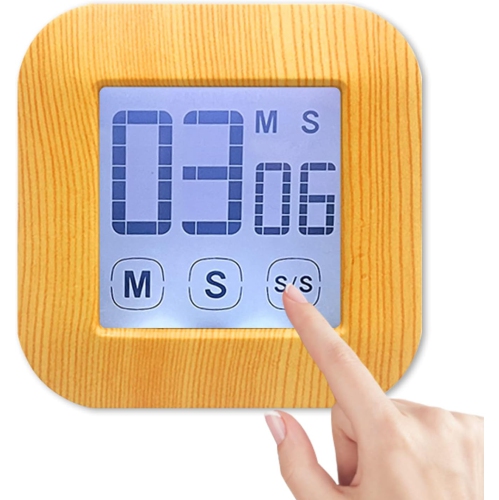
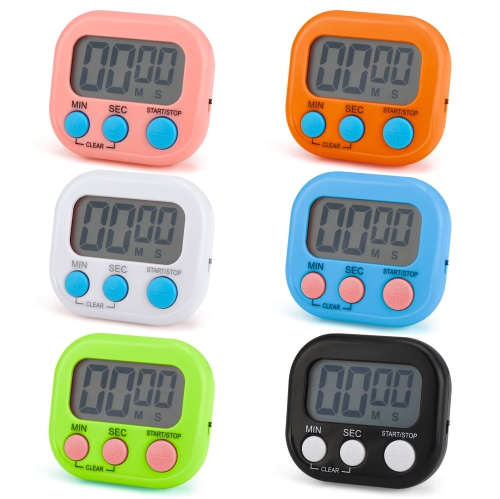
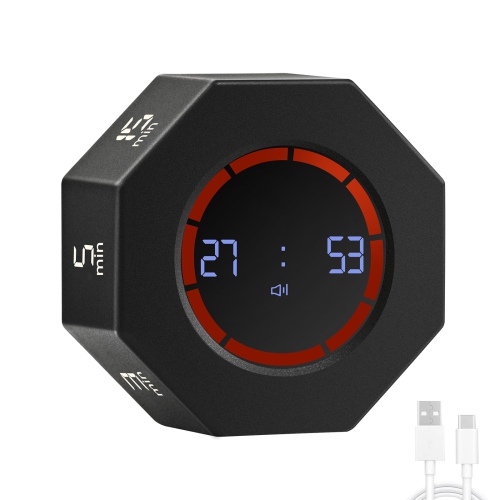
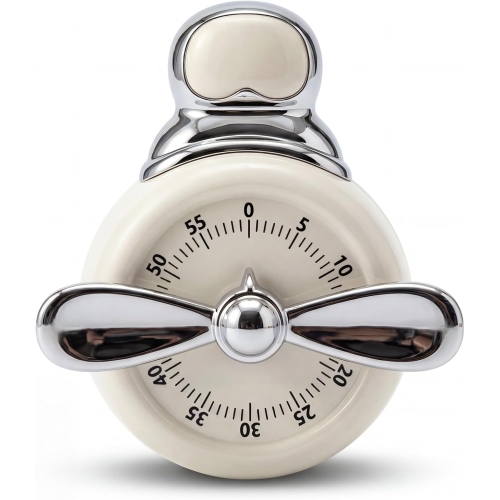
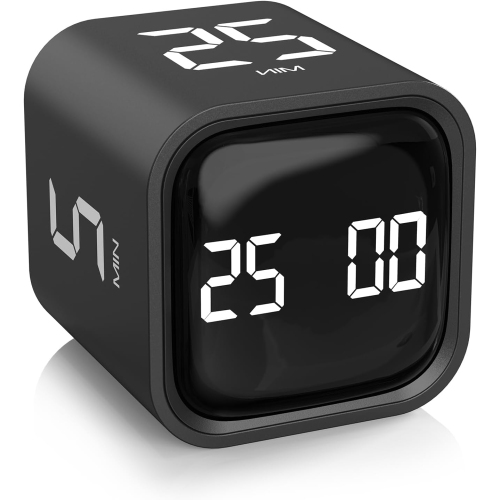
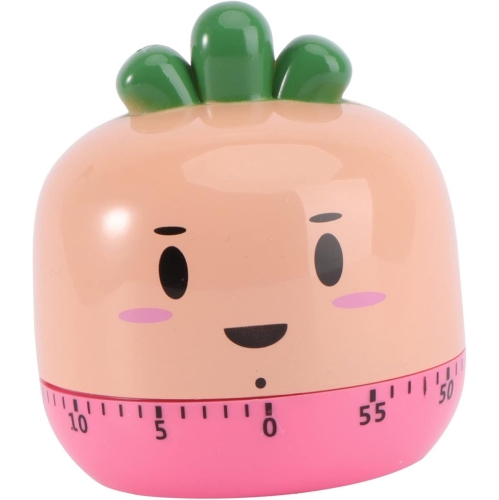
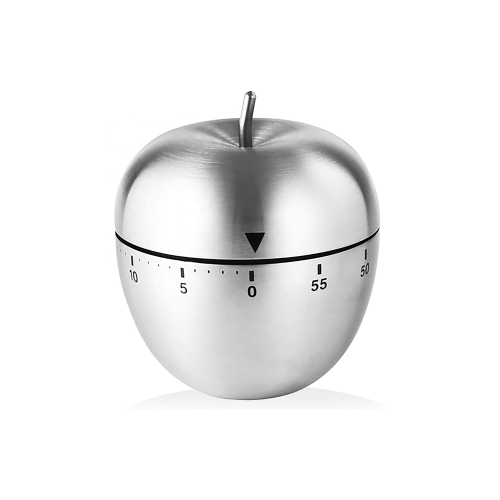
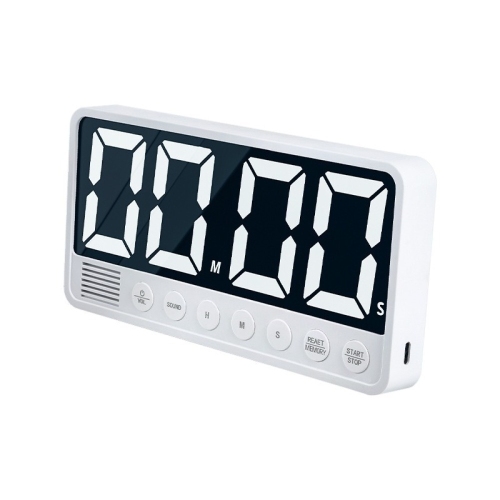
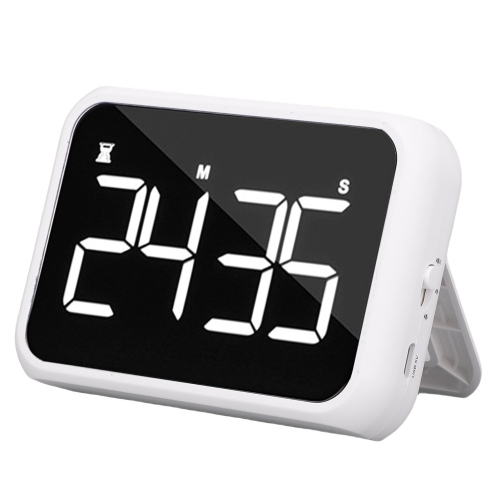
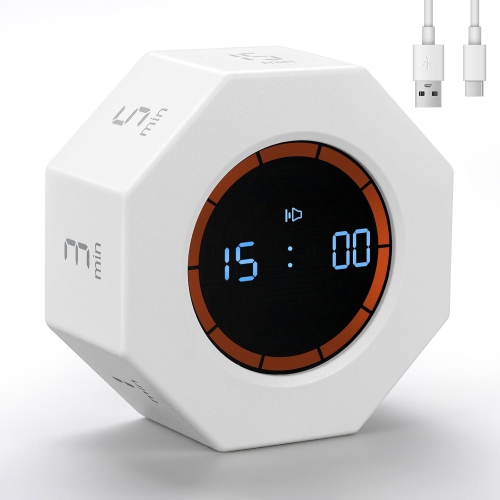
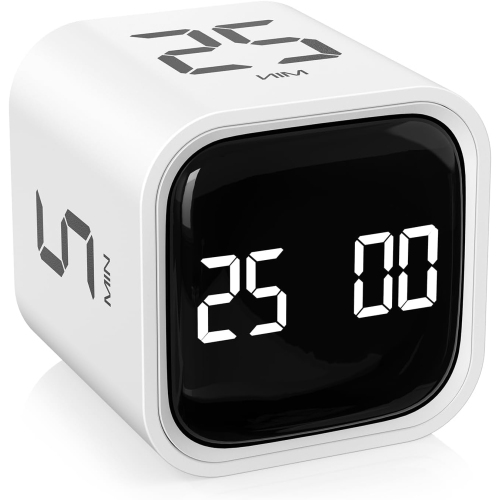
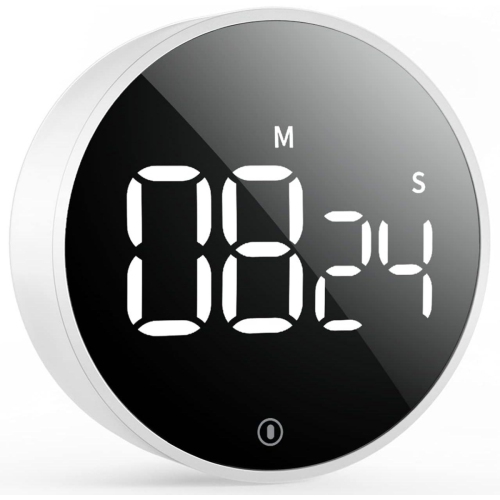
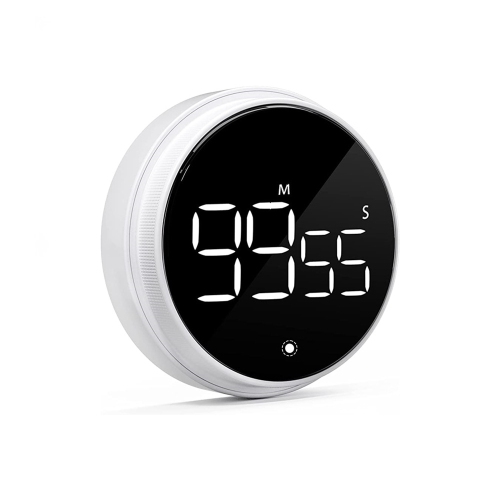
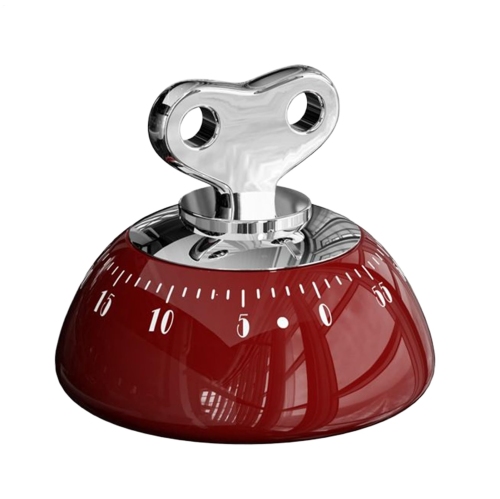
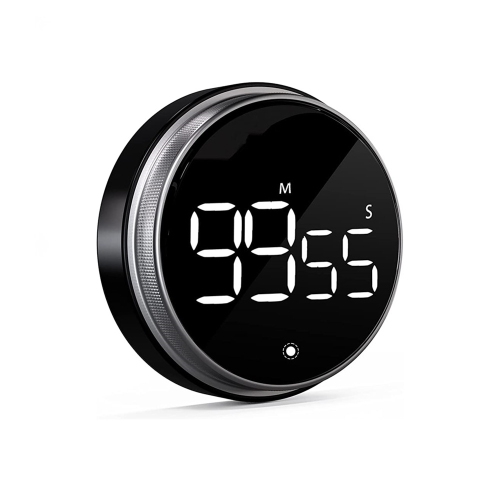
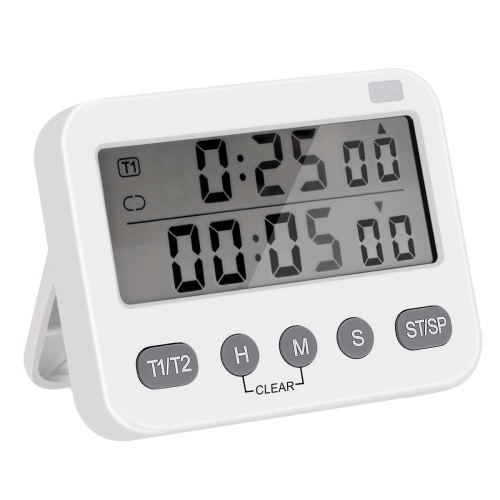
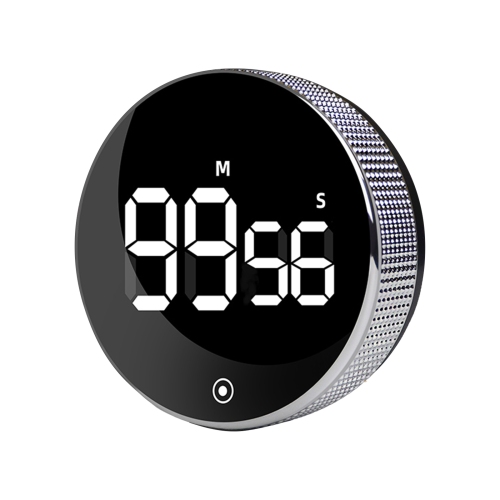
The timer features that matter in a busy kitchen
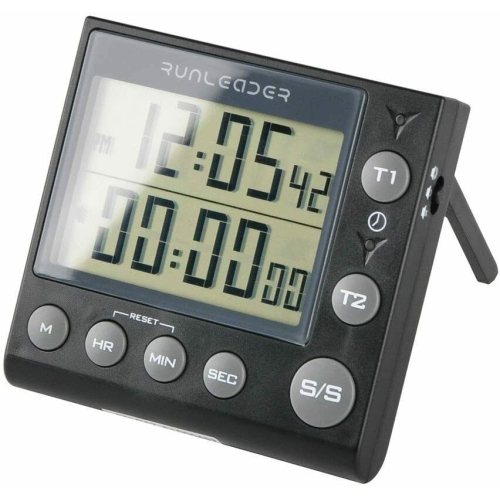
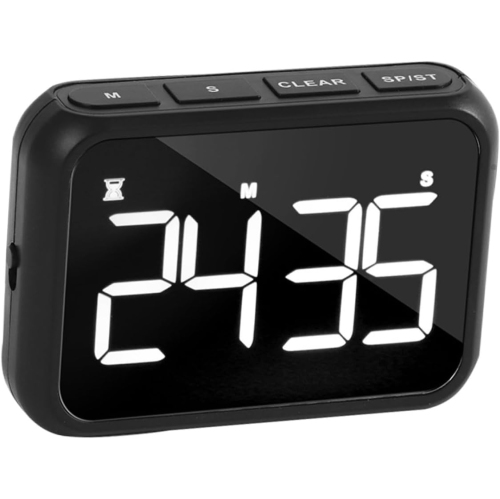
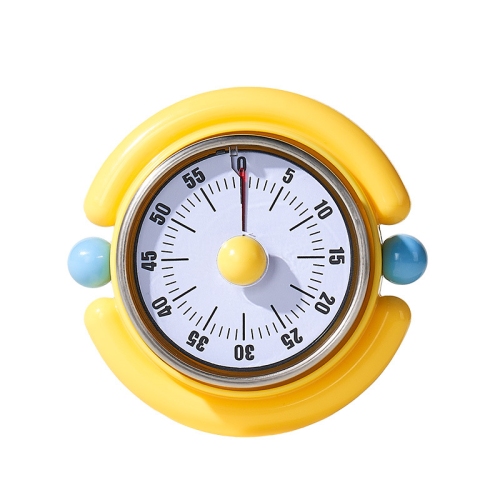
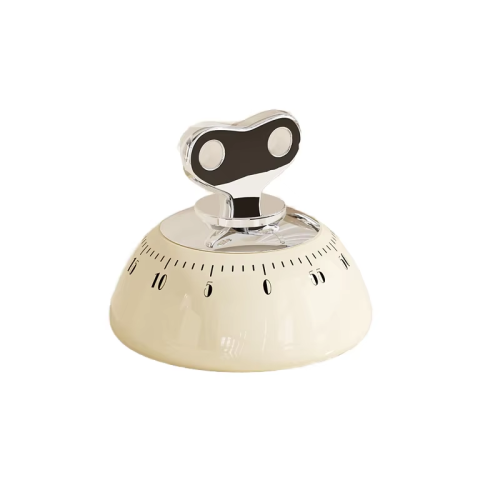
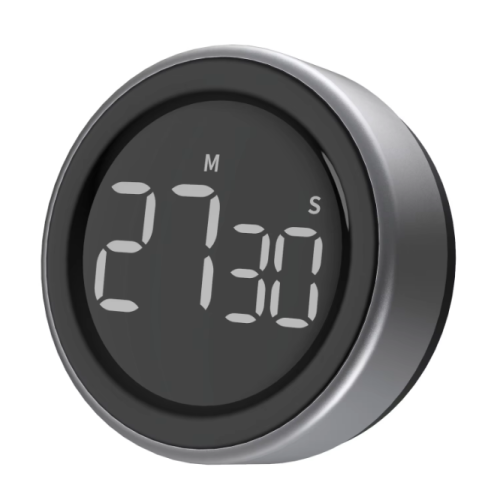
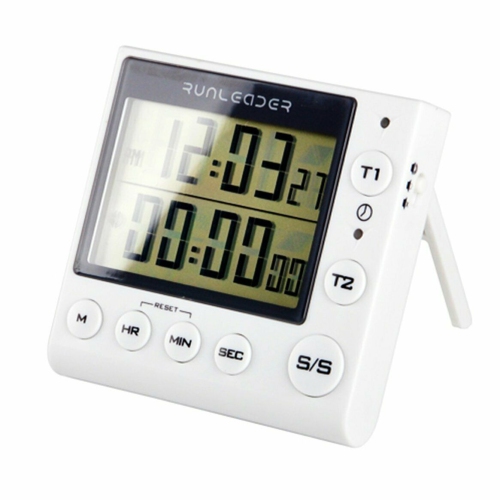
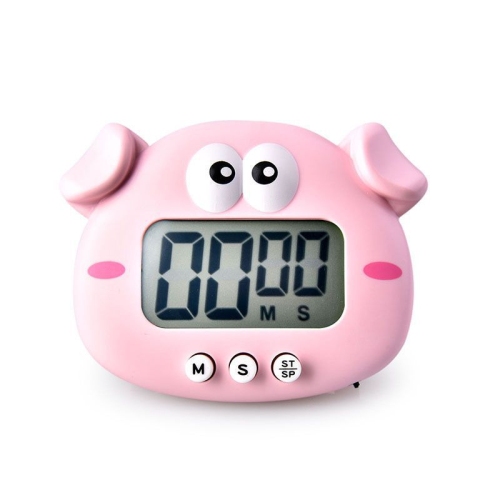
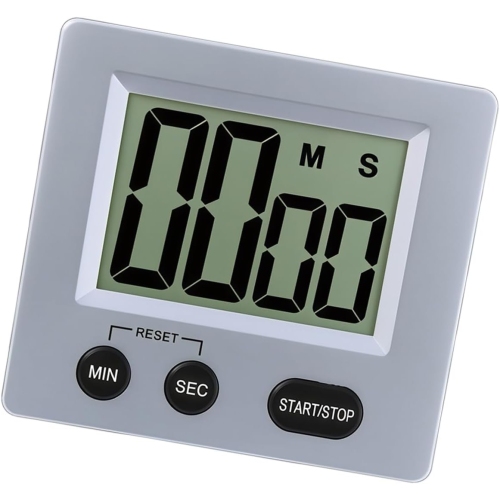
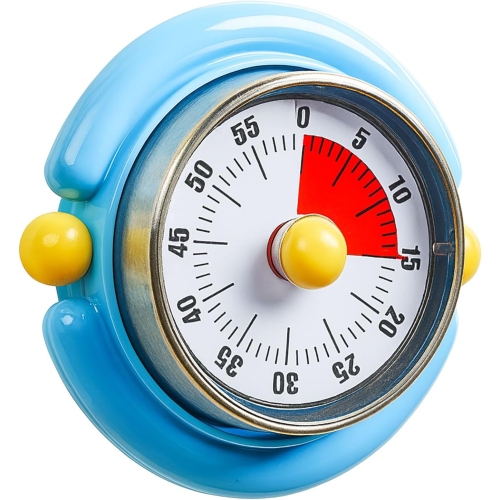
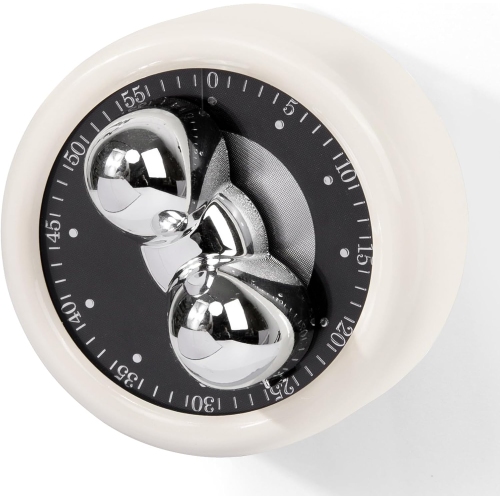
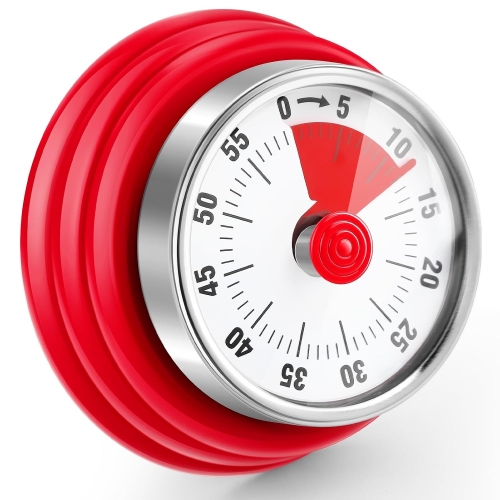
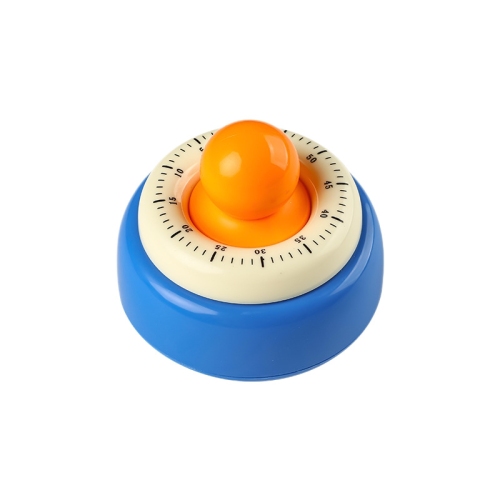
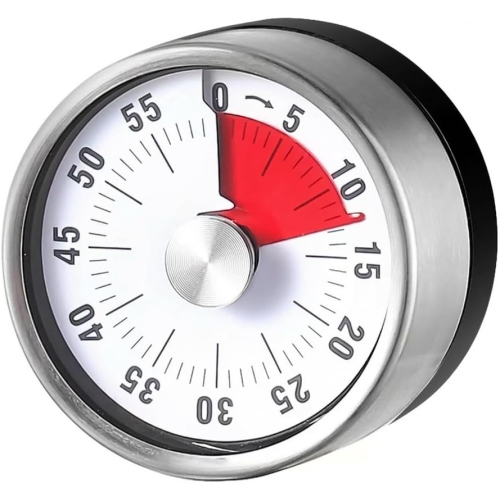
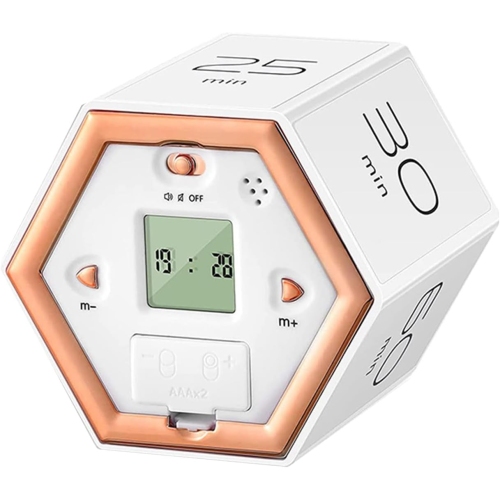
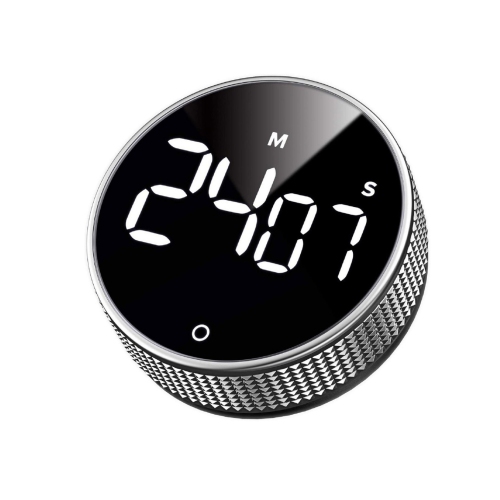
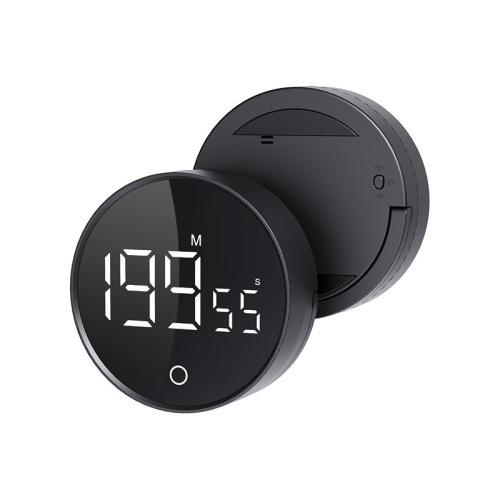
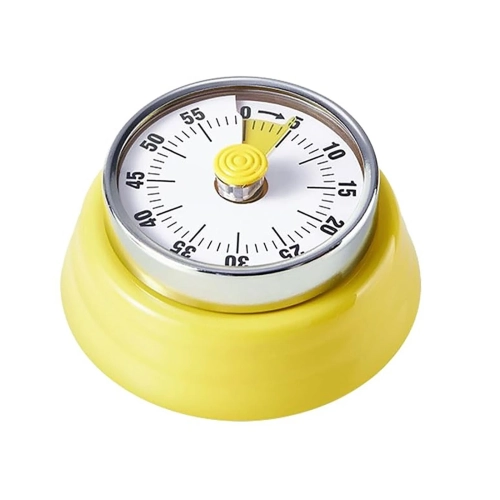
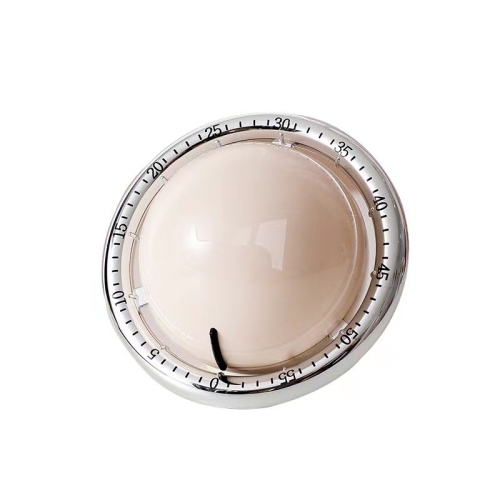
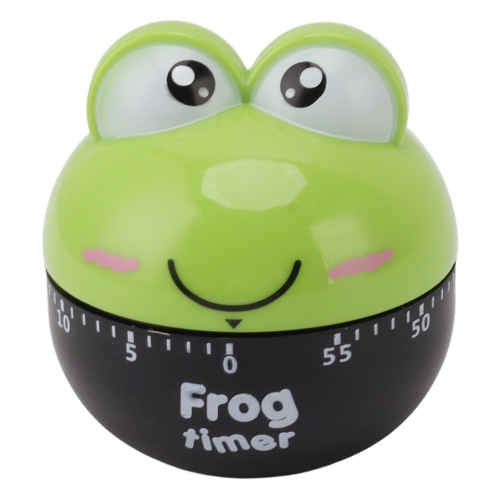
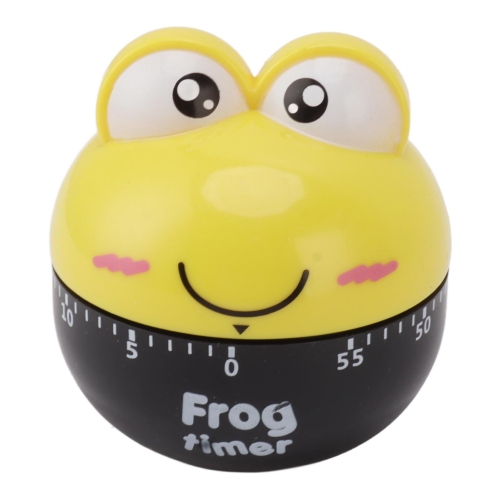
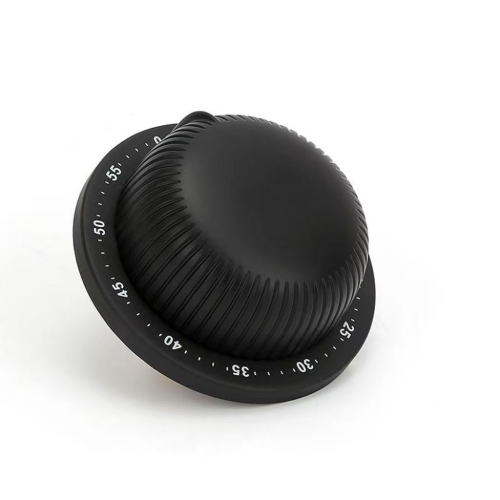
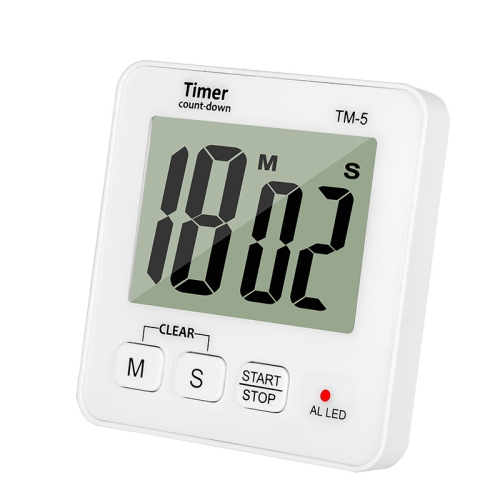
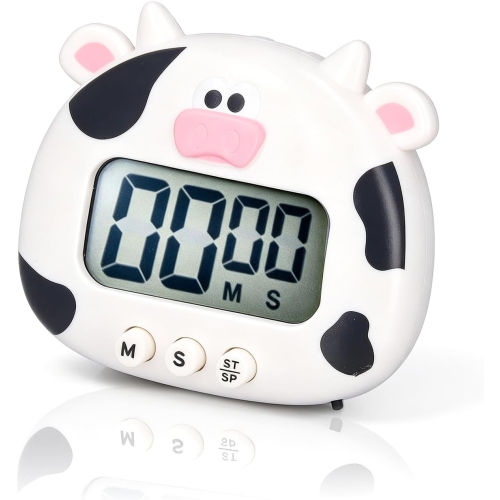
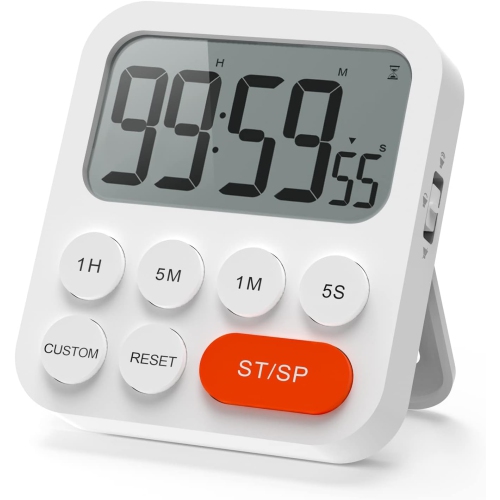
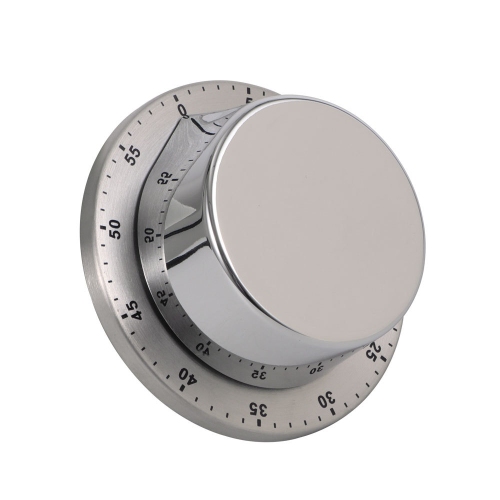
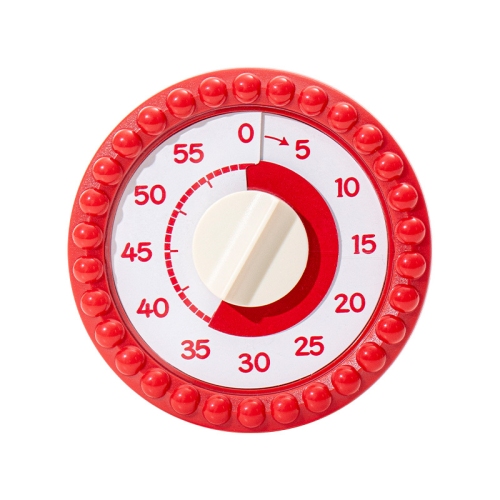
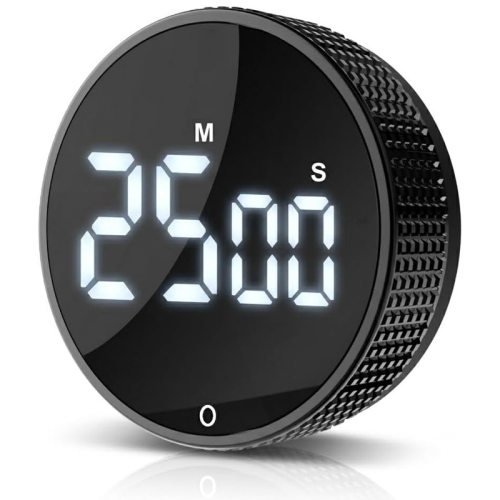
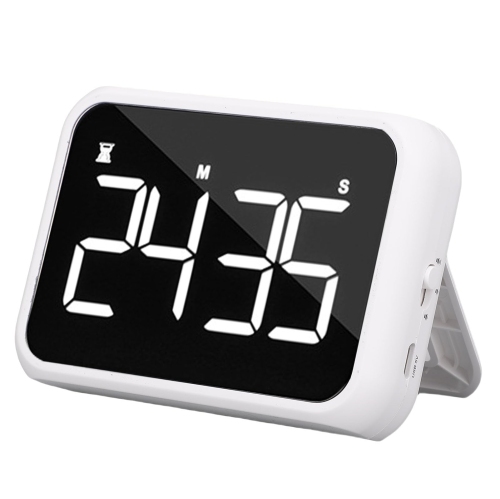
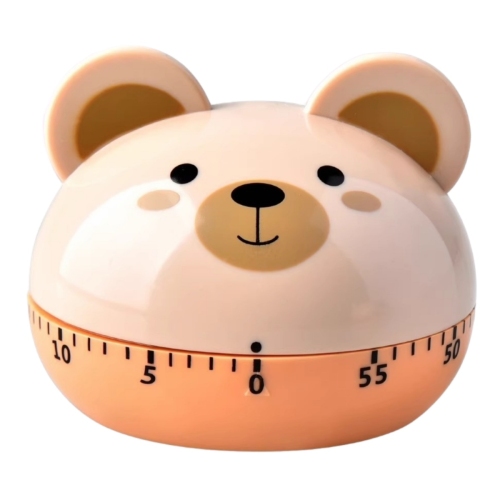
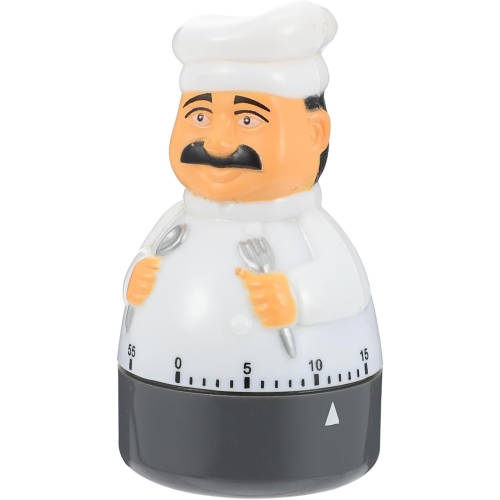
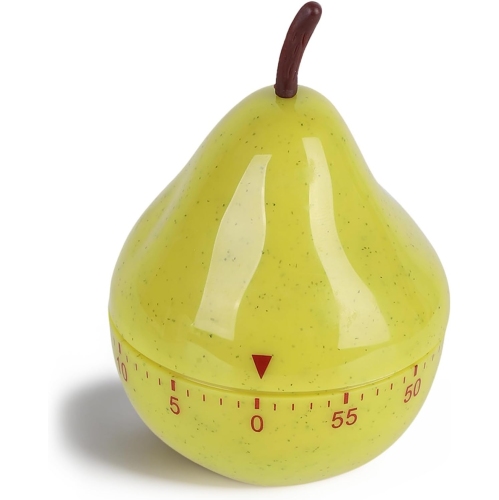
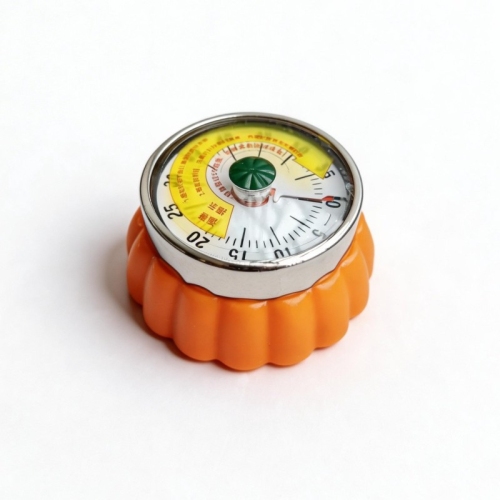
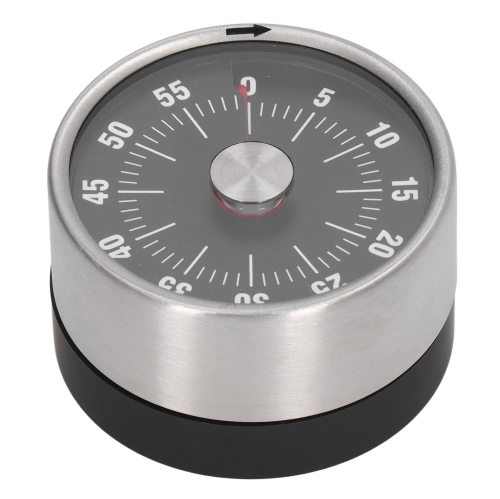
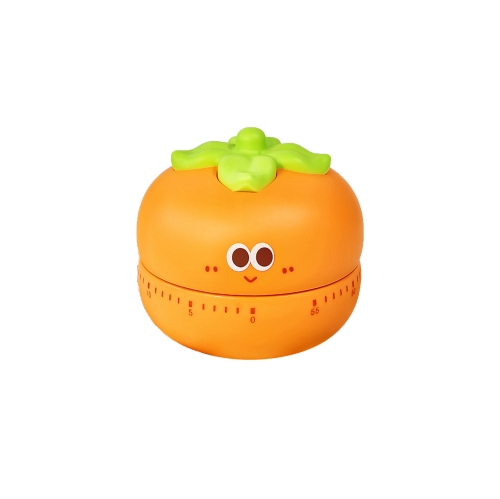
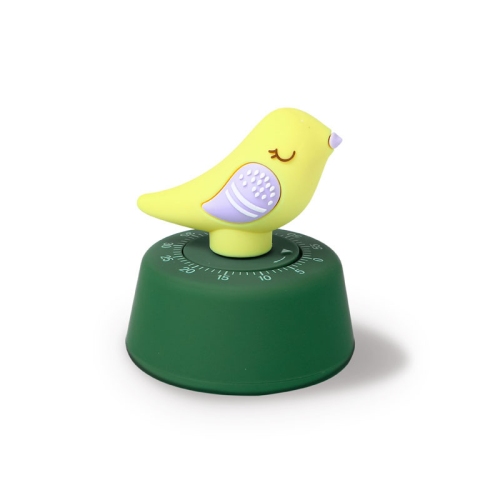
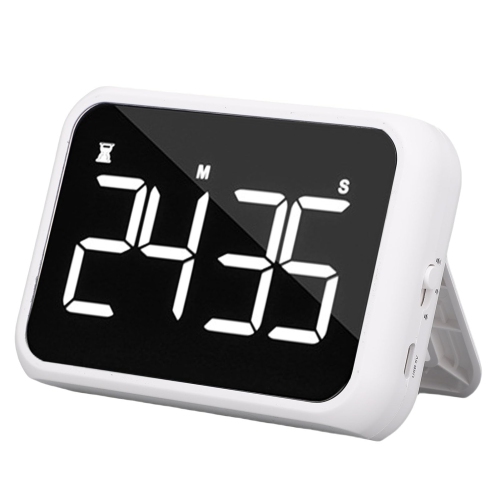
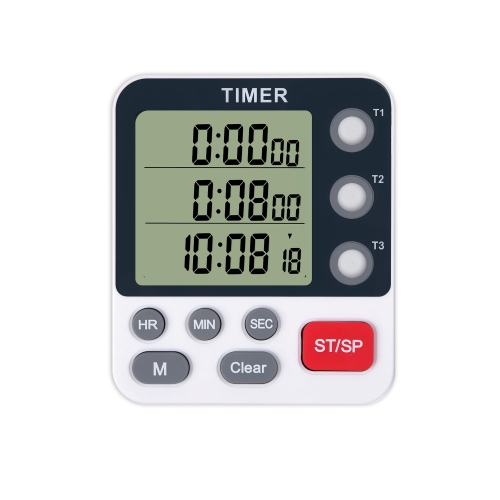
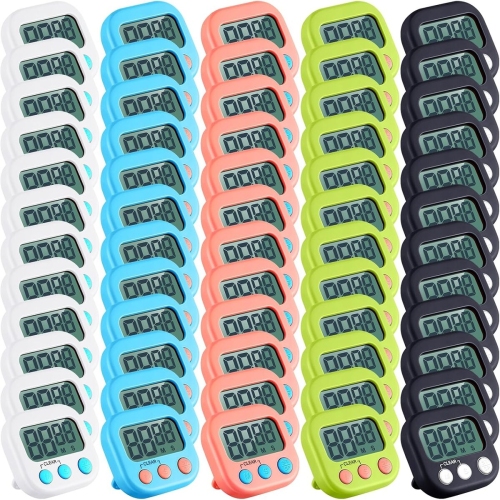
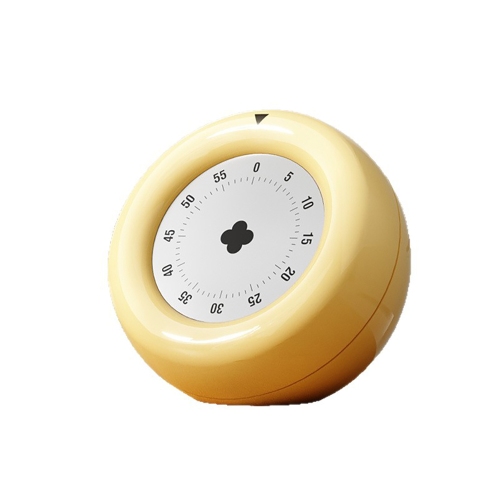
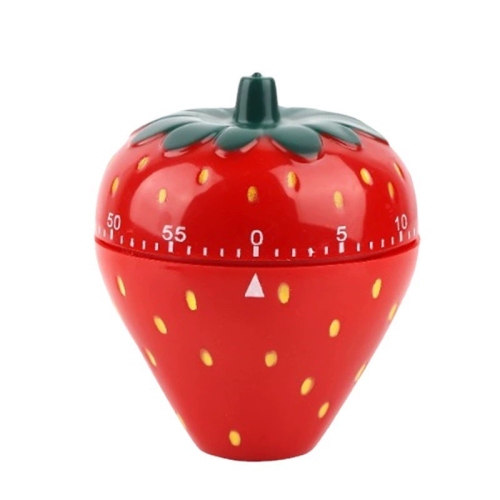
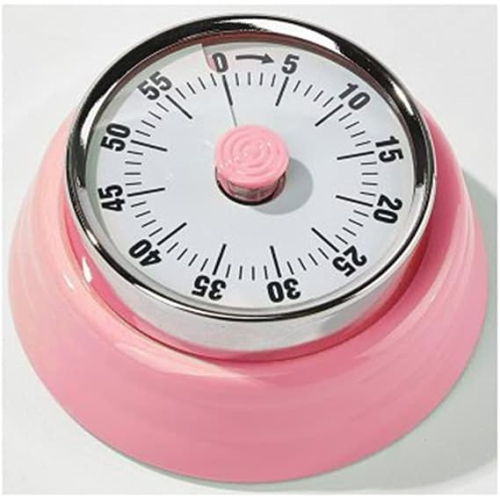
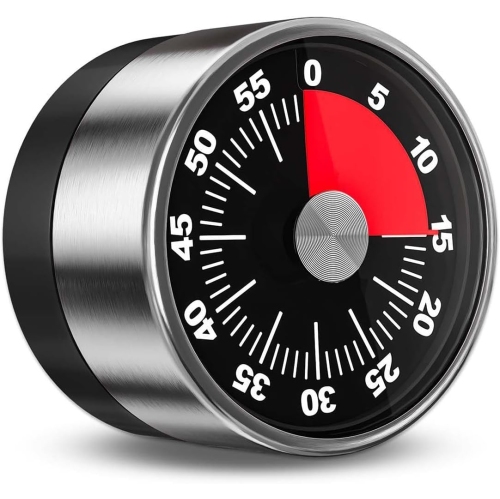
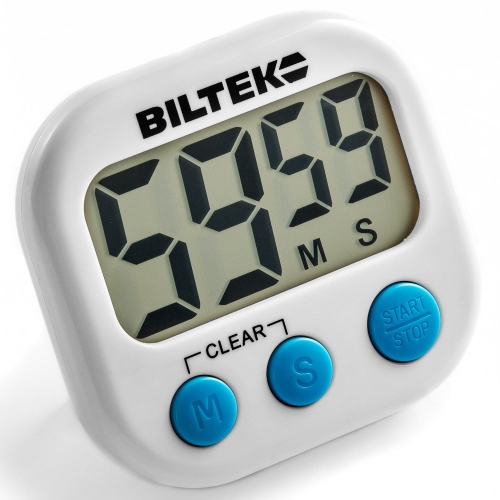
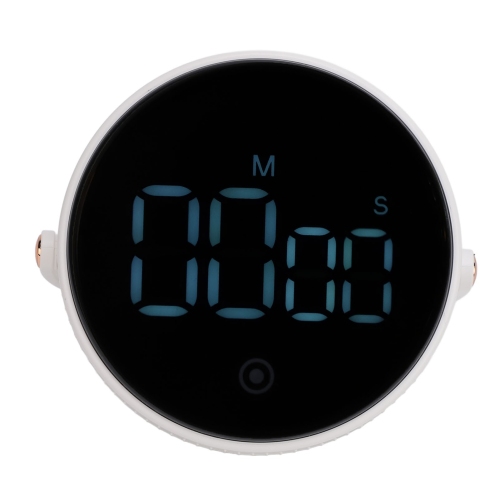
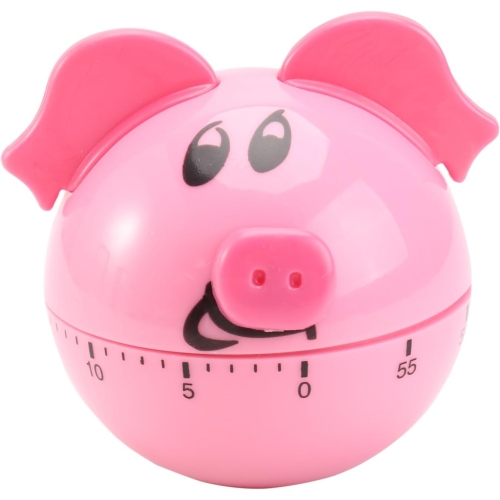
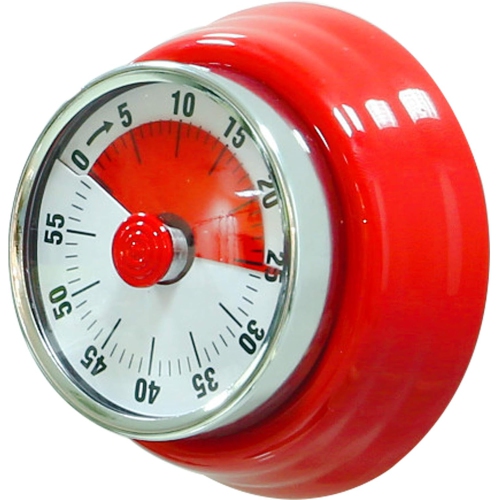
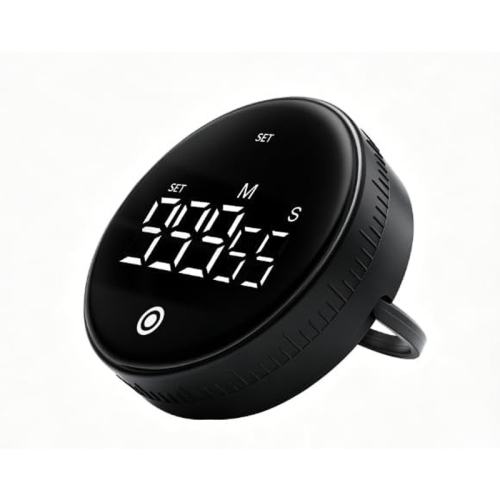
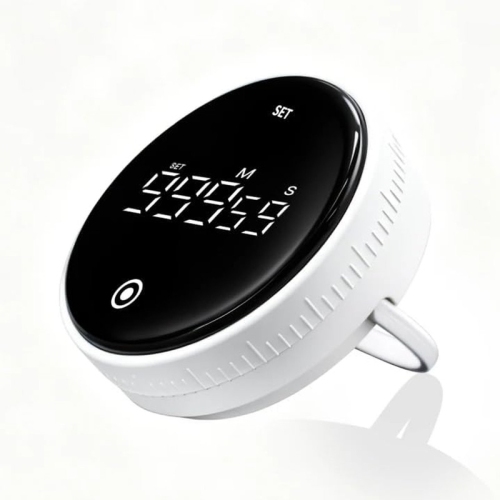
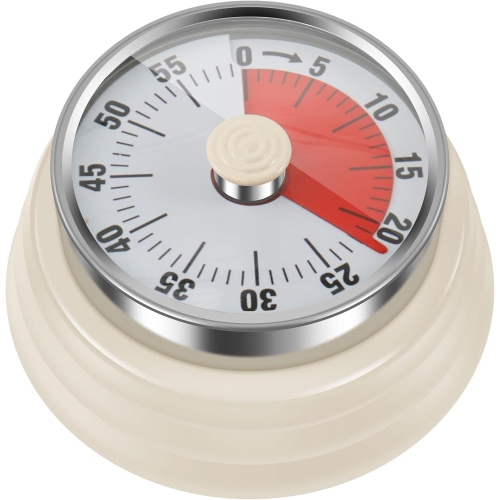
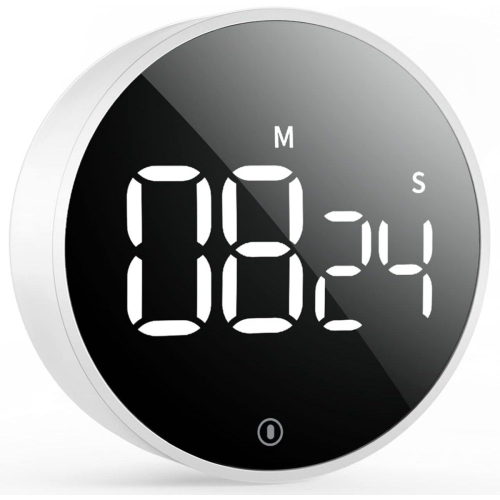
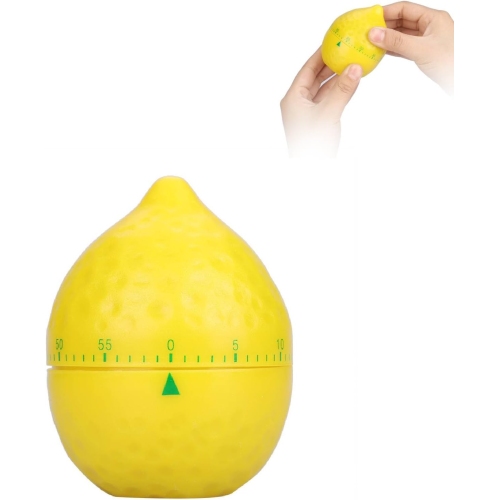
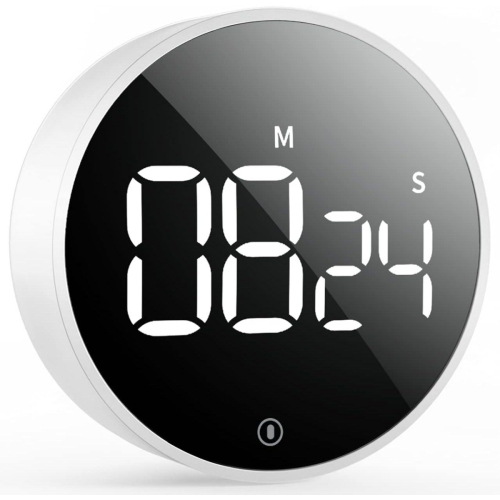
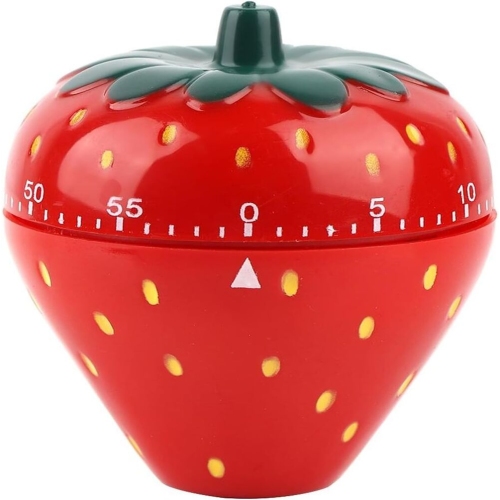
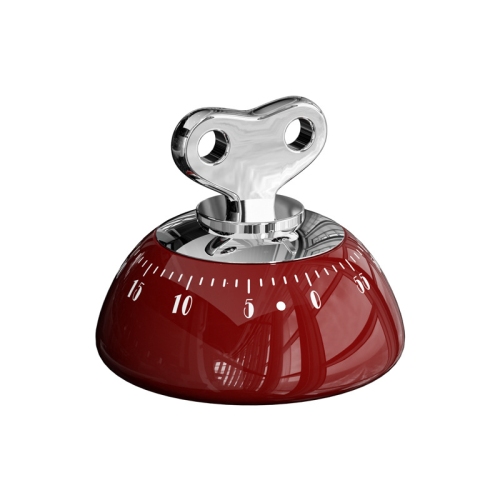
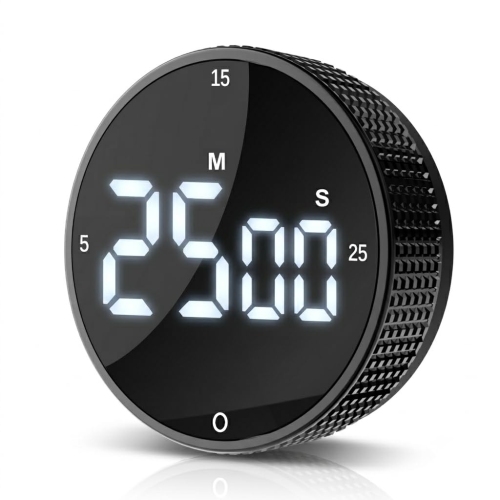
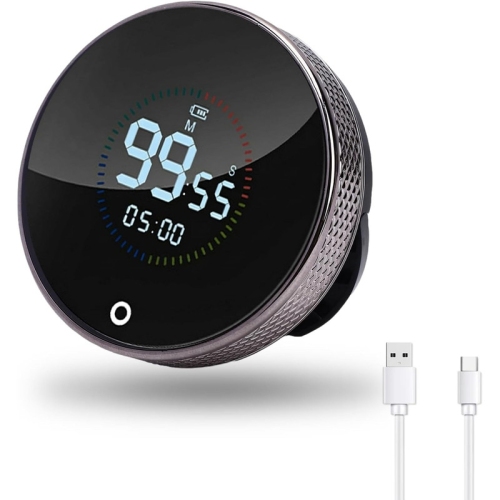
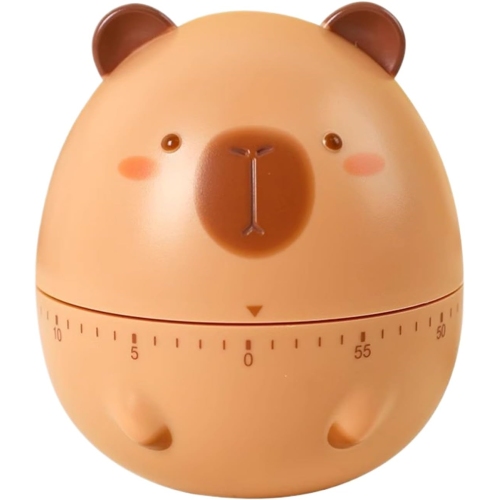
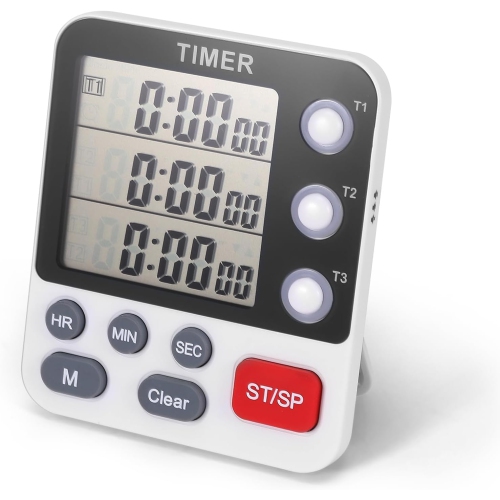
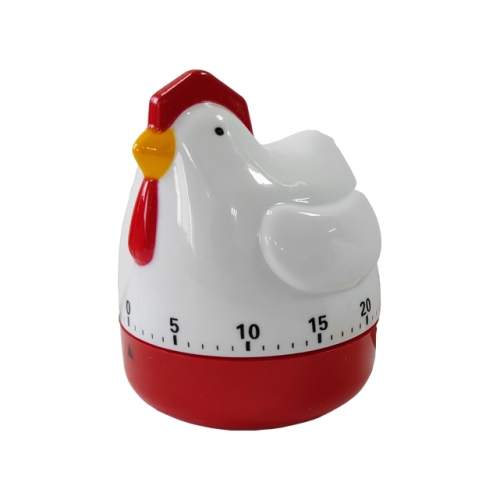
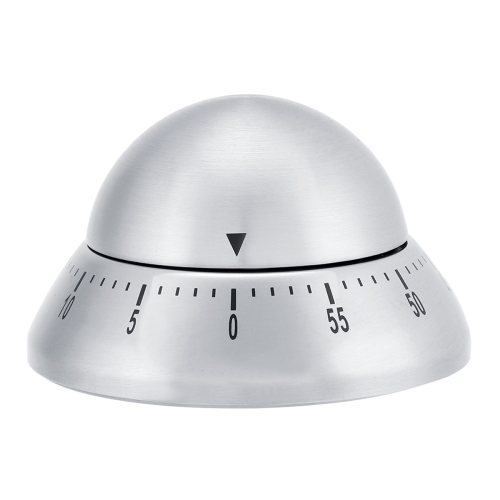
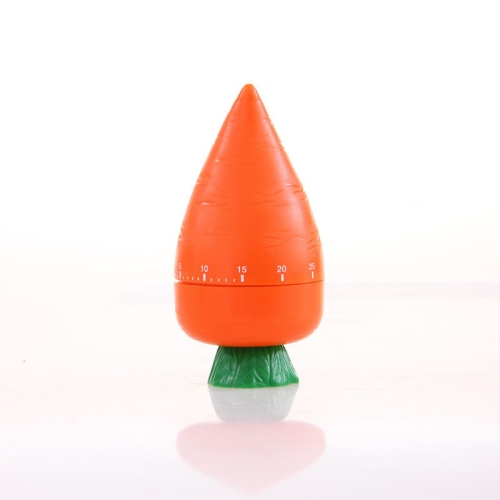
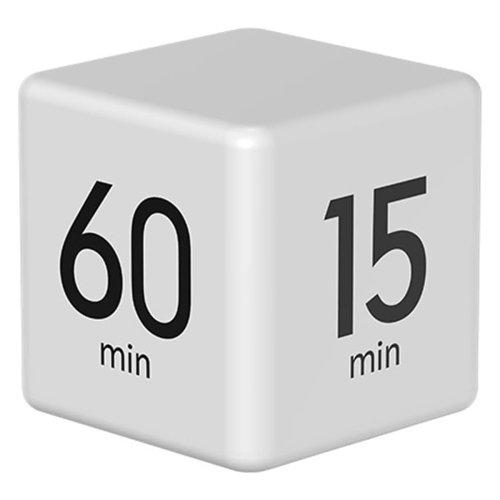
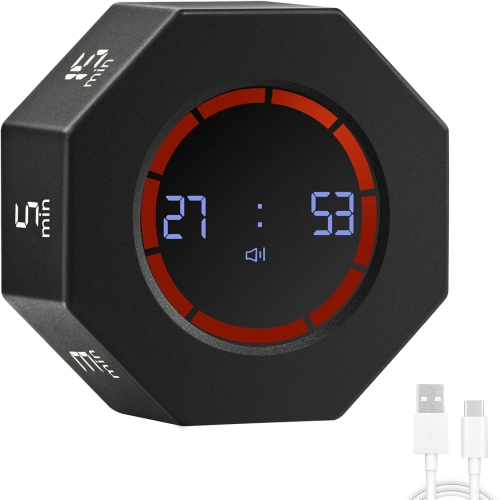
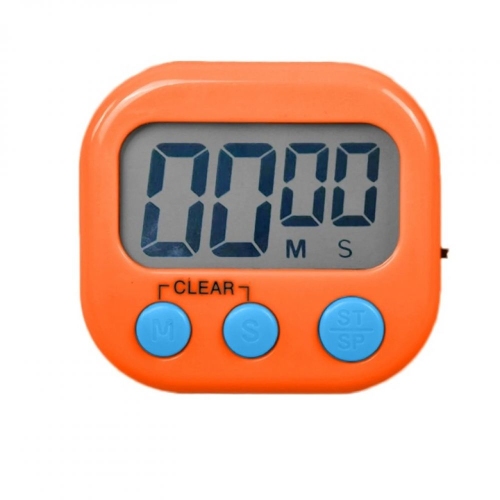
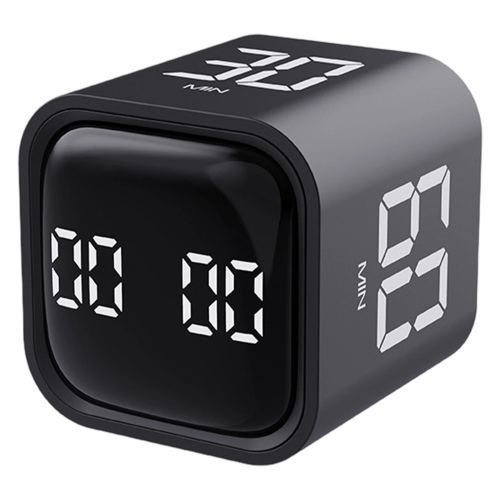
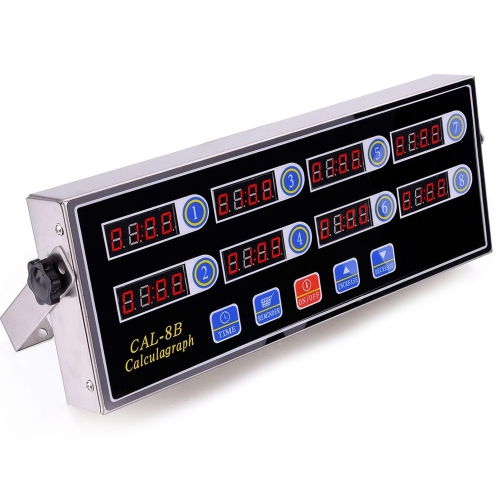
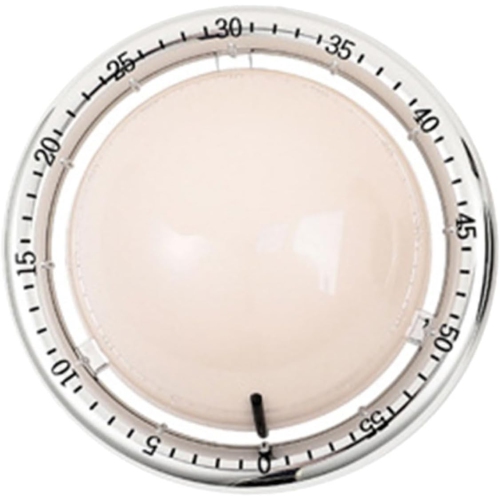
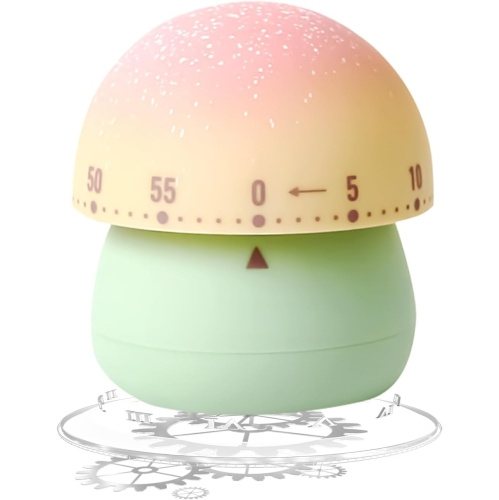
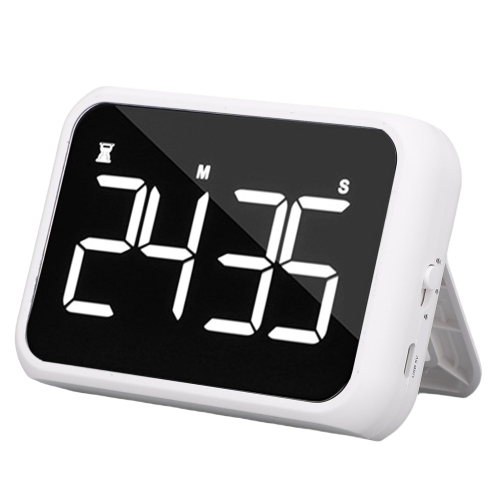
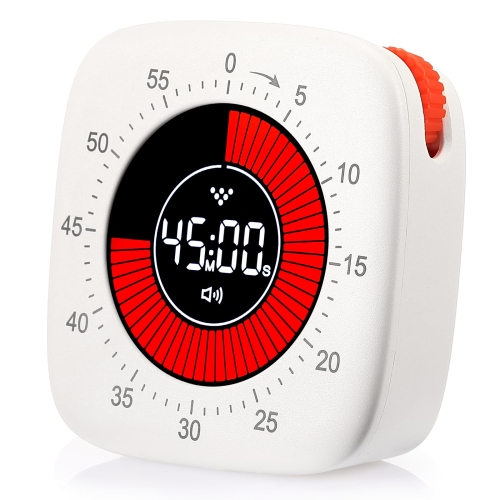
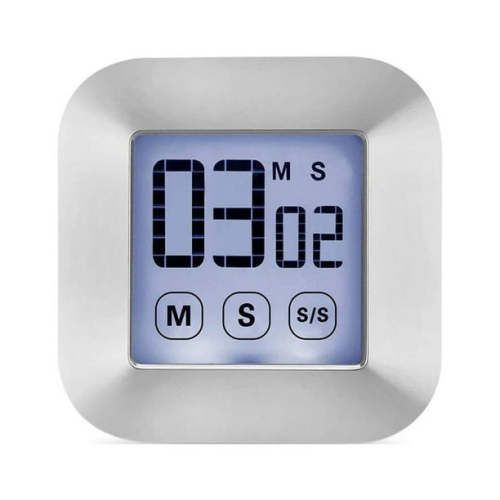
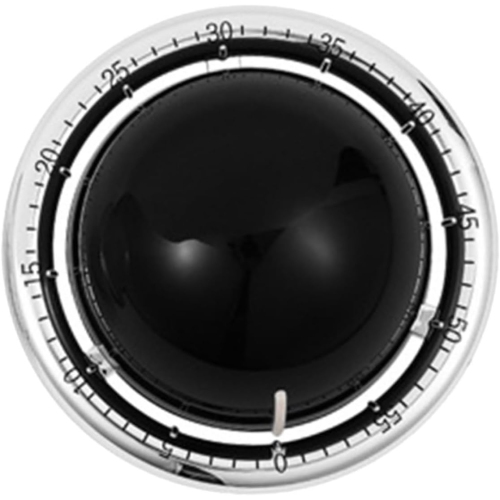
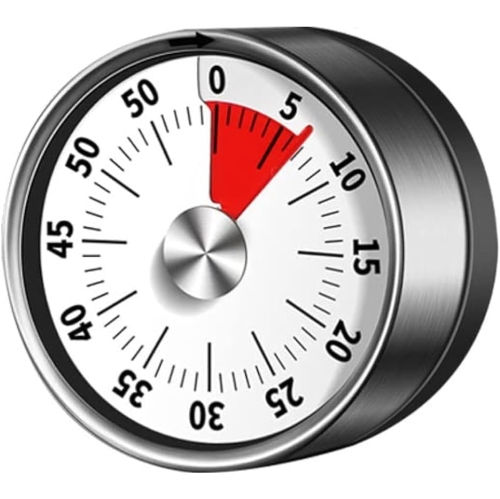
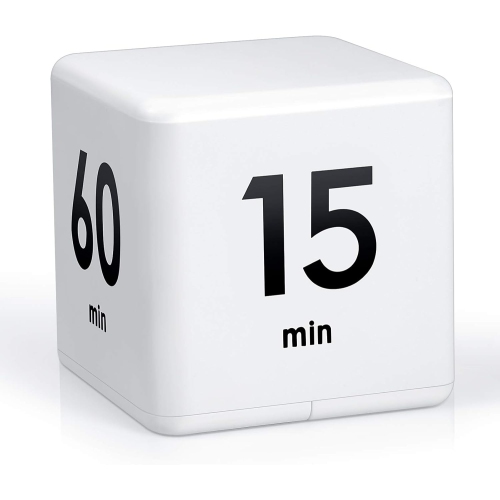
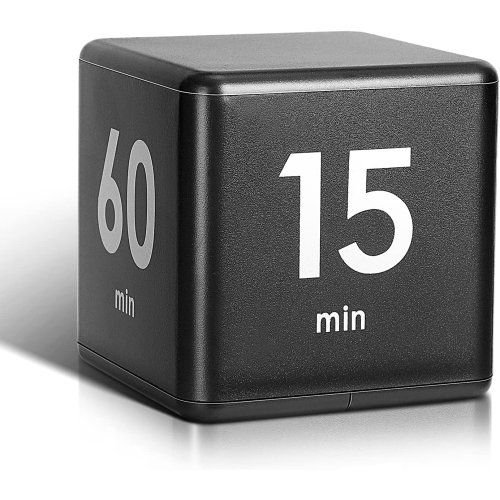
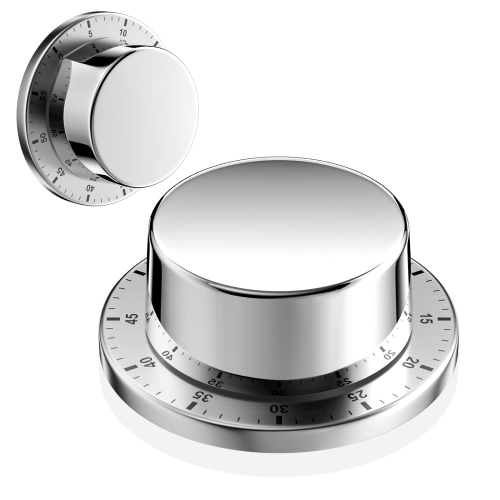
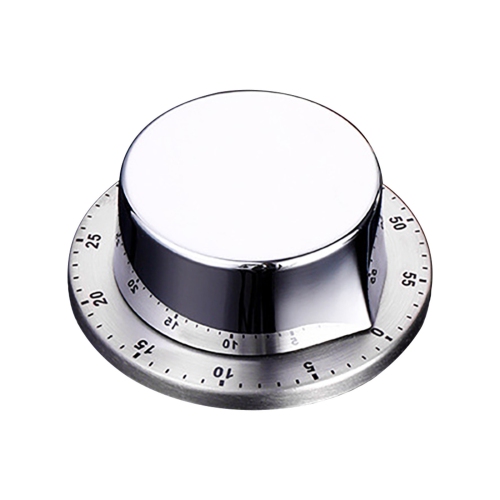
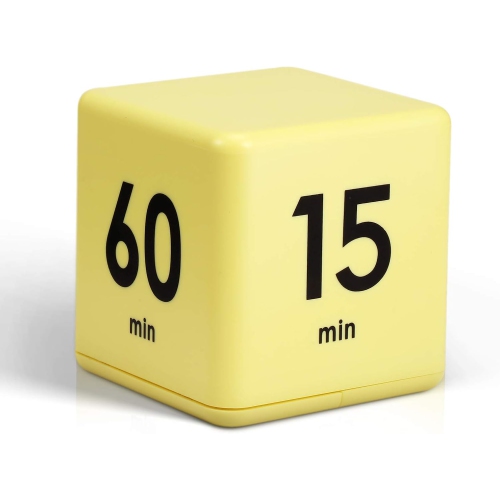
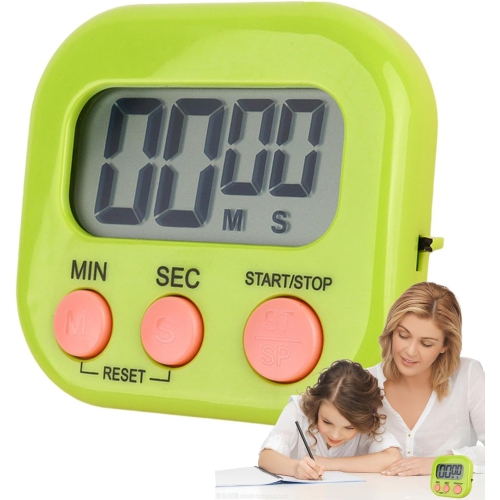
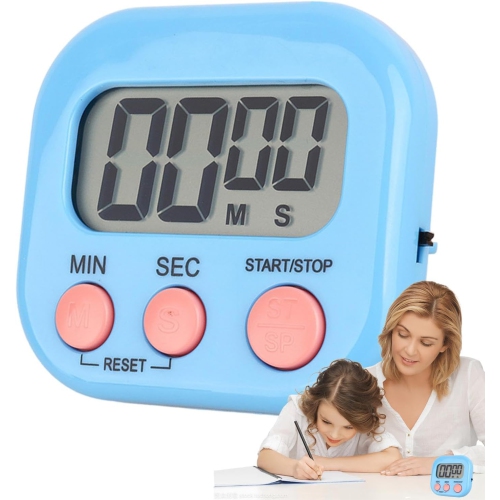
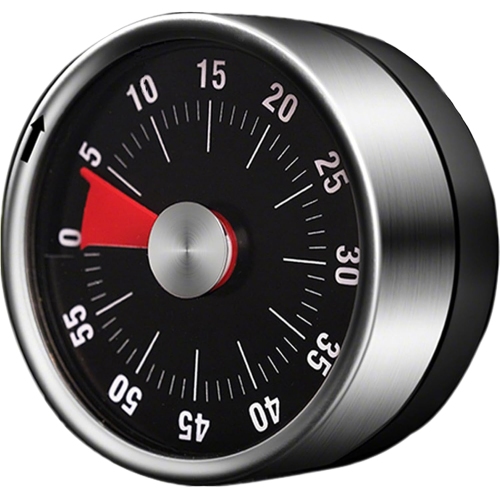
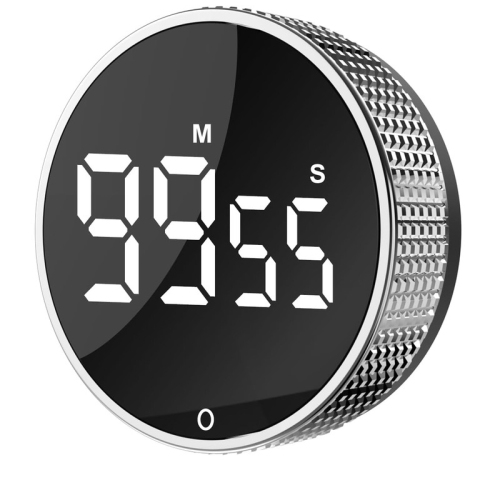
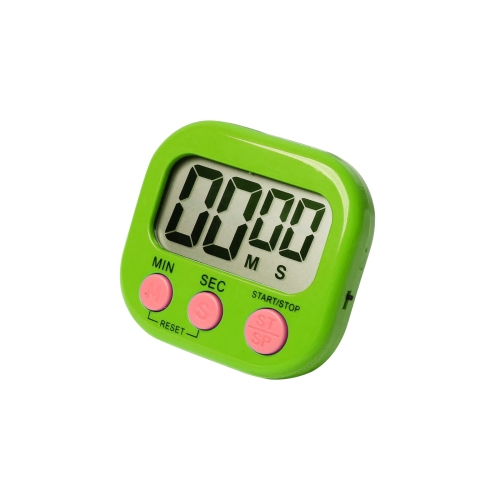
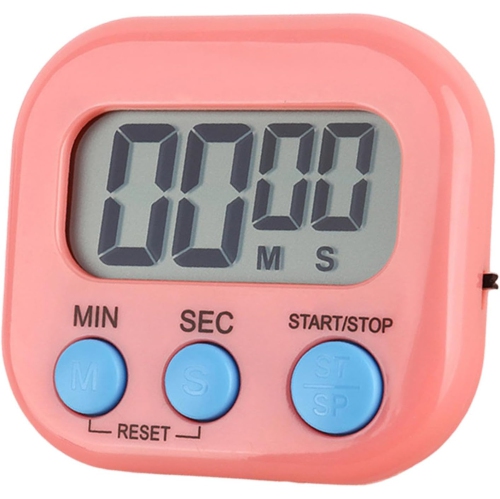
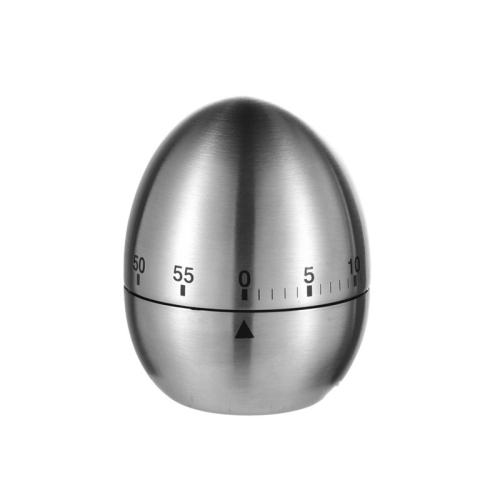
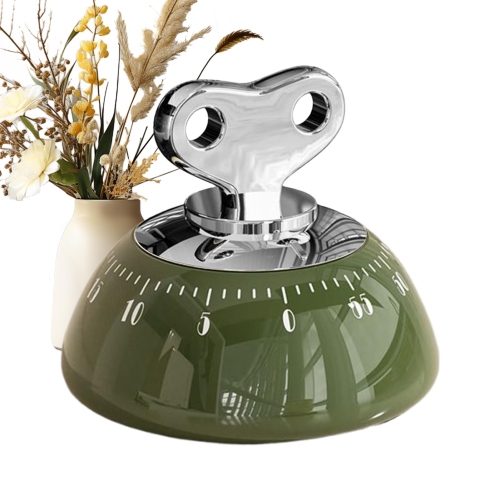
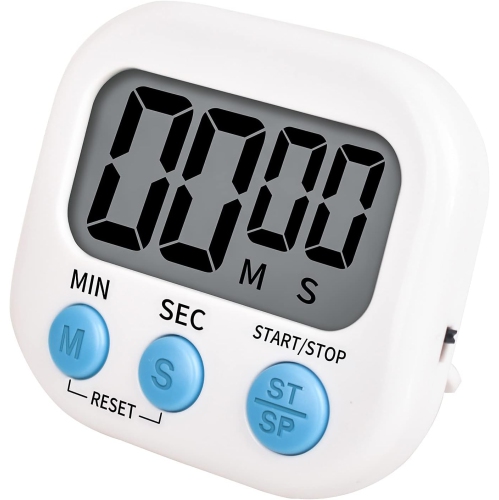
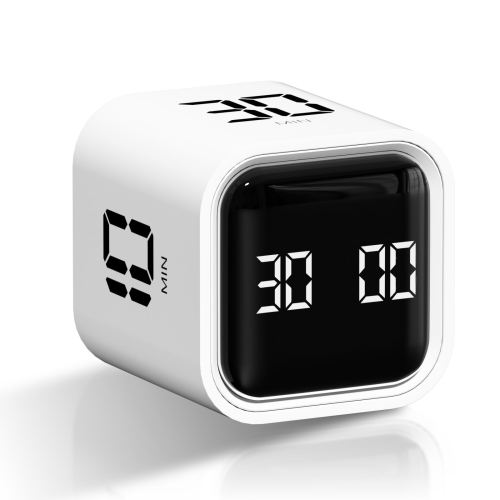
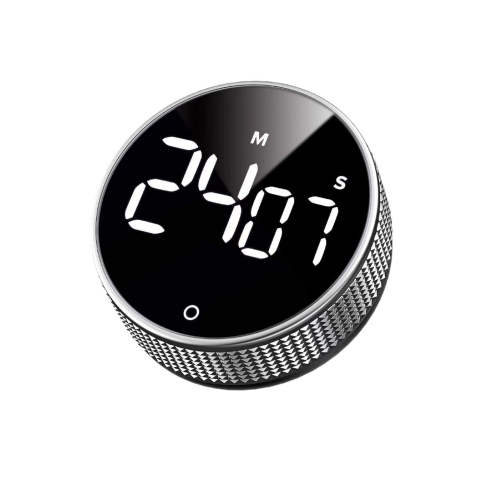
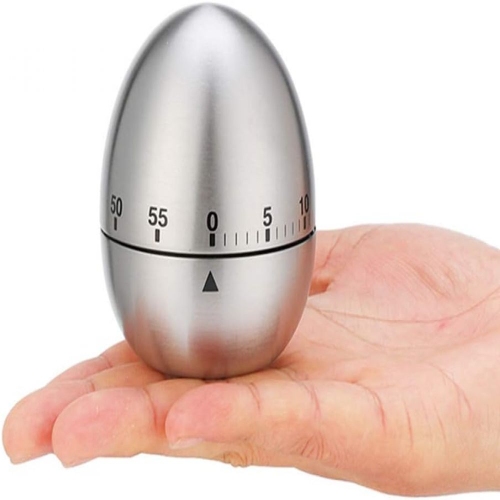
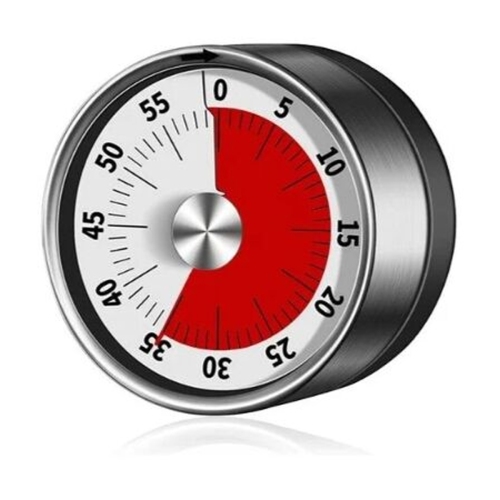
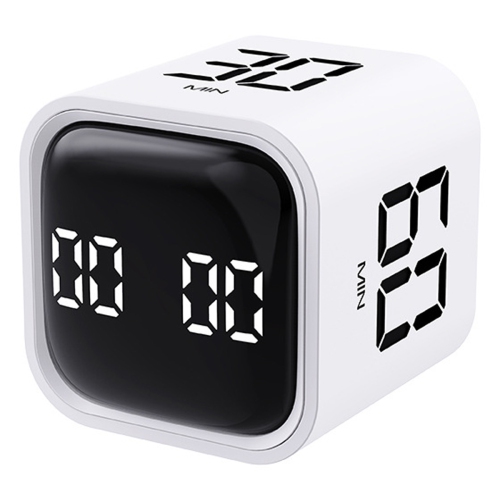
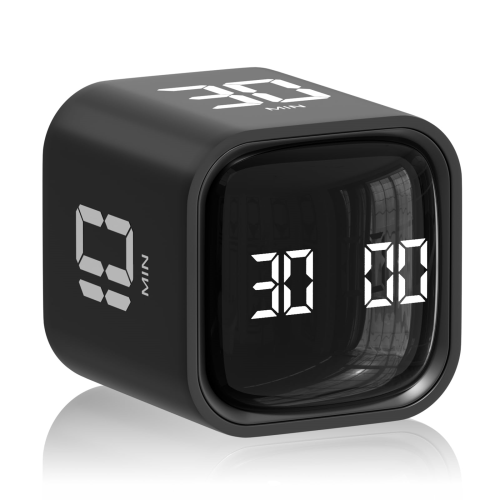
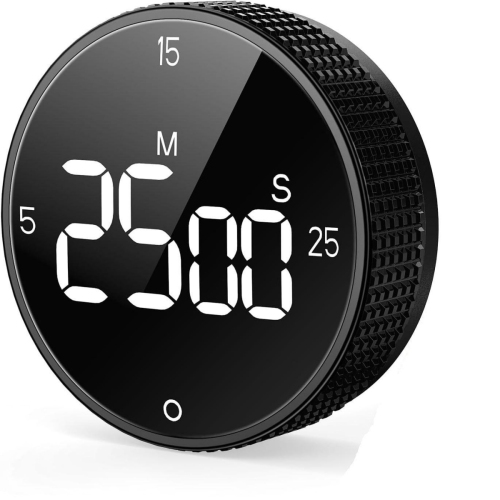
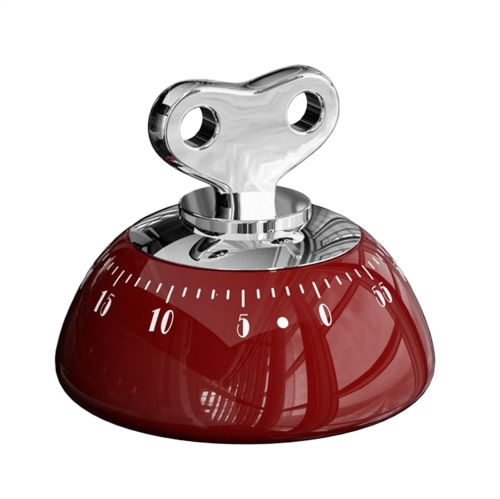
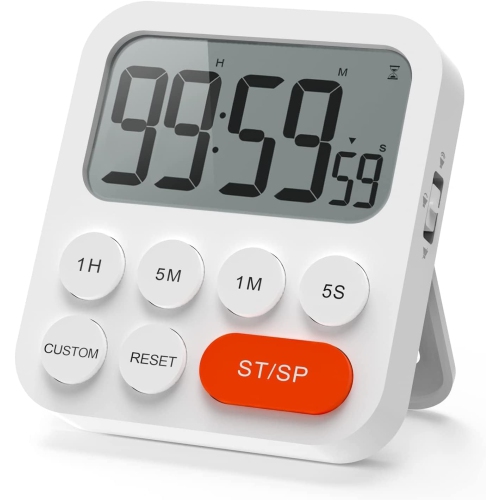
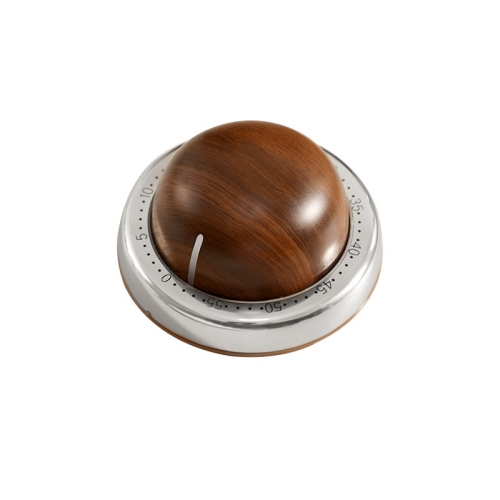
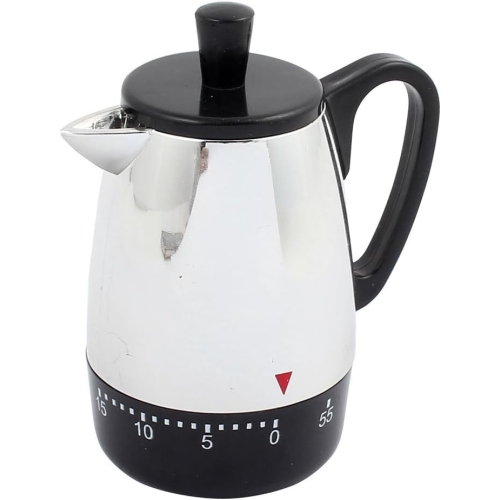
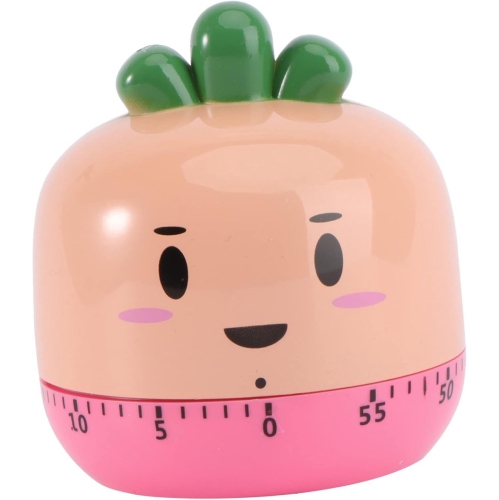
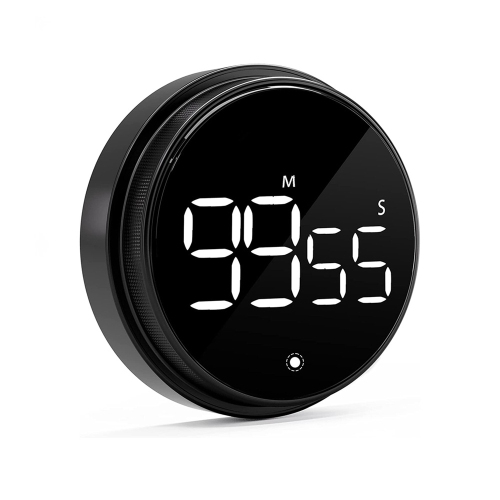
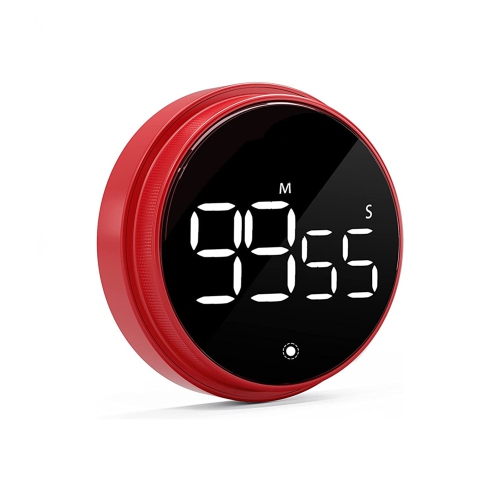
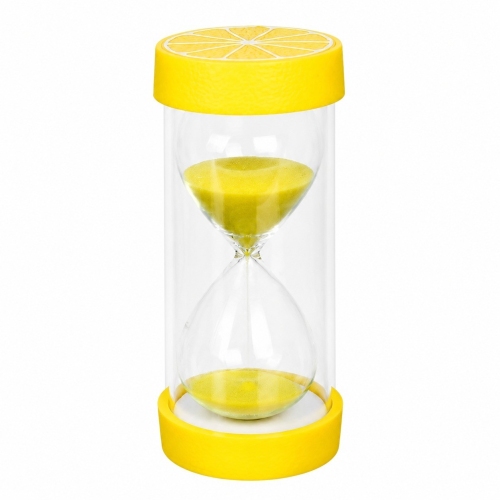
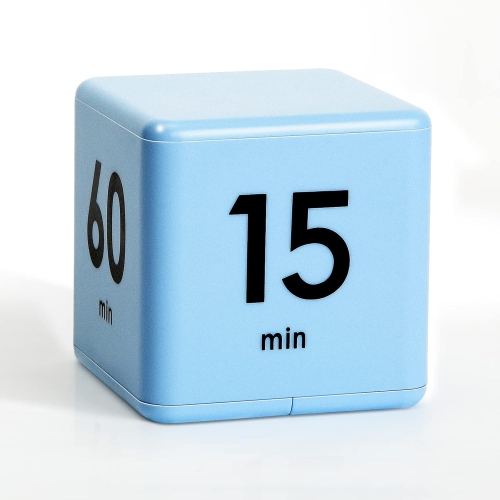
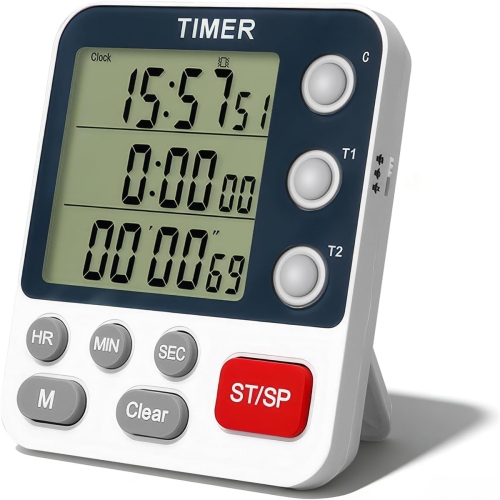
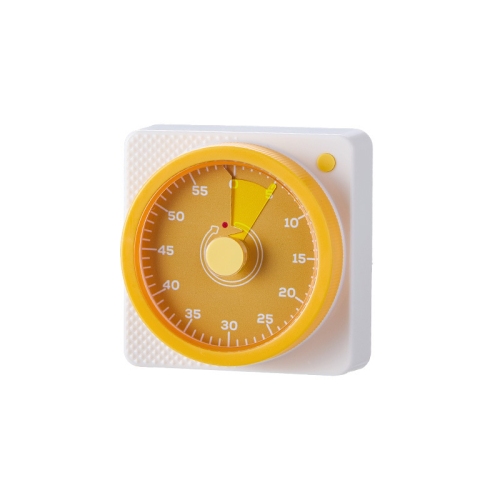
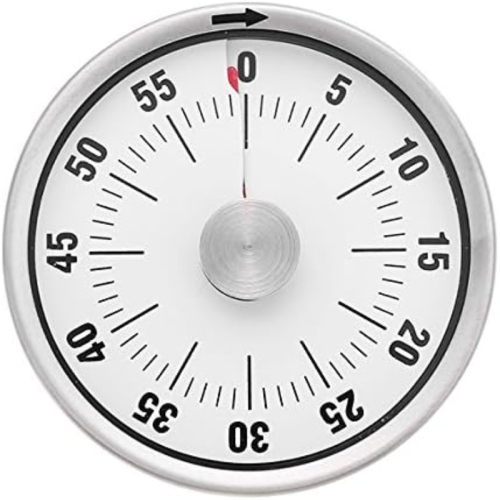
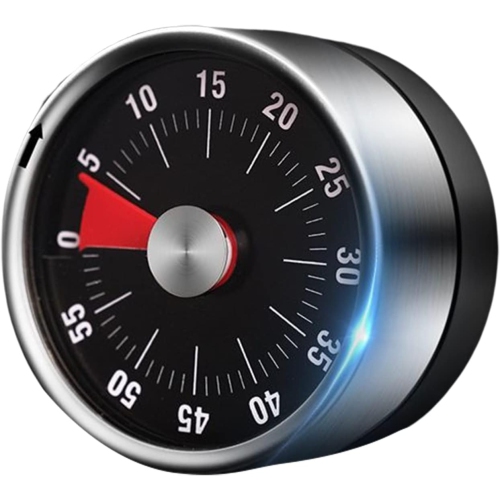
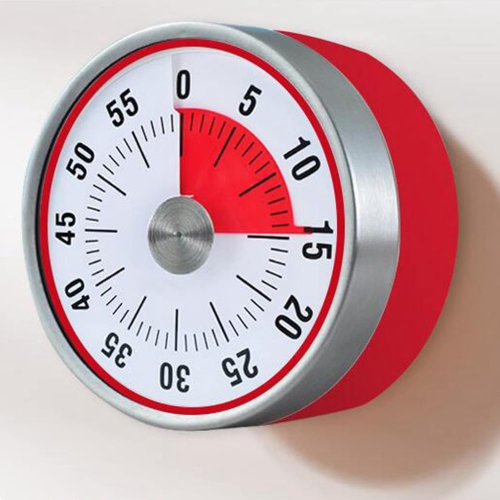
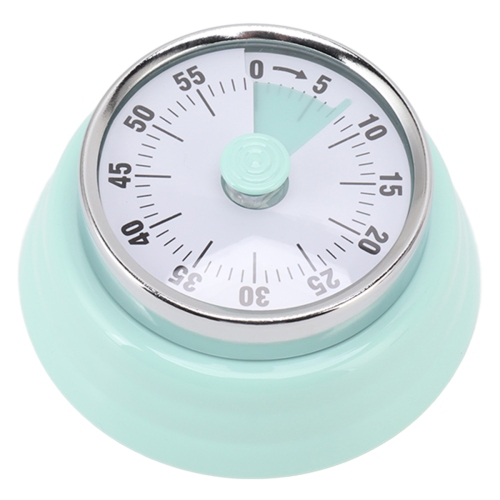
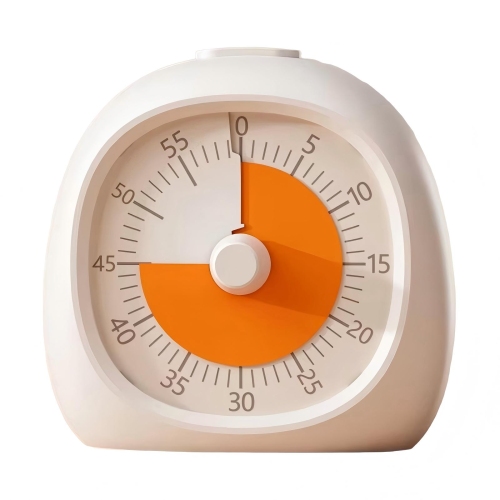
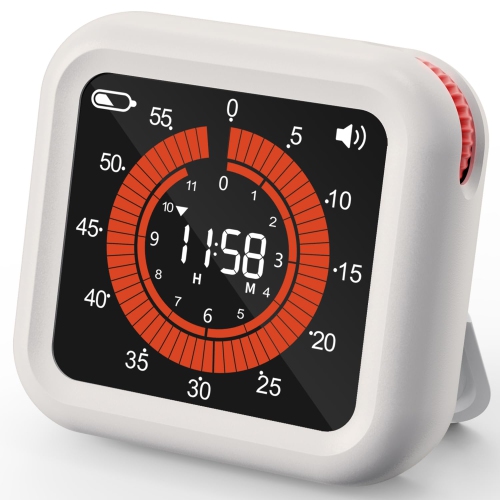
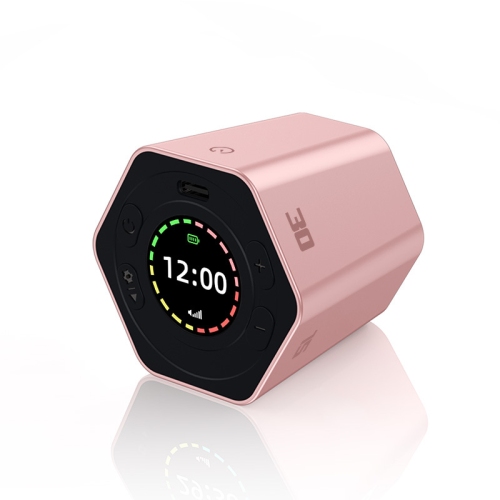
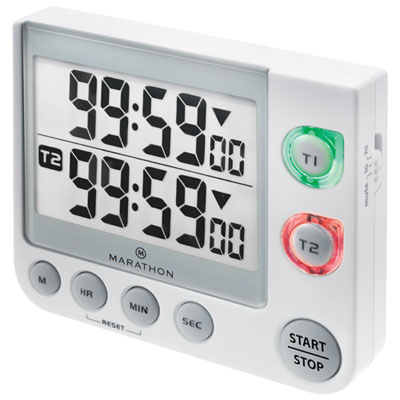
Kitchen timers keep cooking intervals visible and easy to follow, whether a tray of biscuits needs a few more minutes or bread dough is resting between stages. Clear digits or dial markings, a noticeable alert, straightforward controls, and flexible placement are the features that make a timer useful in a busy kitchen. A dedicated timer also keeps a countdown separate from phone notifications and leaves an oven’s built-in timer free for another dish. Digital kitchen timers typically offer push-button controls and a numerical display, with some supporting both countdown and count-up functions. Countdown mode suits a known cooking interval, while count-up mode can track elapsed time when testing a recipe or checking how long a task takes. Mechanical kitchen timers use a wind-up mechanism and a rotating dial, making them an option for cooks who prefer a tactile control without batteries. Their marked intervals and setting precision vary, so they tend to suit tasks where timing to the nearest second is less important. Single-event timers keep one interval front and centre, which can be all that is needed for steeping tea, boiling eggs, or baking one tray at a time. Multi-event timers handle separate countdowns simultaneously, helping distinguish the pasta from the sauce or the first batch of muffins from the second. Separate displays, clear channel labels, and different alert patterns can make those overlapping tasks easier to follow. Timing range matters as much as the number of countdowns: a short maximum interval may suit everyday stovetop tasks, while longer settings are useful for dough resting or extended recipe preparation. Resolution is a separate consideration, since a timer that displays seconds offers finer timing than one marked only in minutes. Direct-entry keypads, quick-add buttons, and memory settings can also reduce repeated button presses, especially when the same recipe is made regularly. Clear feedback after pressing start helps confirm that the countdown is actually running before attention returns to the food.
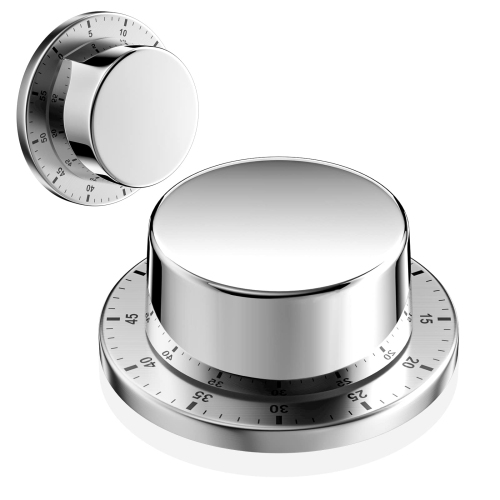
Size, materials, and placement affect how comfortably a kitchen timer fits into a cooking routine. A large display can be easier to read from across a countertop, but the contrast between the digits and their background, the viewing angle, and reflections from overhead lighting also influence legibility. Backlighting can help in a dim corner, while bold dial markings may appeal to anyone who prefers an analogue display. Sound deserves equal attention: an alert that carries over a range hood or running tap is useful, but adjustable volume can be more comfortable in a small kitchen or shared home. A flashing light or screen provides another cue when paired with an audible alarm, although its usefulness depends on the timer remaining within sight. Placement options commonly include a fold-out stand, a magnetic back, a hanging loop, or a clip. A stand keeps the screen angled towards the cook, while a magnet can free up work surface space on a suitable metal surface. Not every refrigerator door or appliance finish accepts magnets, and a secure attachment matters more than the magnet’s appearance. A flat base and non-slip feet can help a freestanding timer stay put when a button is pressed with one hand. Lightweight plastic housings are easy to move, stainless steel accents can complement other kitchen accessories, and silicone trim may improve grip or cushion small knocks, depending on the design. Smooth surfaces and controls without deep crevices are generally easier to wipe after handling flour or sticky ingredients. Compact formats suit smaller kitchens and cooks who move between preparation areas; Pocket Timers offer a related format for keeping a countdown close at hand. For portable use, button placement and a lock function, where included, can help prevent accidental changes. A timer should still be positioned where its display and alert remain useful, rather than tucked away where an alarm could be missed. Measurements are worth considering alongside display size, particularly when a timer needs to fit on a narrow shelf or beside a crowded preparation area.
Everyday durability comes from a combination of construction, sensible placement, and care suited to the timer’s design. Kitchen timers often sit near splashes, crumbs, and flour, but splash resistance is not the same as waterproofing or dishwasher suitability. A lightly dampened cloth is generally appropriate for wiping an exterior when permitted by the care instructions, with particular attention to keeping moisture out of battery compartments, speaker openings, and seams. Direct heat, steam, and the edge of a sink are poor locations for a device unless it is specifically designed for those conditions. On battery-powered models, battery type and compartment access influence routine upkeep; a familiar replacement size can be convenient, while a securely fastened cover is important in a household with children. Mechanical designs avoid battery changes, although their winding method and dial markings still need to be easy for the intended user to manage. Frequently used buttons should feel distinct and respond consistently, and a stand or clip should remain steady through repeated handling. Practical details become especially noticeable during ordinary cooking: a recall function can bring back the interval for another batch of cookies, a pause control can hold a countdown during an interruption, and an alarm that continues until acknowledged may be helpful when attention is divided. These features vary, rather than being standard across all timers. For enthusiastic bakers, a timer can support repeatable results between batches; for students and people setting up a first kitchen, a simple model can make everyday meal preparation easier to organize. It can also be a useful gift for a home cook whose hands are often occupied with dough, utensils, or washing up. A timer measures elapsed time rather than doneness, so food still needs the appropriate visual checks or a food thermometer when relevant. Its role is to provide a dependable reminder at the right moment, whether that means checking a simmering pot, rotating a baking tray, or returning to a bowl of dough before the next step.
Top selling and popular products
-
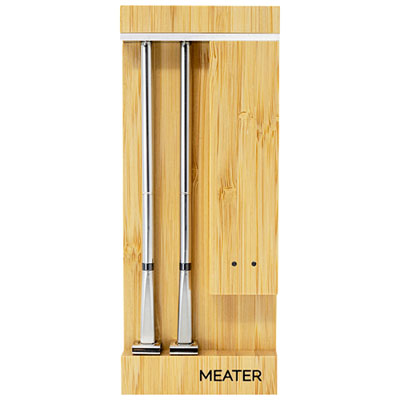 Your price for this item is $199.98
-
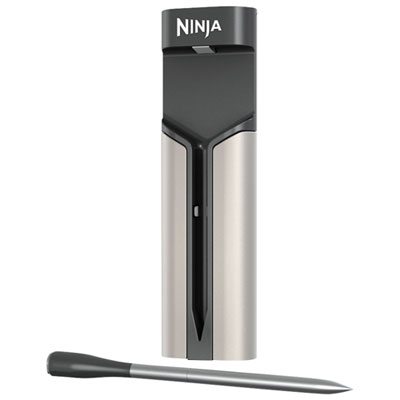 Your price for this item is $129.99
-
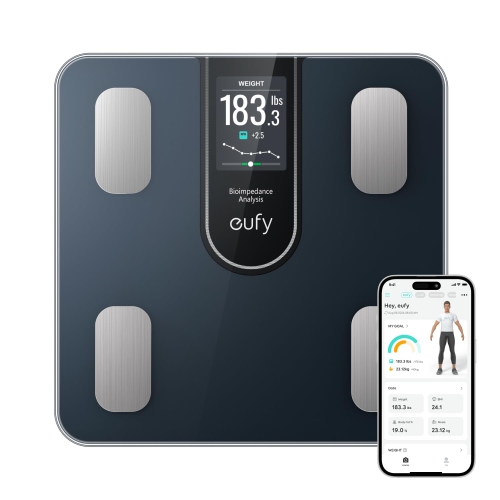 Your price for this item is $69.74
-
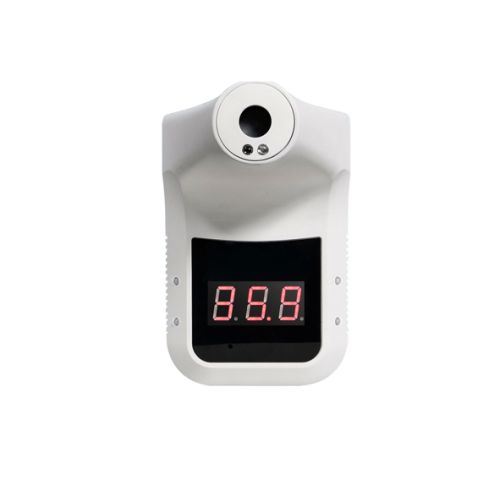 Your price for this item is $149.99
-
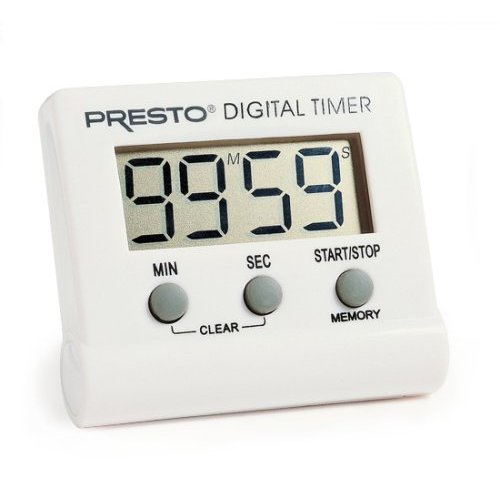 Your price for this item is $12.99
-
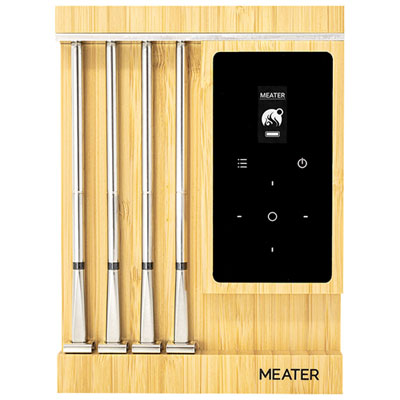 Your price for this item is $379.99
-
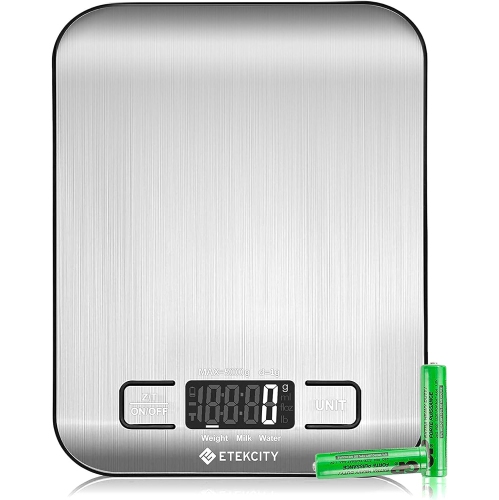 Your price for this item is $21.99
-
 Your price for this item is $17.99
Discover more categories related to Kitchen Timers
Top Collections:
Best Black Friday Deals This Year, Best Black Friday Deals On Electronics, Kindle Devices, Pokemon Centers, Best Black Friday Deals On Apple Products, Best Cameras for Sports Photography, Dyson Airwrap, Pokémon 30th Celebration Cards, Apple iPhone 17 Pro, Canon G7X Cameras
Some products may be subject to Environmental Handling Fees
(EHF) depending on your province.
Learn more about EHFs.