Kitchen Tool Organizers
Keep your kitchen clutter-free and well-organized with our range of kitchen tool organizers. From drawer inserts to wall-mounted racks, we offer a variety of solutions to help you store and access your cooking utensils with ease. Say goodbye to rummaging through messy drawers and cabinets, and hello to a tidy and efficient kitchen workspace. Whether you're a seasoned chef or just starting out, having the right tools at your fingertips can make all the difference in your culinary adventures. Browse our selection of kitchen tool organizers to find the perfect storage solution for your space.
Sort
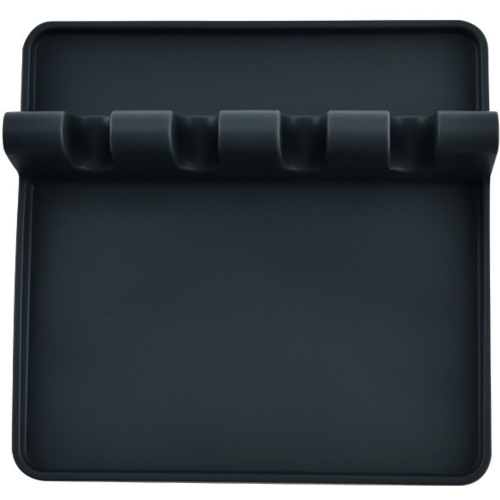

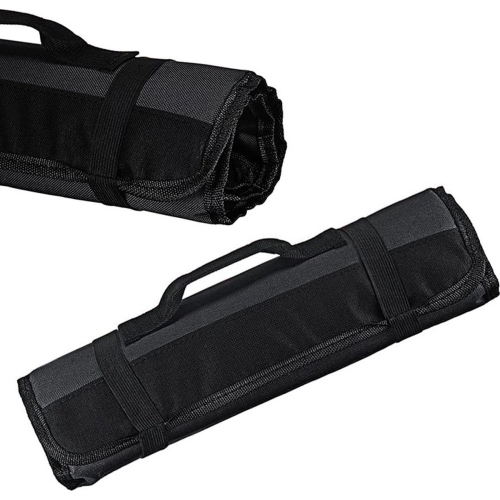
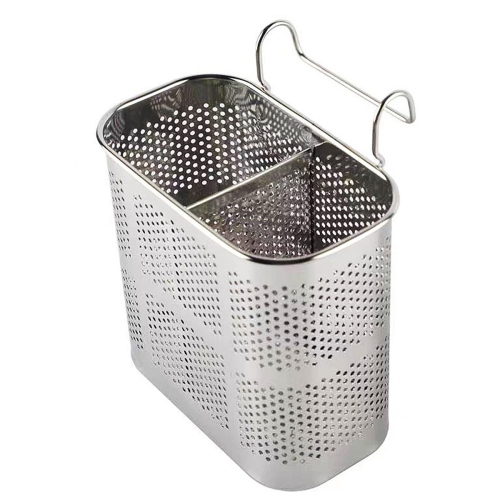
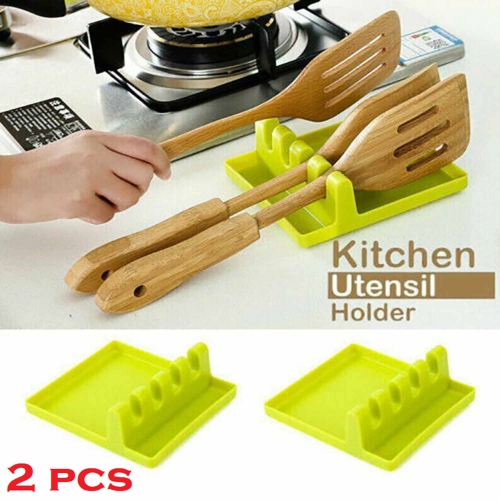
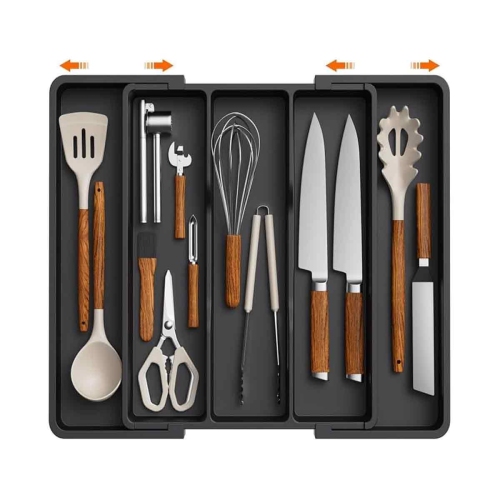
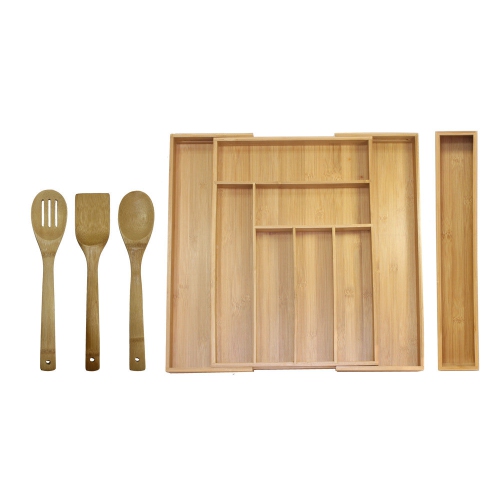
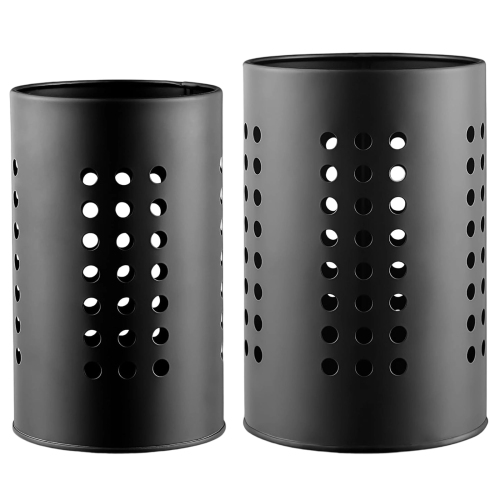
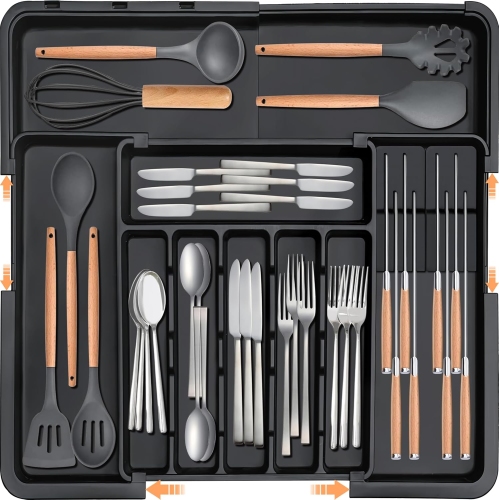
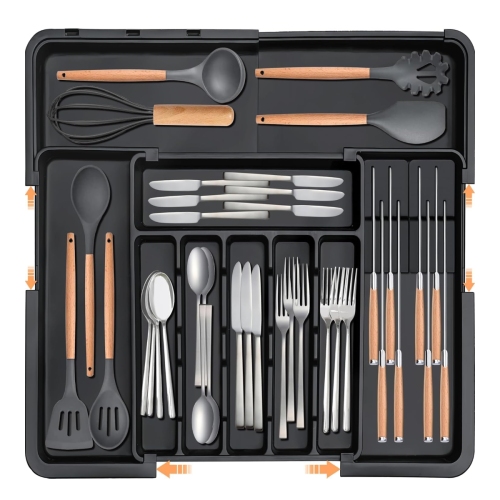

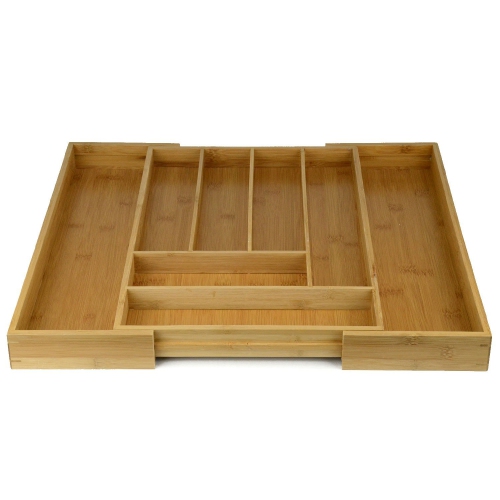
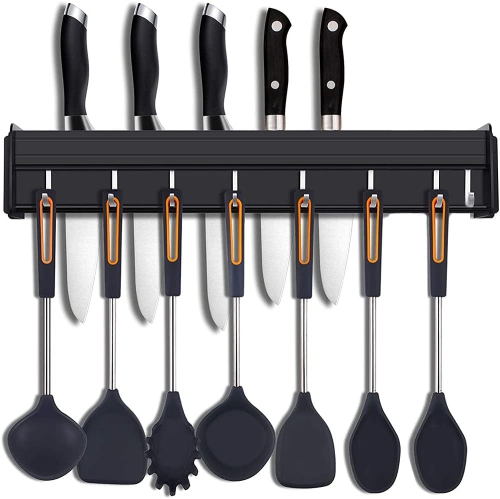

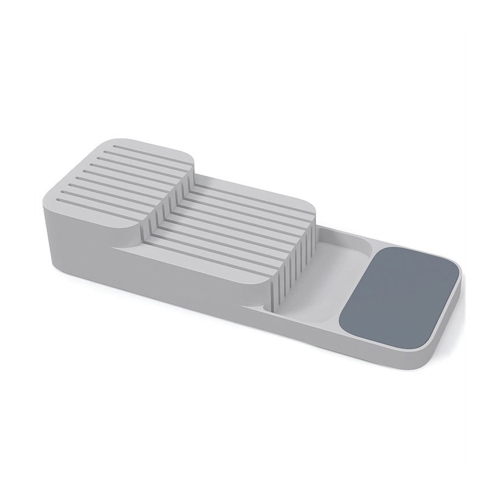
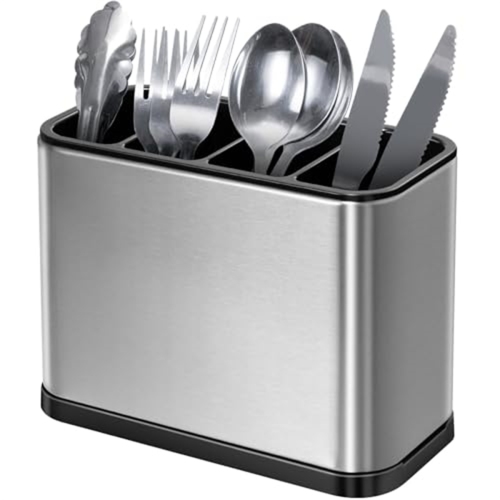

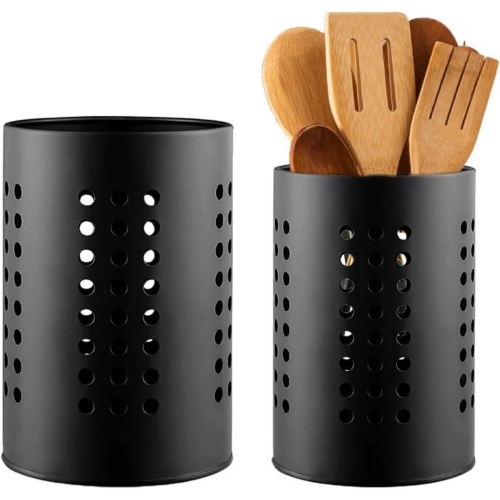
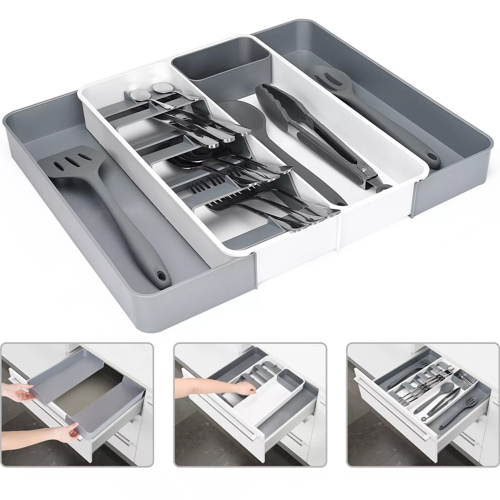
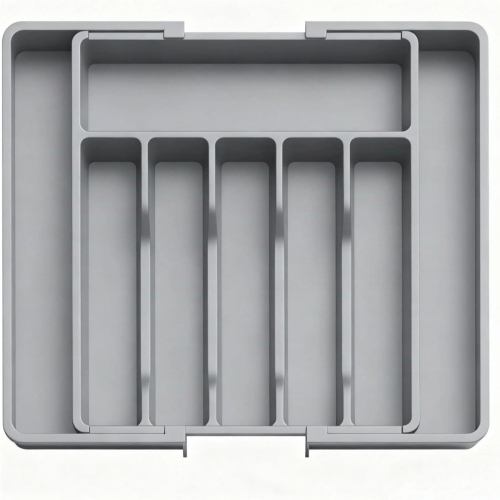
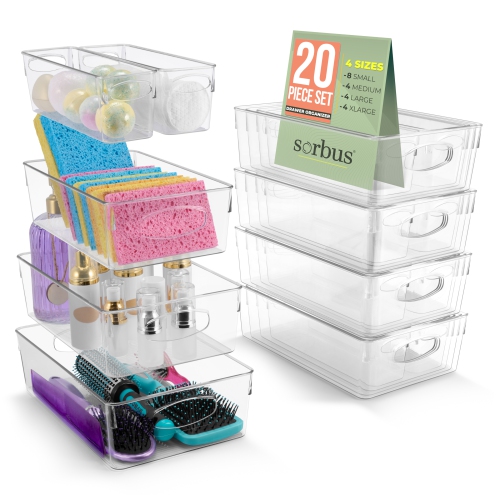
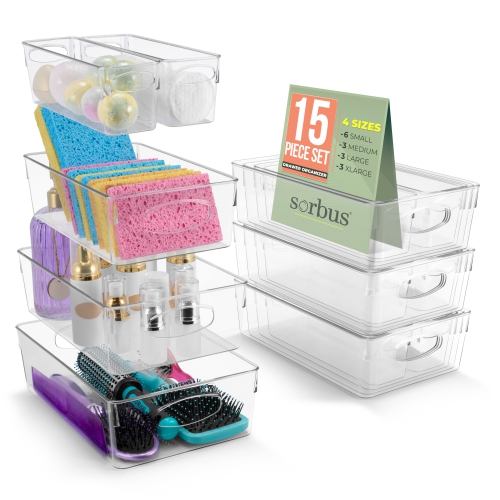
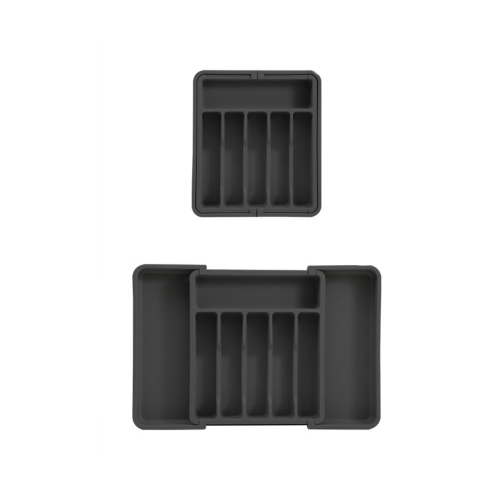
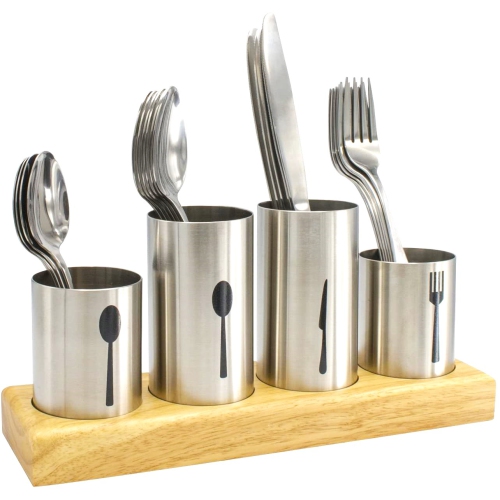
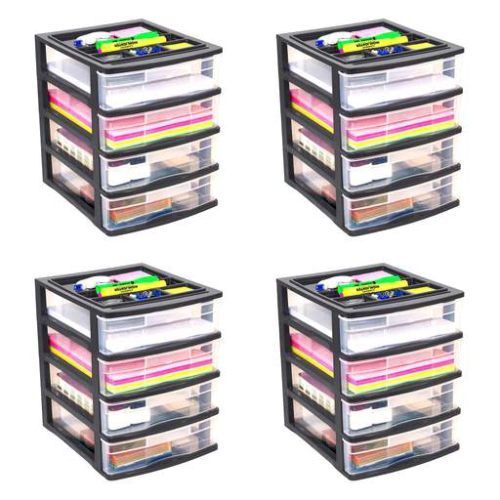
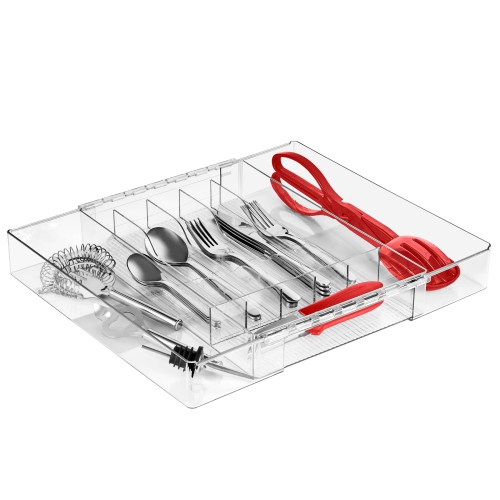
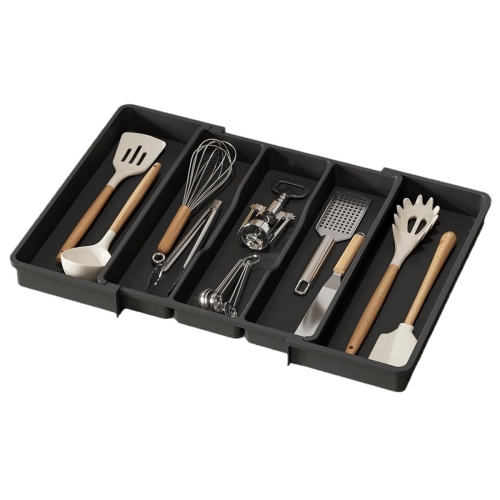
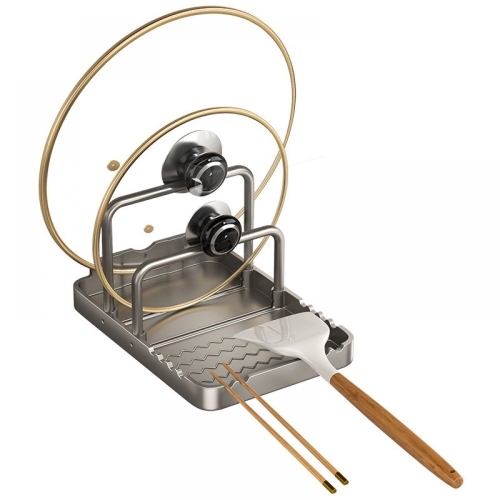
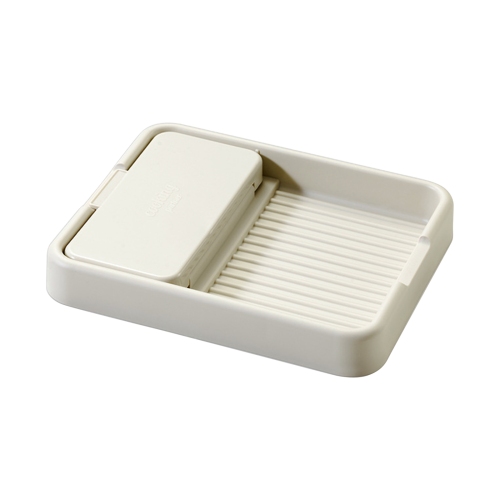
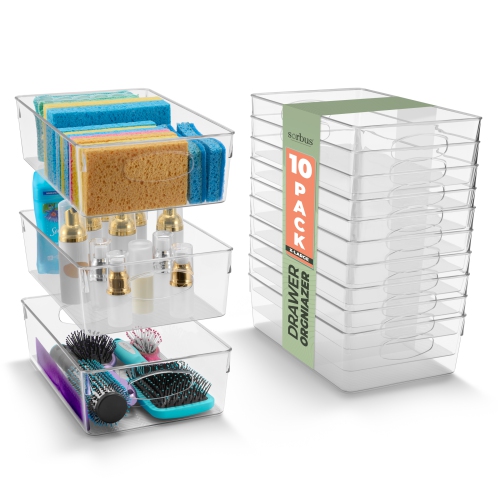
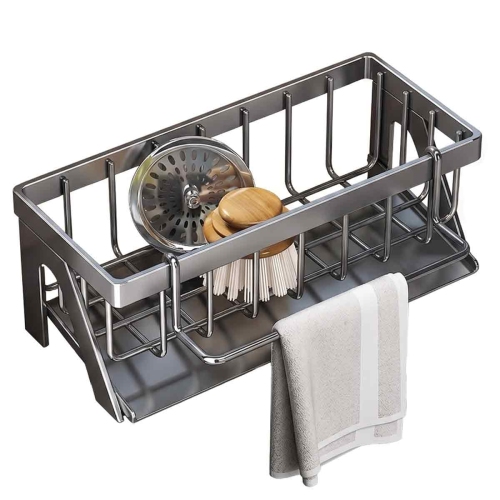
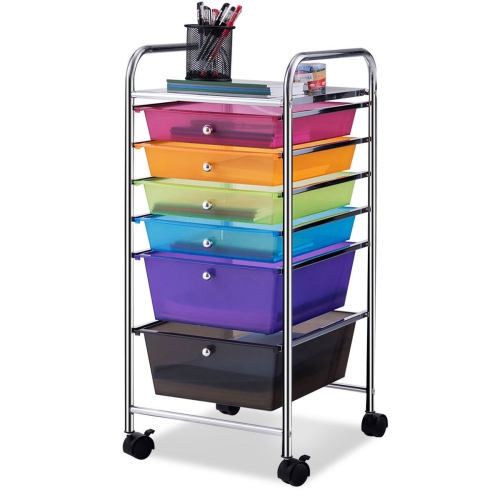
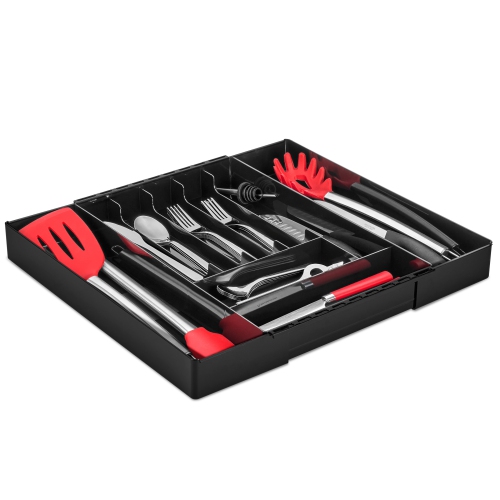

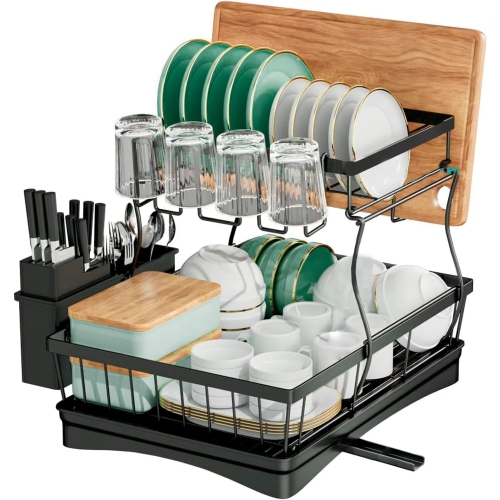
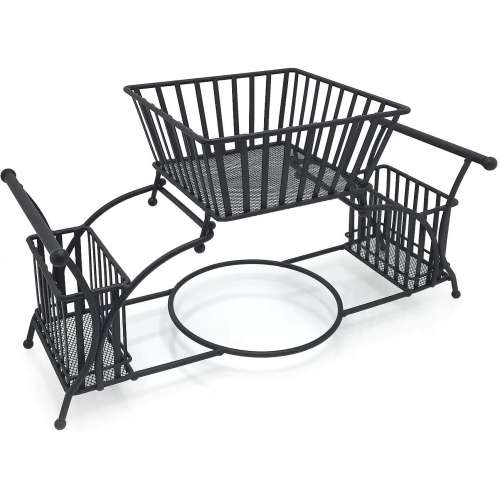
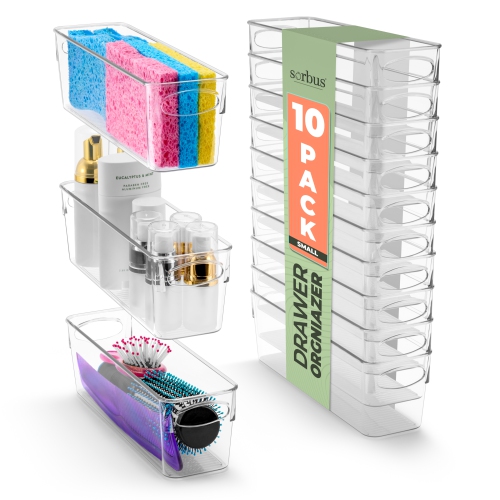
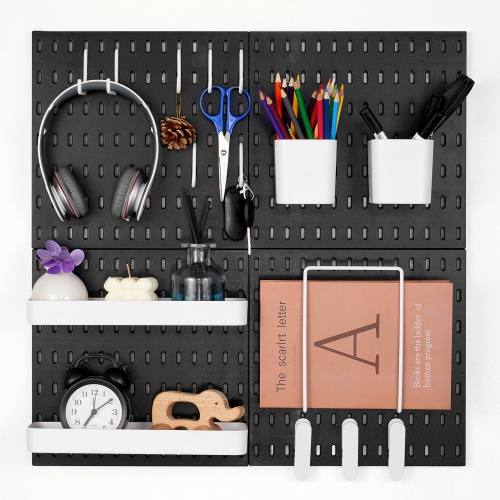
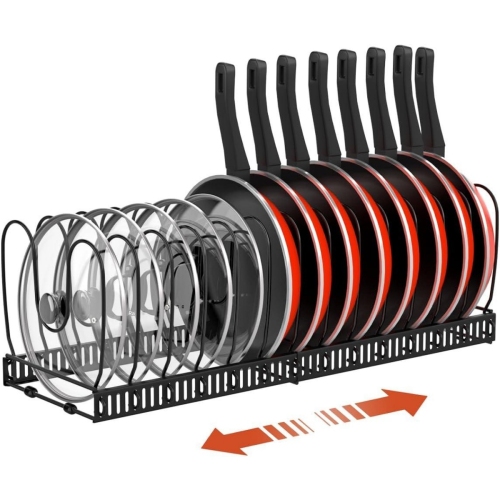
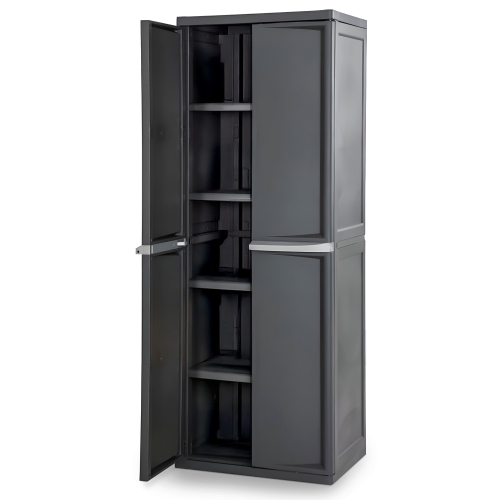
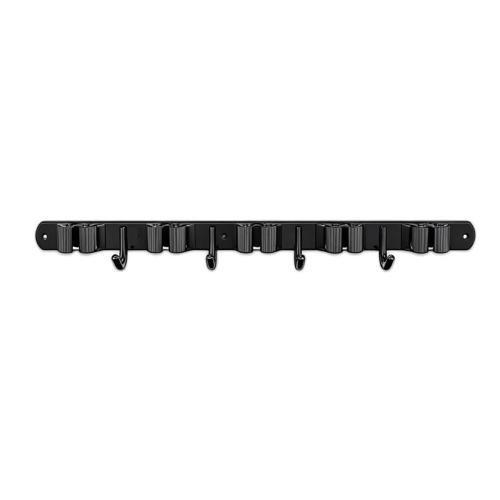
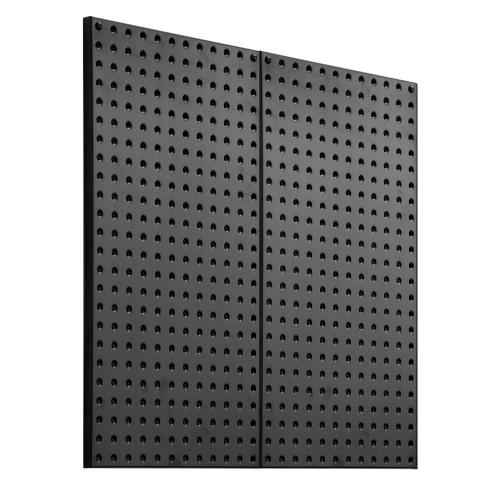
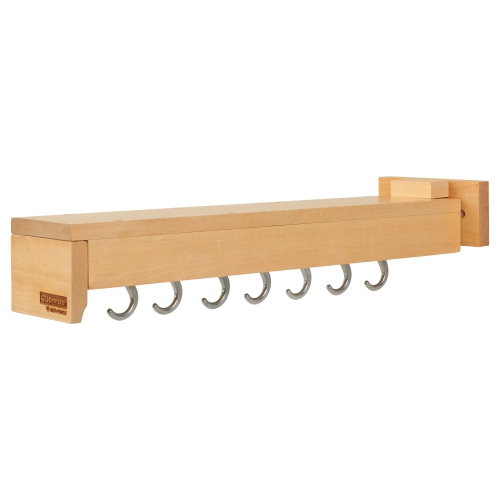
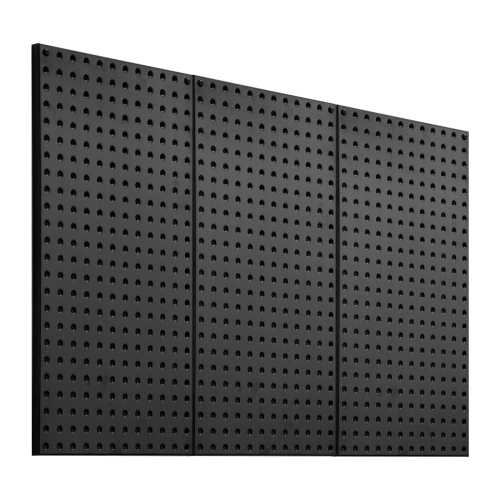

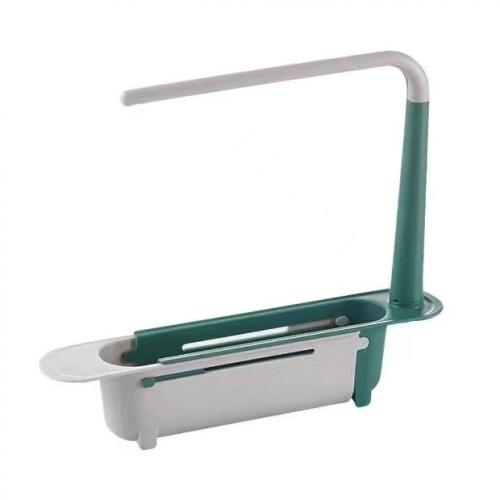
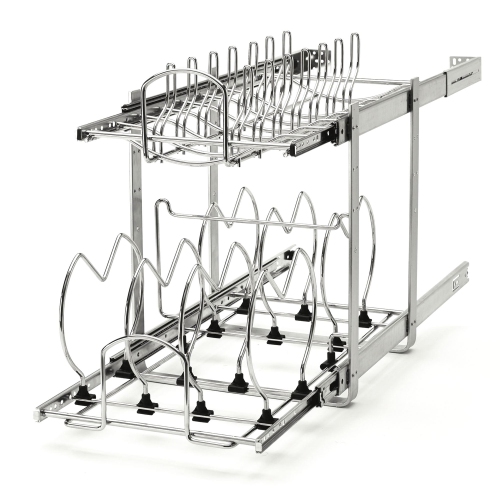
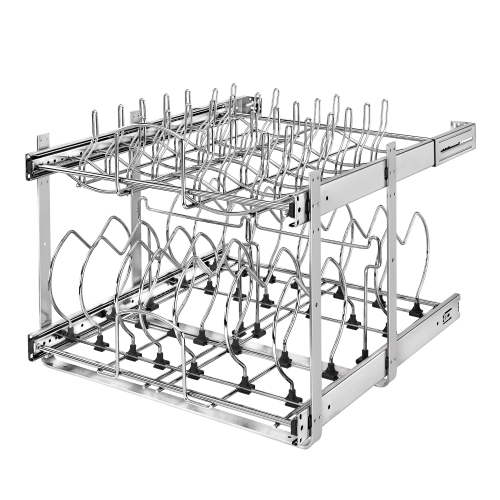
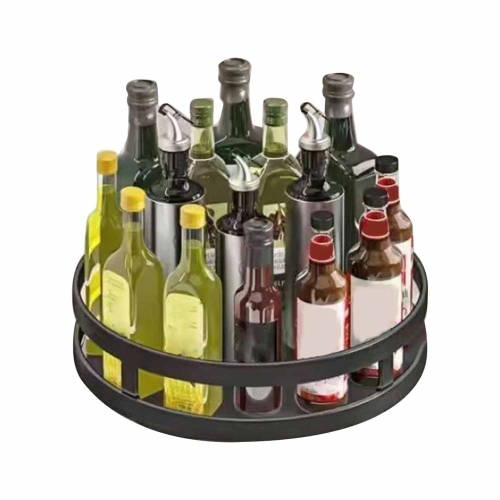
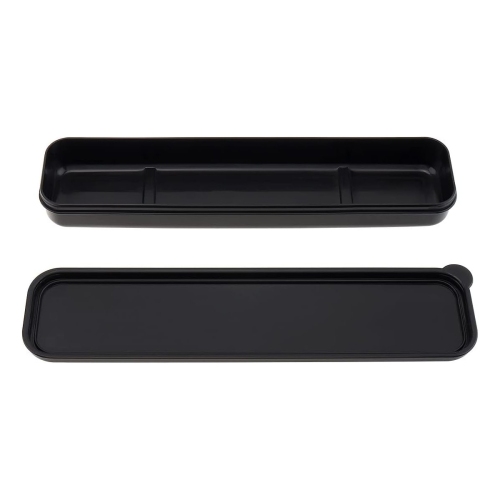
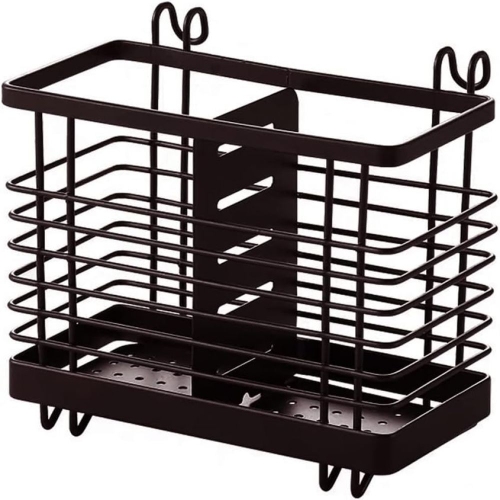
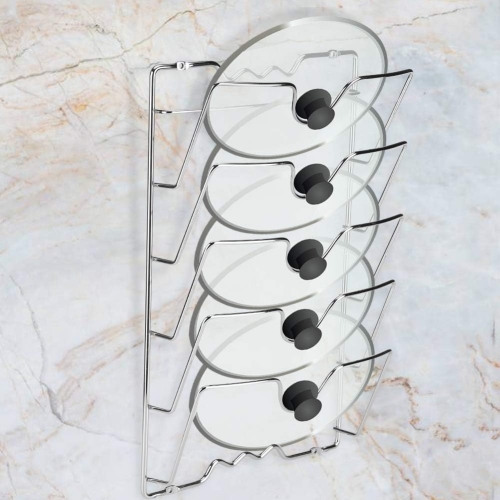
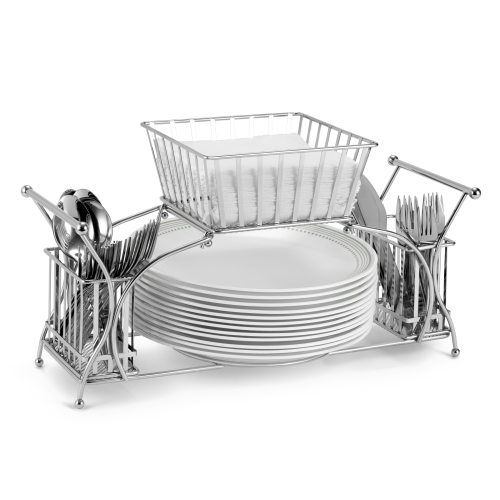
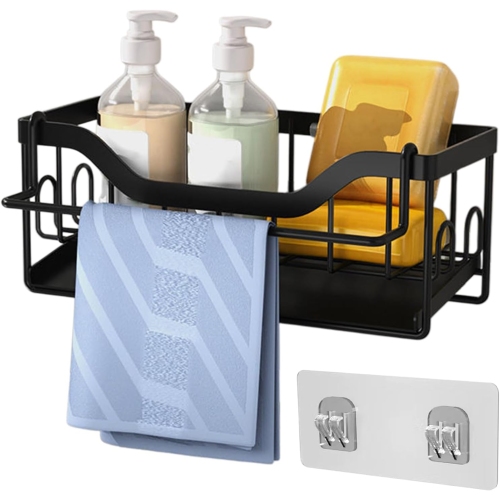
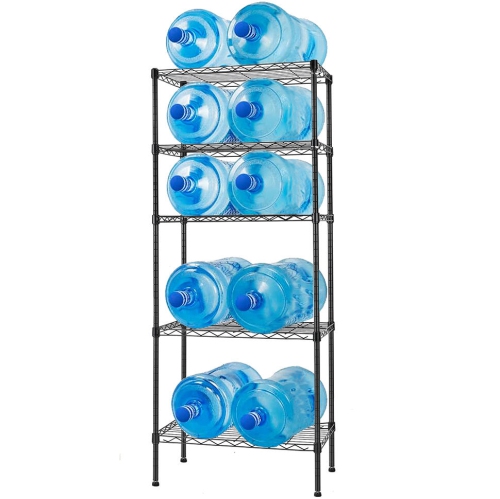
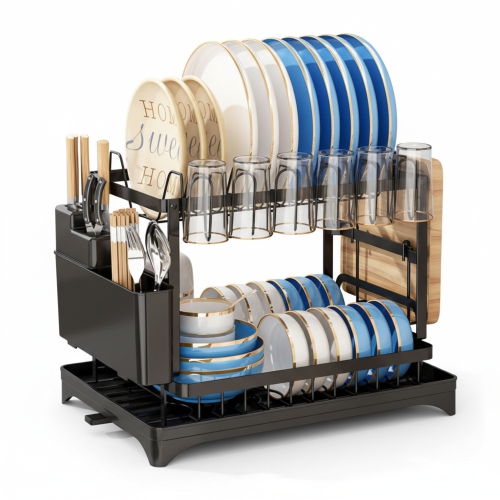
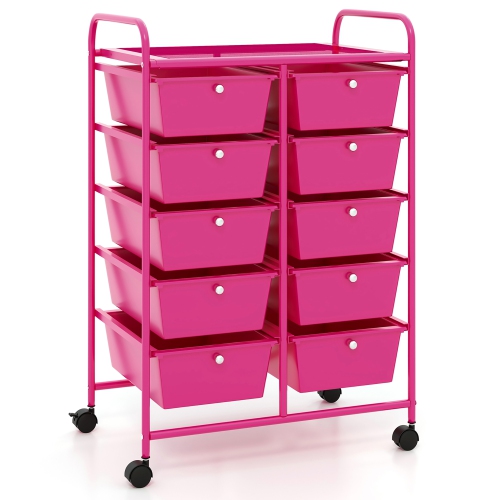
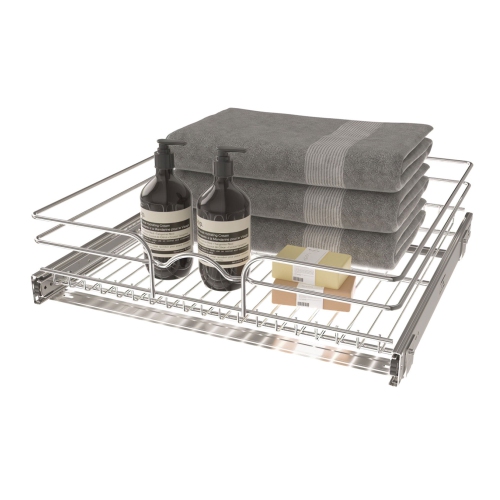
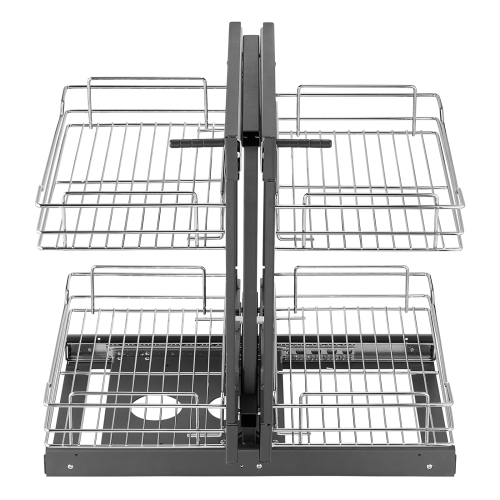
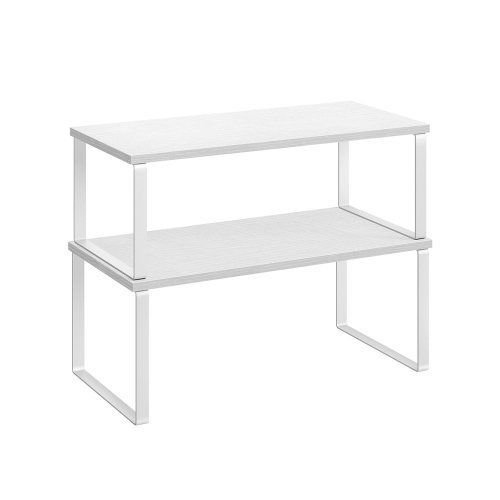
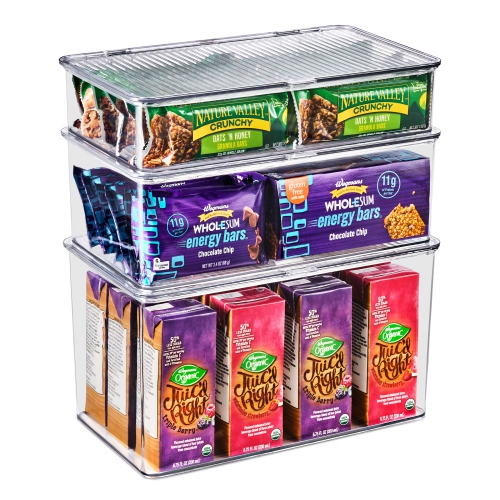
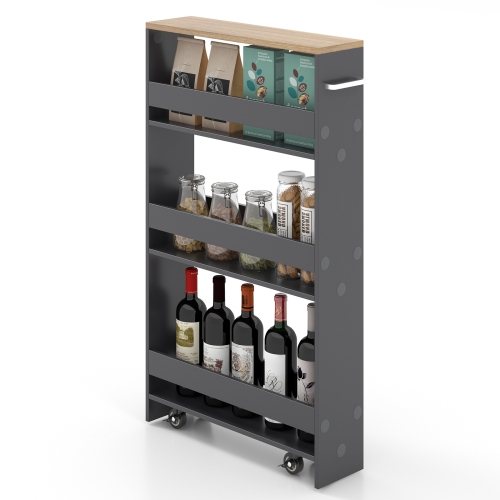
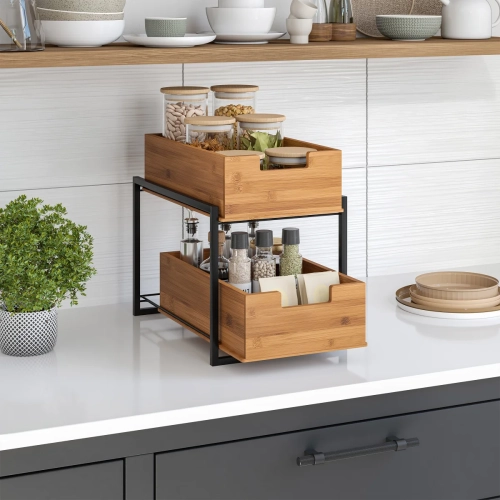
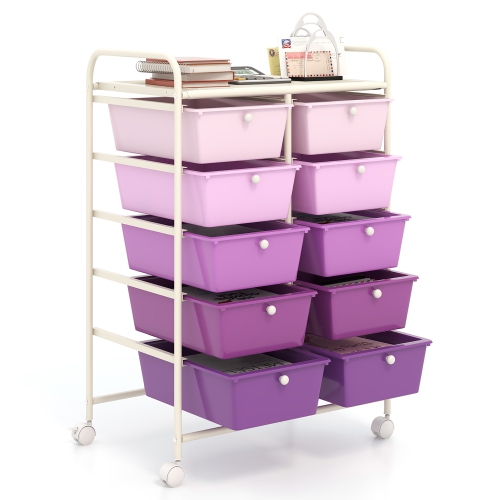
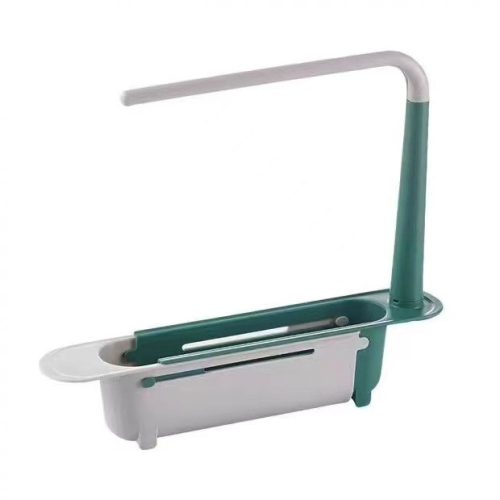
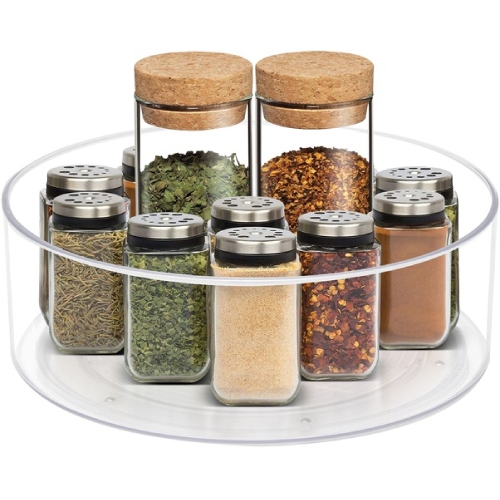
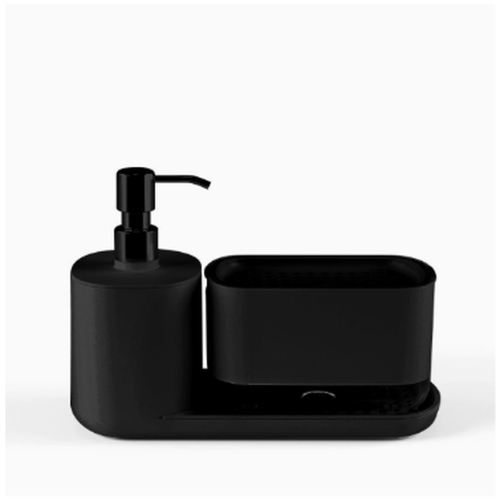
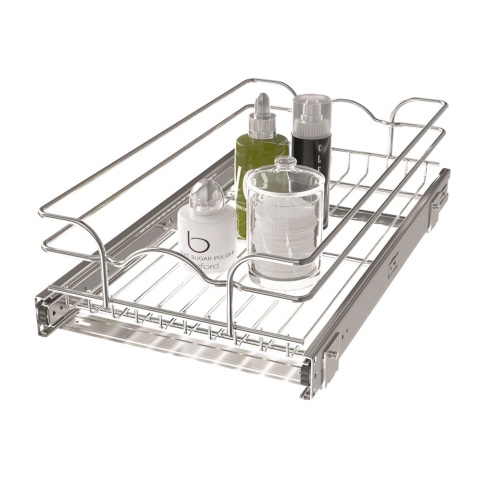
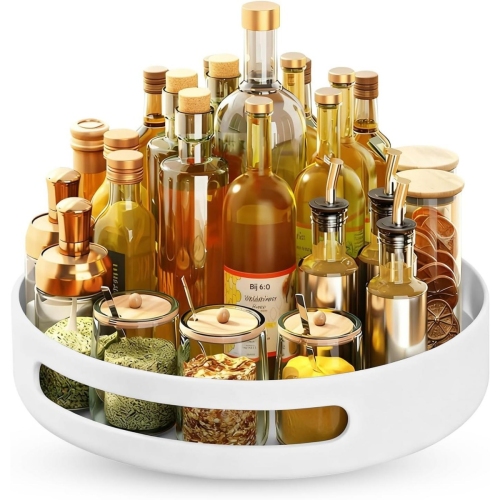
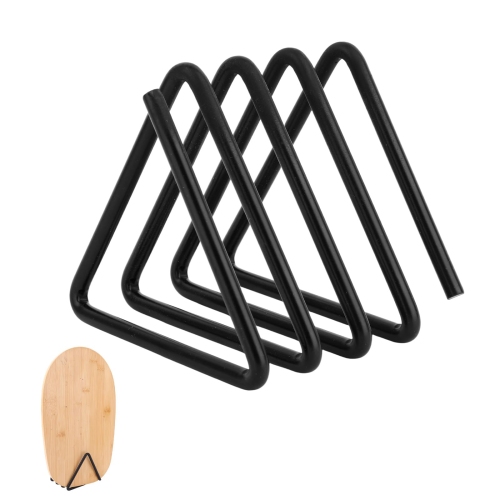
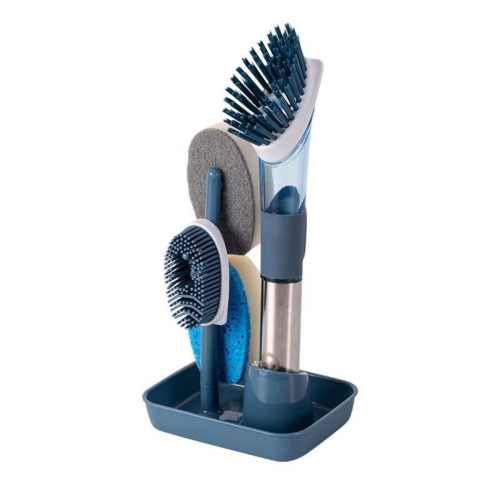
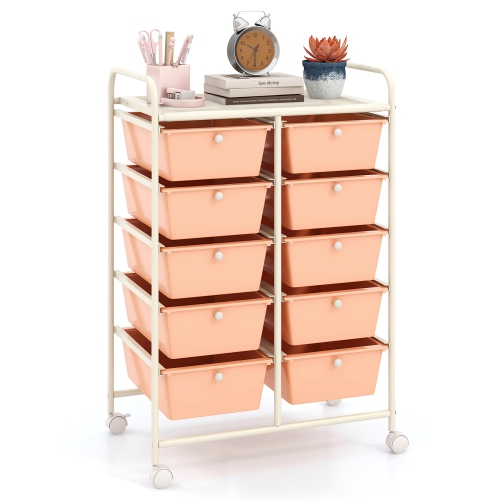
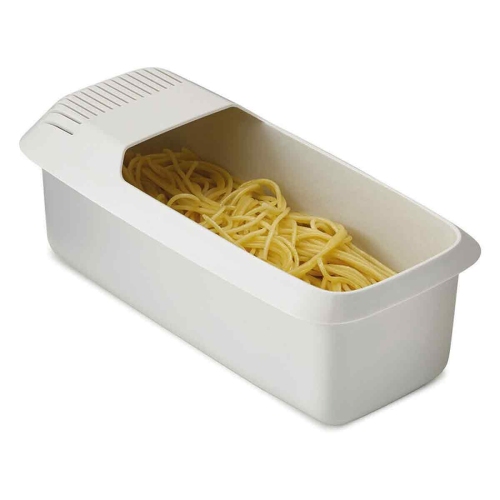
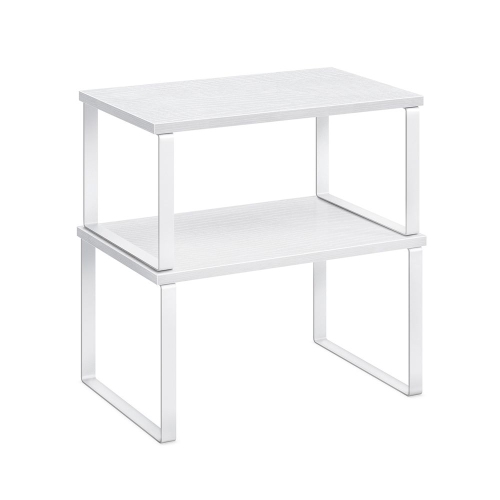
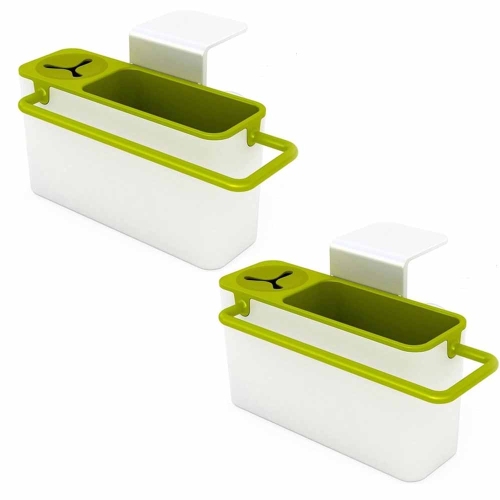
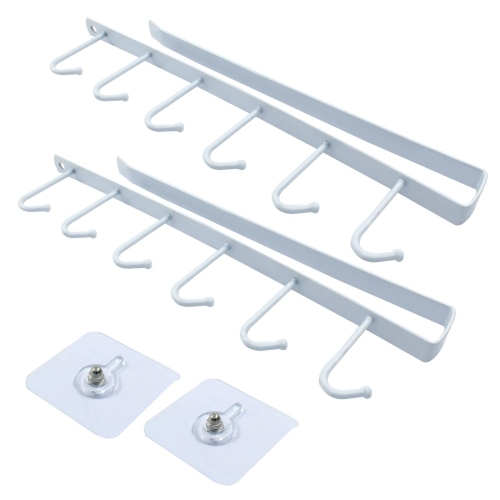
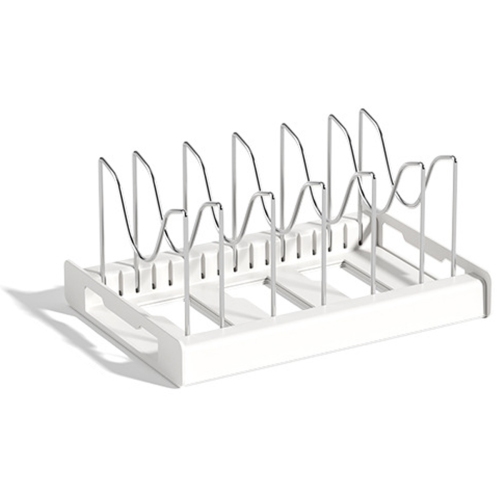
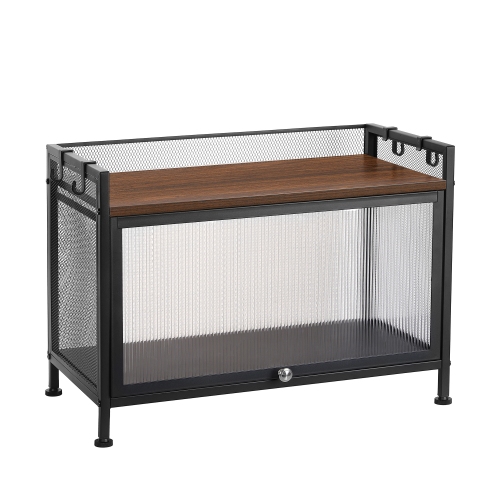
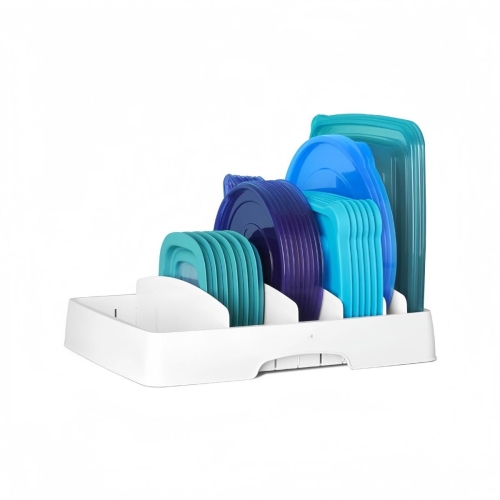
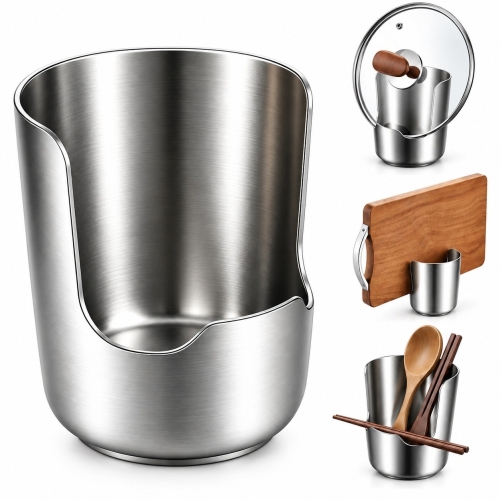
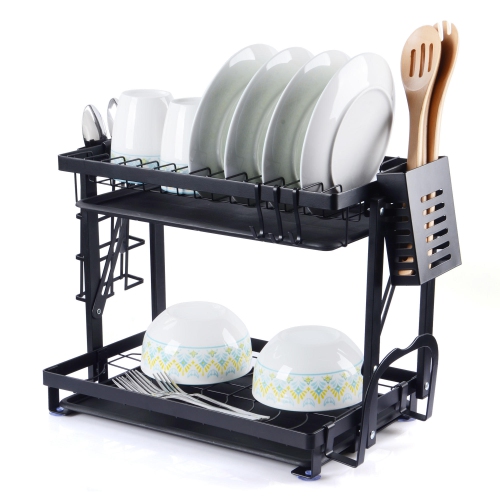
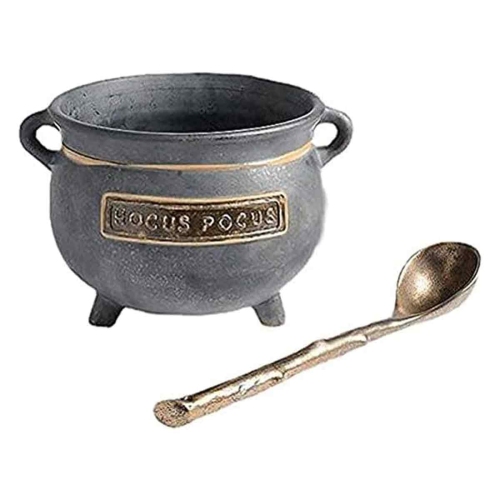
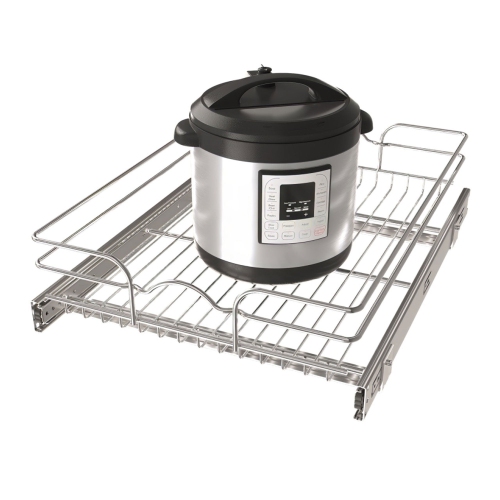
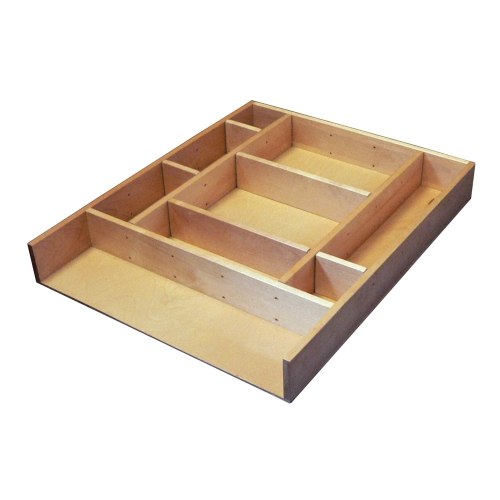
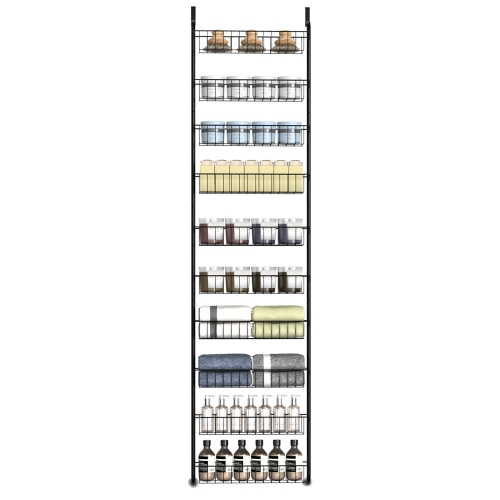
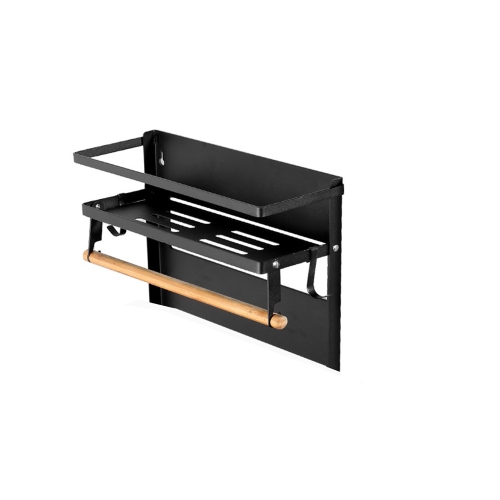
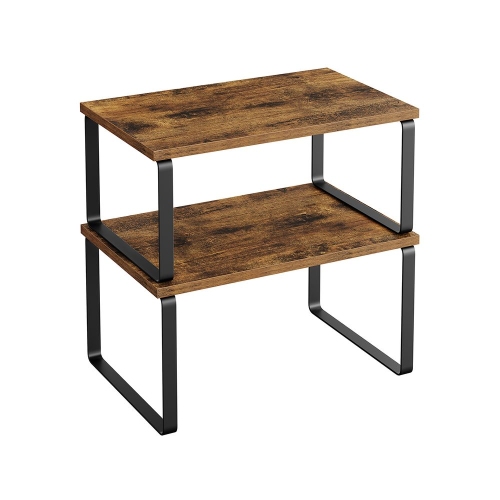
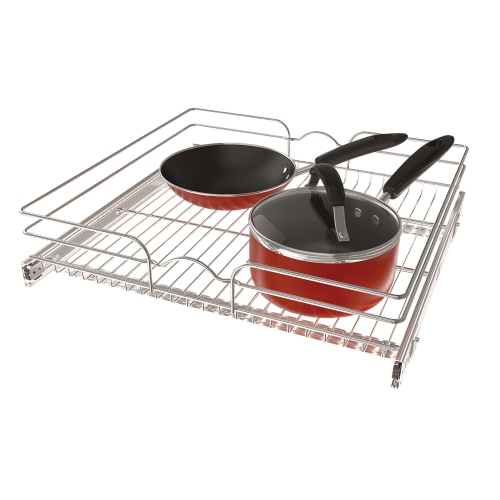
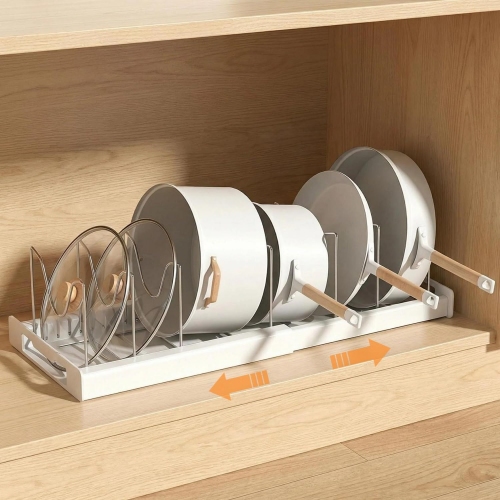
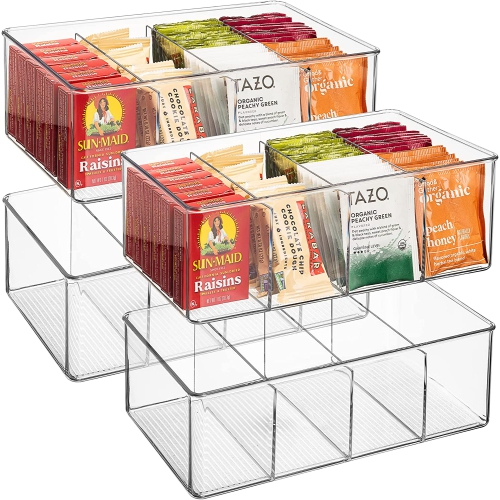
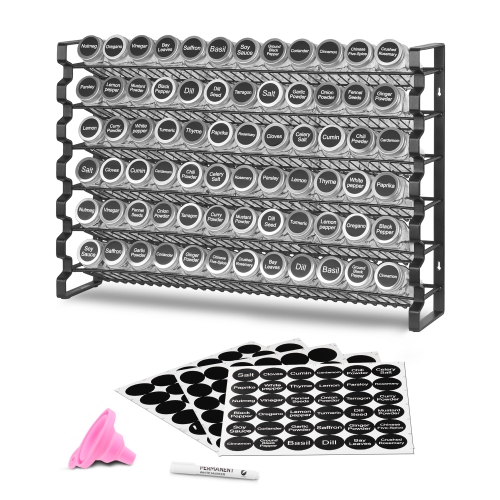
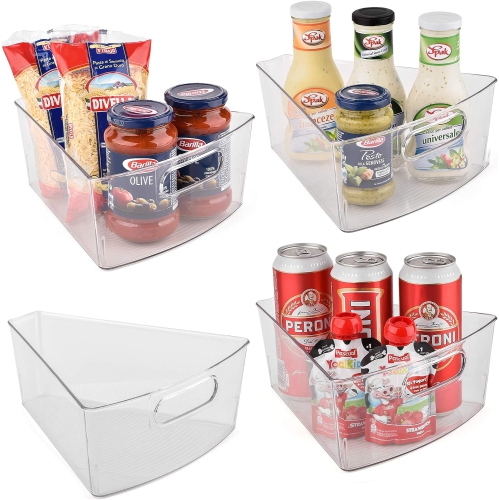
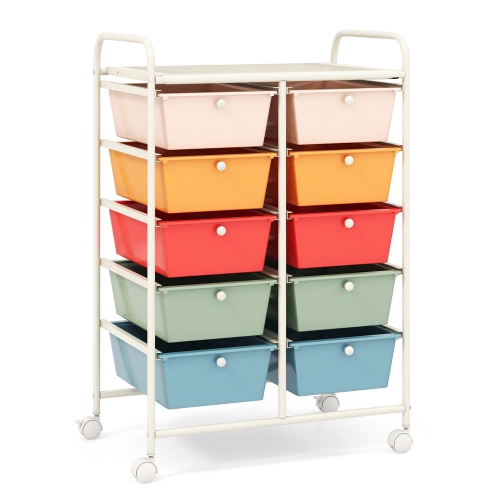
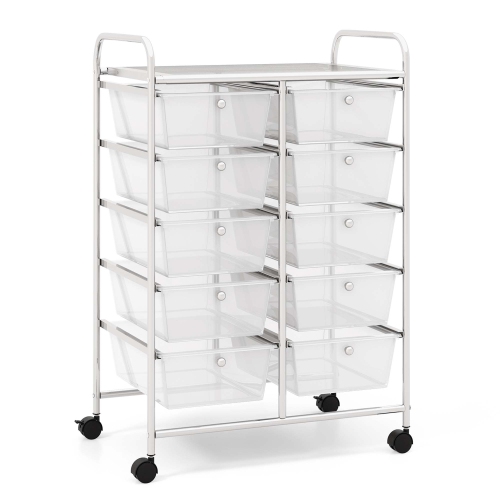
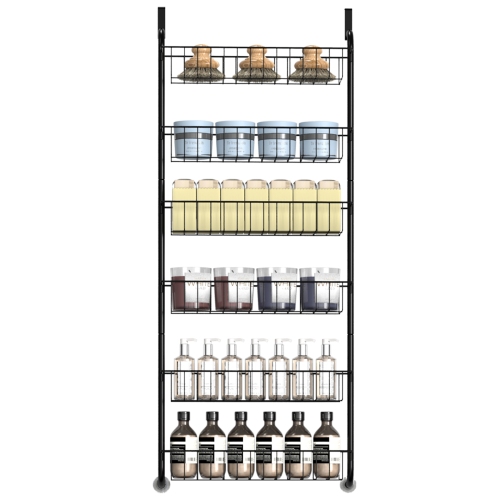
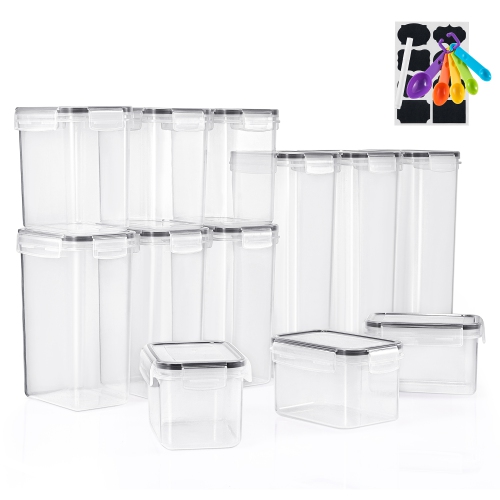
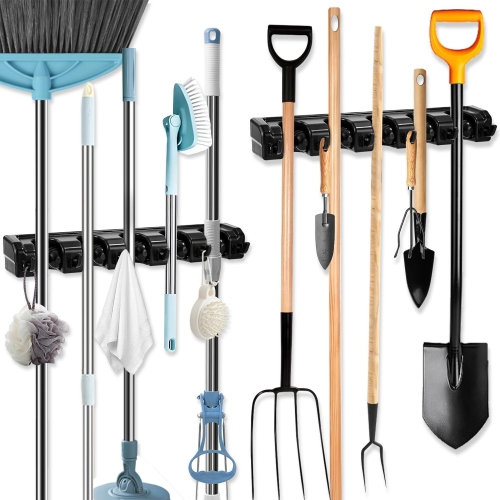
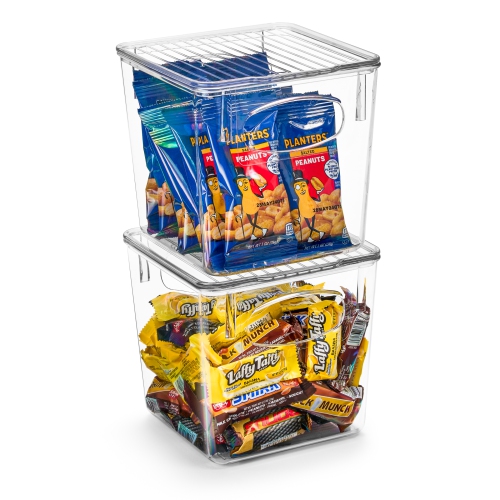
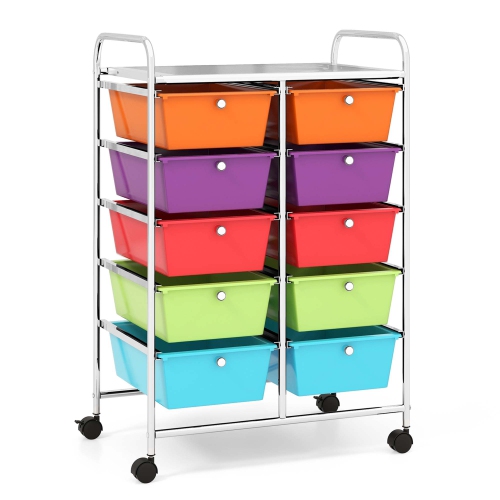
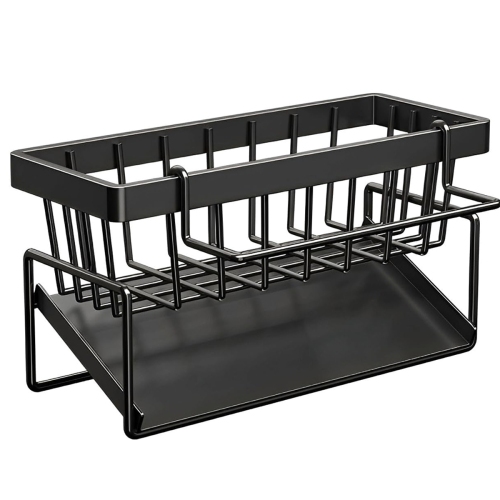
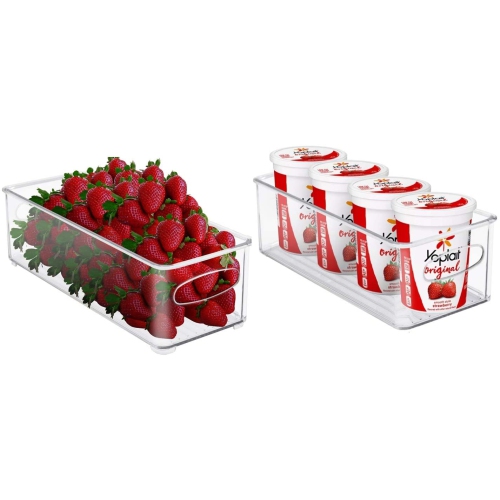
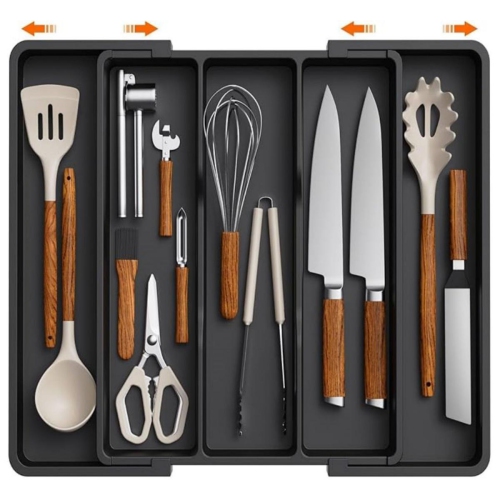
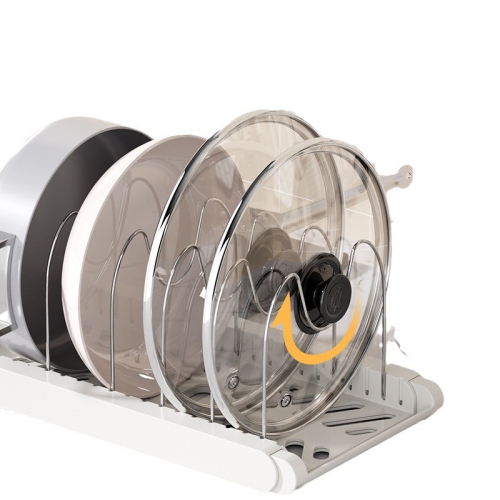
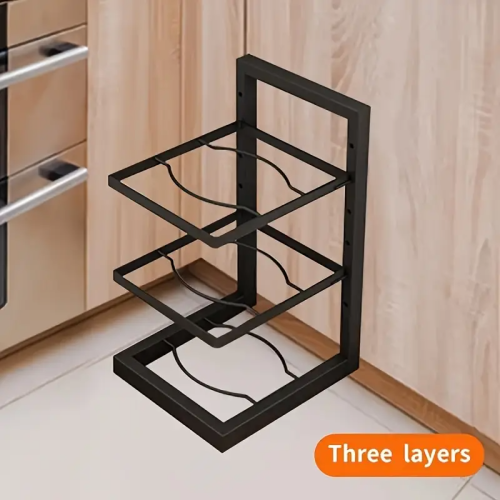
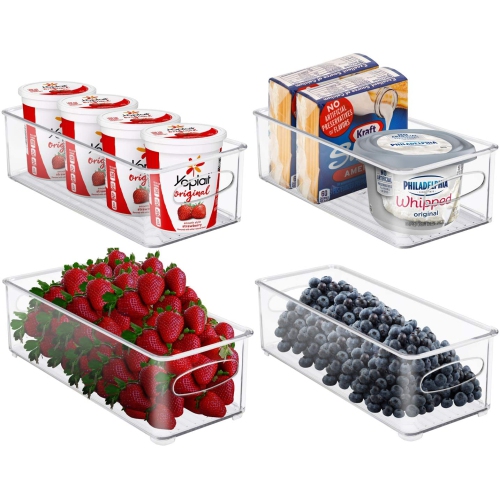
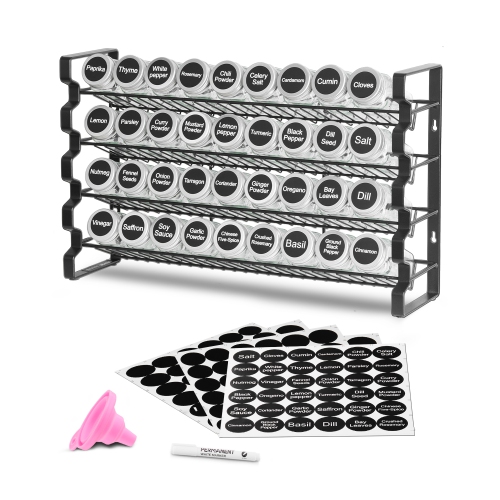
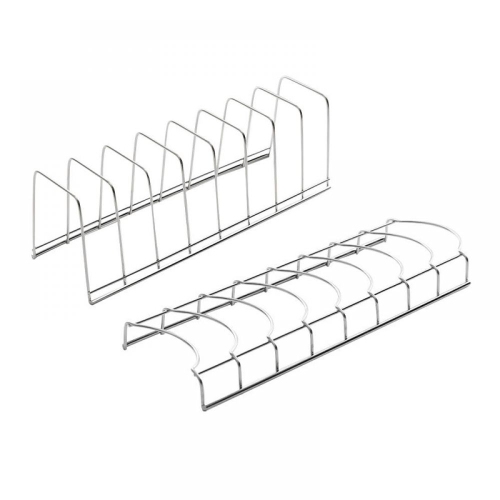
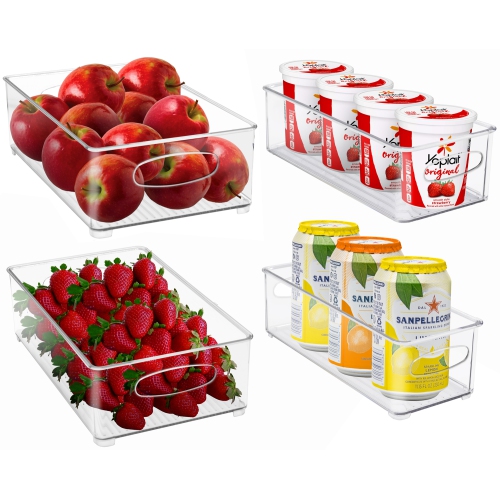
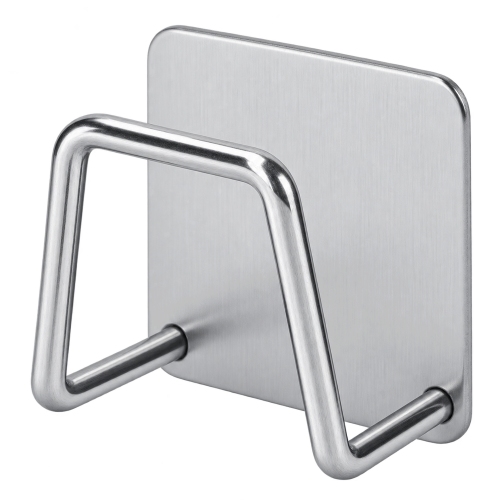
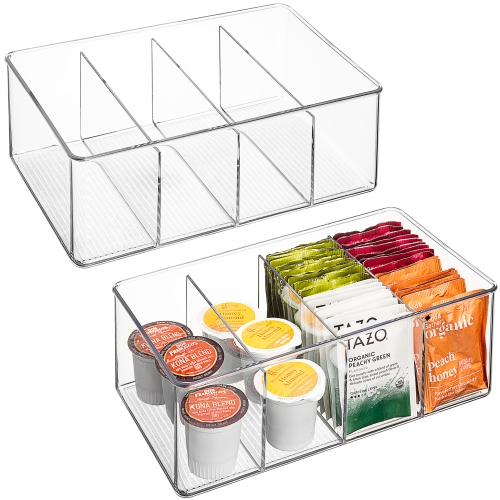
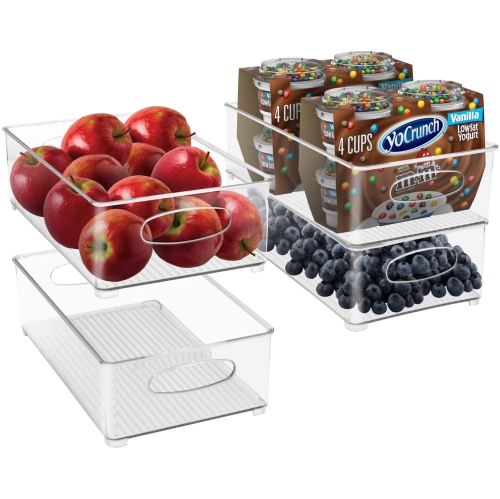
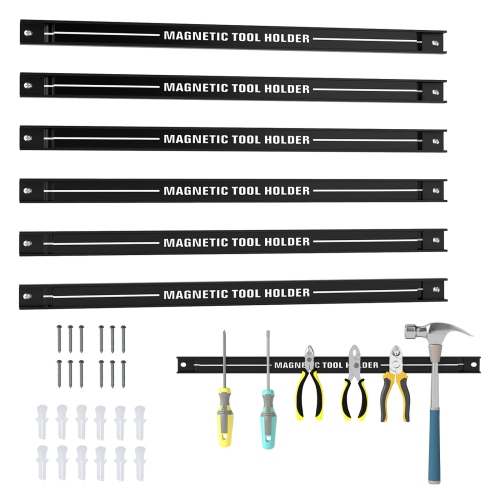
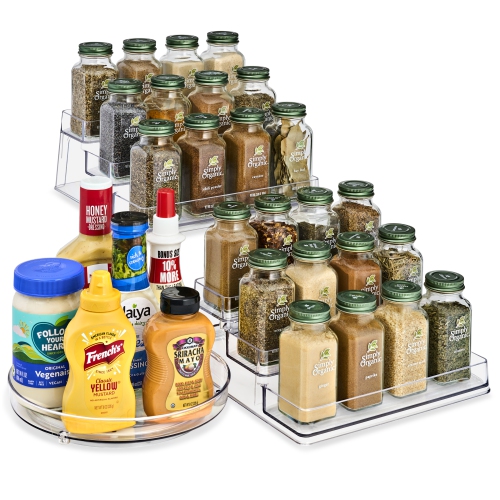
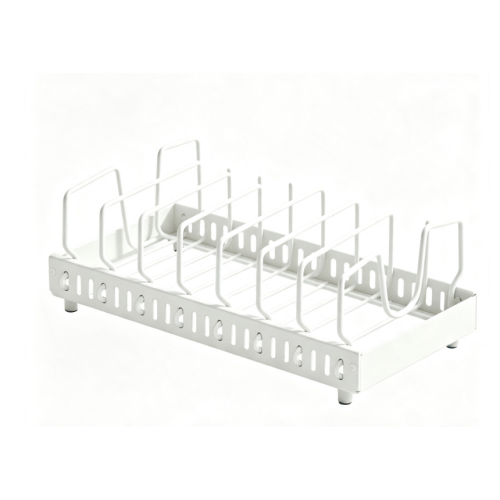
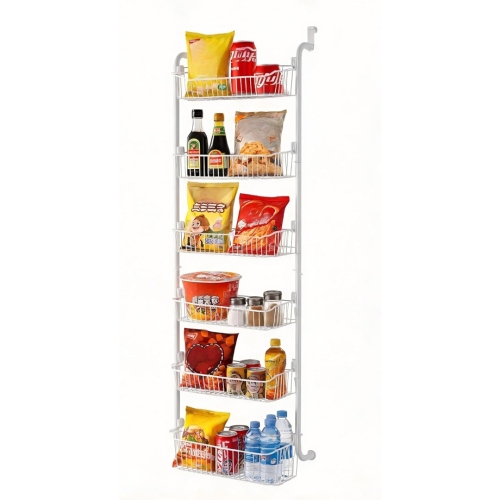
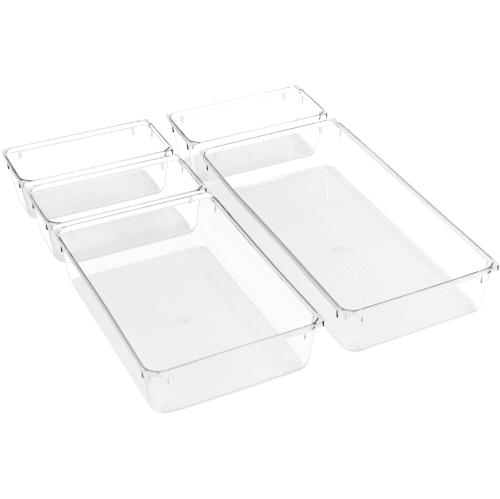
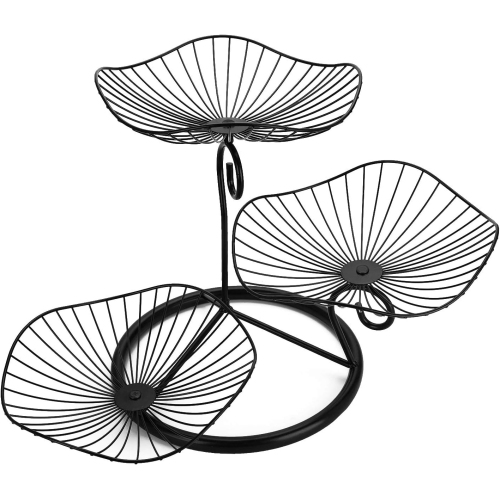
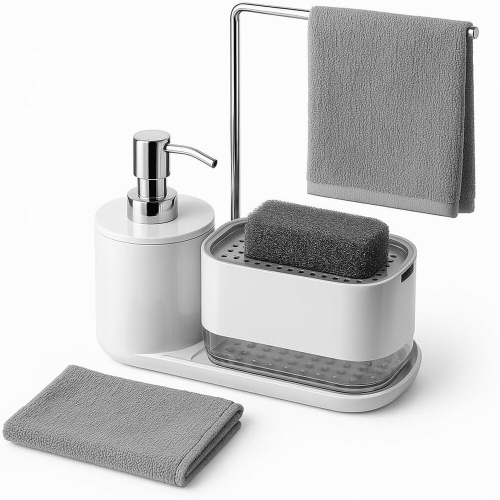

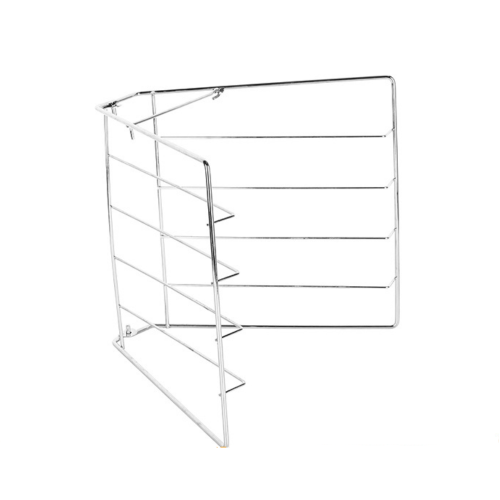
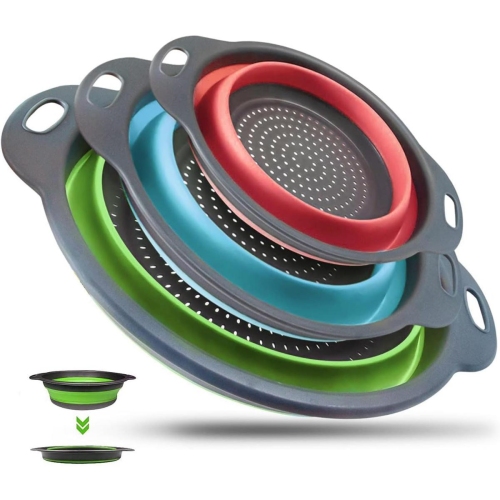
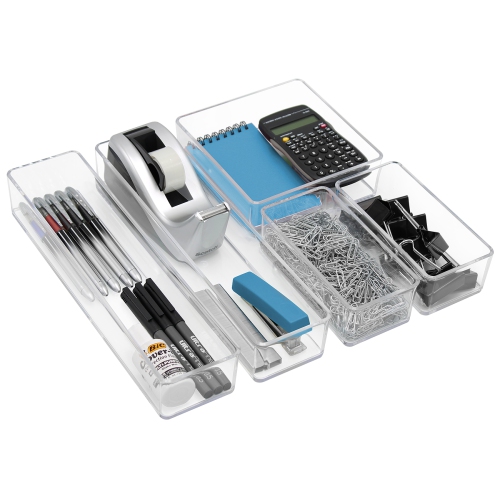
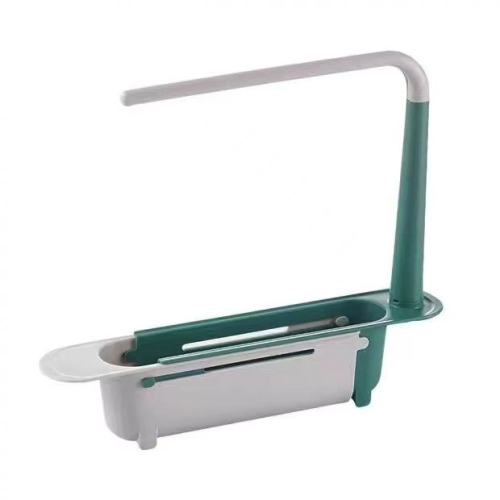
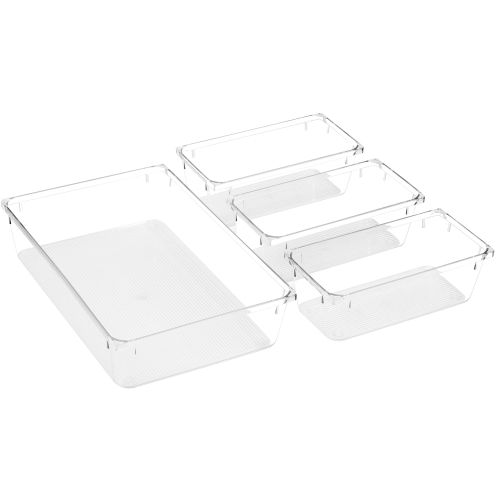
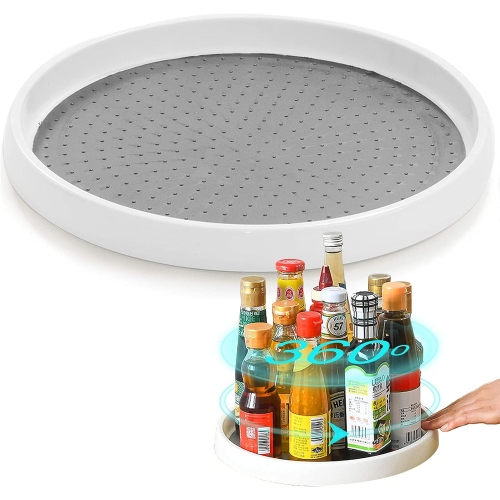
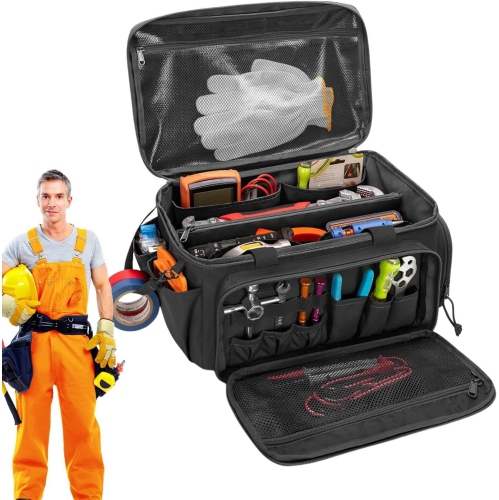
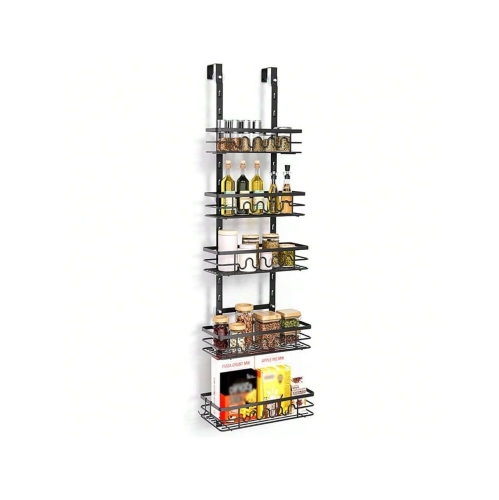
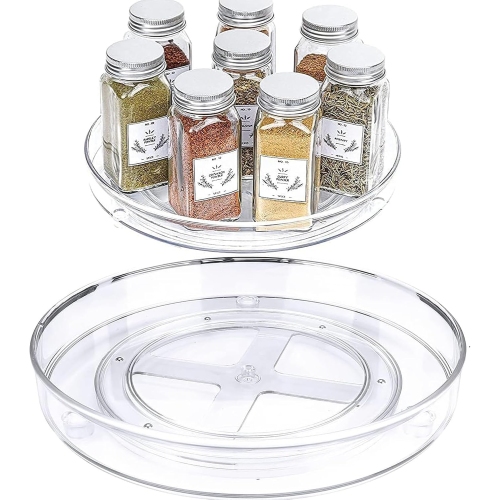
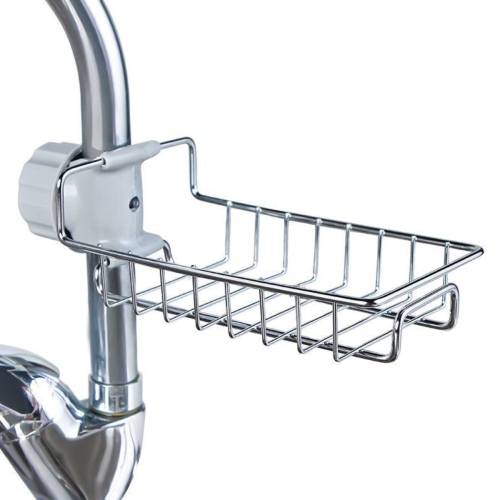
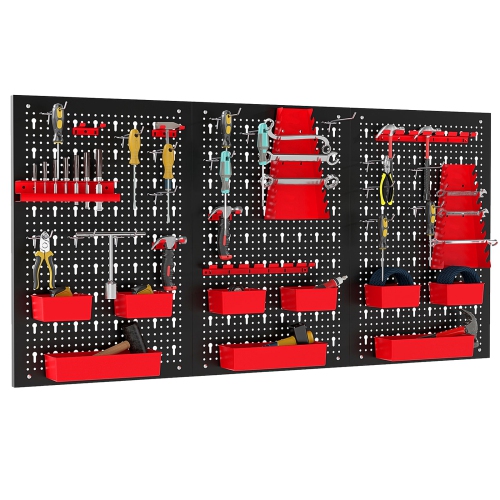
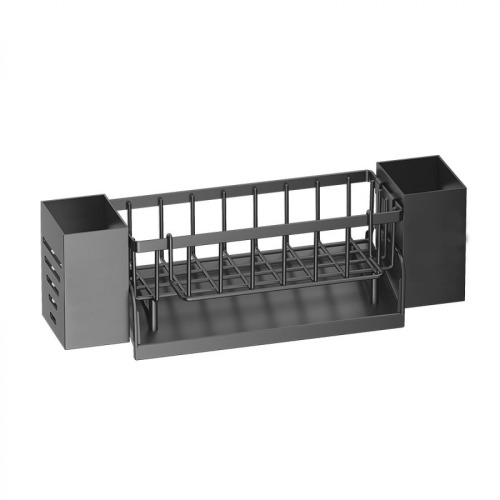

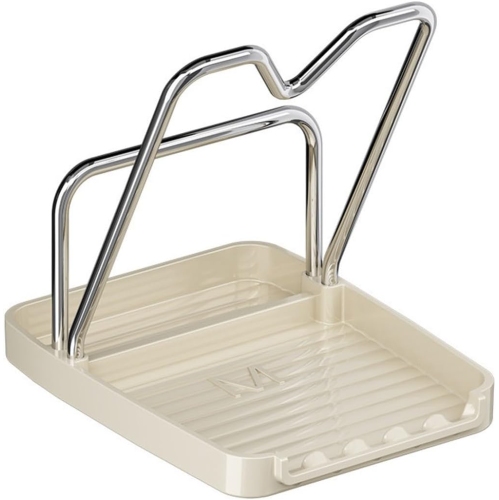
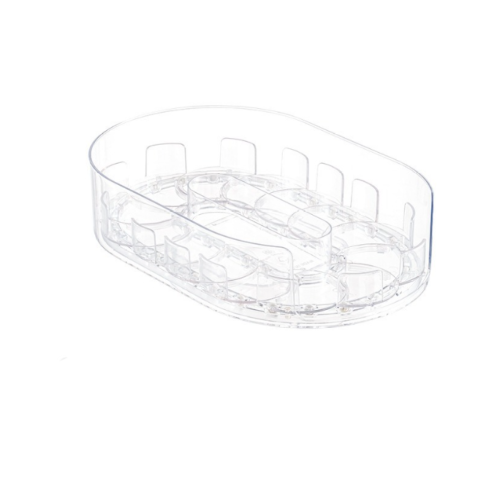
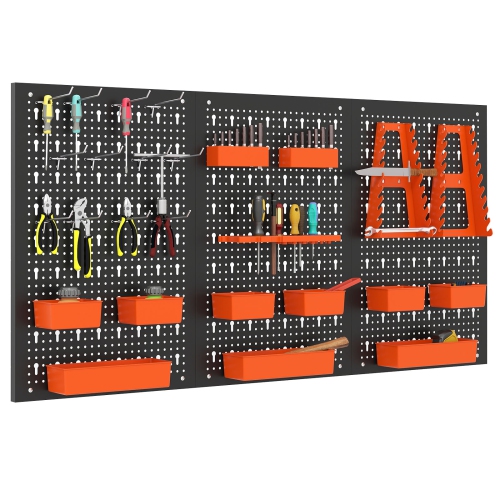
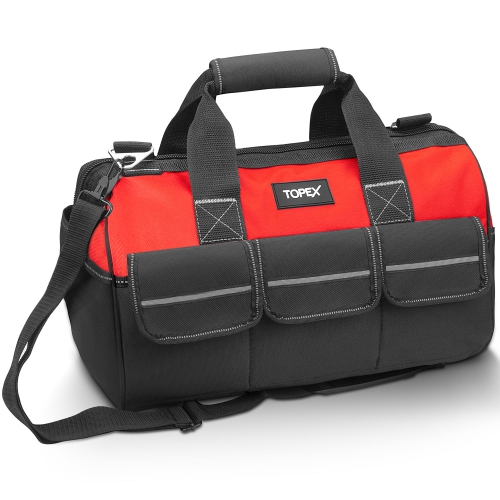
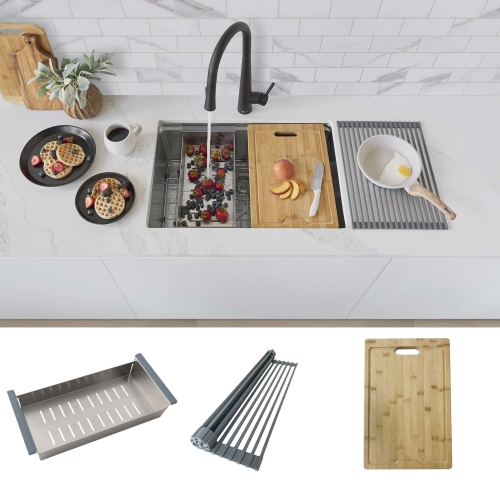
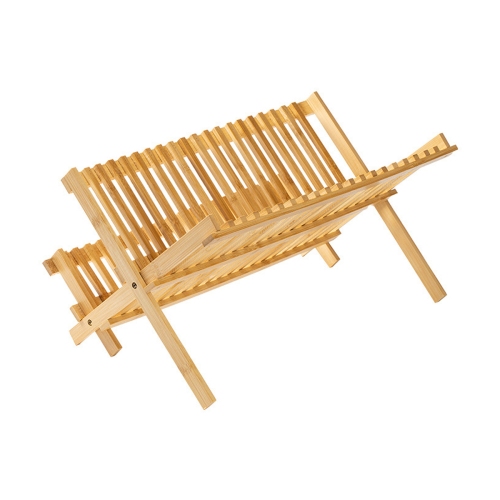
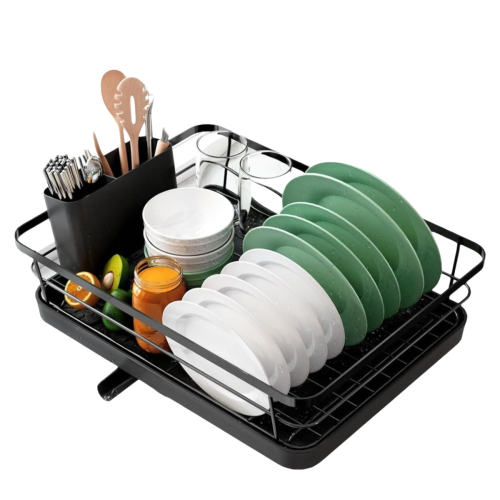
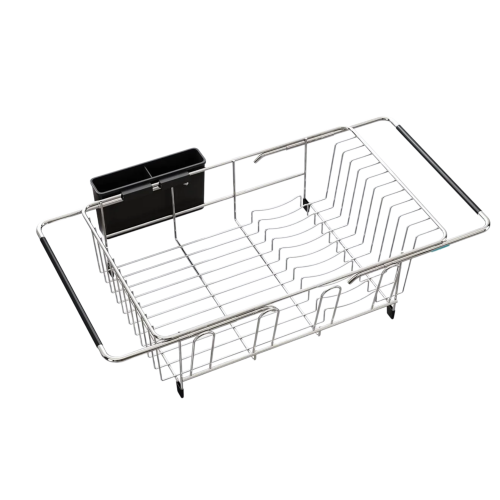
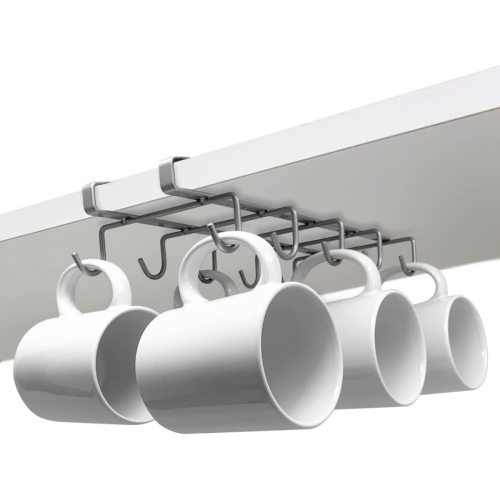
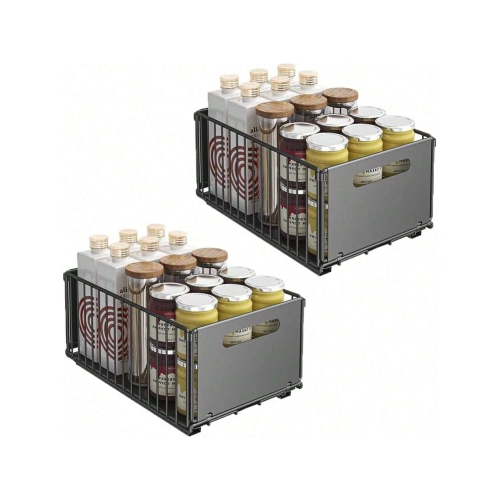
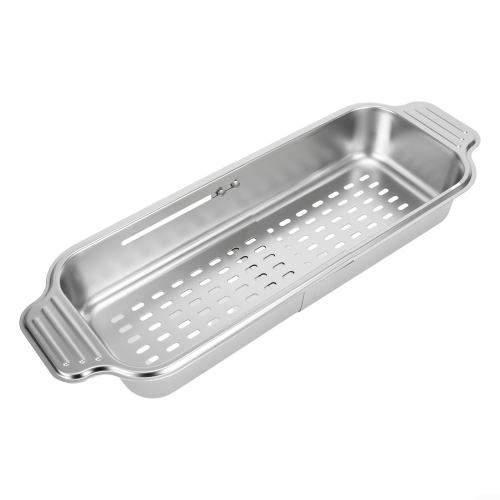
Utensil storage that fits the way you cook
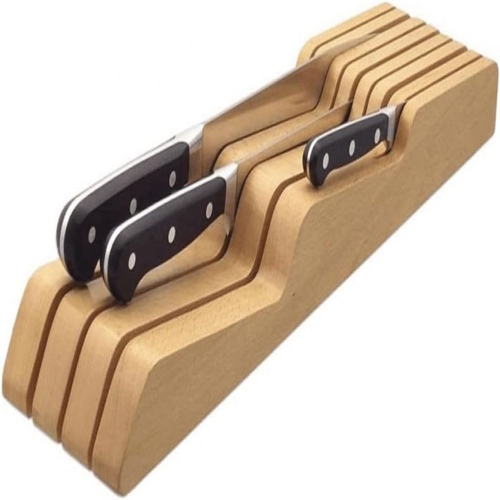
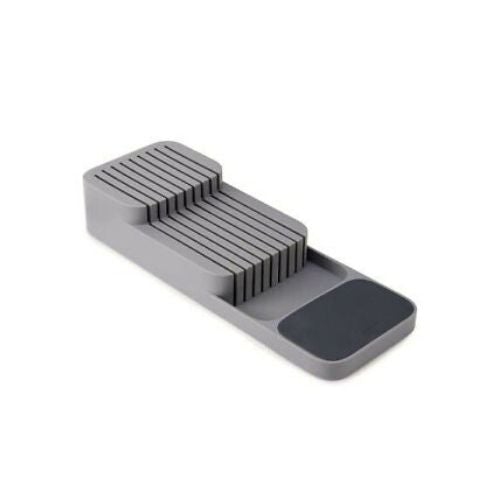
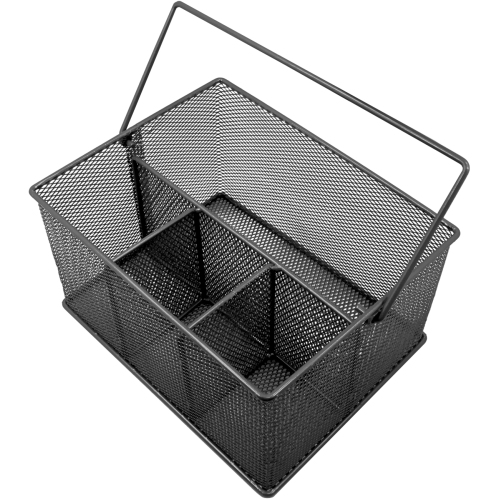
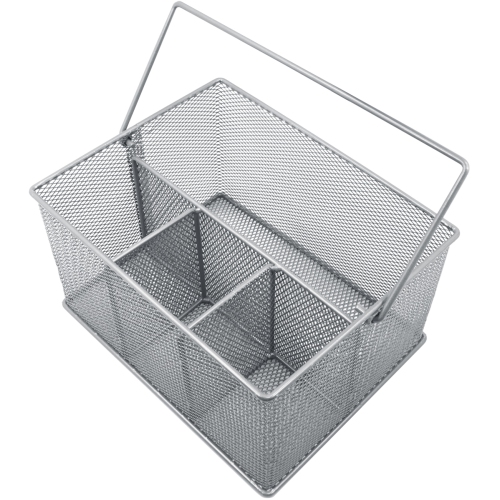
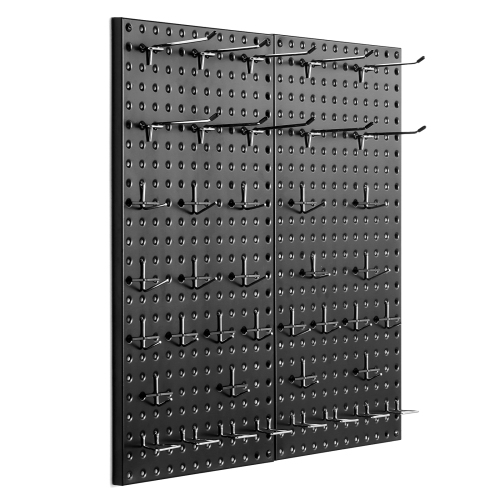
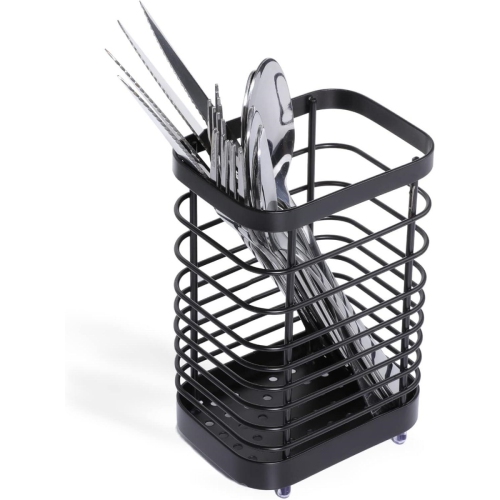
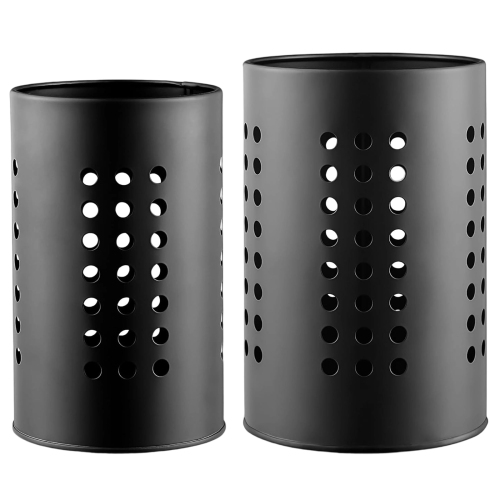
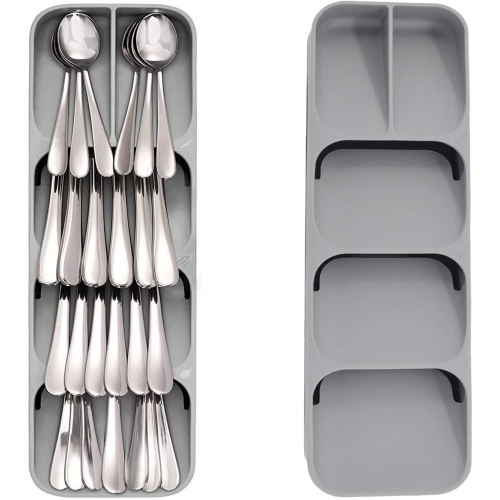
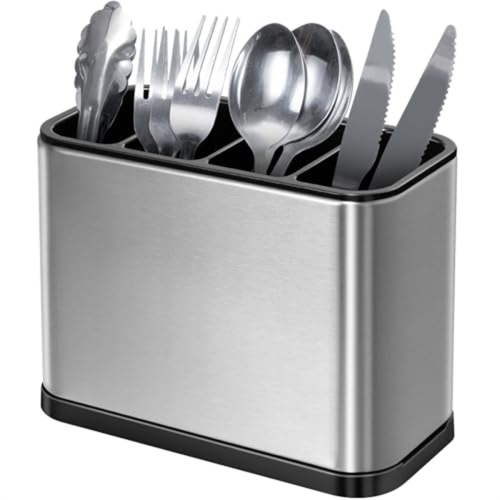
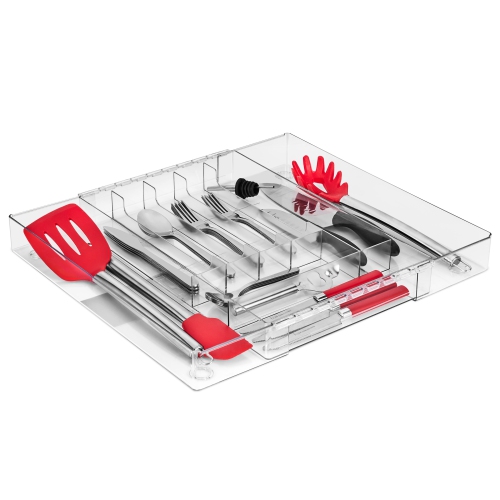
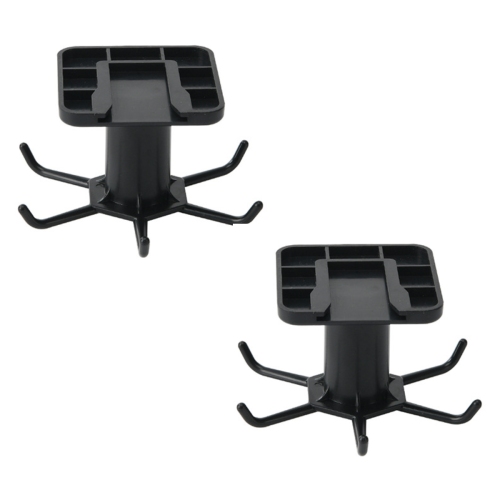
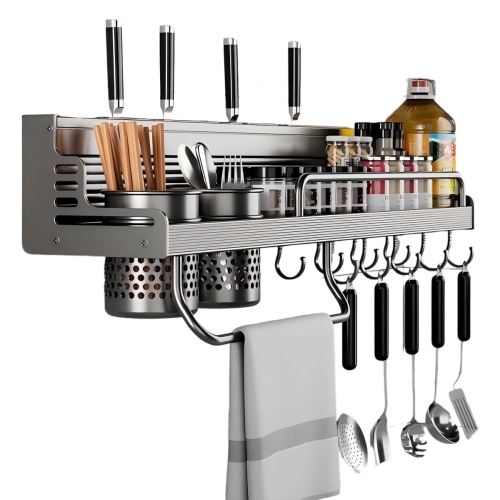
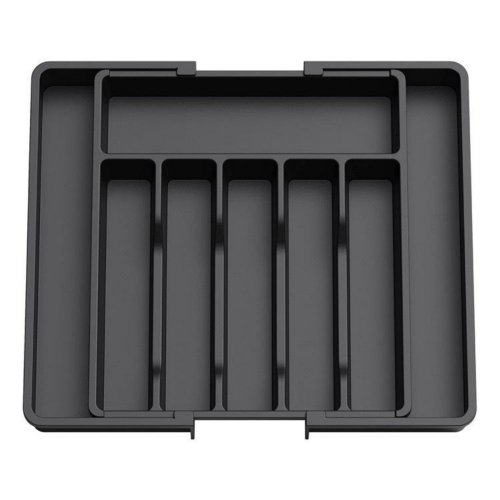
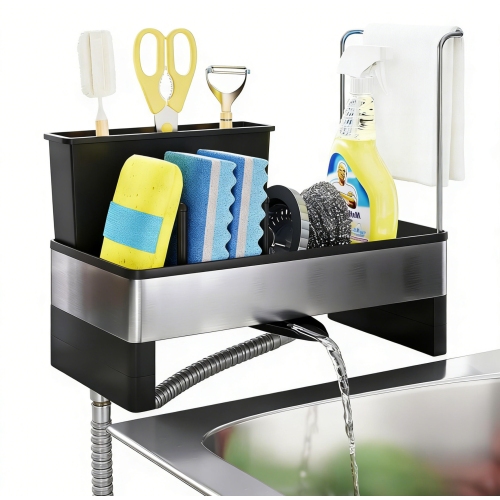
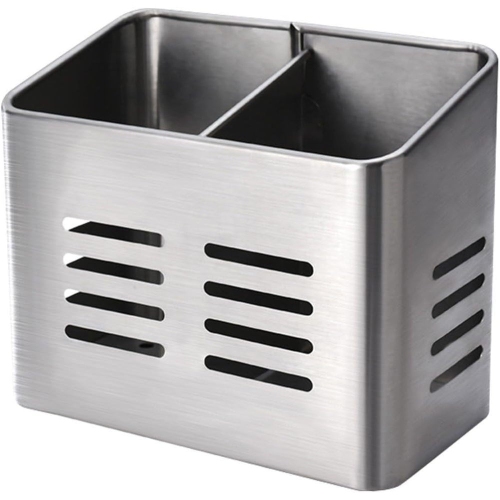
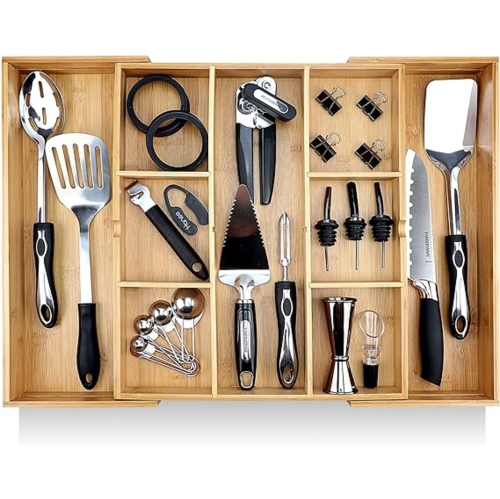
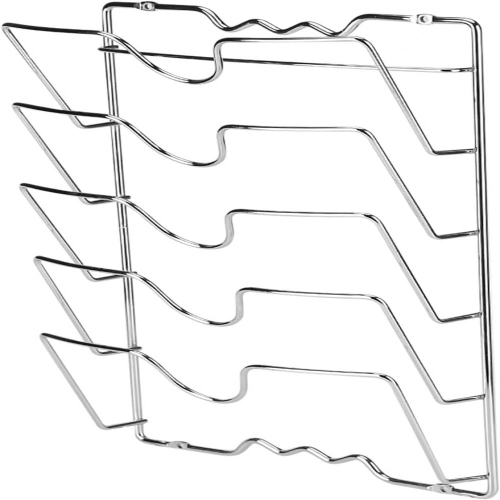
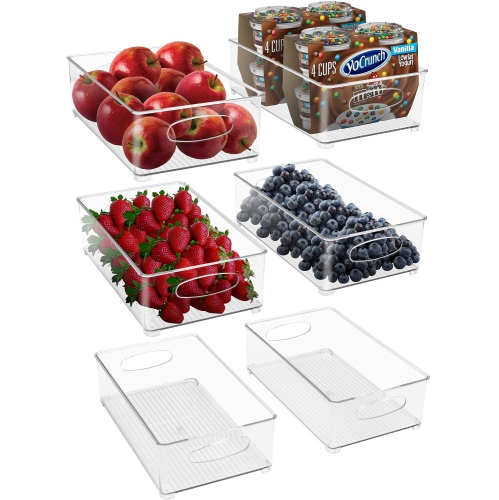
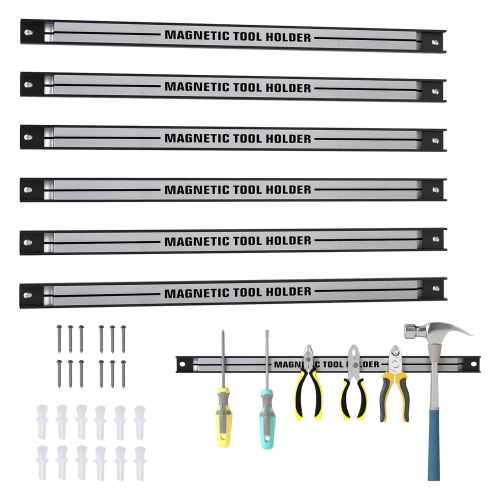
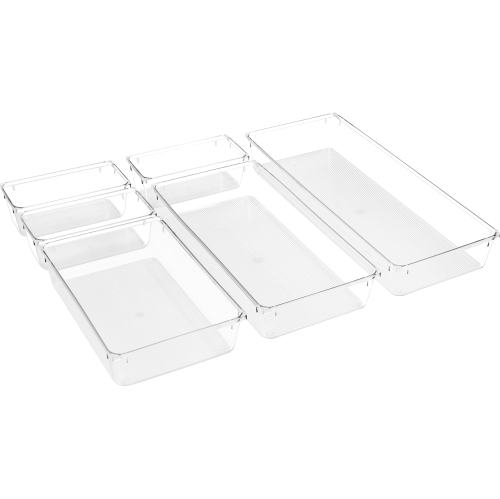
Kitchen tool organizers keep utensils and small cooking accessories separated, visible, and easy to reach in drawers, on countertops, inside cabinets, or on wall-mounted storage. Their main purpose is to give everyday tools a consistent place, so a spatula does not disappear beneath serving spoons and a whisk can be lifted out without catching on everything around it. Different layouts suit different parts of the kitchen. Drawer inserts and divided trays keep tools below the work surface, while countertop holders keep frequently used utensils close to food preparation areas. Wall rails and hanging systems use vertical space, which can be especially helpful where drawers are shallow or counter space is limited. The most useful arrangement reflects how the kitchen is used rather than simply how much an organizer can hold. Someone who cooks several meals a day may prefer quick access to tongs, turners, and wooden spoons, while an occasional baker may want measuring tools and pastry accessories grouped together in a drawer. Compartments with enough room around each tool make it easier to see what is inside and put things back after washing. Long, narrow sections accommodate utensil handles, while wider sections leave room for tools with broad heads or irregular shapes. Deeper holders can support long utensils, although very short tools may become difficult to spot at the bottom. For shared kitchens, clear divisions also make the layout easier for everyone to follow. A familiar place for the vegetable peeler or serving spoon means less searching during meal preparation and fewer loose tools scattered across the counter. Kitchen utensil storage can also make better use of awkward spaces, such as a narrow drawer beside the cooker or a small stretch of wall near a preparation surface. A layout with a little breathing room is often more practical than one packed tightly, particularly when tools need to be retrieved with one hand while the other steadies a mixing bowl.
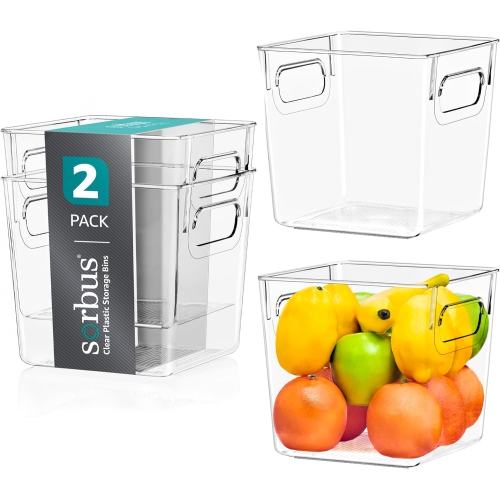
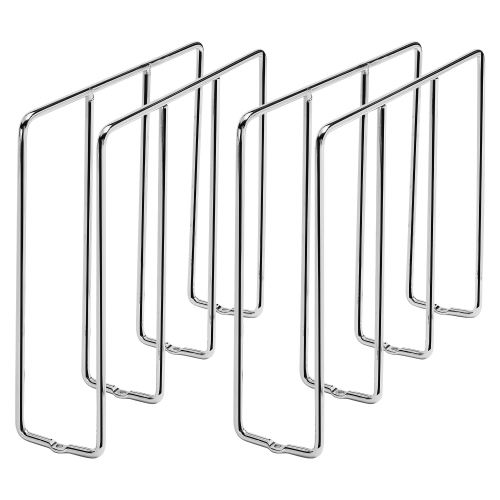
Materials influence how kitchen tool organizers look, feel, and stand up to daily use. Bamboo and solid wood bring a warm appearance to open shelving and countertops, with natural variations in grain that suit many kitchen finishes. Their care requirements vary, and prolonged soaking can cause swelling, splitting, or changes in shape. Plastic organizers are generally lightweight and easy to move, with smooth surfaces that can be wiped clean; some designs are dishwasher-safe, but care instructions determine whether machine washing is suitable. Clear plastic makes compartment contents visible from several angles, while opaque finishes can give an open drawer a more uniform appearance. Stainless steel offers a clean, understated finish and is commonly used for countertop holders and wall-mounted systems. Water spots, fingerprints, and cleaning requirements depend on the finish, so regular wiping and thorough drying help maintain its appearance. Coated metal offers another option, although chips or scratches in the coating can affect the surface over time. Construction matters as much as the material itself. Smooth edges are more comfortable to handle, secure dividers resist shifting, and a stable base helps a countertop holder stay upright as utensils are removed. Non-slip feet or liners can reduce movement, particularly in drawers that are opened frequently. Removable sections make it easier to clear crumbs, flour, and other debris from corners, while open or perforated designs allow airflow around their contents. Tools still need to be clean and dry before storage, especially in enclosed compartments. Holders used for freshly washed utensils benefit from a design that does not leave water trapped underneath. Sharp tools require storage intended for blades rather than an open jumble with spoons and spatulas. Dedicated knife compartments can keep cutting edges separated from other utensils and reduce the need to reach among exposed blades. For households with children, the location and accessibility of sharp-tool storage deserve particular attention, regardless of how tidy the arrangement appears.
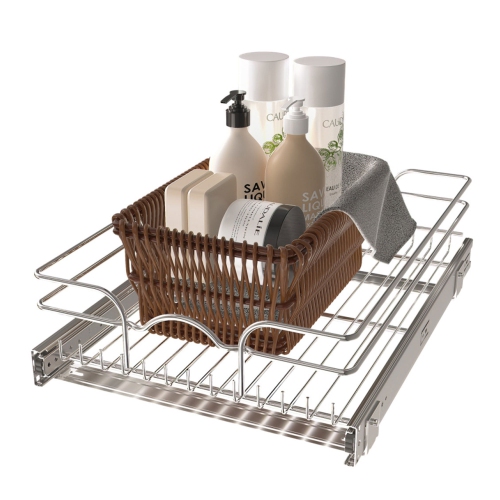
Fit is often the deciding factor when comparing kitchen tool organizers, especially for drawers with limited clearance or cabinets with hinges that project into the opening. Interior width, depth, and usable height all matter: an organizer may fit the drawer base but still leave a tall utensil handle catching against the cabinet frame. Expandable designs offer flexibility across different drawer widths, while fixed compartments provide a consistent layout for tools that already have a clear place. Adjustable dividers can accommodate changing needs, such as making more room for baking accessories or separating everyday utensils from pieces used mainly for entertaining. Countertop storage has a different set of considerations. A broad footprint can provide stability, but it also occupies preparation space; a taller, narrower shape may suit a compact counter if utensils remain easy to reach. Placement away from splashes and direct heat helps keep stored tools cleaner and avoids unnecessary exposure to cooking residue. Wall-mounted organizers depend on suitable mounting hardware, the wall surface, and the stated weight capacity, while hanging tools need enough clearance to avoid knocking against nearby objects. Across these formats, coordinated storage can create distinct areas for preparing, cooking, and serving without making the kitchen feel rigidly arranged. Keeping measuring spoons near mixing bowls, for example, supports baking tasks, while serving utensils are easier to find when grouped separately from everyday cooking tools. Complementary kitchen spice organizers can bring the same sense of order to seasonings, leaving utensil compartments dedicated to the tools they are designed to hold. Kitchen tool organizers can also make practical gifts for someone setting up a first apartment, moving into a new home, or spending more time cooking. In those situations, flexible sizing and straightforward care can be more useful than a highly specialized layout. Whether the kitchen serves one person or a busy household, well-matched storage supports a simple routine: tools are easy to find, comfortable to retrieve, and easy to return to their place when the work is done.
Top selling and popular products
-
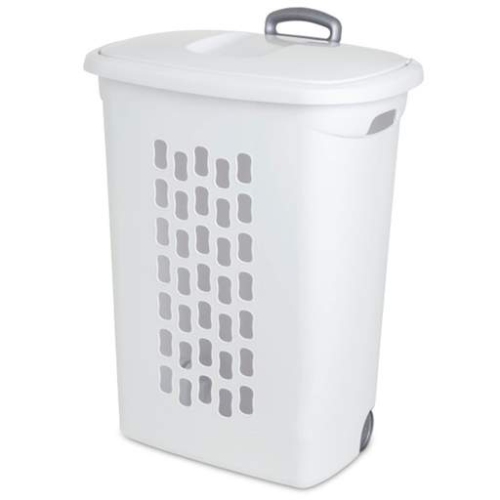 Your price for this item is $557.99
-
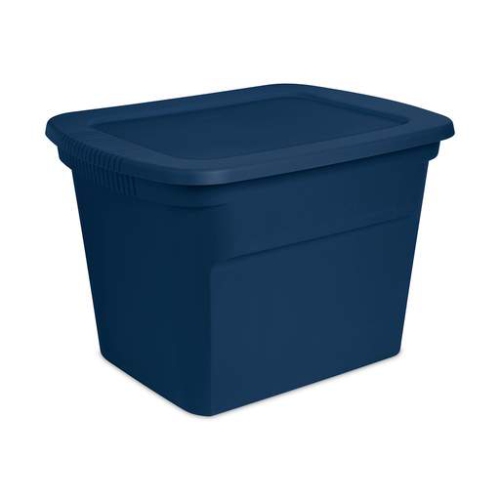 Your price for this item is $886.99
-
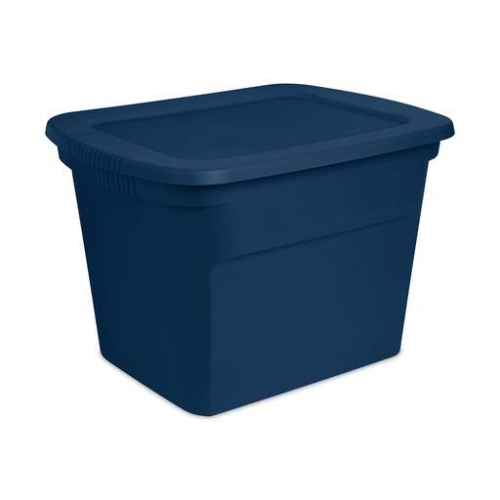 Your price for this item is $1197.99
-
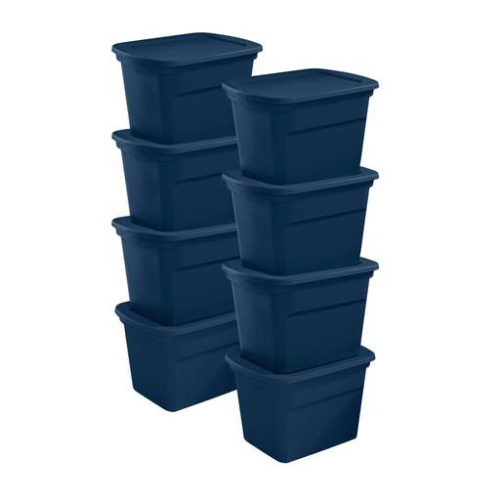 Your price for this item is $298.99
-
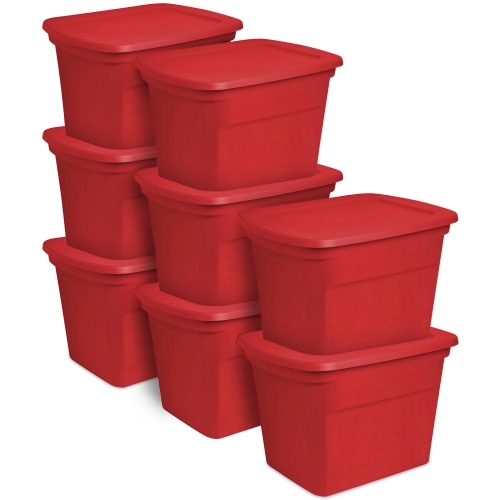 Your price for this item is $254.99
-
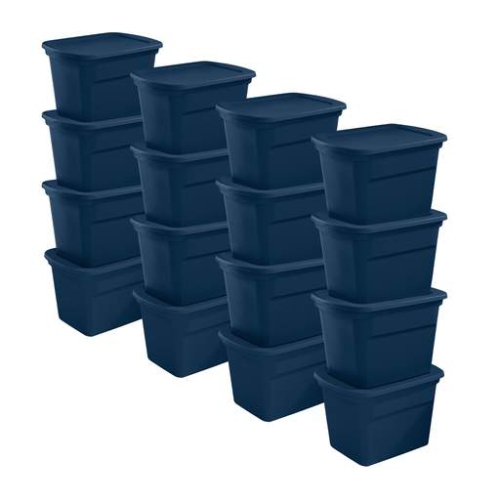 Your price for this item is $598.99
-
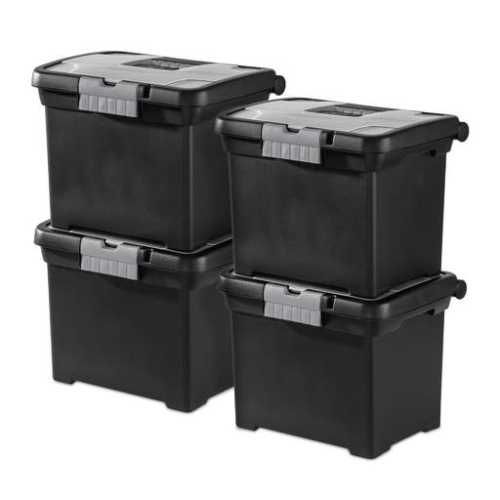 Your price for this item is $176.99
-
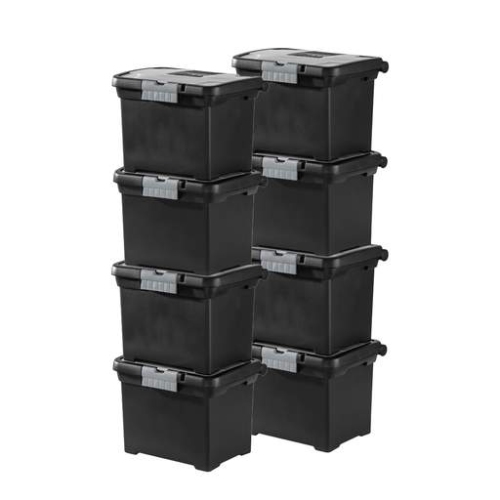 Your price for this item is $278.99
Discover more categories related to Kitchen Tool Organizers
Top Collections:
Best Black Friday Deals This Year, Best Black Friday Deals On Electronics, Kindle Devices, Best Black Friday Deals On Apple Products, Best Budget Office Chairs, Best Cameras for Sports Photography, Dyson Airwrap, Canon G7X Cameras, Best Laptops for Writers, Samsung Galaxy Phones
Some products may be subject to Environmental Handling Fees
(EHF) depending on your province.
Learn more about EHFs.