Kitchen Spice Organizers
Organizing your kitchen spices can be a game-changer when it comes to cooking efficiency and overall meal preparation. With the right spice organizers, you can easily locate your favorite seasonings, keep them neatly arranged, and free up valuable counter or cabinet space. From drawer inserts to wall-mounted racks, there are a variety of solutions available to suit your kitchen layout and personal style. Explore our selection of kitchen spice organizers to streamline your culinary experience and add a touch of organization to your cooking space.
Sort
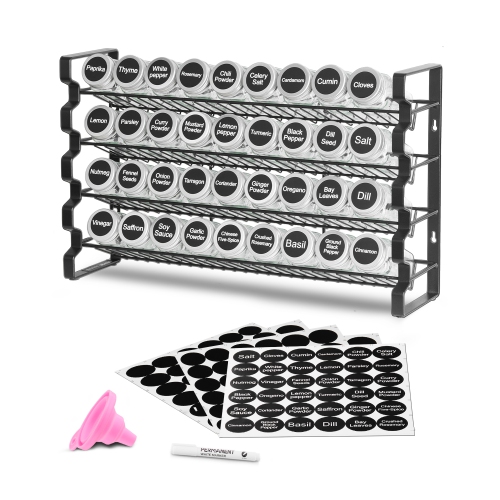
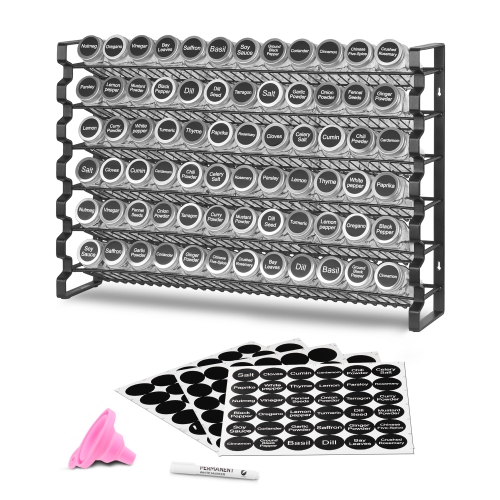
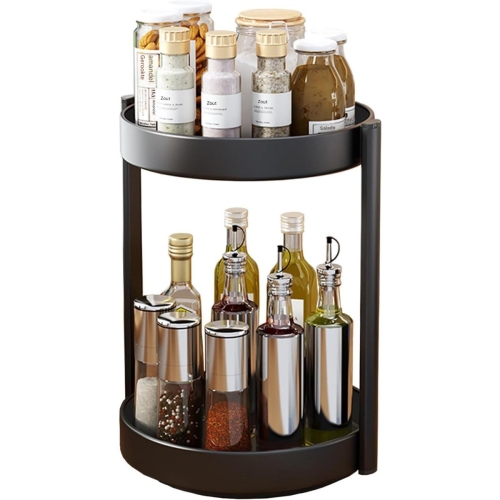
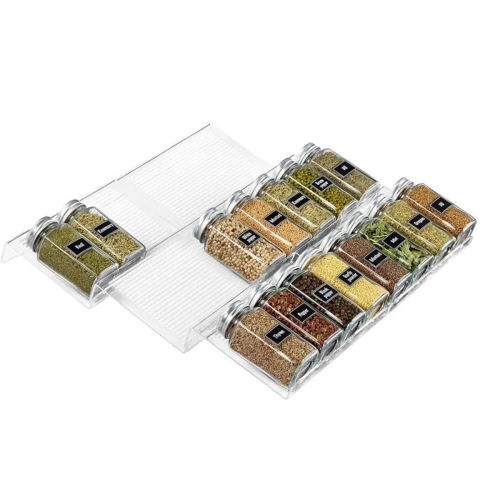
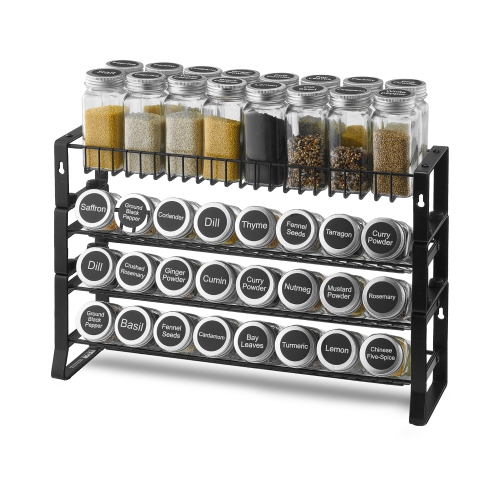
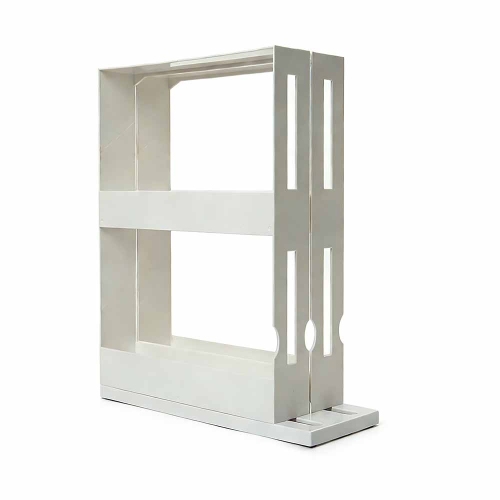
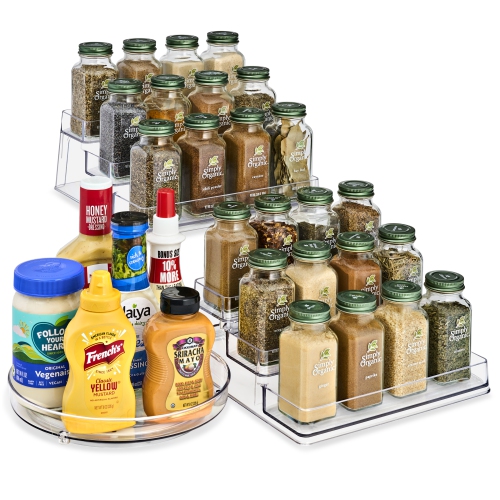
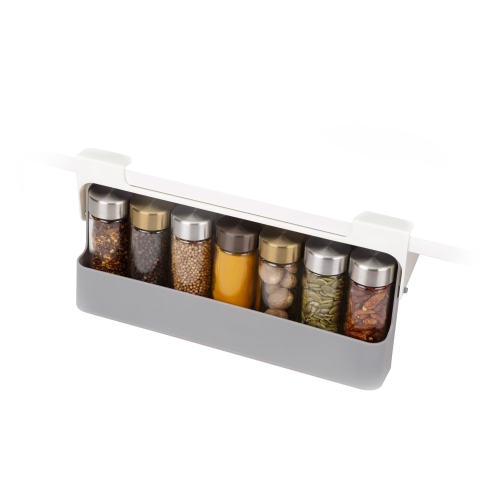
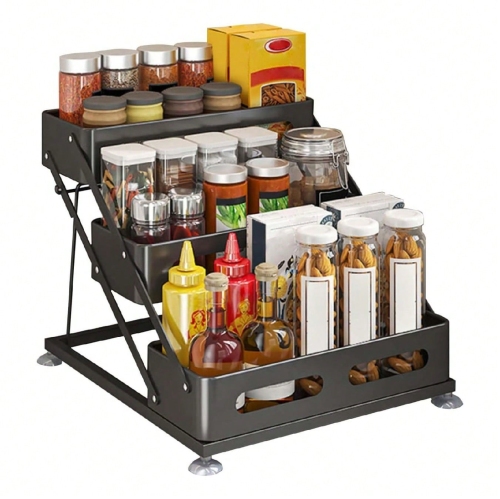
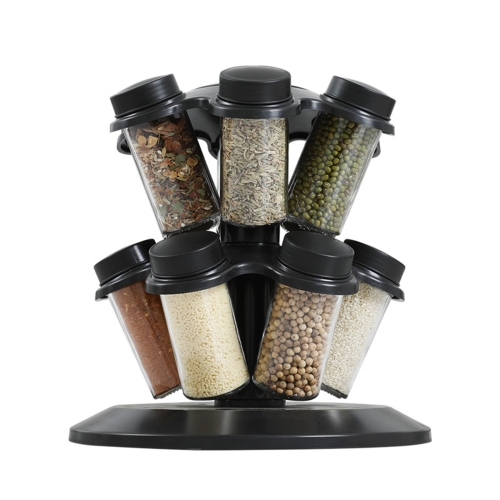
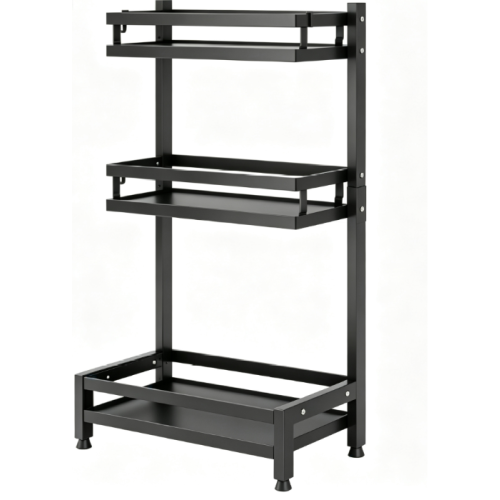
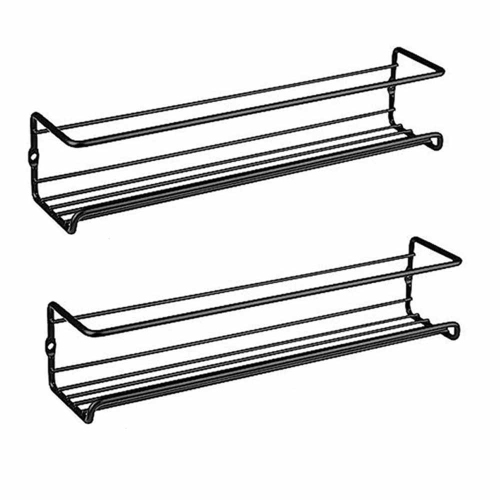
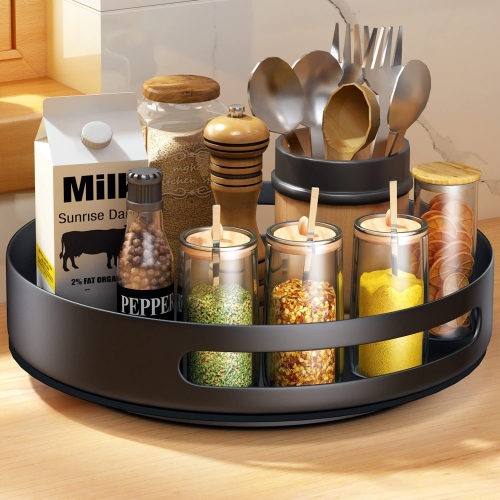
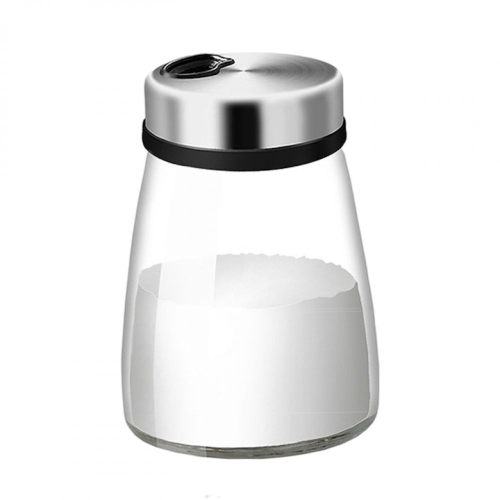
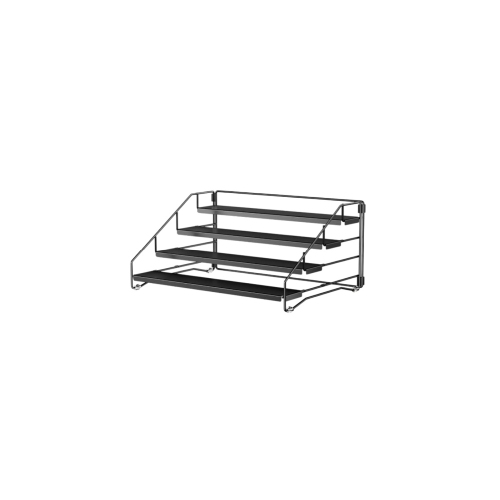
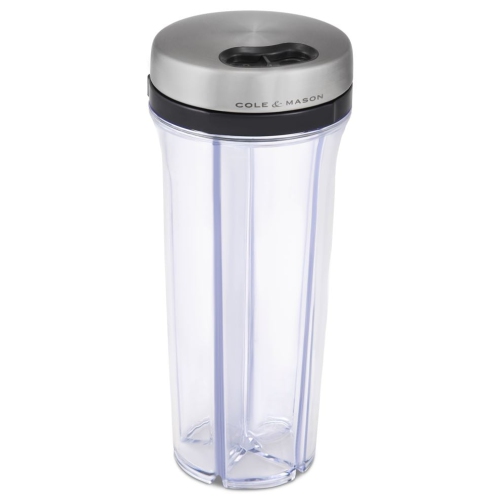
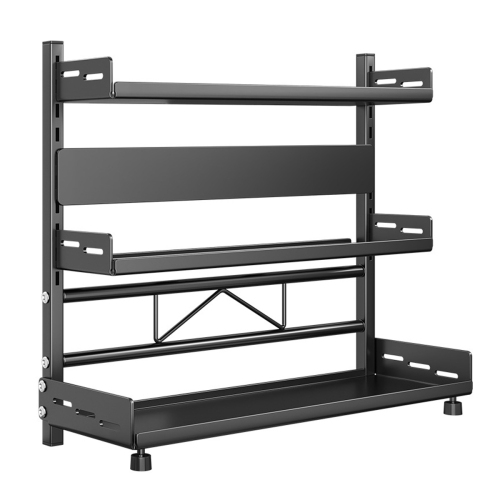

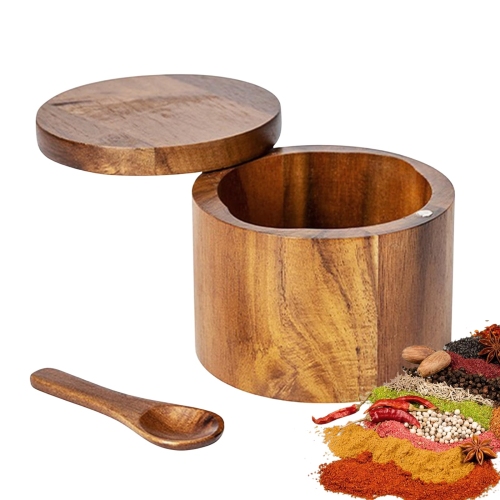
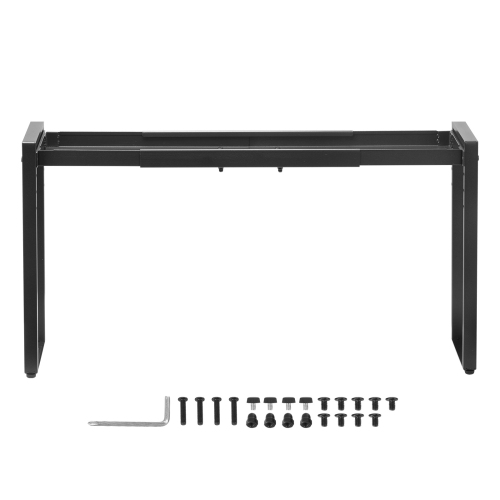
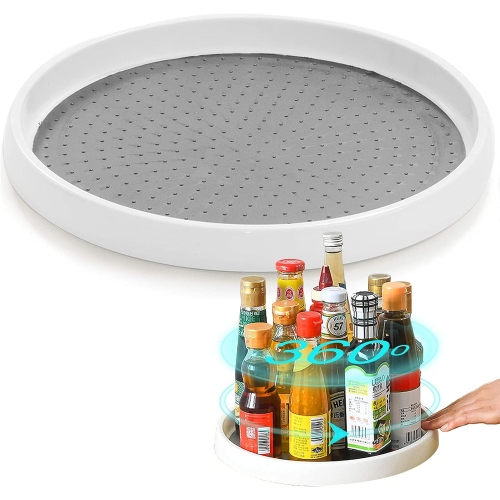
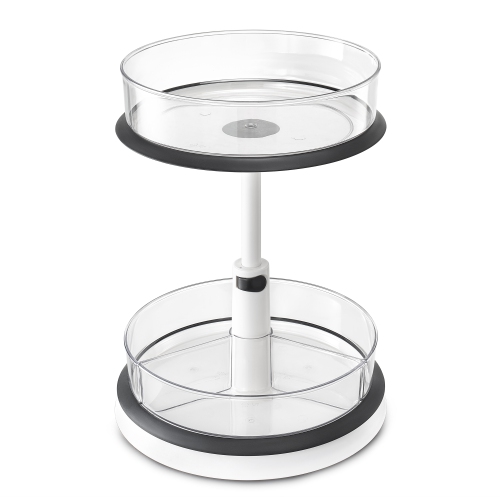
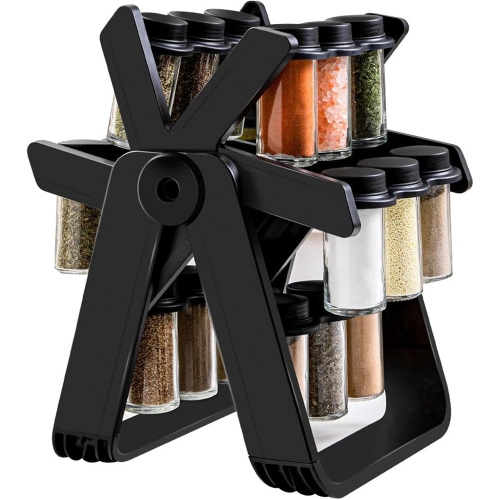
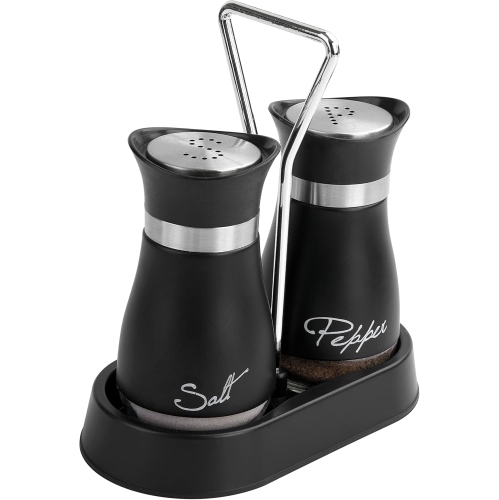
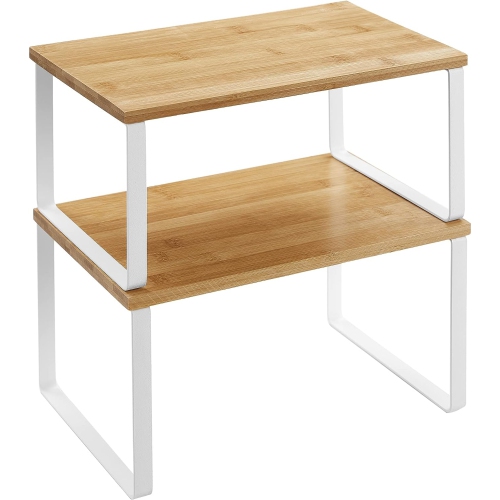
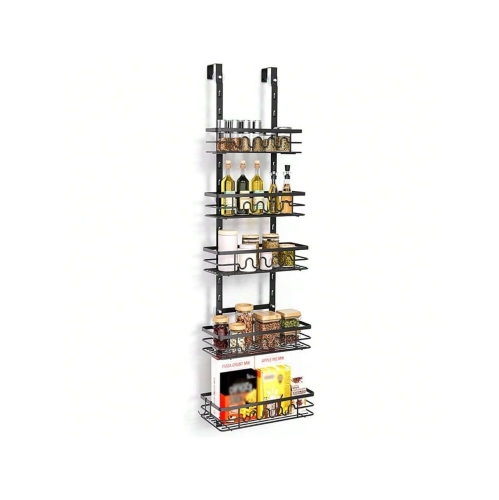
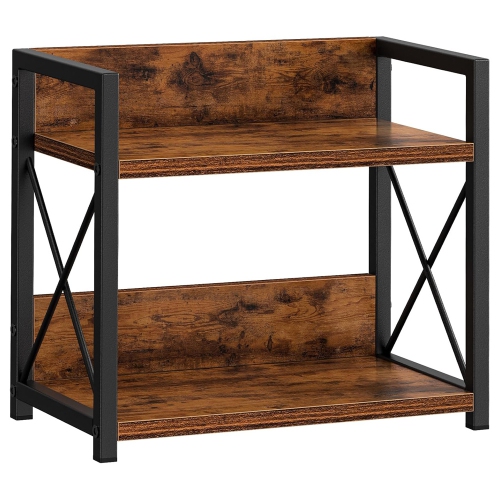
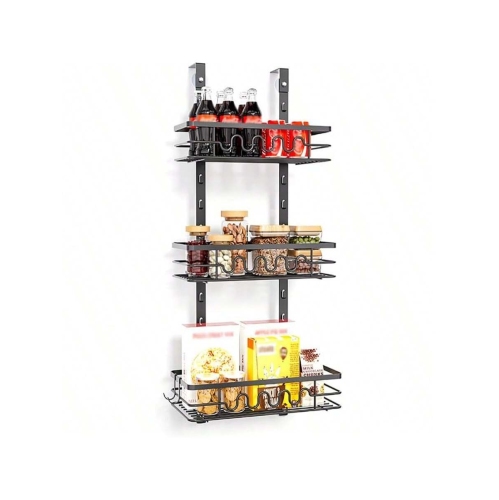
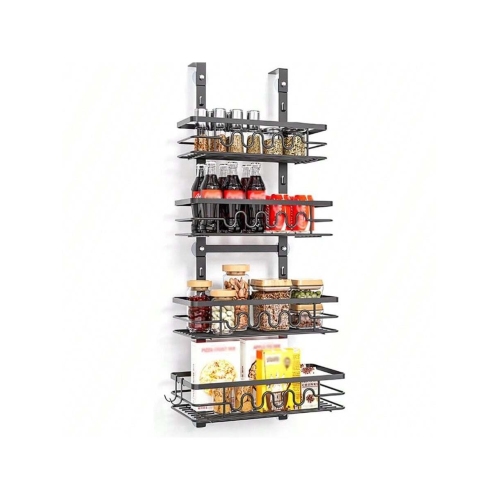
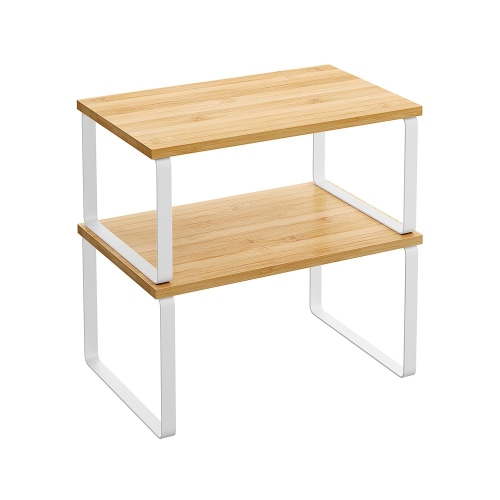
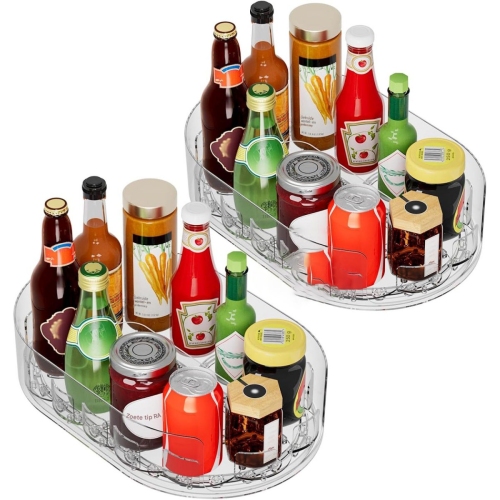
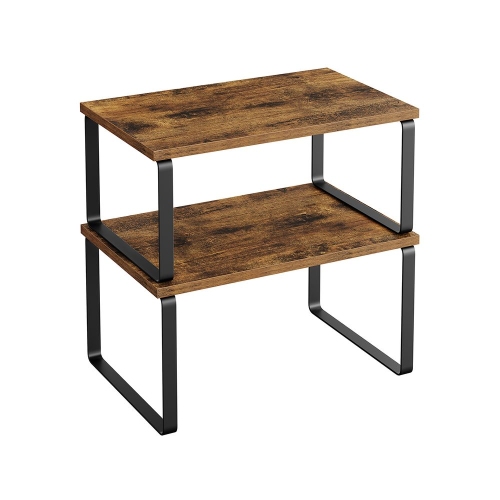
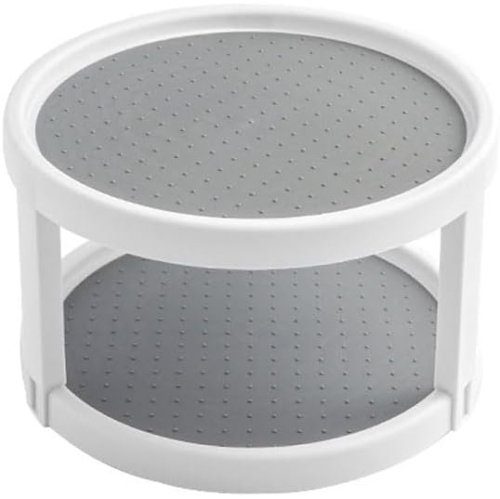
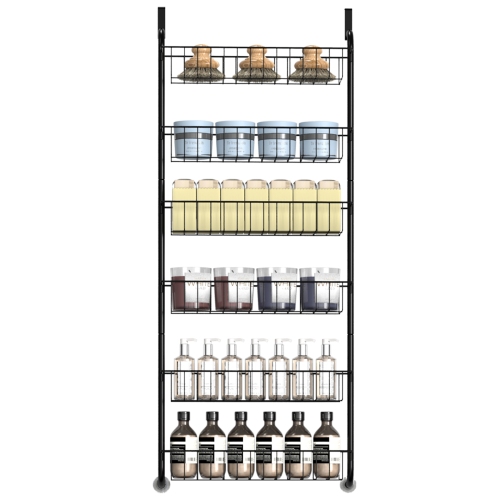
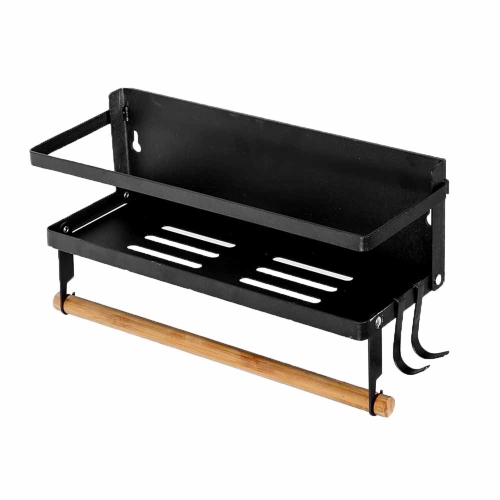
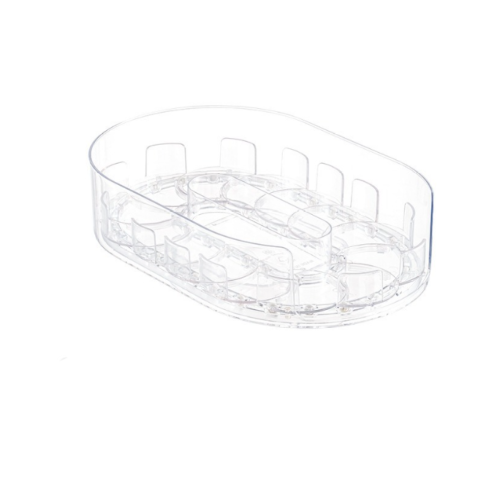
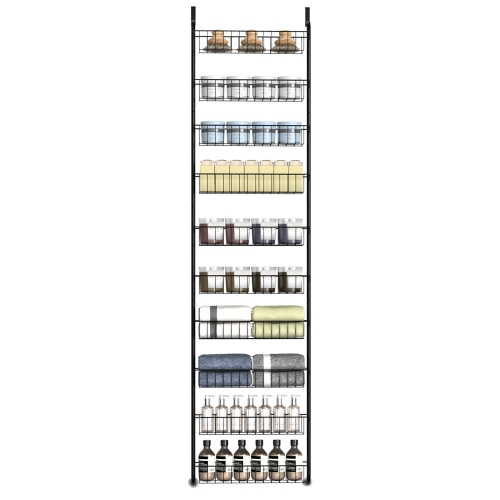
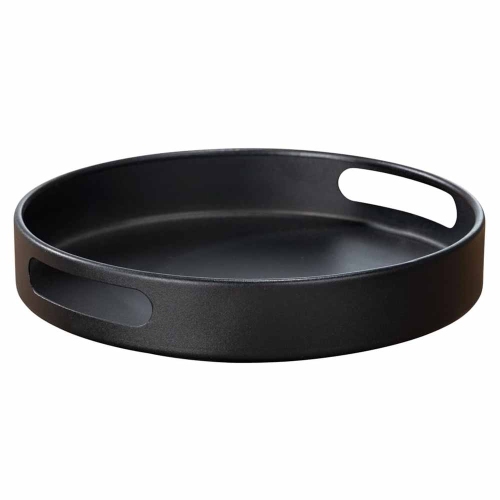
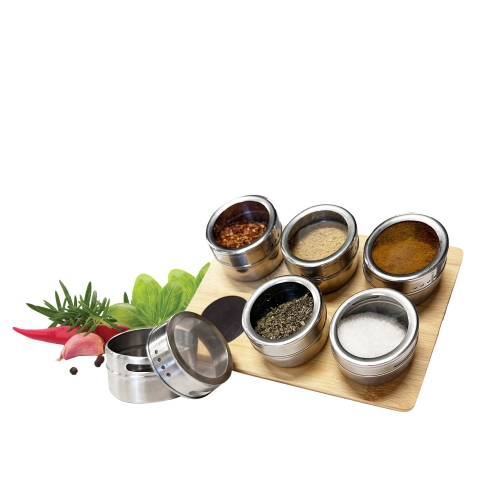
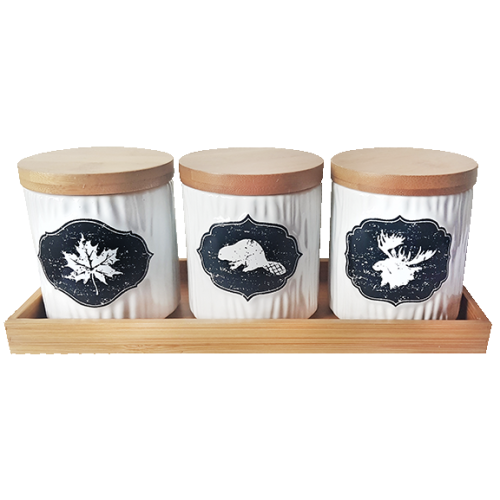
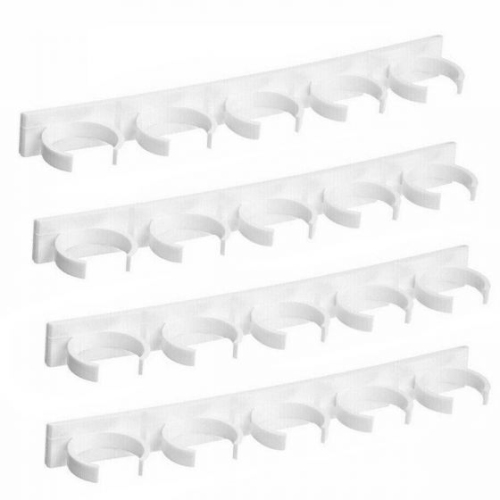
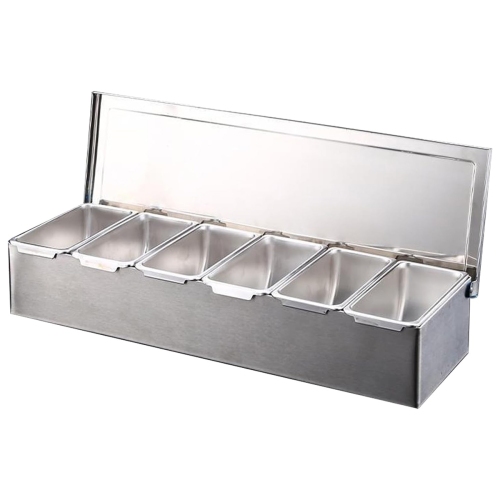
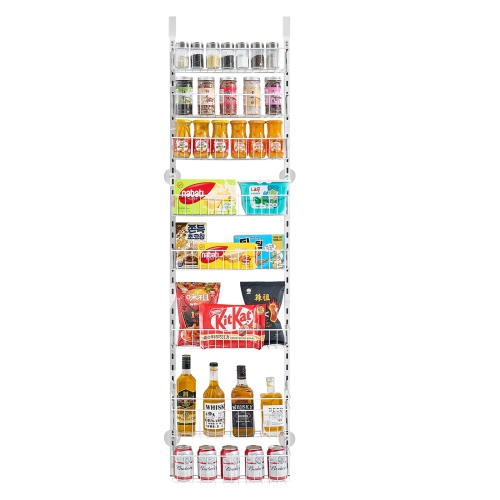
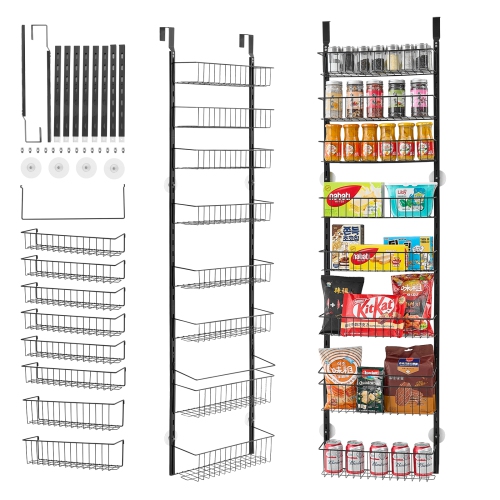
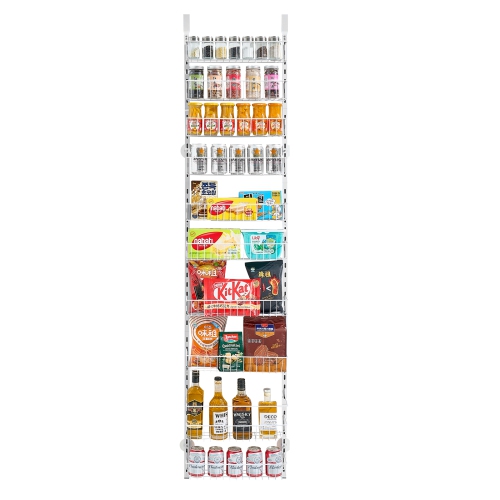
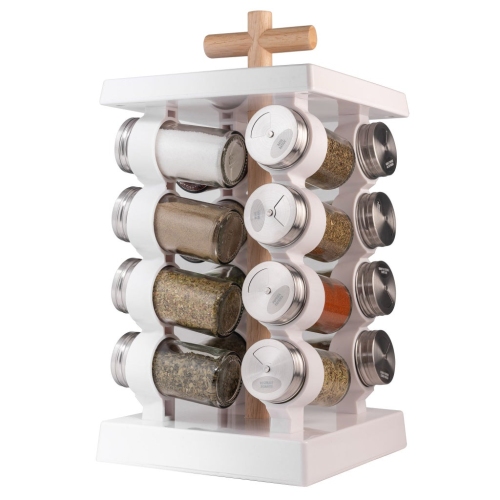
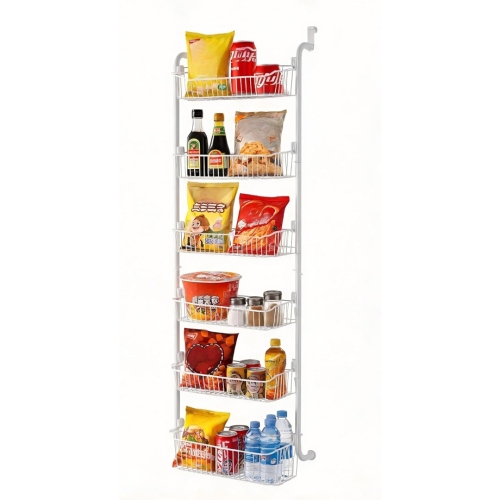
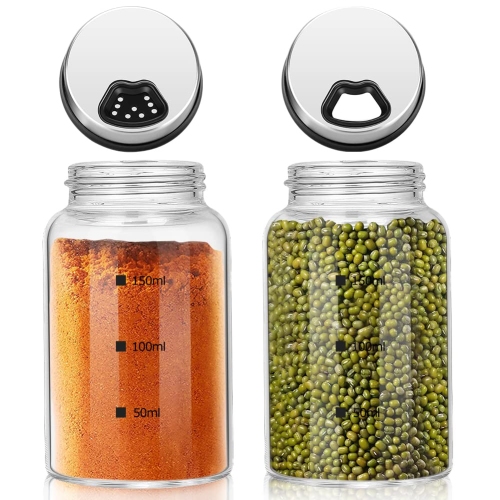

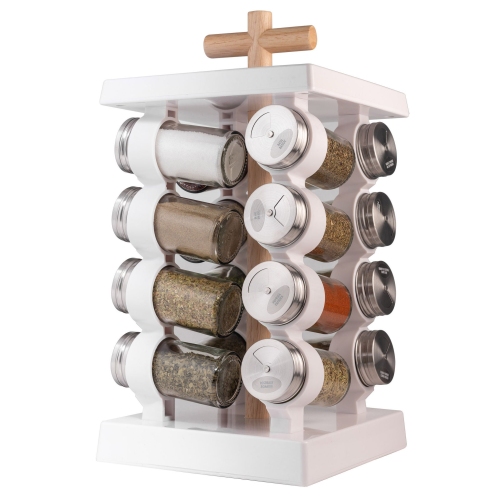
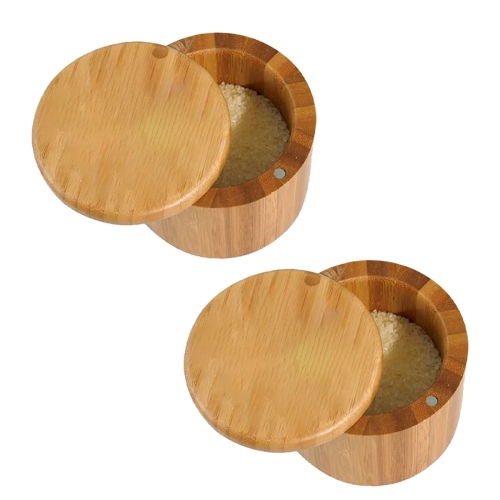
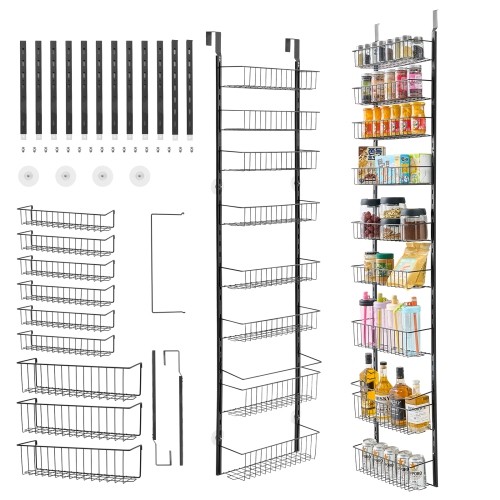
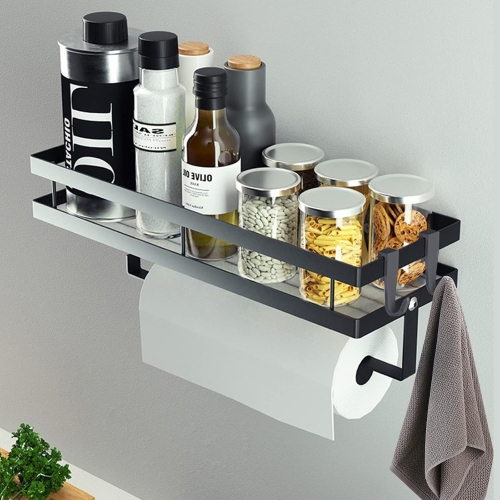
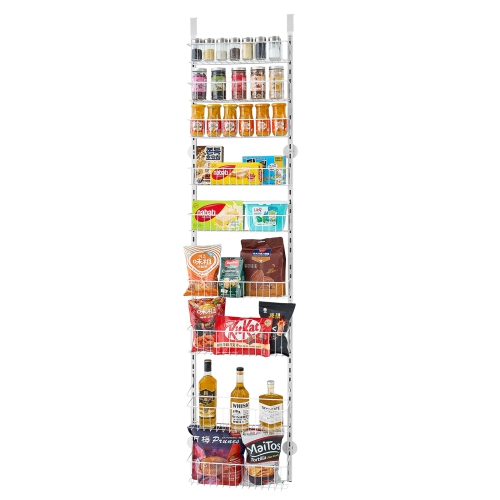
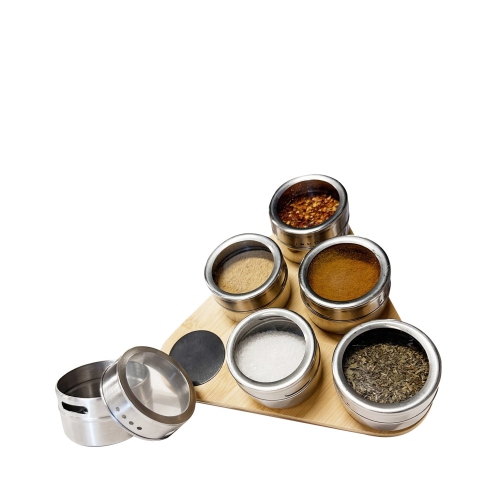
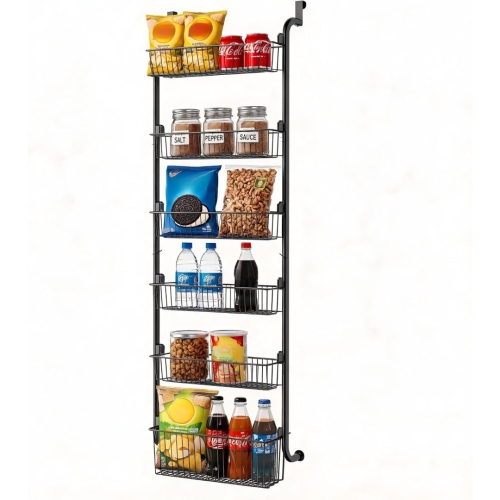
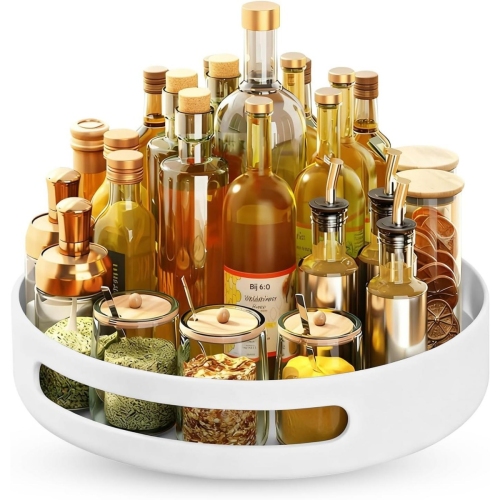

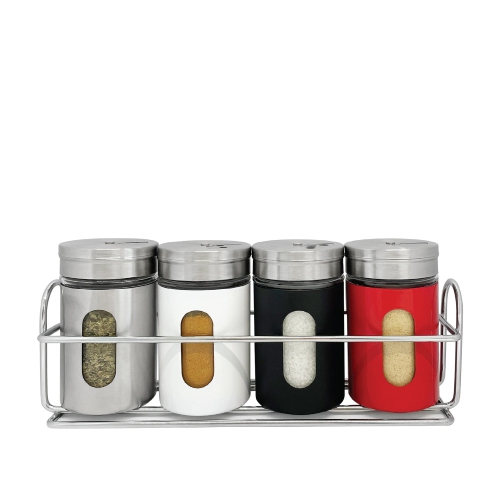
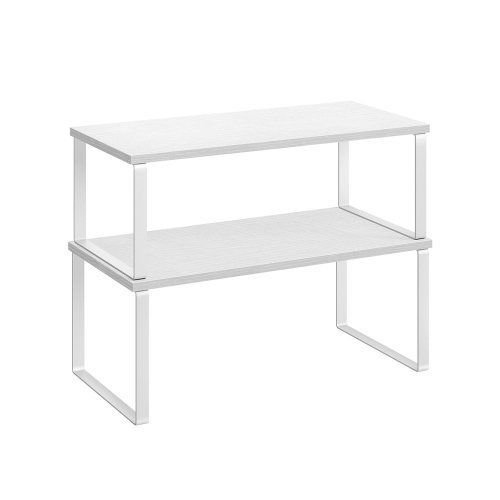
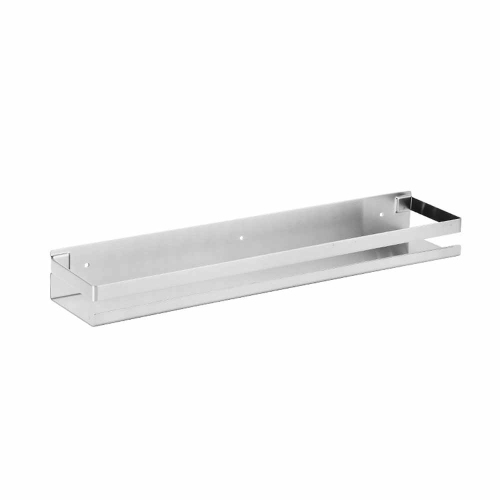
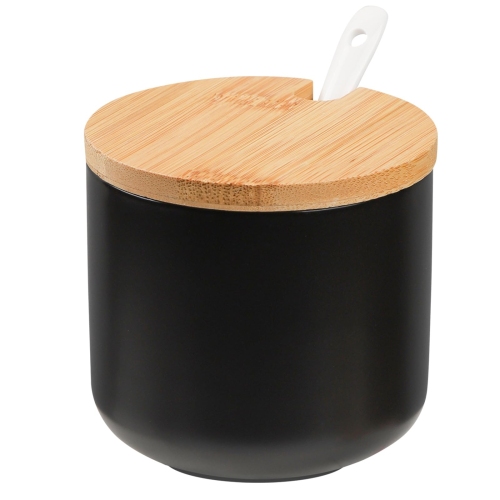
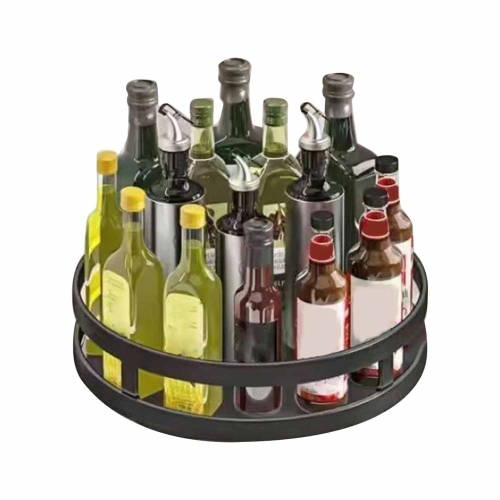
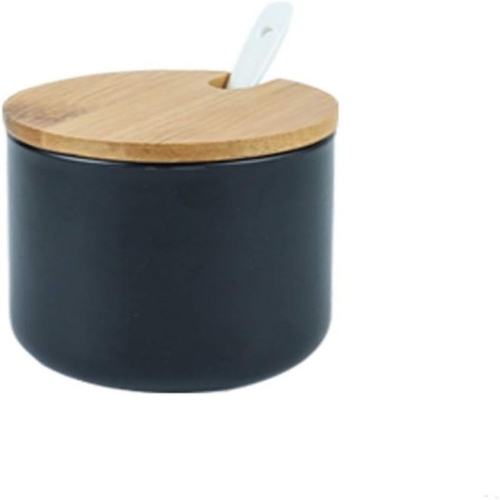
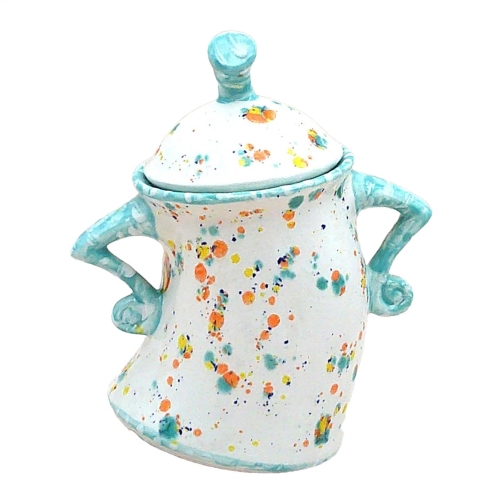
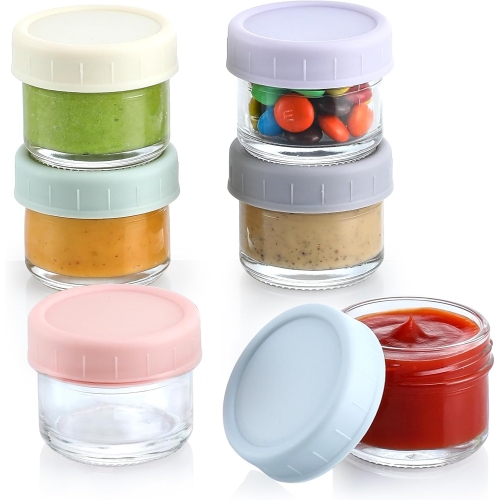
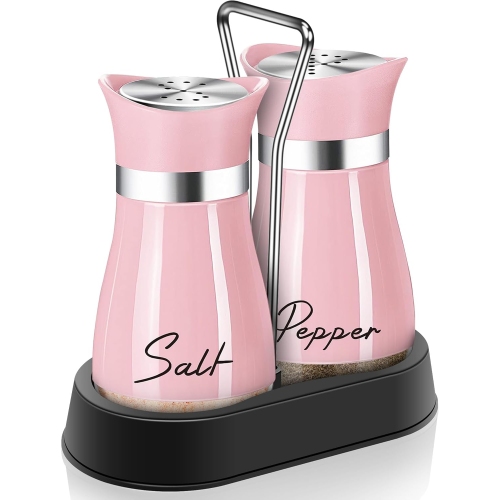
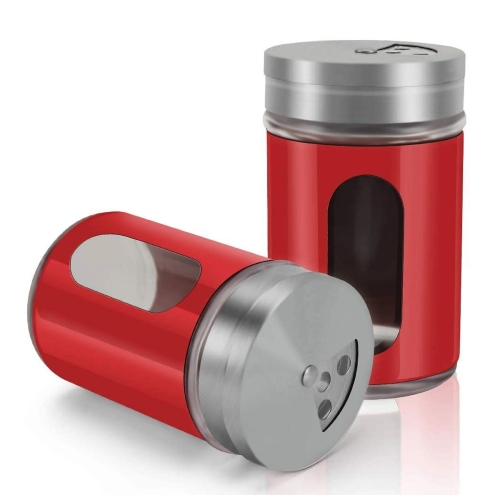
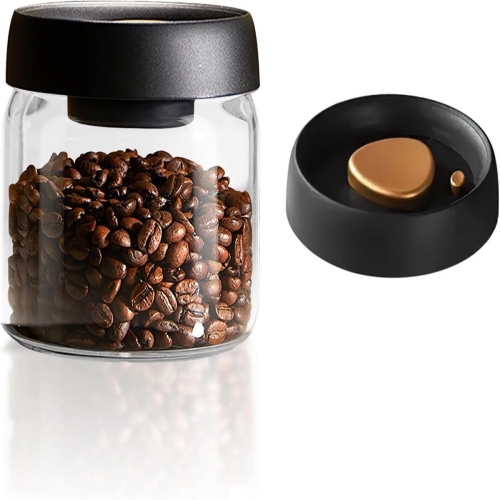
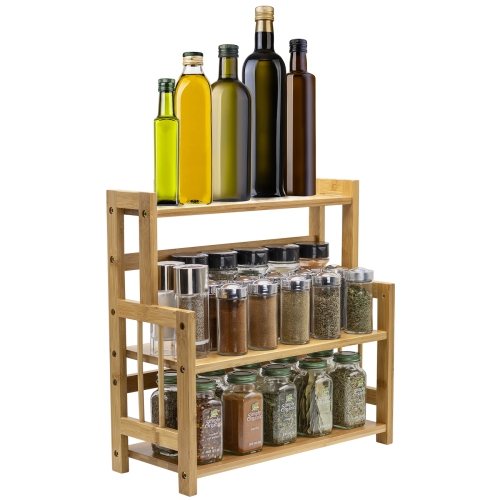
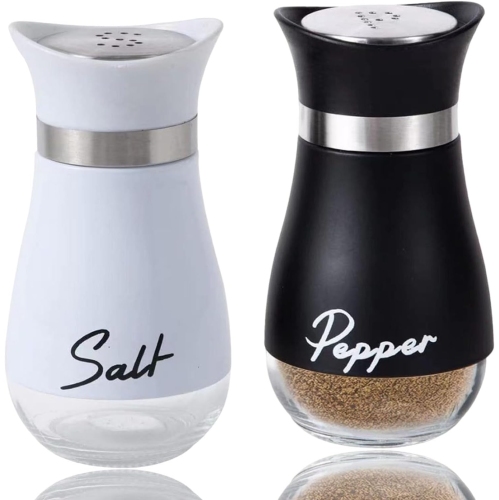
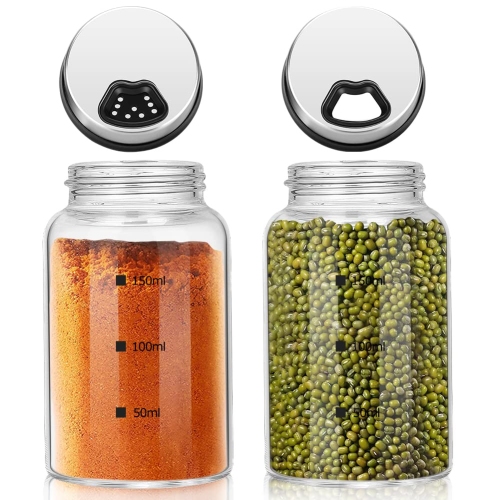
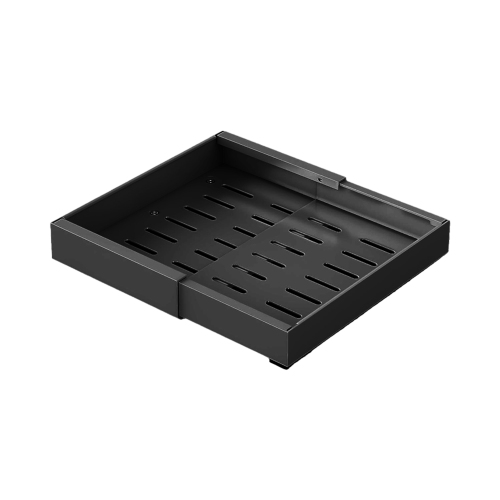
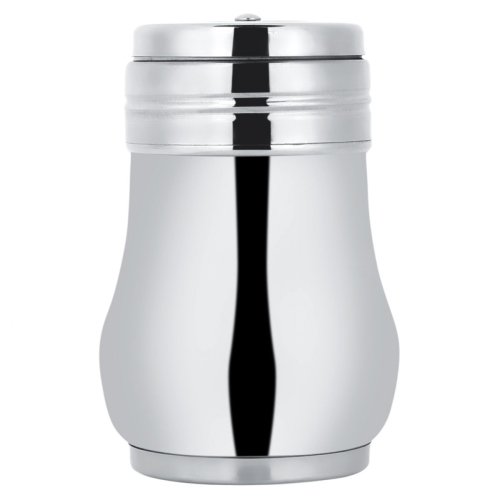
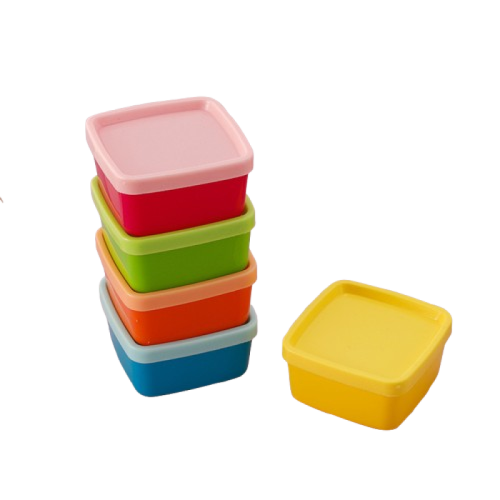
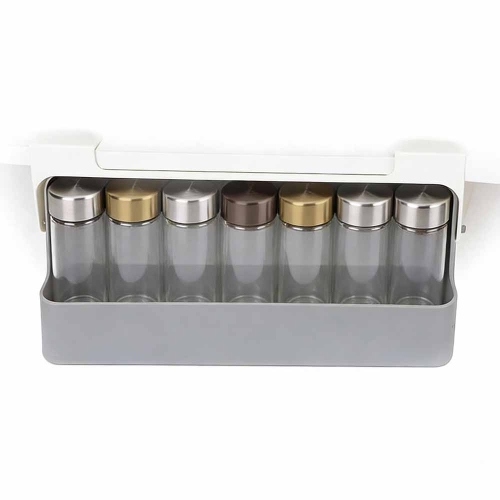
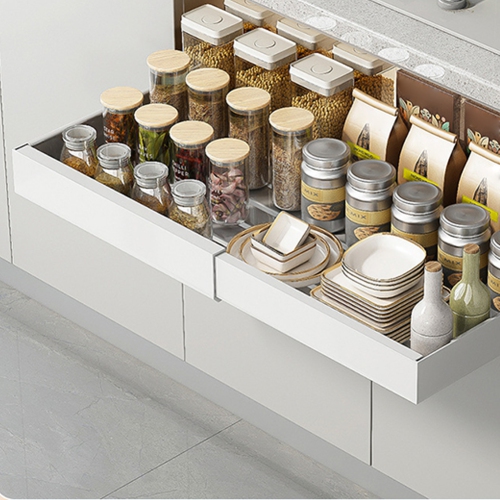
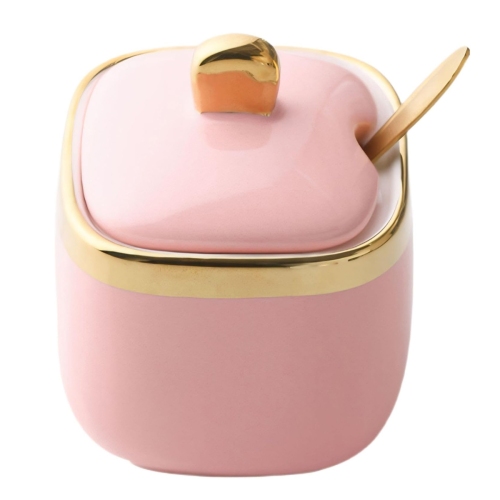
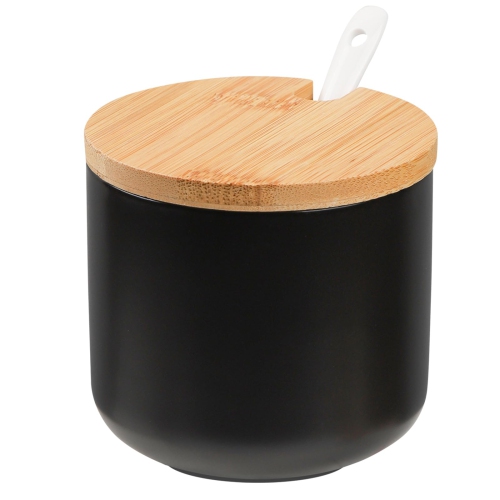
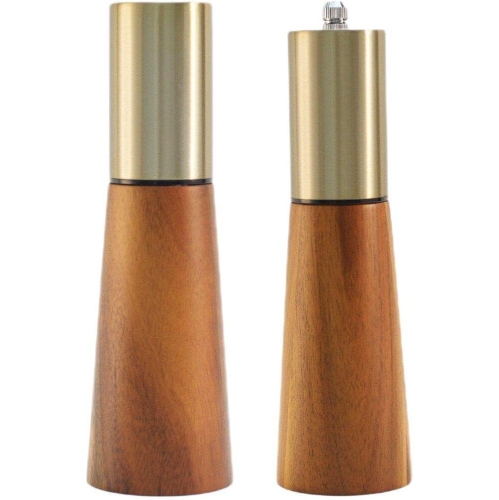
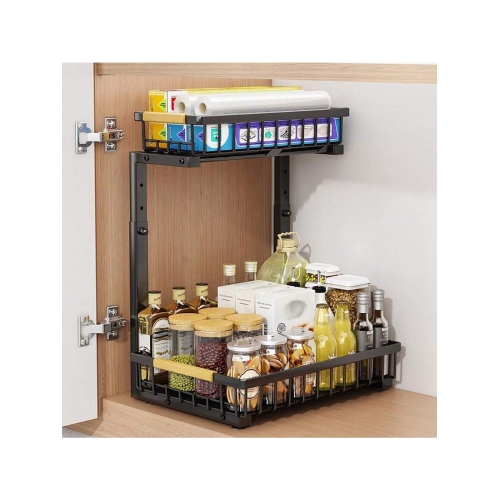
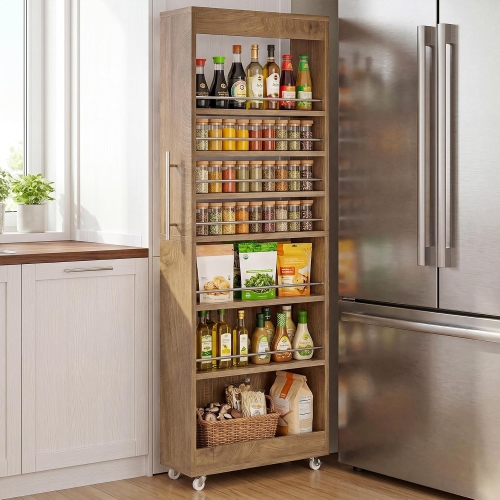

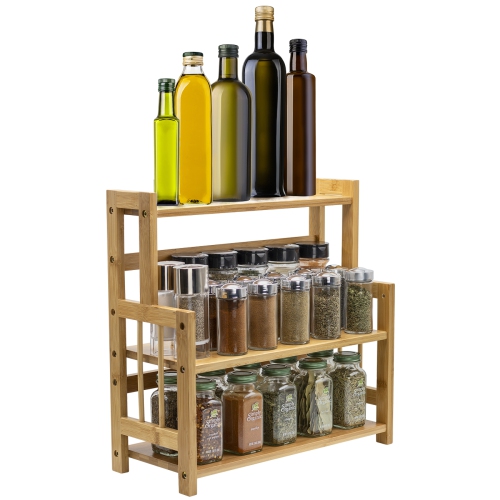
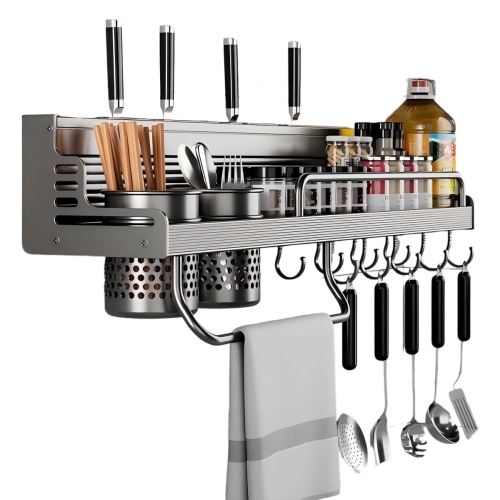
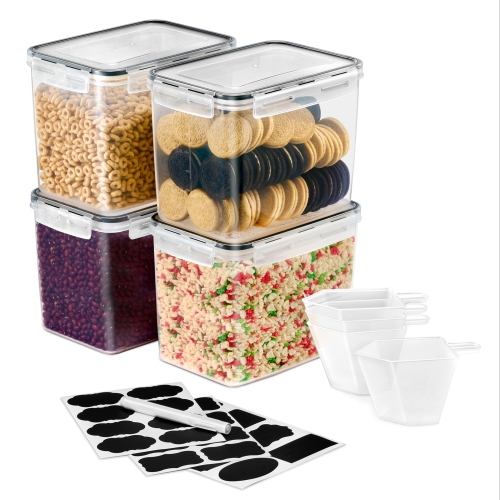

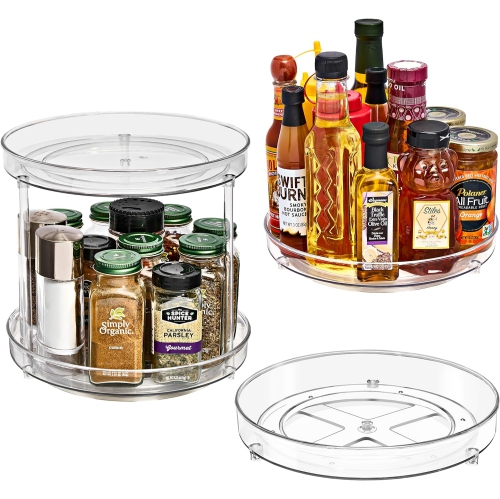
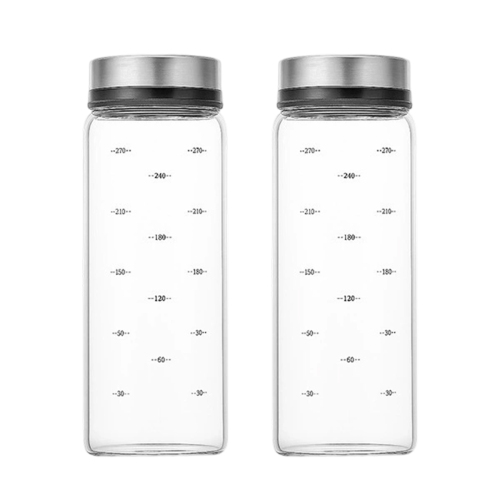
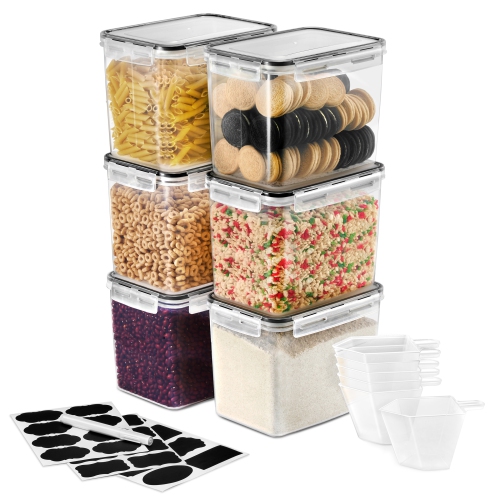
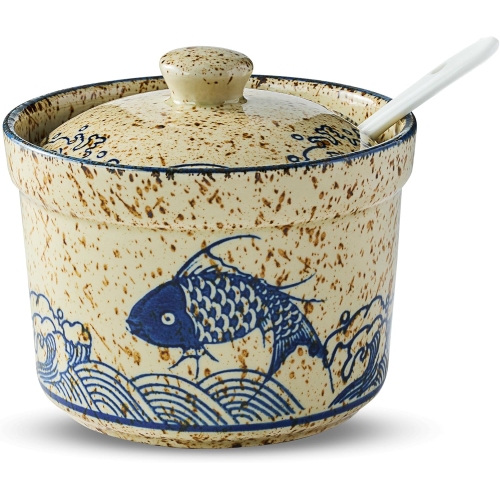
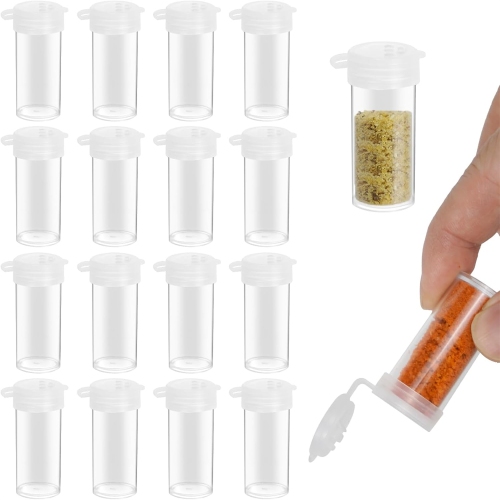
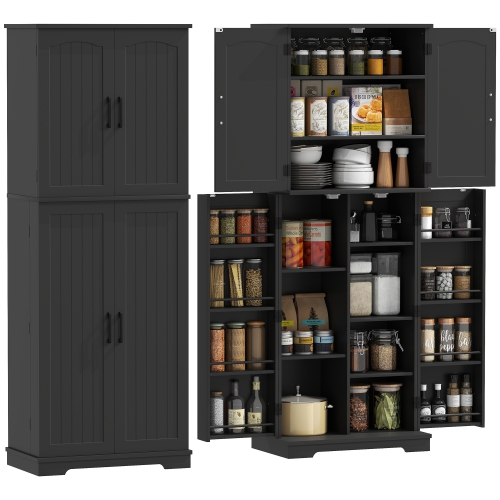
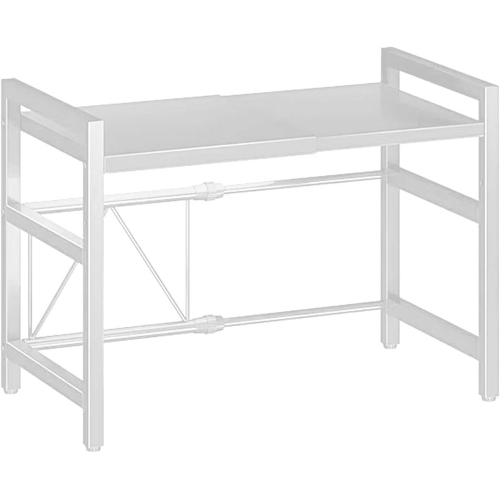
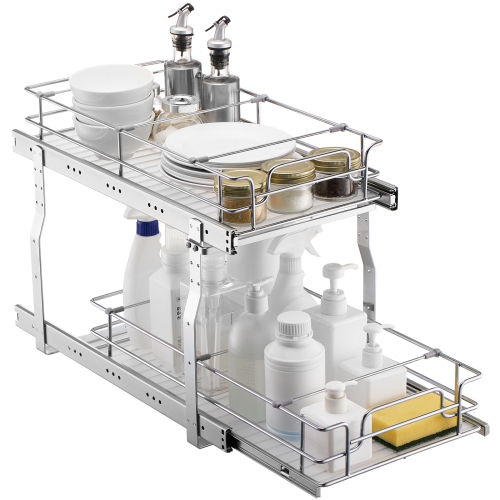
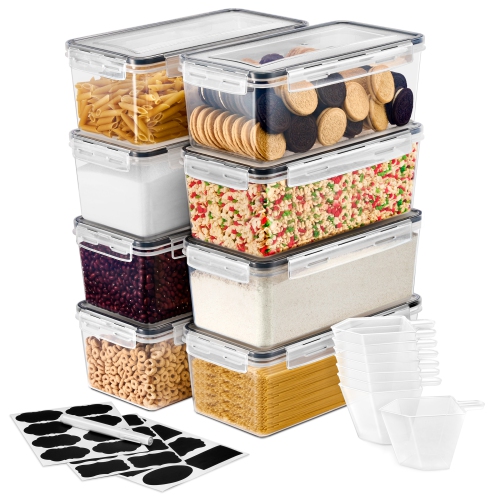
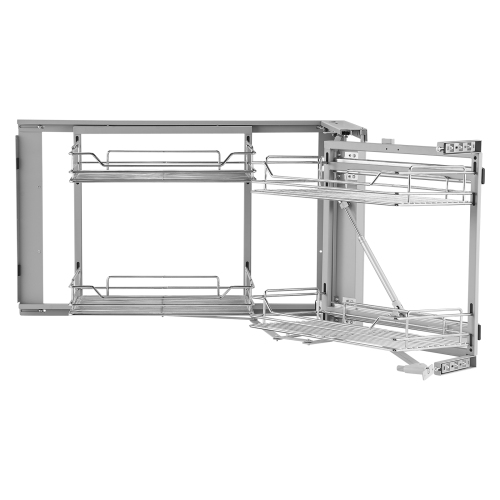
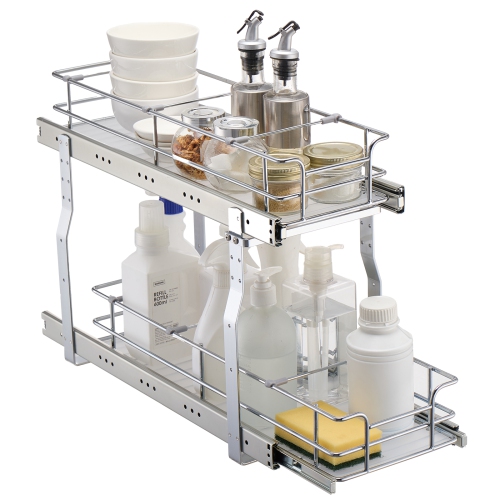
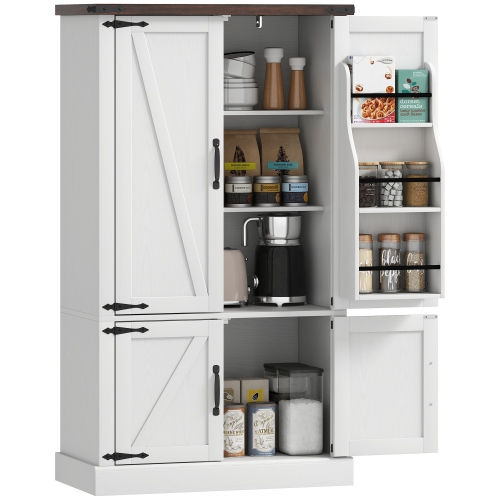
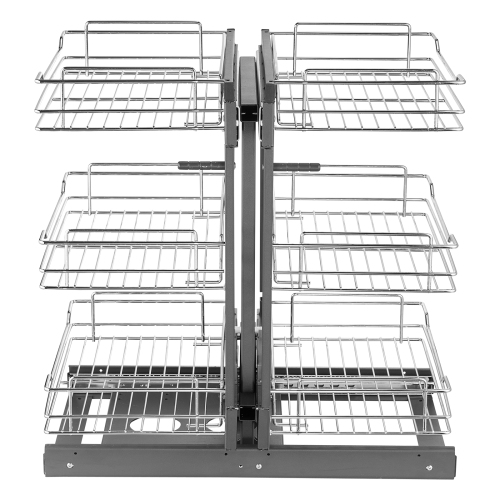
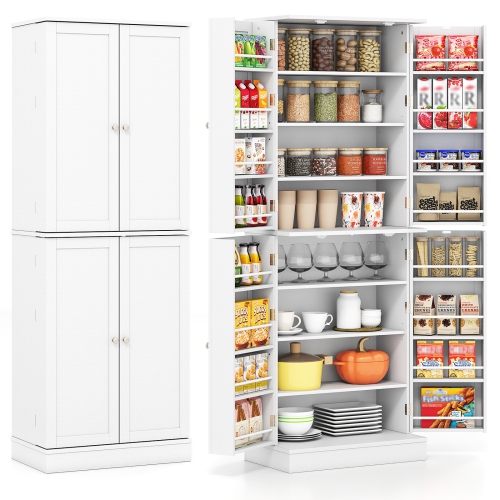
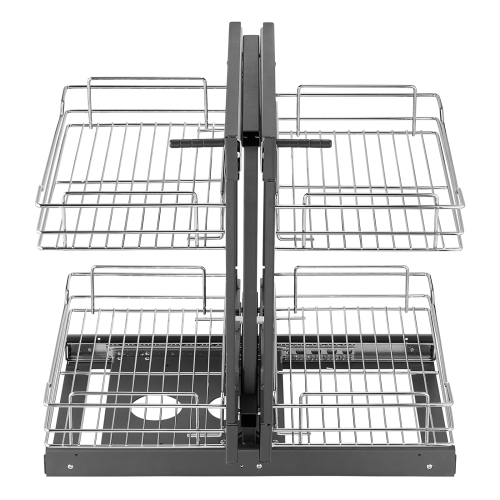

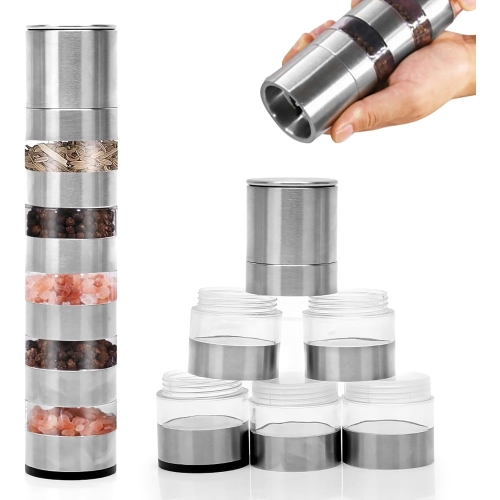
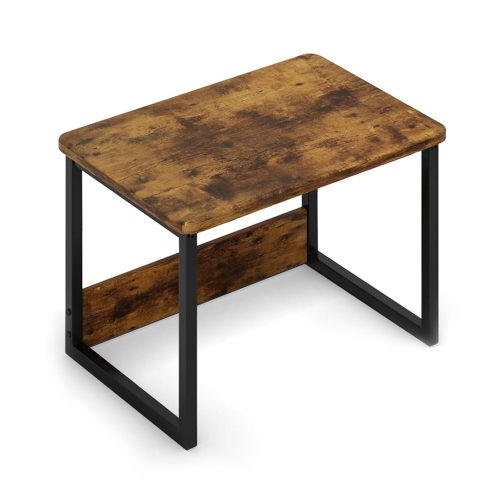
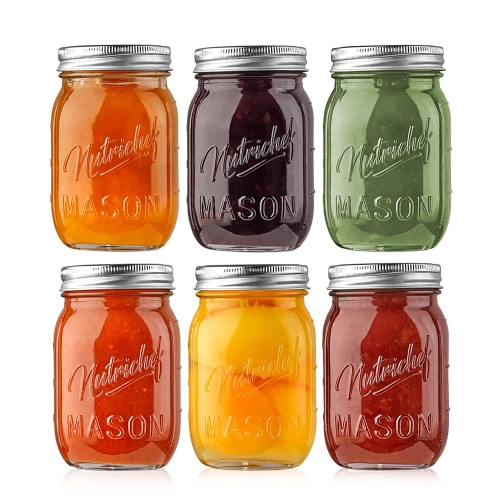
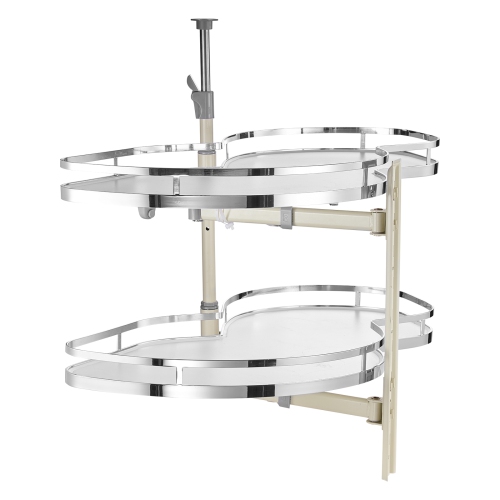
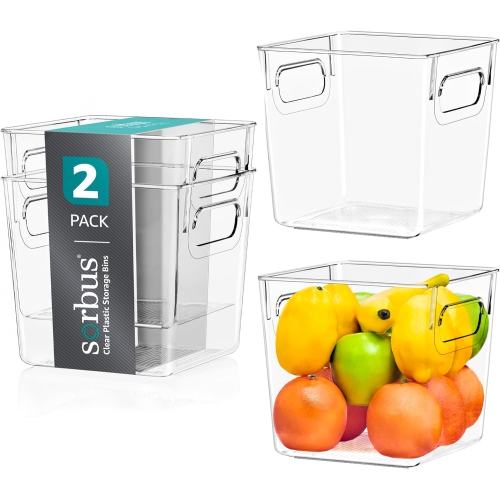
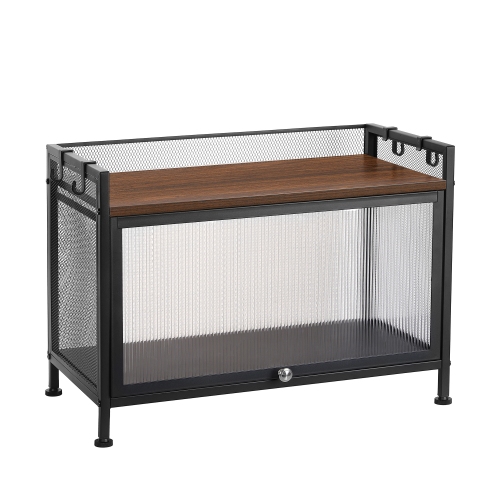
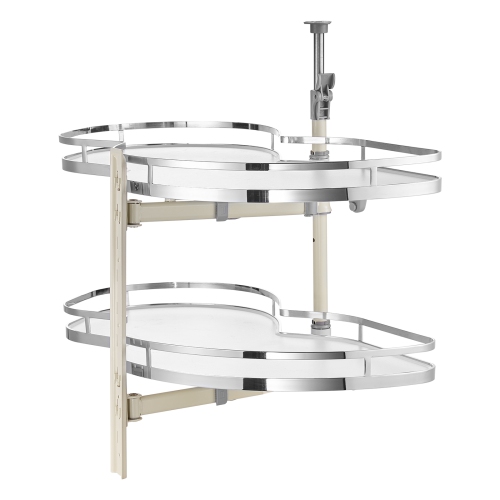
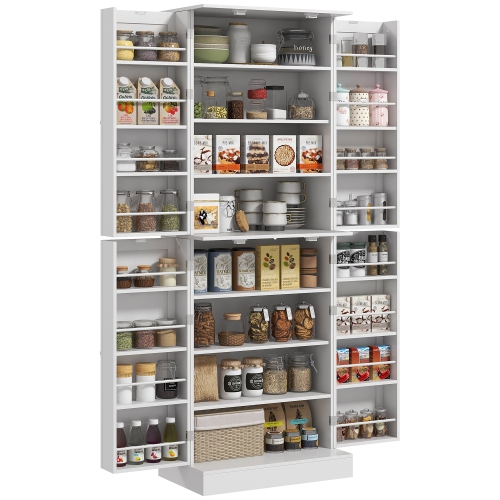
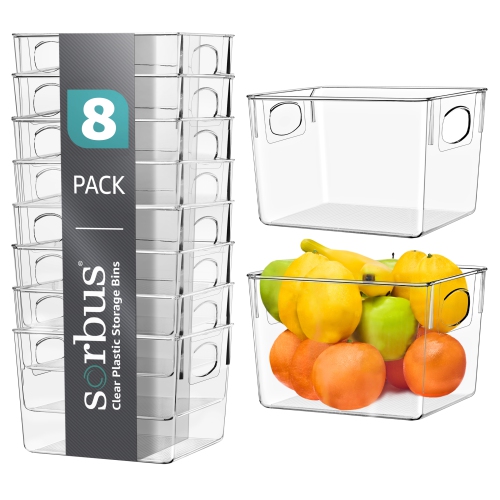
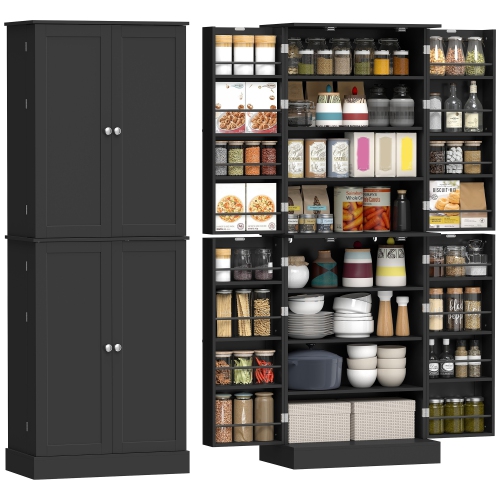
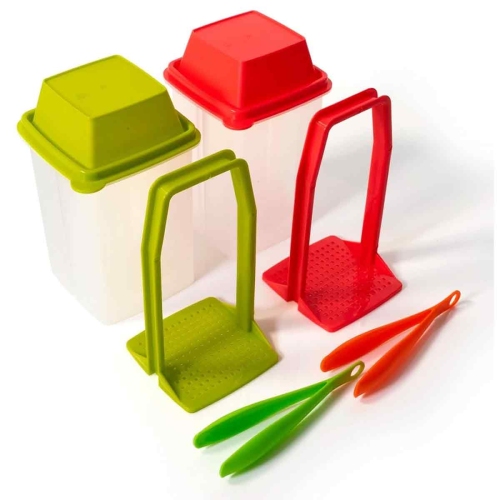
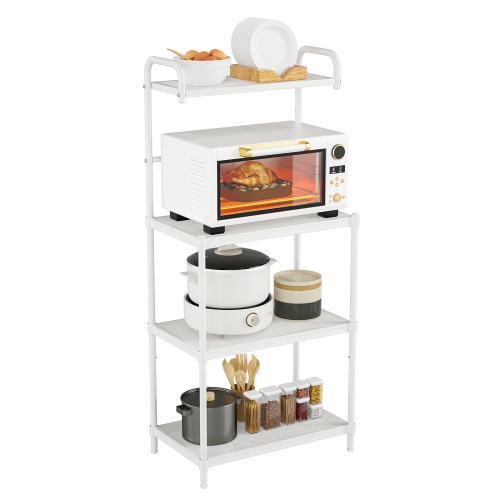
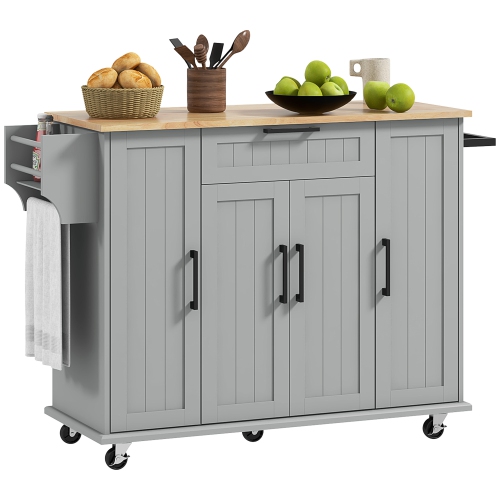
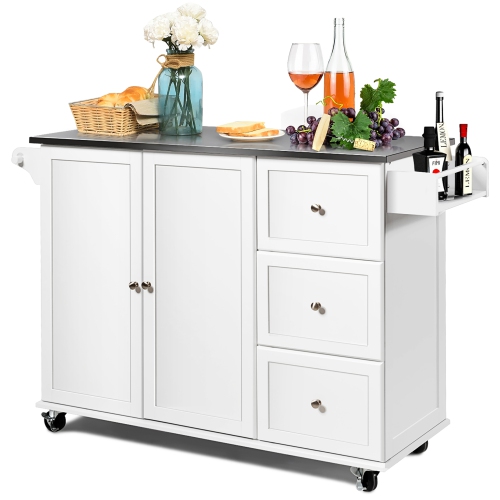

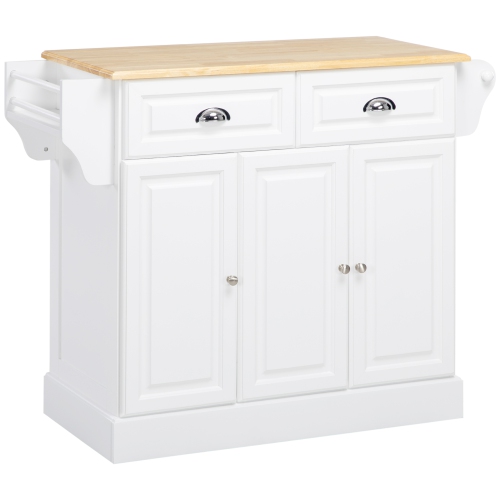
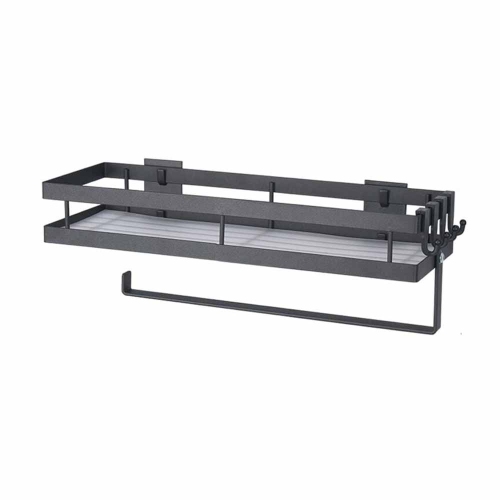
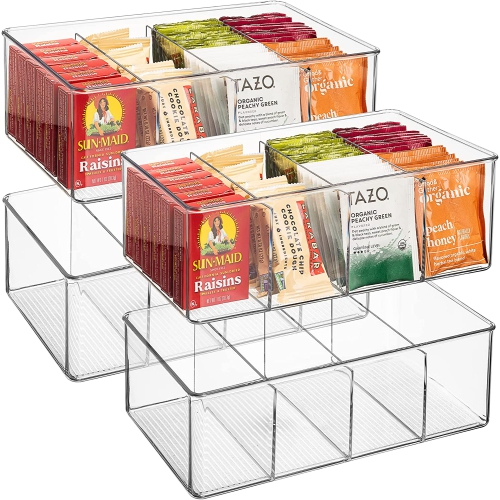
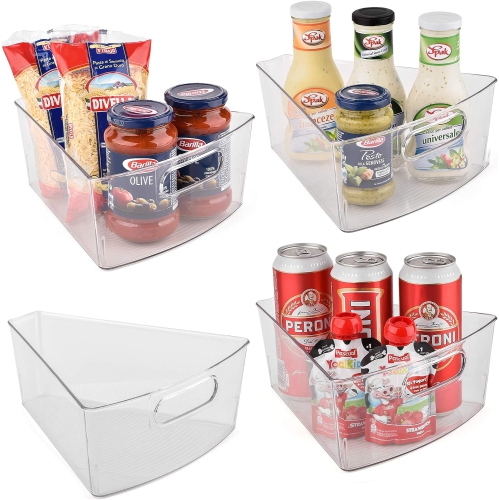
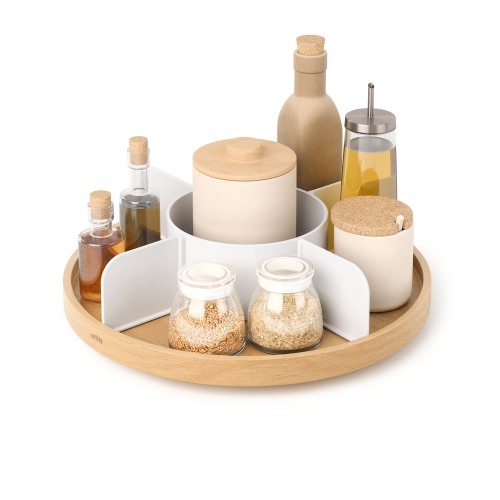
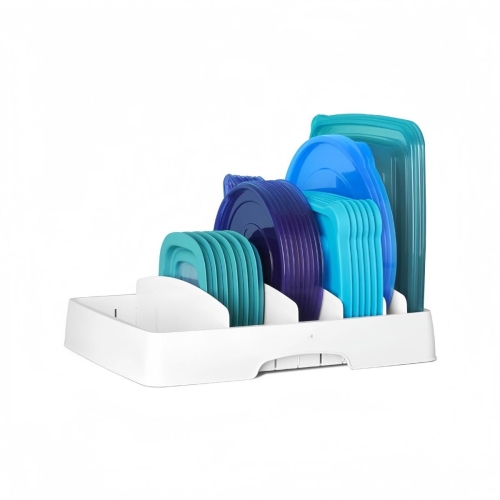

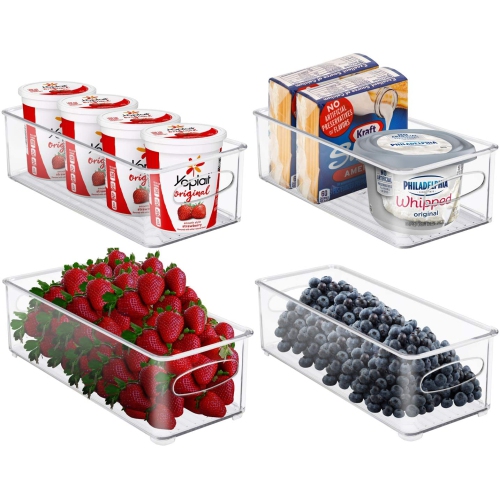
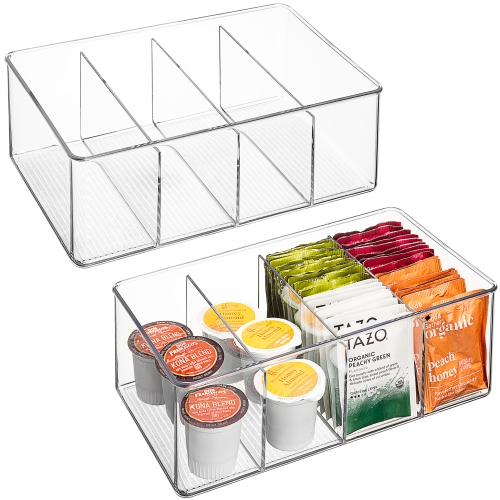
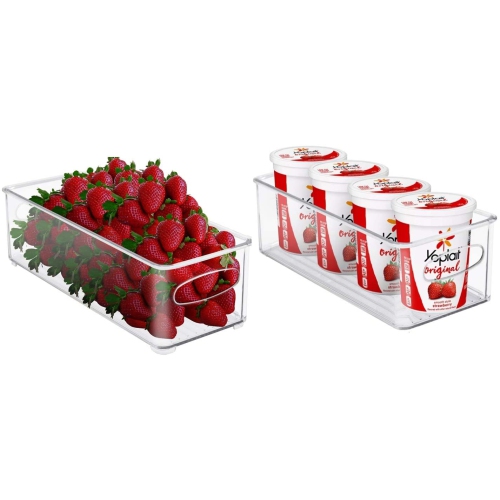
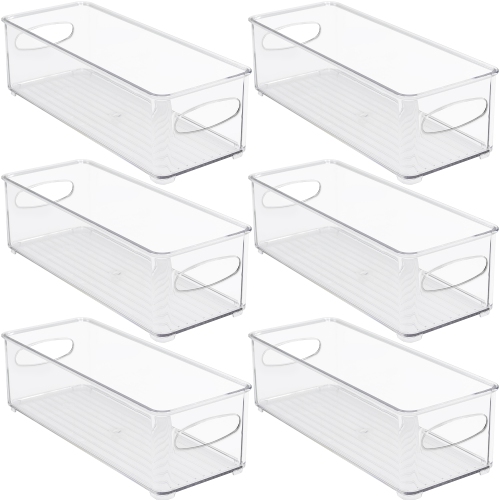
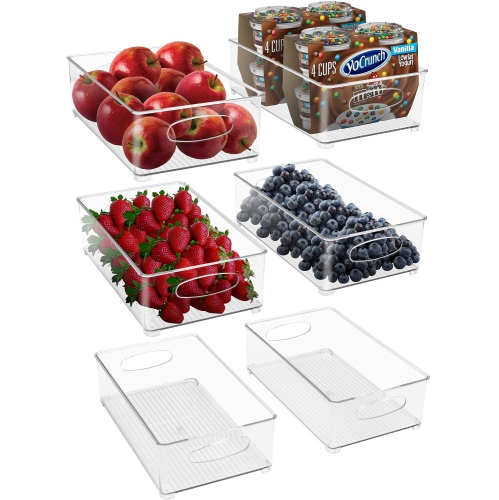
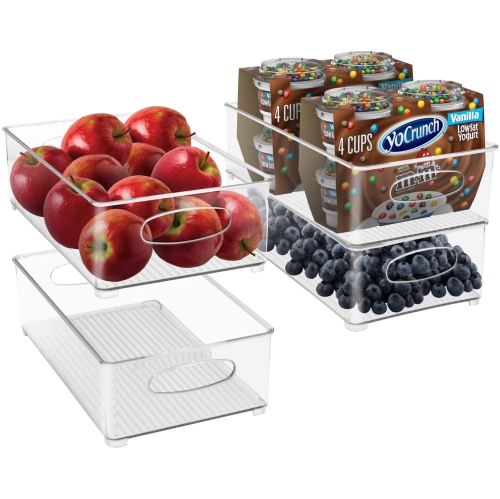
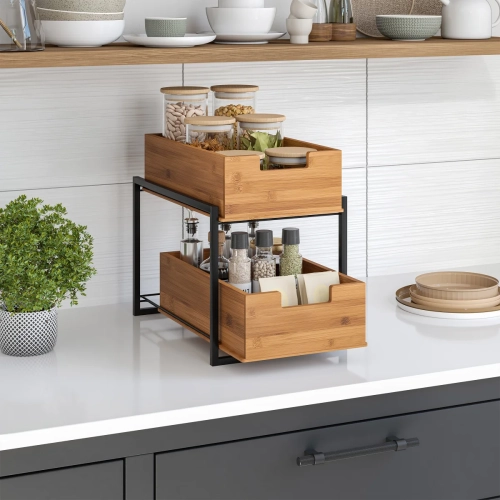

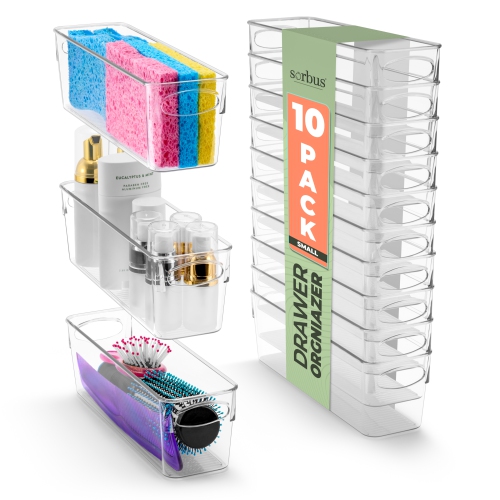
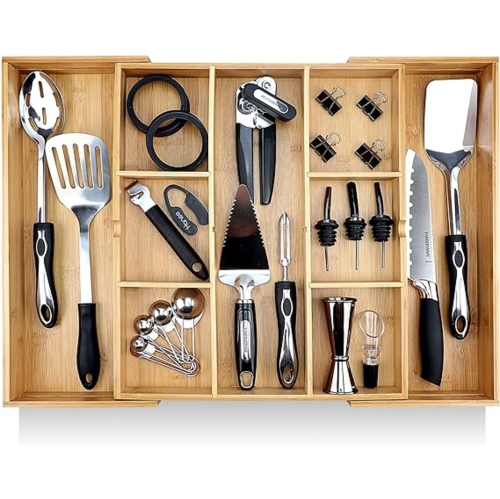
Spice storage that fits your jars and cooking routine
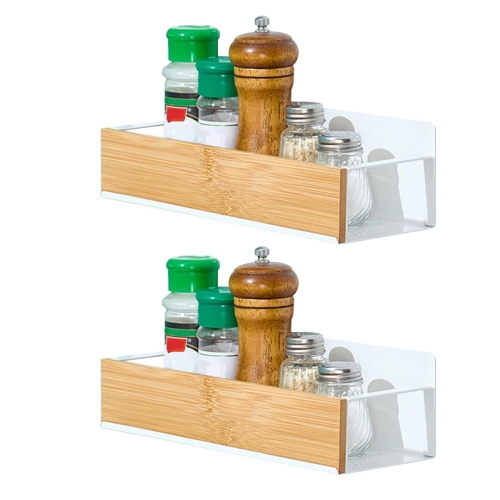
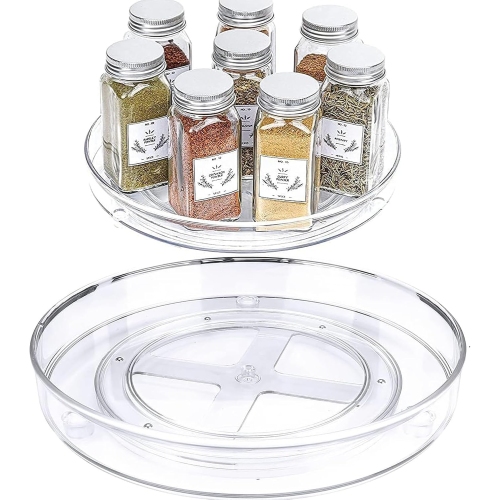
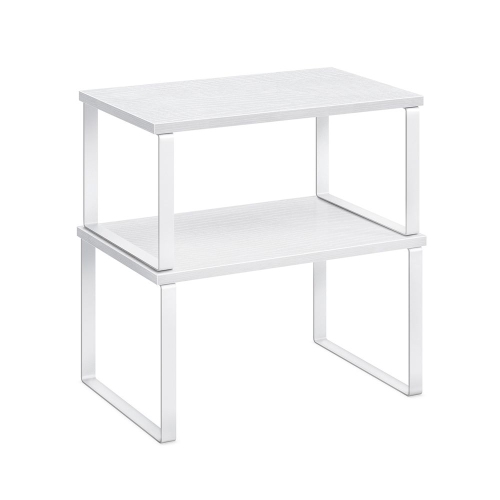
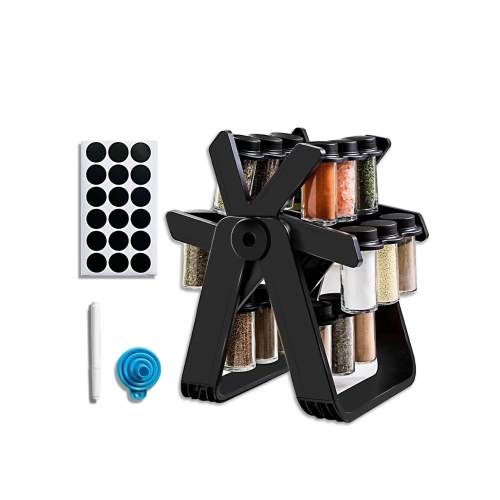
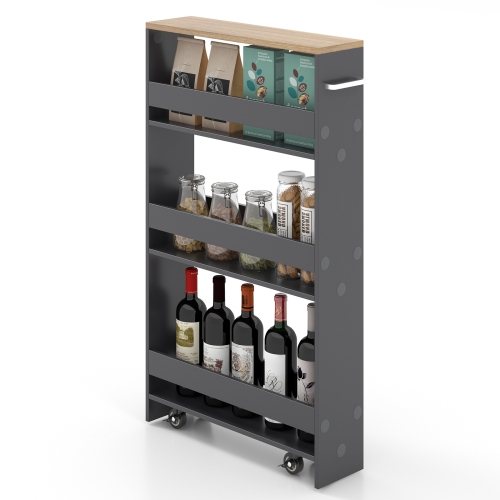
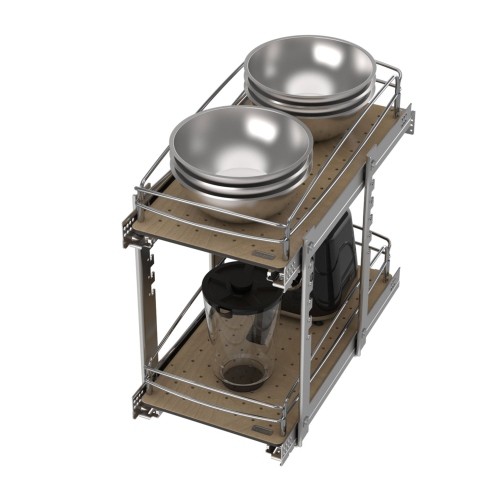
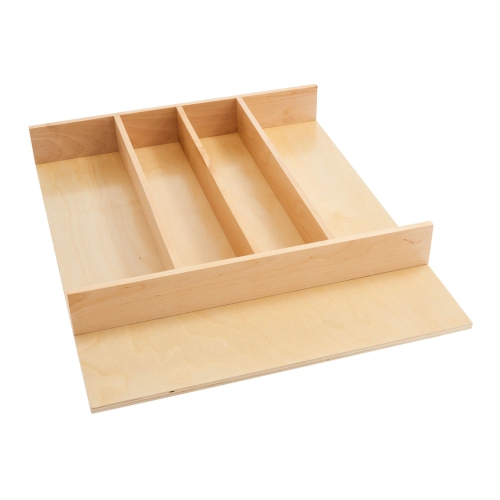
The best kitchen spice organizers suit the storage space, fit the jars being stored, and keep labels easy to read during cooking. A shallow drawer, a narrow cupboard, and an open stretch of countertop each call for a different layout. Tiered shelves raise the back rows so a jar of cumin does not disappear behind the cinnamon, while drawer inserts hold containers at an angle with their labels facing up. Rotating organizers bring jars at the back within reach, and pull-out racks make use of deeper cupboards without requiring a search through several rows. Wall-mounted and cupboard-door racks can free up shelf space, provided their depth leaves enough room for the door to close without touching shelves or other contents. Countertop racks keep frequently used seasonings close to a preparation area, although their footprint matters in a kitchen where the same surface also holds a cutting board or small appliance. Fit involves more than measuring the outside of an organizer. Usable cupboard width may be reduced by hinges, drawer height needs to accommodate jars sitting in the insert, and a rotating base needs clearance to turn with its contents in place. Wider seasoning containers, tall grinders, and small herb jars do not always sit comfortably in the same slots. Open shelves offer flexibility for mixed container sizes, while fitted compartments provide a more structured arrangement for a matching set. Expandable designs can adapt to different shelf widths, but their minimum and maximum dimensions still need to match the intended space. For a narrow pull-out rack, the opening and the space behind it both matter, especially where a door hinge projects inward. A good layout makes it possible to lift out one jar without moving several others, leaving enough room above each shelf to grasp the lid comfortably. That small amount of clearance can make a noticeable difference when one hand is busy stirring a sauce and the other is reaching for paprika.
Materials influence how a spice organizer looks, how it handles daily use, and how easily it can be cleaned. Metal frames can provide a slim structure with open sightlines, while a protective finish helps limit wear from repeated contact with jar bases and lids. Stainless steel is often chosen for its clean appearance and resistance to corrosion, though it still benefits from prompt drying after cleaning. Powder-coated metal offers a different finish, with durability depending partly on the coating remaining intact. Wood and bamboo bring warmer colour and visible grain to open shelving or a countertop, but prolonged moisture can affect their surfaces and joints. Plastic organizers are often lightweight and easy to move for a shelf wipe-down; transparent designs also make spills and stray spice dust easier to spot. Removable trays and simple corners generally take less effort to clean than tight grooves or elaborate wirework. Care instructions vary by construction, so dishwasher suitability should be confirmed rather than assumed, particularly when an organizer combines several materials. A stable base, secure joints, and smooth-moving parts are practical details worth considering alongside appearance. Non-slip feet or liners can help reduce movement, while raised edges help keep jars from sliding off a shelf as it turns or pulls forward. Mounted storage needs appropriate fixings for the surface and a load that stays within the stated limit, including the weight of filled containers. Spice jars themselves also affect the arrangement: uniform containers create predictable spacing, but keeping original jars can preserve ingredient details and avoid unnecessary transfers. When spices are transferred, clean, fully dry containers and well-fitting lids help protect the contents from moisture. Labels positioned on lids suit many drawer layouts, whereas front-facing labels work well on stepped shelves. Keeping ingredient names and best-before information readable makes the system useful beyond its appearance, especially when several ground spices have a similar colour.
Kitchen spice organizers are most useful when their arrangement reflects everyday cooking rather than a layout that only looks tidy when untouched. Someone who regularly makes curries may want several ground spices grouped together, while a keen baker might keep cinnamon, nutmeg, and other baking seasonings in one accessible section. Alphabetical order works well for a larger collection shared by several people; grouping by frequency of use can suit a smaller kitchen where a handful of seasonings does most of the work. Either approach benefits from labels that are easy to distinguish and enough space to return each jar without rearranging its neighbours. Keeping spices near the preparation area can save steps, but a position directly above a hob or beside a frequently steaming appliance may expose them to heat and moisture. A cupboard or drawer away from direct sunlight can provide convenient storage without leaving every jar on display. For smaller homes, using a suitable door or shallow drawer can preserve valuable worktop space, while a pantry may have room for broader tiers and separate sections for backup containers. Accessibility matters too: an organizer placed within a comfortable reach is more useful than one that requires stretching, and a loaded rack should move smoothly without needing a sharp tug. Spice storage can also sit alongside other Kitchen Organizers to give utensils, cookware, and pantry ingredients distinct places without crowding the main preparation surface. Matching every finish is not essential; consistent labels and an arrangement that follows the way the kitchen is used often create a more cohesive result. For a housewarming or a gift to someone who enjoys cooking, a spice organizer can be a thoughtful choice when the recipient’s storage space and existing jars are known. Whether tucked into a drawer or displayed on a shelf, its value comes from keeping familiar ingredients visible, reachable, and easy to put away.
Top selling and popular products
-
 Your price for this item is $557.99
-
 Your price for this item is $1197.99
-
 Your price for this item is $886.99
-
 Your price for this item is $298.99
-
 Your price for this item is $598.99
-
 Your price for this item is $254.99
-
 Your price for this item is $176.99
-
 Your price for this item is $278.99
Discover more categories related to Kitchen Spice Organizers
Top Collections:
Best Black Friday Deals This Year, Best Black Friday Deals On Electronics, Kindle Devices, Best Black Friday Deals On Apple Products, Best Budget Office Chairs, Best Cameras for Sports Photography, Dyson Airwrap, Canon G7X Cameras, Best Laptops for Writers, Samsung Galaxy Phones
Some products may be subject to Environmental Handling Fees
(EHF) depending on your province.
Learn more about EHFs.