Lamp Posts
Illuminate your outdoor space with elegance and style with our selection of lamp posts. Whether you're looking to enhance your home's curb appeal or add a warm glow to your garden, our range of lamp posts offers a variety of designs and finishes to suit every taste. From traditional lantern styles to modern, sleek options, these outdoor lighting fixtures are not only functional but also serve as decorative elements that can elevate the look of your exterior. Explore our collection of lamp posts to find the perfect lighting solution for your outdoor area.
Sort




Practical guidance for lighting paths, driveways and entrances
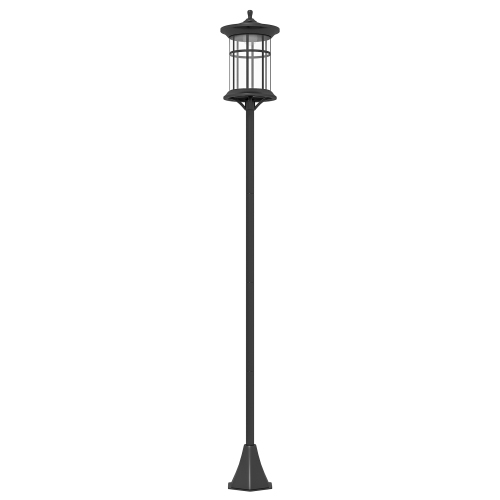
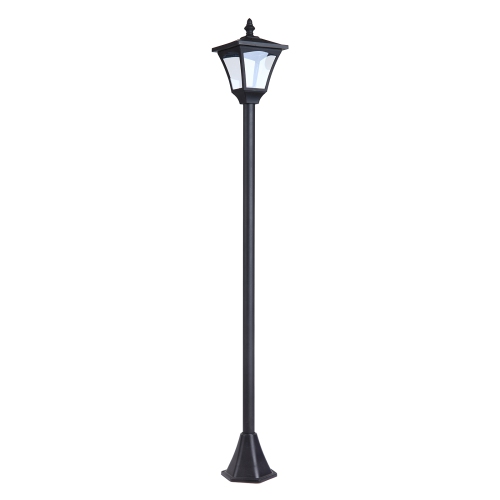
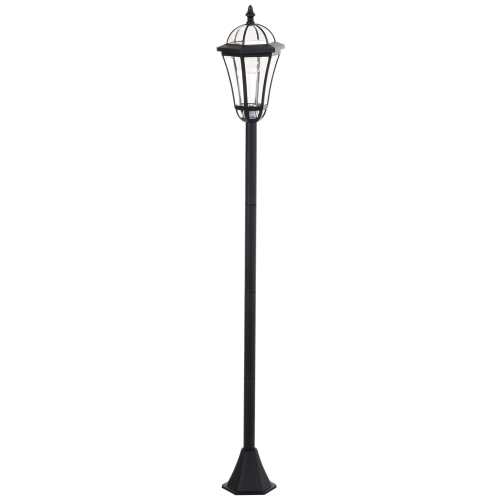
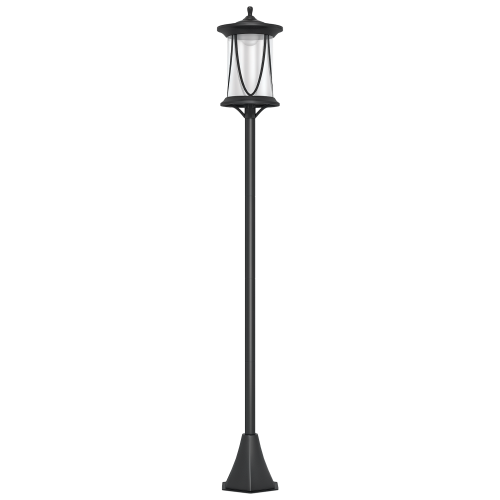
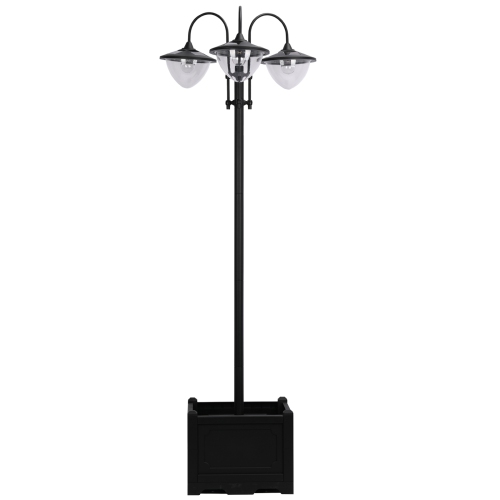
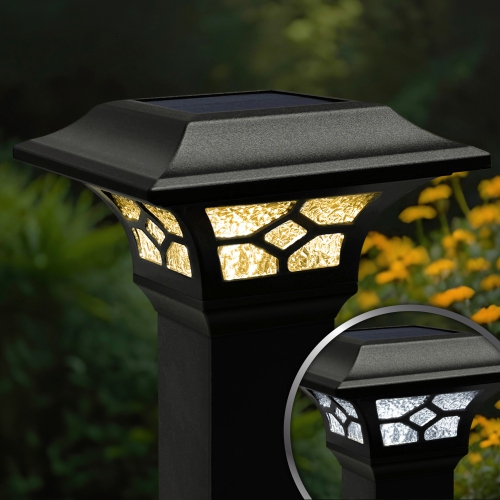
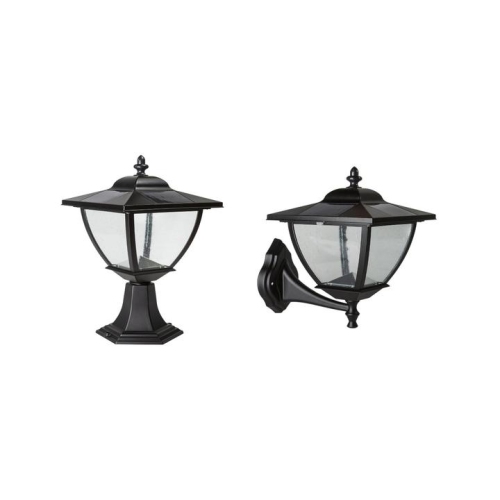
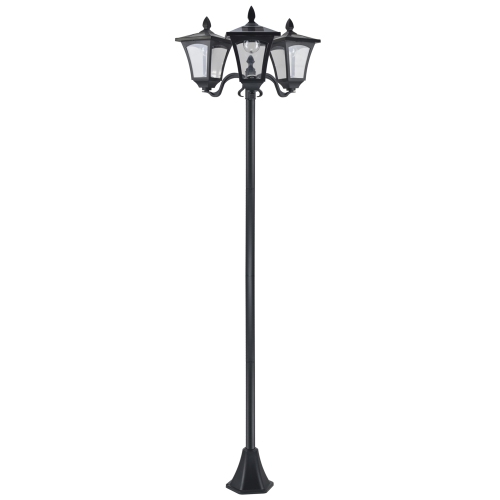
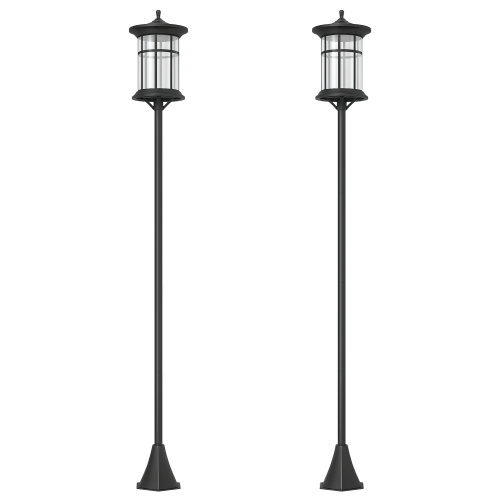
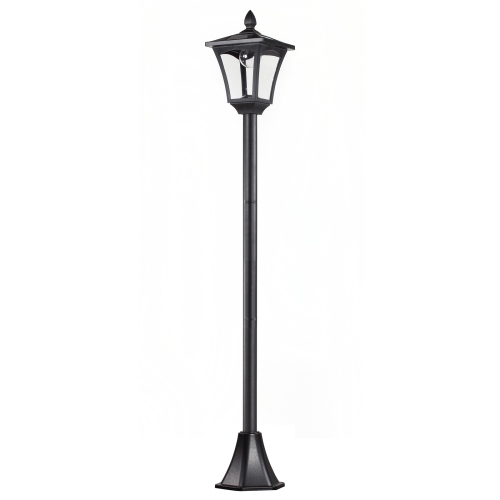
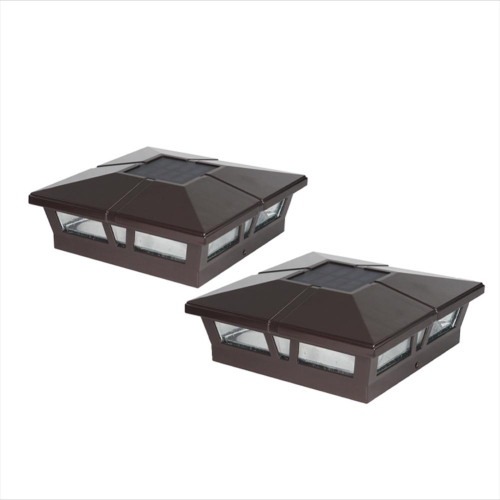
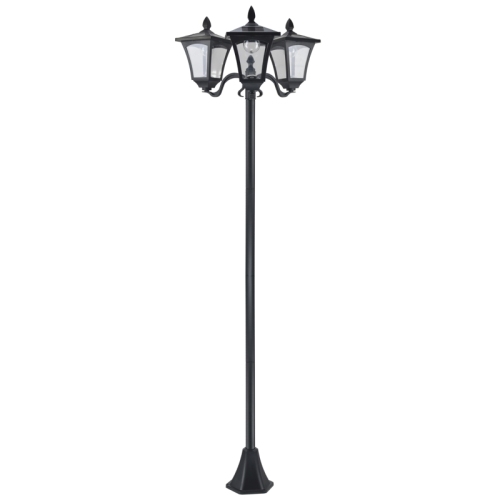
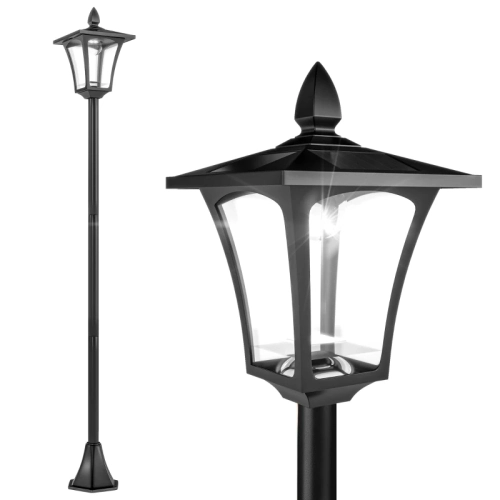
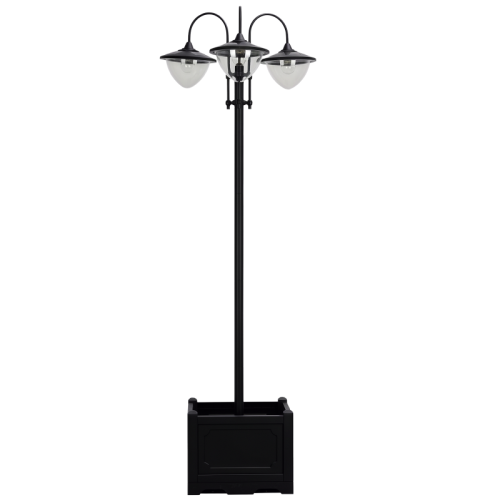
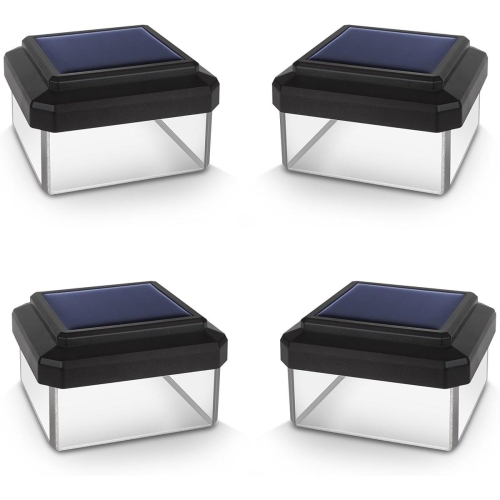
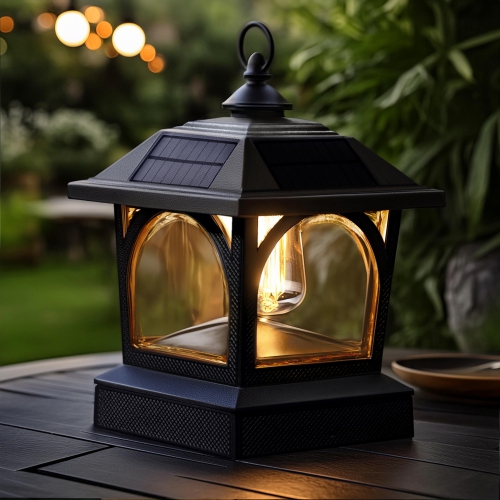
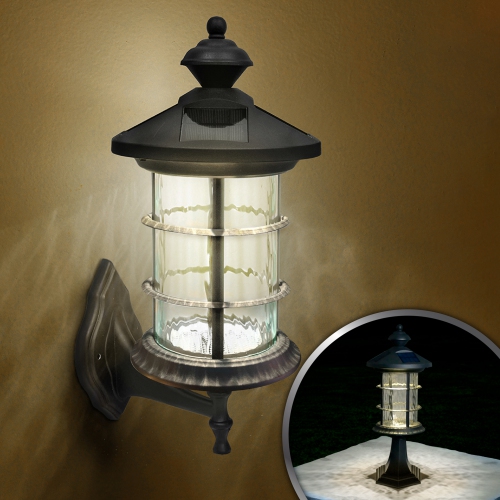
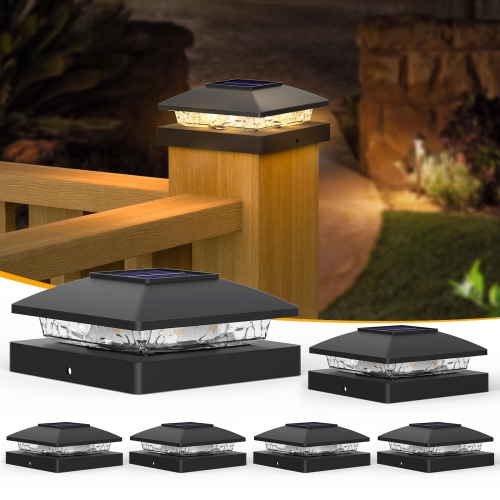
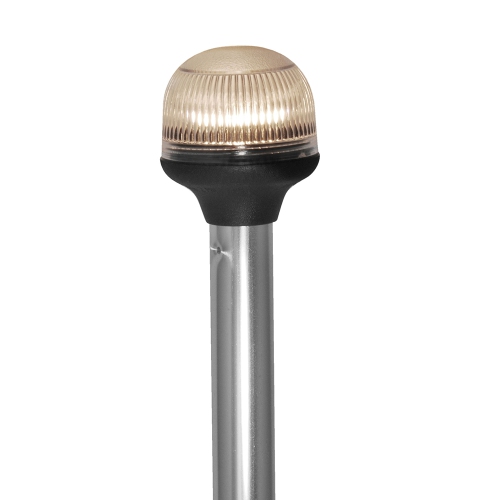
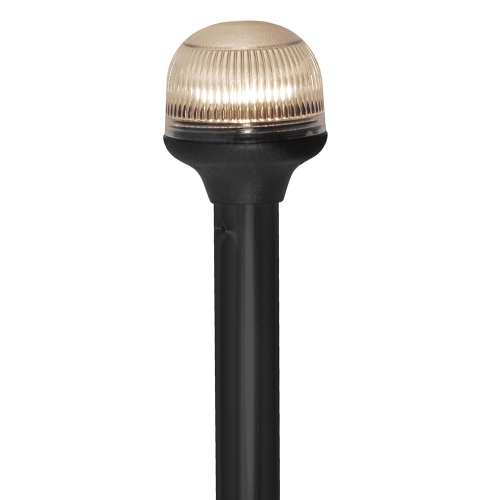
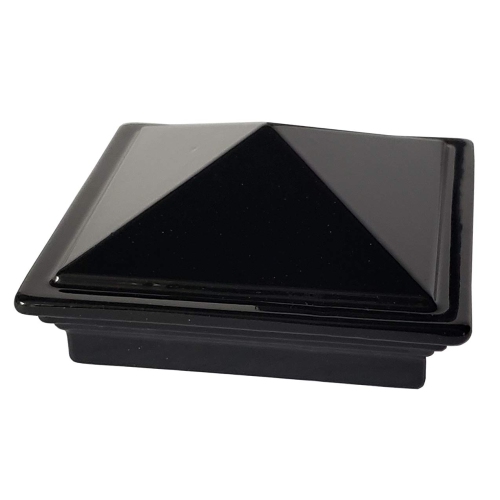
Lamp posts add a distinct sense of arrival to outdoor spaces while providing practical illumination for walkways, driveways, gardens, patios and entrances. Unlike wall-mounted fixtures, a lamp post can spread light from a central, elevated position, helping define a property’s layout and making paths easier to follow after sunset. Residential lamp posts commonly stand between 6 and 9 feet tall, although the ideal height depends on the size of the space, the surrounding landscaping and the amount of light required. A shorter post may suit a compact front walkway or garden path, while a taller design can provide broader coverage near a driveway or larger yard. When choosing among lamp posts, consider the fixture’s overall proportions as well as its finish. Cast aluminum, resin, embossed vinyl and composite wood are commonly used for outdoor lighting, with each material offering a different look and level of visual weight. A classic lantern-style top can complement traditional architecture, while a simpler silhouette may blend neatly with contemporary siding, fencing and hardscaping. Dark finishes tend to create a defined outline against snow, stone and pale paving, whereas lighter or textured finishes can coordinate with trim, masonry and garden structures. Details such as the shape of the lantern, the number of lights, the type of shade and the direction of the illumination can also affect how the space feels. Clear panels generally allow more light to pass through, while frosted or opaque panels can create a softer glow that is comfortable to look at from a nearby window or seating area. Lamp posts are useful for homeowners improving visibility around a front entrance, families who want a more clearly marked route from the driveway to the door, and anyone arranging an outdoor space for evening gatherings. They can also make thoughtful housewarming or home-improvement gifts, particularly for someone settling into a property with an unfinished walkway, dim driveway or newly landscaped yard. For a coordinated look, browse related Outdoor Lamps to compare complementary lighting styles for entrances, walls and other areas around the home.
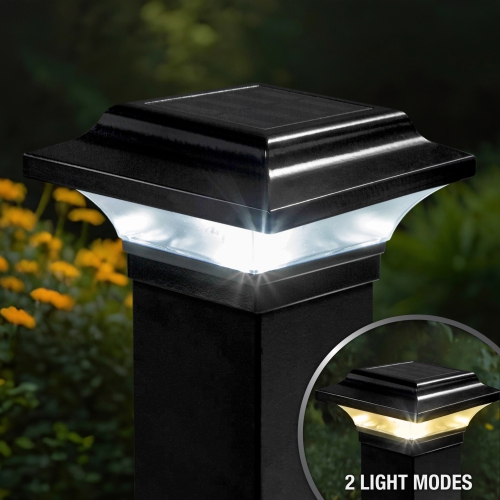
The power source is one of the most important decisions when selecting a lamp post. Solar-powered models use an integrated panel to collect sunlight during the day and can turn on automatically around dusk, making them convenient for locations where running an electrical line would be difficult. Their performance depends on the amount of direct sunlight available, the panel’s placement, the battery capacity and the length of darkness through the night. A shaded garden, covered porch or north-facing area may not provide the same charging conditions as an open location, so check the product specifications and the intended placement before making a decision. Hardwired lamp posts connect to the home’s electrical system and can provide steady illumination without relying on daylight collection. They may be a suitable choice when consistent brightness is a priority or when the post is being installed as part of a broader outdoor electrical plan. Hardwired installation generally involves more planning, and electrical work should be completed according to local requirements by a qualified professional where necessary. Also review the fixture’s bulb compatibility, brightness, colour temperature and control options. A warmer light can create a welcoming appearance near a front door, while a brighter, cooler light may be preferred for a driveway or side path where visibility is the main concern. Dusk-to-dawn sensors, timers and motion-activated controls can help tailor operation to the way a household uses its outdoor areas. Before installation, measure the proposed location from nearby steps, gates, fences, parked vehicles and tree branches. The post should be visible without narrowing the walkway or interfering with snow clearing, lawn care or access to the driveway. Think about sightlines from the street and from inside the home as well; a well-positioned lamp post can highlight an entrance without shining directly into a bedroom or neighbouring window. During the cooler months, it is also helpful to consider where snow may accumulate and whether drifting snow could cover a lower fixture, sensor or solar panel.
A secure foundation is essential for any freestanding lamp post, particularly in areas exposed to wind, frozen ground or regular contact from lawn equipment and foot traffic. Installation commonly involves digging a hole roughly 18 to 36 inch deep, adding gravel to support drainage, positioning the post so it is plumb, and pouring concrete to create a stable footing. Exact requirements vary according to the post design, soil conditions, local frost depth and manufacturer instructions, so the installation guide should be reviewed before work begins. Confirm the location of underground utilities before digging, and allow sufficient curing time for concrete before attaching the fixture or putting the area back into regular use. A level post will look more polished and will keep the lantern aligned, while careful spacing from the path helps distribute light without creating an obstruction. Once installed, occasional maintenance can keep the lamp post performing and looking its best. Wipe away dust, pollen and residue from the lens and solar panel as needed, inspect seals and fasteners, and check that branches or growing plants are not blocking the light. In regions with snow and ice, remove buildup gently and avoid striking the fixture or scraping delicate surfaces with metal tools. For hardwired installations, have damaged wiring or flickering lights assessed by a qualified professional rather than attempting electrical repairs without the appropriate expertise. Whether used to frame a front gate, lead guests toward a porch, illuminate a driveway or add structure to a landscaped yard, lamp posts combine useful outdoor lighting with a strong architectural accent. Choosing the right height, material, power source, brightness and installation method can help create an entrance that remains welcoming from the first crisp evenings of fall through the darker days of winter and beyond.
The power source is one of the most important decisions when selecting a lamp post. Solar-powered models use an integrated panel to collect sunlight during the day and can turn on automatically around dusk, making them convenient for locations where running an electrical line would be difficult. Their performance depends on the amount of direct sunlight available, the panel’s placement, the battery capacity and the length of darkness through the night. A shaded garden, covered porch or north-facing area may not provide the same charging conditions as an open location, so check the product specifications and the intended placement before making a decision. Hardwired lamp posts connect to the home’s electrical system and can provide steady illumination without relying on daylight collection. They may be a suitable choice when consistent brightness is a priority or when the post is being installed as part of a broader outdoor electrical plan. Hardwired installation generally involves more planning, and electrical work should be completed according to local requirements by a qualified professional where necessary. Also review the fixture’s bulb compatibility, brightness, colour temperature and control options. A warmer light can create a welcoming appearance near a front door, while a brighter, cooler light may be preferred for a driveway or side path where visibility is the main concern. Dusk-to-dawn sensors, timers and motion-activated controls can help tailor operation to the way a household uses its outdoor areas. Before installation, measure the proposed location from nearby steps, gates, fences, parked vehicles and tree branches. The post should be visible without narrowing the walkway or interfering with snow clearing, lawn care or access to the driveway. Think about sightlines from the street and from inside the home as well; a well-positioned lamp post can highlight an entrance without shining directly into a bedroom or neighbouring window. During the cooler months, it is also helpful to consider where snow may accumulate and whether drifting snow could cover a lower fixture, sensor or solar panel.
A secure foundation is essential for any freestanding lamp post, particularly in areas exposed to wind, frozen ground or regular contact from lawn equipment and foot traffic. Installation commonly involves digging a hole roughly 18 to 36 inch deep, adding gravel to support drainage, positioning the post so it is plumb, and pouring concrete to create a stable footing. Exact requirements vary according to the post design, soil conditions, local frost depth and manufacturer instructions, so the installation guide should be reviewed before work begins. Confirm the location of underground utilities before digging, and allow sufficient curing time for concrete before attaching the fixture or putting the area back into regular use. A level post will look more polished and will keep the lantern aligned, while careful spacing from the path helps distribute light without creating an obstruction. Once installed, occasional maintenance can keep the lamp post performing and looking its best. Wipe away dust, pollen and residue from the lens and solar panel as needed, inspect seals and fasteners, and check that branches or growing plants are not blocking the light. In regions with snow and ice, remove buildup gently and avoid striking the fixture or scraping delicate surfaces with metal tools. For hardwired installations, have damaged wiring or flickering lights assessed by a qualified professional rather than attempting electrical repairs without the appropriate expertise. Whether used to frame a front gate, lead guests toward a porch, illuminate a driveway or add structure to a landscaped yard, lamp posts combine useful outdoor lighting with a strong architectural accent. Choosing the right height, material, power source, brightness and installation method can help create an entrance that remains welcoming from the first crisp evenings of fall through the darker days of winter and beyond.
Top selling and popular products
-
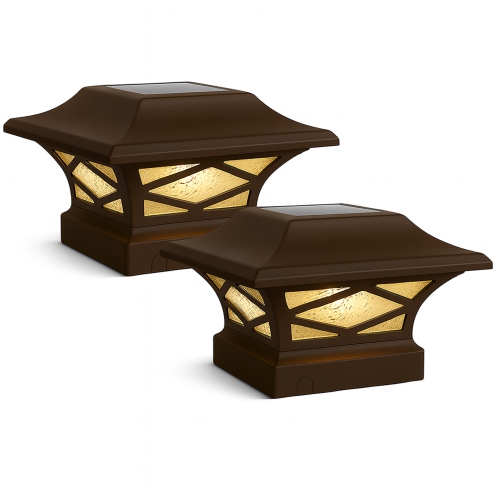 Your price for this item is $99.99
 -
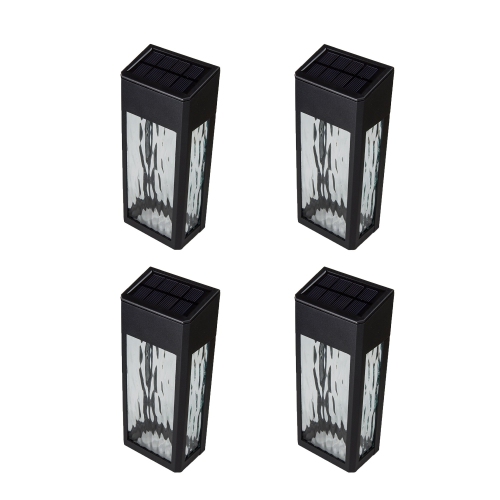 Your price for this item is $73.99
 -
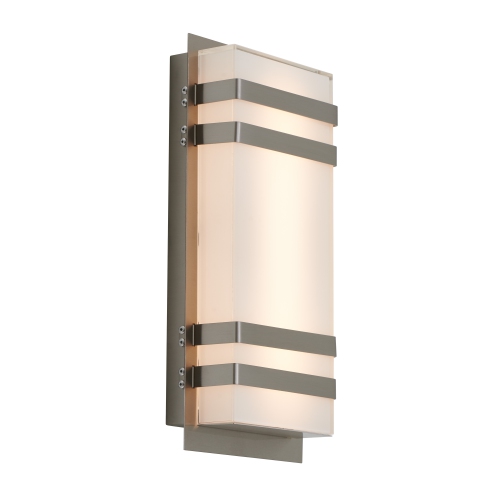 Your price for this item is $69.99
 -
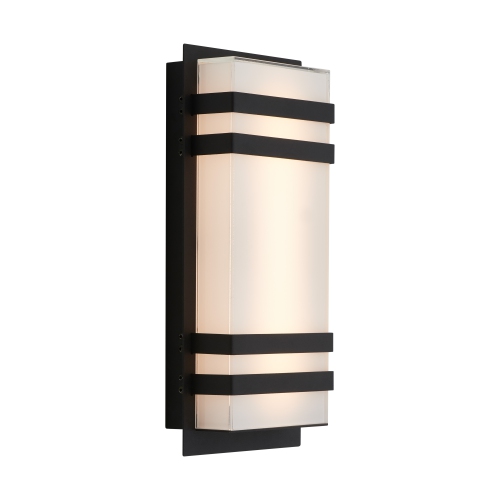 Your price for this item is $59.99
 -
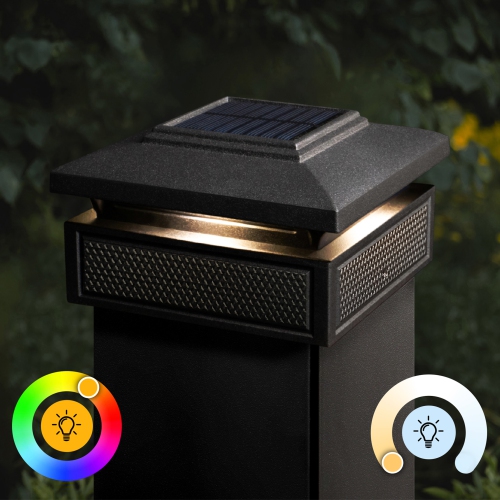 Your price for this item is $99.99
 -
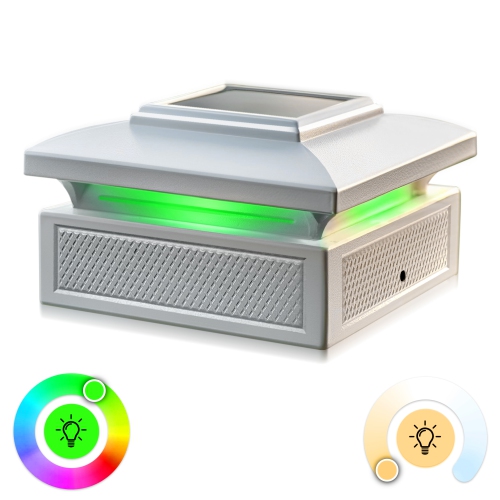 Your price for this item is $99.99
 -
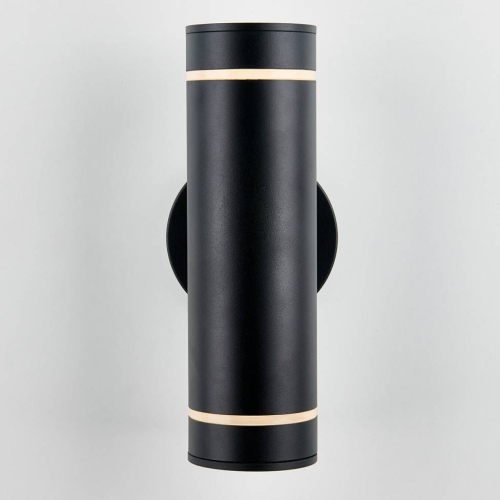 Your price for this item is $99
 -
 Your price for this item is $108.99
Discover more categories related to Lamp Posts
Top Collections:
Pokemon Centers, Budget 4K TVs, Kindle Devices, Canon G7X Cameras, Apple iPhones 16, iPhone 15 Apple, Laptops for Business Work, Flip Phones, Xiaomi Phones, Refurbished Apple Laptops
Some products may be subject to Environmental Handling Fees
(EHF) depending on your province.
Learn more about EHFs.