Solar Lamp Post Lights
Illuminate your outdoor space with style and sustainability using Solar Lamp Post Lights. These innovative lighting solutions harness the power of the sun to provide a warm and inviting glow to your garden, pathway, or patio. Say goodbye to traditional wired lights and hello to energy-efficient and eco-friendly illumination that adds charm and functionality to your outdoor living areas. Whether you're looking to enhance curb appeal, increase security, or simply create a relaxing ambiance, solar lamp post lights are a versatile and practical choice for any home.
Sort
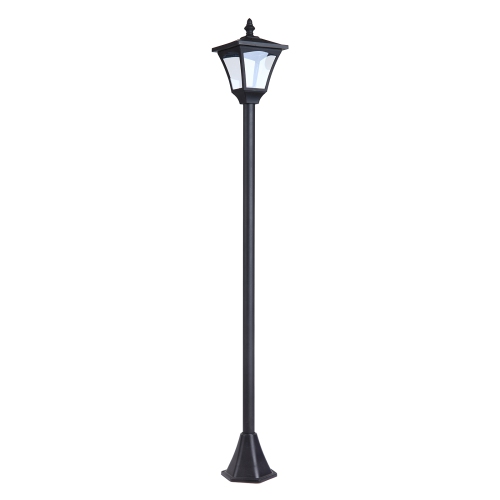
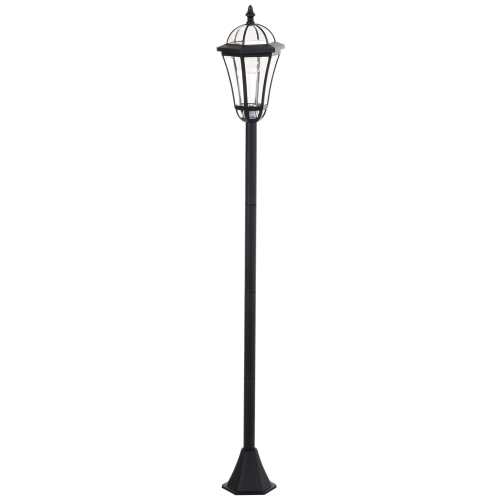
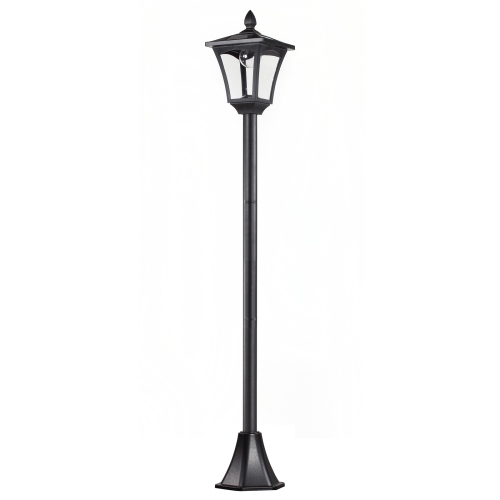
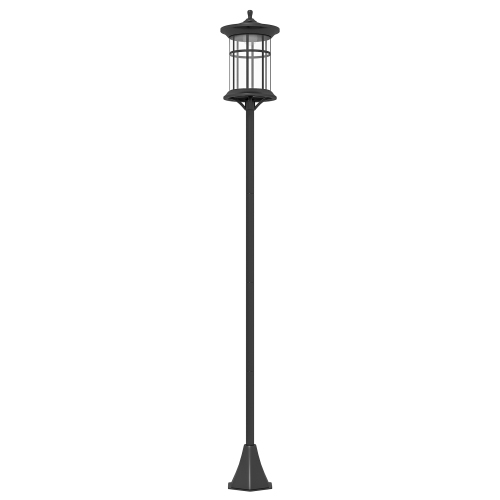
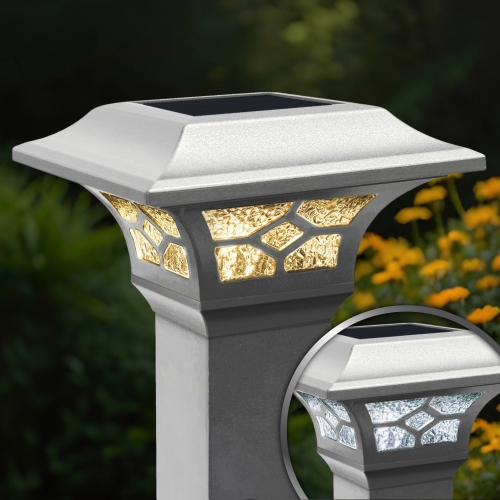
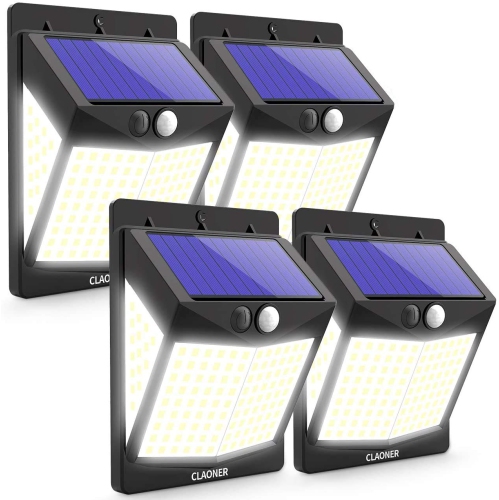
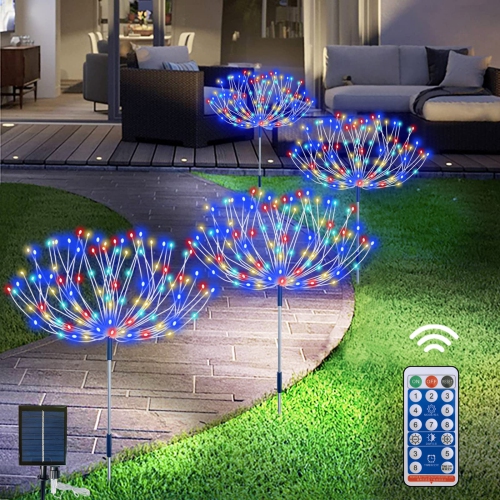

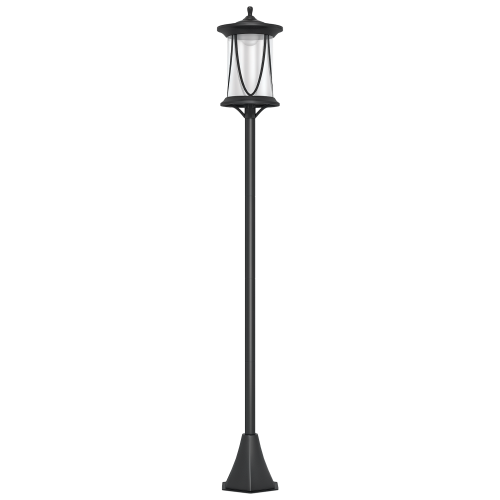




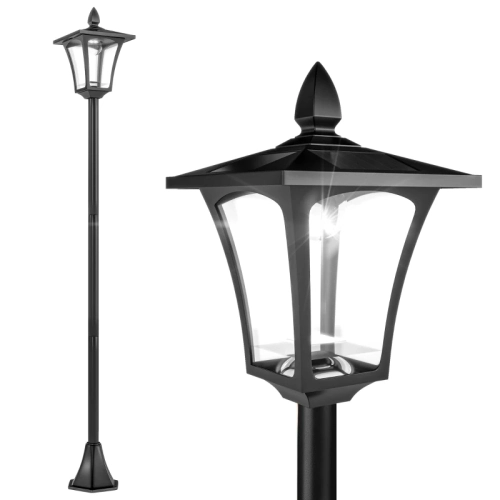
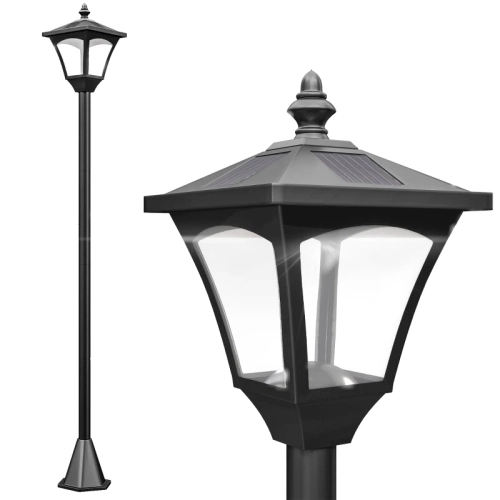
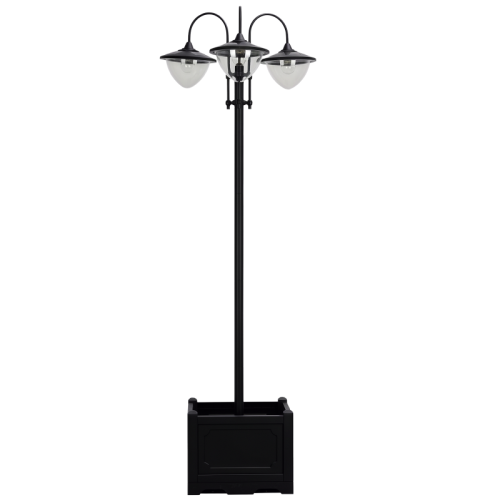
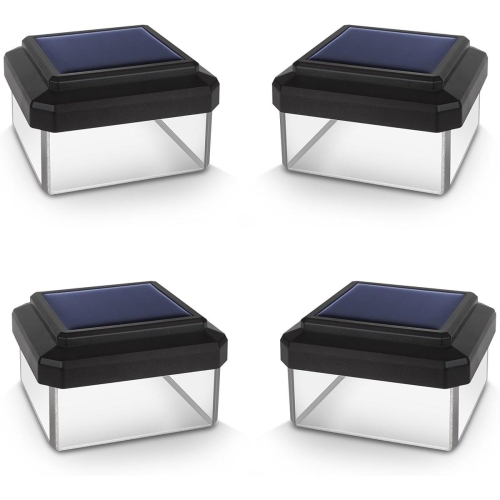


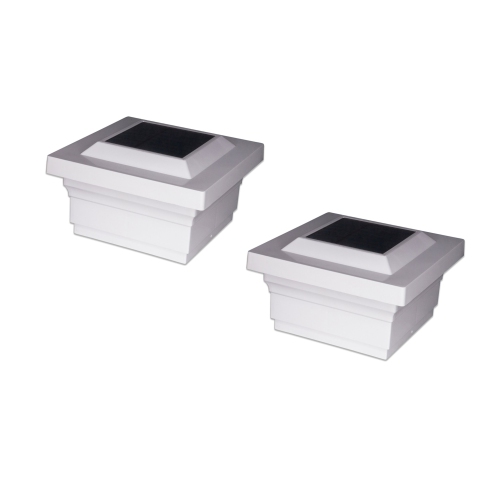

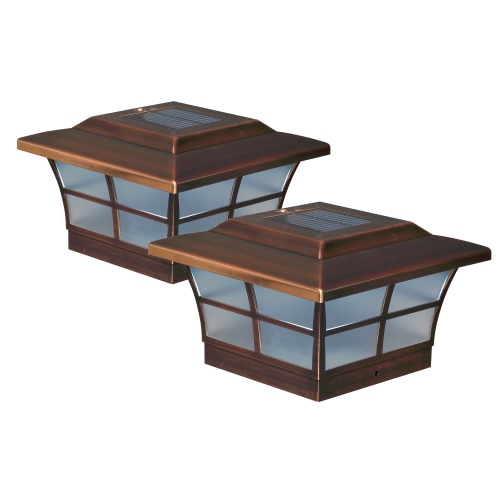
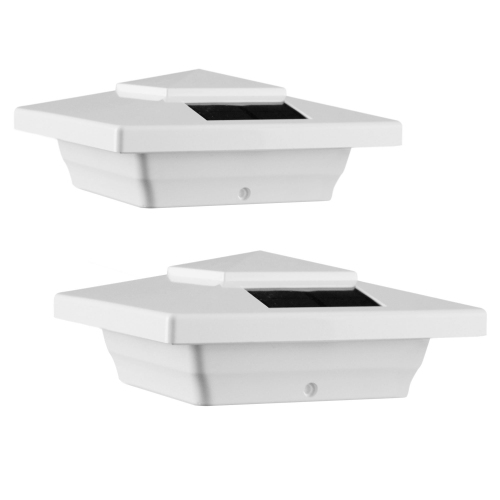
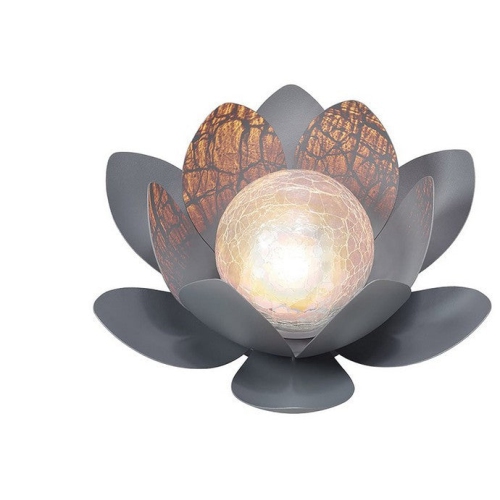
Outdoor lighting without the hassle of running cable
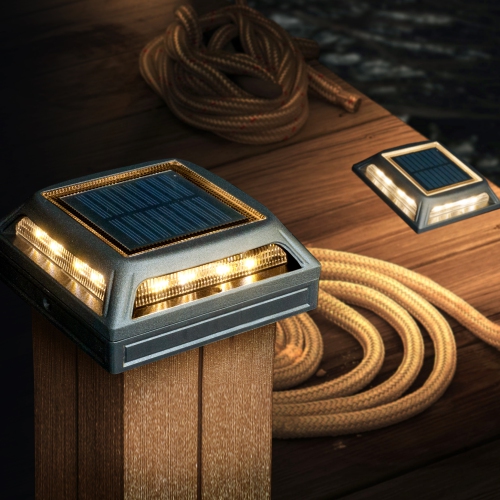
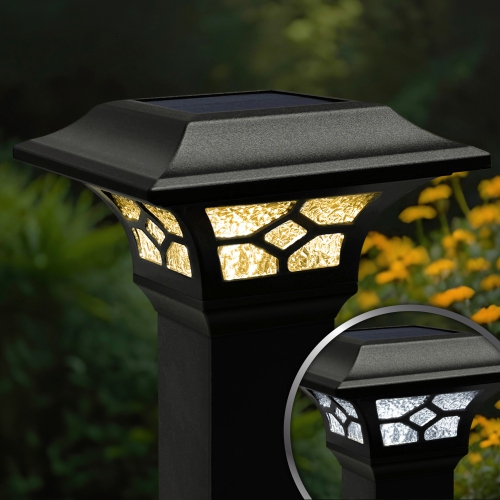
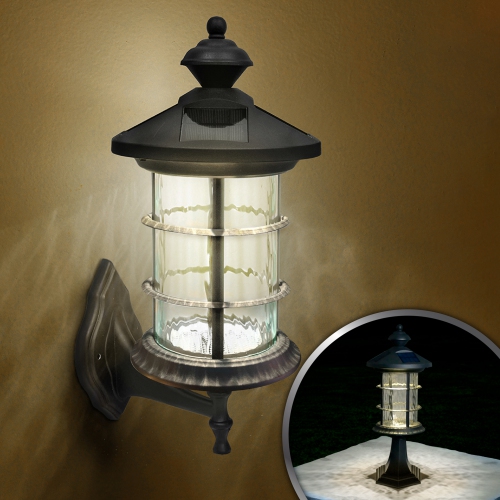
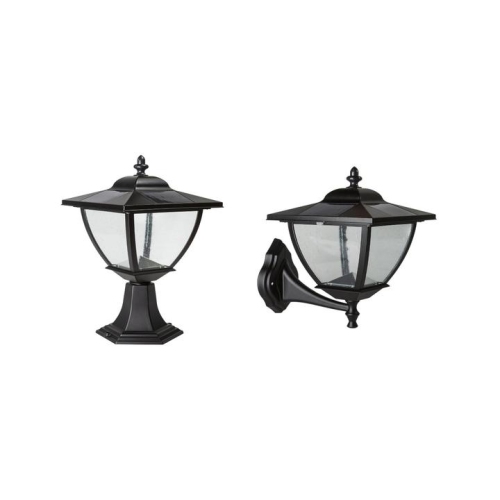
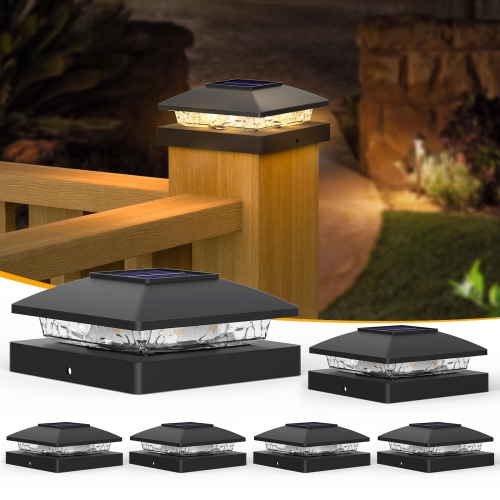
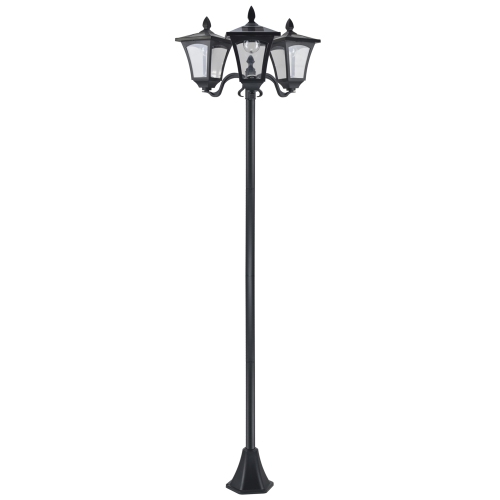
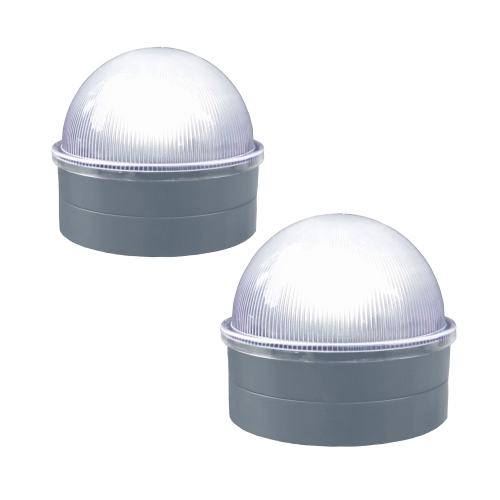
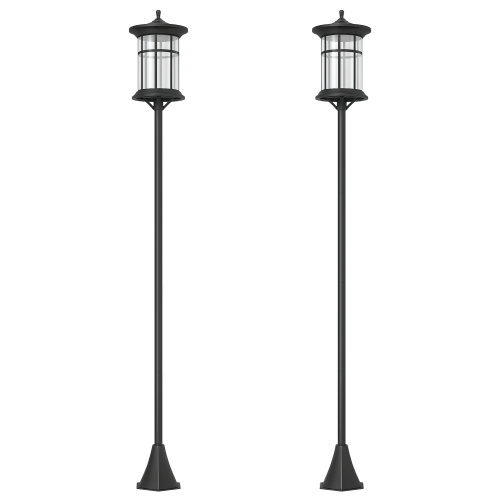
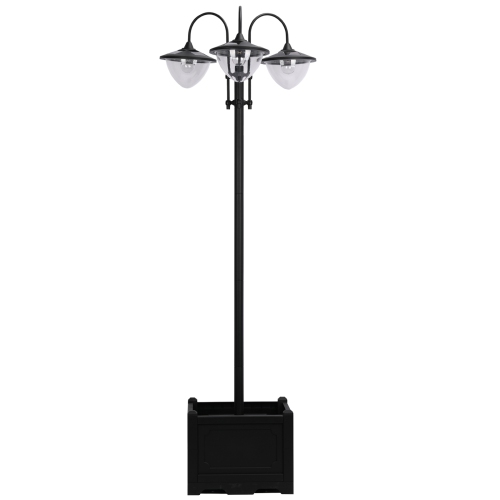
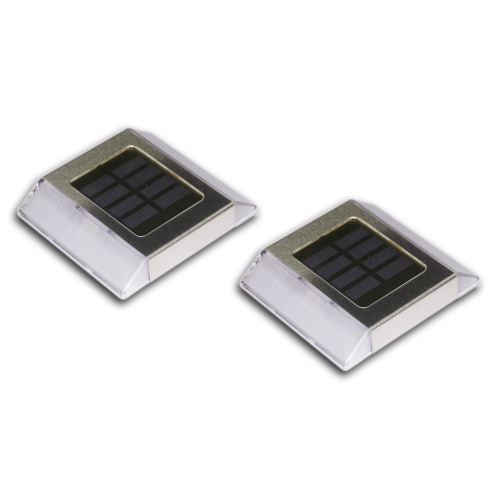
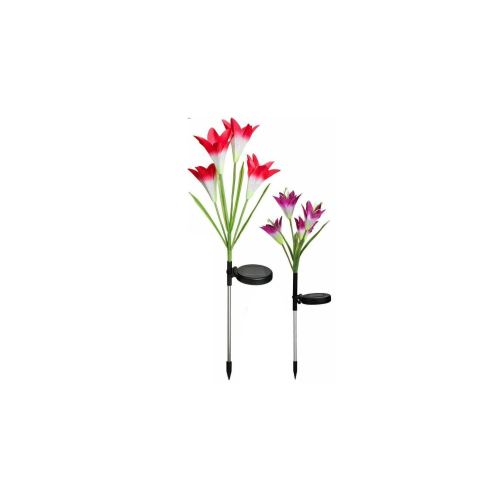
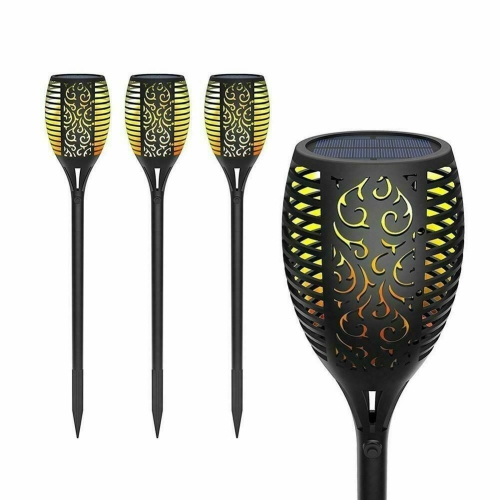
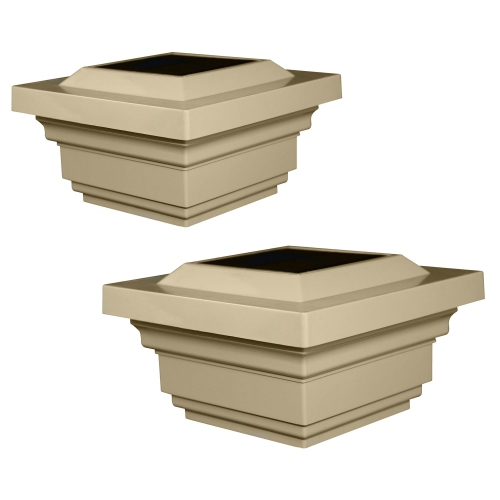
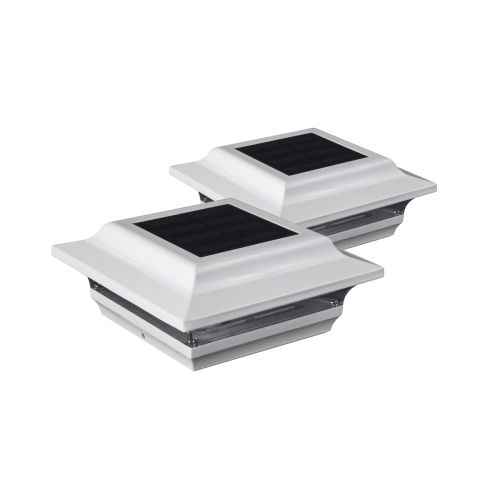
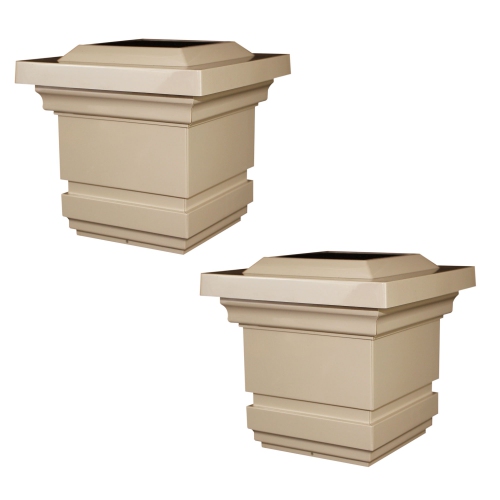
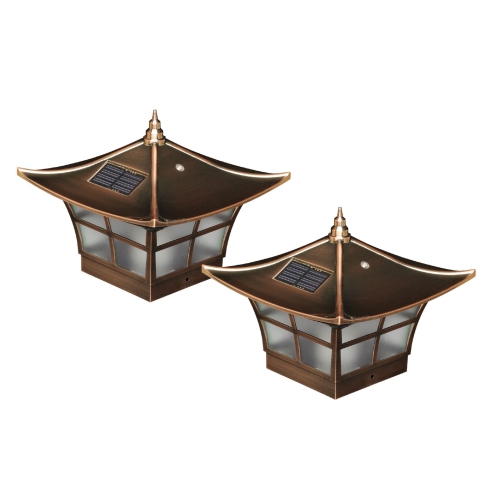
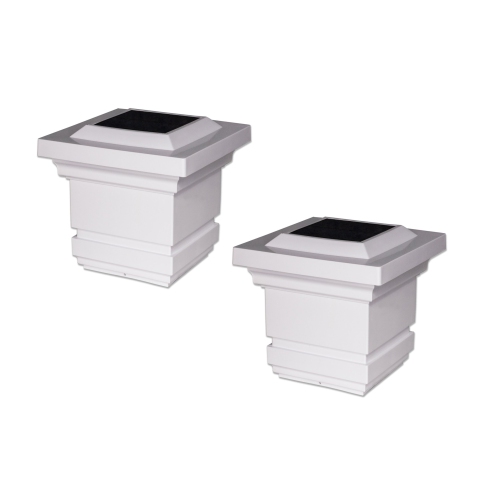
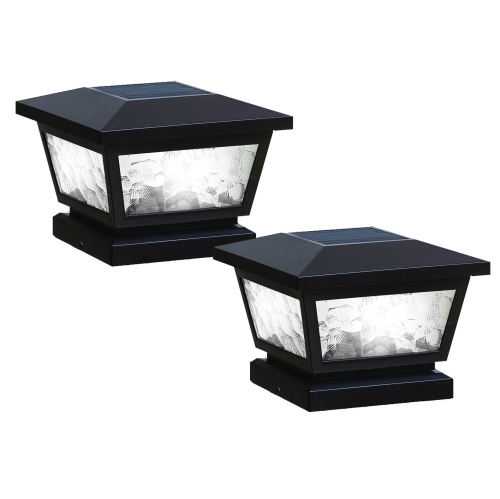
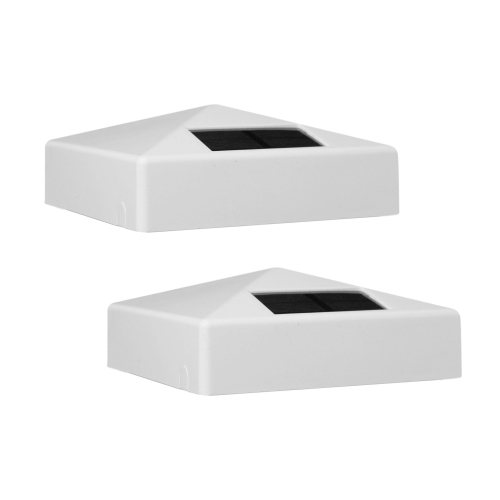
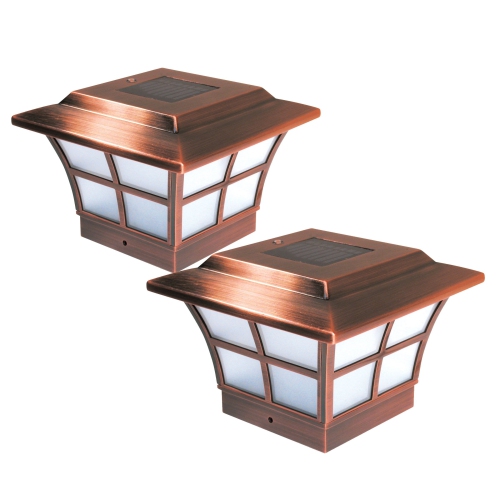
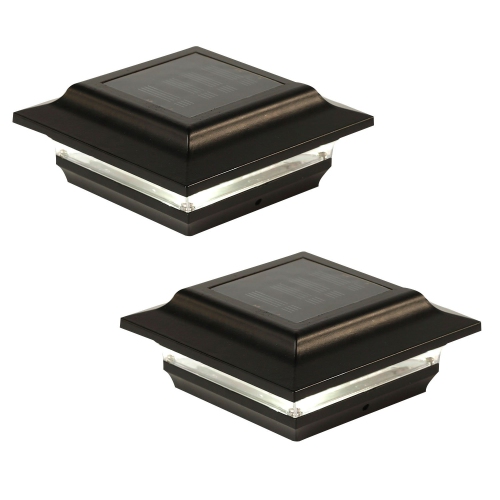
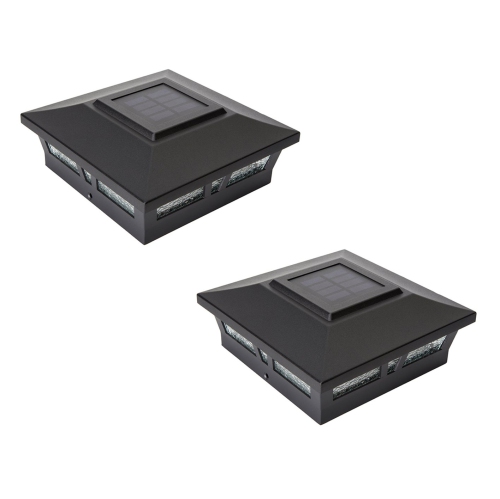
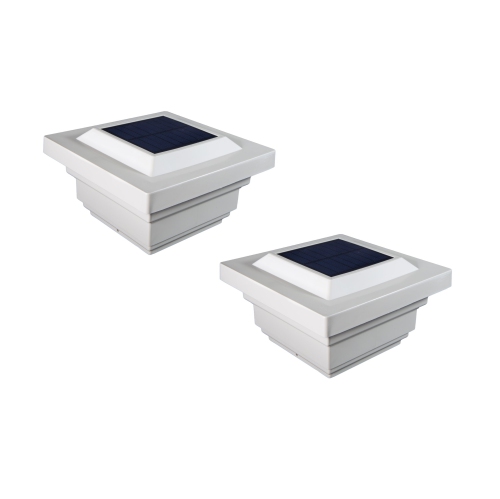
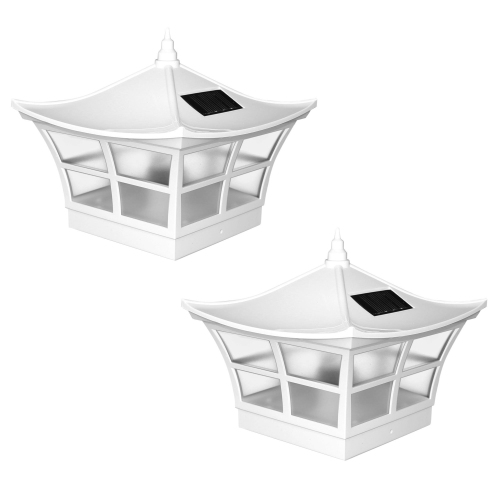
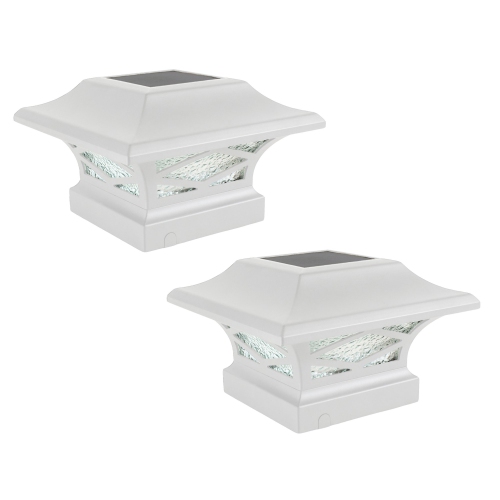
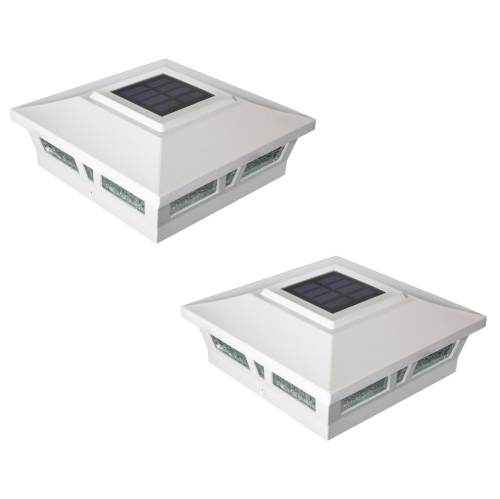
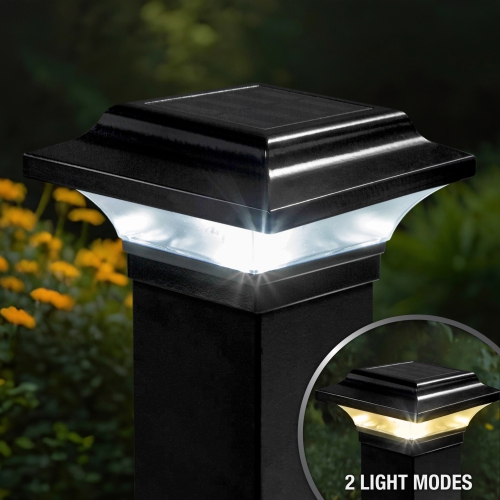
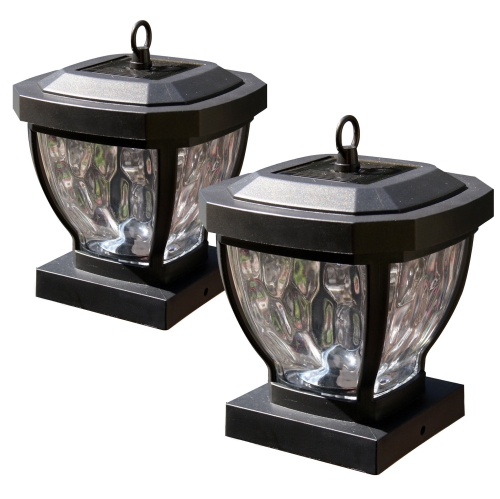
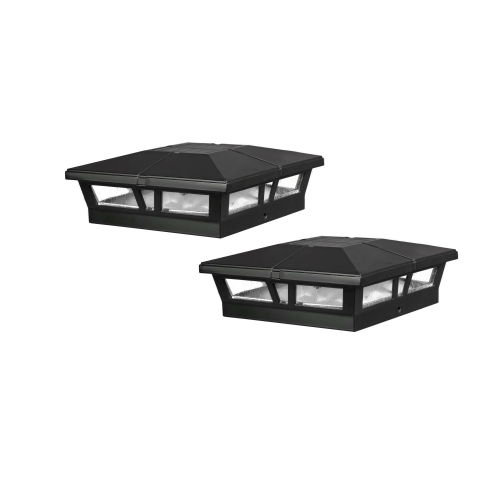
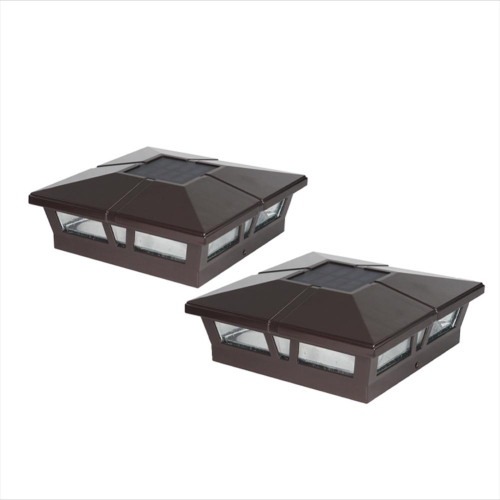
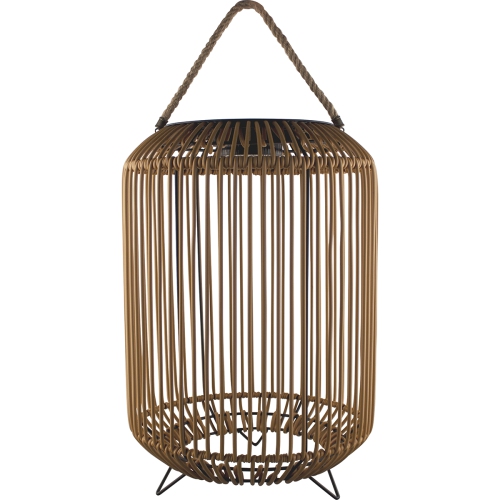
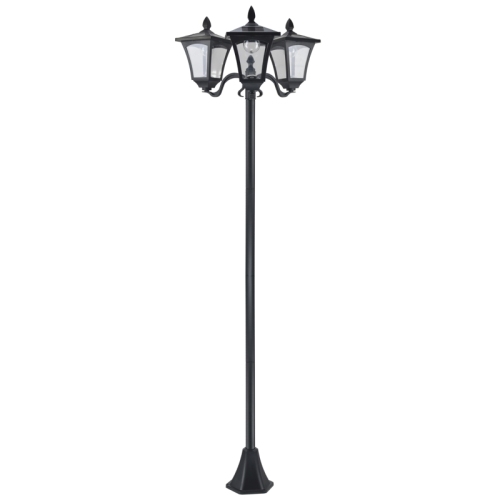
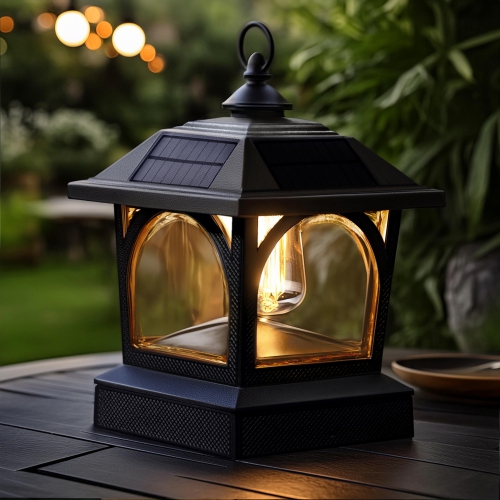
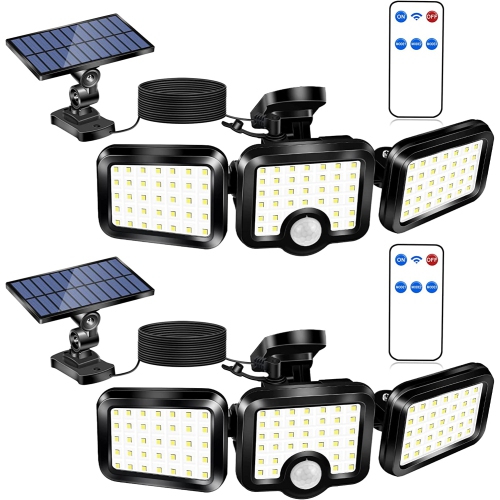
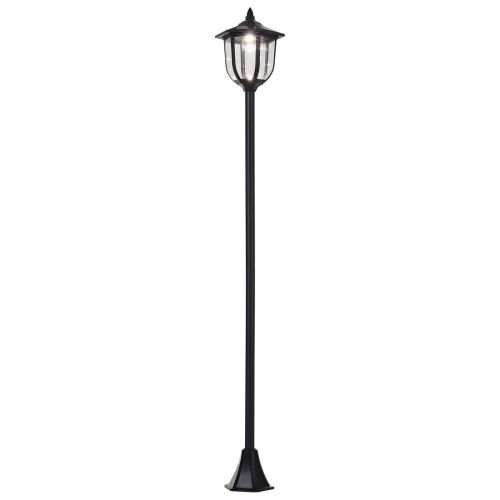
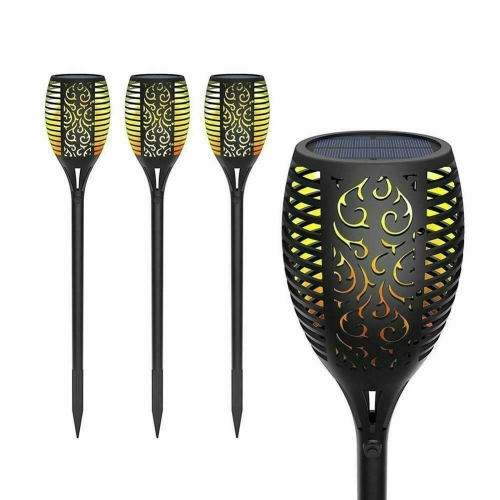
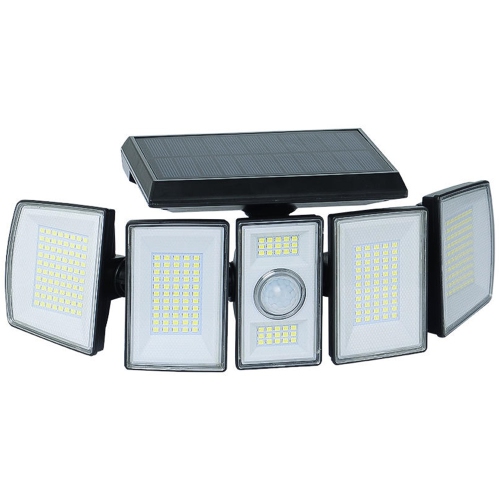
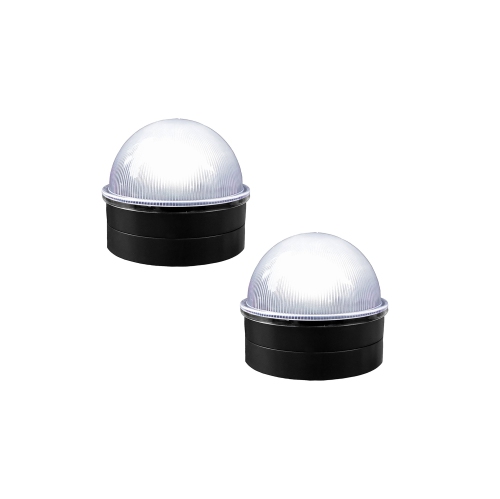
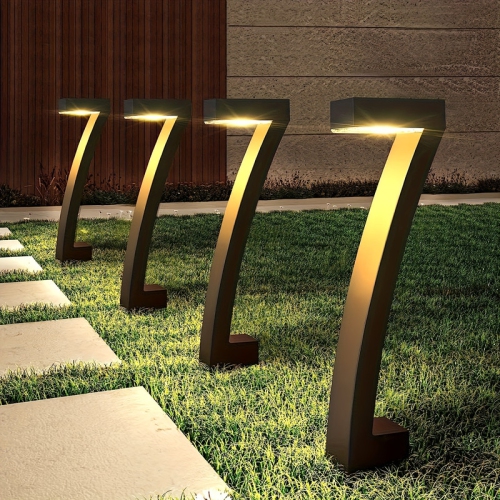
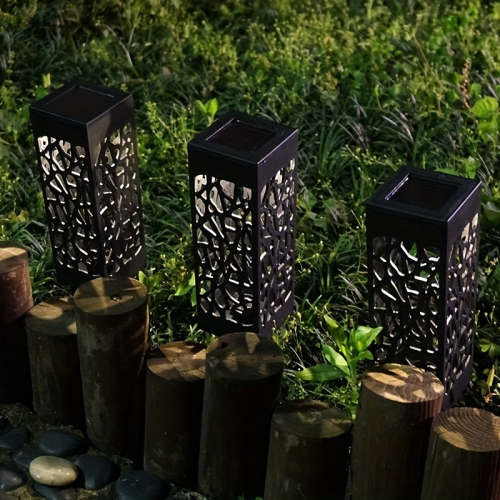
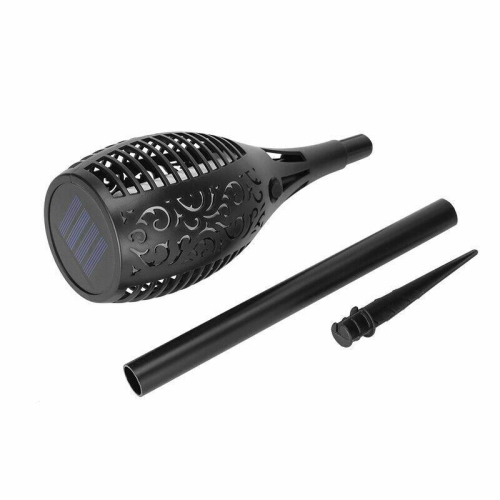
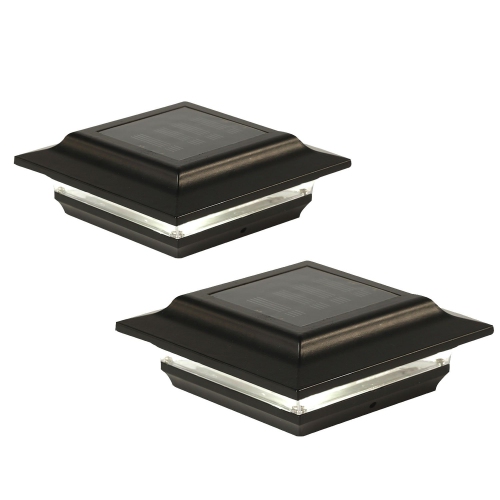
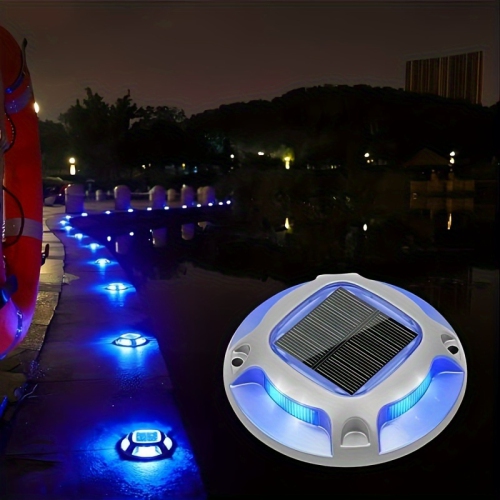
Solar lamp post lights bring outdoor illumination to garden paths, front entrances, patios, and driveways without requiring a connection to household electrical wiring. A solar panel collects daylight and charges a battery, which powers an LED light after dark. Many designs include a light sensor that switches the lamp on at dusk and off when daylight returns, although controls and operating modes vary. That combination makes solar lighting useful beside a winding walkway or at a garden gate where running cable would be inconvenient. The effect depends on the style and scale: a tall lantern can frame an entrance, while a compact fixture on an existing post can add a gentle pool of light along a deck railing. Full-height solar lamp posts, replacement lantern heads, and solar post-cap lights serve different purposes, so their dimensions and mounting arrangements matter as much as their appearance. Within the broader range of Lamp Posts, solar-powered designs suit locations with reliable access to direct sunlight. Traditional lantern shapes pair naturally with brick steps and planted borders, while straight-sided frames and simple finishes complement contemporary porches and paved courtyards. Single-head styles provide a restrained focal point; multi-head arrangements have a wider visual presence and need enough surrounding space to avoid looking crowded. Warm white light creates a softer feeling near outdoor seating and entryways, while cool white light has a crisper appearance that may suit a driveway edge or utility area. Clear panels reveal the bulb or LED arrangement and can create distinct patterns of light and shadow. Frosted or textured panels soften the view of the light source, which can be more comfortable near eye level. For homeowners refreshing an entrance, gardeners adding evening interest, or someone furnishing a new patio, these lights combine a visible landscape feature with practical illumination. They can also make a thoughtful housewarming gift when the recipient’s mounting space, preferred style, and sunlight conditions are known.
Brightness and operating time are closely connected to where a solar lamp post light sits and how it is used. Lumens describe visible light output, making them a more useful brightness comparison than the number of LEDs alone. A low-output post cap may be enough to mark the edge of a raised deck, but lighting a wider entrance calls for a fixture with greater output and an appropriate light distribution. Lantern height, panel transparency, and the direction of the LEDs all affect how much light reaches the ground. A bright point high above a path does not necessarily illuminate individual steps clearly, and accent lighting should not be treated as a substitute for dependable lighting wherever safe footing is essential. Stated charging times and runtimes generally reflect specified test conditions rather than a promise of identical performance every night. Some designs call for roughly six to eight hours of direct sunlight for a full charge, but the actual requirement depends on the panel, battery, and fixture settings. Shade from a porch roof, a nearby evergreen, or a fence can reduce charging even when the surrounding yard looks bright. Shorter daylight hours, cloud cover, snow on the panel, and cold temperatures can also shorten nighttime operation during the cooler months. A spot that receives strong afternoon light may work better than one shaded through most of the day, provided the panel’s orientation suits that location. Where a design uses a separate solar panel, the panel may offer more placement flexibility within the limits of its connecting cable. Dimming and motion-activated modes, when included, can change how stored power is used, so runtime comparisons are most meaningful when the settings match. Nearby porch lights or streetlights may interfere with dusk sensing on some fixtures; following the placement instructions helps avoid a lamp that stays off unexpectedly. For a front path used every evening, consistent charging conditions deserve priority over a position chosen solely for symmetry.
Materials, fit, and anchoring determine how well solar lamp post lights hold up to everyday outdoor use. Metal frames, including aluminium and steel, offer different balances of weight, rigidity, and maintenance needs. Aluminium resists rust, though its finish can still weather, while coated steel benefits from prompt attention to scratches that expose the metal underneath. Resin and other plastic housings are often lighter and easier to handle, but their resistance to fading, brittleness, and cold varies with the material and construction. Glass lantern panels provide a clear, substantial finish; plastic panels reduce weight and avoid some breakage concerns, though they can scratch during cleaning. Weather resistance should be assessed from the fixture’s stated rating and intended use rather than its appearance alone. Rain resistance does not automatically mean suitability for standing water, heavy snow accumulation, or every Canadian winter temperature. Mounting details are equally important: a post-cap light must match the actual top dimensions of the post, not just its nominal lumber size, and a replacement lantern head needs a compatible mounting connection. Full-height posts may require bolts into concrete, suitable fasteners into a structurally sound deck, or another specified anchoring method. Ground stakes are appropriate only for designs intended for that installation, and loose soil or frost movement can affect stability. A tall fixture beside a snow-clearing route needs enough clearance to avoid shovels, piled snow, and accidental knocks. Routine care is usually straightforward: wipe the solar panel with a soft cloth, remove leaves and debris, and clean the lantern panels using methods approved for their finish. Abrasive pads and harsh cleaners can damage clear surfaces or protective coatings. Check mounting hardware periodically, especially after strong winds or seasonal temperature changes. If the battery is replaceable, use the specified battery type and follow the instructions for access and disposal. Any replaceable bulb must also meet the fixture’s requirements. Observing the stated operating-temperature range and storage guidance helps preserve performance, while a clean panel, secure base, and well-chosen position give the light the best chance to perform as intended.
Brightness and operating time are closely connected to where a solar lamp post light sits and how it is used. Lumens describe visible light output, making them a more useful brightness comparison than the number of LEDs alone. A low-output post cap may be enough to mark the edge of a raised deck, but lighting a wider entrance calls for a fixture with greater output and an appropriate light distribution. Lantern height, panel transparency, and the direction of the LEDs all affect how much light reaches the ground. A bright point high above a path does not necessarily illuminate individual steps clearly, and accent lighting should not be treated as a substitute for dependable lighting wherever safe footing is essential. Stated charging times and runtimes generally reflect specified test conditions rather than a promise of identical performance every night. Some designs call for roughly six to eight hours of direct sunlight for a full charge, but the actual requirement depends on the panel, battery, and fixture settings. Shade from a porch roof, a nearby evergreen, or a fence can reduce charging even when the surrounding yard looks bright. Shorter daylight hours, cloud cover, snow on the panel, and cold temperatures can also shorten nighttime operation during the cooler months. A spot that receives strong afternoon light may work better than one shaded through most of the day, provided the panel’s orientation suits that location. Where a design uses a separate solar panel, the panel may offer more placement flexibility within the limits of its connecting cable. Dimming and motion-activated modes, when included, can change how stored power is used, so runtime comparisons are most meaningful when the settings match. Nearby porch lights or streetlights may interfere with dusk sensing on some fixtures; following the placement instructions helps avoid a lamp that stays off unexpectedly. For a front path used every evening, consistent charging conditions deserve priority over a position chosen solely for symmetry.
Materials, fit, and anchoring determine how well solar lamp post lights hold up to everyday outdoor use. Metal frames, including aluminium and steel, offer different balances of weight, rigidity, and maintenance needs. Aluminium resists rust, though its finish can still weather, while coated steel benefits from prompt attention to scratches that expose the metal underneath. Resin and other plastic housings are often lighter and easier to handle, but their resistance to fading, brittleness, and cold varies with the material and construction. Glass lantern panels provide a clear, substantial finish; plastic panels reduce weight and avoid some breakage concerns, though they can scratch during cleaning. Weather resistance should be assessed from the fixture’s stated rating and intended use rather than its appearance alone. Rain resistance does not automatically mean suitability for standing water, heavy snow accumulation, or every Canadian winter temperature. Mounting details are equally important: a post-cap light must match the actual top dimensions of the post, not just its nominal lumber size, and a replacement lantern head needs a compatible mounting connection. Full-height posts may require bolts into concrete, suitable fasteners into a structurally sound deck, or another specified anchoring method. Ground stakes are appropriate only for designs intended for that installation, and loose soil or frost movement can affect stability. A tall fixture beside a snow-clearing route needs enough clearance to avoid shovels, piled snow, and accidental knocks. Routine care is usually straightforward: wipe the solar panel with a soft cloth, remove leaves and debris, and clean the lantern panels using methods approved for their finish. Abrasive pads and harsh cleaners can damage clear surfaces or protective coatings. Check mounting hardware periodically, especially after strong winds or seasonal temperature changes. If the battery is replaceable, use the specified battery type and follow the instructions for access and disposal. Any replaceable bulb must also meet the fixture’s requirements. Observing the stated operating-temperature range and storage guidance helps preserve performance, while a clean panel, secure base, and well-chosen position give the light the best chance to perform as intended.
Top selling and popular products
-
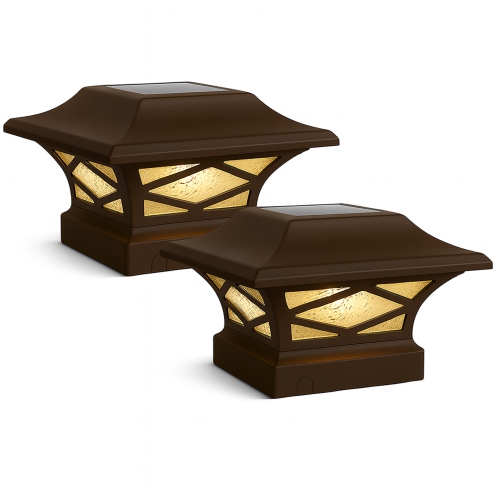 Your price for this item is $99.99
 -
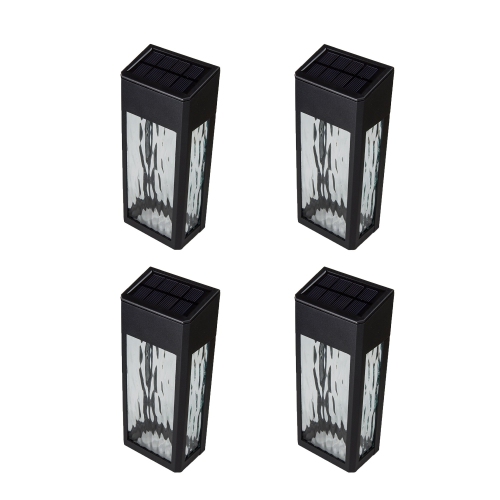 Your price for this item is $73.99
 -
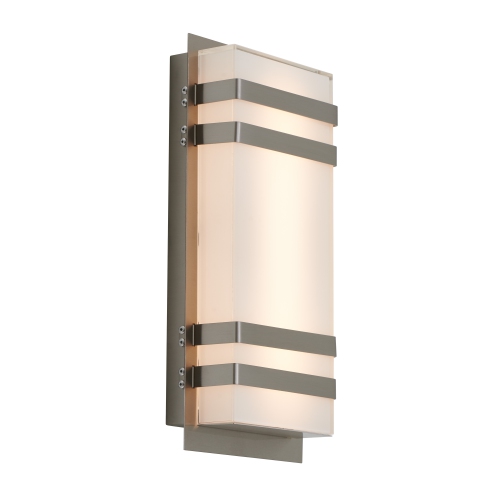 Your price for this item is $69.99
 -
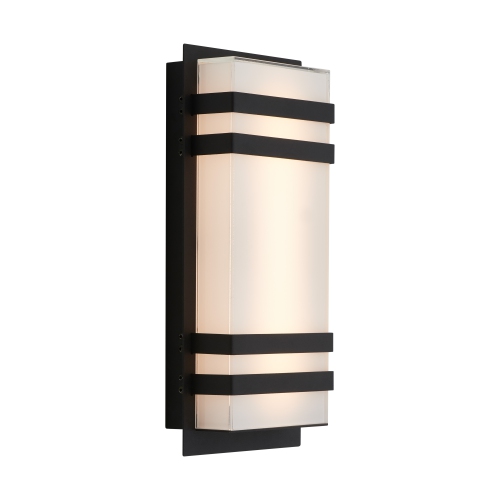 Your price for this item is $59.99
 -
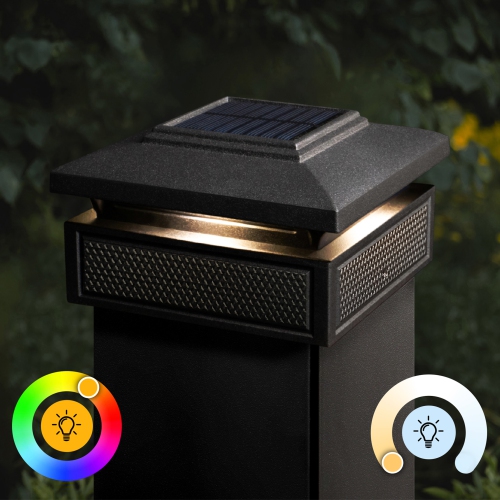 Your price for this item is $99.99
 -
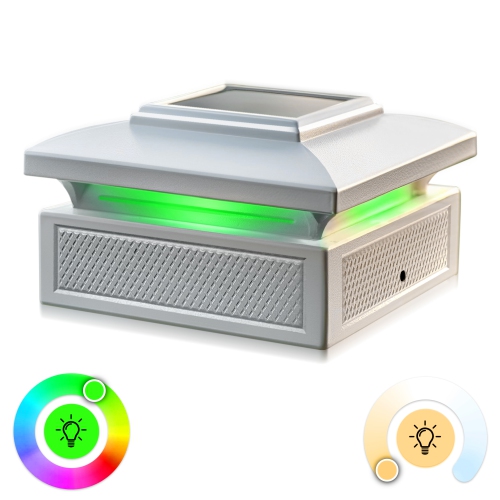 Your price for this item is $99.99
 -
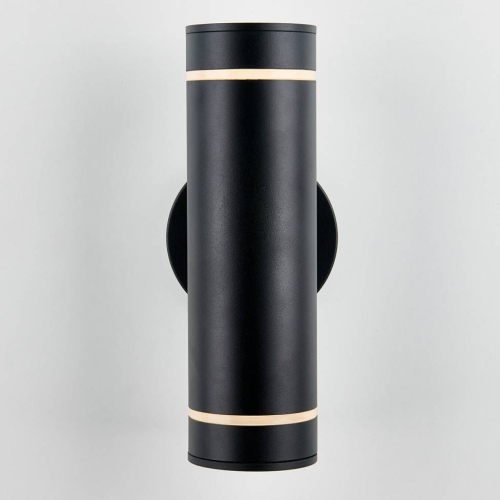 Your price for this item is $99
 -
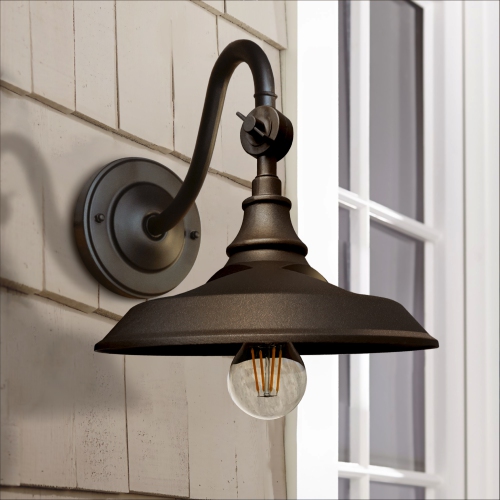 Your price for this item is $108.99
Discover more categories related to Solar Lamp Post Lights
Top Collections:
Pokemon Centers, Budget 4K TVs, Kindle Devices, Canon G7X Cameras, Apple iPhones 16, iPhone 15 Apple, Laptops for Business Work, Flip Phones, Xiaomi Phones, Refurbished Apple Laptops
Some products may be subject to Environmental Handling Fees
(EHF) depending on your province.
Learn more about EHFs.