Landscaping Tools for Beginners
Landscaping tools for beginners make it easy to tackle outdoor projects with confidence. Whether you're starting a garden, maintaining your lawn, or shaping flower beds, having the right equipment helps you achieve professional-looking results. Explore a variety of essential tools designed to simplify tasks and support your landscaping journey from the very first project. With options suitable for new gardeners and DIY enthusiasts alike, you'll find everything you need to create and maintain beautiful outdoor spaces.
Sort
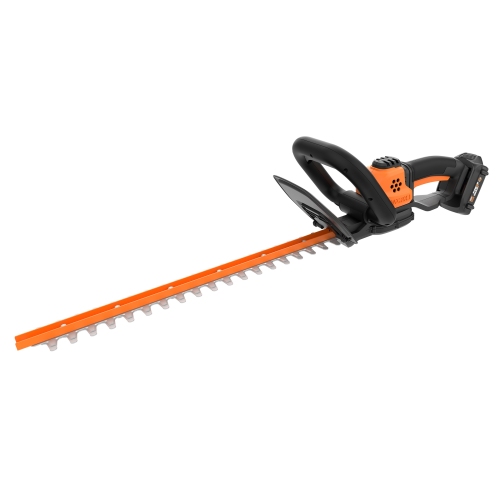
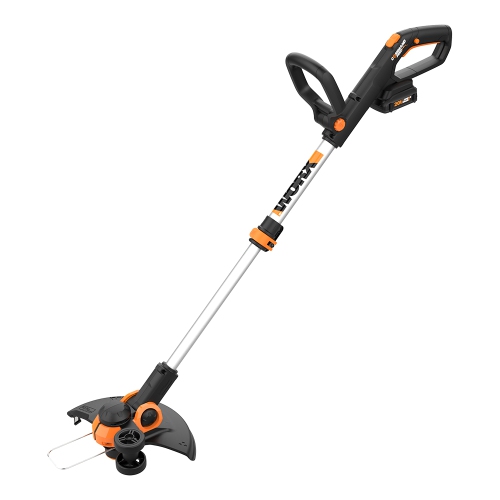
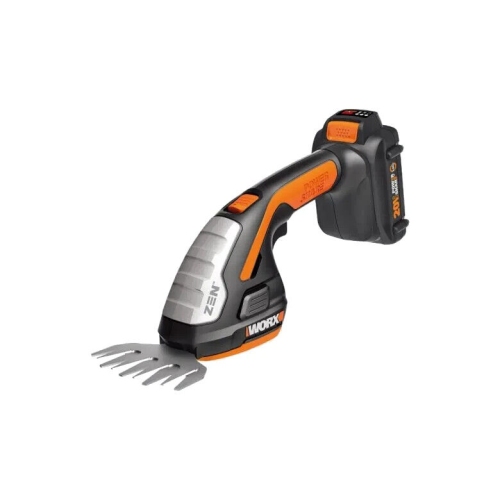
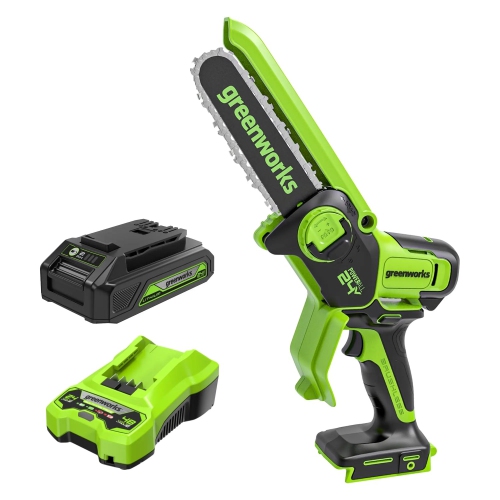
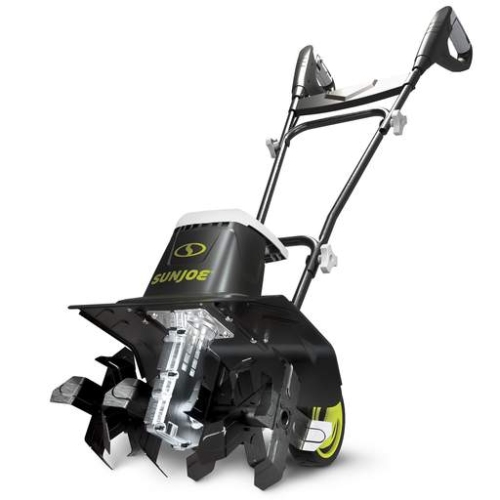
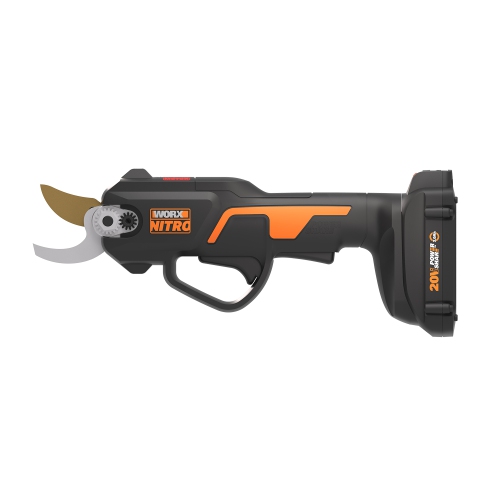
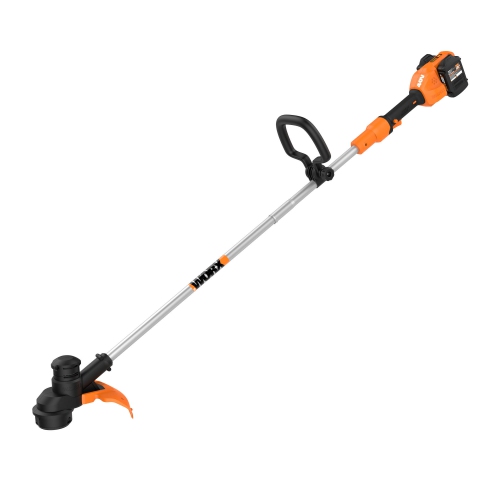
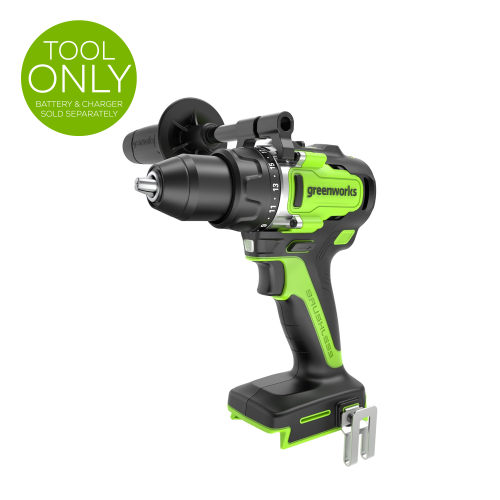

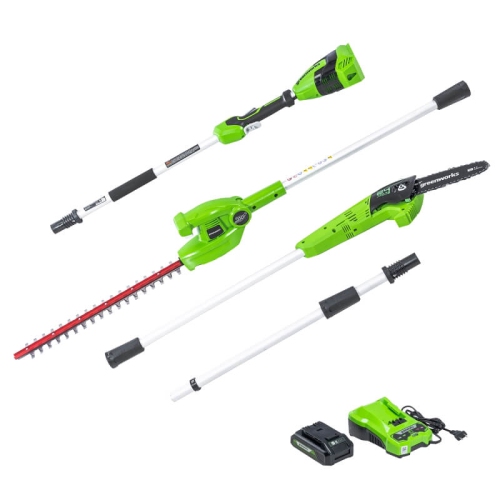
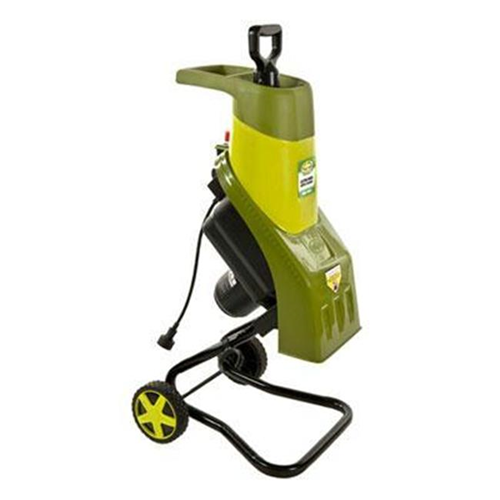
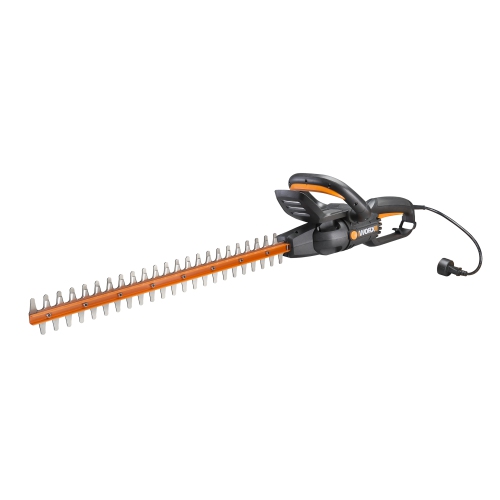
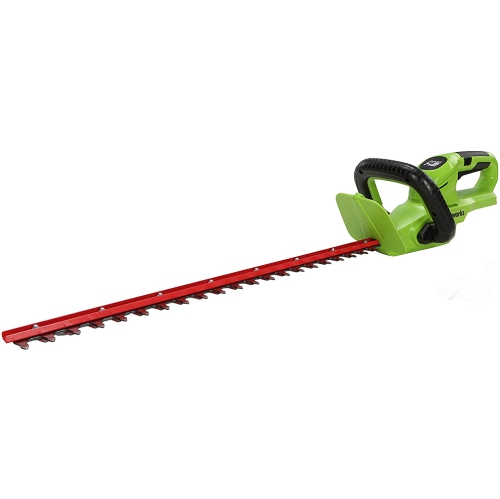
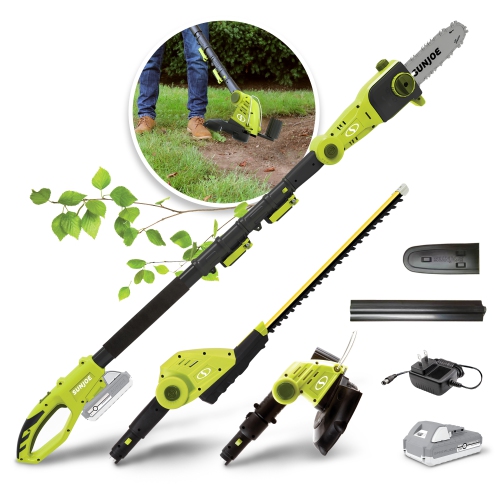
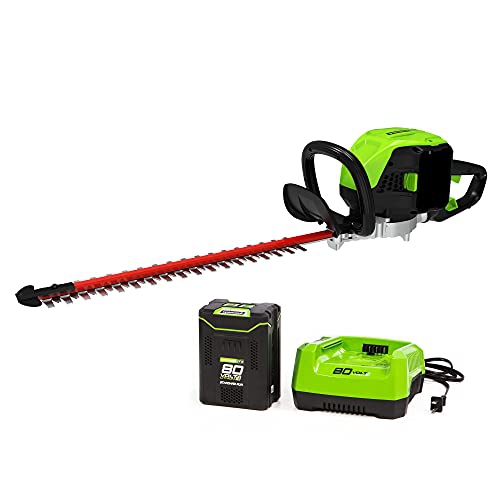
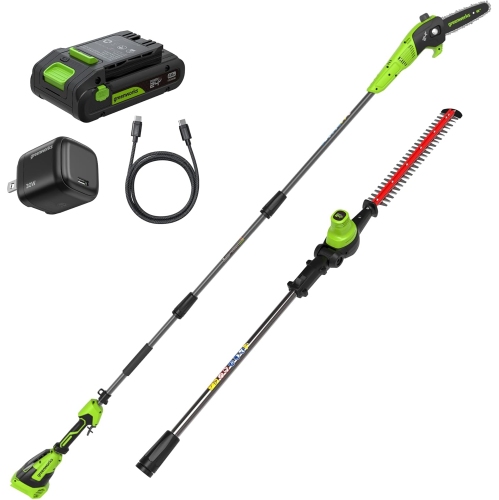
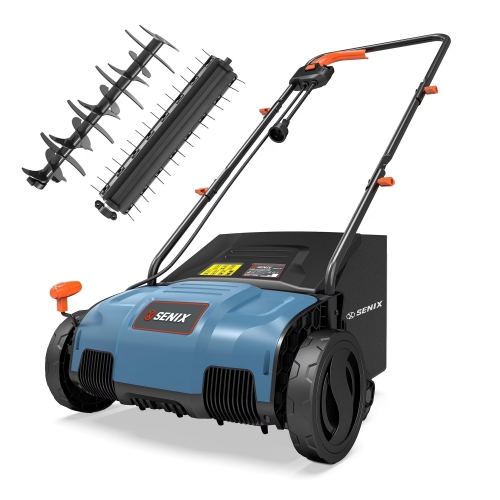
Why your garden tasks matter more than tool count
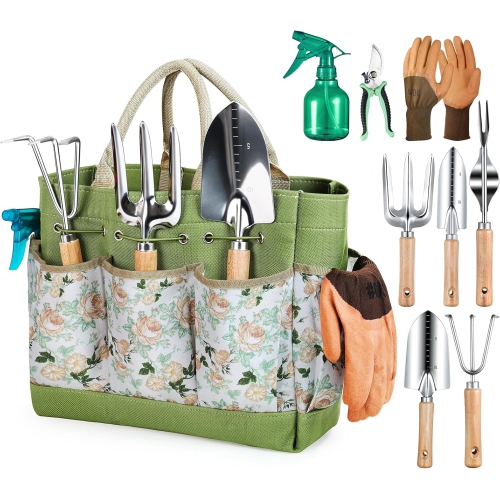
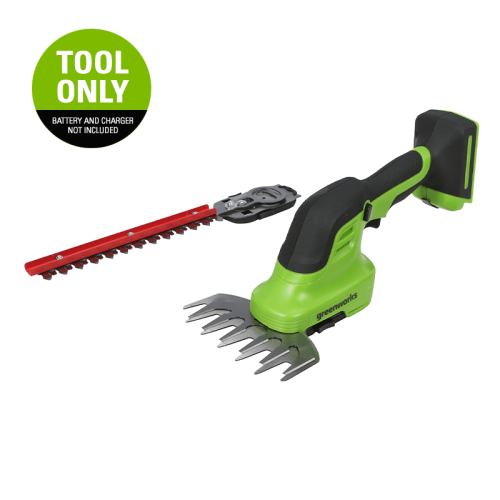
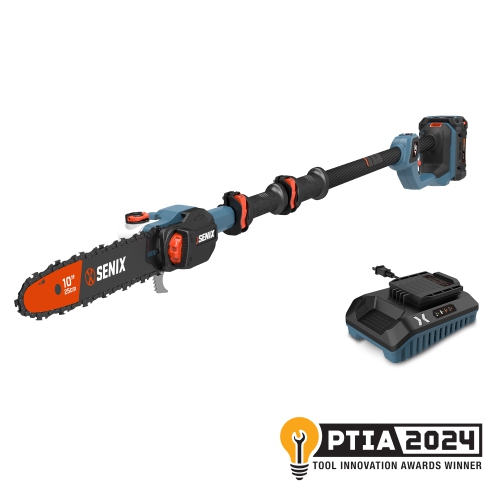
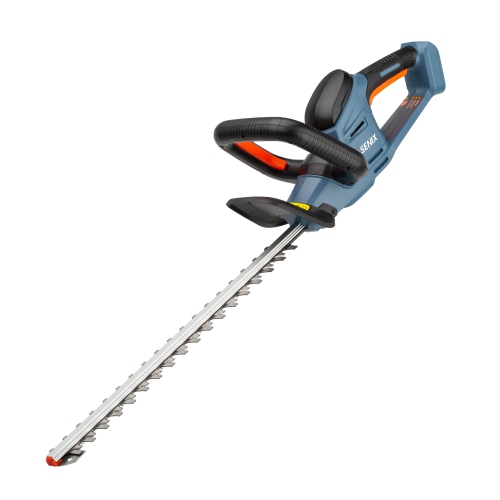
Landscaping tools for beginners are most useful when they cover four everyday jobs: digging, preparing soil, trimming plants and gathering debris. A manageable selection of versatile hand tools can support plenty of work around a first home, a small backyard or an established garden that needs regular attention. Digging tools help create planting holes and define beds, while rakes loosen the surface of soil or gather leaves and clippings, depending on their design. Cutting tools suit different kinds of growth, from soft stems to woody branches, and carrying equipment helps move soil, mulch and collected material without repeated trips. The right combination depends more on the space and the work than on the number of tools. A narrow planting bed beside a walkway calls for control and easy access; a broad border with compacted soil places greater demands on leverage and strength. Someone caring for containers and a few shrubs may find compact hand tools more practical than full-size equipment. Larger properties can make longer handles, wider working heads and easier material transport more valuable. Tool shapes also matter. A flat digging blade can make a tidy edge along a bed, while a curved blade is better suited to scooping loose material. A rigid rake can help spread soil evenly, whereas a flexible rake is designed to gather lighter debris without digging deeply into the surface beneath it. For pruning, the thickness and condition of the growth should match the tool’s stated cutting capacity. Tools designed for living stems may use a different cutting action from those intended for dry branches. These distinctions make a beginner’s selection more useful than a collection chosen simply because every piece looks different. The broader Tools for Landscaping category provides context for comparing equipment across these jobs, with intended use remaining the clearest starting point. Thinking about a familiar task, such as tidying the strip beside a fence or planting along a front path, makes differences in size and function easier to judge.
Materials, construction and fit influence how landscaping equipment feels after more than a few minutes of use. Steel working heads are common where strength and resistance to bending matter, especially for digging and breaking up firm soil. Stainless steel can offer good resistance to rust, while other steel finishes may rely on coatings and regular care to protect the surface. Neither finish removes the need for cleaning and dry storage. Handle materials bring their own trade-offs: wood can feel comfortable in the hand but needs attention to cracks and splinters; fibreglass can offer strength without a wooden grain; and metal handles may provide a sturdy feel while adding weight, depending on the design. The connection between the handle and working head deserves as much attention as the material itself. A secure joint helps the tool feel controlled when lifting soil or pulling through a bed. Comfortable fit is particularly important for beginners who are still learning which movements feel natural. A handle that is too short can encourage unnecessary bending, while an oversized tool may be awkward in a narrow space. Longer handles can provide useful reach and leverage, but they are not automatically easier for every person or task. Grip diameter, surface texture and balance all affect control, especially when hands are gloved. For cutting tools, a manageable opening width, an accessible locking mechanism and a smooth action can make repeated trimming less tiring. Adjustable features may help accommodate different users, provided they lock securely in place. Gloves should allow enough finger movement to operate handles and catches without loose material bunching around the palm. Protective eyewear is relevant wherever branches, grit or fragments could reach the face, and powered equipment may require additional protection specified by its manufacturer. Durability is best considered alongside repair and upkeep: replaceable blades, serviceable fasteners and clear care instructions can matter more over time than a heavy appearance. A well-balanced tool that suits the user is often more pleasant to work with than a larger model whose weight makes precise movement difficult.
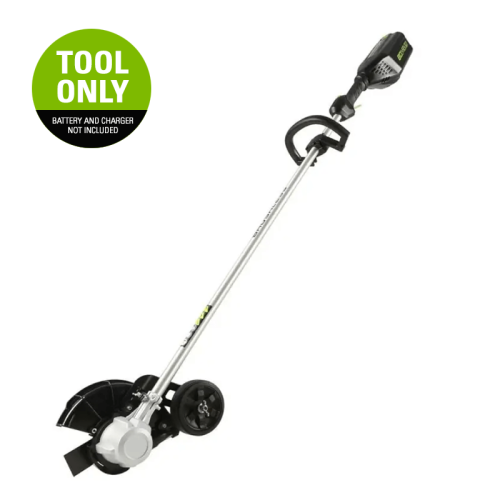
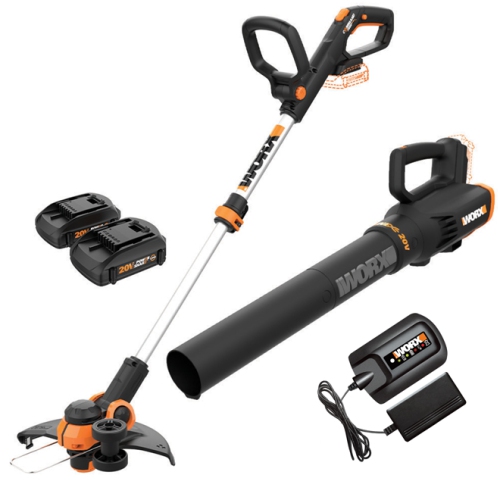
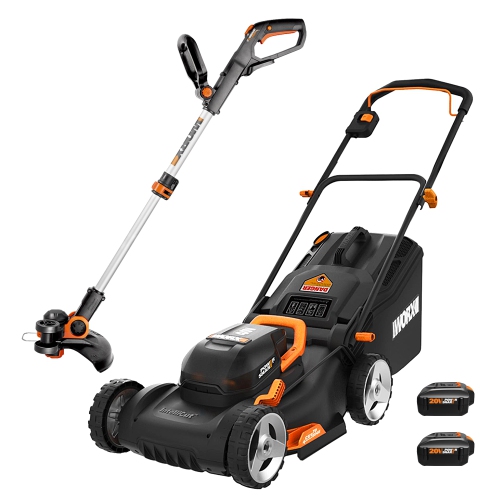
Powered landscaping equipment becomes more relevant when the size or repetition of a task exceeds what feels manageable by hand. Long stretches of edging, extensive trimming or frequent debris collection can place different demands on equipment than a small planting area. Working width, reach, operating weight and controls all influence suitability, as do the clearance and surfaces around the work area. A lightweight machine may still feel tiring if most of its weight sits far from the body, while a compact design can be easier to manoeuvre beside steps or around tightly spaced planting beds. For cordless equipment, battery compatibility must be checked against the manufacturer’s exact system; a shared voltage rating alone does not establish that batteries can be exchanged. Runtime also varies with the task, material and operating setting, so stated figures are best considered alongside the conditions used to measure them. Corded equipment brings a different consideration: access to a suitable power source and the ability to manage a cord safely across the intended working area. Storage matters for both manual and powered tools. A narrow shed or shared garage may favour equipment with hanging points, folding handles or a compact footprint, provided any moving parts can be secured as directed. Soil left around a blade joint or packed into a tool head can make the next job harder, so accessible surfaces and straightforward cleaning are practical advantages. Cutting edges need care appropriate to their design, and batteries and powered components require storage that follows the manufacturer’s instructions. Tools should also have a secure place out of reach of children, with sharp edges protected where suitable. For a new homeowner or someone taking on their first garden, landscaping equipment can be a thoughtful gift when it reflects their space, strength and interests. A recipient tending a few beds has different needs from someone maintaining a broad lawn and several shrubs. Comfortable handling, clear instructions and suitability for familiar tasks help make beginner-friendly equipment useful well beyond the first project.
Top selling and popular products
-
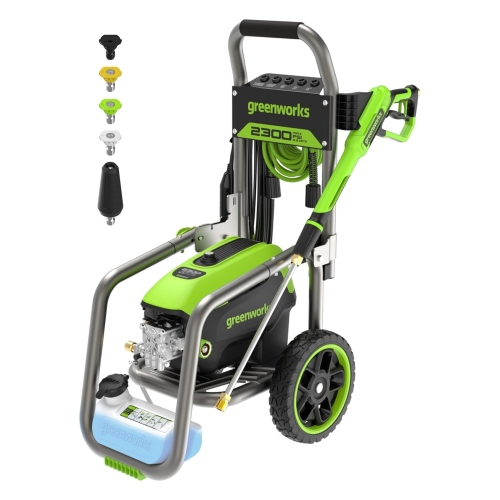 Your price for this item is $569.99
-
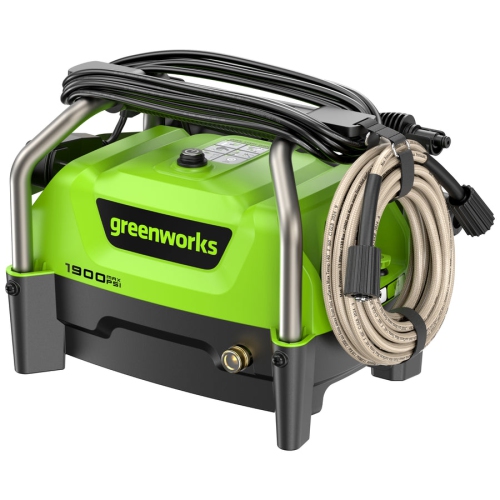 Your price for this item is $199.99
-
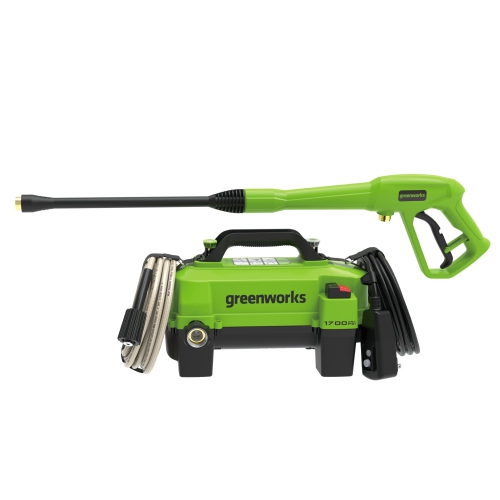 Your price for this item is $179.99
-
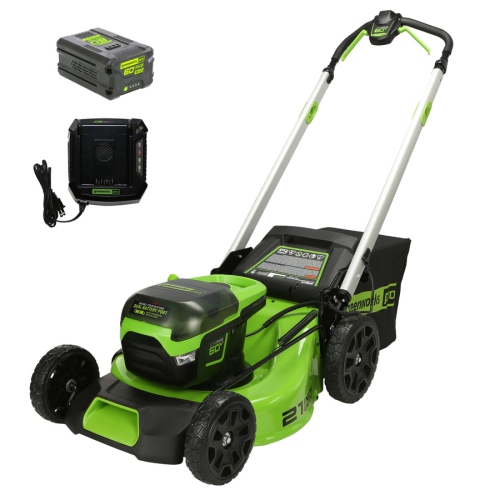 Your price for this item is $839.99
-
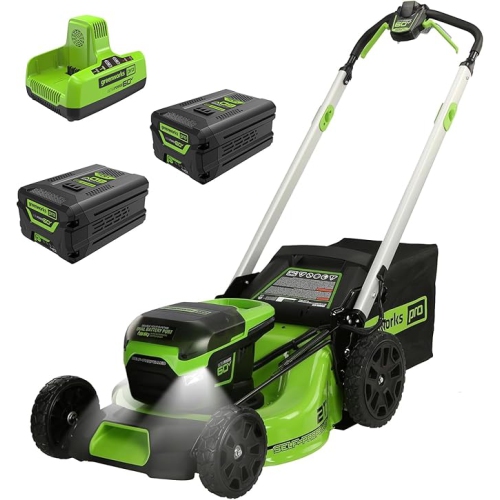 Your price for this item is $939.99
-
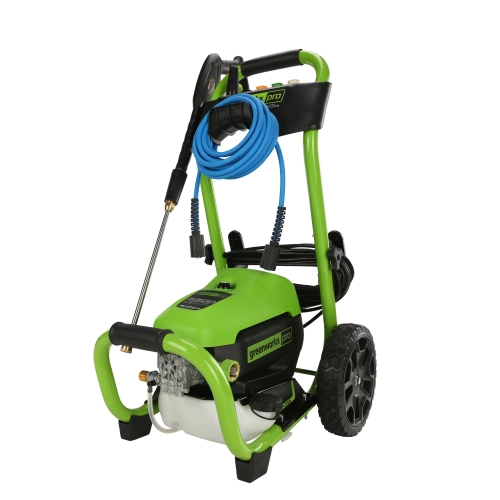 Your price for this item is $459.99
-
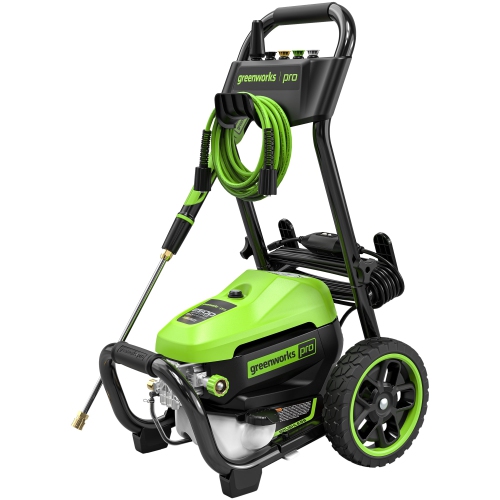 Your price for this item is $569.99
-
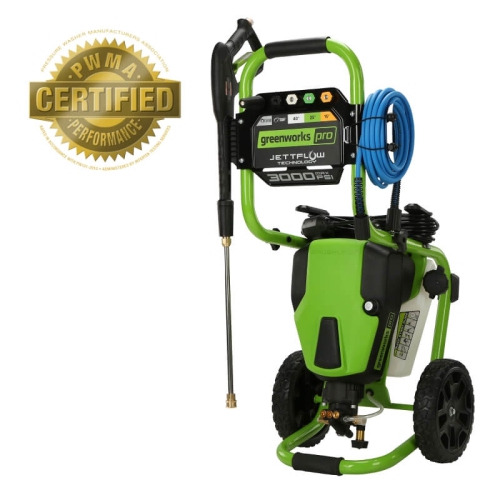 Your price for this item is $539.99
Discover more categories related to Landscaping Tools for Beginners

Top Collections:
Best Black Friday Deals This Year, Best Black Friday Deals On Electronics, Kindle Devices, Pokemon Centers, Best Black Friday Deals On Apple Products, Best Cameras for Sports Photography, Dyson Airwrap, Pokémon 30th Celebration Cards, Apple iPhone 17 Pro, Canon G7X Cameras
Some products may be subject to Environmental Handling Fees
(EHF) depending on your province.
Learn more about EHFs.