Tools for Beginner Gardeners
Sort





Why your growing space shapes your tool kit
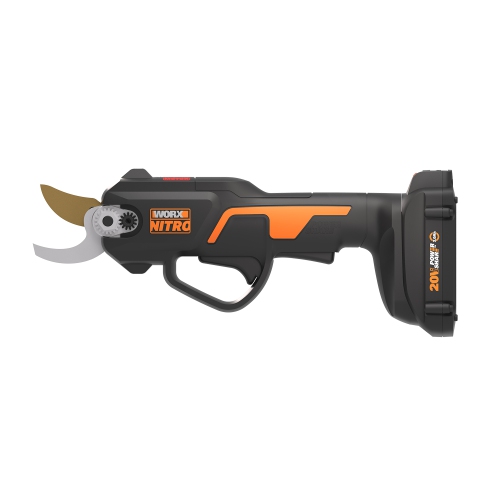
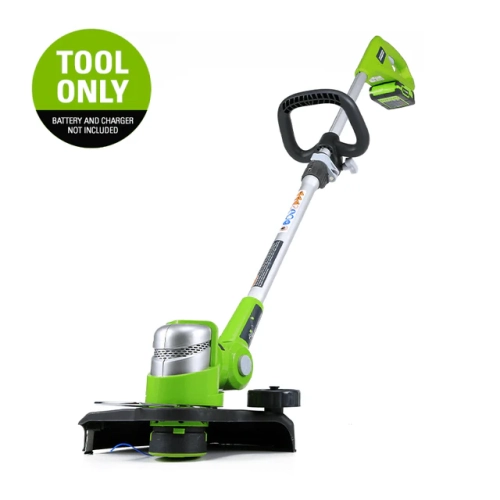
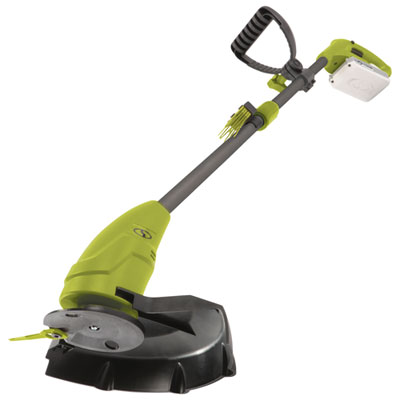
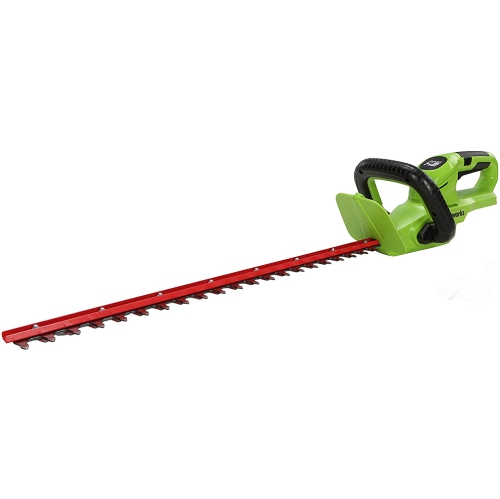
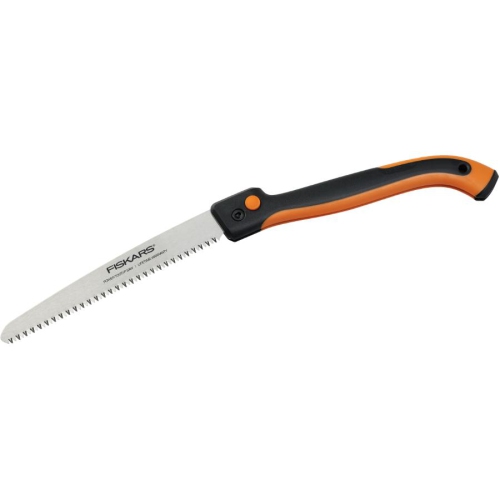
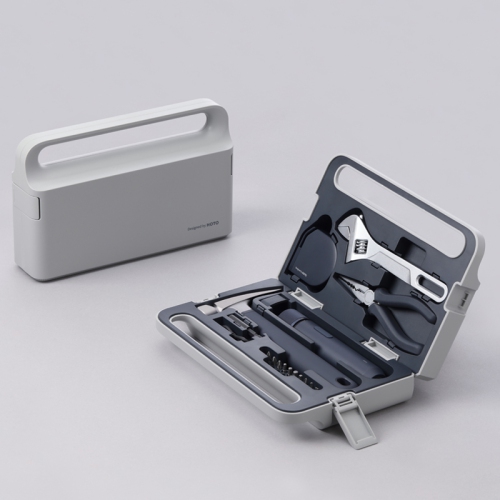
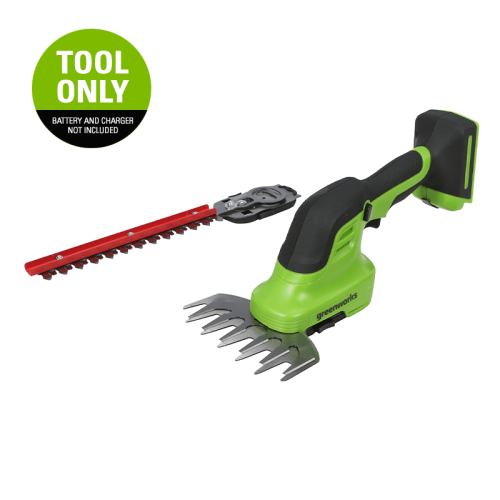
Tools for beginner gardeners make everyday planting, watering, weeding, and light pruning more manageable, whether the growing space is a few herb pots or a backyard vegetable bed. A useful basic assortment includes a hand trowel for planting, a hand fork or cultivator for loosening soil, gardening gloves for handling rough materials, bypass pruners for trimming suitable stems, and a watering can or hose nozzle that delivers a gentle flow. Larger spaces may also call for a digging shovel, spade, or garden rake, while container gardening generally suits smaller tools that work comfortably between closely spaced plants. The most useful choices match the space and the tasks rather than simply adding more pieces to a collection. A narrow trowel slips into a crowded planter without disturbing neighbouring roots, while a broader blade carries more potting mix when filling a large container. Depth markings can provide a convenient reference when planting, although the planting depth still depends on the seed or plant. A hand fork helps break up small clumps and work amendments into loose soil; it is not a substitute for a full-sized digging tool in hard, compacted ground. For raised beds, handle length matters as much as tool size. Short handles offer close control near the edge, while longer handles can extend reach across a wider bed. In an in-ground garden, a pointed shovel is suited to opening planting holes, while a straight-edged spade offers a more defined edge for borders and lifting sections of soil. A rigid garden rake helps distribute loose soil and mulch, whereas a flexible leaf rake is better suited to gathering lightweight debris. These differences are useful when comparing beginner gardening tools because similar-looking equipment can serve quite different purposes. A manageable selection of well-matched tools can support flowers, vegetables, herbs, and houseplants without leaving a new gardener with bulky equipment that has little use in the space.
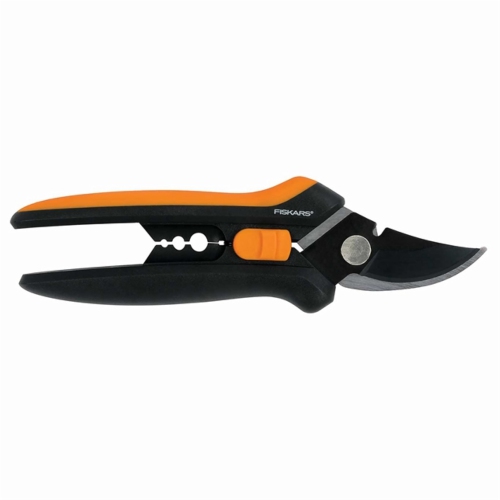
Materials, construction, and fit influence how gardening tools feel in the hand and how well they stand up to repeated work. Stainless steel tool heads generally resist rust and are relatively easy to clean, while carbon steel can provide strength and hold a cutting edge well but needs attention to drying and corrosion protection. Aluminium hand tools are often lightweight, although the thickness and construction of the head still affect their suitability for demanding jobs. Smooth hardwood handles offer a traditional feel, moulded grips can add cushioning, and fibreglass shafts are another option on larger tools. A secure connection between the head and handle matters, particularly on tools used to lift or move soil. Comfortable equipment should feel balanced rather than noticeably heavy at the blade or awkwardly bulky in the grip. Handle diameter is worth considering: a grip that feels substantial to one person may be difficult for someone with smaller hands to hold securely. For pruners, the distance the handles open, the position of the safety catch, and whether the design suits left- or right-handed use can make a noticeable difference. Bypass blades pass one another to make clean cuts through live stems within the tool’s stated cutting capacity; thicker woody growth requires equipment designed for that size of material. Gardening gloves also vary by task. Flexible fabric gloves with coated palms can offer grip and dexterity for potting, while more substantial leather or reinforced designs may suit work around rough stems and abrasive surfaces. No glove is proof against every thorn or sharp edge, so coverage and material should suit the work involved. Close-fitting fingertips help when handling small plants, and adjustable cuffs can limit loose soil entering the gloves. A kneeling pad or garden kneeler adds another practical option for tending low beds, especially where extended crouching feels uncomfortable. For containers on a bench or raised surface, lightweight hand tools and compact storage may matter more than long handles or extra accessories.
Watering equipment brings another set of useful distinctions to a beginner’s gardening setup. A watering can with a removable rose offers a dispersed flow for delicate seedlings and a more direct pour when the rose is removed. Its filled weight is important: a large capacity means fewer trips to the tap, but a smaller can may be easier to lift, carry, and control around indoor pots or balcony planters. A comfortable handle and a spout that reaches between leaves help direct water towards the soil rather than across surrounding surfaces. For larger areas, hose length should suit the distance from the tap to the planting space, with enough room to move without pulling sharply on connections. An adjustable nozzle allows the flow to suit different tasks, while compatible fittings and secure seals help keep water directed where intended. Storage and care are equally relevant to the useful life of a gardening tool collection. Soil left packed around a blade or joint can make cleaning harder and hold moisture against the material. Removing debris, drying tools before putting them away, and following the manufacturer’s care directions help preserve handles, cutting surfaces, and moving parts. Carbon steel surfaces may need a suitable protective oil, while pruner joints and blades can require cleaning and maintenance to keep their movement smooth. A bag with separate pockets keeps small tools easy to find, although it should not become a resting place for damp gloves and muddy blades. Wall hooks or a stable rack can keep long-handled equipment off the floor, and covered blades or engaged safety catches make cutting tools more secure between uses. A coordinated assortment can make a thoughtful housewarming gift for someone with a first garden, or a practical present for a person beginning to grow herbs and vegetables in containers. For equipment that extends beyond planting projects, Tools for Beginners is a related place to explore. Across garden tasks, a comfortable fit, appropriate size, and straightforward care routine matter more than the number of tools in the shed.
Top selling and popular products
-
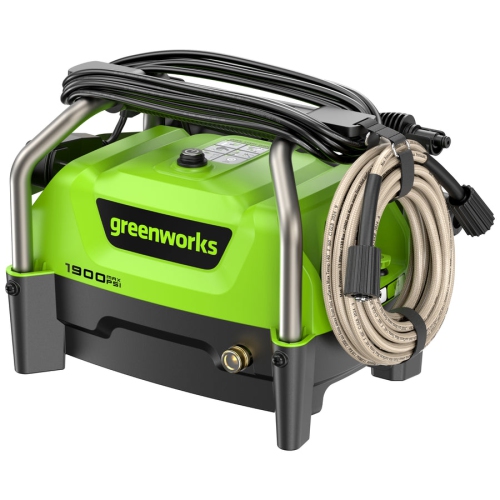 Your price for this item is $219.99
-
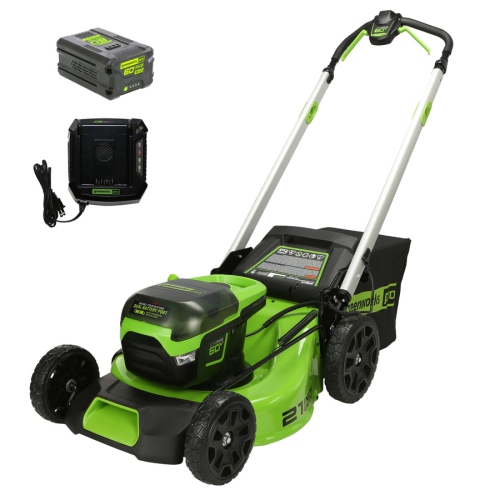 Your price for this item is $839.99
-
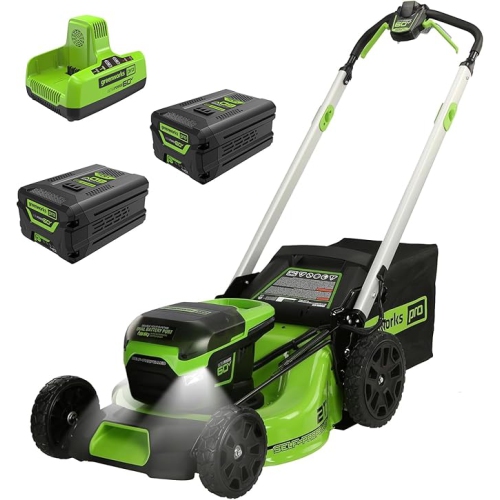 Your price for this item is $939.99
-
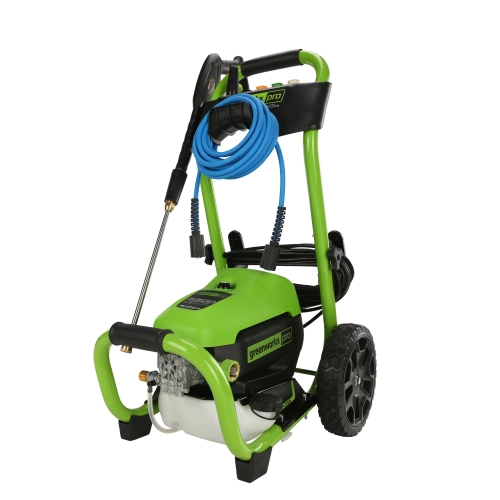 Your price for this item is $459.99
-
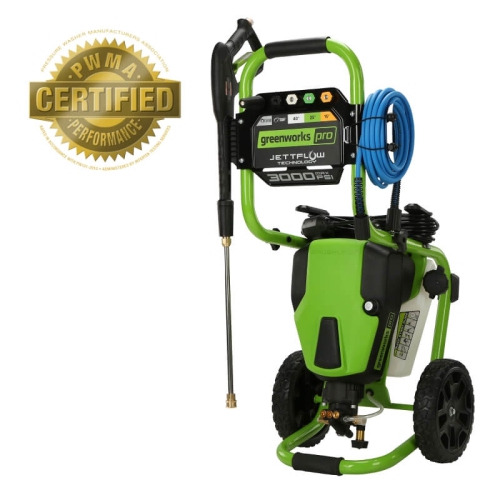 Your price for this item is $539.99
-
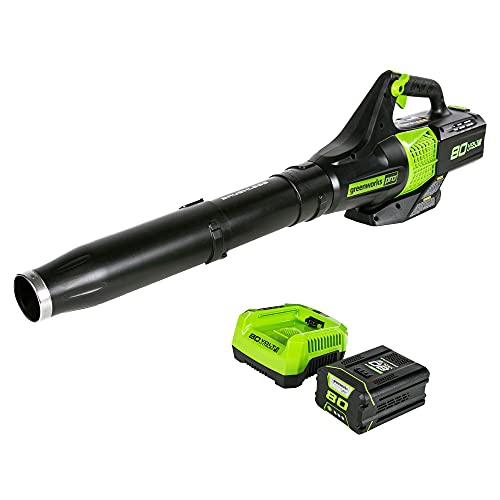 Your price for this item is $289.99
-
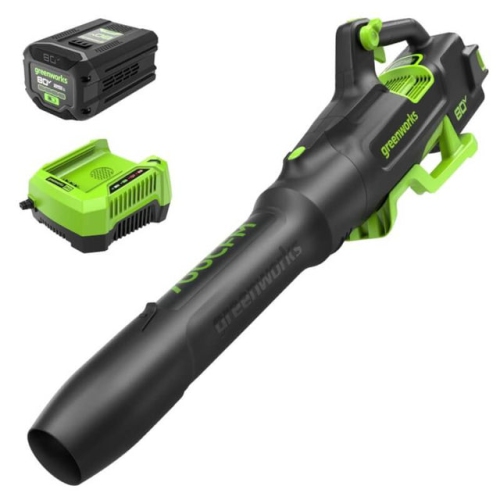 Your price for this item is $272
-
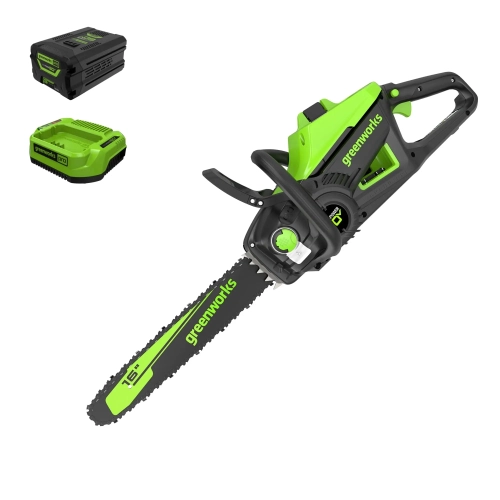 Your price for this item is $339.99
Discover more categories related to Tools for Beginner Gardeners


Top Collections:
Pokemon Centers, Best Cameras for Sports Photography, Kindle Devices, Samsung Galaxy Phones, Canon G7X Cameras, Pokémon 30th Celebration Cards, Refurbished Apple Laptops, iPhone 15 Apple, Laptops for Students, Budget Smartphones
Some products may be subject to Environmental Handling Fees
(EHF) depending on your province.
Learn more about EHFs.