Lateral Filing Cabinets White
Looking for stylish and functional storage solutions for your office space? Our lateral filing cabinets in white are the perfect choice. With their sleek designs and ample storage capacity, these cabinets offer a practical and organized way to keep your important documents and files within easy reach. Whether you're working from home or in a corporate setting, our white lateral filing cabinets are designed to seamlessly blend with any decor while providing you with the convenience and efficiency you need.
Sort
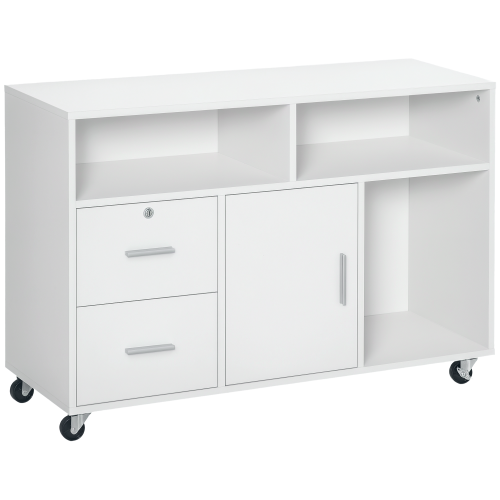
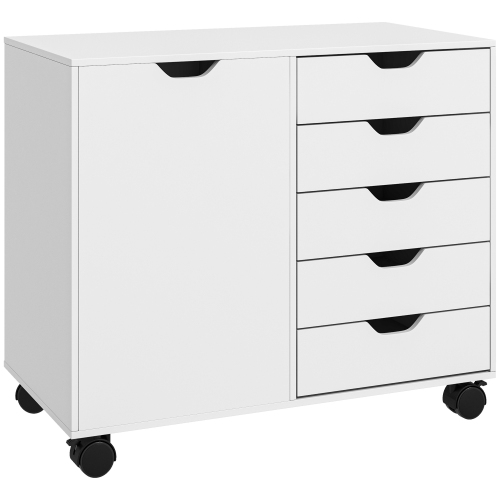
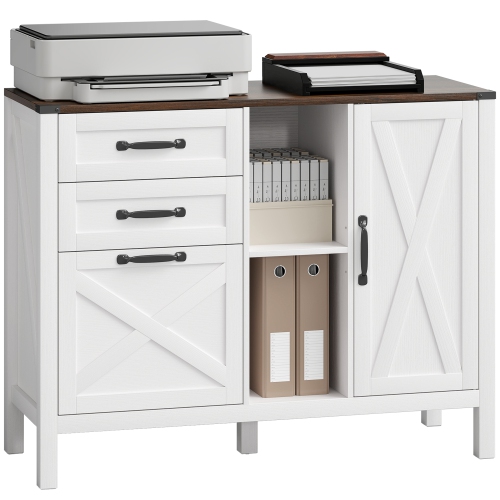
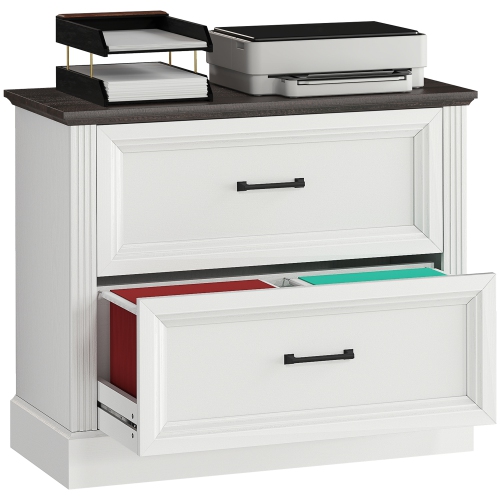
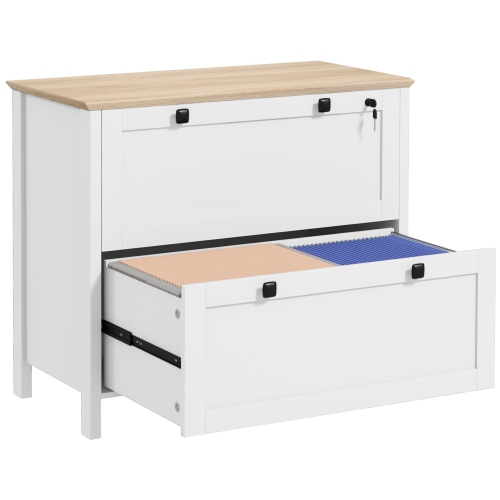
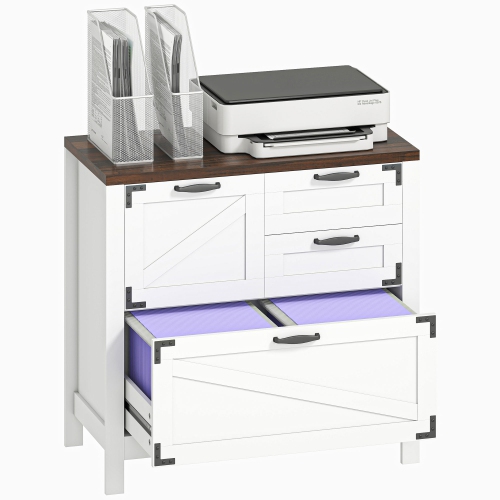
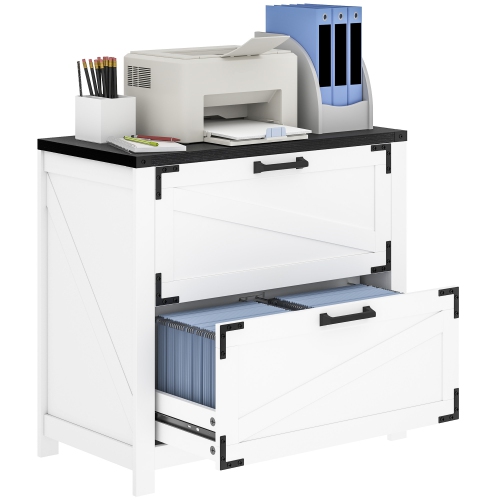
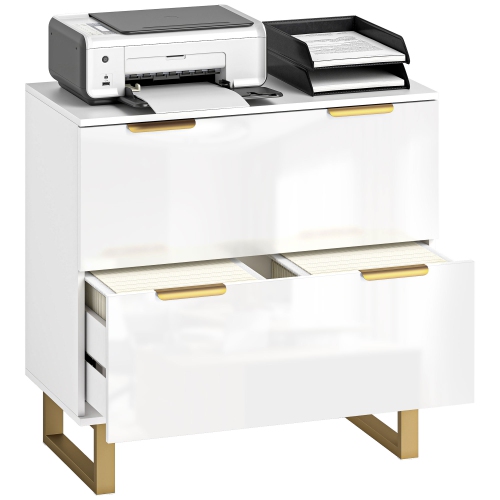
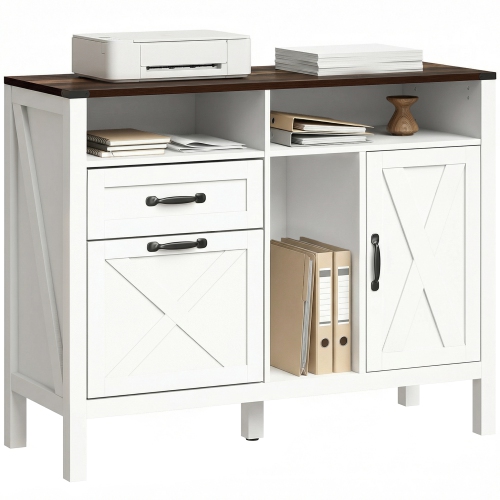
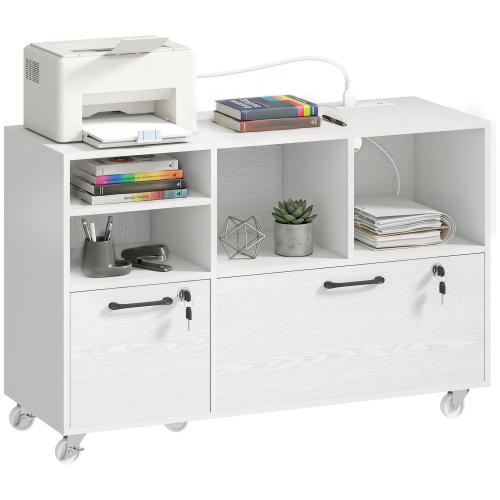

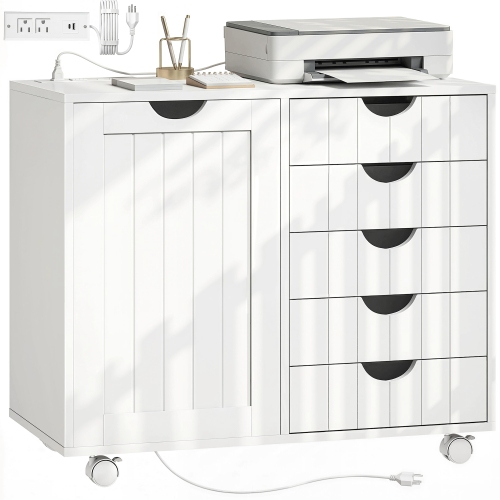
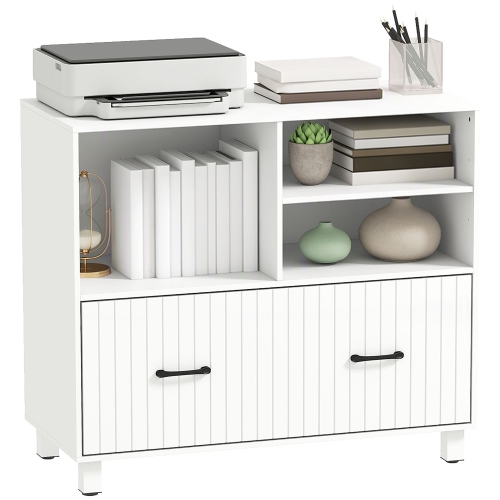
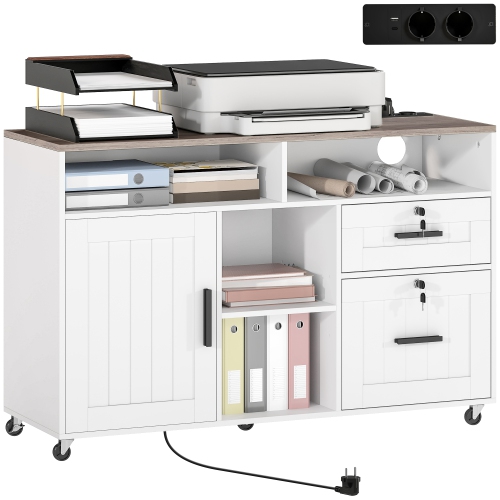
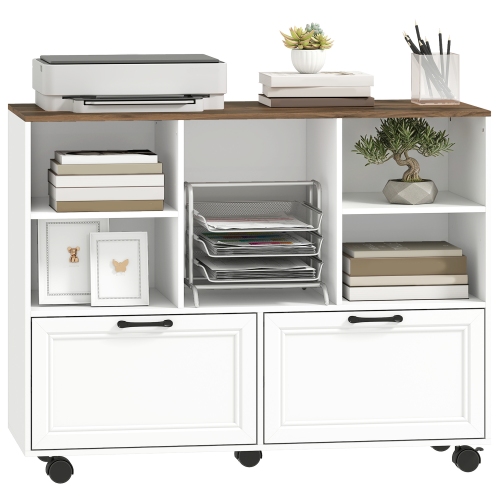
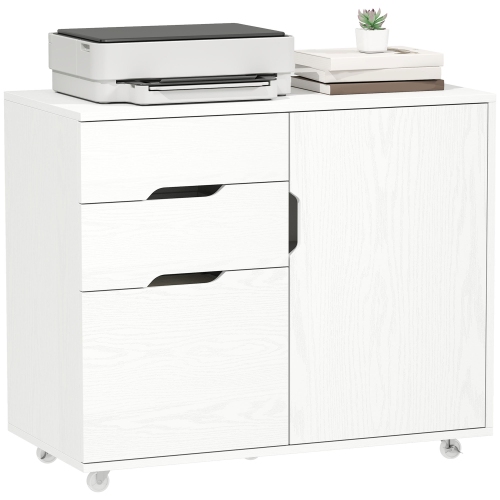
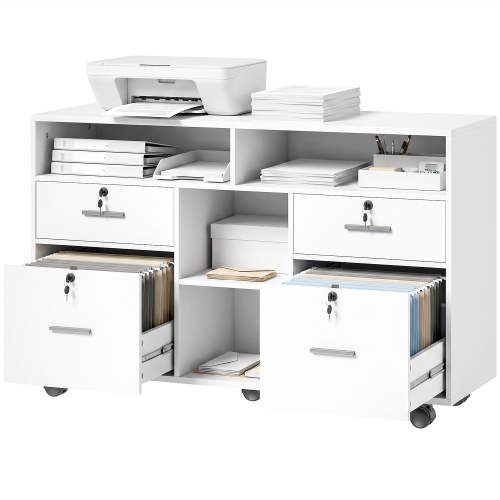
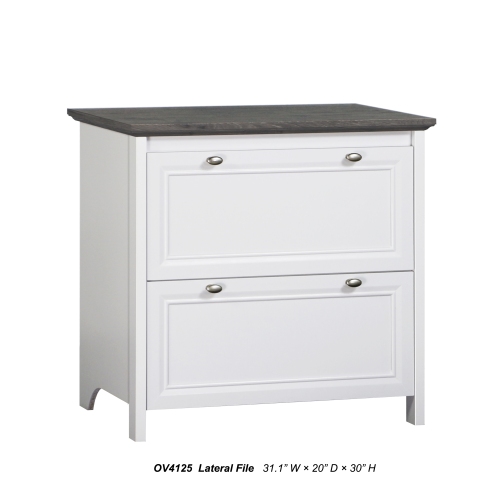
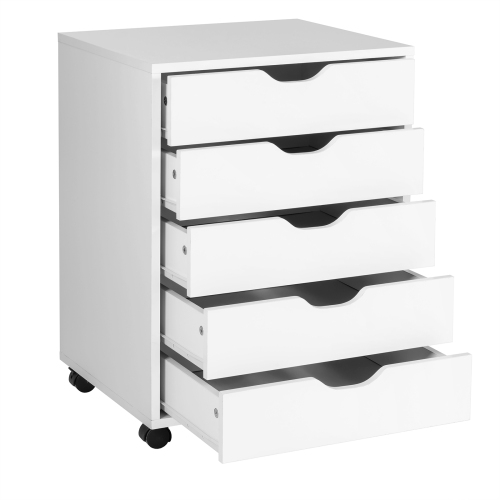

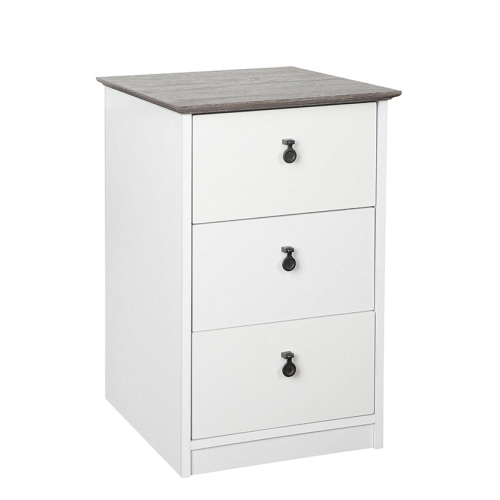
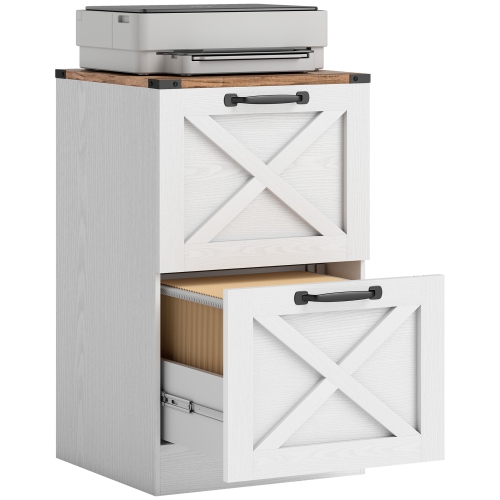
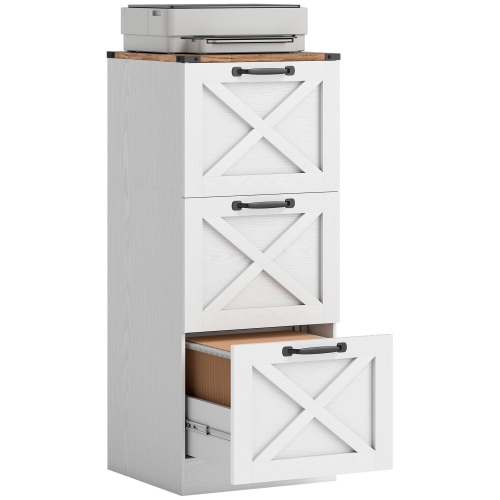
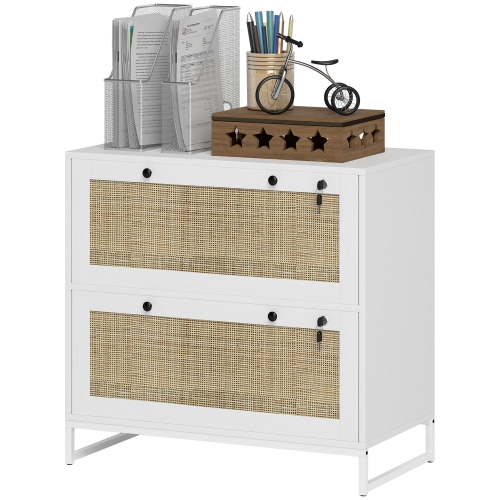
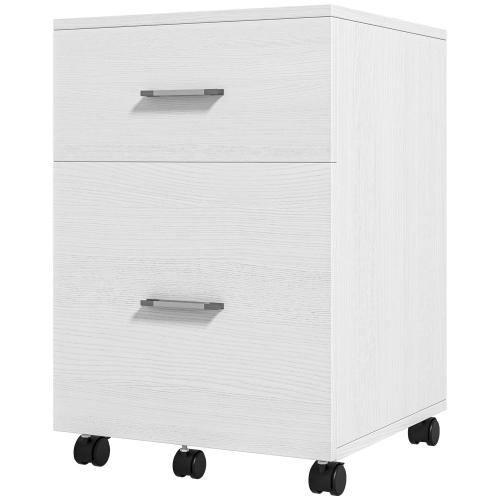
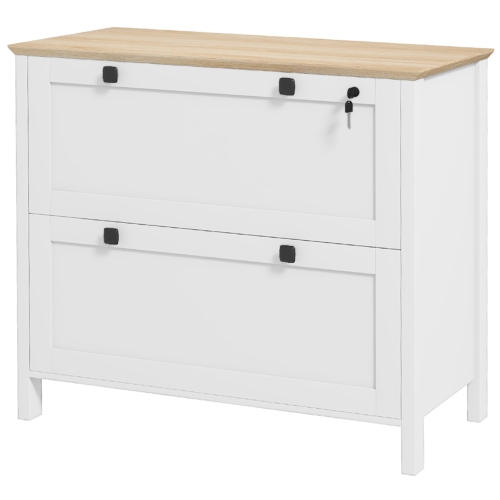
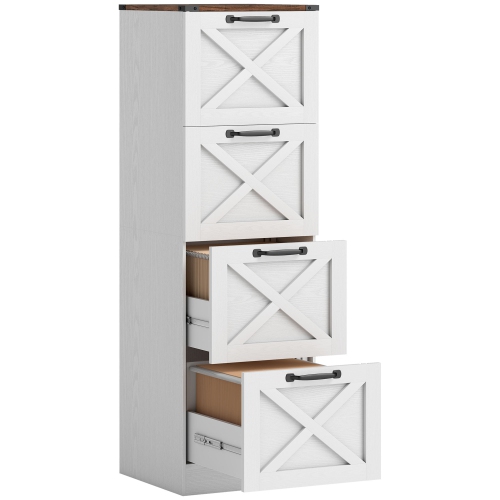
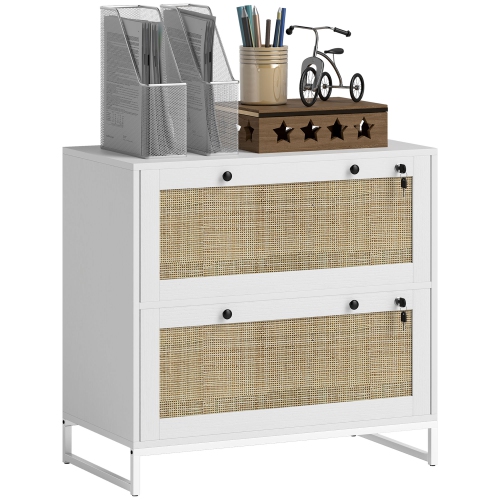
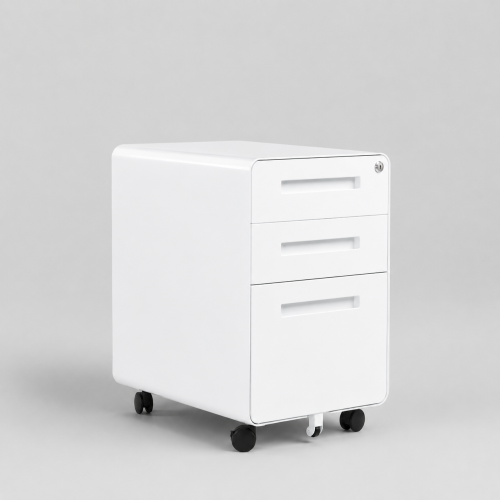
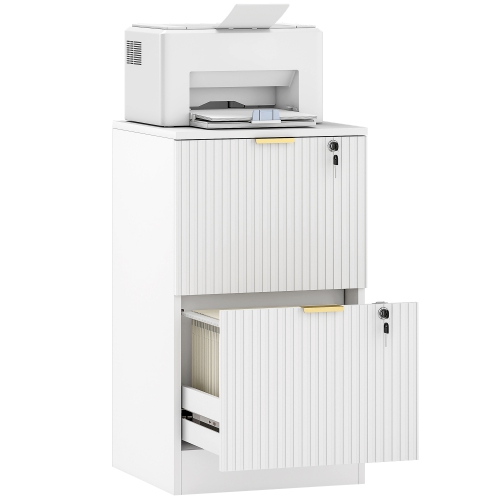
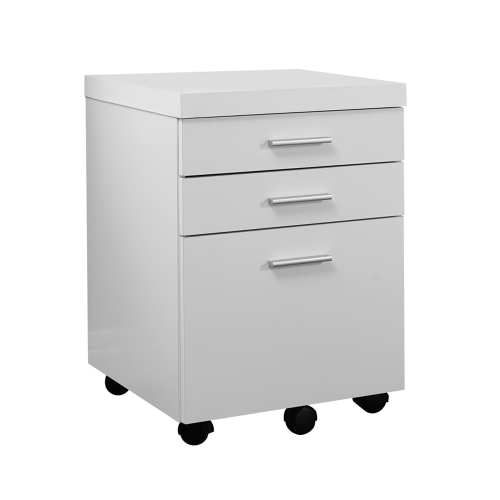
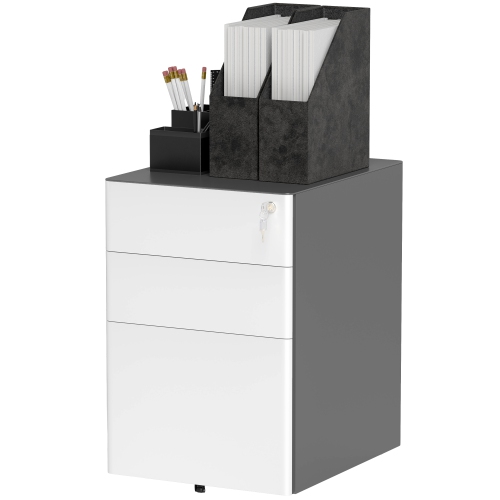
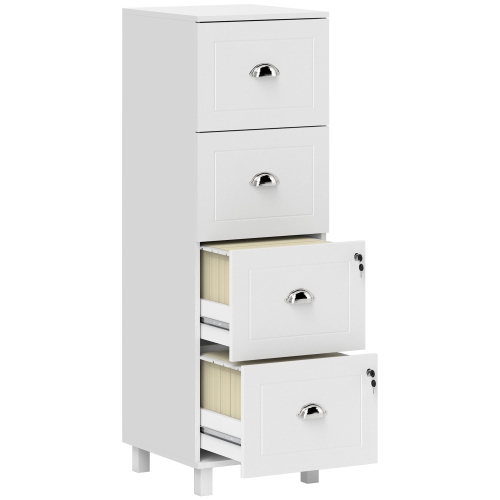
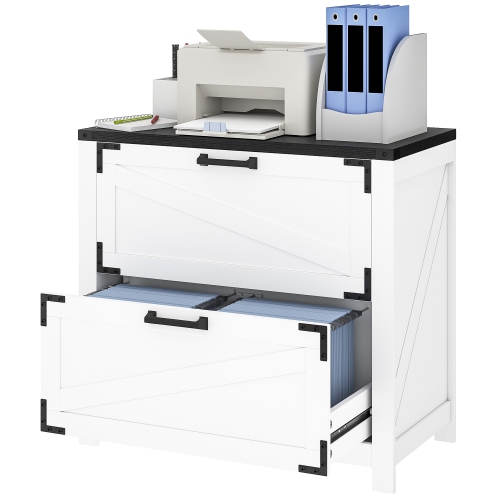

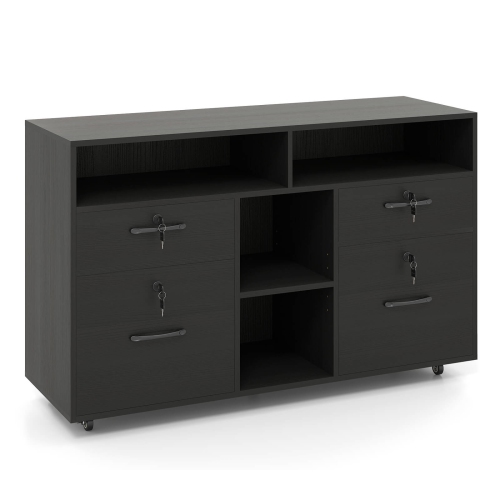
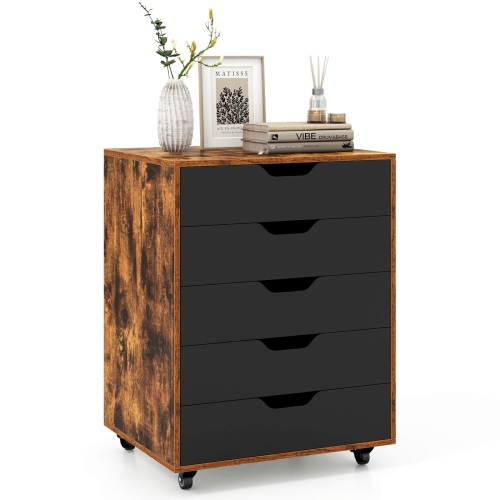
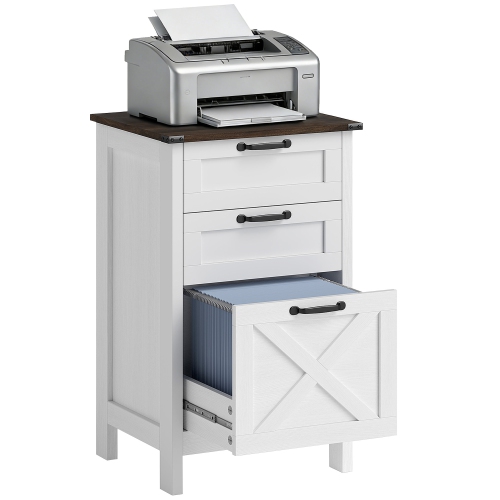
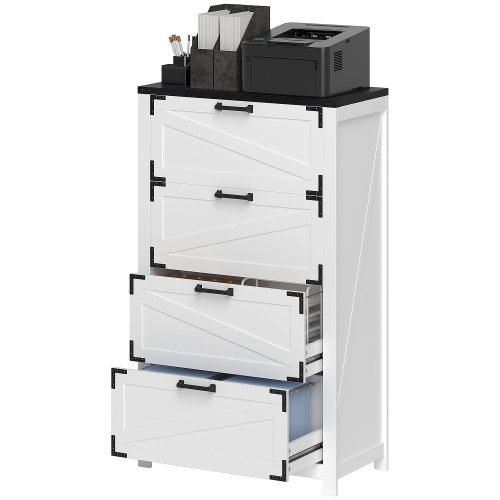
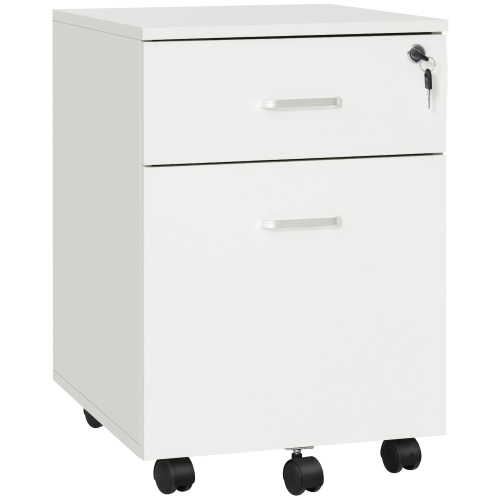
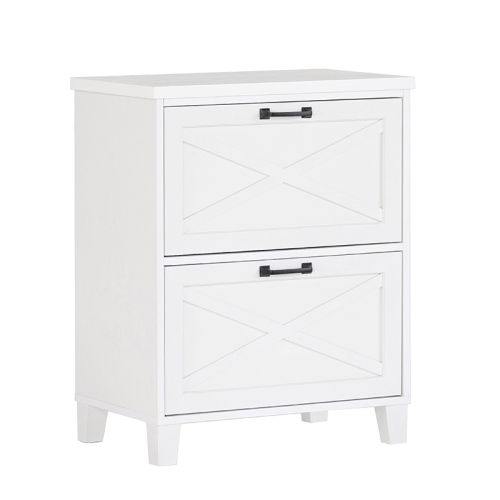
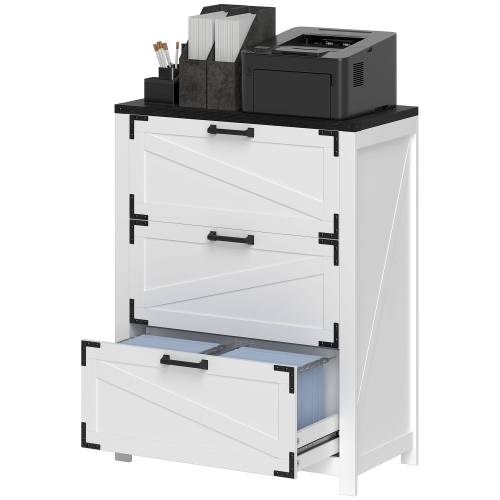
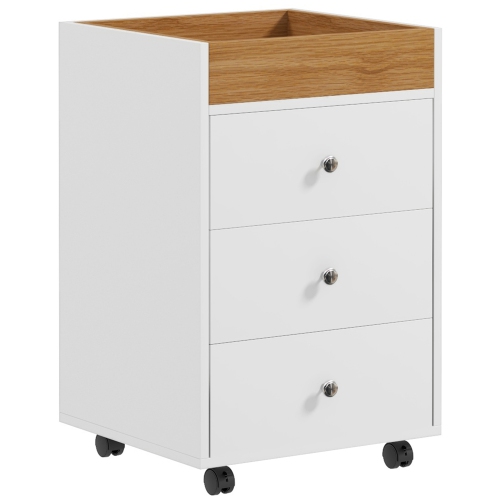
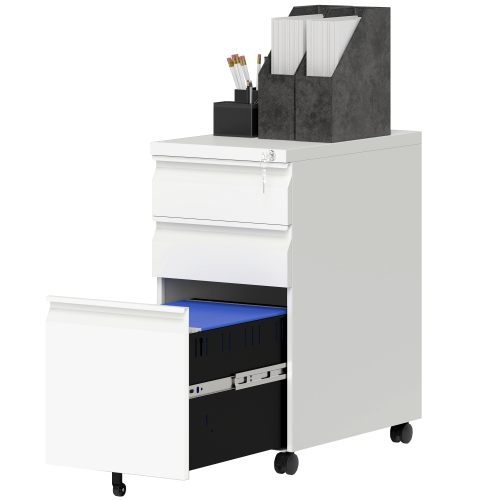
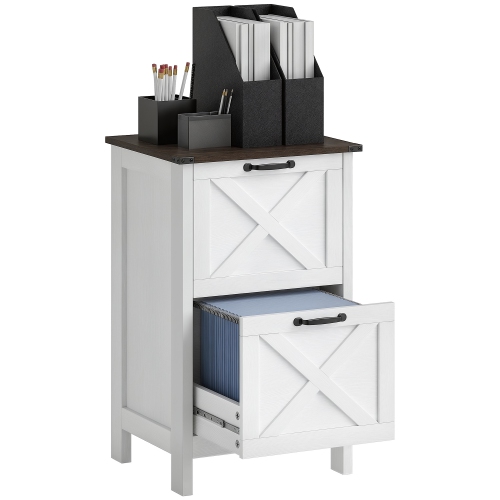
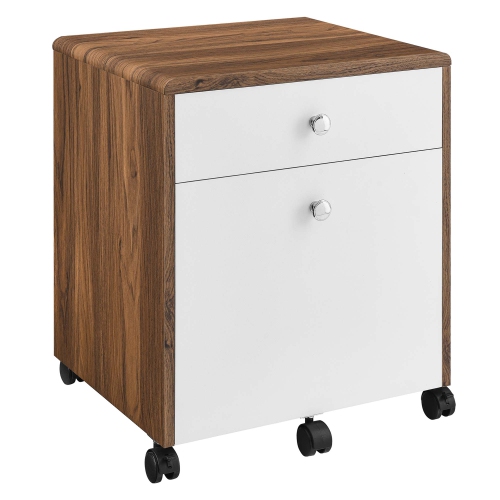
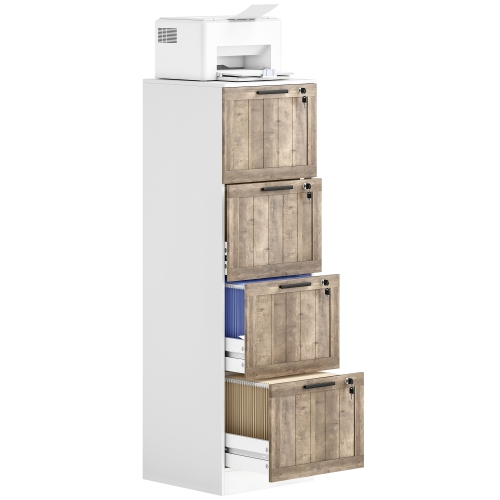
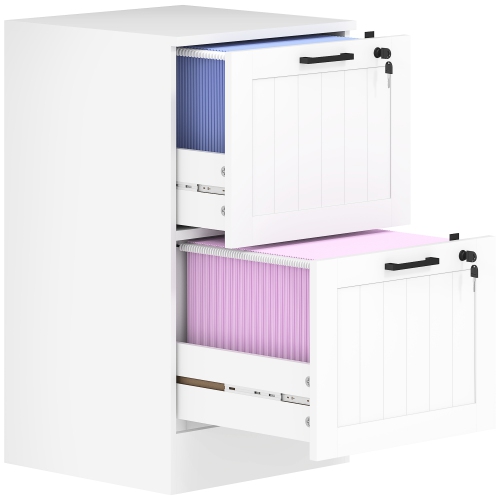
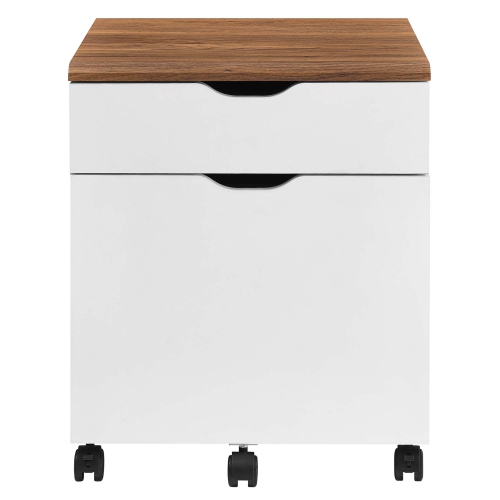
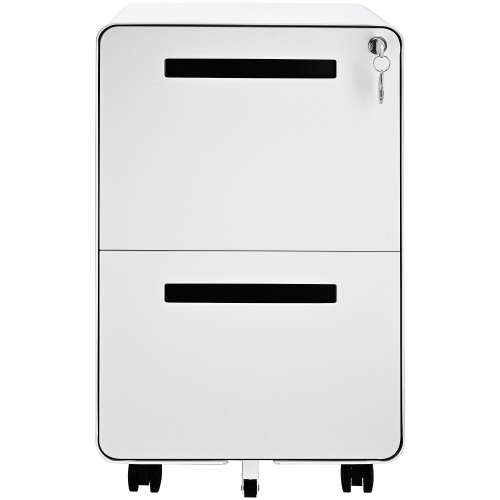
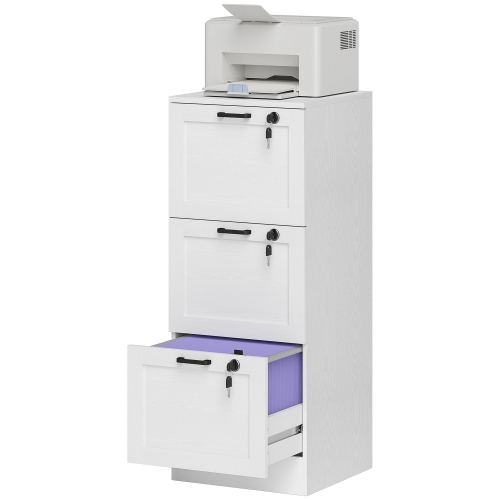
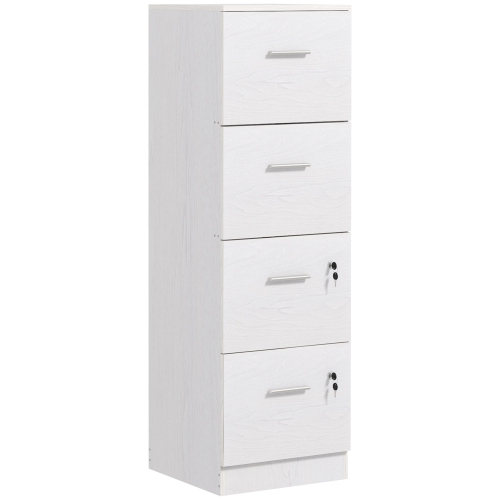
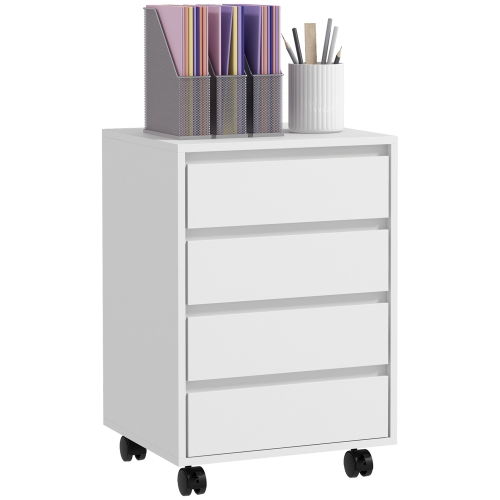

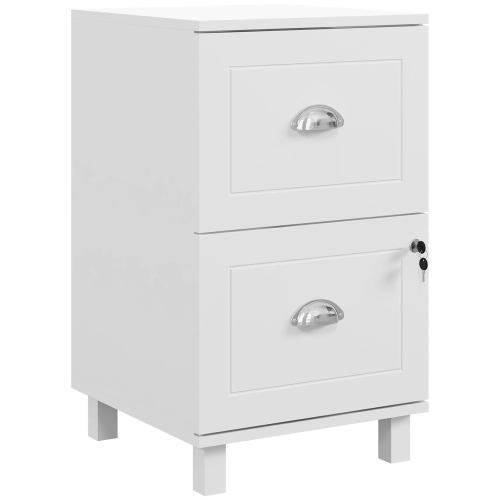

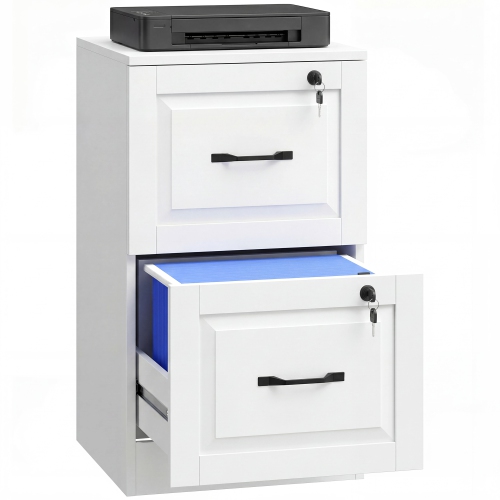
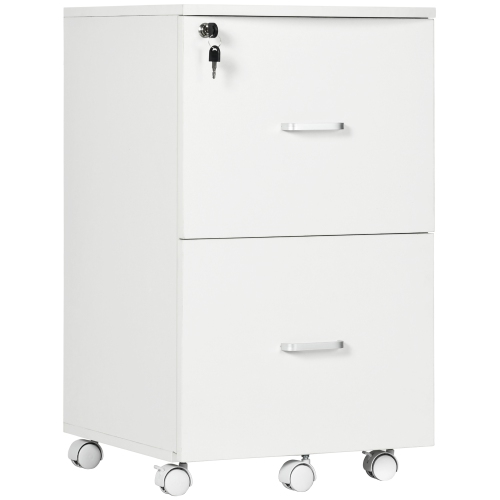
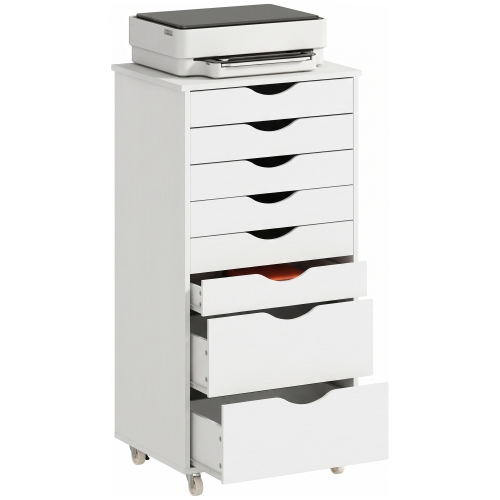
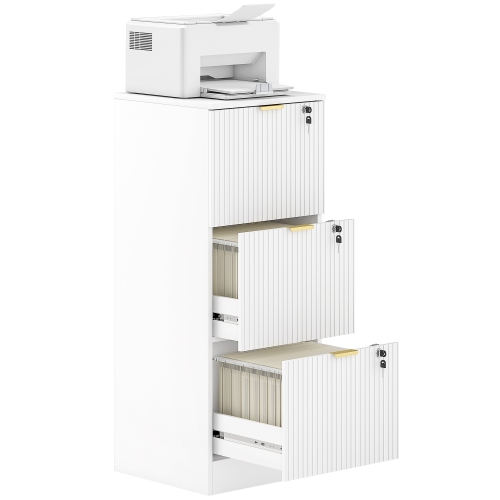


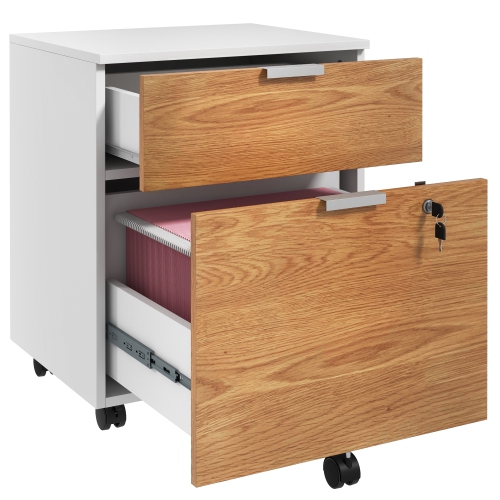
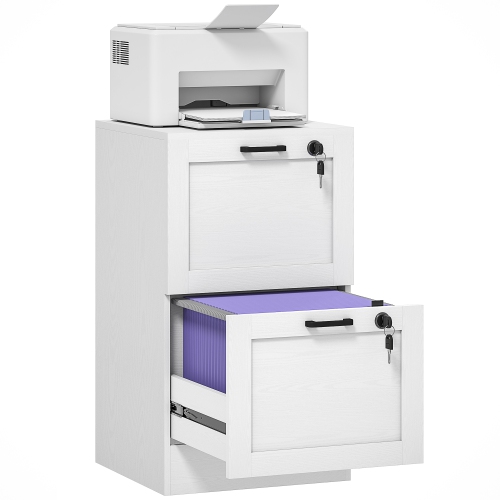
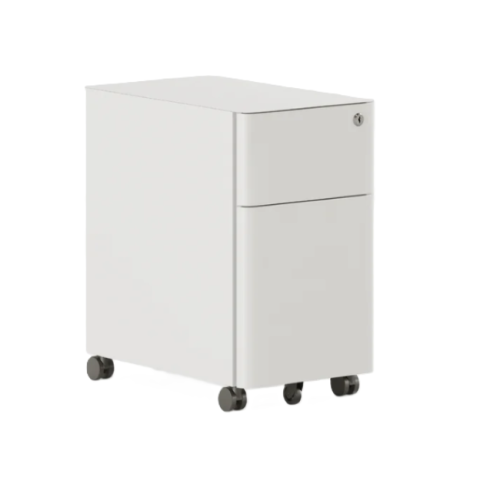
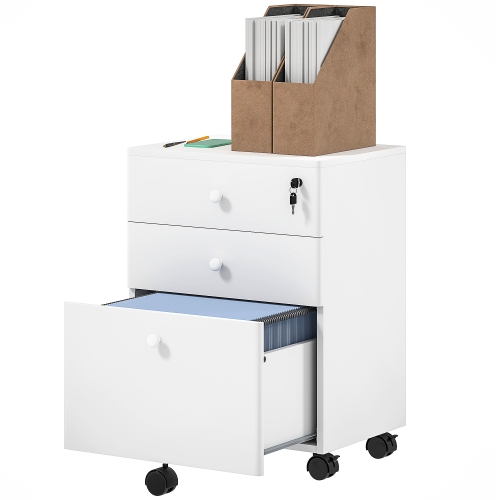
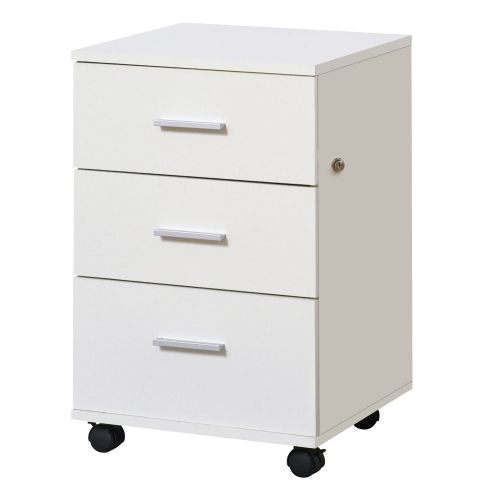
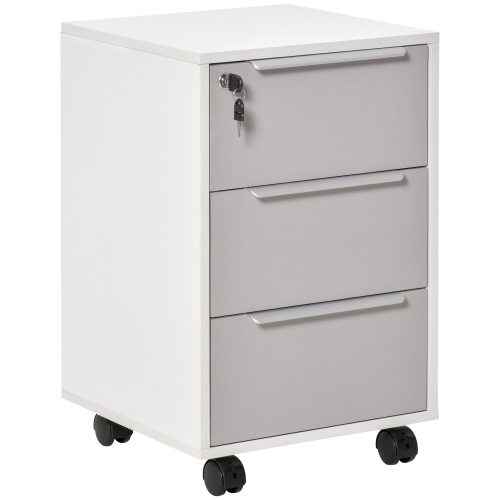
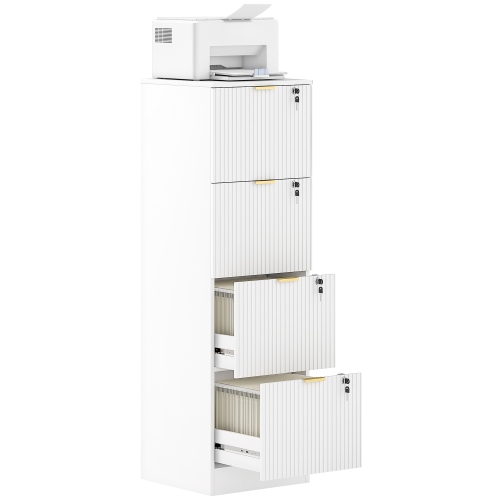
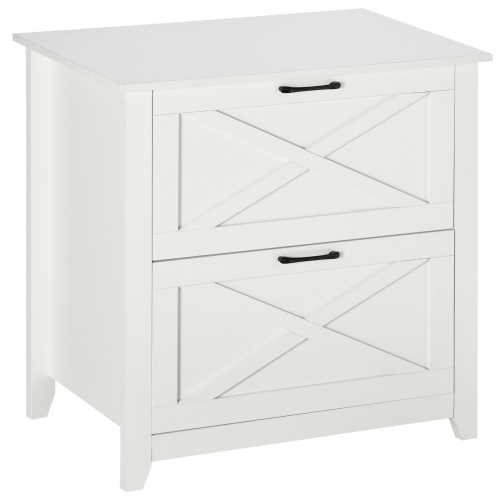
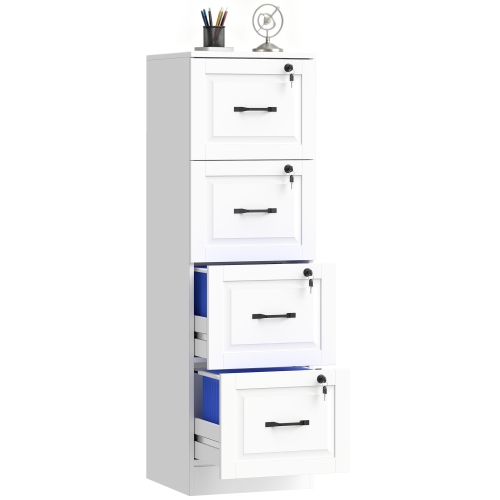

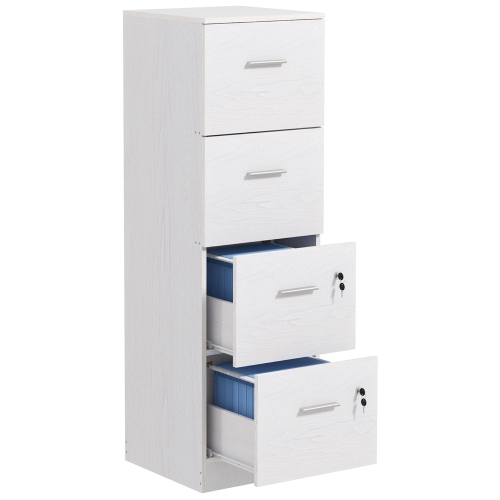
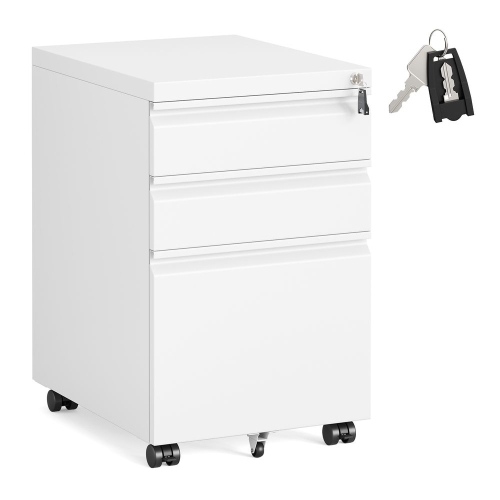
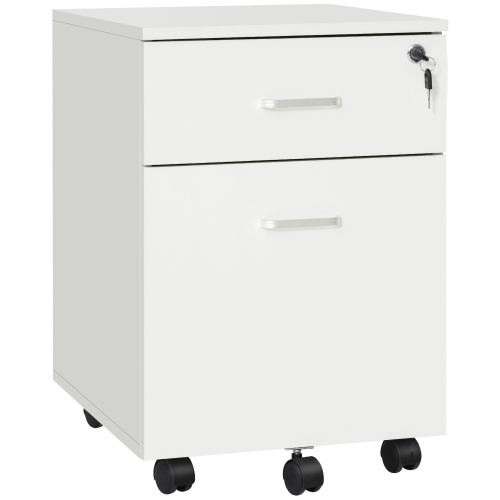
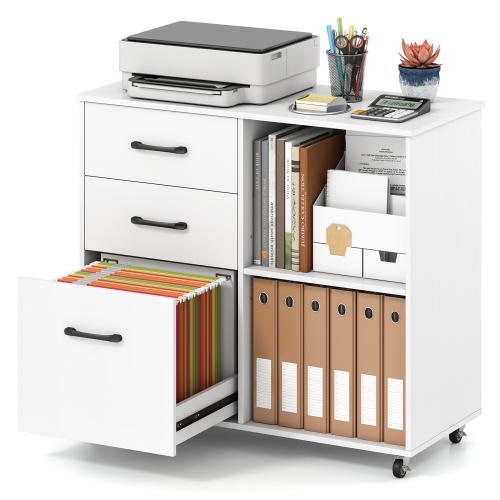
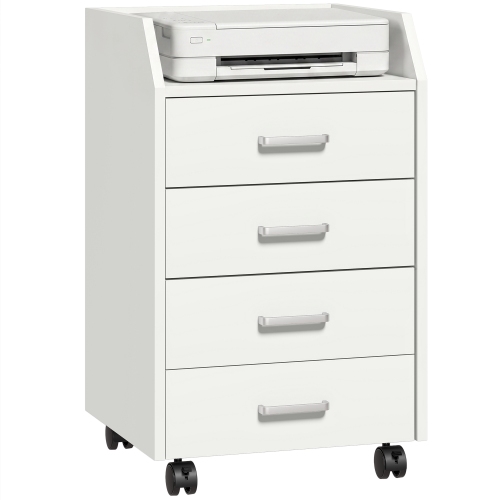
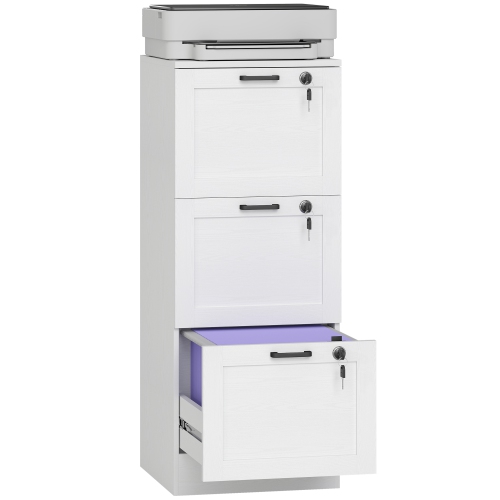
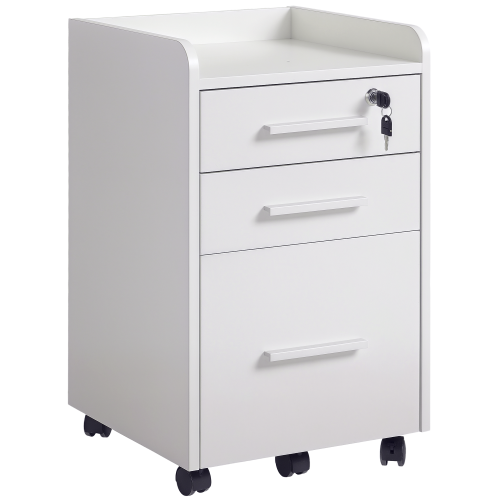
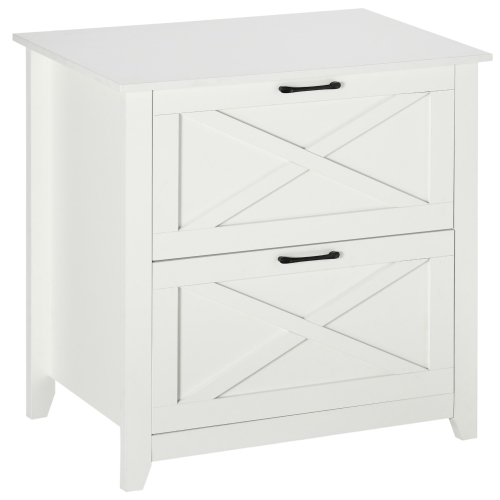
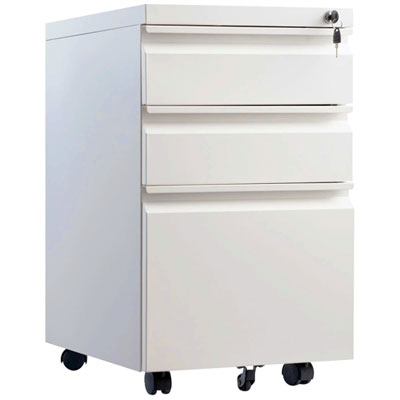
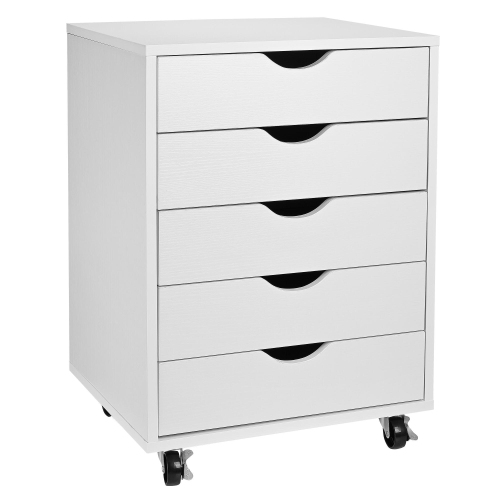
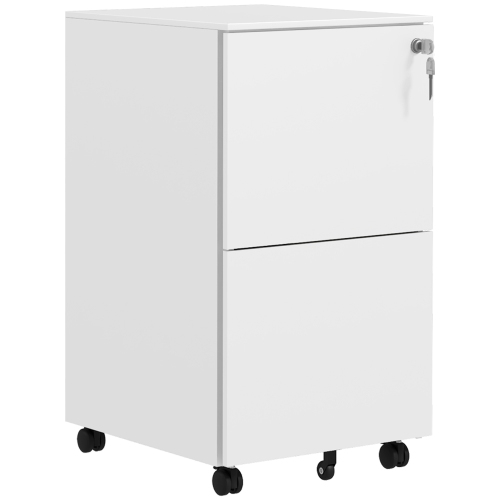
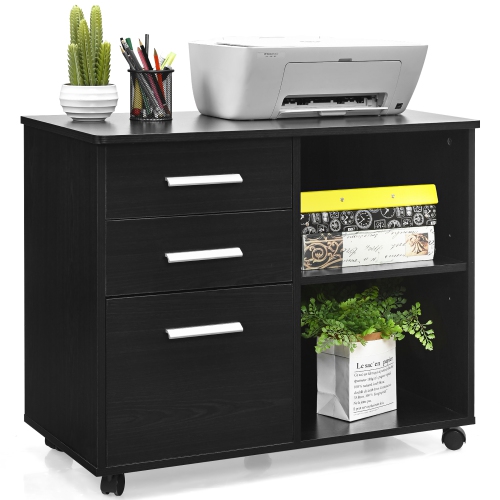
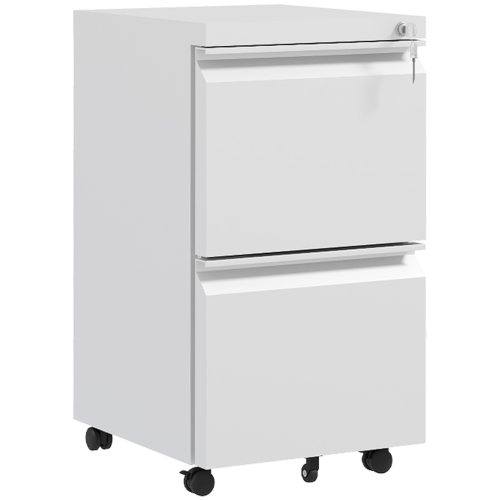
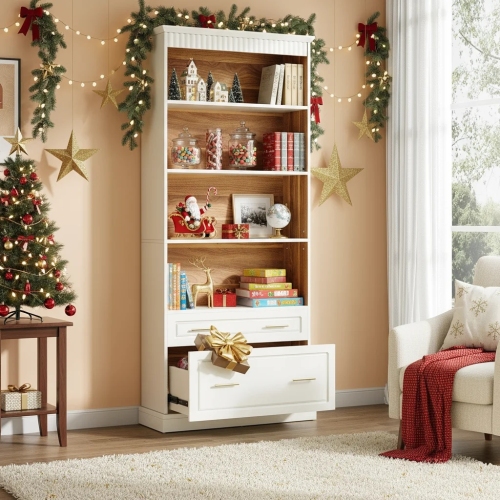
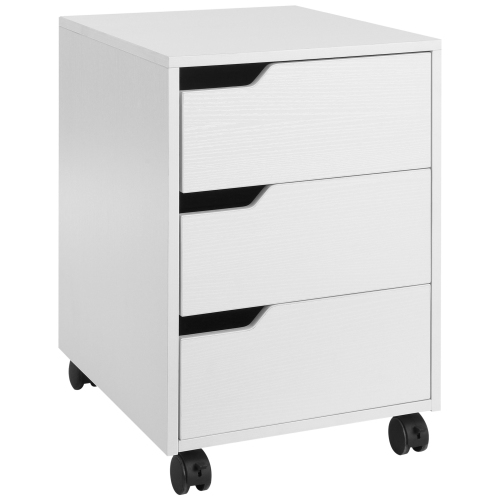
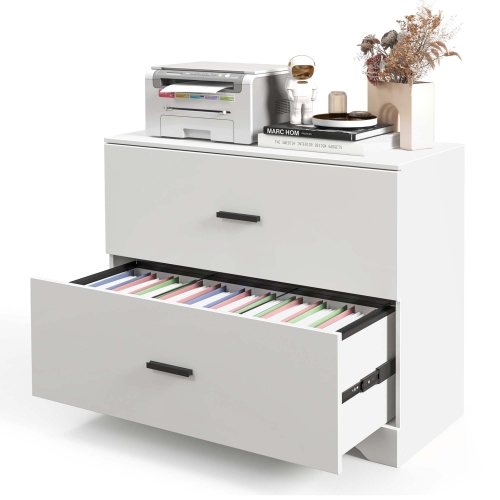
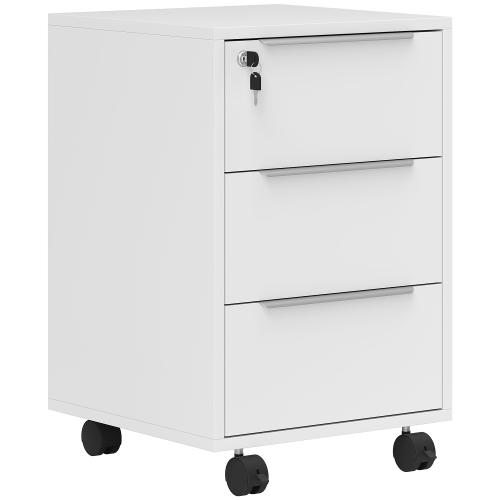
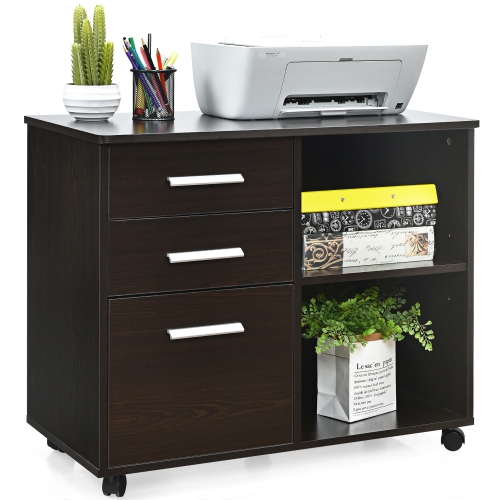
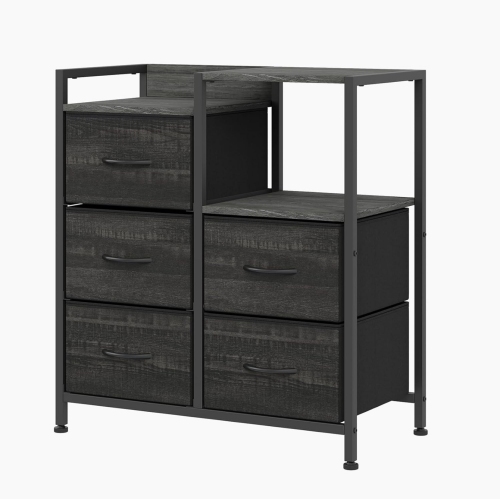
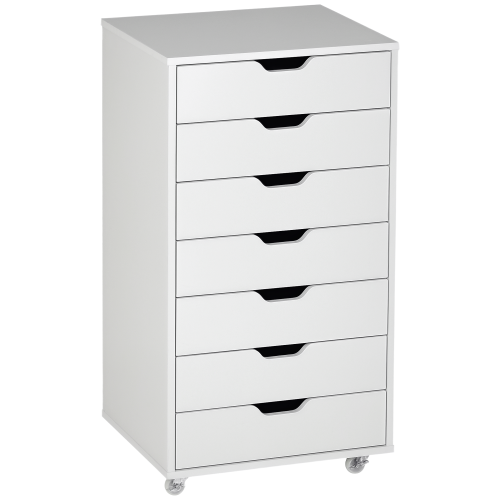
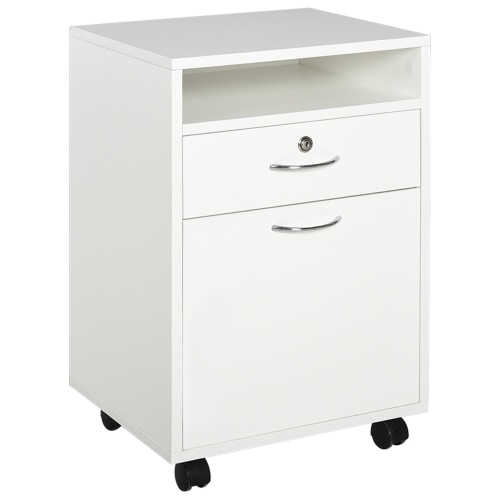
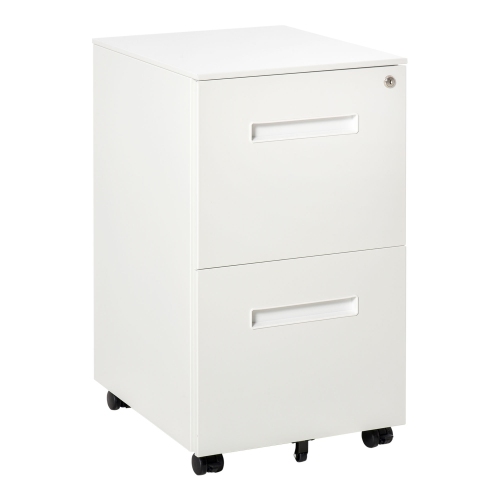
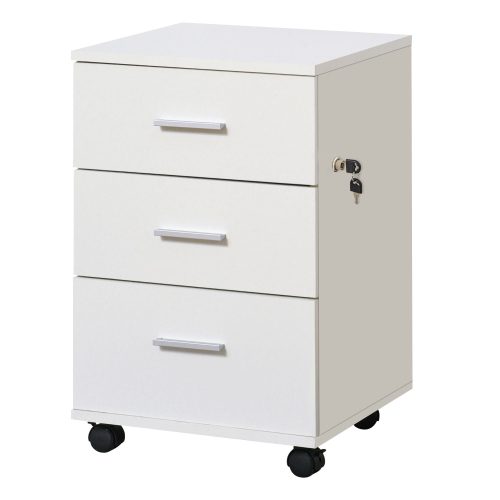
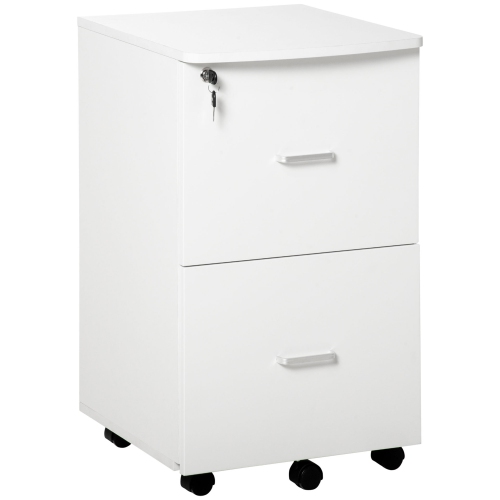
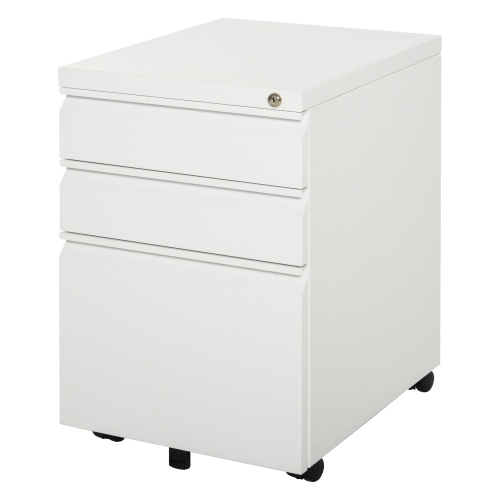
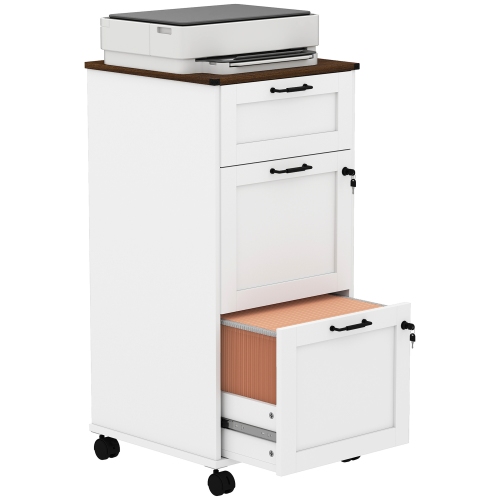
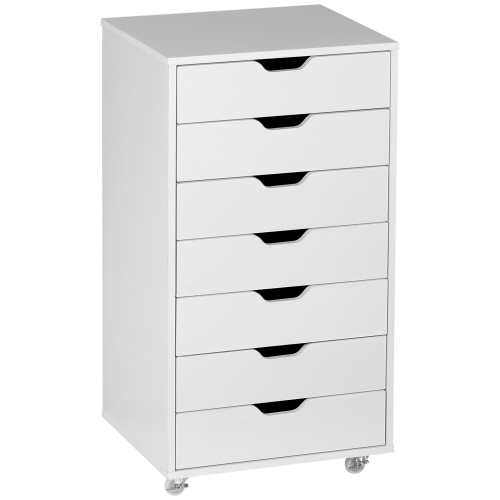
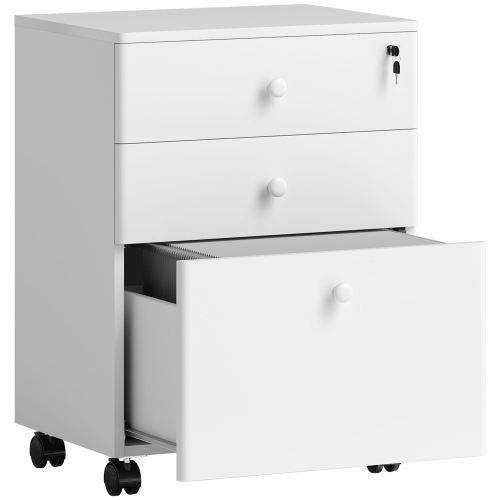
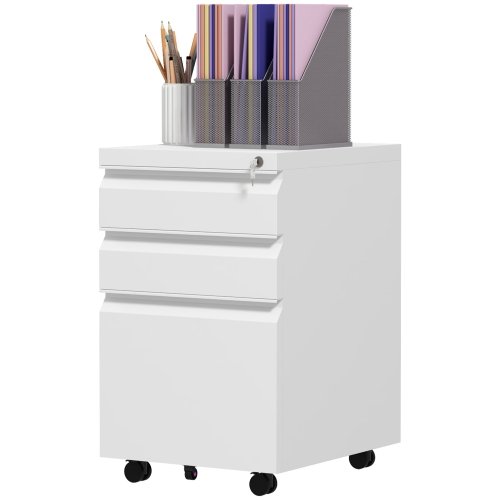
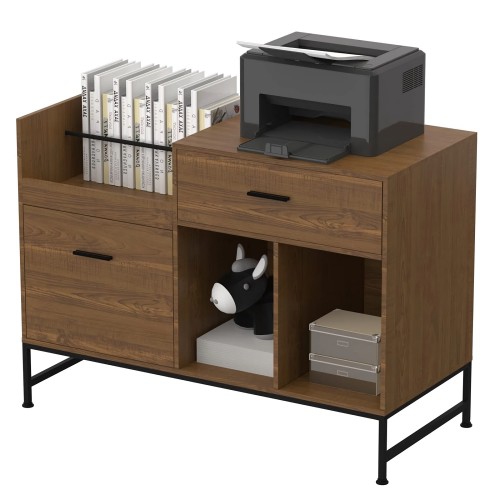
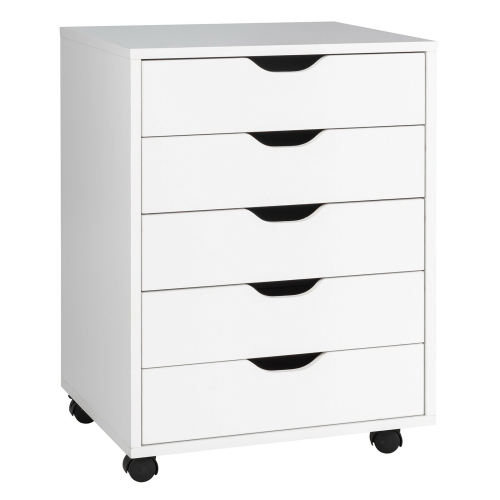
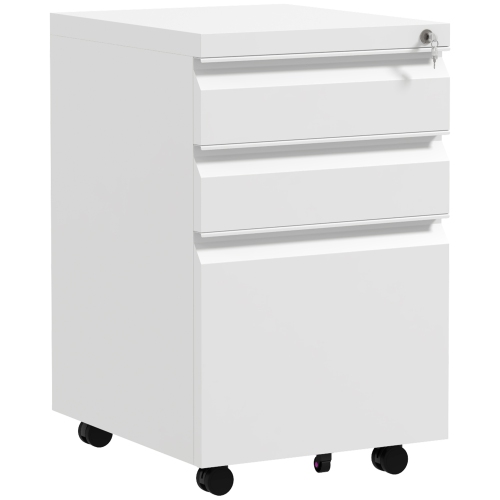
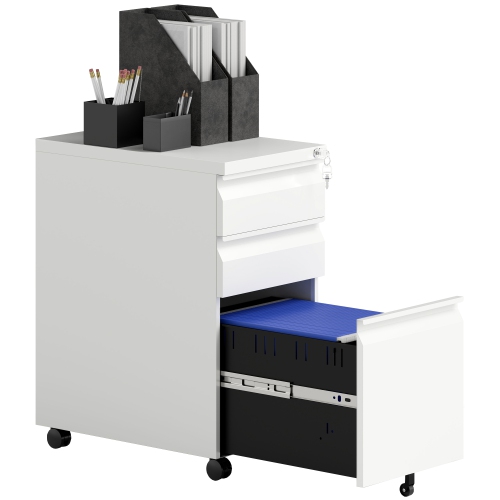
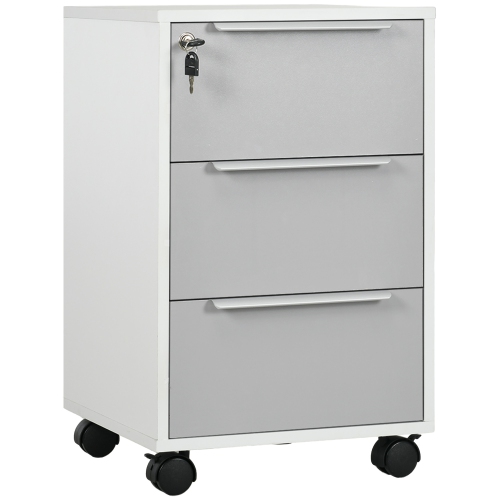
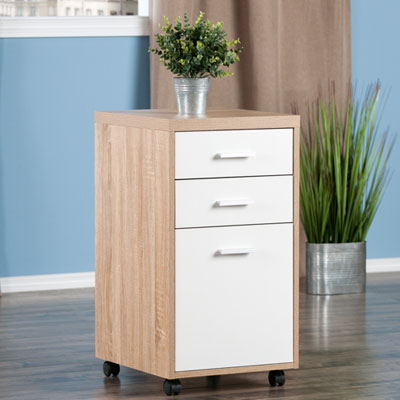
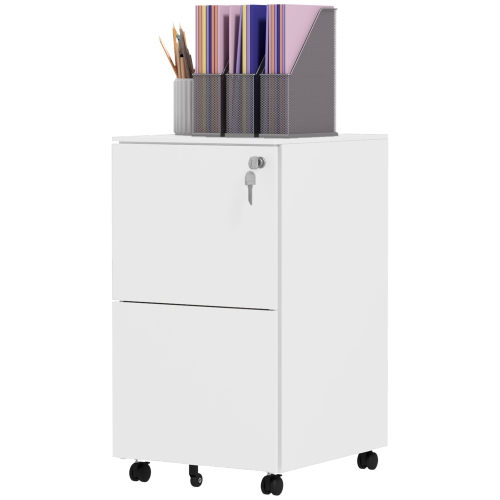
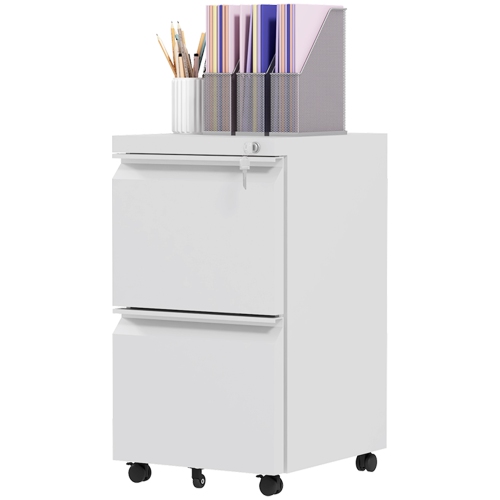
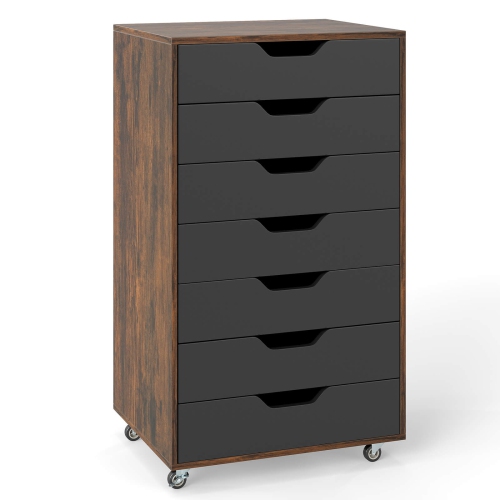
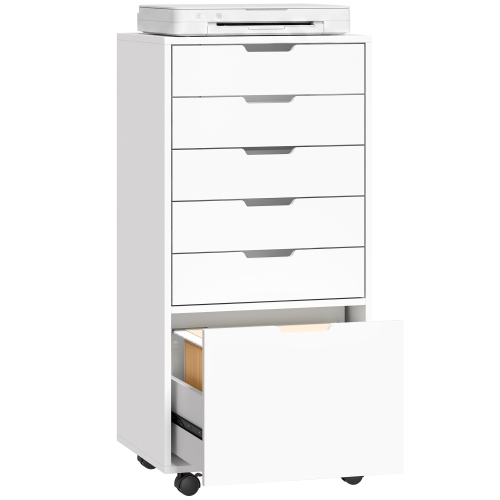
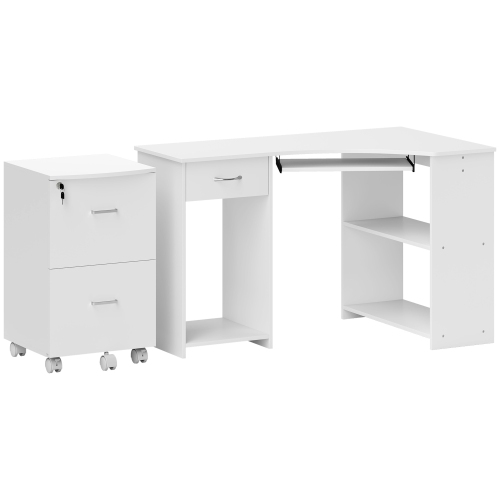
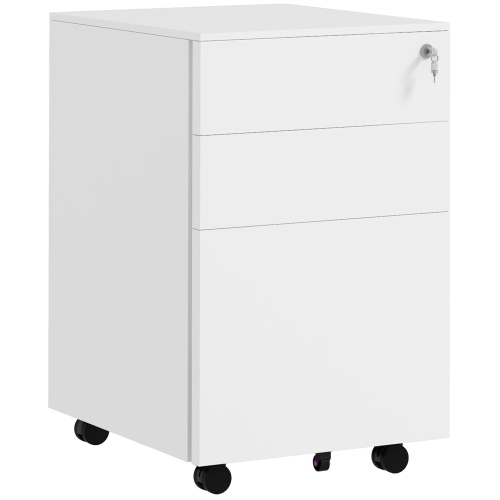
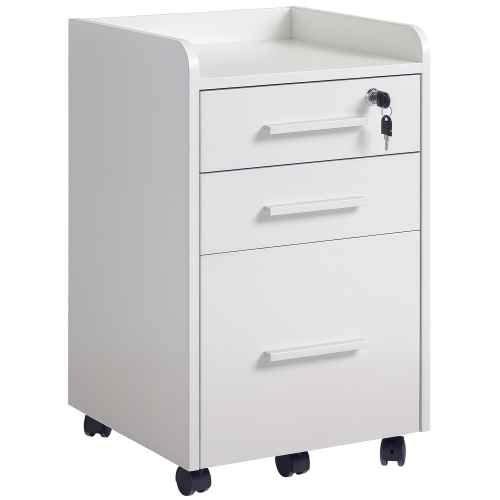

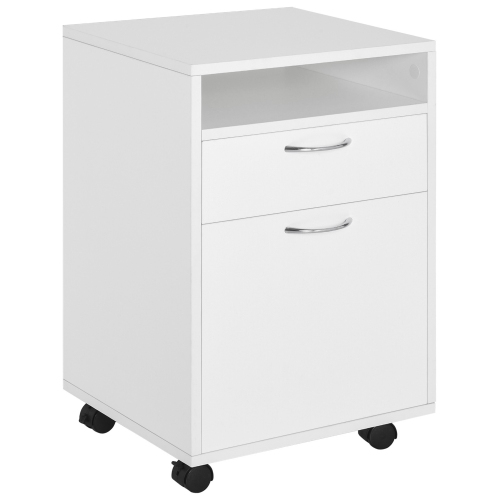
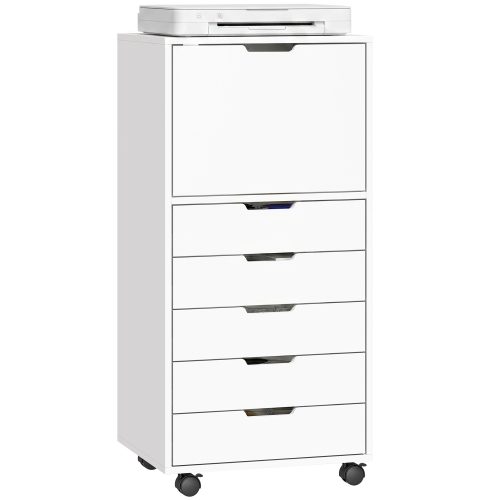
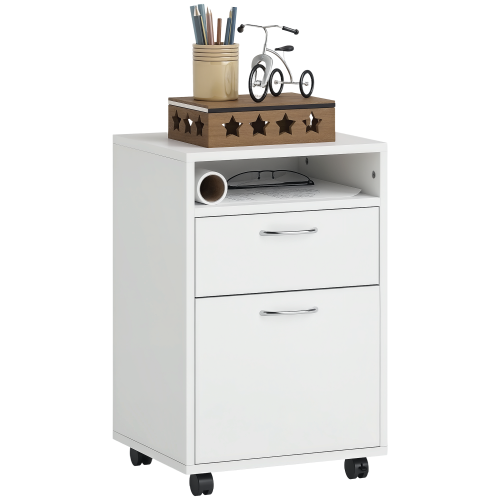
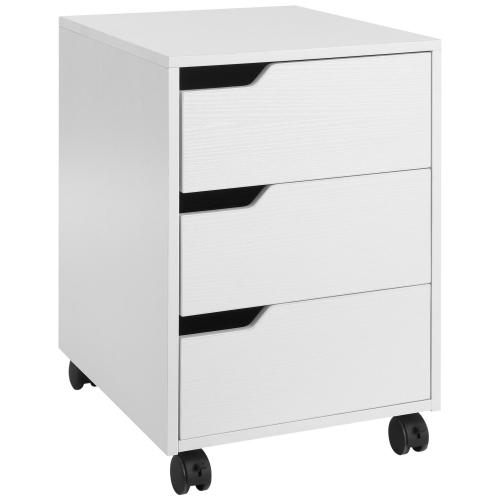
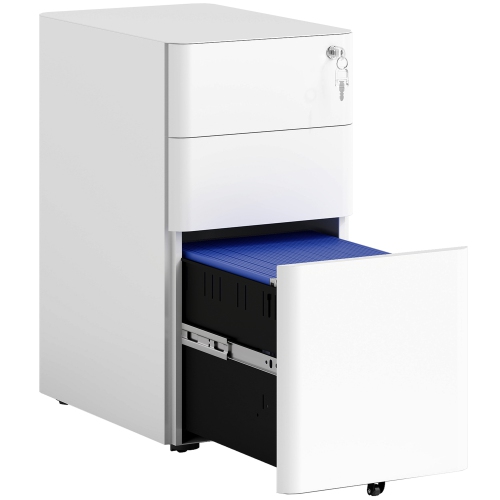
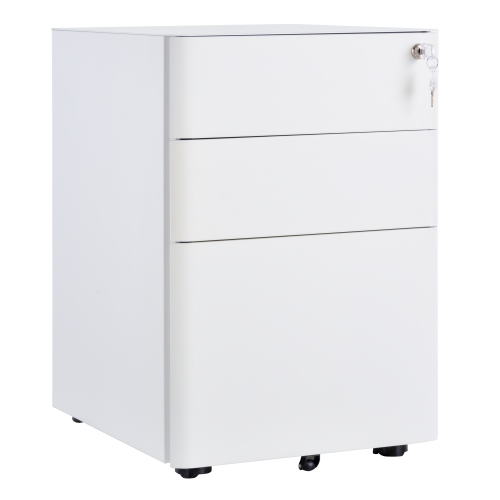
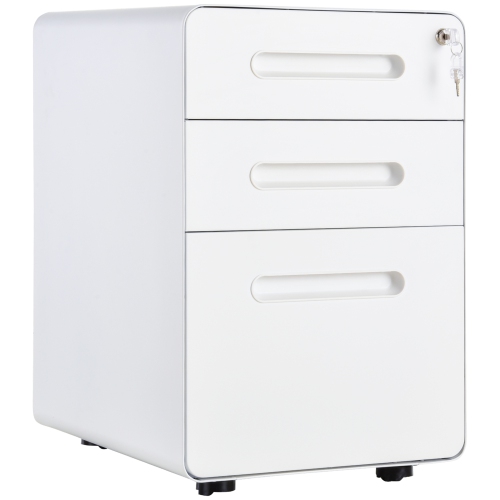
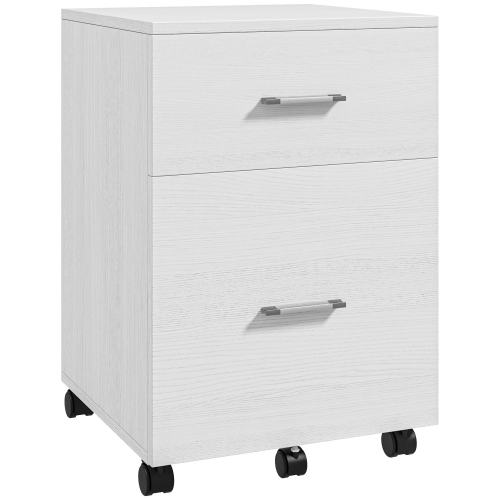
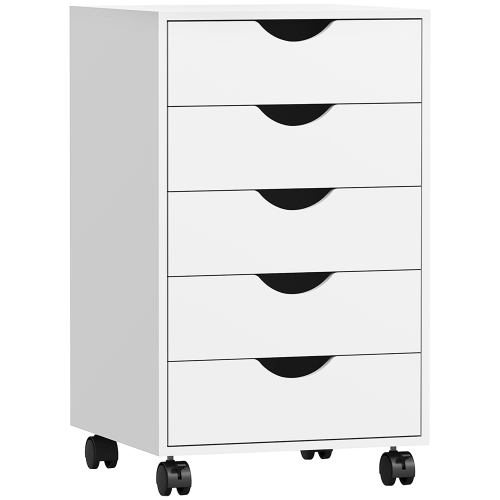
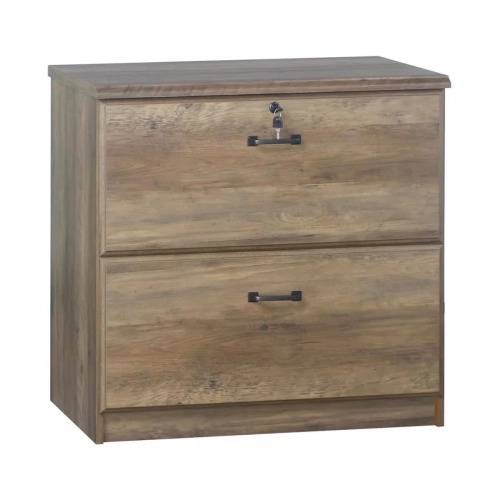
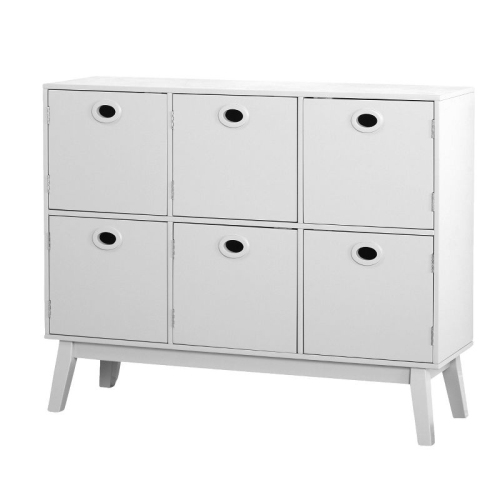
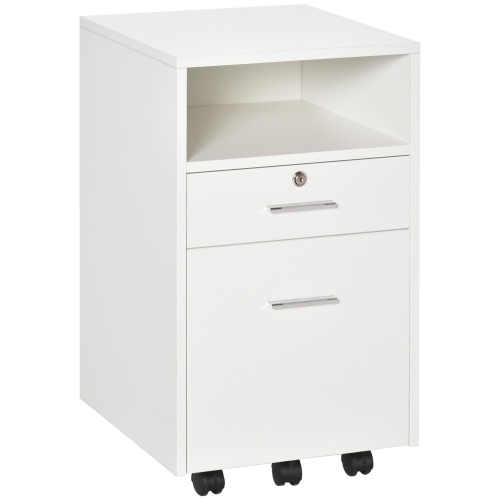

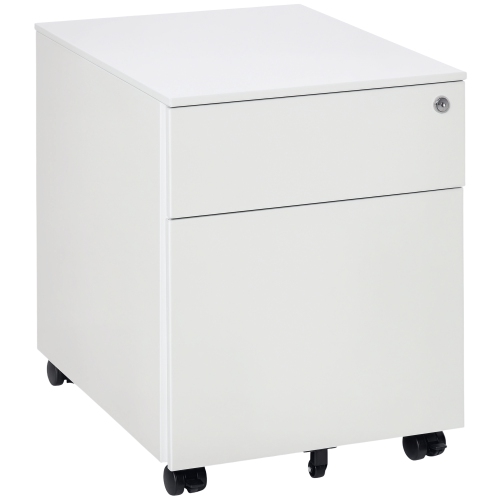
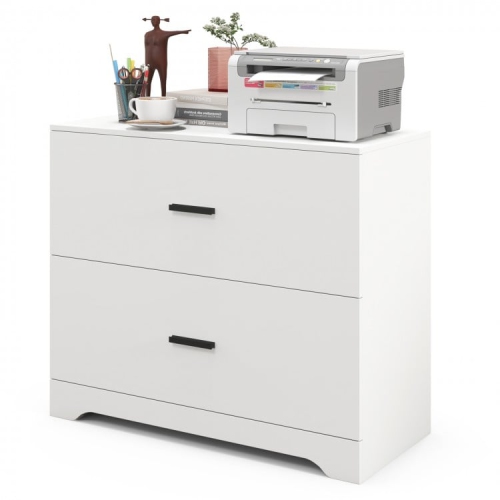
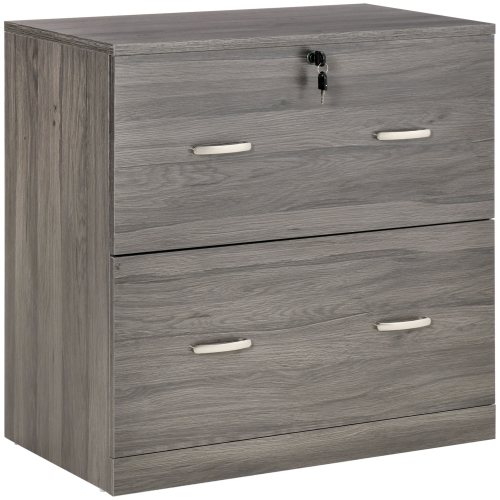
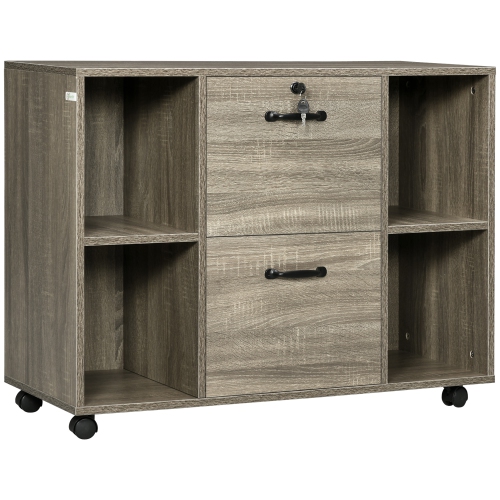
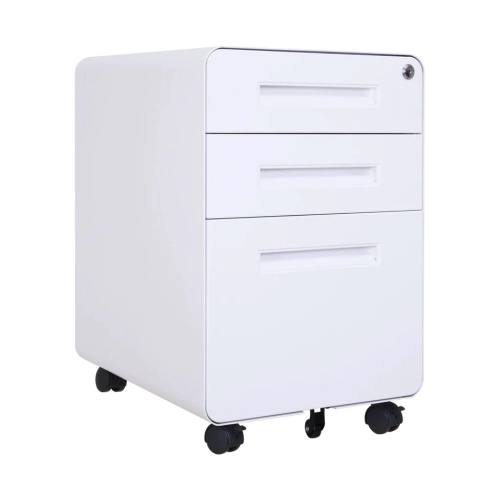
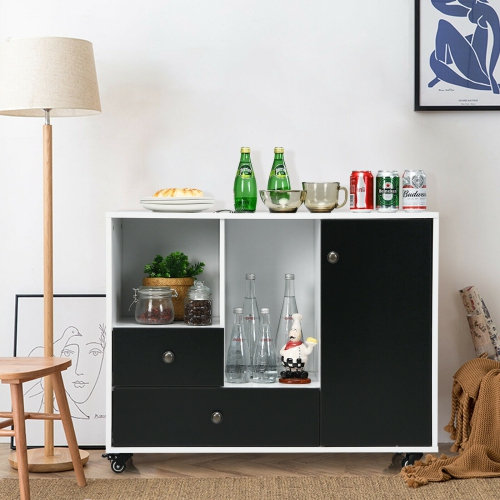
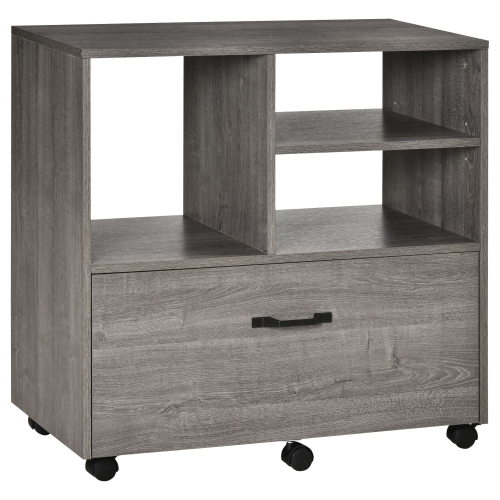
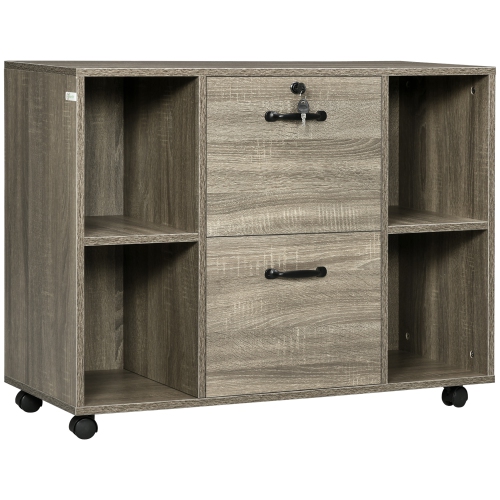
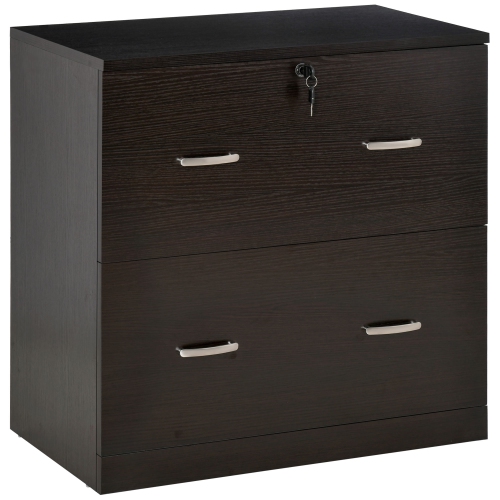
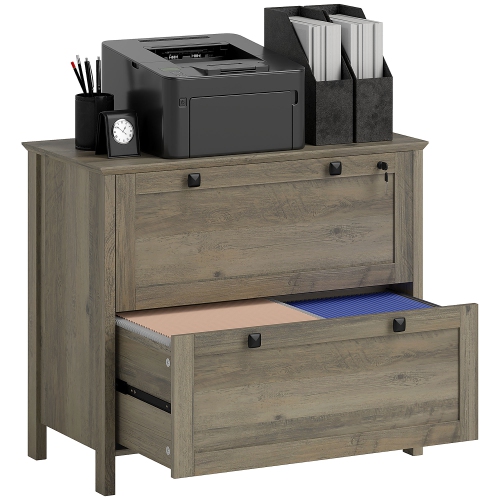
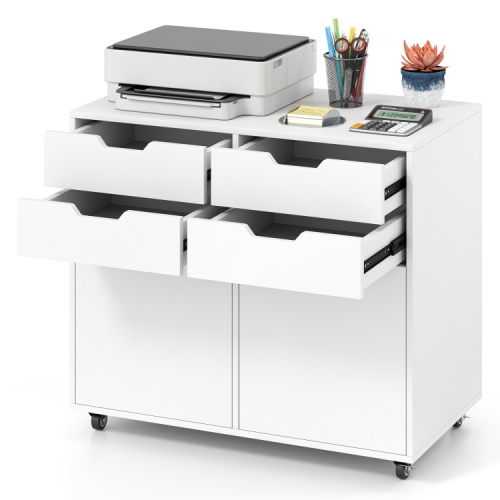
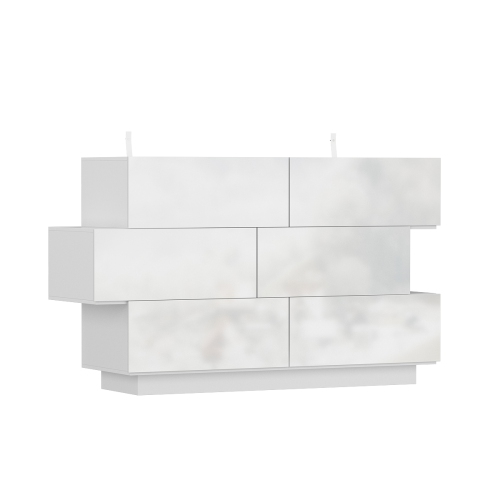
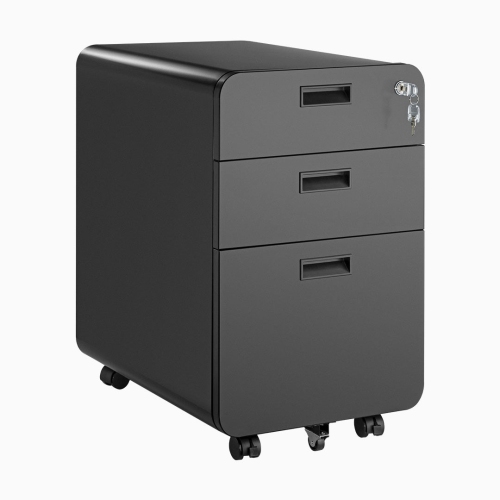
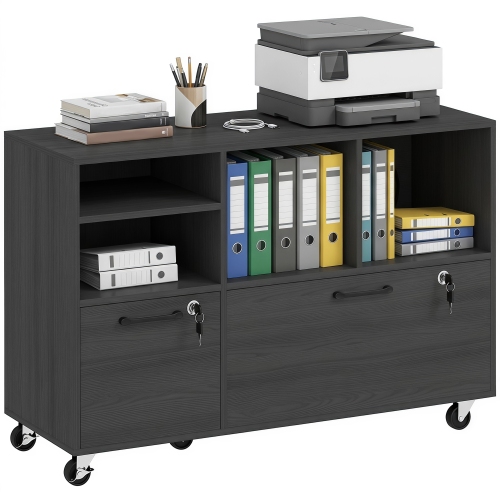
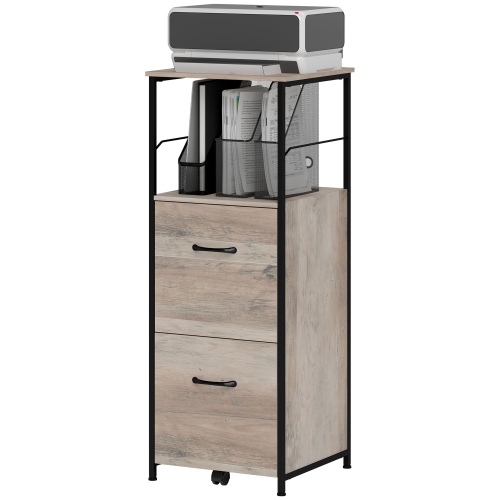
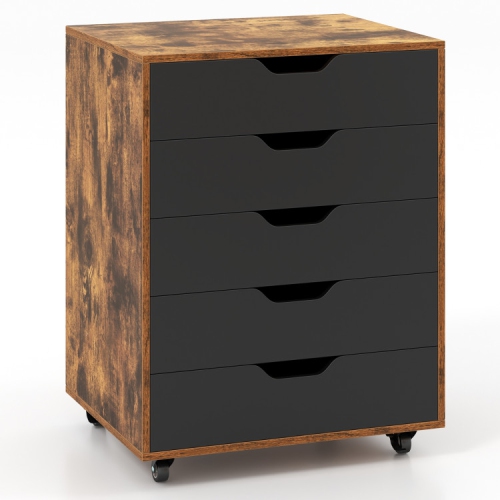

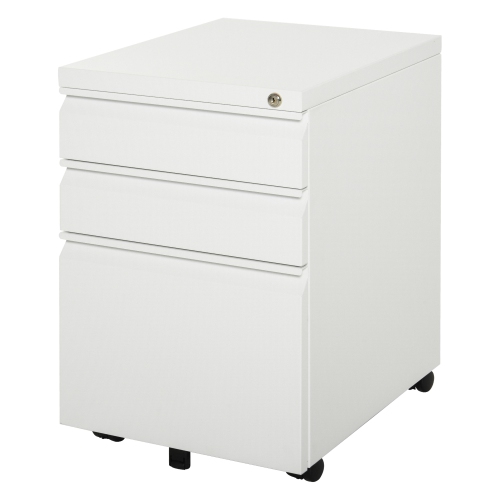
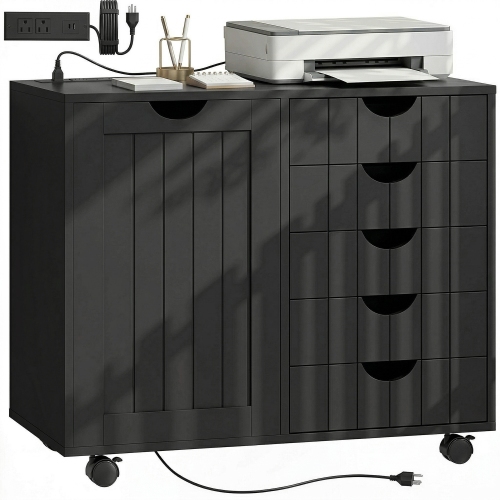
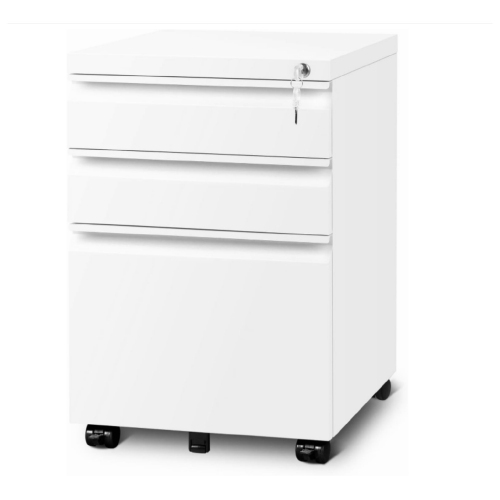

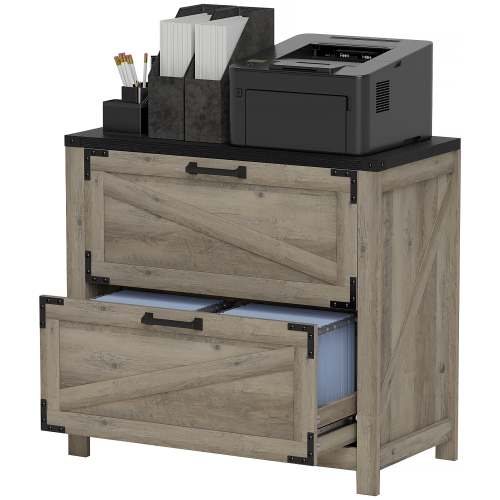
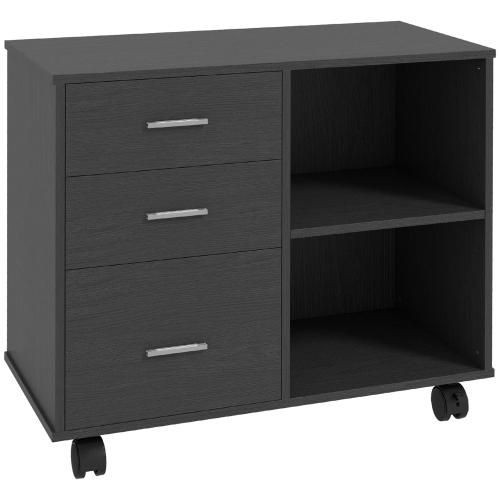
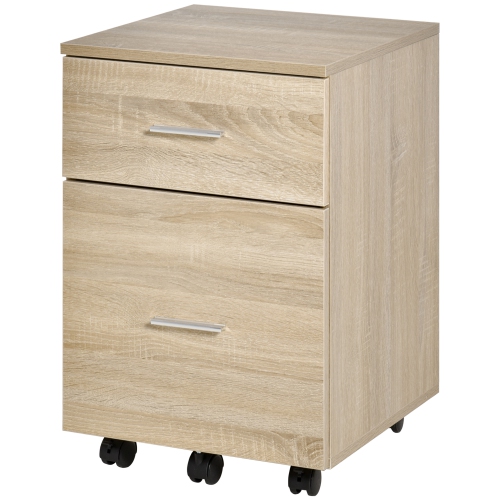
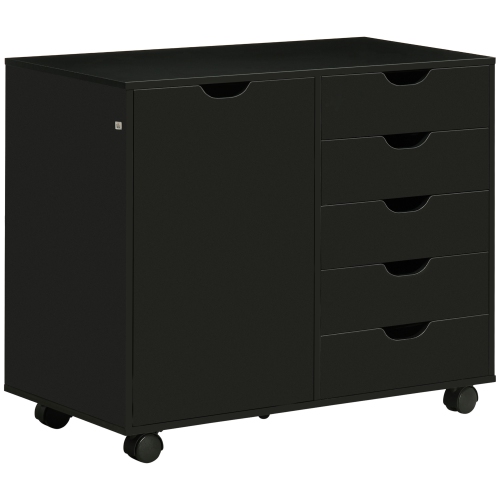
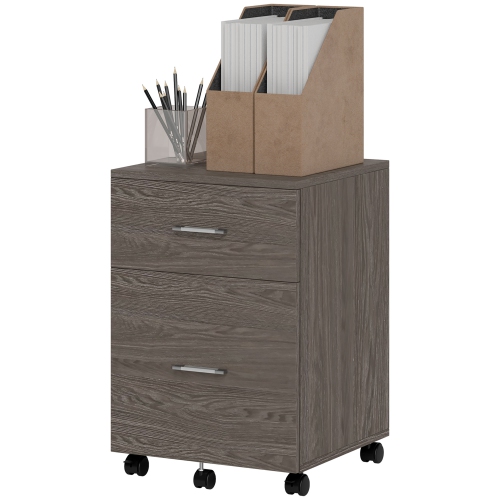
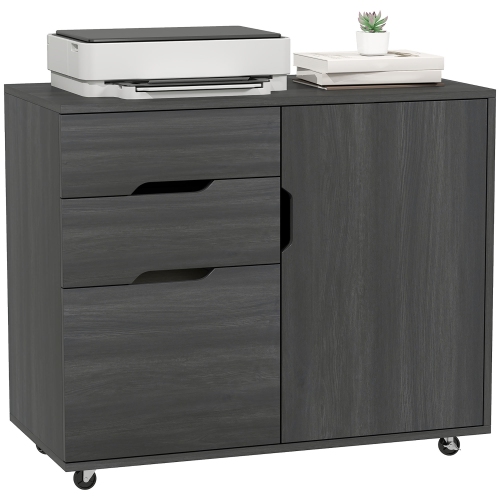
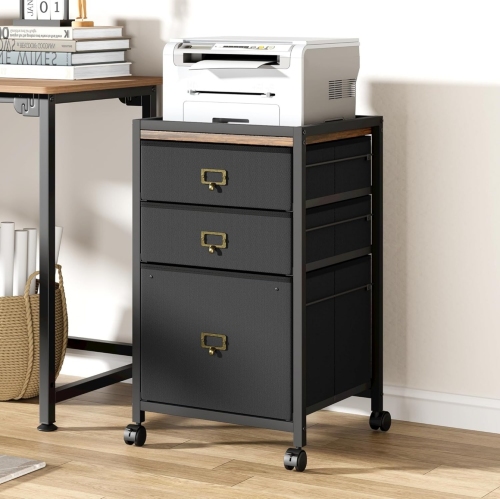
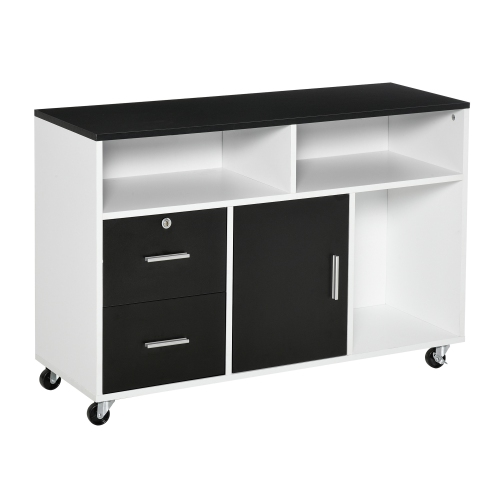
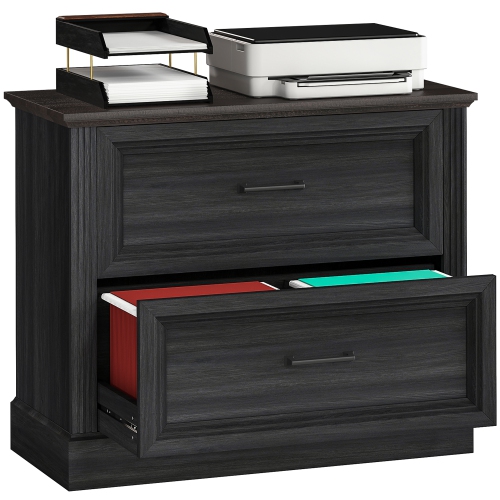
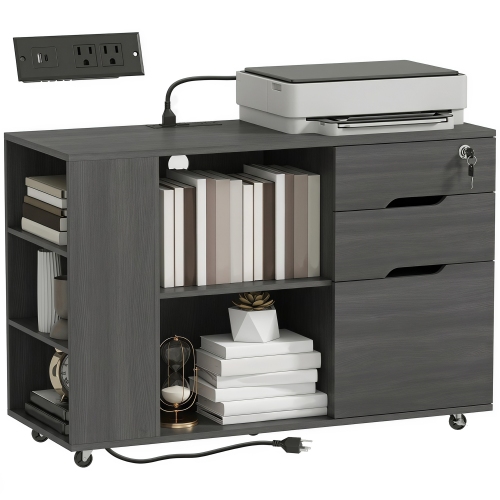
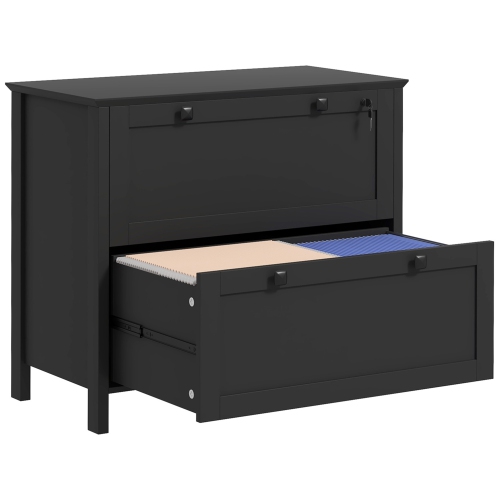
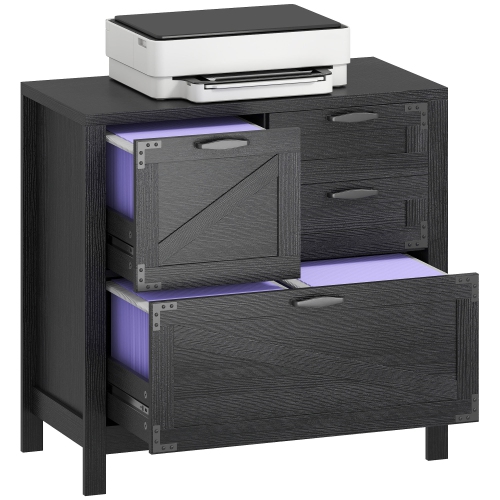
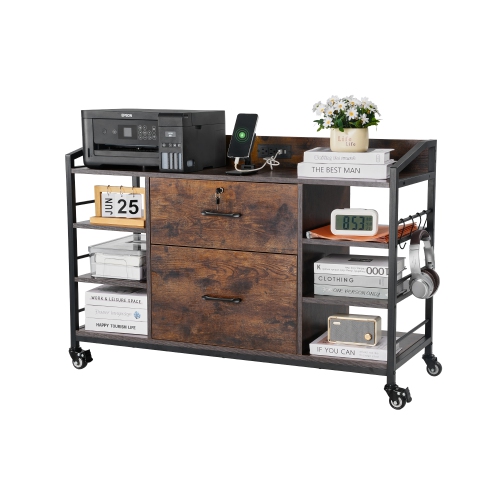
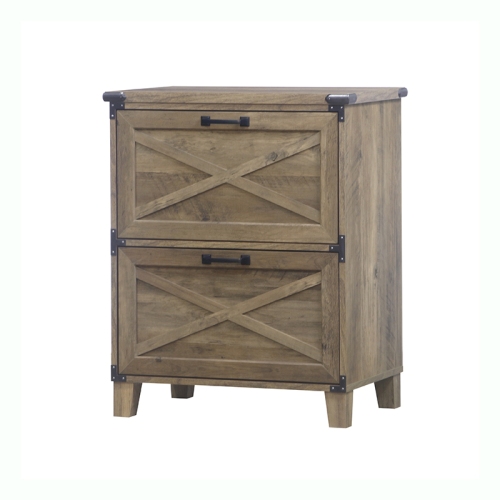
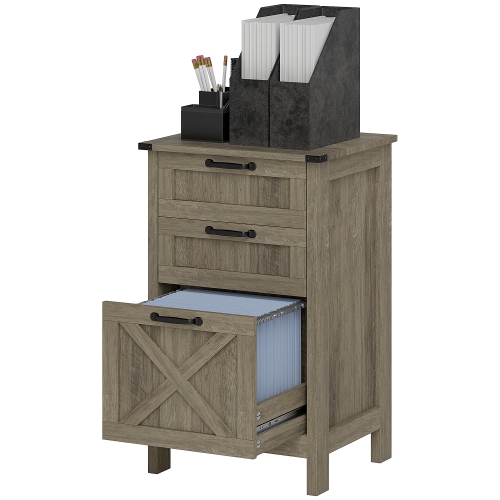
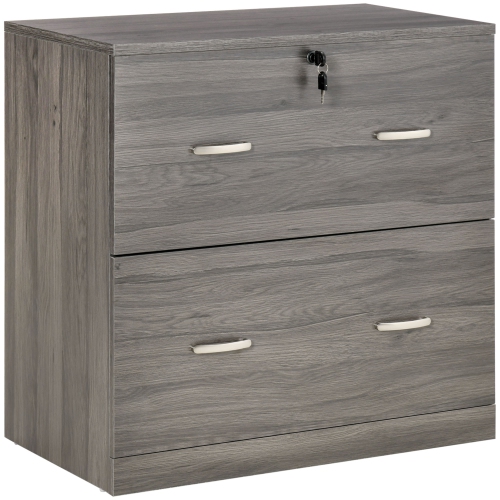
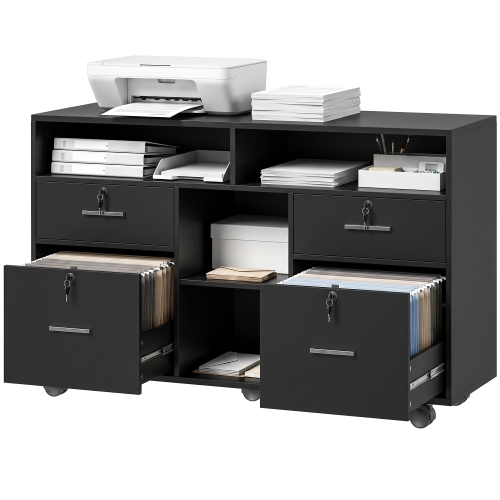
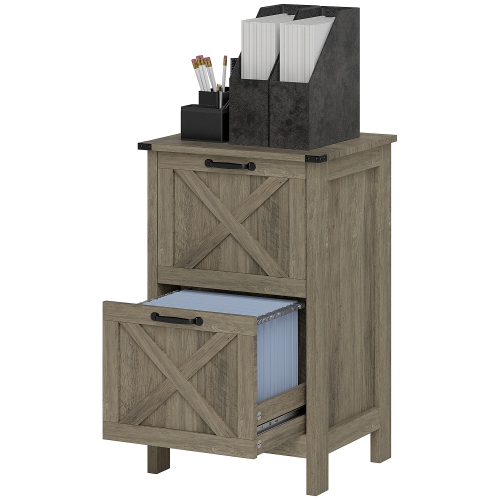
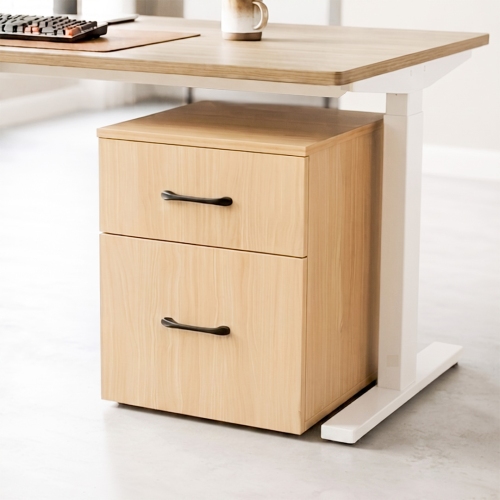
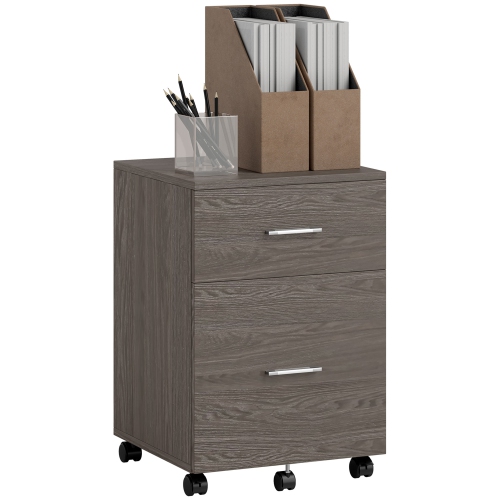
Wide document storage that blends into your workspace
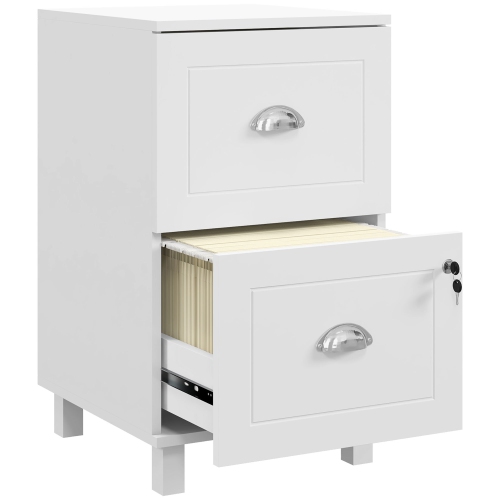
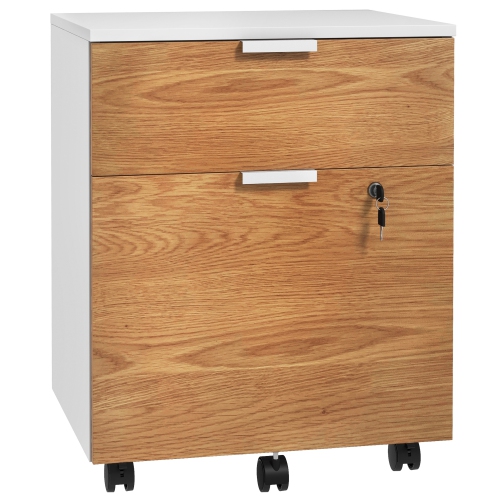
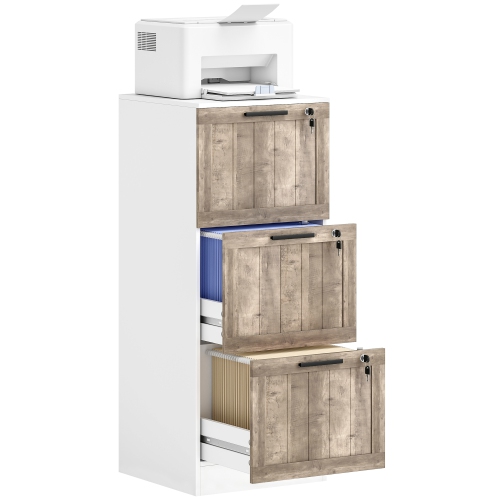
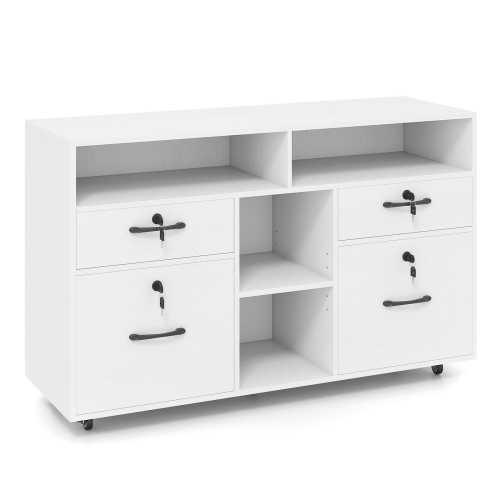
White lateral filing cabinets combine wide document storage with a light-coloured finish that works well in home offices, shared workspaces, reception areas, and study rooms. A lateral cabinet is generally wider than it is deep, with drawers designed to hold hanging folders across the width of the unit. Depending on the drawer layout and the position of the hanging rails, files may sit side to side or front to back. This format makes it possible to keep several categories of paperwork within reach without relying on a tall, narrow cabinet. White finishes also coordinate easily with pale desks, wood shelving, grey upholstery, and black office accessories, giving practical storage a more furniture-like appearance. In a room used for both work and everyday living, a low lateral cabinet can sit beside a desk without dominating the space. Taller configurations make use of wall space when there is more paperwork to organize, although their height and weight require particular attention to stability. These cabinets suit a range of routines: a household keeping insurance documents separate from school records, a bookkeeper maintaining client folders, or a small business organizing invoices and supplier agreements. Clearly labelled hanging folders make those divisions easier to maintain, especially when more than one person uses the same filing system. The broad drawer layout can also make labels easier to scan, provided folders are arranged to face the person opening the drawer. Beyond appearance, the useful distinction is how the cabinet supports daily work. Frequently handled documents benefit from accessible upper drawers, while less-used records can occupy lower sections within the cabinet’s loading limits. White lateral filing cabinets are particularly practical where paperwork needs a permanent home rather than a temporary stack on the desk. Their clean appearance can help a filing area blend into a multipurpose room, while the enclosed drawers keep documents out of sight between tasks.
The right fit involves more than the width of an empty section of wall. Overall cabinet measurements, usable drawer dimensions, and the space needed to open each drawer all affect how comfortably a lateral filing cabinet works in a room. A wide unit may fit neatly beneath a window but still need substantial clear floor space in front so a person can open a drawer and read folder labels without stepping around a chair. Skirting boards, nearby doorways, electrical outlets, and projecting handles can also affect placement. Under-desk use depends on the cabinet’s full height, including feet or castors where fitted, as well as the clearance beneath the desktop. A cabinet placed beside a desk should leave room for the chair to move and should not obstruct access to cables or wall sockets. Drawer count is another consideration, but it does not tell the whole story: two cabinets with the same number of drawers may have different internal capacities or file arrangements. Letter-size paper measures 8.5 by 11 inches, while legal-size paper measures 8.5 by 14 inches, so compatibility with the folders being stored matters more than the cabinet’s exterior proportions alone. Adjustable hanging rails can support different filing layouts, but the supported sizes and included fittings need to match the intended use. For a smaller filing area, White 2 Drawer Filing Cabinets offer a related storage format worth considering alongside wider lateral designs. Low cabinets can provide an additional surface for lightweight office essentials where the stated top-load limit permits it; a printer, for example, also needs enough depth, ventilation clearance, and access for paper trays. For paperwork-heavy tasks, smooth drawer travel and clear access to the rear of each drawer can be more useful than an extra decorative feature. Full-extension runners, where included, help bring folders at the back within reach, reducing the need to shuffle the front section whenever an older record is needed.
Materials and construction influence how white lateral filing cabinets look, feel, and hold up to repeated use. Powder-coated steel is common in office-style cabinets, offering a firm structure and a finish that is usually straightforward to wipe clean, although sharp impacts can leave dents or chips. Engineered wood cabinets often use laminate or melamine surfaces to create a more furniture-like appearance, with performance depending on panel thickness, edge finishing, hardware, and assembly quality. Solid wood components may add texture or detailing, while painted finishes can range from crisp white to softer off-white tones. Those variations matter when a cabinet will sit directly beside an existing desk or shelving unit, since two white finishes may not look identical in the same room. Handles, drawer fronts, and exposed edges also affect everyday comfort: a recessed pull keeps the front relatively flush, while a projecting handle may be easier for some people to grip. Drawer load ratings deserve close attention because densely packed paper becomes heavy quickly. Even loading, with heavier contents kept low, supports stability, while any supplied anti-tip fittings should be installed as directed. Some cabinets include an interlock that allows only one drawer to open at a time, but this feature is not universal and does not replace required anchoring. Locking drawers can limit casual access to personal records, though an ordinary cabinet lock does not establish a fire-resistance rating or make the cabinet suitable for every type of sensitive document. Routine care is usually simple: a soft cloth removes dust, spills should be wiped up promptly, and cleaning products should be compatible with the specified finish. Abrasive pads can dull painted or laminated surfaces, while excess moisture around panel edges can cause damage. A well-suited cabinet brings these details together: enough capacity for the paperwork being kept, drawers that operate comfortably, a finish that complements the room, and construction suited to how often the files are handled.
Top selling and popular products
-
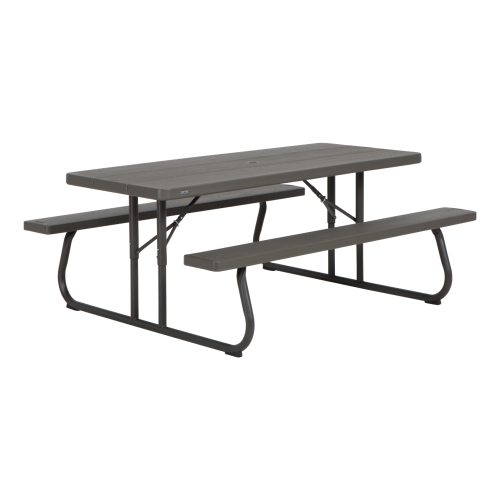 Your price for this item is $369.99
-
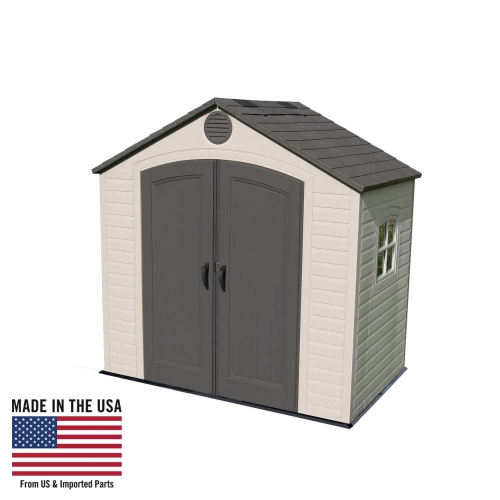 Your price for this item is $2249
-
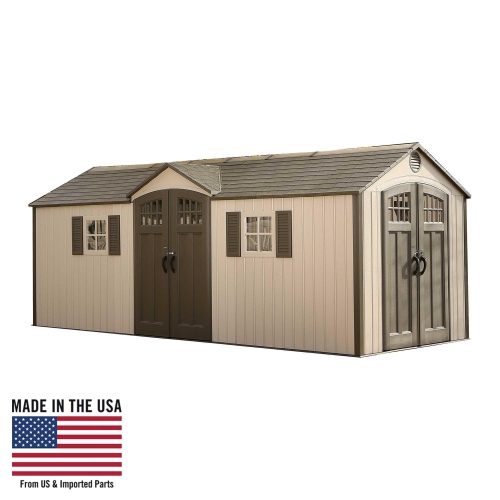 Your price for this item is $5999.99
-
 Your price for this item is $5999.99
-
 Your price for this item is $4499.99
-
 Your price for this item is $629.99
-
 Your price for this item is $369.99
-
 Your price for this item is $119.99
Discover more categories related to Lateral Filing Cabinets White
Top Collections:
Best Black Friday Deals This Year, Best Black Friday Deals On Electronics, Kindle Devices, Dyson Airwrap, Best Cameras for Sports Photography, Best Budget Office Chairs, Canon G7X Cameras, PS5 Pro Consoles, Best Black Friday Deals On Apple Products, XBOX One S Consoles
Some products may be subject to Environmental Handling Fees
(EHF) depending on your province.
Learn more about EHFs.