Large Outdoor Rugs
Transform your outdoor space into a stylish oasis with these large outdoor rugs. Whether you have a spacious patio, deck, or backyard, these versatile rugs are designed to add both comfort and visual appeal to your outdoor living area. From vibrant patterns to neutral tones, these rugs offer a wide range of options to suit almost any aesthetic preference. Made with durable materials that can withstand the elements, these rugs are built to last and provide a cozy foundation for your outdoor furniture and gatherings.
Sort
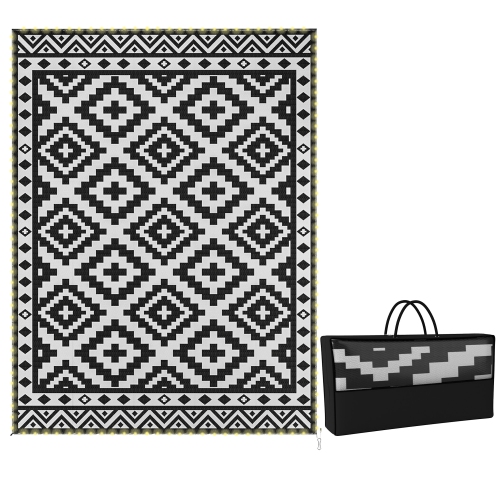
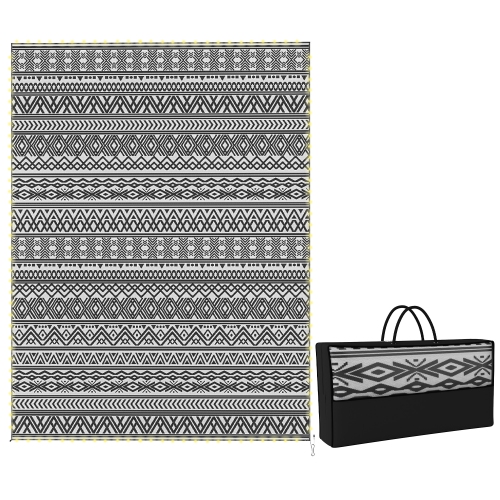
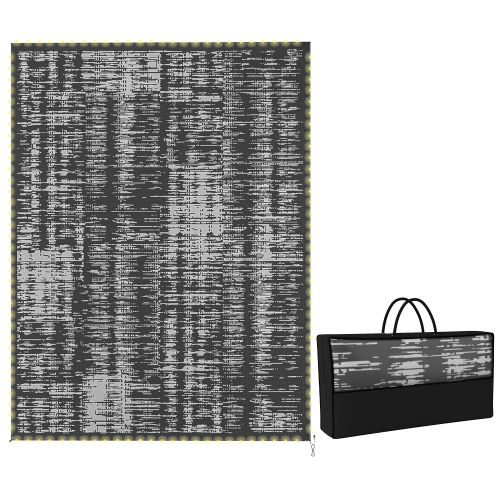
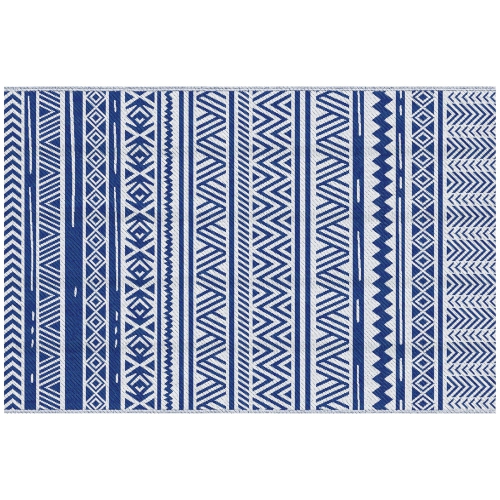
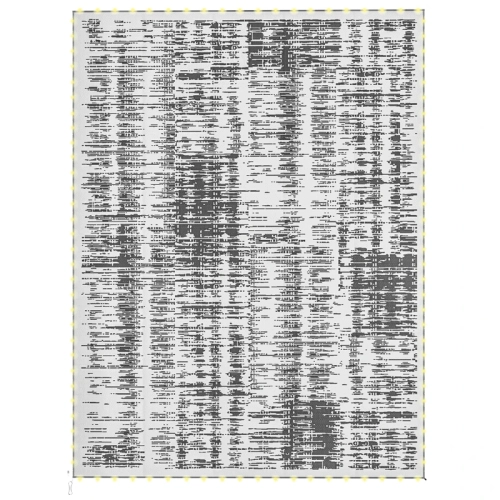
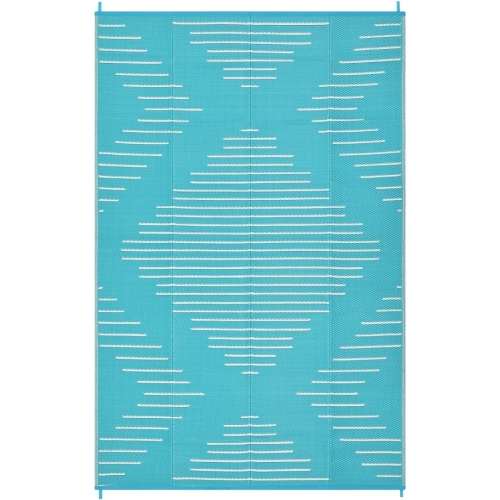
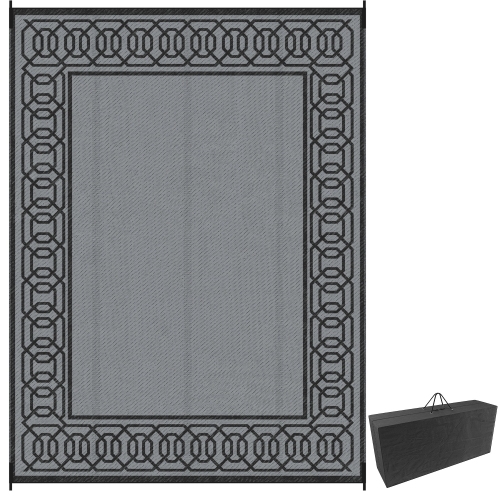

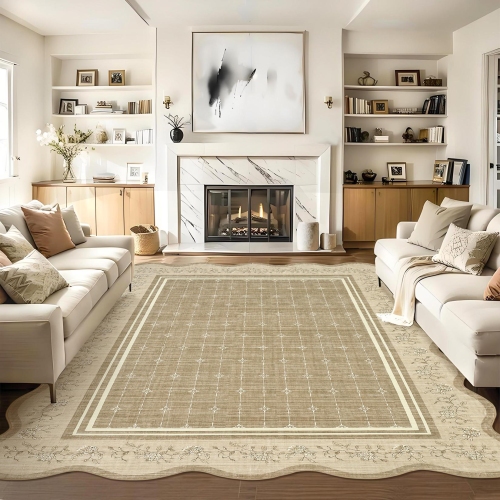
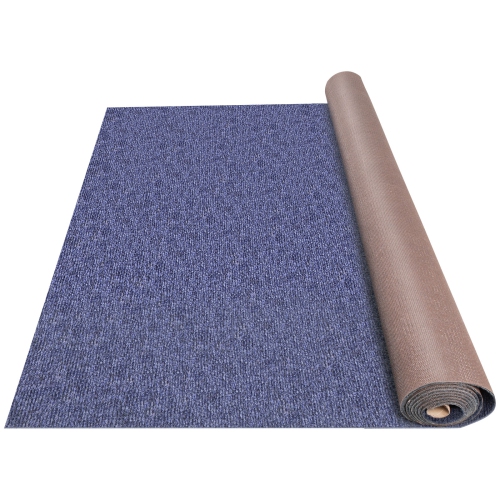
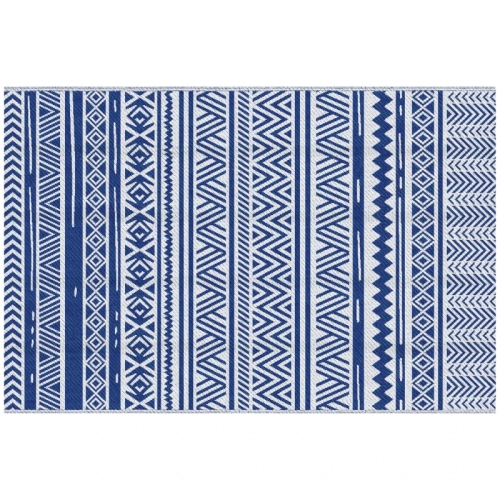
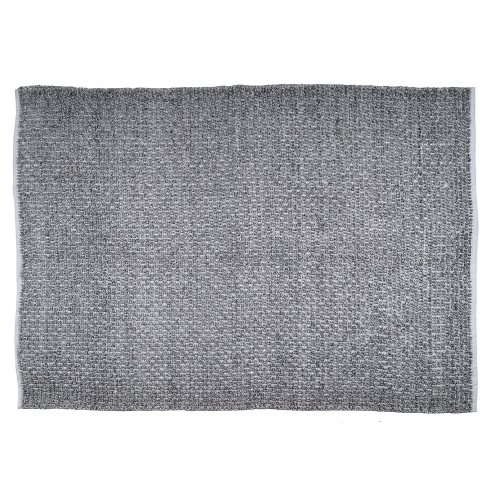
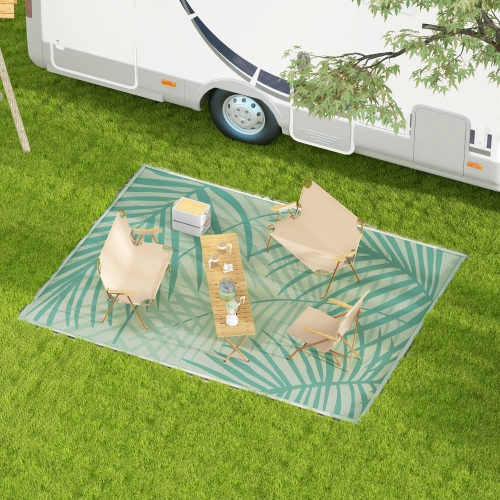
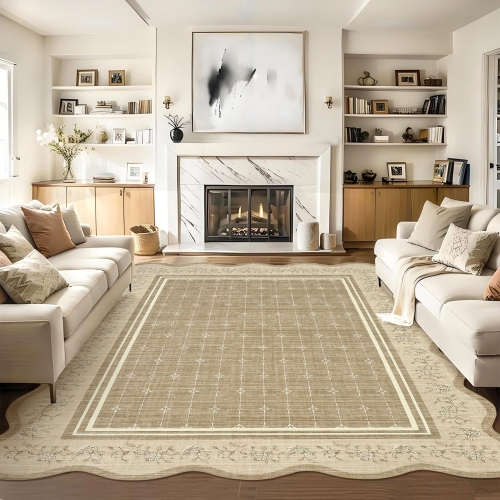
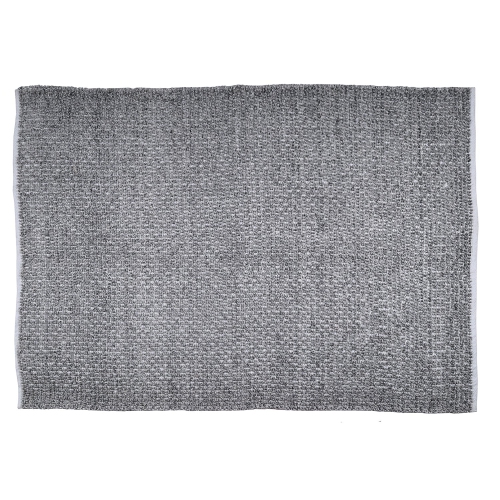

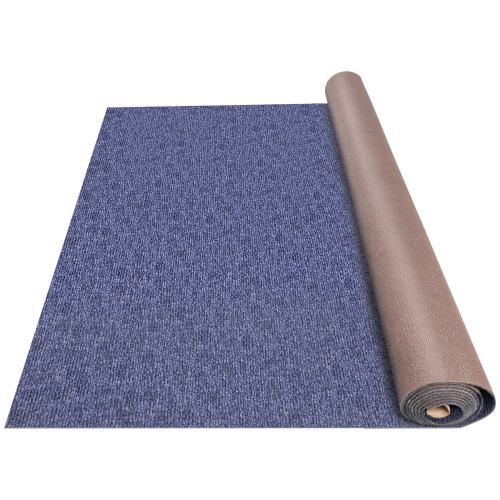
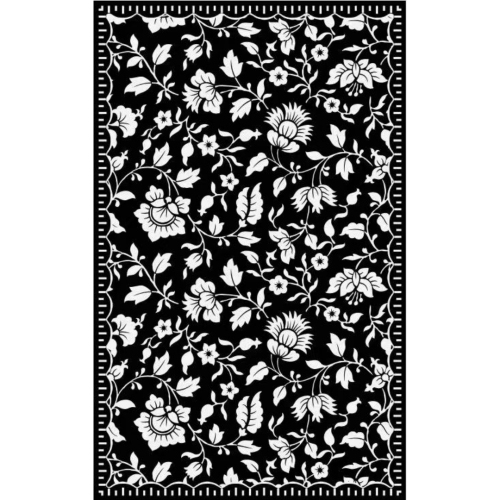




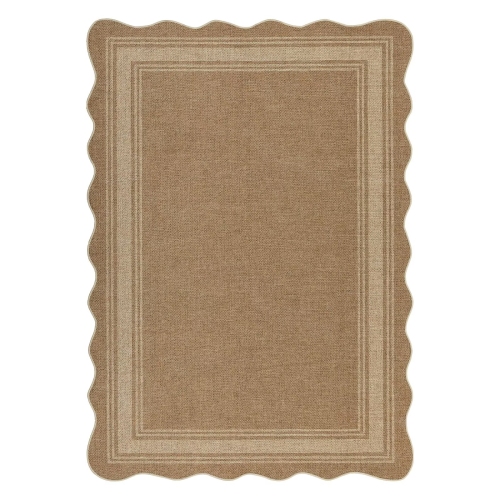
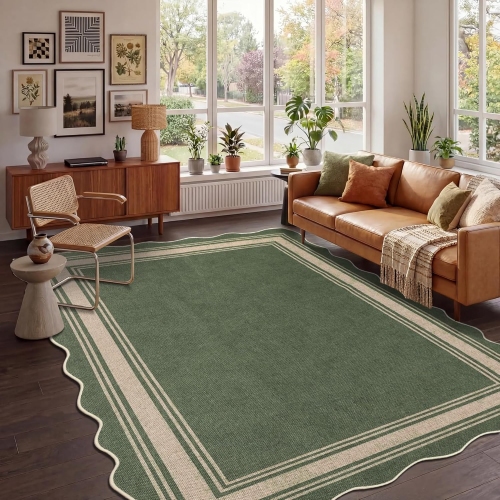
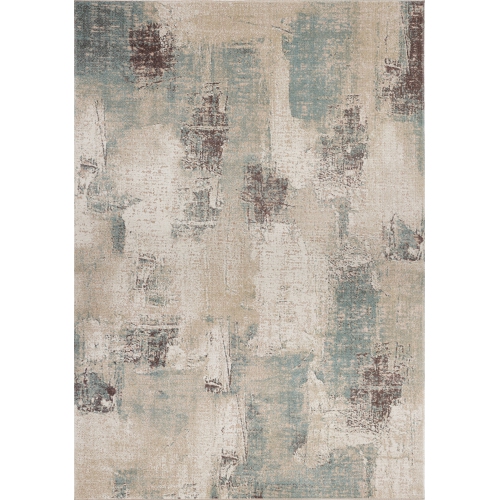
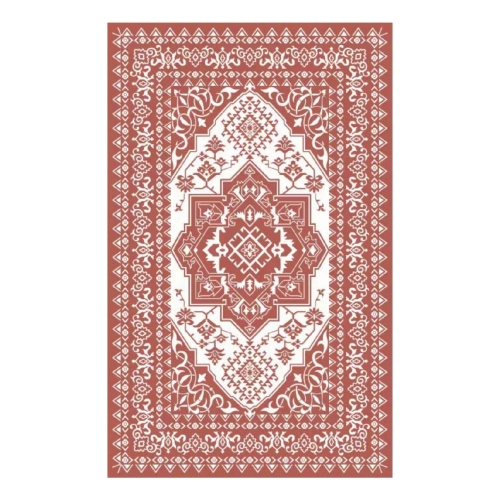
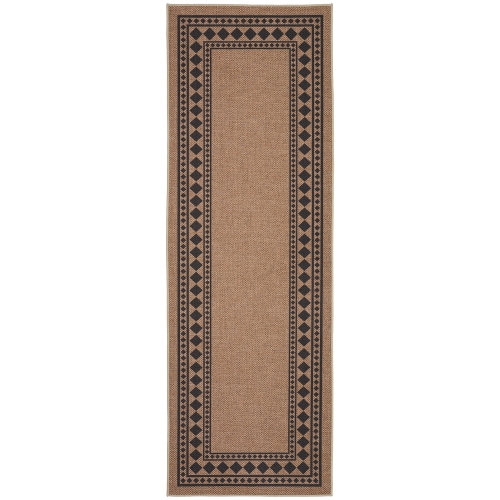
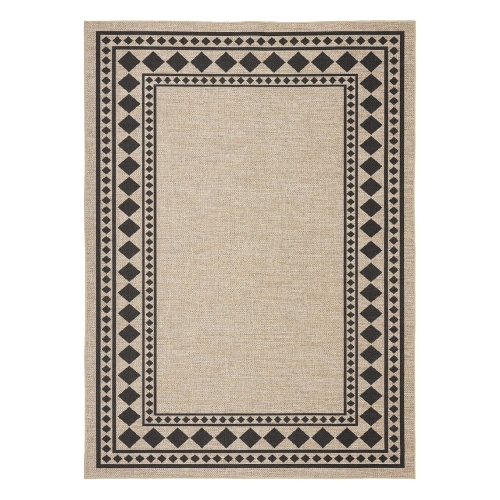
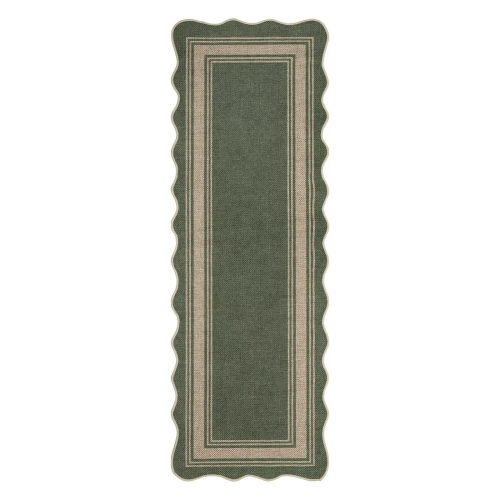

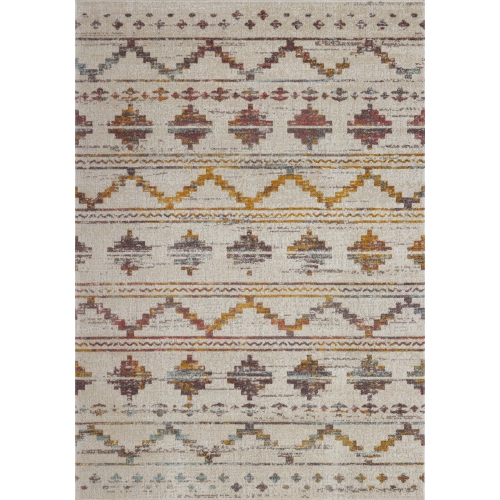


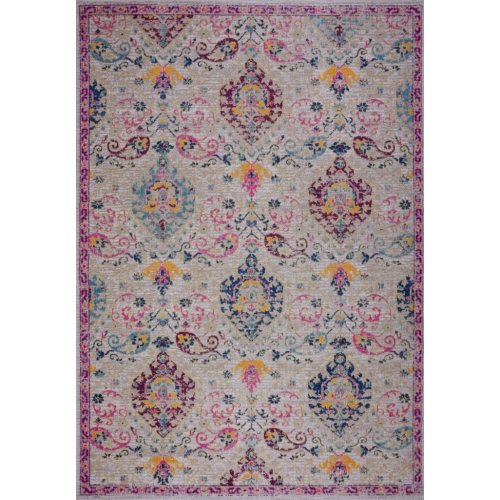

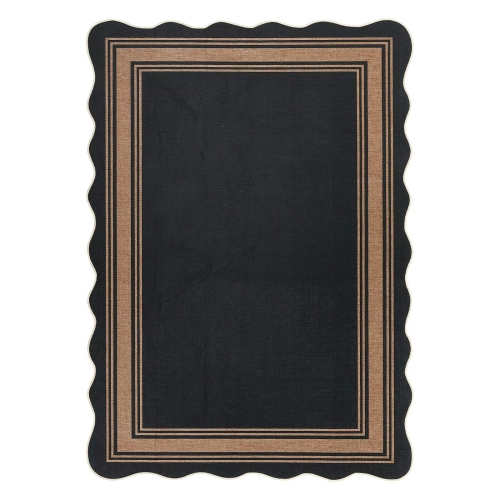
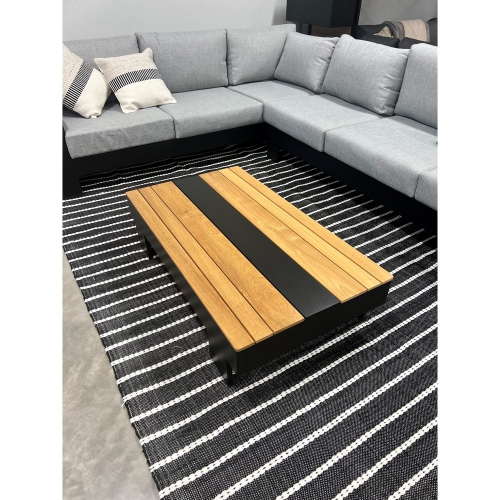




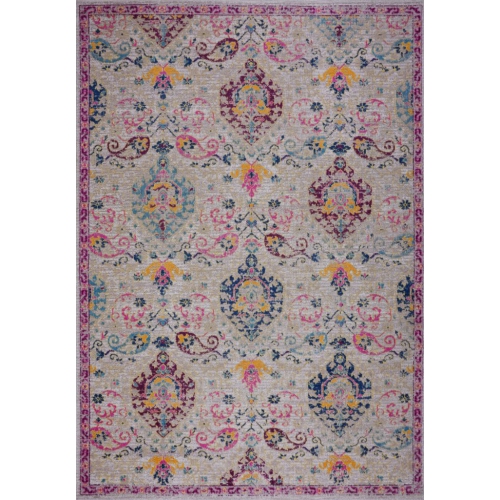
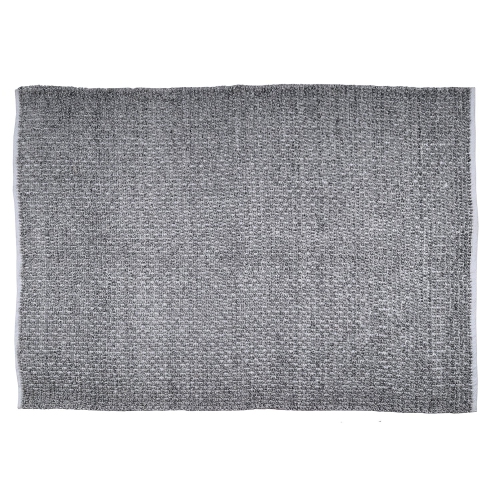
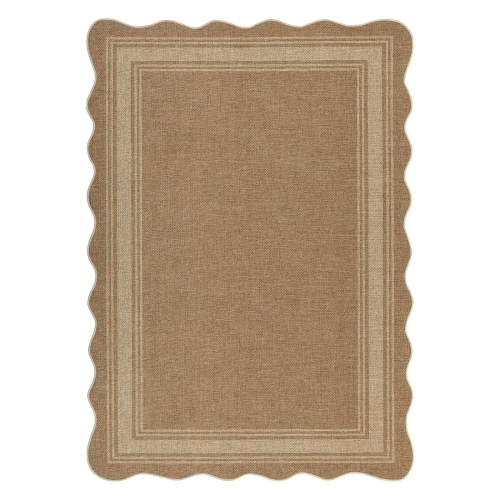
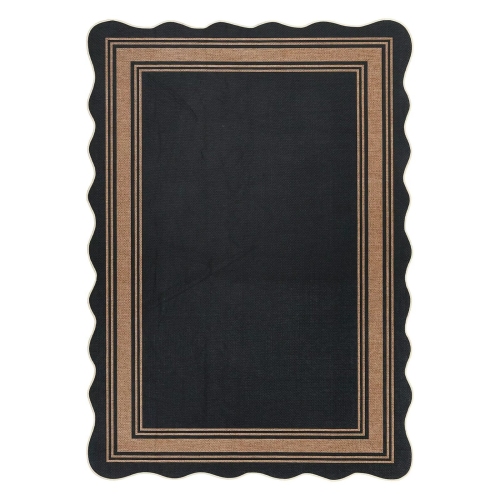
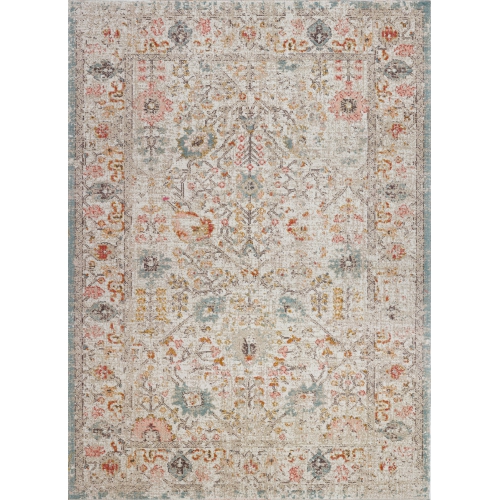
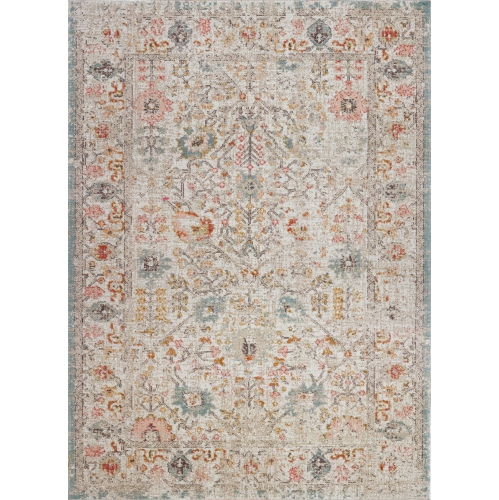
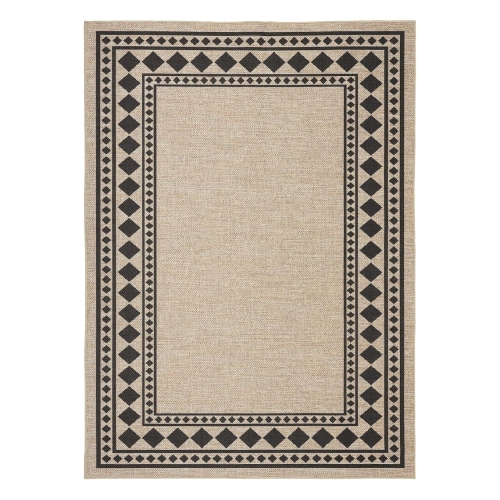
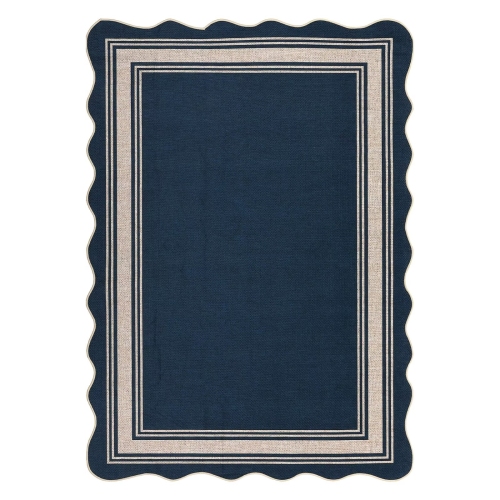
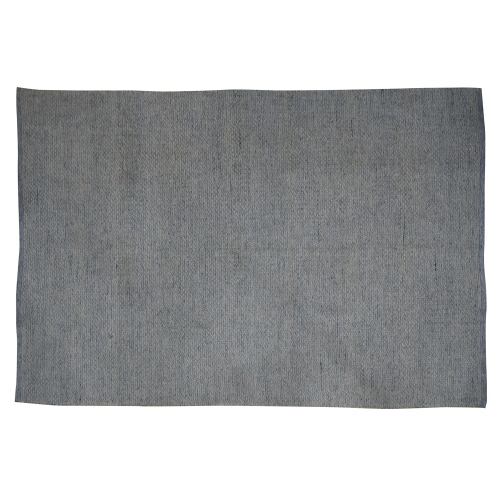
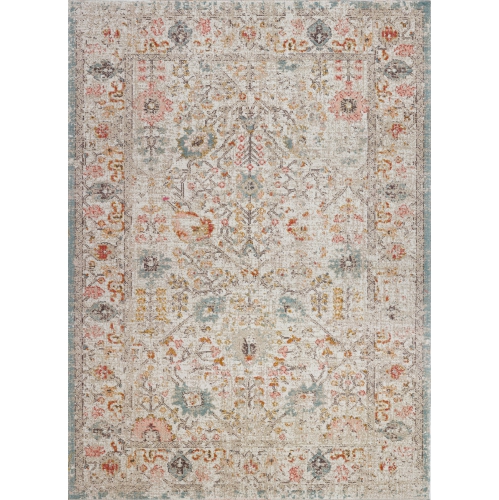
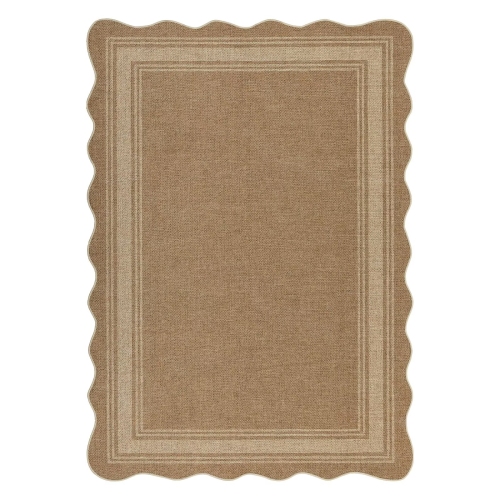
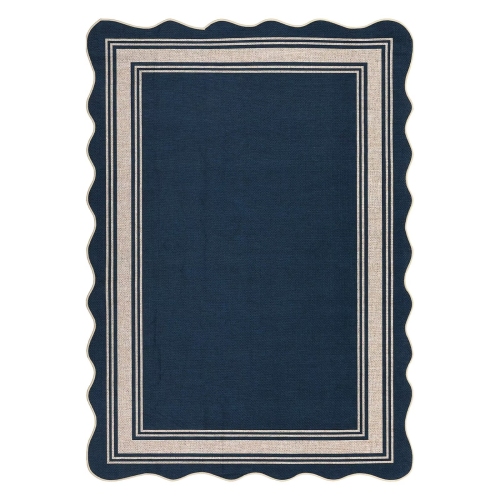
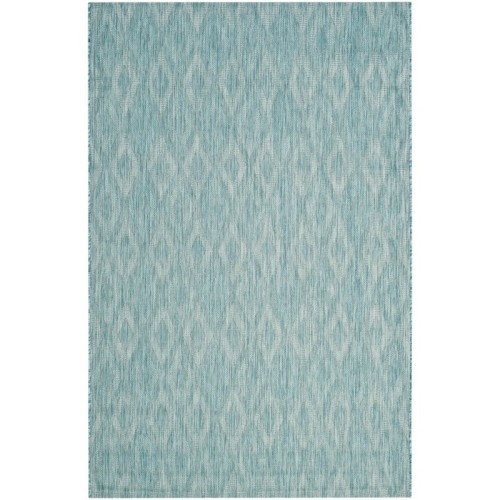
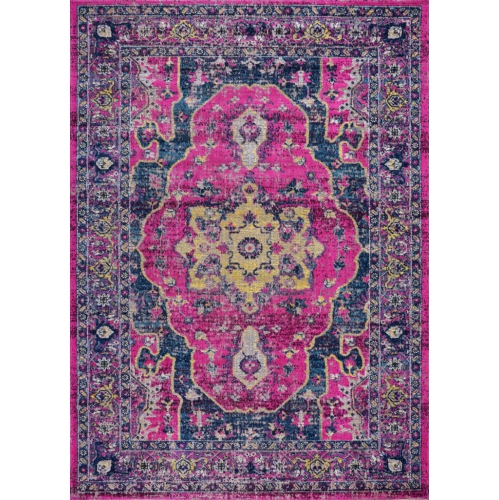
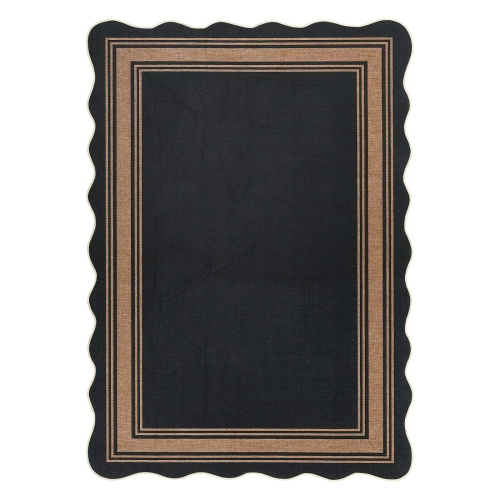
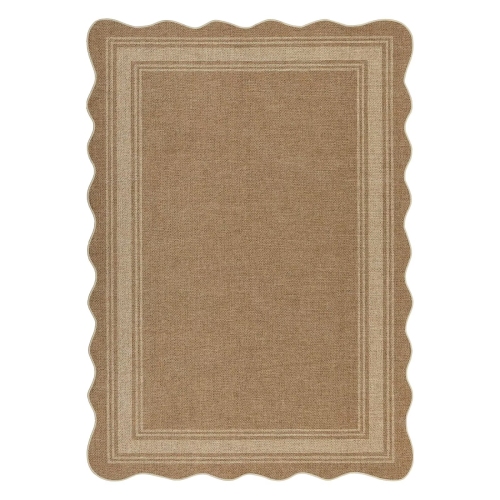
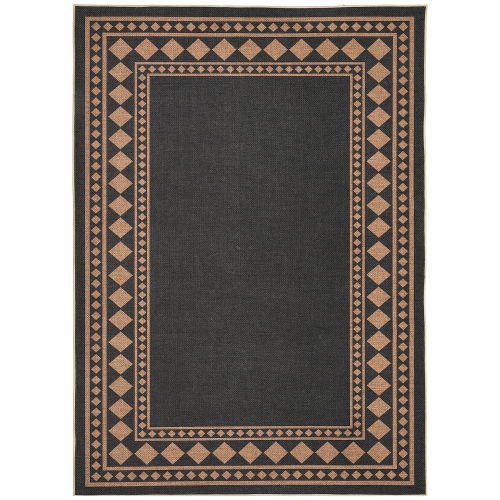
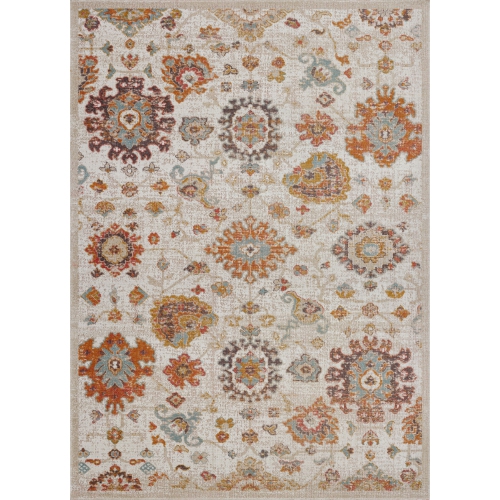
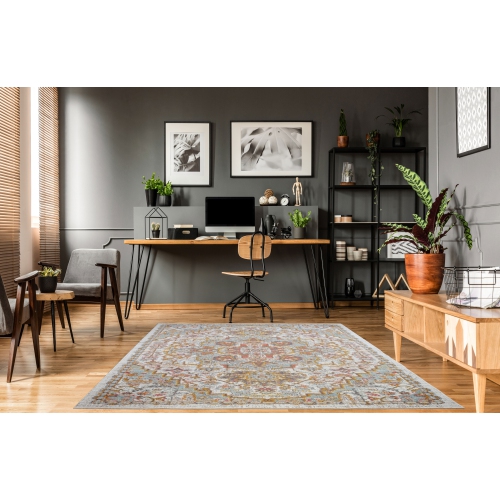
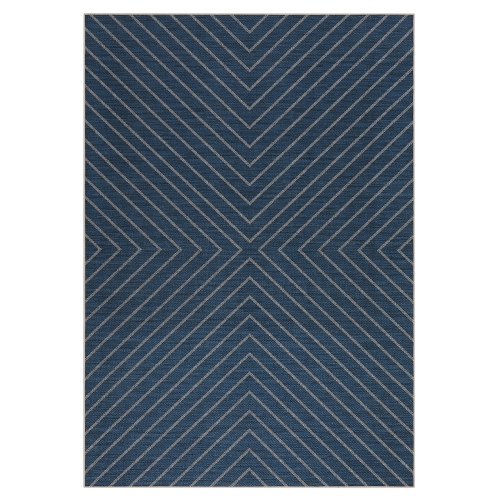

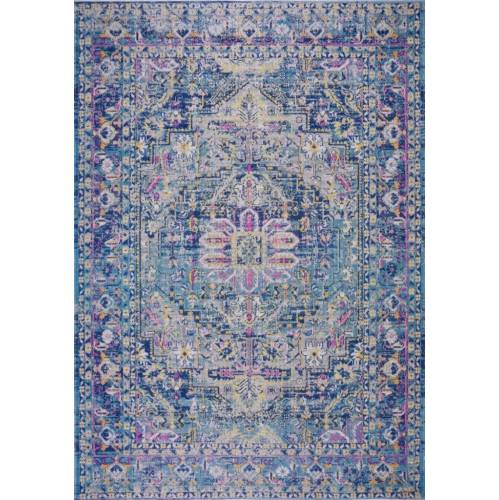
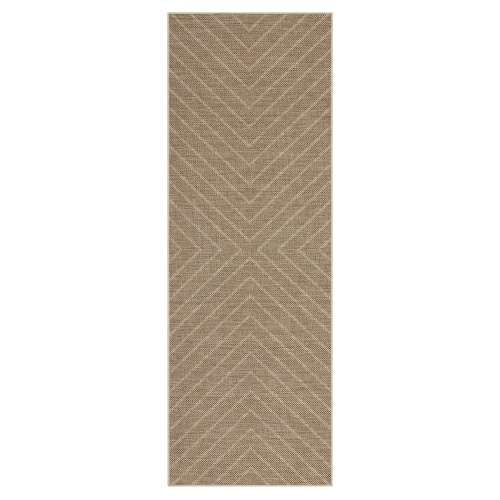
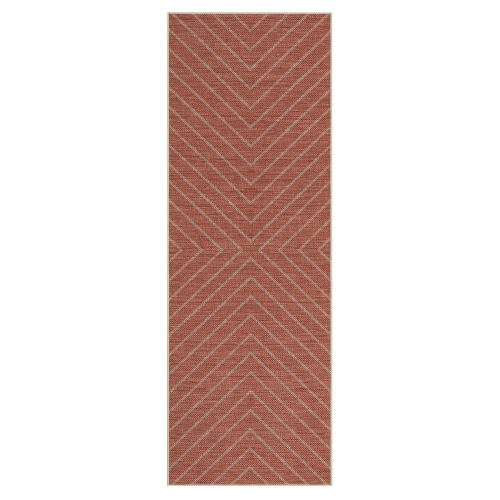
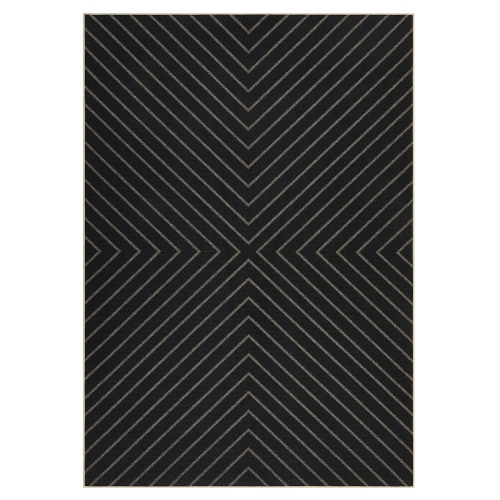
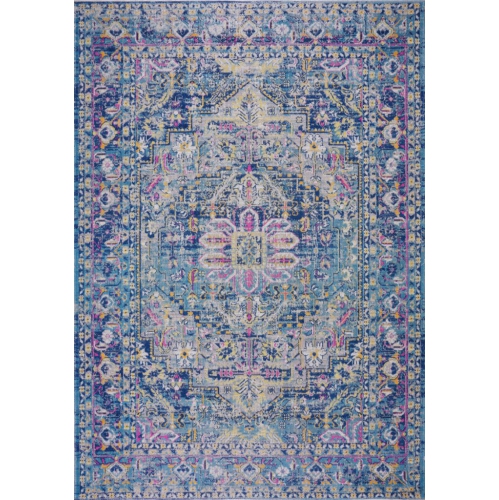
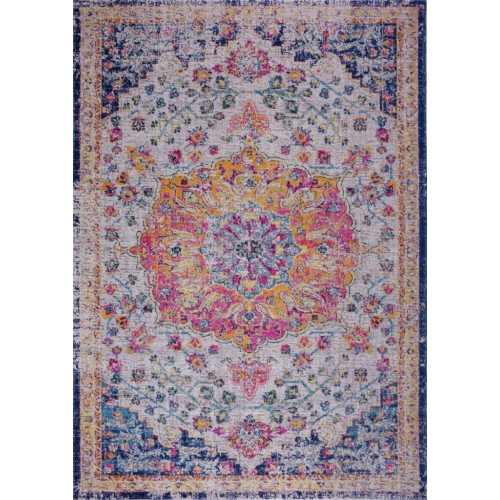
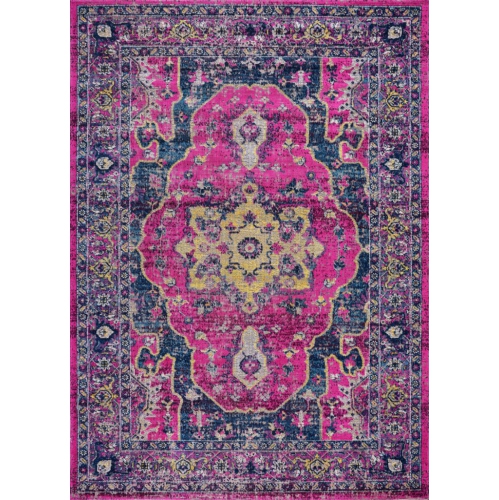

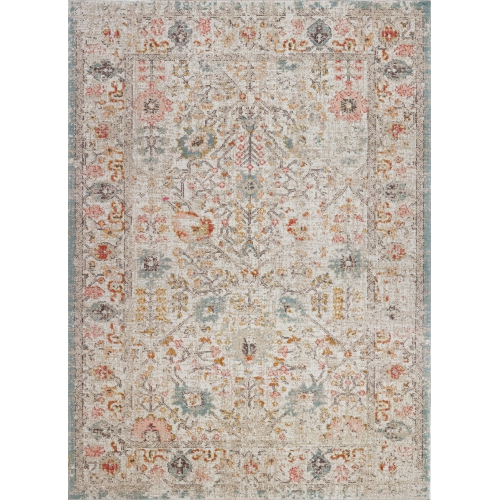

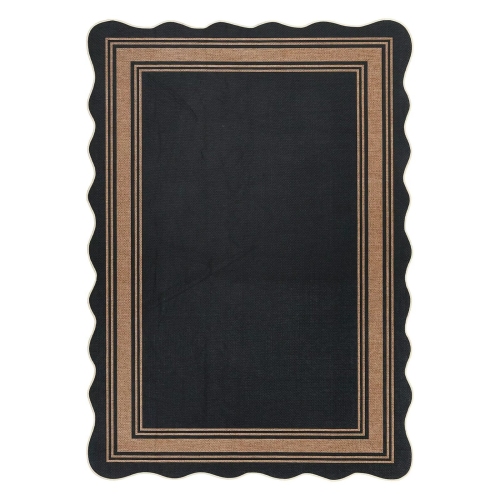
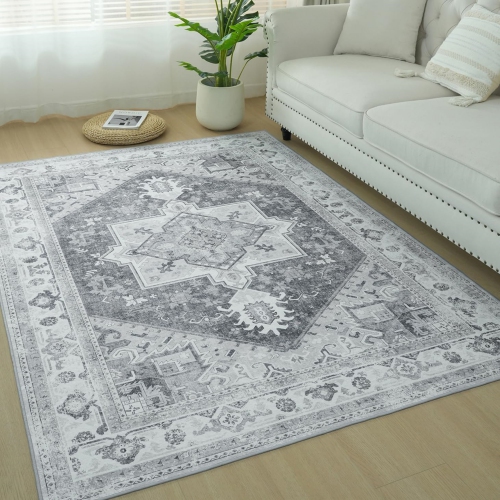
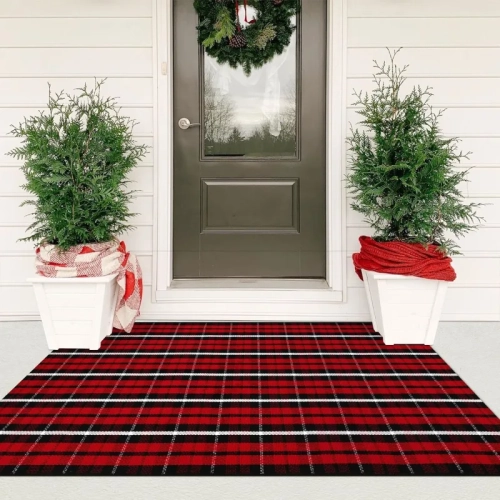
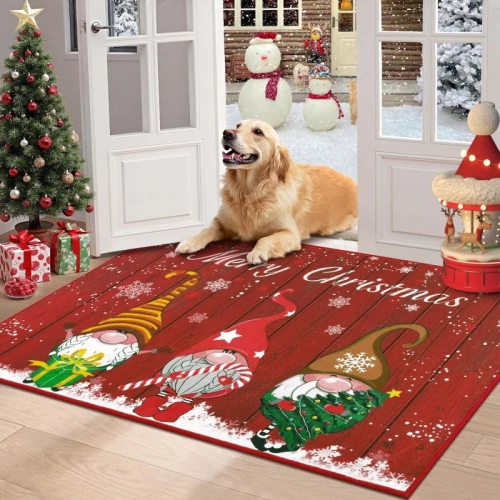
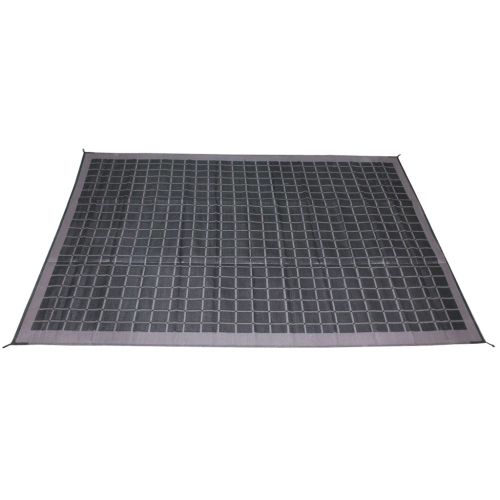
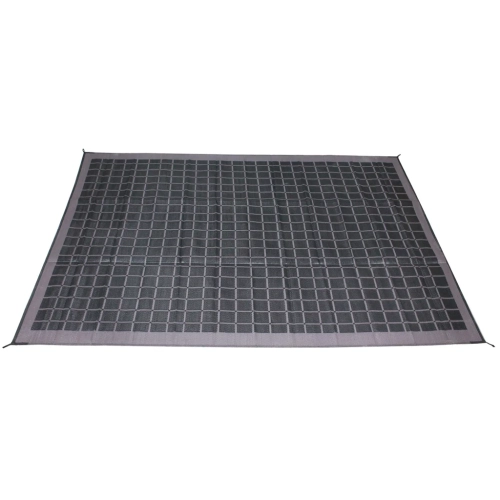
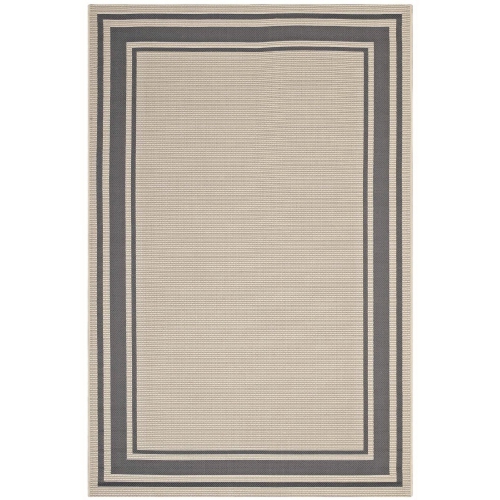
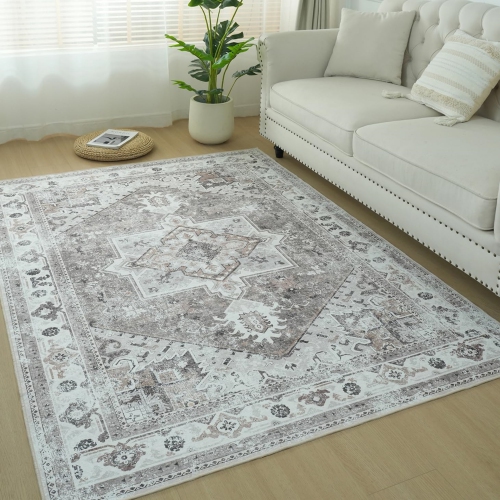
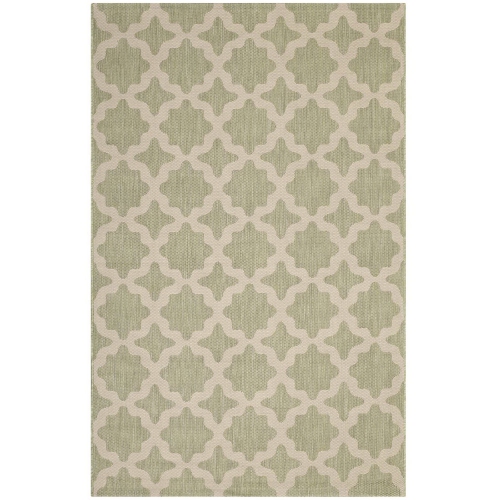
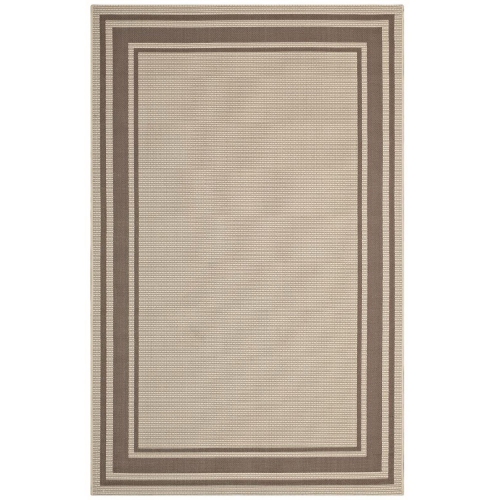
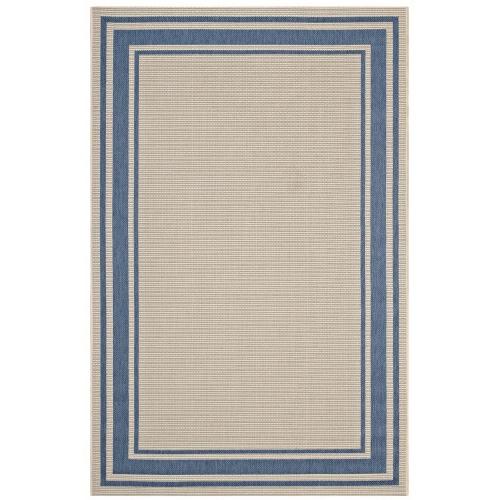
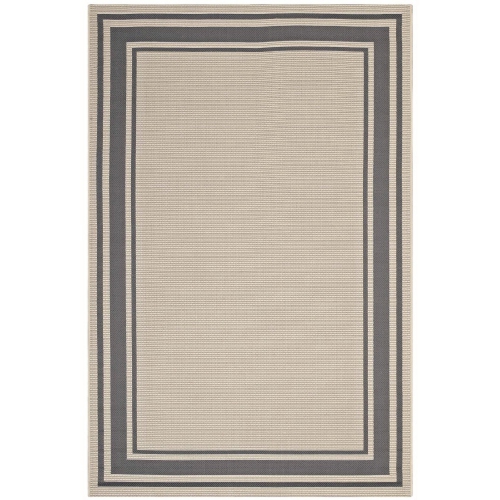
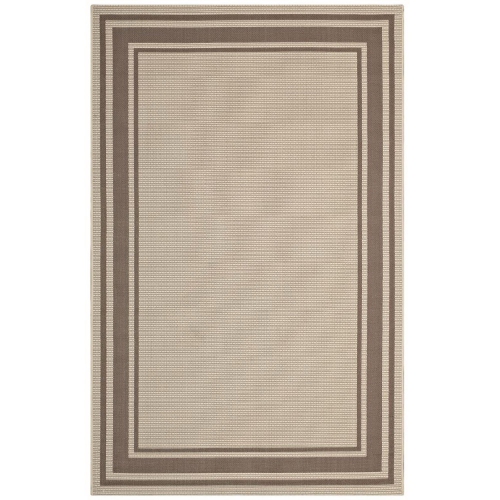
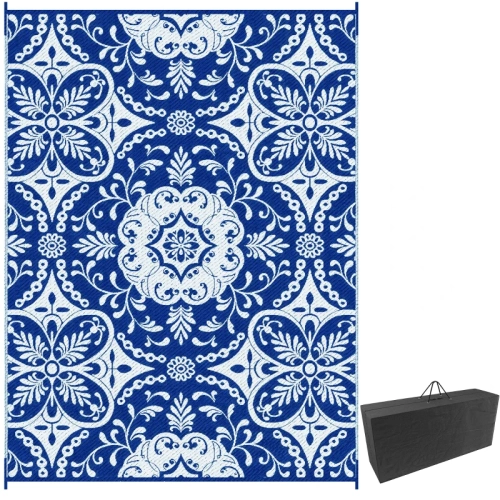
How the right rug size brings patio furniture together
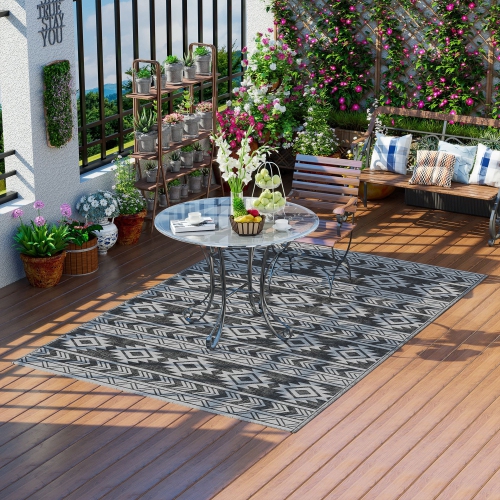
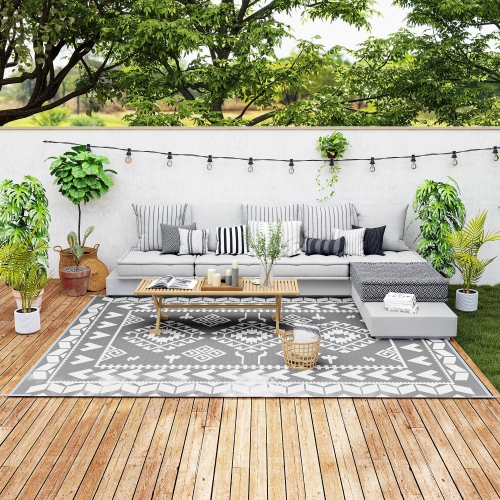
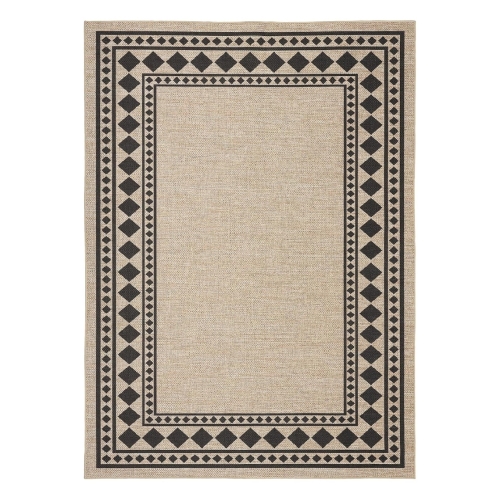
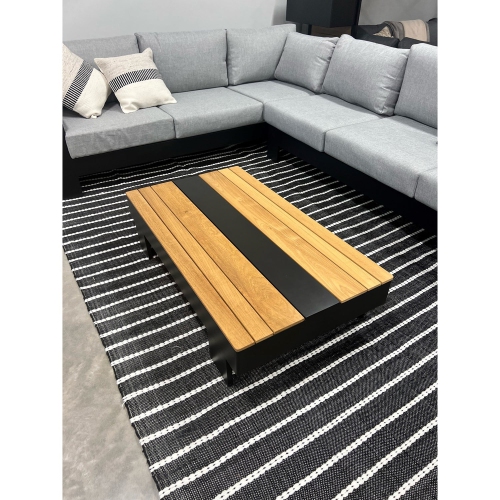
Large outdoor rugs anchor patio furniture, define open-air seating areas, and add a more comfortable surface underfoot on decks, balconies, and terraces. Their generous dimensions help separate a dining spot from a lounge area without adding walls or bulky dividers, making an outdoor space feel more like a furnished room. Common sizes include 6 by 9 feet, 8 by 10 feet, and 9 by 12 feet, although the best fit depends on the furniture arrangement and the usable floor area rather than the size label alone. Beneath a conversation set, a rug looks balanced when at least the front legs of the sofa and chairs rest on it, linking the pieces instead of leaving a small rectangle floating between them. For an outdoor dining table, enough coverage for chairs to remain on the rug when pulled out makes sitting down easier and helps prevent chair legs from catching an edge. Allowing roughly 24 inches beyond each side of the tabletop is a useful starting point, with more room needed for deeper chairs or a particularly spacious layout. On a narrow balcony, leave clearance for the door to swing and keep drainage openings unobstructed. A visible border of decking or paving around the rug gives the arrangement breathing room and makes it easier to check the surface underneath. Rectangular shapes suit long tables and sectional seating, while a round rug can soften the lines of a square patio or bring a compact bistro set together. Measuring the space with chairs pulled out, footrests extended, and nearby doors open gives a more realistic sense of fit than measuring an empty floor. For spaces built around timber or composite decking, Large Outdoor Deck Rugs can help bring the seating area together, with particular attention to drainage, backing compatibility, and the amount of deck left exposed.
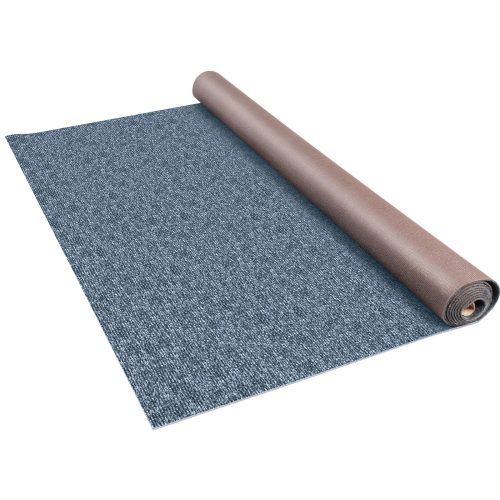
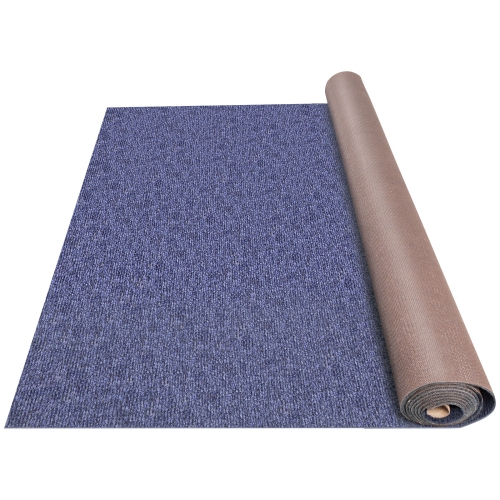
Materials and construction make a noticeable difference to how large patio rugs feel, wear, and dry between uses. Polypropylene is a common choice because the fibre absorbs very little water and generally resists staining, making it practical around outdoor meals, muddy shoes, and everyday spills. Its moisture resistance can also help limit conditions that encourage mould and mildew, but accumulated dirt and trapped water can still cause problems, so regular cleaning and drying remain important. Polyester is another material used in outdoor rugs, often valued for its colour and soft feel; blends combine fibres to achieve different textures and finishes. Fibre content alone does not establish suitability for an uncovered patio. Outdoor-use labelling, construction, backing, and the care instructions all matter, particularly where rain reaches the rug directly. UV-resistant materials or treatments can help reduce fading in sunny locations, though no rug should be assumed to keep its original colour indefinitely under prolonged sun exposure. A flat-weave or low-pile surface is often useful beneath dining furniture because it offers less resistance when chairs move and fewer places for crumbs and grit to settle. Tightly woven construction and neatly finished edges also help a rug stand up to frequent foot traffic. Softer textures may be appealing beside a lounge chair, where bare feet are more likely, while lightweight woven mats can be easier to move and store. Reversible designs offer two usable faces, provided both sides are intended for use against the floor. Natural-fibre rugs made from materials such as jute or sisal generally need more protection from moisture and are not interchangeable with rugs designed for exposed outdoor use. Backing deserves equal attention: some surfaces and rug backings are not compatible, and moisture held underneath can affect the finish below. Where extra grip is needed, an outdoor-rated rug pad approved for both the rug and the deck or patio surface can help reduce shifting without creating an unsuitable barrier to drainage.
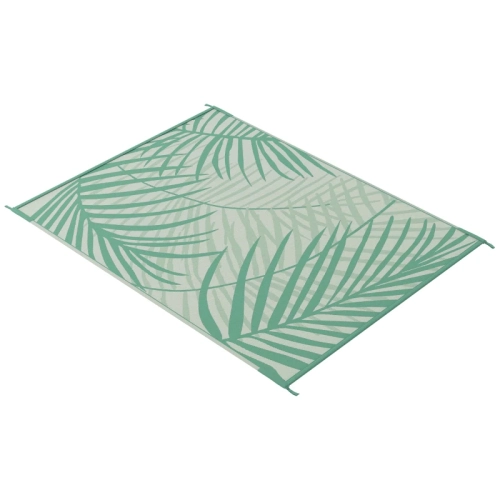
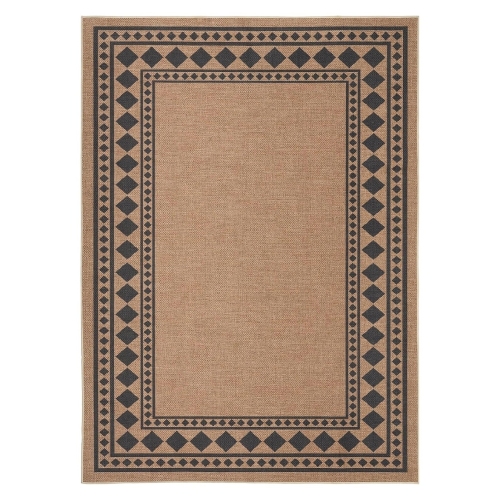
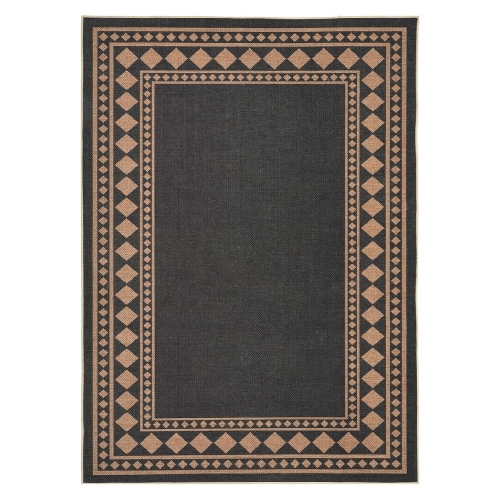
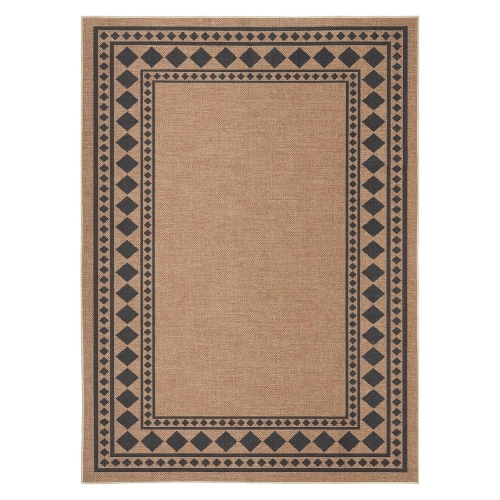
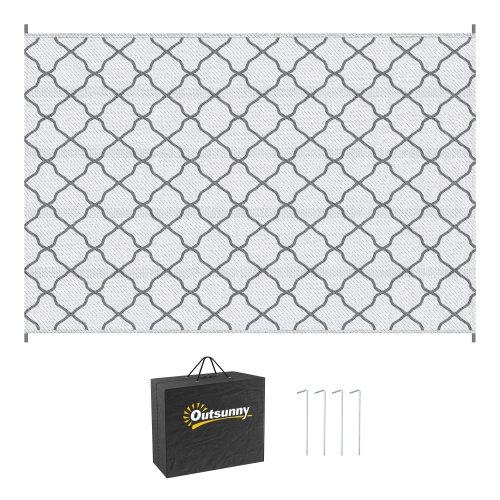
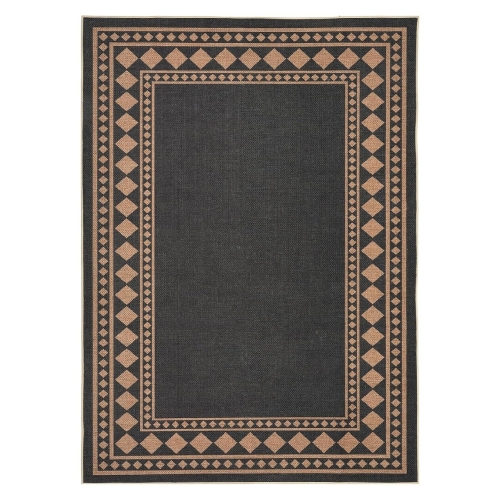
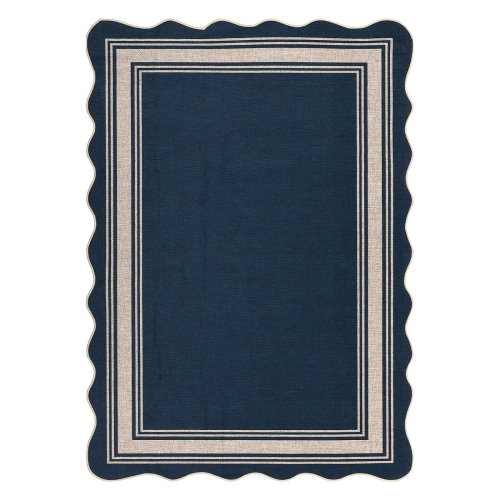
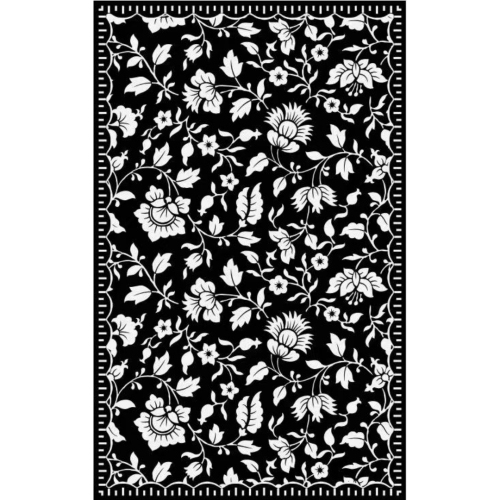
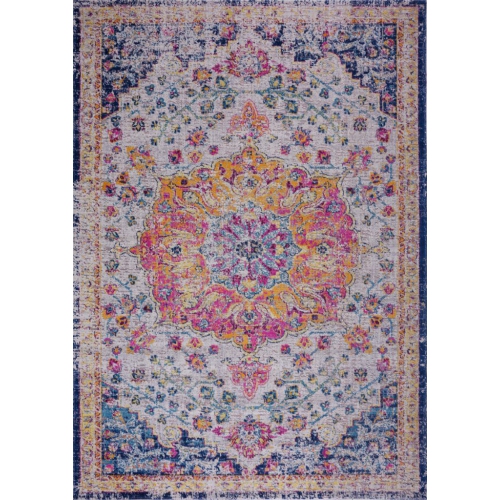
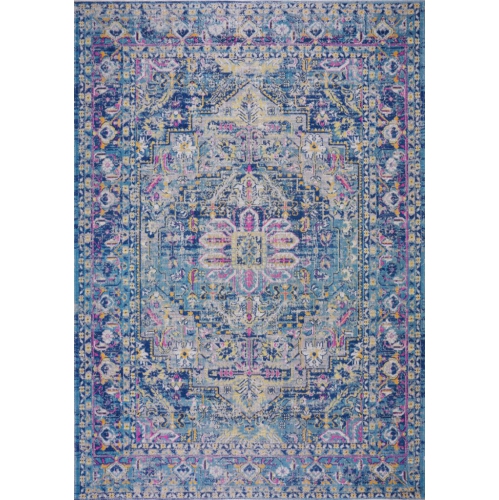
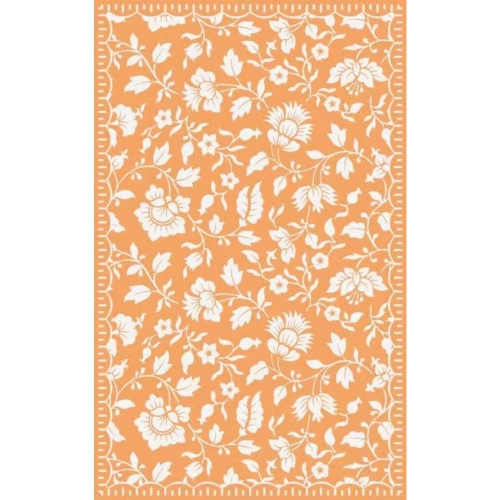
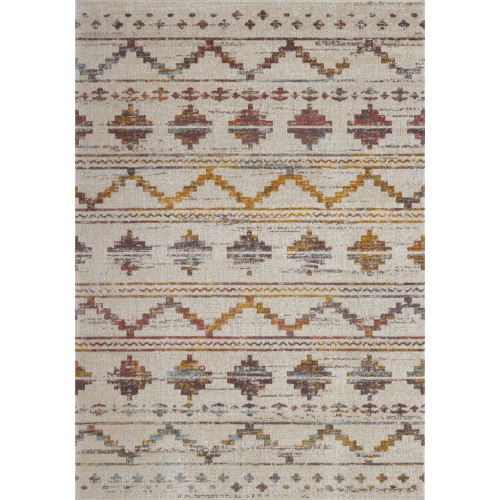
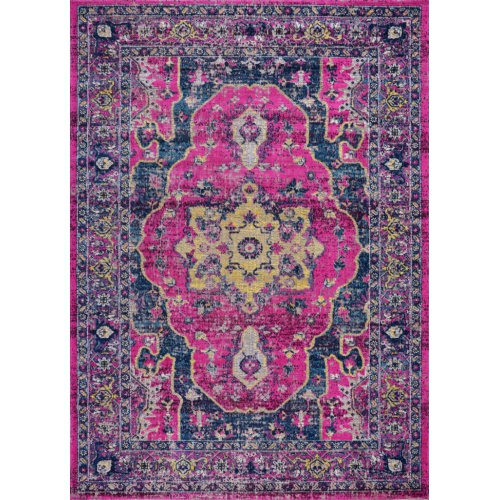
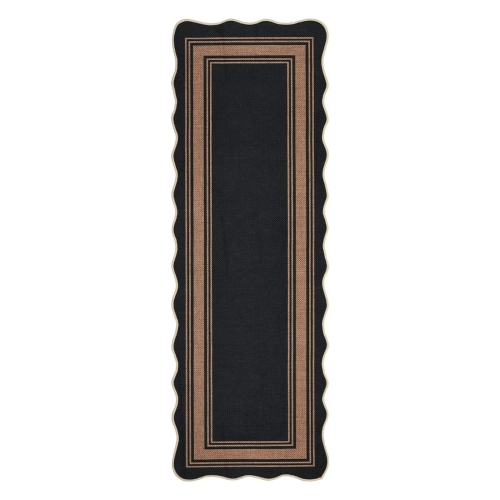
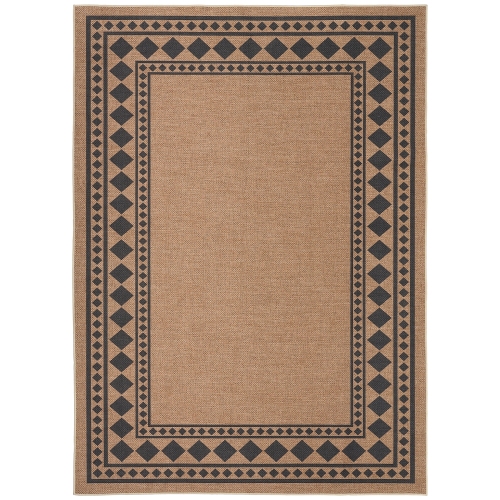
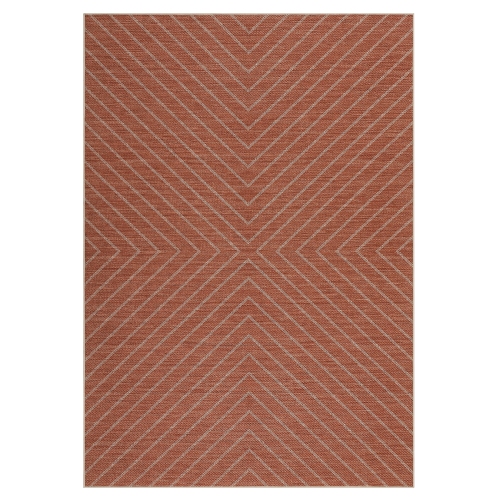
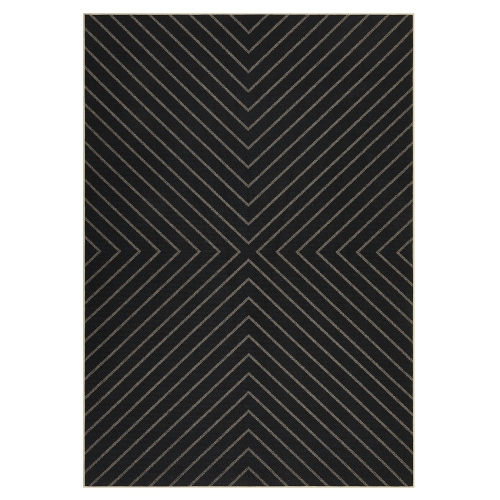
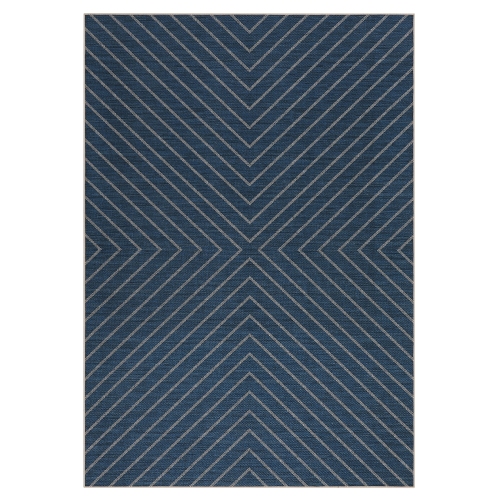
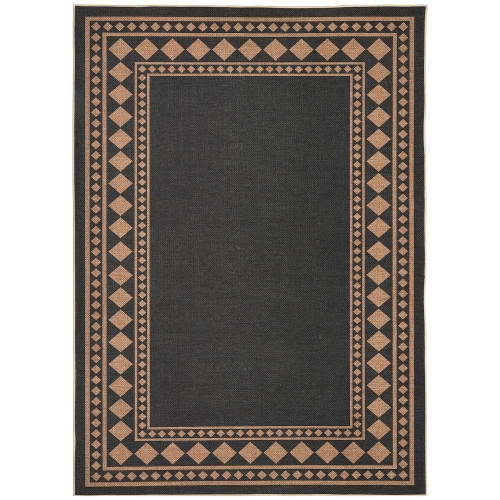
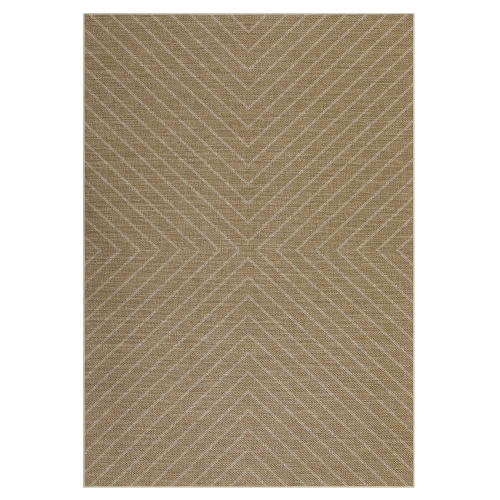
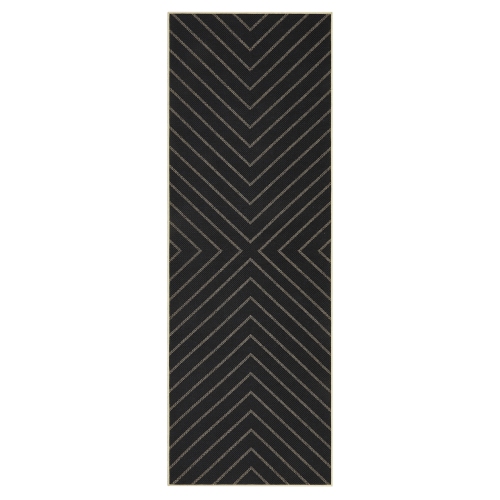
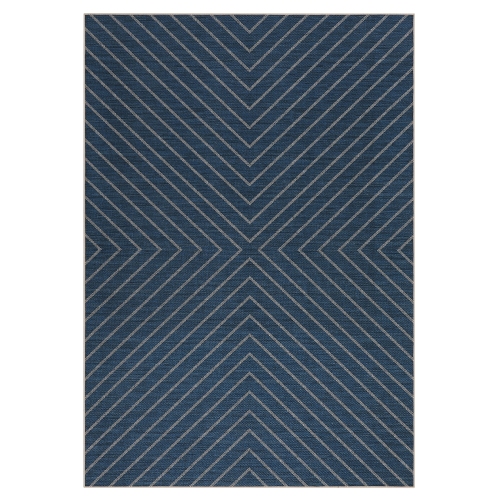
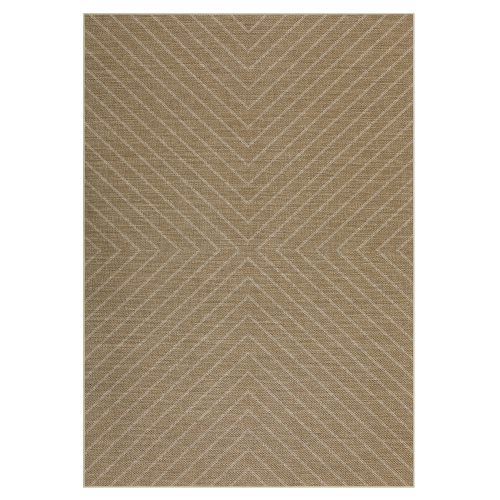
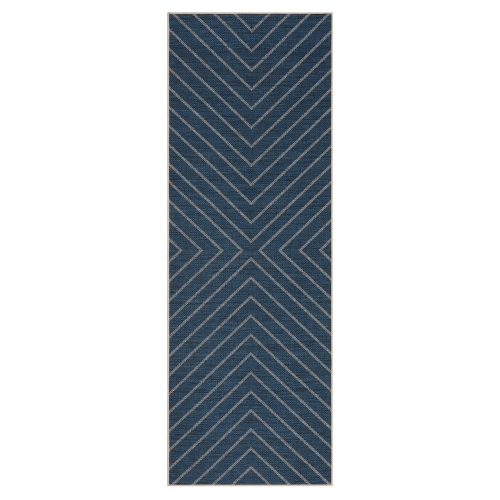
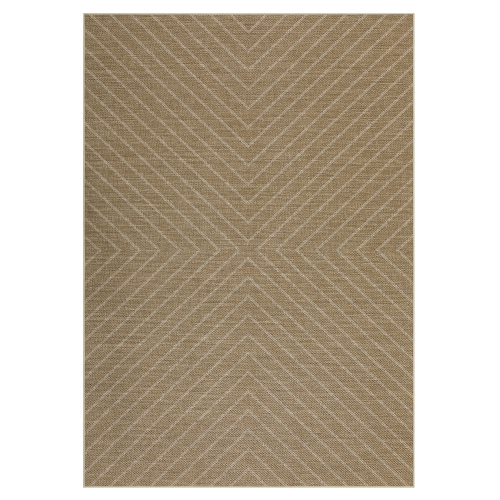
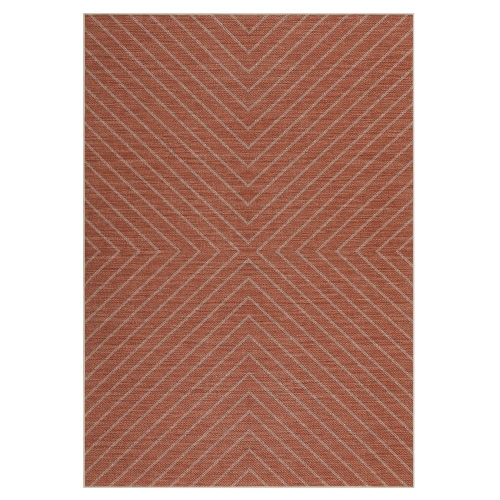
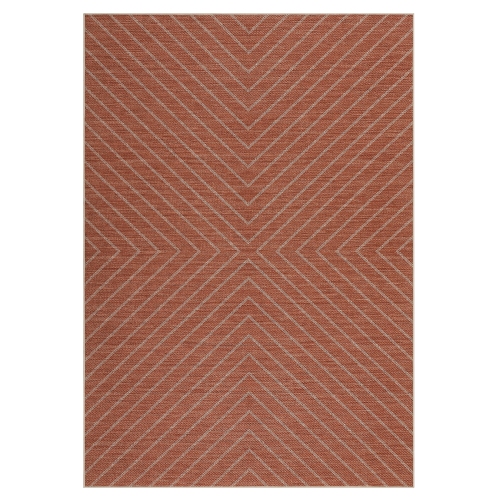
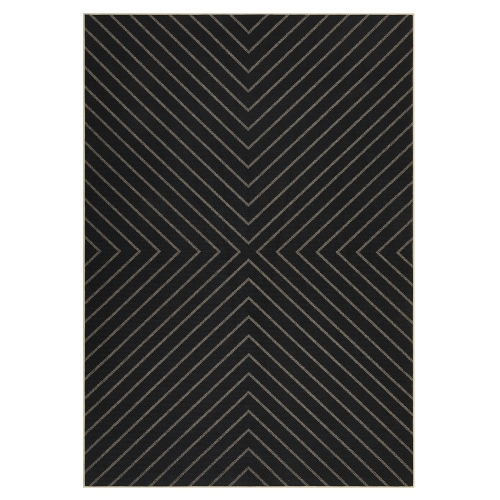
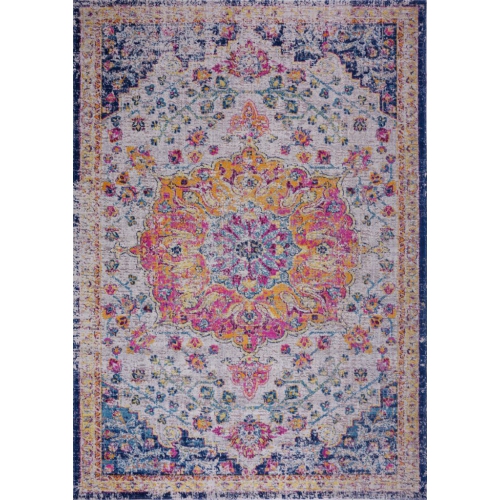
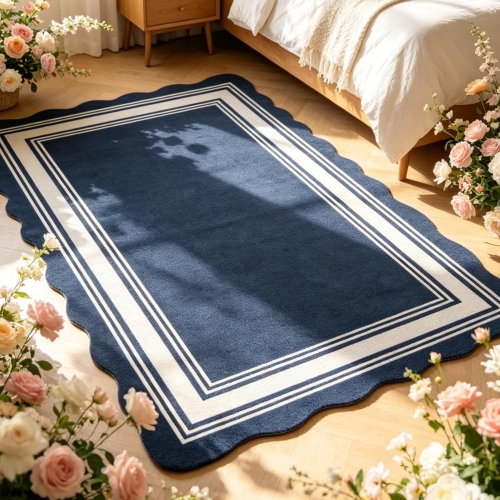
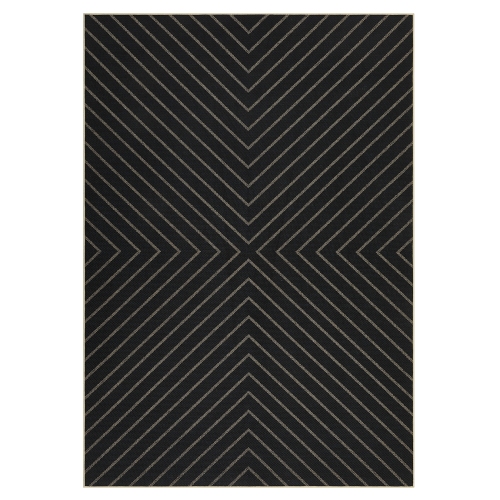
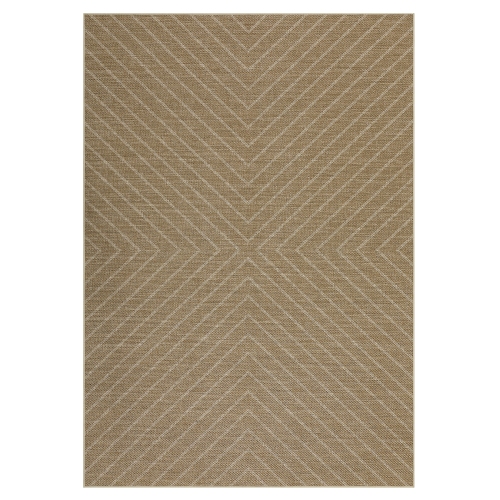
Colour, pattern, and care help determine how comfortably a large outdoor rug fits into daily life. Sand, grey, and cream tones sit easily beside wood furniture and woven seating, while navy, terracotta, or green can give a simple patio a stronger focal point. Geometric patterns lend structure to a broad floor area, stripes can visually lengthen a narrow space, and botanical motifs pair naturally with planters and garden views. Mid-tone shades and small-scale patterns tend to make everyday dust and tracked-in debris less noticeable than very pale or solid dark surfaces. For a family dining area, an easy-to-clean weave may matter more than a plush feel; for a covered reading corner, texture may be the detail that makes the space inviting. Pet owners may prefer a close, low-profile weave that is less likely to catch claws than prominent loops, while frequent hosts benefit from edges that sit flat along busy routes between the house and seating. Loose corners and ripples should be addressed promptly, especially where people carry food or move chairs. Routine care usually starts with sweeping, shaking where the size permits, or vacuuming with a setting suitable for the weave. Blot spills promptly, and follow the manufacturer's directions before applying soap, stain treatments, or a pressure washer. Many synthetic outdoor rugs can be rinsed with a garden hose and cleaned with mild soap, but this is not suitable for every backing or construction. After cleaning or heavy rain, allow both sides to dry fully, lifting the rug when practical so moisture does not remain against the floor. Clear leaves and grit from underneath as well as from the top, particularly during the cooler months when drying takes longer. Weather resistance does not necessarily mean a rug is suitable for prolonged exposure to snow, ice, or standing water. Before extended storage, clean it, let it dry completely, and roll or fold it only as directed. Stored in a dry, sheltered place, it will be easier to bring back out when the outdoor seating area is ready for regular use again.
Top selling and popular products
-
 Your price for this item is $130.55
-
 Your price for this item is $129.15
-
 Your price for this item is $130.55
-
 Your price for this item is $129.15
-
 Your price for this item is $129.15
-
 Your price for this item is $130.55
-
 Your price for this item is $144.99
-
 Your price for this item is $103.99
Discover more categories related to Large Outdoor Rugs
Top Collections:
Best Black Friday Deals This Year, Best Black Friday Deals On Electronics, Kindle Devices, Dyson Airwrap, Best Cameras for Sports Photography, Best Budget Office Chairs, Canon G7X Cameras, PS5 Pro Consoles, Best Black Friday Deals On Apple Products, XBOX One S Consoles
Some products may be subject to Environmental Handling Fees
(EHF) depending on your province.
Learn more about EHFs.