Large Rectangular Sun Umbrellas
Large Rectangular Sun Umbrellas offer a stylish and practical way to create shade and comfort in any outdoor space. Perfect for patios, decks, gardens, or poolside areas, these umbrellas provide ample coverage for larger seating and dining arrangements. With a variety of colors, sizes, and designs available, it’s easy to find the ideal Large Rectangular Sun Umbrella to complement your outdoor décor and enhance your relaxation experience. Explore options that blend seamlessly with your style while providing reliable protection from the sun.
Sort
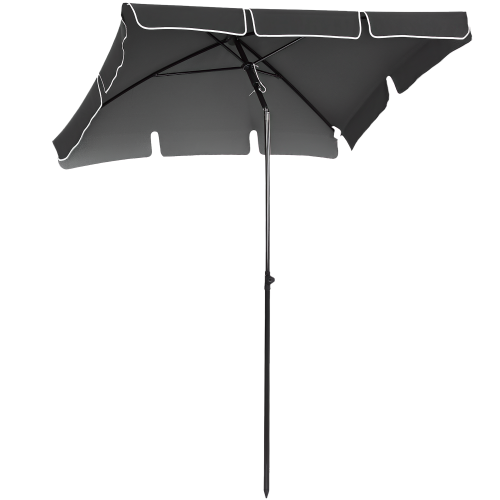
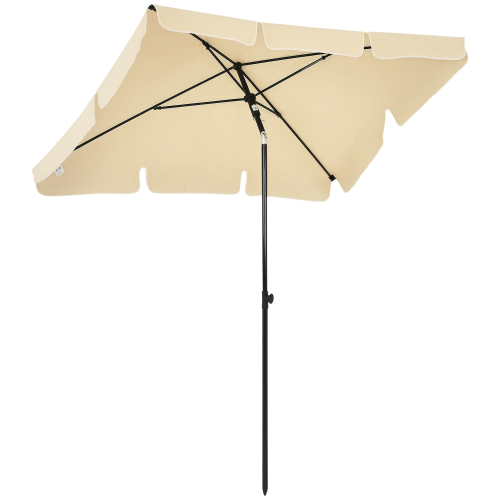
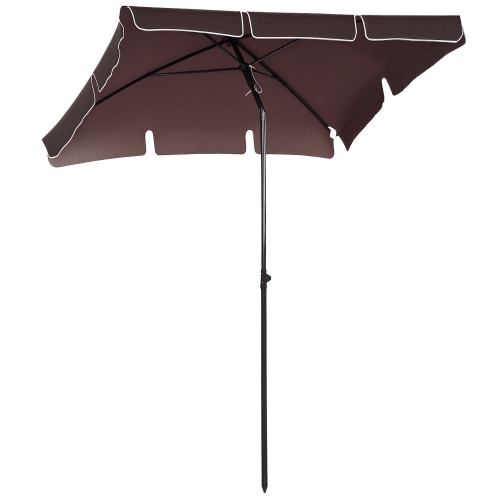
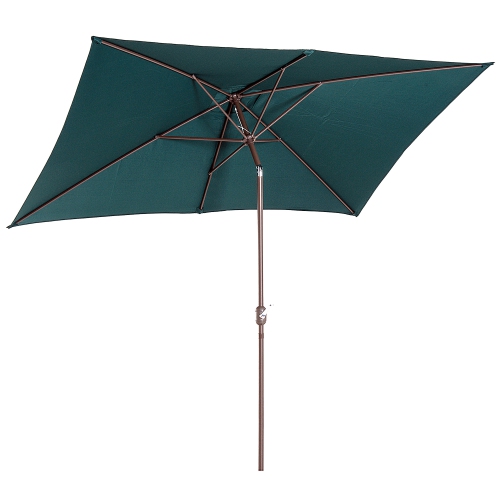
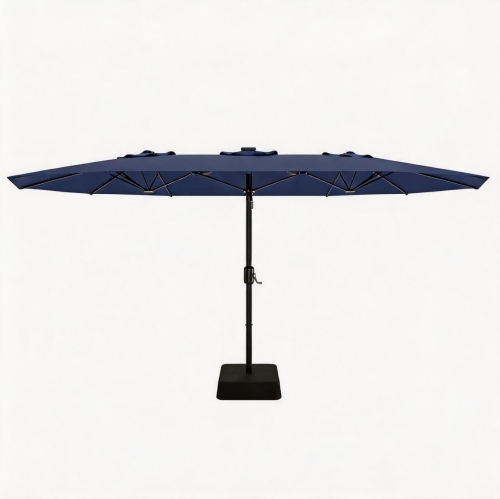
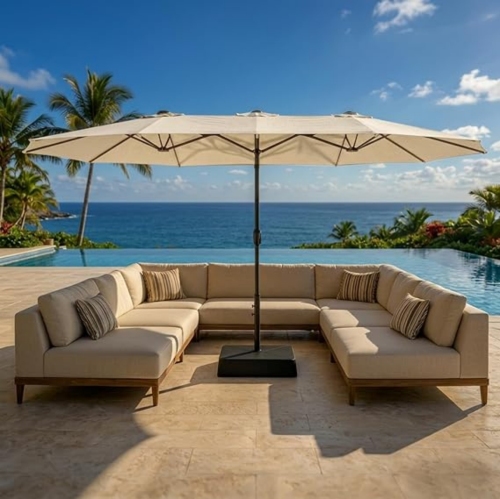
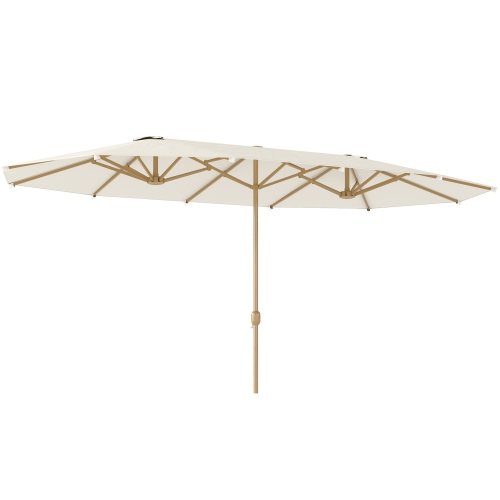
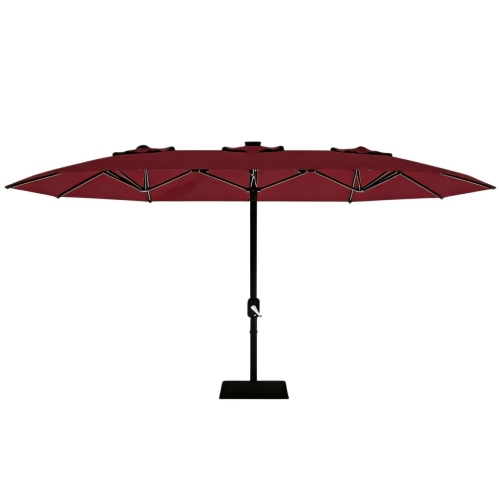
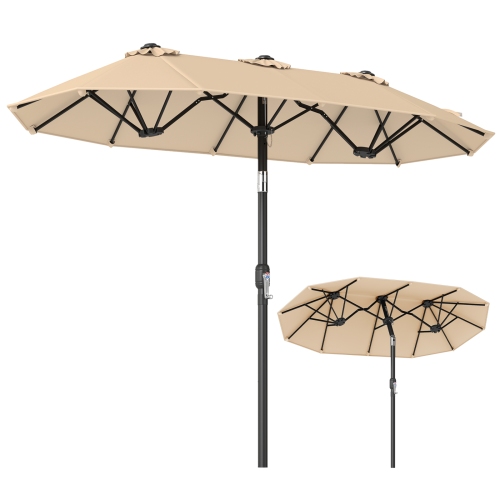
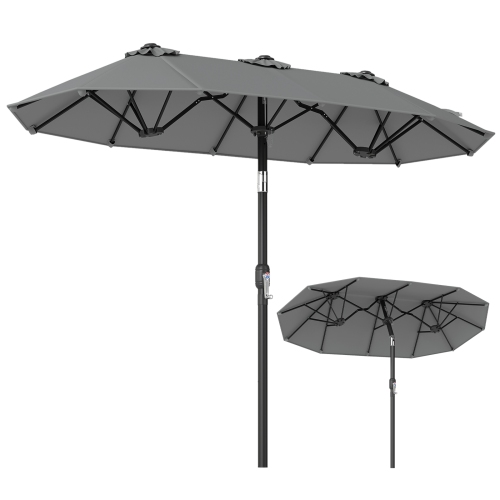
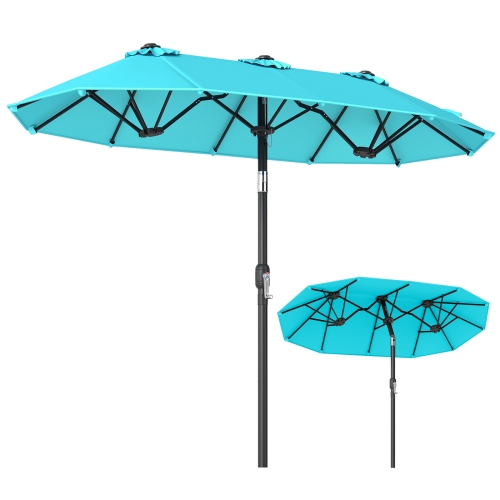
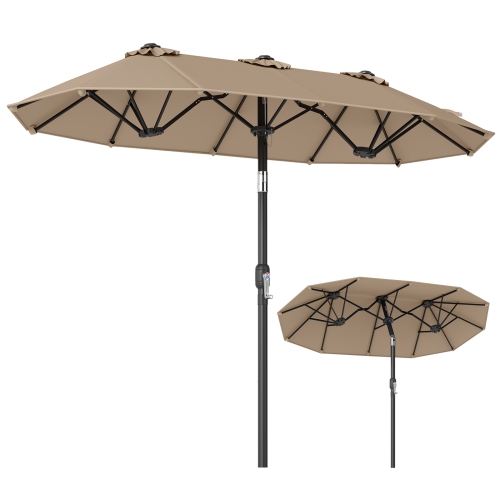
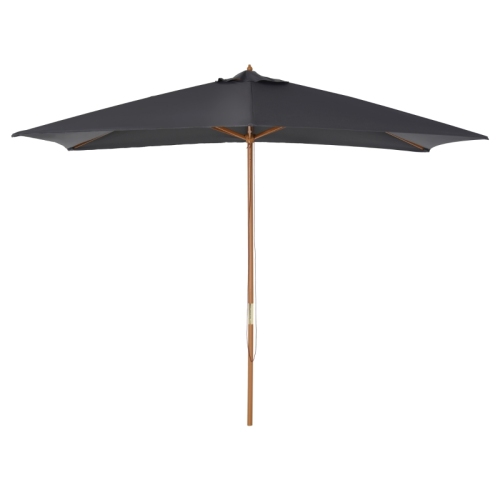
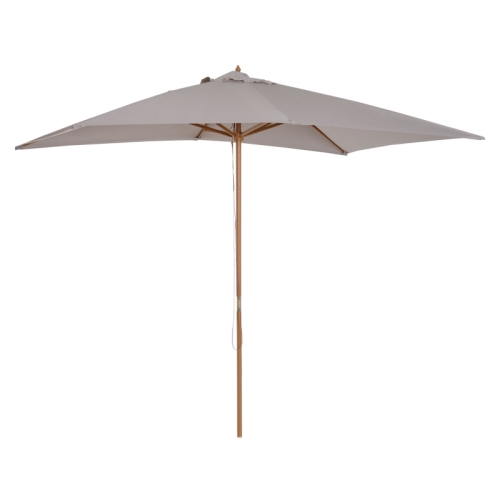
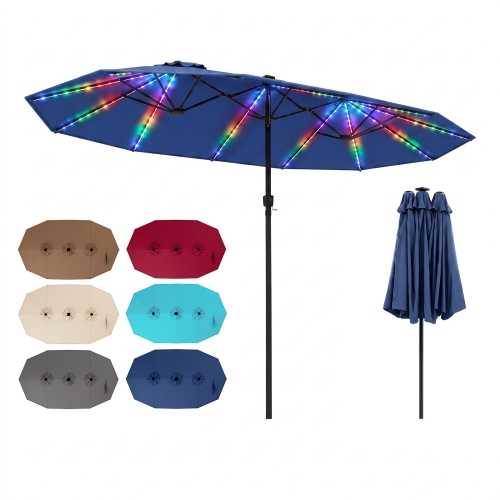
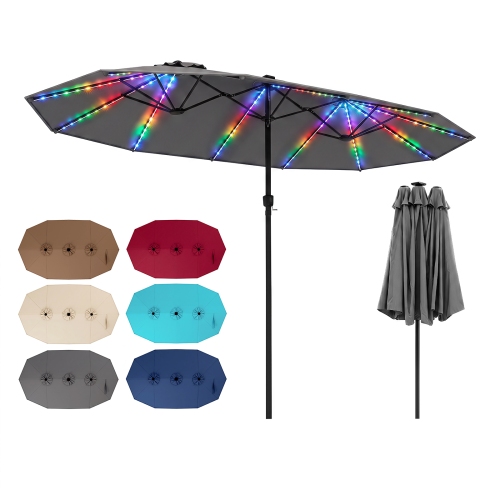
Patio shade that goes beyond the tabletop
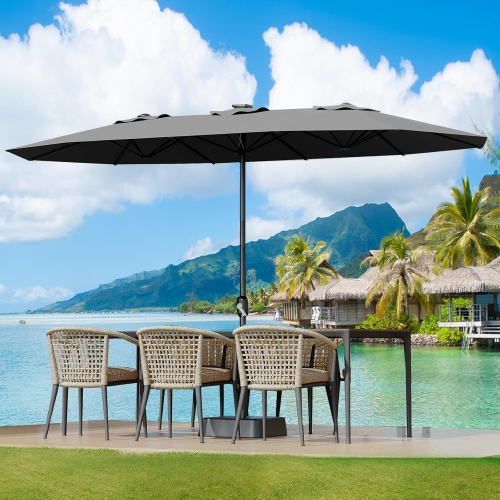
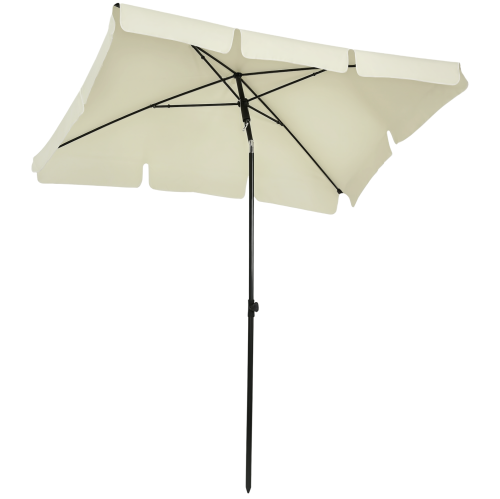
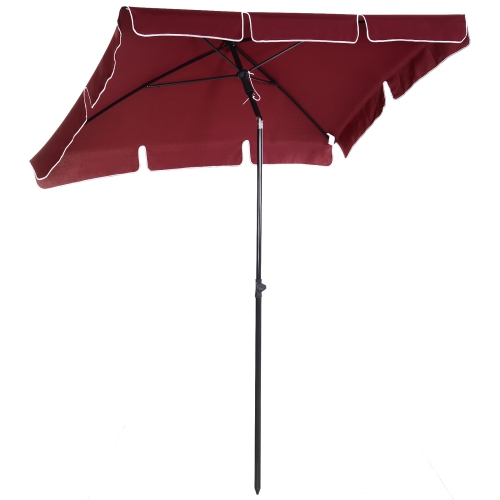
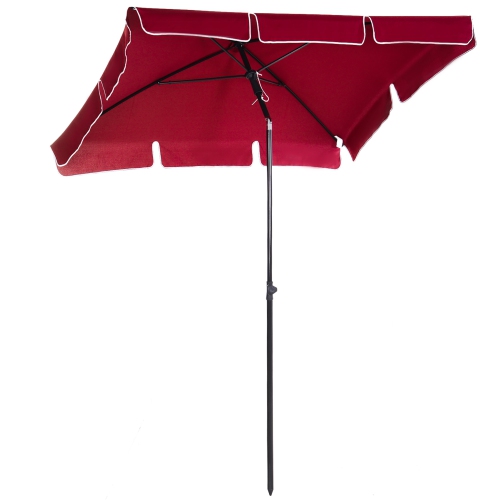
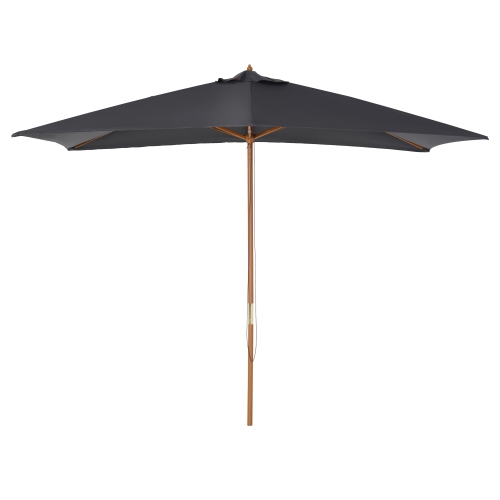
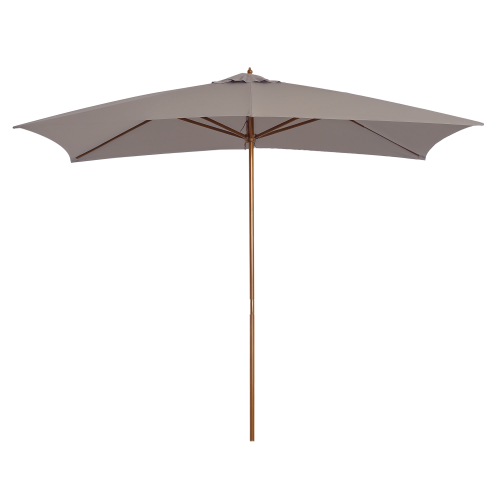
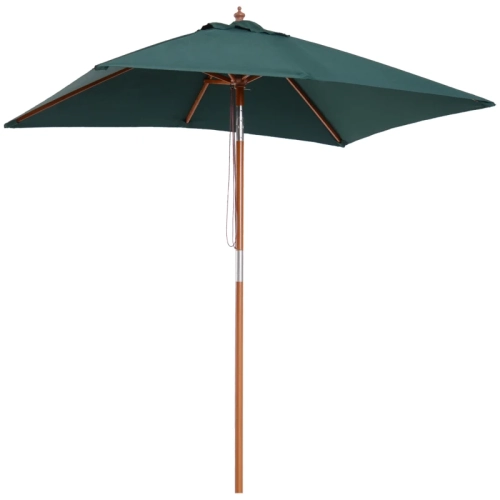
Large rectangular sun umbrellas provide broad, elongated shade for long patio dining tables, side-by-side lounge chairs, and outdoor seating arranged along a deck or terrace. Their shape follows the lines of rectangular furniture, helping cover a useful stretch of space without relying on several smaller canopies. Over a dining table, that can mean shade across more place settings; beside a pair of loungers, it can create a shared spot for reading or relaxing. The fit depends on more than the canopy’s overall dimensions. A table needs room for chairs to pull out, while a lounge area may need coverage that extends beyond the cushions to a side table or footrest. Measuring the furniture arrangement, rather than just the tabletop, gives a more realistic sense of the area an umbrella needs to cover. The canopy’s height and position also matter near doorways, balcony railings, roof overhangs, and low branches. A generous rectangle can suit a narrow patio, but its corners still need clearance when the canopy opens, closes, or turns. Shade moves as the sun changes position, so a canopy that covers a table at midday may leave one end exposed later in the afternoon. Adjustable positioning can make a noticeable difference for households that use the same outdoor space for lunch, afternoon reading, and evening meals. Rectangular coverage is especially practical where furniture sits in a straight line or where a long table anchors the layout. For a more evenly proportioned seating arrangement, large square garden umbrellas offer a different canopy shape to consider. Neither shape automatically shades every seat: the best match comes from the furniture footprint, the direction of sunlight, and the space needed to move comfortably around the base. This is particularly important on compact decks, where an umbrella should complement the seating area rather than obstruct the route between the house and the table.
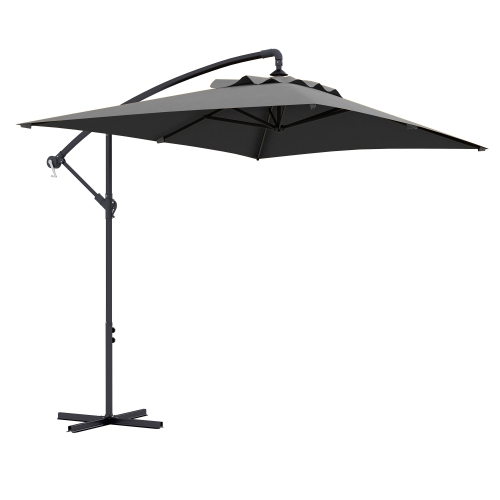
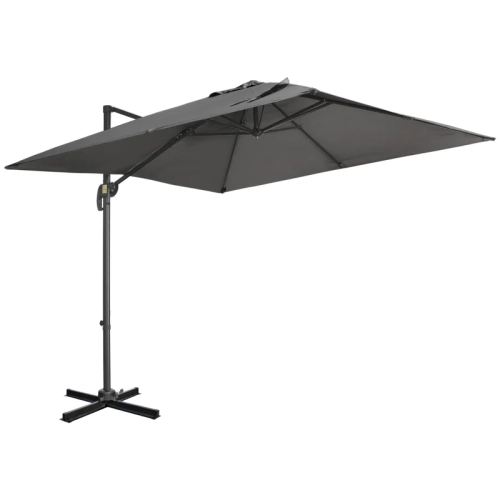
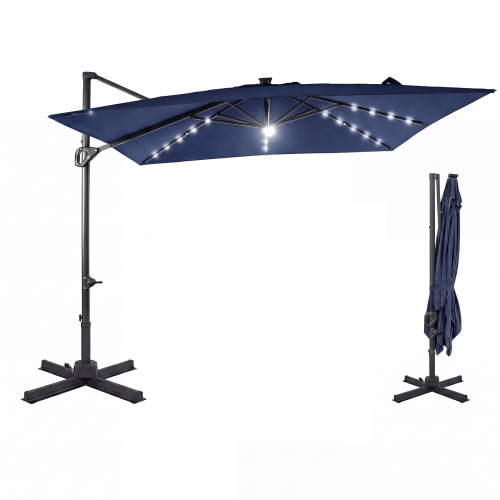
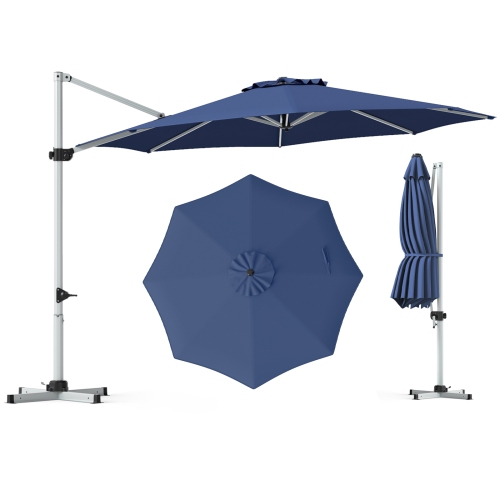
The frame design determines how a large rectangular sun umbrella fits into that layout. A centre-pole umbrella can work with a compatible table opening, placing the support within the dining arrangement instead of beside it. The pole diameter must suit the opening, and the table still needs the support specified by the umbrella manufacturer; a tabletop alone is not an anchor. A cantilever design holds the canopy from an offset support, leaving the shaded area free of a central pole. That arrangement can be useful above a conversation set, a long bench, or loungers that need unobstructed space between them. Its base, however, can take up considerable room, so the footprint deserves as much attention as the canopy size. Crank mechanisms, tilt adjustments, and rotating supports affect everyday handling, particularly when the canopy is large or mounted above a dining table. Controls should be reachable without standing on furniture or leaning awkwardly across it. Materials also influence weight, appearance, and care. Aluminum frames are often lighter and resist rust, while steel frames commonly use a protective finish that needs attention if it becomes chipped or scratched. Wood frames bring a different look and may need periodic maintenance according to their finish and construction. Across frame types, sturdy ribs, sound joints, and well-finished hardware contribute to reliable operation. Canopy fabrics may include polyester, acrylic, or other textiles intended for outdoor use, with differences in fade resistance, water resistance, and cleaning requirements. A stated ultraviolet protection factor, or UPF rating, is more useful for assessing the fabric’s sun protection than colour alone. Shade should still be used alongside appropriate sun protection, since light can reach the seating area from the sides and reflect off nearby surfaces. A water-resistant canopy may shed a light shower, but it should not be assumed to provide waterproof shelter or protection during severe weather.
Stability is a central consideration with large rectangular sun umbrellas because the broad canopy can catch wind. The correct base depends on the umbrella’s dimensions, support style, and manufacturer’s requirements, not simply on whether the pole fits into it. Some designs use a freestanding weighted base, while others require specified ballast, an approved mounting system, or a particular installation method. A cross-shaped support is not necessarily a complete weighted base, and compatibility should be confirmed before assembly. On a deck, any permanent attachment also needs to be suitable for the structure beneath it; attaching hardware to surface boards alone may not provide the required support. Keeping the base out of a busy walking route helps reduce trip hazards, especially where children move between outdoor seats and the doorway. Canopy vents can help air move through a design, but they do not make an umbrella safe to leave open in strong gusts. Closing the canopy when it is unattended or when wind increases helps protect the frame, fabric, and surrounding furniture. Routine care is generally straightforward when it follows the material’s care instructions. Loose leaves and grit can be brushed away before they collect in folds, and many fabrics can be spot-cleaned with mild soap and water when permitted by the manufacturer. Harsh cleaners, stiff scrubbing, and pressure washing may damage fabric treatments or finishes. Letting the canopy dry fully before closing it for extended storage helps limit mildew and trapped moisture. A properly fitted cover can keep dirt off a closed umbrella, while sheltered storage during snow, freezing rain, or prolonged periods without use can reduce unnecessary exposure. Before reopening, checking the ribs, fasteners, crank, and canopy attachments helps identify wear before it affects operation. These practical details matter whether the umbrella shades family meals, a quiet reading chair, or a shared seating area for guests. With a suitable footprint, compatible support, and manageable care needs, a large rectangular canopy can make a long outdoor dining or lounging arrangement more comfortable without crowding the space around it.
Top selling and popular products
-
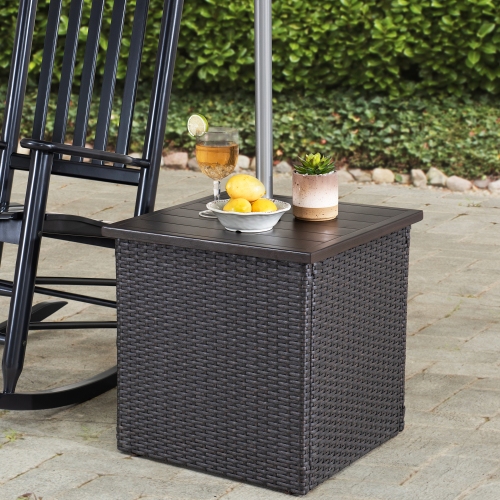 Your price for this item is $160.99
-
 Your price for this item is $111.99
-
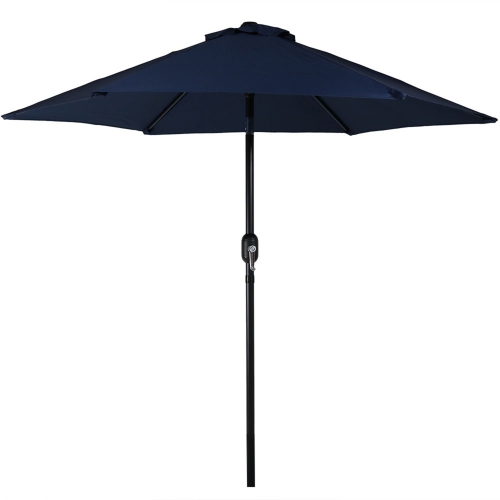 Your price for this item is $146.95
-
 Your price for this item is $146.95
-
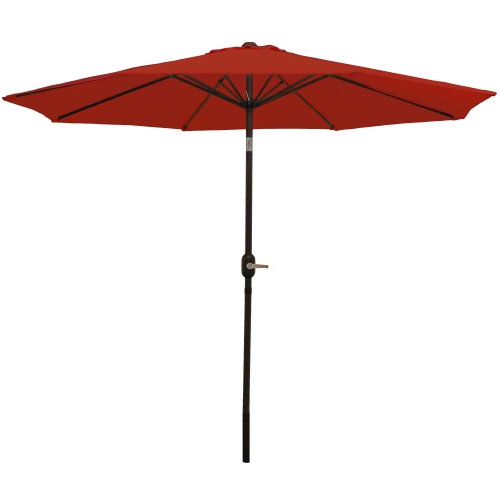 Your price for this item is $146.95
-
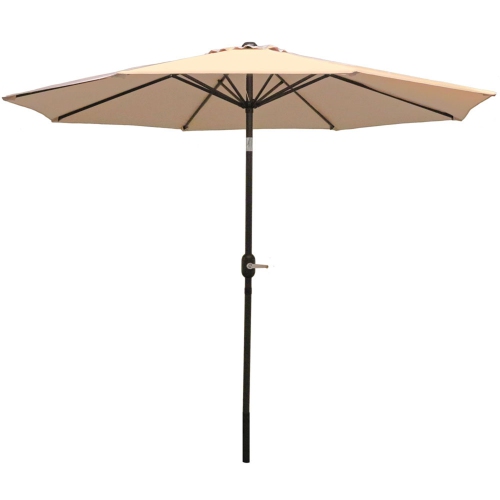 Your price for this item is $146.95
-
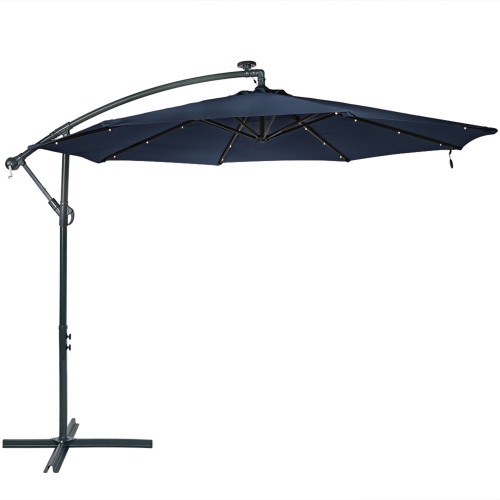 Your price for this item is $248.55
-
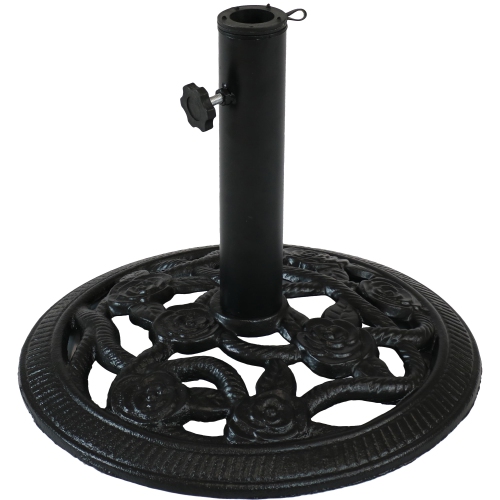 Your price for this item is $152.35
Discover more categories related to Large Rectangular Sun Umbrellas
Top Collections:
Best Black Friday Deals This Year, Best Black Friday Deals On Electronics, Kindle Devices, Best Black Friday Deals On Apple Products, Best Budget Office Chairs, Best Cameras for Sports Photography, Dyson Airwrap, Canon G7X Cameras, Best Laptops for Writers, Samsung Galaxy Phones
Some products may be subject to Environmental Handling Fees
(EHF) depending on your province.
Learn more about EHFs.