Laser DeWalt
Laser DeWalt tools offer precision and reliability for a variety of construction and home improvement projects. Explore a selection designed to help you achieve accurate results, whether you're working on renovations or tackling new builds. With Laser DeWalt, you can find the right tool to streamline your workflow and enhance your productivity on the job site or at home. Discover options that cater to both professionals and DIY enthusiasts, making it easier to complete tasks with confidence.
Sort
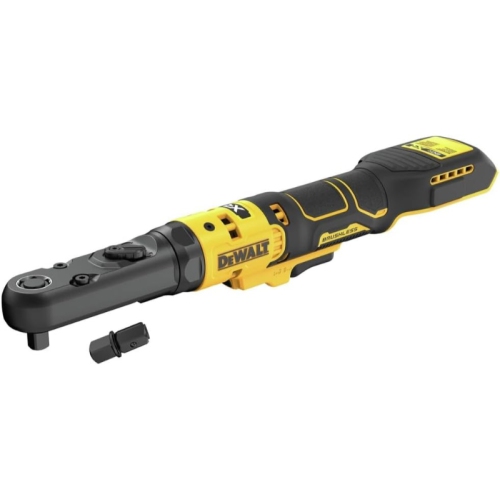
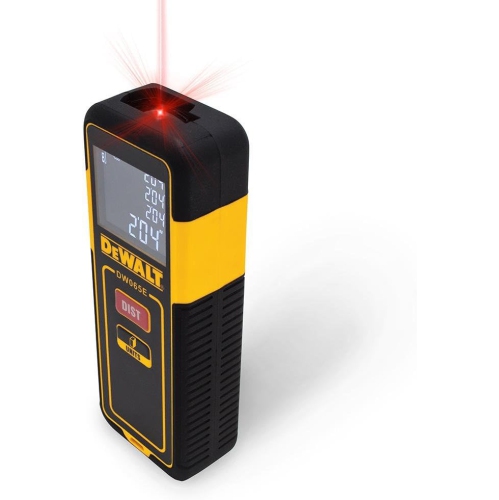
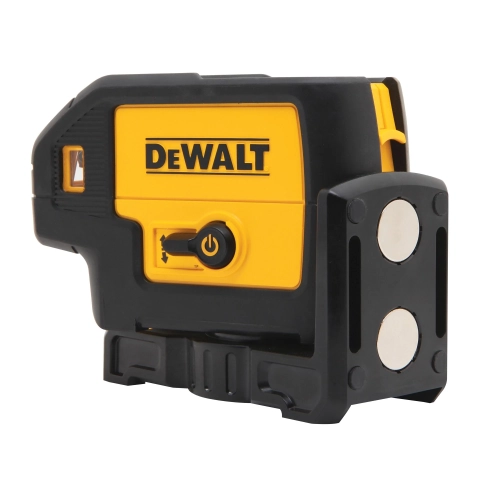
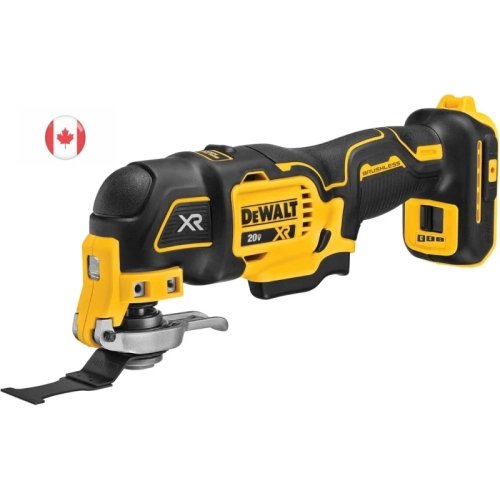

How laser levels guide accurate cabinet and tile alignment
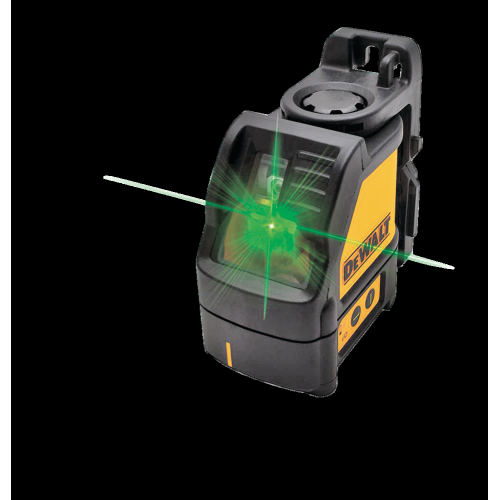
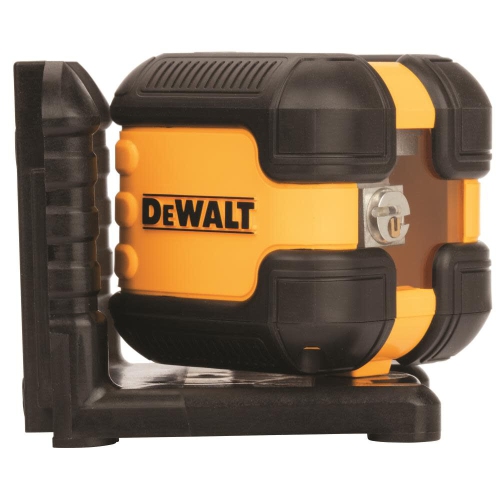
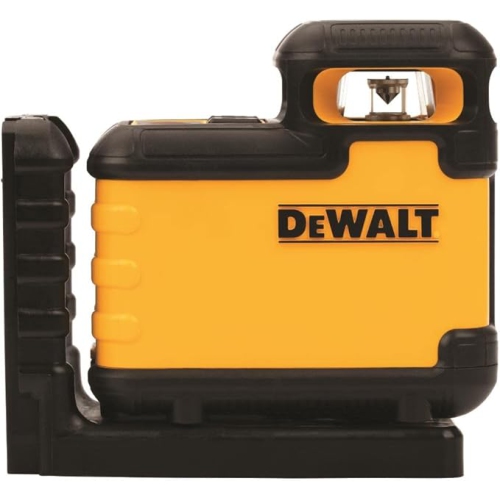
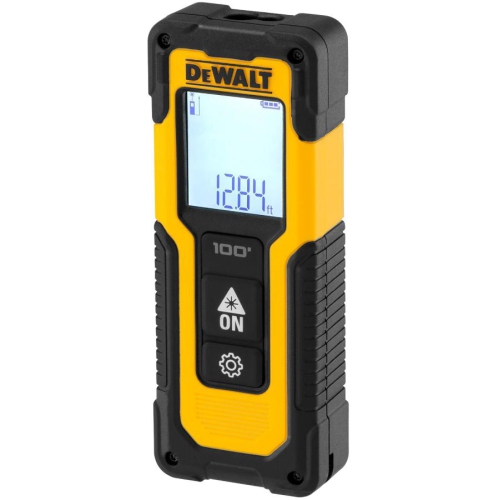
Laser levels bring a clear visual reference to work that depends on straight lines, consistent heights, and accurate alignment. Instead of repeatedly marking a wall or stretching a chalk line across a room, these tools project light onto a surface to establish a level or plumb reference. That makes them useful for positioning kitchen cabinets, lining up wall tile, installing shelving, and keeping a row of framed photographs at the same height. Within the broader Laser Level category, cross-line, multi-plane, point, and rotary designs serve different layout needs. Cross-line lasers project horizontal and vertical lines, often forming an intersection that helps align fixtures or establish a starting point for tile. Multi-plane lasers can project lines around a room, with some designs providing three 360-degree planes for coordinating floor, wall, and ceiling layout. Point lasers transfer reference points between surfaces, which can be useful when matching a ceiling position to a mark on the floor. Rotary lasers create a rotating reference plane and are commonly associated with larger construction layouts, often working with a compatible receiver when the beam is difficult to see. The distinction matters because a small shelving project and a wide-area levelling task place different demands on coverage, mounting, and detection. Carpenters, electricians, installers, and people taking on home improvements may all use laser layout tools, but their preferred format depends on the work. A compact cross-line design suits many interior alignment tasks, while broader room coverage helps when several surfaces need to share the same reference. Laser levels establish alignment rather than measure distance; laser distance measurers perform a separate function. That difference is especially relevant when planning cabinetry or built-in storage, where both accurate dimensions and a reliable level reference are needed. A projected line can show whether cabinet tops share a consistent height, but a tape measure or distance measurer is still needed to confirm spacing, clearances, and the dimensions of the room.
Beam colour, working range, and stated accuracy shape how a laser level performs in a particular space. Red and green beams both support layout work, and green light is often easier for the human eye to distinguish under comparable conditions. Greater visibility does not automatically mean greater accuracy, however, and bright ambient light or a reflective surface can make either colour harder to read. A visible working range describes a different condition from a receiver-assisted range, so those specifications are not interchangeable. Receiver compatibility also varies: a detector needs to support the laser’s output and operating mode rather than simply match its beam colour. For interior work, line clarity across the actual room can matter more than a long maximum range. A fine, readable line makes it easier to place pencil marks consistently when setting backsplash tile or aligning drawer hardware. Accuracy is generally expressed as an allowable deviation over a stated distance, making both parts of that specification important. Self-levelling mechanisms help establish a true reference when the tool is positioned within its permitted levelling range; they do not compensate for every angle or an unstable support. Depending on the design, a flashing beam or another indicator signals that the tool is outside that range. A locking or manual mode can support angled layout, such as following a stair rail, but the projected line in that mode should not be assumed to be level. Coverage is another practical distinction. A horizontal line across one wall may be sufficient for a bookcase, while wraparound coverage makes it easier to carry a reference height through a room without repositioning the tool. Vertical planes and intersecting lines can help with partition layout or transferring alignment between adjoining surfaces. On an older wall or uneven floor, the laser provides a consistent reference against which irregularities become visible; it does not make the underlying surface straight, flat, or square. That reference helps reveal where fitting or adjustment may be needed before materials are fastened in place.
The housing, mounting options, and power source are just as important to everyday use as the beam itself. Laser levels commonly combine moulded housings with protective overmoulding, while some include guarded projection windows or reinforced components intended to withstand regular handling. Protection varies by design, and a stated dust or water-resistance rating describes specific tested conditions rather than unlimited protection. A knock can affect calibration even when the outer housing appears intact, so durability includes both physical protection and the ability to maintain dependable alignment. A carrying case helps protect the tool between jobs, and a transport lock, where fitted, secures the levelling mechanism during movement. Mounting arrangements influence how easily the beam can be placed at the required height. Threaded tripod connections, magnetic brackets, wall mounts, and fine-adjustment controls can each serve a purpose, but thread size, attachment compatibility, and the strength of the supporting surface need to match the setup. A magnetic bracket requires a suitable ferrous surface; it will not attach securely to every metal fixture. For cabinet installation, a stable mount with controlled height adjustment can be more useful than repeatedly balancing the tool on temporary supports. Power choices may include replaceable batteries, dedicated rechargeable packs, or compatibility with a cordless-tool battery platform. Battery fit should be confirmed for the exact tool, since packs that look similar are not necessarily interchangeable. Runtime also depends on factors such as the number of active beams and operating mode. Care centres on keeping projection windows clean, protecting the tool from impacts, and following the manufacturer’s storage and calibration instructions. A soft cloth suitable for the optical window helps remove dust without scratching it, while an accuracy check is worthwhile after a drop or before precision work. Laser beams should never be directed into anyone’s eyes, and the tool’s safety labelling should remain readable. For a renovation enthusiast or tradesperson, a laser level can be a practical gift when its layout functions, mounting needs, and battery compatibility suit the work they actually do.
Beam colour, working range, and stated accuracy shape how a laser level performs in a particular space. Red and green beams both support layout work, and green light is often easier for the human eye to distinguish under comparable conditions. Greater visibility does not automatically mean greater accuracy, however, and bright ambient light or a reflective surface can make either colour harder to read. A visible working range describes a different condition from a receiver-assisted range, so those specifications are not interchangeable. Receiver compatibility also varies: a detector needs to support the laser’s output and operating mode rather than simply match its beam colour. For interior work, line clarity across the actual room can matter more than a long maximum range. A fine, readable line makes it easier to place pencil marks consistently when setting backsplash tile or aligning drawer hardware. Accuracy is generally expressed as an allowable deviation over a stated distance, making both parts of that specification important. Self-levelling mechanisms help establish a true reference when the tool is positioned within its permitted levelling range; they do not compensate for every angle or an unstable support. Depending on the design, a flashing beam or another indicator signals that the tool is outside that range. A locking or manual mode can support angled layout, such as following a stair rail, but the projected line in that mode should not be assumed to be level. Coverage is another practical distinction. A horizontal line across one wall may be sufficient for a bookcase, while wraparound coverage makes it easier to carry a reference height through a room without repositioning the tool. Vertical planes and intersecting lines can help with partition layout or transferring alignment between adjoining surfaces. On an older wall or uneven floor, the laser provides a consistent reference against which irregularities become visible; it does not make the underlying surface straight, flat, or square. That reference helps reveal where fitting or adjustment may be needed before materials are fastened in place.
The housing, mounting options, and power source are just as important to everyday use as the beam itself. Laser levels commonly combine moulded housings with protective overmoulding, while some include guarded projection windows or reinforced components intended to withstand regular handling. Protection varies by design, and a stated dust or water-resistance rating describes specific tested conditions rather than unlimited protection. A knock can affect calibration even when the outer housing appears intact, so durability includes both physical protection and the ability to maintain dependable alignment. A carrying case helps protect the tool between jobs, and a transport lock, where fitted, secures the levelling mechanism during movement. Mounting arrangements influence how easily the beam can be placed at the required height. Threaded tripod connections, magnetic brackets, wall mounts, and fine-adjustment controls can each serve a purpose, but thread size, attachment compatibility, and the strength of the supporting surface need to match the setup. A magnetic bracket requires a suitable ferrous surface; it will not attach securely to every metal fixture. For cabinet installation, a stable mount with controlled height adjustment can be more useful than repeatedly balancing the tool on temporary supports. Power choices may include replaceable batteries, dedicated rechargeable packs, or compatibility with a cordless-tool battery platform. Battery fit should be confirmed for the exact tool, since packs that look similar are not necessarily interchangeable. Runtime also depends on factors such as the number of active beams and operating mode. Care centres on keeping projection windows clean, protecting the tool from impacts, and following the manufacturer’s storage and calibration instructions. A soft cloth suitable for the optical window helps remove dust without scratching it, while an accuracy check is worthwhile after a drop or before precision work. Laser beams should never be directed into anyone’s eyes, and the tool’s safety labelling should remain readable. For a renovation enthusiast or tradesperson, a laser level can be a practical gift when its layout functions, mounting needs, and battery compatibility suit the work they actually do.
Top selling and popular products
-
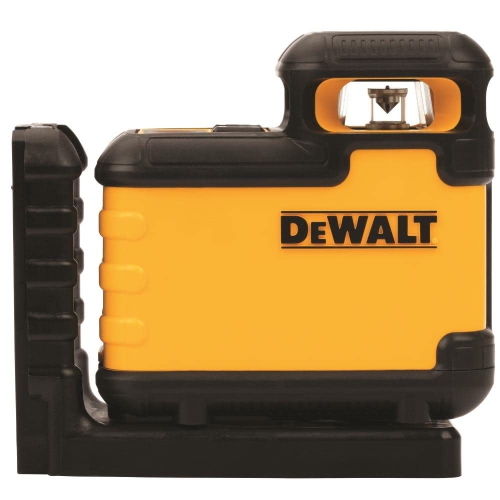 Your price for this item is $150
 -
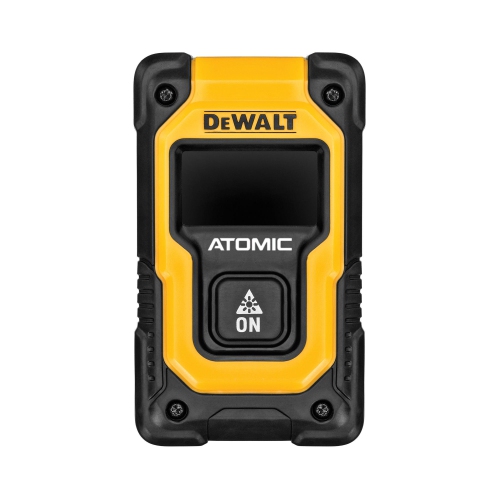 Your price for this item is $39.99
 -
 Your price for this item is $124.55
 -
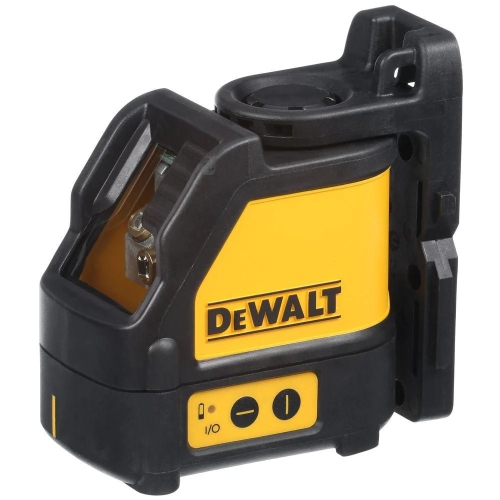 Your price for this item is $129.99
 -
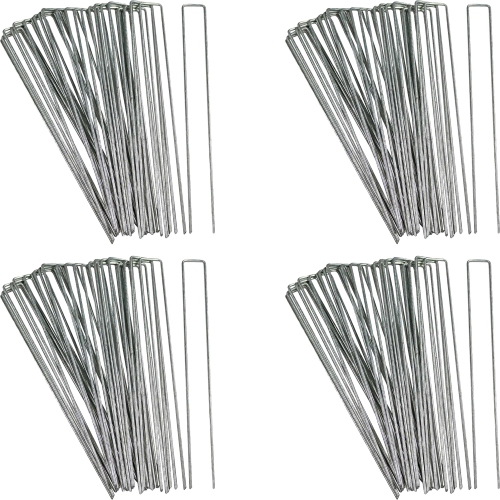 Your price for this item is $76.35
 -
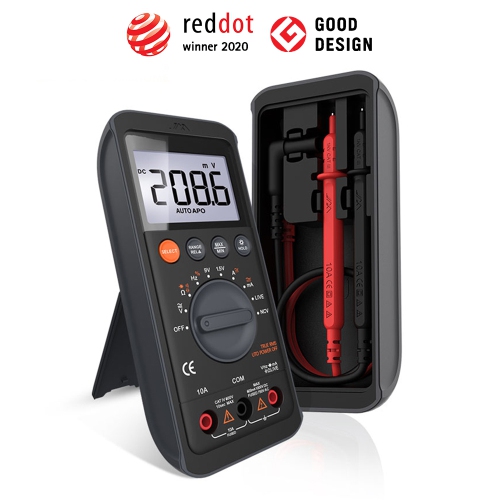 Your price for this item is $60.99
 -
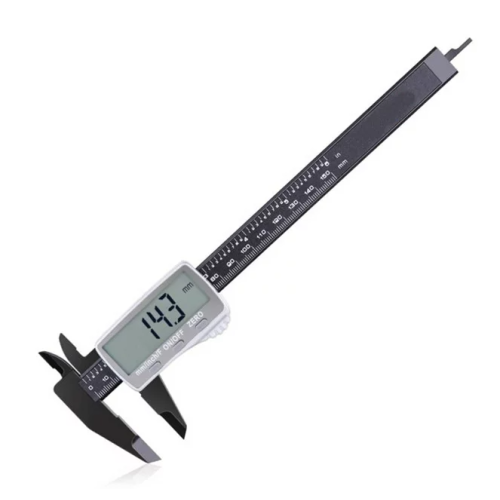 Your price for this item is $9.99
 -
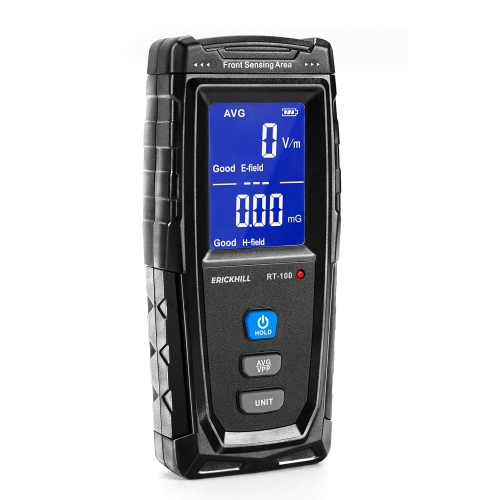 Your price for this item is $89.99
Discover more categories related to Laser DeWalt

Top Collections:
Pokemon Centers, Kindle Devices, Best Budget Office Chairs, Apple iPhones 16, Best Laptops for Writers, iPhone 15 Apple, Canon G7X Cameras, Refurbished Apple Laptops, Alarm Clock, Motorola Razr Phones
Some products may be subject to Environmental Handling Fees
(EHF) depending on your province.
Learn more about EHFs.