Dewalt Impact
Dewalt Impact tools are designed to help you tackle a wide range of tasks with confidence and efficiency. Whether you're working on home renovations, automotive repairs, or professional construction projects, these tools offer the power and reliability needed to get the job done. Explore a selection of Dewalt Impact options to find the right fit for your toolkit and experience enhanced performance for every project.
Sort

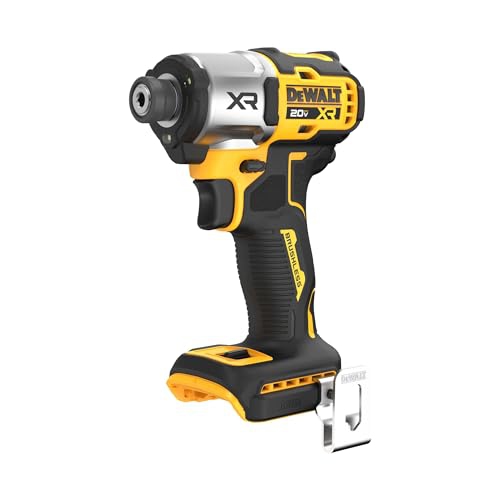
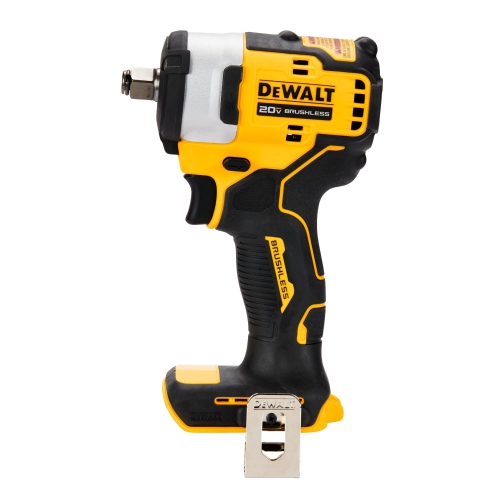


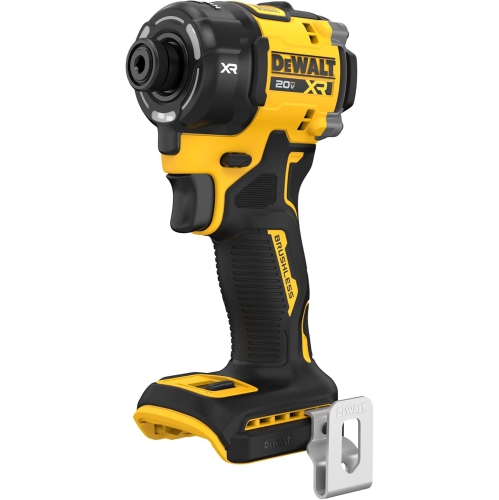
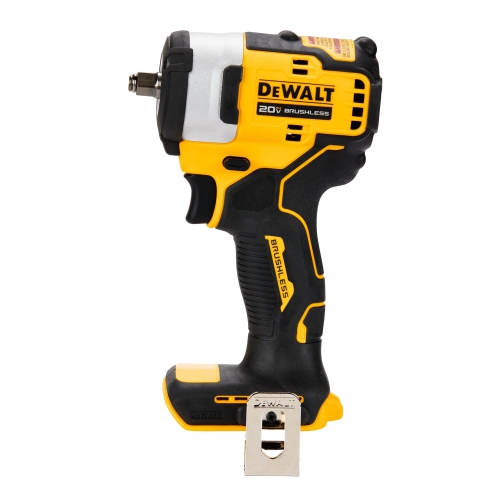
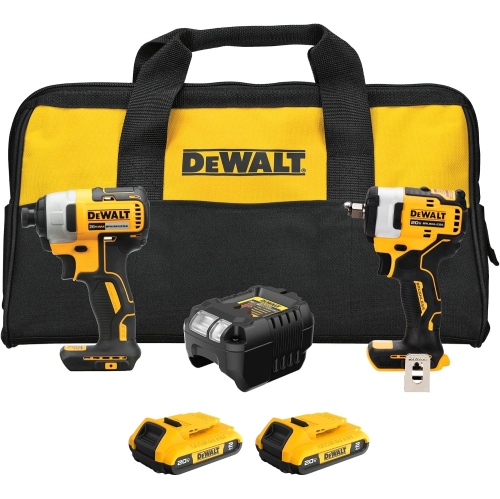
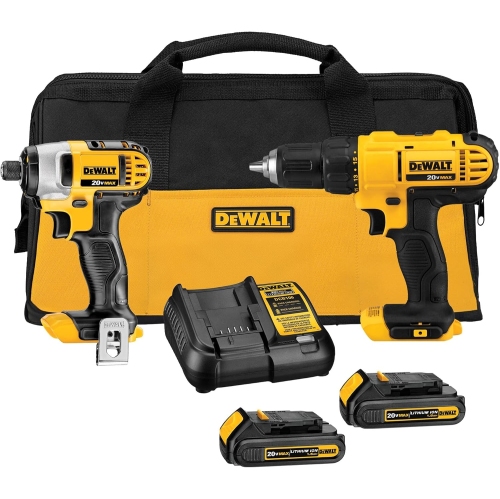
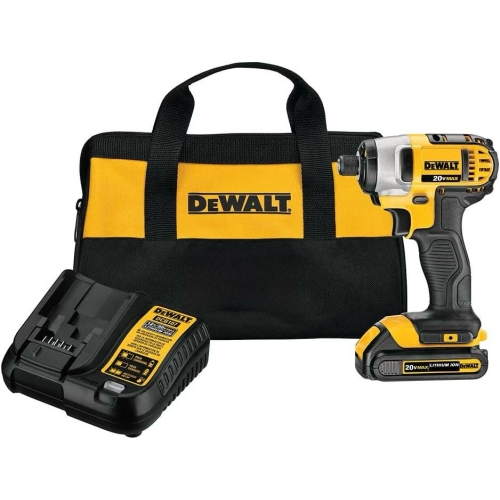
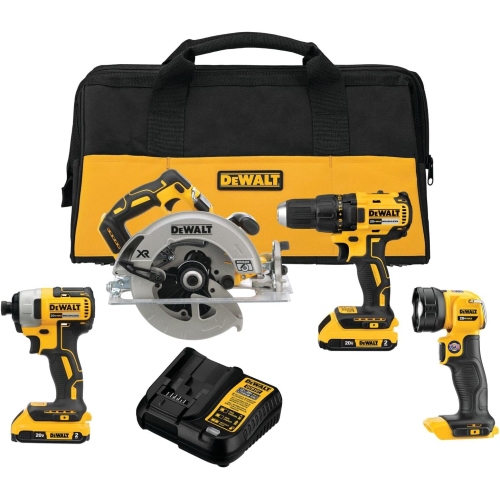
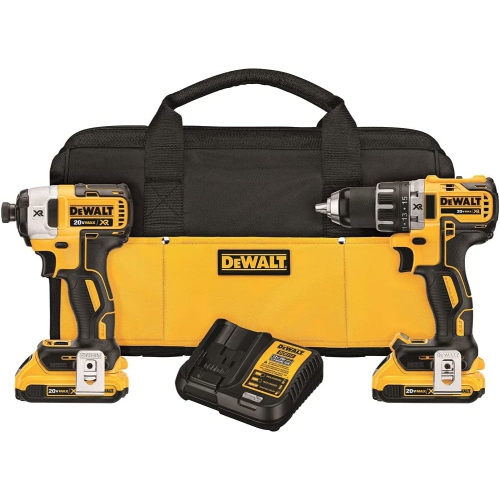


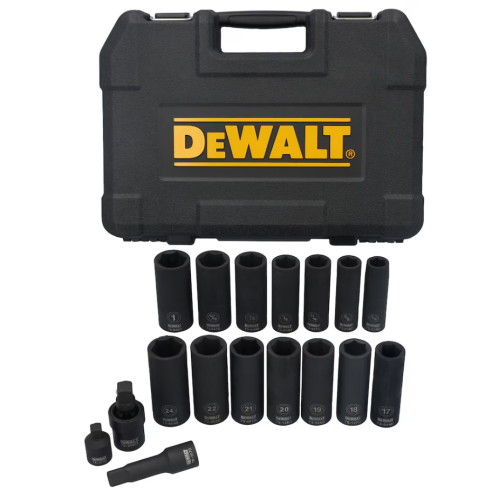
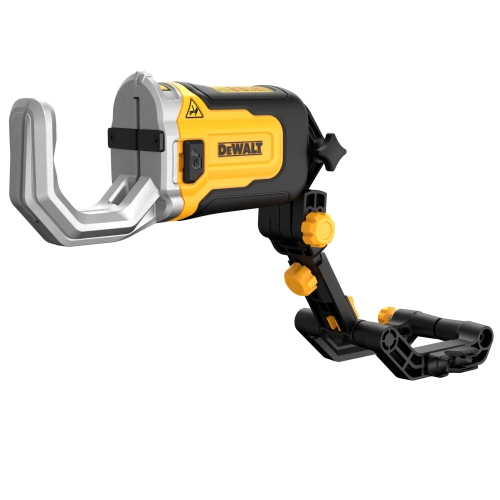

Why the right impact tool depends on the fastener
Cordless impact tools combine motor-driven rotation with rapid rotational blows to drive fasteners or loosen stubborn nuts and bolts. Their hammer-and-anvil mechanism adds turning force when resistance increases, making them useful for fastening tasks that can demand considerable effort from a conventional drill or hand tool. For screwdriving and general fastening work, Impact Drivers typically use a quick-change hex chuck that accepts compatible driver bits. They are commonly used for assembling timber frames, securing brackets, installing shelving supports and driving screws into wood or metal with the appropriate fasteners and preparation. Impact wrenches serve a different role: their square drive holds sockets for nuts and bolts, making them suited to automotive maintenance, machinery assembly and heavier fastening applications. A driver intended for screws is not a direct substitute for a wrench intended for high-torque socket work, even when an adapter allows an accessory to fit. The distinction matters when comparing tools for a home workshop, renovation project or professional trade. An impact driver can help seat a long screw in framing lumber, while an impact wrench is better matched to loosening a properly supported vehicle’s wheel nuts with suitable sockets. Neither should be confused with a hammer drill, which applies blows along the drilling axis for masonry applications. Impact tools deliver their blows around the direction of rotation instead. Their compact bodies can also make it easier to work between framing members or near the back of a cabinet, although the combined length of the tool, bit or socket still determines access. Intended use is therefore about more than power alone: fastener type, working clearance, material and the required level of control all shape the right fit. For delicate hardware, small screws and easily marked surfaces, a lower-power setting or a different fastening tool may offer better control than a powerful impact mechanism.
Performance depends on how torque, speed and control work together. Higher maximum torque can be helpful with larger fasteners and resistant hardware, but it does not automatically make a tool better for every job. Published fastening torque and breakaway torque describe different capabilities, and ratings are most useful when compared using the same measurement and test context. A responsive variable-speed trigger helps start a screw without letting the bit skate across the surface, while selectable modes can make repeated fastening more manageable. Some designs include assist functions that slow or stop rotation under particular conditions; the exact behaviour depends on the tool. Brushless motors can improve efficiency and reduce motor maintenance, though battery capacity, workload and operating settings still affect runtime. Battery fit is equally important. Packs and chargers need to belong to an explicitly compatible system; a similar shape or voltage label alone does not establish compatibility. A larger-capacity battery may extend working time but can add weight beneath the handle, which becomes noticeable when installing overhead supports or working at arm’s length. Compact packs can make a tool easier to manoeuvre in confined spaces. Grip shape, handle circumference, trigger reach and balance with the battery attached all influence comfort, particularly during repeated fastening. A textured grip can help maintain a steady hold, but it does not replace an appropriate working position or correctly fitted protective equipment. Built-in lighting can make a fastener easier to see inside a cabinet or beneath a workbench, while a belt hook offers a practical place to carry a tool when the work area permits it. Durability also depends on construction and treatment. Reinforced housings, protective overmoulding and metal gear components may help withstand demanding work, but impact tools are not immune to falls, moisture or damage from being forced beyond their intended use. Features that suit a busy jobsite may be less important for occasional furniture assembly than manageable weight and predictable trigger response.
Bits, sockets and fasteners have a direct effect on how well an impact tool performs. Accessories must be rated for impact use and match the tool’s chuck or drive size, as well as the fastener being turned. Standard hand sockets can fracture under repeated impacts, and a poorly fitting driver bit can damage a screw head even when the tool has ample power. Impact-rated sockets commonly use tough alloy steel, while driver bits may incorporate a torsion section designed to absorb some of the stress of repeated rotational blows. Material and finish matter, but the correct rating, fit and condition matter more than appearance. A full, secure engagement between the accessory and fastener helps reduce slipping; worn tips, cracked sockets and damaged retaining components need replacement. Wood species, screw diameter and distance from an edge can also affect whether a pilot hole is appropriate. When fastening into metal, the screw type and material thickness must suit the application rather than relying on extra torque to overcome a poor match. For wheel hardware and other torque-critical connections, an impact wrench does not replace the final check with a calibrated torque wrench to the applicable specification. Eye protection and hearing protection are important around impact tools, and loose clothing or jewellery should be kept clear of rotating parts. Routine care is straightforward: remove the battery before changing accessories or cleaning, clear debris from ventilation openings according to the manufacturer’s directions, and store the tool and accessories in a dry, secure location. Batteries also need compatible charging equipment and storage conditions that follow their instructions. These practical considerations make impact tools relevant to tradespeople, maintenance workers, automotive enthusiasts and homeowners who regularly tackle fastening projects. They can also make a useful gift for an experienced DIY enthusiast, especially when the tool type, battery system and accessory requirements are already known. A thoughtful match supports the work the recipient actually does, whether that means assembling workshop storage, fitting hardware or maintaining equipment.
Top selling and popular products
-
 Your price for this item is $1299.99
-
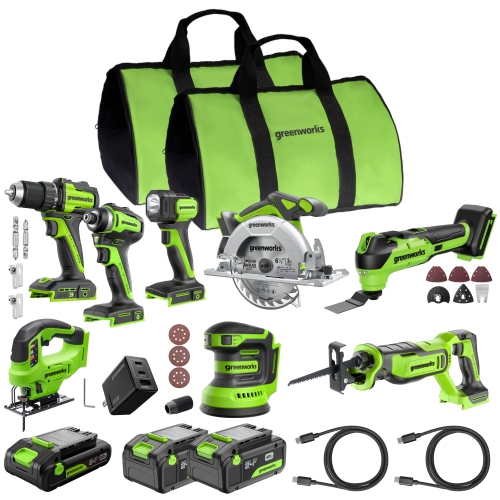 Your price for this item is $799.99
-
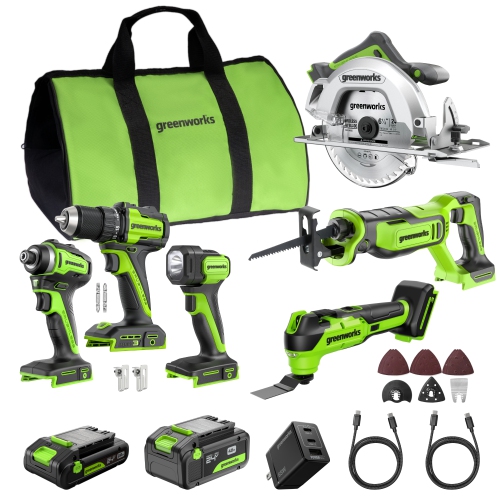 Your price for this item is $589.99
-
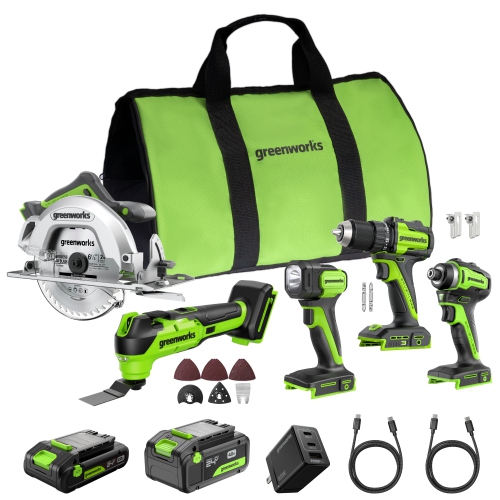 Your price for this item is $529.99
-
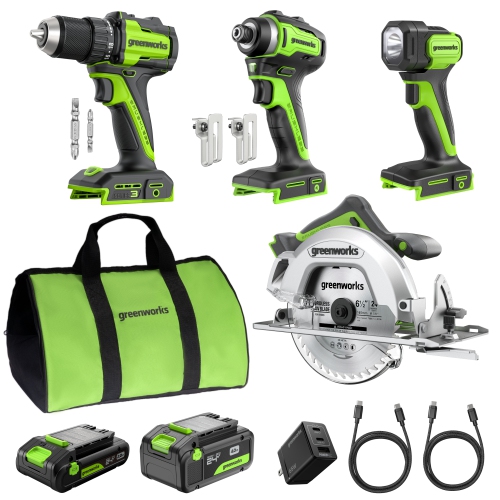 Your price for this item is $399.99
-
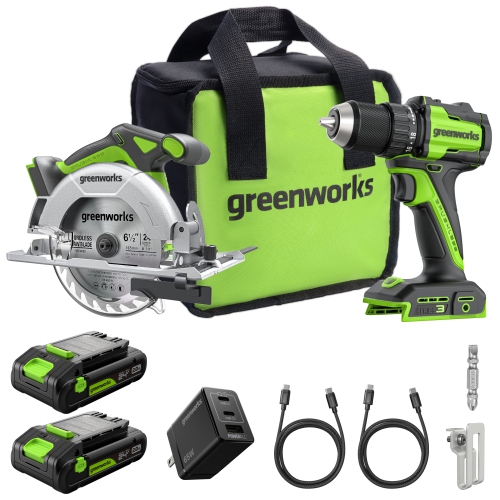 Your price for this item is $329.99
-
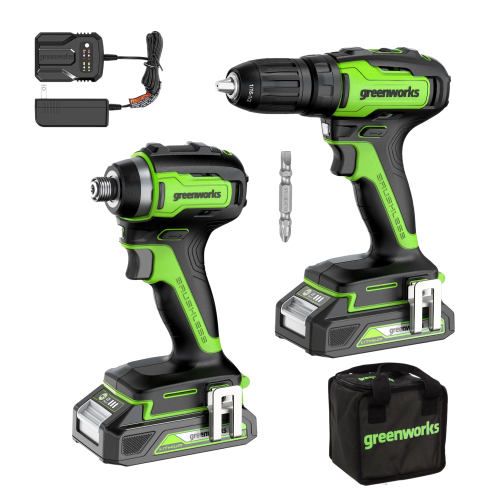 Your price for this item is $199.99
-
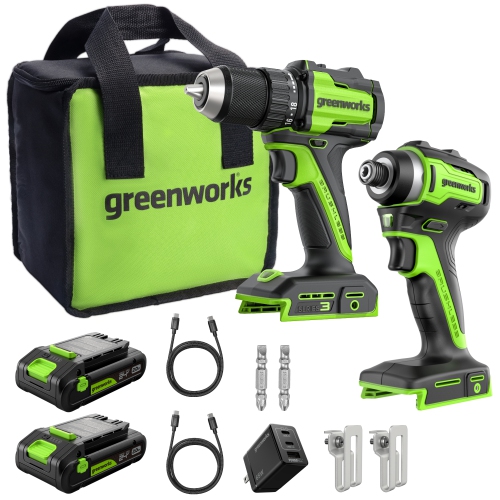 Your price for this item is $255.99
Discover more categories related to Dewalt Impact
Top Collections:
Best Black Friday Deals This Year, Best Black Friday Deals On Electronics, Kindle Devices, Pokemon Centers, Best Black Friday Deals On Apple Products, Best Cameras for Sports Photography, Dyson Airwrap, Pokémon 30th Celebration Cards, Apple iPhone 17 Pro, Canon G7X Cameras
Some products may be subject to Environmental Handling Fees
(EHF) depending on your province.
Learn more about EHFs.