Laser Engravers
Discover the precision and versatility of a laser engraver for your creative projects, business needs, or personalized gifts. Whether you're looking to customize materials like wood, metal, acrylic, or glass, a laser engraver offers endless possibilities for detailed designs and professional results. Explore a wide selection of options to find the perfect tool that matches your crafting ambitions and workflow requirements. Unlock new levels of creativity and efficiency with the right laser engraver for your home or workspace.
Sort


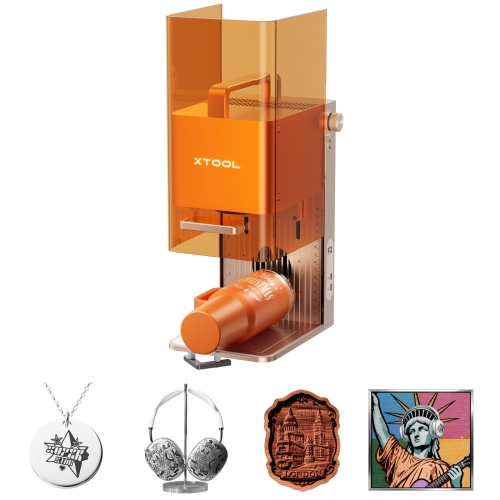
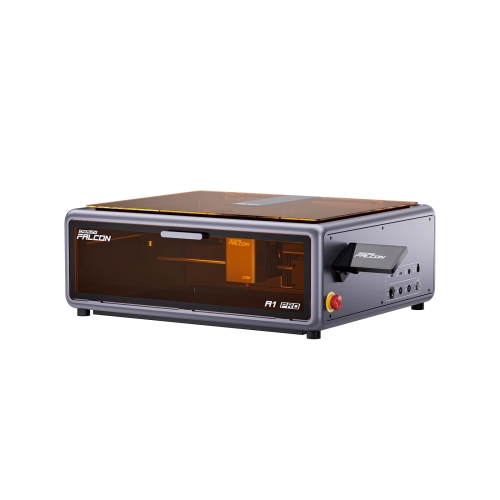


How laser type shapes what you can engrave
Laser engravers use a focused beam of light to create text, images, and patterns on a material’s surface. Depending on the laser source and the material, that beam may remove a thin layer, change the surface colour, or leave a deeper impression. Some machines also cut compatible materials, making them useful for projects that combine shaped components with detailed artwork. Engraving and cutting are different capabilities, however, and a machine suited to lettering on wood will not necessarily cut thick boards or engrave bare steel. Diode laser engravers are commonly used for wood, paper, cardboard, and certain laser-compatible leathers, with compact designs that can suit a dedicated craft bench. Their performance on acrylic depends heavily on its colour and composition; clear acrylic generally does not absorb the blue light used by typical diode lasers effectively. CO2 laser engravers are well suited to many non-metal materials, including compatible wood, acrylic, and leather, and can produce surface marks on some glass. Glass engraving is not the same as glass cutting, and results depend on the glass composition and the machine’s supported process. Fibre lasers are commonly used for marking and engraving metals such as stainless steel, aluminium, and brass. Compact infrared laser modules can also mark certain metals and plastics, but their capabilities vary, and an infrared label alone does not guarantee deep metal engraving. For shoppers comparing Engraving Machines, the most useful distinction is the match between the machine’s laser technology and the materials it is designed to process. A maker adding handwritten messages to wooden keepsakes has different requirements from a workshop producing metal identification plates. Material compatibility, usable working area, and the depth of the intended mark provide a clearer picture of suitability than a power figure on its own. Even within one material type, grain, coatings, pigments, and thickness can change the finished result, so a manufacturer’s compatibility information matters as much as the project idea.
The physical fit of a laser engraver involves more than its footprint on a table. Its working area determines the size of the design it can process in one setup, while height clearance affects whether thicker objects or supported accessories will fit beneath the laser head. A small engraving area may be sufficient for labels and jewellery components, whereas larger signs and repeated layouts need more space. Cylindrical objects require a compatible rotary attachment and enough clearance for the object to turn without obstruction; that capability should not be assumed from the machine’s dimensions alone. Around the machine, there also needs to be room for loading materials, opening an enclosure, routing extraction ducting, and carrying out routine cleaning. A stable bench helps keep the workpiece secure, particularly when a design includes fine lettering or closely spaced lines. Optical output power is another important specification because it describes the laser’s output rather than the machine’s total electrical consumption. Higher output can support faster processing or cutting thicker compatible materials, but it does not automatically produce finer detail. Focus, beam characteristics, motion accuracy, material preparation, and settings all influence sharpness. A photograph engraved into pale wood relies on controlled tonal variation, while a set of matching nameplates depends on repeatable positioning and consistent lettering. Features such as positioning previews, cameras, adjustable focus, and alignment aids can simplify those tasks, although their usefulness depends on how accurately they work with the machine and software. Software compatibility also shapes everyday use. Supported file formats, operating system requirements, connection options, and tools for arranging repeated designs can make a meaningful difference when moving from an occasional craft project to a batch of matching pieces. Raster artwork is typically processed as an image, while vector paths can define outlines and cutting routes where supported. Clear controls and accessible documentation are especially helpful for someone learning how artwork, focus, speed, and power affect the finished surface.
Laser engravers can appeal to hobbyists, model makers, artists, and small-business owners who want to add repeatable detail to their work. They can also make a thoughtful gift for an experienced crafter, provided the recipient has an appropriate workspace and an interest in learning the machine’s operation. A set of wooden place cards, a personalised storage box, or neatly marked workshop components shows how the same technology can serve both creative and practical purposes. The finished appearance starts with the blank material: flat, consistently prepared surfaces tend to be easier to position and focus than warped boards or uneven pieces. Wood grain can give an engraving character, but it can also create variation in darkness, and resin pockets may affect the mark. Acrylic can produce crisp results with a suitable laser, while metal markings range from surface colour changes to deeper material removal, depending on the source and process. Durability therefore depends on the material, engraving depth, finish, and exposure to handling or abrasion; not every laser mark will wear in the same way. Offcuts or matching sample blanks are useful for checking detail and contrast before processing a finished piece. Safe operation is equally central to ownership. Laser processing can generate smoke, particles, and hazardous fumes, so the workspace needs suitable extraction or filtration specified for the machine and materials. PVC, vinyl containing PVC, and unidentified plastics should not be processed, and coatings, adhesives, and leather treatments need verified compatibility rather than guesswork. An enclosure with appropriate interlocks can help control access to the beam, but it does not replace the manufacturer’s safety procedures, any required wavelength-rated eye protection, or active supervision. A running laser should never be left unattended because materials and accumulated debris can ignite. Keeping the bed clear, cleaning optics only as directed, and maintaining extraction components help support reliable operation. Accessible replacement parts, maintenance instructions, and technical support also matter for long-term ownership. With the right material match and a properly prepared workspace, a laser engraver can become a practical tool for everything from individual keepsakes to consistent, small-batch production.
Top selling and popular products
-
 Your price for this item is $162
-
 Your price for this item is $214.99
-
 Your price for this item is $78.99
-
 Your price for this item is $119.99
-
 Your price for this item is $189.75
-
 Your price for this item is $79.99
-
 Your price for this item is $54.99
-
 Your price for this item is $599.99
Discover more categories related to Laser Engravers
Top Collections:
Pokemon Centers, Best Budget Office Chairs, Kindle Devices, Best Cameras for Sports Photography, Pokémon 30th Celebration Cards, Best Laptops for Writers, Canon G7X Cameras, iPhone 15 Apple, Best Cell Phones Under $300, Apple iPhones 16
Some products may be subject to Environmental Handling Fees
(EHF) depending on your province.
Learn more about EHFs.